Text description provided by the architects
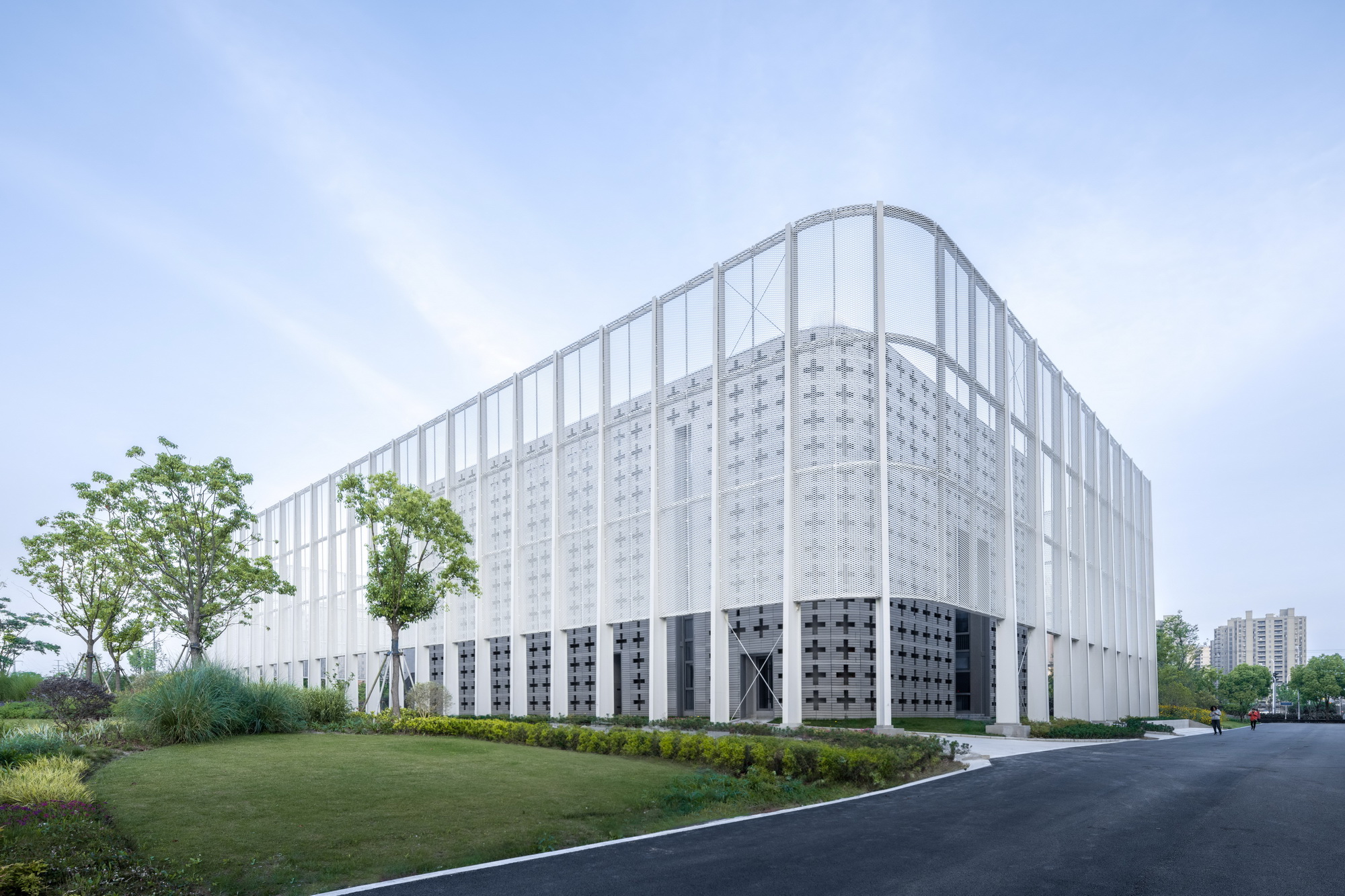
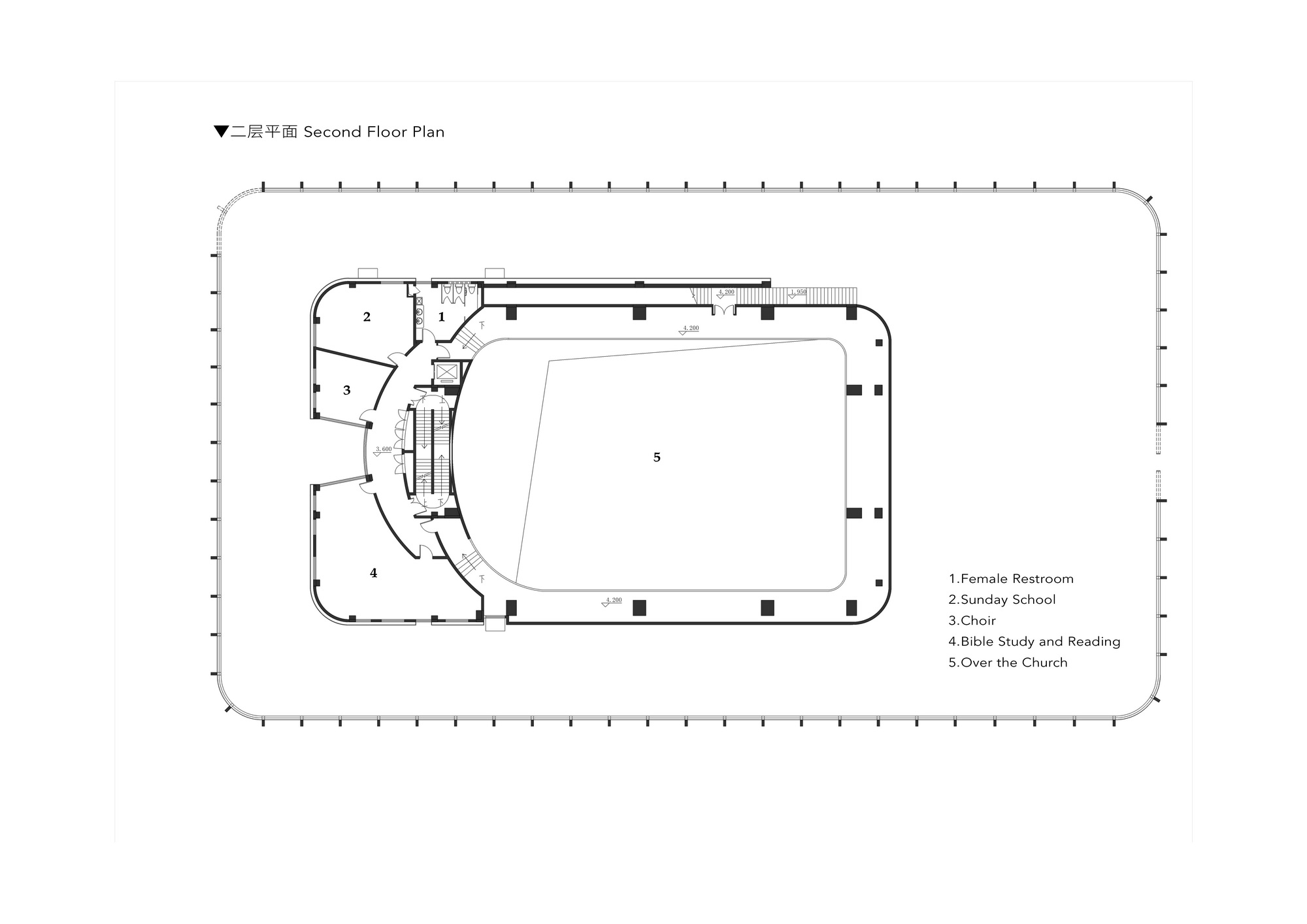
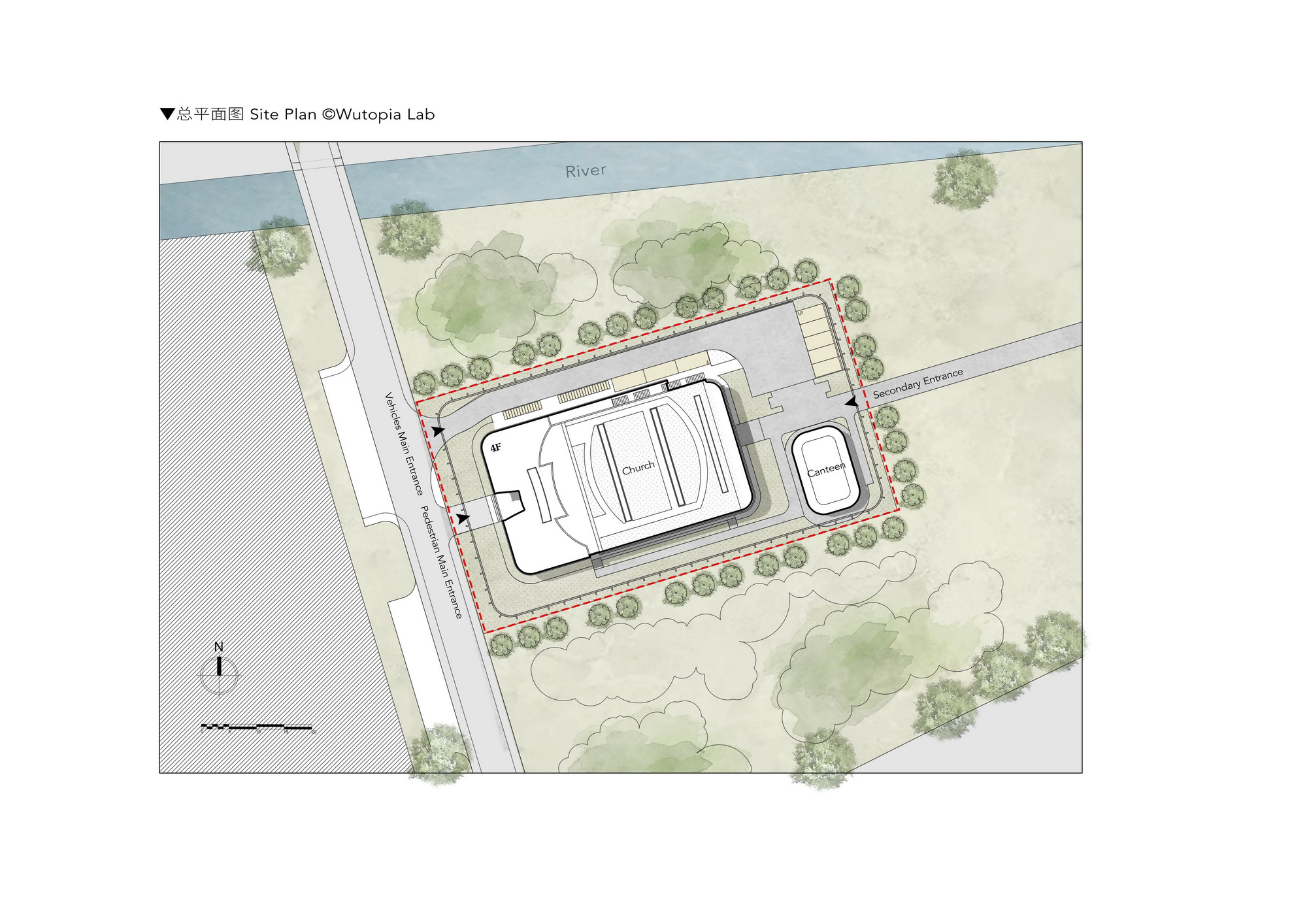
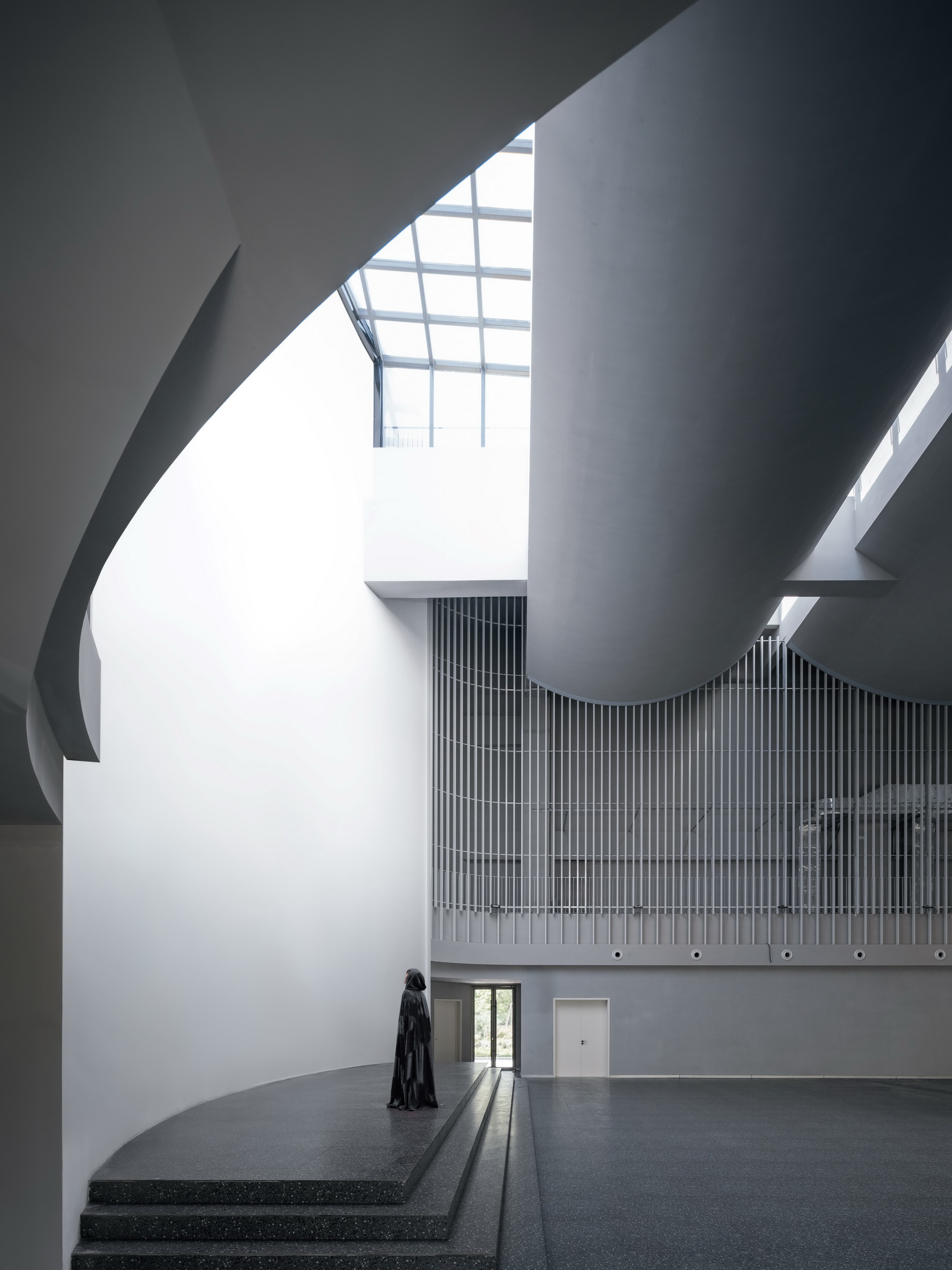
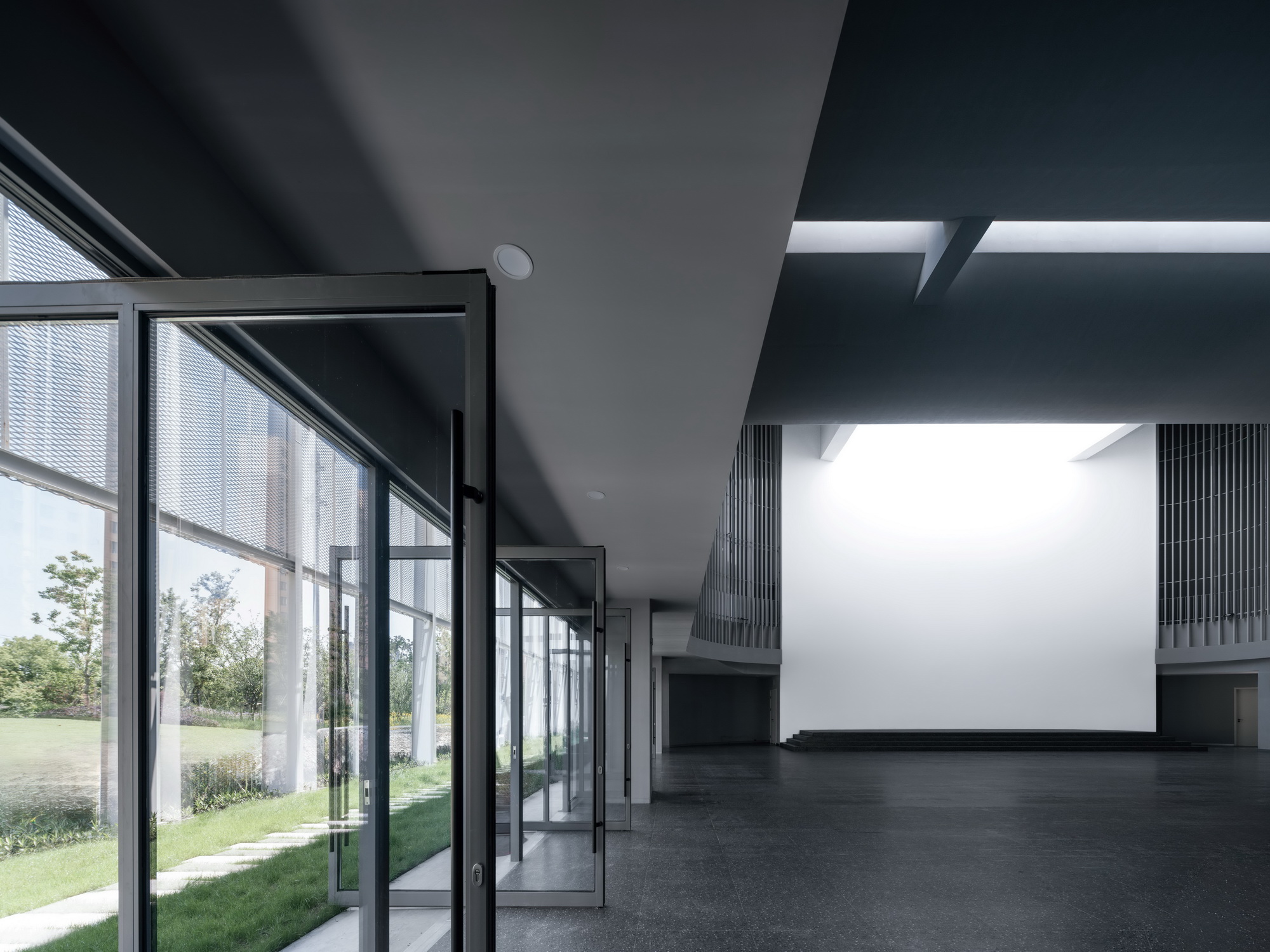
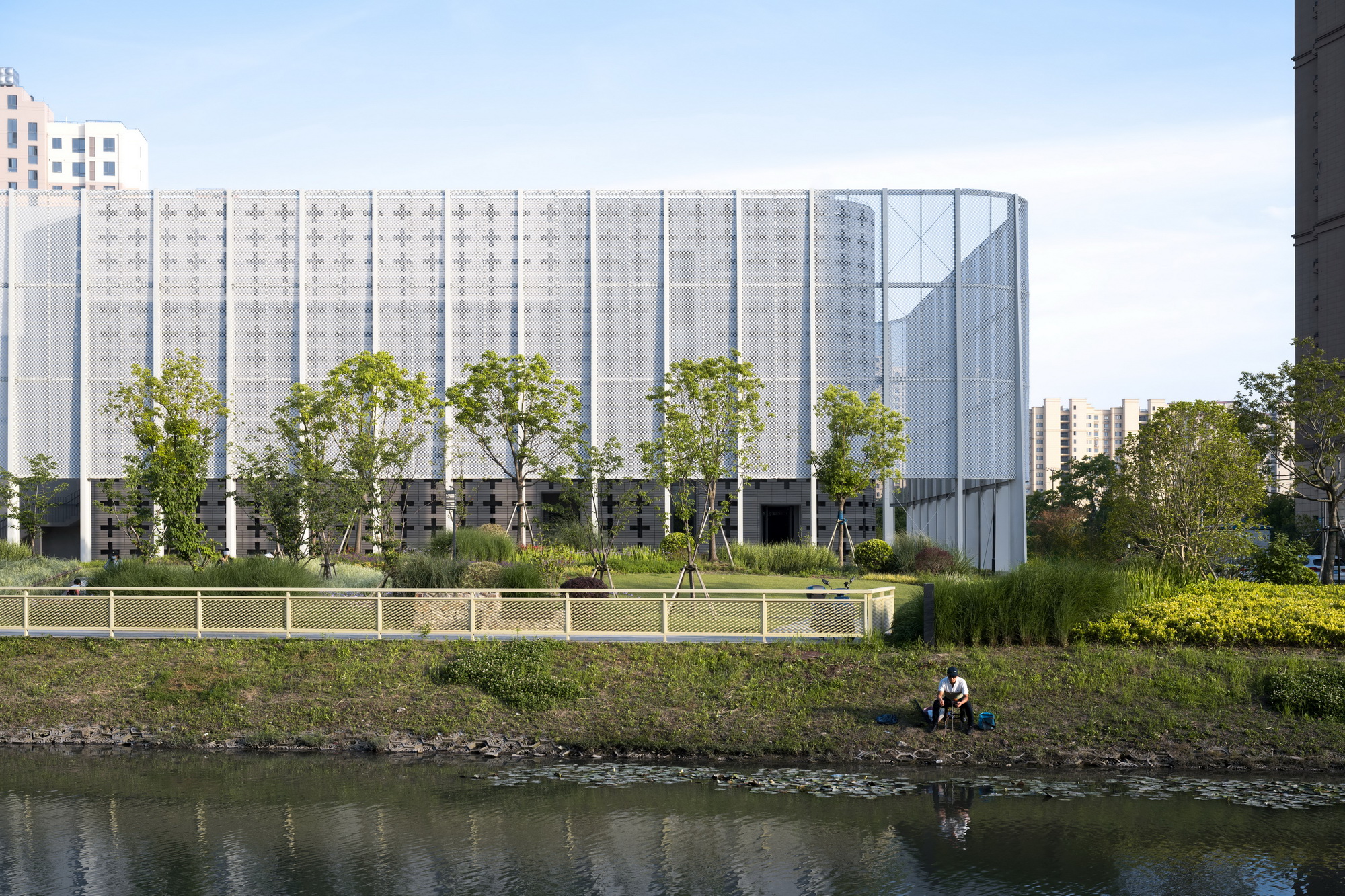
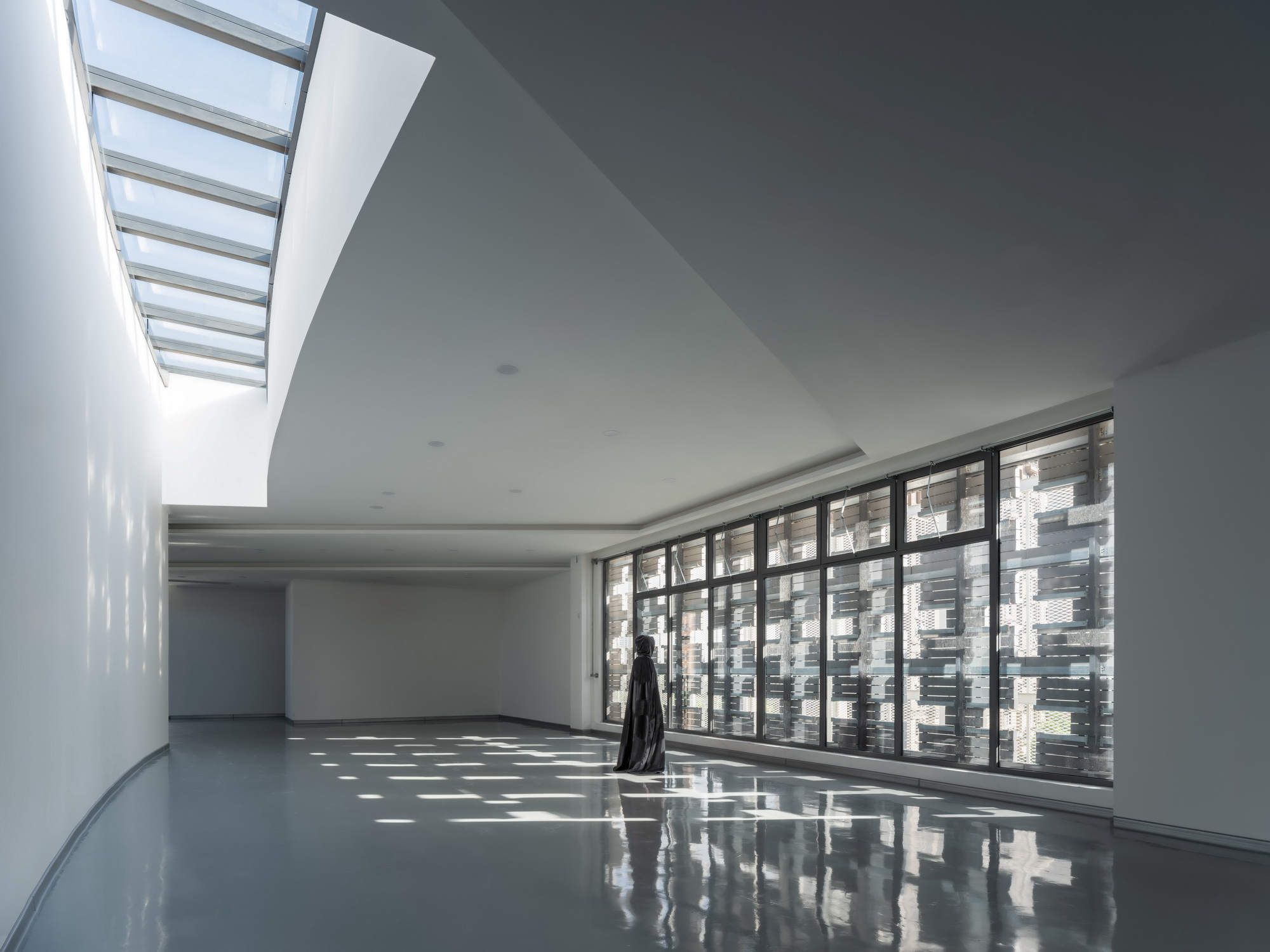
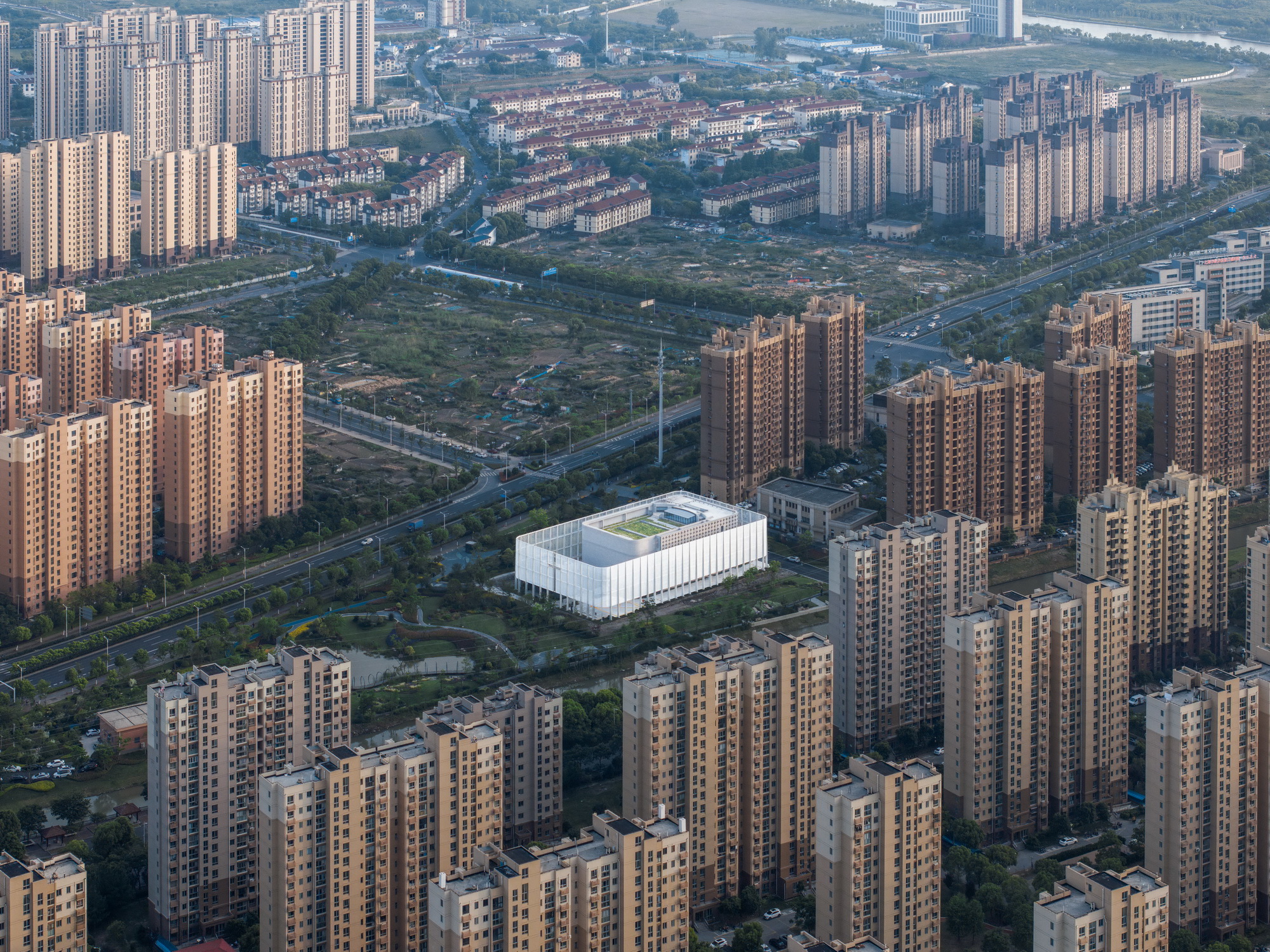
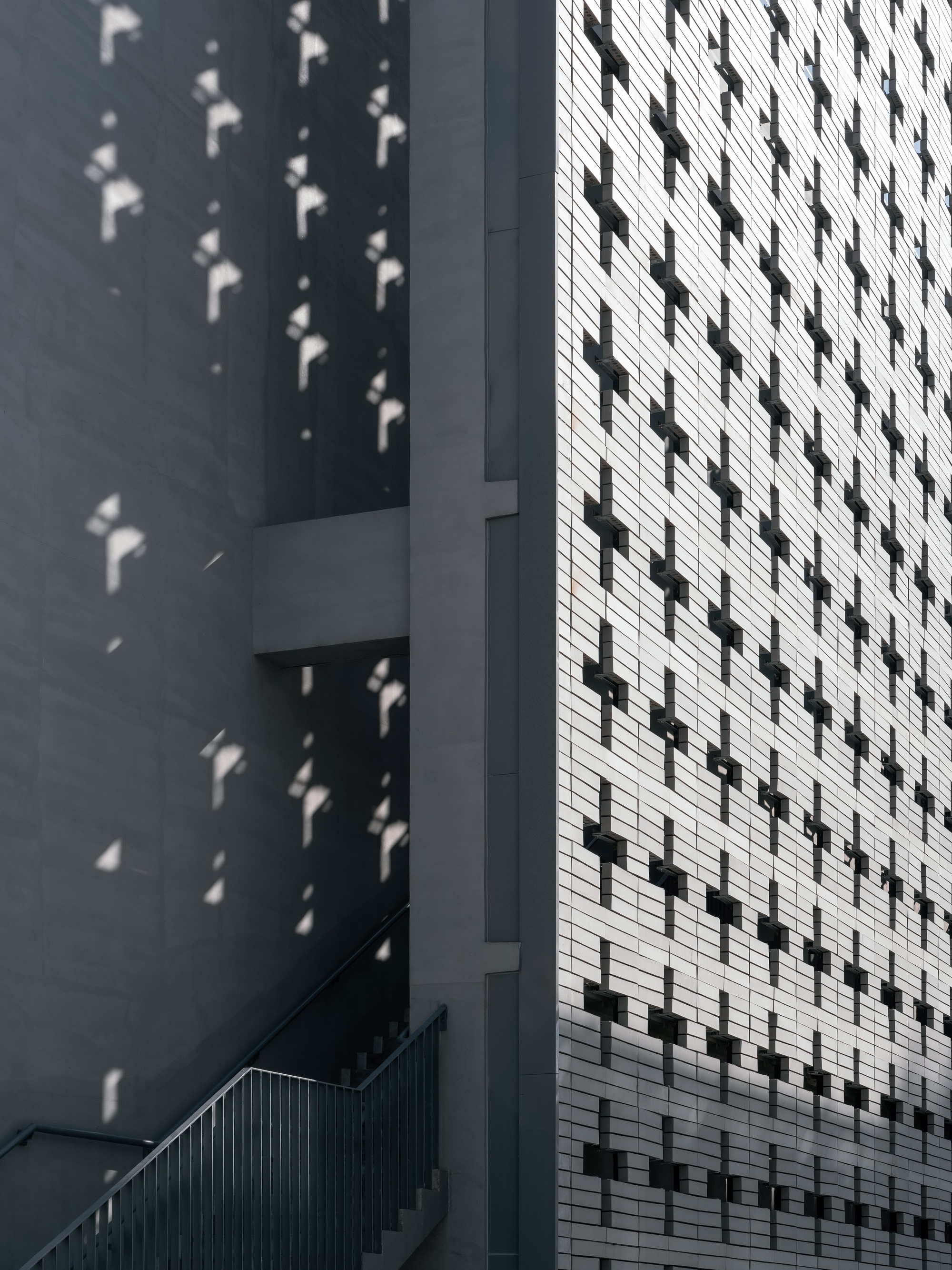
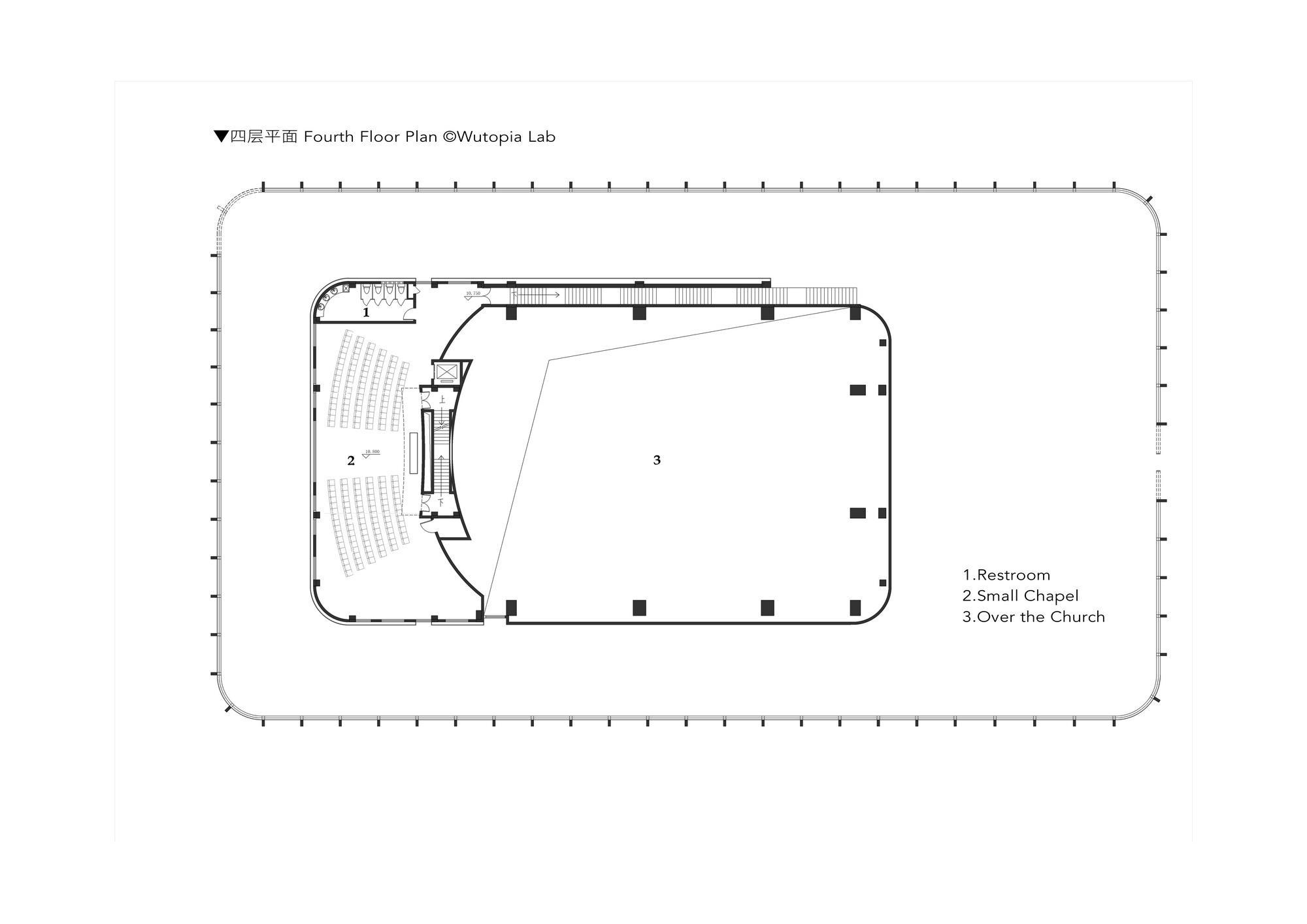
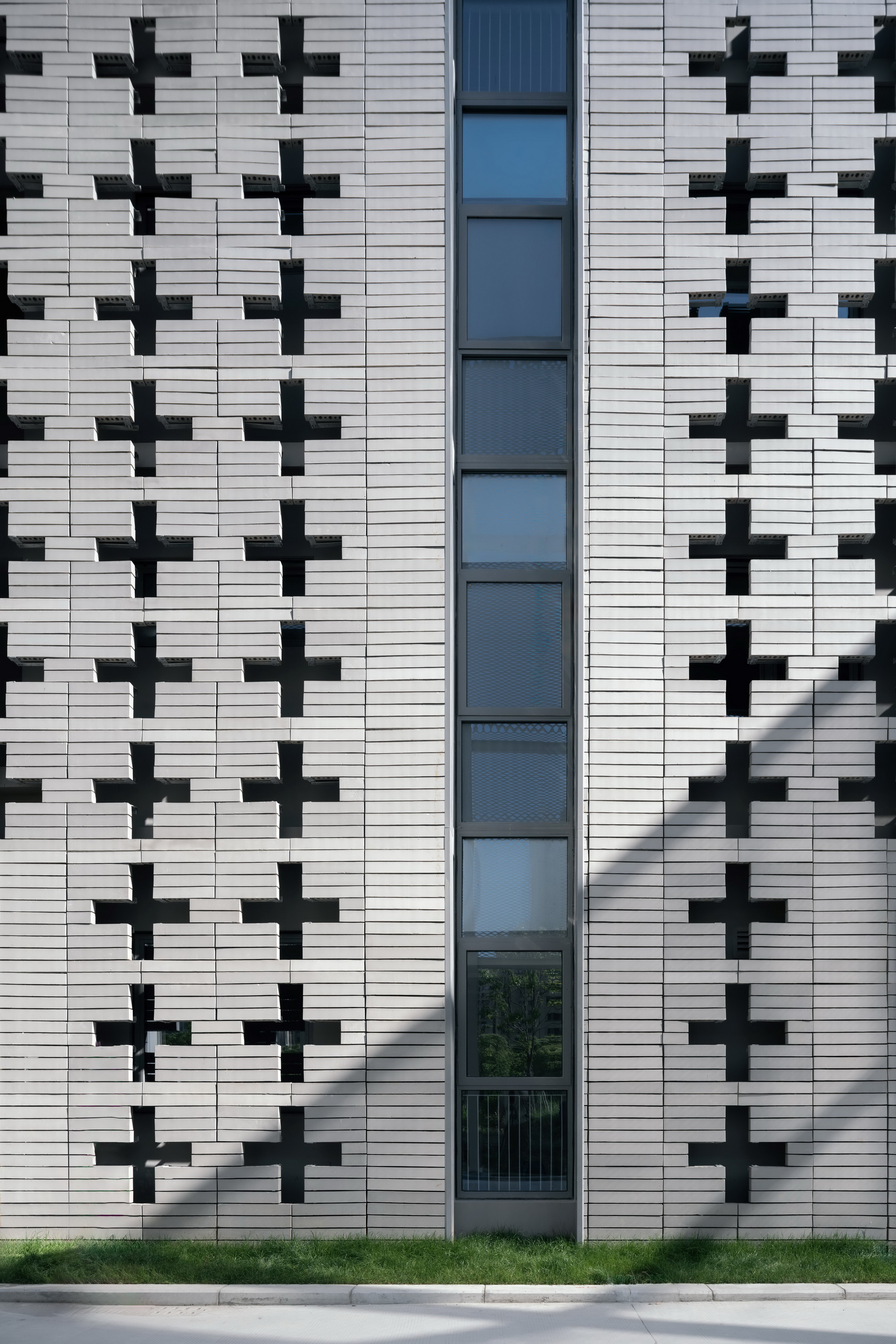
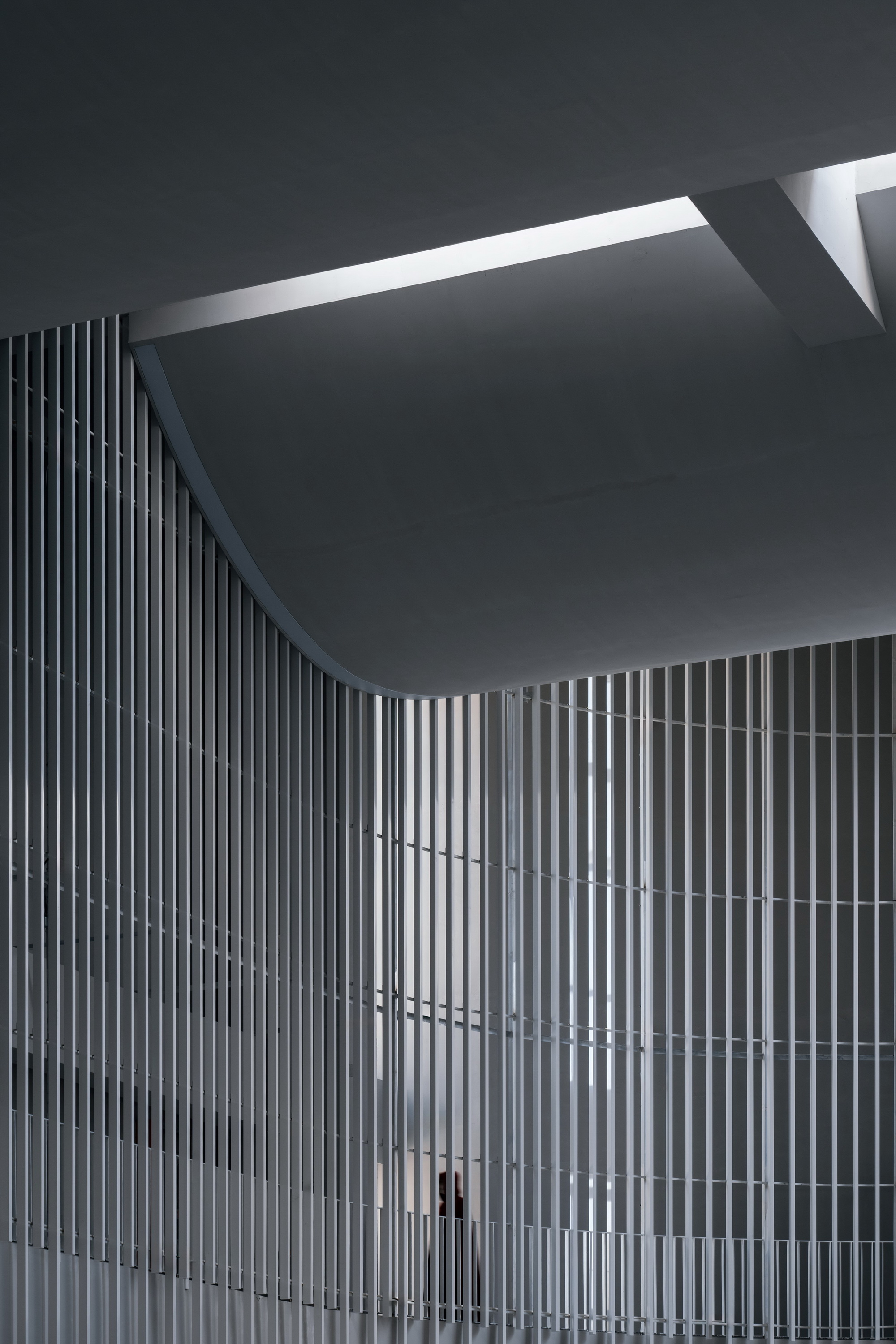
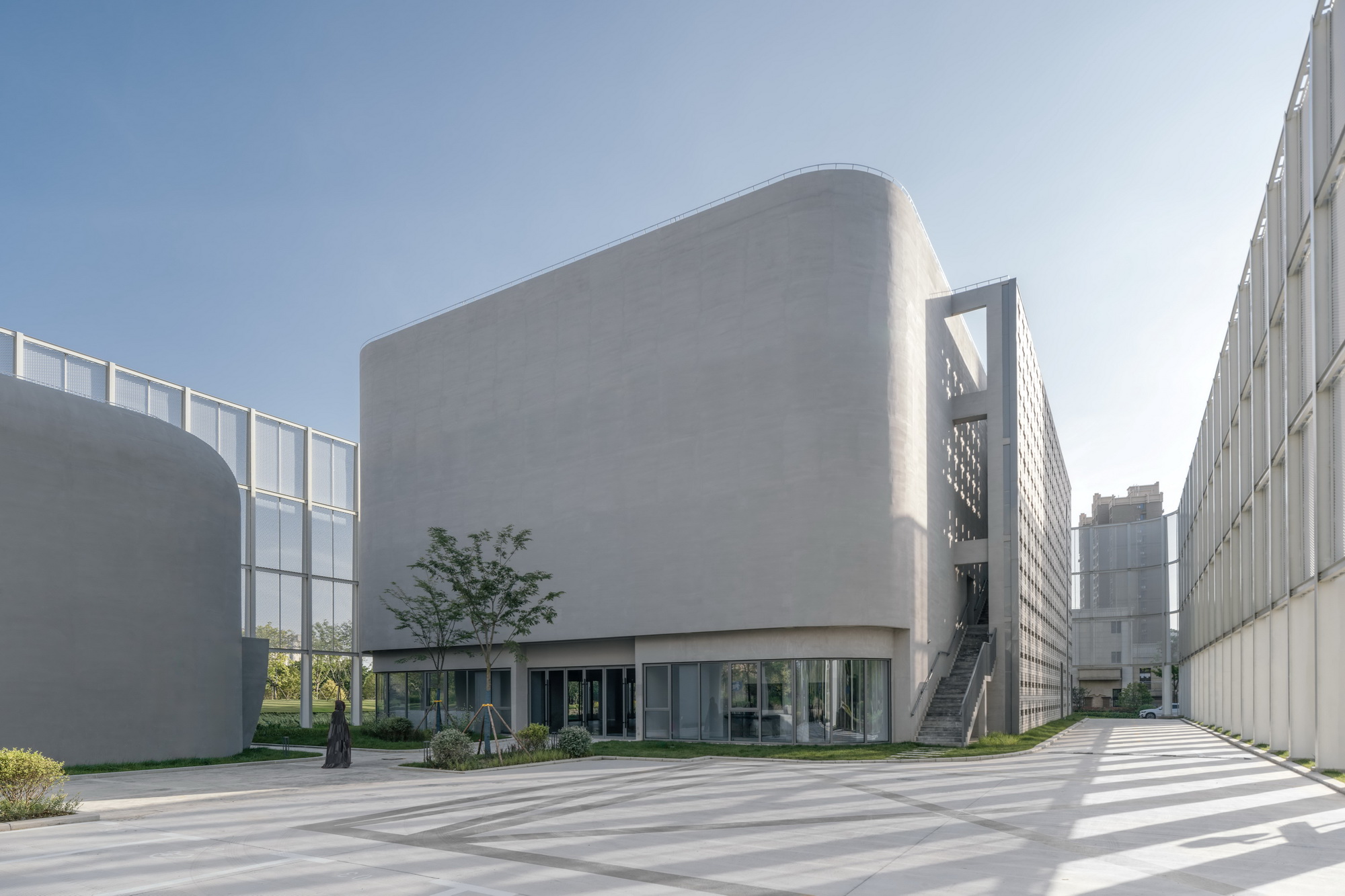
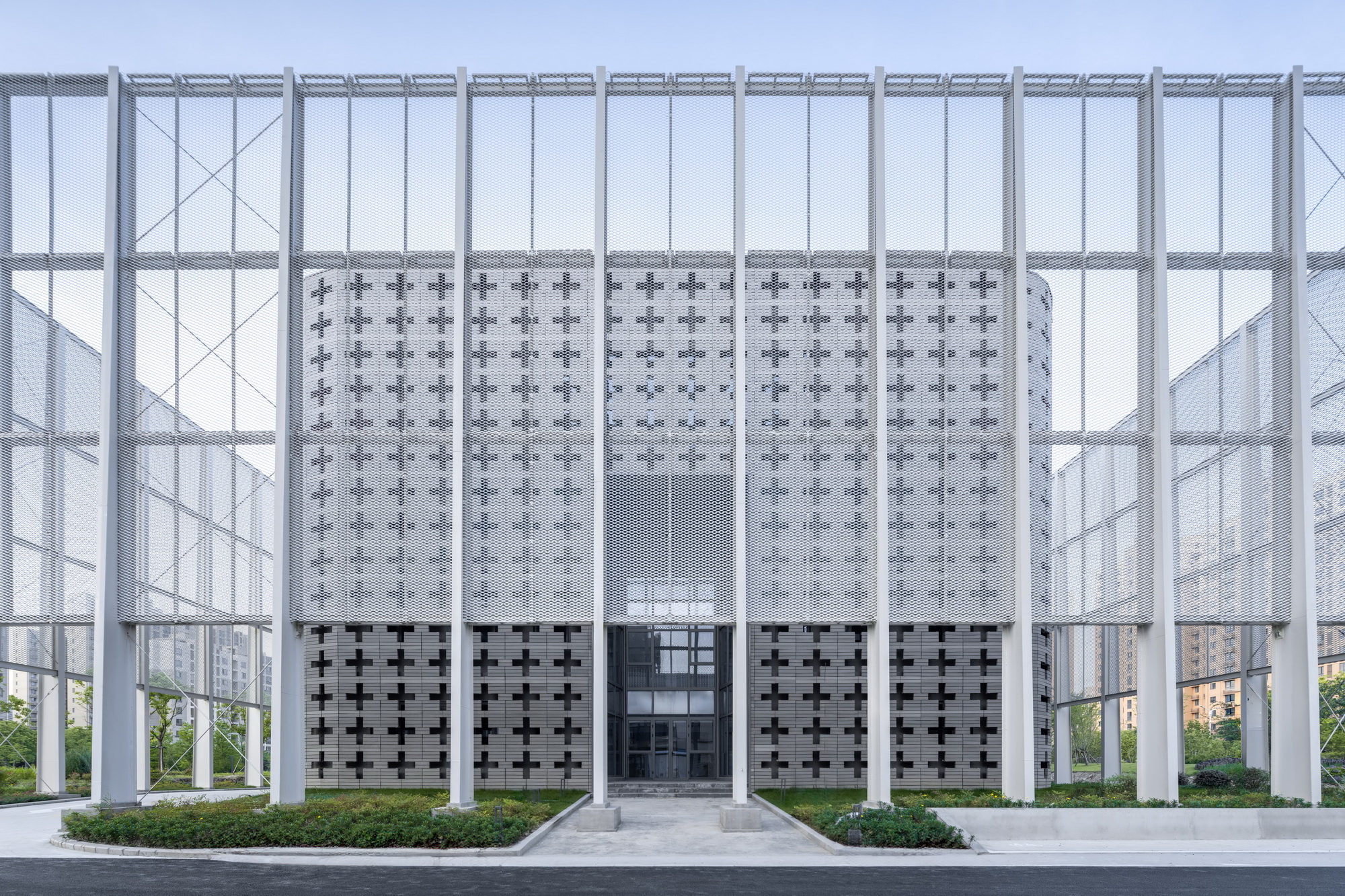
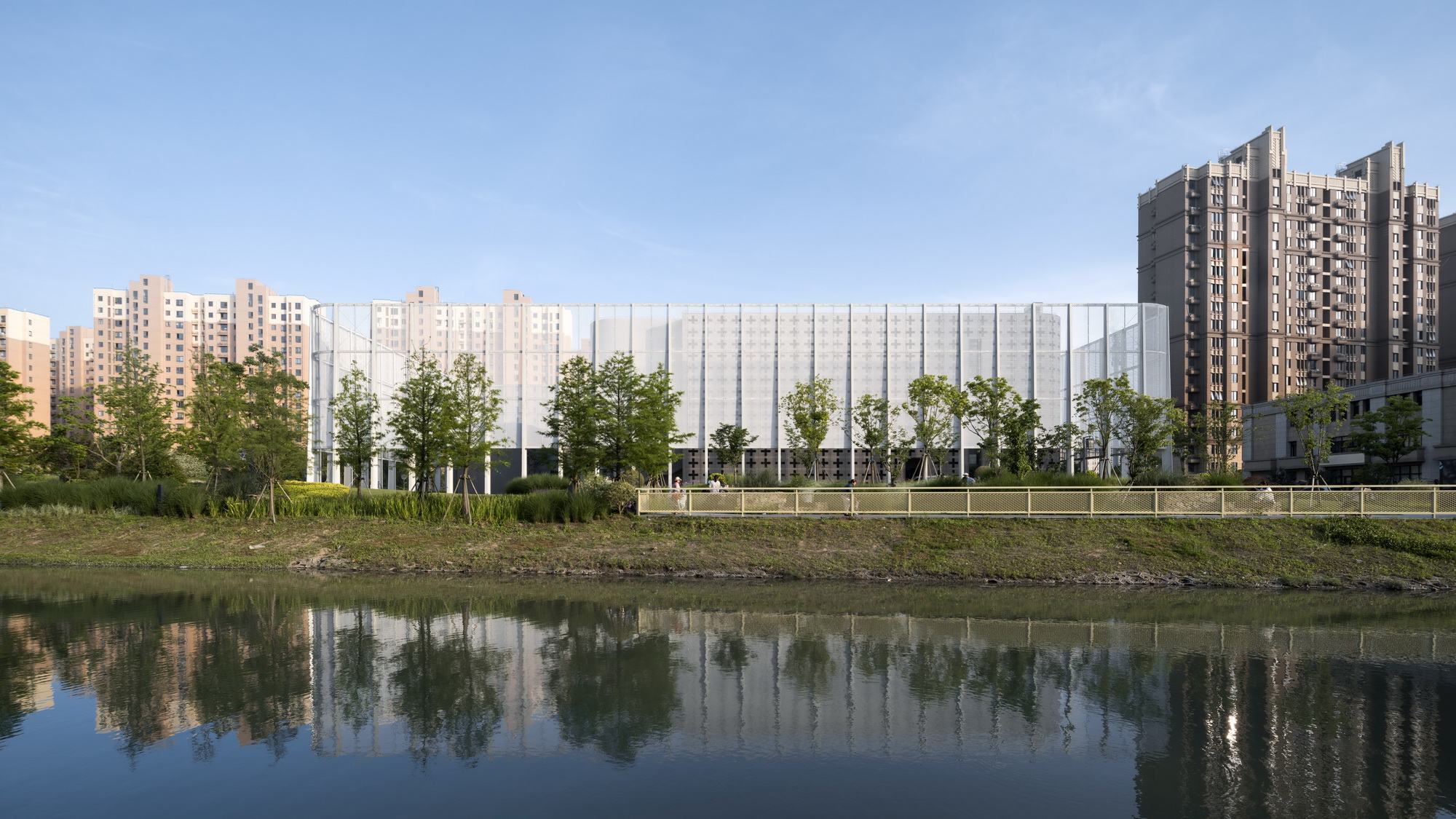
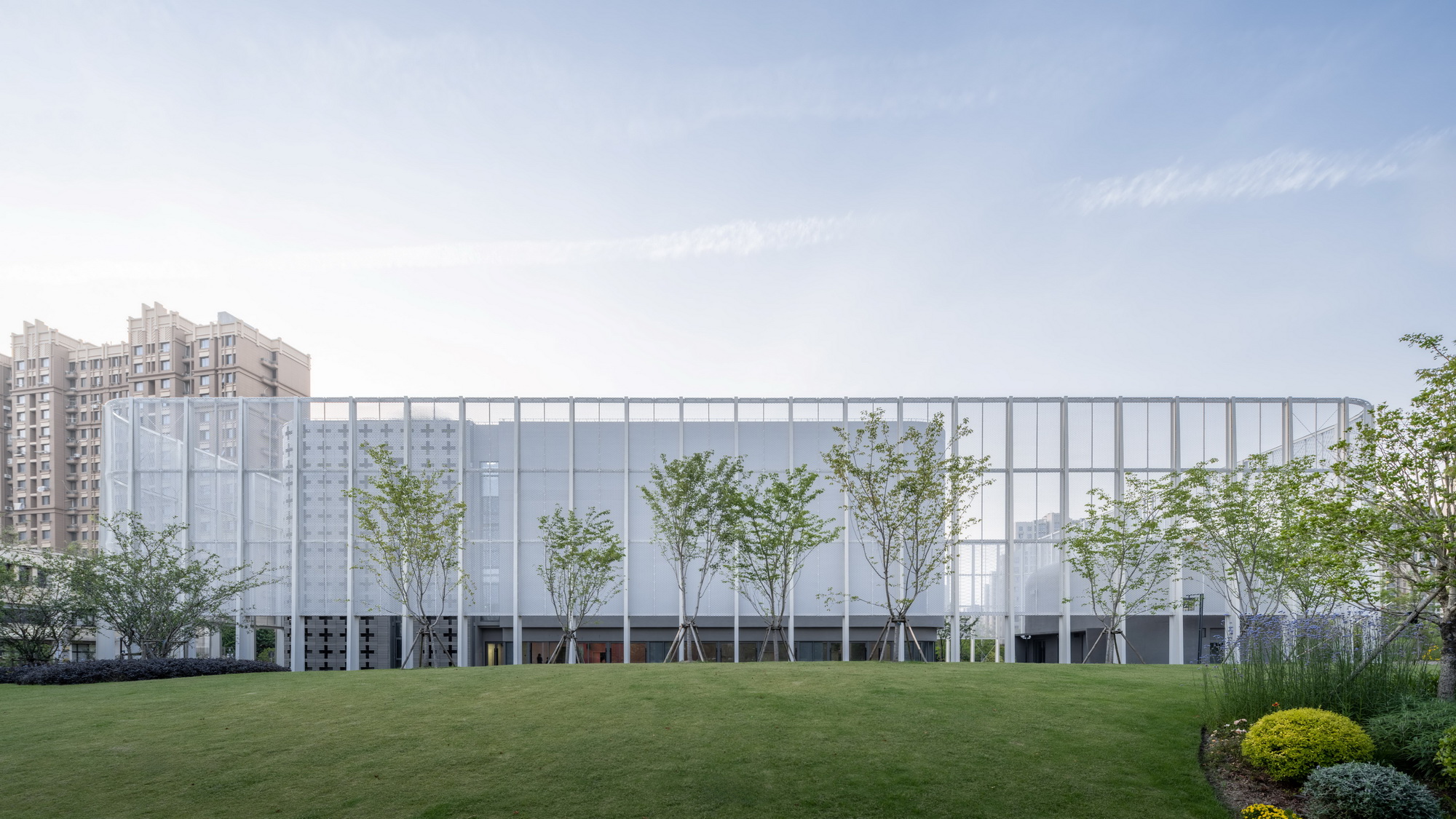
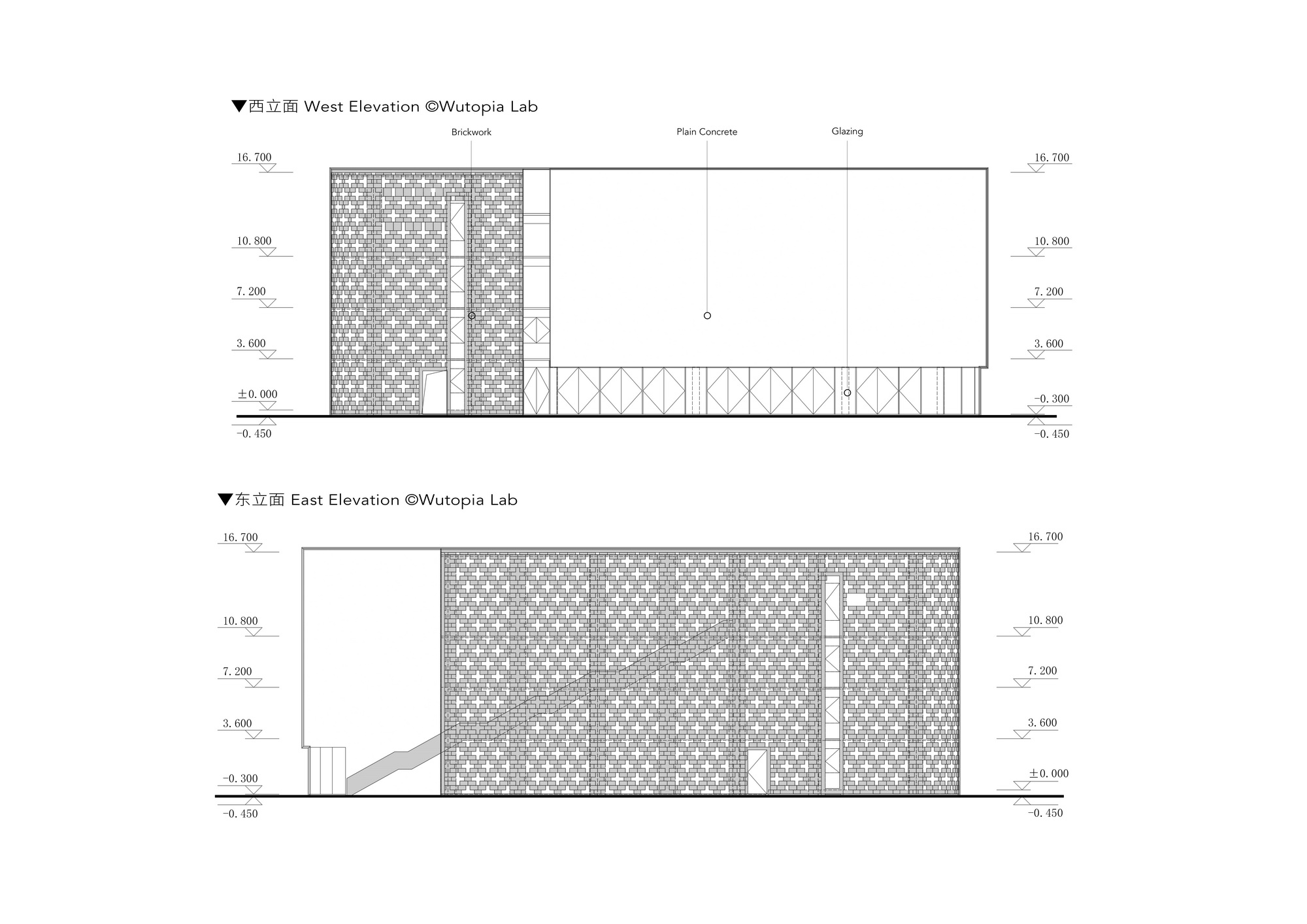
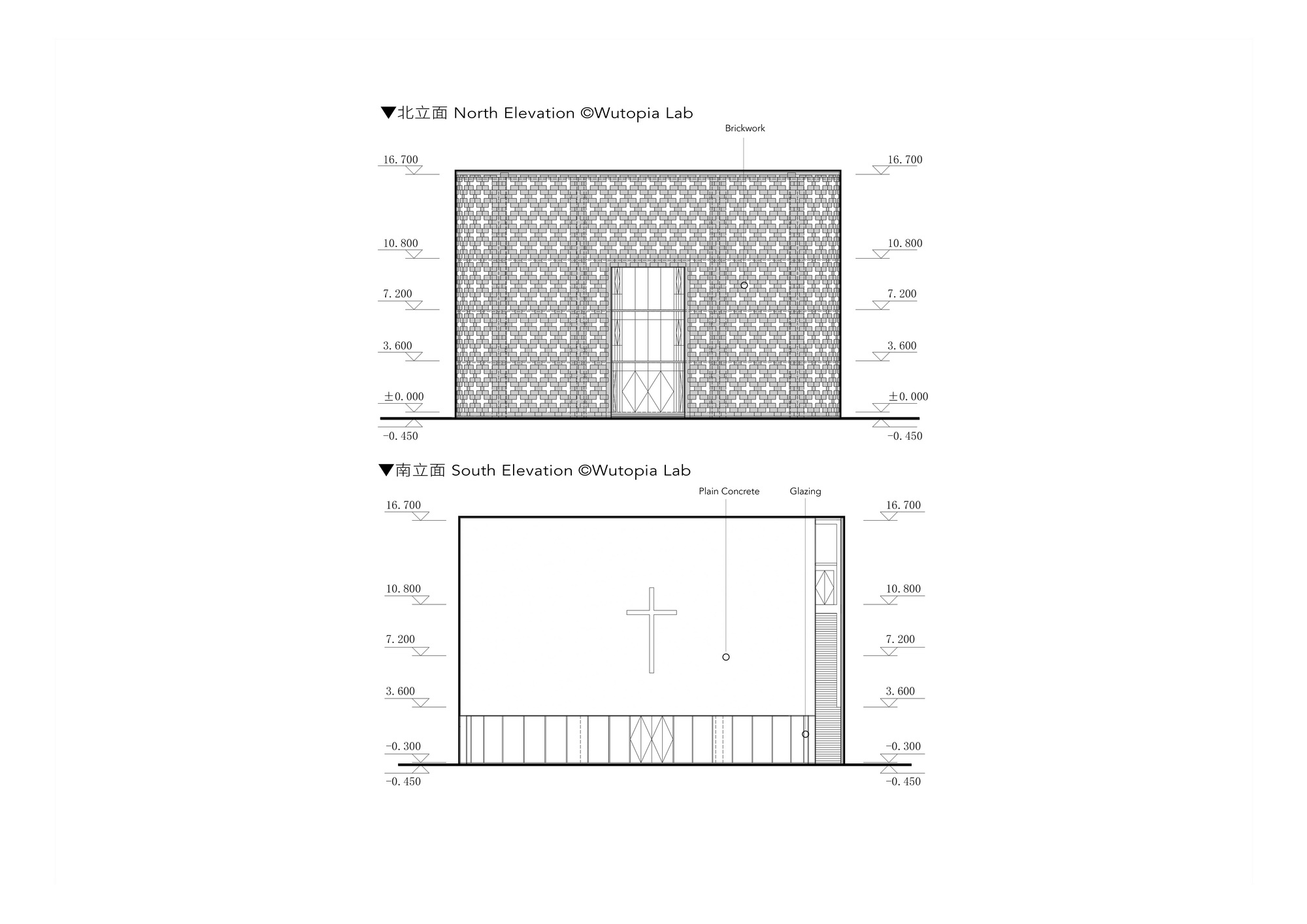
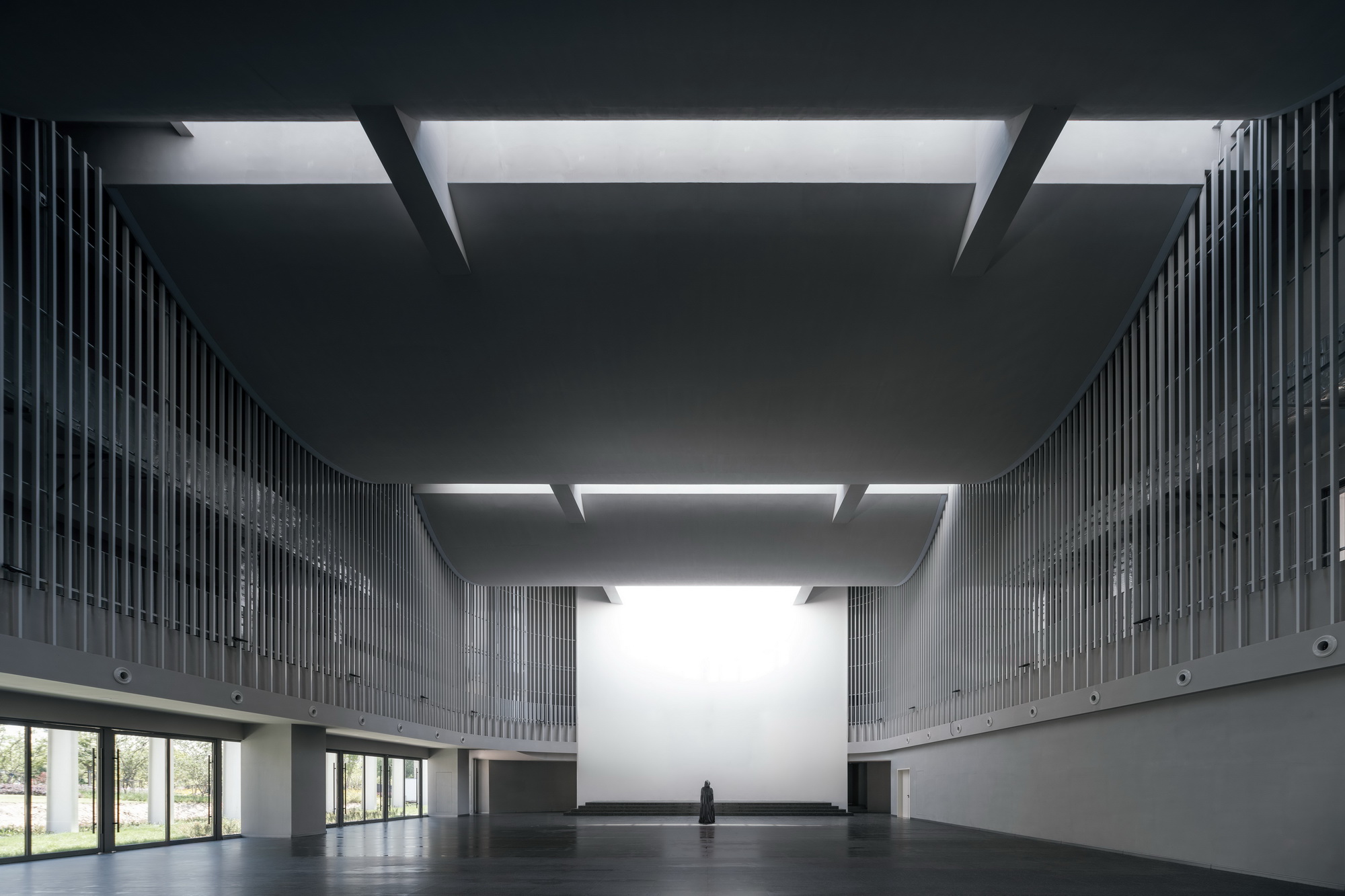
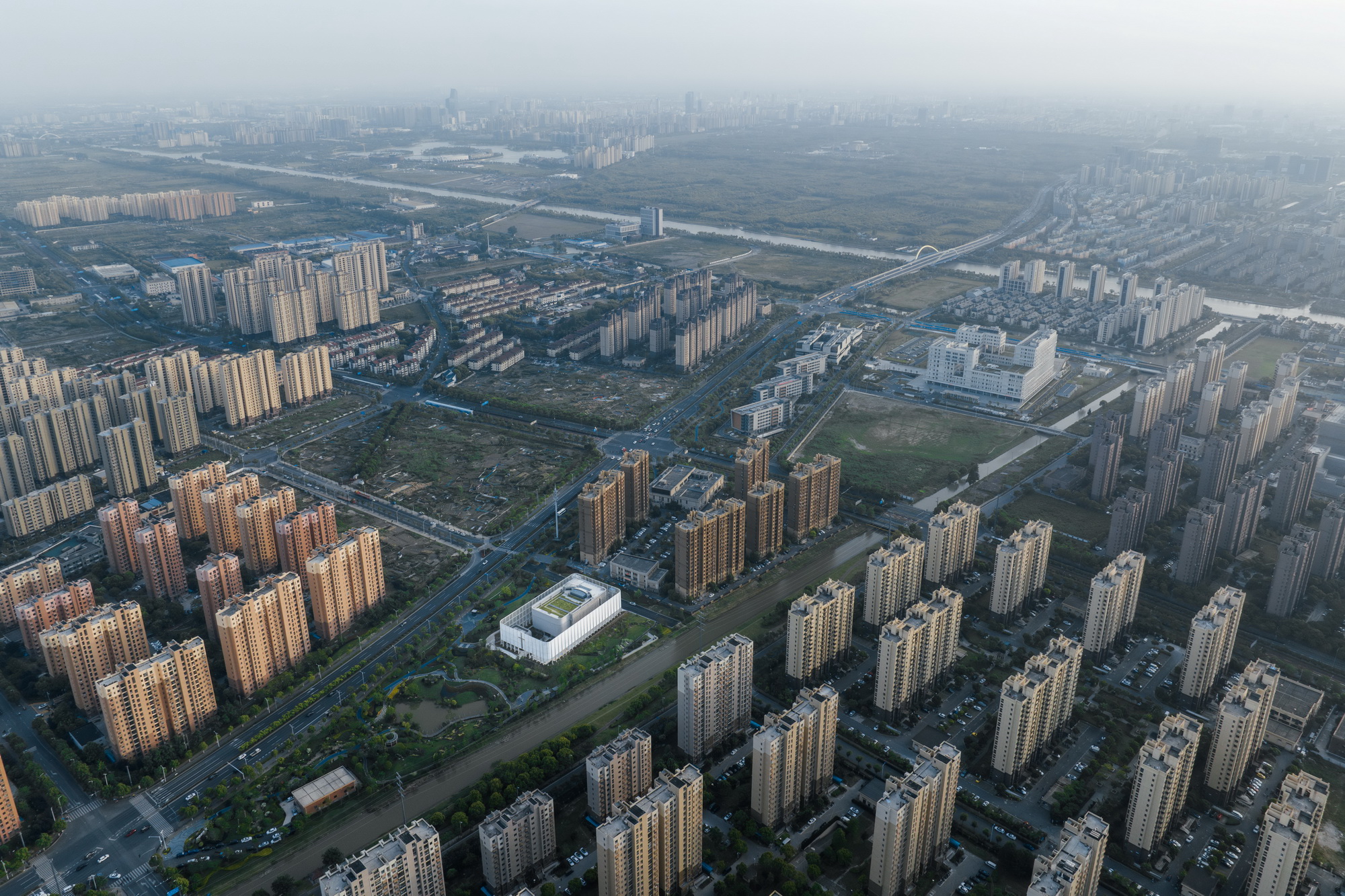
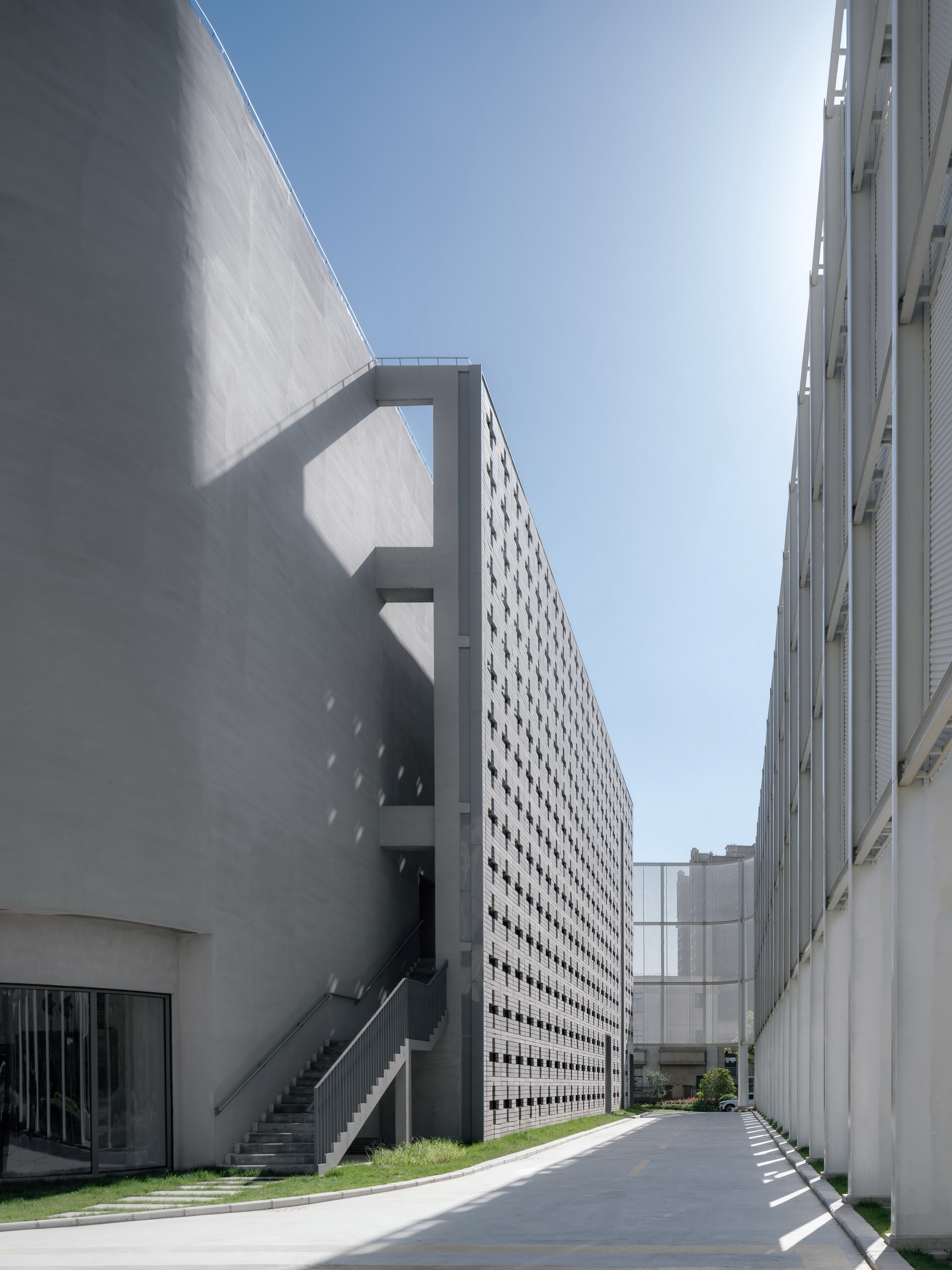
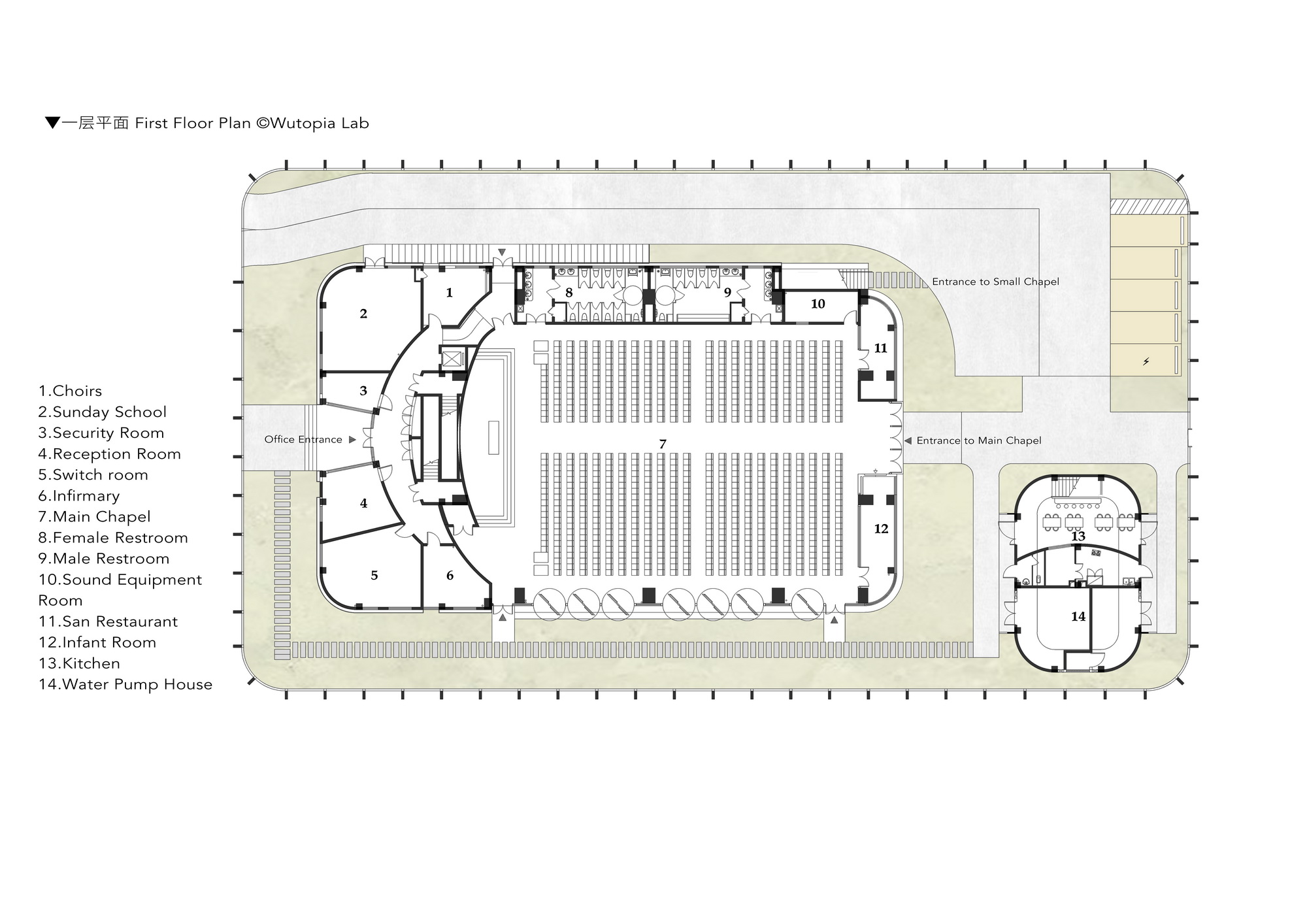
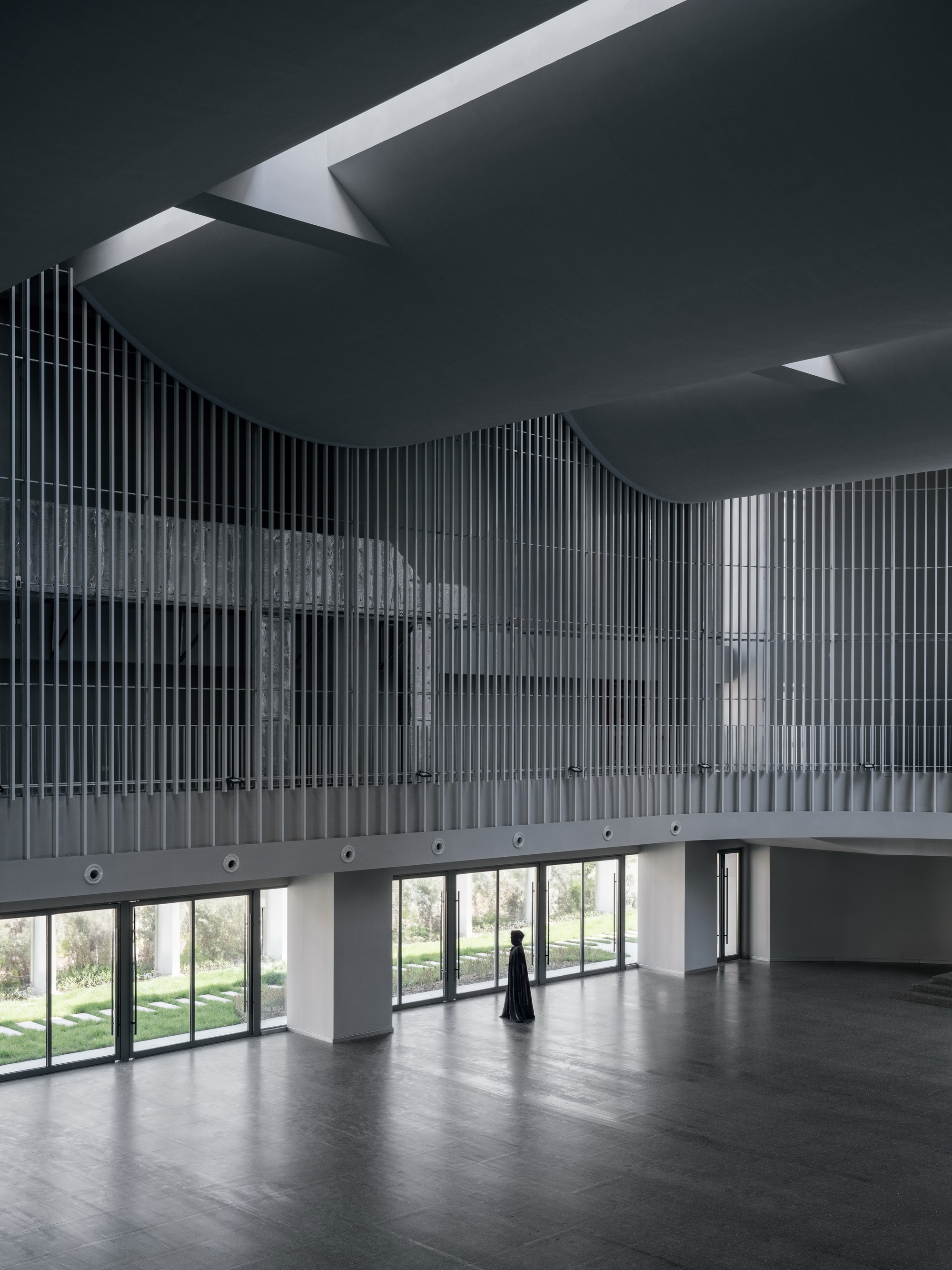
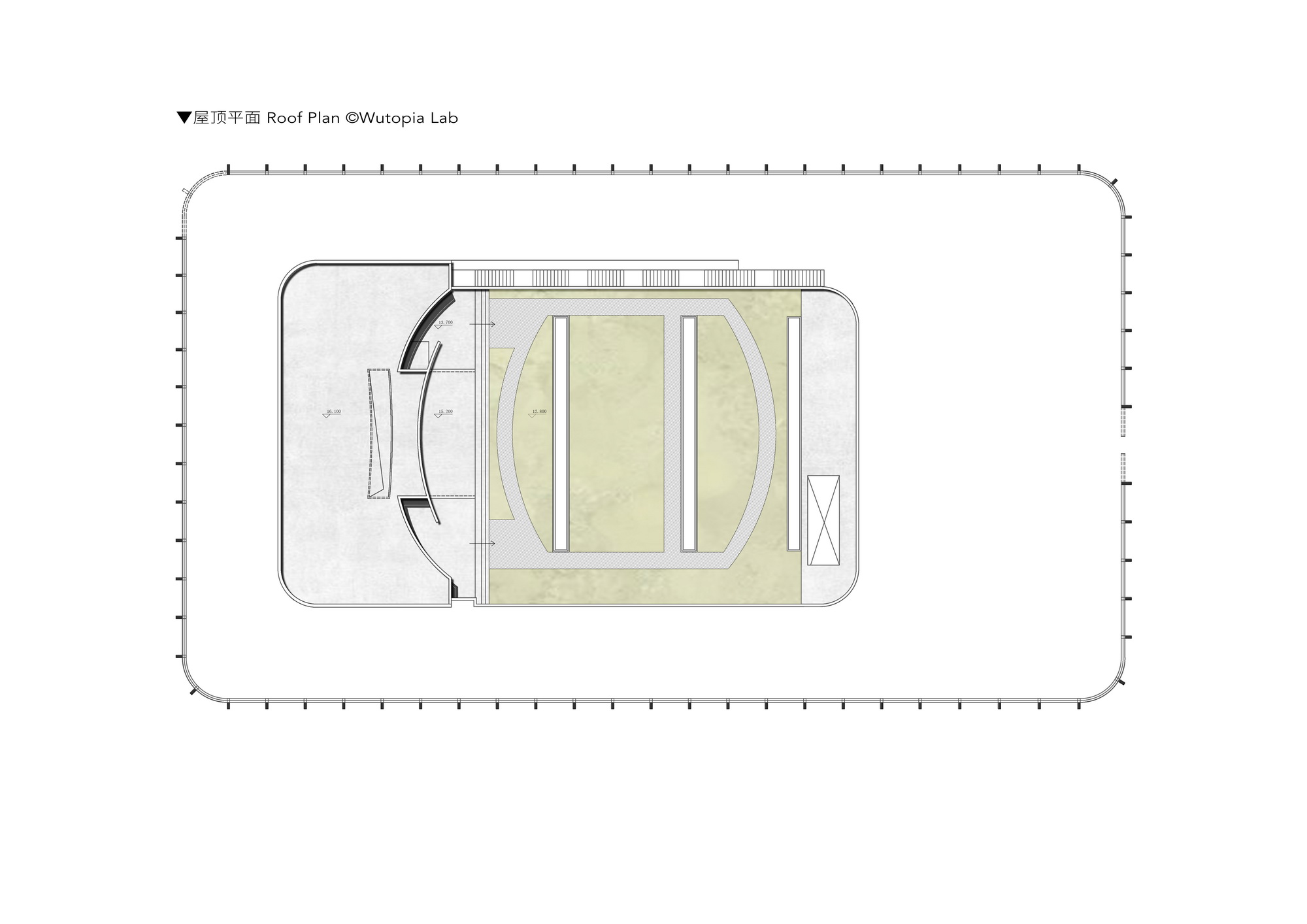
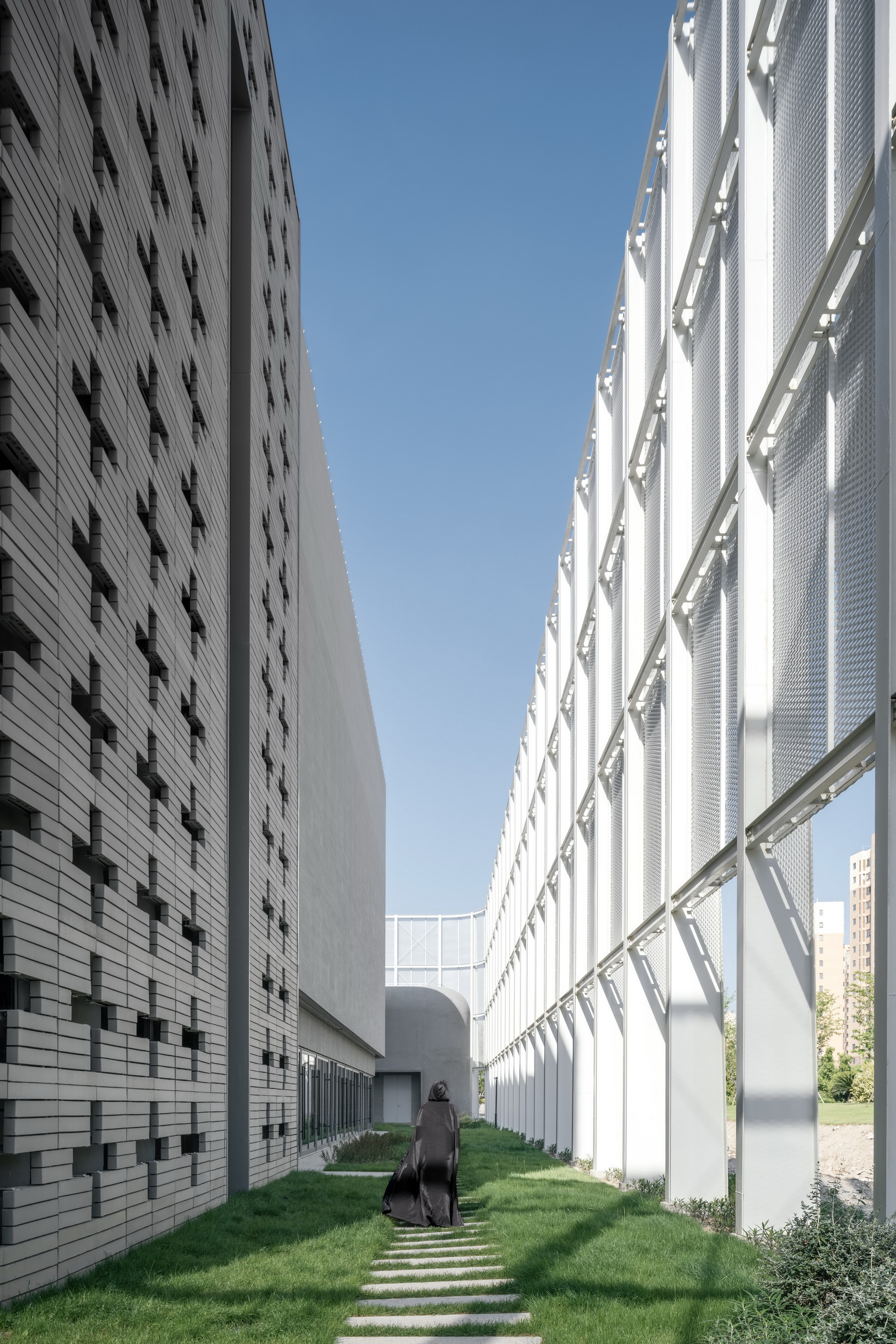
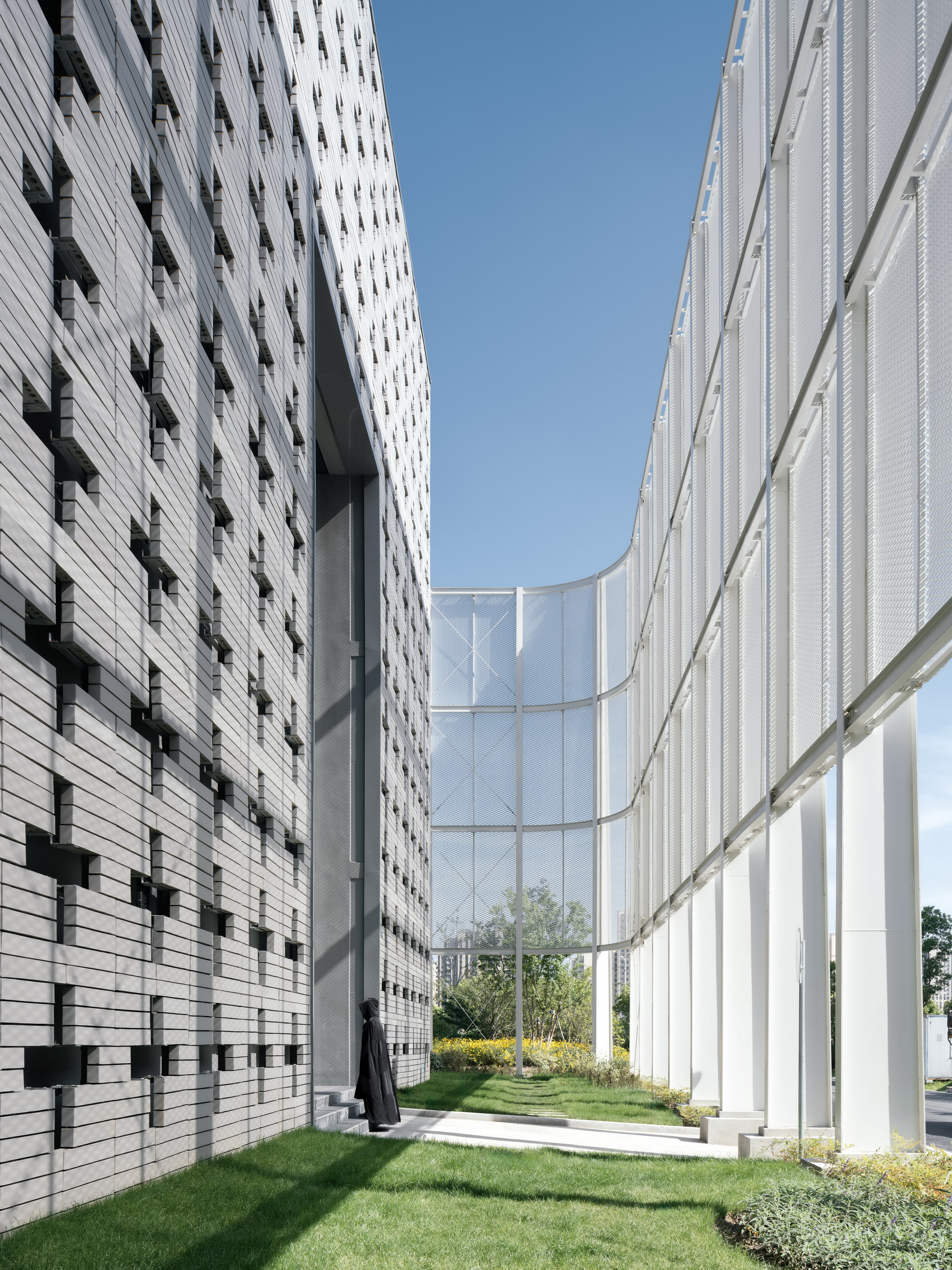
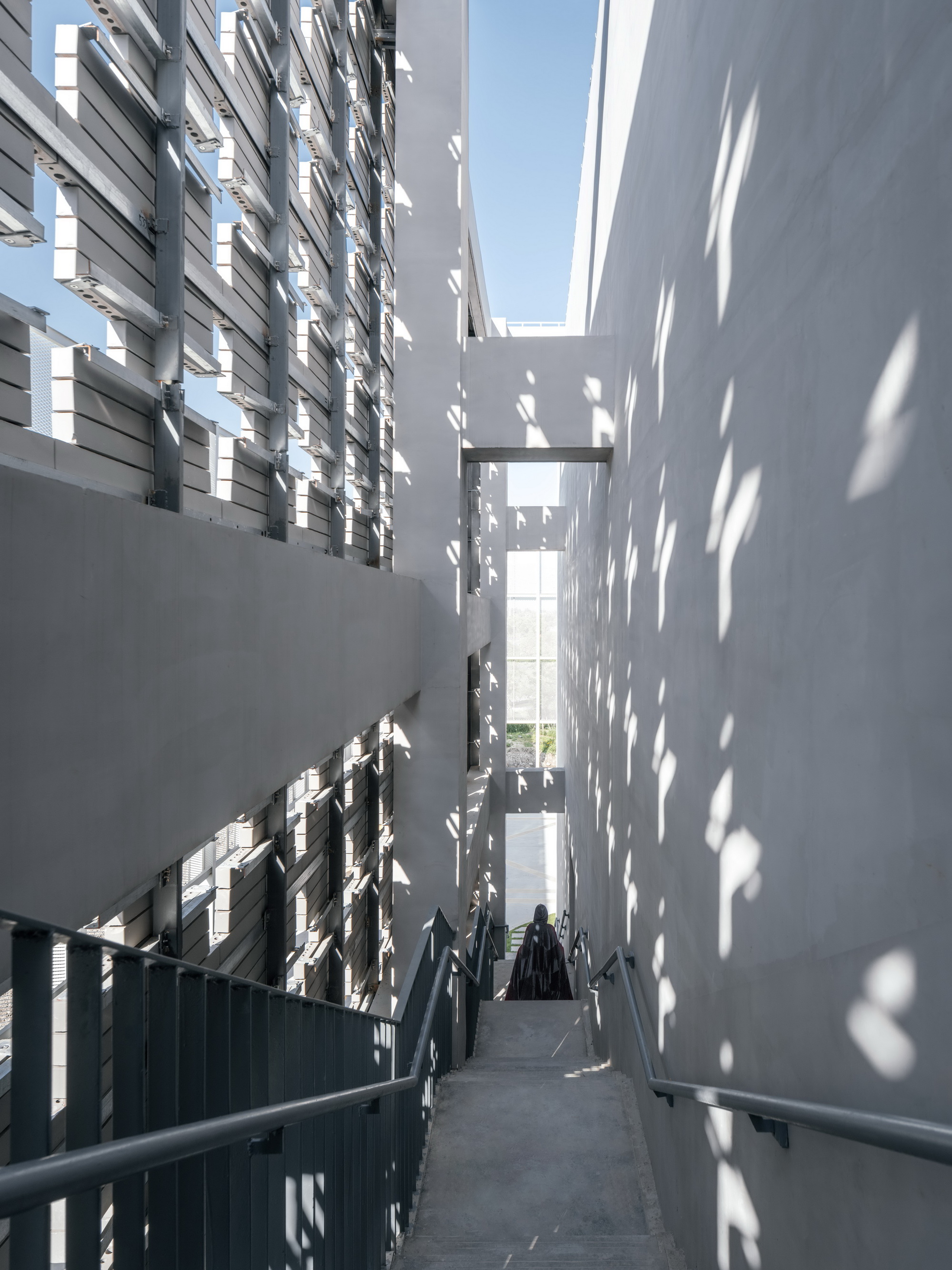
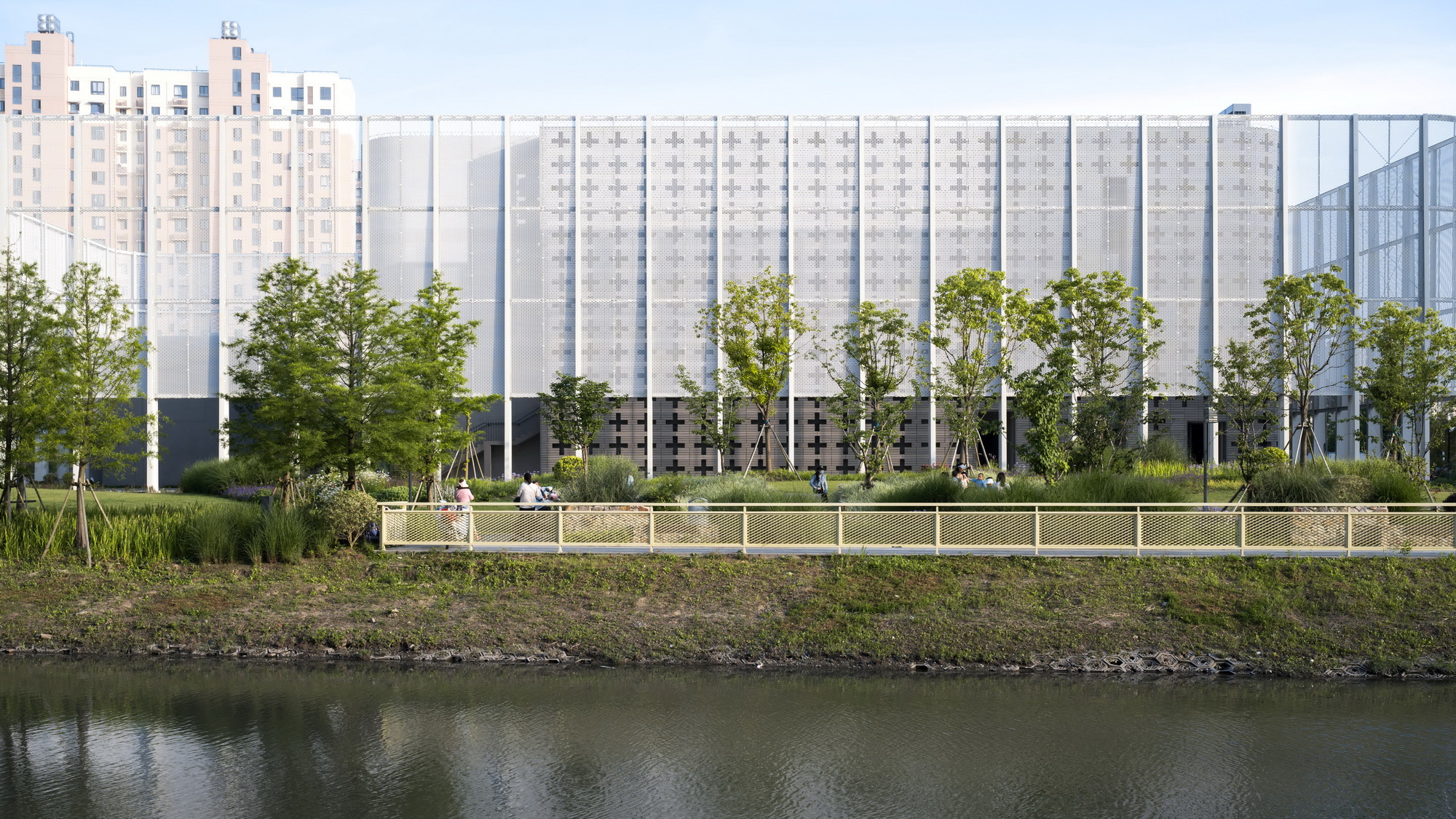
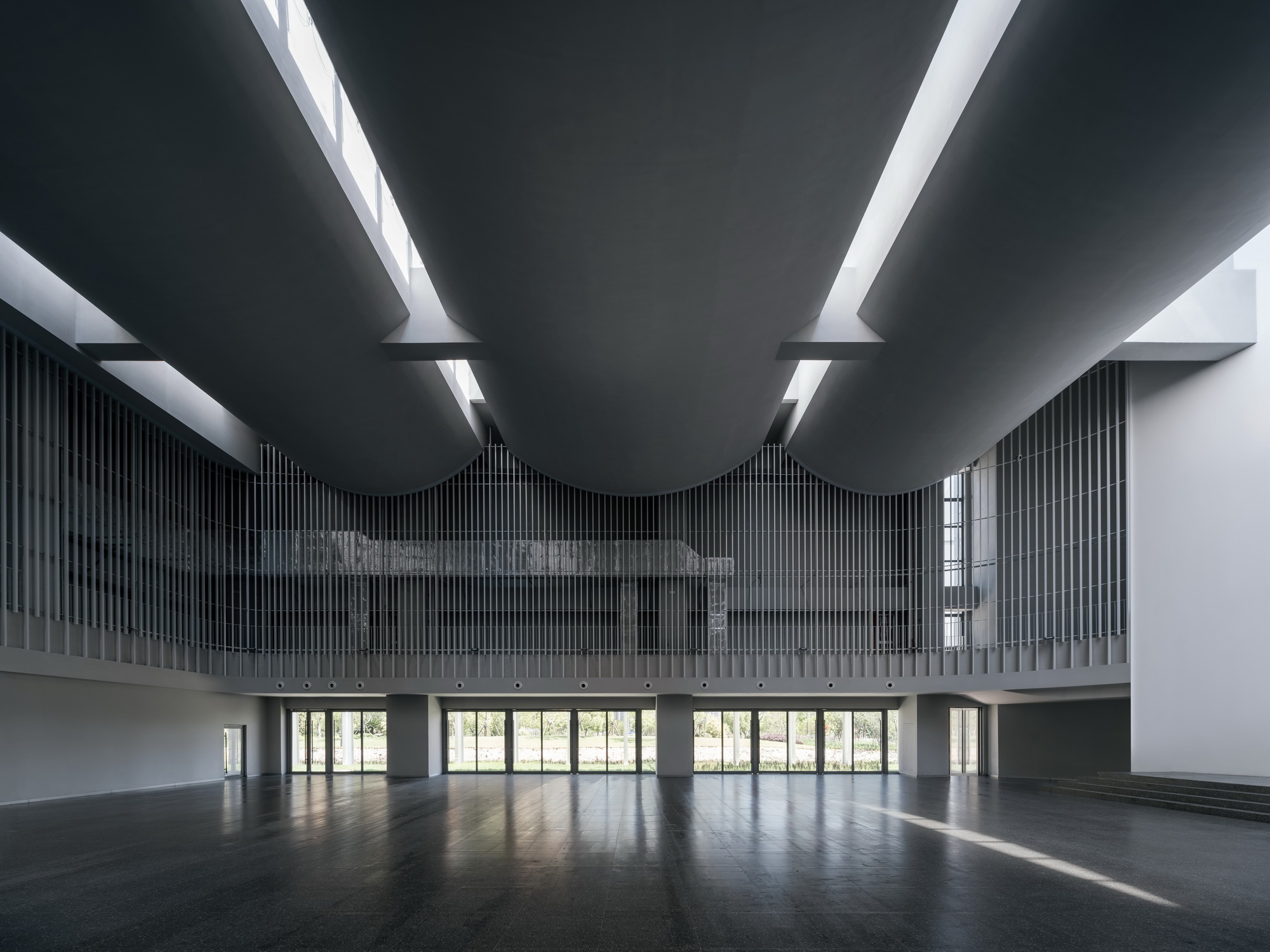
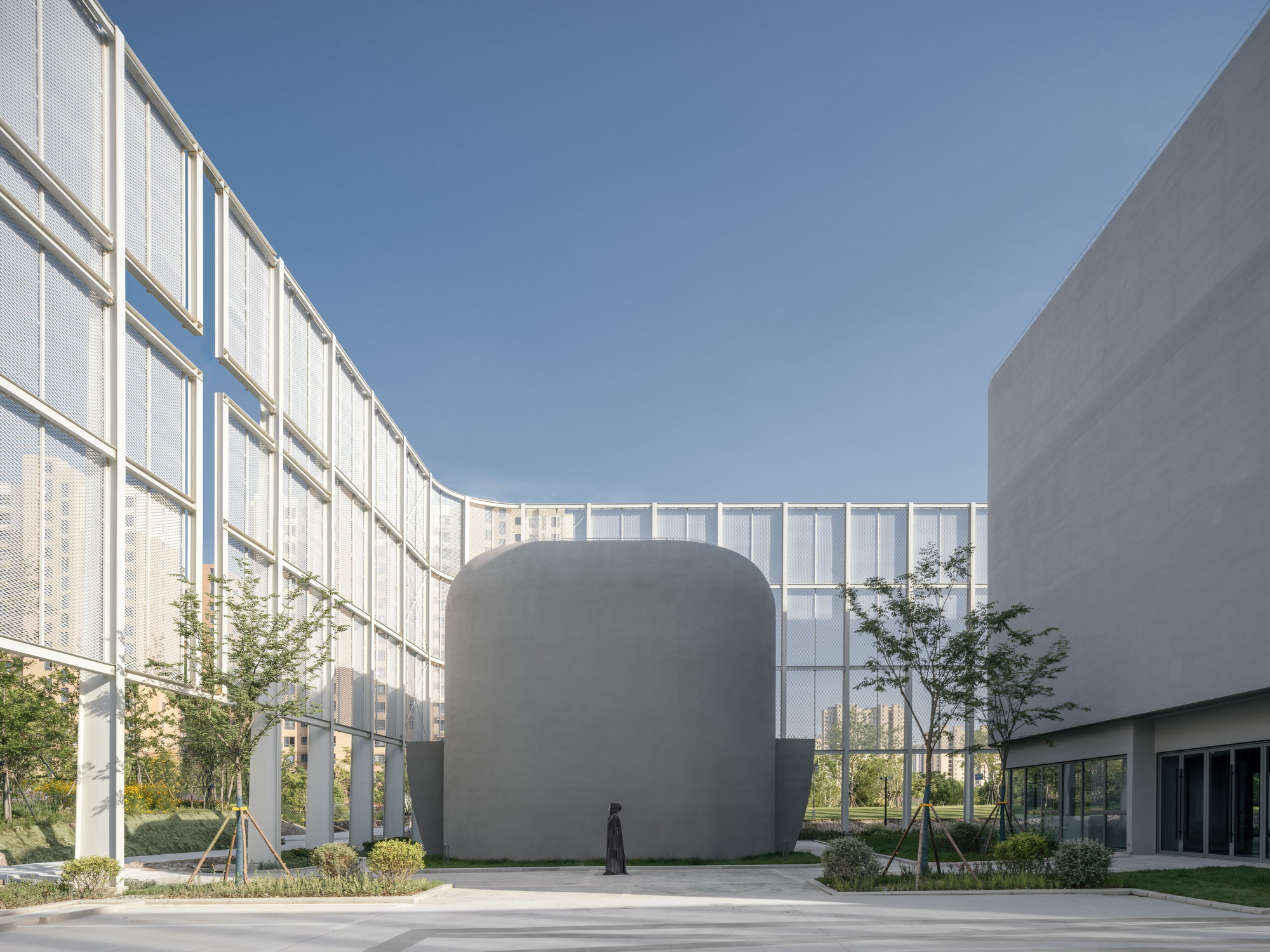
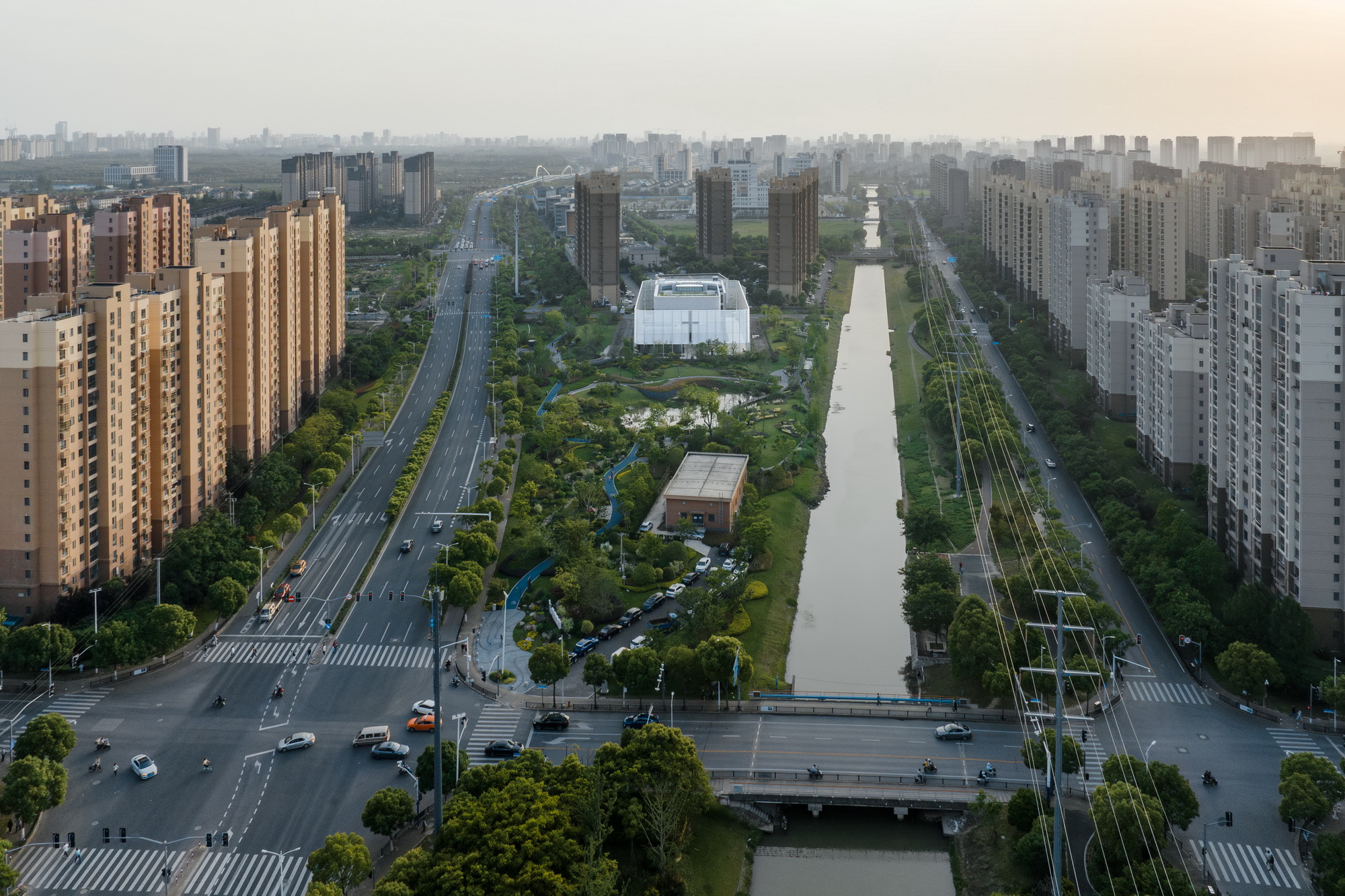
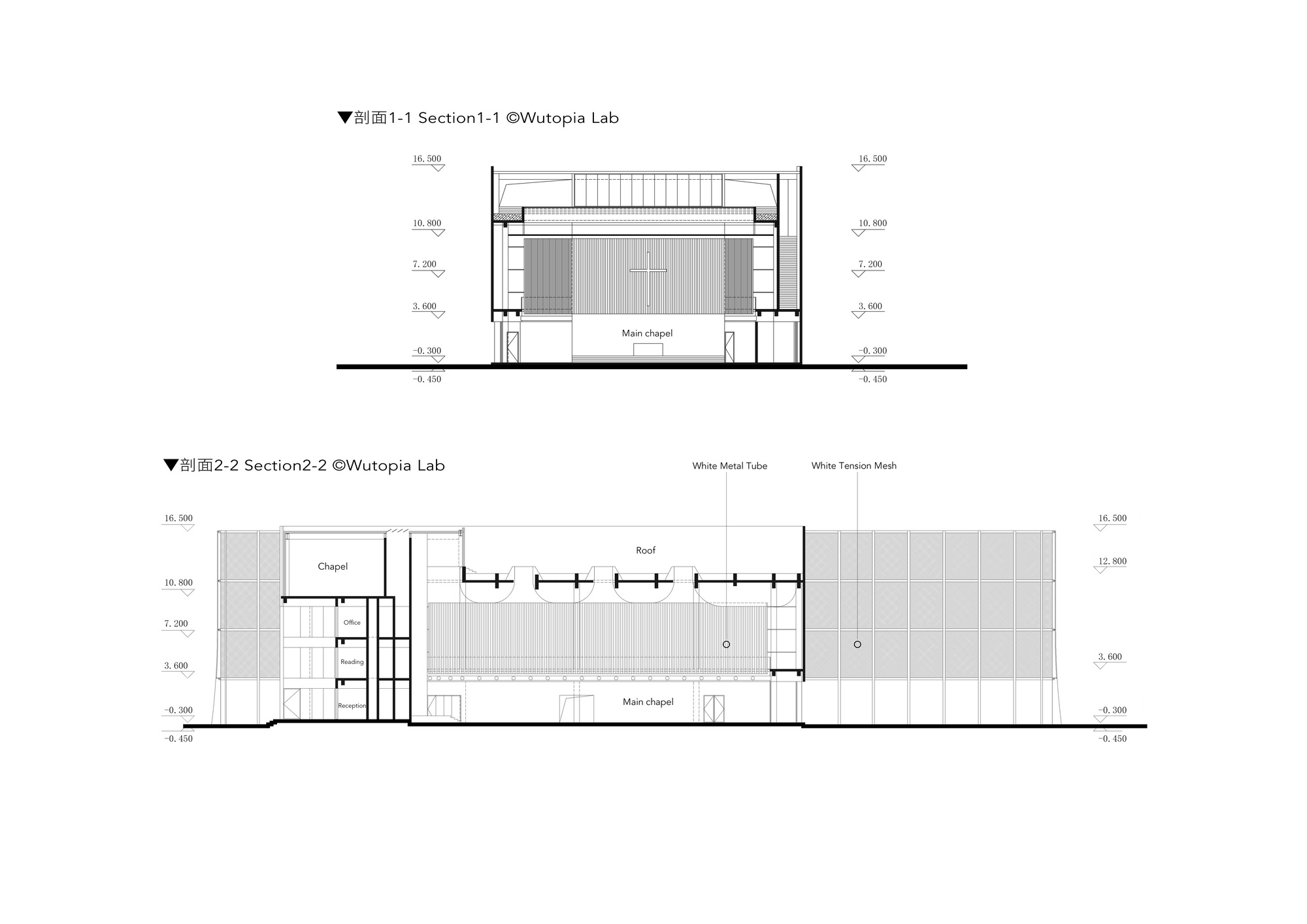
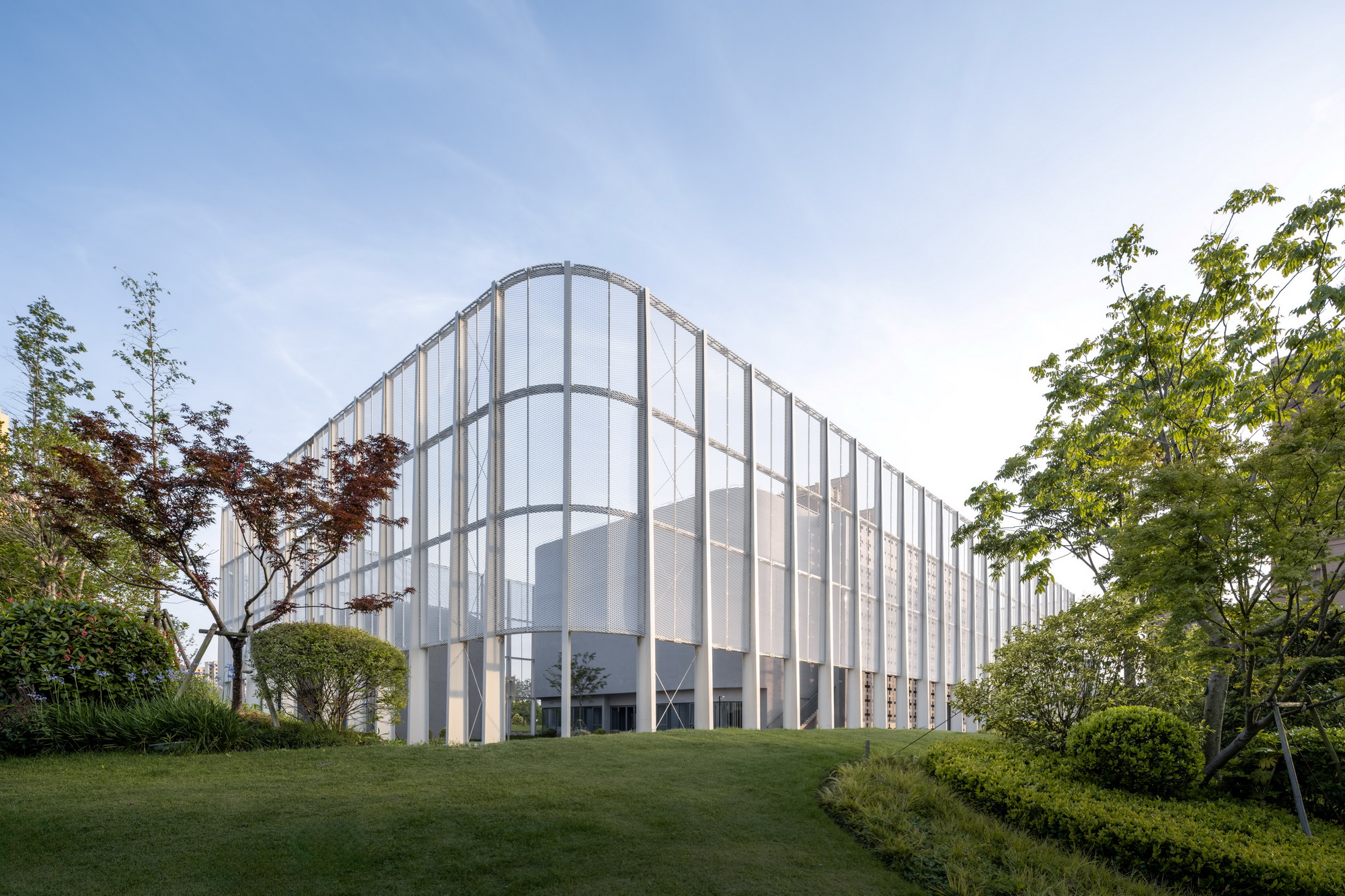
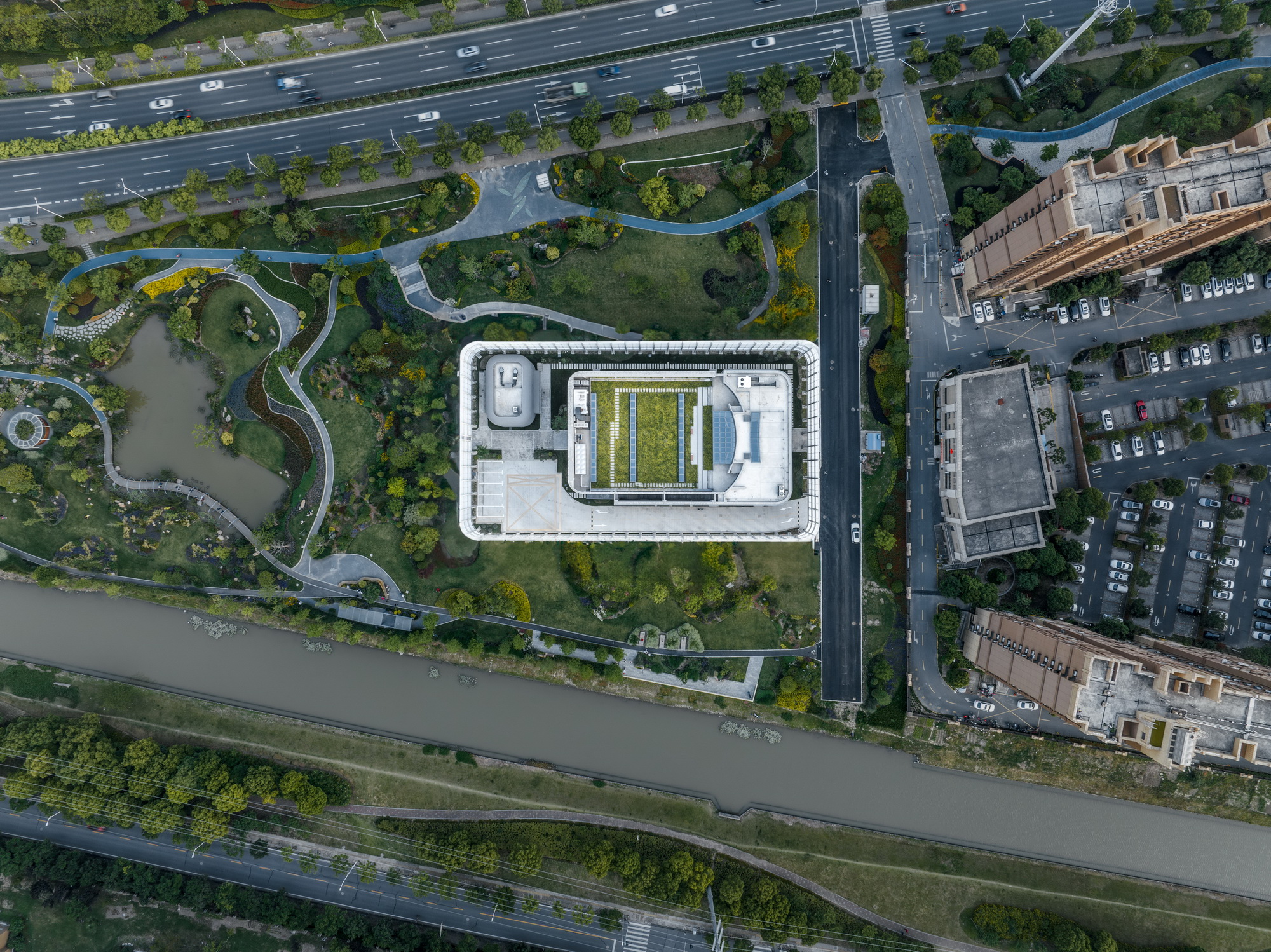
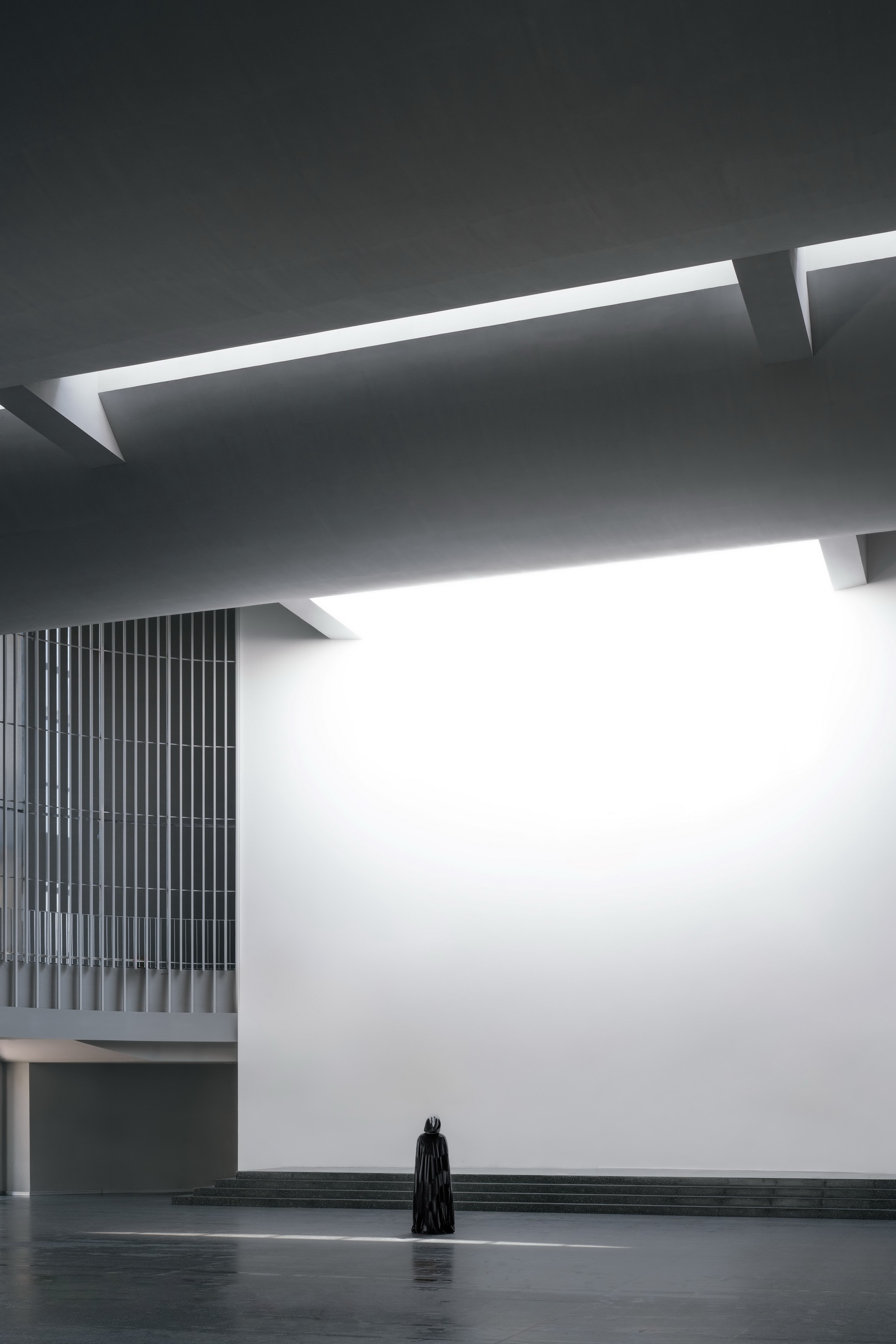
What truly matters in life is not what happens to you, but what you remember and how you remember it, wrote Gabriel Garcia Marquez. In June 2023, the Fengxian Qixian Jesus Church designed by Wutopia Lab was completed after eight years. At the time of design, the architect was fascinated with using translucency to express the restrained beauty of Jiangnan and the force that struggles beneath it in contemporary terms. The brief required the main building and ancillary building to be separate. The main building is organized around a 16.7-meter-high auditorium, with office and support functions on its west and north sides, and a small chapel placed on the top floor of the office block; the main building is in effect a vertical community. The ancillary building houses the canteen. The key strategy treats the entire site as a building called a place. A translucent enclosing veil is erected along the building control line as a visual boundary; the main and ancillary buildings are the structures within the field delimited by the veil, and together with it they form a complete architectural expression, a complete place. The designer maintains symmetry inside the building while offsetting the master plan: the main building's centerline is parallel but not on the site centerline, and the auditorium's centerline is parallel but not on the main building's centerline. This avoids rigid symmetry while preserving sacred symmetry where needed, and it allows the auditorium ground floor to face directly south, opening fully to the outdoor court on good days. The translucent veil is the architect's means of expressing the uncertain, alternating light of Jiangnan; it carries shadows of natural or artificial objects and filters daylight into the field, not too harsh, but somewhat indecisive, like the weather of Jiangnan itself. Inside the auditorium, dense grilles form a visual inner screen a north-south skylight; the continuous vertical reflection of aluminum grilles together with daylight creates a light curtain like falling rain, within which the congregation feels a sense of belonging. Different shades of gray are applied to different parts of the buildings, reflecting the tradition that ink has five colors and peace settles into the water-misted air of Jiangnan.






 Editor's Pick
 Latest Design
 Best Idea