Text description provided by the architects
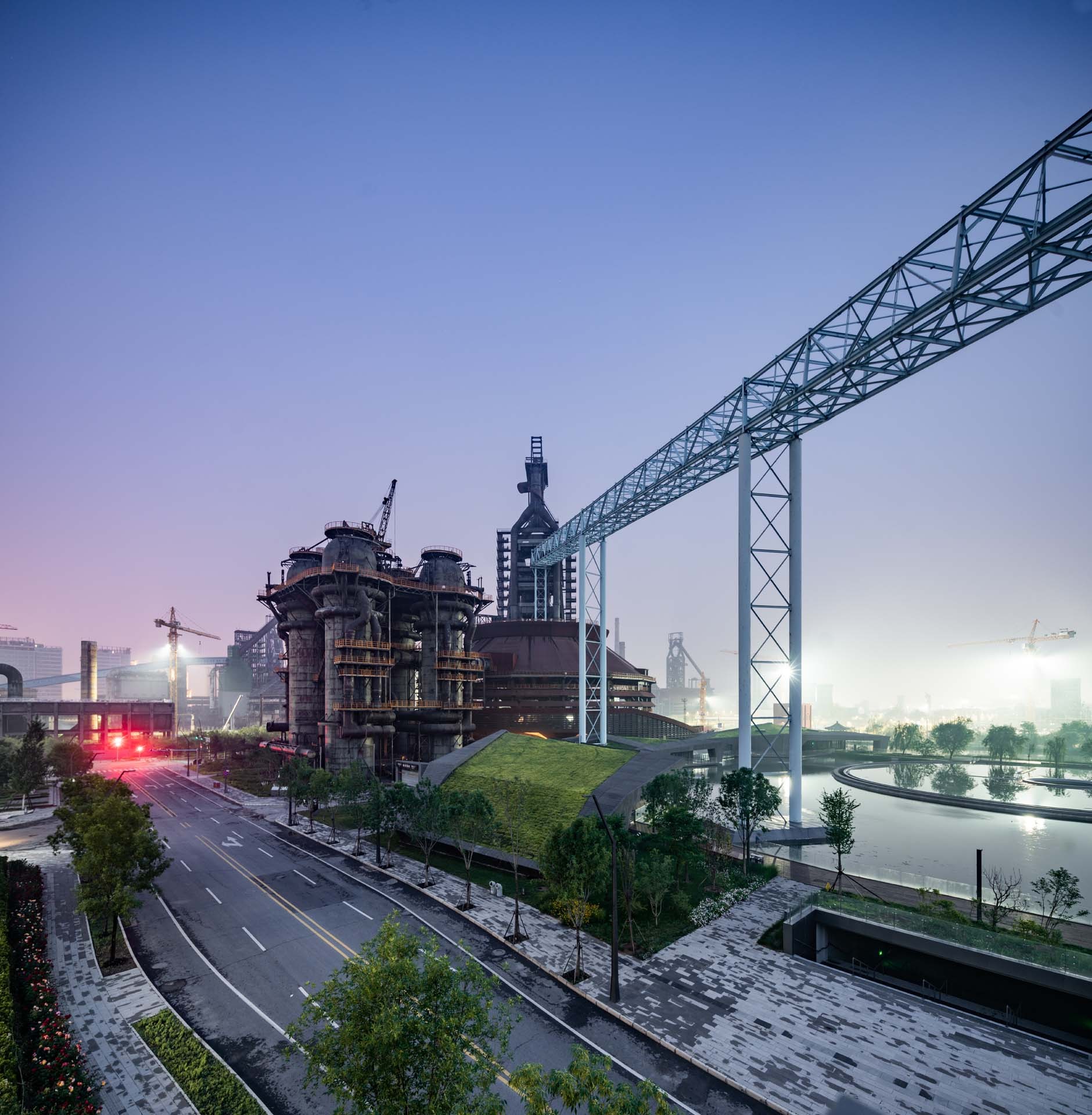
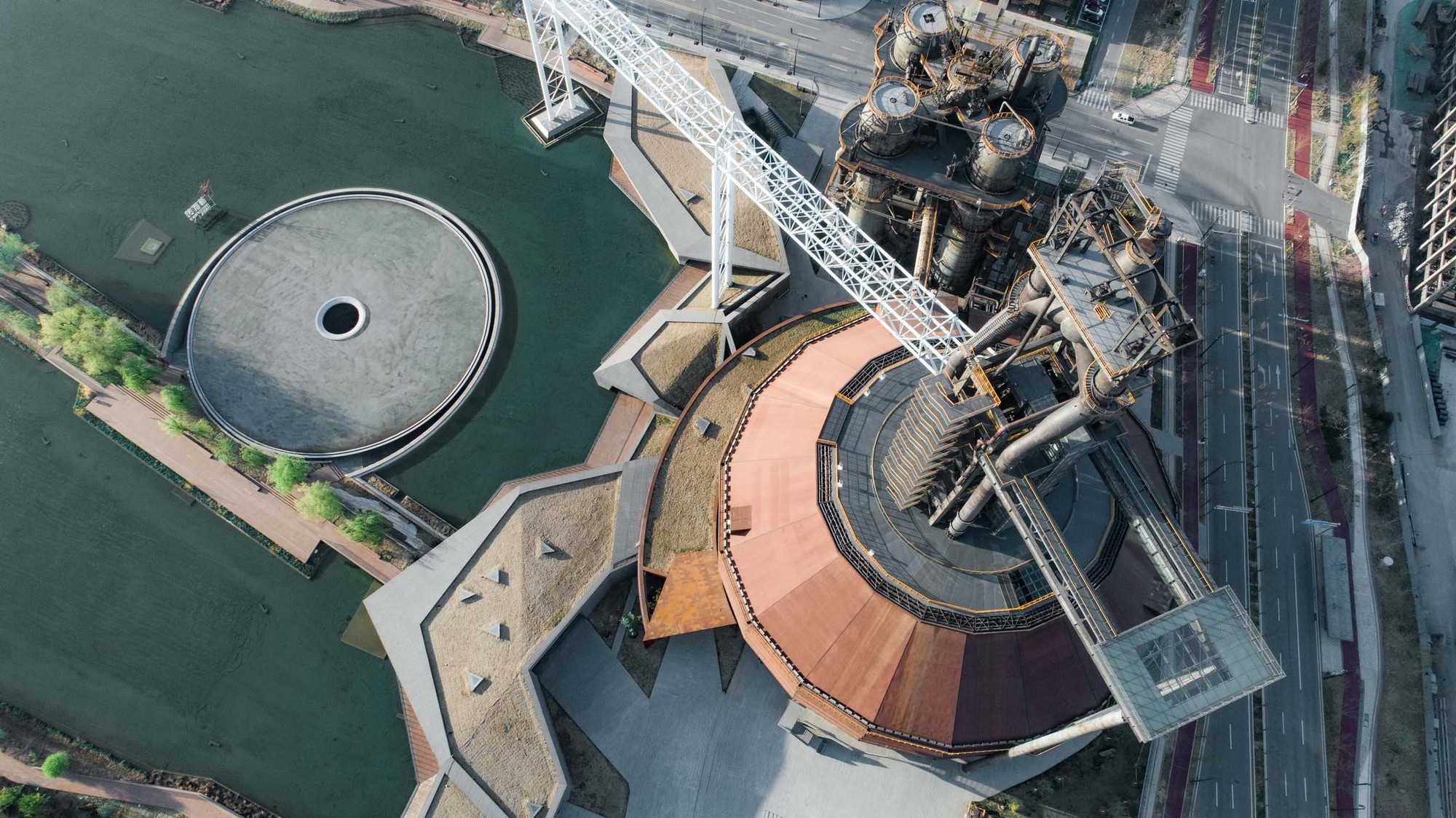
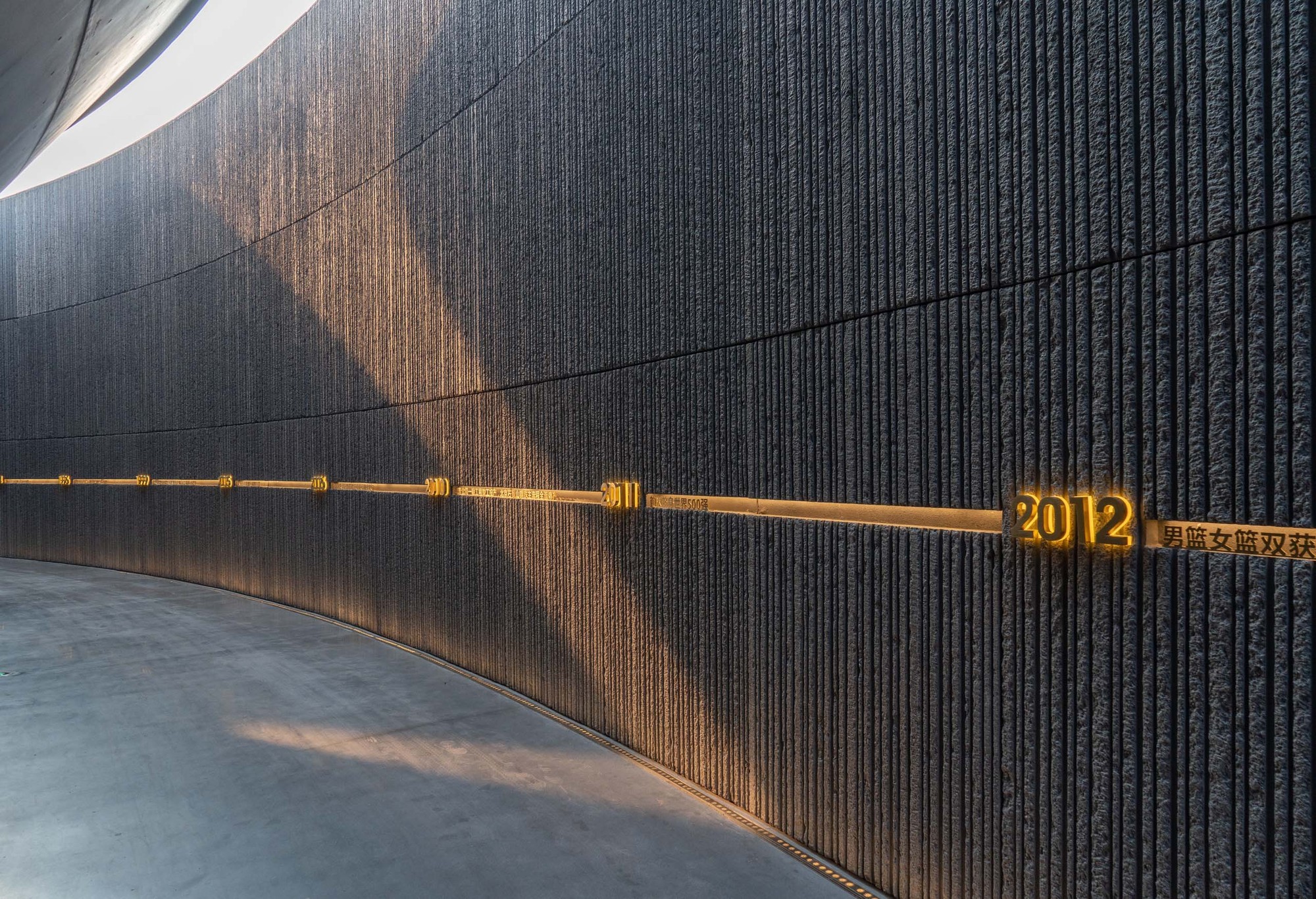
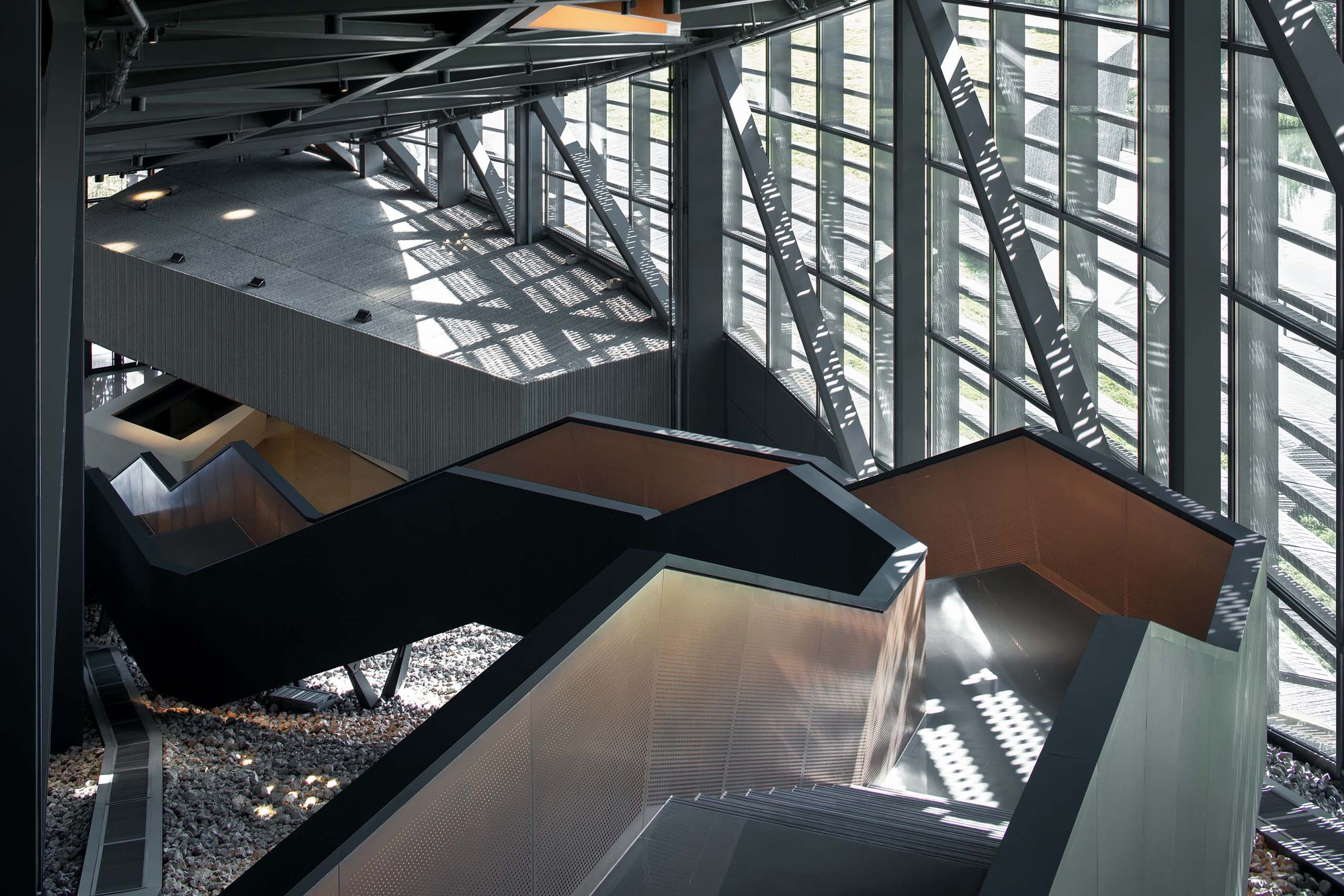
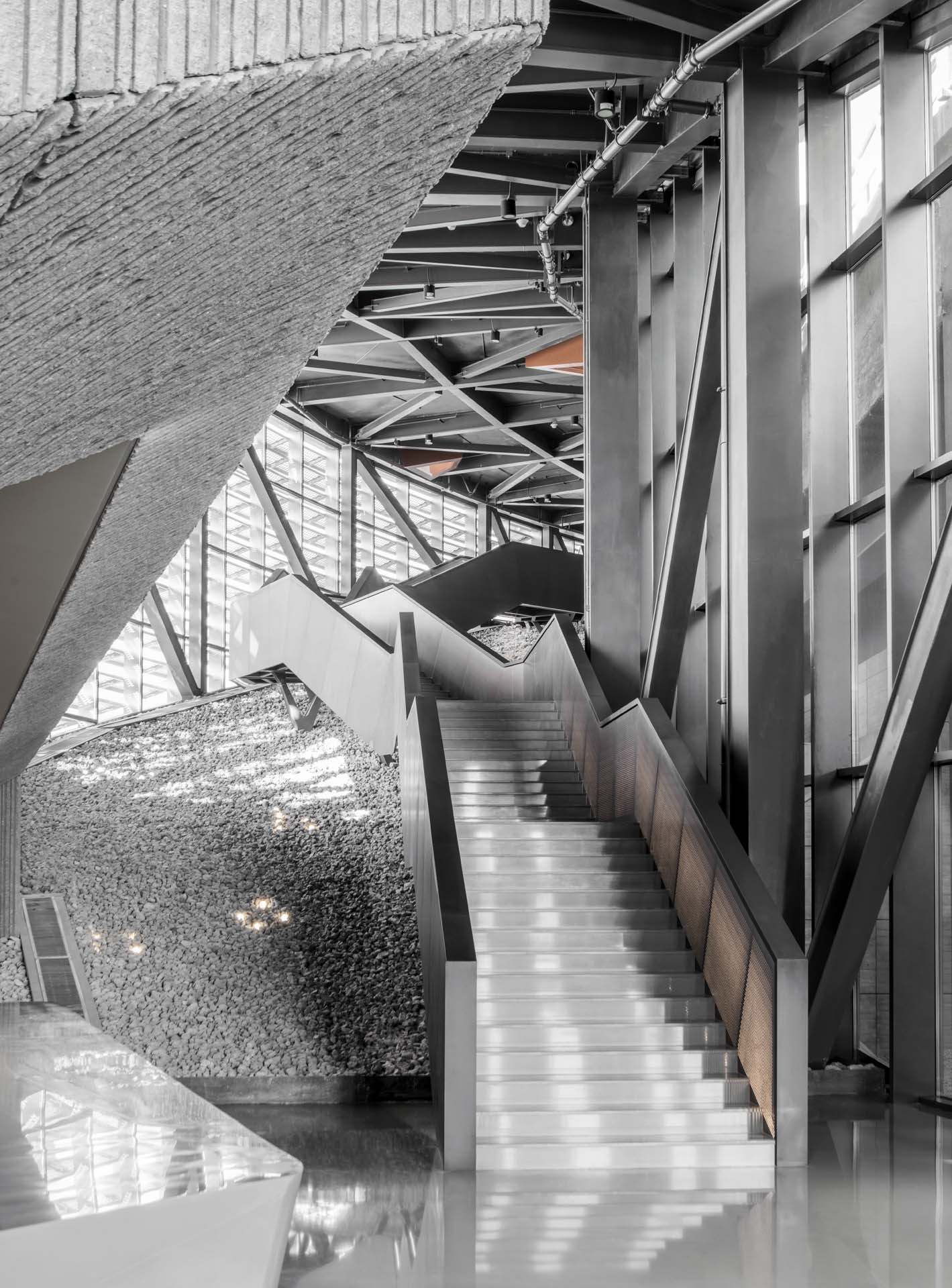
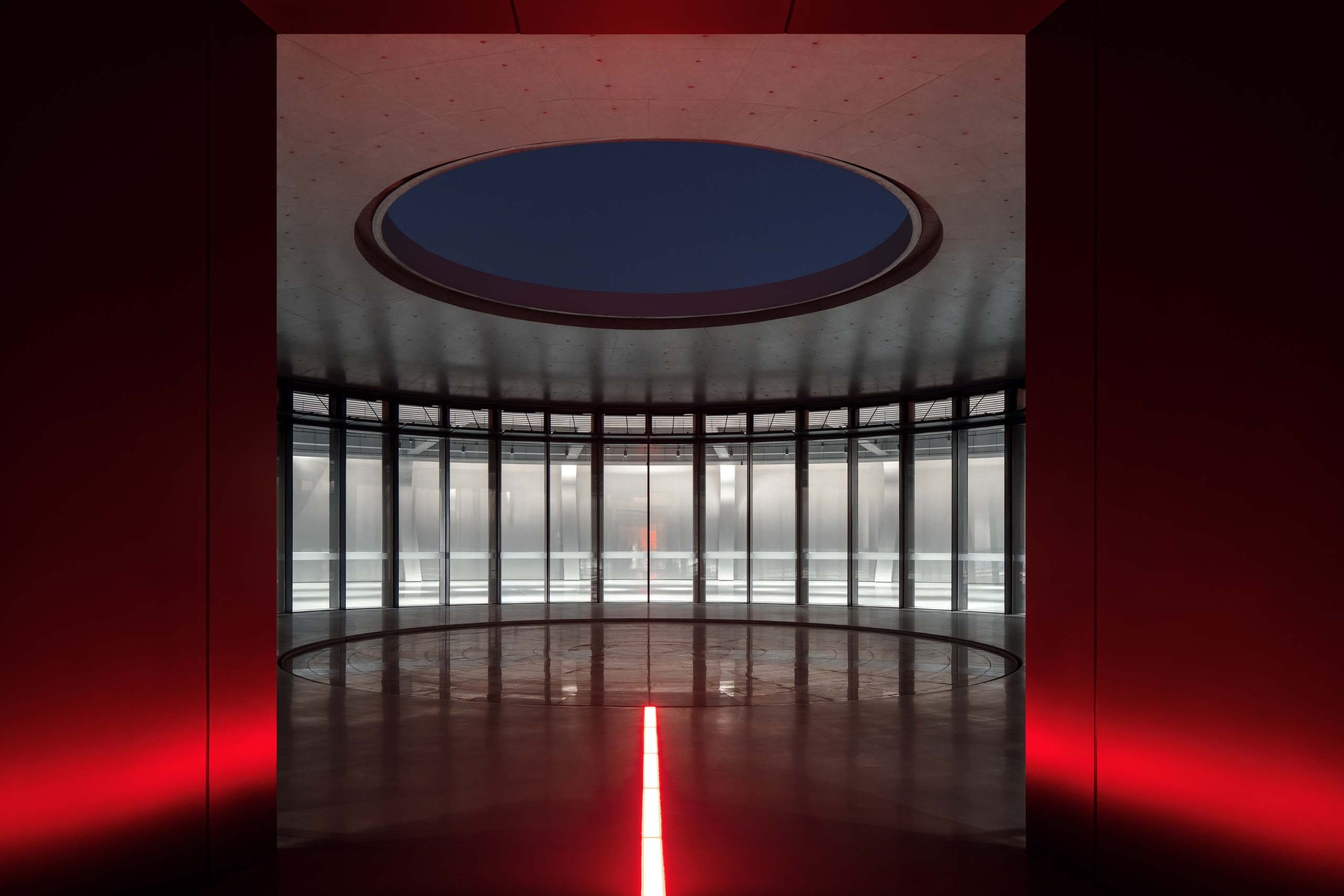
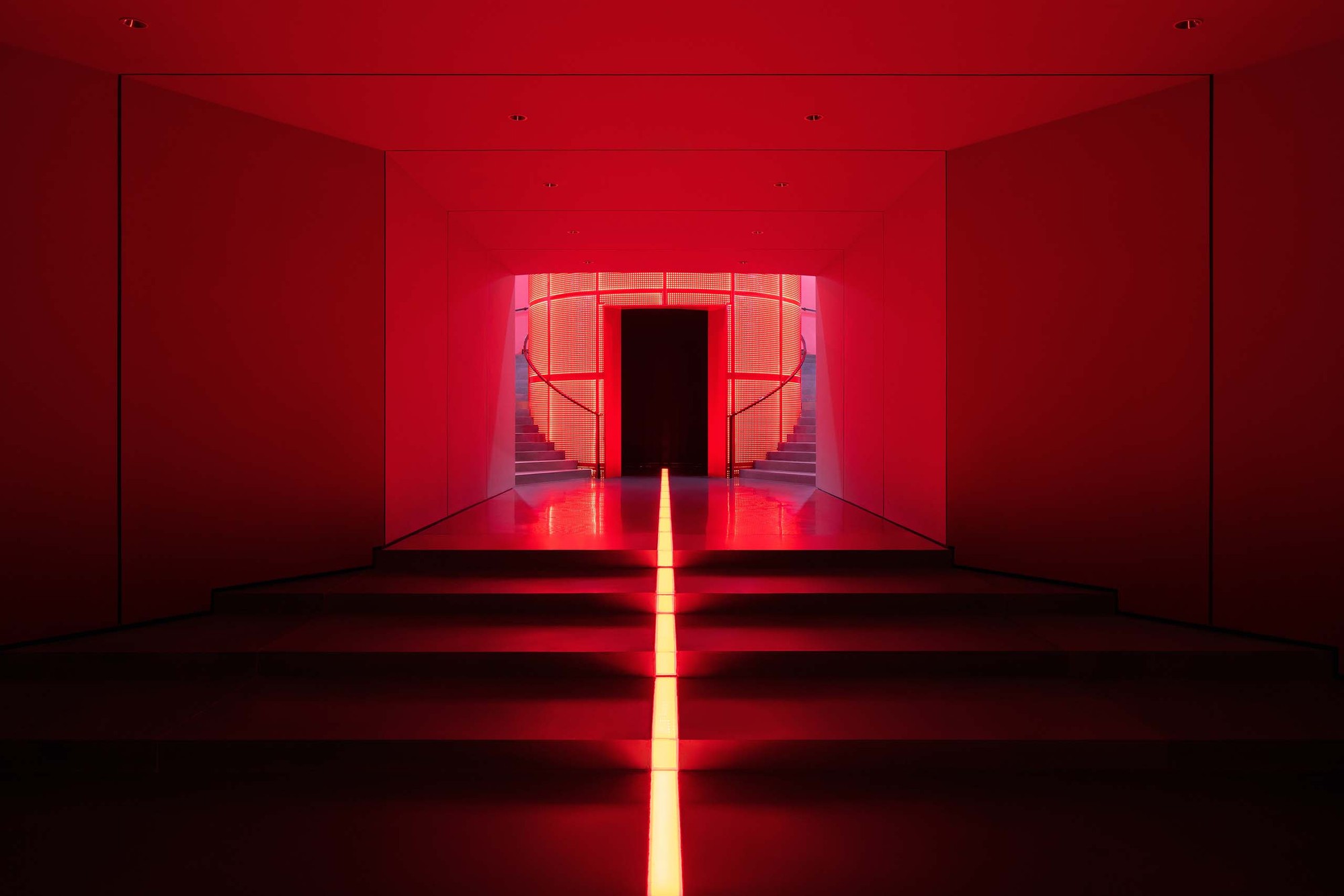
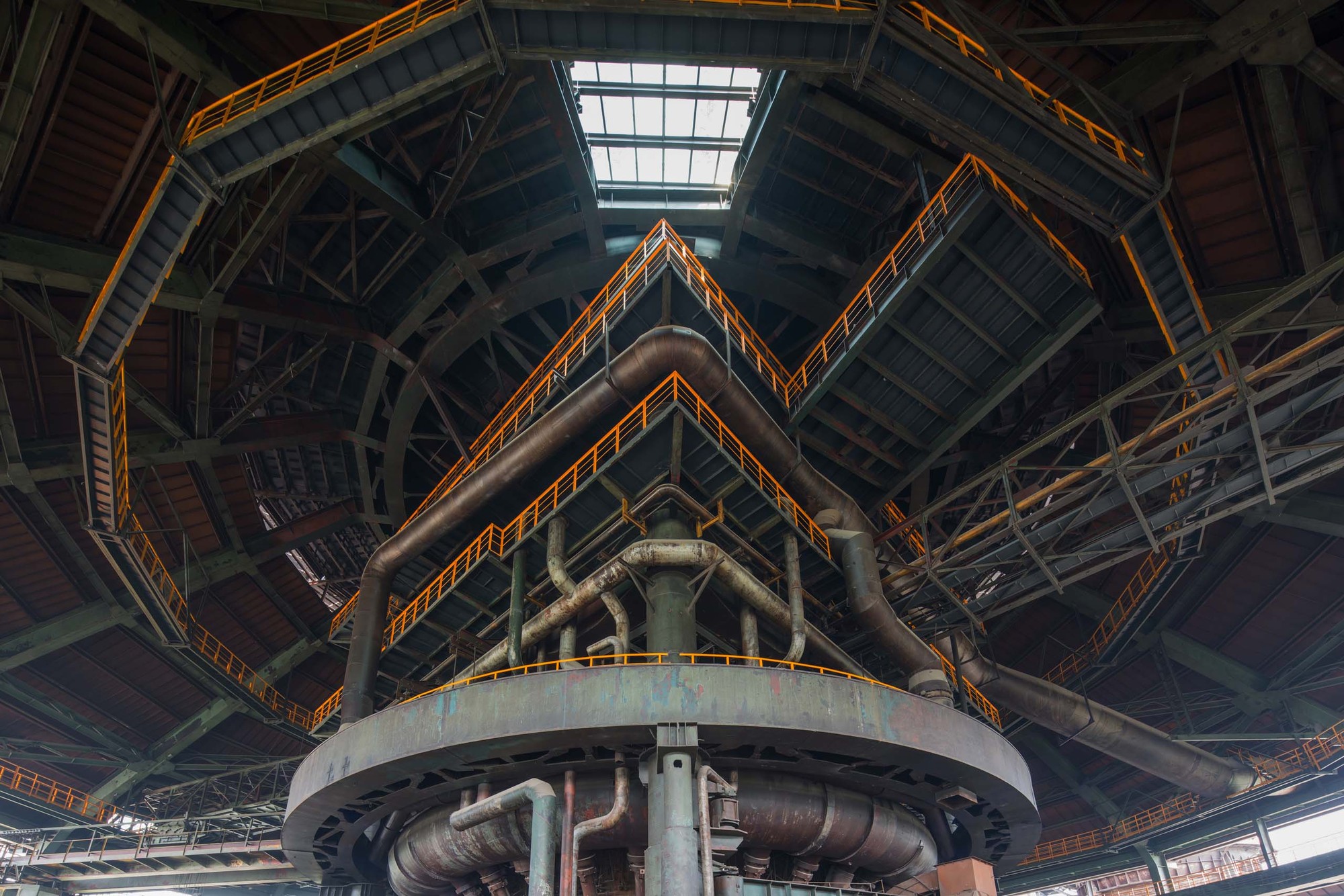
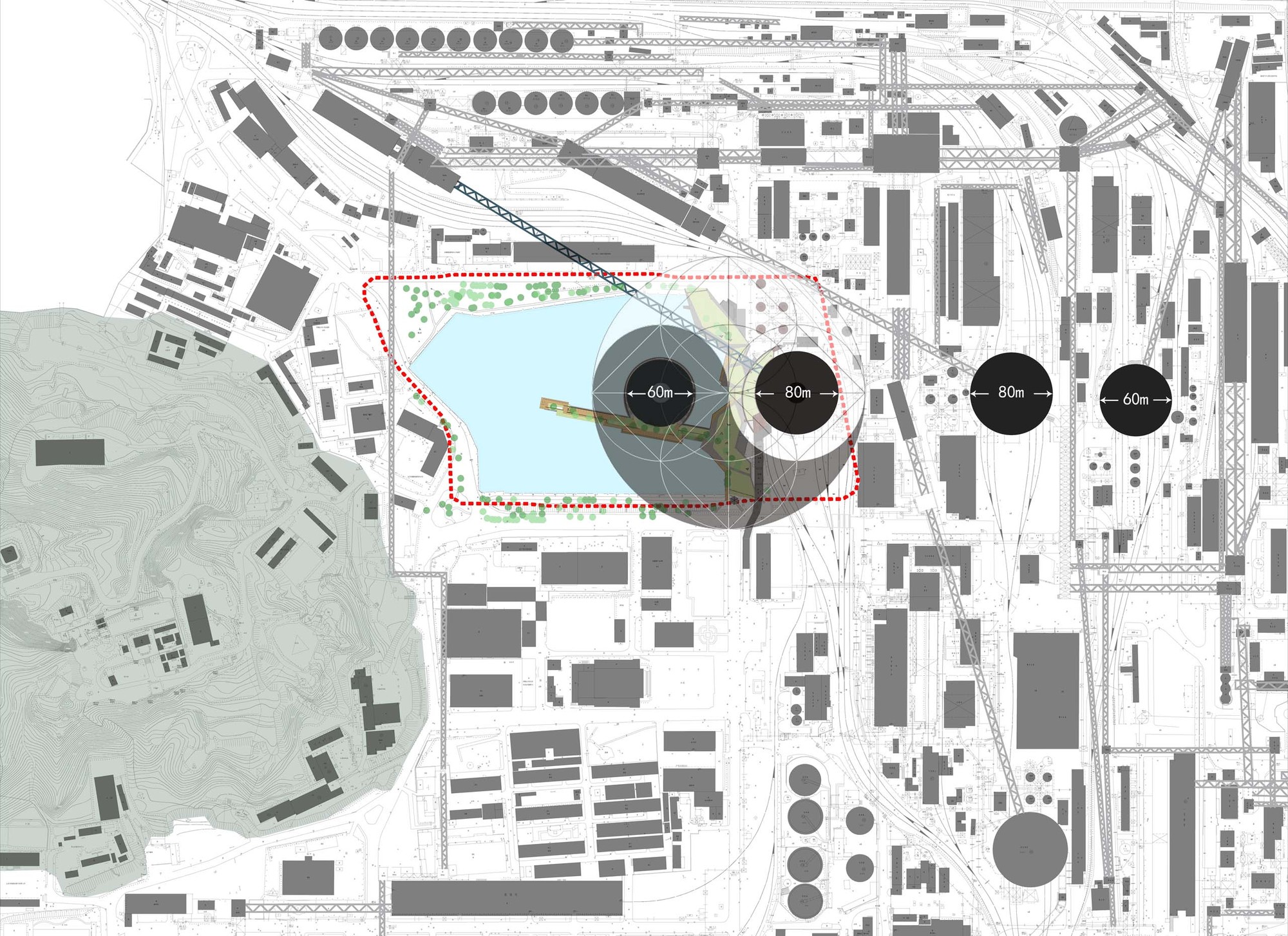
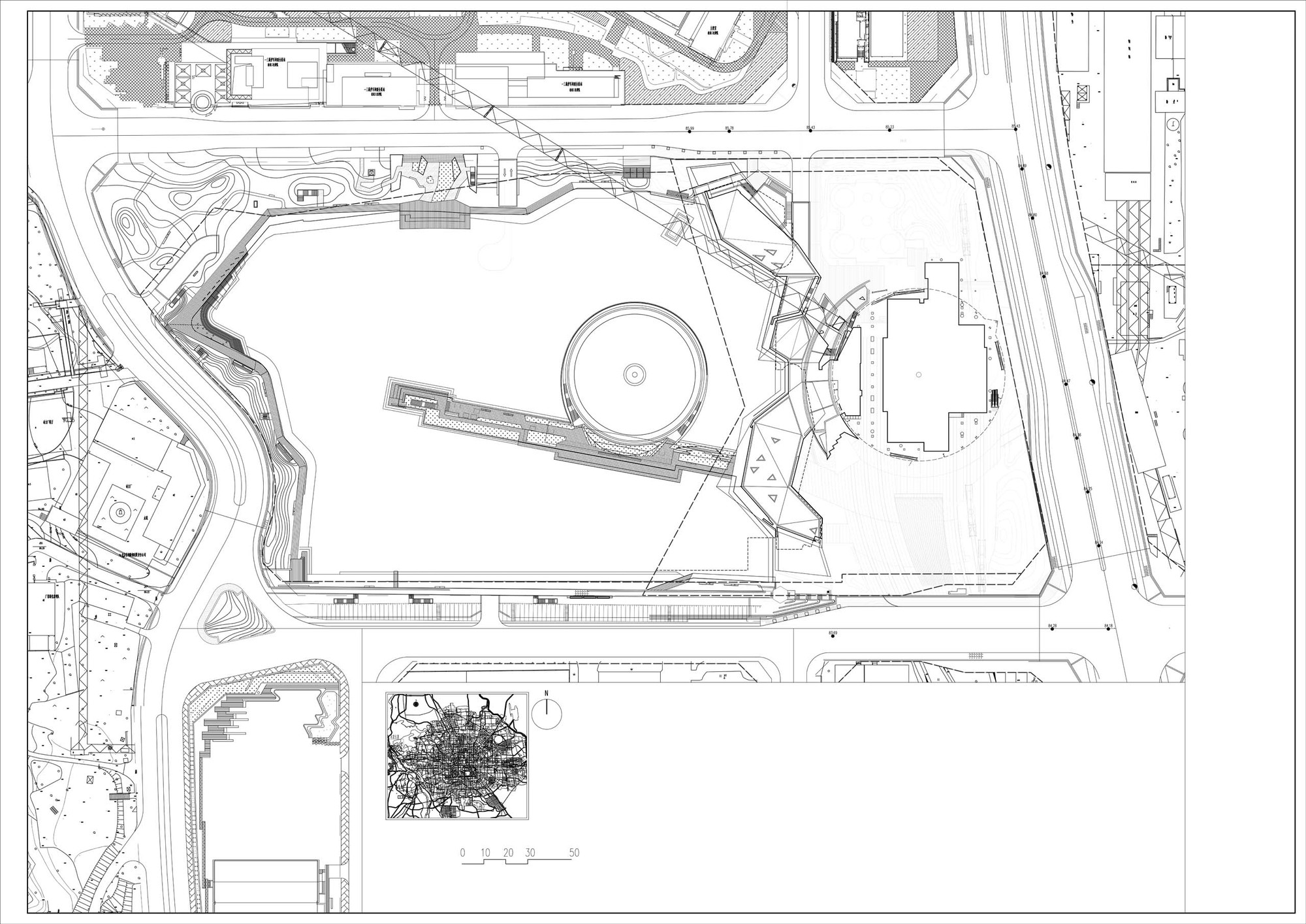
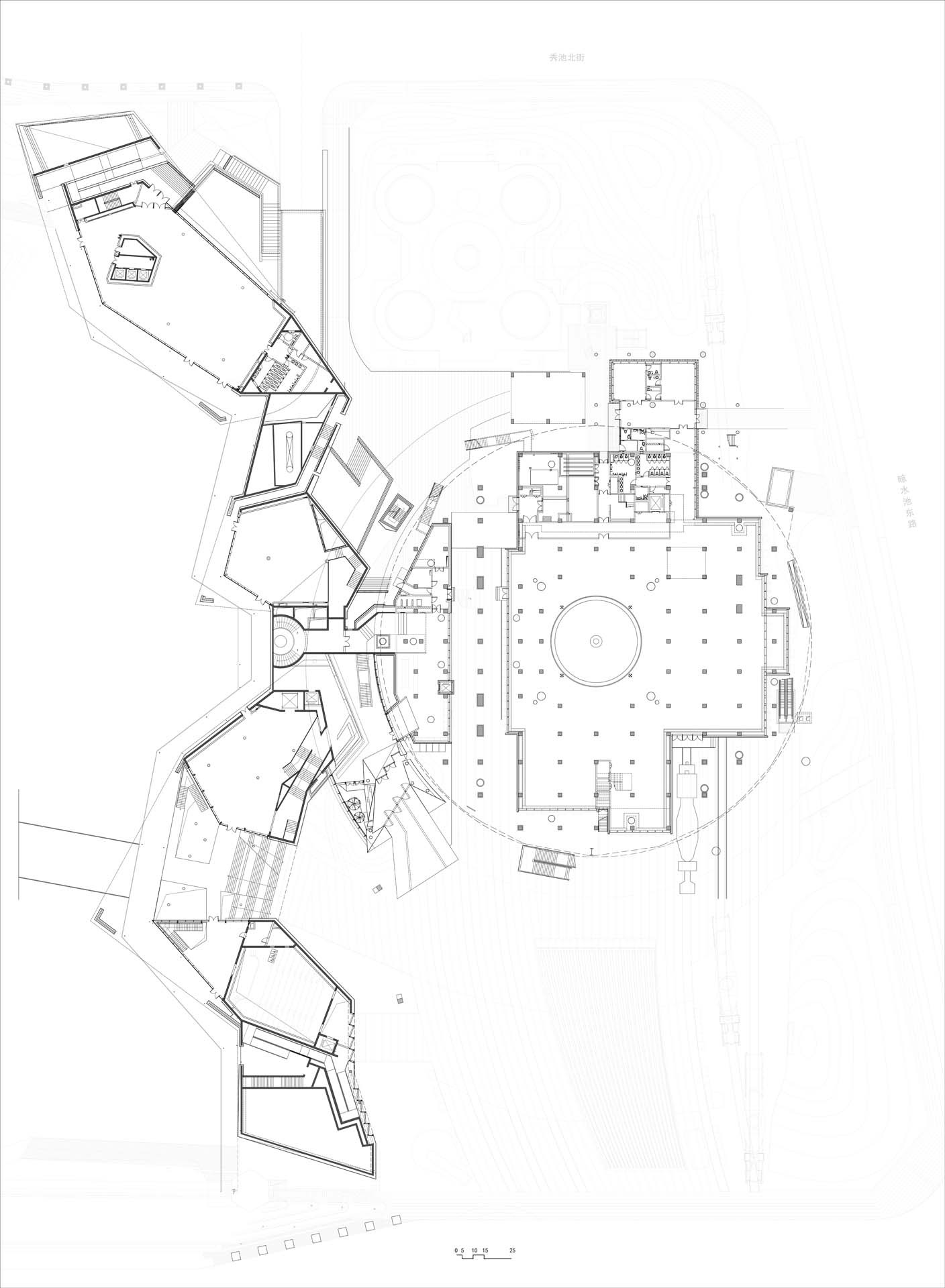
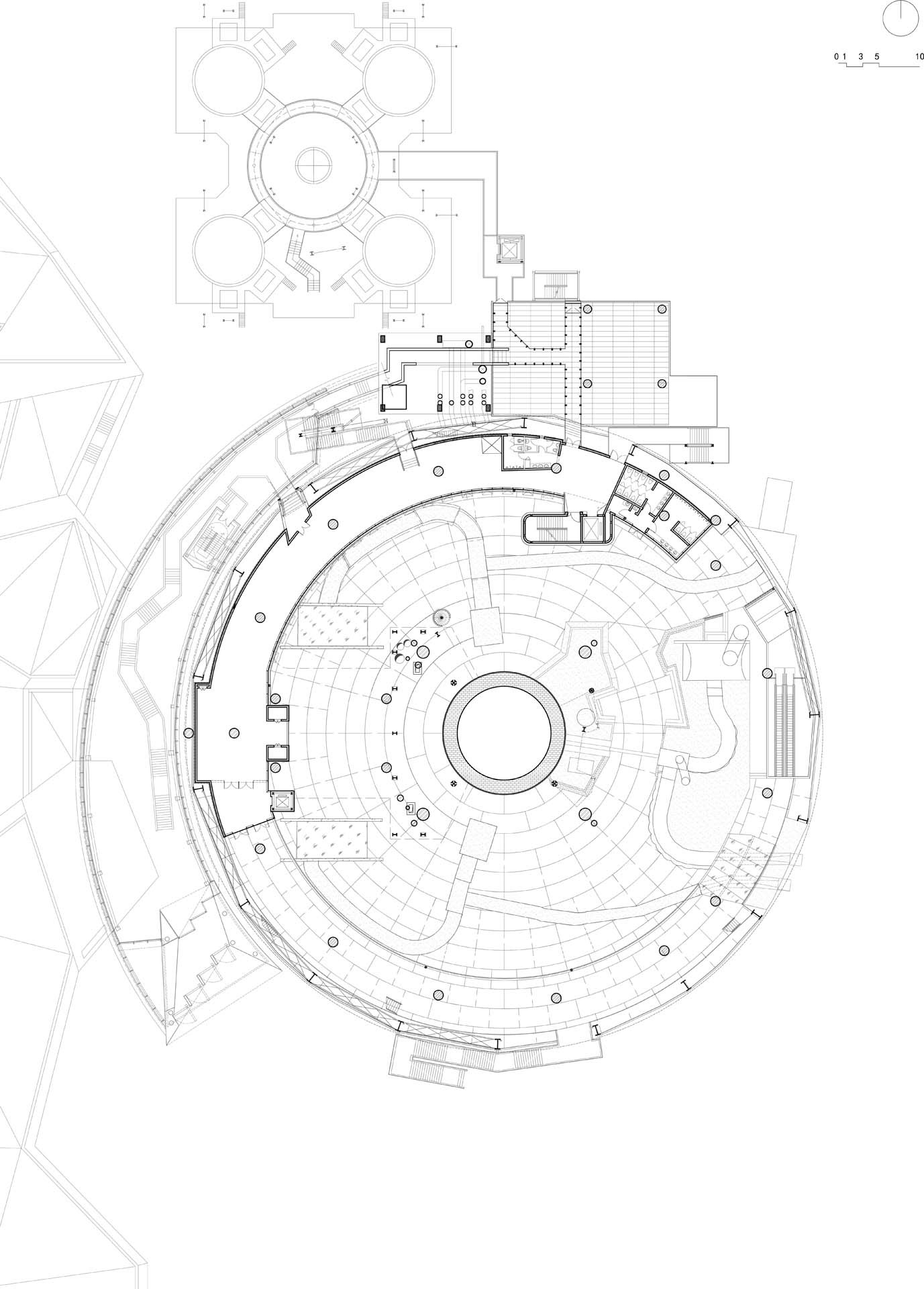
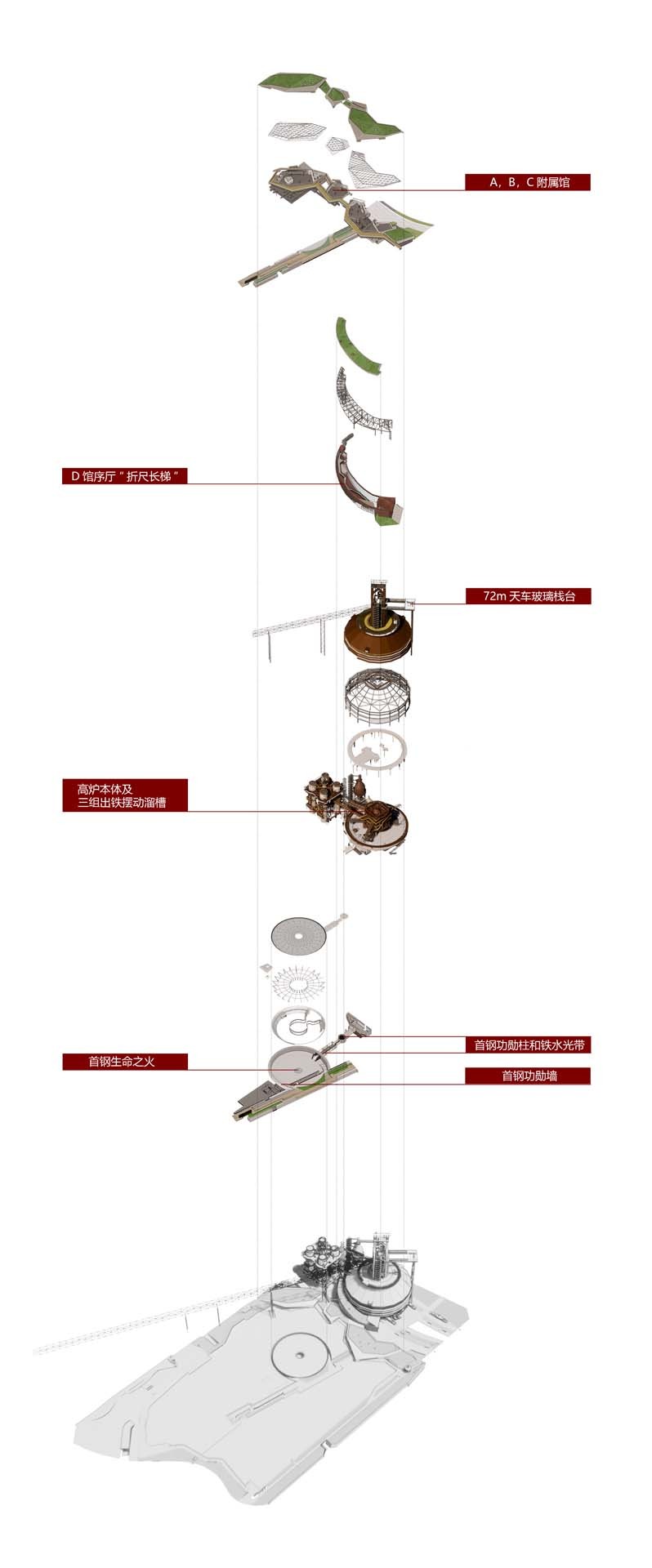
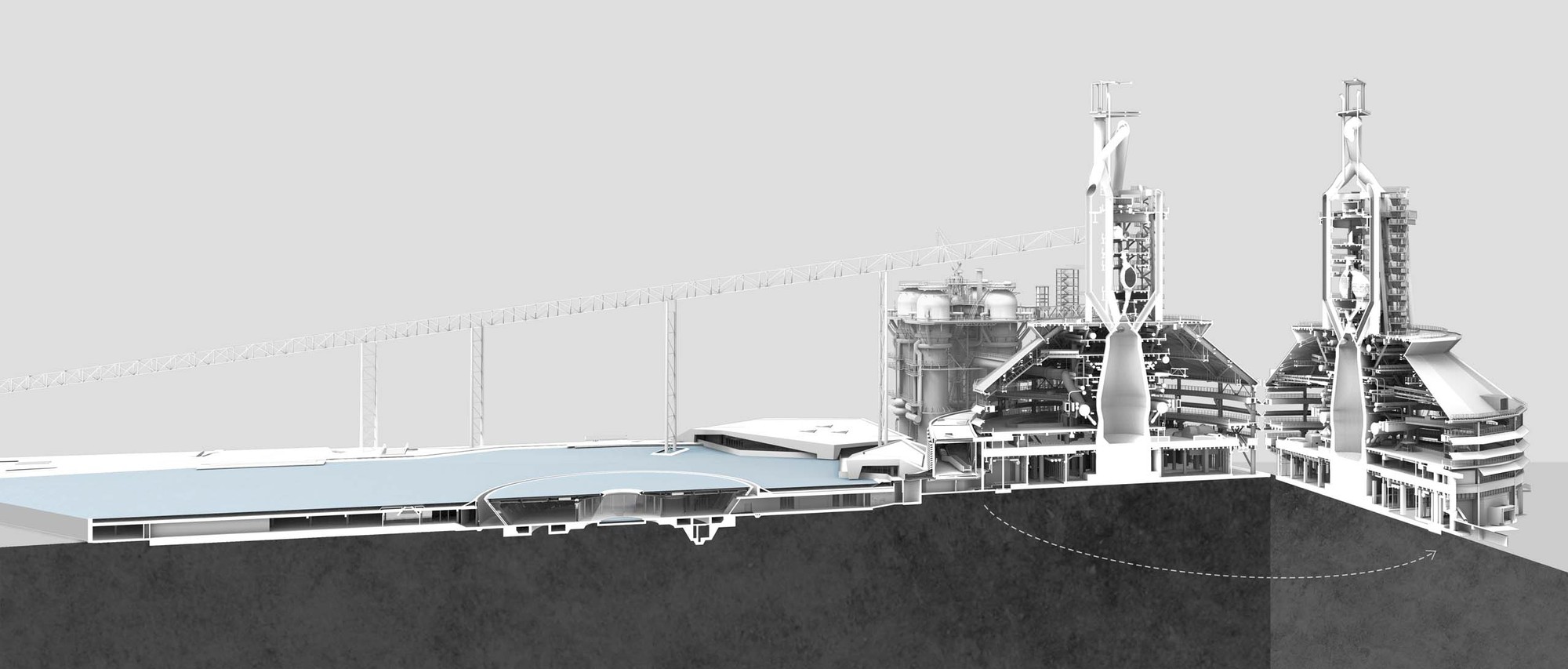
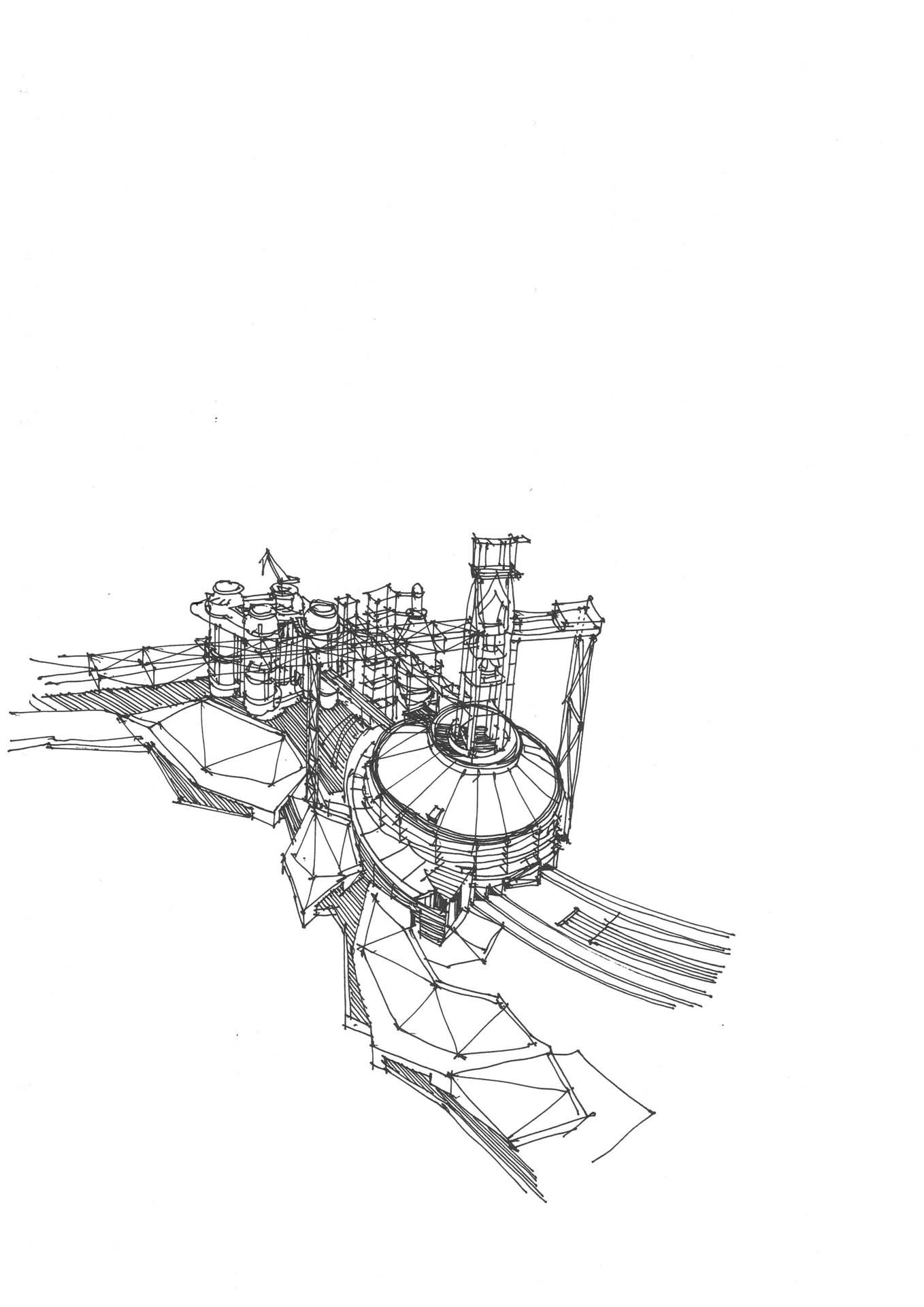
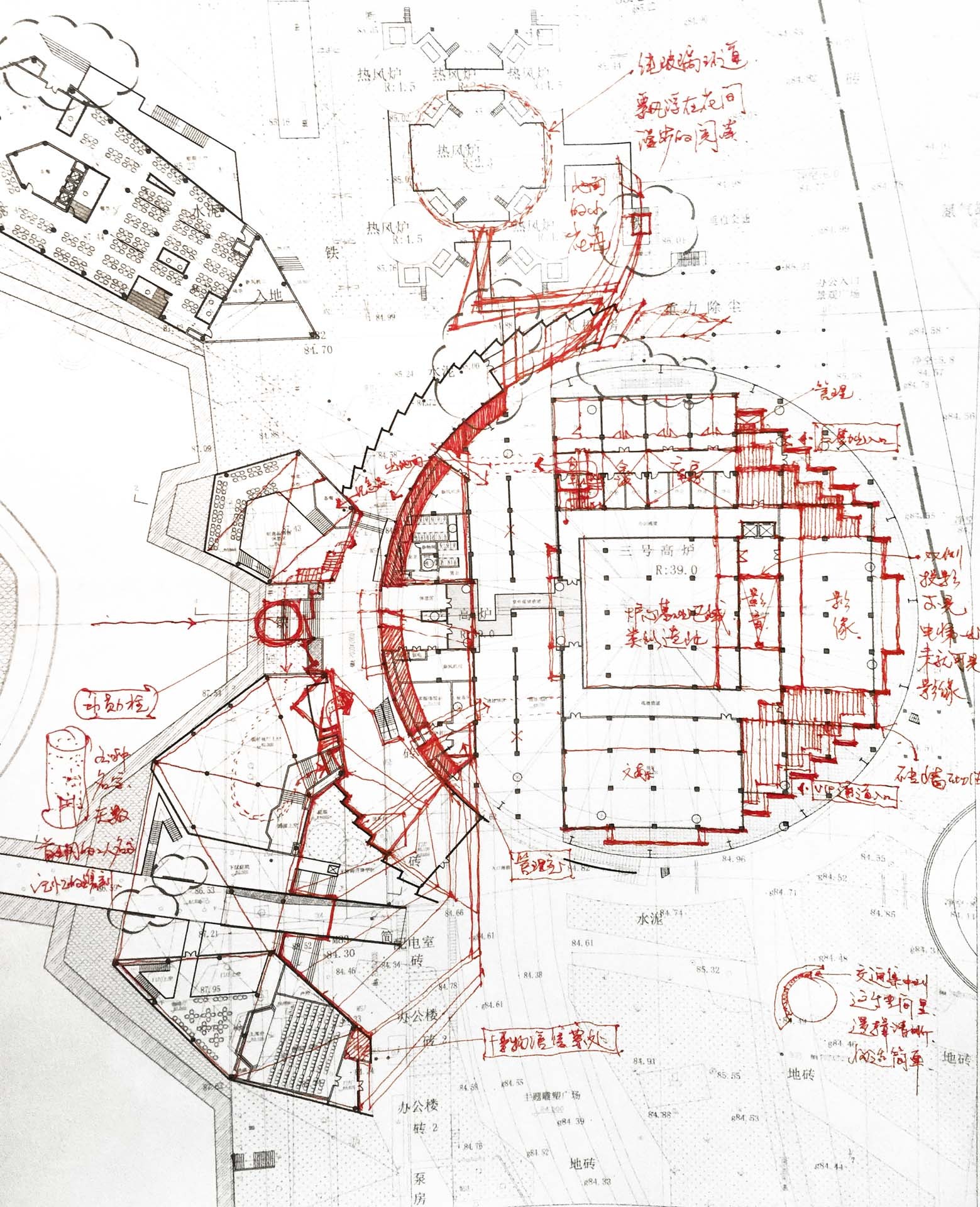
Grand, small; magnificent, bleak; silent, alive; history, memory; glory, responsibility. As architects, from the moment they walked into this awe-inspiring steel beast, they entered a grand renewal narrative. The lines flowing from the pen are like light footsteps under spotlights, outlining the thread of a temporal story. The Shougang No.3 Blast Furnace Museum is located in the north-west of the park. As the starting point of the enterprise a century ago, it is the area with the densest iron-making equipment, the most distinctive character and the most breathtaking space. After production stopped for the Summer Olympics cycle, the silent park was awakened by the Winter Olympics, and the former merit blast furnace has risen like a phoenix. The site is bordered by Shijingshan hill and Xiuchi pool to the west, the Winter Olympics Plaza to the north, and Shougang Avenue with Blast Furnaces No.1 and No.2 to the east. The underground garage covers 31,380 square metres, and the total exhibition building area is 18,425 square metres, of which the blast furnace body occupies 6,647 and the ancillary buildings 7,739. The core design strategy is seal the old, remove the surplus, weave in the new: treat industrial heritage with humility, preserving the collective urban memory of the land; carefully dismantle unnecessary structures to open corridors of dialogue between industry and nature; and shape public spaces layered with cultural display. The museum retains the scale and drama of the blast furnace while inserting lightweight exhibition platforms, walkways and lifts that allow visitors to move through the industrial skeleton. The project is a paradigmatic adaptive reuse of a heavy industrial landmark, turning a working iron-making plant into a museum that preserves the sublime scale of steel production while opening it to the public.



















 Editor's Pick
 Latest Design