Text description provided by the architects
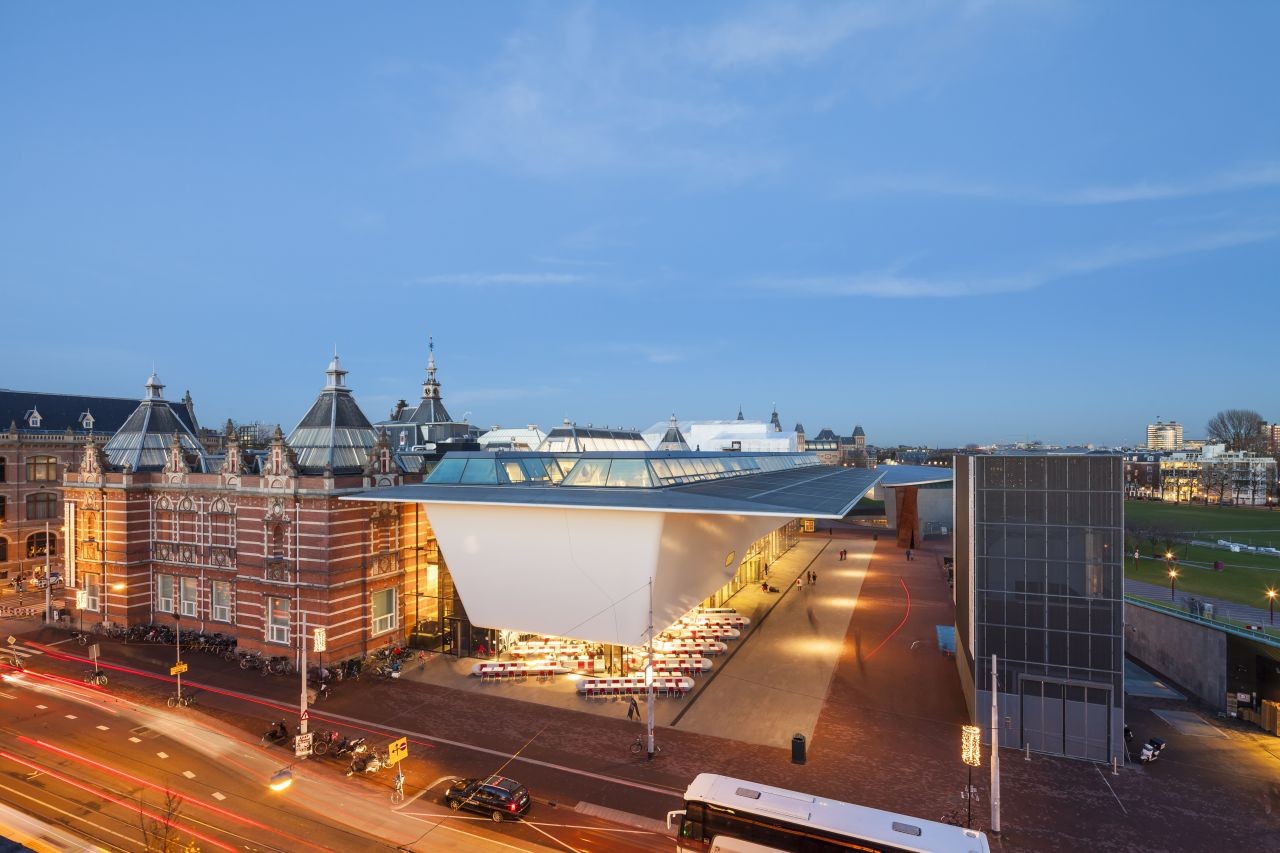
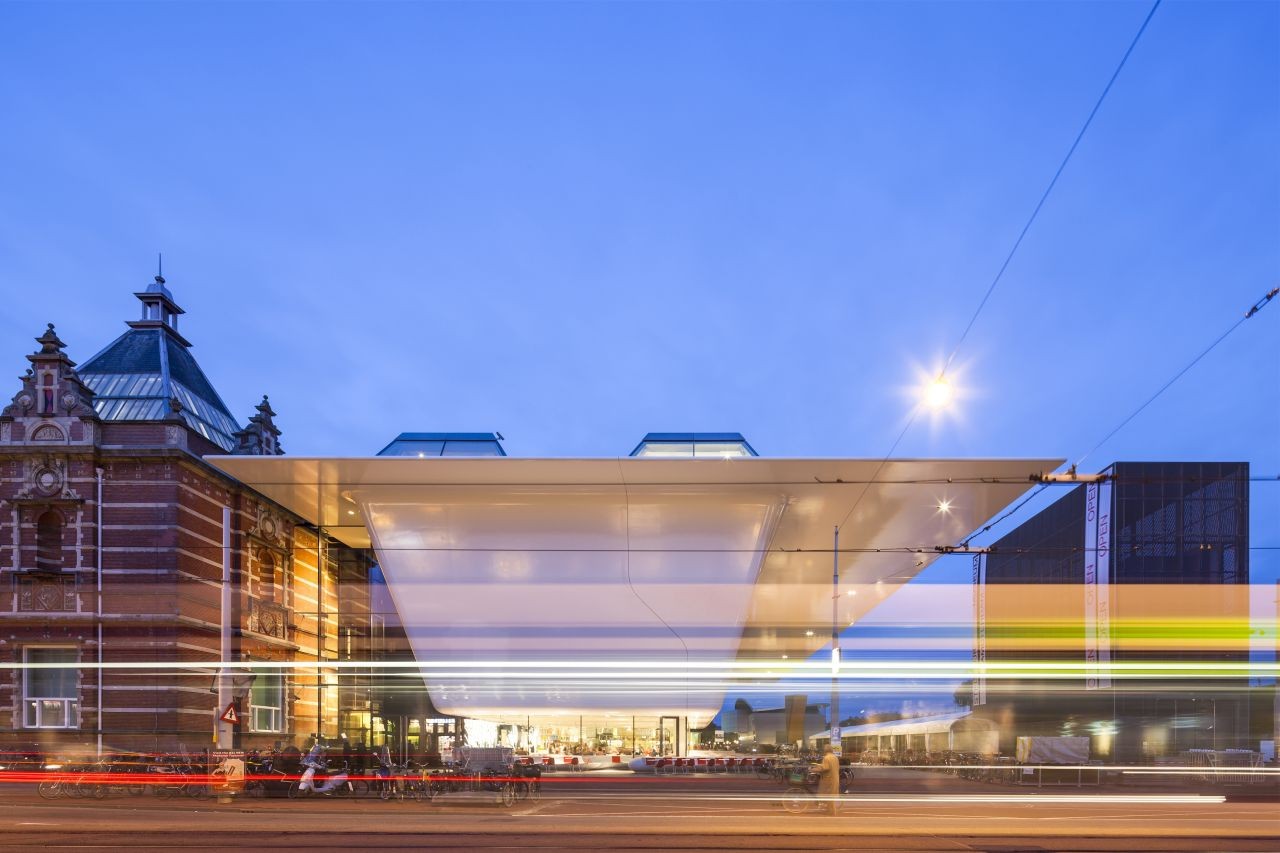
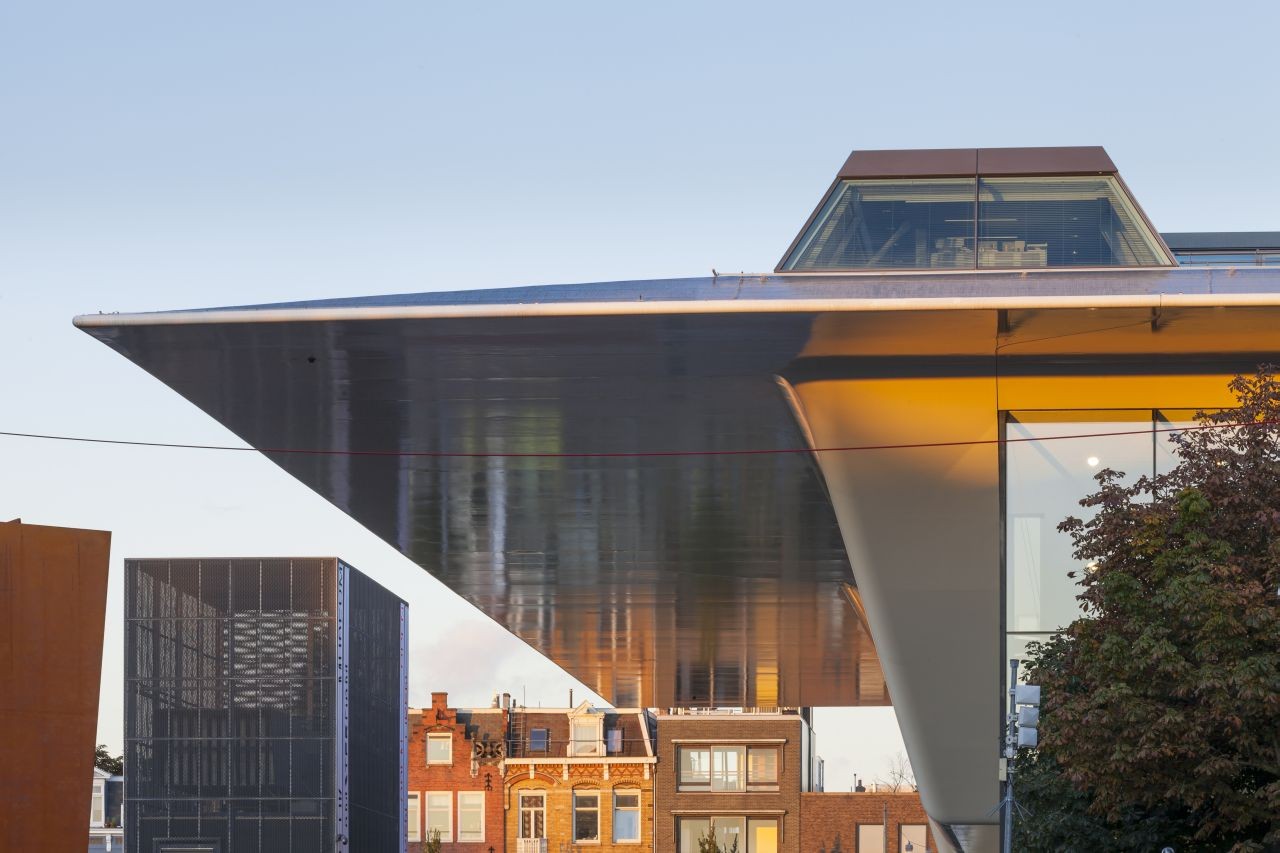
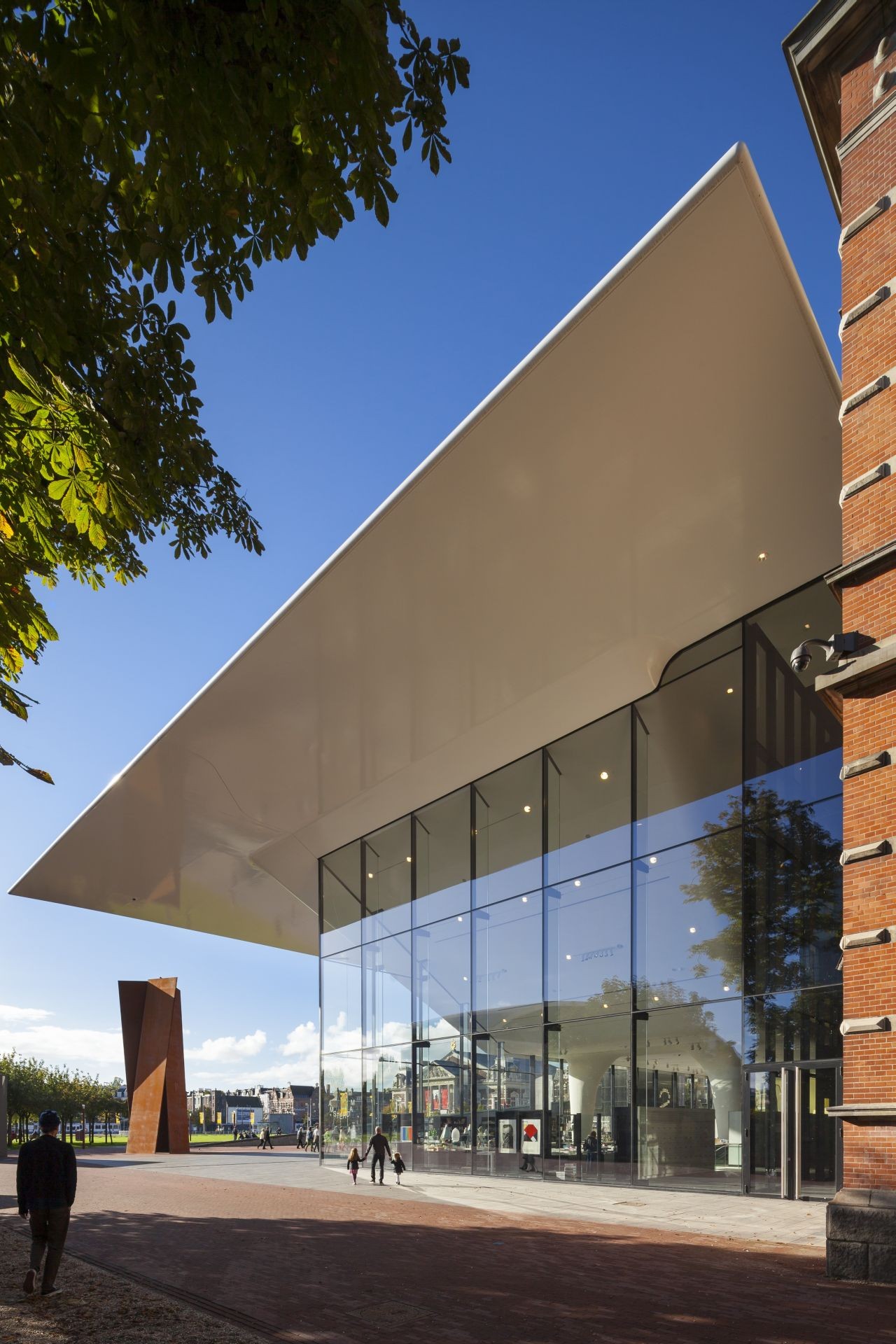
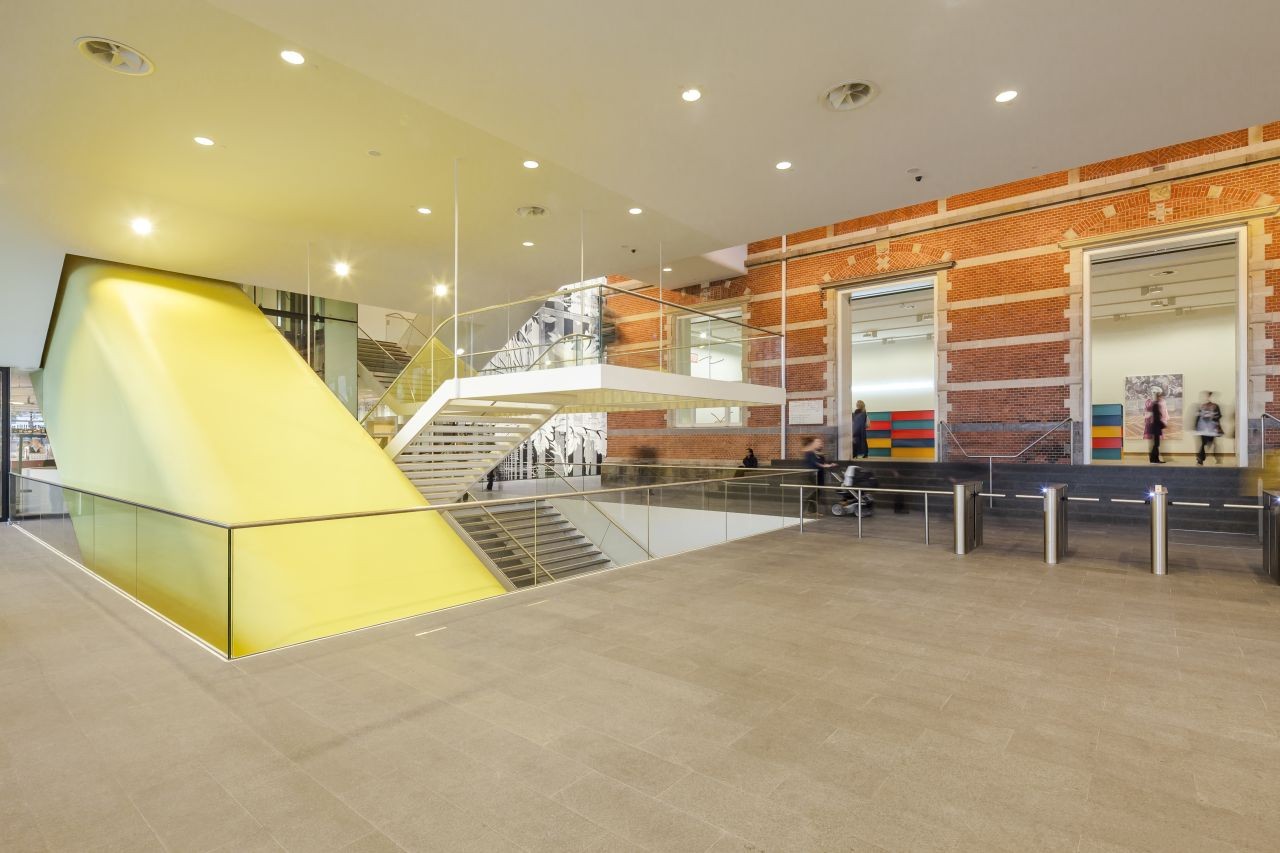
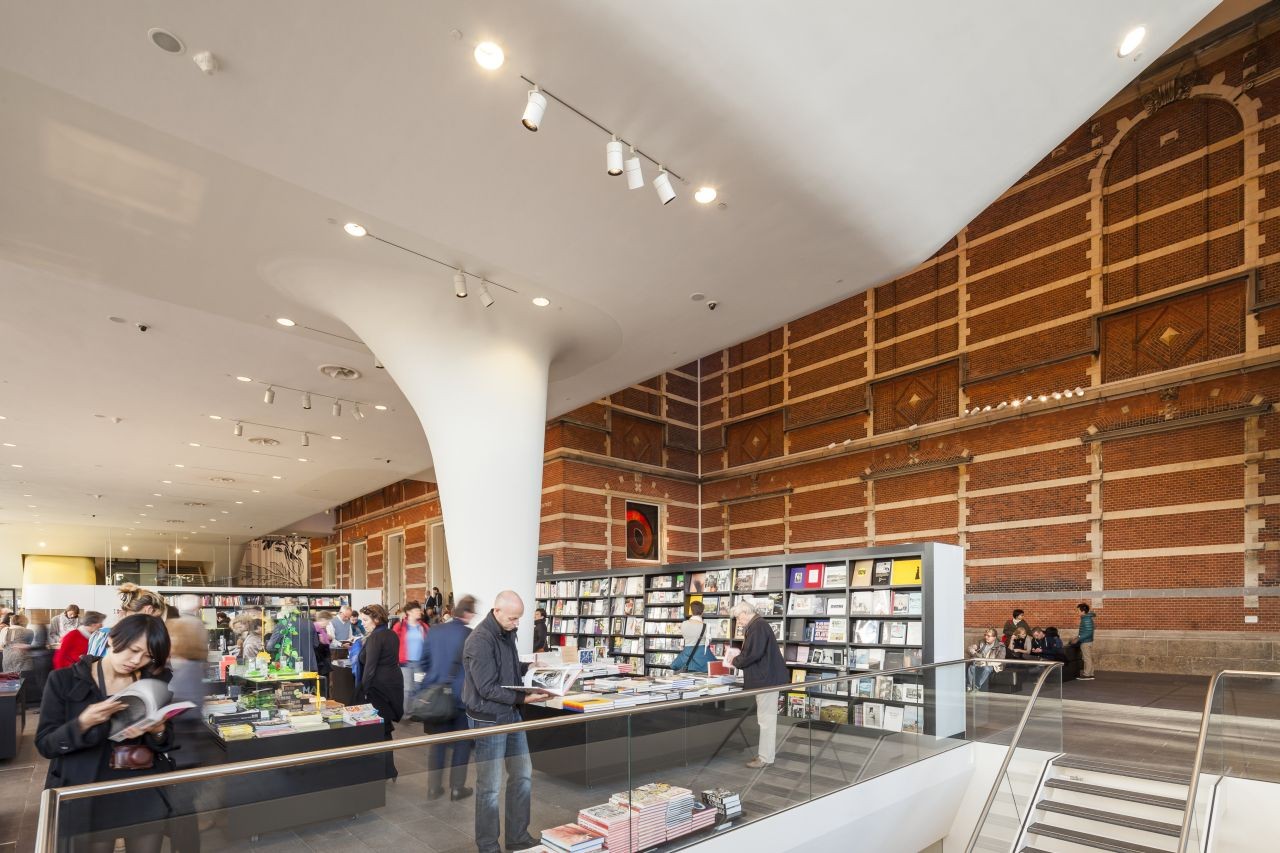
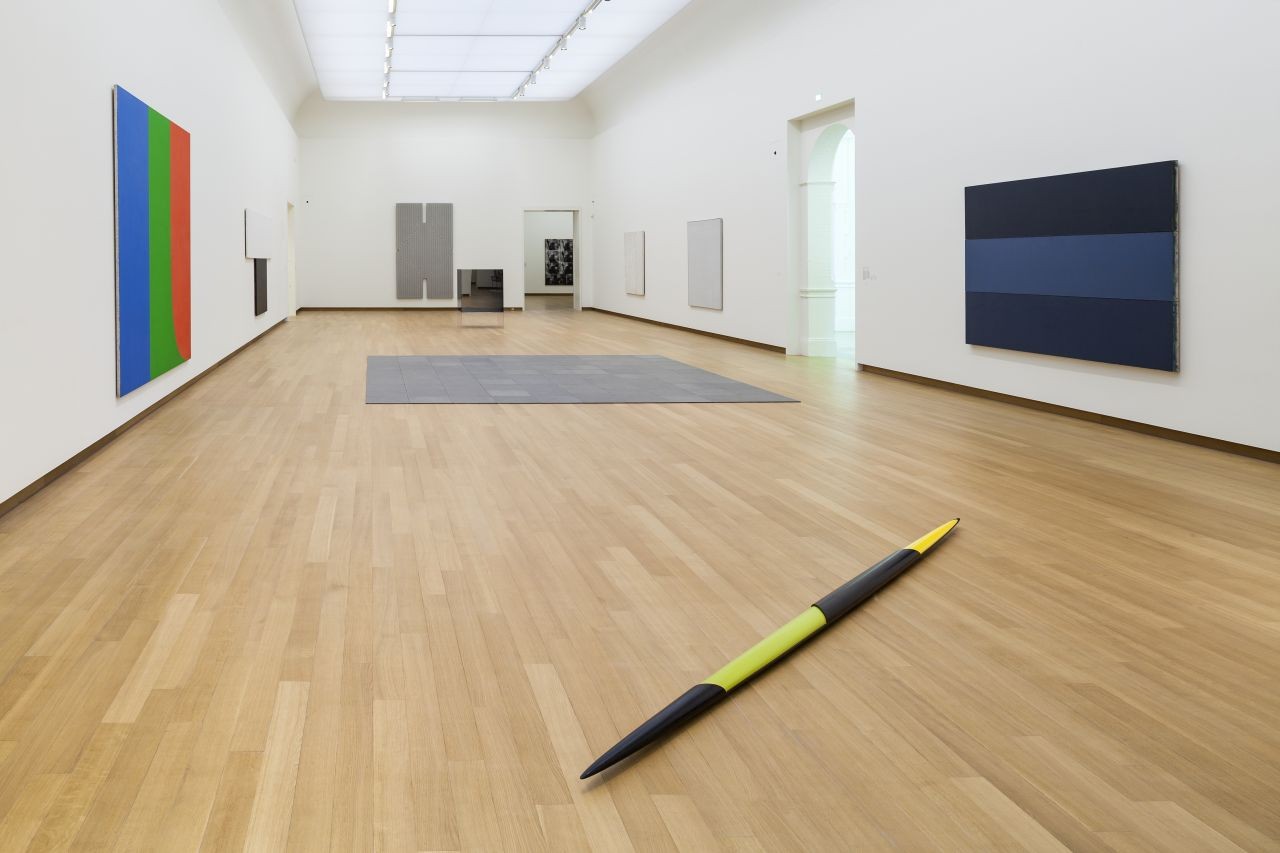
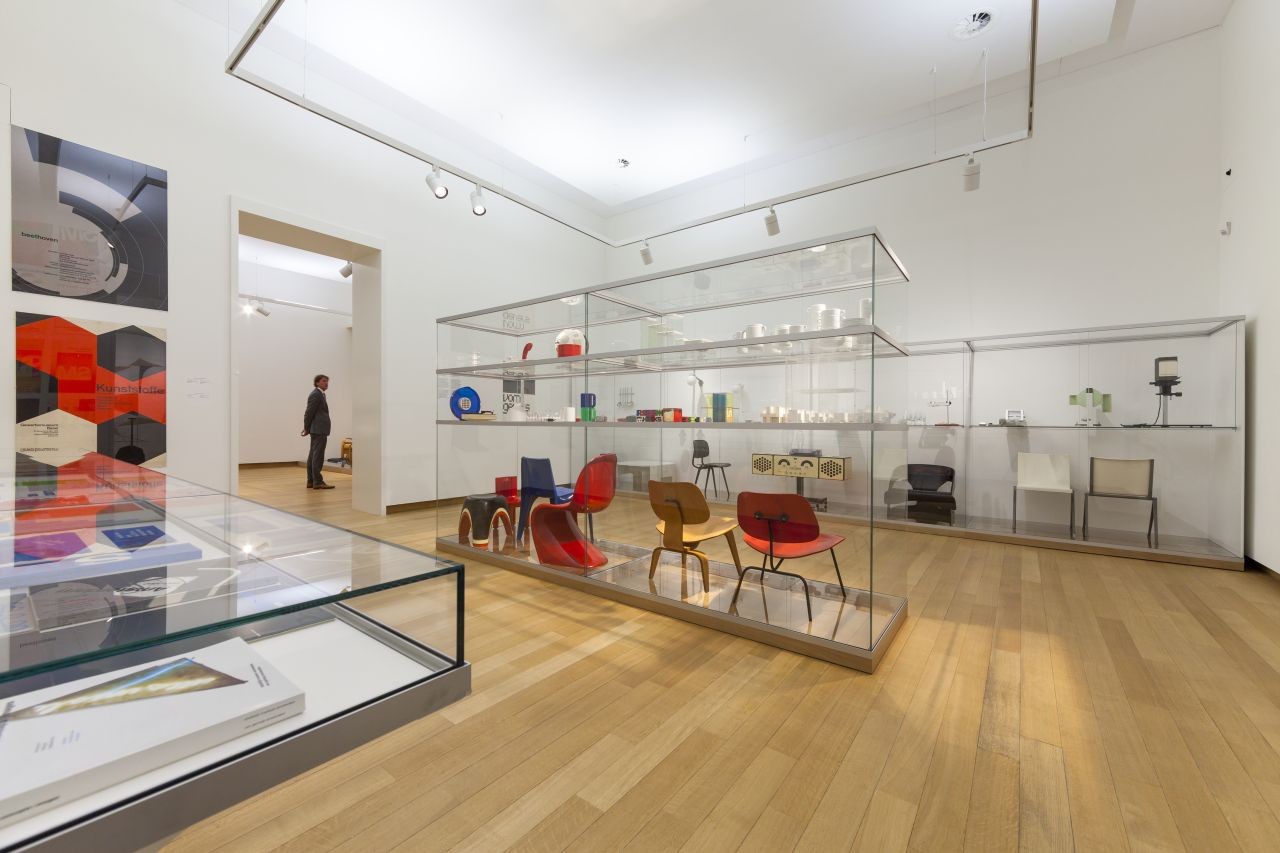
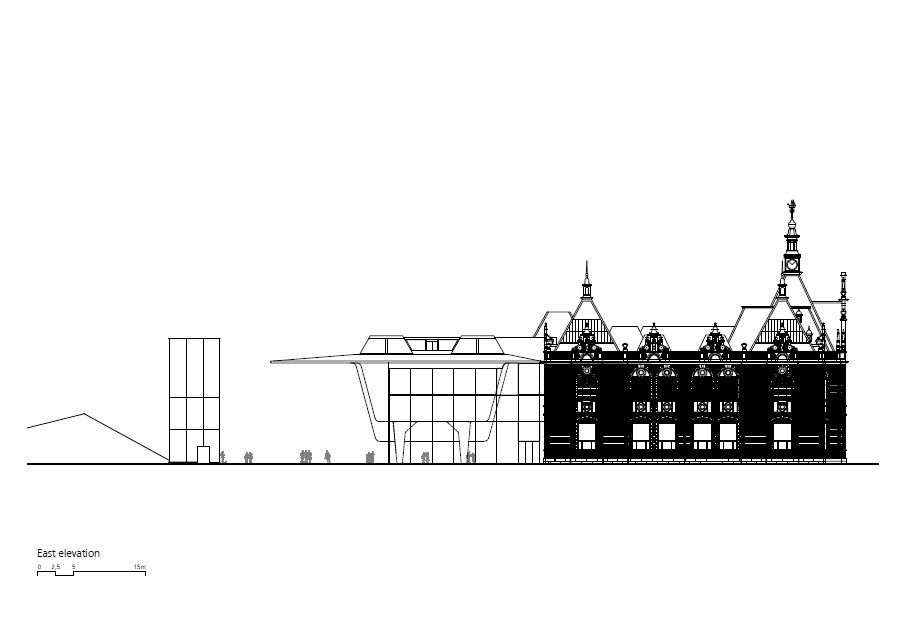
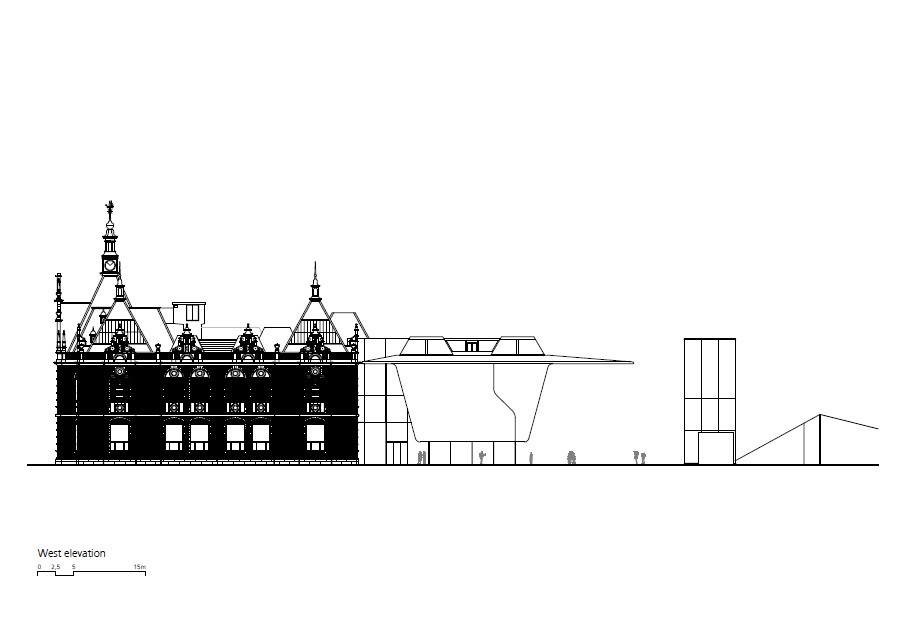
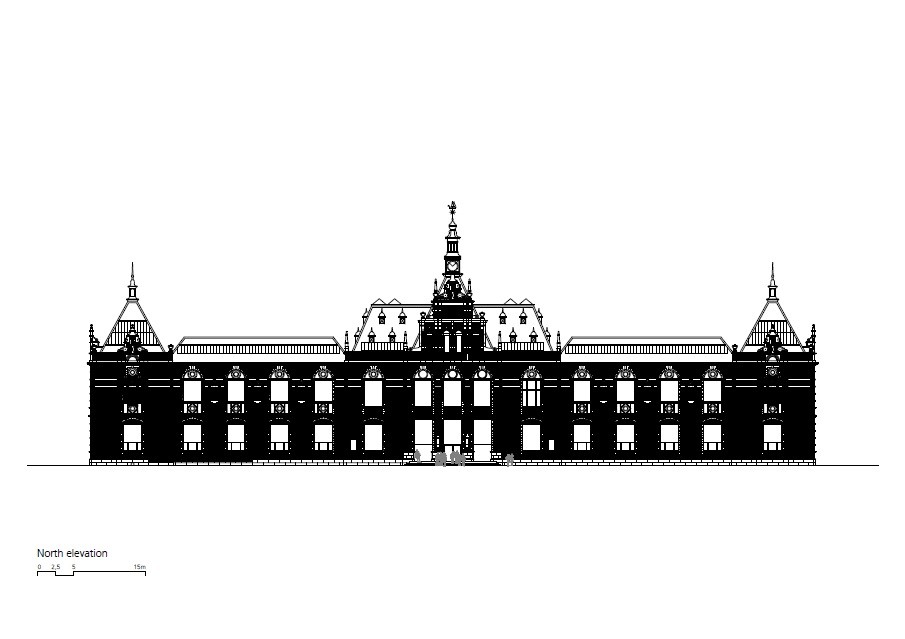
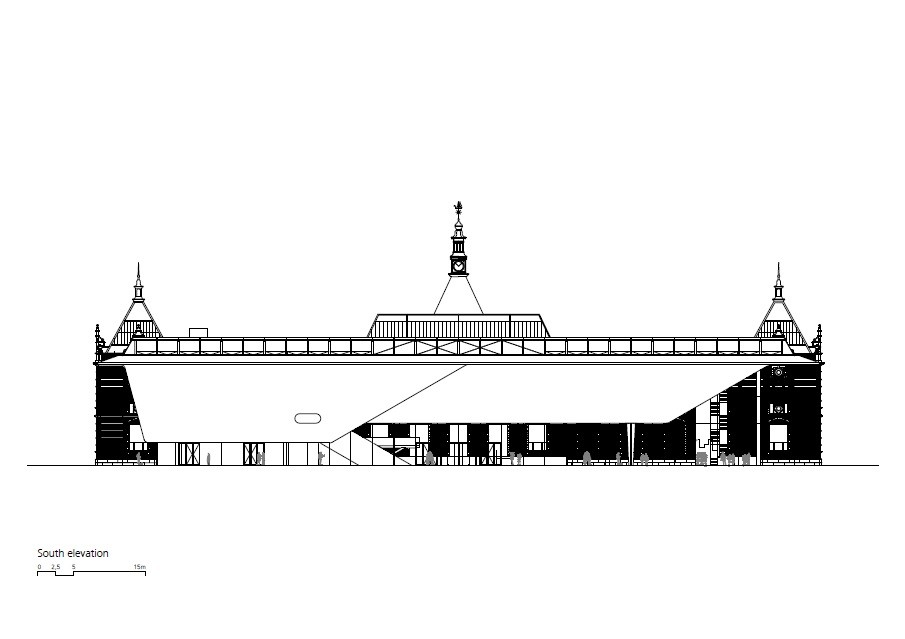
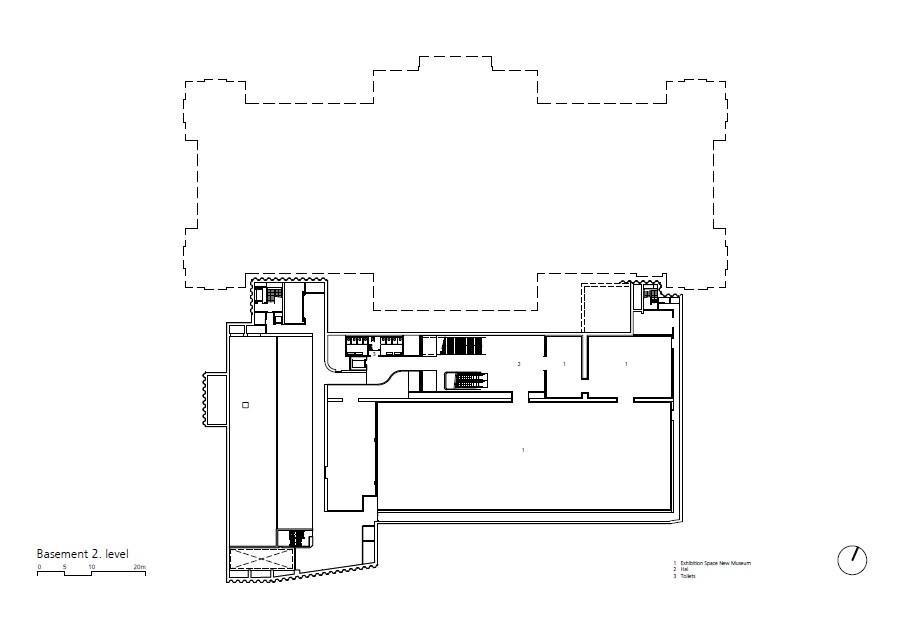
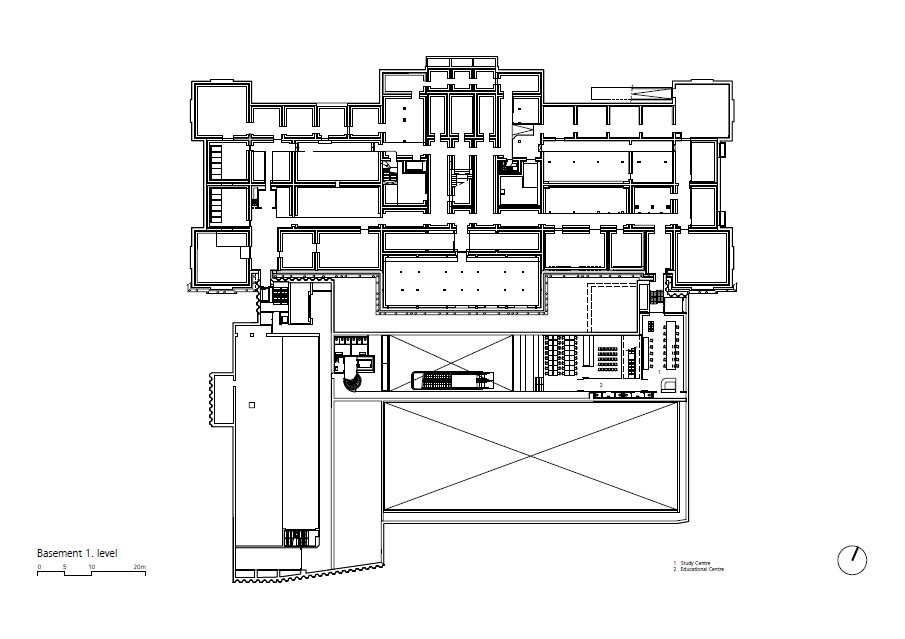
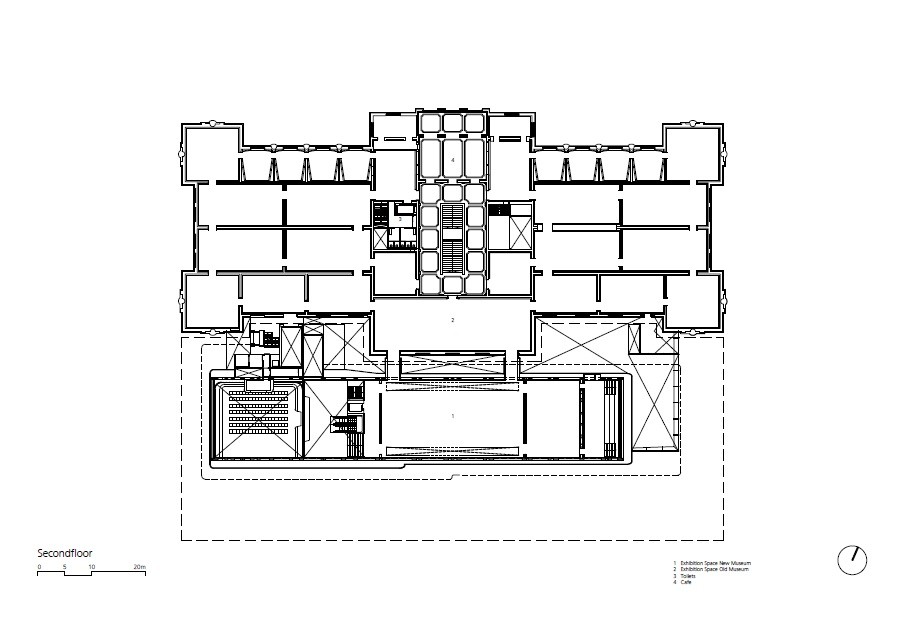
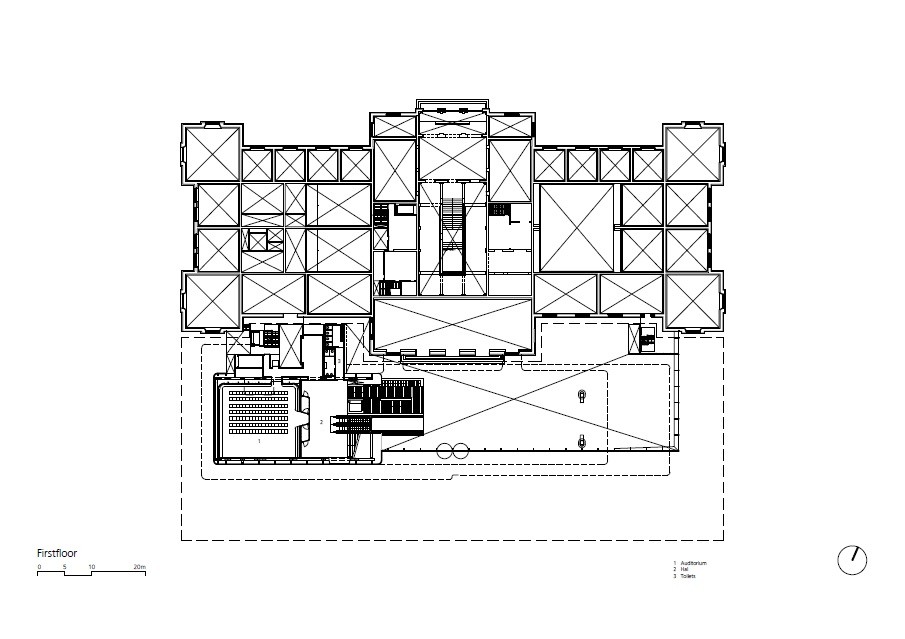
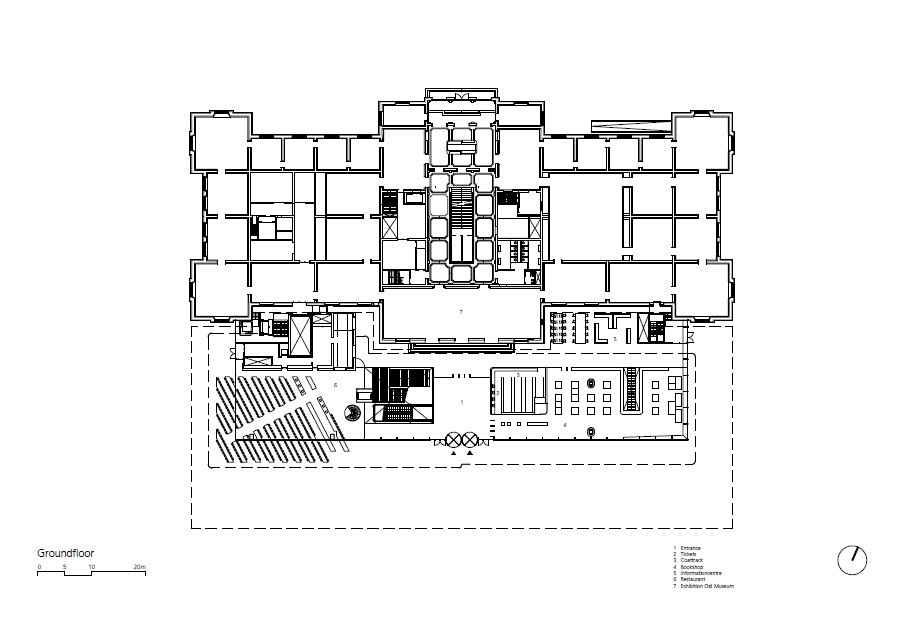
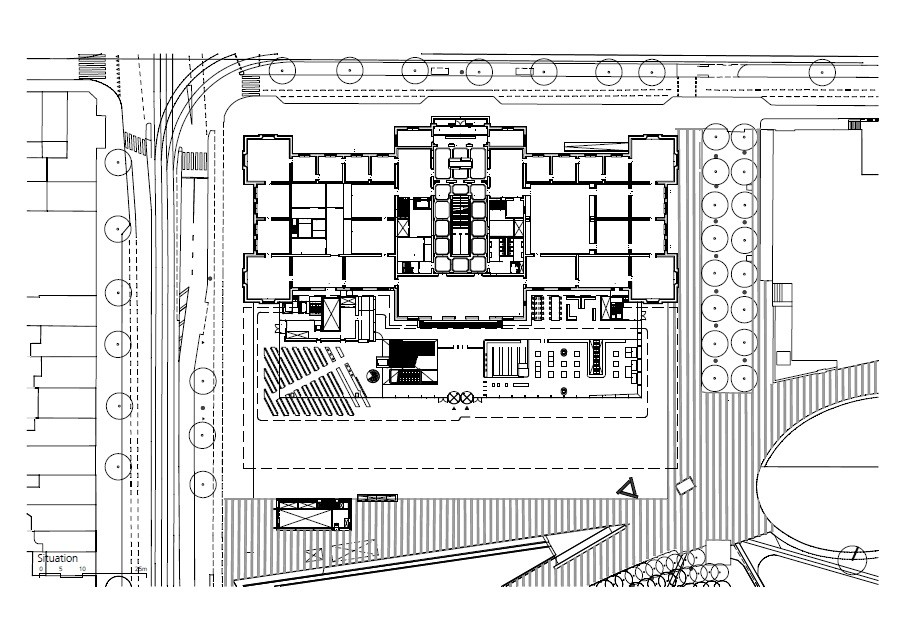
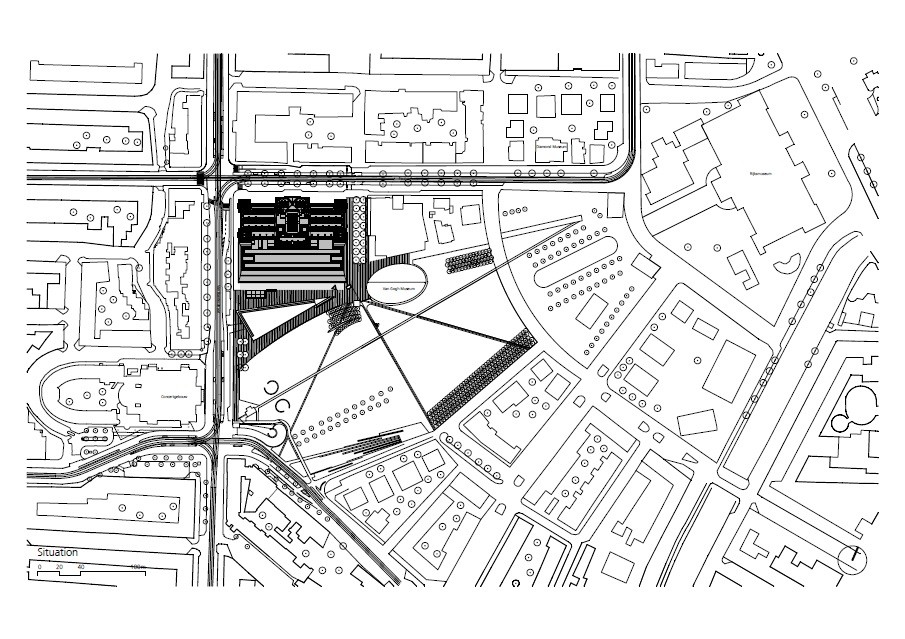
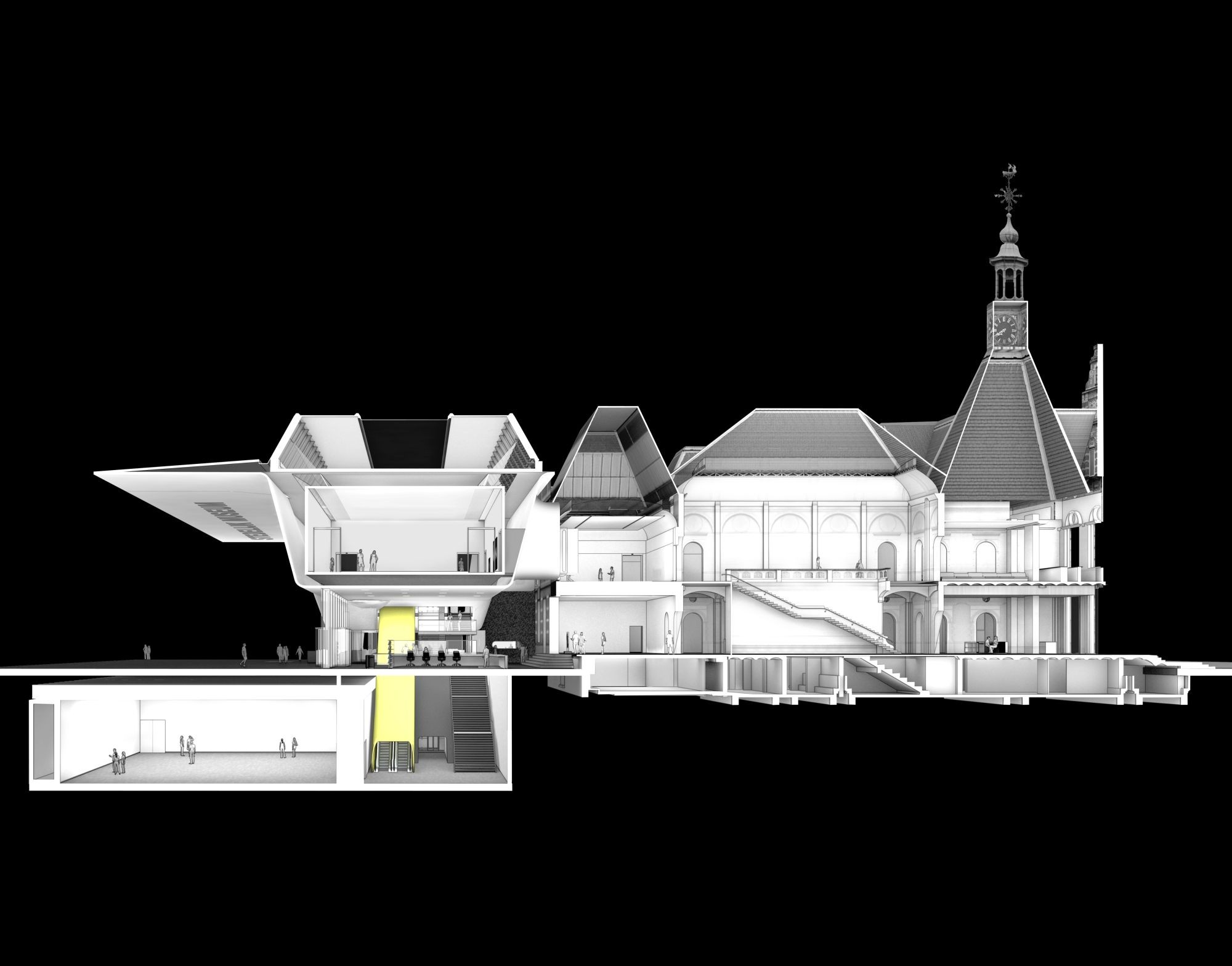
The Stedelijk Museum Amsterdam is world-renowned for its outstanding collection of contemporary art. Although its holdings rank with those of top international museums in the field, the building itself was outdated. Its location on the Museumplein in Amsterdam, alongside the Rijksmuseum, the Van Gogh Museum, and the Concertgebouw, made returning to this top-level museum to complete its renovation and expansion the natural choice. The existing museum building was designed by municipal architect A. Weismann in 1895 and is known for its grand staircase, large rooms, and natural lighting. These qualities, along with the use of white, have been retained in the design by Benthem Crouwel, following the introduction to the museum by former director Willem Sandberg, who served from 1945 to 1962. The new expansion does not seek more of the same but rather adds new opportunities for different categories and exhibitions. Old and new buildings are integrated as one. Whether for exhibitions or circulation, there is no need to choose between old and new. The expansion is not a secondary structure or a markedly different pavilion beside the existing building but a comprehensive addition. The contrast between new and old is expressed through a dramatic new batwing-shaped entrance and wing that houses galleries, education spaces, and a restaurant. The white, titanium-clad addition creates a striking contemporary counterpoint to the historic brick building, while improving visitor flow and expanding the museum's capacity to present its world-class collection.














 Editor's Pick
 Latest Design