Text description provided by the architects
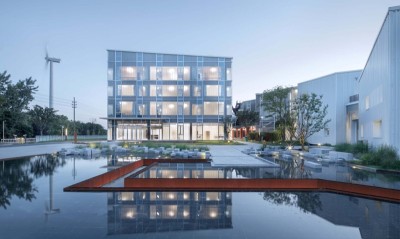
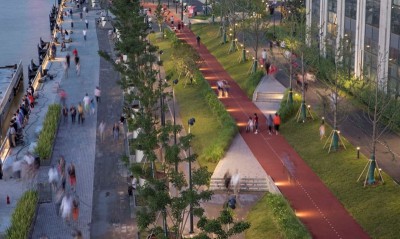
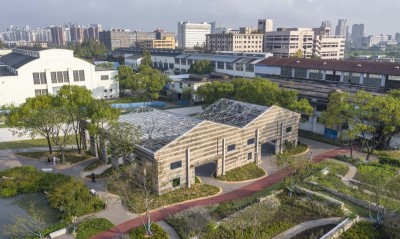
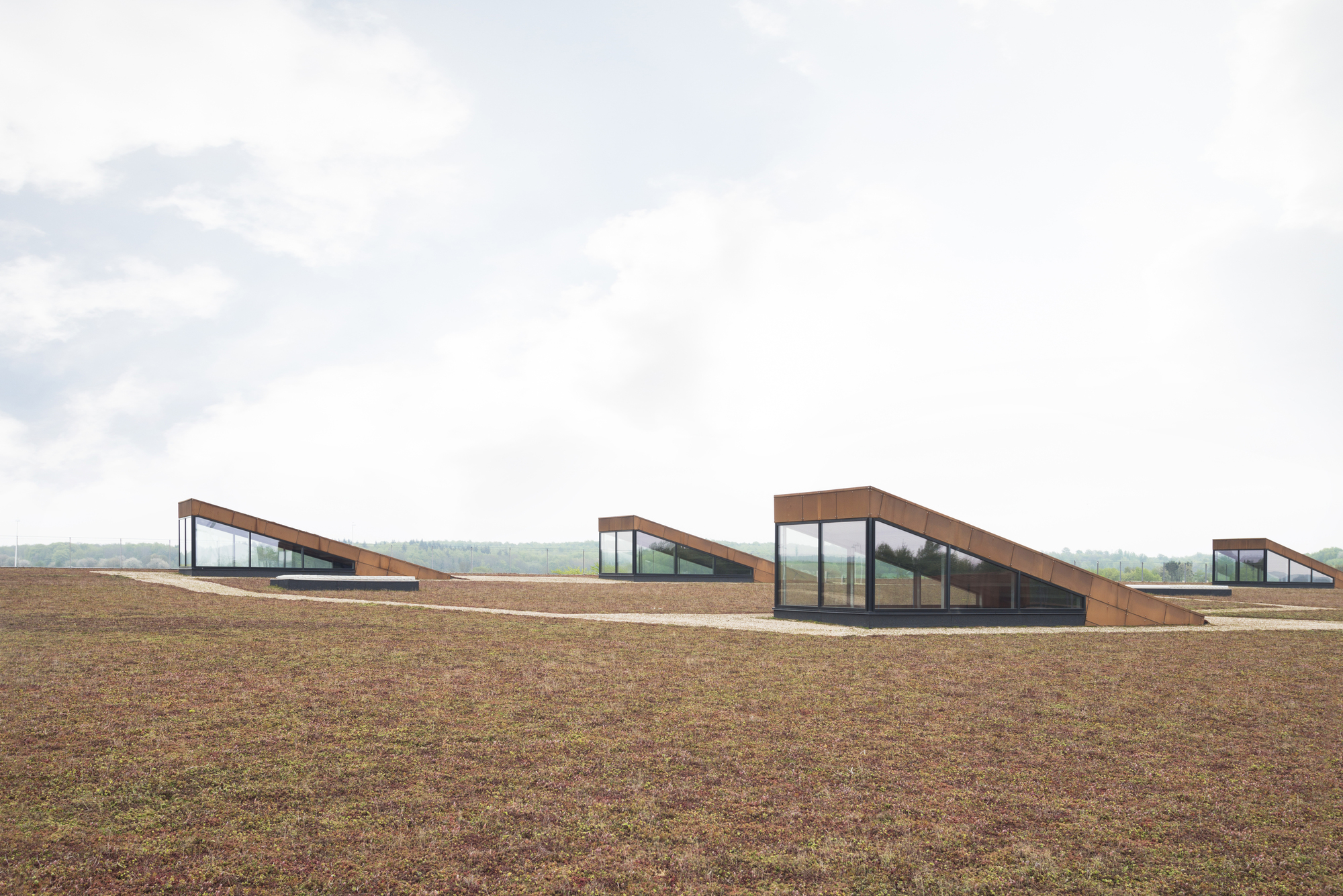
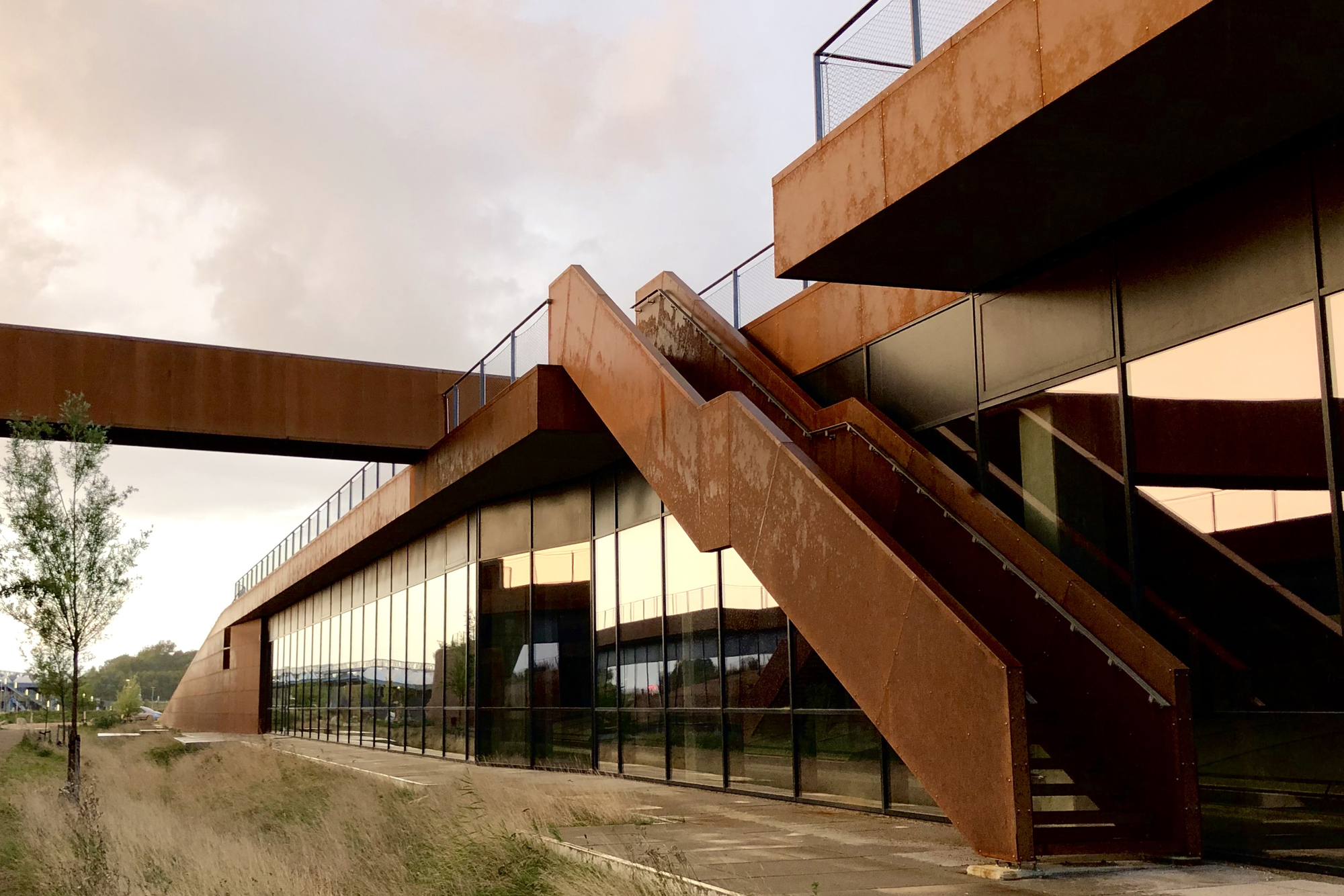
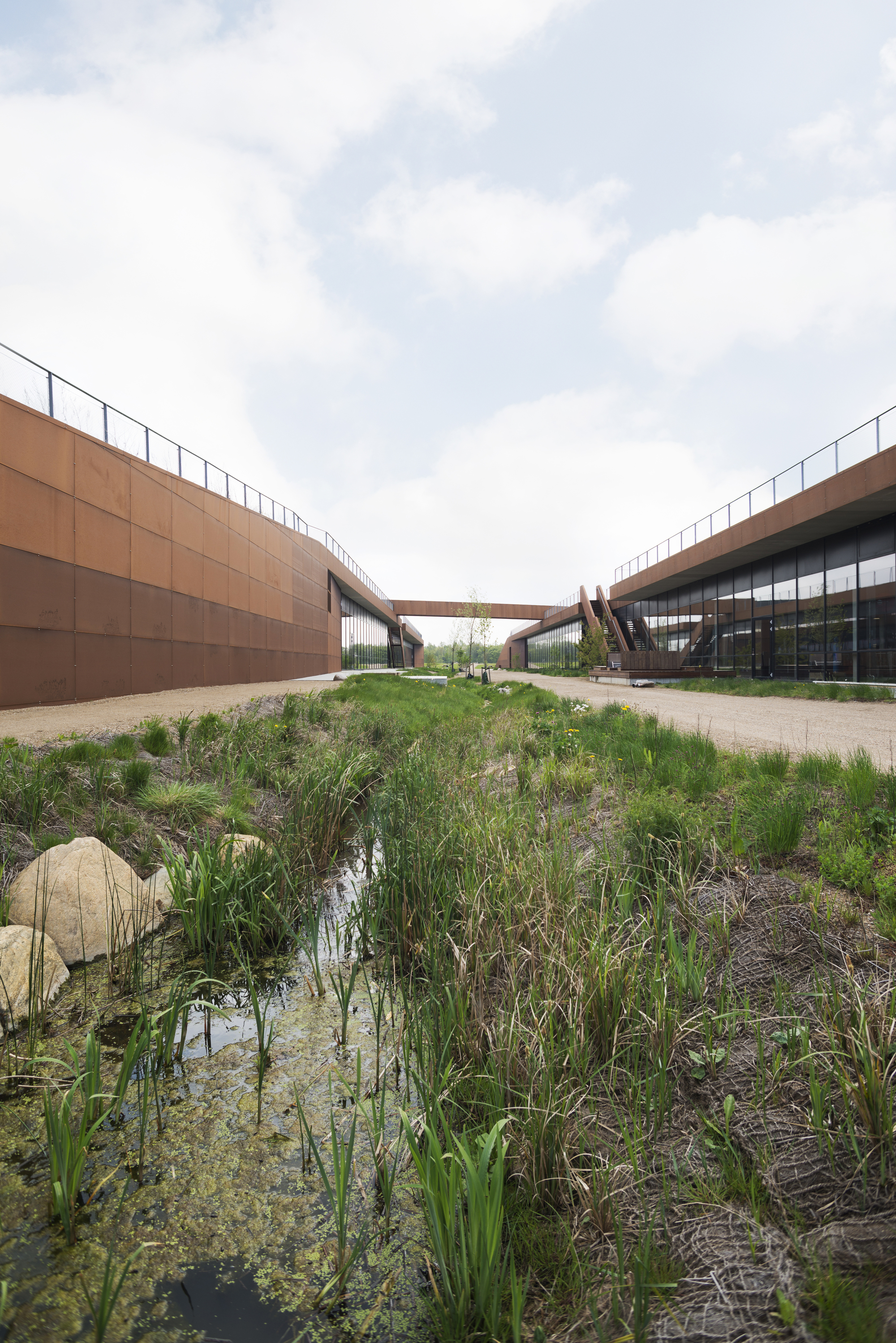
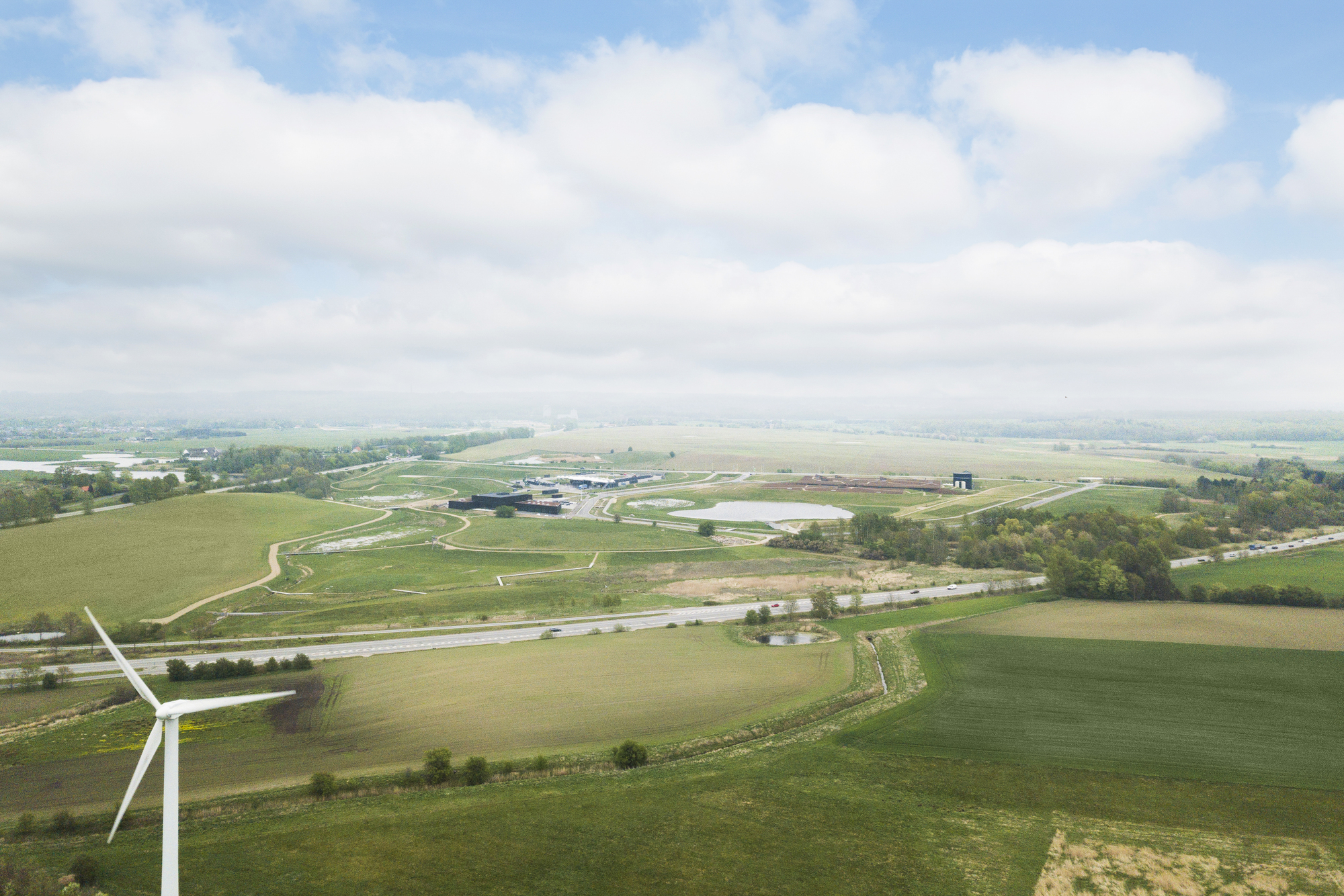
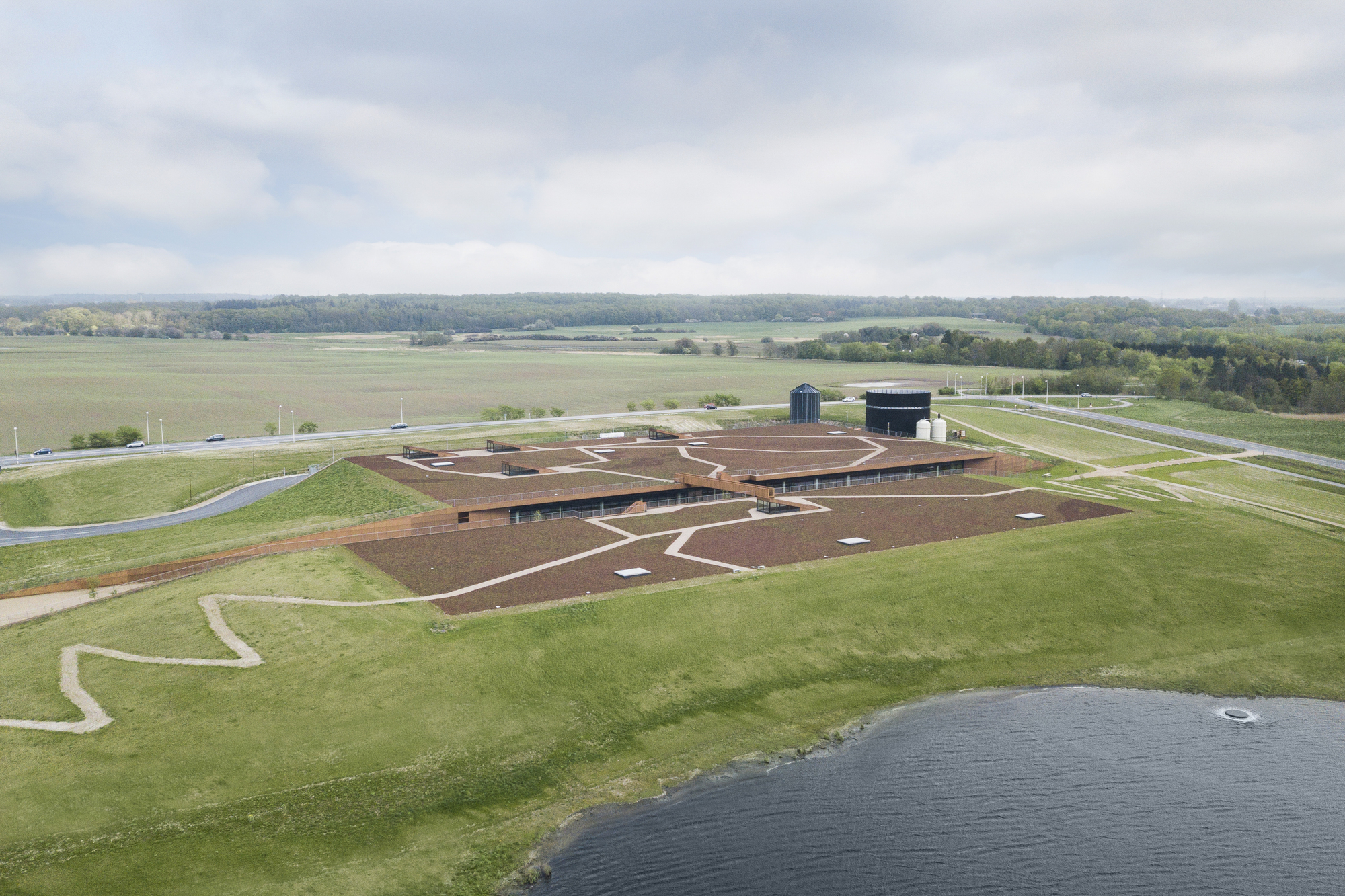
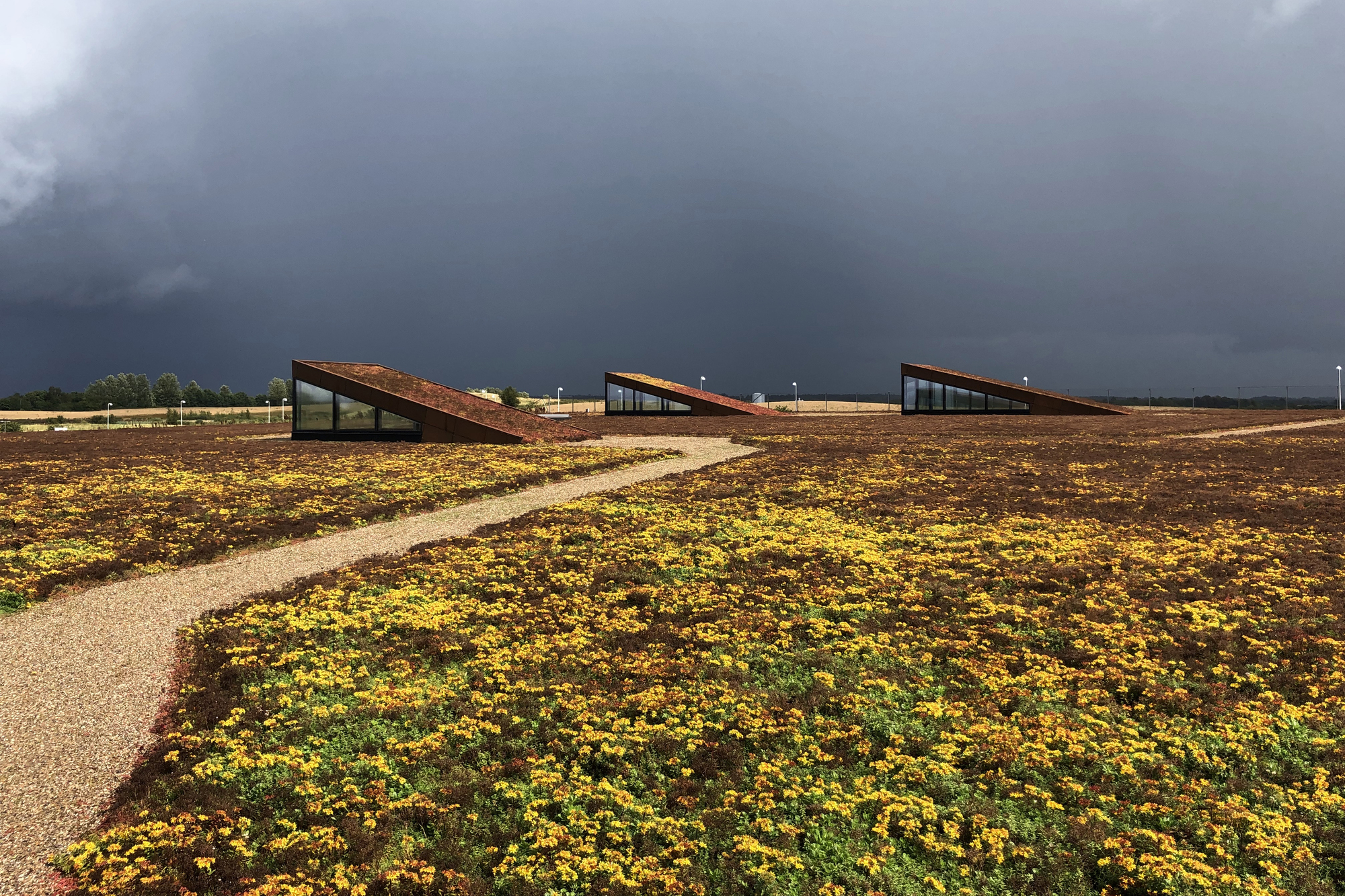
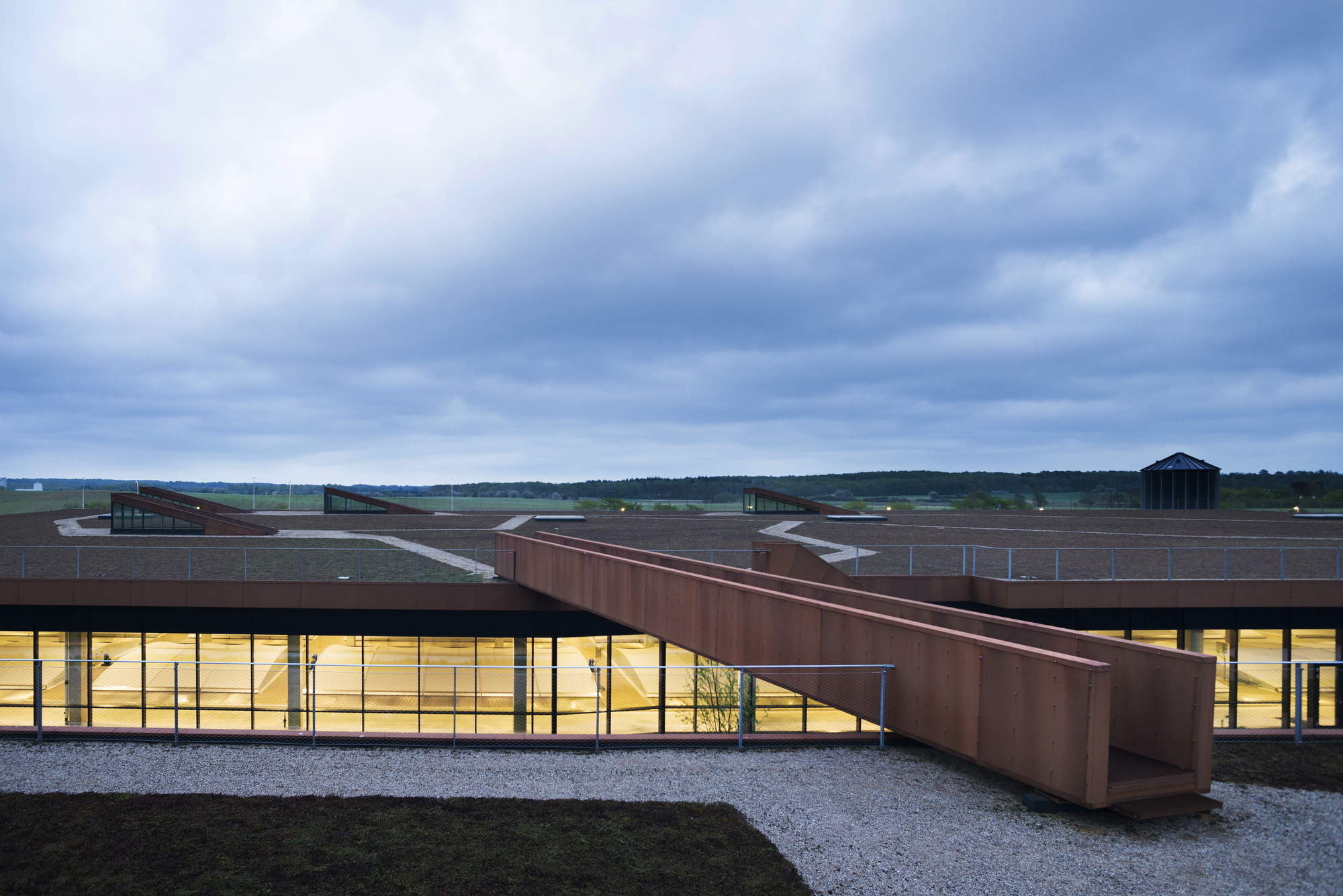
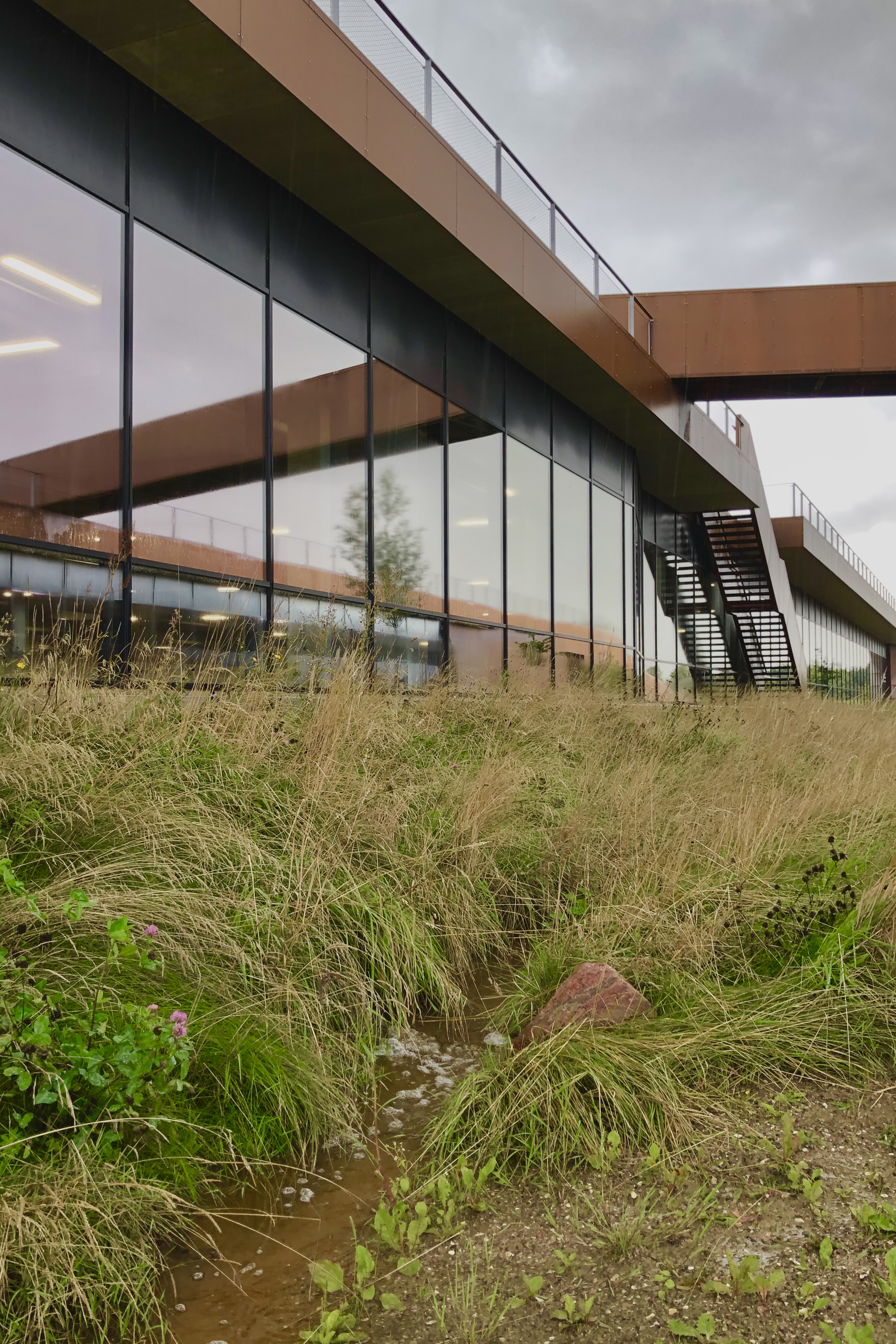
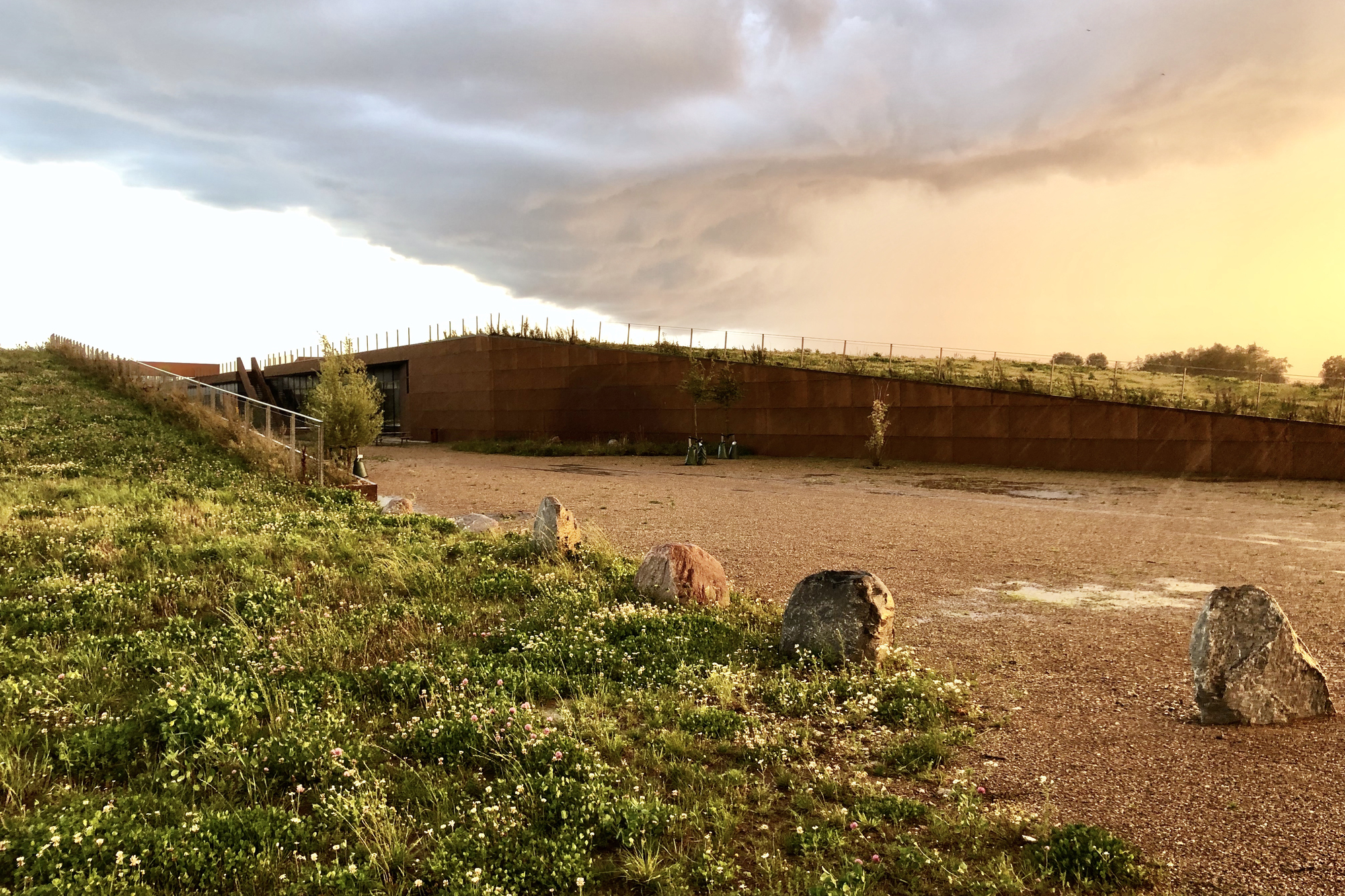
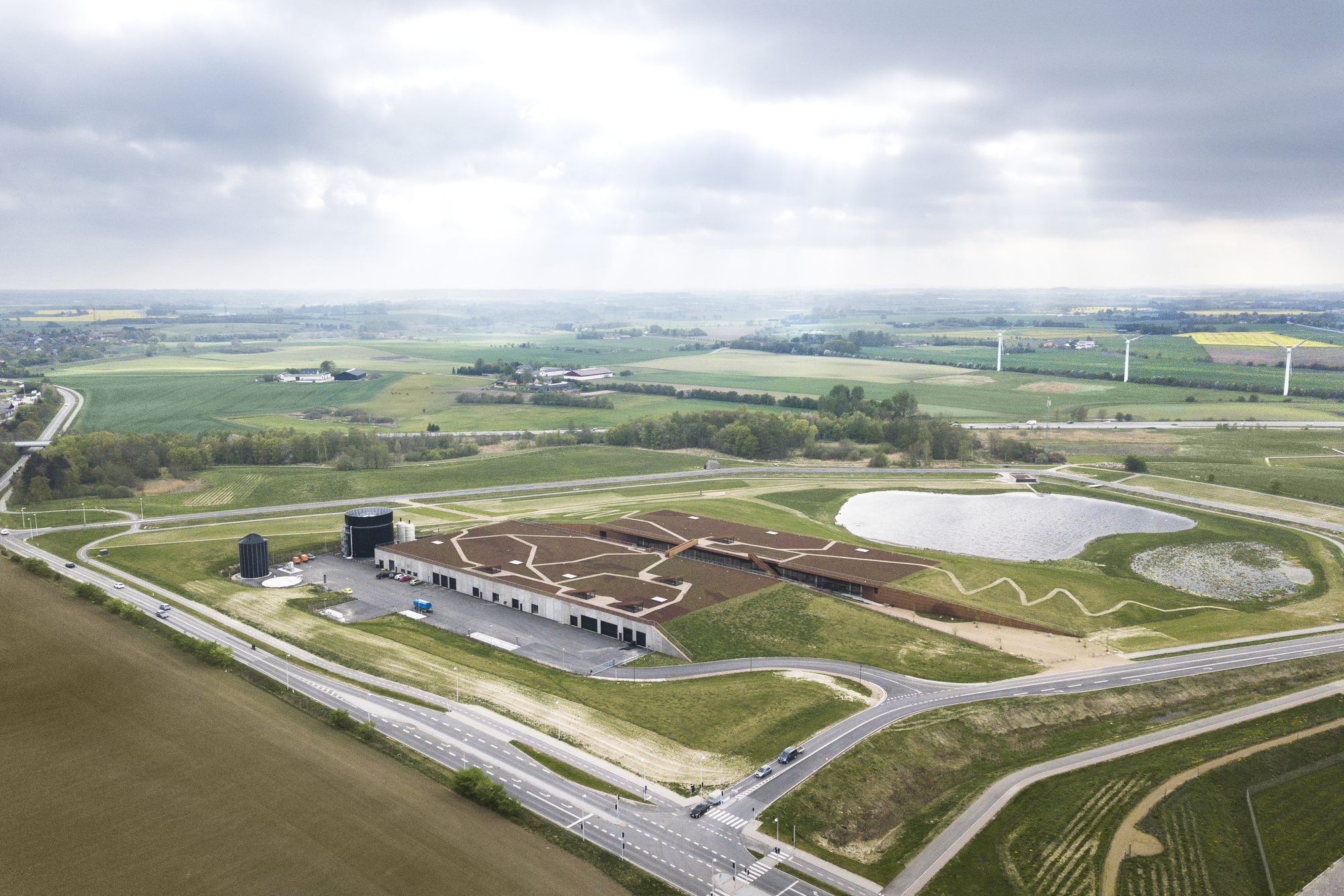
Nearly two-thirds of the world's population experiences severe water scarcity for at least one month each year. As climate change and global population density intensify, this figure will only worsen. Solrødgård Climate and Environment Park in Hillerød, northern Denmark, aims to draw greater attention to the global challenge of sustainable resource use. The park evolved from a 50-hectare, one-billion-krone master plan designed to spark community dialogue about resource consumption and climate awareness by creating public appeal within municipal infrastructure. Henning Larsen enhanced the park through the landscape design of the Solrødgård water treatment plant, adding framed public amenities that elevate the quality of the park. The site includes a recycling center, wastewater treatment plant, and administrative facilities, alongside walking paths, a birdwatching tower, and a bat habitat for local bat populations. By integrating recreational spaces into public infrastructure, the park creates a unique venue where visitors can gain direct exposure to the natural resource cycles within their community. The design opens an important conversation about resource scarcity, with serious implications for developing communities. The water treatment plant is nearly invisible from the surrounding landscape, its internal operations almost entirely concealed beneath a grass-covered roof. A network of walking paths covers the entire roof, while a landscape corridor enclosed by floor-to-ceiling glass creates a walkway through planted areas. Visitors can observe the plant's treatment wings and filtration facilities through roof skylights and the central glass curtain wall, turning an industrial process into an educational experience. The project demonstrates how essential infrastructure can be designed as a public asset rather than a purely functional facility.











 Editor's Pick
 Latest Design