Text description provided by the architects
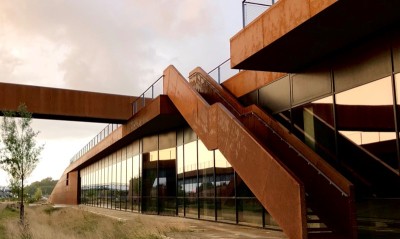
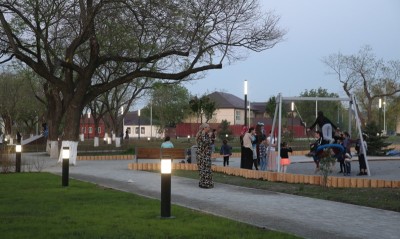
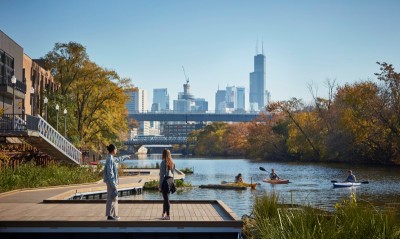
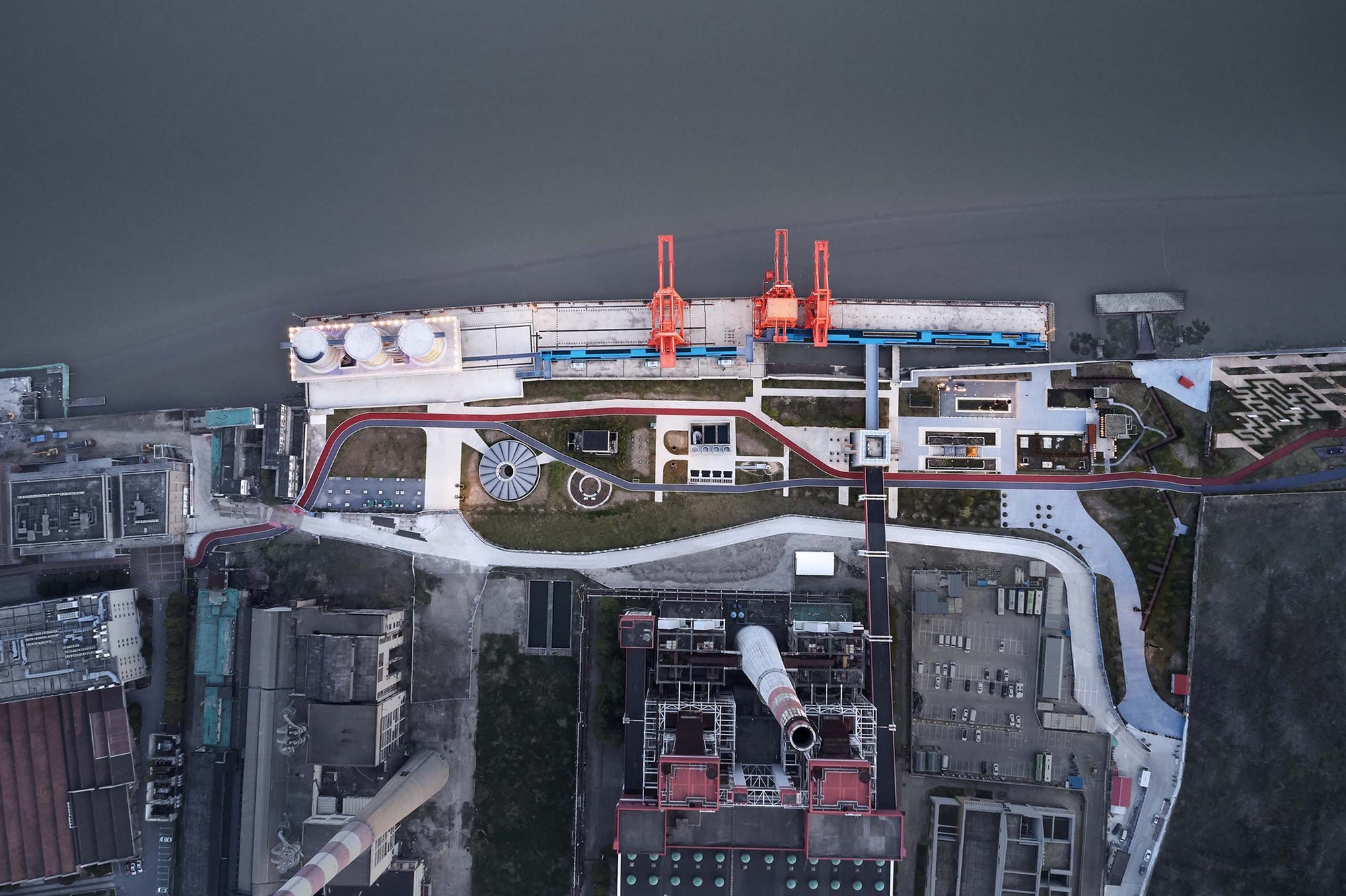
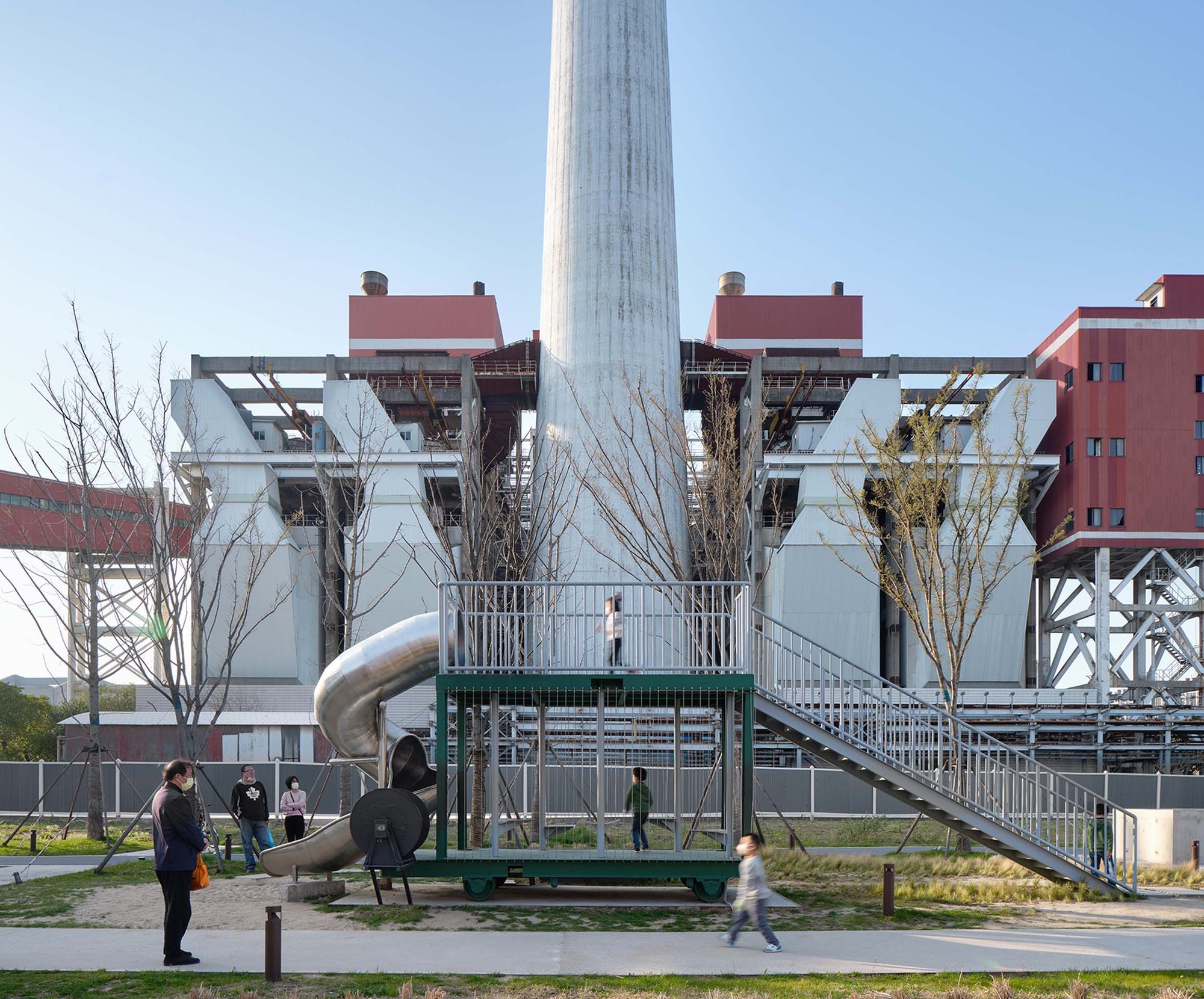
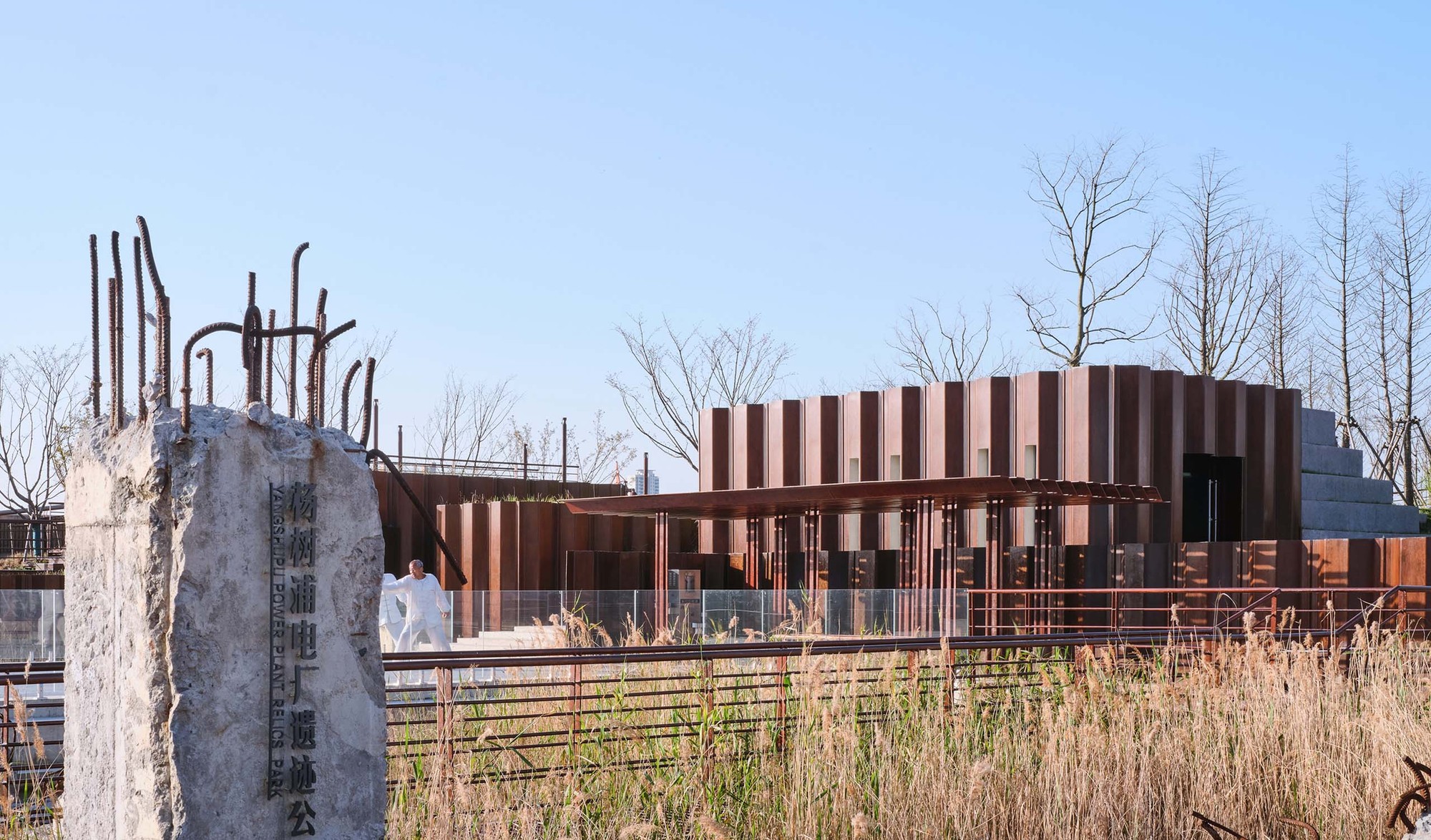
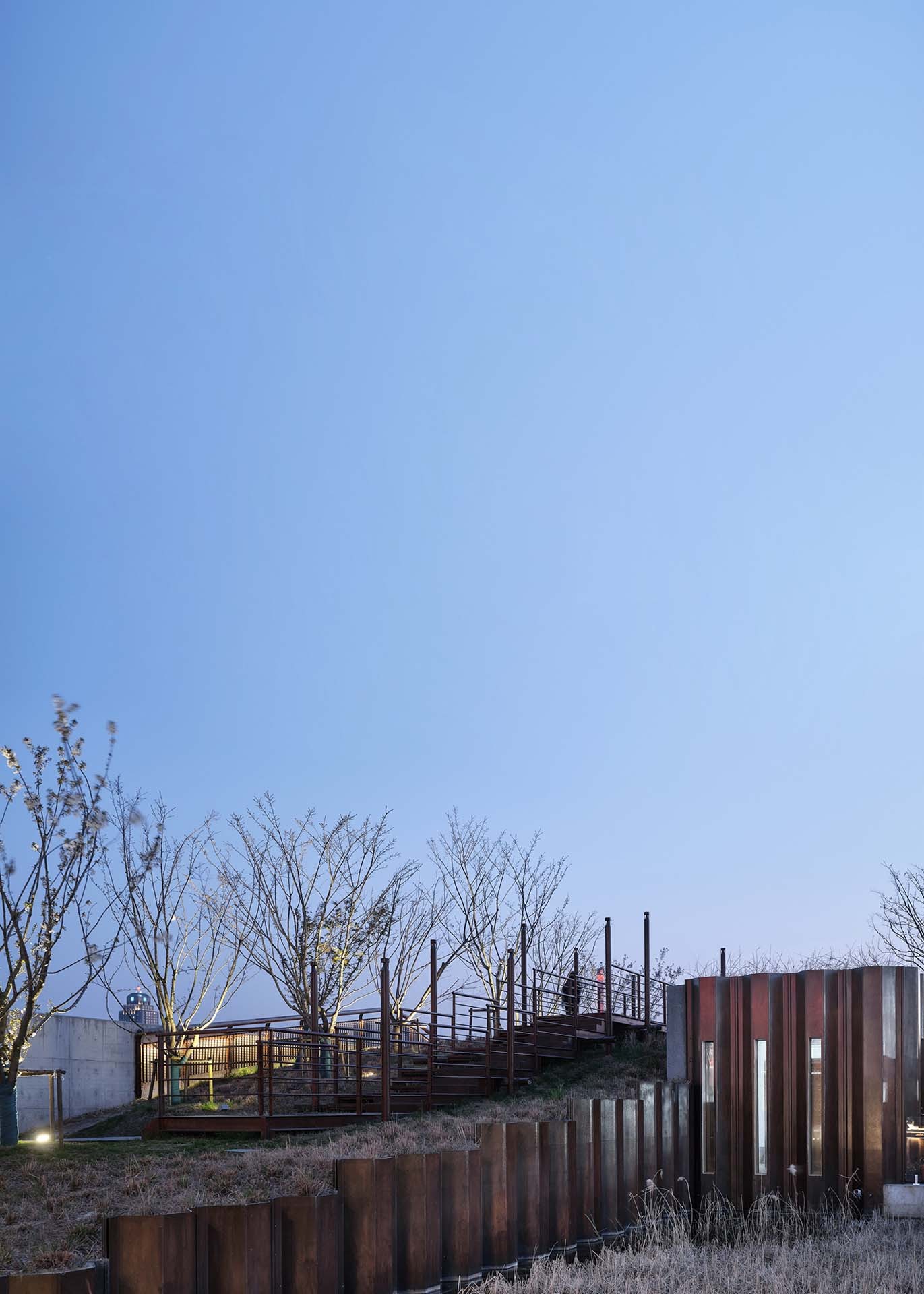
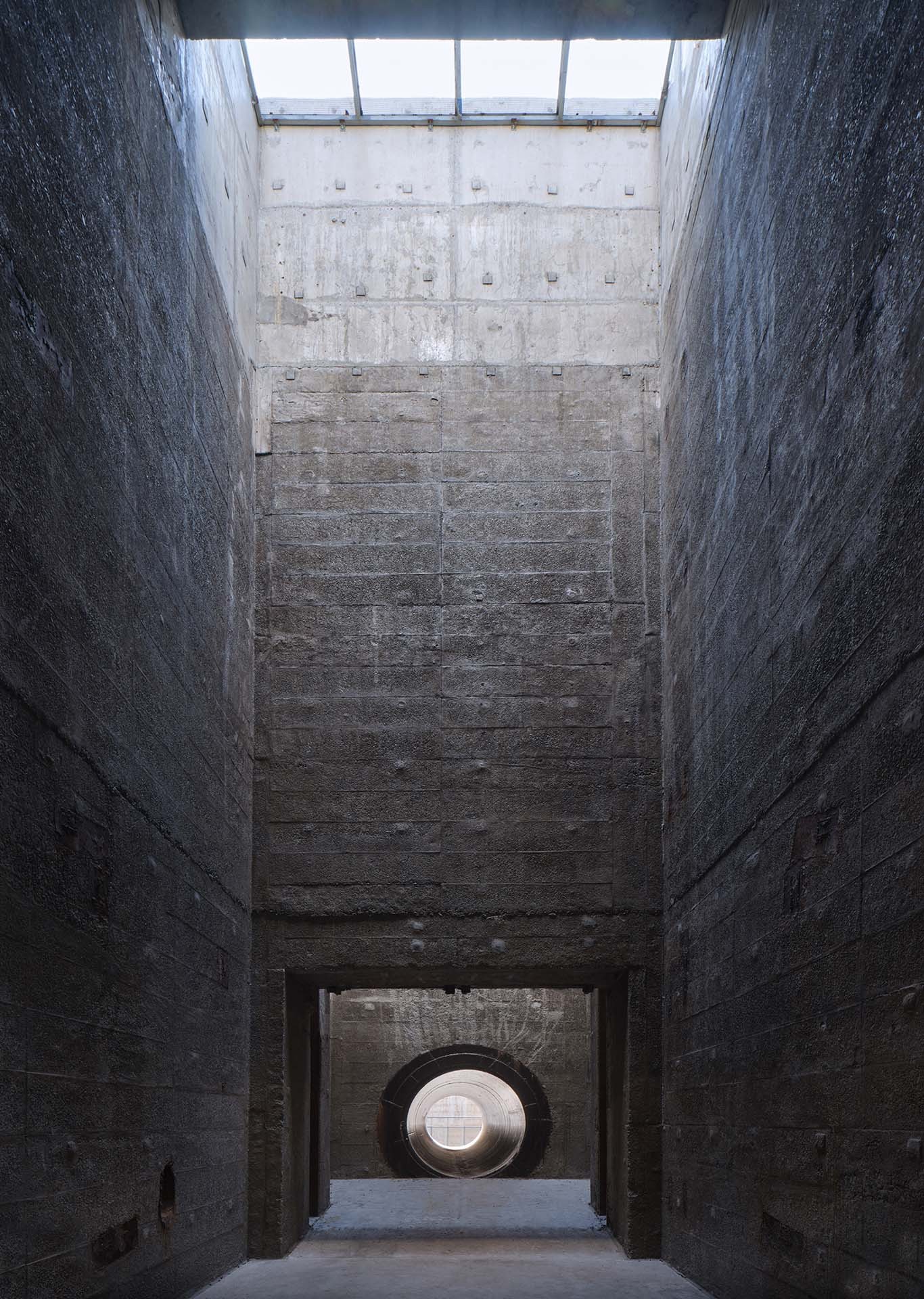
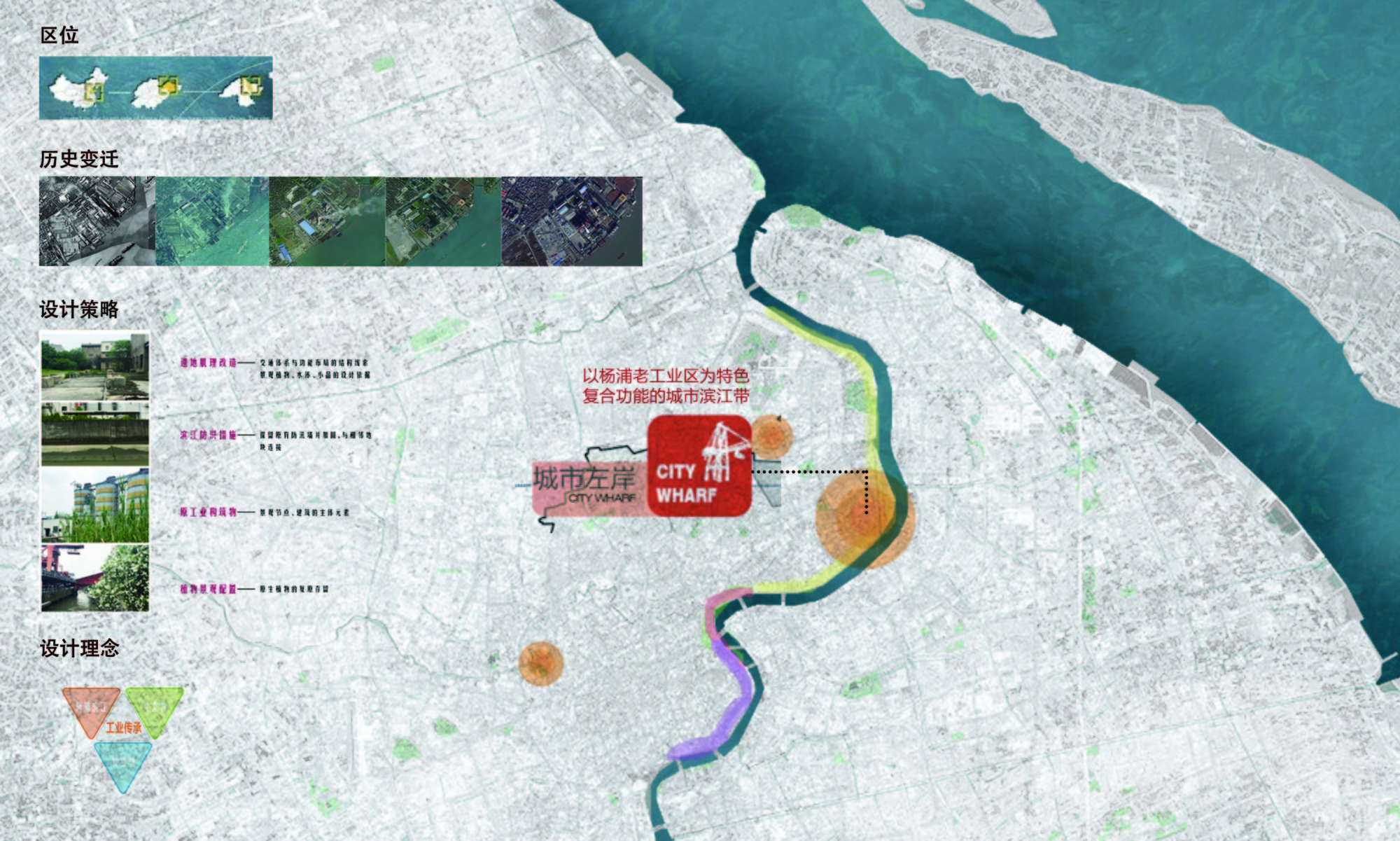
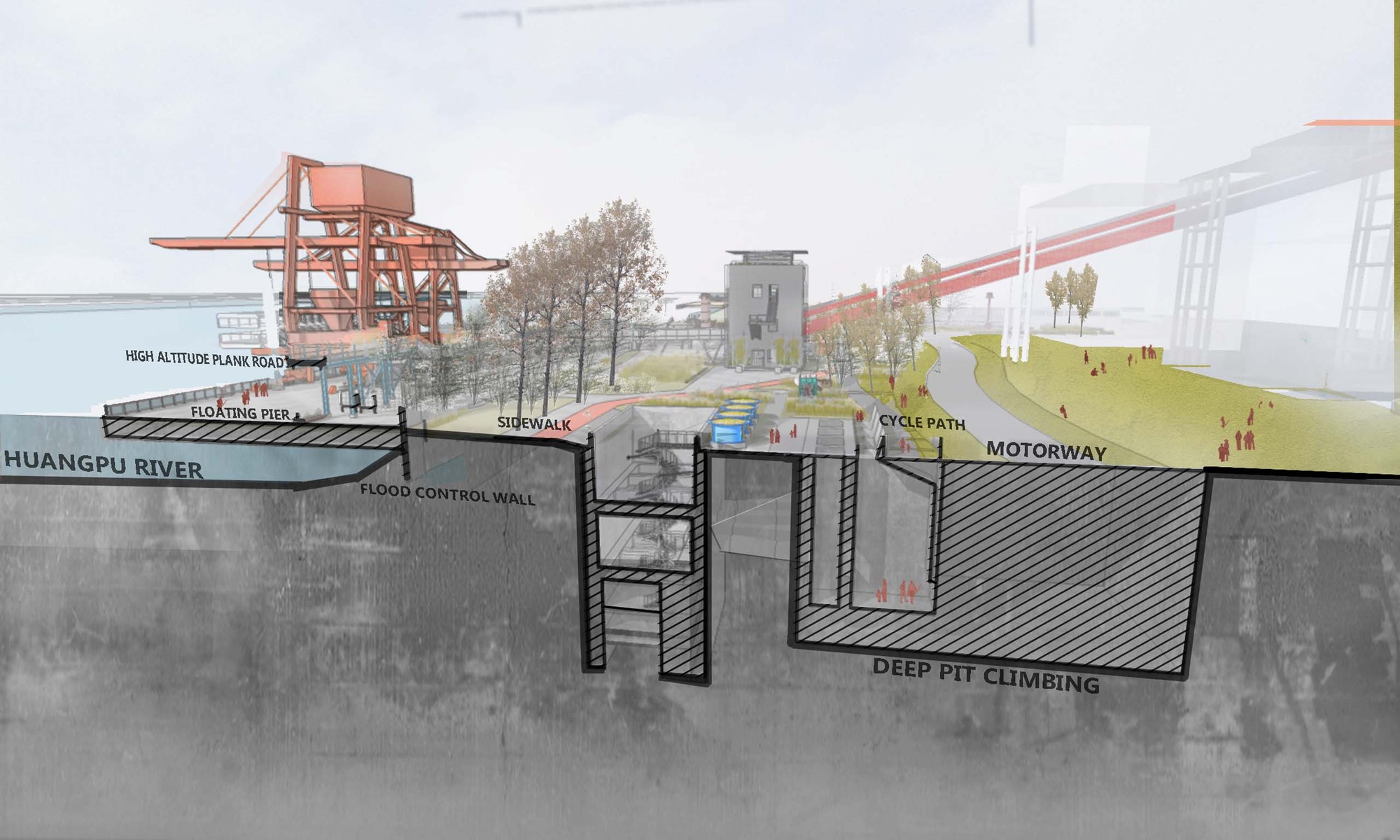
From a heavily polluting thermal power plant to an ecologically shared waterfront: the Yangshupu Power Plant waterfront art space was originally the Yangshupu Power Plant, built with British investment in 1913. This former Far East's largest thermal power plant played an important role in Shanghai's urban development but also caused air pollution and ecological damage through its heavy coal consumption. In 2015, with the launch of the entire Huangpu River public space improvement plan, the power plant was shut down and began ecological and artistic transformation, transitioning from a closed, no-admittance production waterfront to a cultural and ecological shared living waterfront open space, returning the river to the people, repairing the ecological pollution caused by coal burning, shaping the spirit of place at the power plant, and embedding a rhythmic waterfront public space into the city. Facing history and renewing it, the original ecological landscape design concept: the industrial heritage consolidation of the power plant section began with two anchor points. On one hand, public space creation is based on understanding the original production process: the 105-meter chimney, gantry cranes along the riverbank, coal trestles, conveyor belts, clean water tanks, wet ash silos, and dry ash silos have special spatial forms. The project by TJAD creates a public waterfront park that preserves the industrial heritage while restoring the ecological environment, demonstrating how a polluting industrial site can be transformed into a thriving cultural and recreational destination.













 Editor's Pick
 Latest Design
 Best Idea