Text description provided by the architects
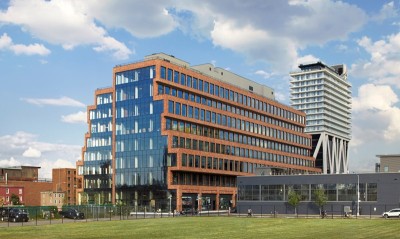
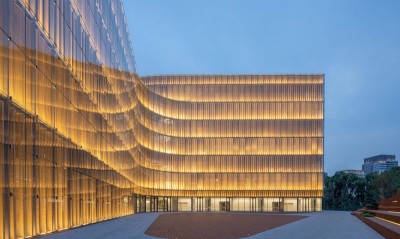
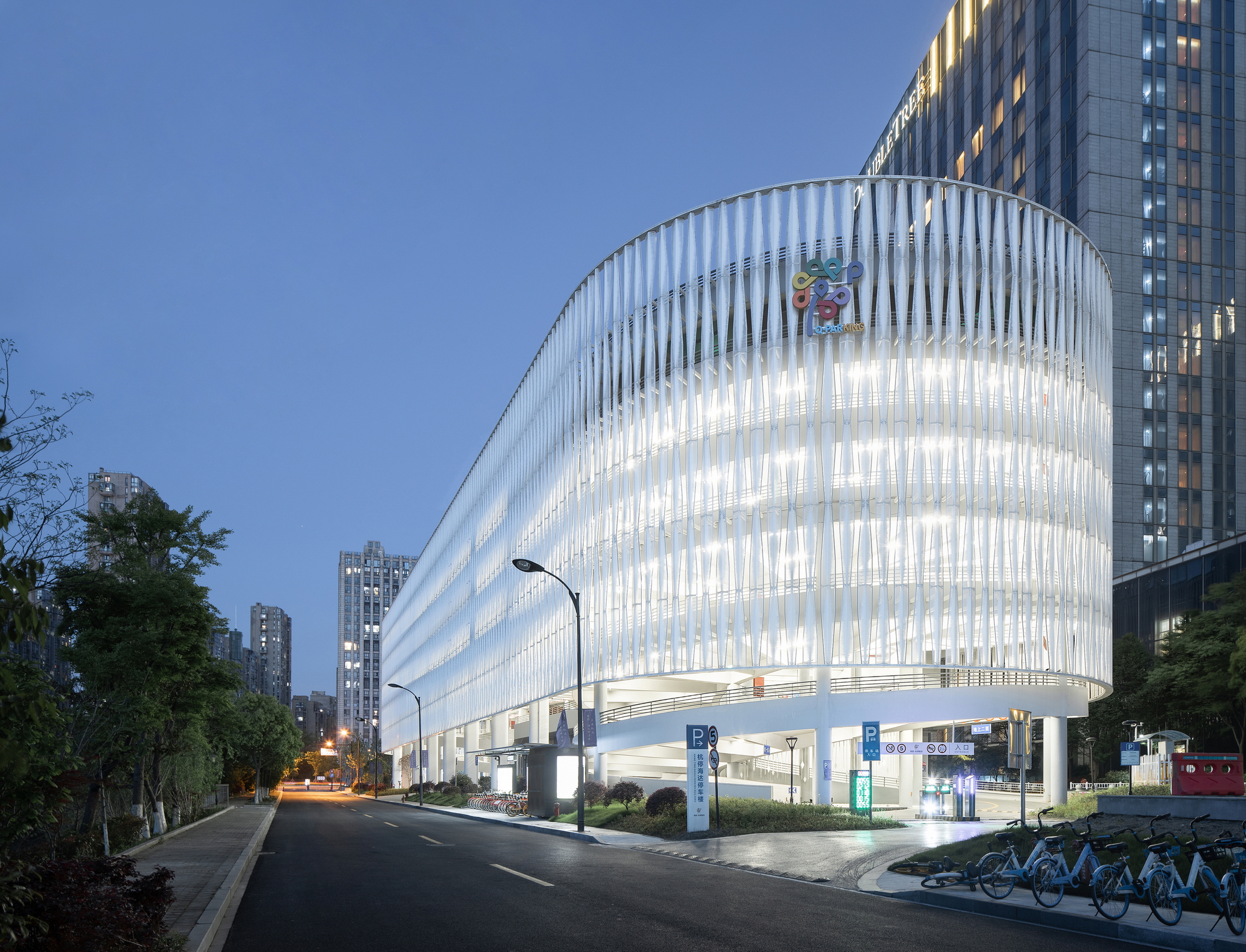
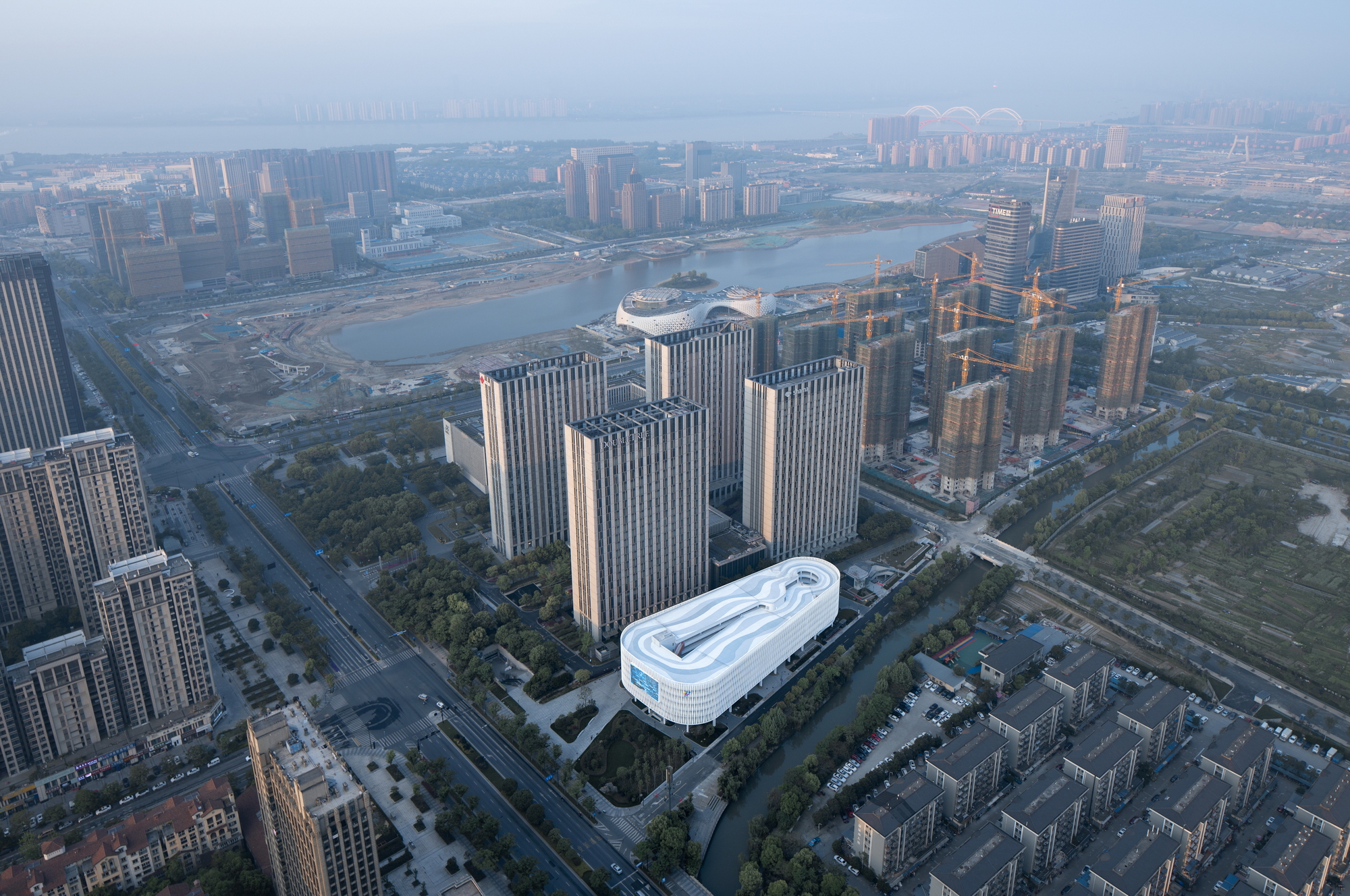
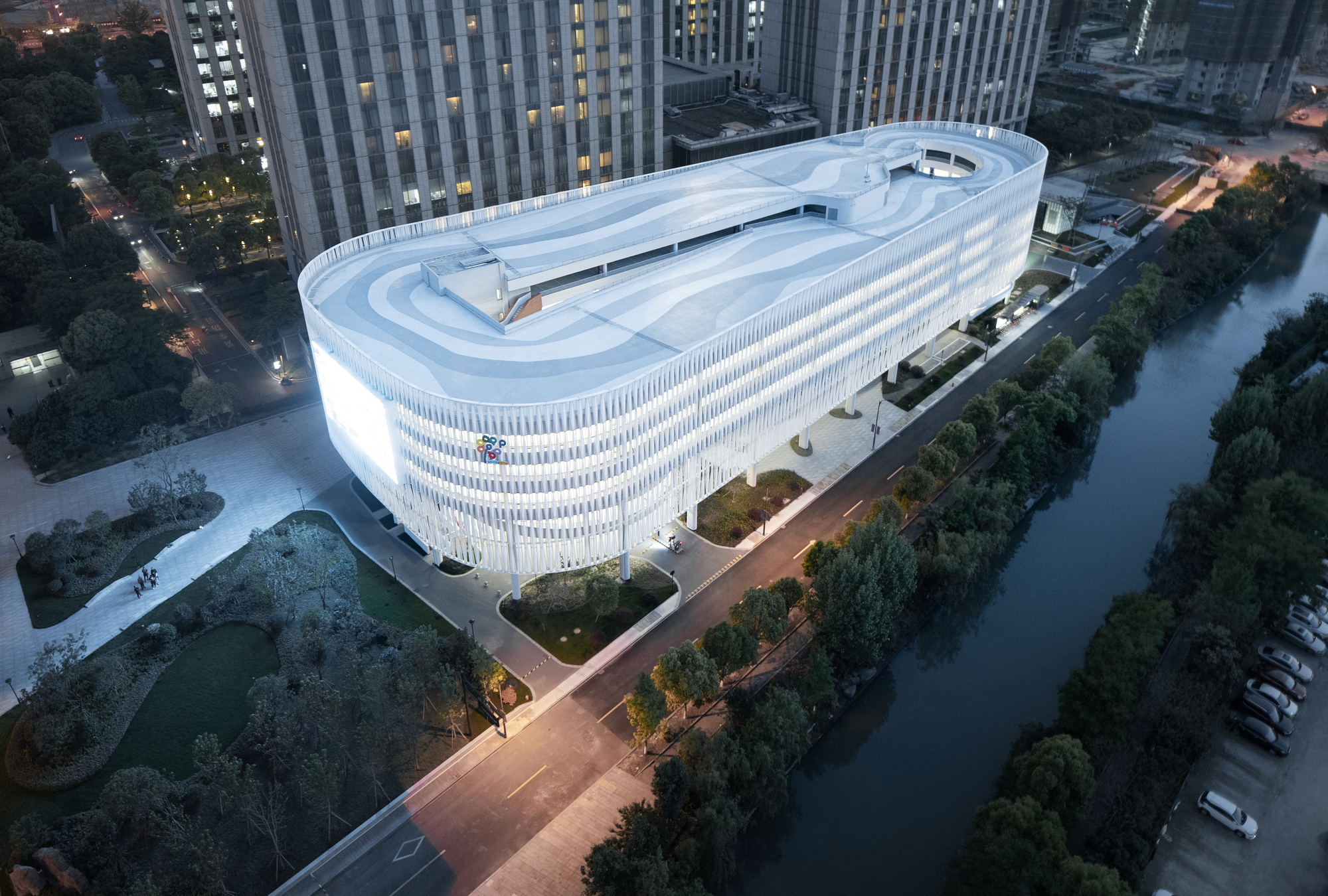
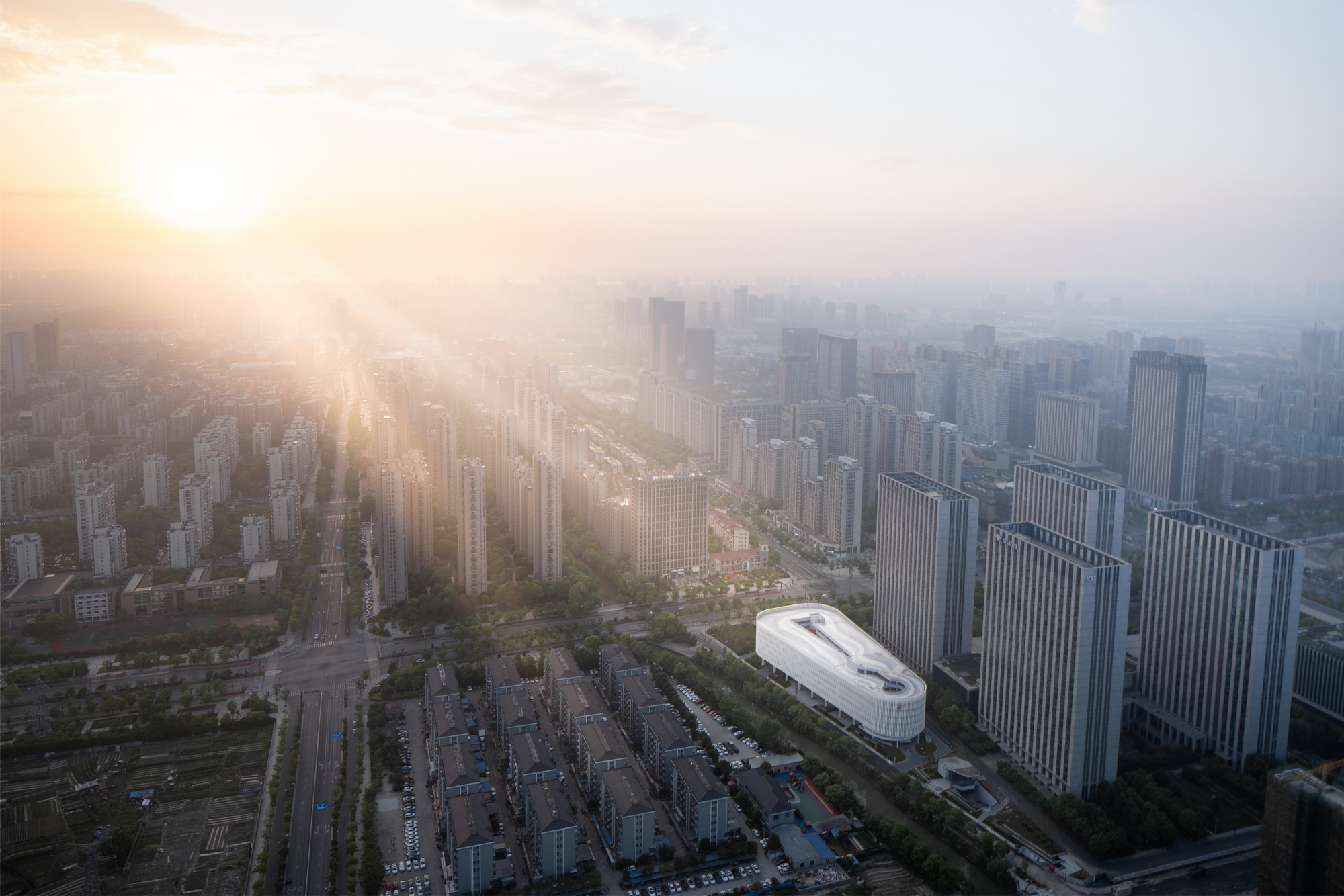
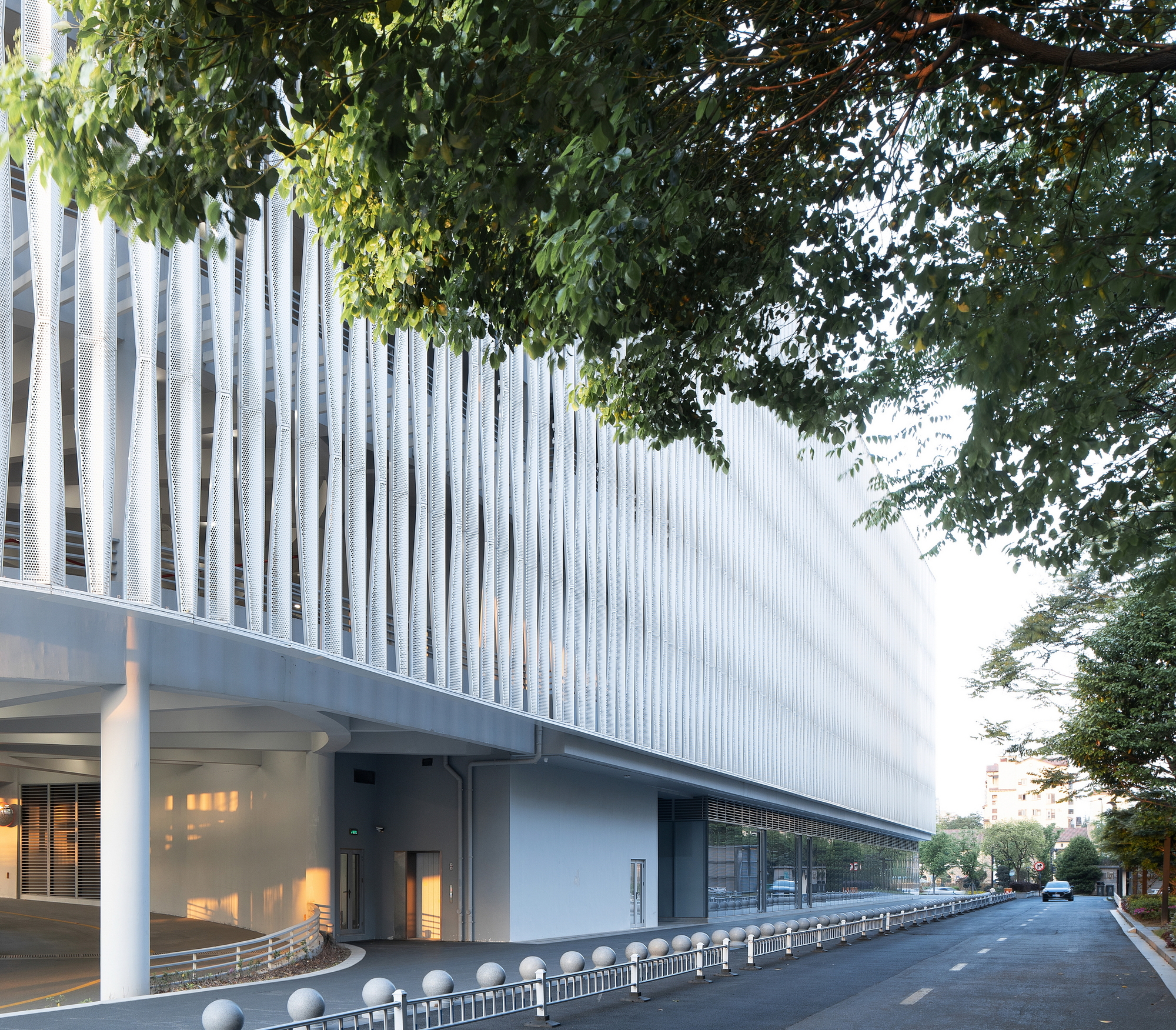
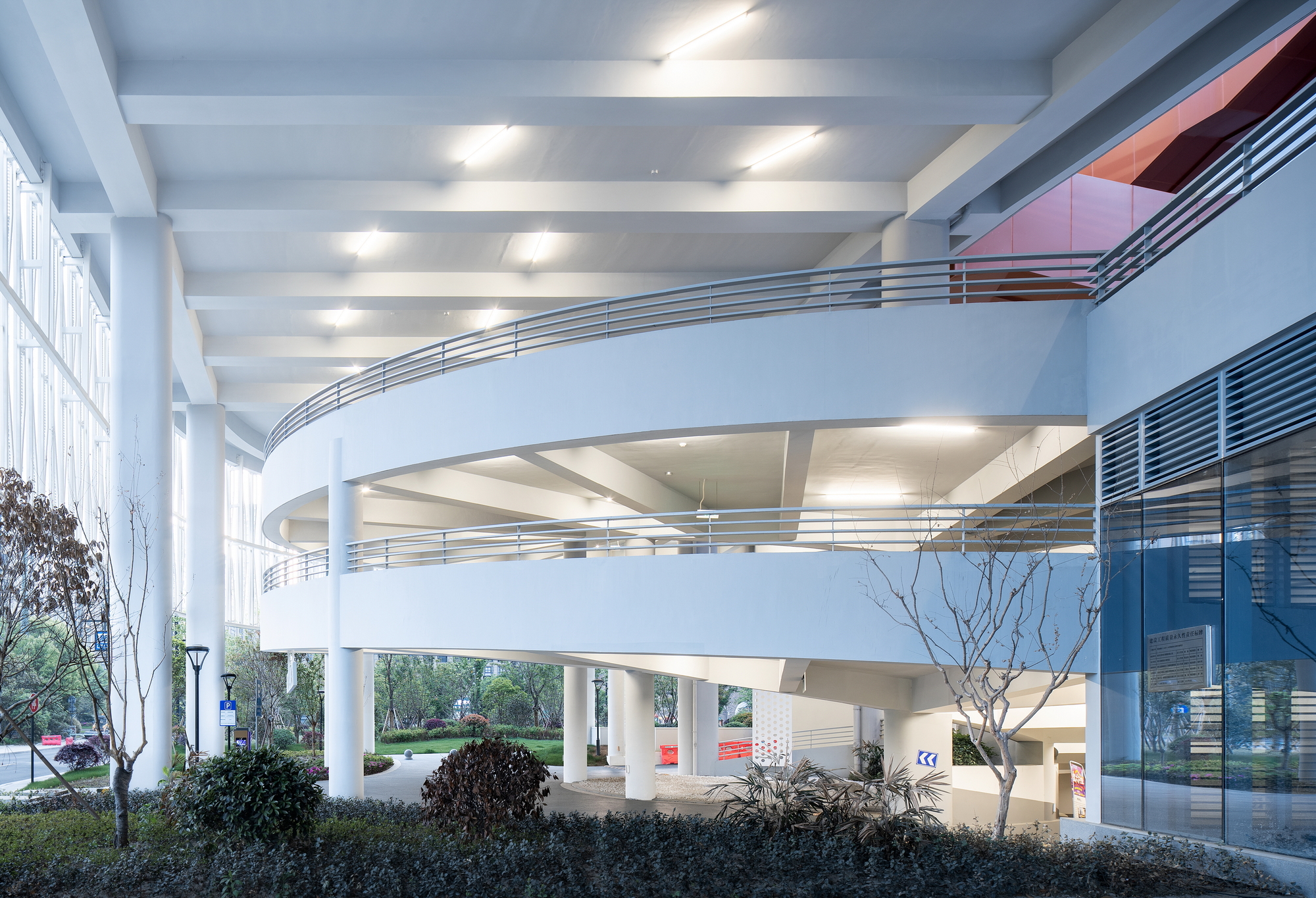
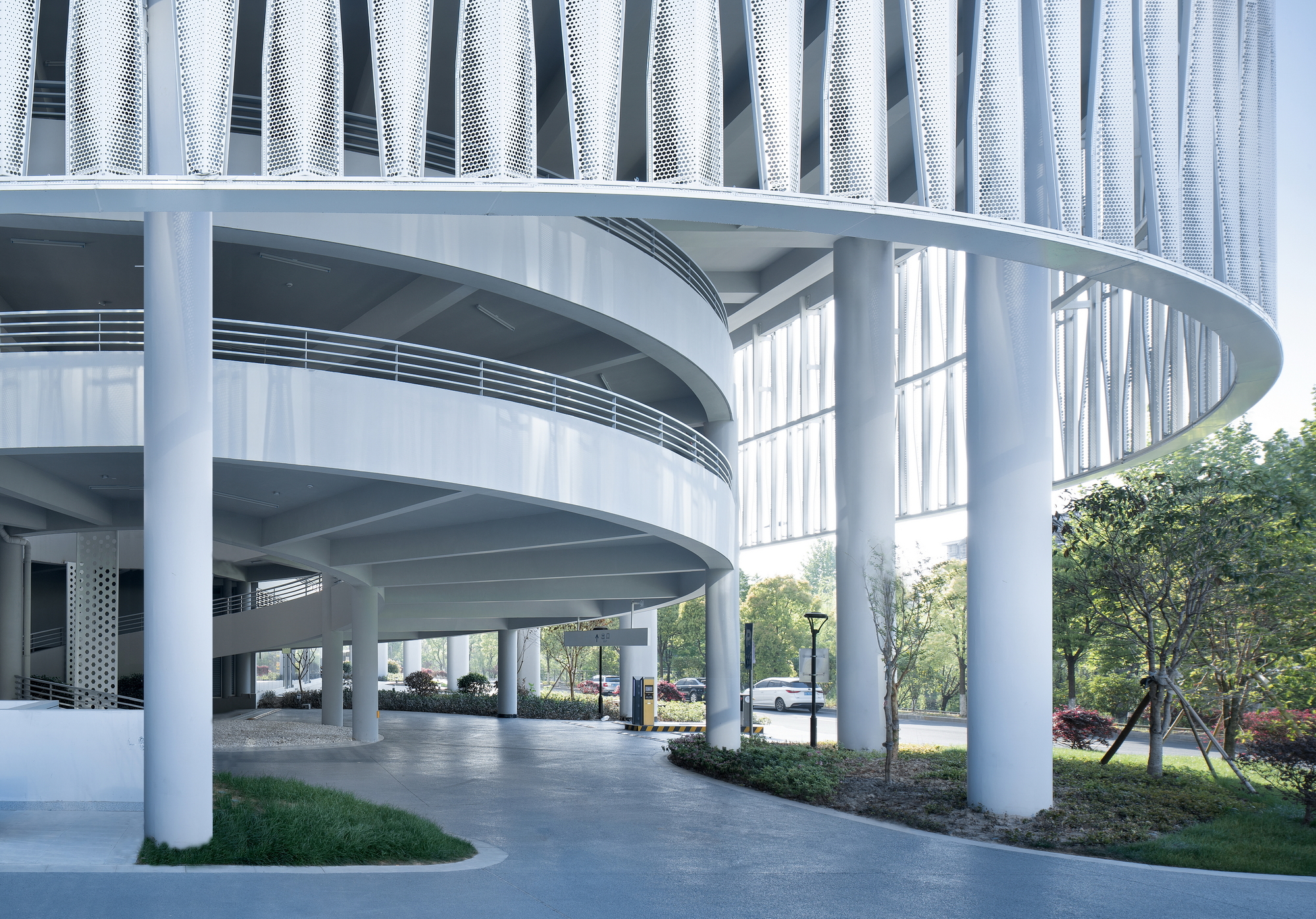
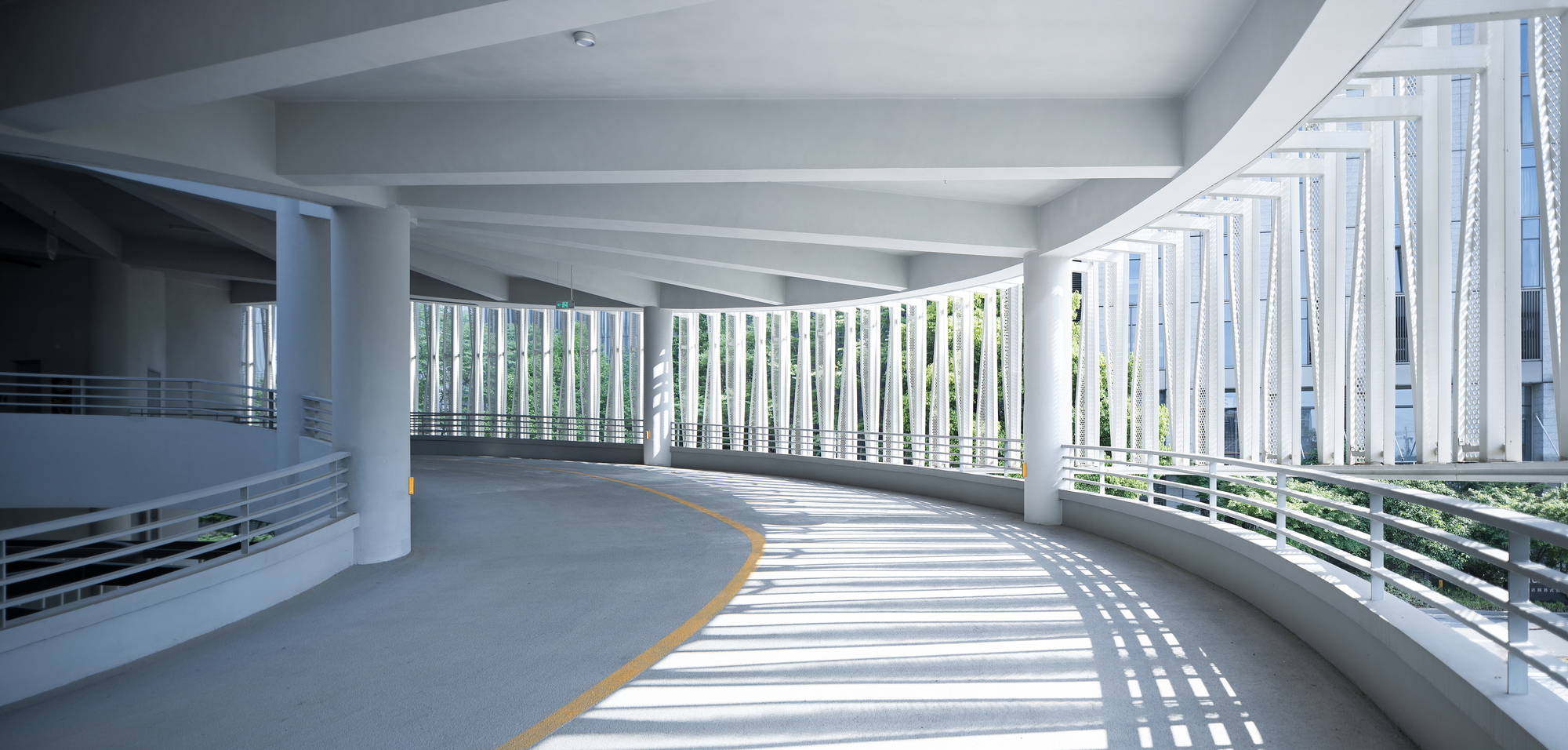
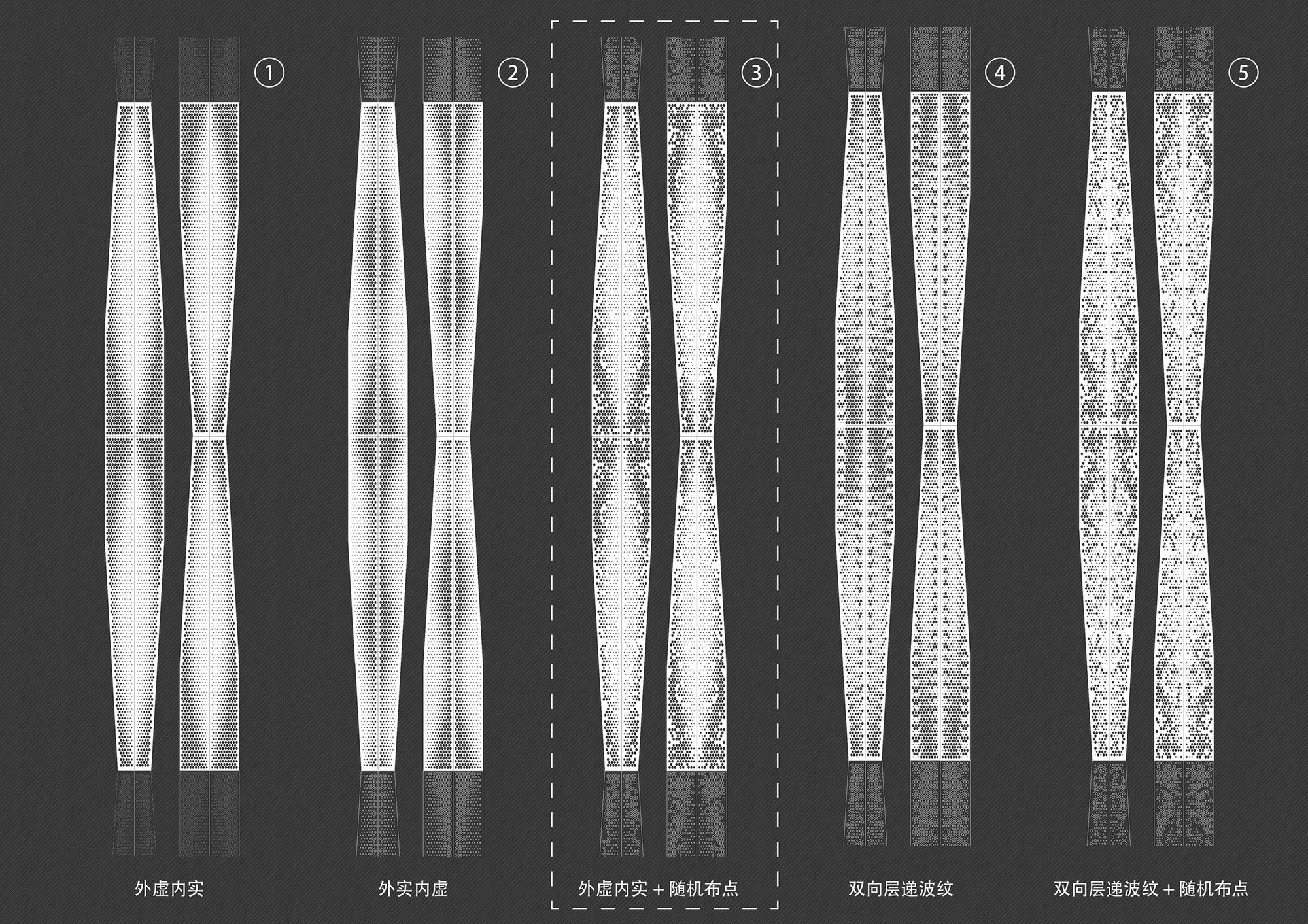
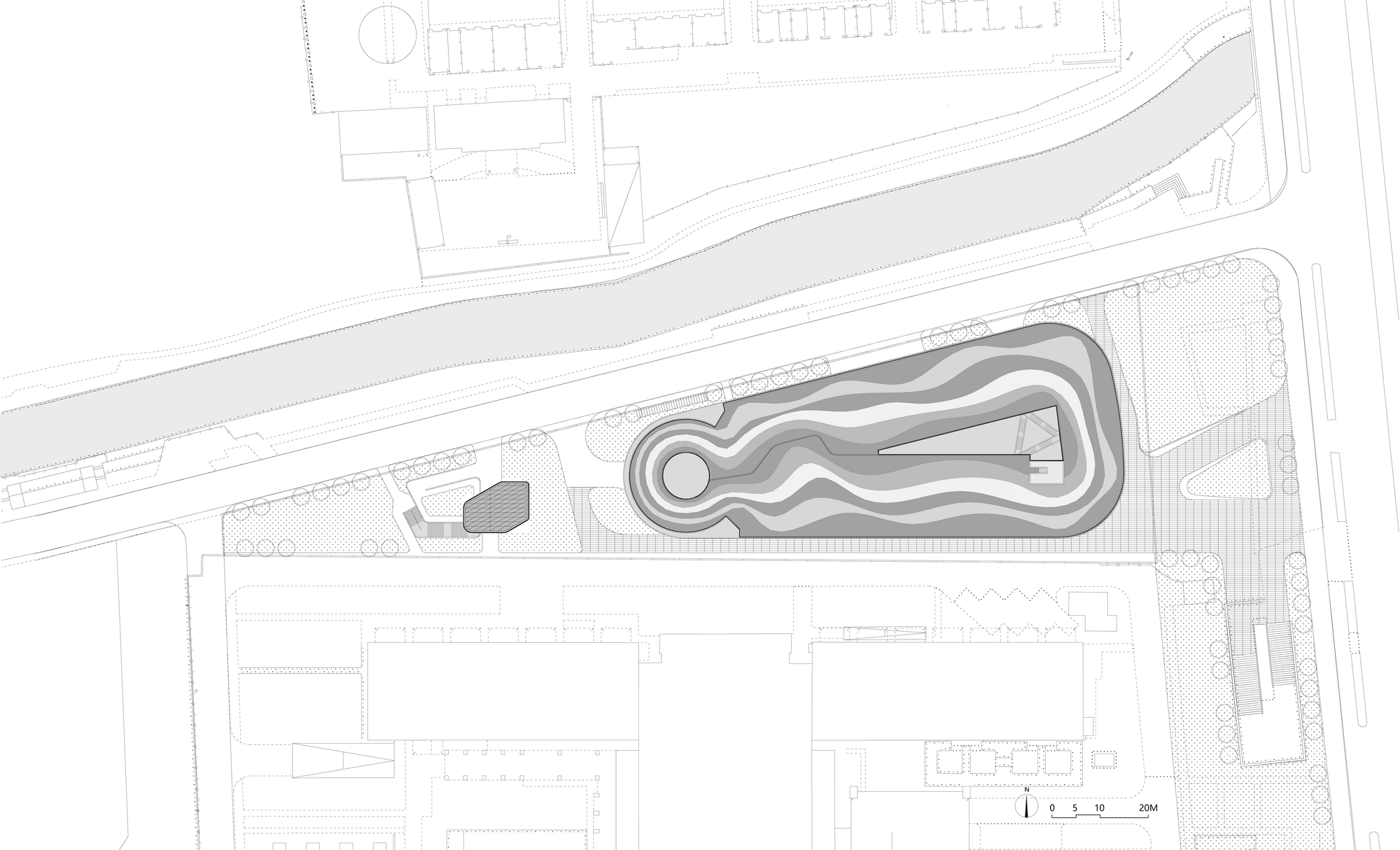
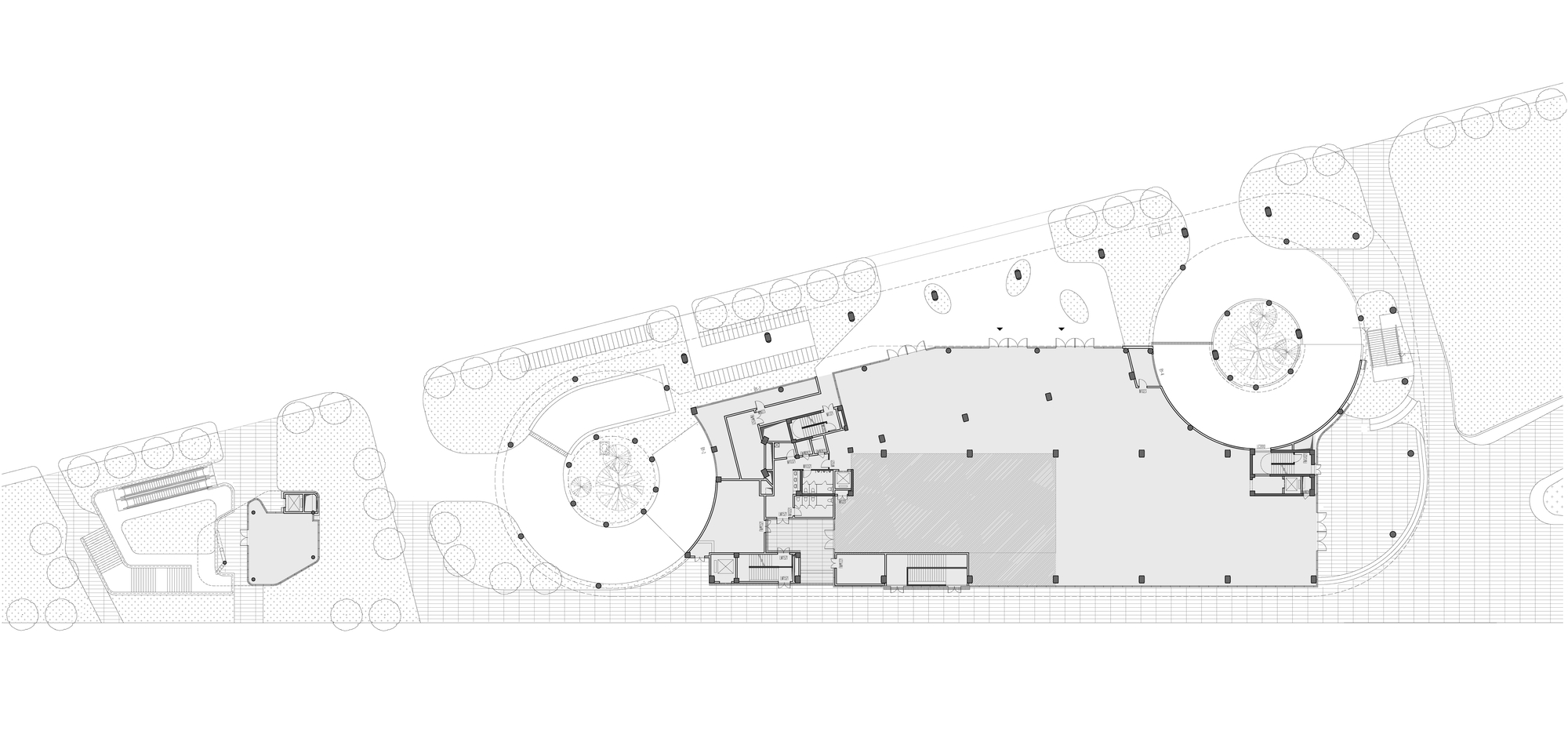
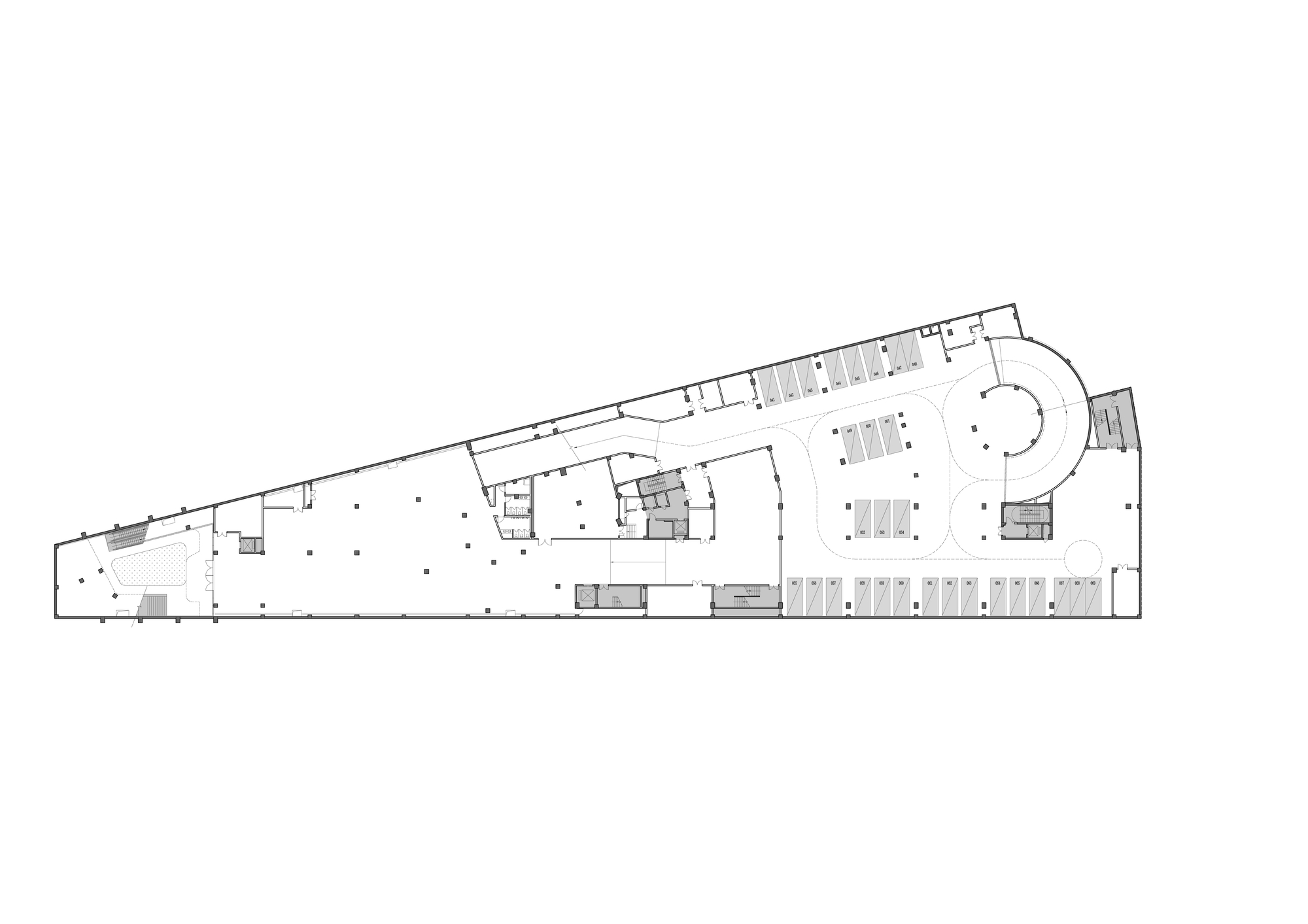
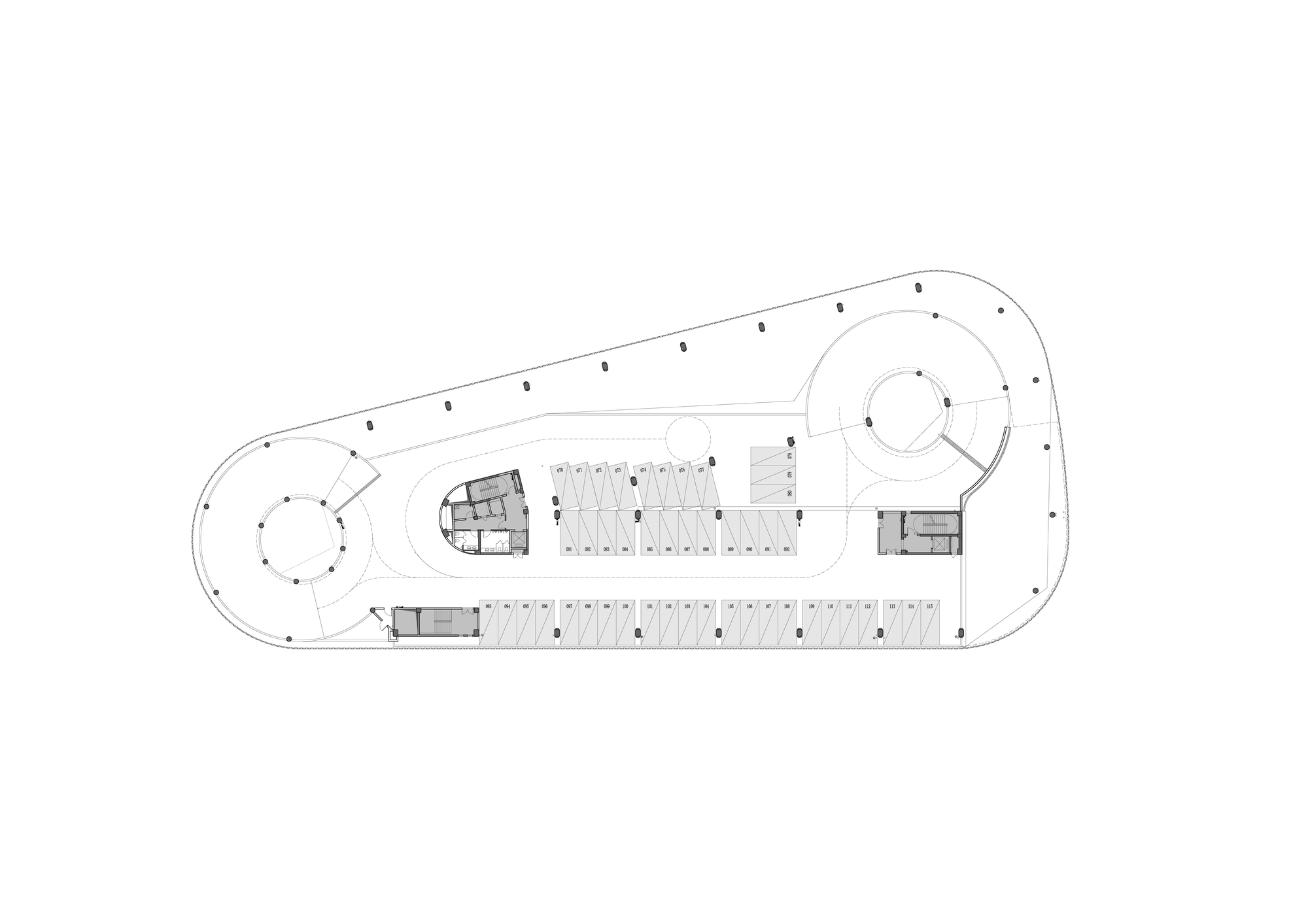
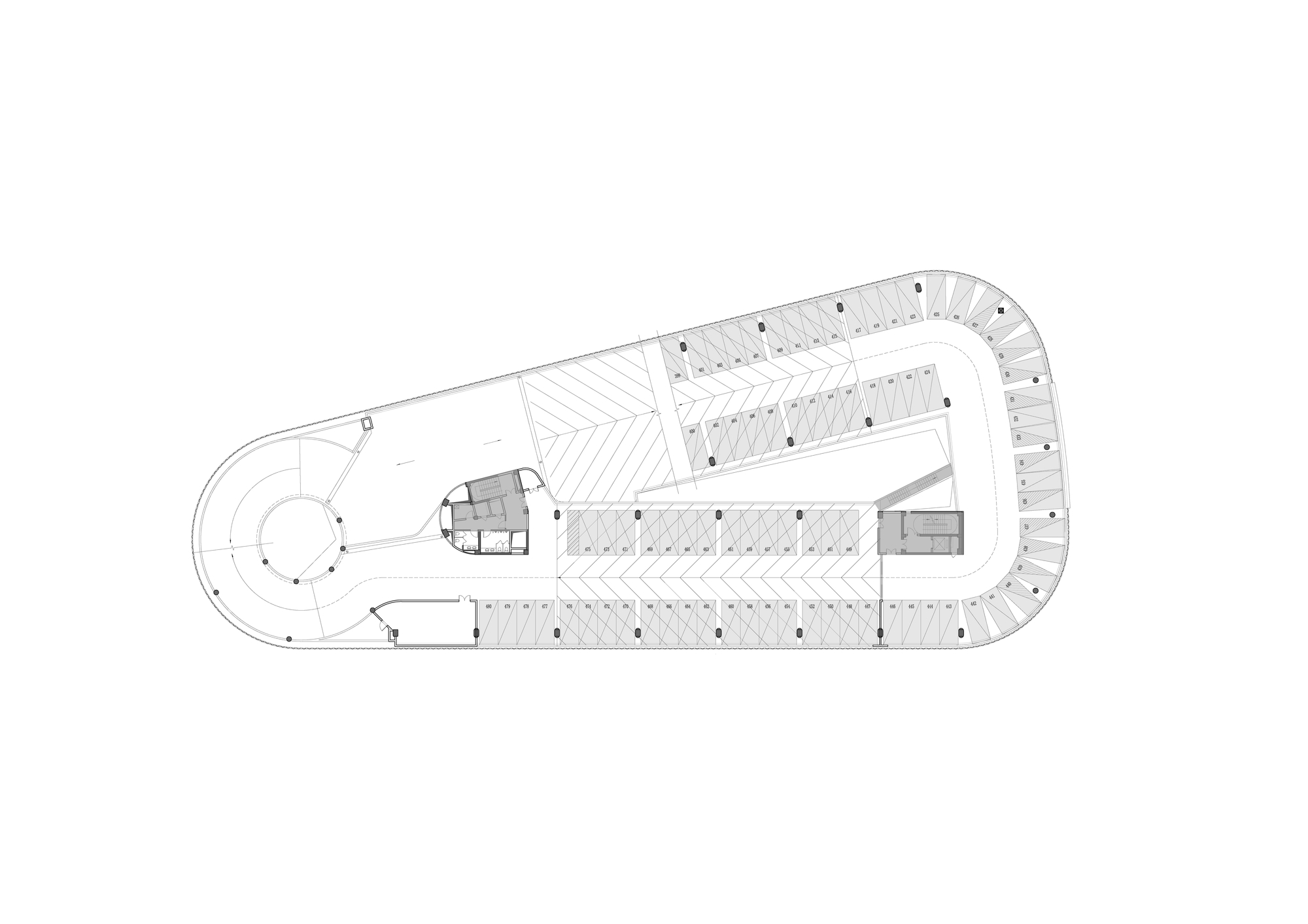
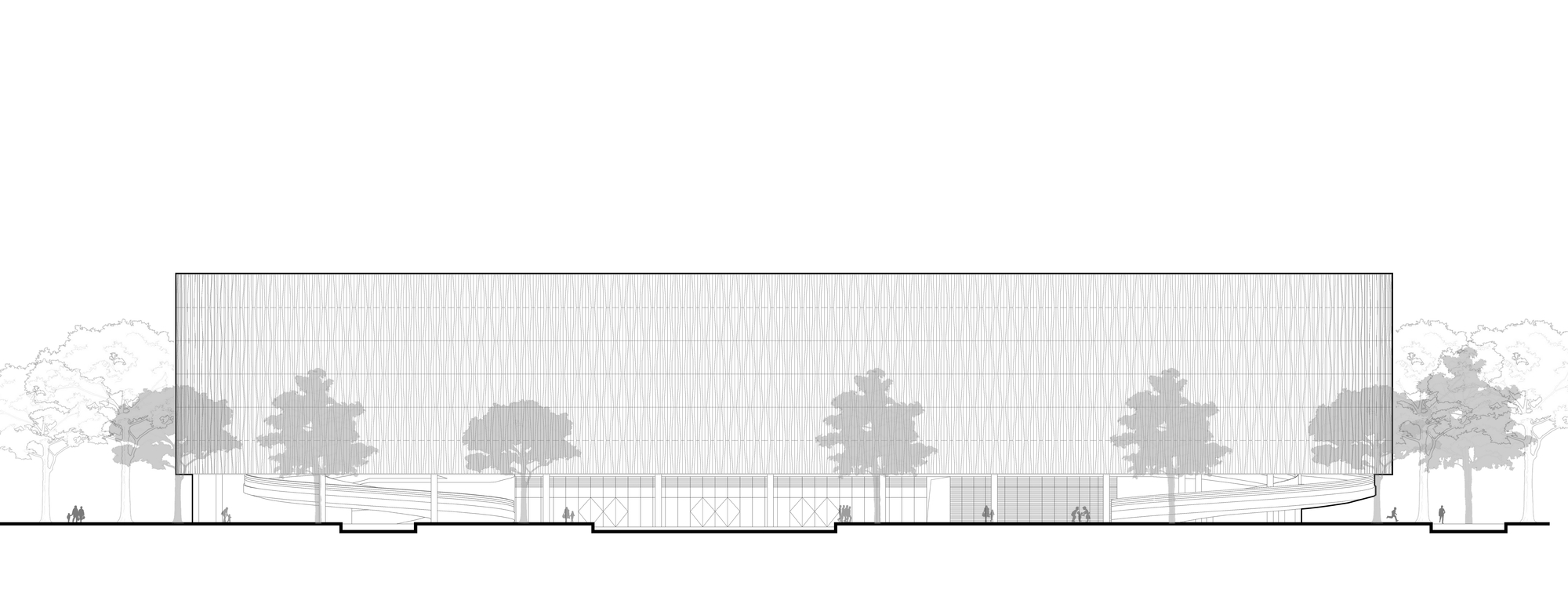
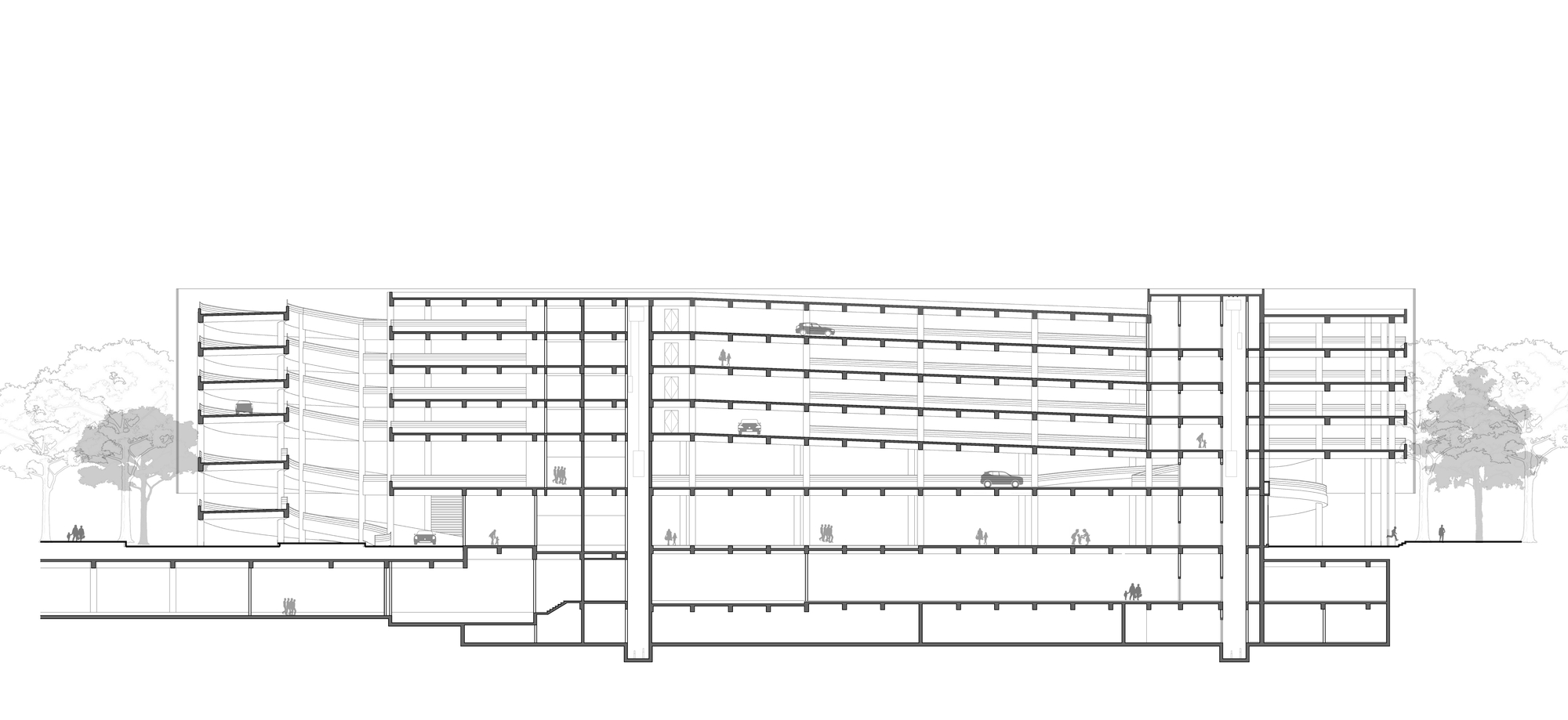
With the rapid growth of car ownership in cities, major cities have successively introduced traffic restriction policies, and self-driving travel time can no longer be estimated by simple distance. Finding parking spaces, waiting for parking, and even illegal parking generate large amounts of meaningless fragmented traffic flow that affects urban dynamic traffic, creating a vicious cycle. For drivers, parking buildings have traditionally conjured images of dark, cramped, poorly ventilated spaces and a monotonous parking experience. In early 2017, Qiantou Group planned to build a series of parking buildings in Hangzhou to optimize urban static traffic and organized an international design competition. As one of only two invited domestic design firms, we drew on the internet culture of Hangzhou and applied software development thinking, attempting to derive the design of a single building into a series of parking building products. The site is located in the Hangzhou Economic and Technological Development Zone, with a narrow triangular shape surrounded by regional commercial centers, the development zone administrative service center, hotels, apartments, and various other amenities. The project by TJAD creates a parking building that is neither dark nor monotonous, using bright colors, natural light, and active facade design to transform a necessary but typically unloved building type into a positive urban contributor.














 Editor's Pick
 Latest Design