Text description provided by the architects
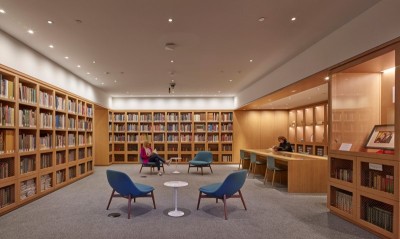
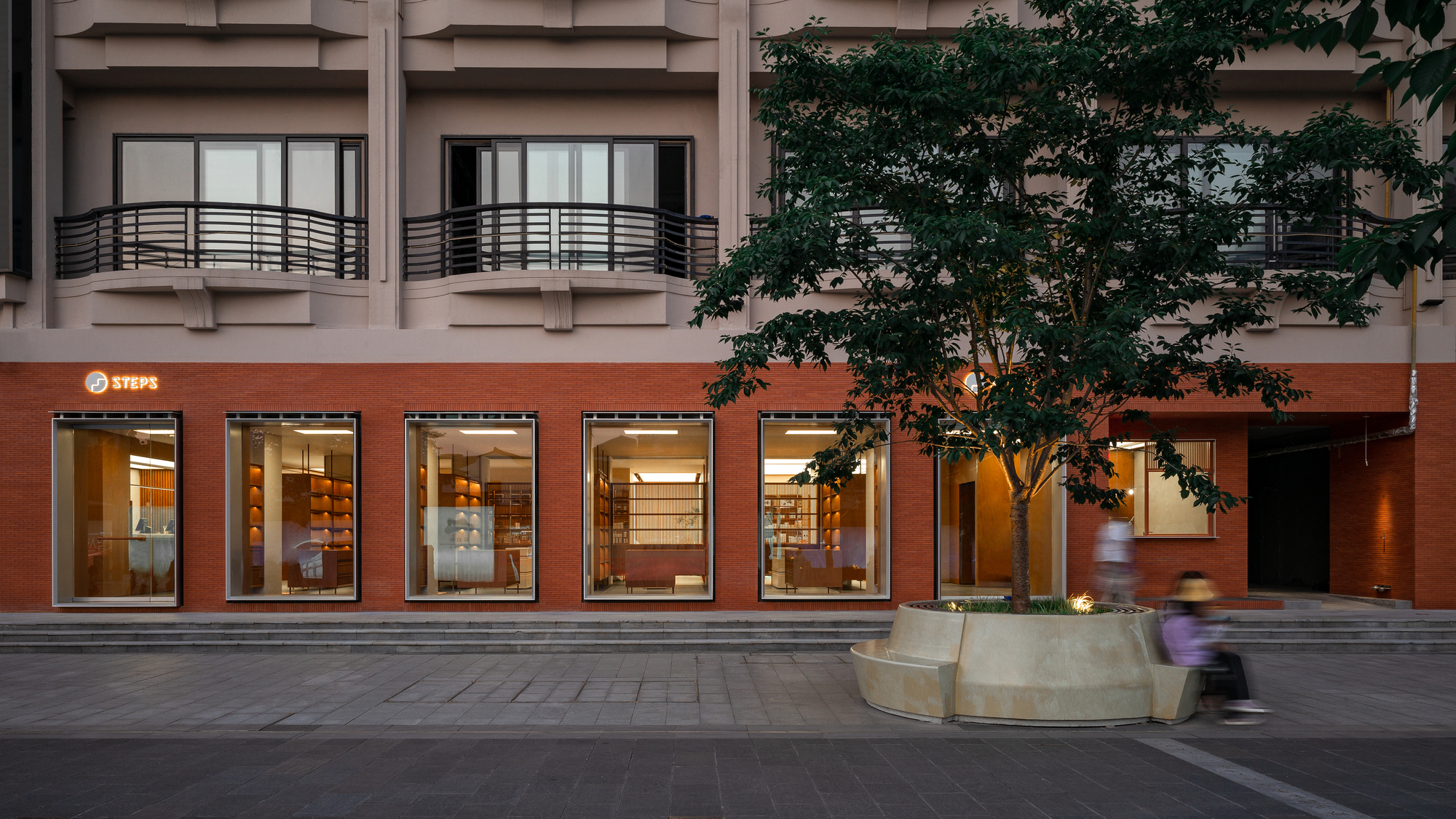
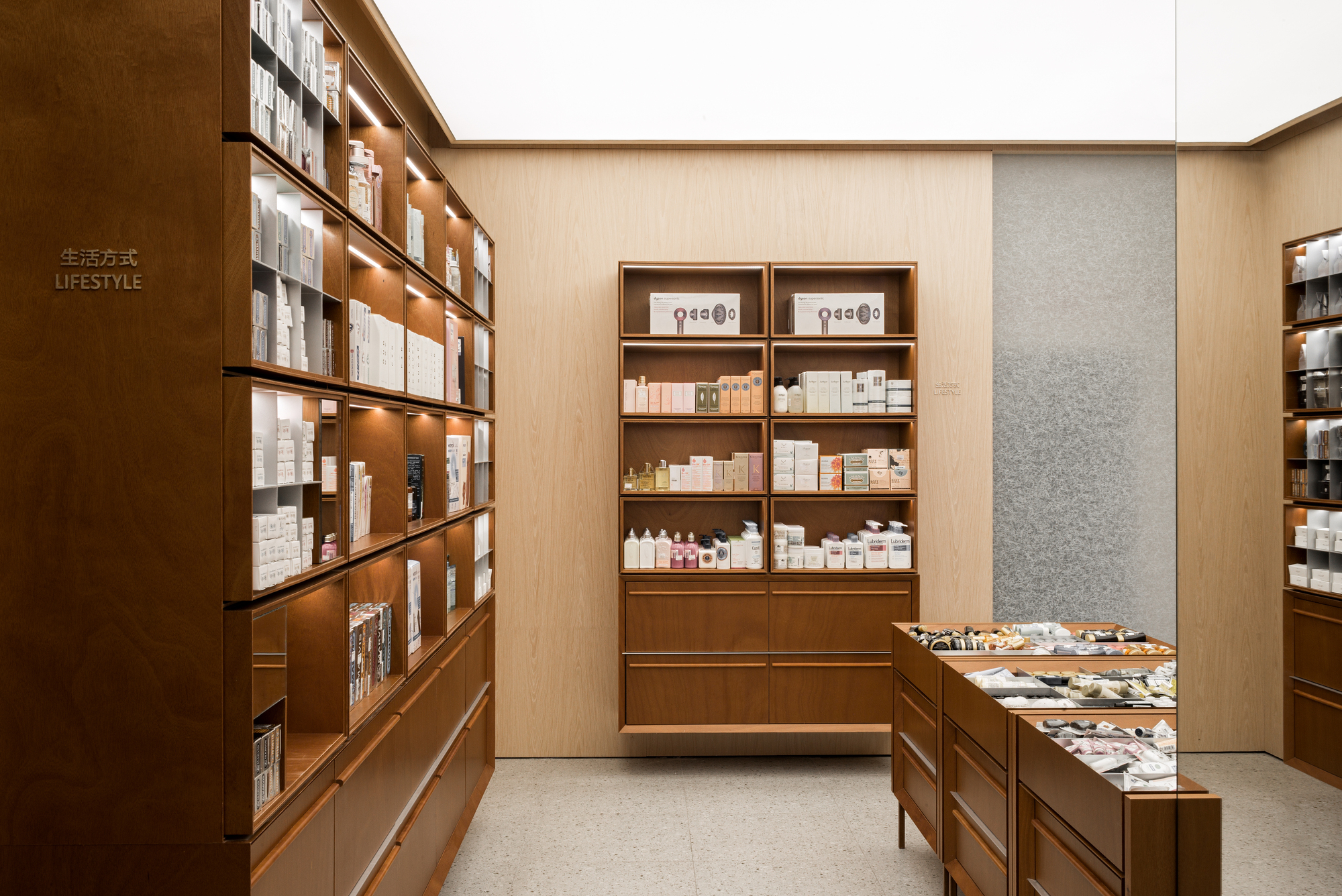
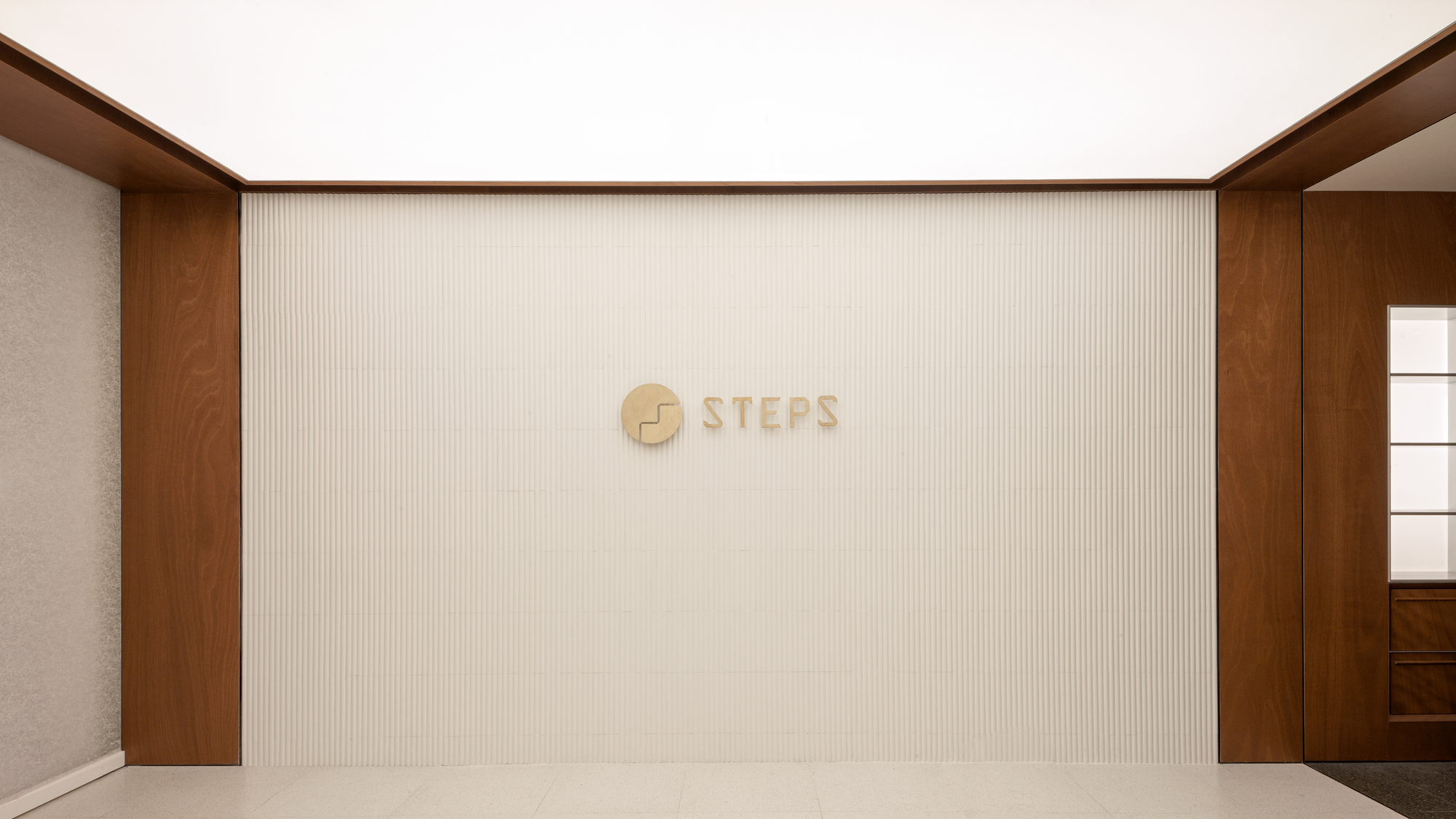
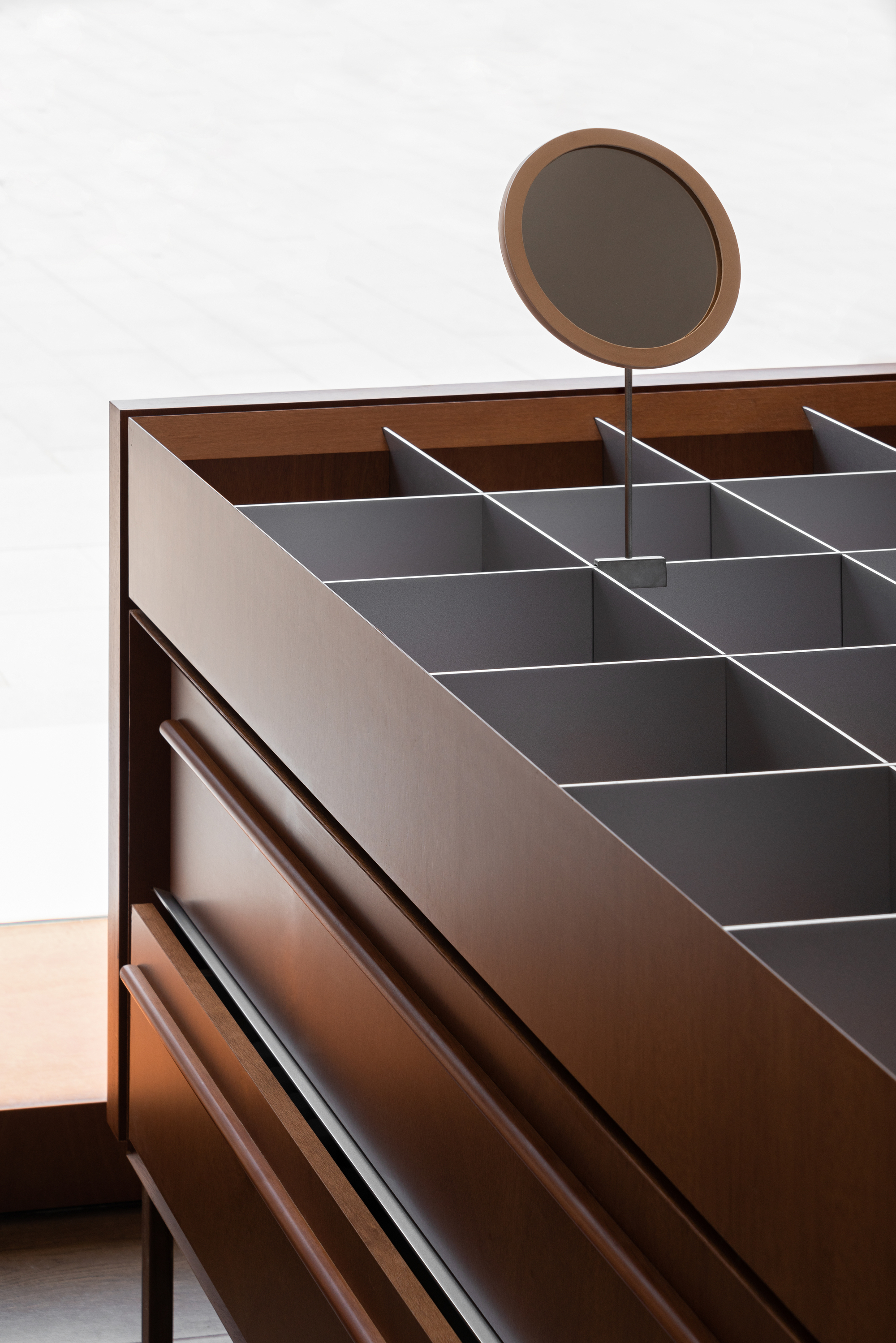
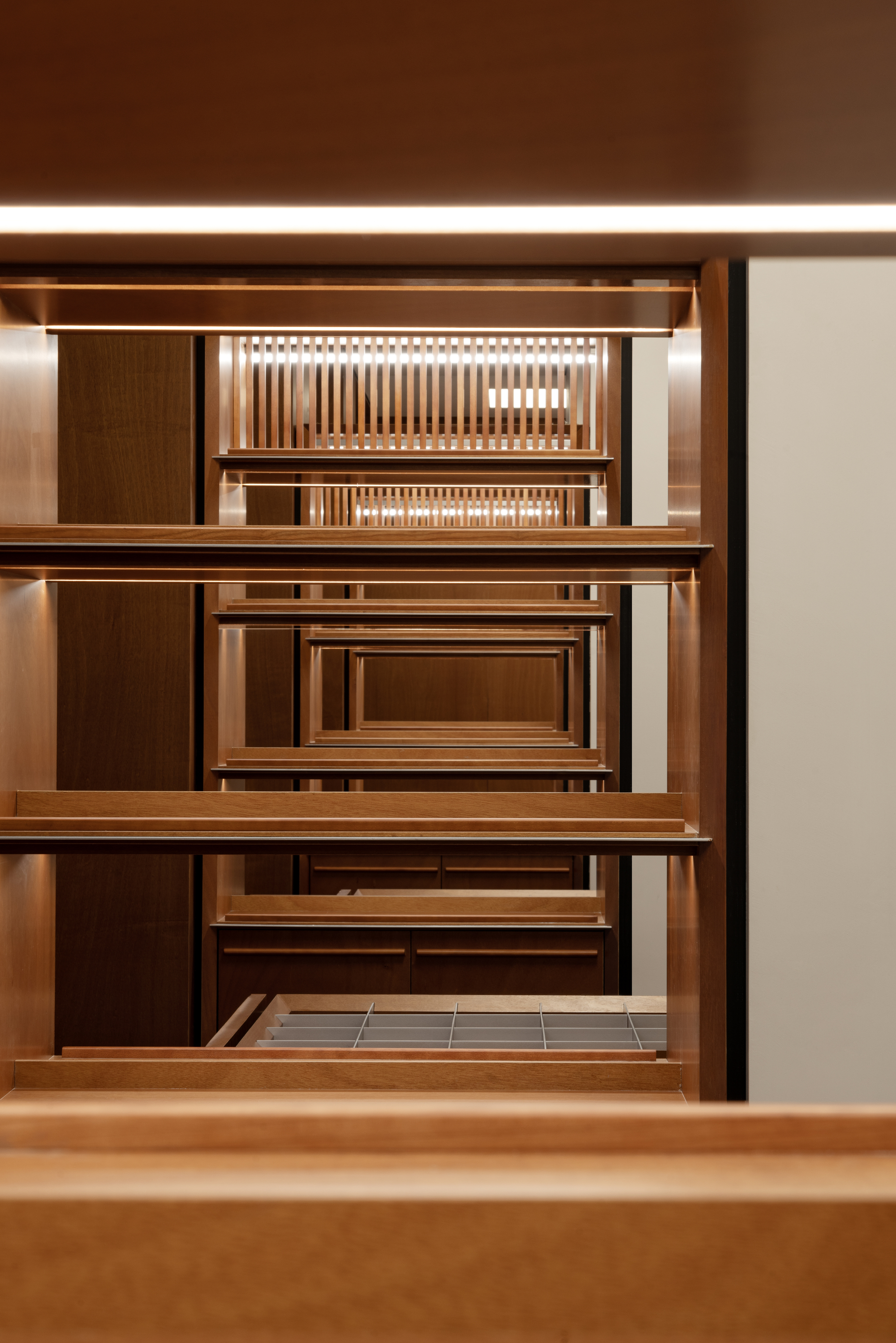
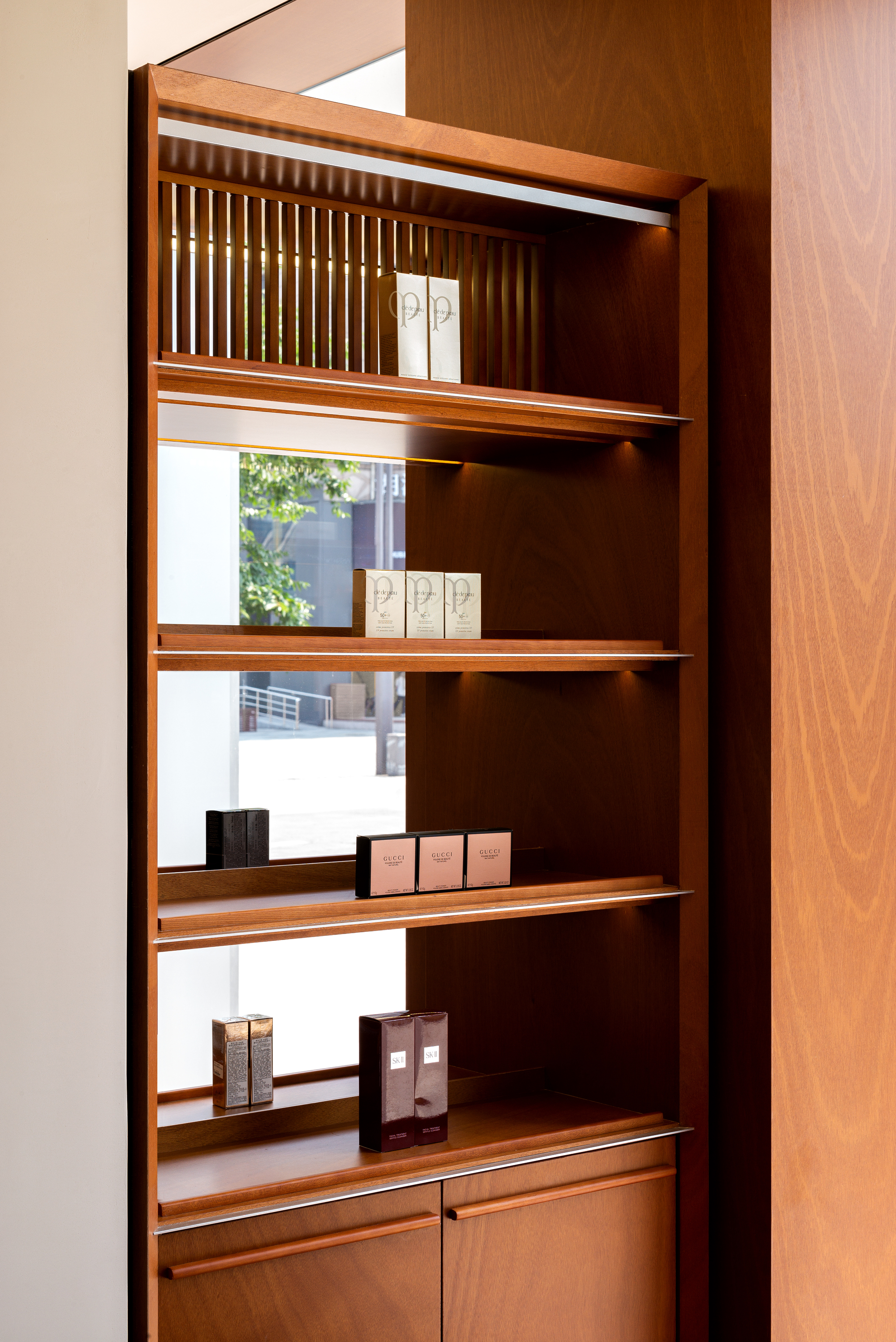
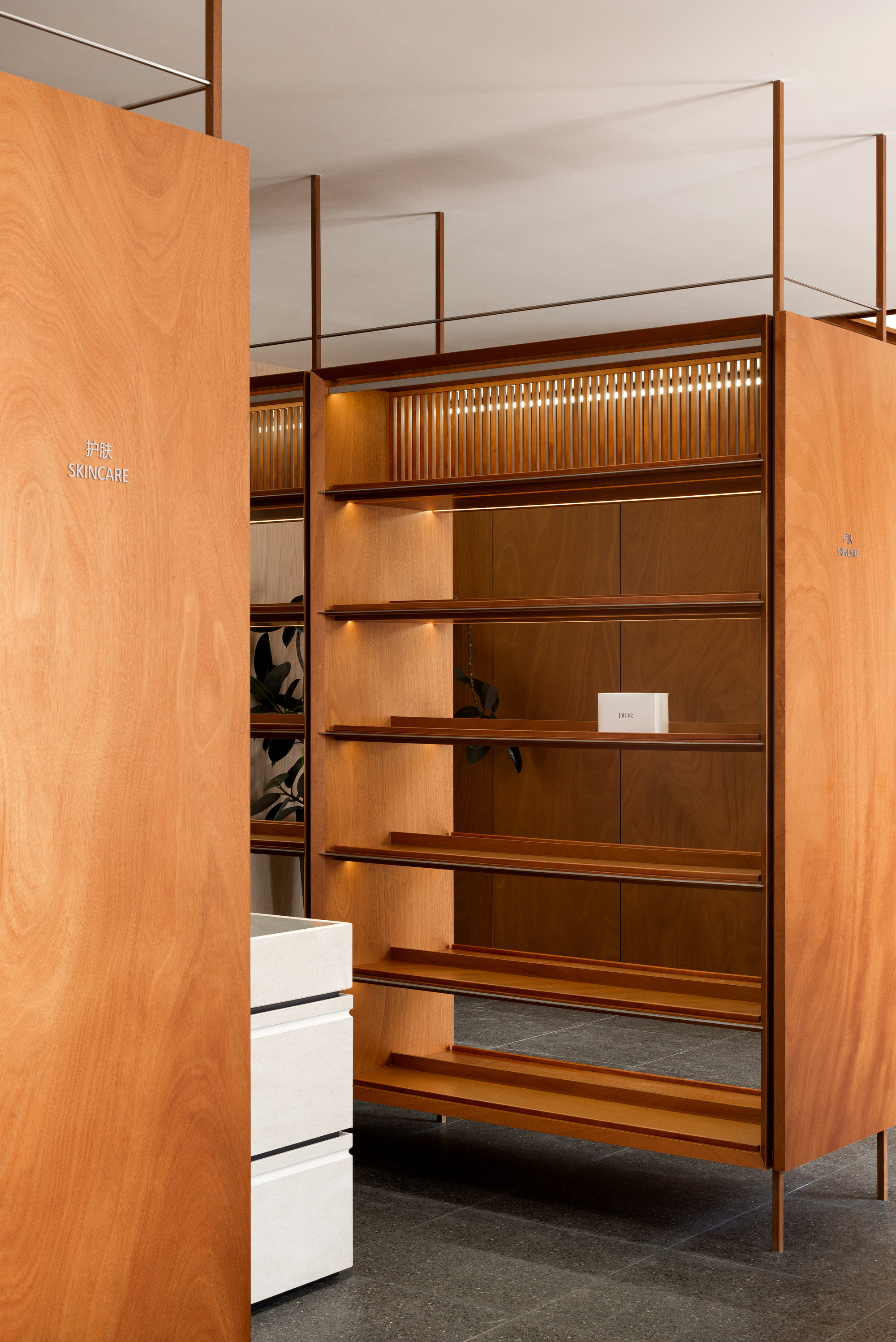
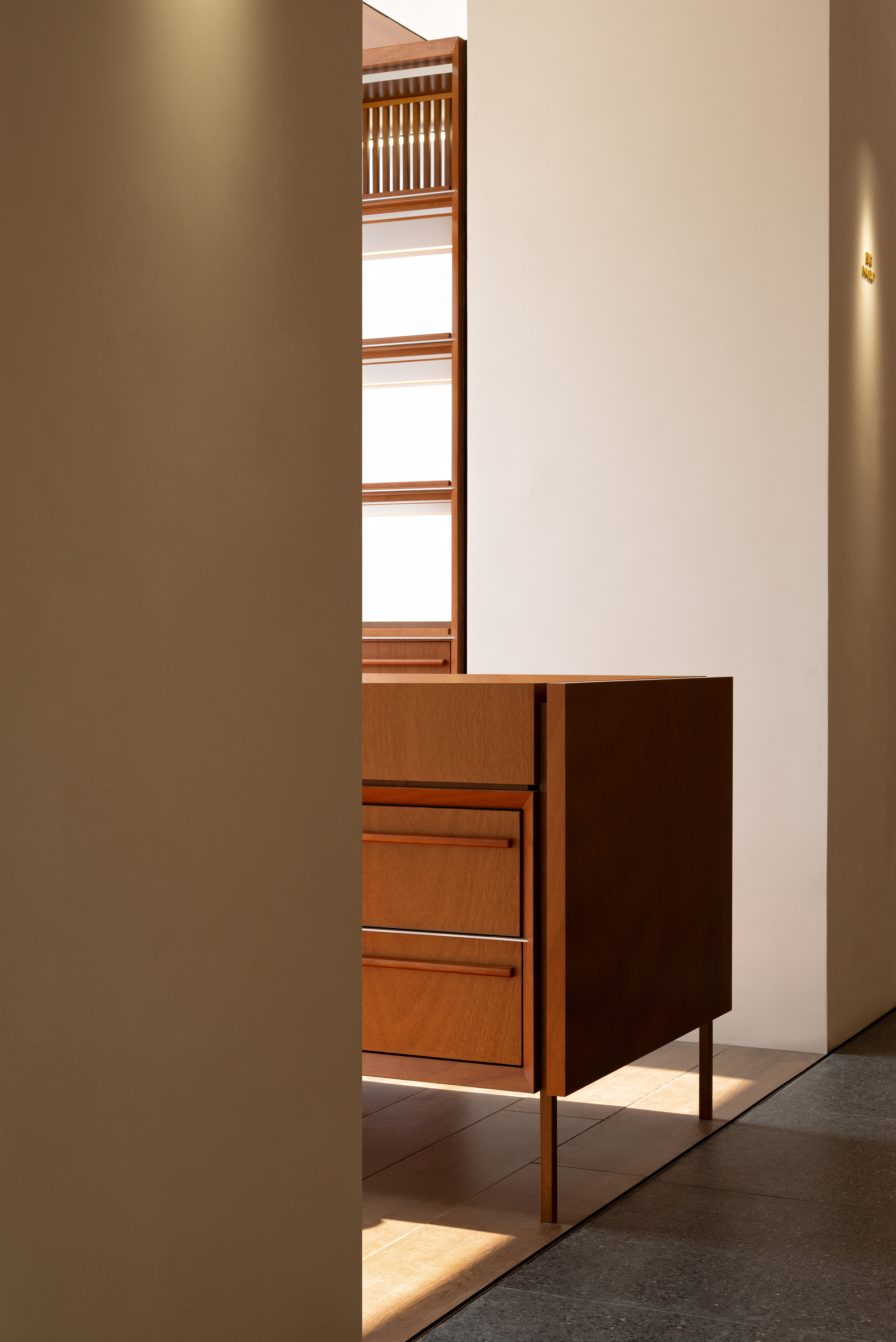
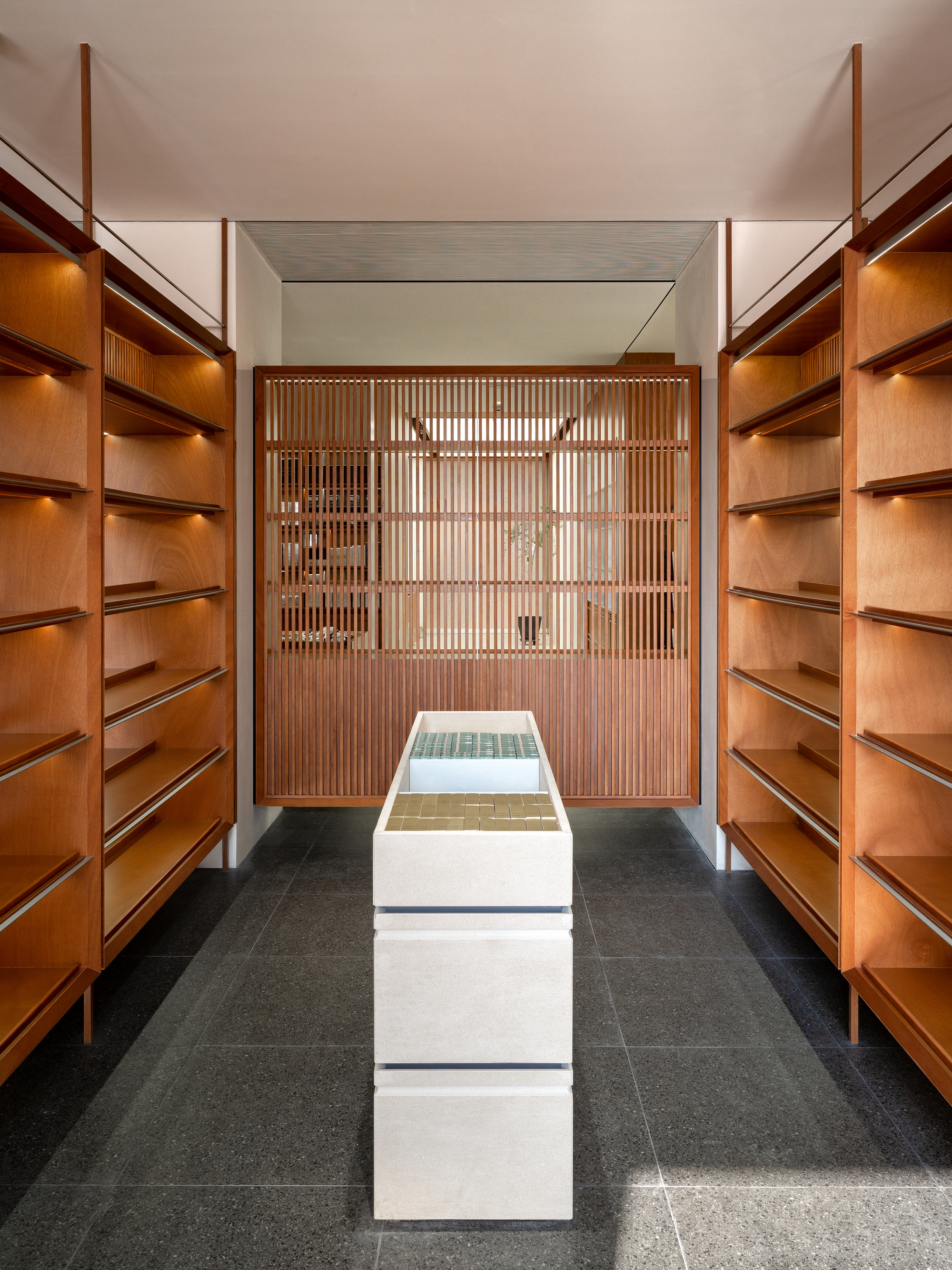
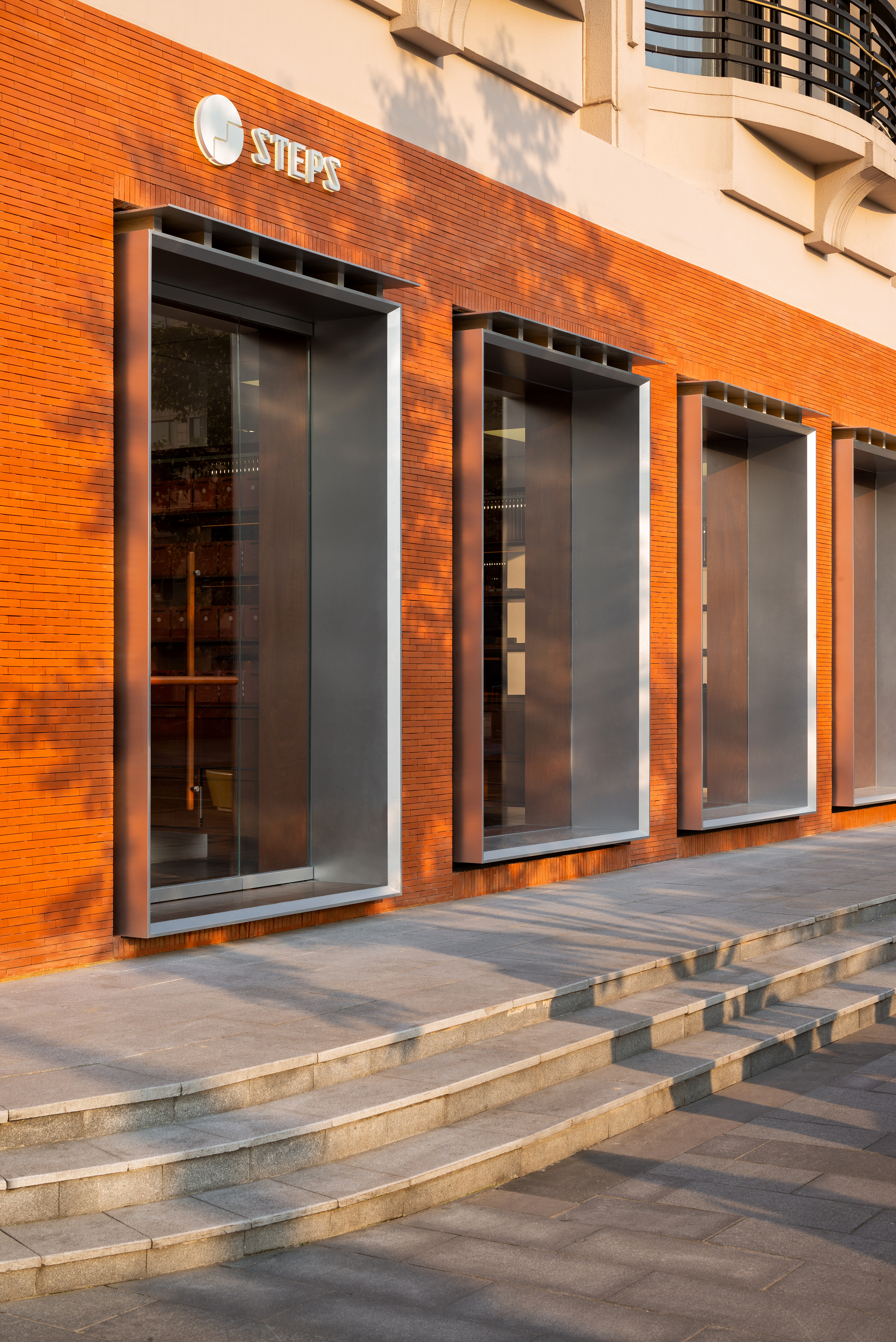
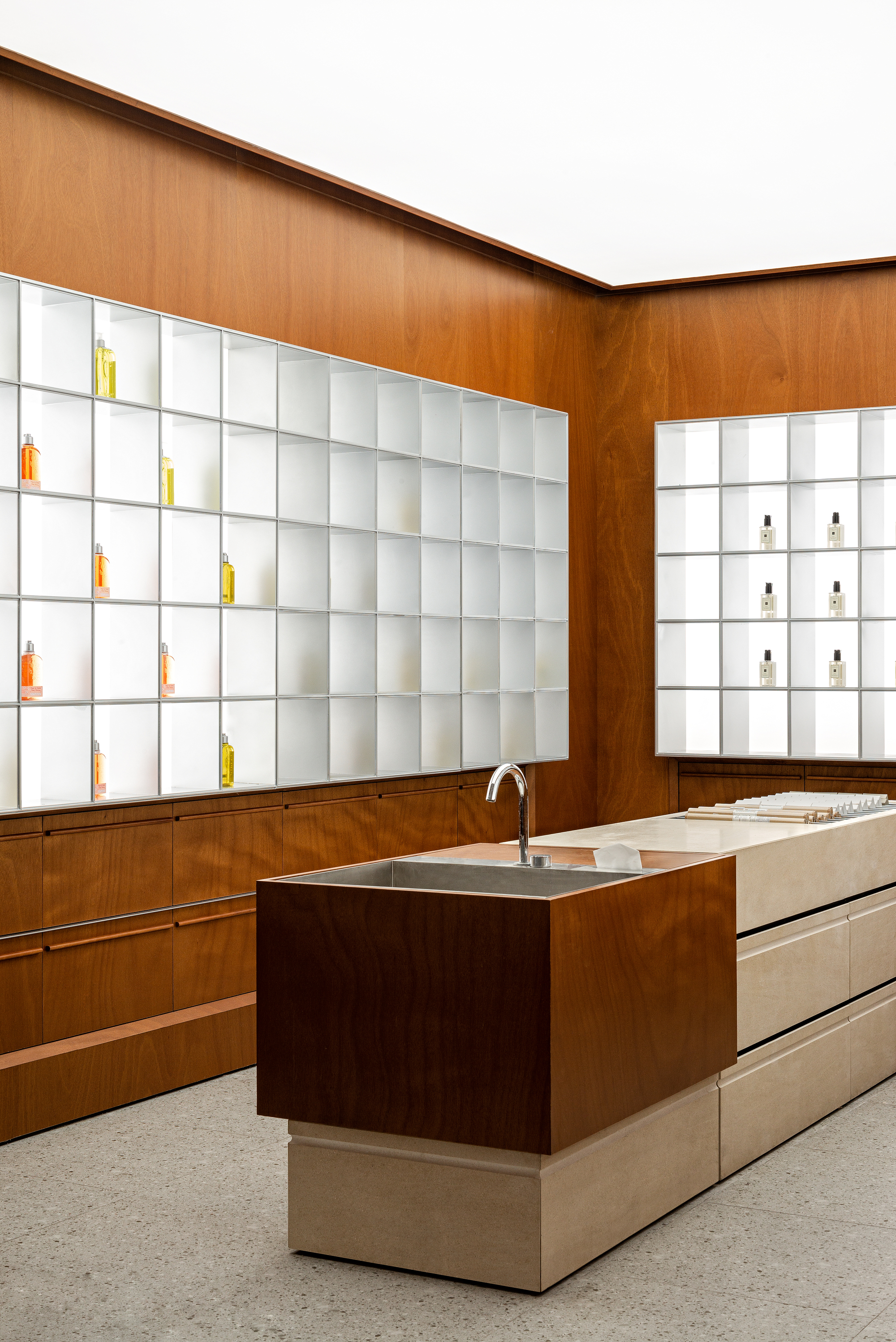
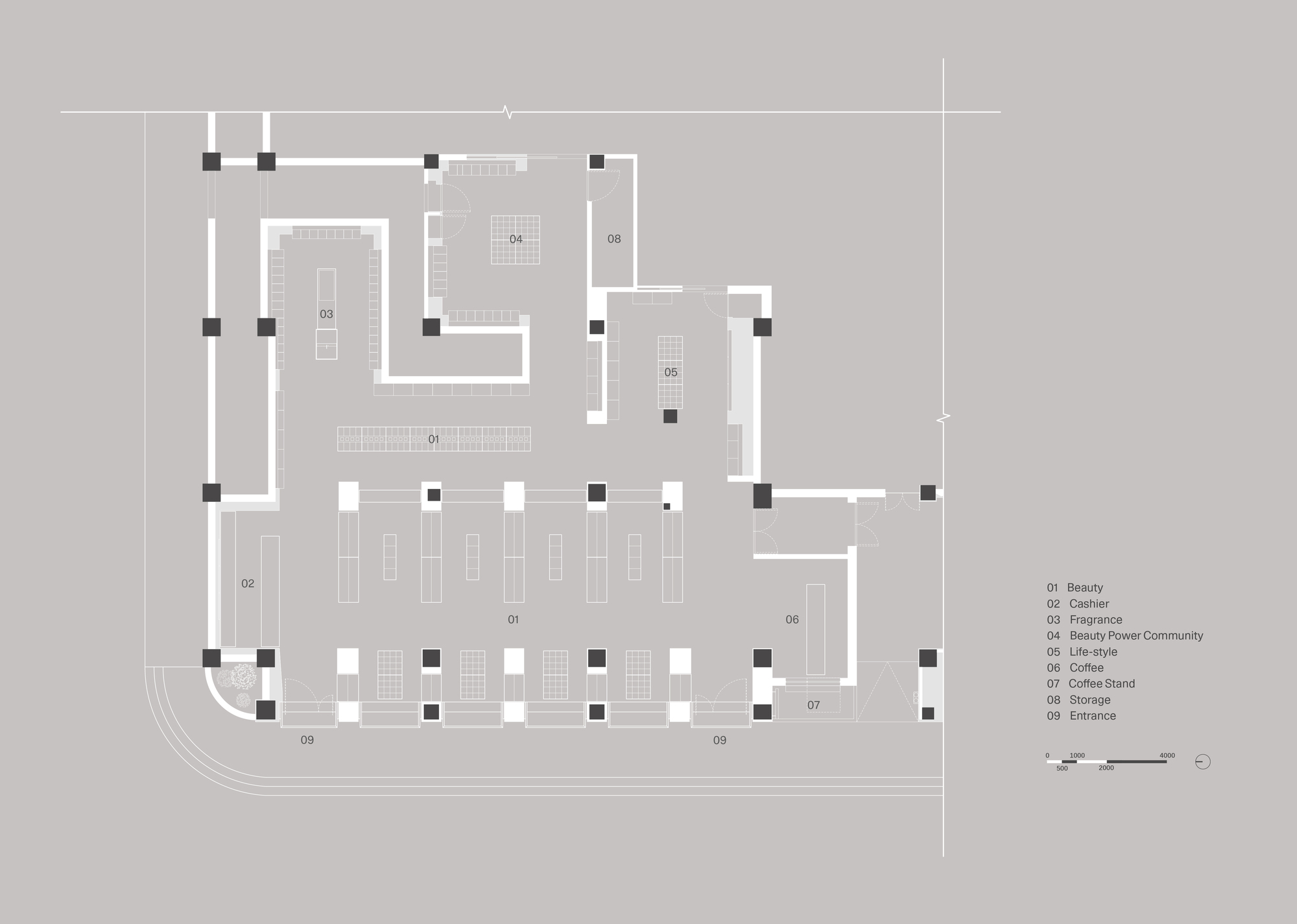
An anti-traffic retail space: the first offline store of beauty-collective brand Steps was designed by SAY architects and opened on the Hubin pedestrian street in Hangzhou. It is both a joint exploration of the Steps brand and a reflection on the restless atmosphere of the entire retail industry. At present, beauty-collective stores on the market mostly project a fast-consumption feeling, emphasizing youth and fashion; from the outset of design they stress accessibility to increase foot traffic. The founding team of Steps wanted their first offline store to differ from other brands, emphasizing their own elegant, soft, and comfortable brand character. Must the consumption scene for beauty products always be in a noisy, social-media-friendly retail store, rather than, like buying books, in a quiet and soft space where one can enjoy the process of selection and purchase? Recalling that more than a decade ago, before e-commerce rose, strolling and shopping was an elegant leisure lifestyle; now, due to the rapid development of social media, shopping has often become a quick check-in at new stores, and customers enter and leave without truly enjoying the shopping experience. The fast-in, fast-out check-in mode erodes the meaning that retail space itself holds. SAY therefore hopes that through the Steps store design people will return to a comfortable, elegant shopping experience and the space will return to itself rather than becoming a short-lived consumption vehicle grafted onto social media. We hope that when customers walk through the dazzling pedestrian street and arrive at Steps, they feel a sense of calm set apart from the street. In the design, SAY incorporates the concept of a beauty bookstore. Comfort, softness, elegance, and slowness are the core words of the Steps store design: lower the shopping speed, raise spatial experience, because shopping is itself a comfortable lifestyle. Although the most direct external expression of a brand is its products and storefront, brand image and character run through everything. Beyond the store image, Steps also differs from other beauty-collective brands in its business format, emphasizing user stickiness and user community; this is also an attempt to draw customers back to the traditional shopping experience. Within the space, Steps hopes to insert a beauty-power community as a functional zone, embedding community into the brand. Footfall alone does not demonstrate brand value; user stickiness and word of mouth are the core of retail. SAY divides the store's main functions into six zones: product display, cashier, fragrance area, beauty-power community, lifestyle area, and cafe. The latter five are arranged as five boxes around the product display area in a clockwise loop. The Steps storefront does not blindly increase signage area but extracts a module from the original building's column grid, adding a few columns to form a well-proportioned facade rhythm that echoes the existing architecture. The facade material is terracotta brick of the same dimensions as the gray brick characteristic of Hangzhou Hubin pedestrian street; terracotta has small color variation and limited manufacturing tolerance, reducing the irregular splicing problems common to brick facades. The red storefront stands out from the retail street yet harmonizes with the gray-brick finishes of the whole street. To the right of the signage is Steps Coffee, serving not only in-store customers but also as an independent open cafe. The recessed Steps Coffee provides a gray resting space for customers buying coffee outside and for their pets.













 Editor's Pick
 Latest Design
 Best Idea