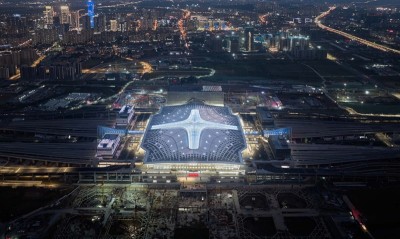
Text description provided by the architects
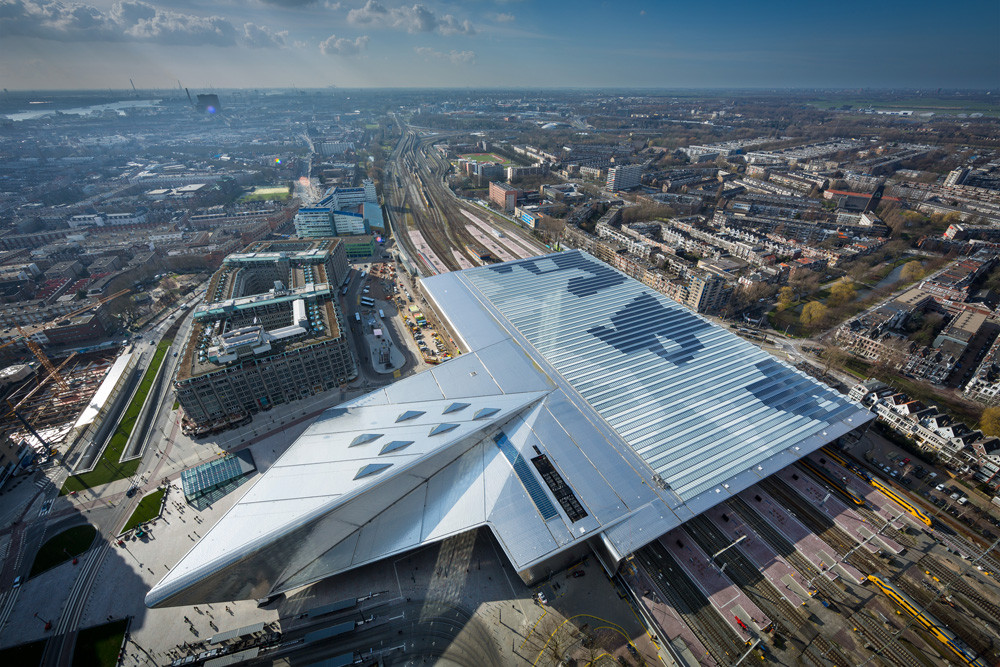
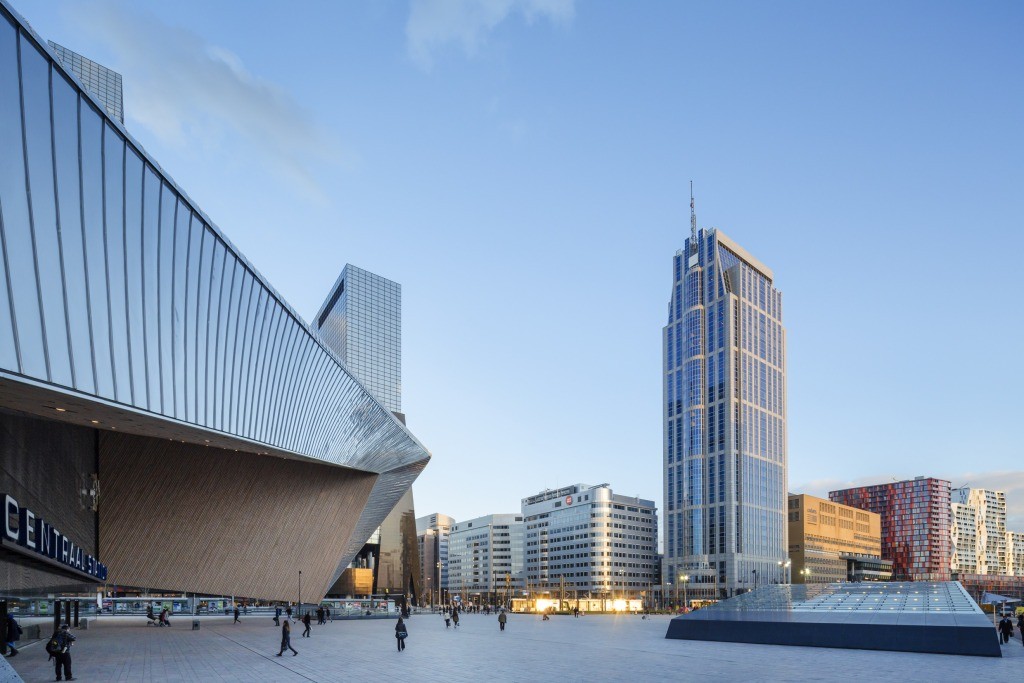
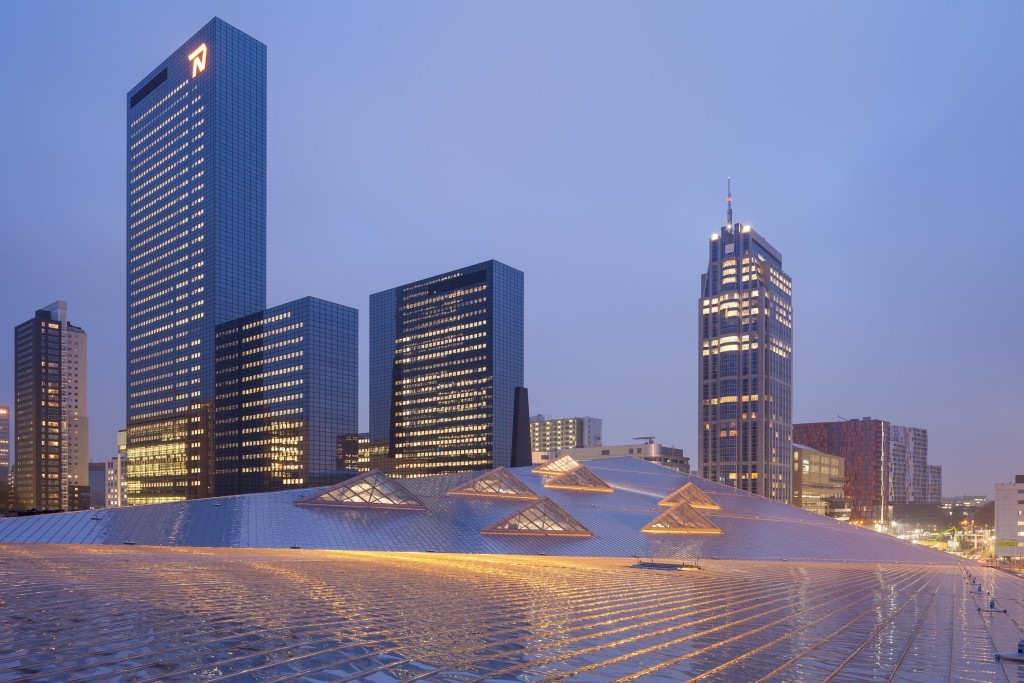
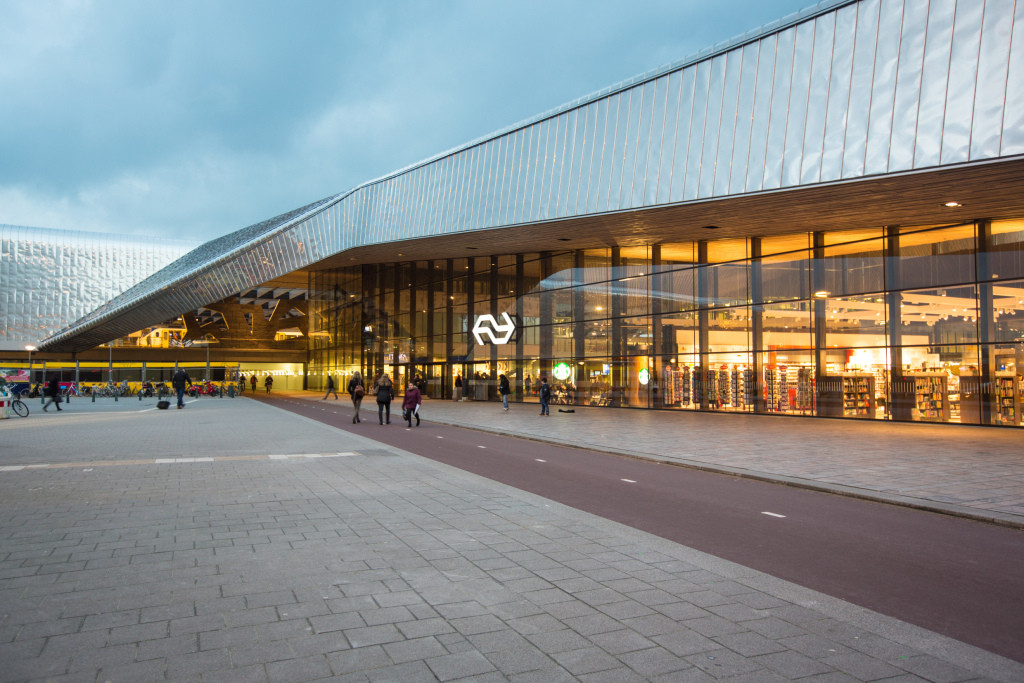
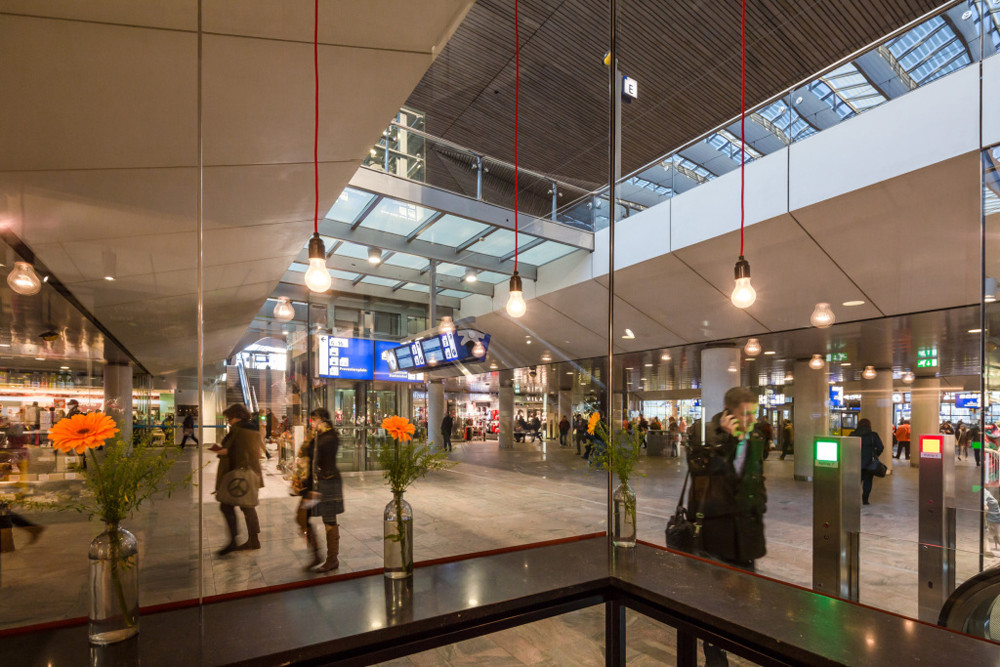
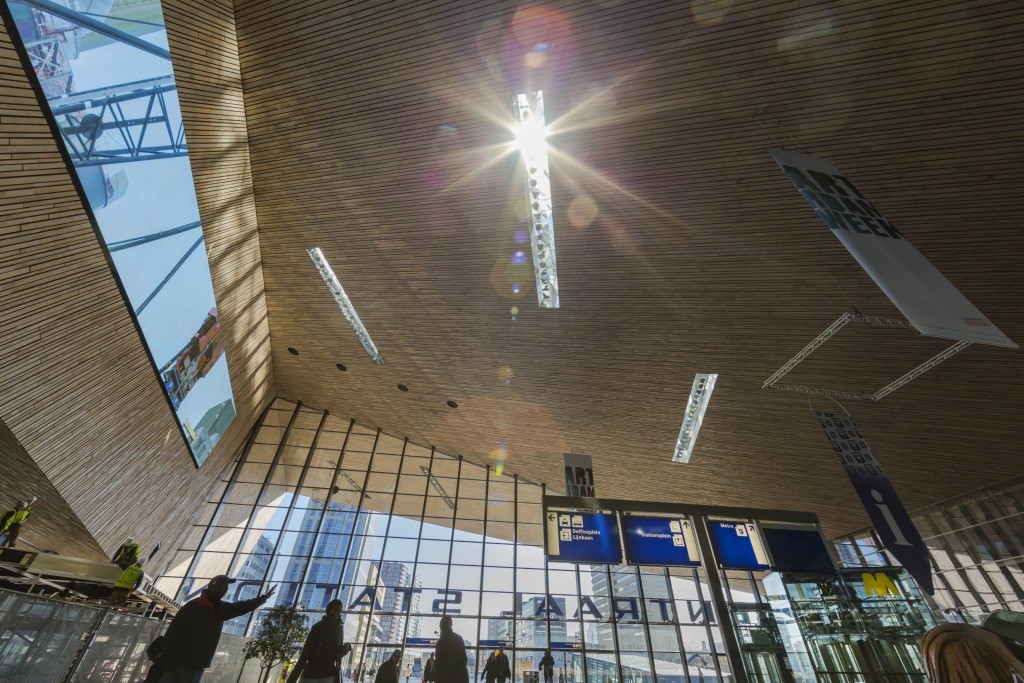
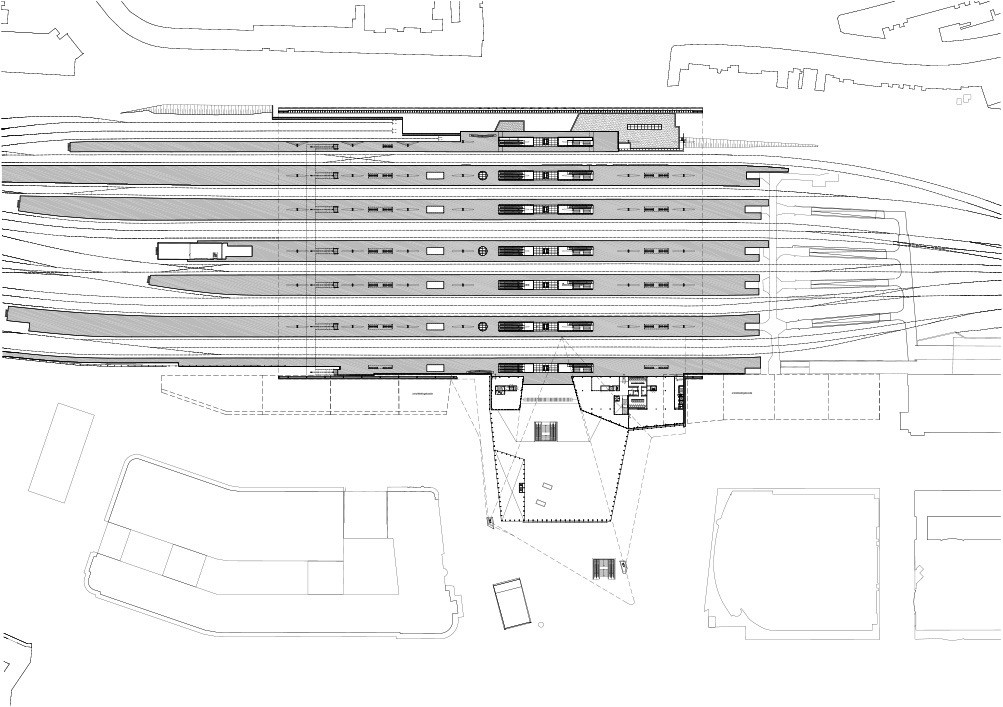
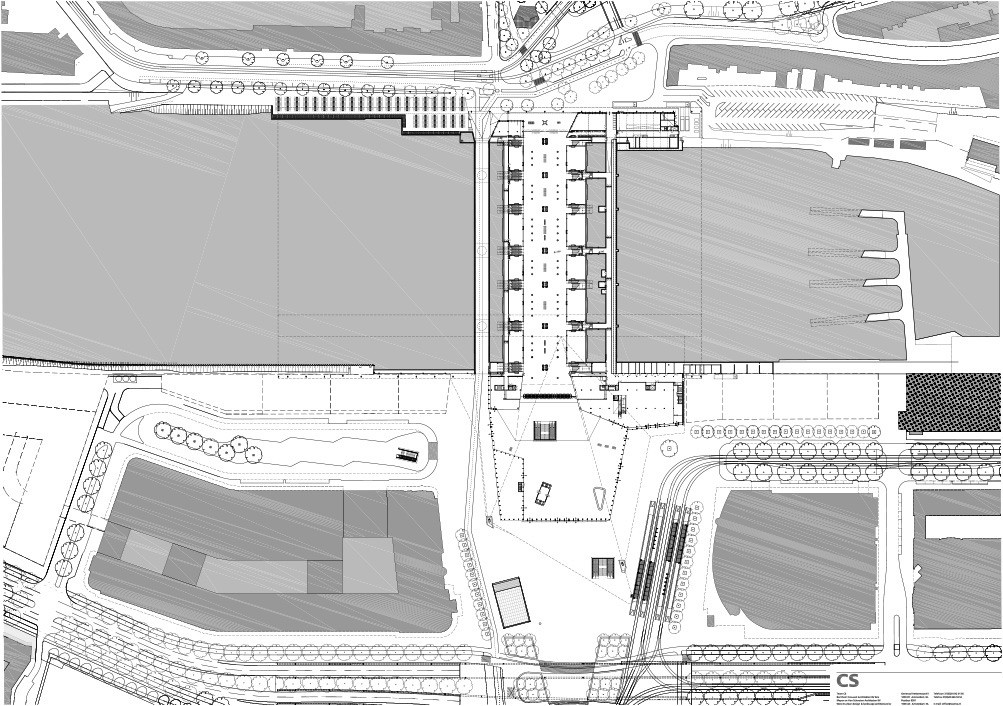
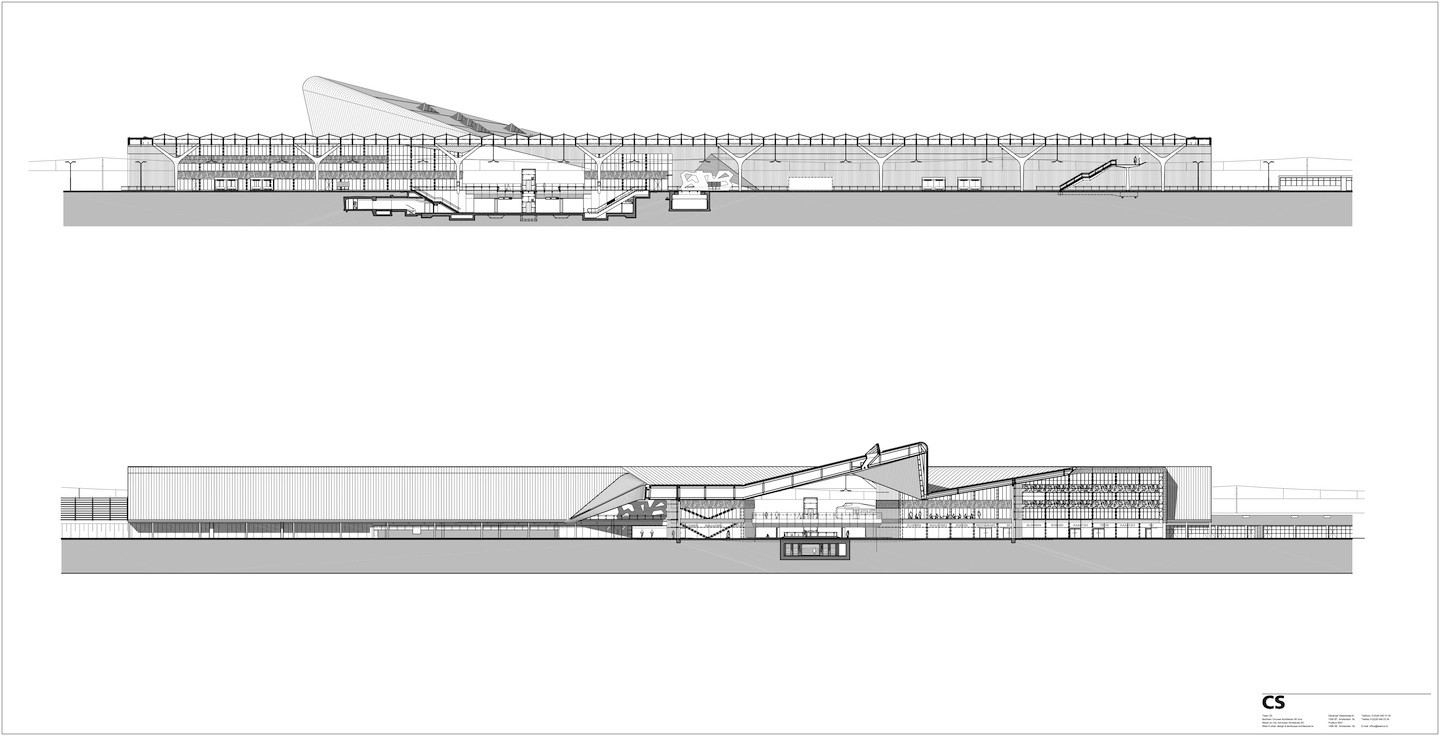
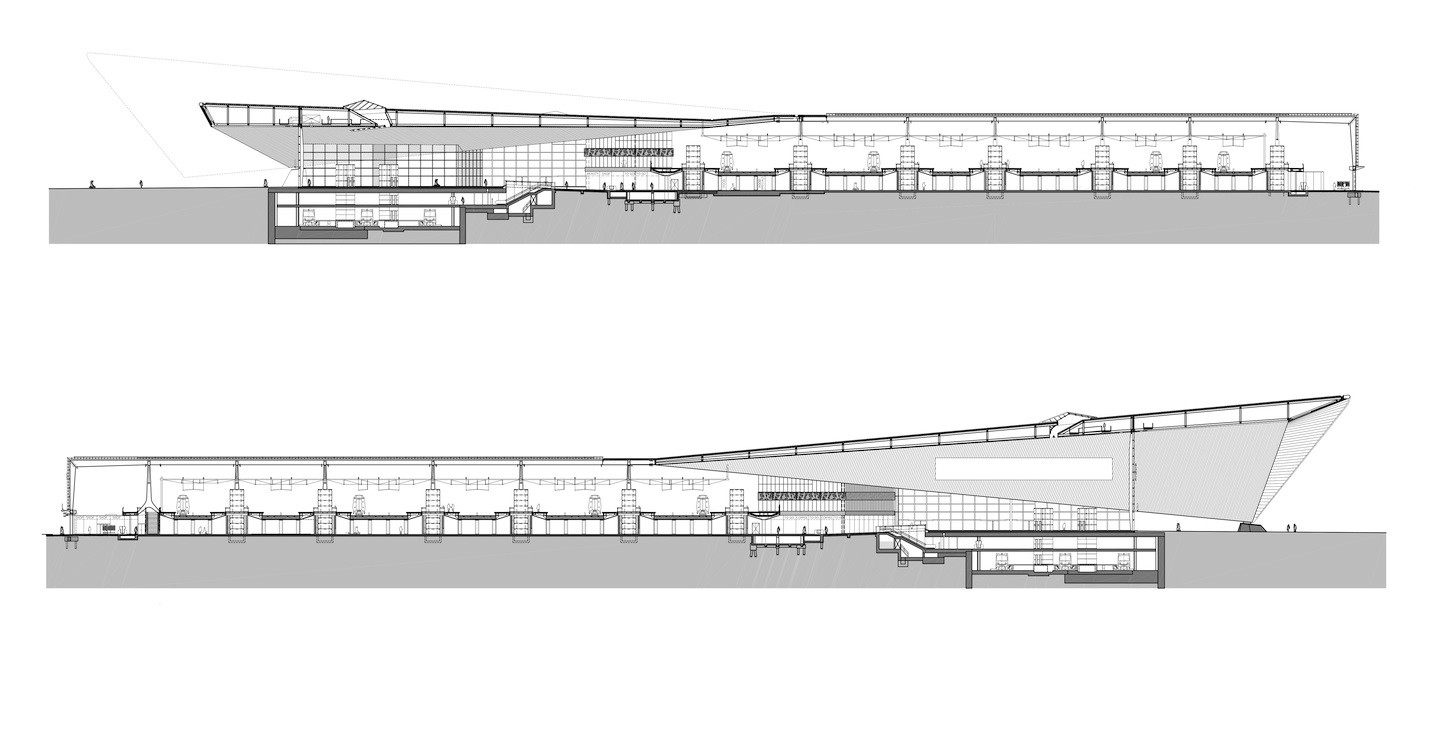
Rotterdam Centraal Station is one of the Netherlands' most important transportation hubs. The central station handles up to 110,000 passengers per day, on par with Amsterdam's Schiphol Airport. In addition to connecting to Europe's high-speed train network, the station also links to the RandstadRail light rail system. With the opening of high-speed rail and RandstadRail, daily passenger volume at Rotterdam Centraal is projected to increase to approximately 323,000 by 2025. Rotterdam's high-speed rail station is the first stop in the Netherlands for trains traveling from the south and is a strategically important hub in central Europe, just twenty minutes from Schiphol Airport and only two and a half hours from Paris. Compared with the old station, the new terminal is more spacious, brighter, and more orderly, while fully international in character. It not only improves the efficiency of high-speed rail services but also perfectly complements Rotterdam's ambitions for urban development and renewal. The station combines practicality, capacity, comfort, and attractiveness, forming part of a transport network that includes central stations in Madrid, Paris, London, and Brussels. Integration with the urban environment was one of the greatest challenges: the new station re-establishes the connection between the city center and the north side of the tracks, which had been severed by railway infrastructure for decades. The iconic curved roof and glass facade create a powerful identity for the station while providing a bright, welcoming gateway to Rotterdam.













 Editor's Pick
 Latest Design
 Best Idea