Text description provided by the architects
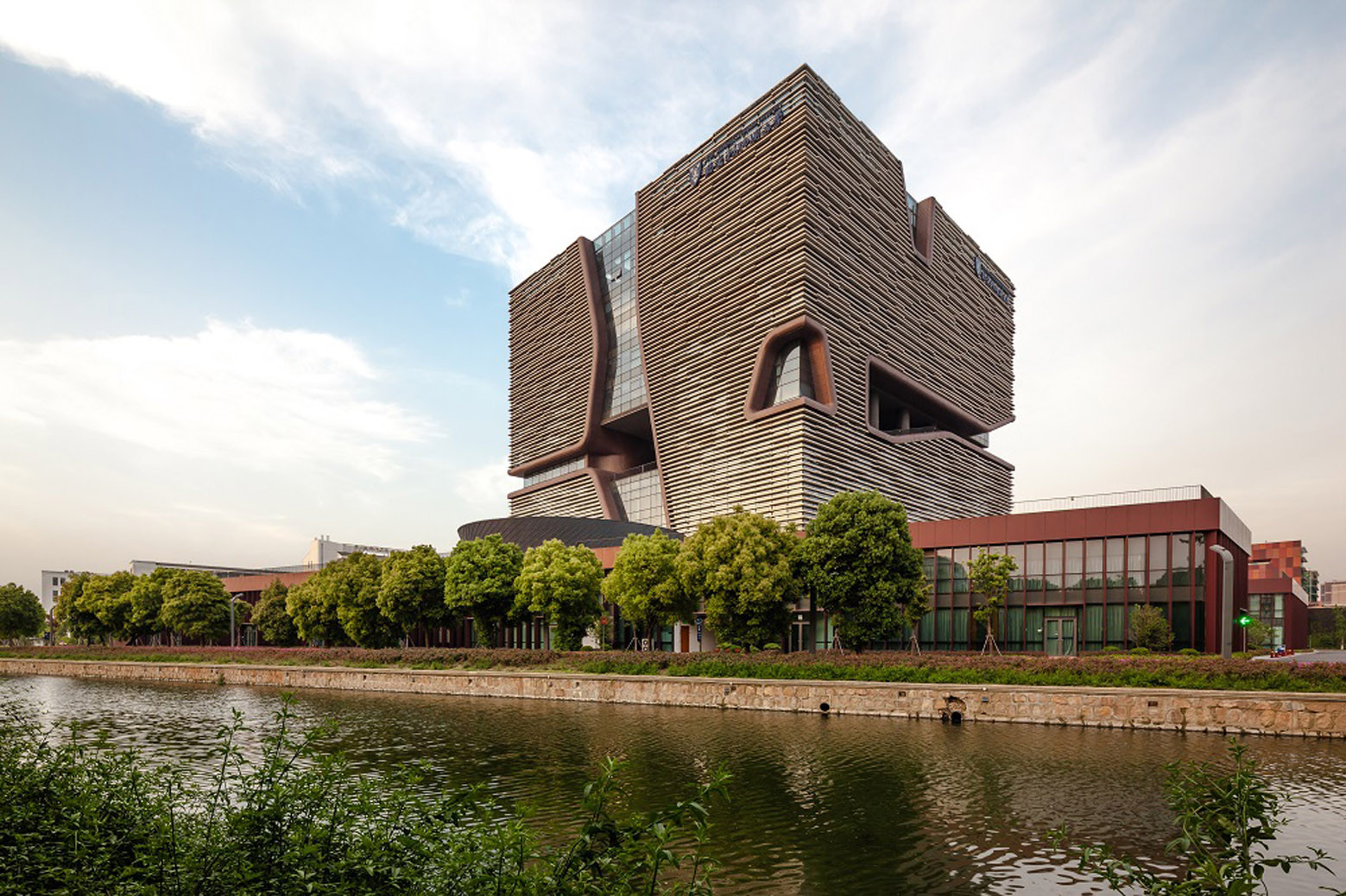
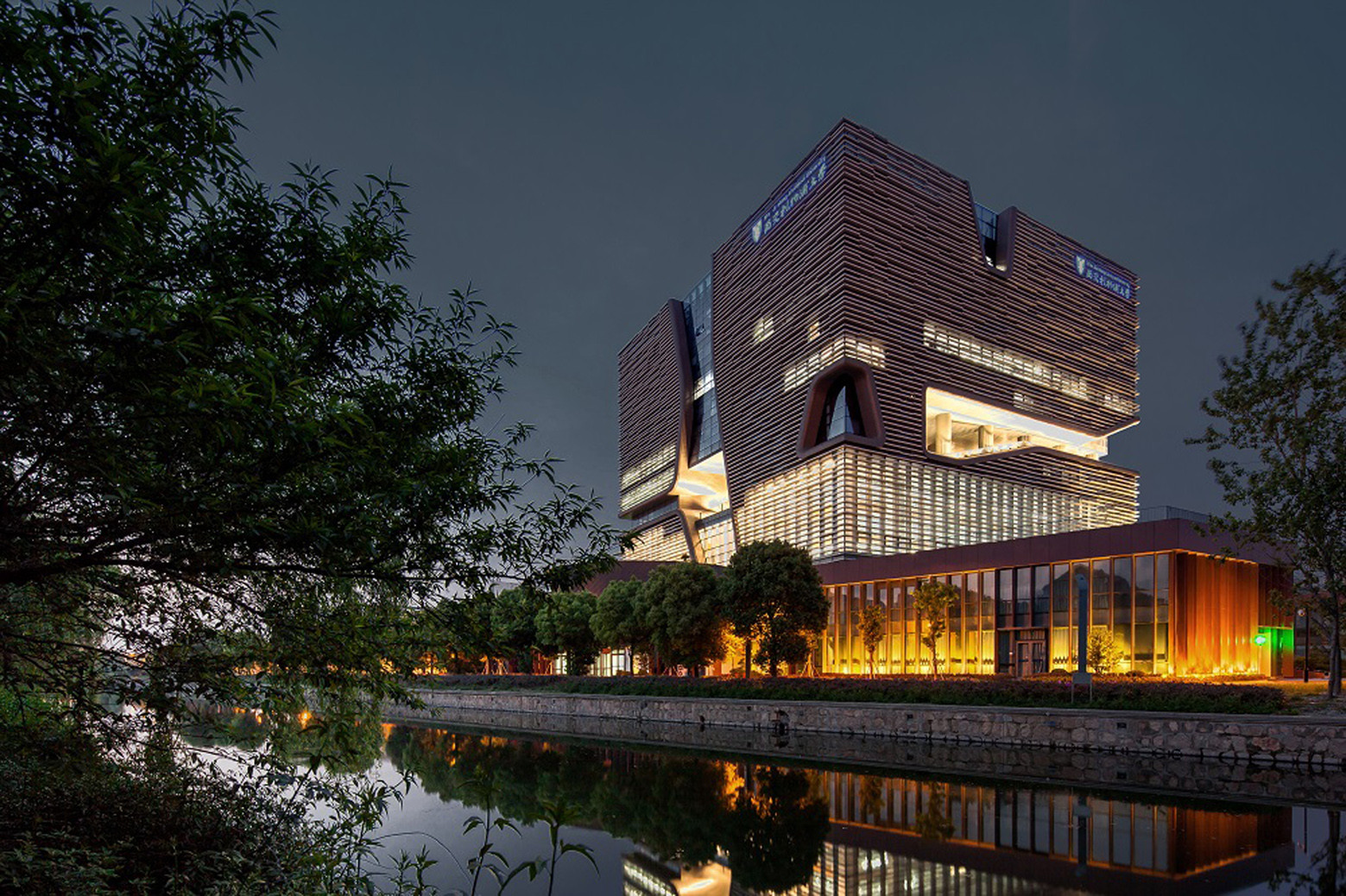
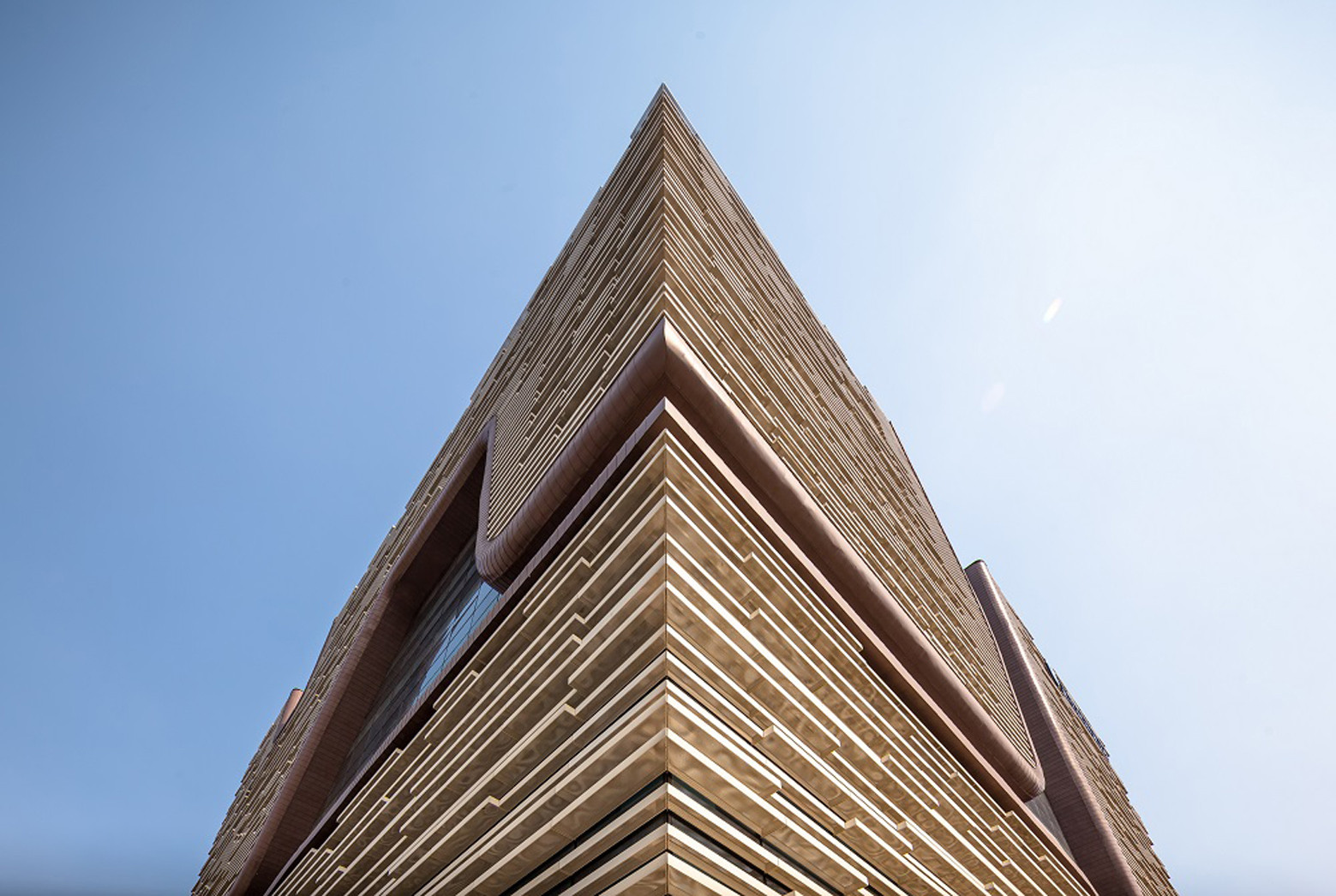
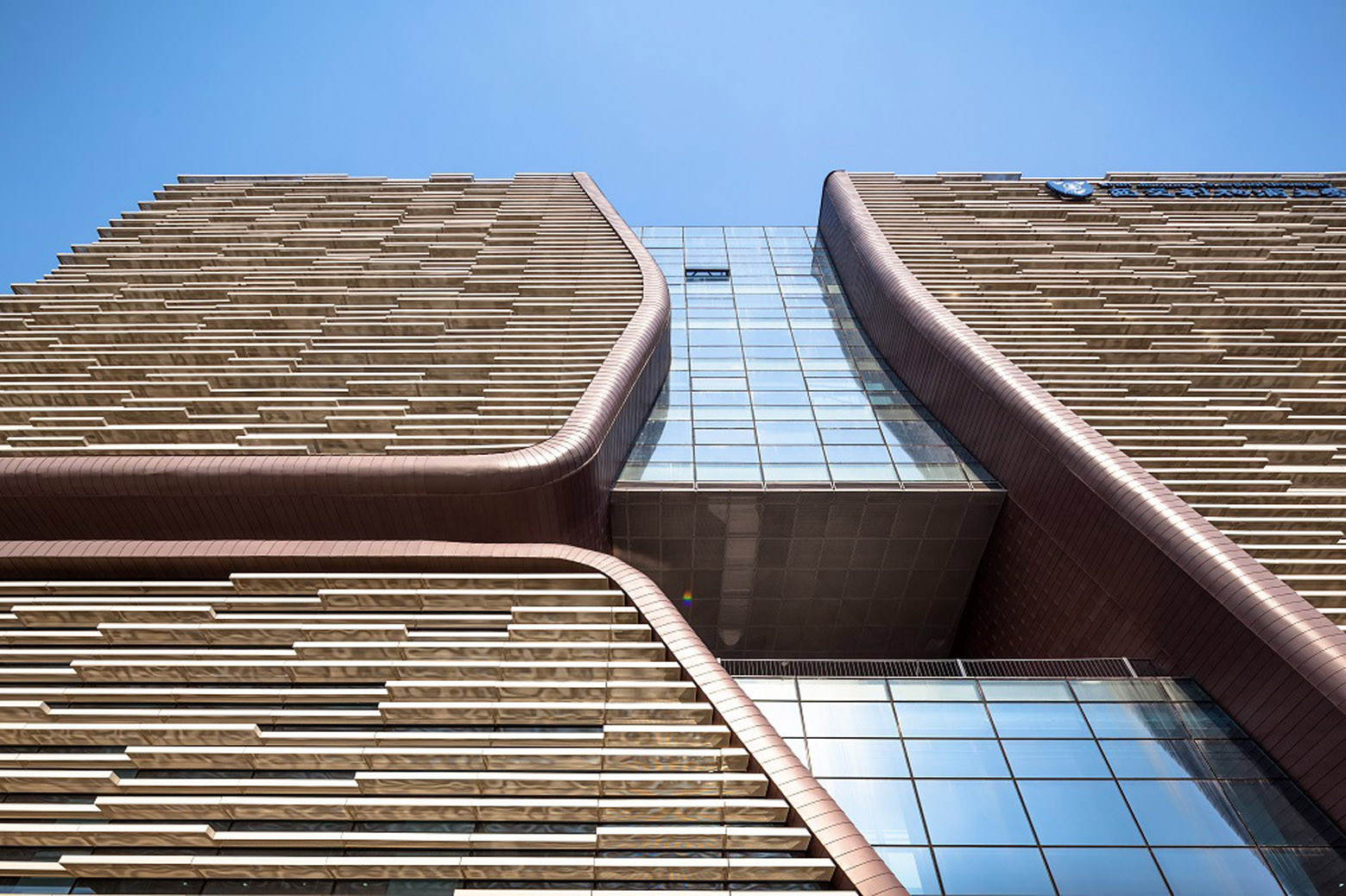
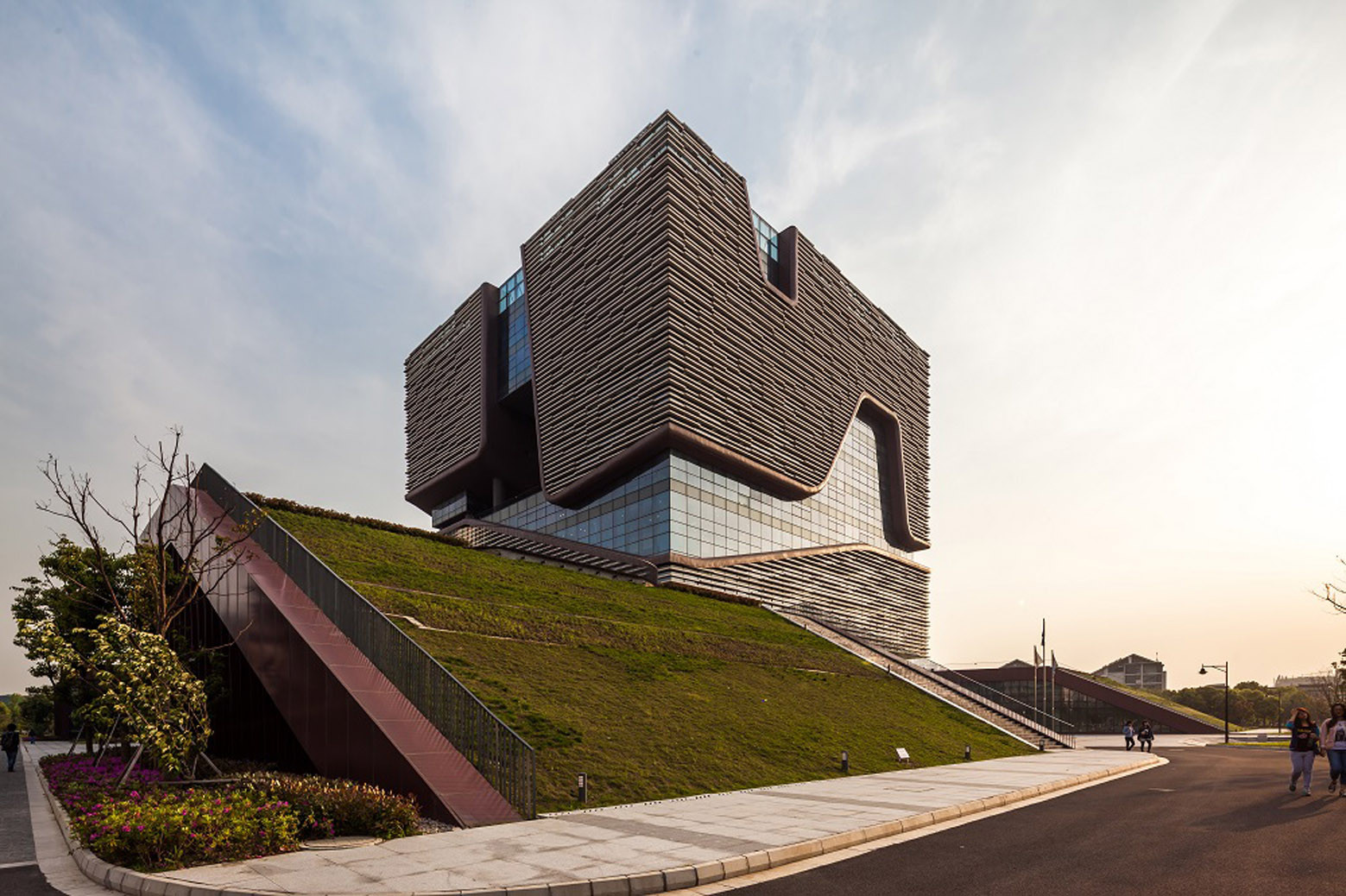
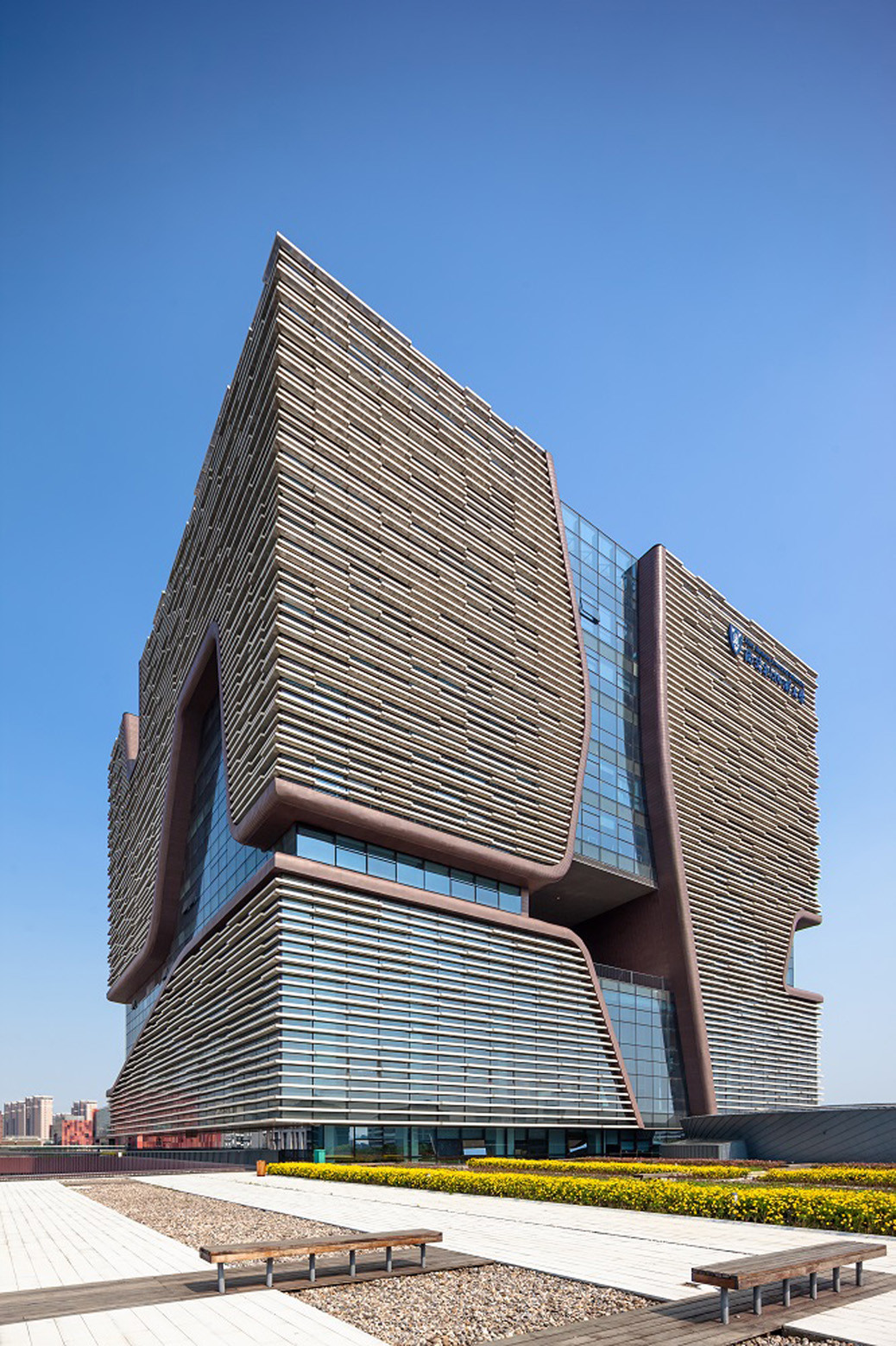
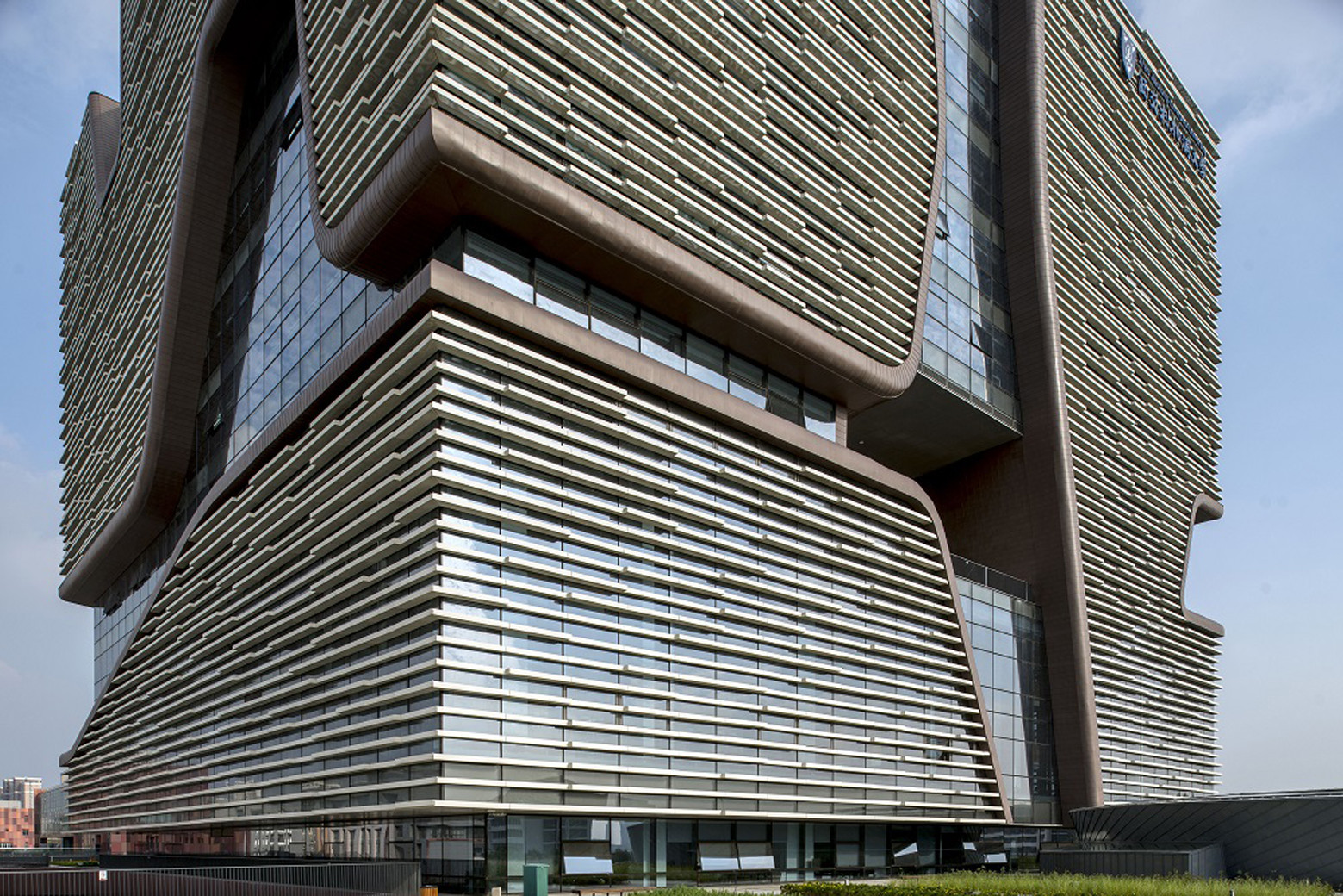
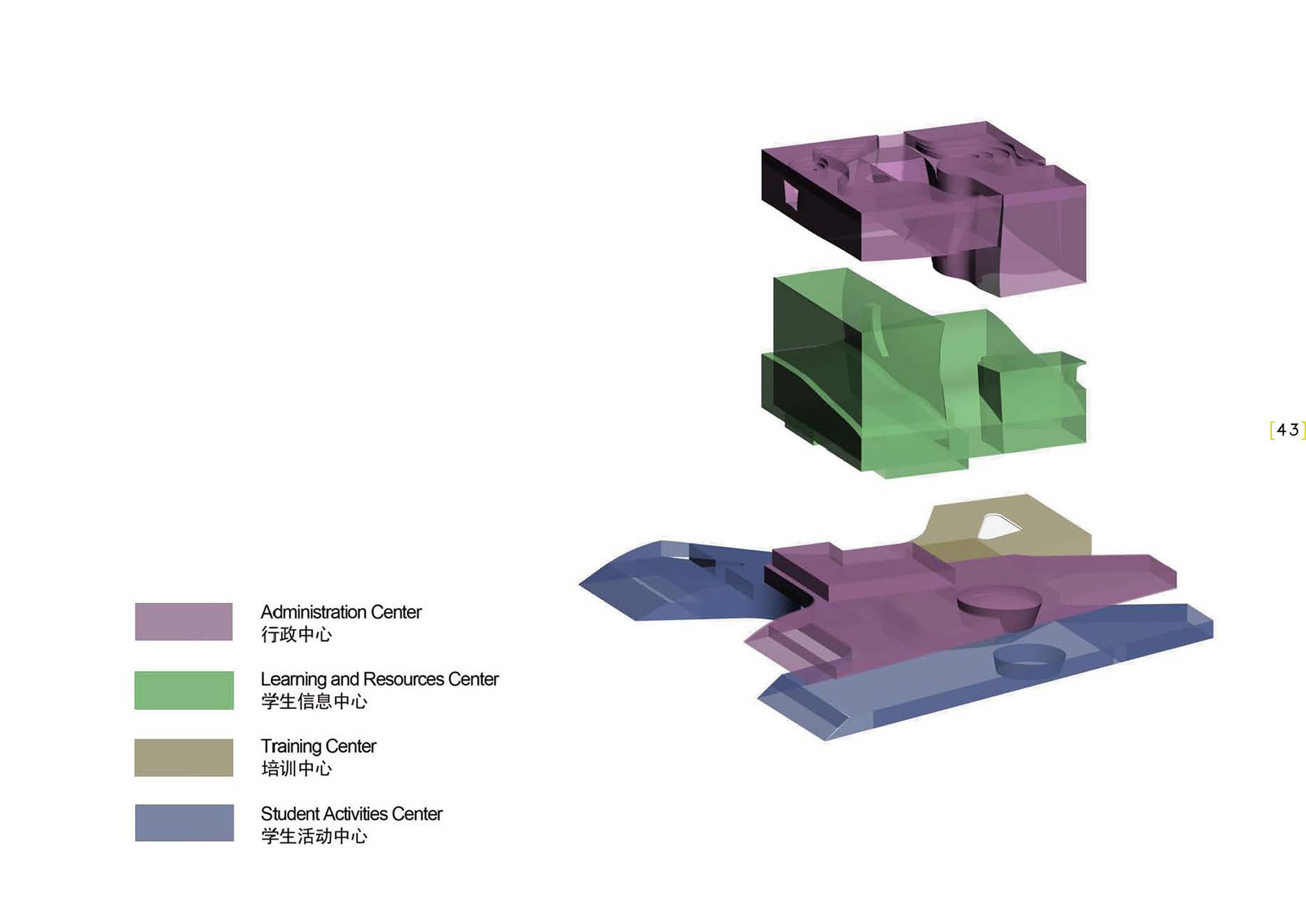
The design concept for the Xi'an Jiaotong-Liverpool University Administration and Information Building draws inspiration from Taihu stone, a type of calcium carbonate limestone that, through erosion and weathering, forms incomplete, perforated, and exquisitely porous forms. Taihu stone is ranked first among the four famous stones of ancient China and is an indispensable element of classical Chinese gardens. Its natural, unforced form represents the idealized interpretation of nature by Chinese literati, earning it the name scholar's stone. The administration and information building comprises four complex functions: an administration center, a student information center, a training center, and a student activity center. The design borrows from the organizational logic of Taihu stone's internal spaces, using a cutting technique to expose the intricate cavities within the stone. The building is designed as a cube pierced by several openings that both divide and connect different functional spaces. In addition to addressing essential building requirements such as daylighting and ventilation, these openings create a closer and more direct relationship and interaction with the environment. Like the Taihu stone, the building is no longer an isolated object to be admired but stands in the campus with a more active posture, inviting people to wander through it. The openings play an indispensable role in passive energy design, carefully optimized to promote air circulation within the building. Openings along the southeast facade draw cool natural breezes into the building during summer, while the solid northwest facade blocks cold winter winds. Openings at varying heights, paired with landscaped spaces, create a three-dimensional Suzhou garden within the building itself.







 Editor's Pick
 Latest Design




