Text description provided by the architects
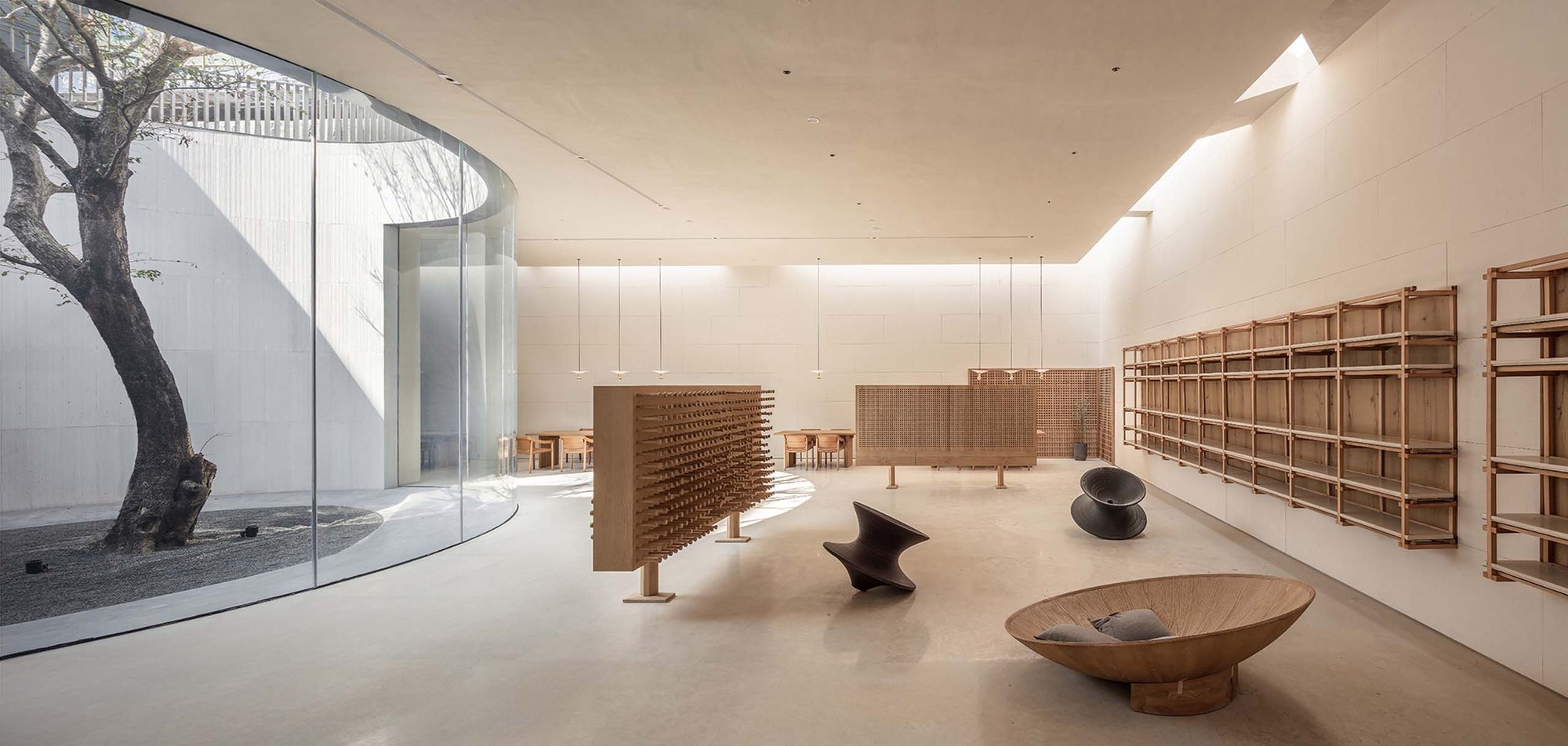
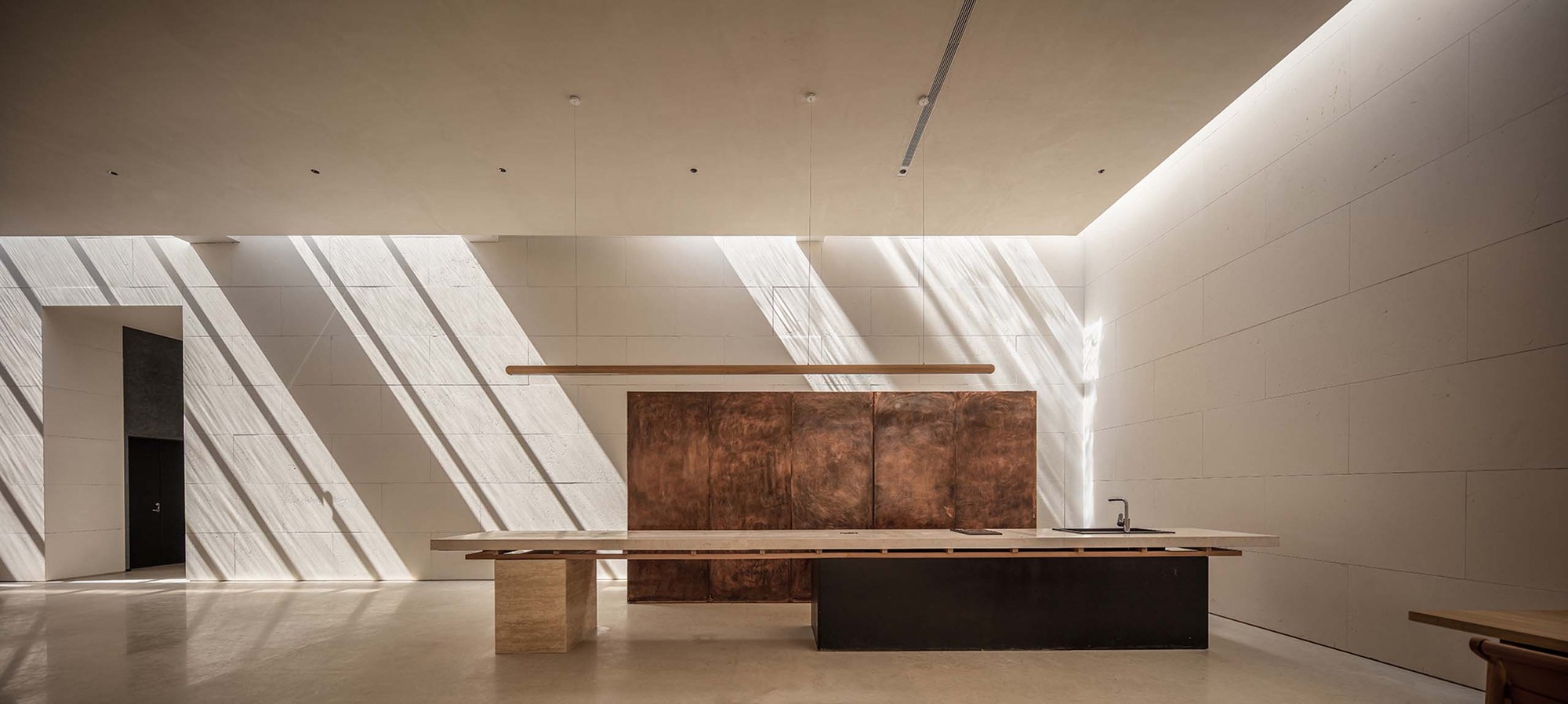
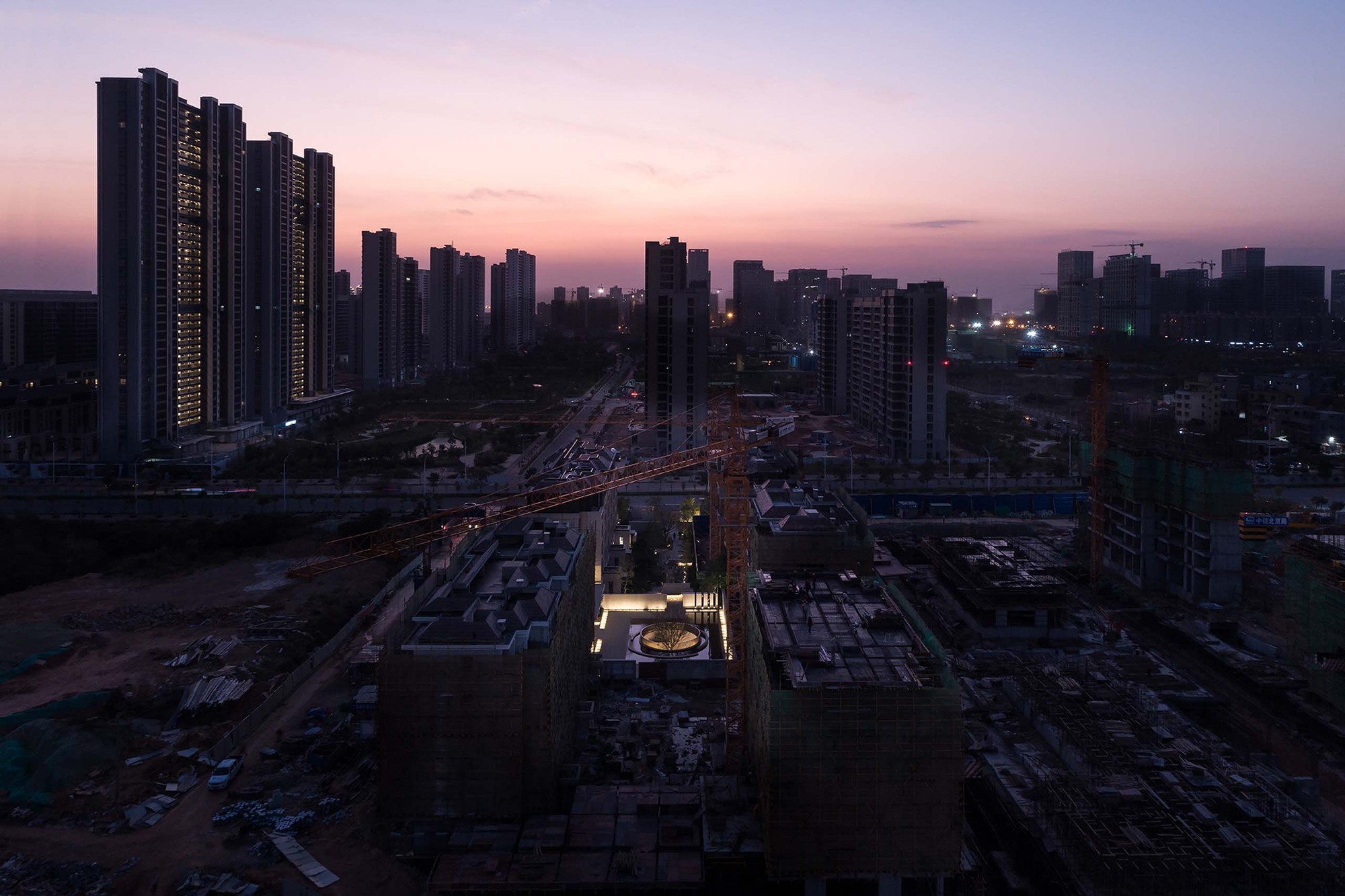
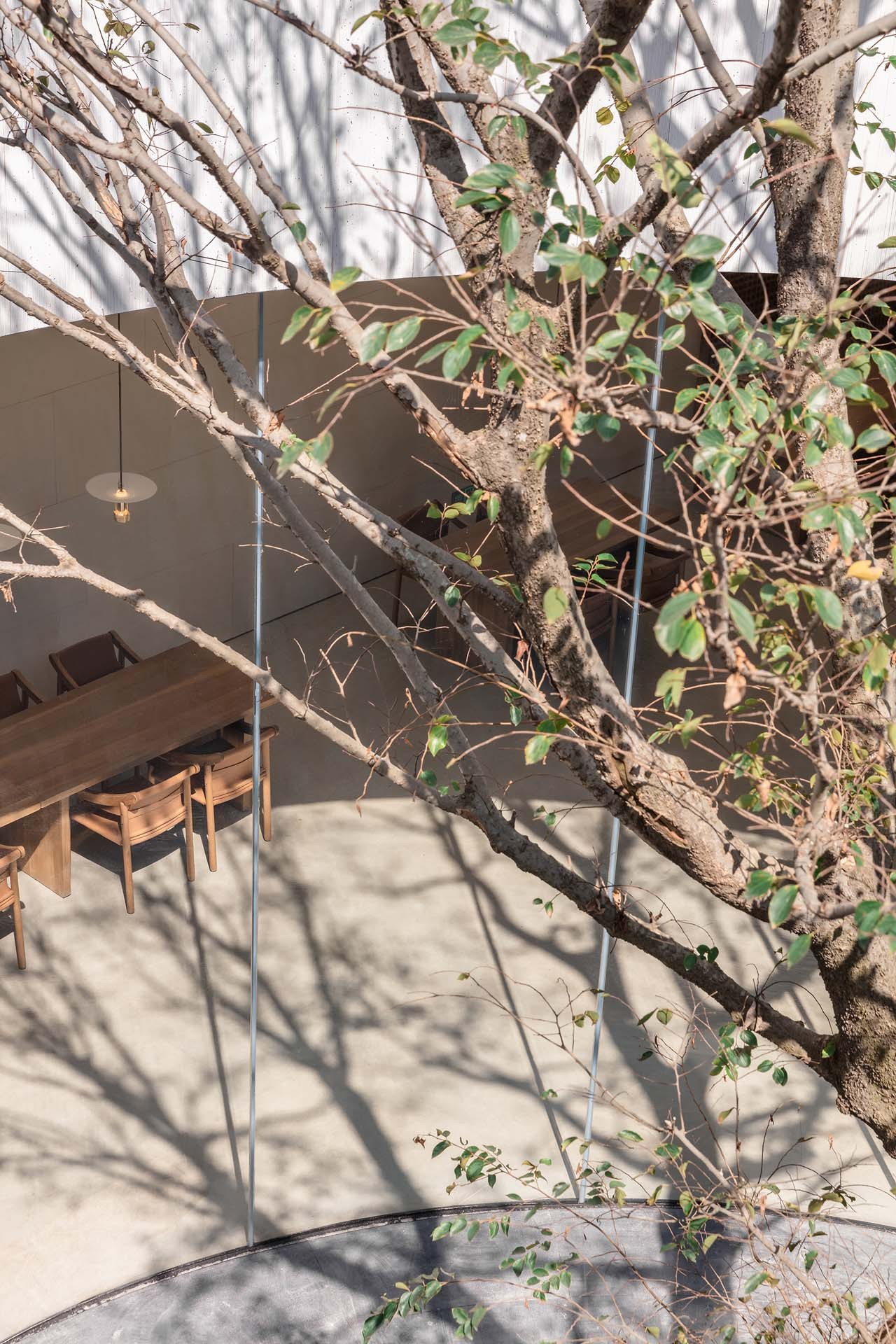
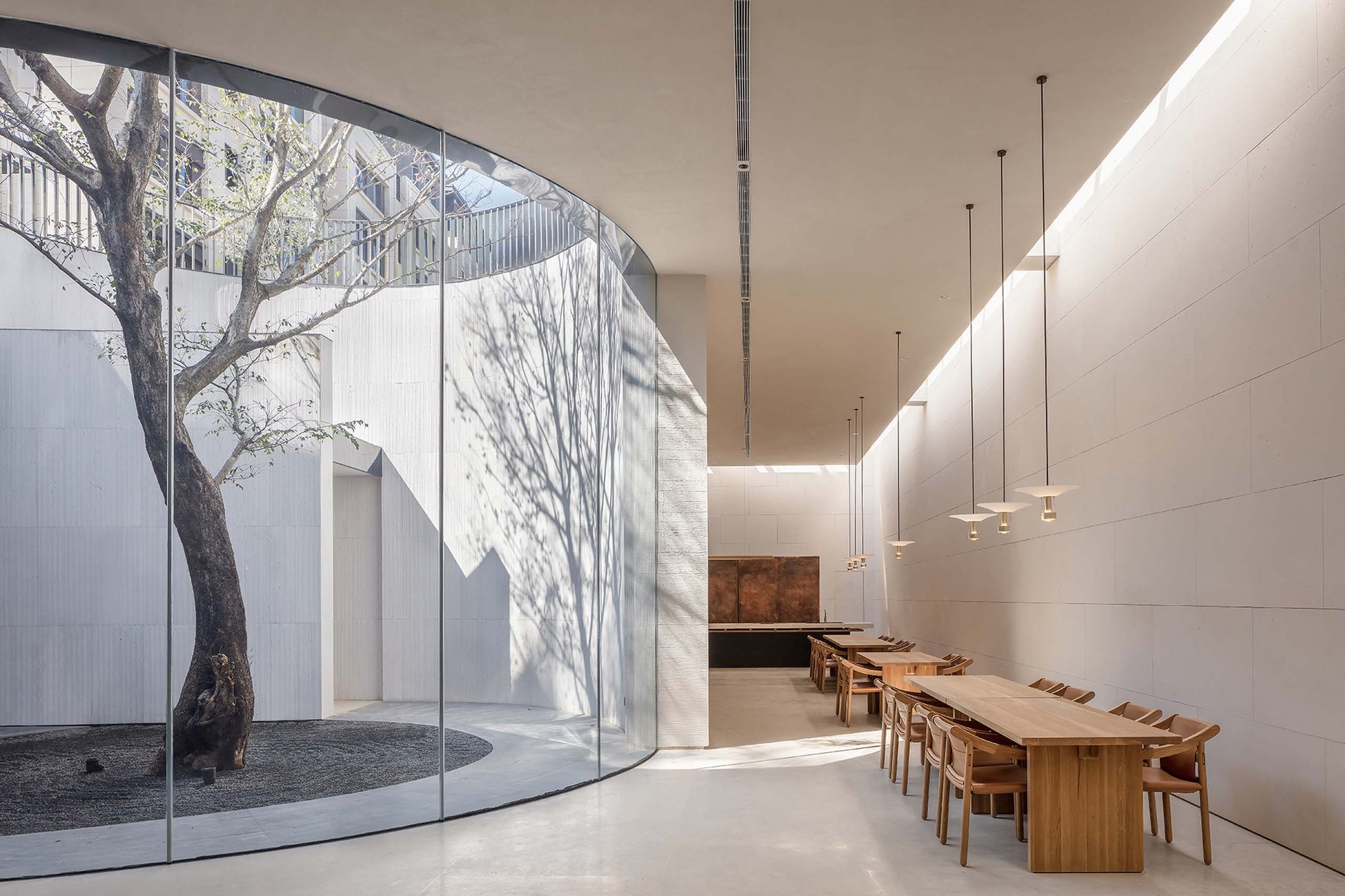
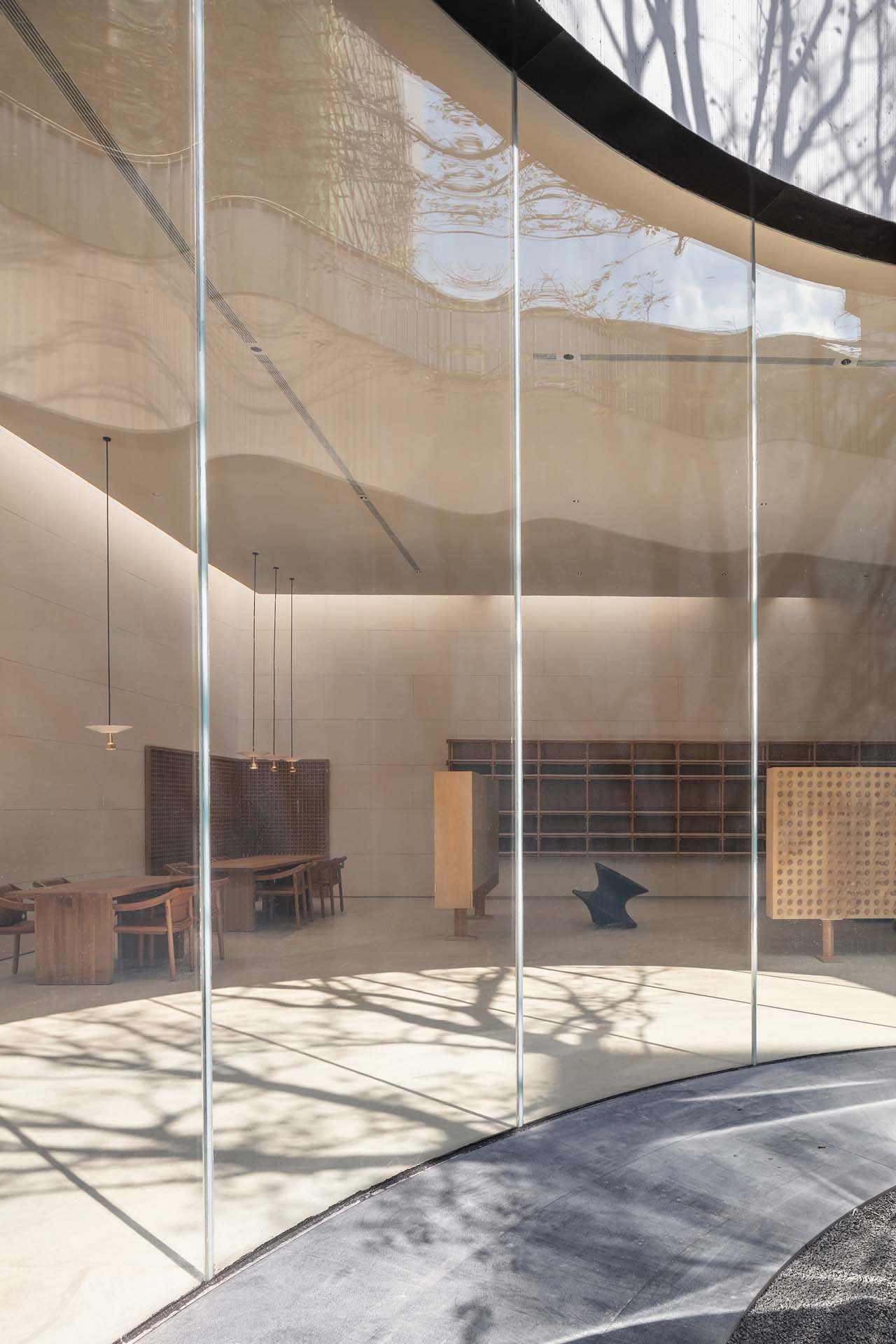
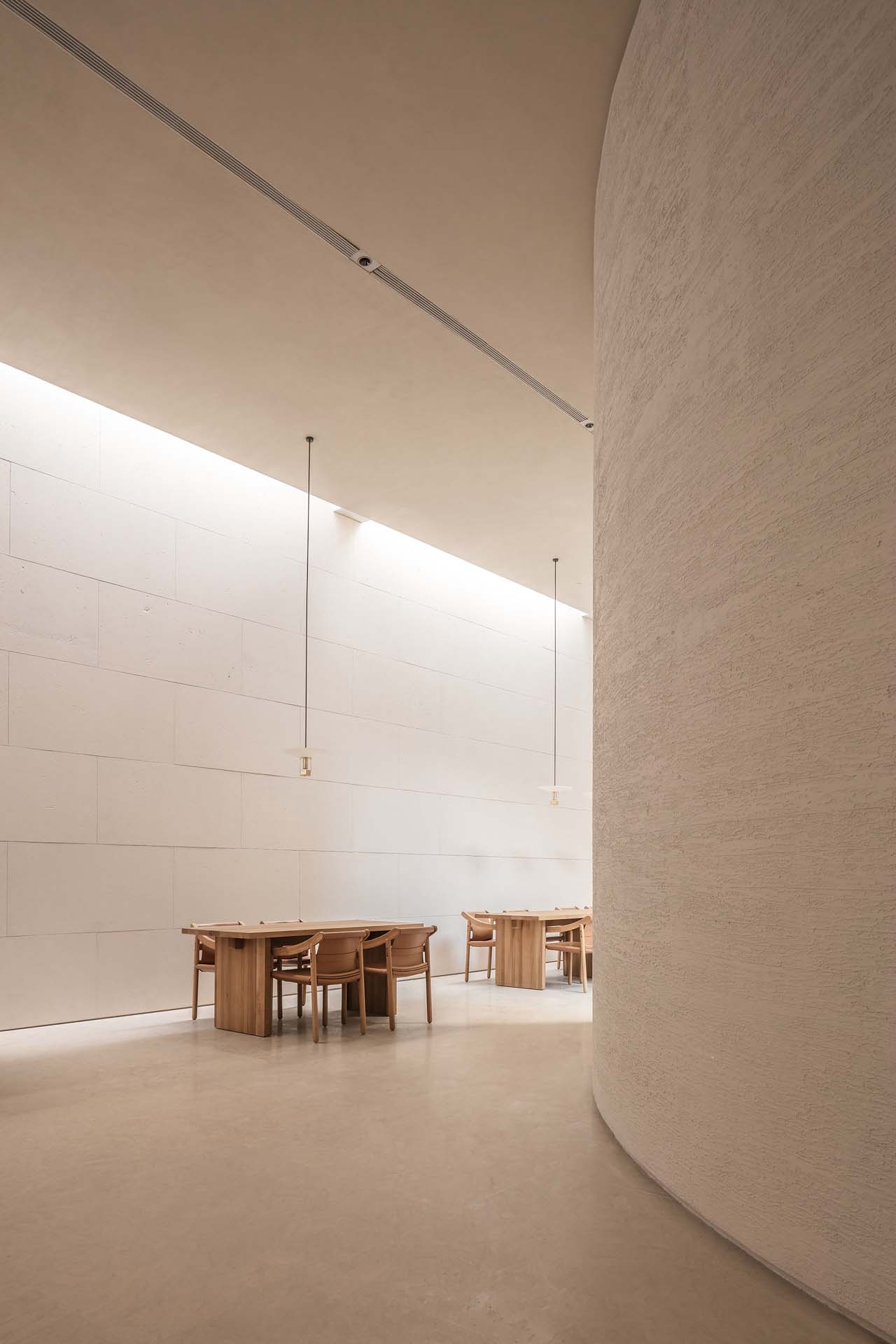
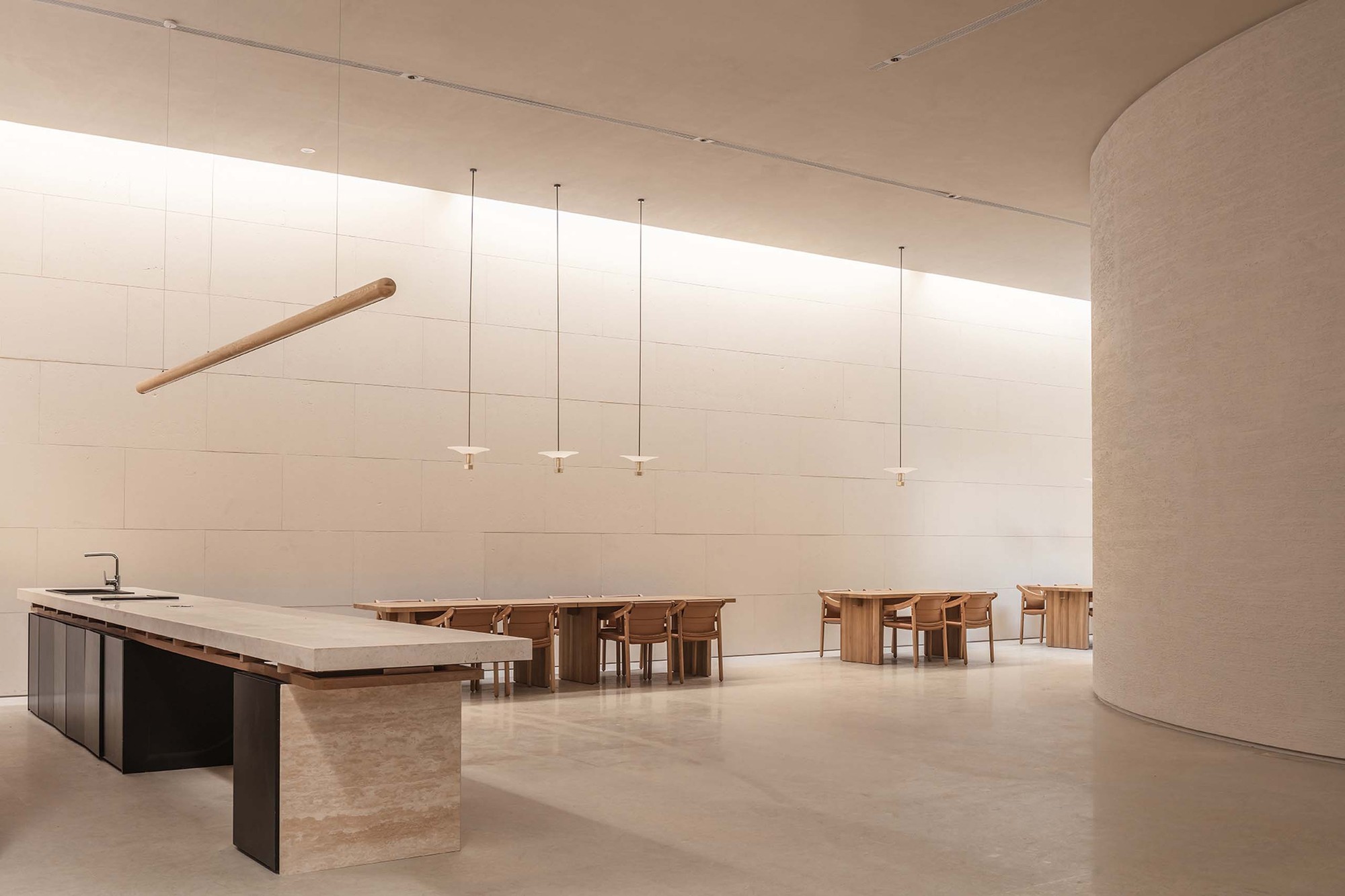
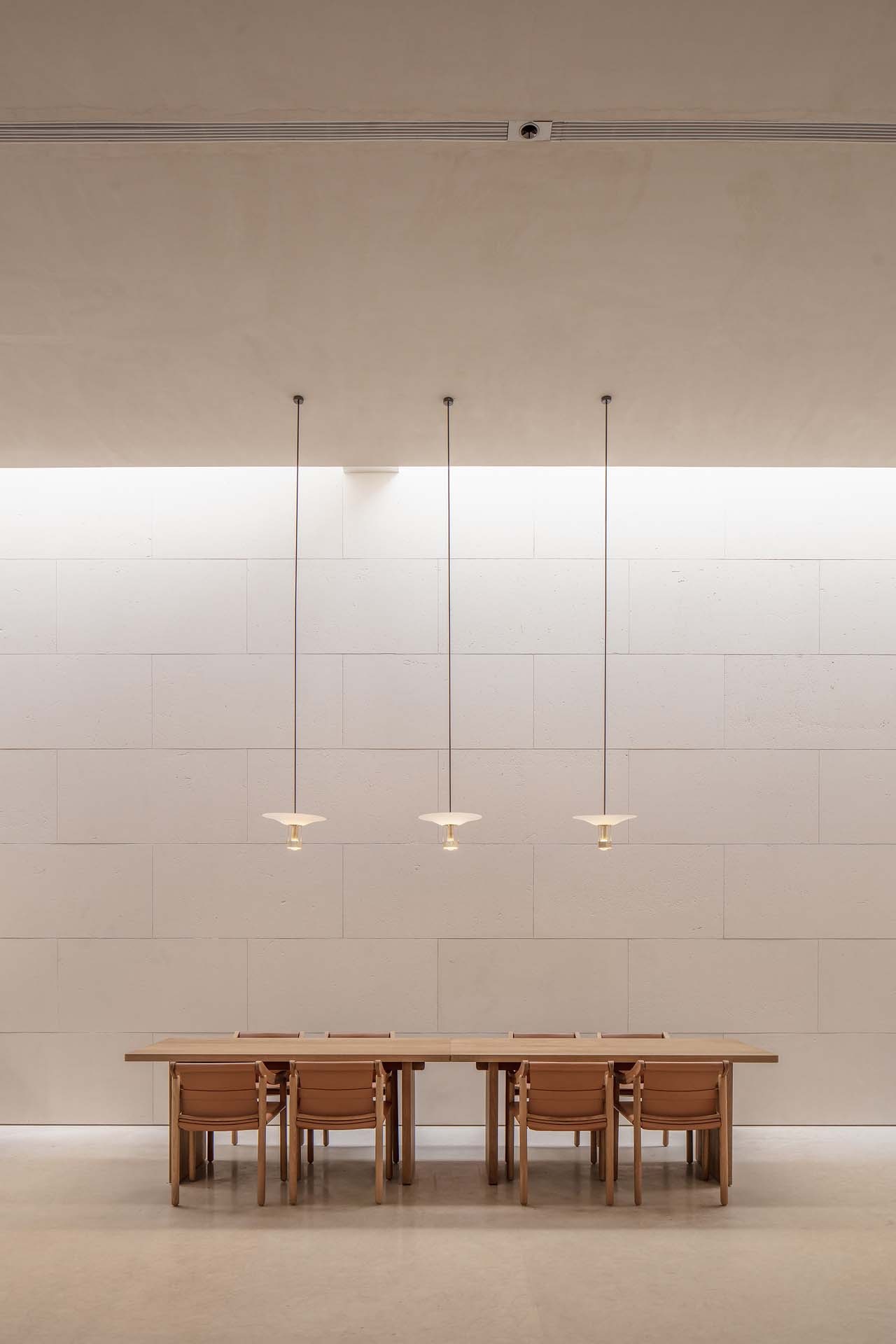
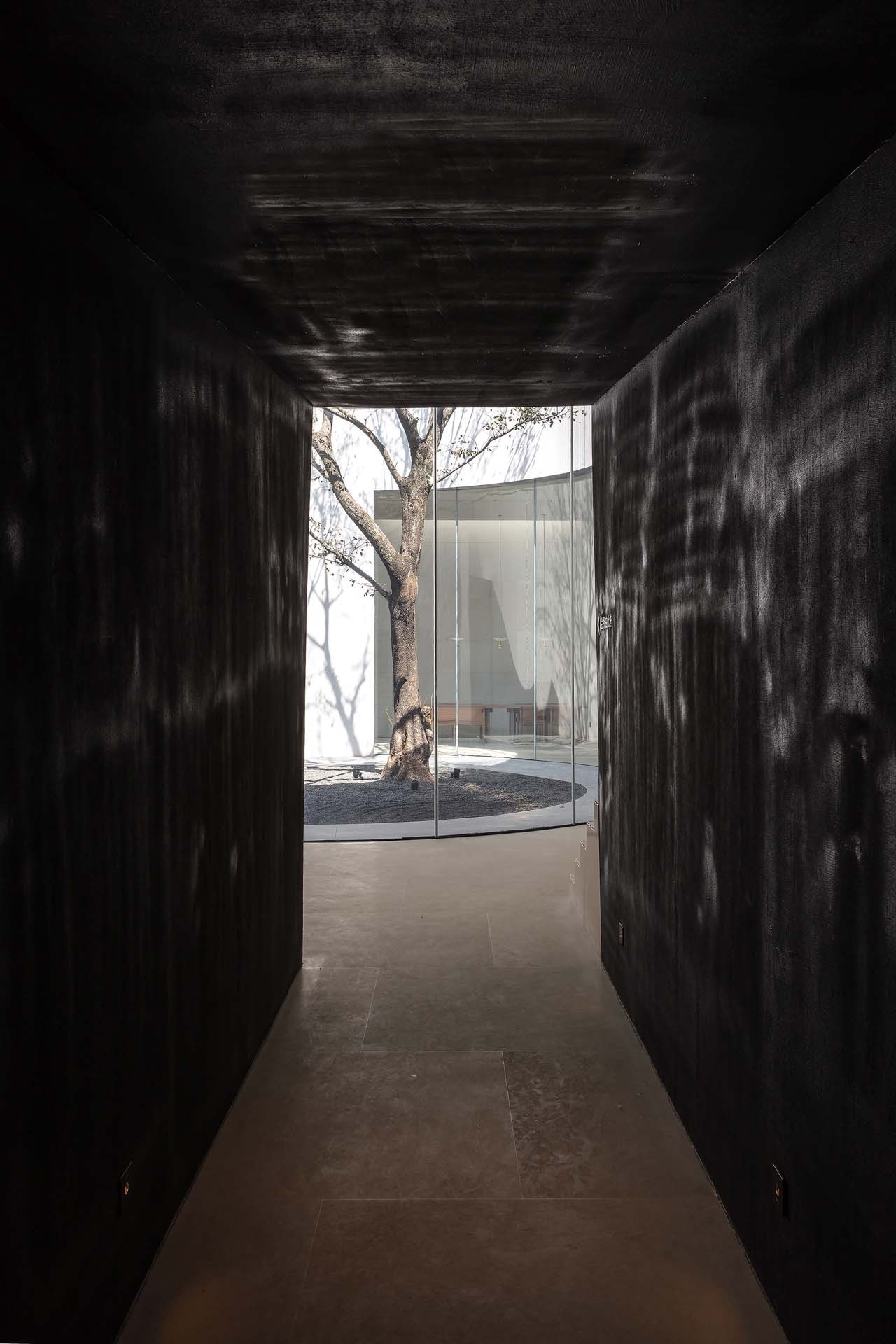
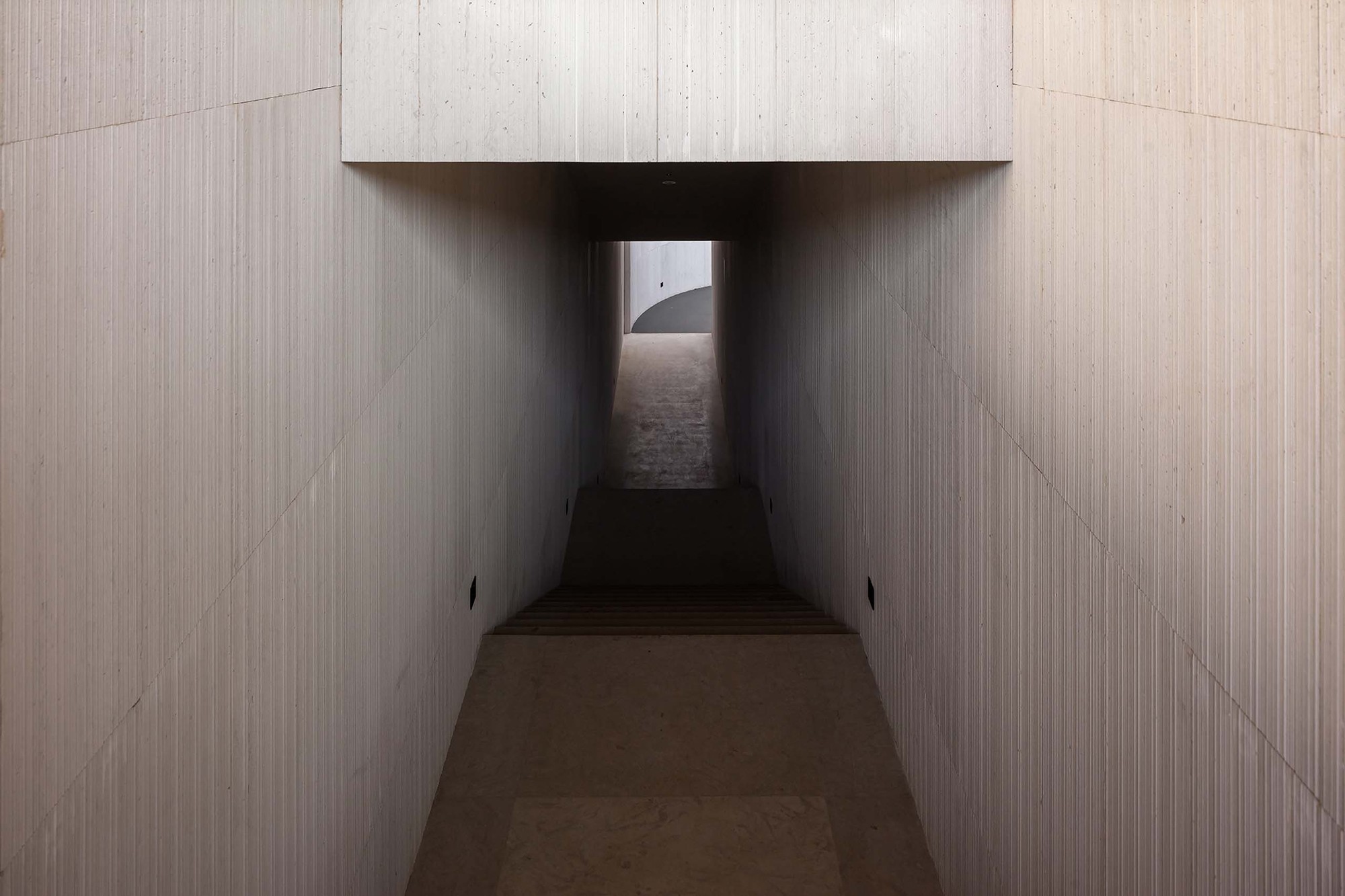
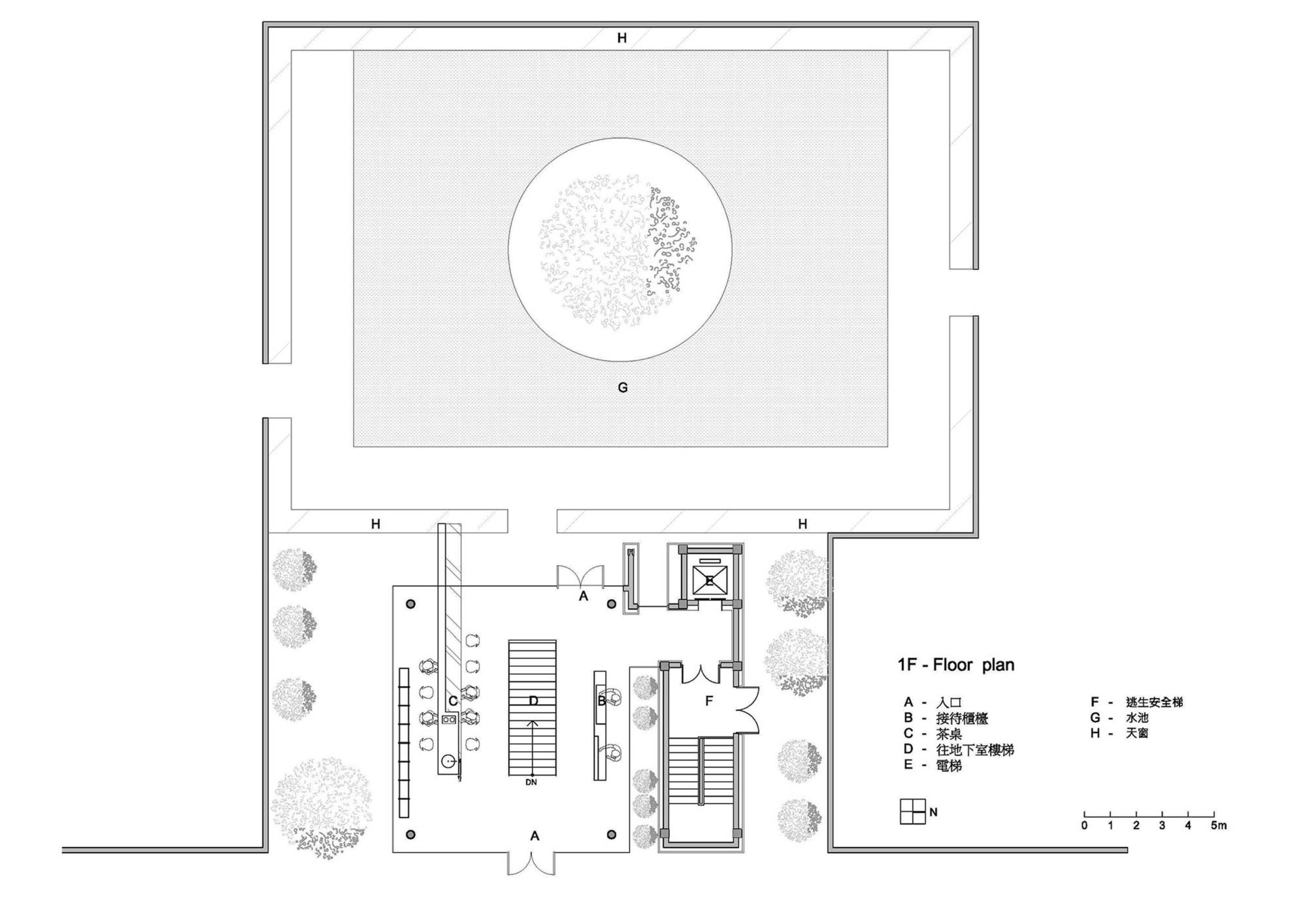
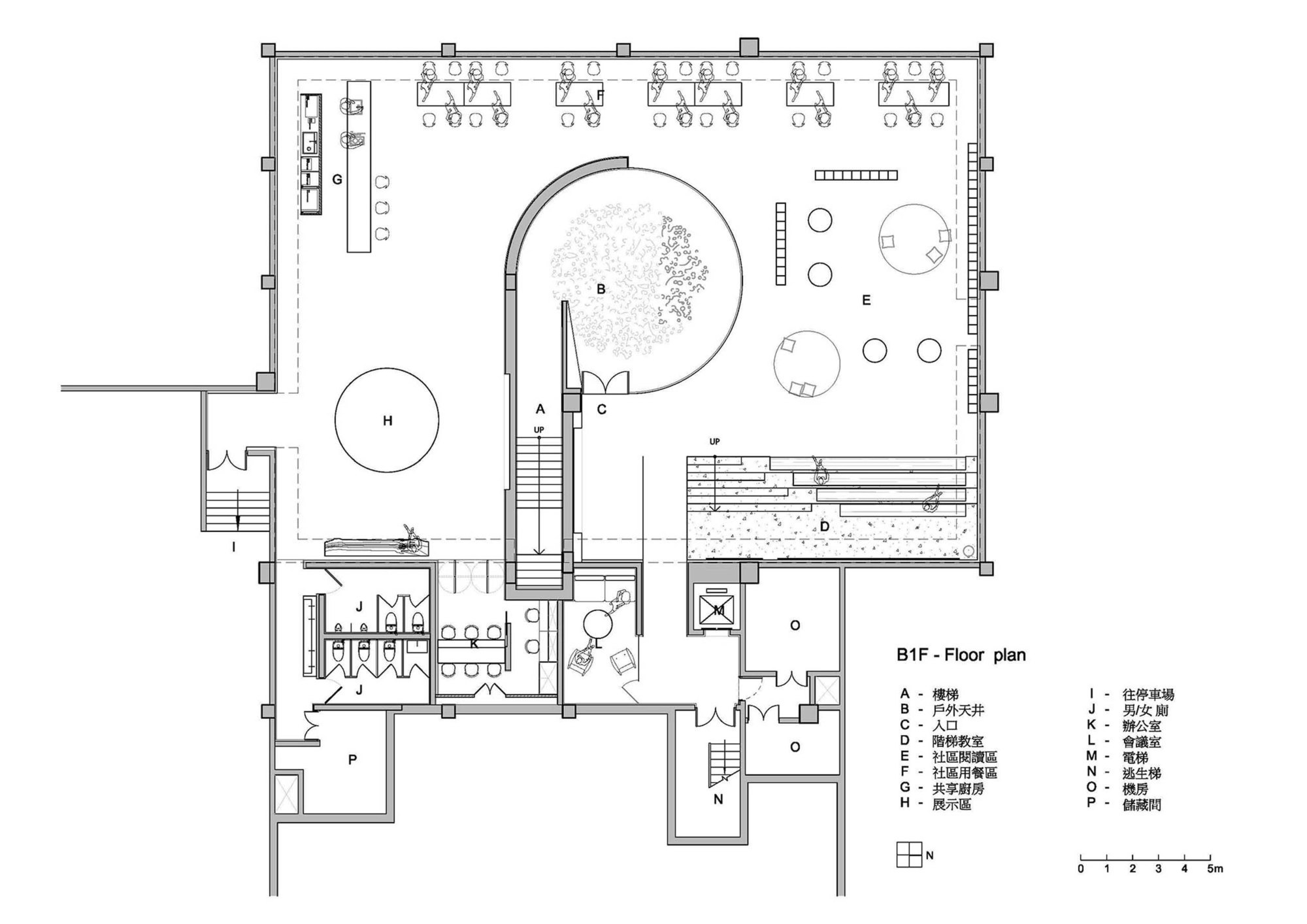
The Zhongnan Jinjiutai project in Xiamen had two premises that set it apart from a typical development: first, the building would later be used by the local community on a permanent basis; second, of its two floors, most of the usable area lies beneath the landscape. How to exploit the independent, separated character of the site while maintaining the environmental framework of sun, air and water was the first question Waterfrom Design set itself. Starting from the future community use, the team built a landscape that connects local memory from the ground-floor entrance. In old village life, the old tree was always the gathering point, linking people as they exchanged daily news and emotion; gathering under the tree was a habit and a collective memory. Tea, in turn, is the cultural axis of old Xiamen; brewing tea and receiving guests with tea is a ritual and a way of life, independent of the grade of the tea, the point being ease and a quieted mind. A glass tea court surrounded by a lake that reflects the sky is the overture: like a transparent vessel containing the ritual of the tea table, the rush of the outside corresponds to the unhurried calm within, settling the mood of those who enter. A long flowing-water table crosses the centre of the tea pavilion and pierces the glass curtain wall; as tea is brewed beside it, the sound of running water flows into the lake. Though it does not re-create the winding-water wine party of Wang Xizhi, the elegance of clear streams and eddies is not far away. Beside the tea table, an opening in the floor leads by steps down to a cavern beneath the lake. Legendary hidden paradises always begin with a concealed, barely perceptible entrance; this one is no exception. The project is a meditation on underground public space that uses water, tea and threshold to build a sensory transition from the street to a quiet world below.


















 Editor's Pick
 Latest Design