Text description provided by the architects
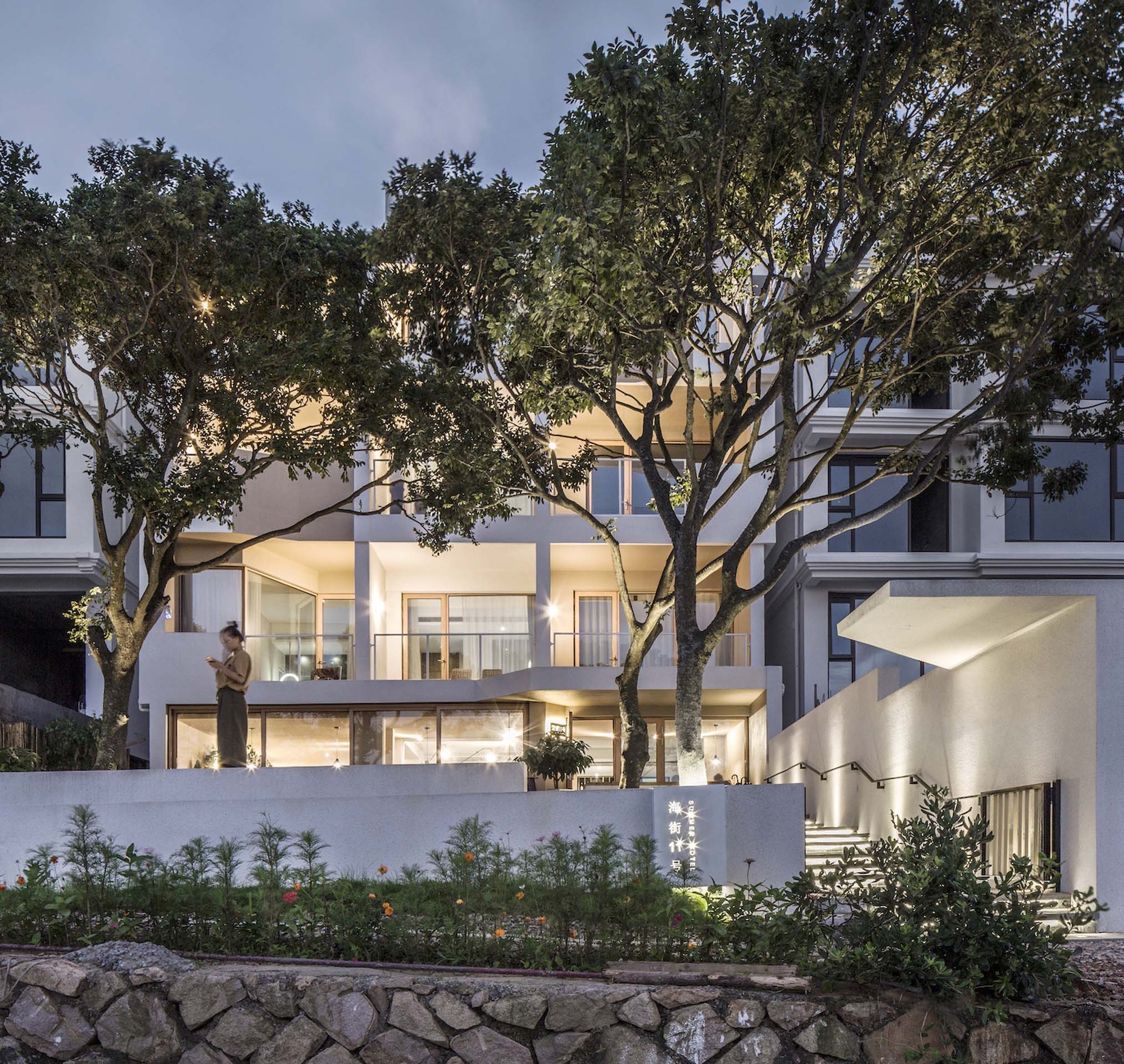
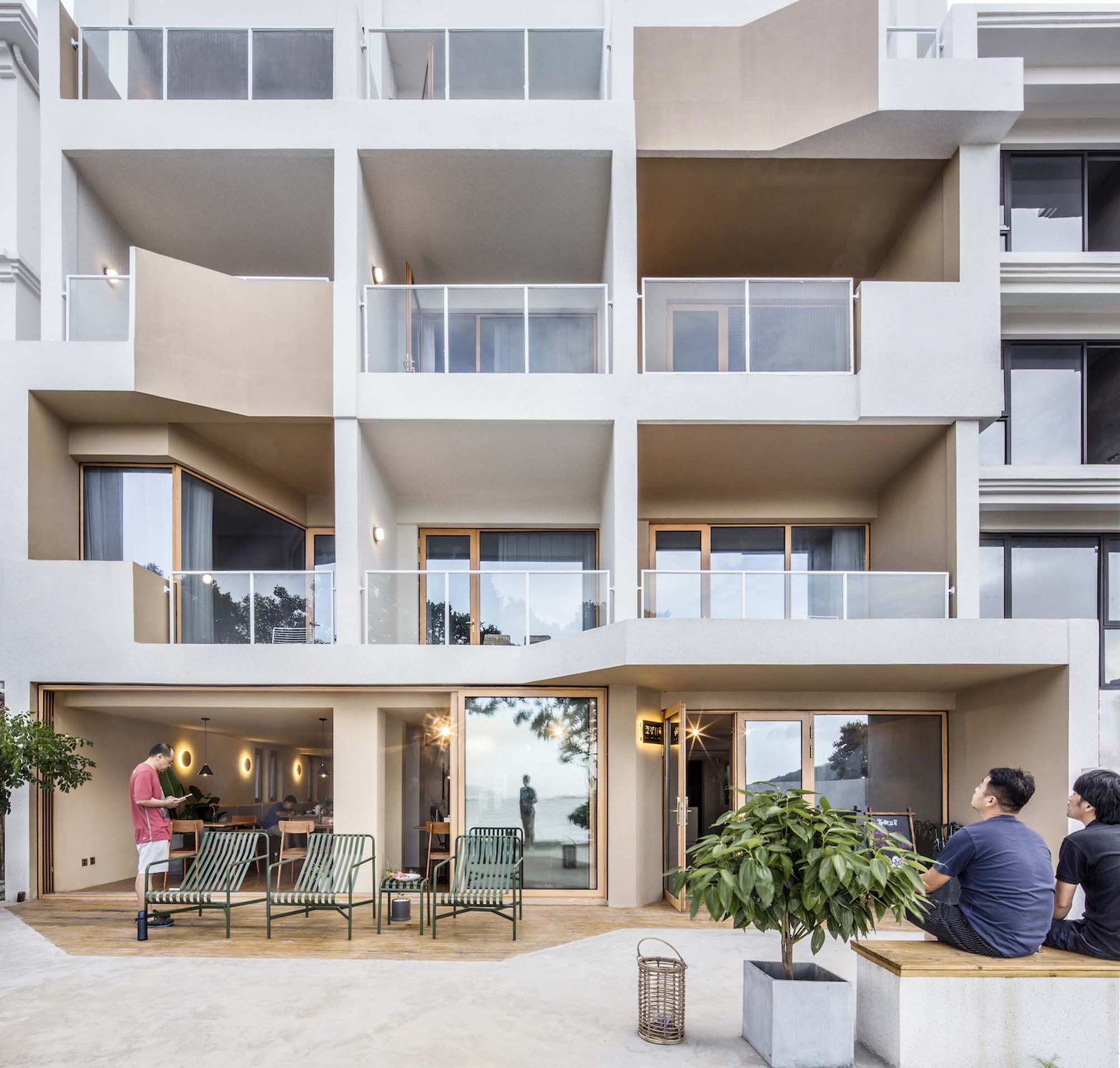
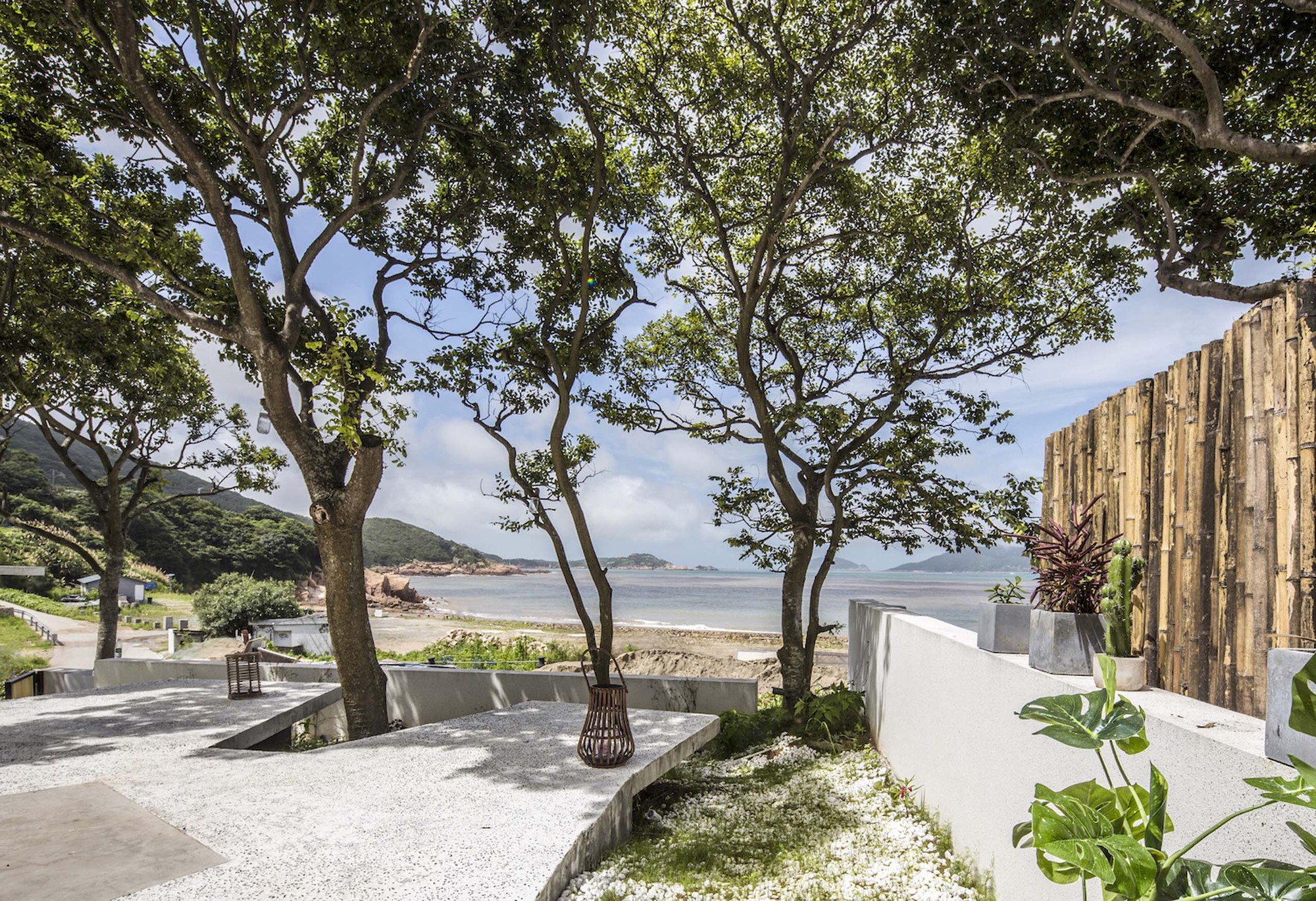
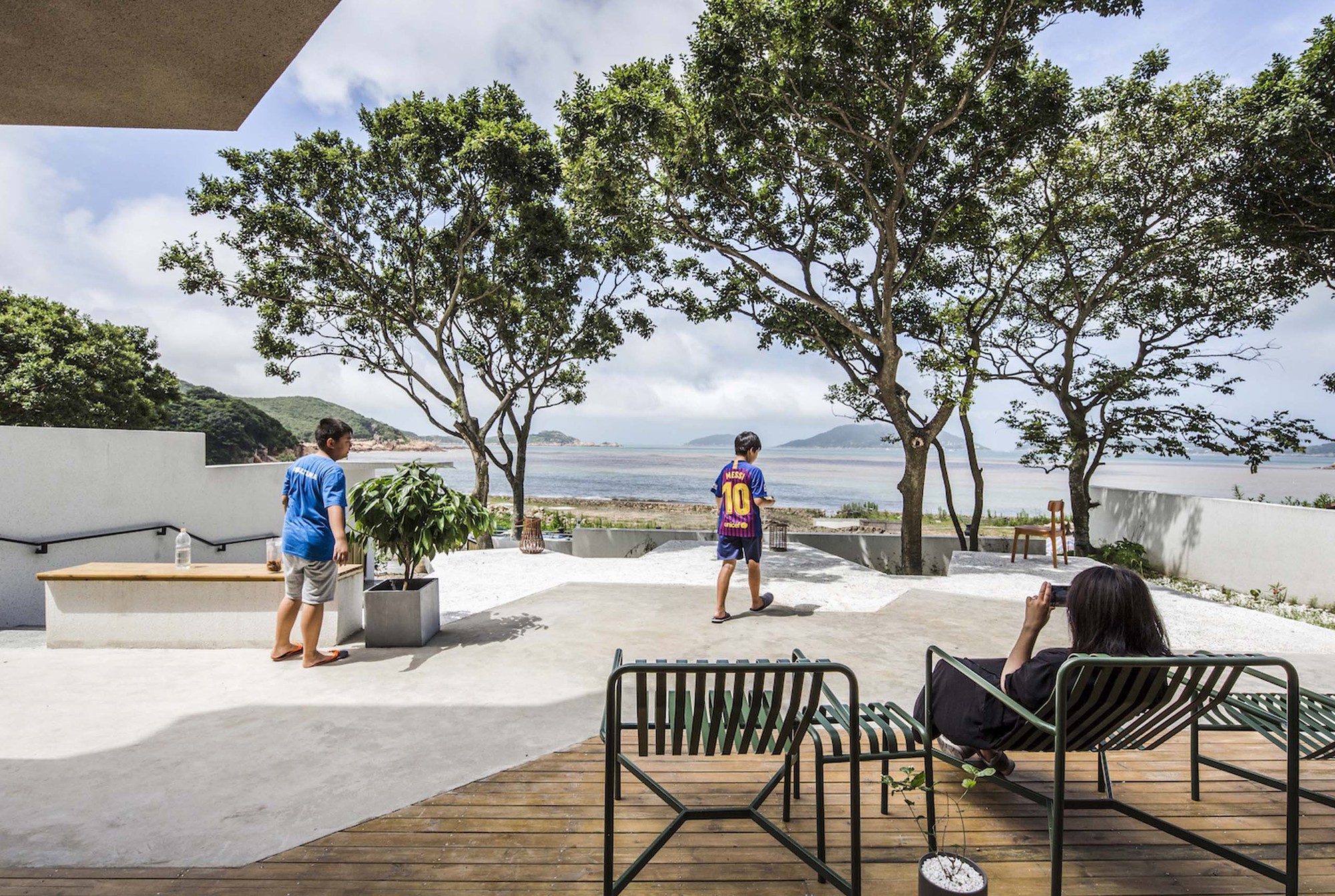
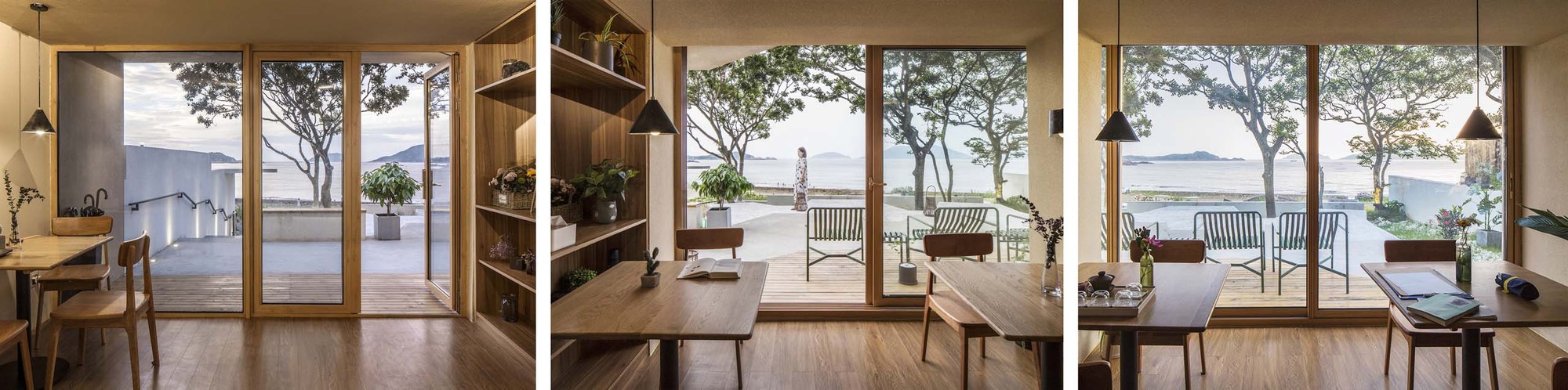
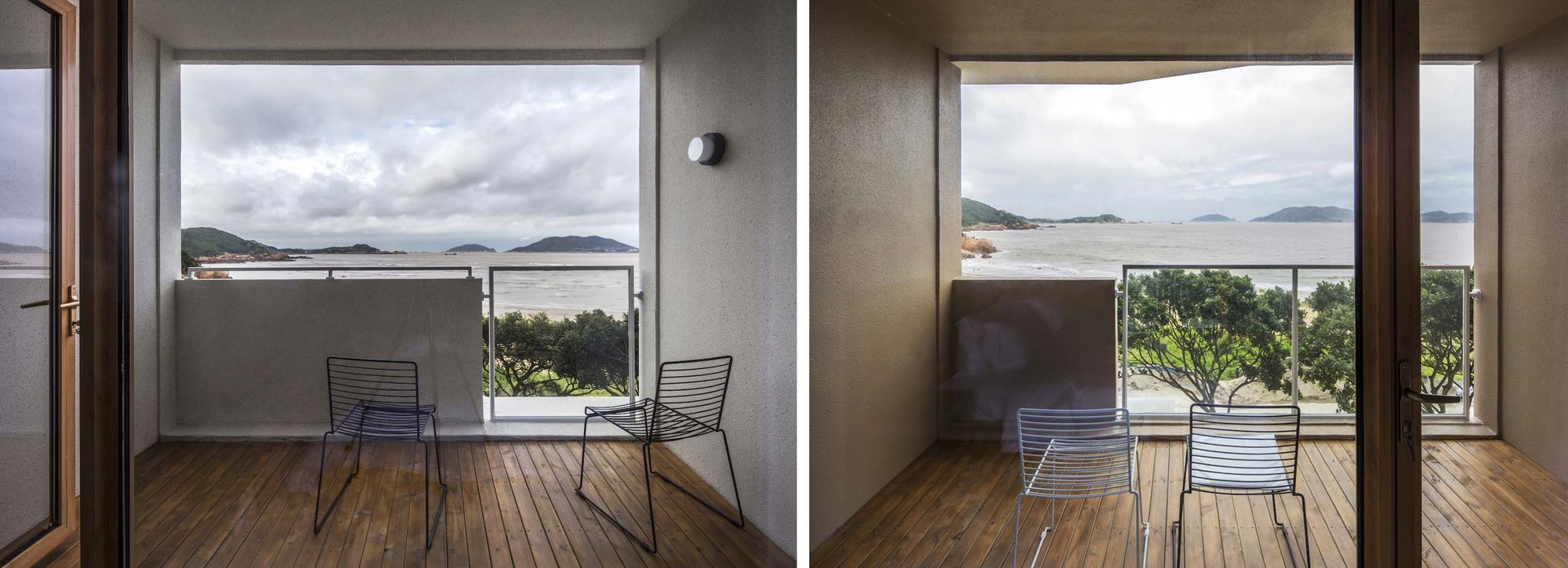
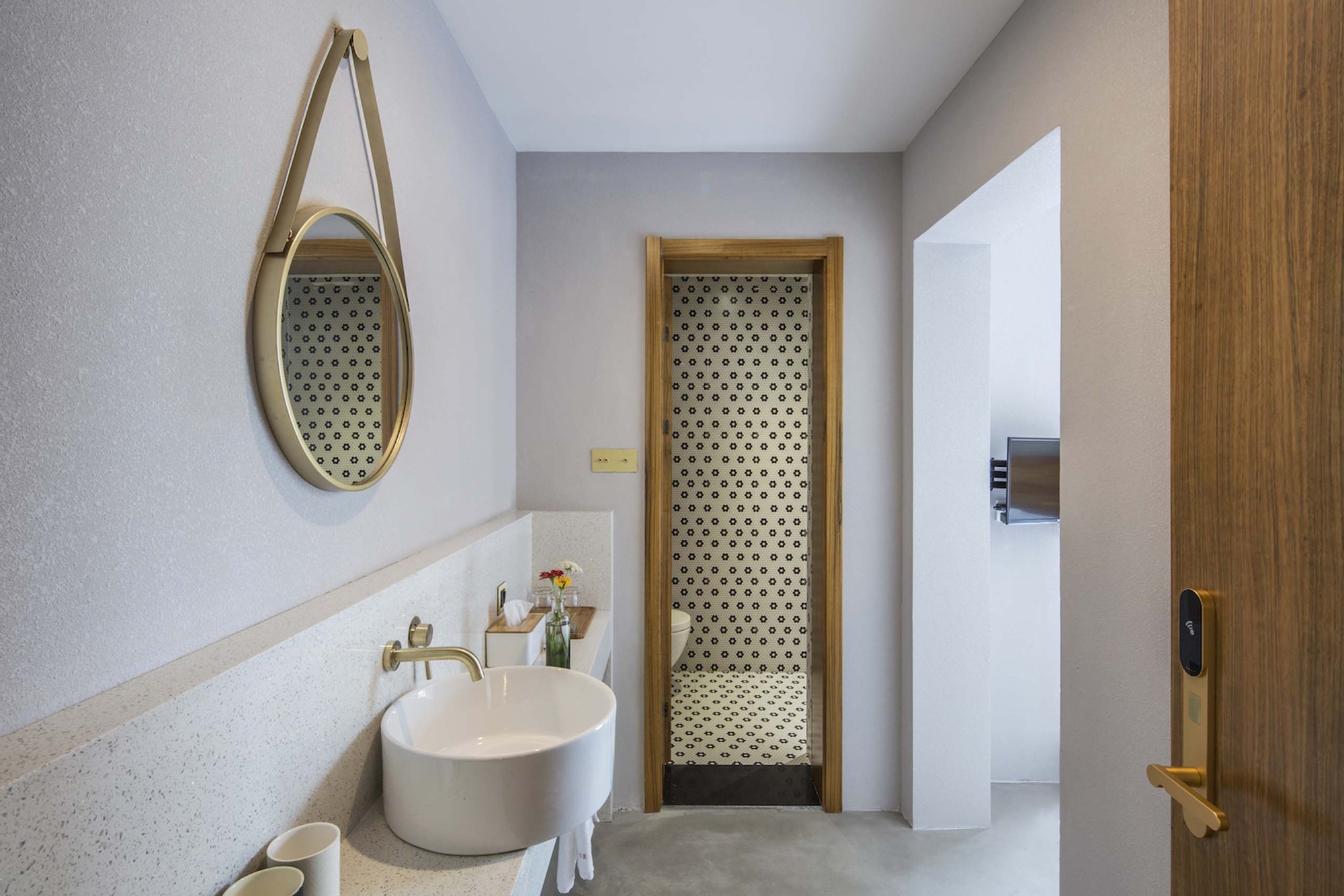
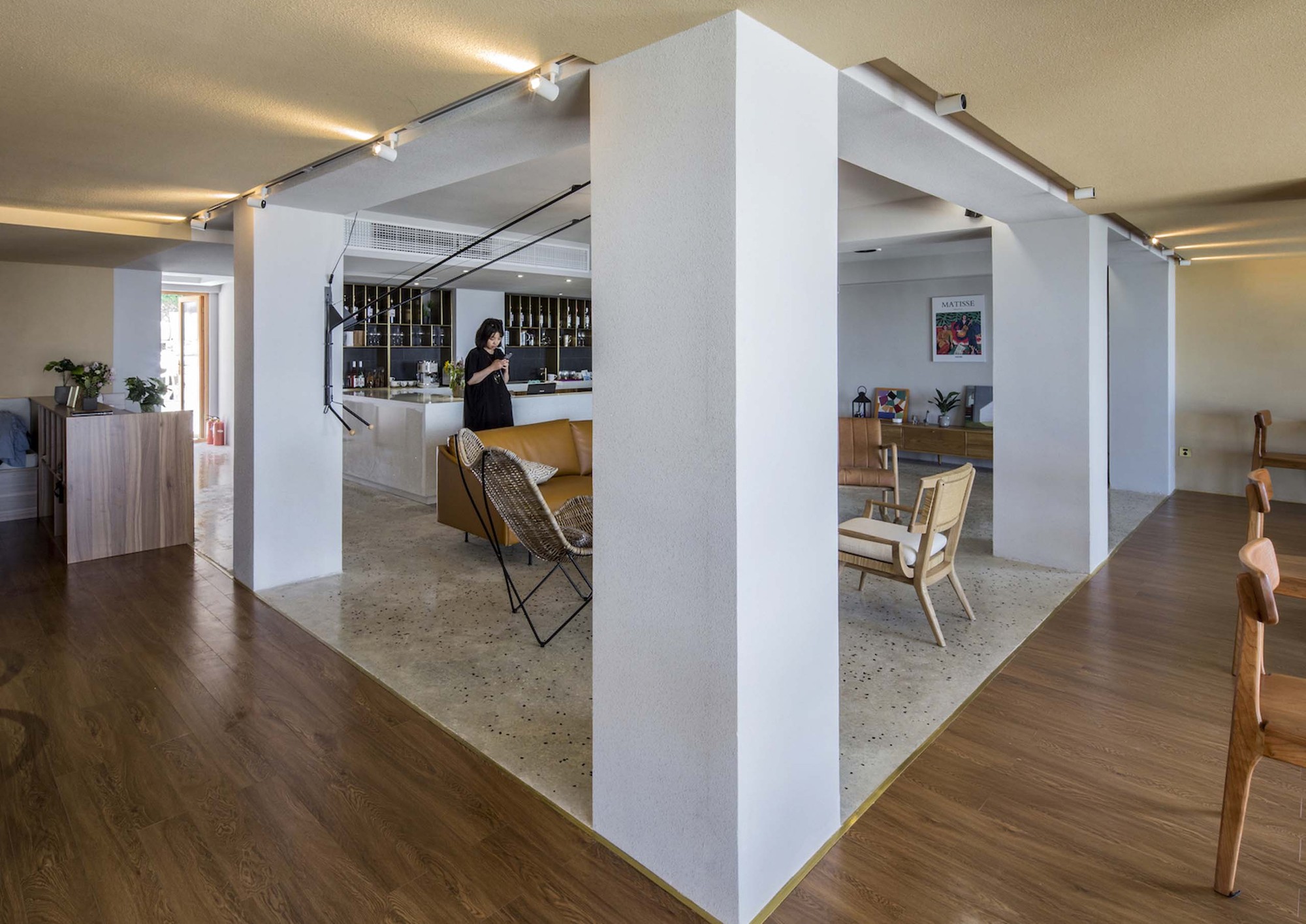
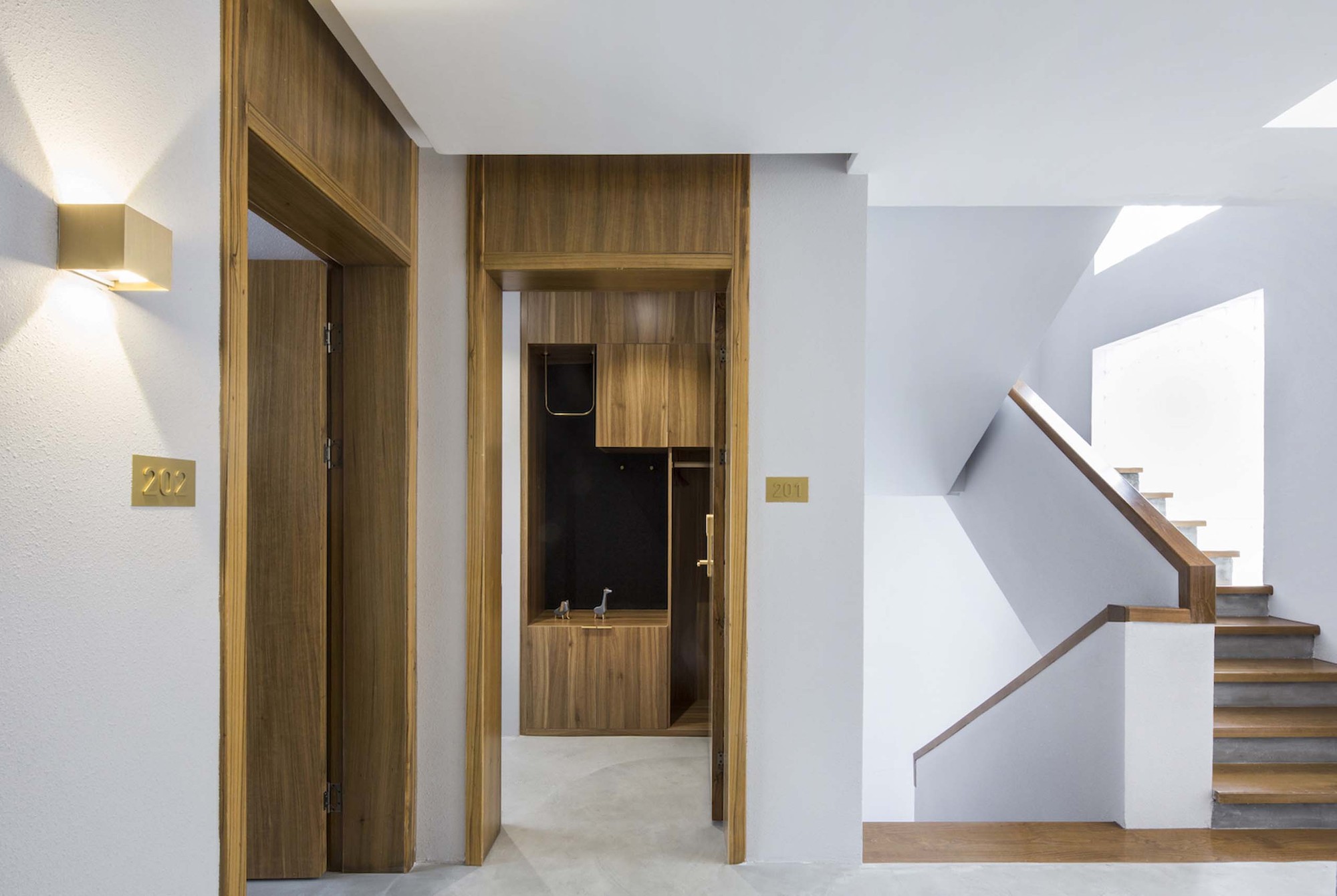
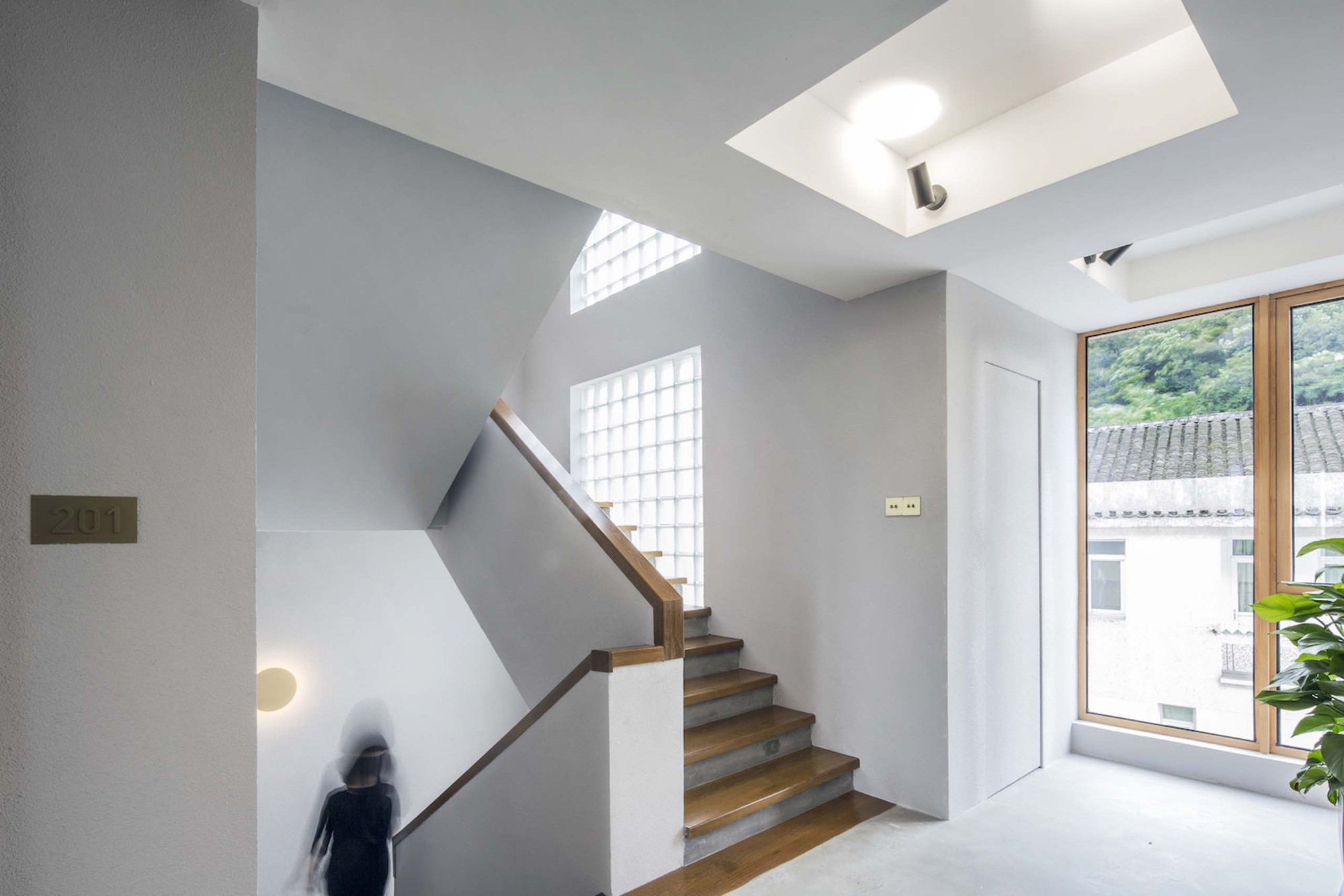
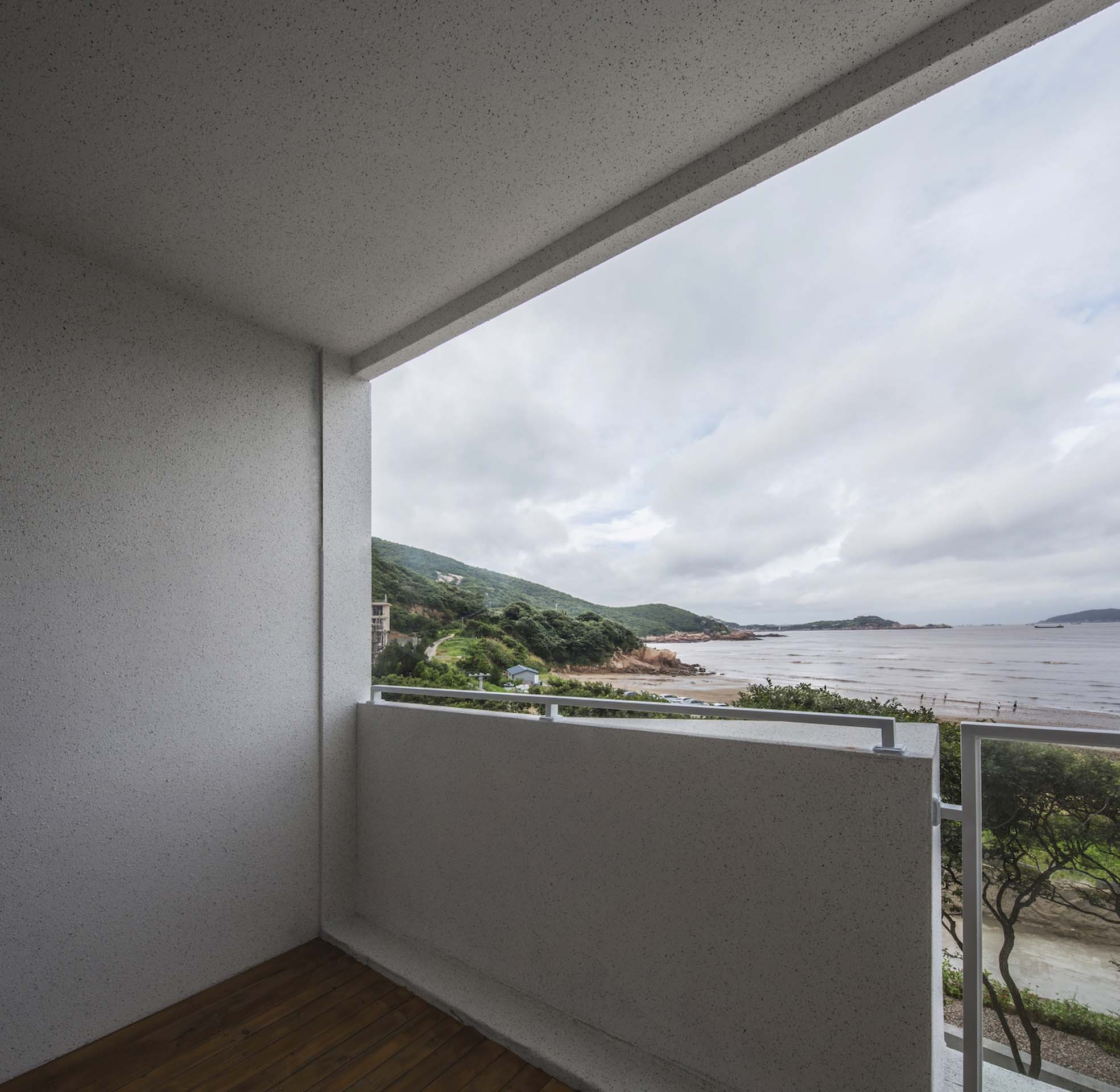
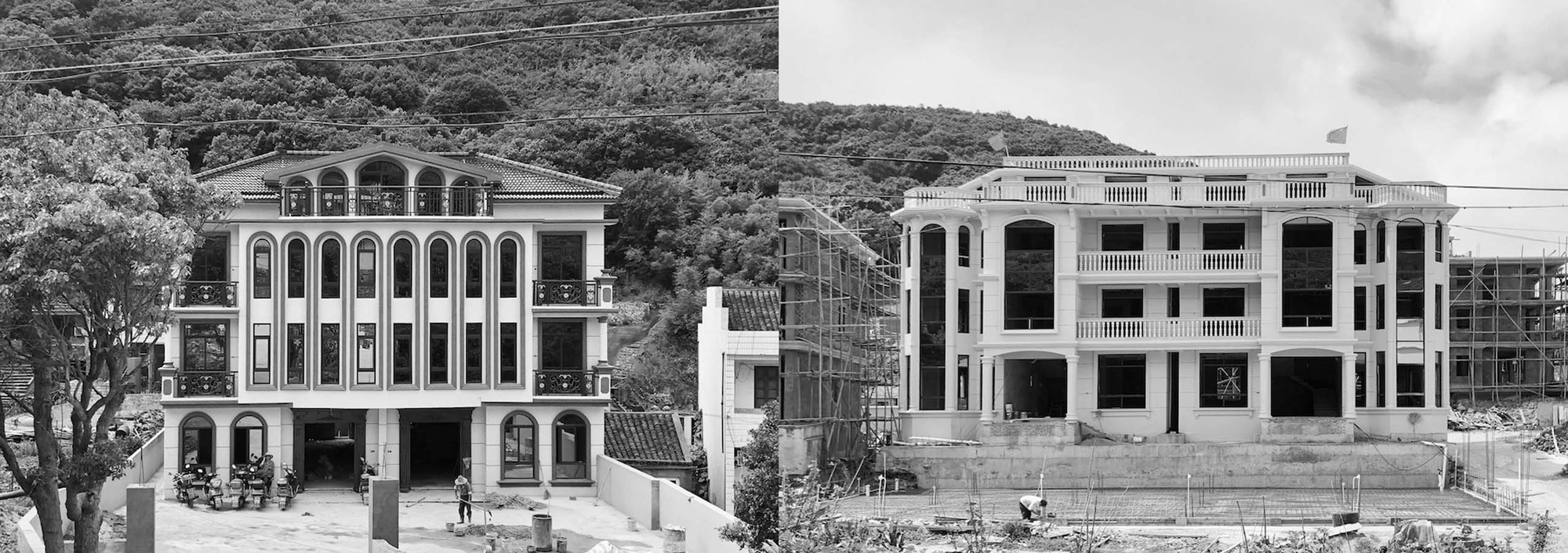
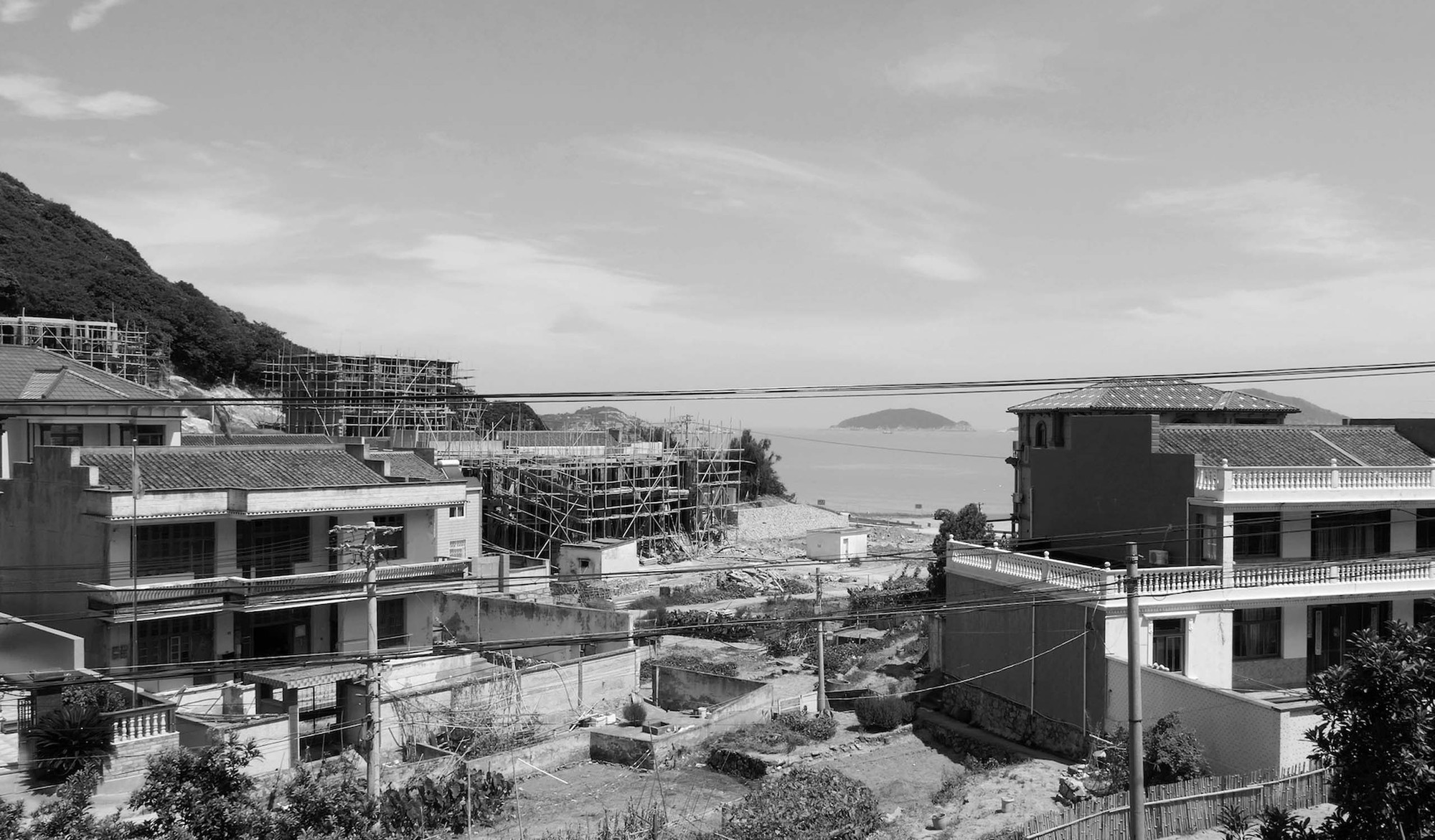
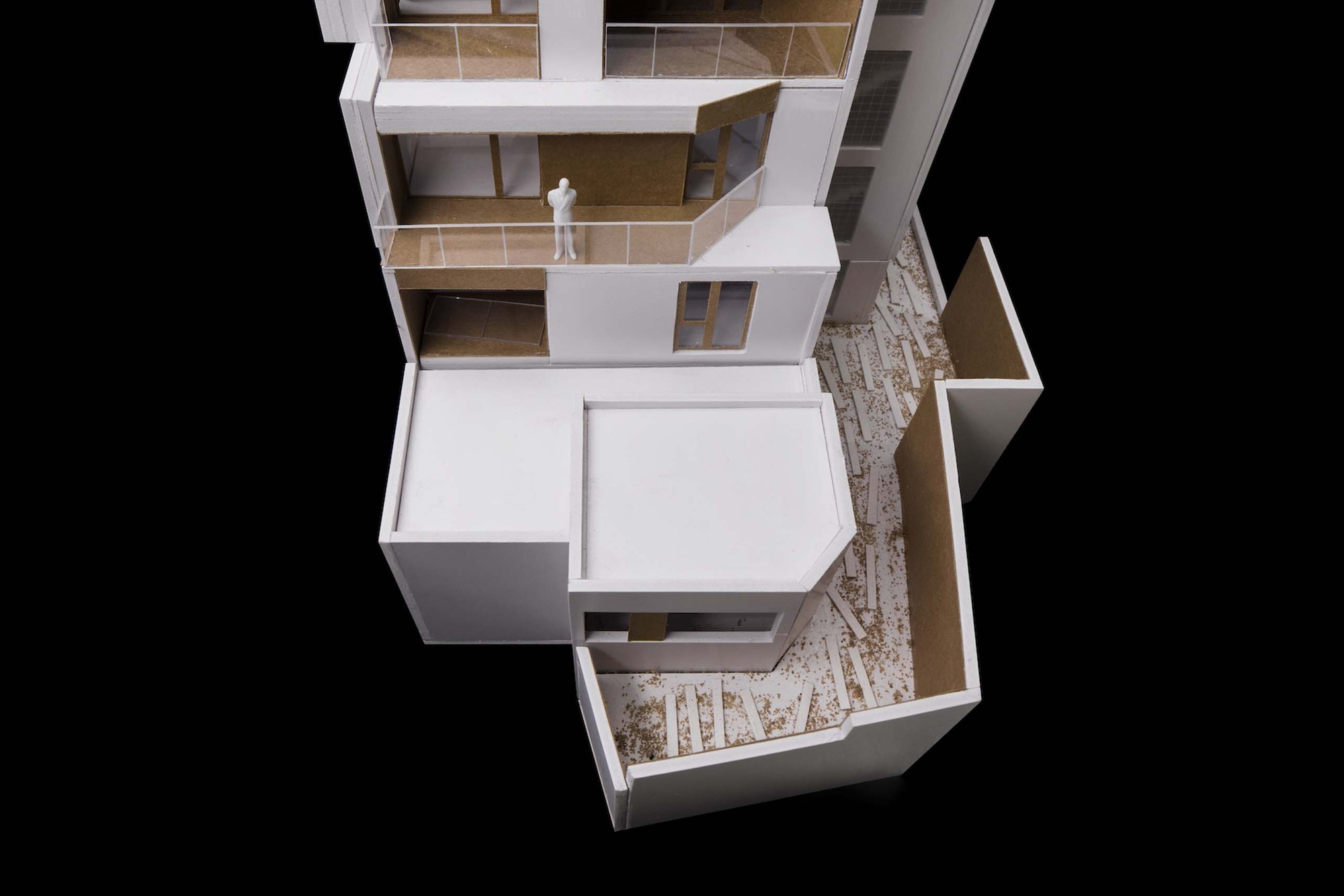
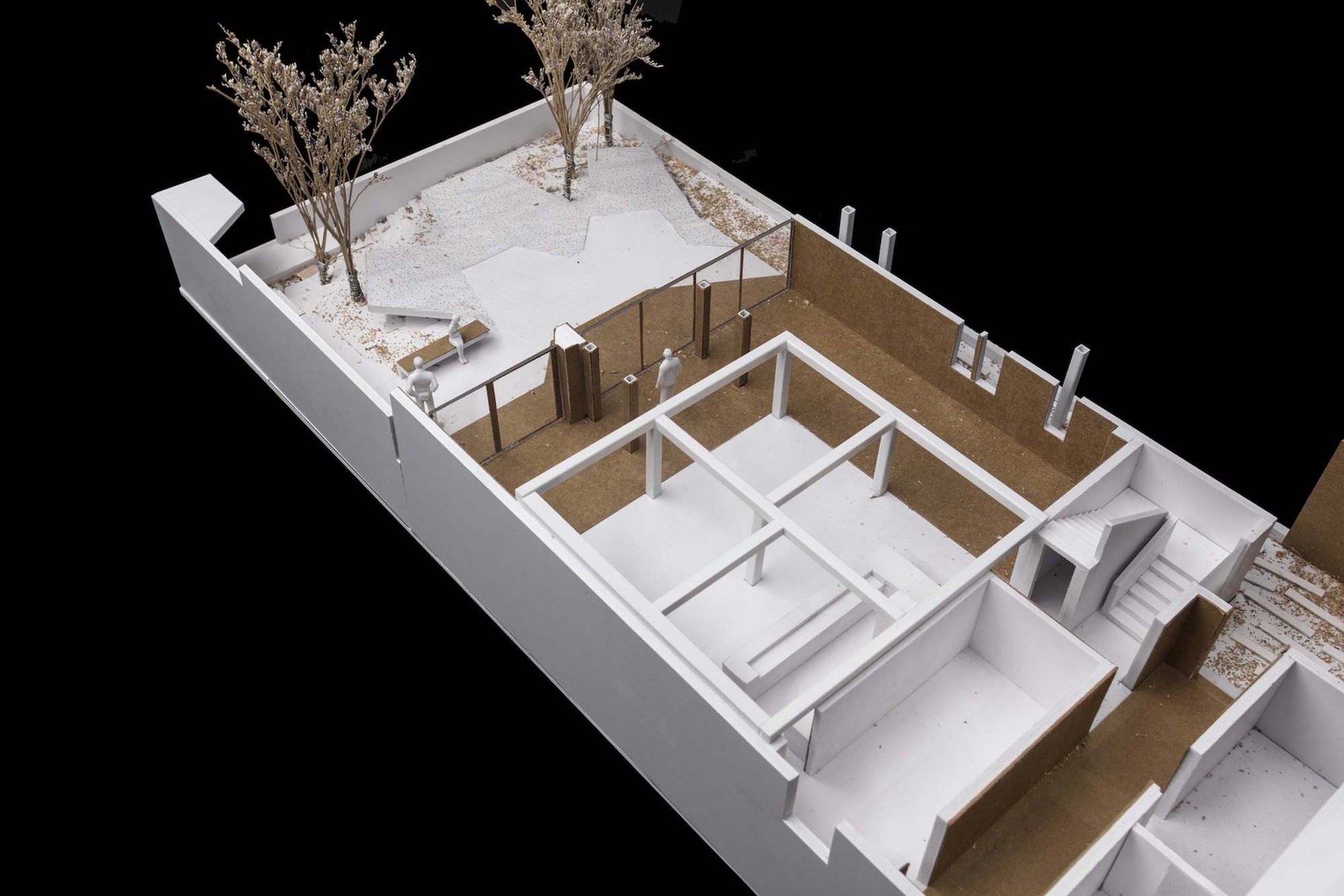
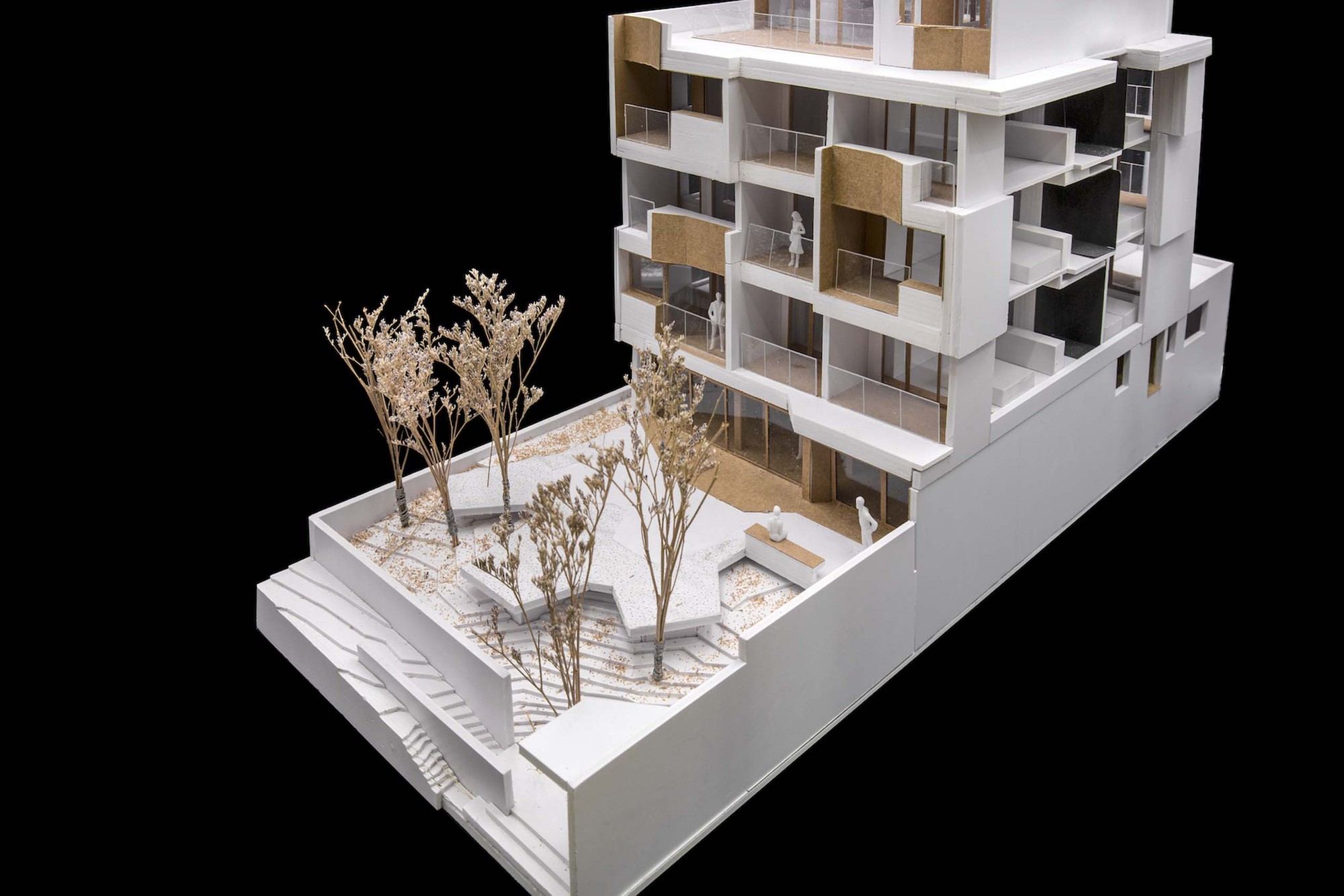
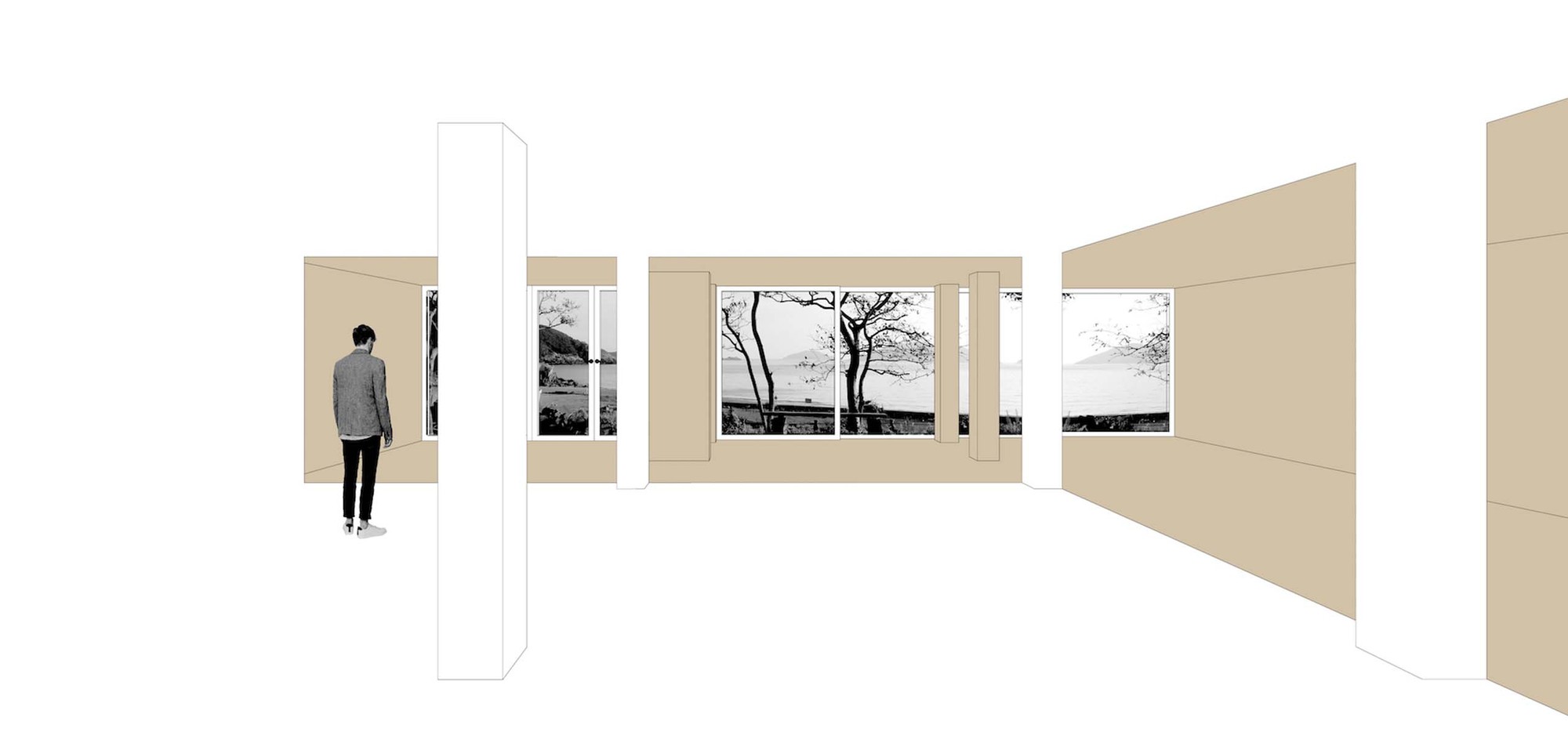
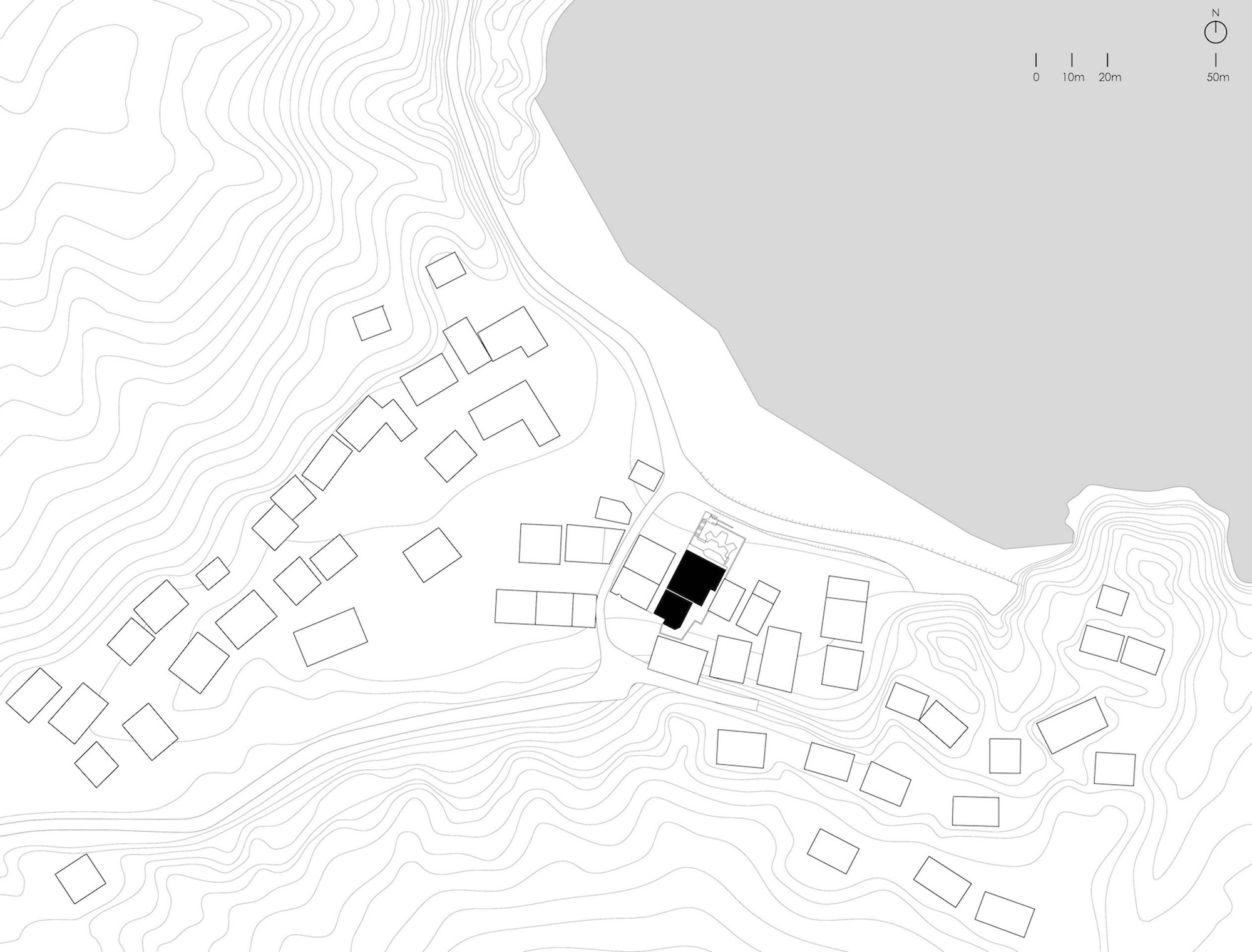
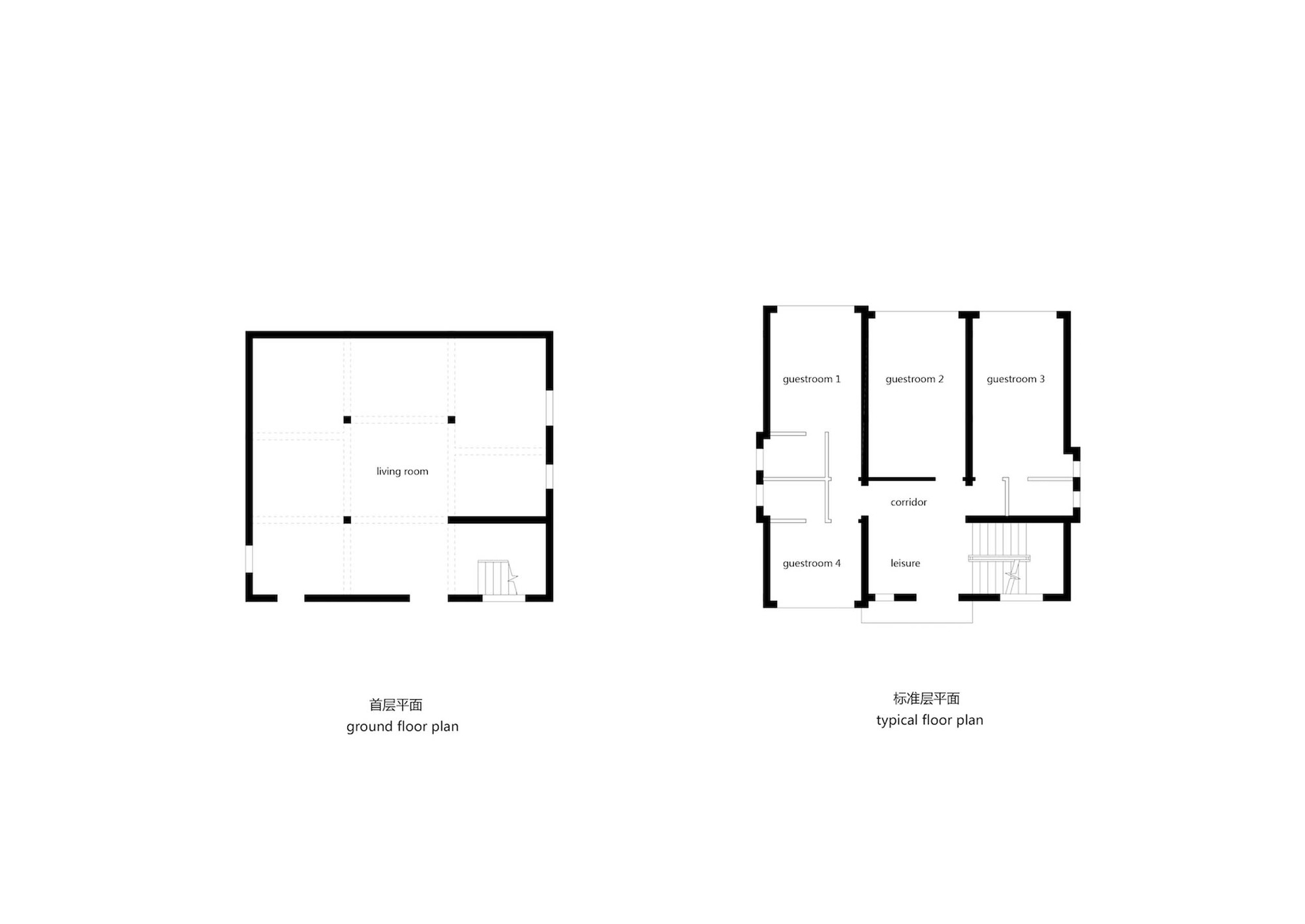
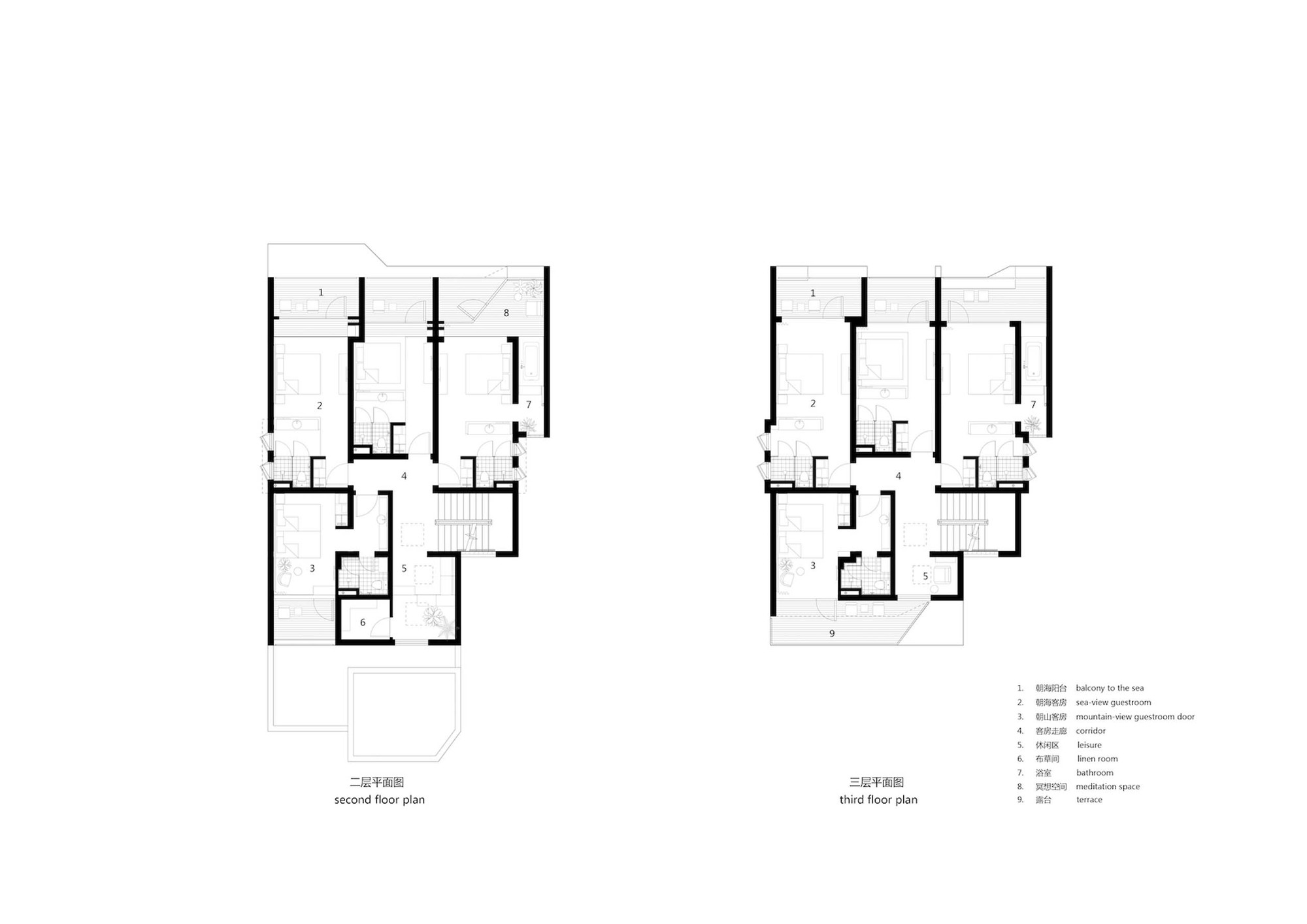
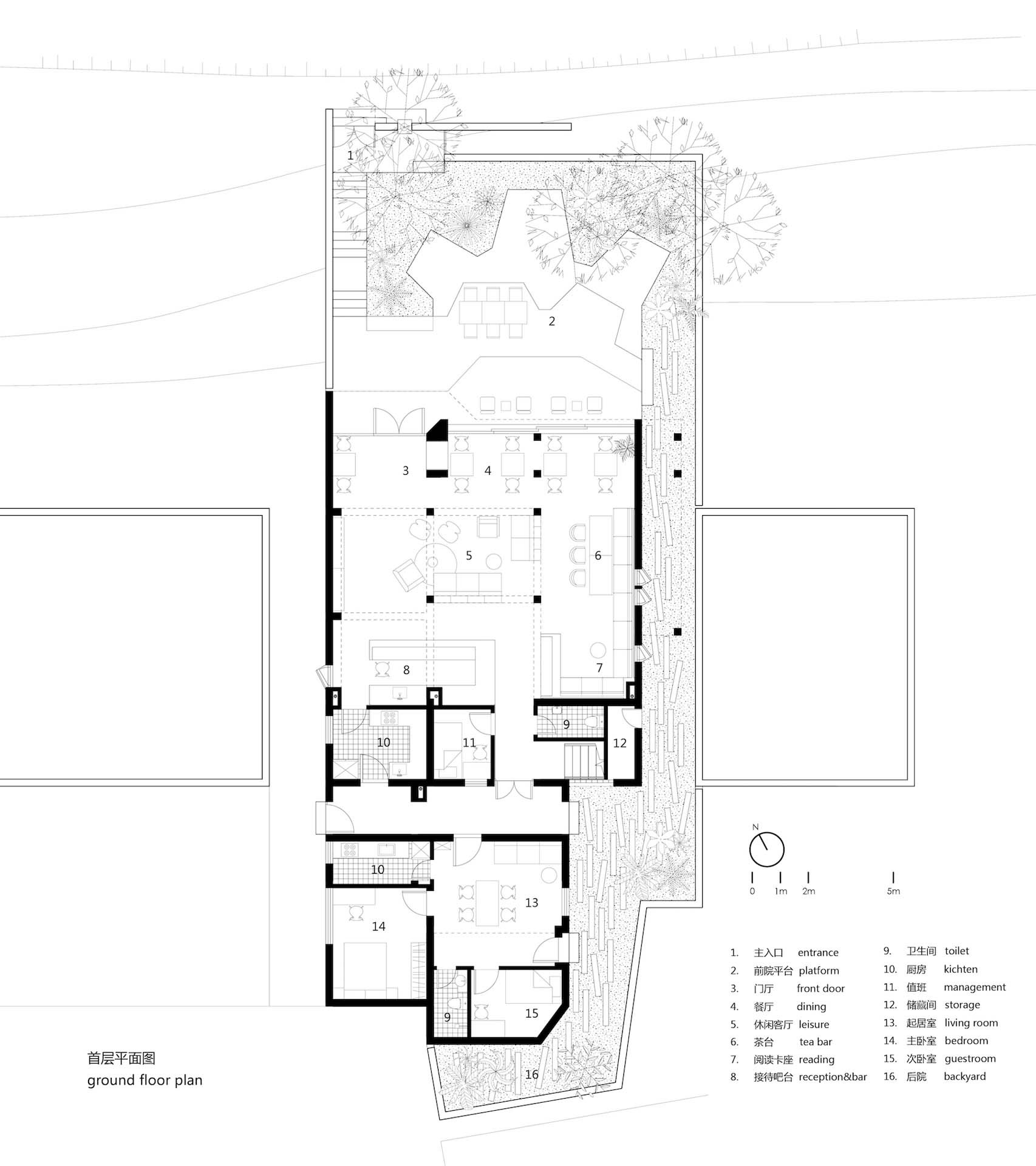
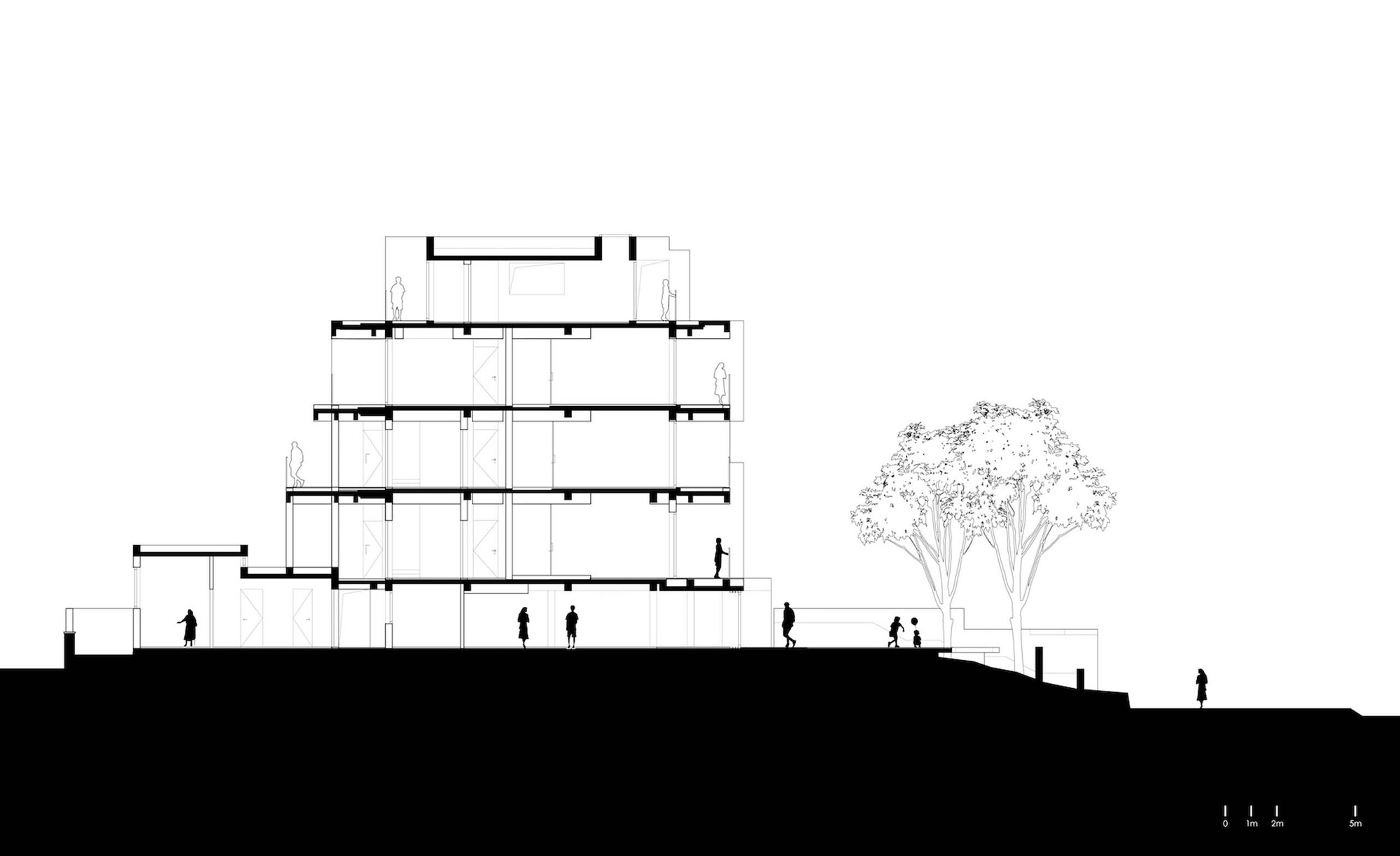
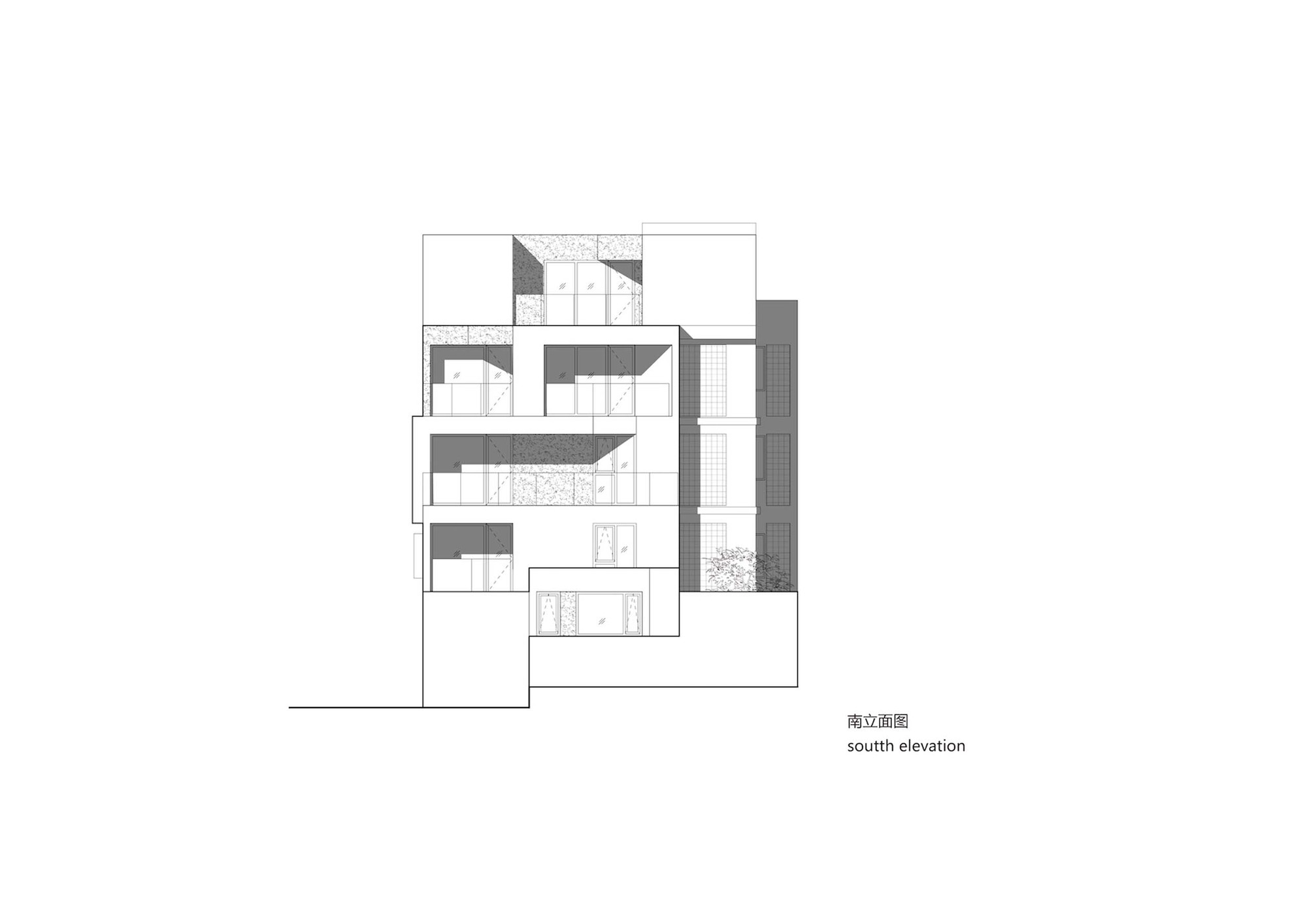
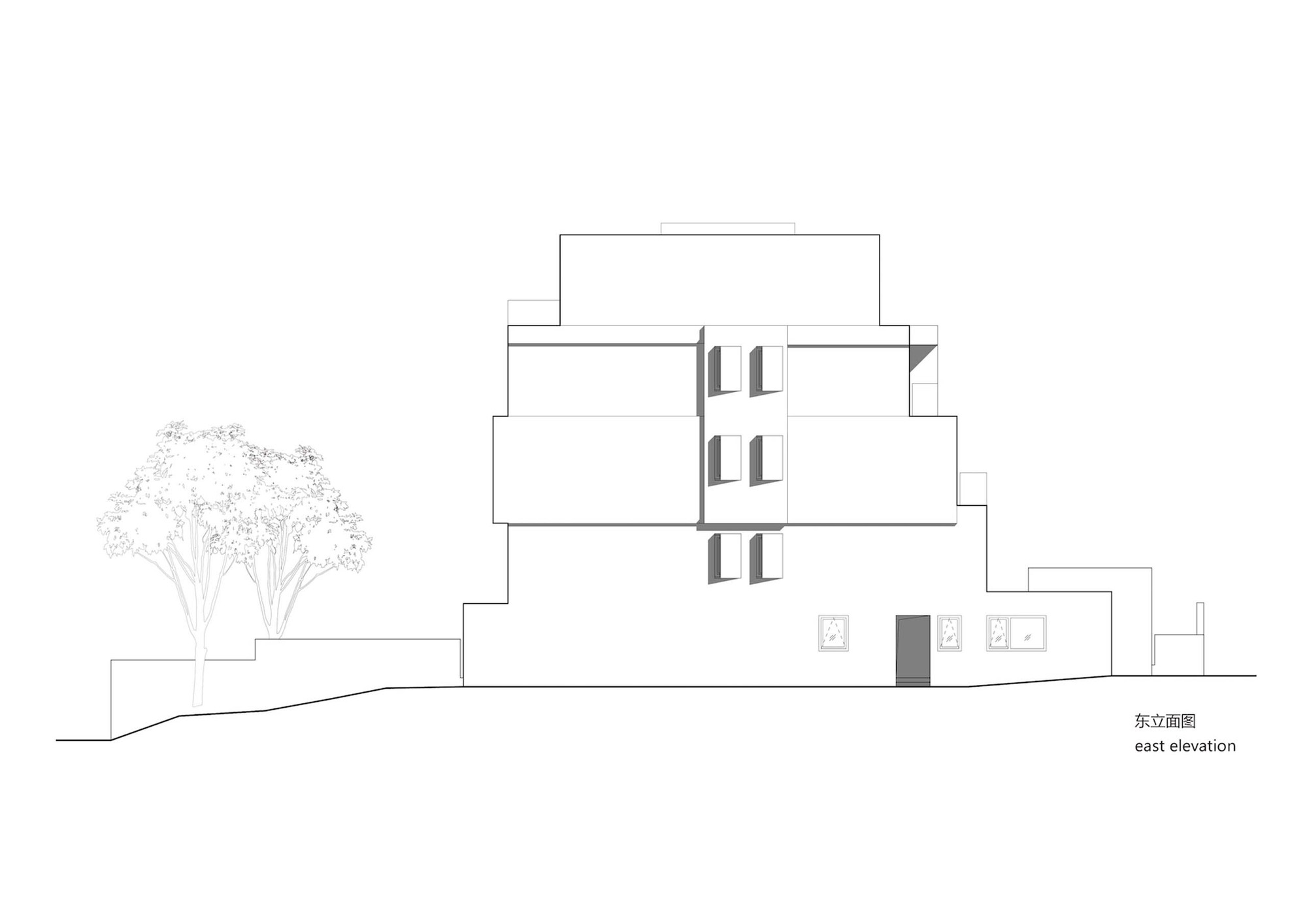
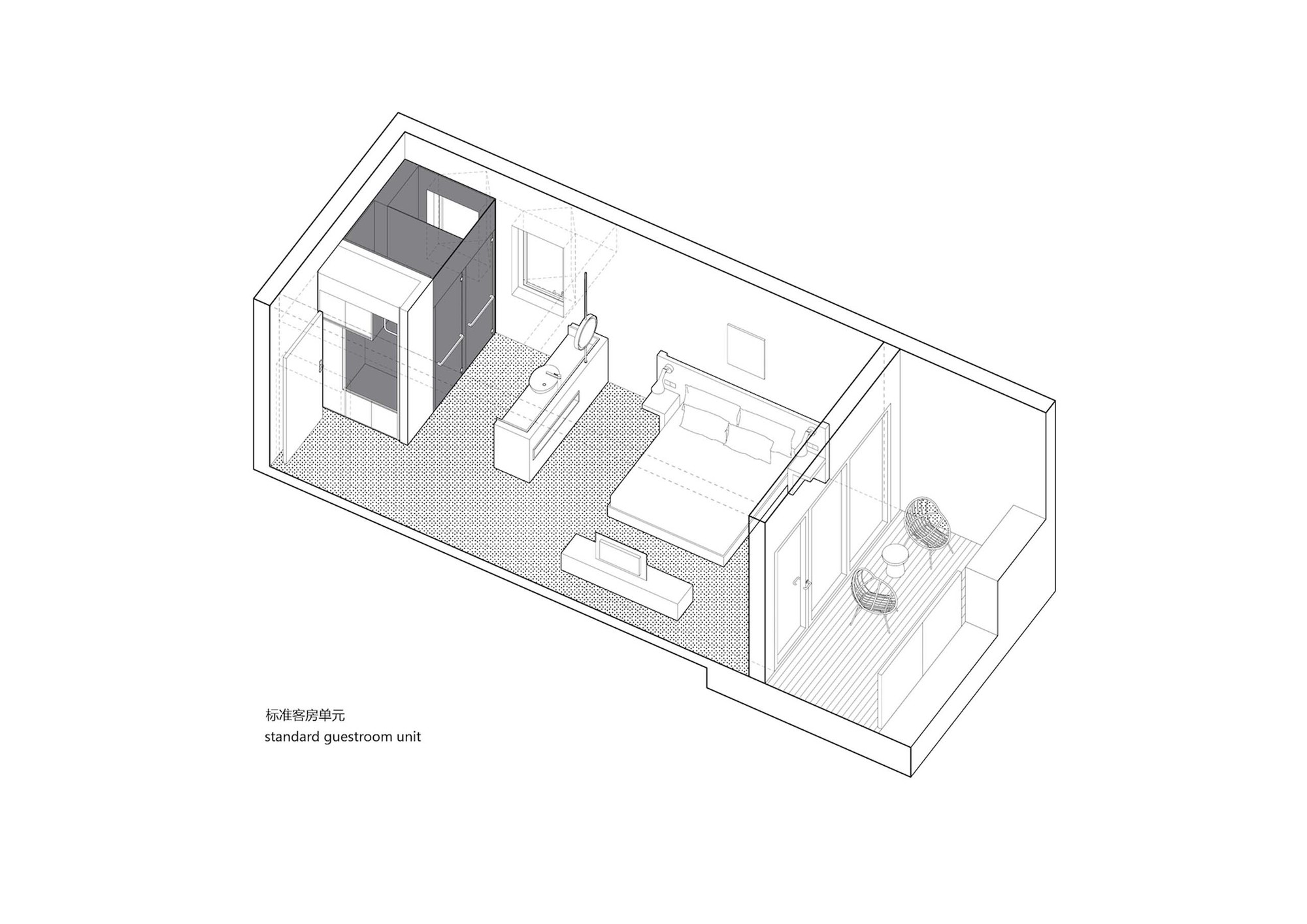
One day in August 2018, friends approached the architects about rebuilding their family house on Zhujiajian Island, Zhoushan, which faces the sea. The couple work in film and had long described the quiet fishing village and the simple lifestyle they hoped for: only a few dozen households, returning each summer to shoot films and write scripts, watching the fishing boats come back at dusk and the lights across the water. Memory is always kinder than reality, however; in the past two years the village had been swept by a wave of rebuilding. On their first visit, the architects saw hillsides covered with under-construction European-style villas, exactly like the rural fringes of other Zhejiang cities. The quiet fishing village had become a construction site, restless and anxious. The site is at the far north-west corner of the village, facing a bay and a beach. When the architects took over, the three-storey masonry-concrete shell was already up, facing the sea to the north-east and the mountain and village road to the south. Neighbours on both sides were also rebuilding, leaving only two-metre gaps between buildings. The brief was to create a 12-room guesthouse hotel within these tight constraints. Faced with the pressure of European-style facade symbols that had invaded the village, the architects instinctively resisted and sought an architectural language that would free the fishing village from its temporal dislocation, reconnecting the new building with the coastal context rather than importing a foreign aesthetic. The design uses a restrained palette of white walls, dark roofs and carefully placed openings that echo the rhythm of the village while accommodating the hotel programme.


















 Editor's Pick
 Latest Design