Text description provided by the architects
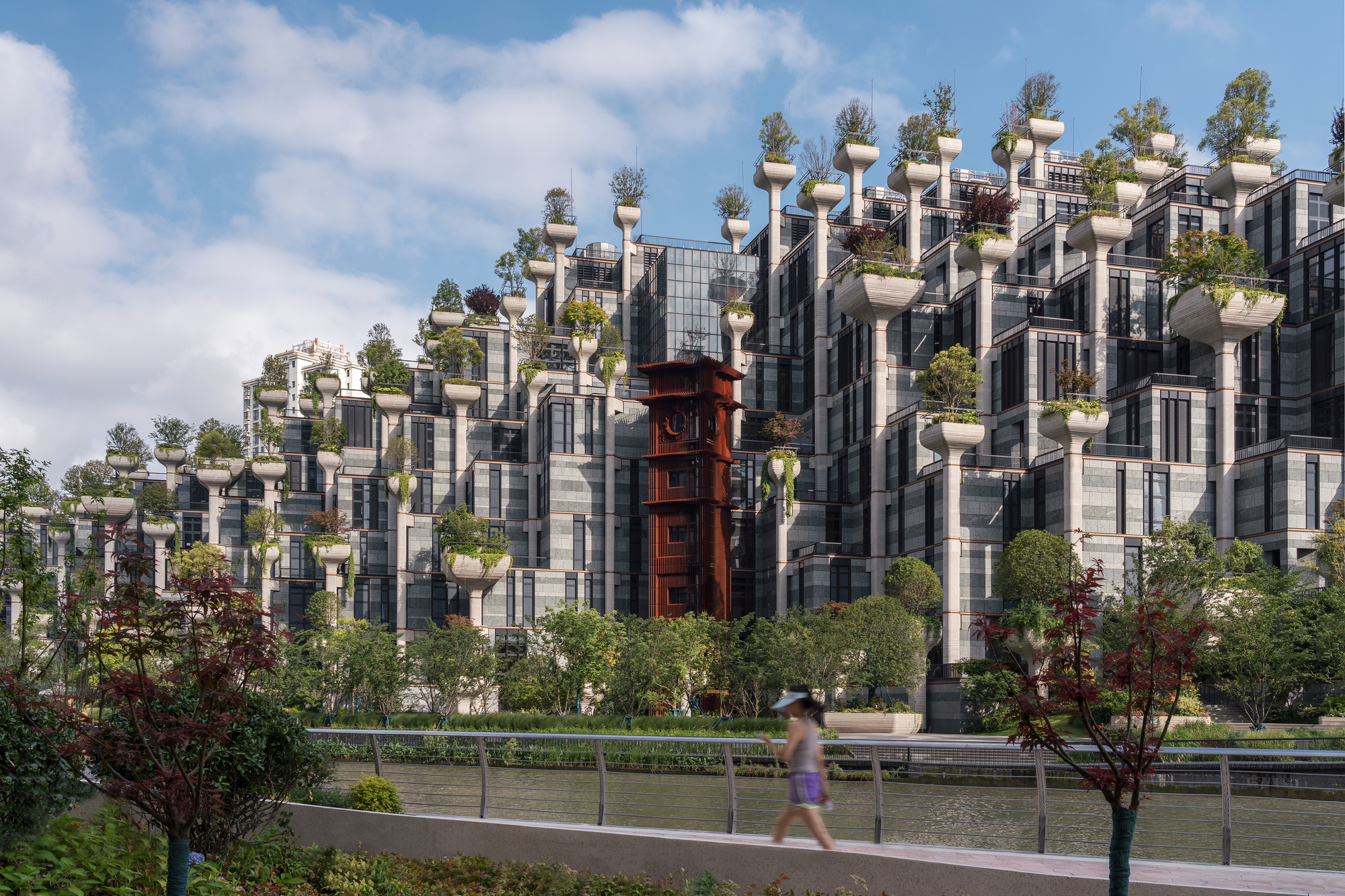
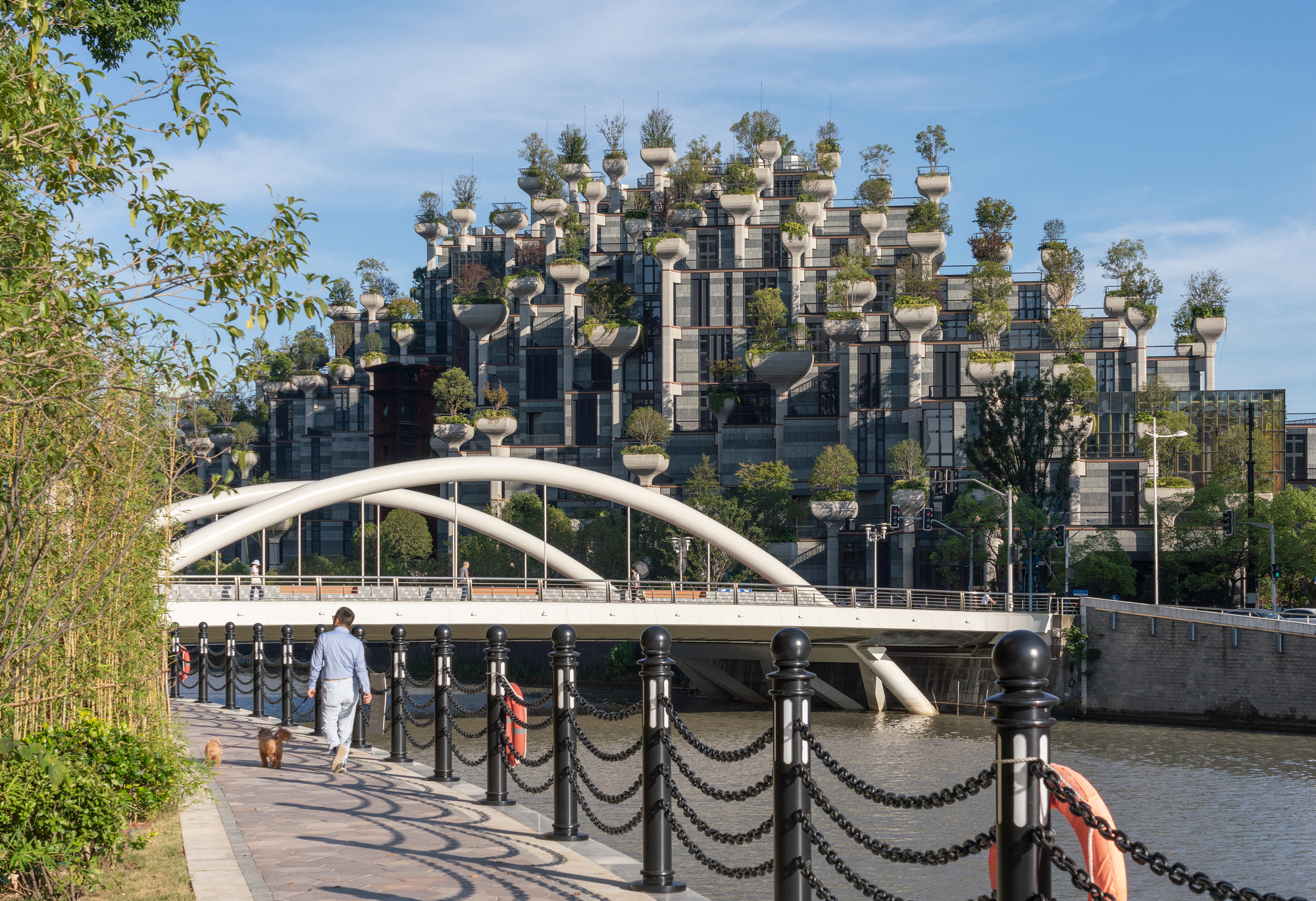
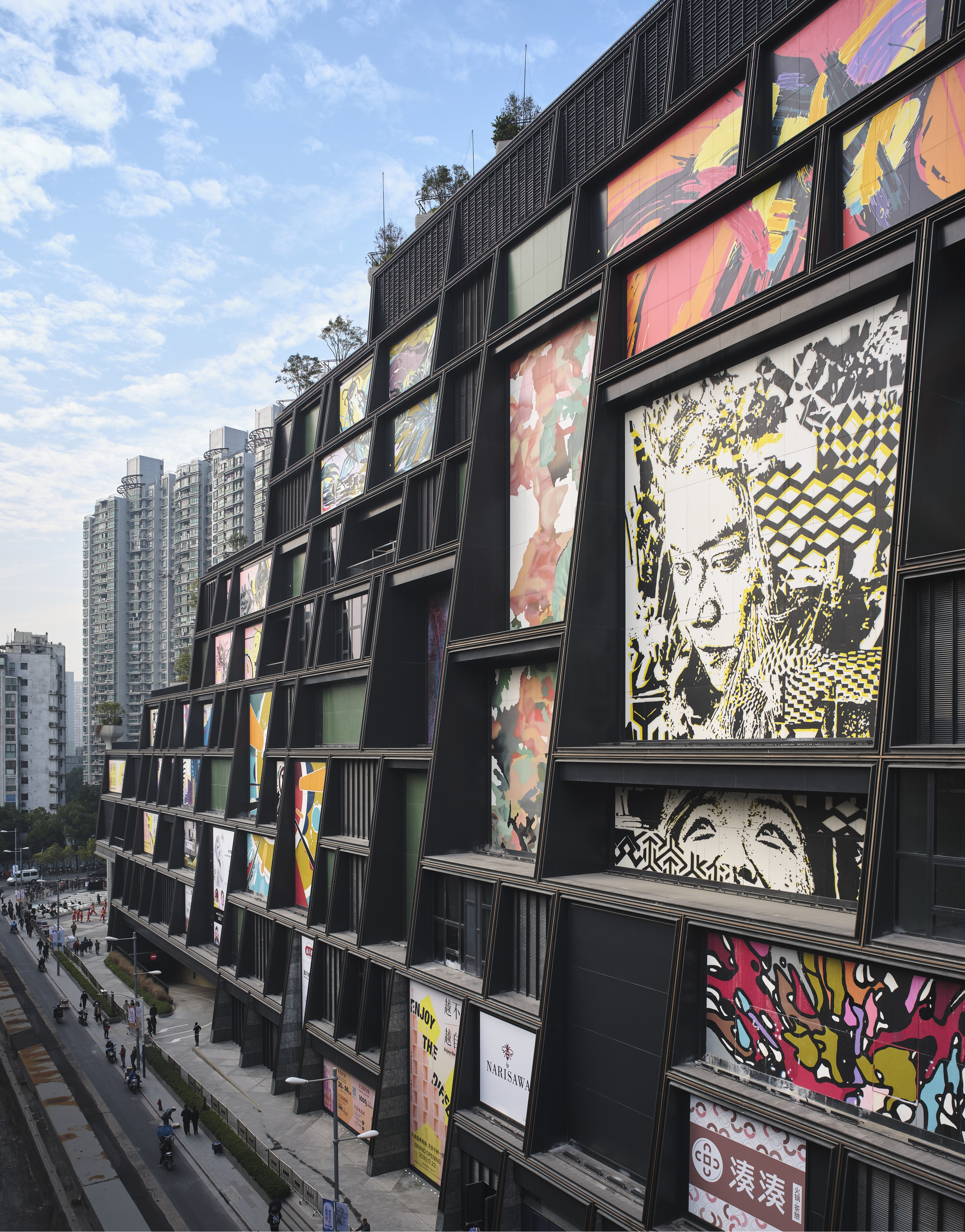
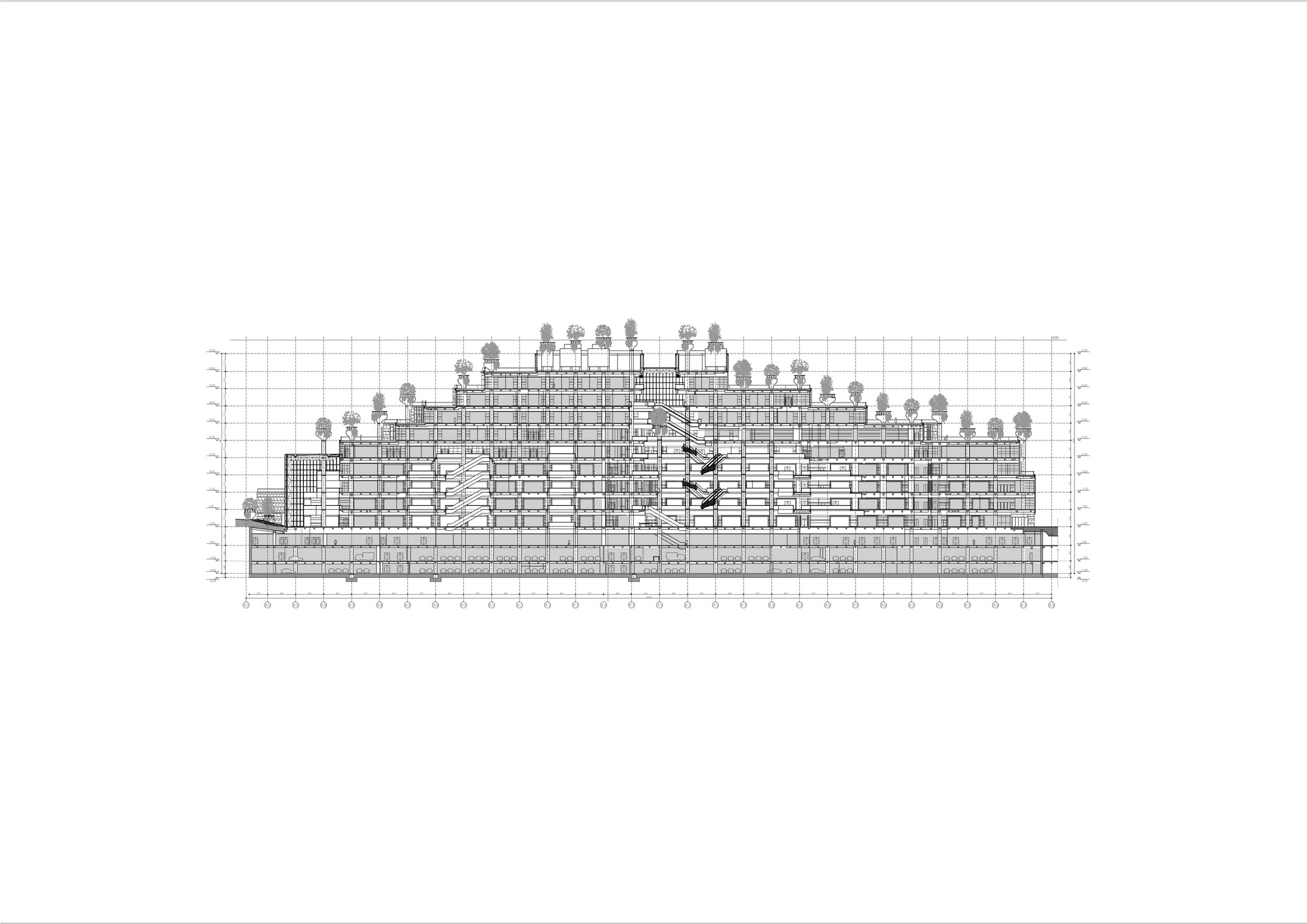
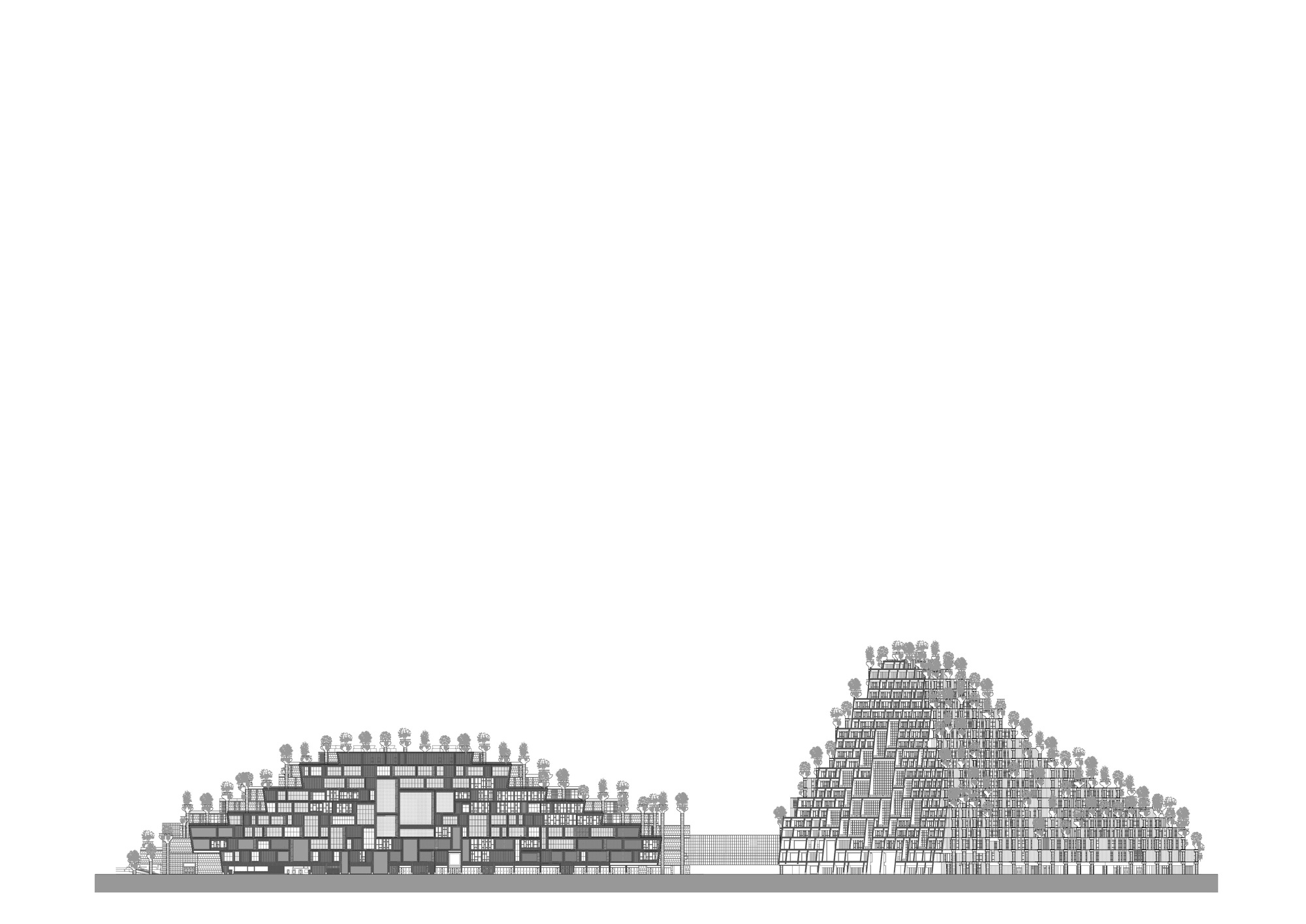
1,000 Trees stands on the bank of Suzhou Creek in Shanghai as a mixed-use development shaped like a pair of forested mountain ranges. The western phase, now completed, contains shops, cafes, restaurants, public spaces and arcades, weaving together the existing park and remnants of industrial infrastructure. The 15-acre site occupies a bend in Suzhou Creek, bordered by the river to the north, the M50 art district to the south and residential blocks to the east. Heatherwick Studio set out to open this previously inaccessible former industrial site to the city. Rather than adopting the typical tower-on-podium formula, the architects pulled the landscape of the entire site upward to create a new urban terrain, using raised landscaped ground to generate the volume required by the programme. The strategy also had to respond to a government-owned strip that cuts the site in two; the architects turned this constraint into an opportunity, designing a natural valley between the two mountains. To achieve the required slope angles, the building steps back as it rises, creating terraced balconies on every level. This is unusual for a shopping mall, and almost every unit now has its own outdoor area and panoramic view. Winding paths climb from the lower terraces, allowing visitors to enter the building from every side. To connect the project with the nearby M50 art district and with its own cultural street, the architects sliced the entire south facade, providing a canvas for a curated collection of street art by local and international artists. Located in the residential Putuo district of north-western Shanghai, home to more than 1.2 million people, the shopping area is also intended as a useful extension of the surrounding community, combining everyday retail with a visitor destination. The project uses a flexible nine-metre structural grid that allows the interior to evolve over time.







 Editor's Pick
 Latest Design