Text description provided by the architects
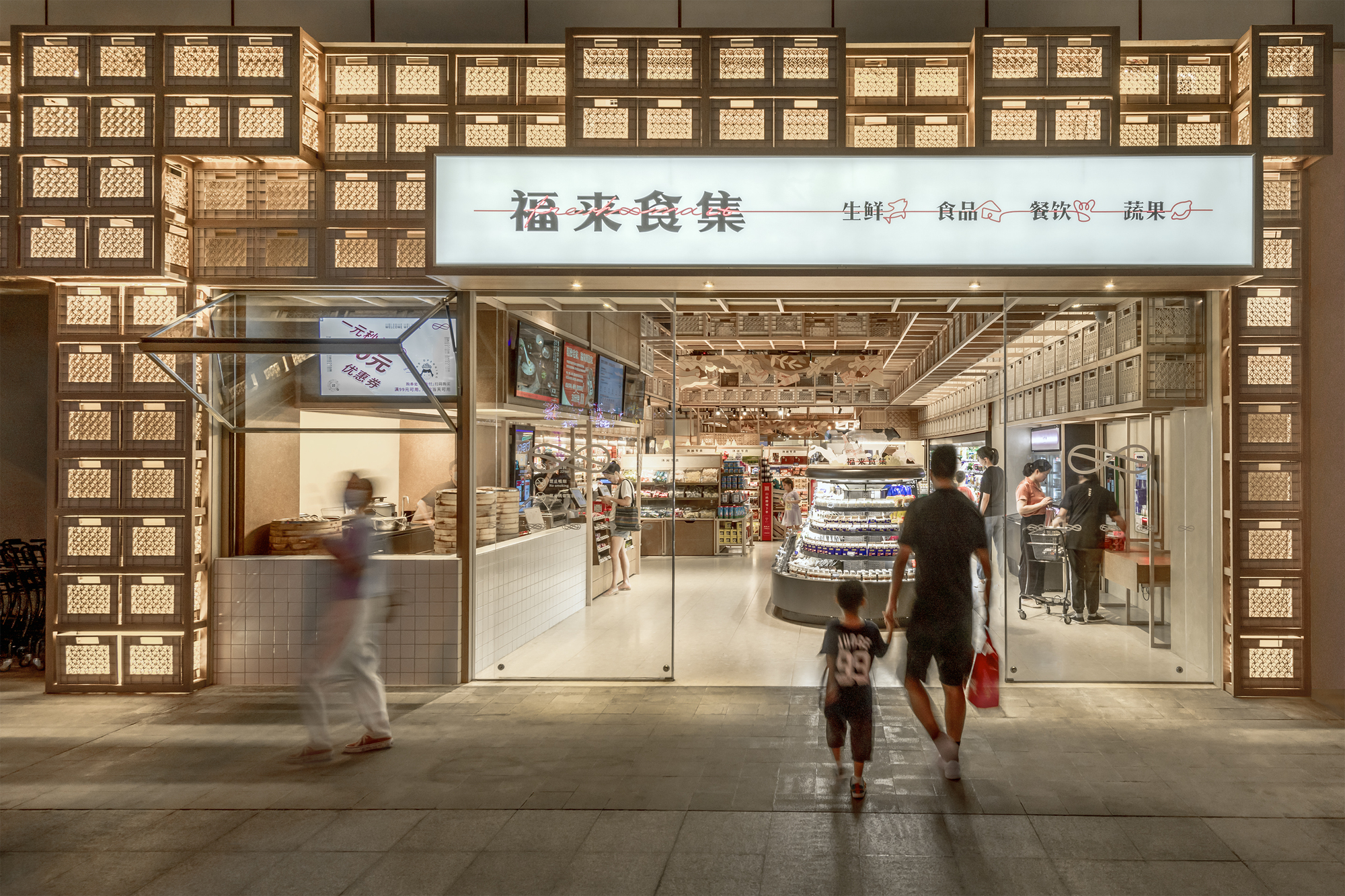
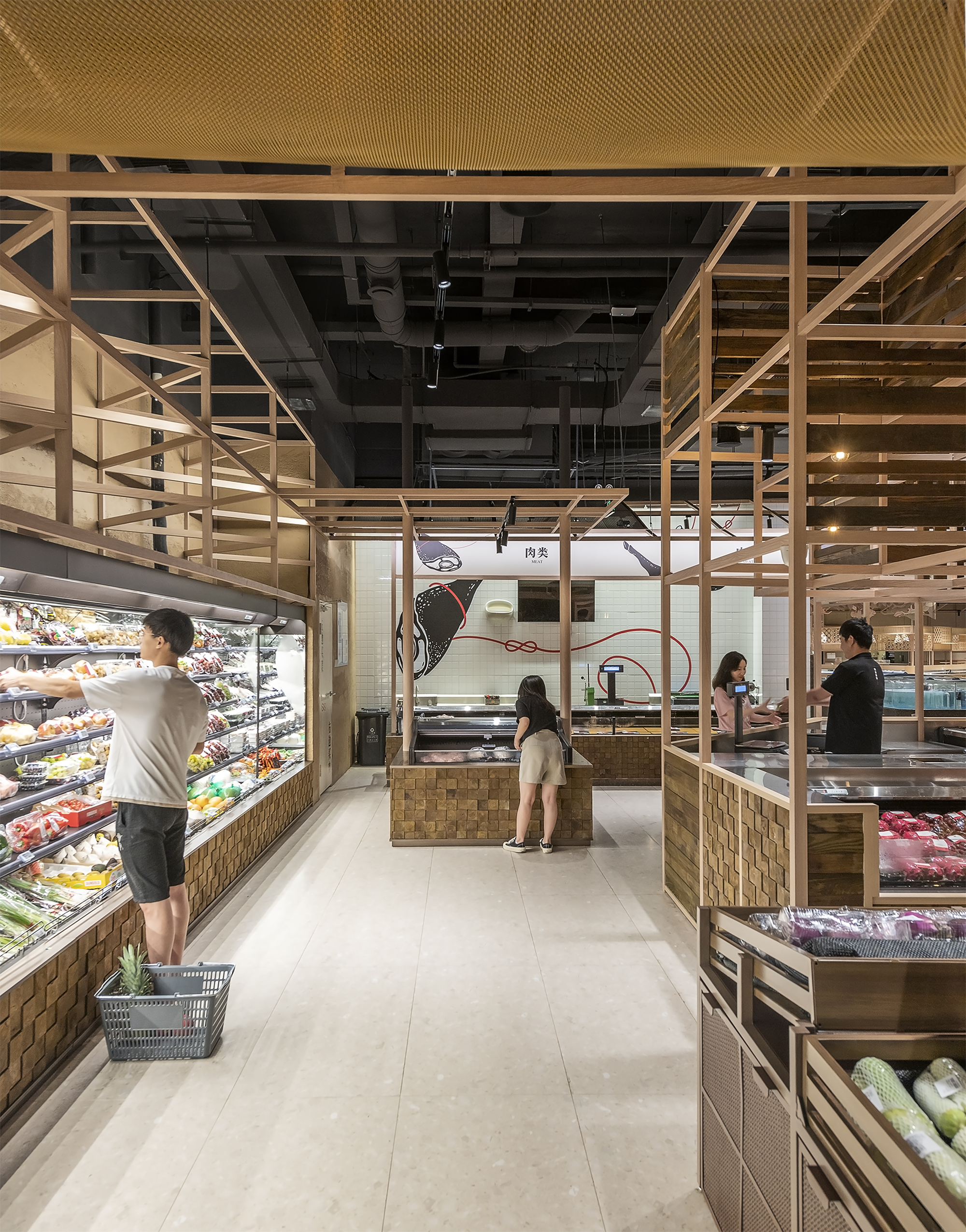
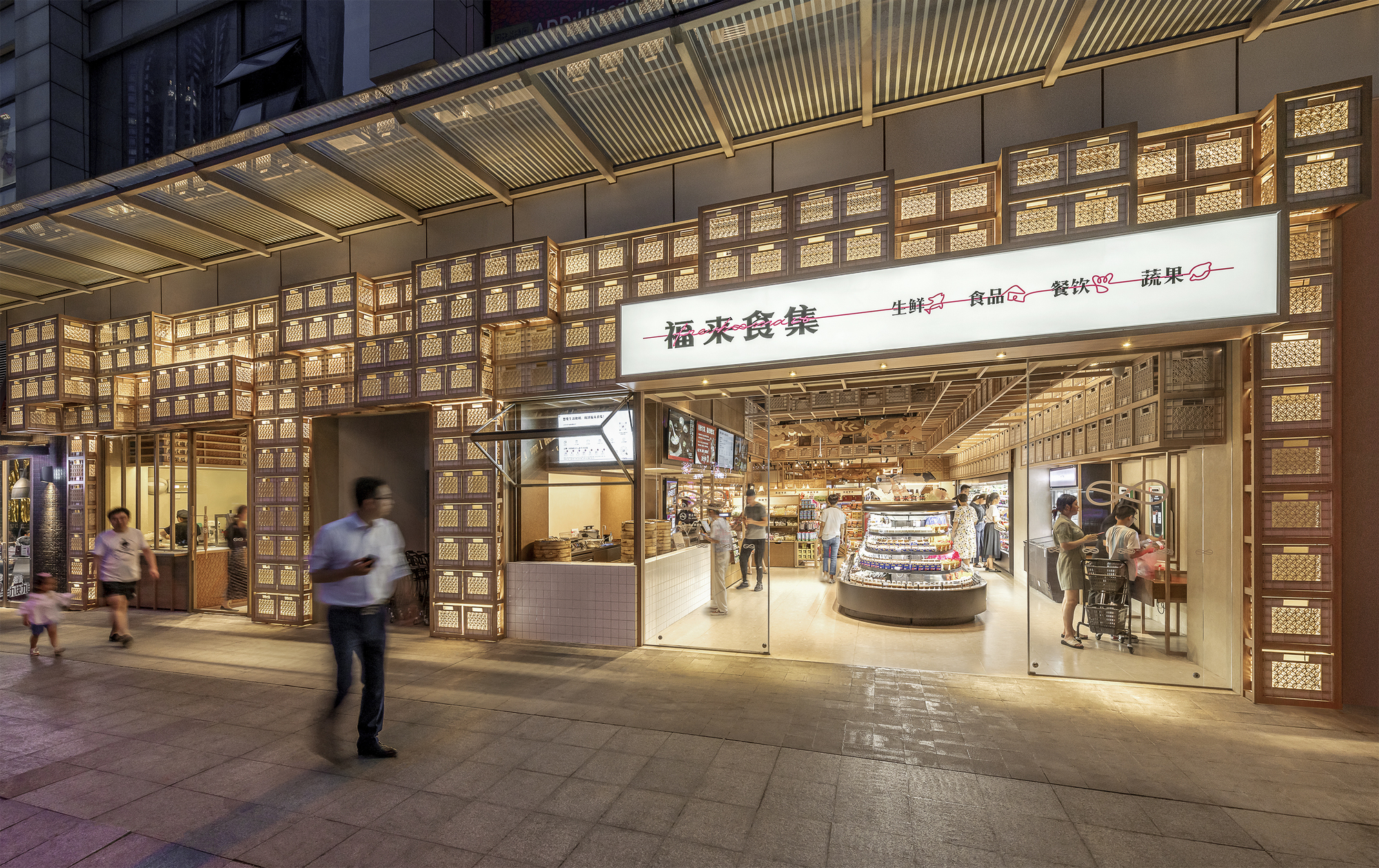
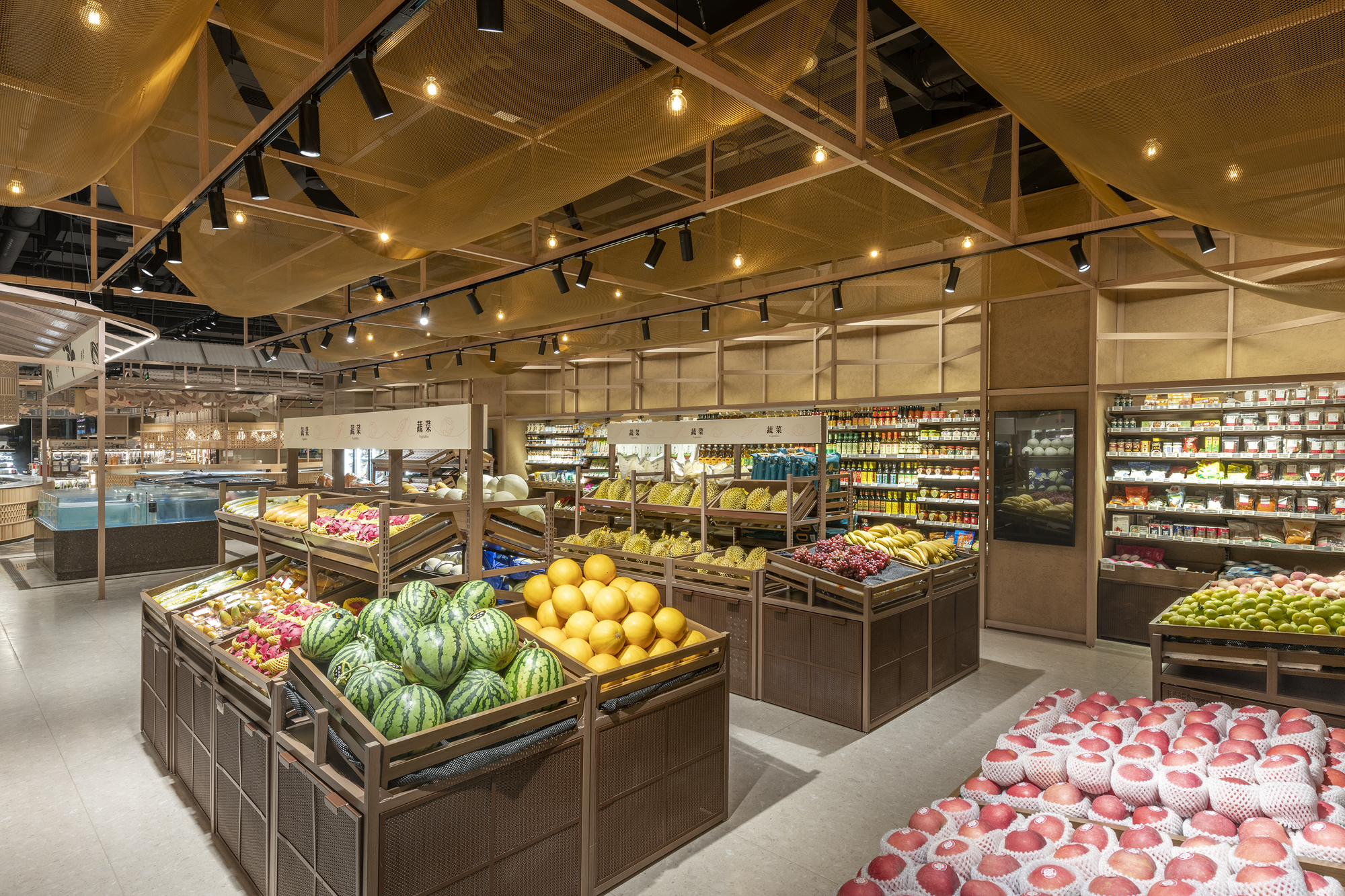
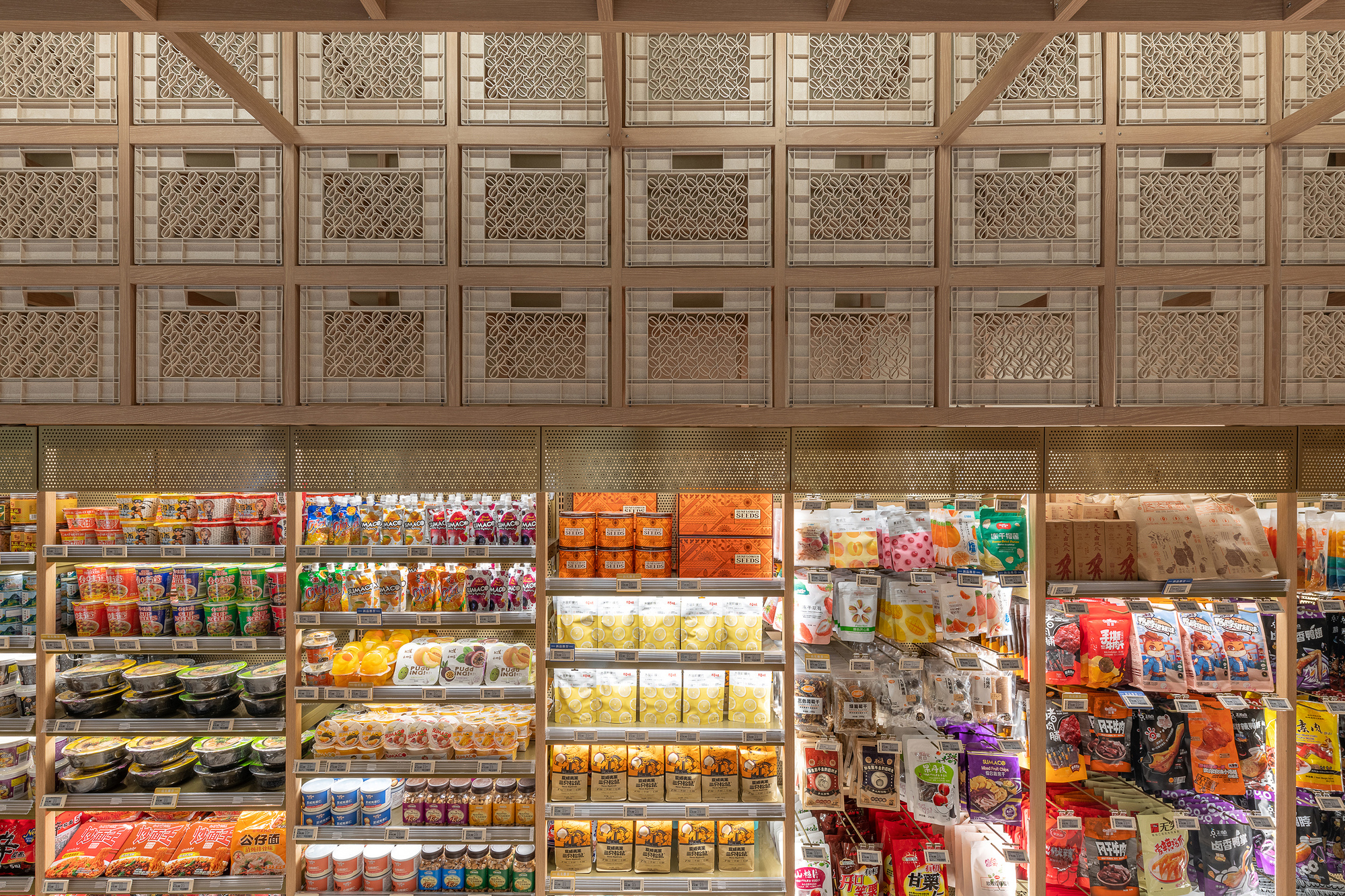
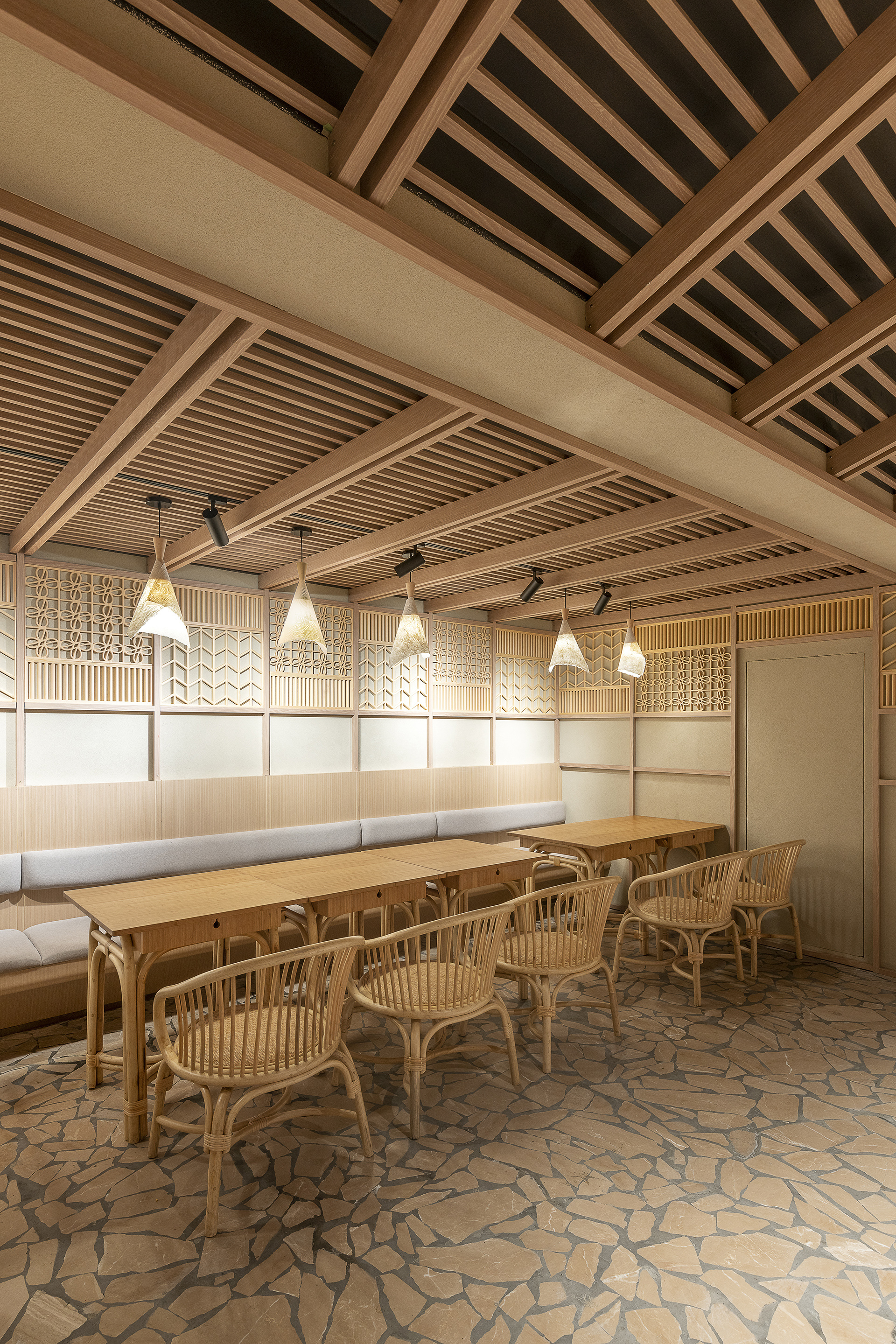
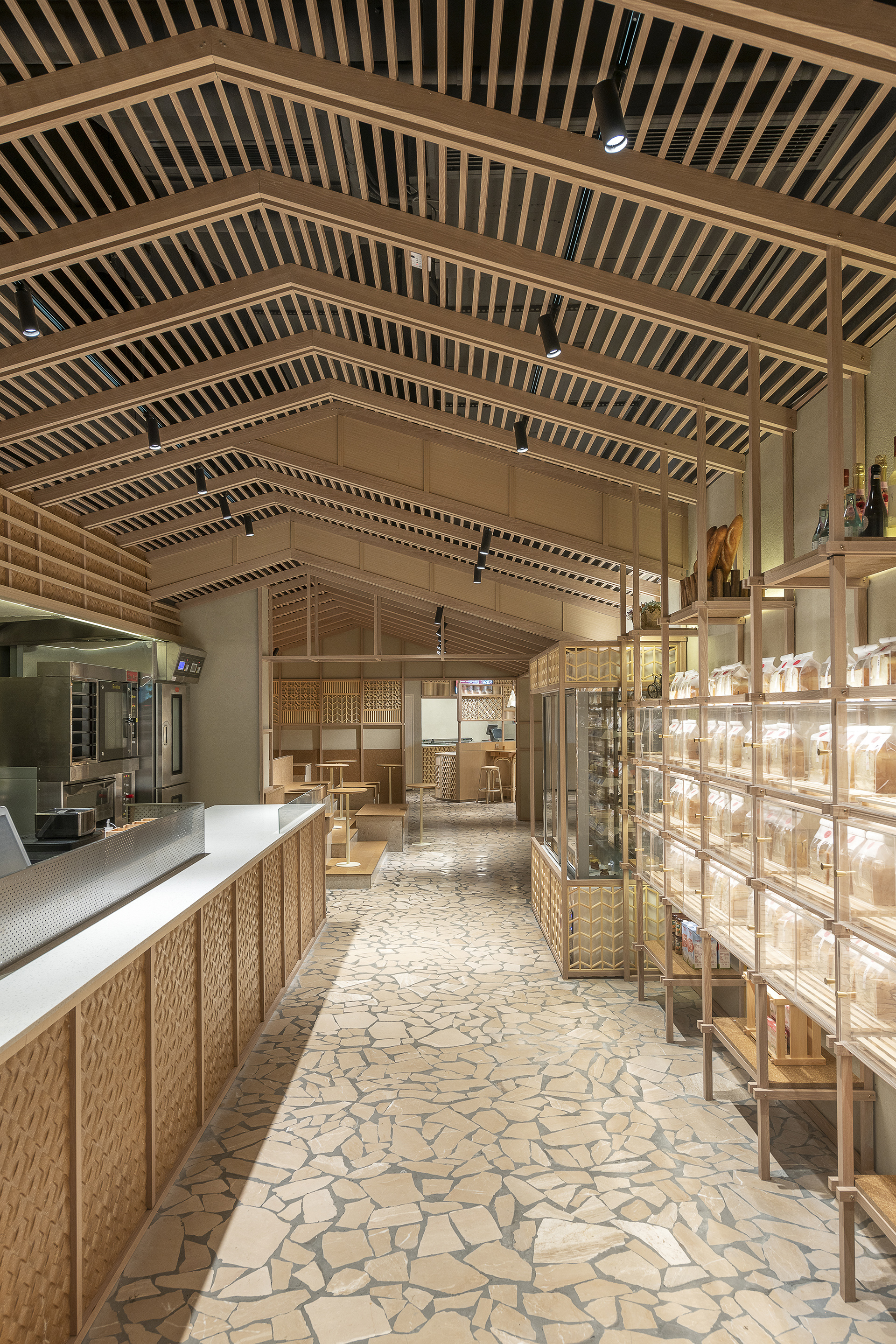
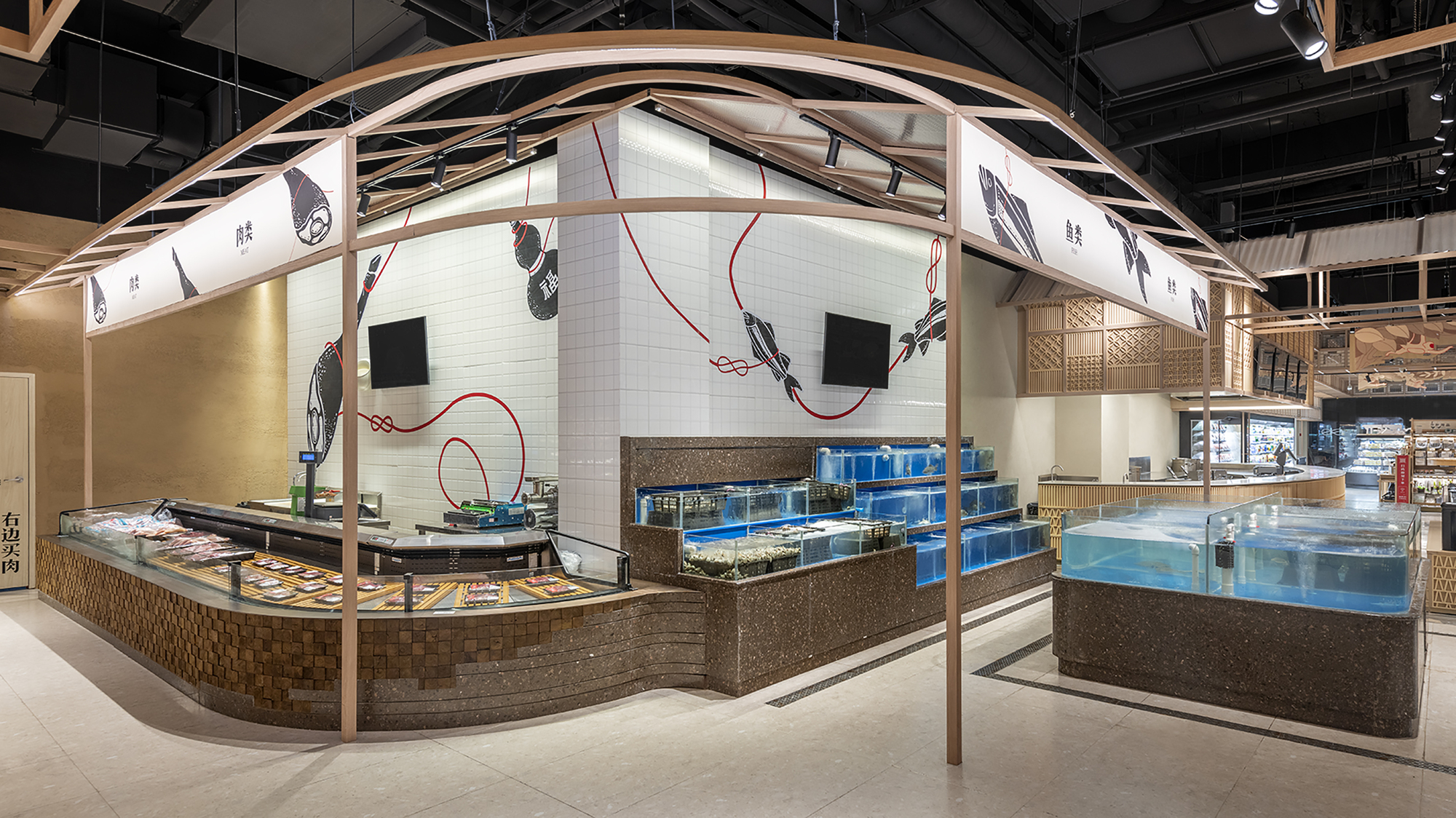
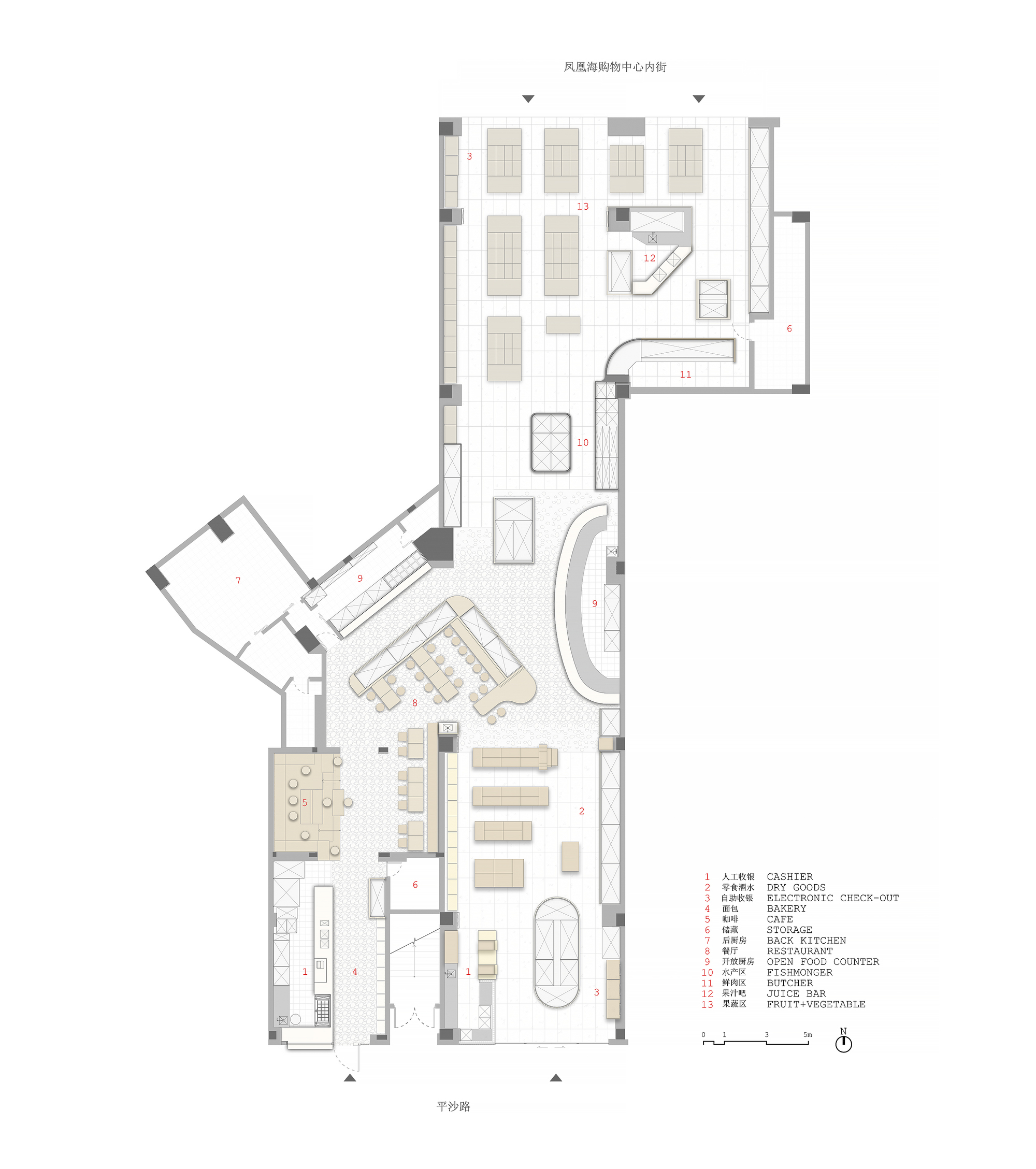
As a derivative of fast life, supermarkets spread globally after emerging in 1930s America. China introduced the supermarket concept in the 1970s but did not well integrate, continue or innovate on local market culture. Lukstudio was commissioned by Changsha new-retail brand Fulai Food Market to design its first supermarket, organically incorporating traditional market culture to create a complex public space for deep civic experience. The project is in the Beichen Delta of new Changsha, surrounded by housing; the south entrance faces Pingsha Road and the north connects to the Phoenix Sea shopping park. Wooden frame elements extracted from traditional market shelves both structure the supermarket's functional zones and create differentiated visual effects through varied combinations, reinforcing each zone's theme. Stacked milk crates extend from the street facade into the indoor snack and liquor area, conveying spatial identity and order while also serving as signage and lighting. The fruit and vegetable zone uses undulating metal-mesh eaves and wooden shelving to recreate the fun of choosing produce at an open-air market. The meat and seafood corner is inspired by traditional chopping blocks: the counter uses pixelated dark and light wood blocks that gradually transition to waterproof stone at the self-selection fish tanks, while a red rope on the background wall links fish and meat images, joining the two zones naturally. The dining area is designed like open-air snack stalls, with wooden frames and corrugated sheets forming a high sloping roof; semi-transparent lattice screens separate restaurant from sales area, with lattice motifs repeated nearby.











 Editor's Pick
 Latest Design
 Best Idea