Text description provided by the architects
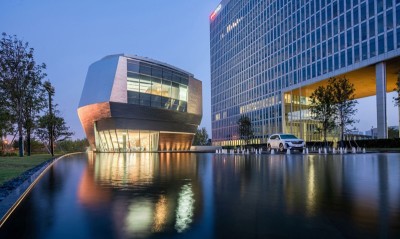
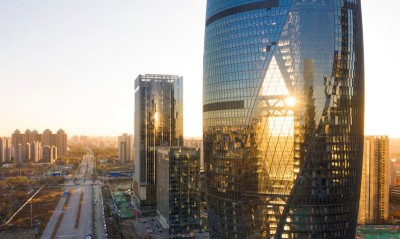
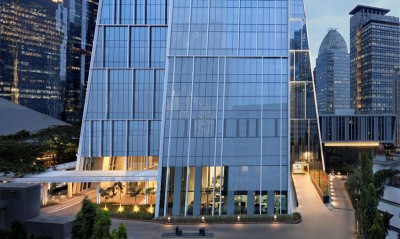
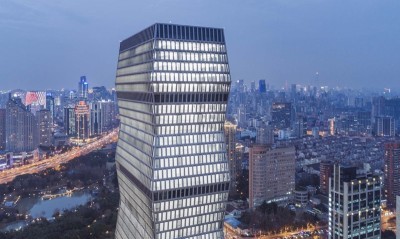
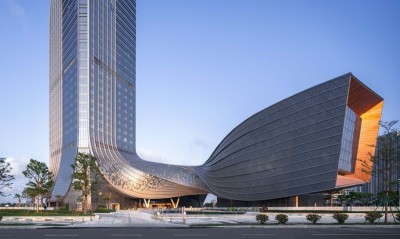
The lighting design for Wuhan MixC, at 668 Jianshe Avenue in the Jiang'an District and completed in May 2022 on 190,000 square metres, was led by GD-Lighting Design with facade consultancy by Inhabit. Architecture presents its daytime face, and after nightfall the lighting vocabulary begins to narrate the MixC context. For a commercial building whose architects have shaped the podium as the commercial focal point, the lighting team began by asking how to extend beyond basic functional illumination into a multi-dimensional sensory field. In a saturated retail market, eye-catching presence and conversational appeal matter more than footfall alone, so GD-Lighting framed the design through media-studies thinking. The guiding concept is crystal crown: crystal means clarity and purity, matching the MixC brand of high-end simplicity, while crown carries meanings of headwear, supremacy and being on top, lending positive connotations to the leasing and commercial context. Following the facade structure and tenant mix, different lighting colours create distinct atmospheres: gradients of quiet blue evoke moving ripples, while vivid purple and bright orange flame become unmissable nocturnal focal points, coexisting tenderness and passion, restraint and energy. Light acts as a medium catalysing sensory interaction between the brand building, the urban magnetic field and local residents, constructing a city symbol rich in the meaning of all phenomena. GD-Lighting uses indirect lighting to build four layers, from inside out: background, lighting, frame and skin, enriching the media-facade effect and adding spatial depth, with a dedicated skin-layer lighting system. Because the MixC podium is a cantilevered multi-layer curtain wall with commercial floors inside, embedding luminaires required detailed coordination with the client, architect and facade consultant on background-wall finishes, cavity clearance, framing loads, cable routing and luminaire recesses. Sustainability is embedded through green energy, smart control, time- and area-based switching, and non-full-power operation of main luminaires, staged by scene to minimise electricity use and extend lamp life. The result gives the building a nocturnal identity distinct from its daytime face, animated by a light of all phenomena.




 Editor's Pick
 Latest Design
 Best Idea
 Hottest of Week