Text description provided by the architects
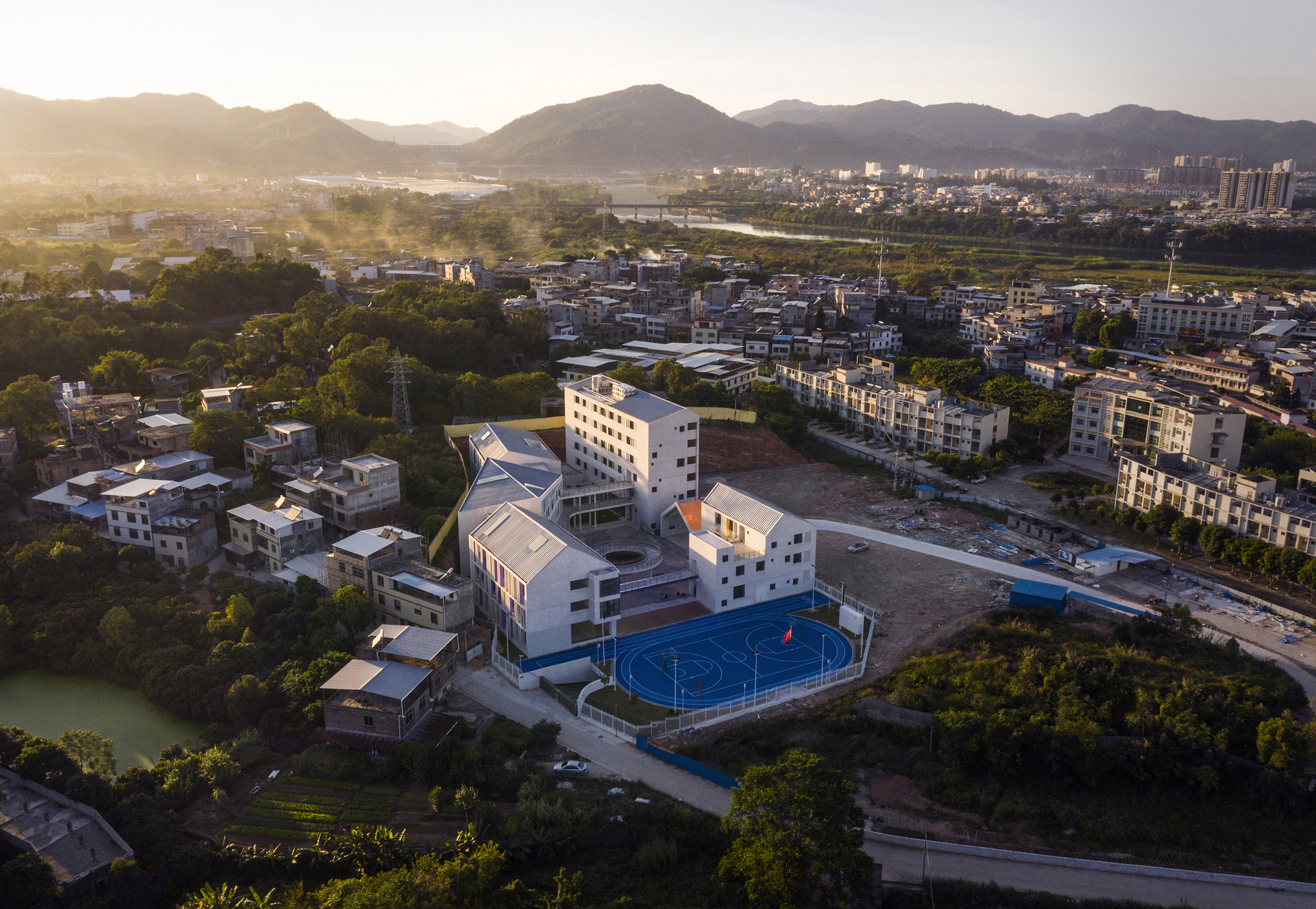
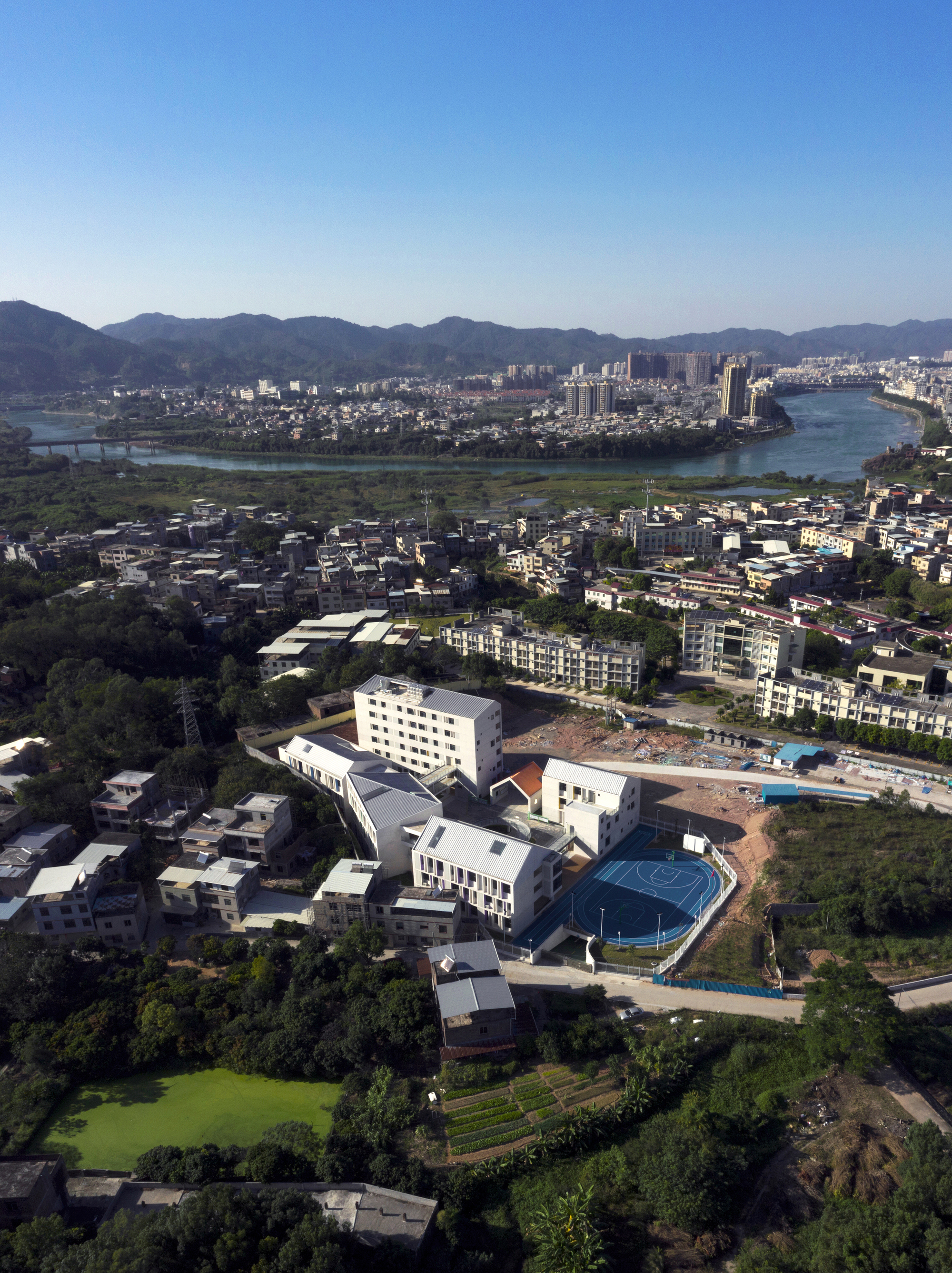
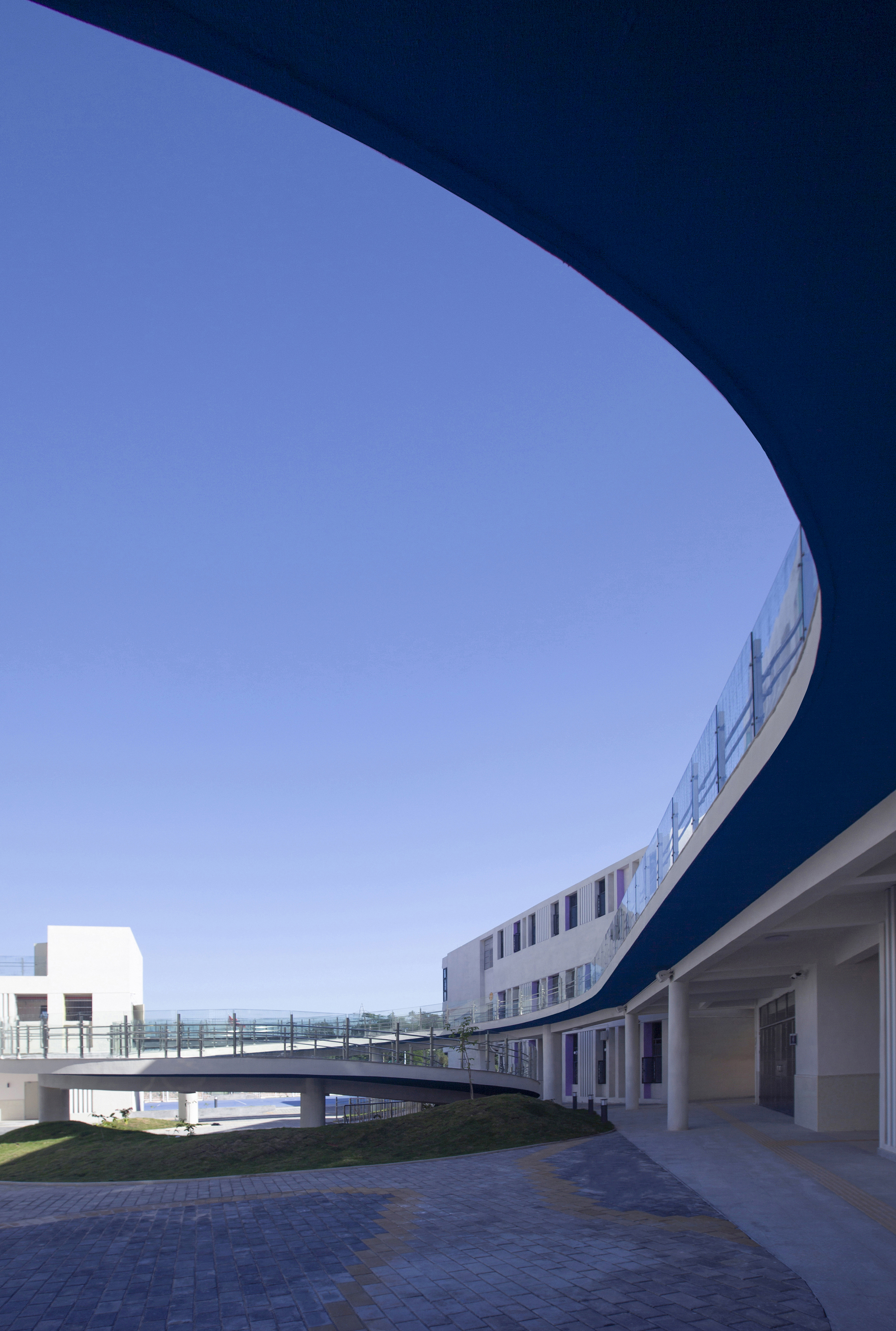
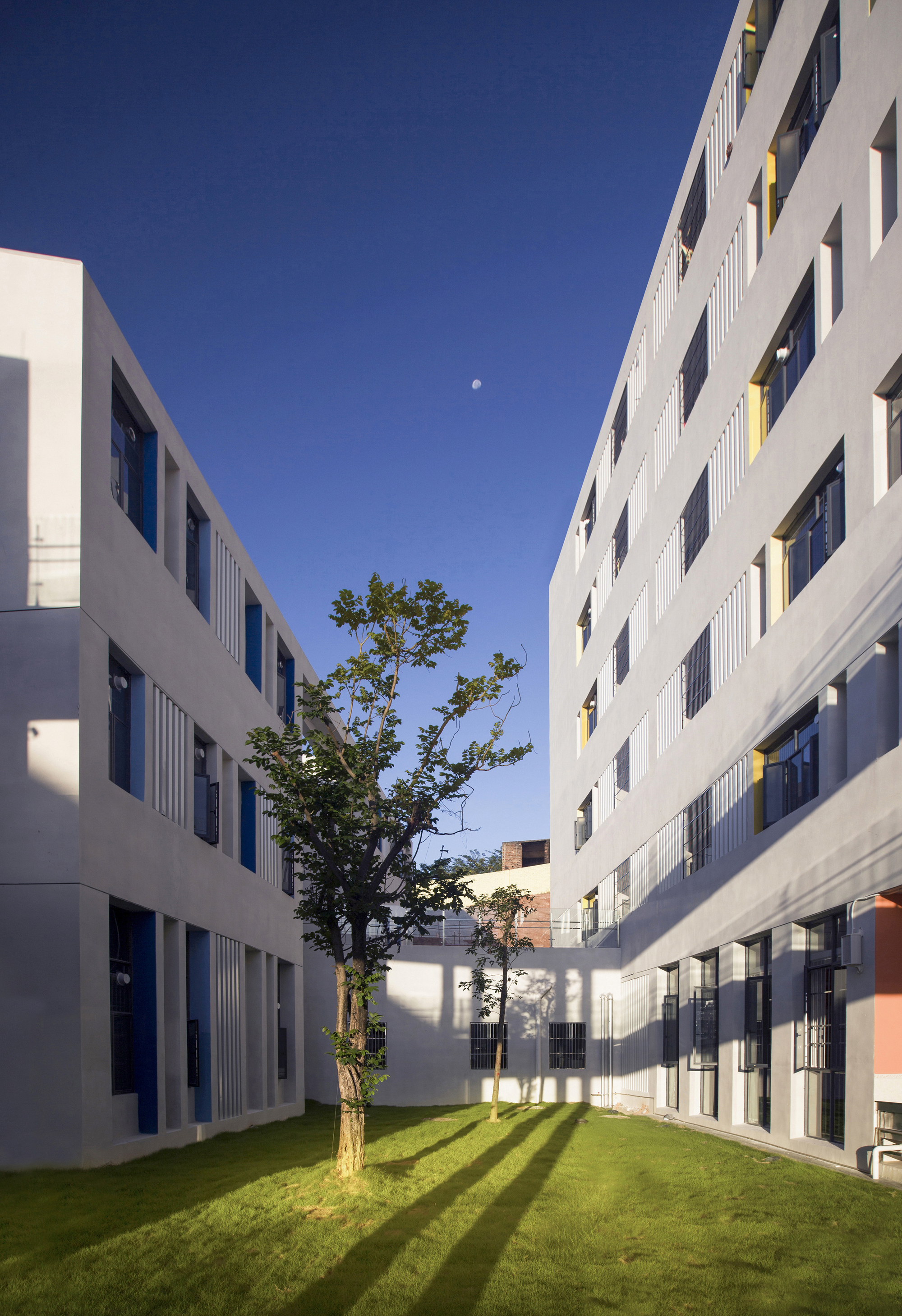
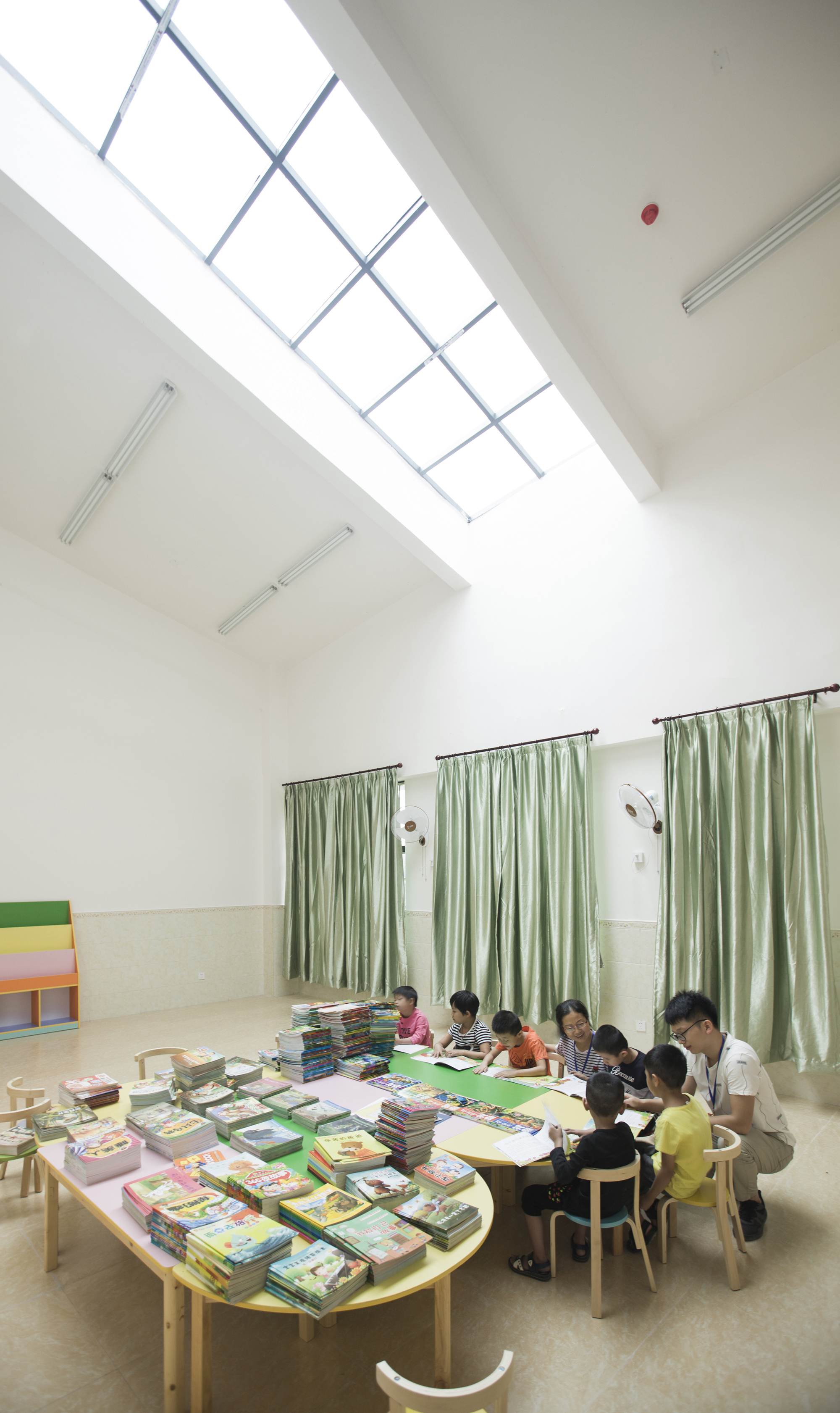
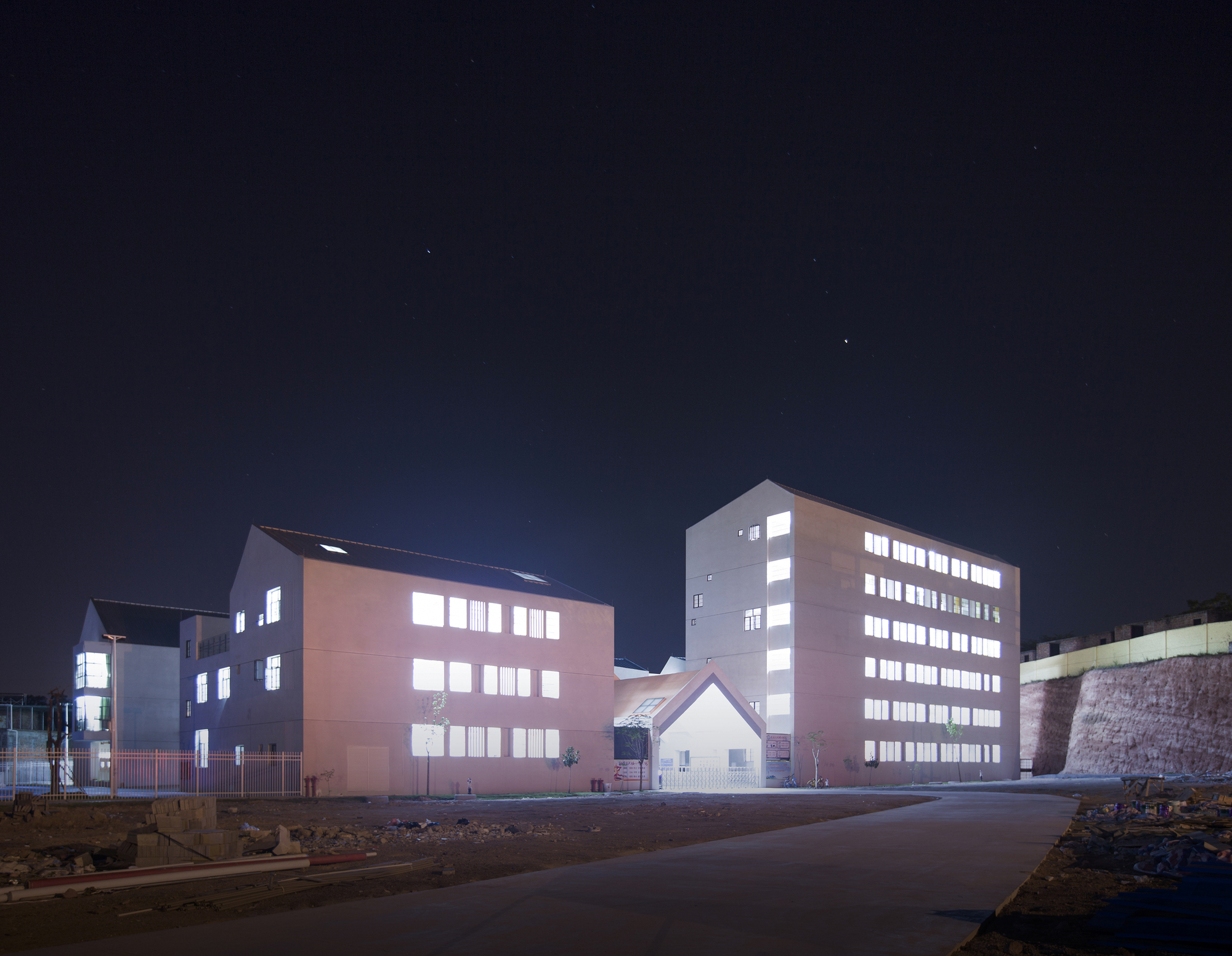
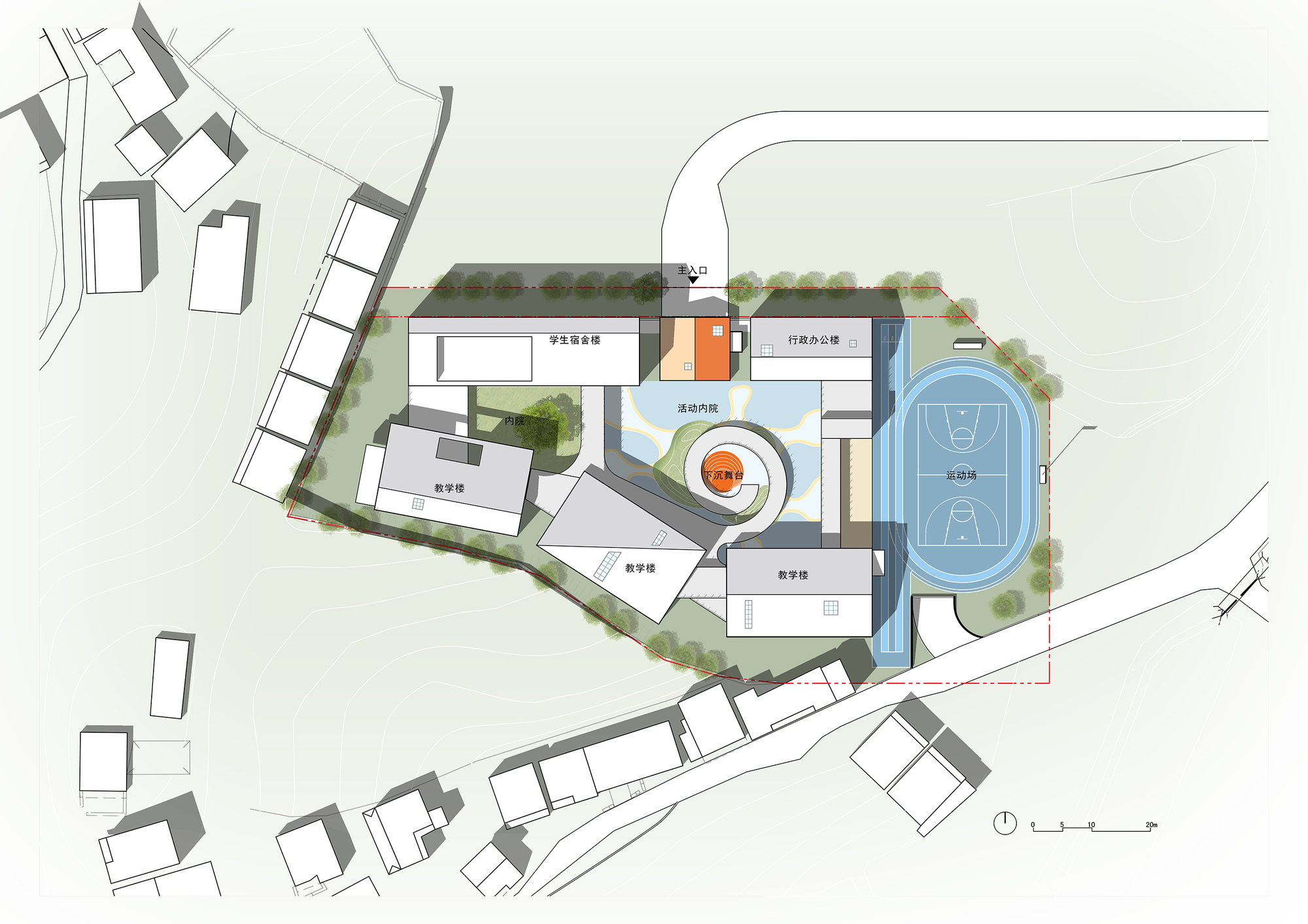
Special education schools combine medical and educational models, and related codes impose detailed, strict architectural requirements that limit design freedom; because of the special student population, management is emphasized for safety, but is a homogeneous campus with fixed learning behaviors really what students need and like? Special-education students, feeling different from other children and lacking confidence, often struggle to communicate normally, leading to withdrawal. Cultivating normal communication is vital for their mental and physical development, yet homogeneous spaces that ignore individual needs rarely induce communication. In the Heyuan project, the team tries to change this, designing a campus children genuinely like. The village within the village concept creates small-scale, varied spaces that encourage social interaction, replacing uniform corridors with intimate, room-like environments, sensory gardens and flexible classrooms where students can learn at their own pace. The school has been praised for its sensitive, varied spaces and is being used as a reference by educators and designers working on inclusive learning environments.





.jpg)







 Editor's Pick
 Latest Design
 Best Idea
 Hottest of Week




