Text description provided by the architects
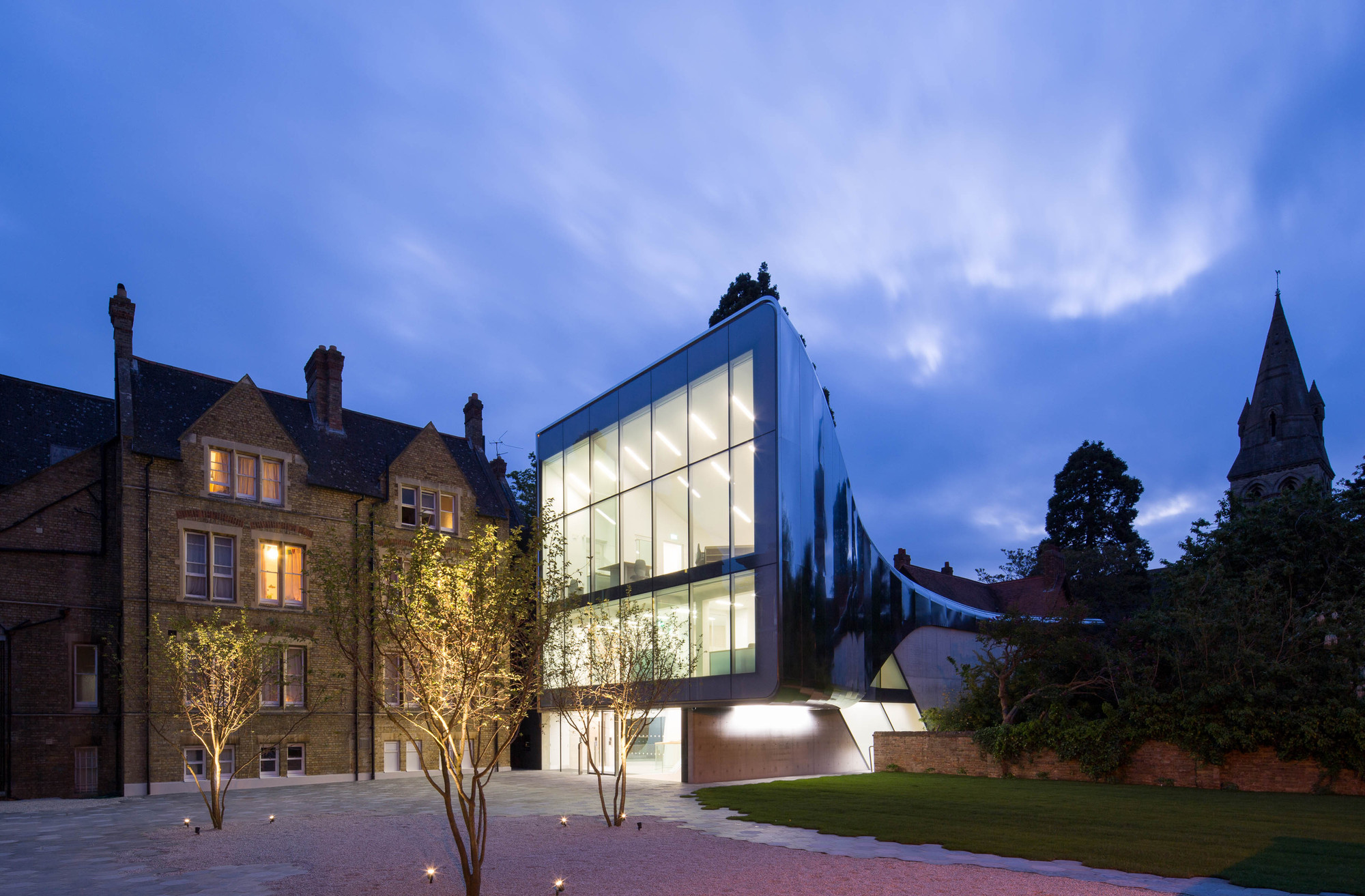
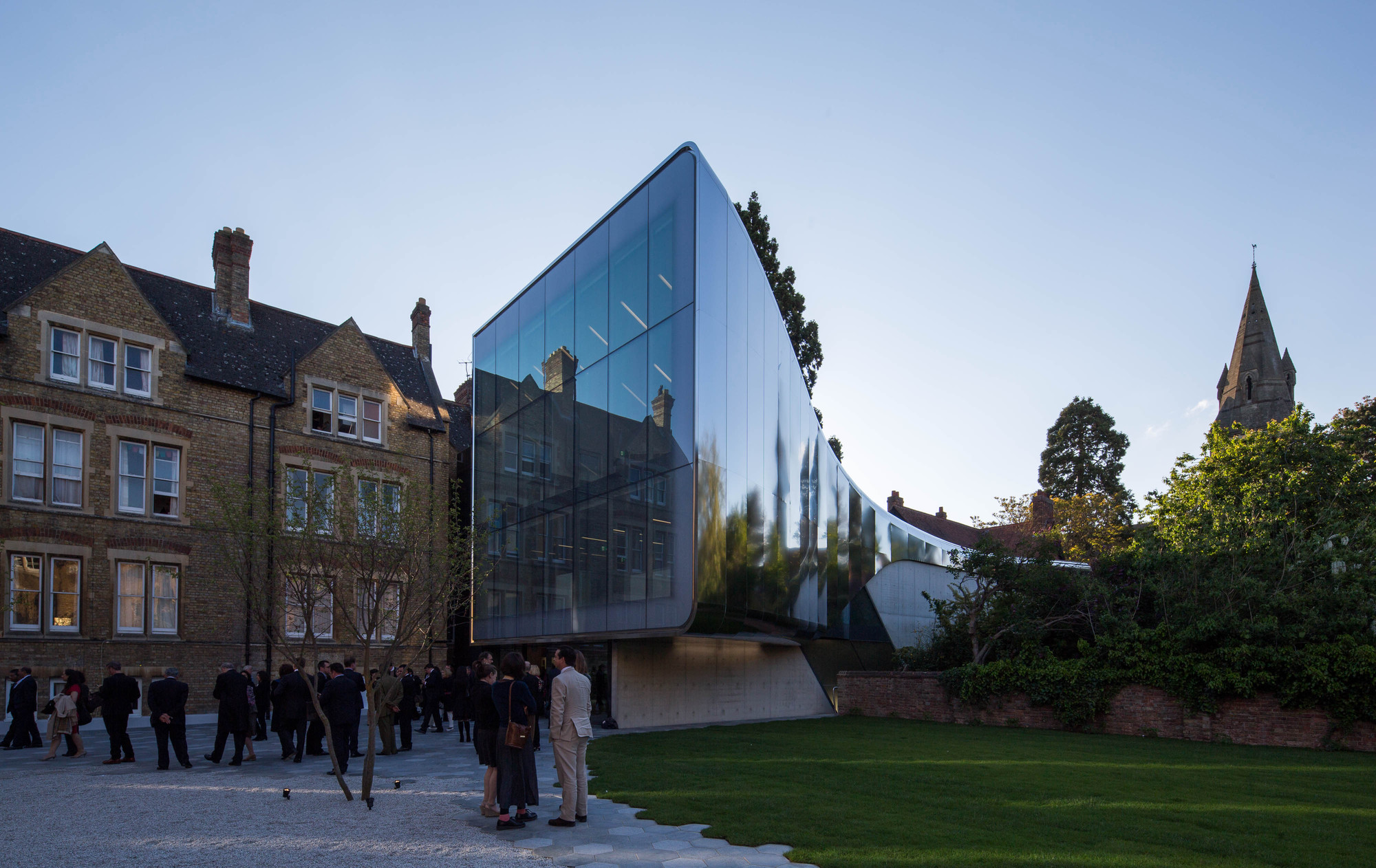
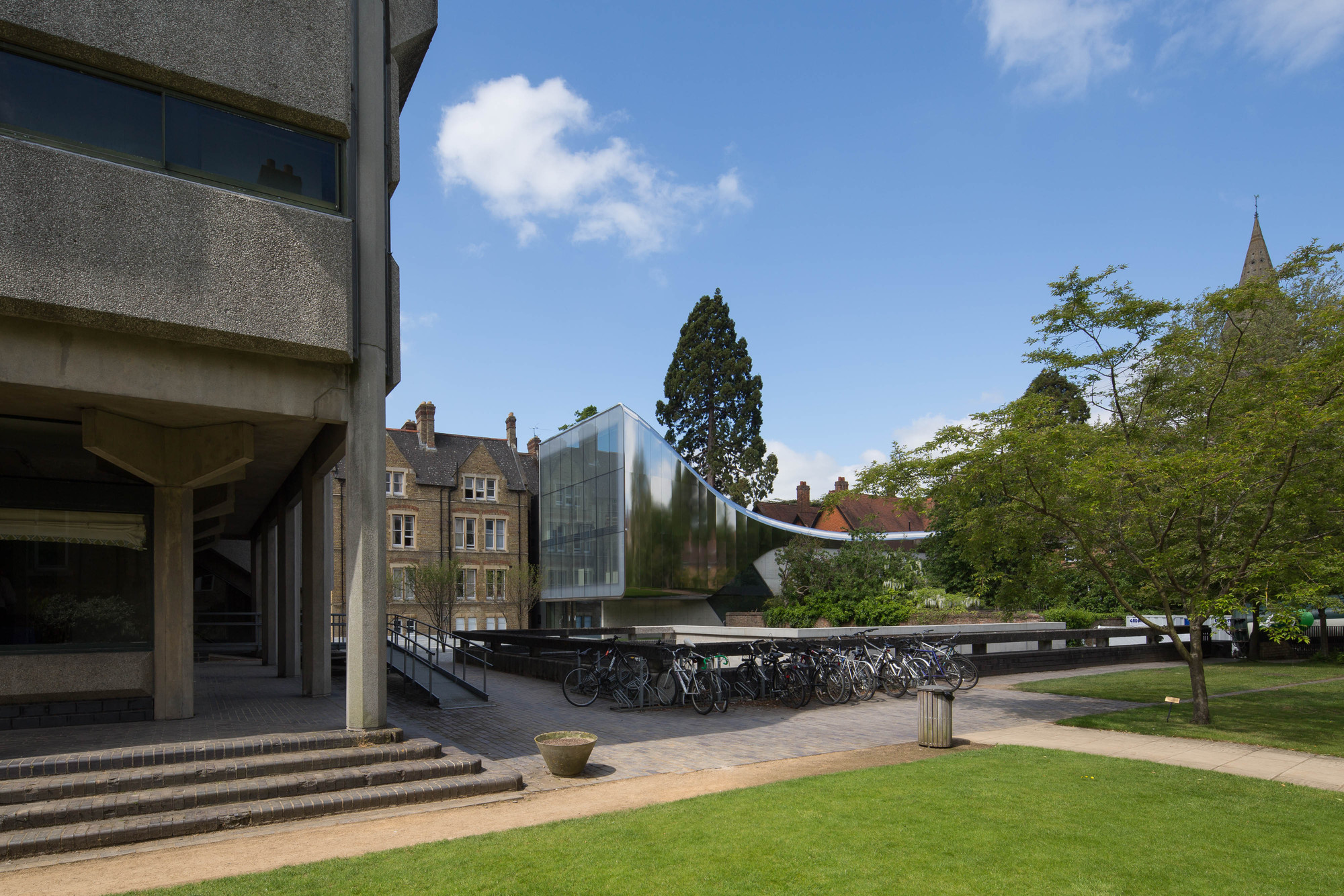
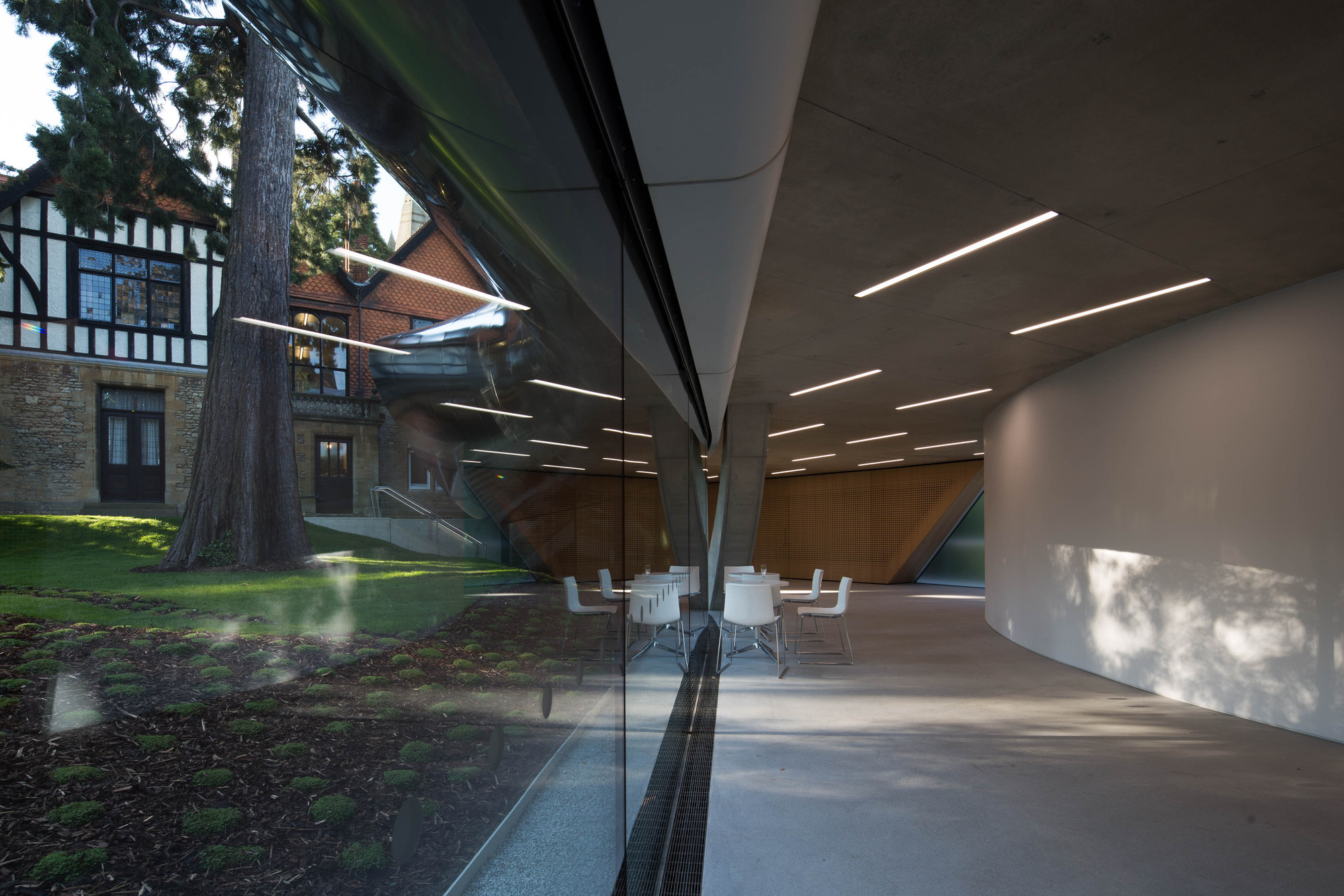
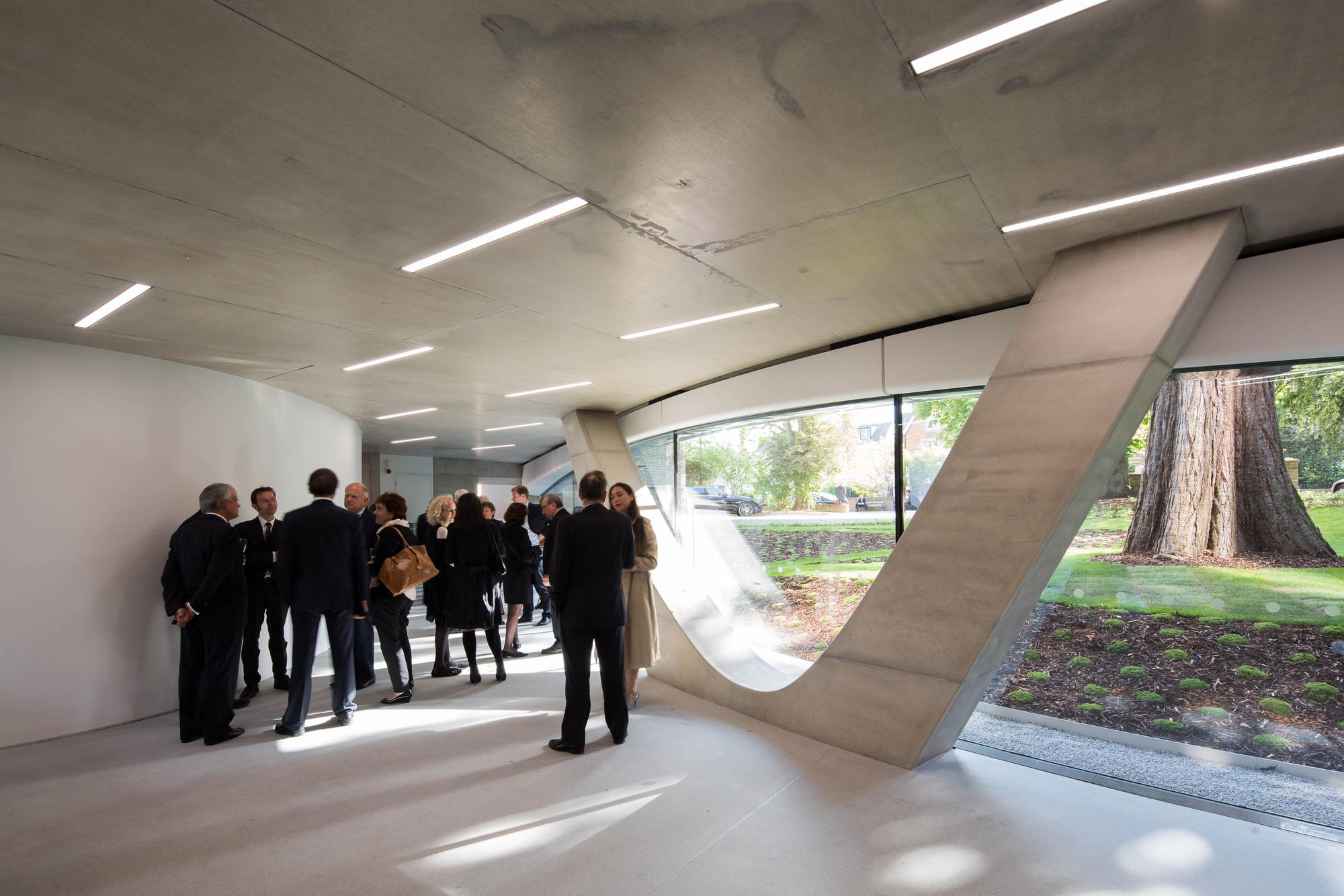
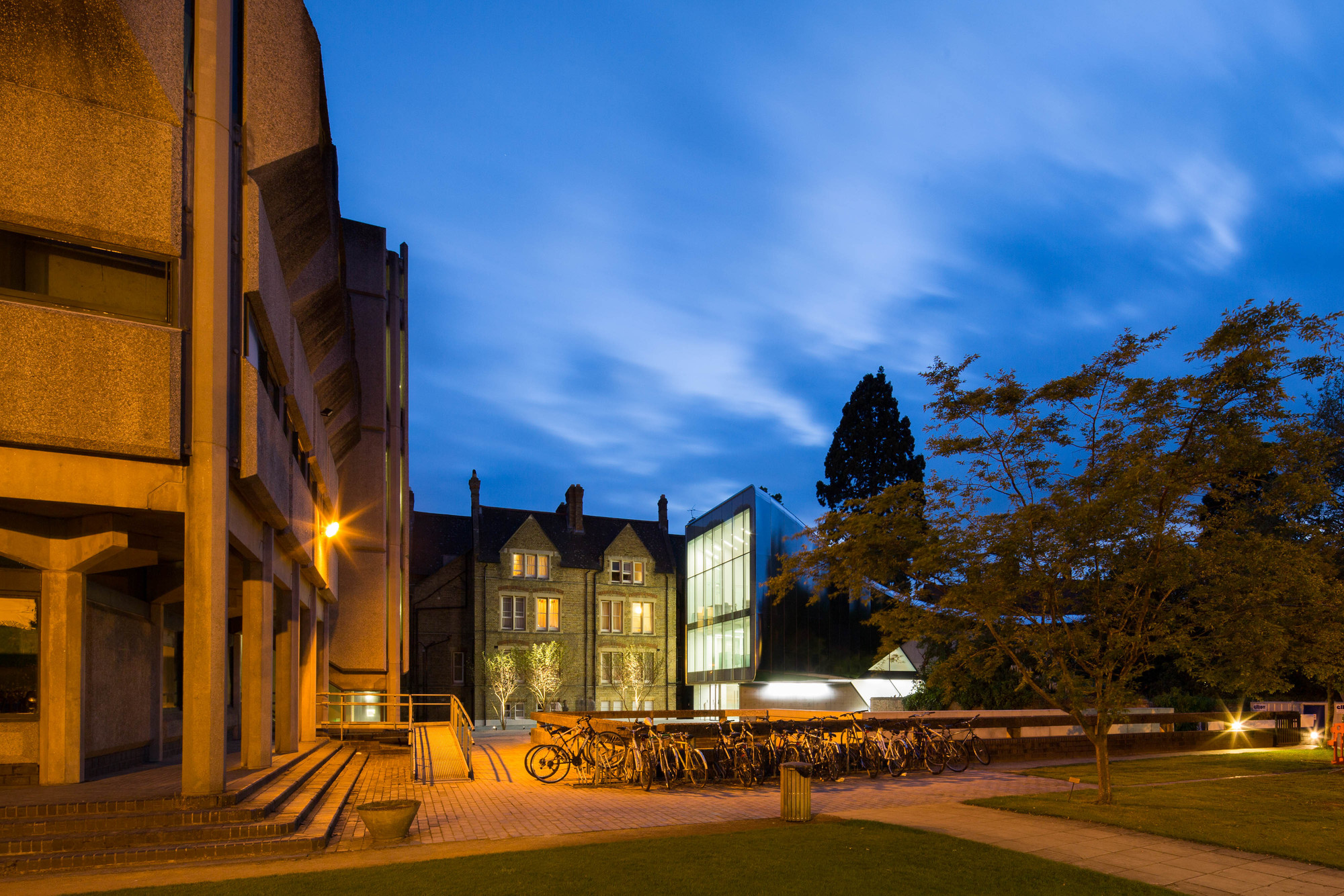
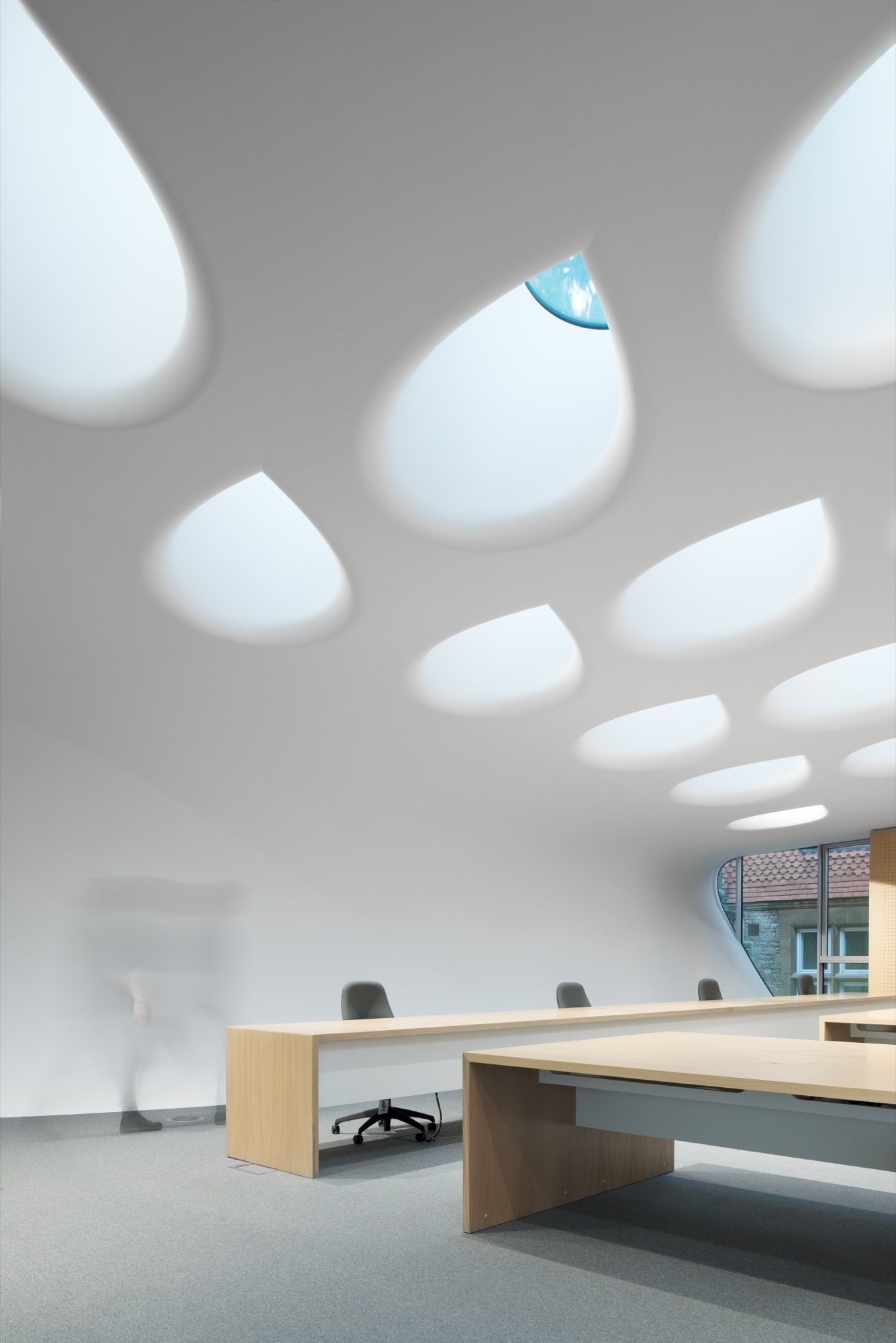
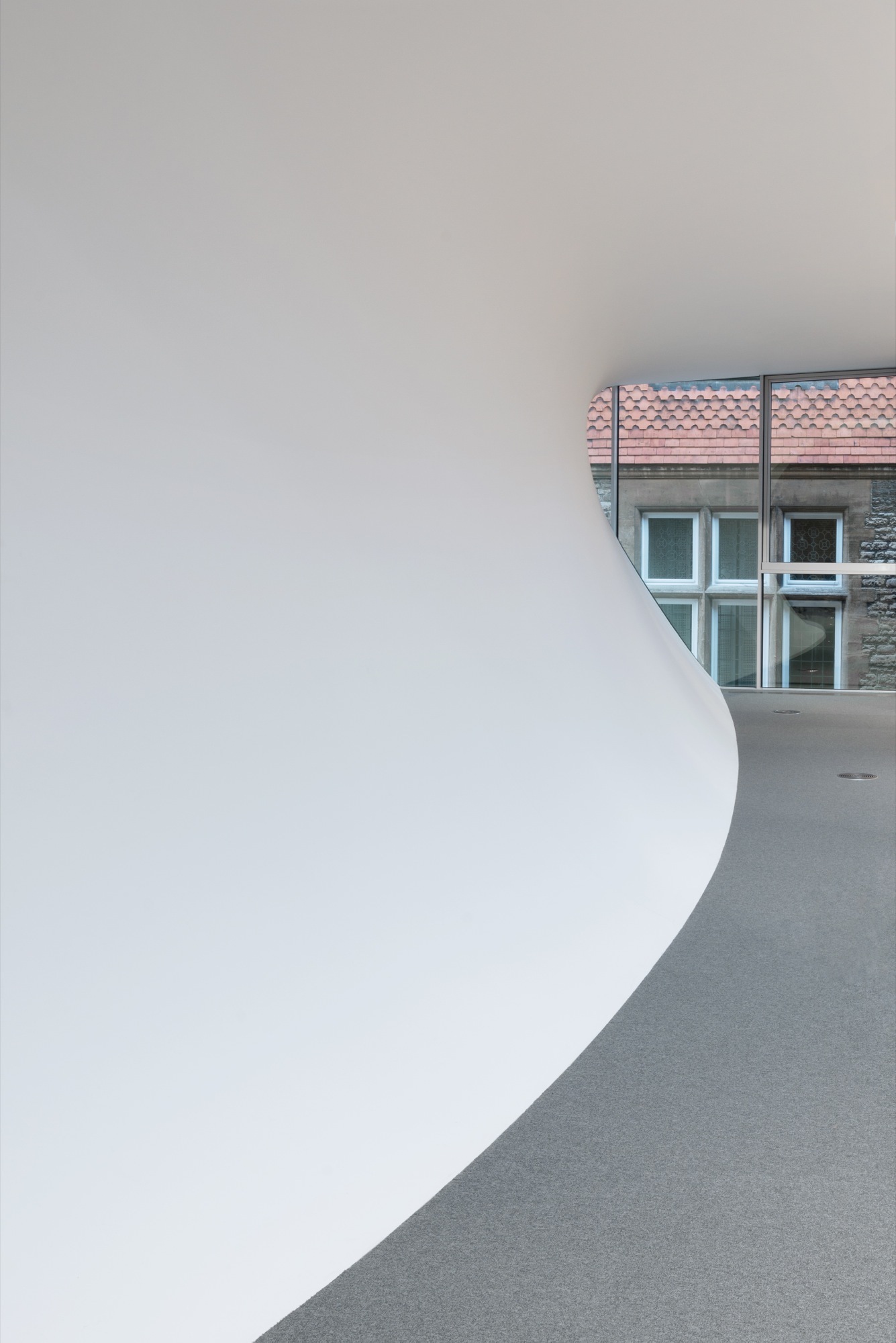
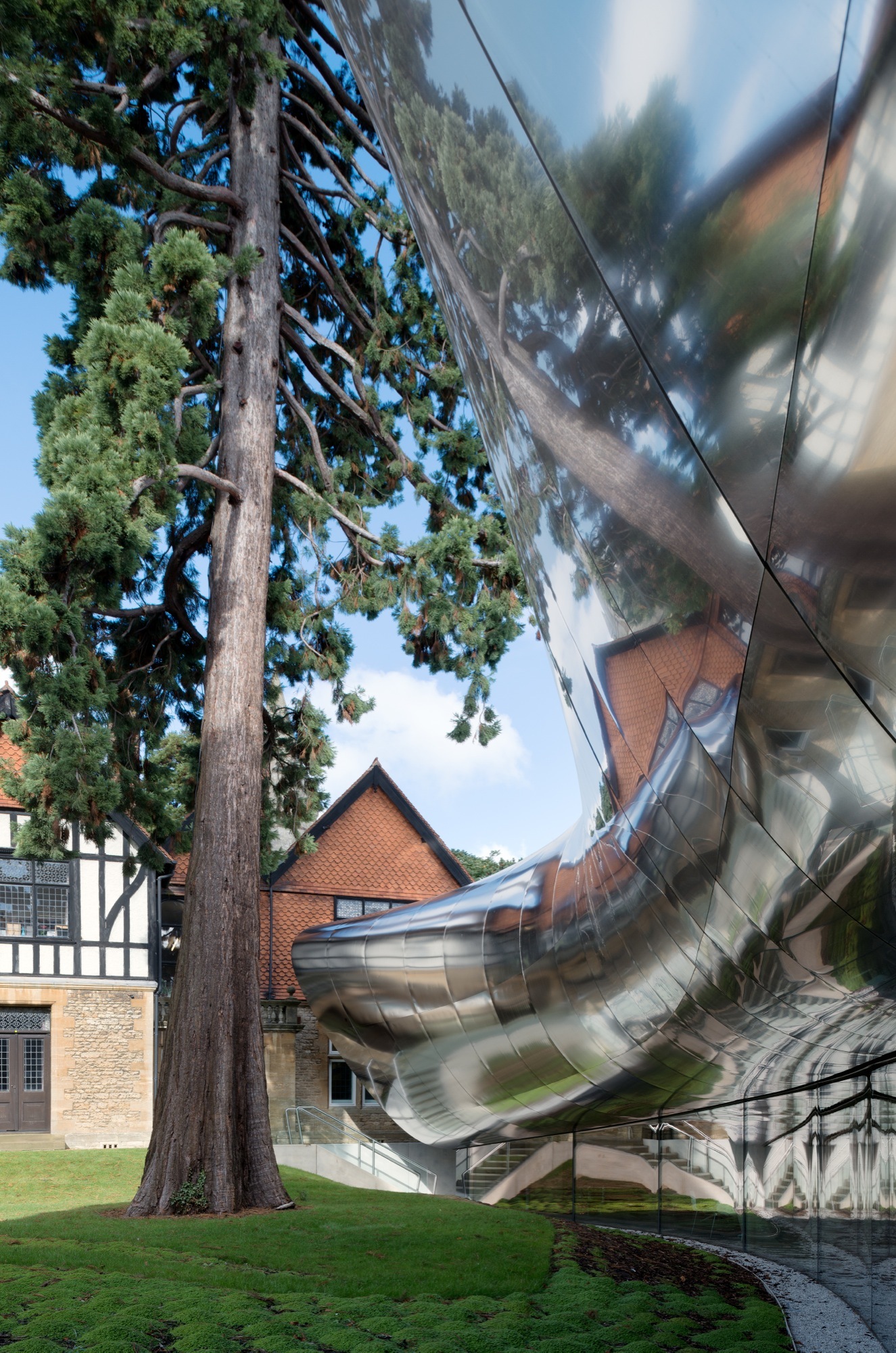
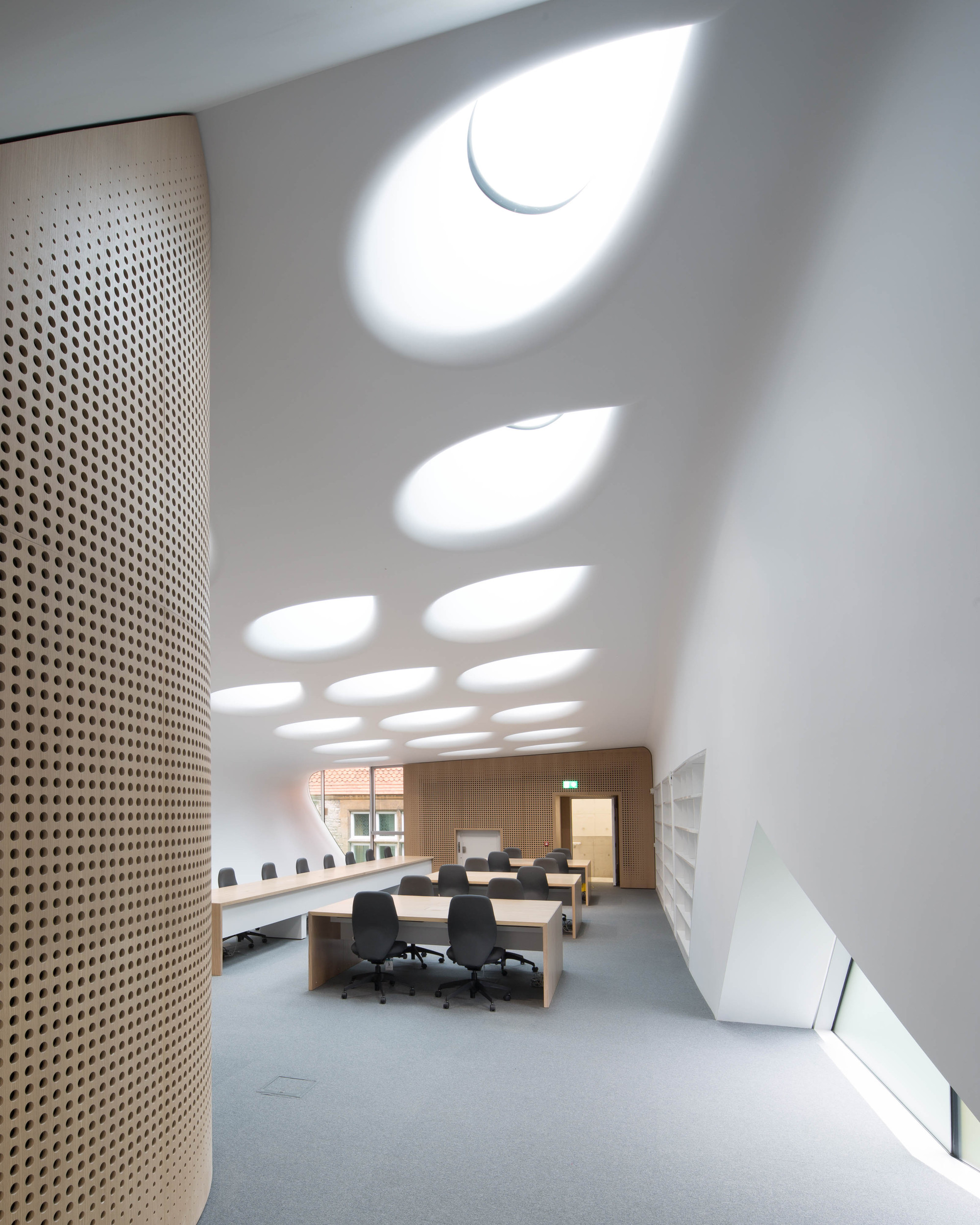
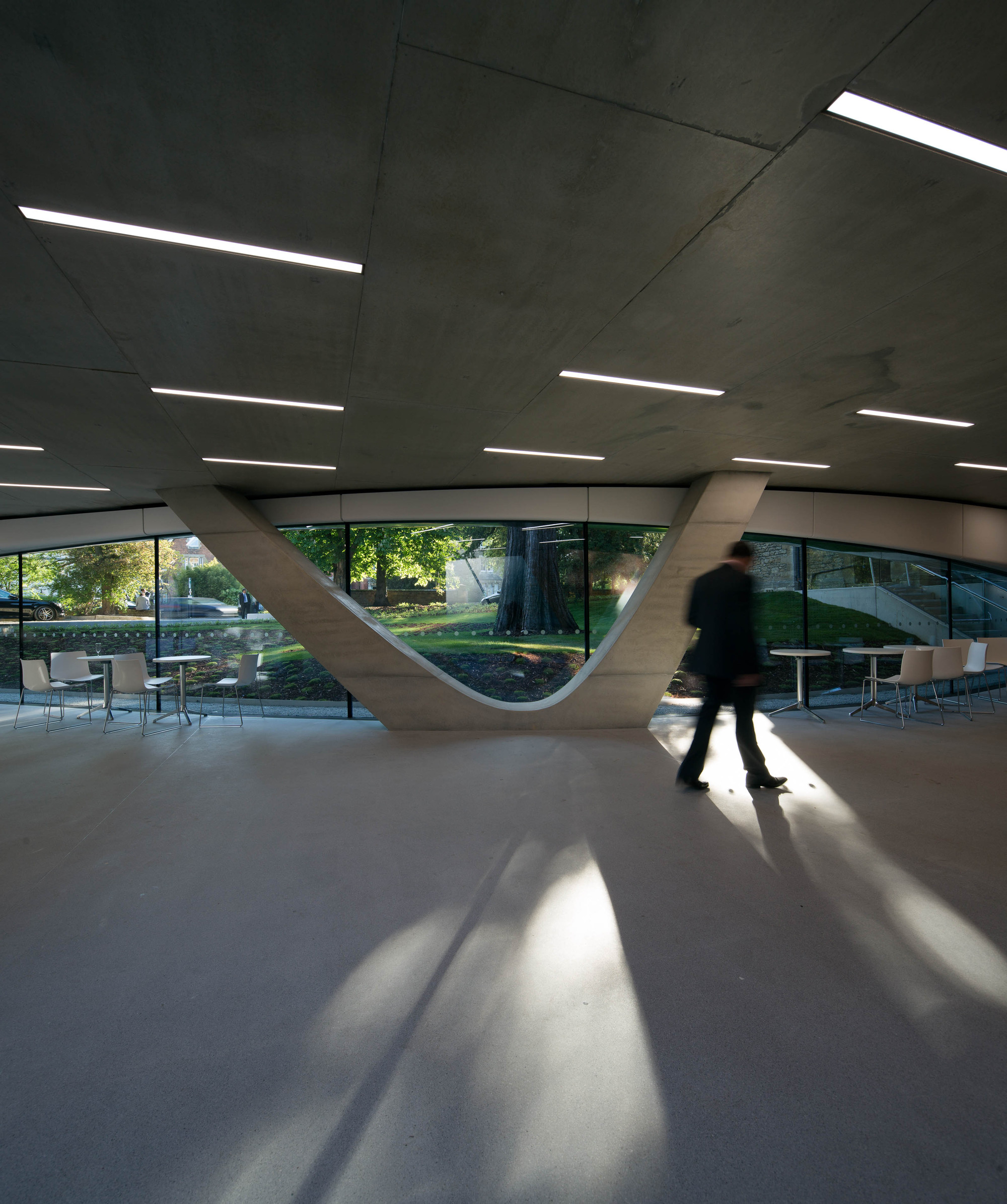
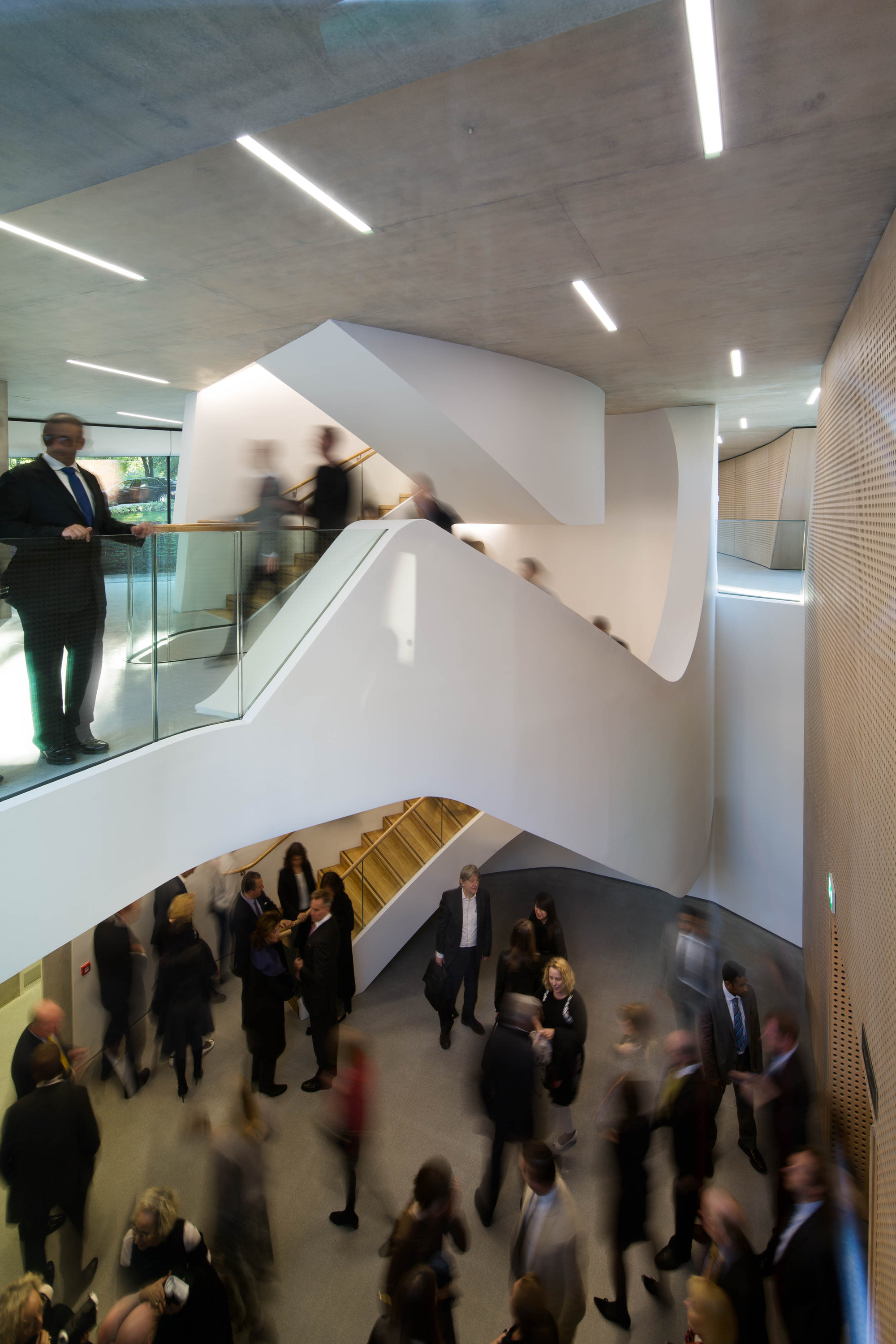
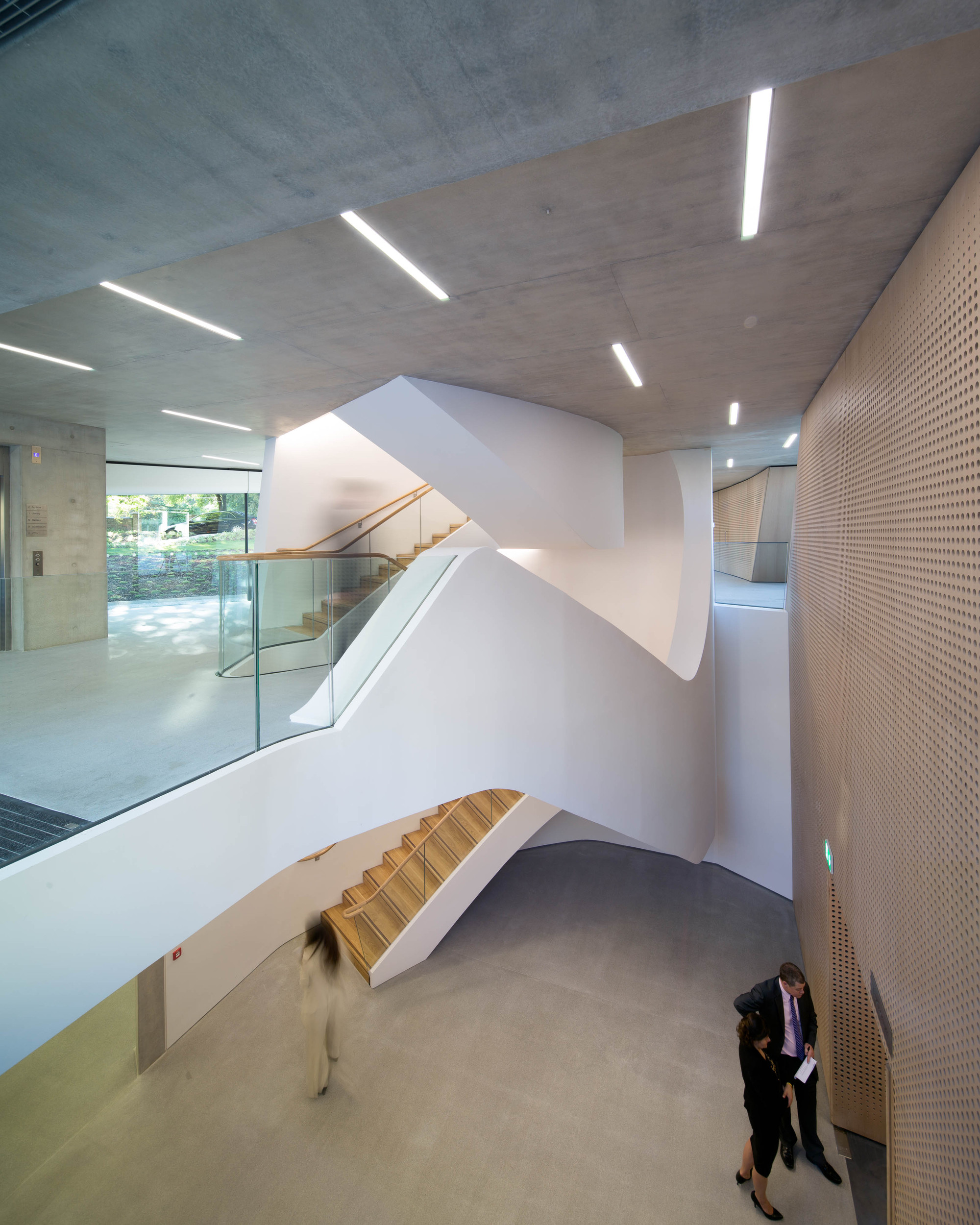
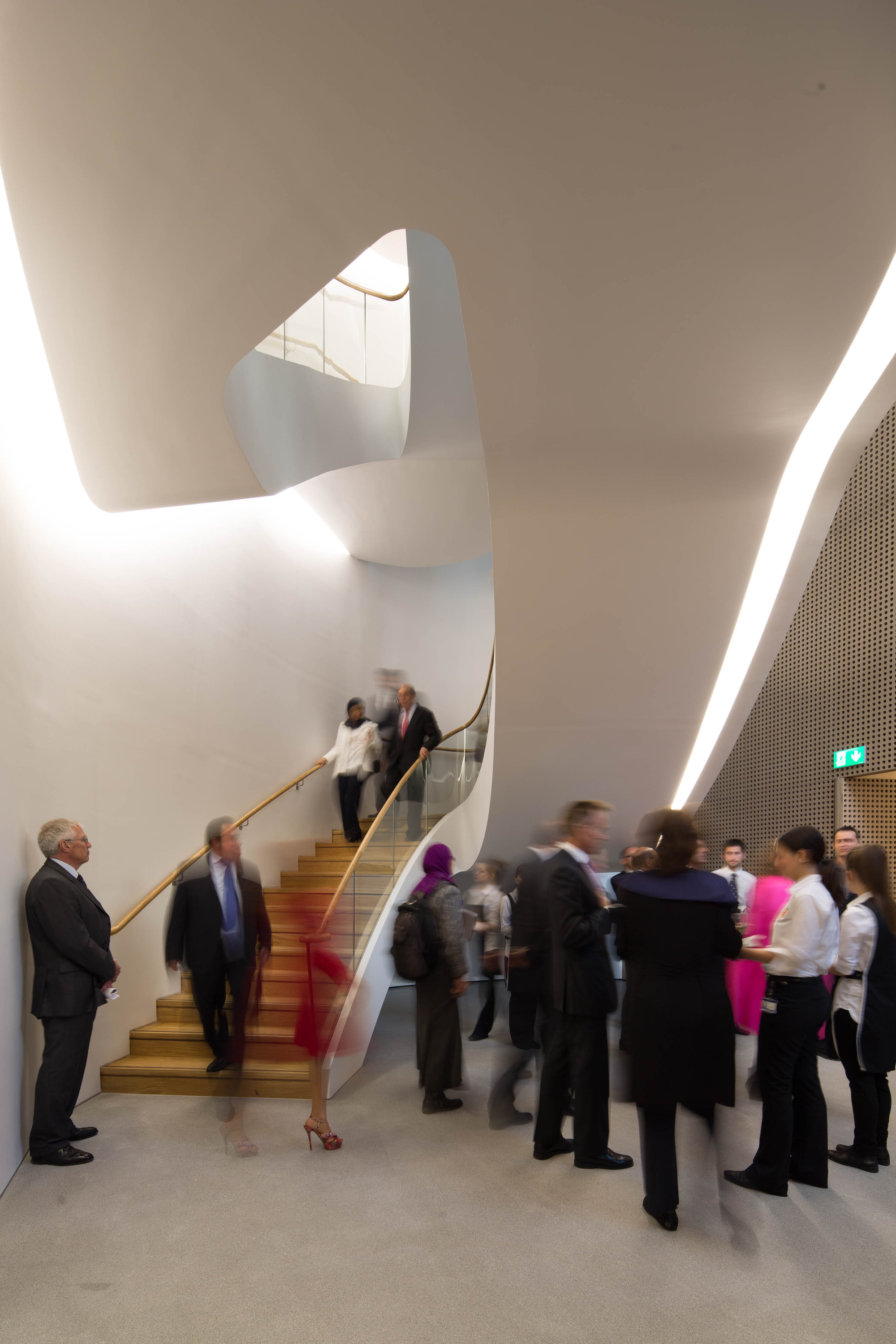
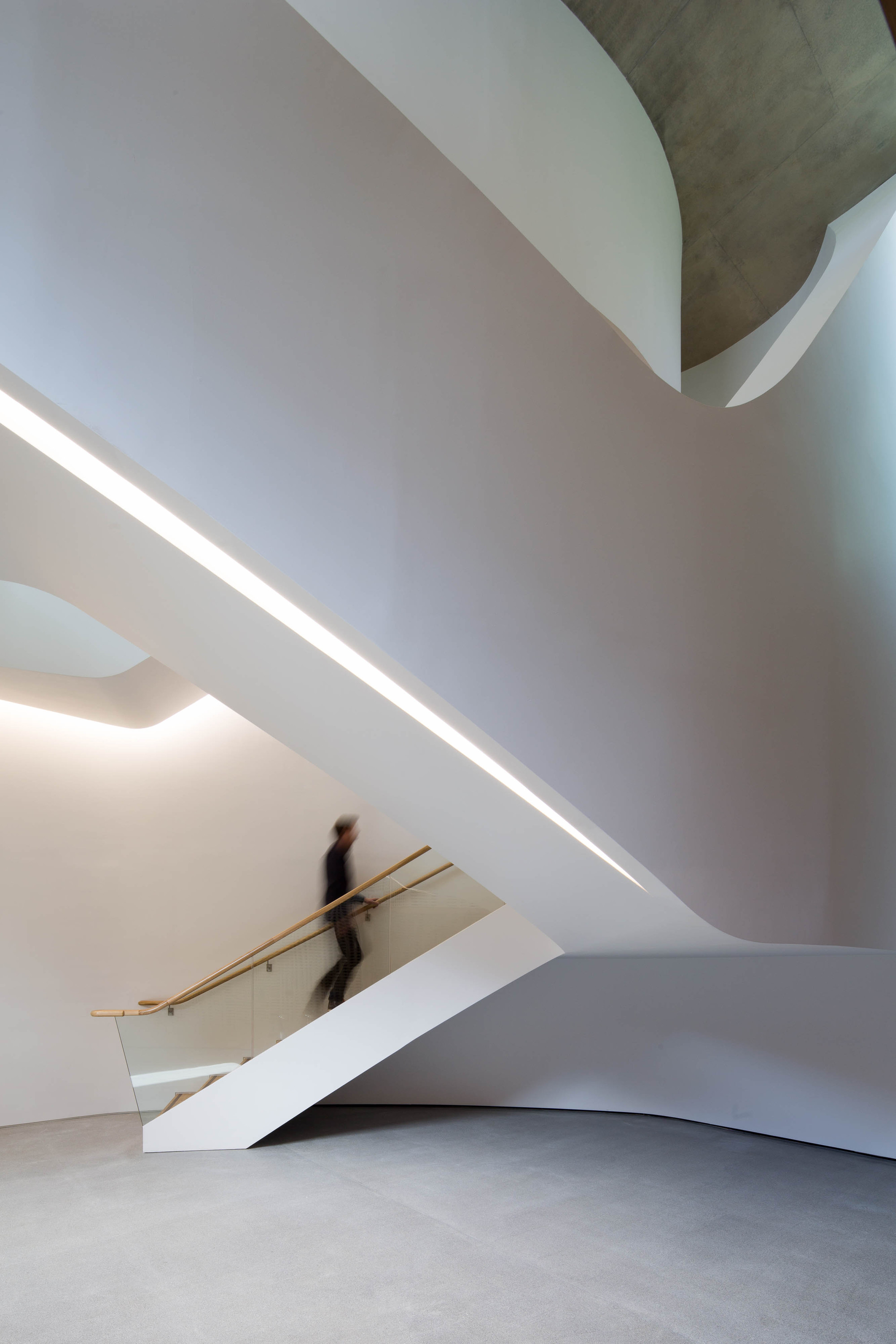
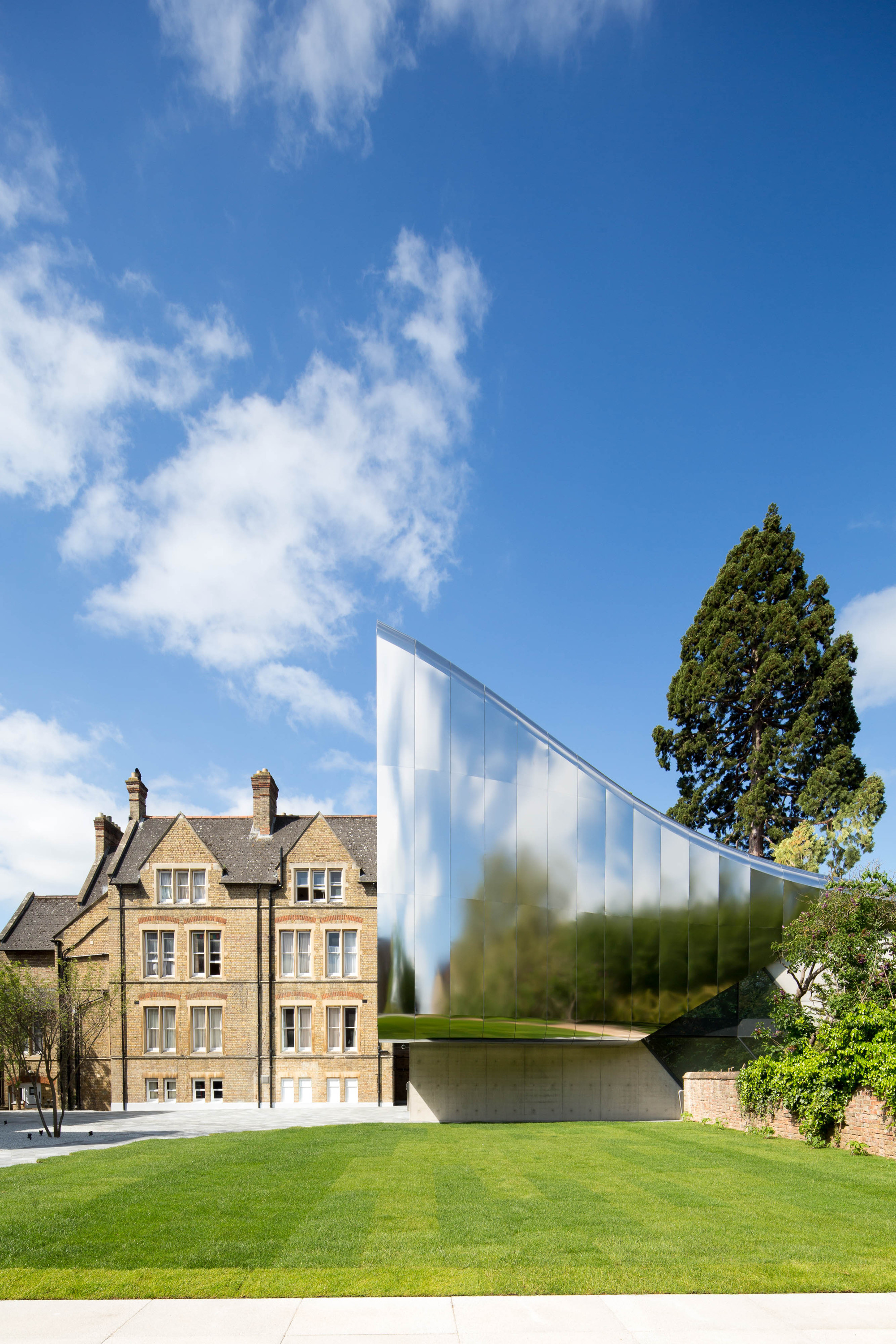
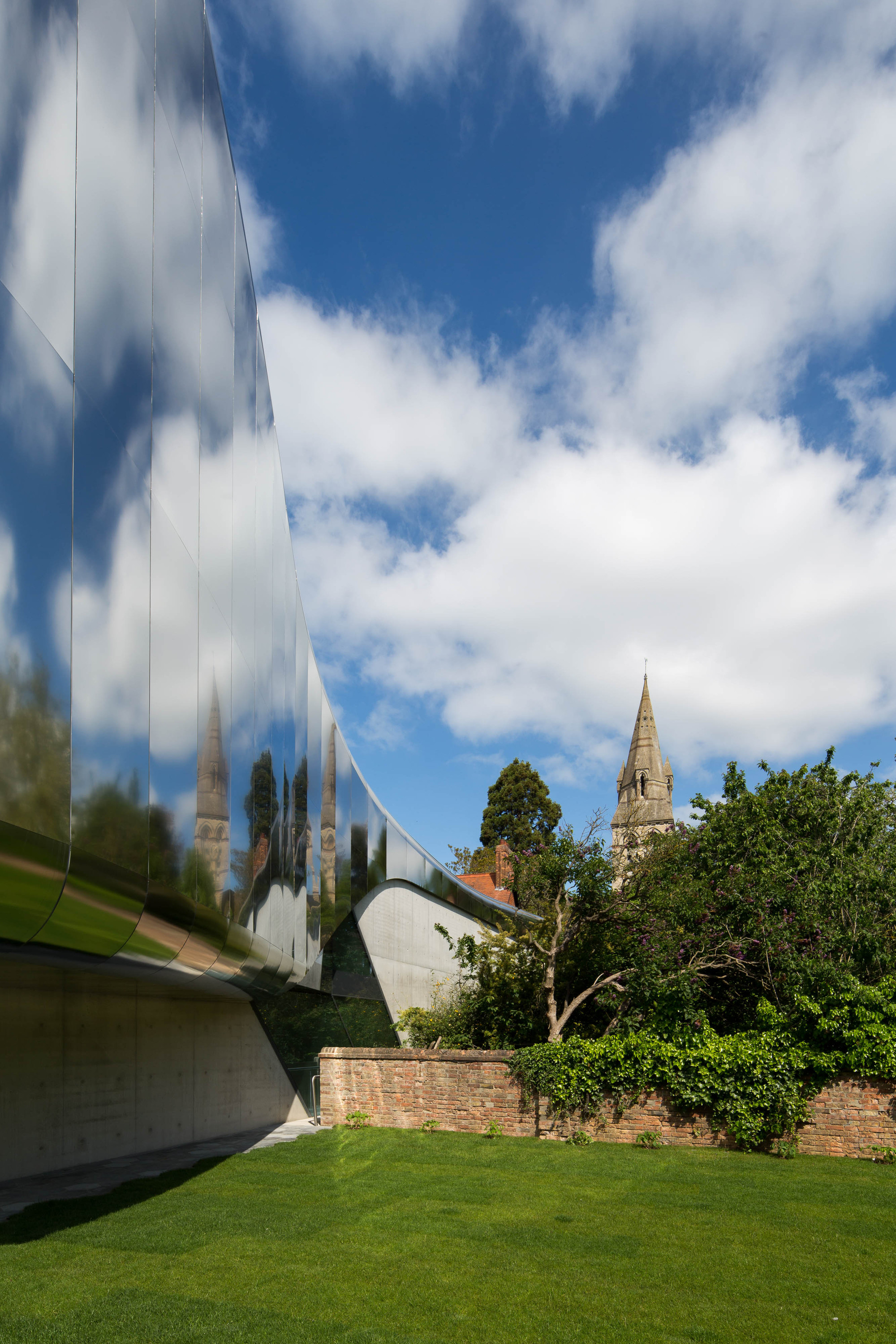
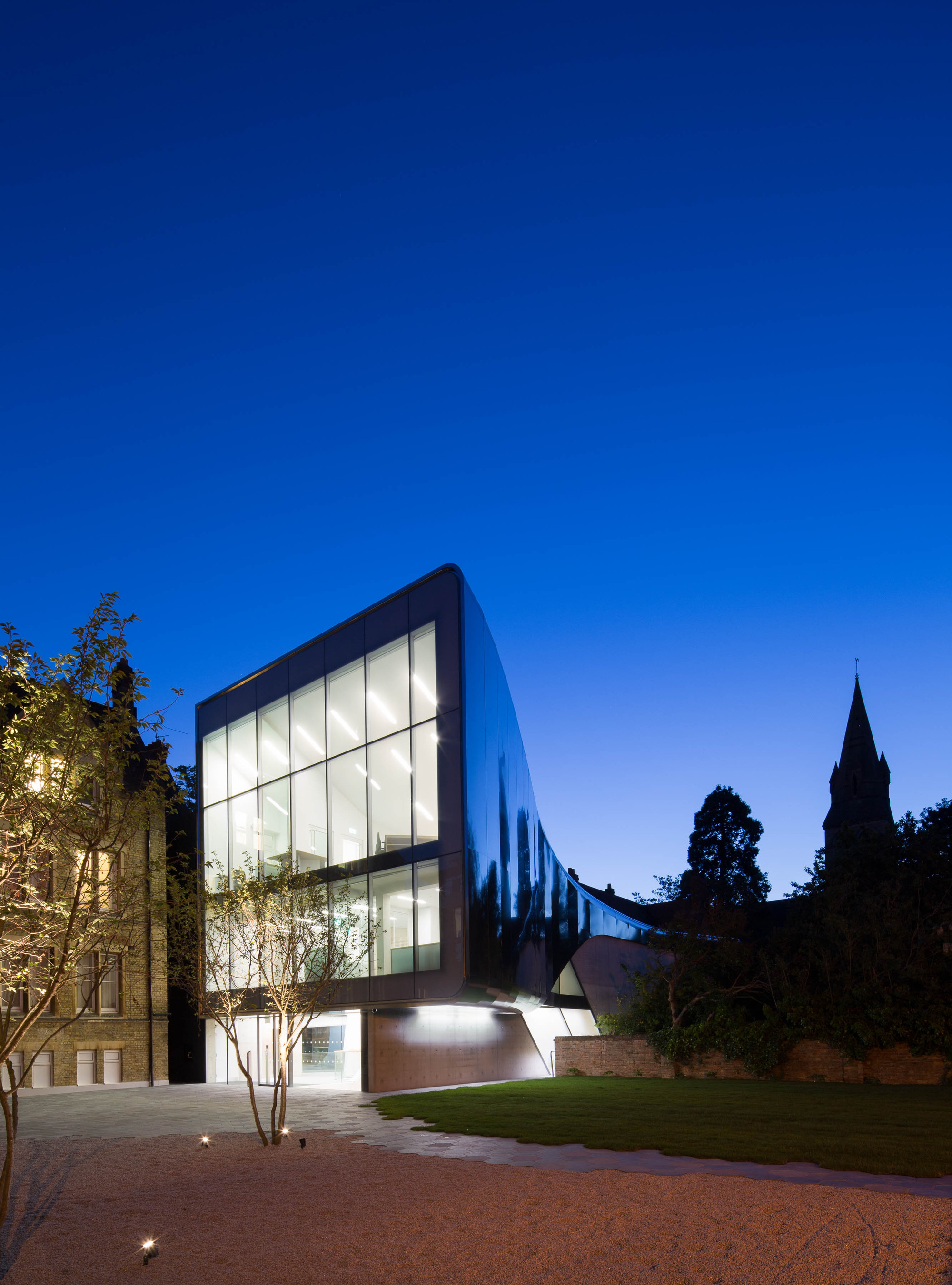
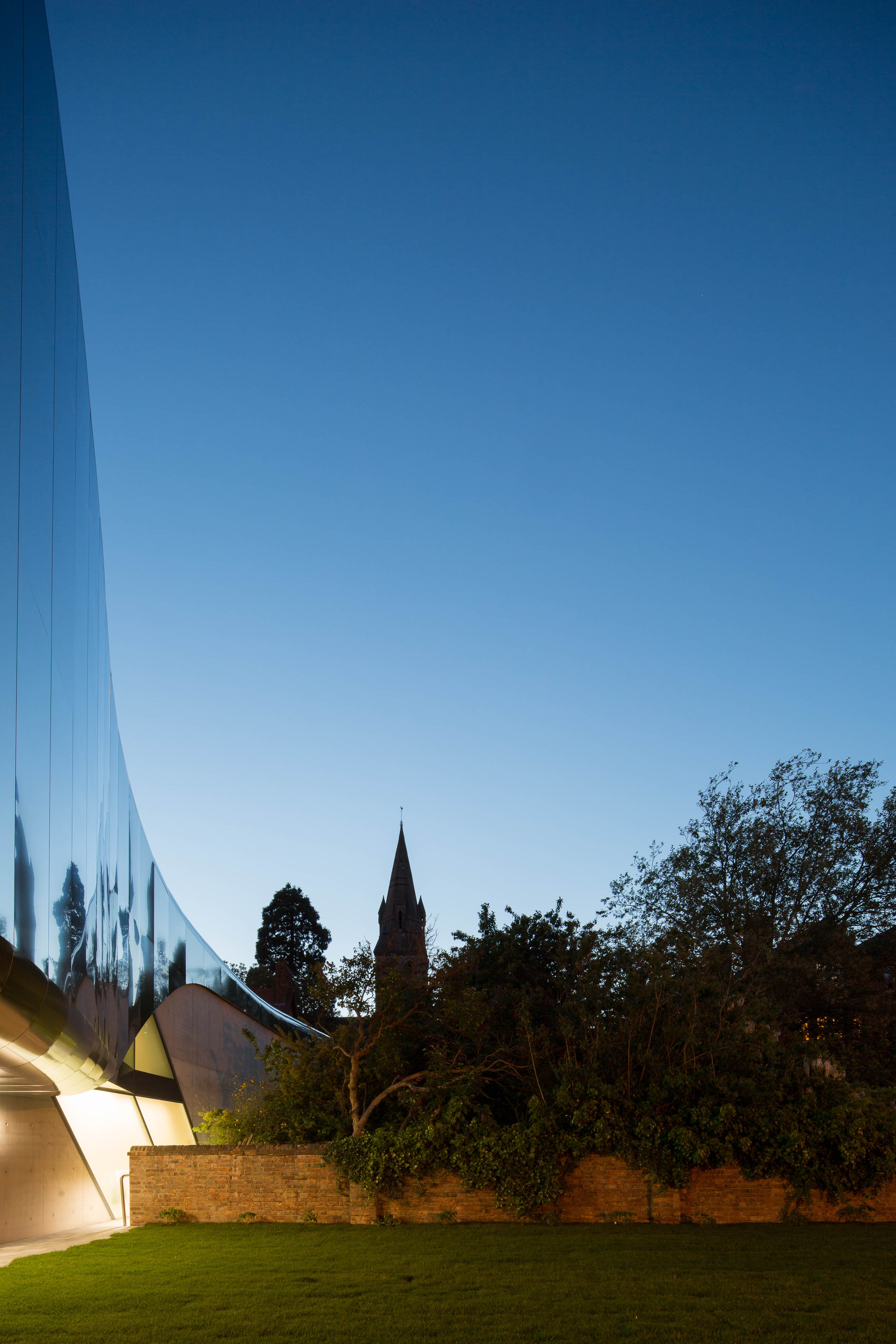
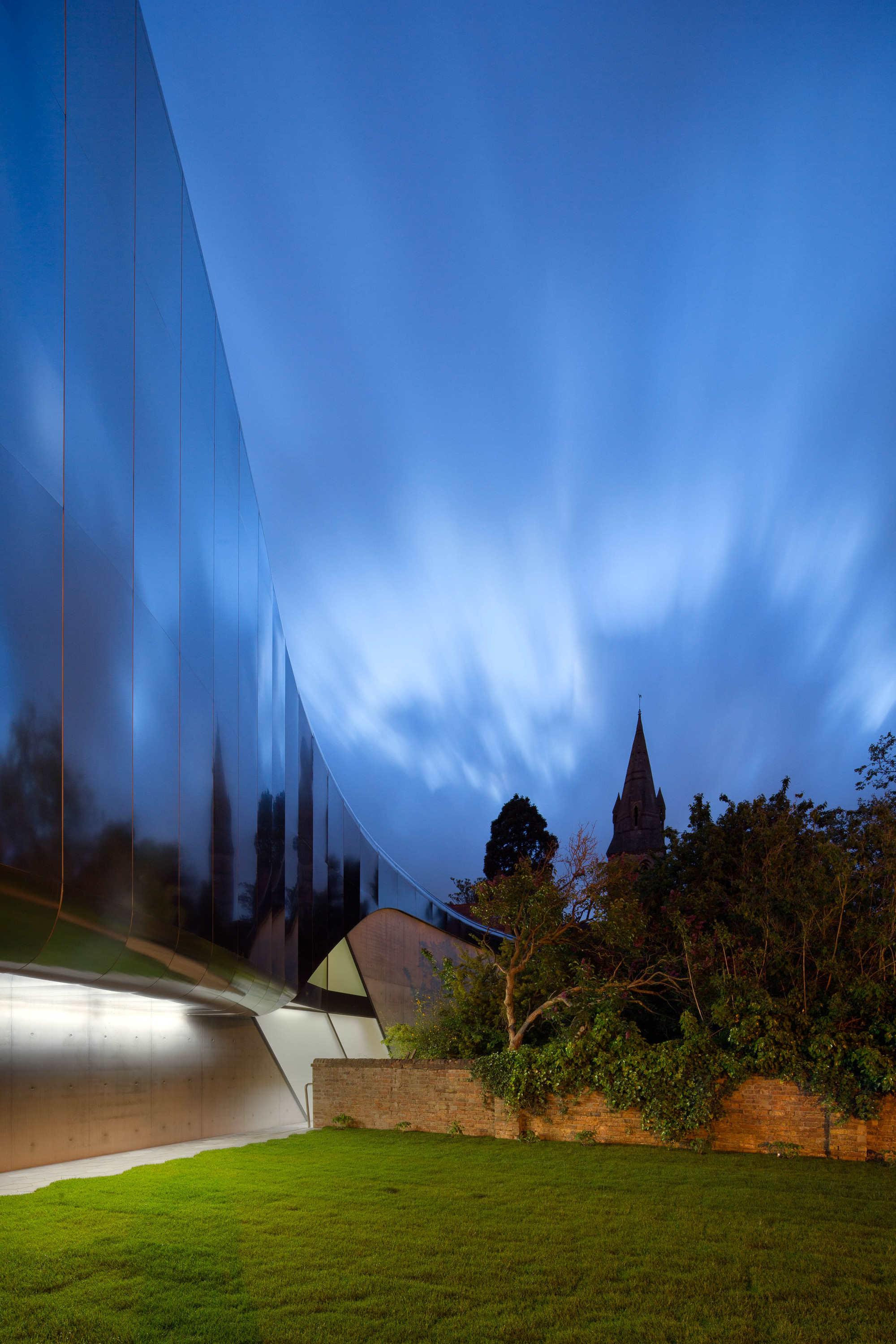
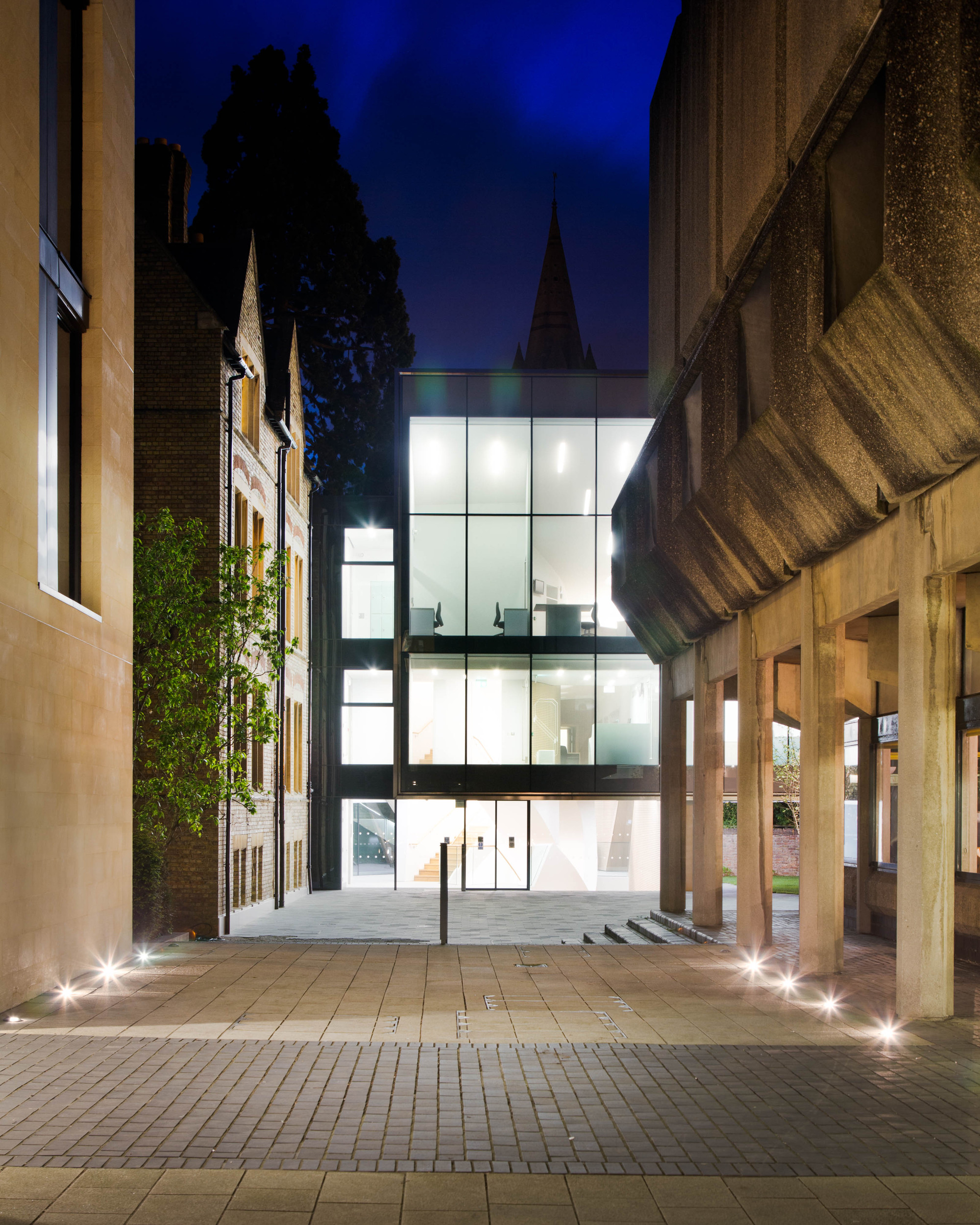
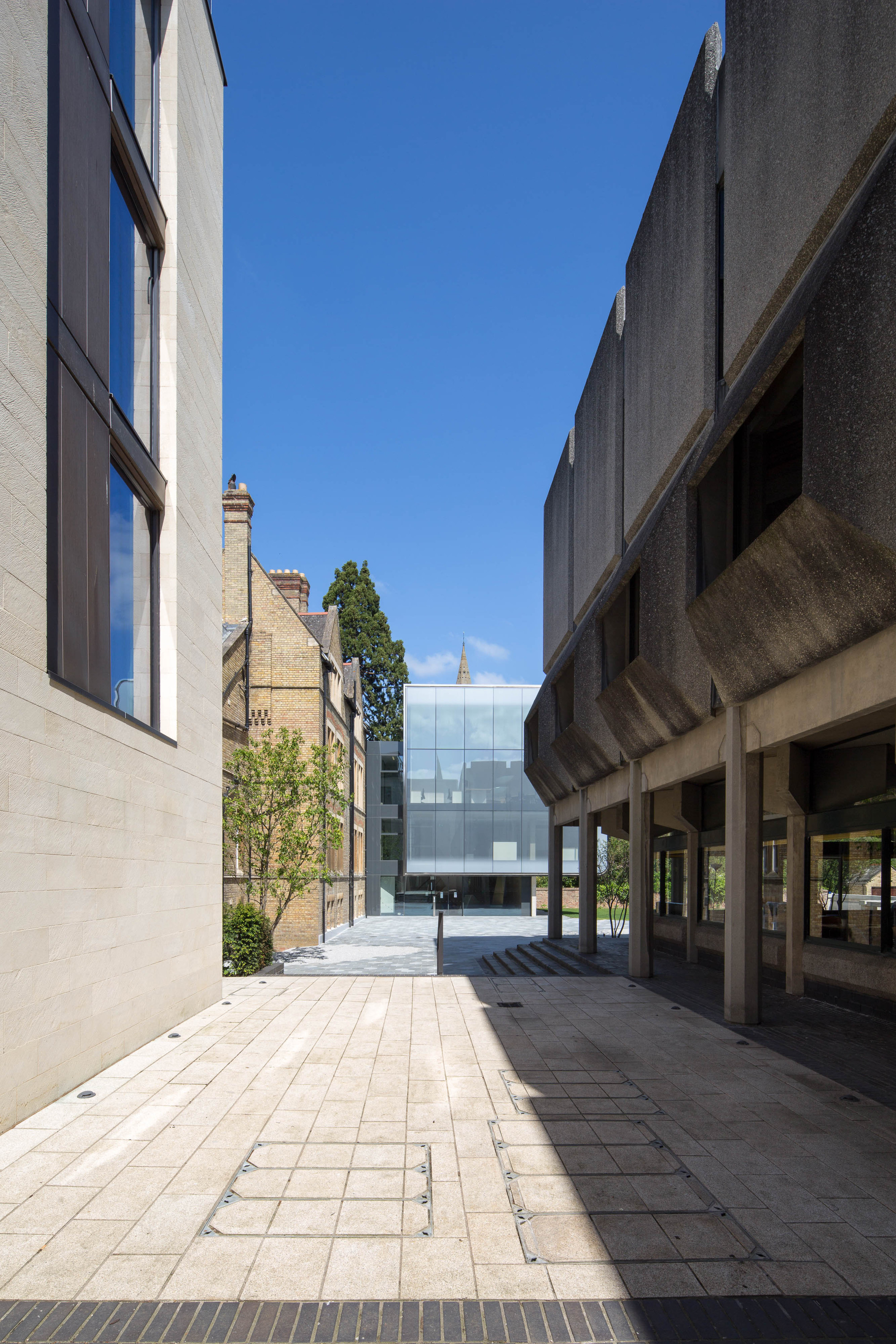
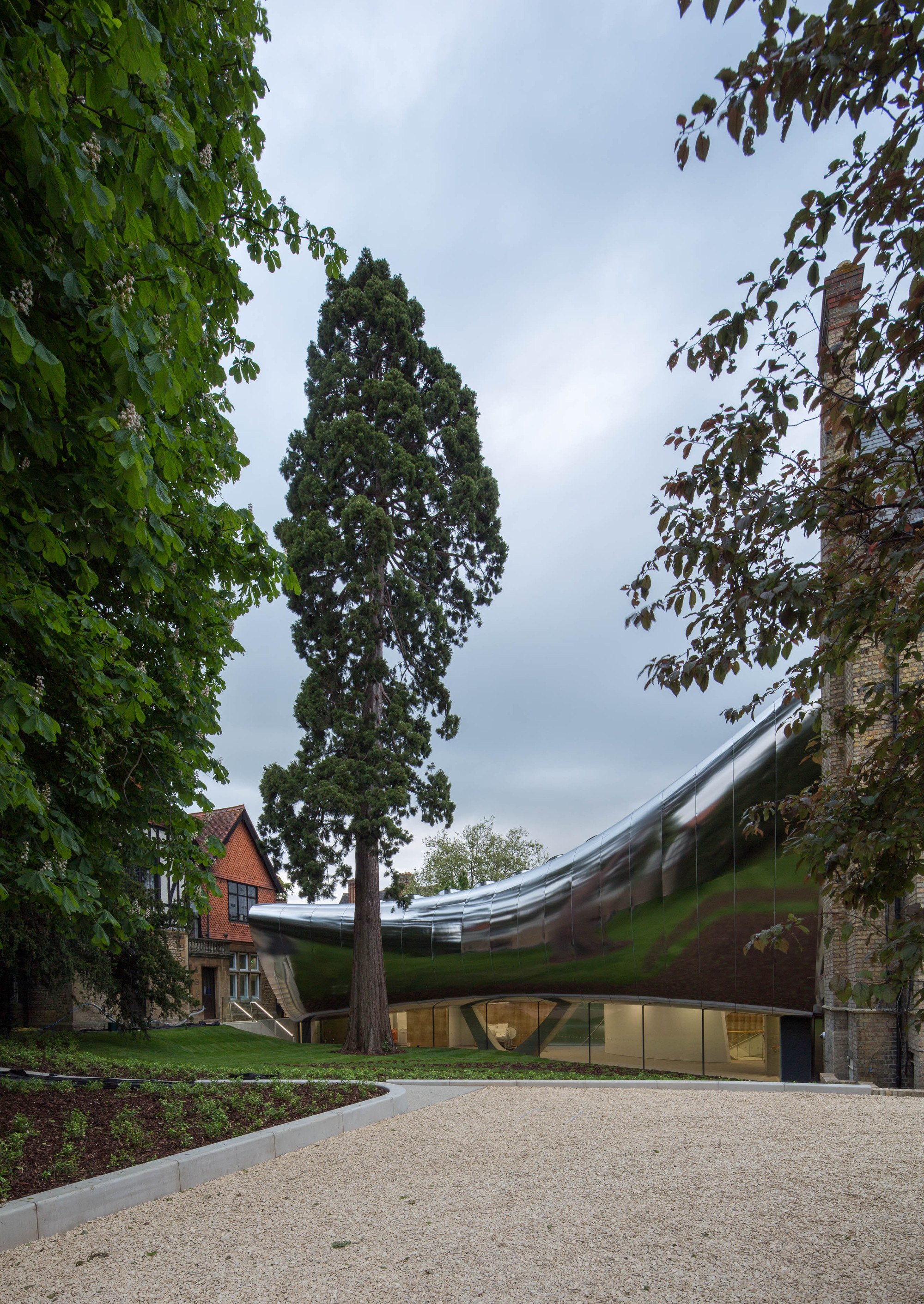
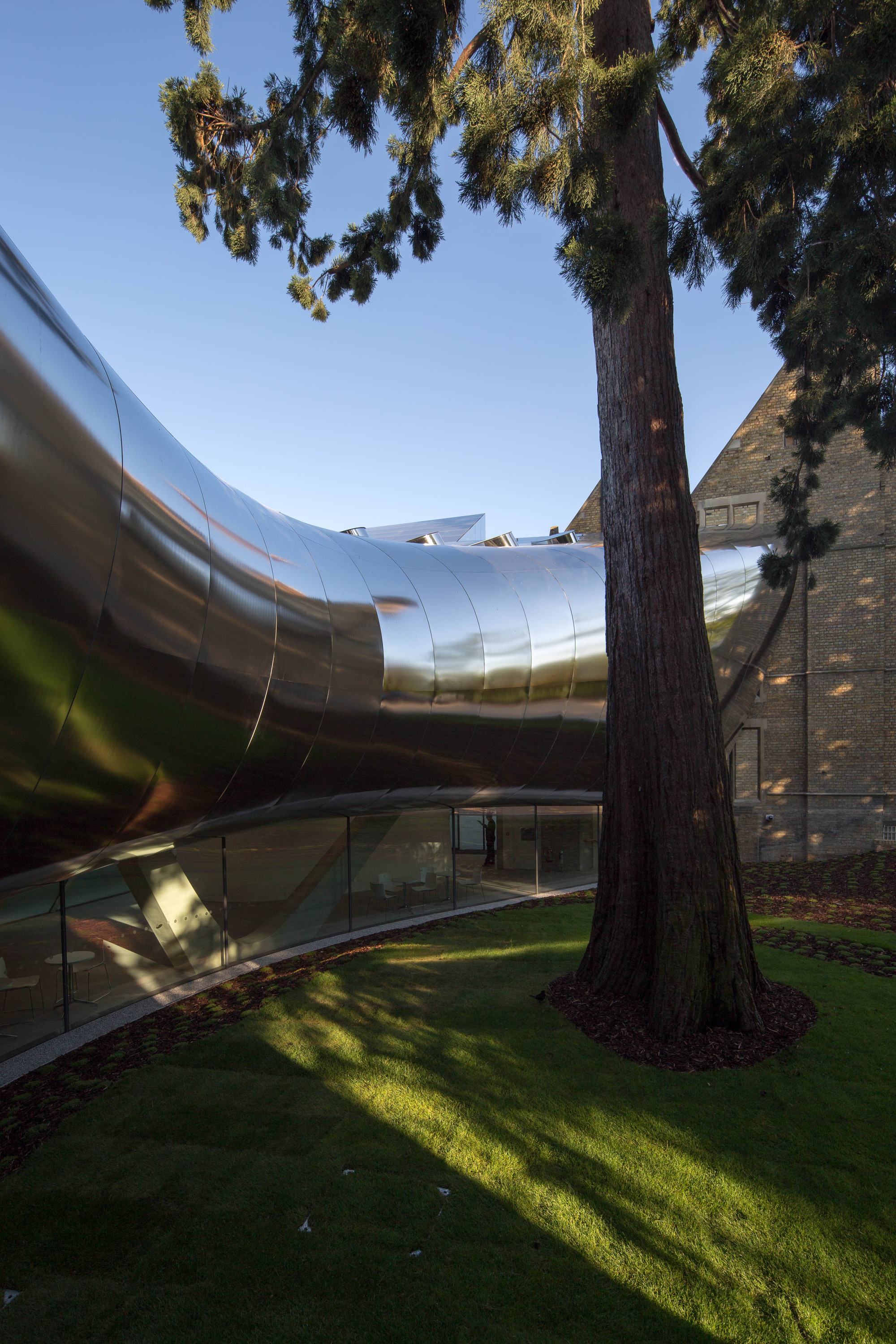
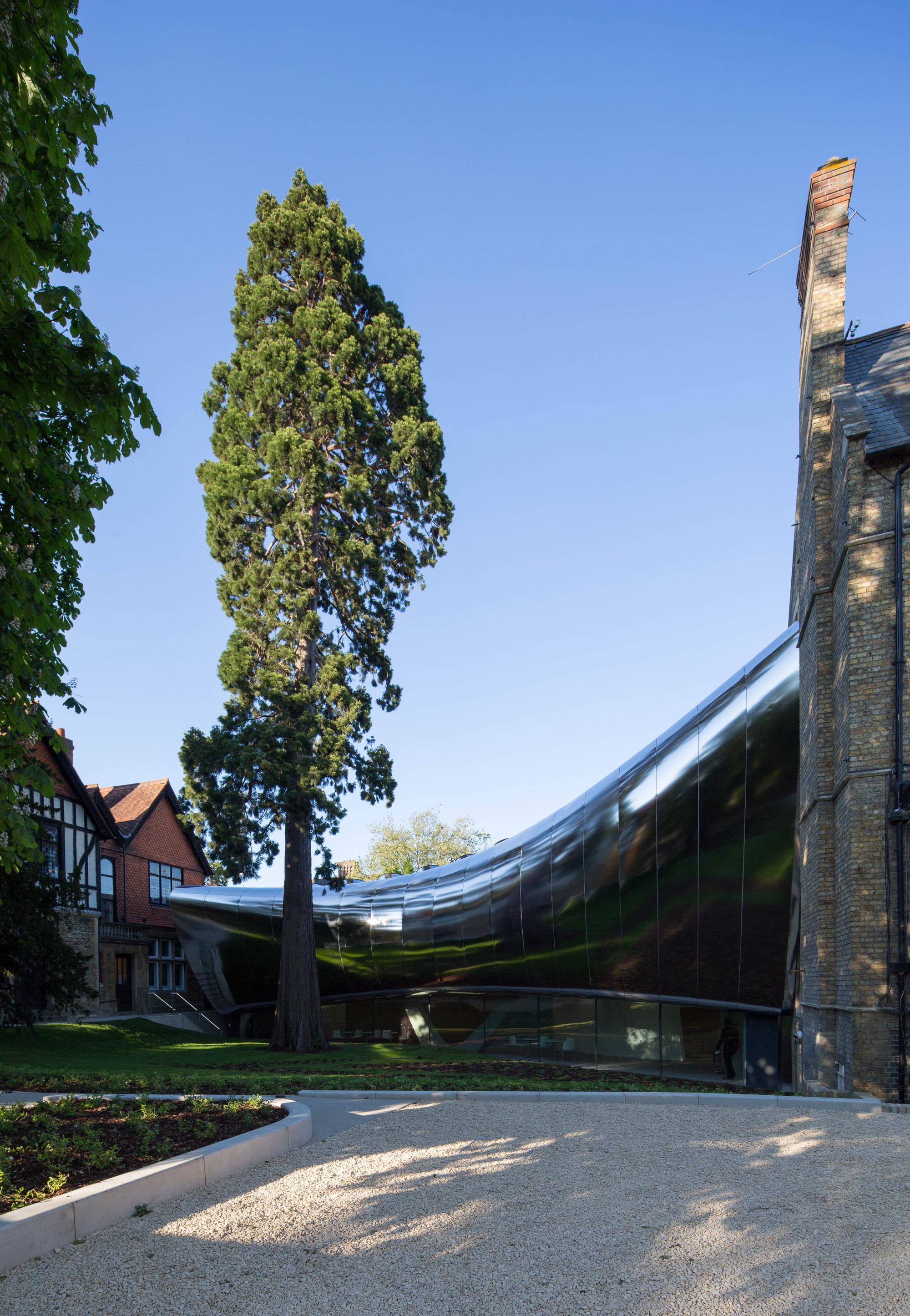
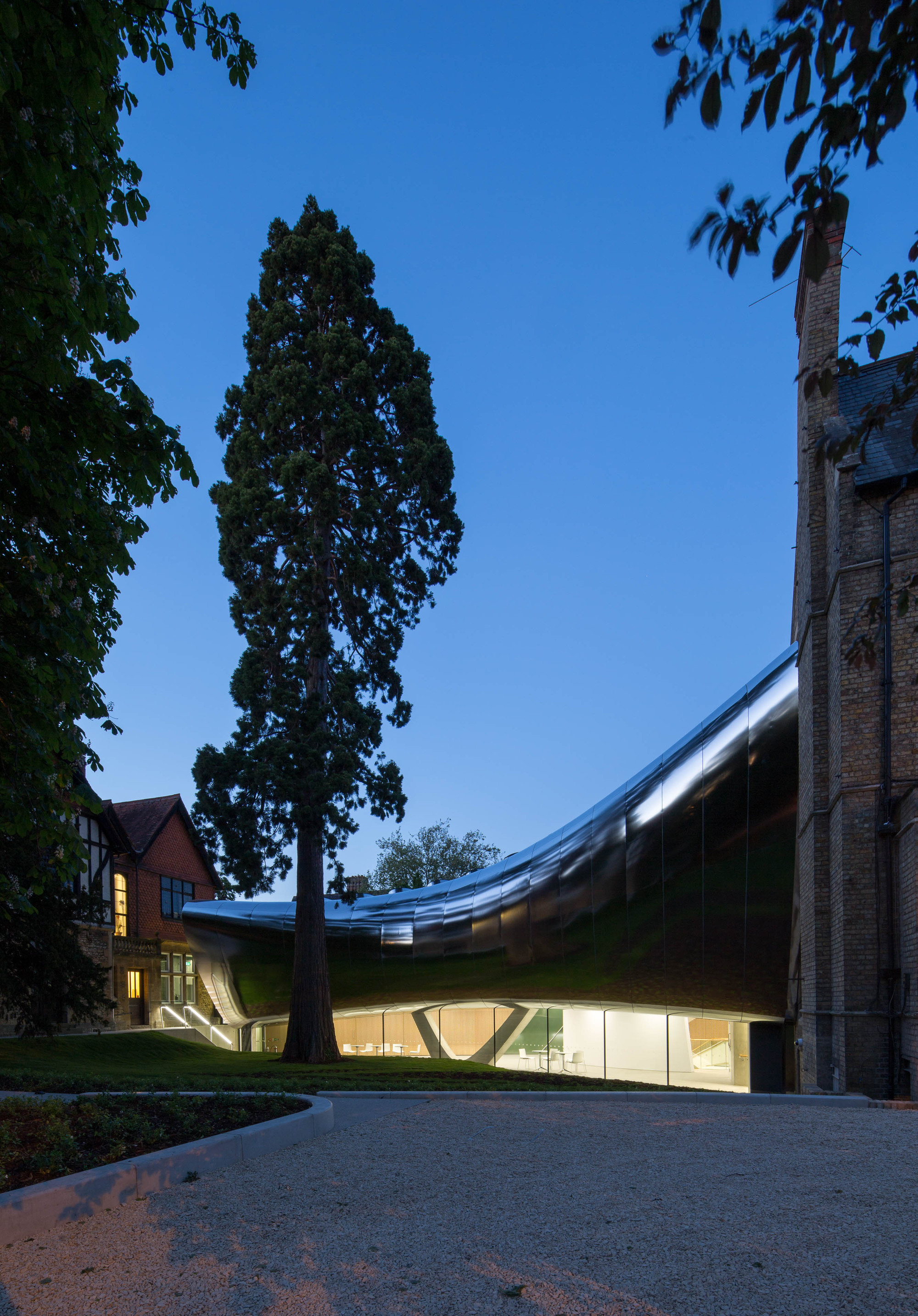
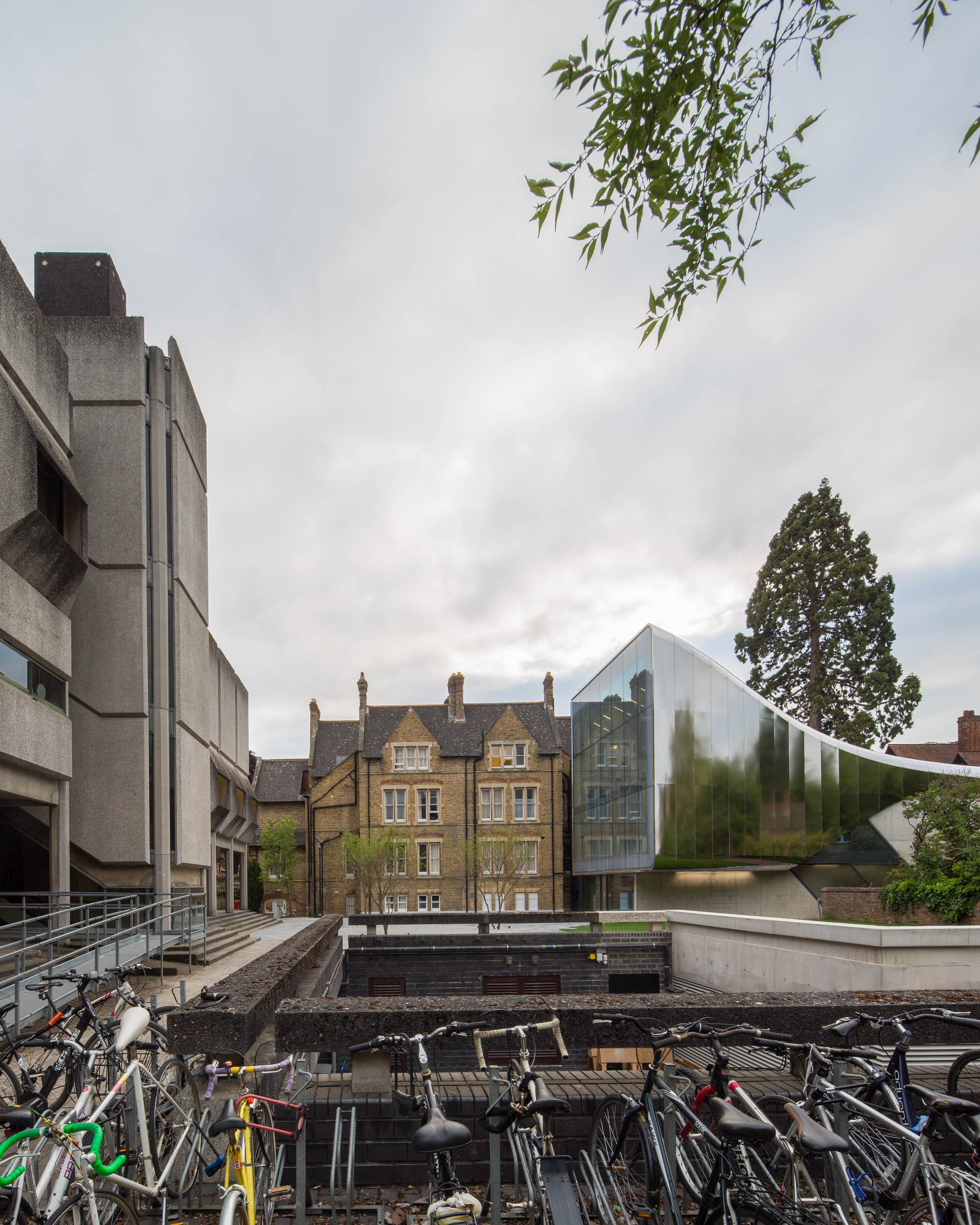
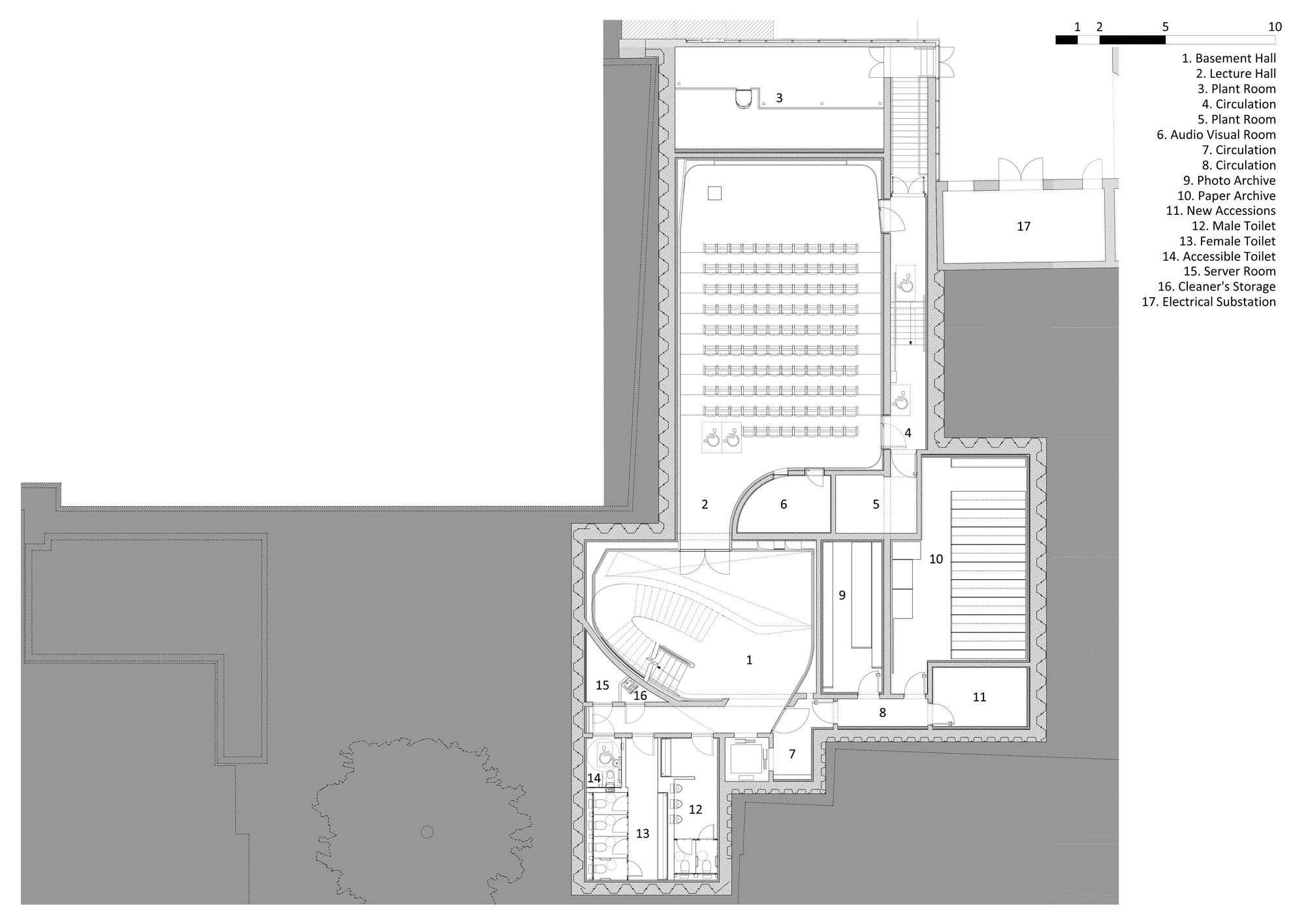
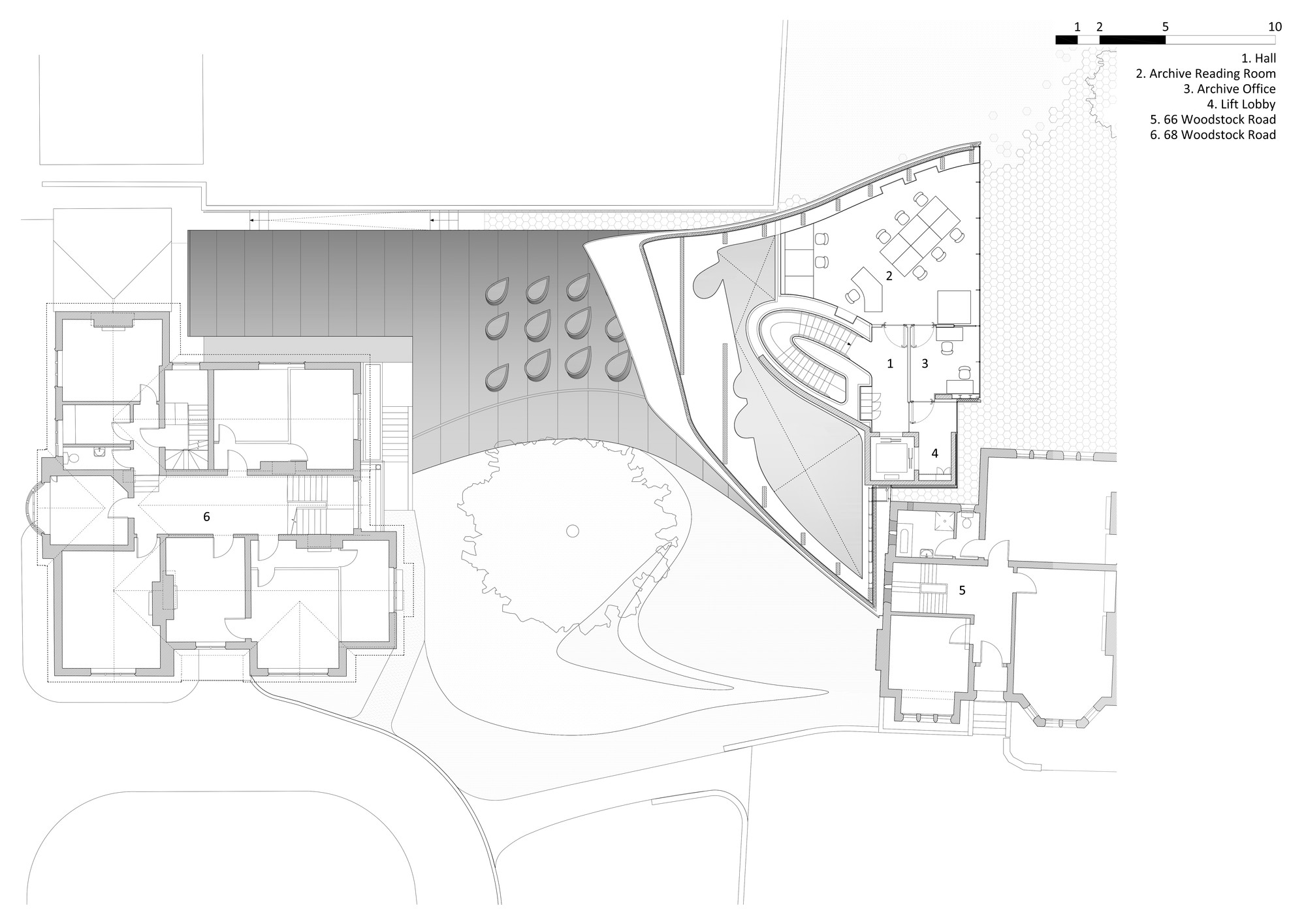
The Middle East Centre at St Antony's College is a vital hub for interdisciplinary research on the modern Middle East at the University of Oxford. Since its establishment in 1957, the centre has been dedicated to exploring the humanities and social sciences related to the Arab world and its surrounding regions. The research core of the centre comprises a specialized library and an archive holding extensive collections of letters and photographic materials dating back to 1800. Currently, the Middle East Centre's library and administrative facilities are housed at 66 Woodstock Road, in front of the former parish church of Saints Philip and James. The archive is located in the basement of an adjacent building on Woodstock Road, alongside other university facilities and rooms. The centre also maintains three studios. In support of St Antony's College's future plans, the Middle East Centre is planning a new library and archive building that meets the needs of research and scholarly activity. The design by Zaha Hadid Architects is situated between the garden plots at 68 and 66-64 Woodstock Road. The new building honors the college's development vision and maintains consistency with existing courtyards while aligning with St Antony's ambitious area development plan. The approach defines a series of platforms and zones where different academic and research affiliations can be distinguished from the interior spaces. The form is composed of a series of tension points distributed across an artificial landscape that merges architectural and natural elements. The new structure deforms and adapts to this abstract environment, revealing pathways and pedestrian flows while enclosing simple interior forms. The architectural form allows connections between different floors, mediating the duality of public and private realms. The goal is to create a cantilevered structure that allows more public activity to permeate the building while extending toward the adjacent residential buildings, fostering a dialogue between the academic institution and its urban context.
















 Editor's Pick
 Latest Design
 Best Idea
 Hottest of Week