Text description provided by the architects
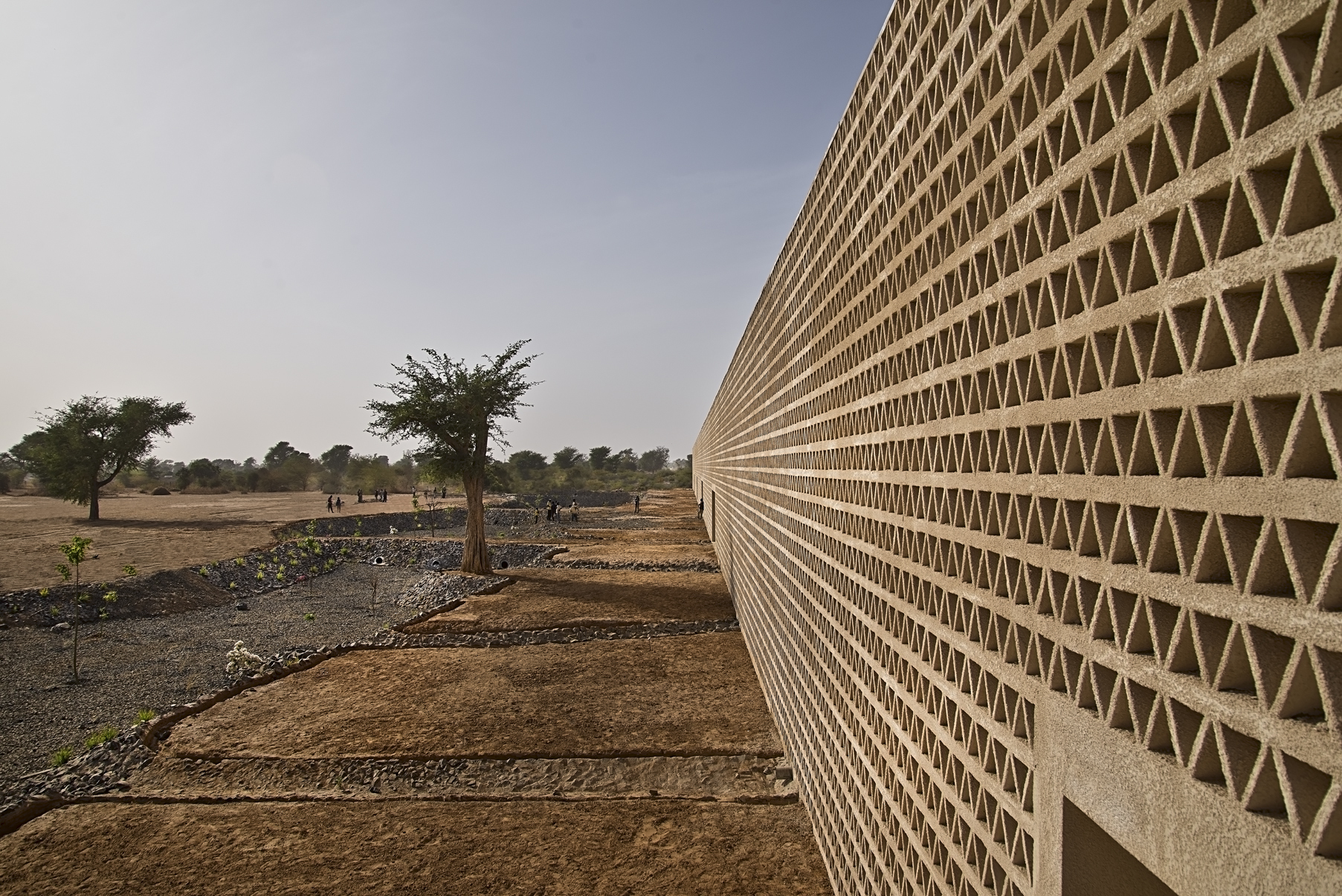
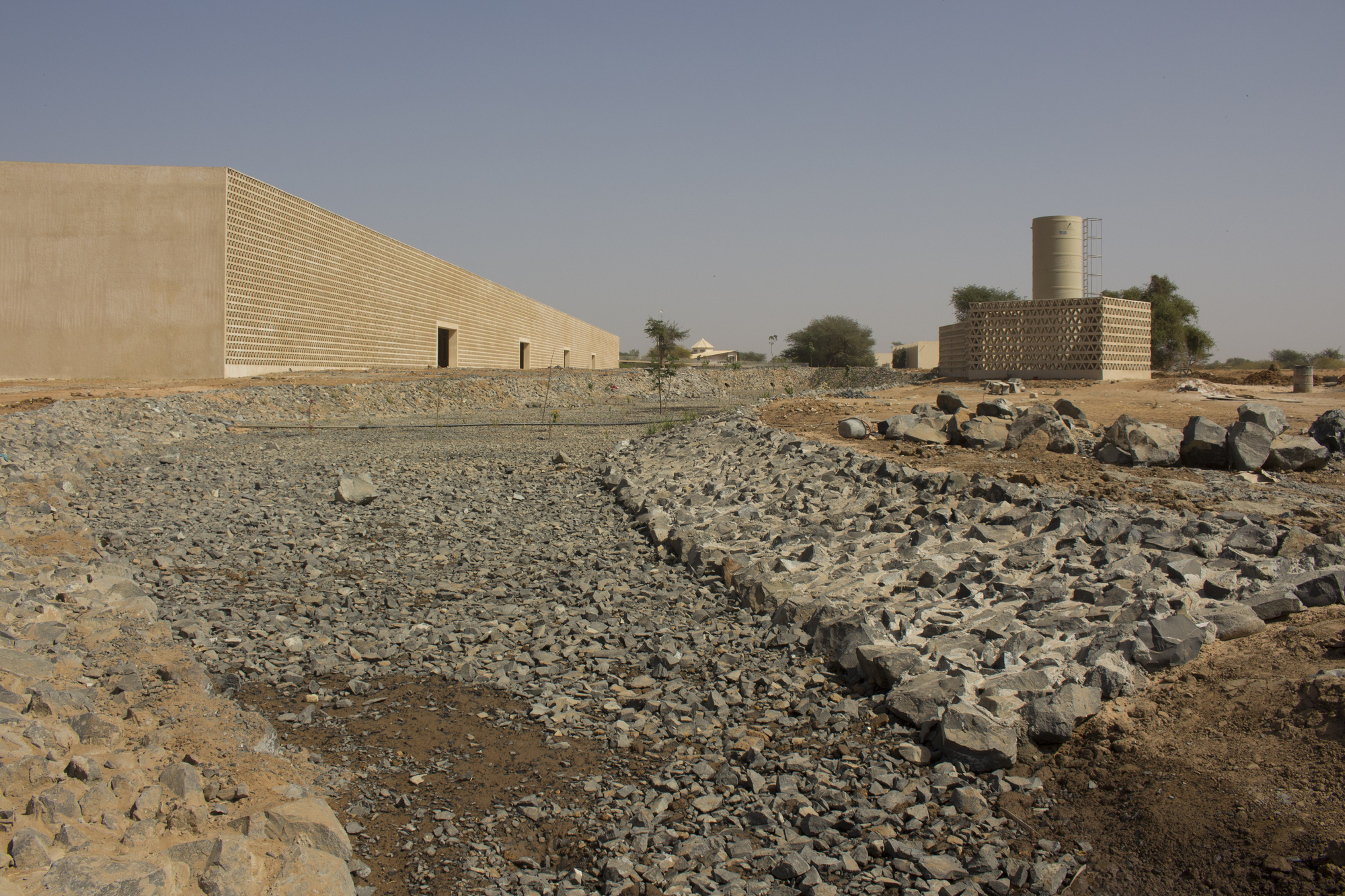
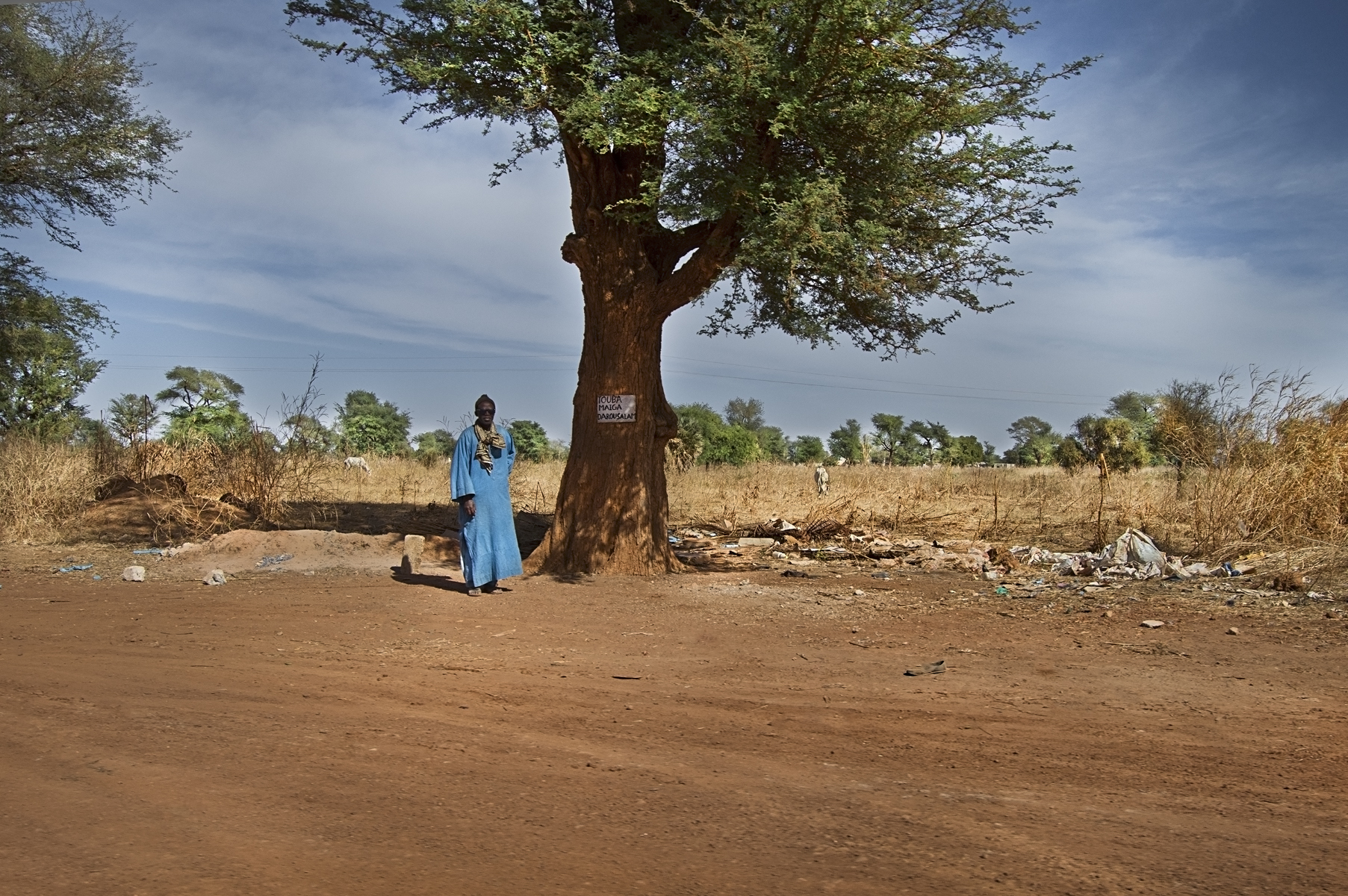
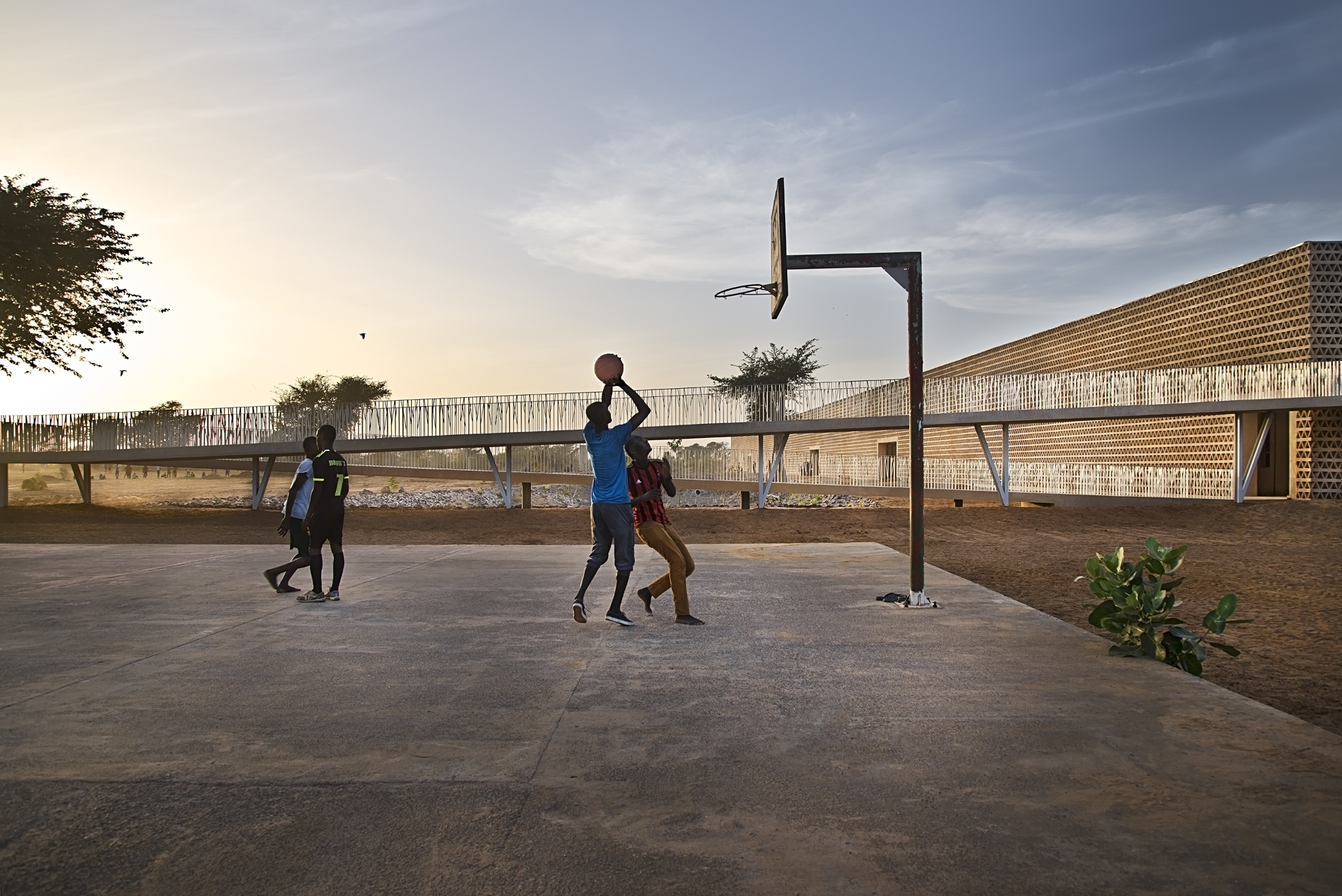
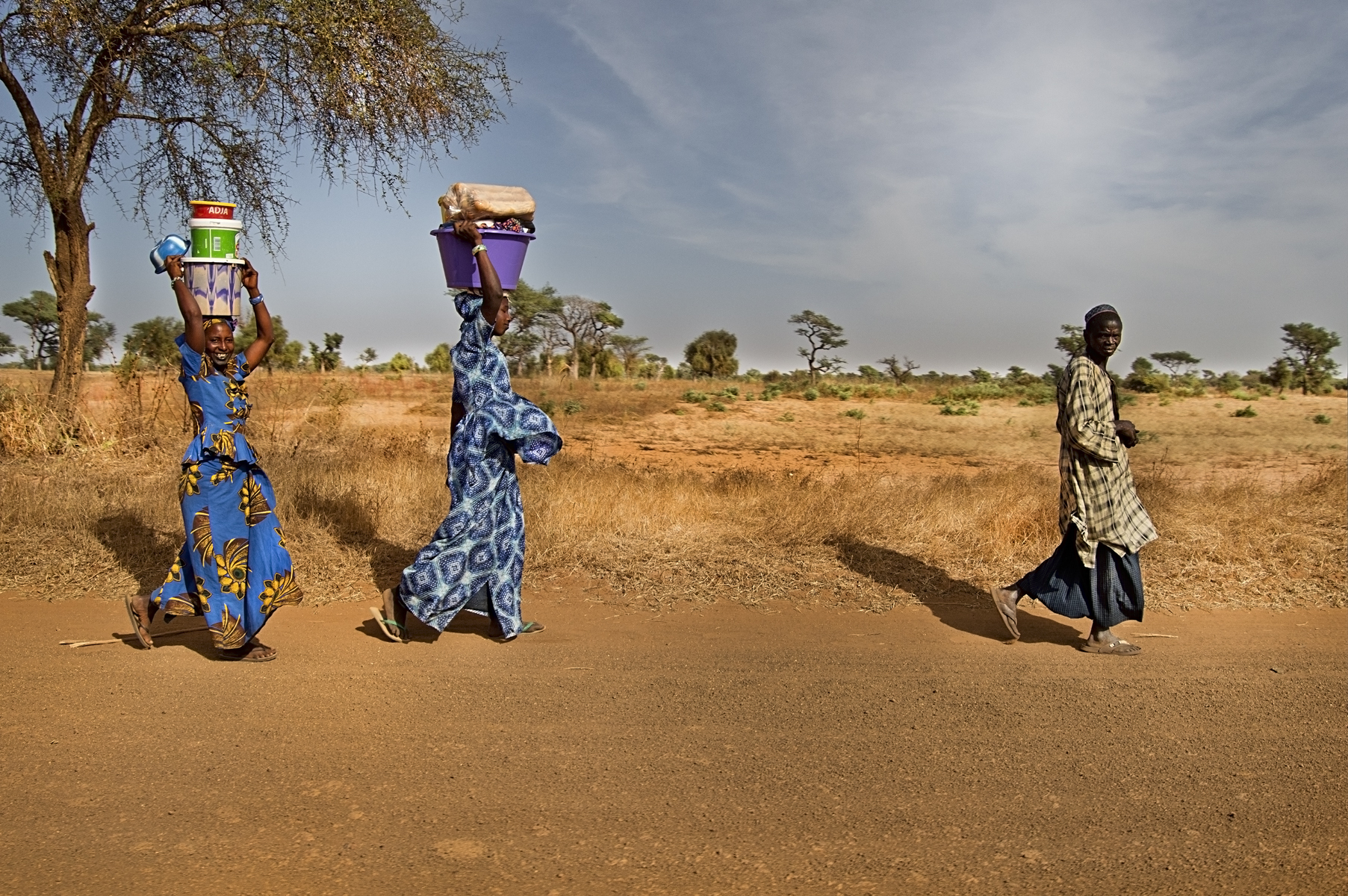
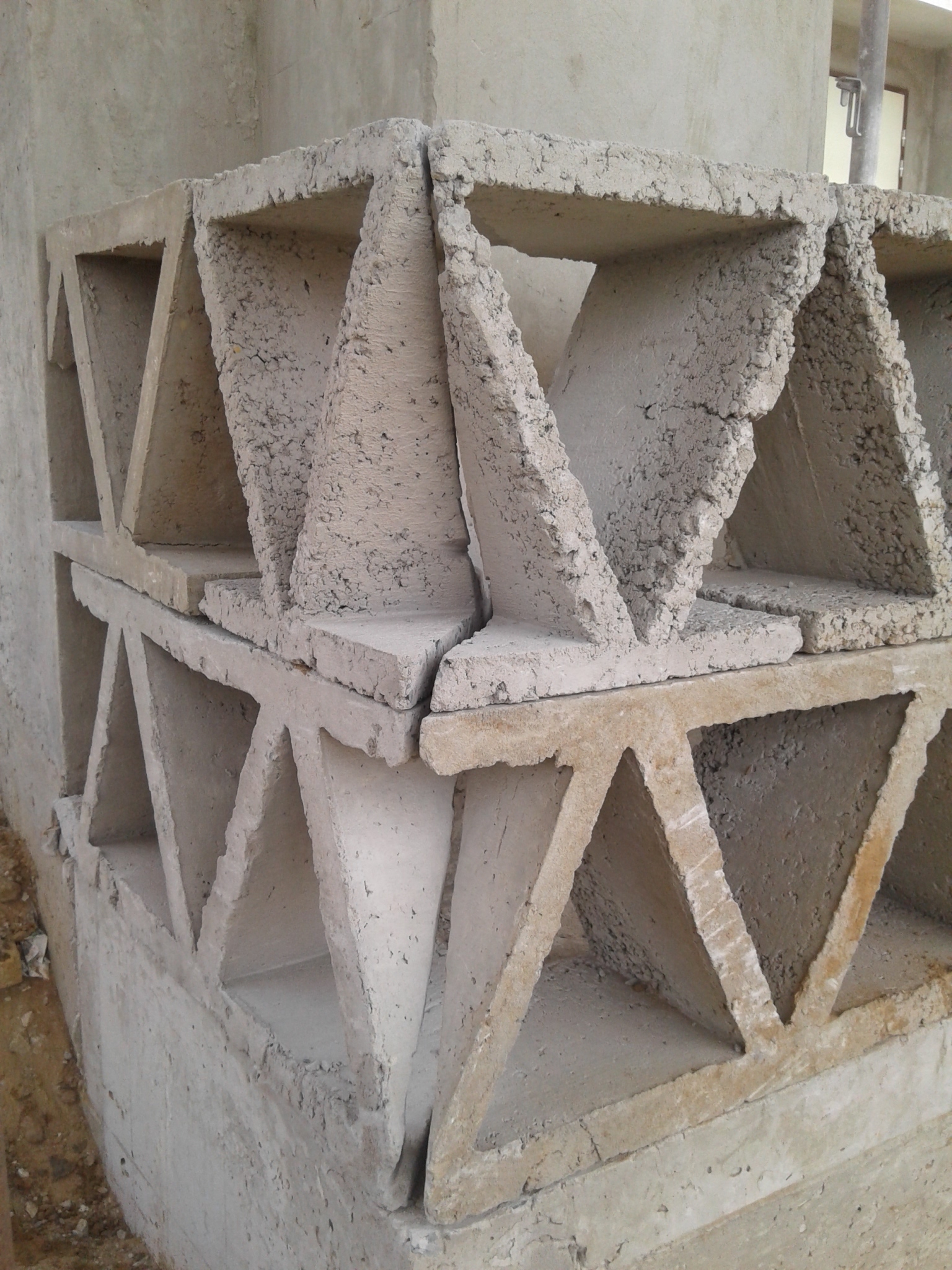
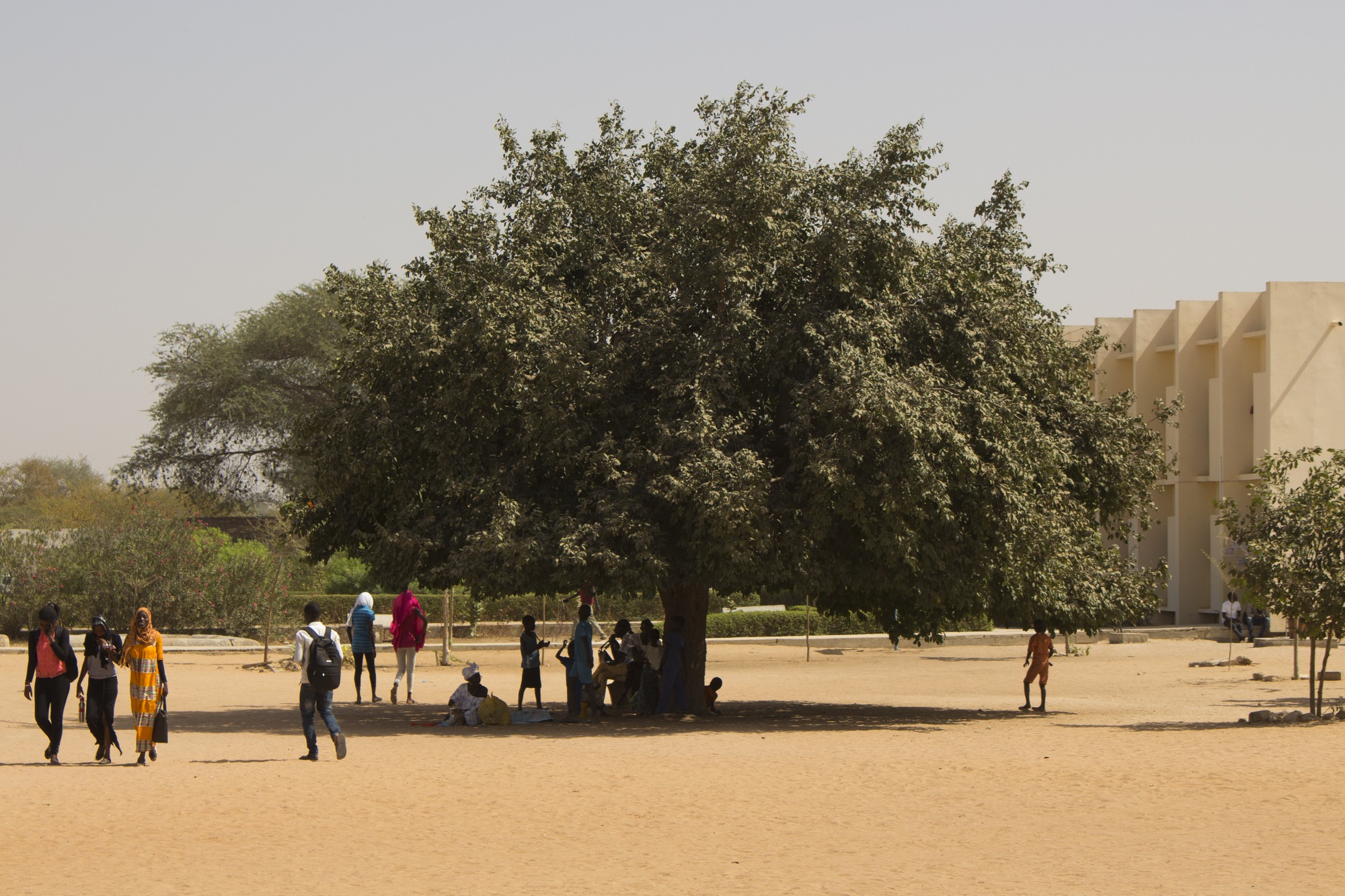
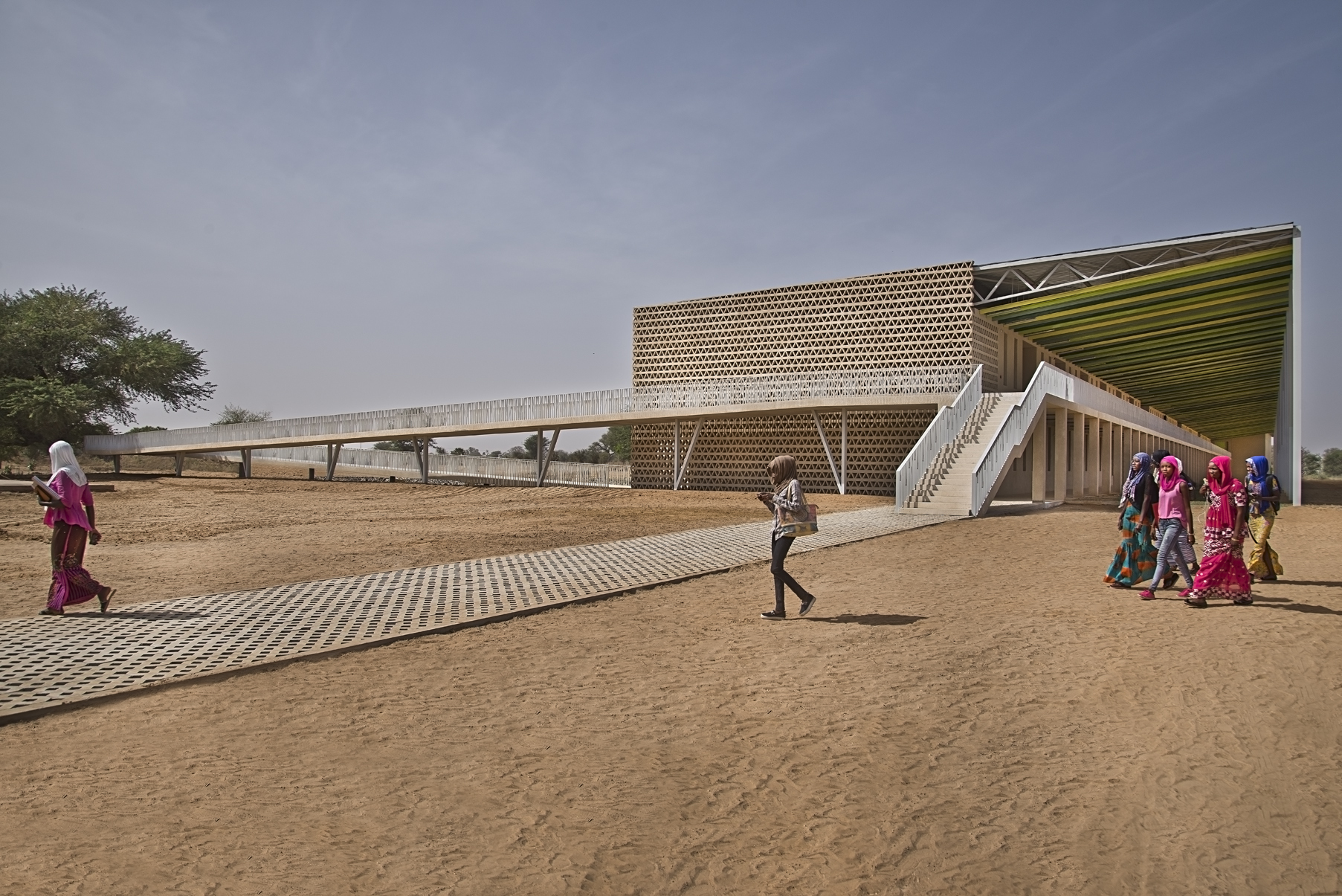
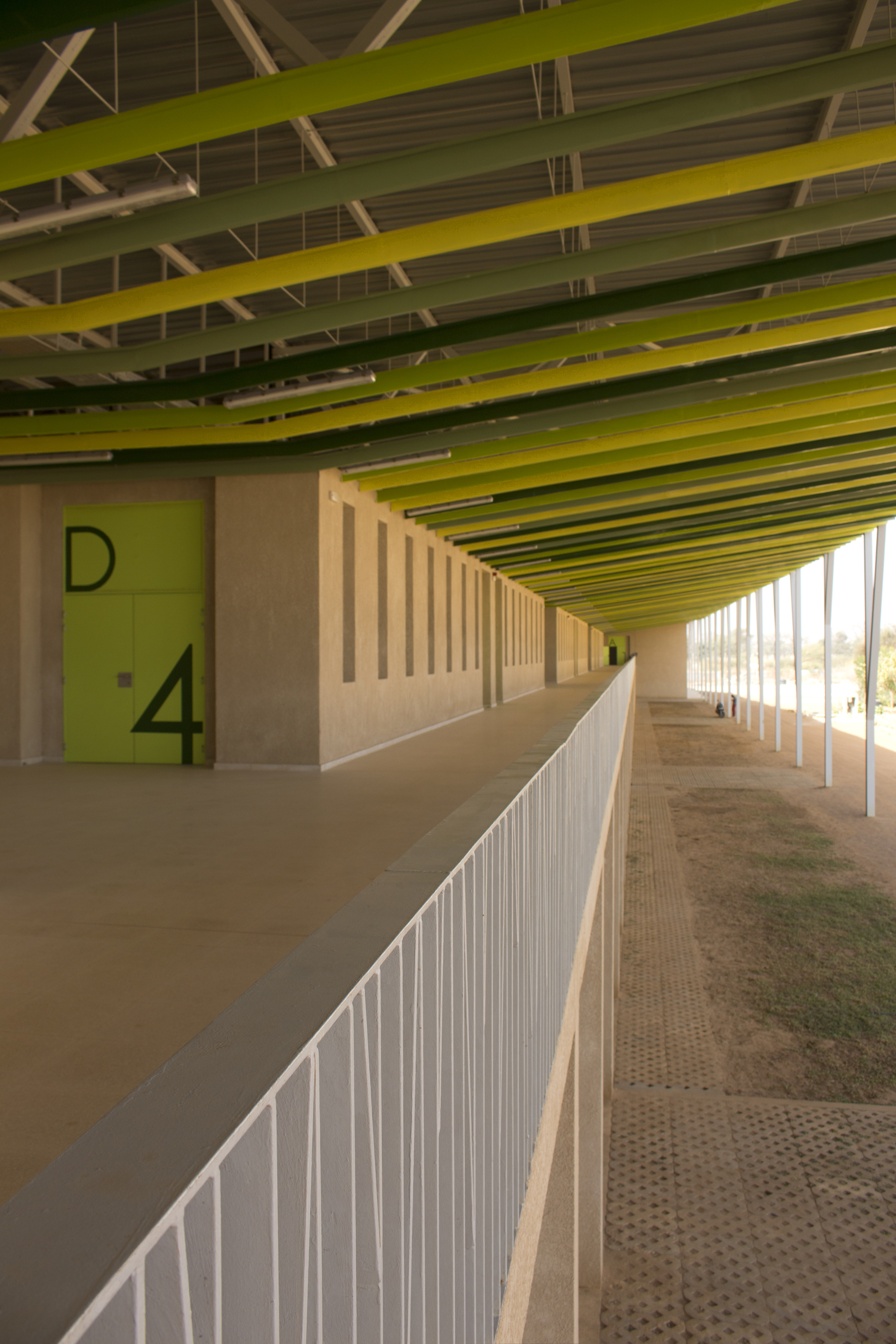
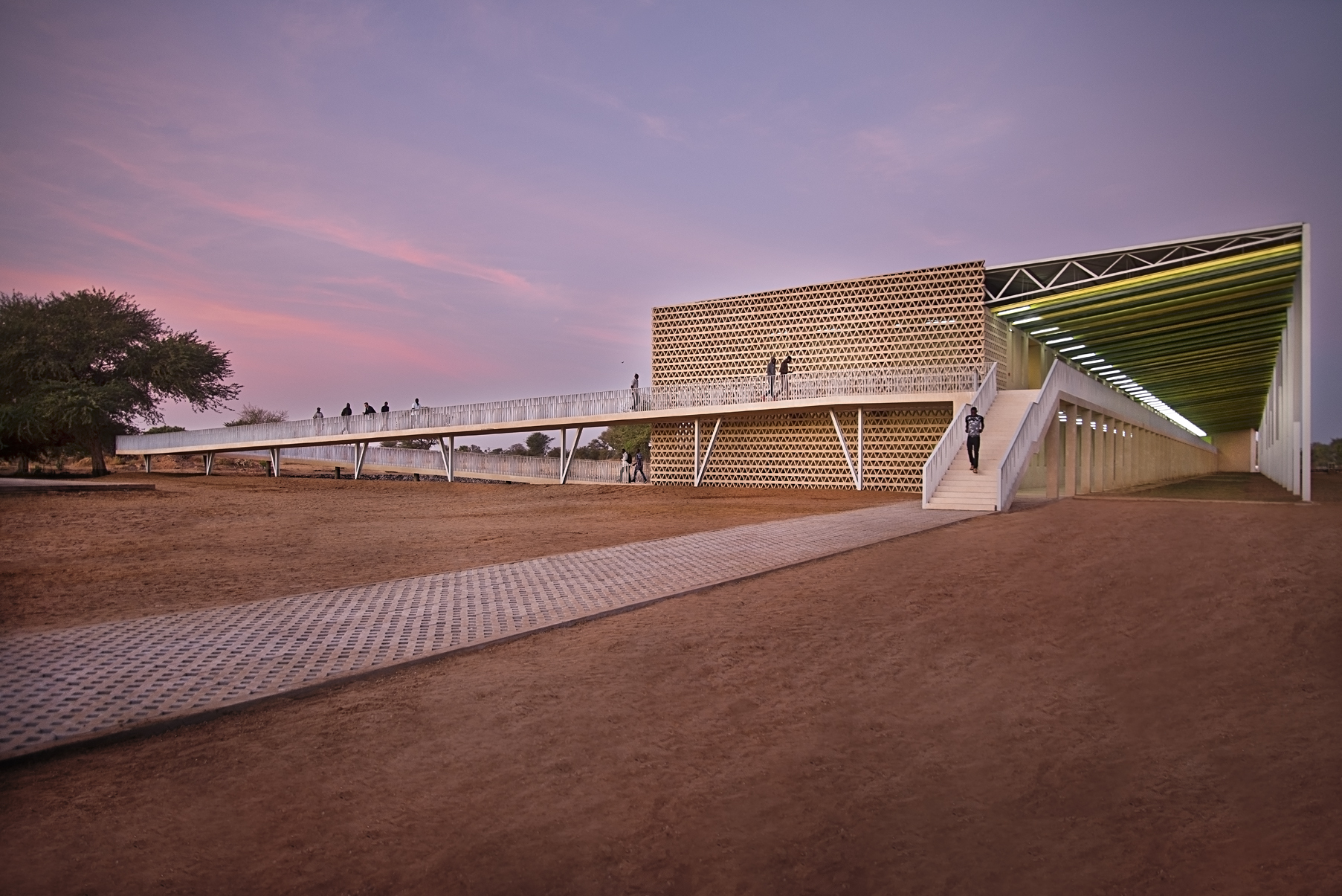
The Senegalese government, with financial assistance from the World Bank, decided to begin an ambitious program to improve several universities in the country, commissioning IDOM for project design and supervision to build a new teaching building for 1,500 students at the University of Bambey in western Senegal. The program includes classrooms for 50 and 100 students, a 500-seat lecture hall, laboratories, computer rooms, and faculty offices, all distributed within an enclosed 4,200-square-meter building on a 11,500-square-meter urbanized site. The town of Bambey is located 120 kilometers west of Dakar, has a population of 20,000, and is known for its peanuts and livestock. The near-total absence of urban infrastructure and services reflects the harsh environmental and living conditions. These constraints led us to think about how to design a building suited to this environment. On one hand, we must contend with the extreme Sahel climate, where daytime temperatures reach 35 to 45 degrees Celsius throughout the year. Ten months of the year are very dry, with heavy rains between July and September, making this a challenging environment for any building. The design by IDOM uses passive cooling strategies, deep overhangs, cross-ventilation, and local materials to create a comfortable learning environment without relying heavily on mechanical air conditioning. The project demonstrates how educational architecture in the developing world can be both climate-responsive and cost-effective.













 Editor's Pick
 Latest Design




