Text description provided by the architects
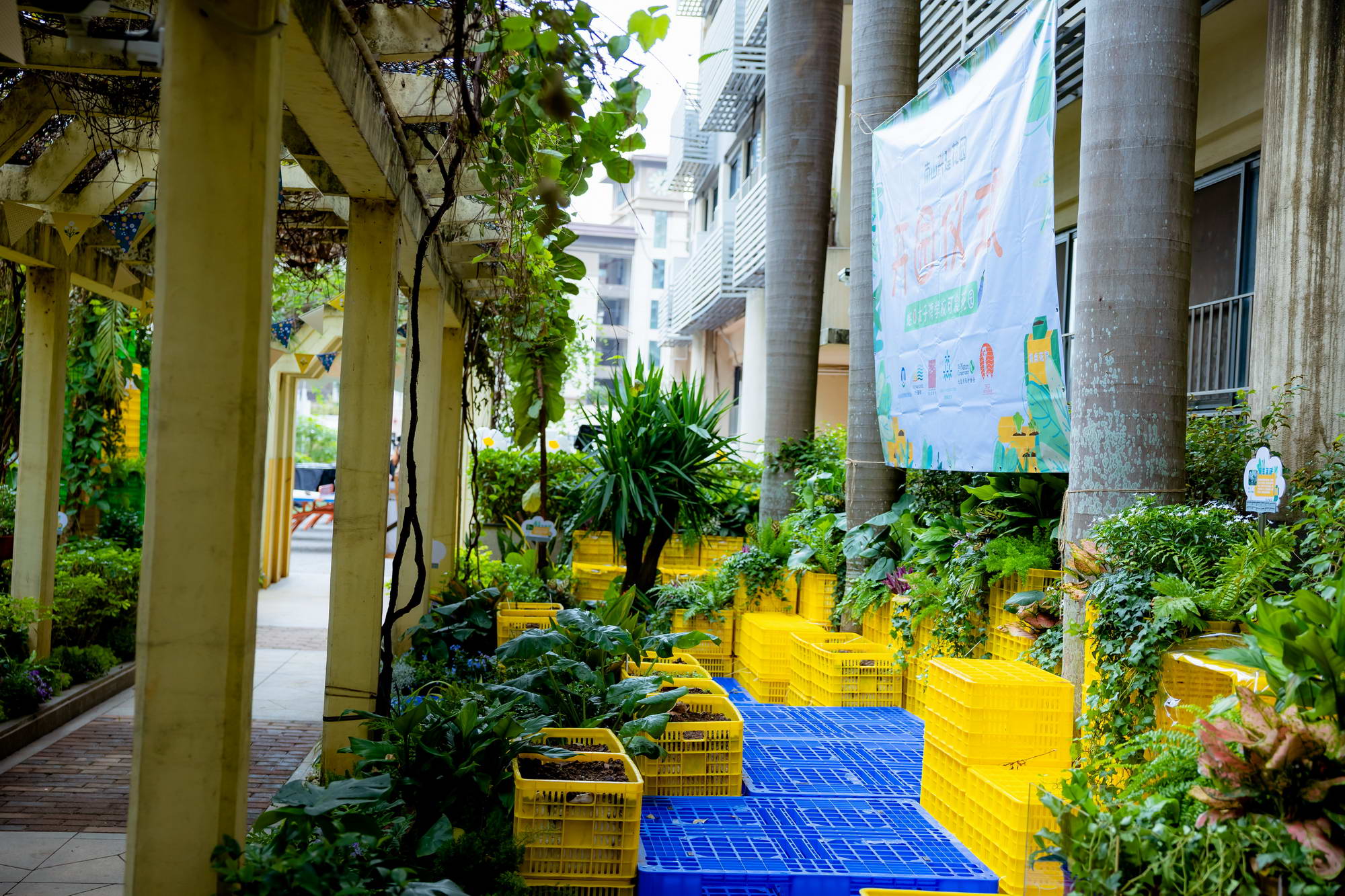
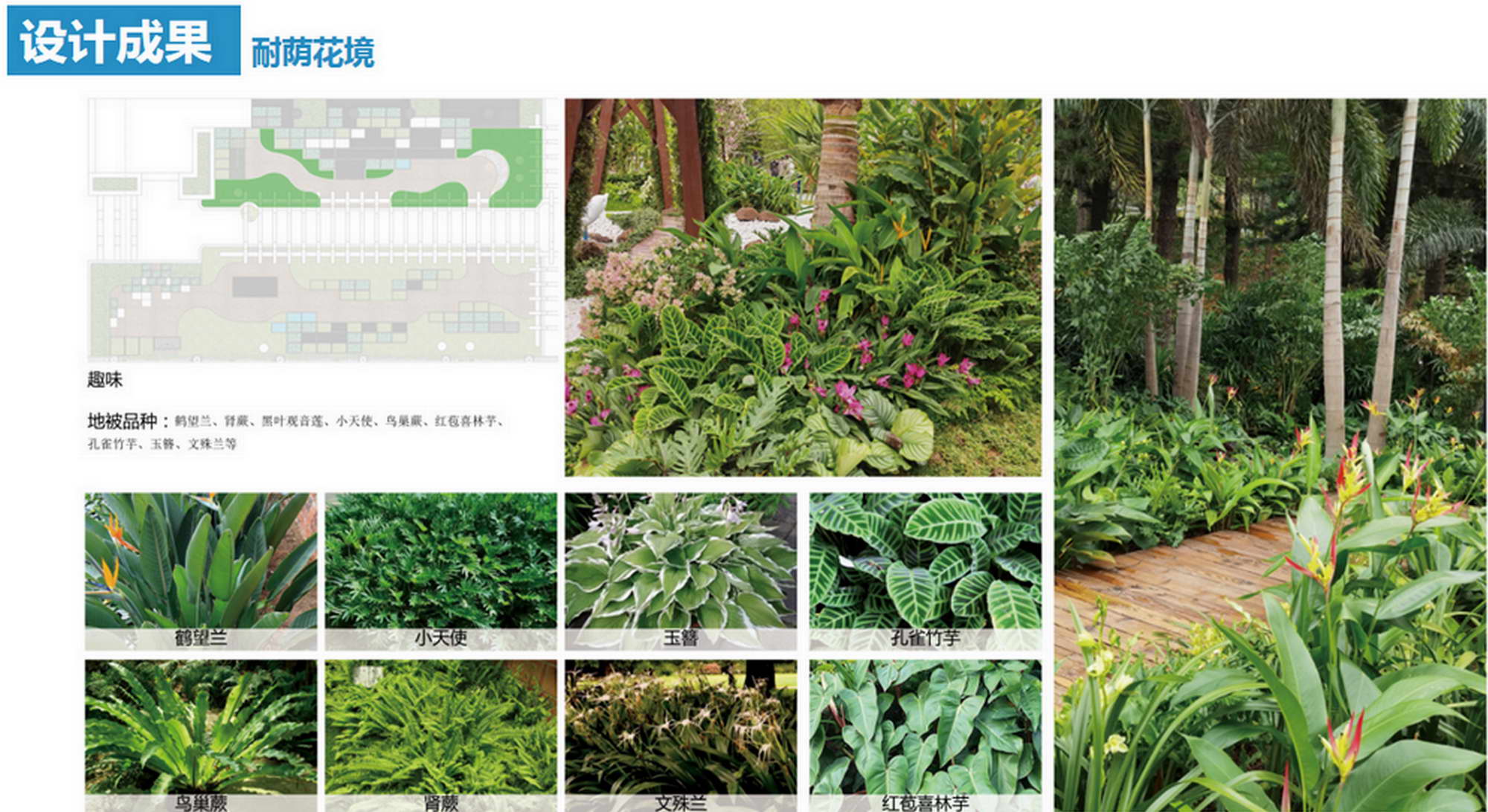
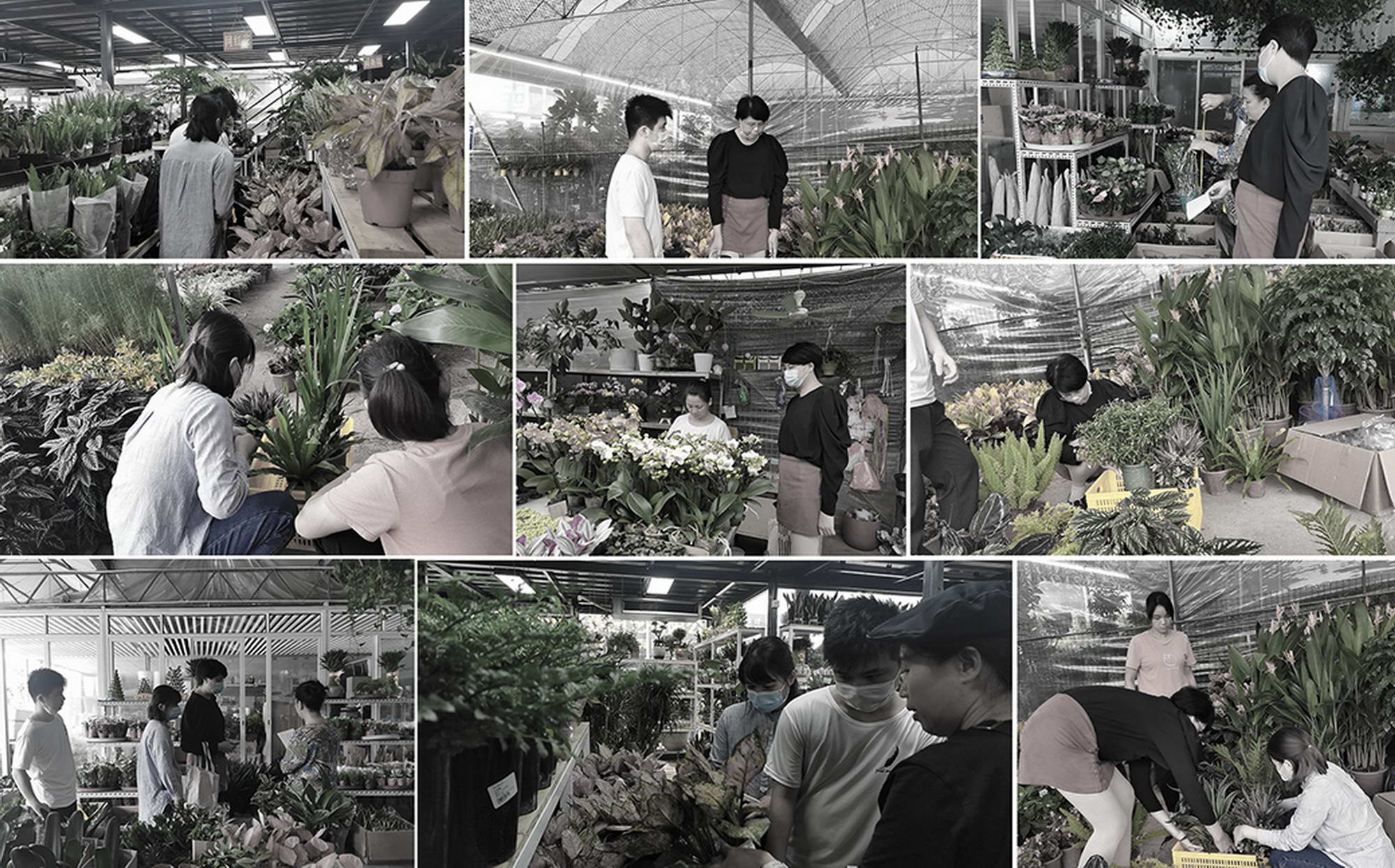
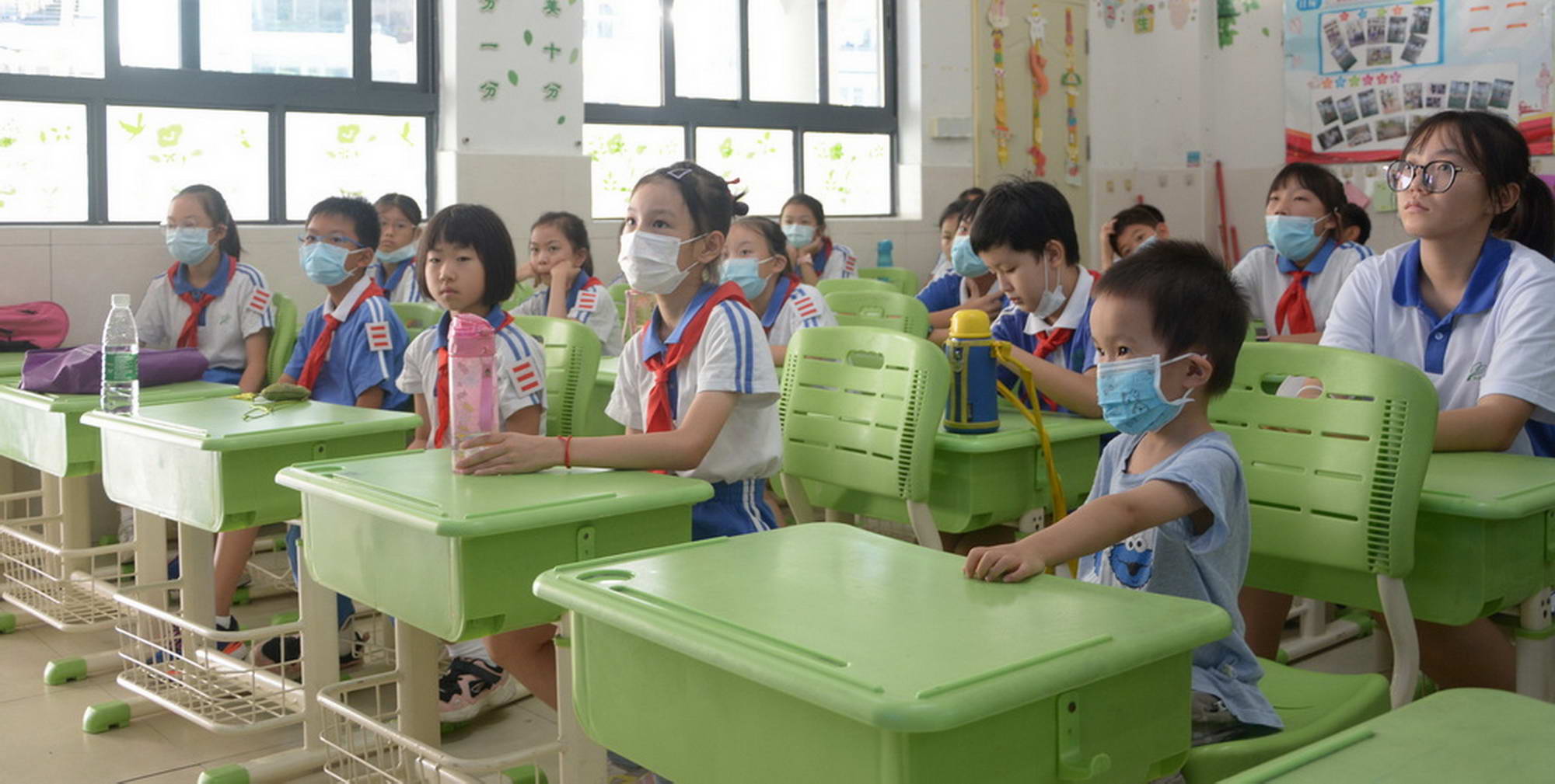
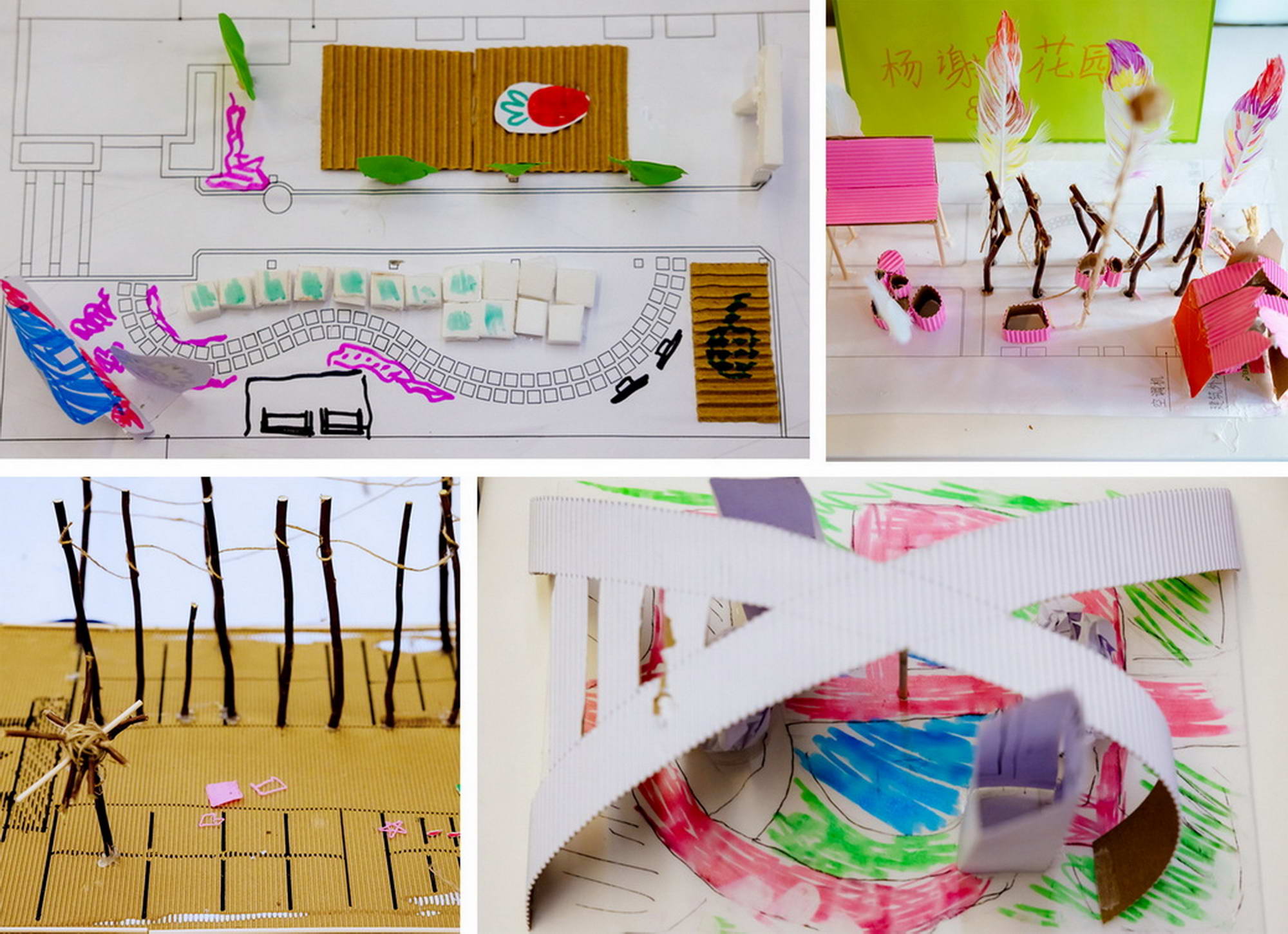
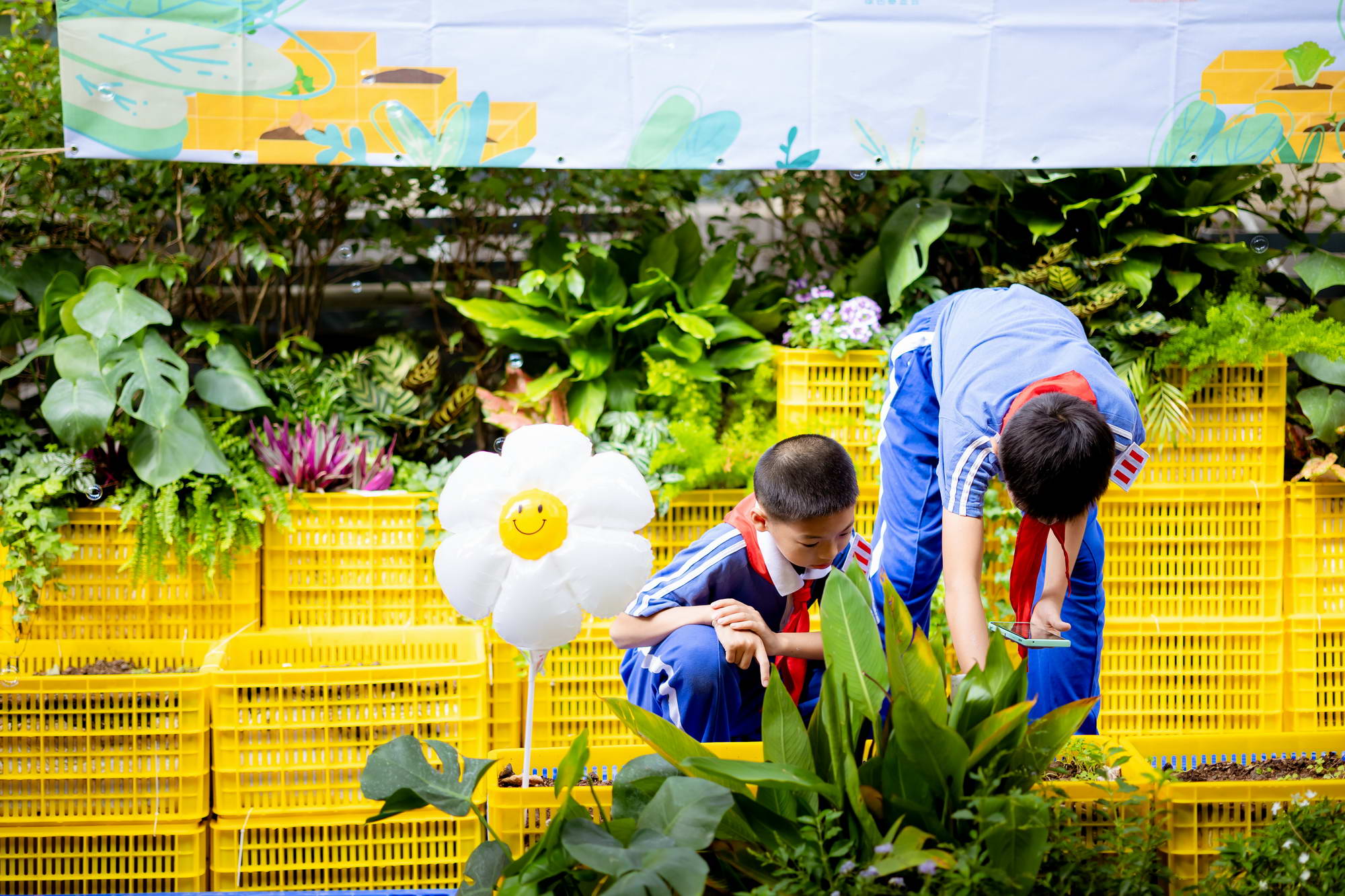
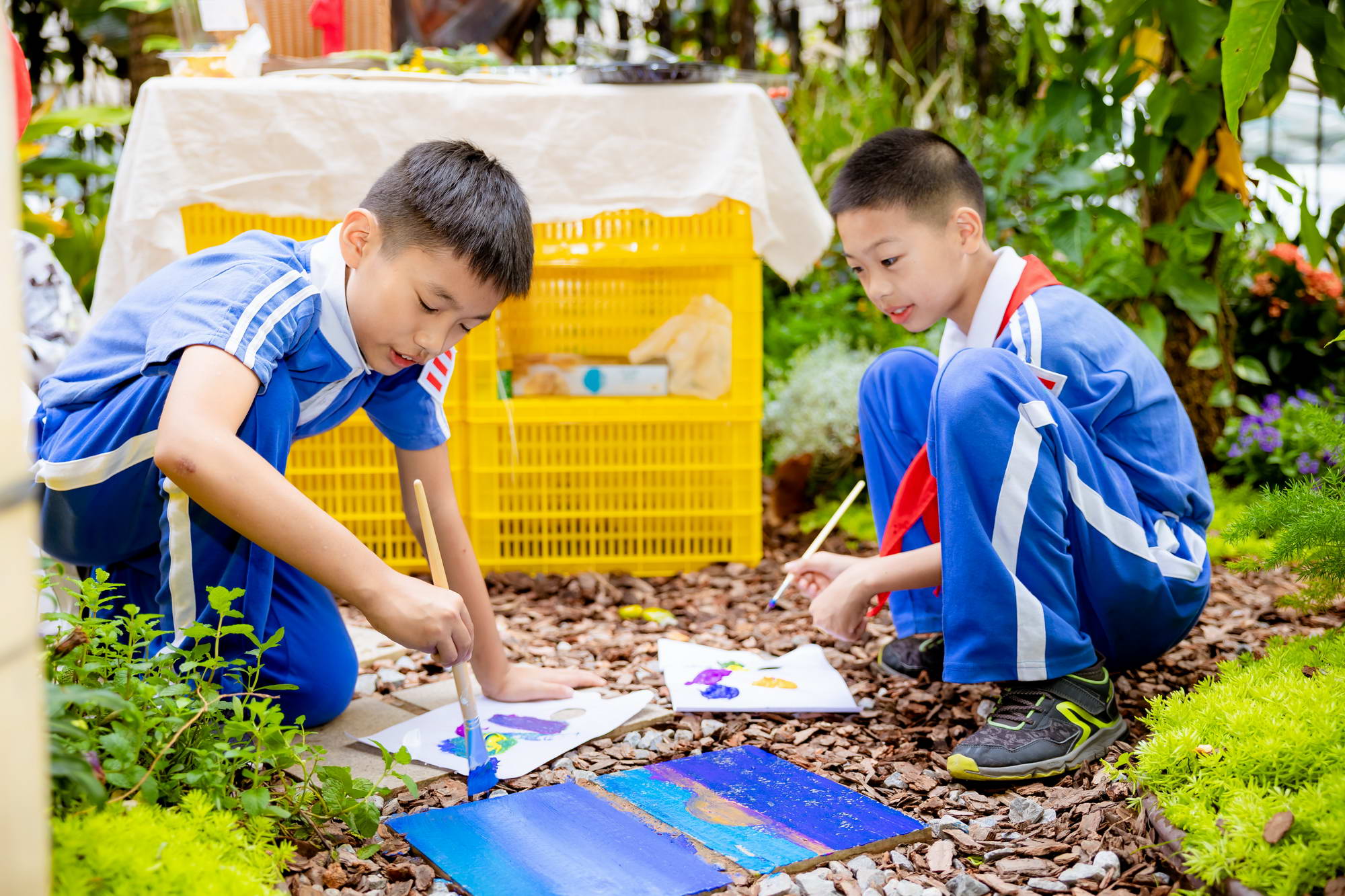
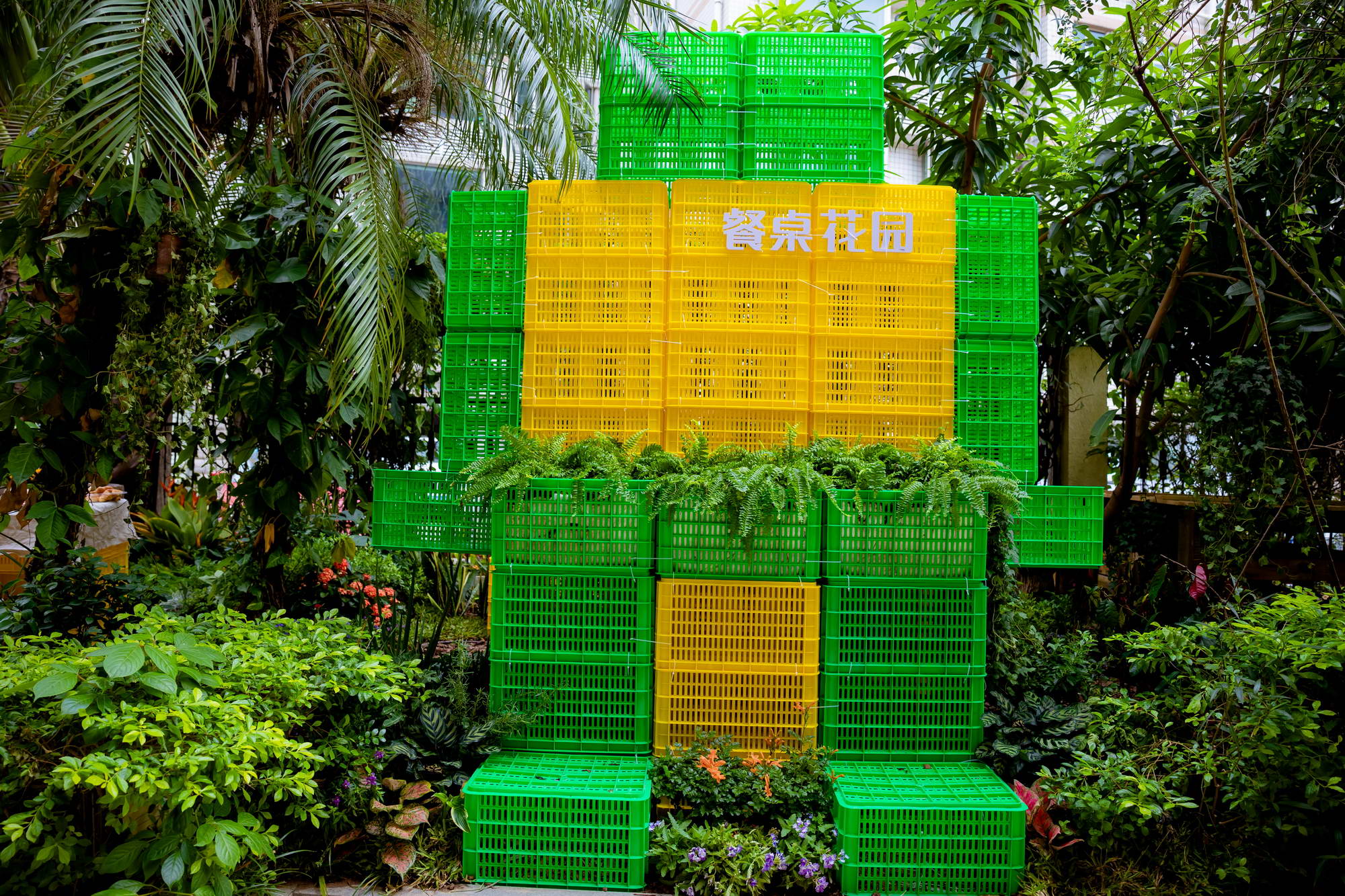
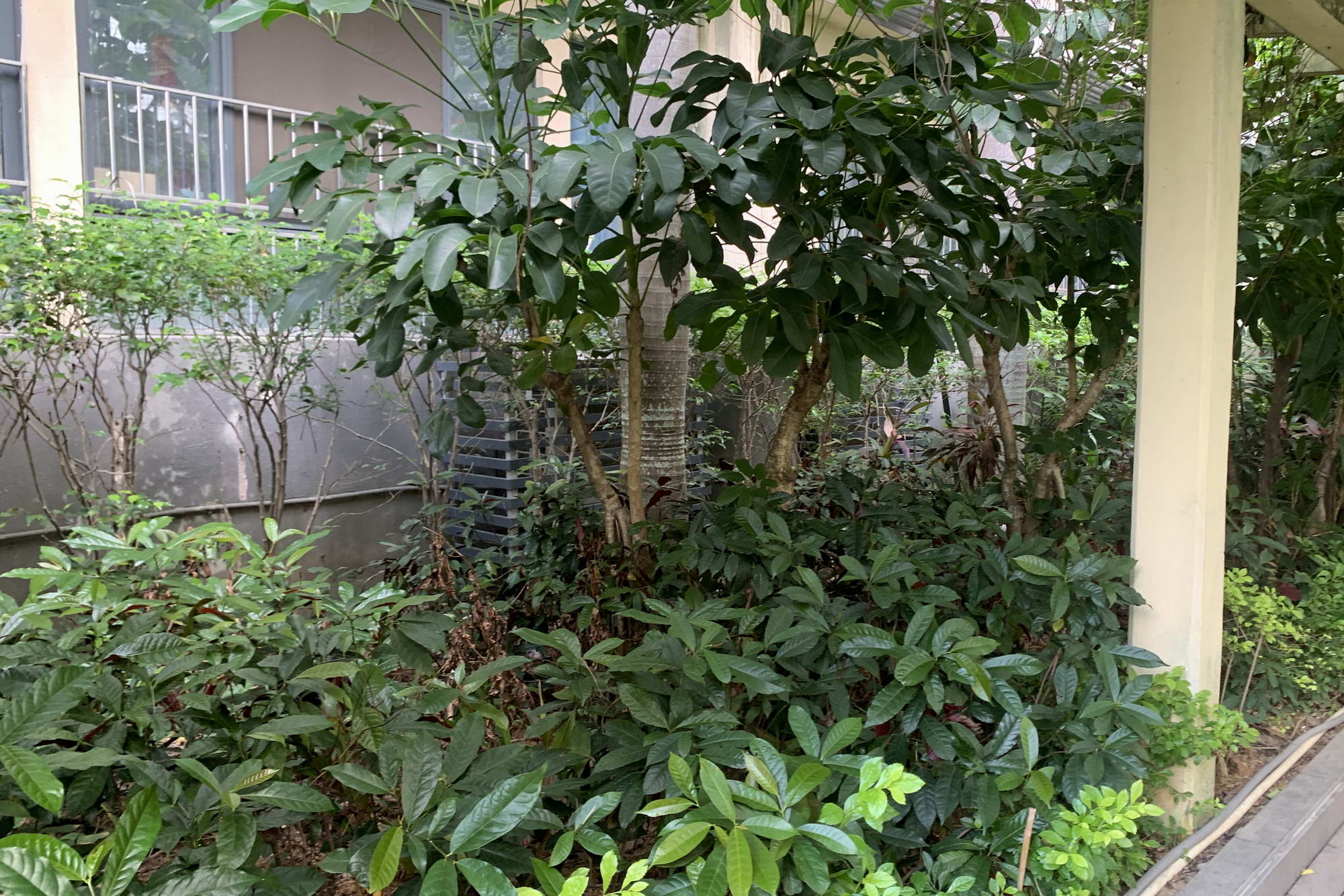
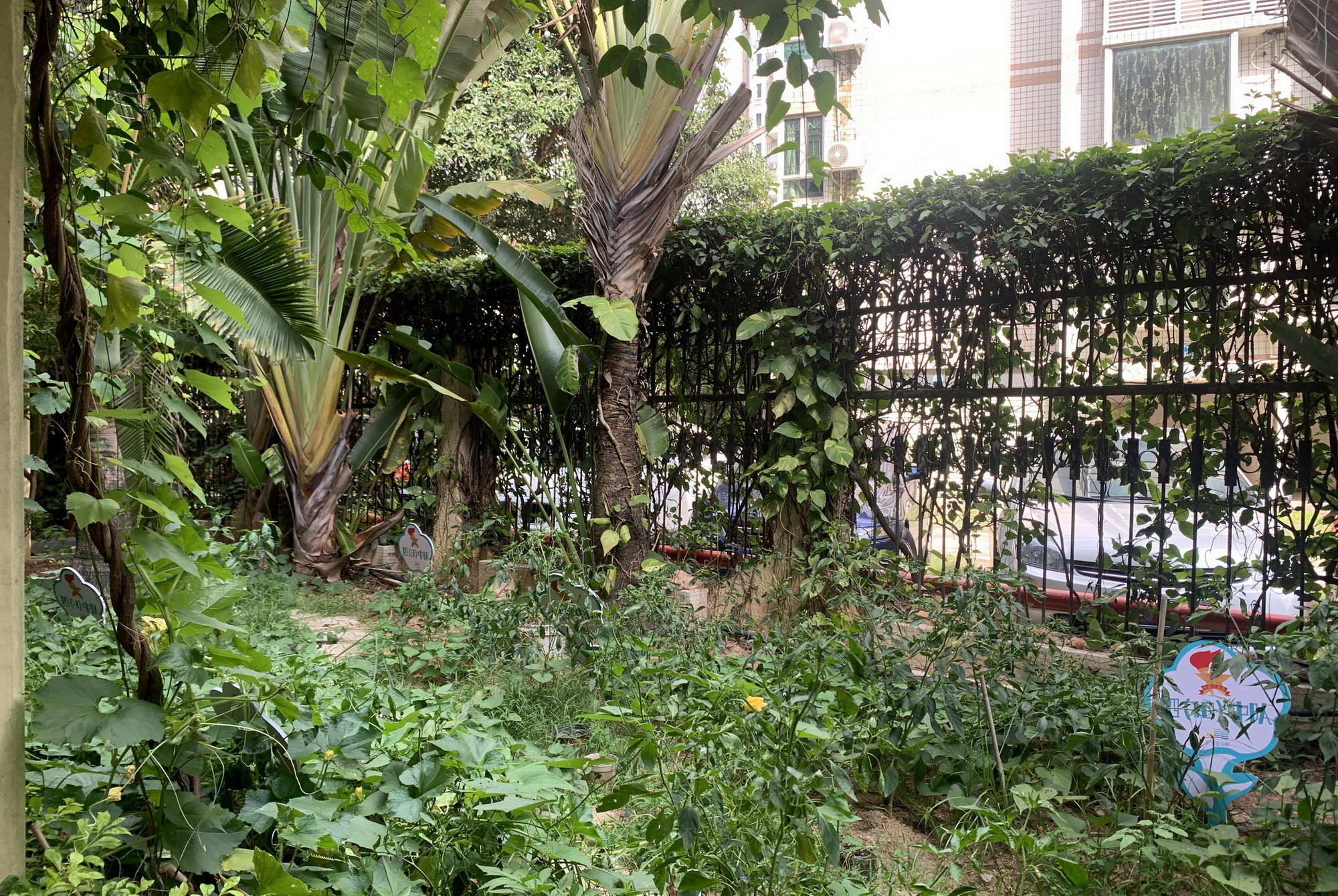
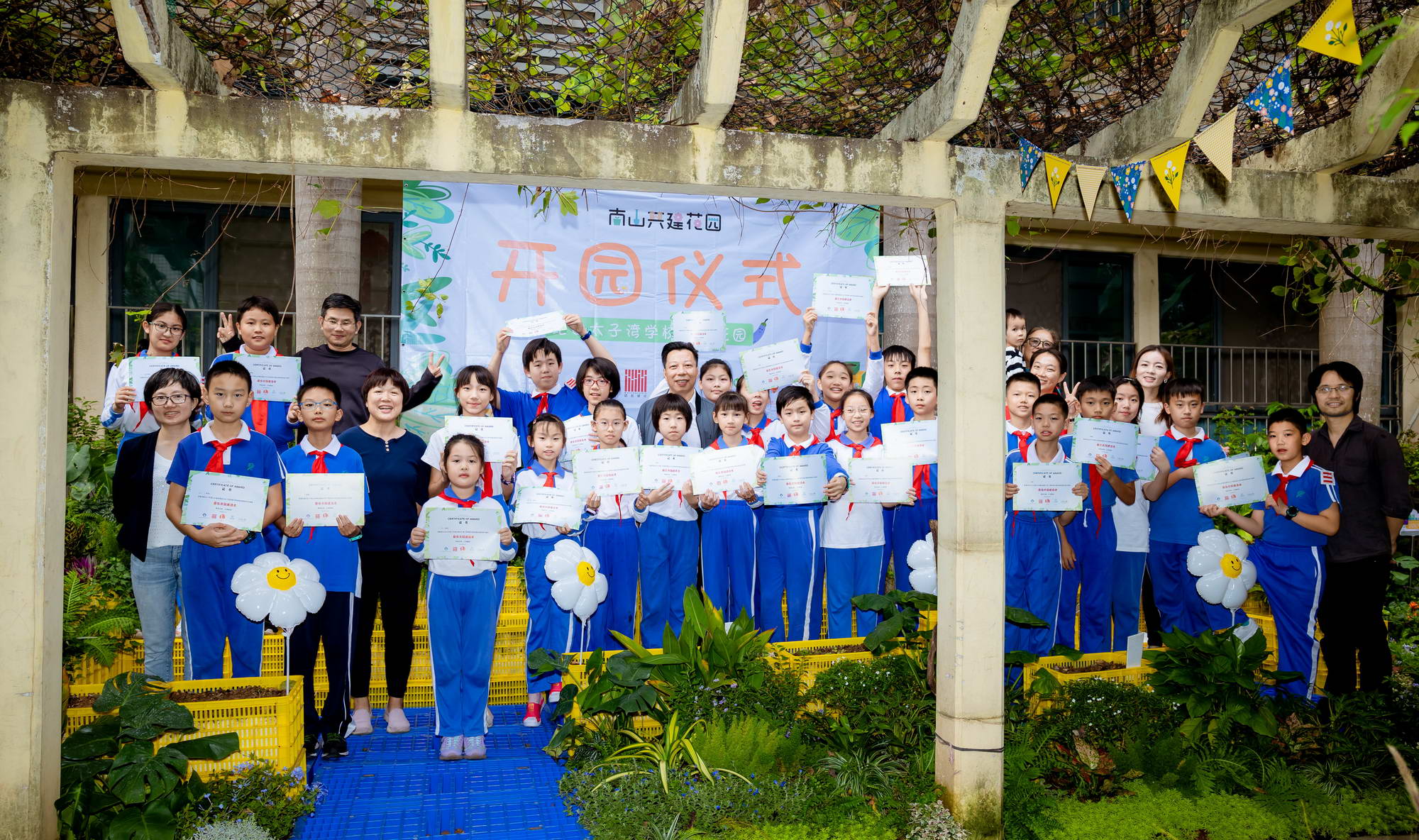
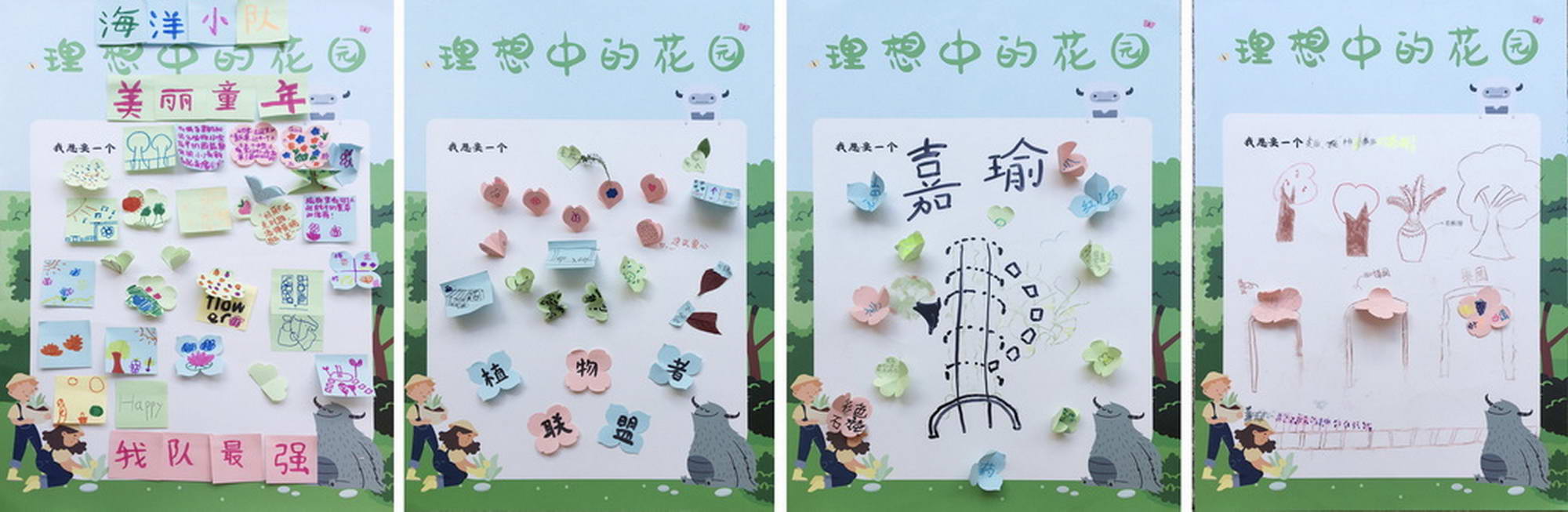
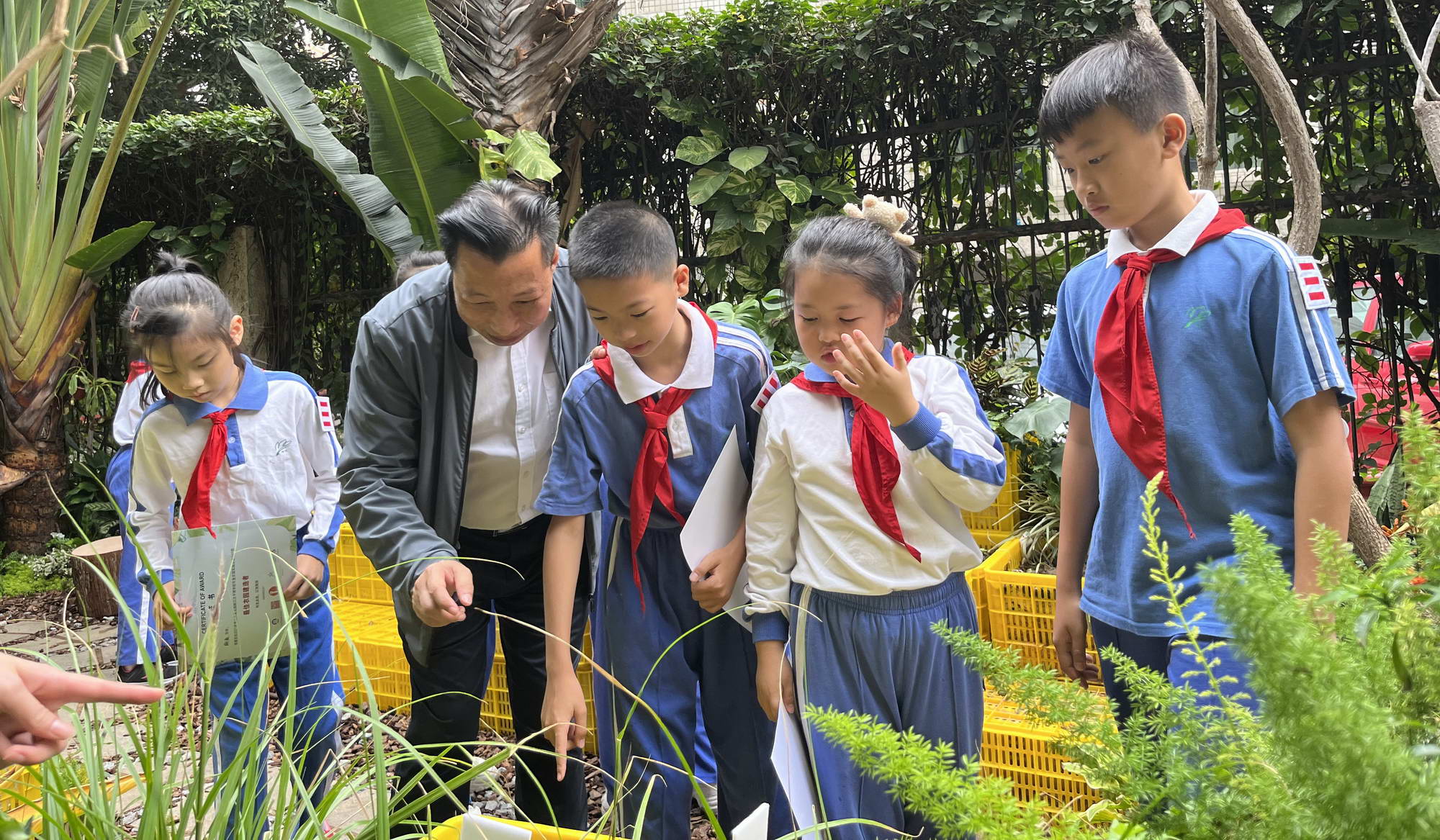
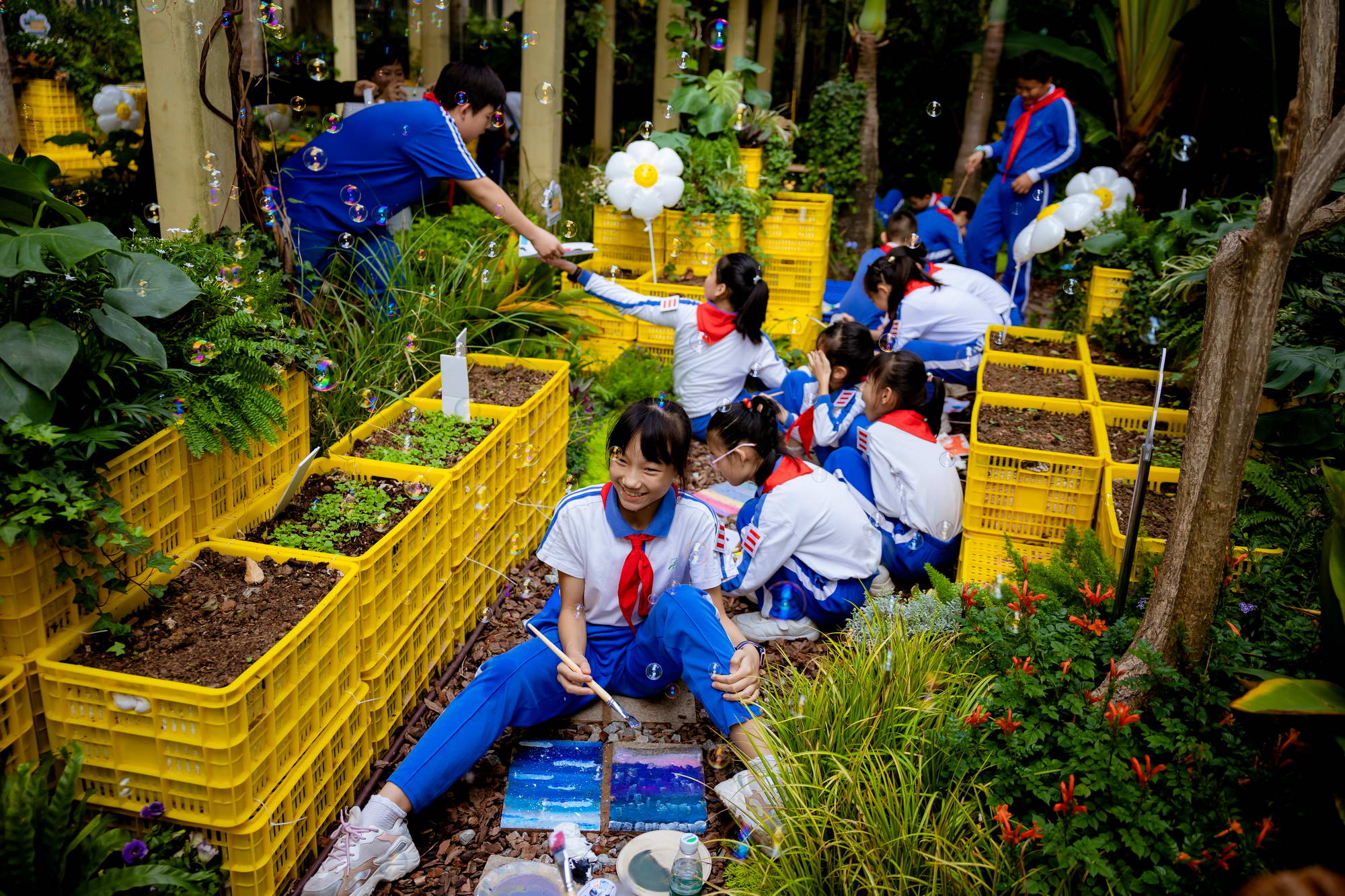
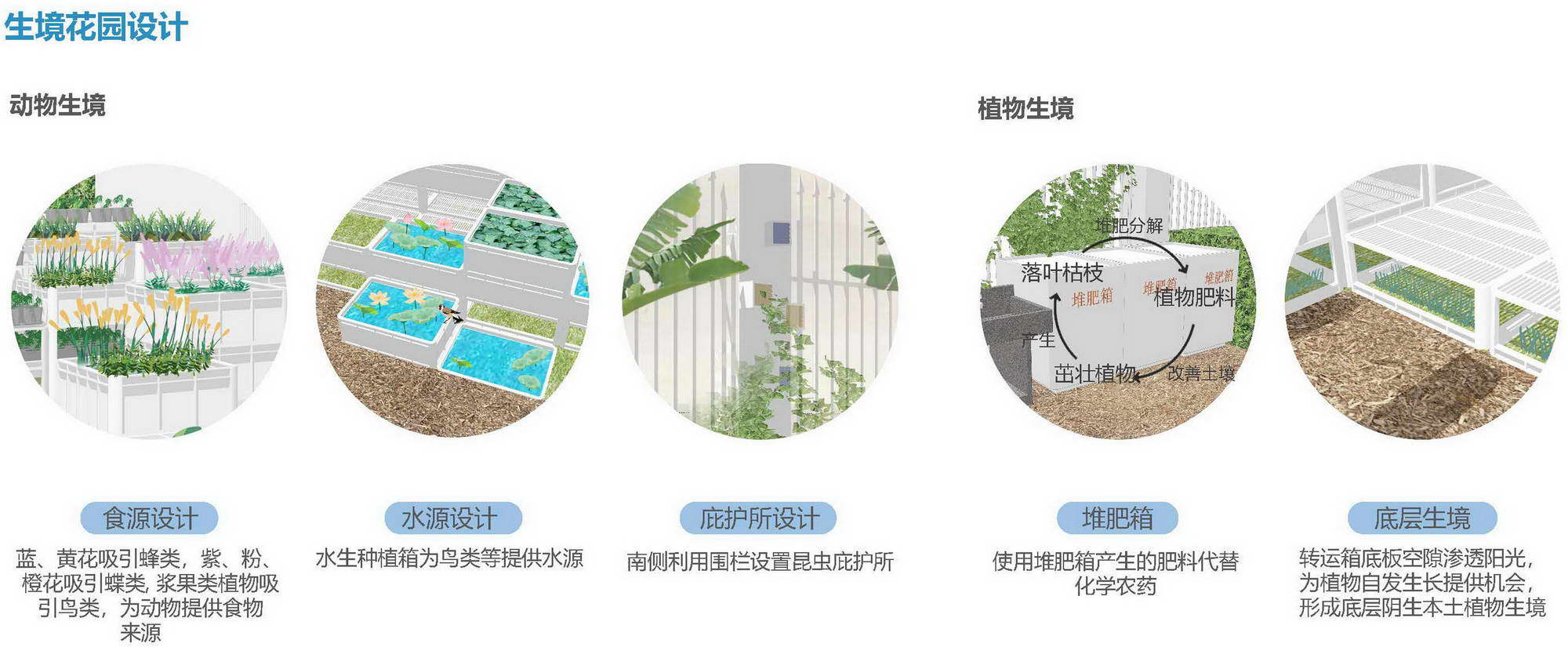
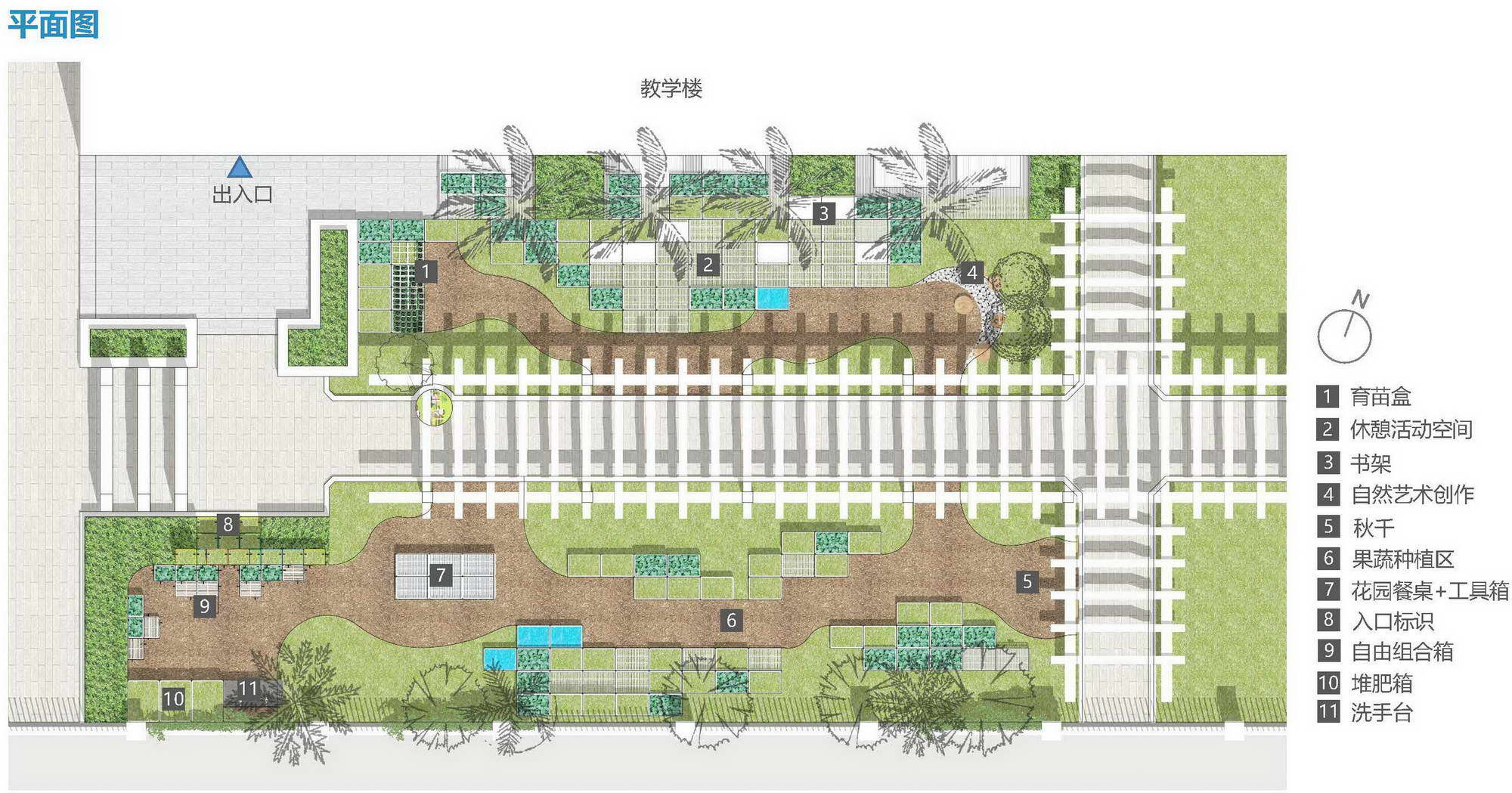
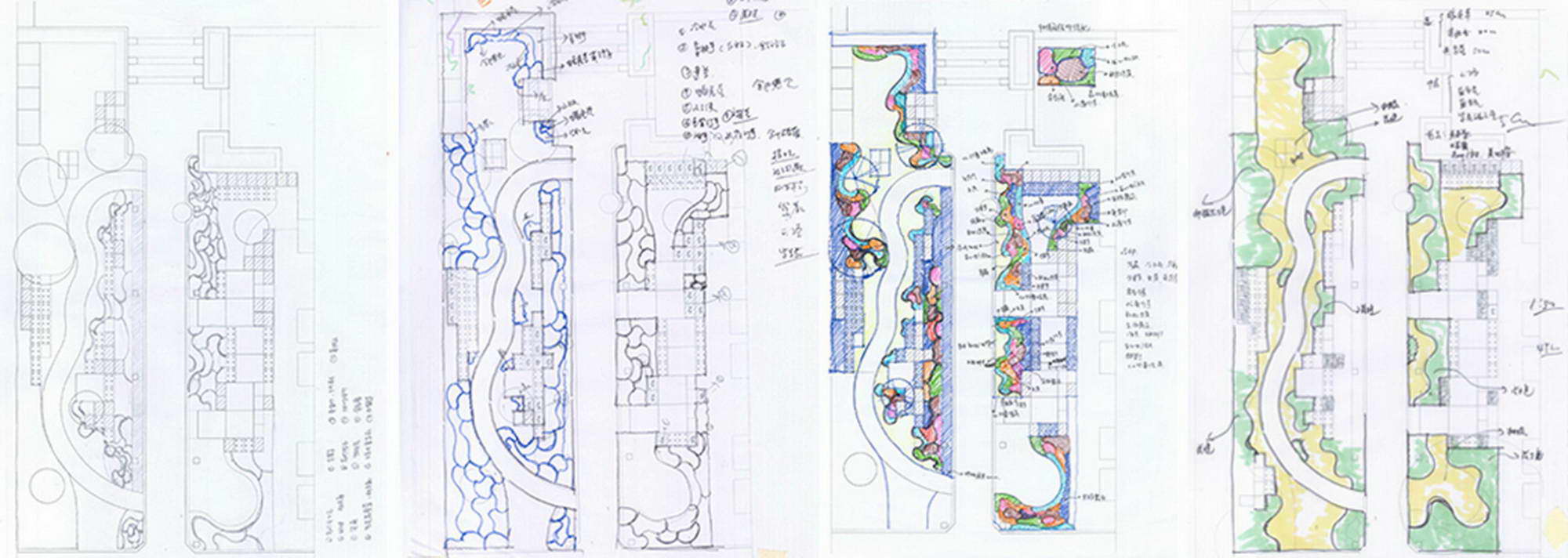
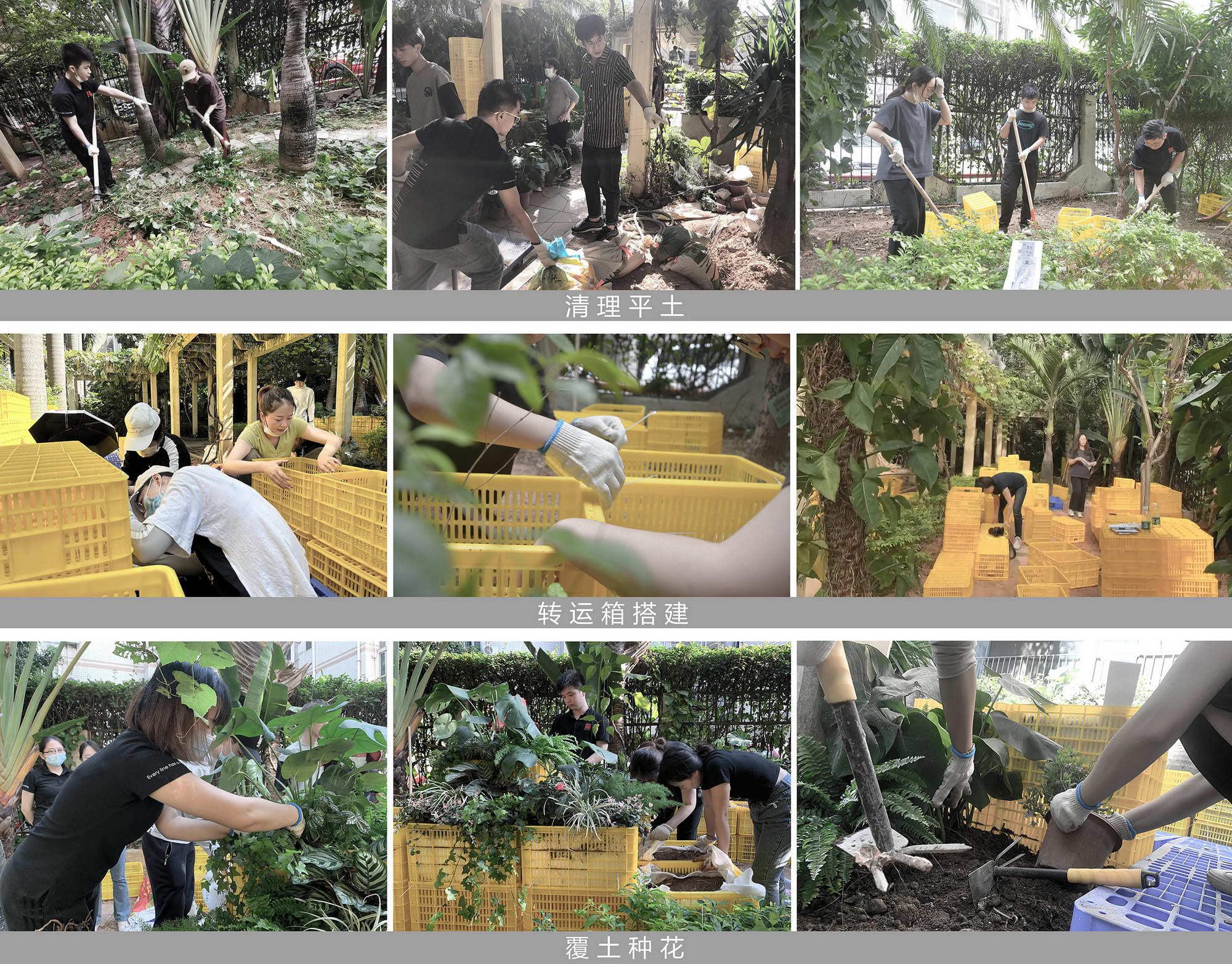
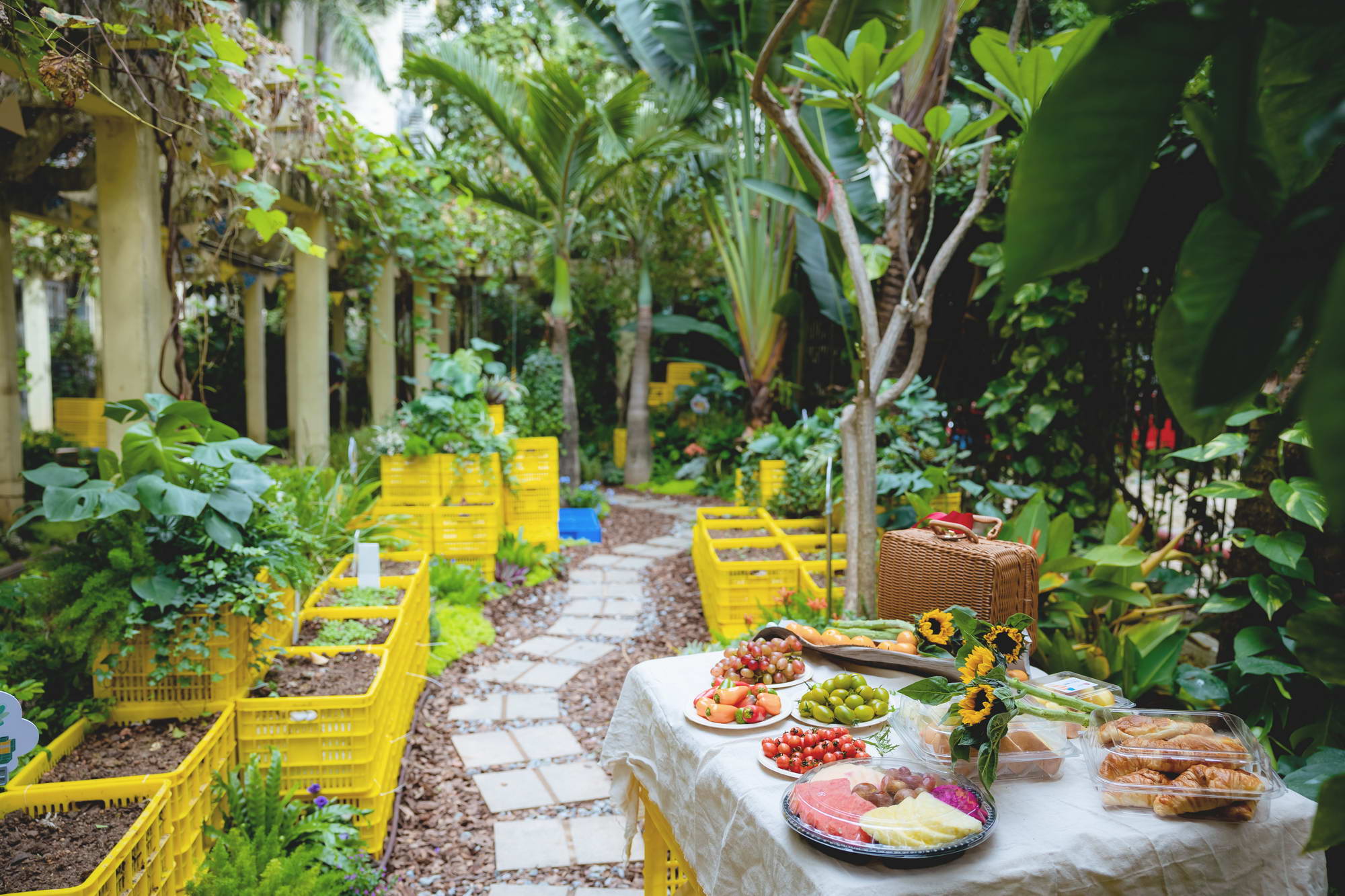
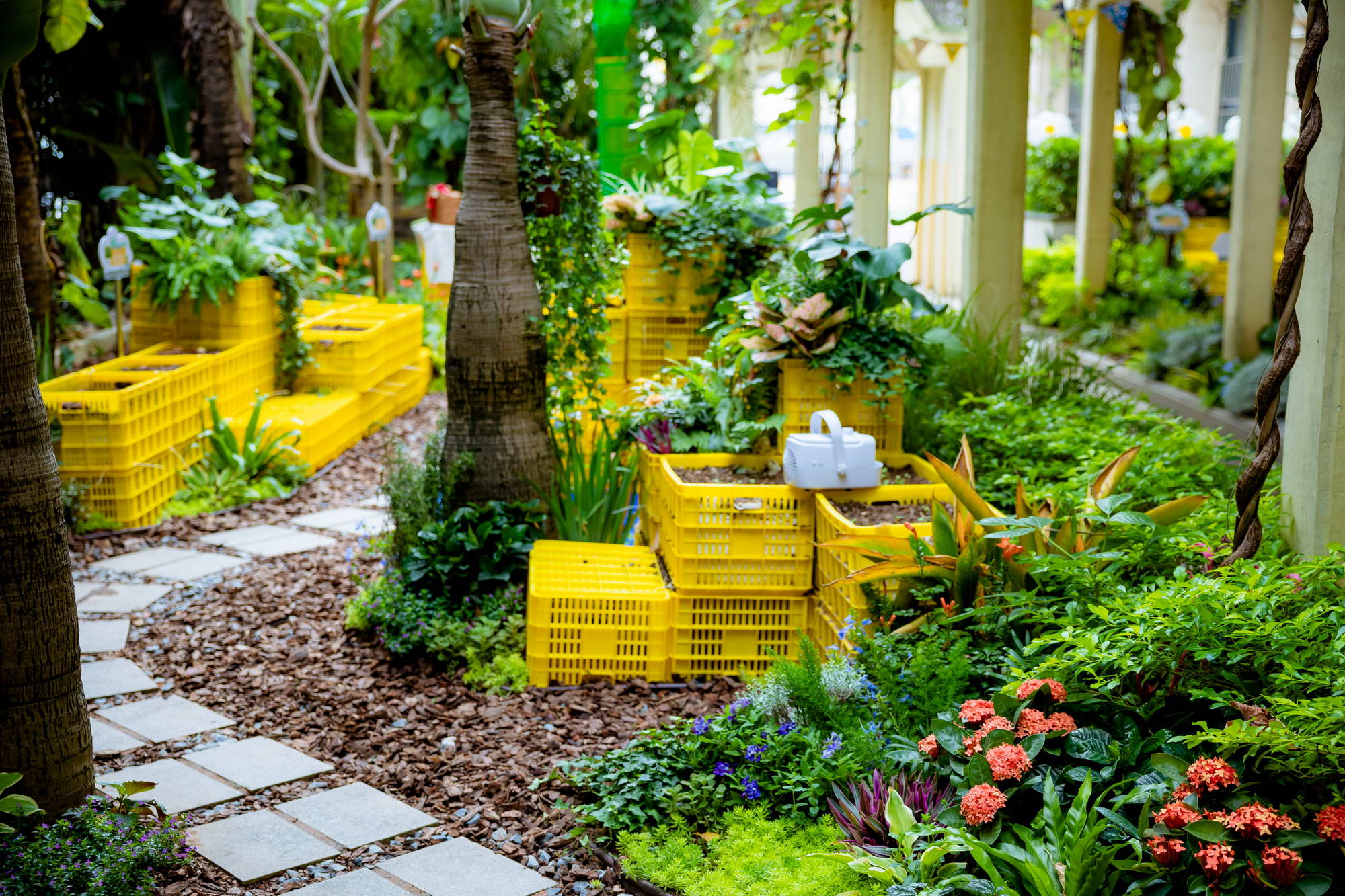
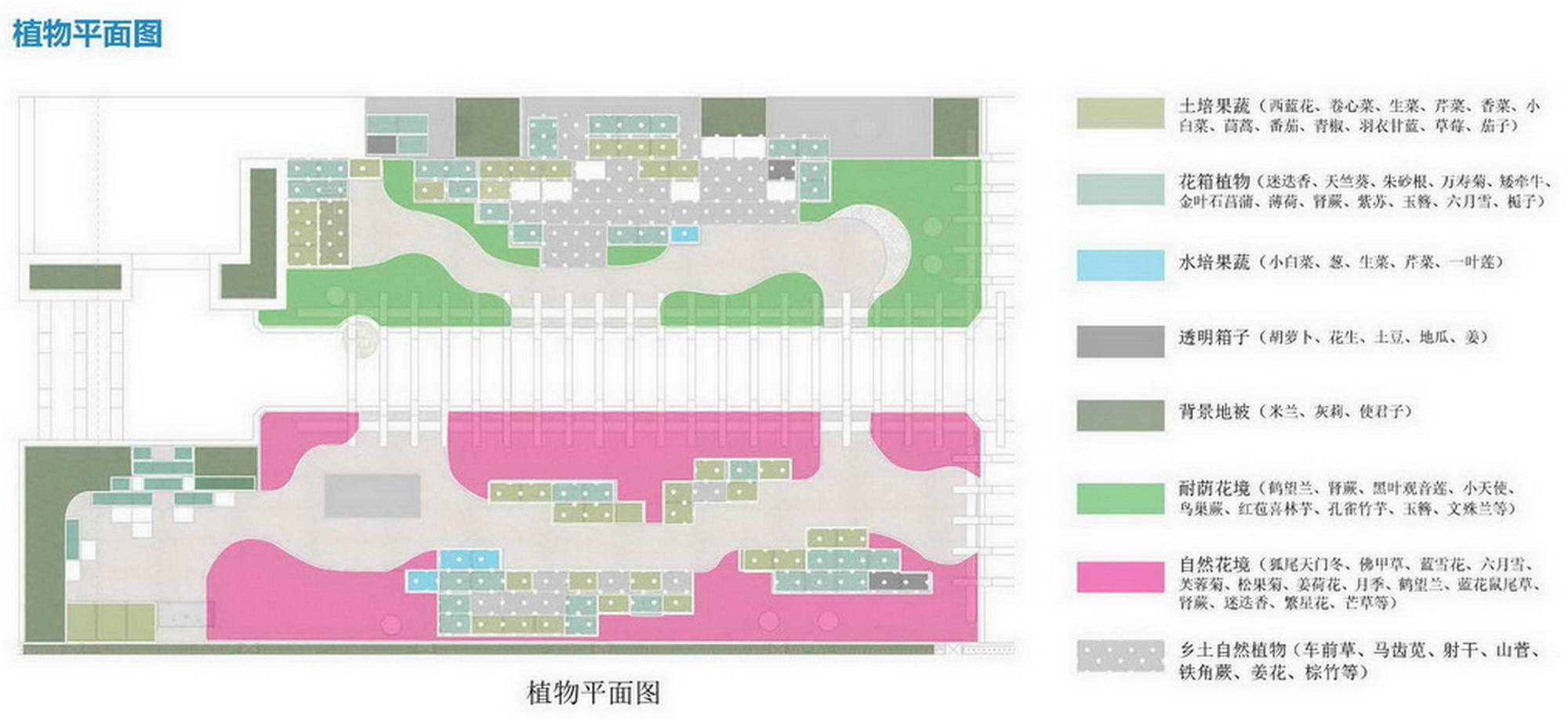
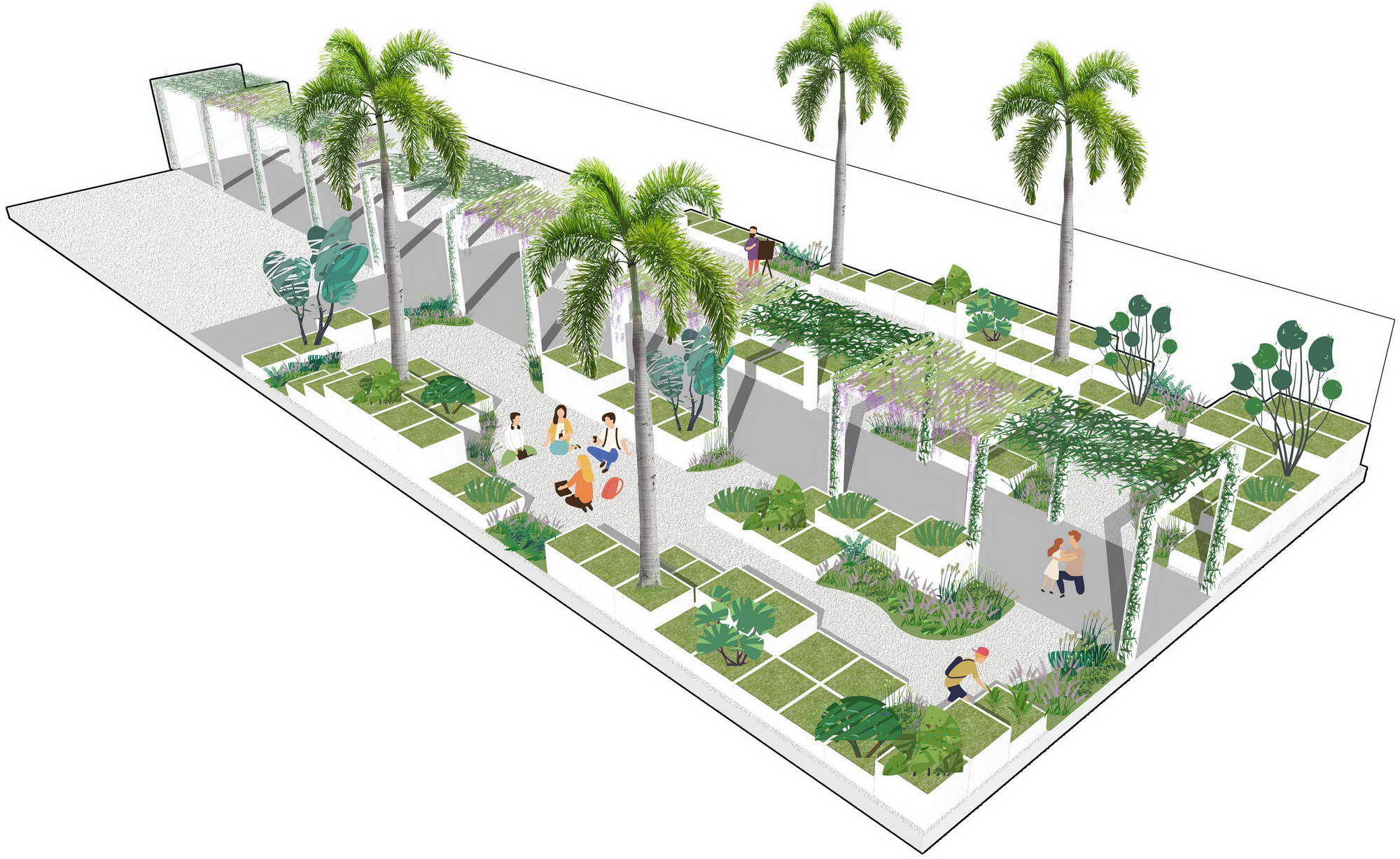
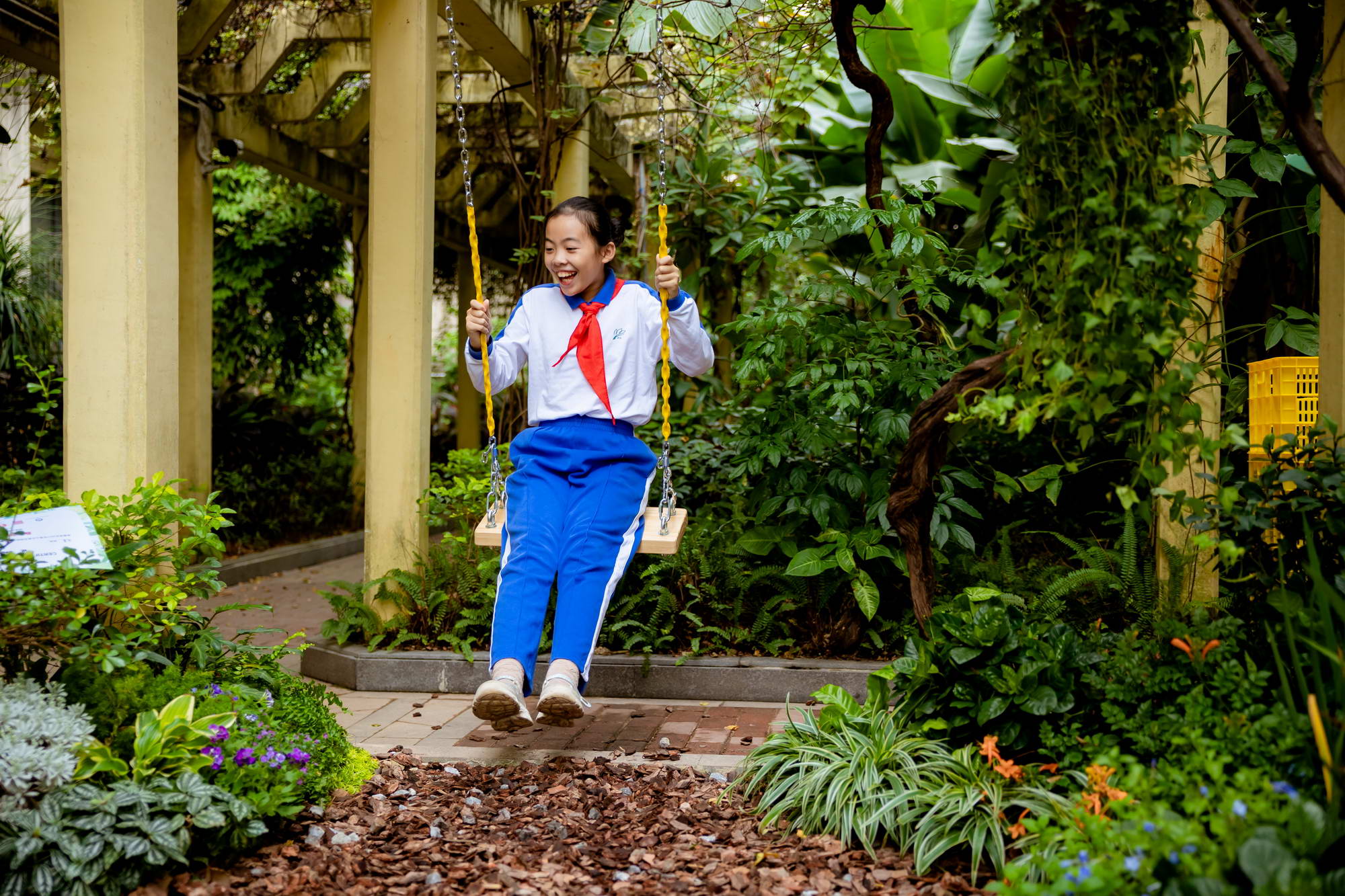
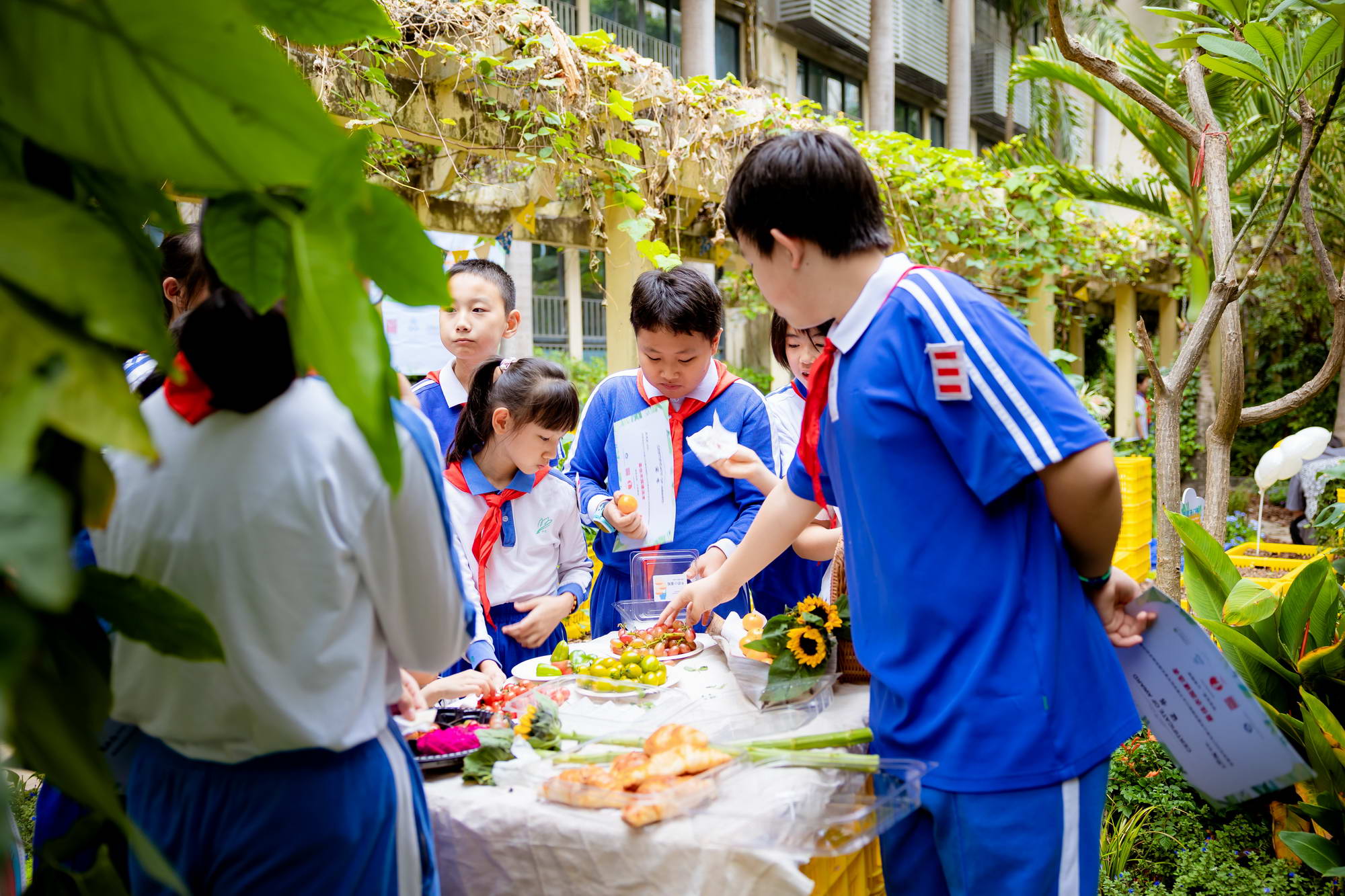
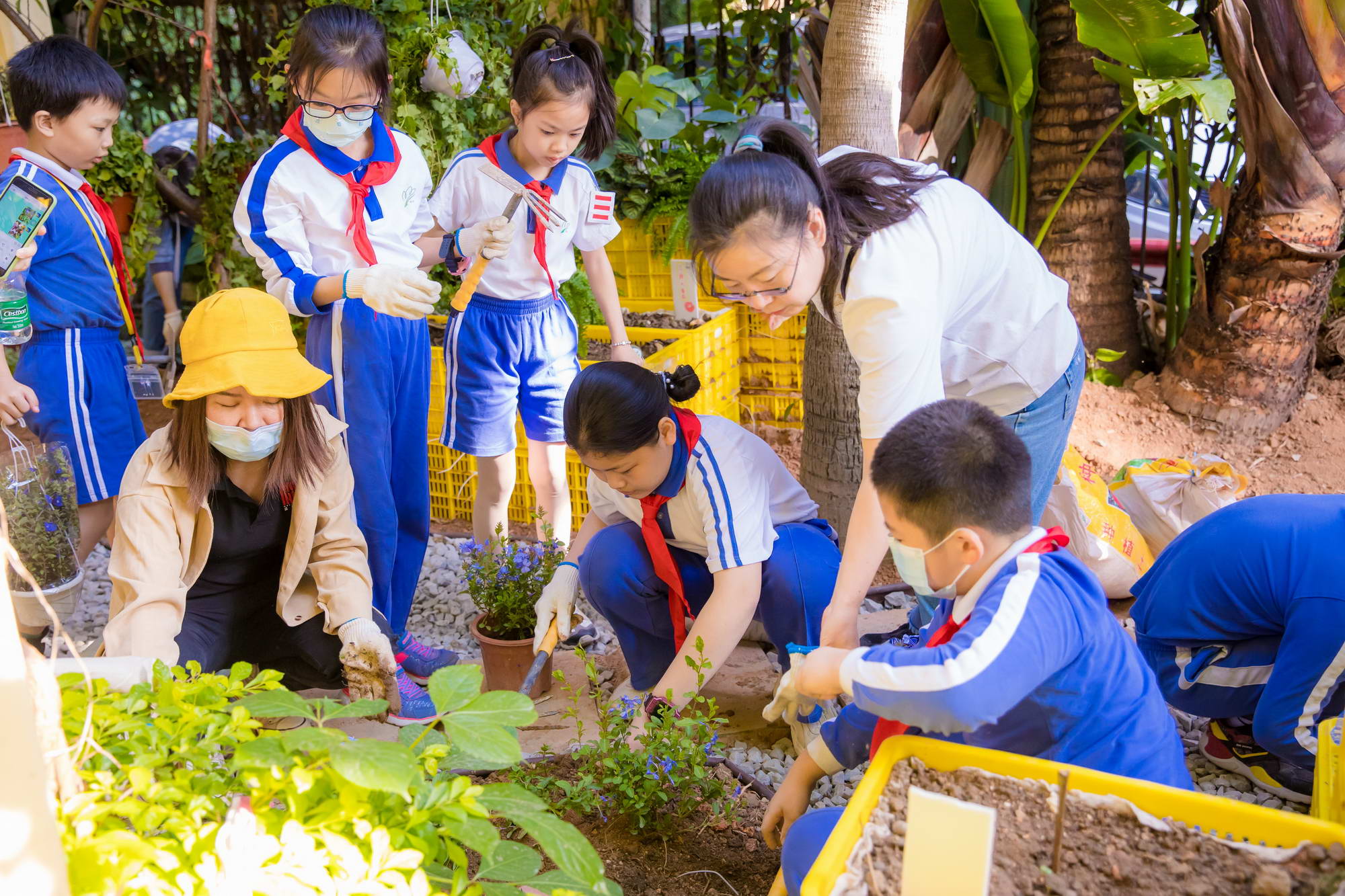
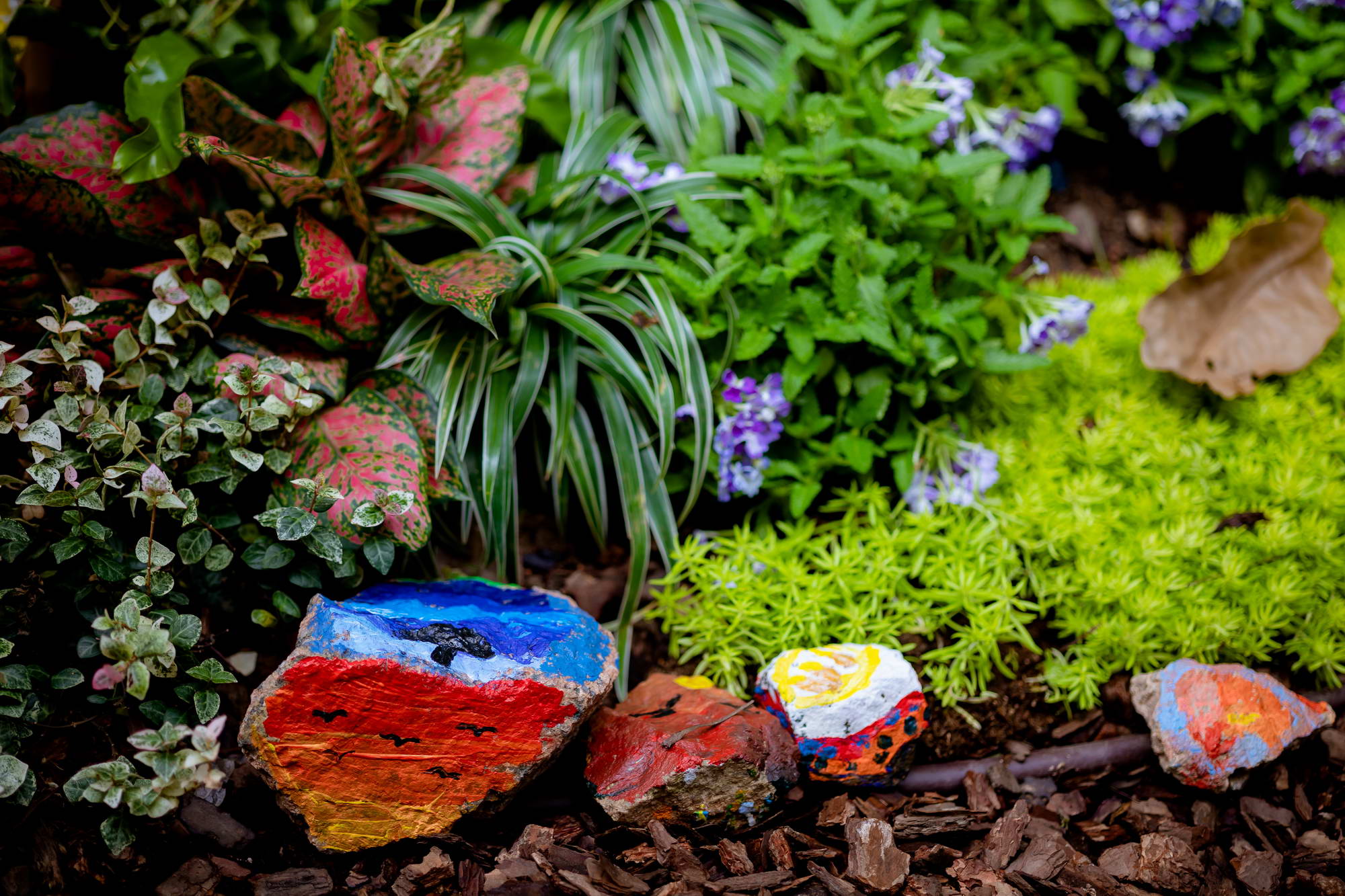
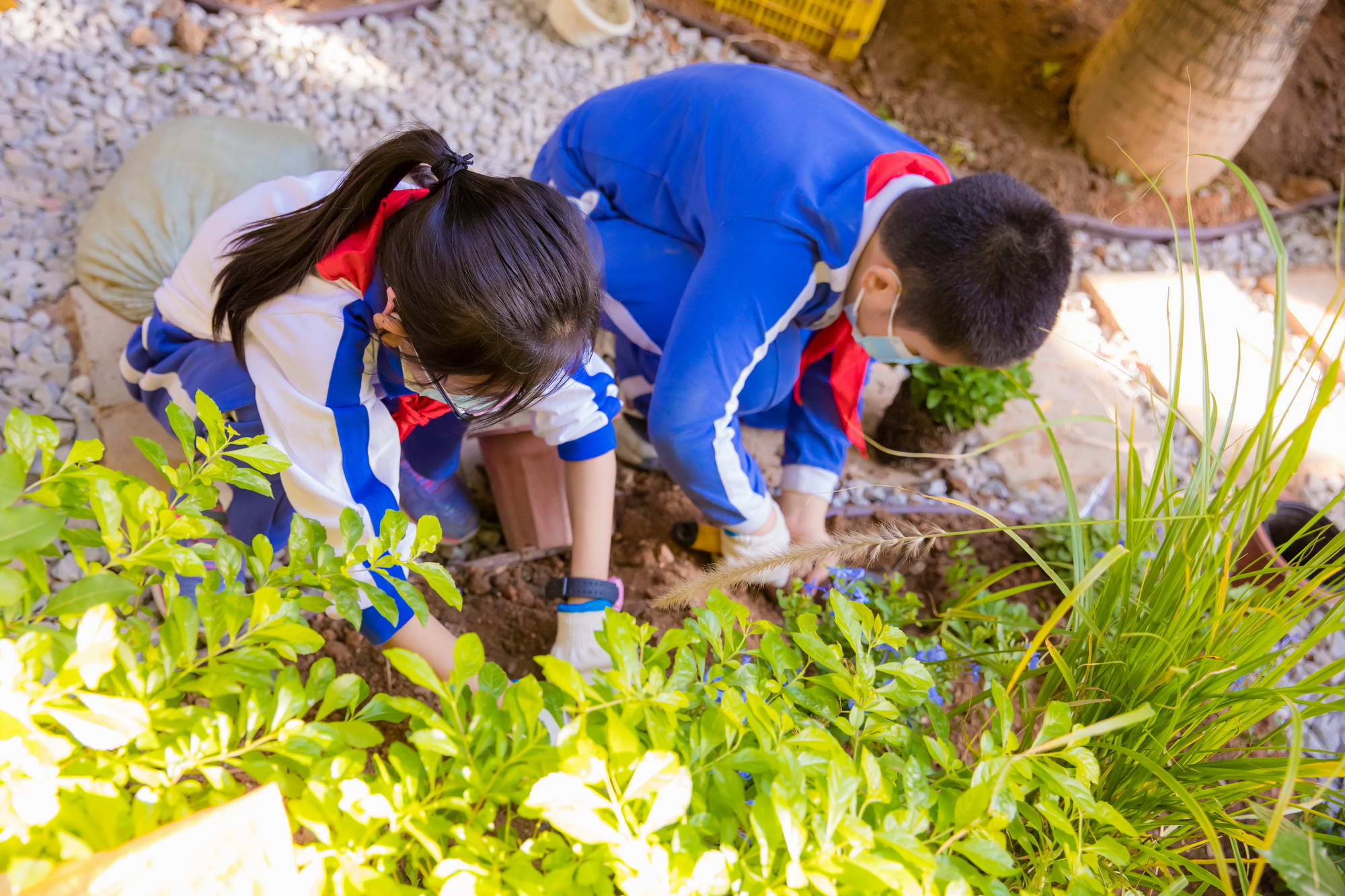
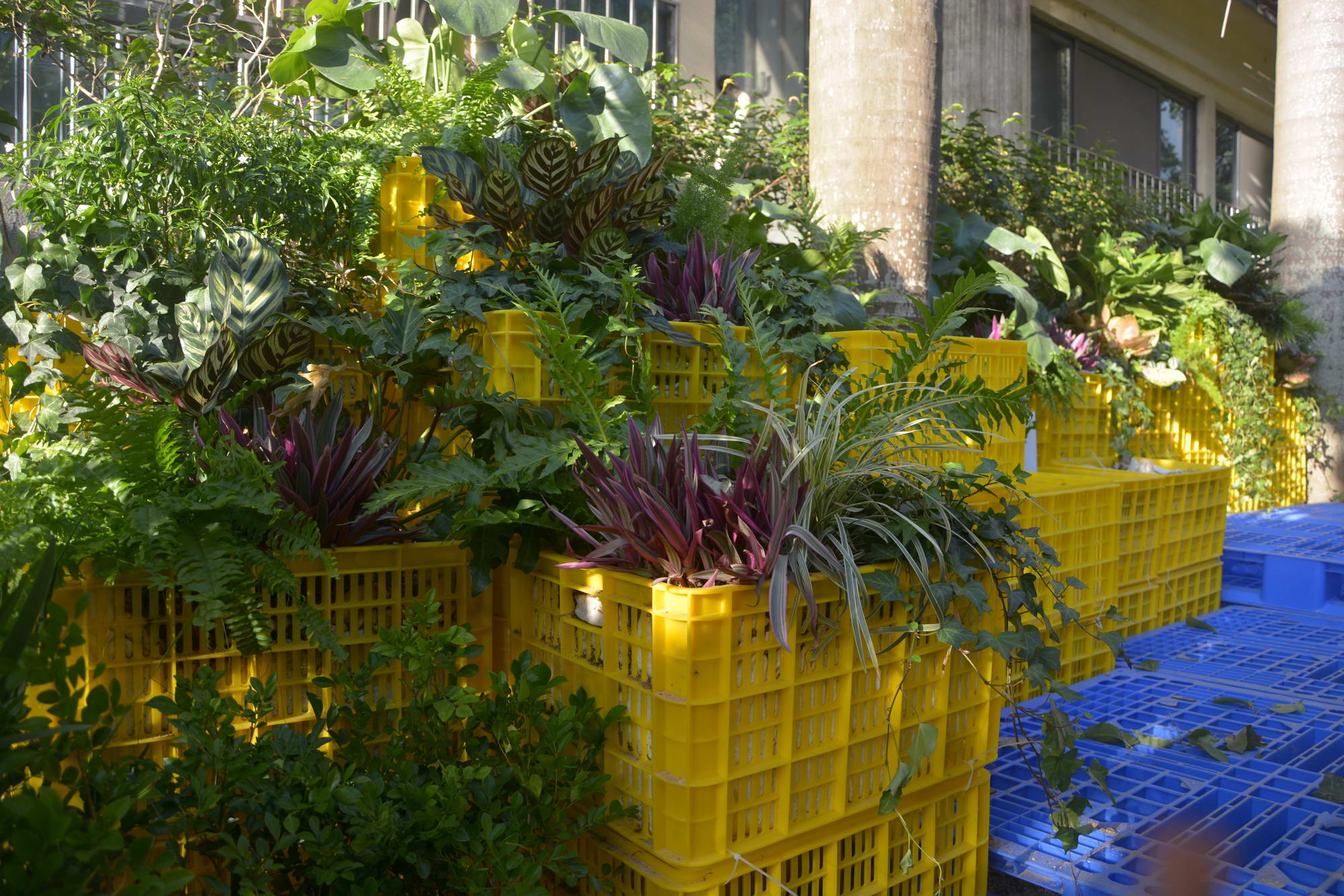
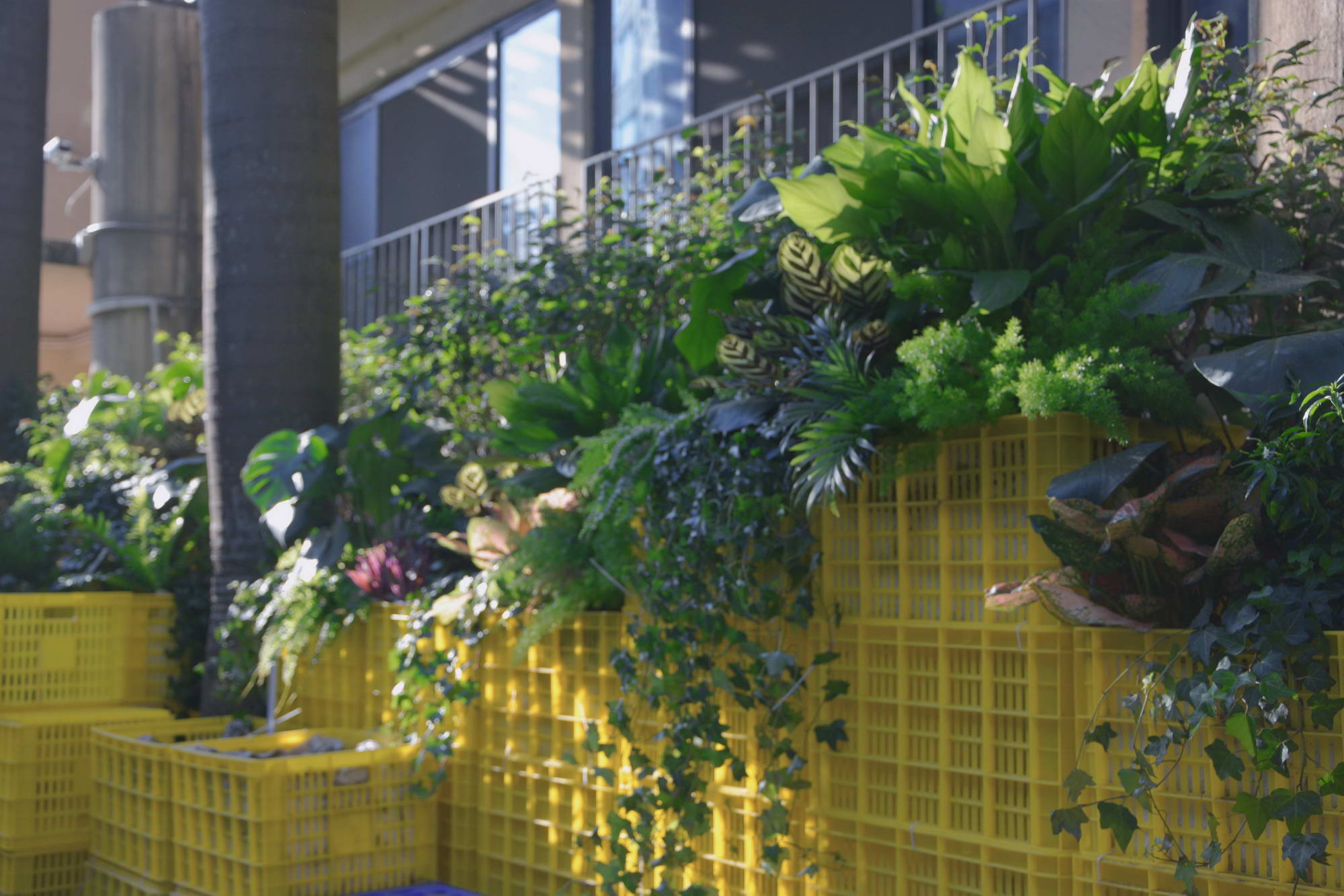
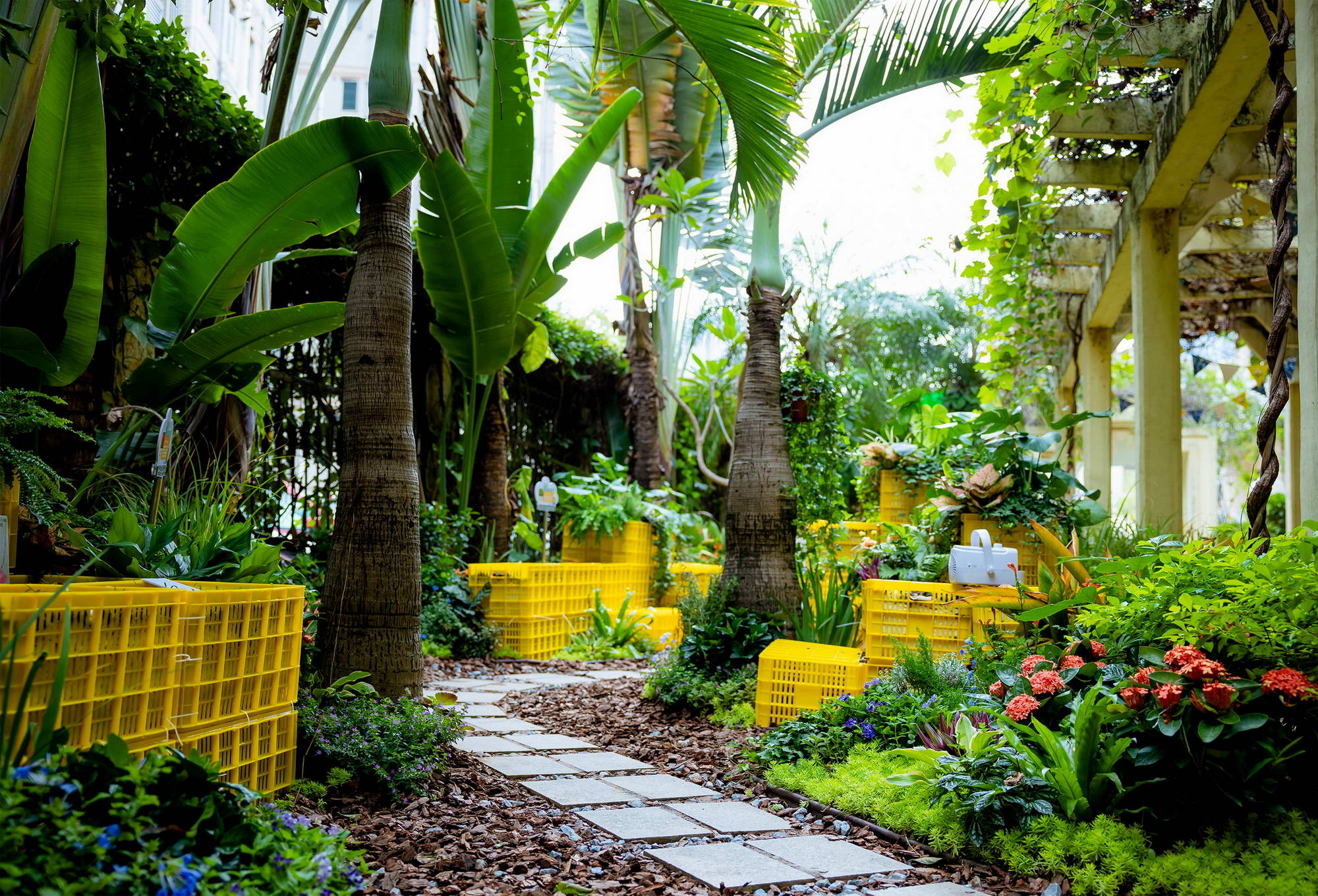
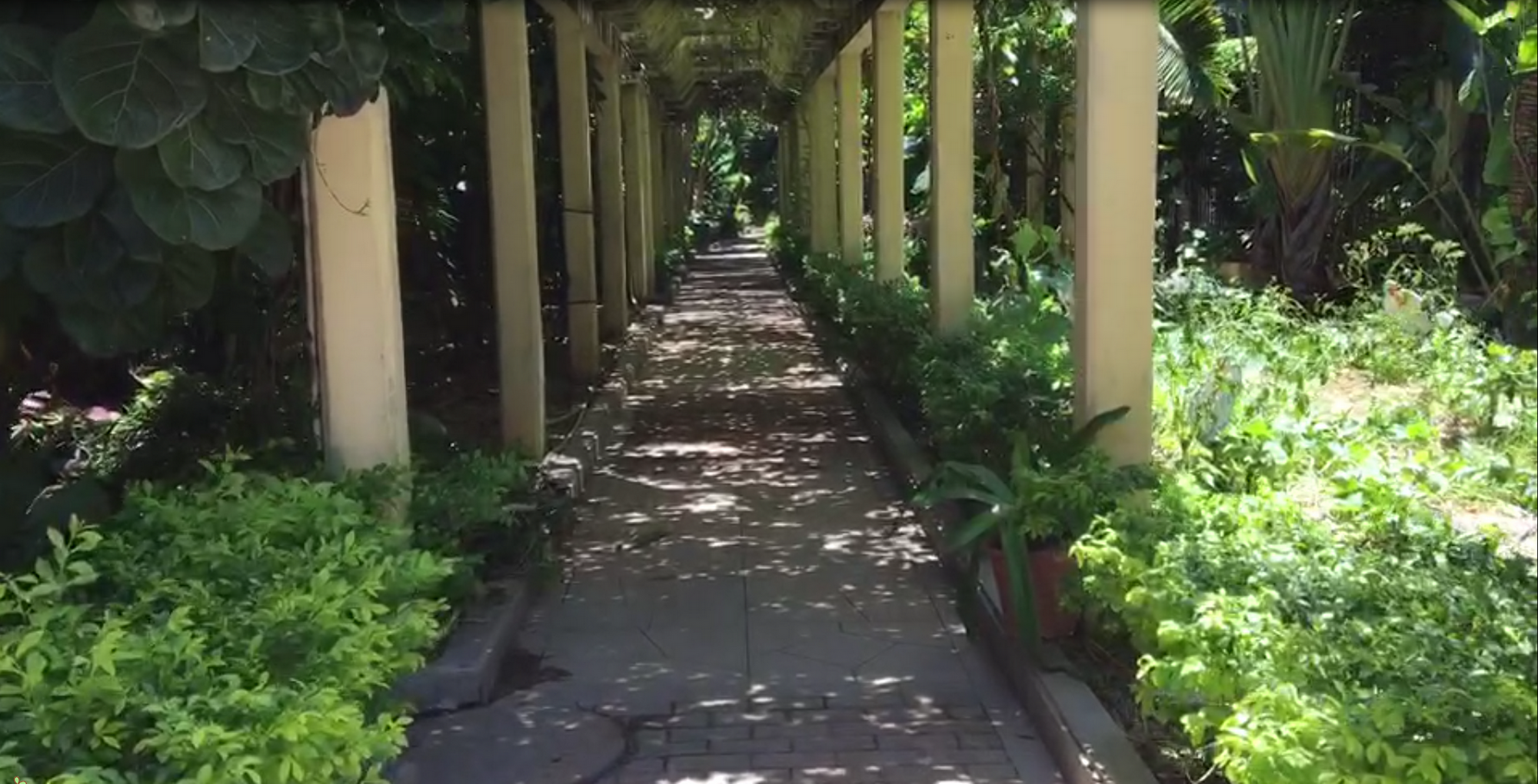
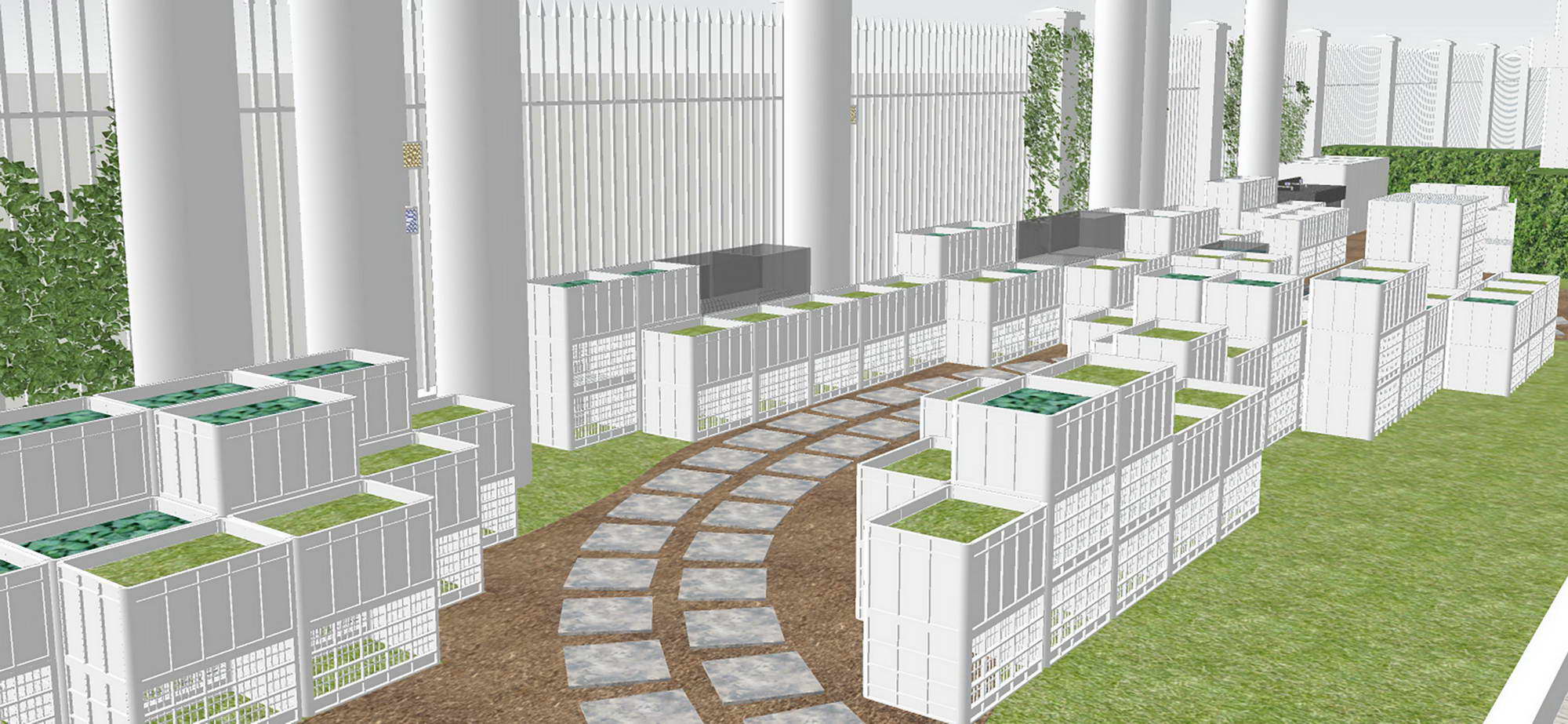
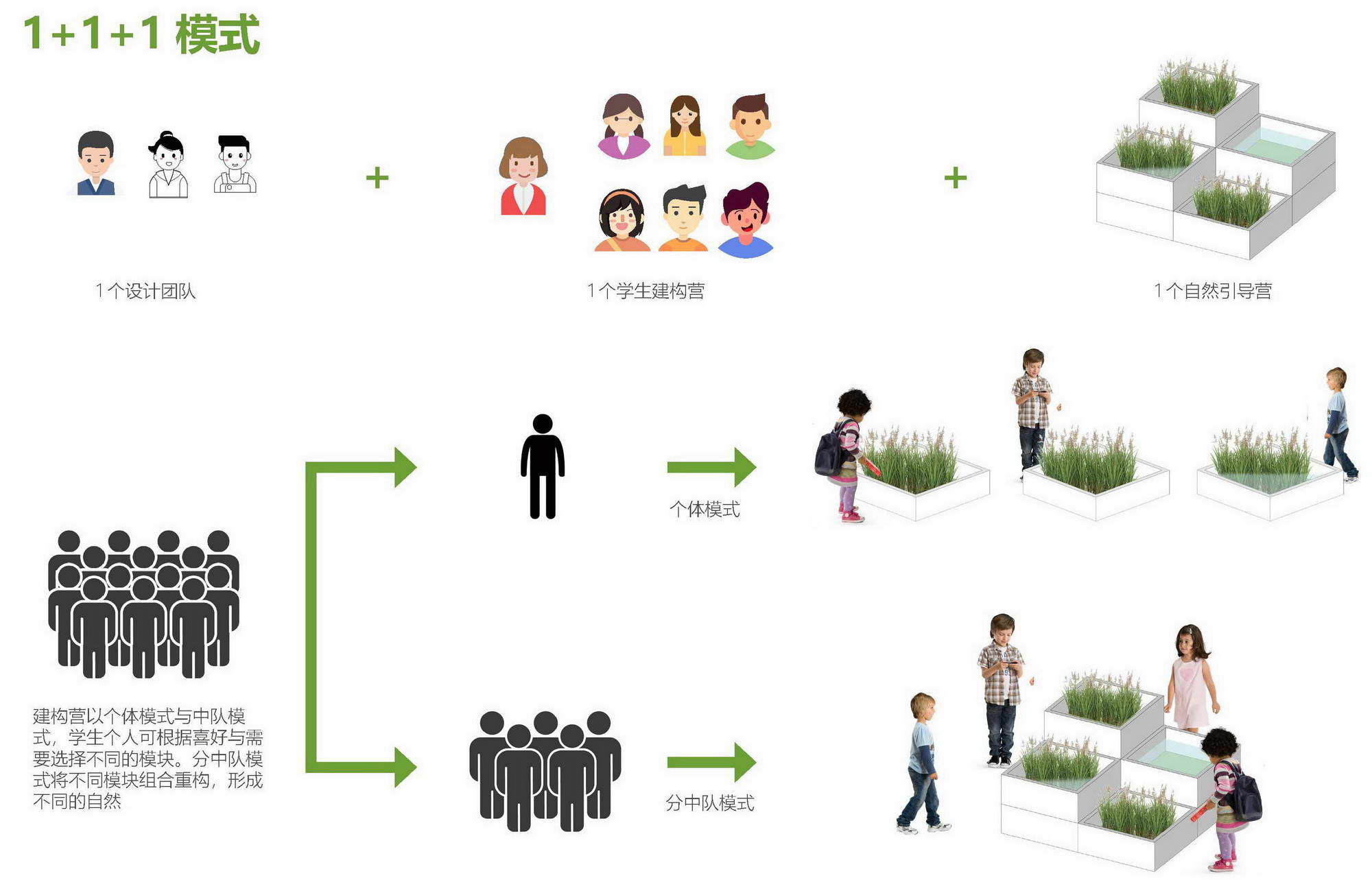
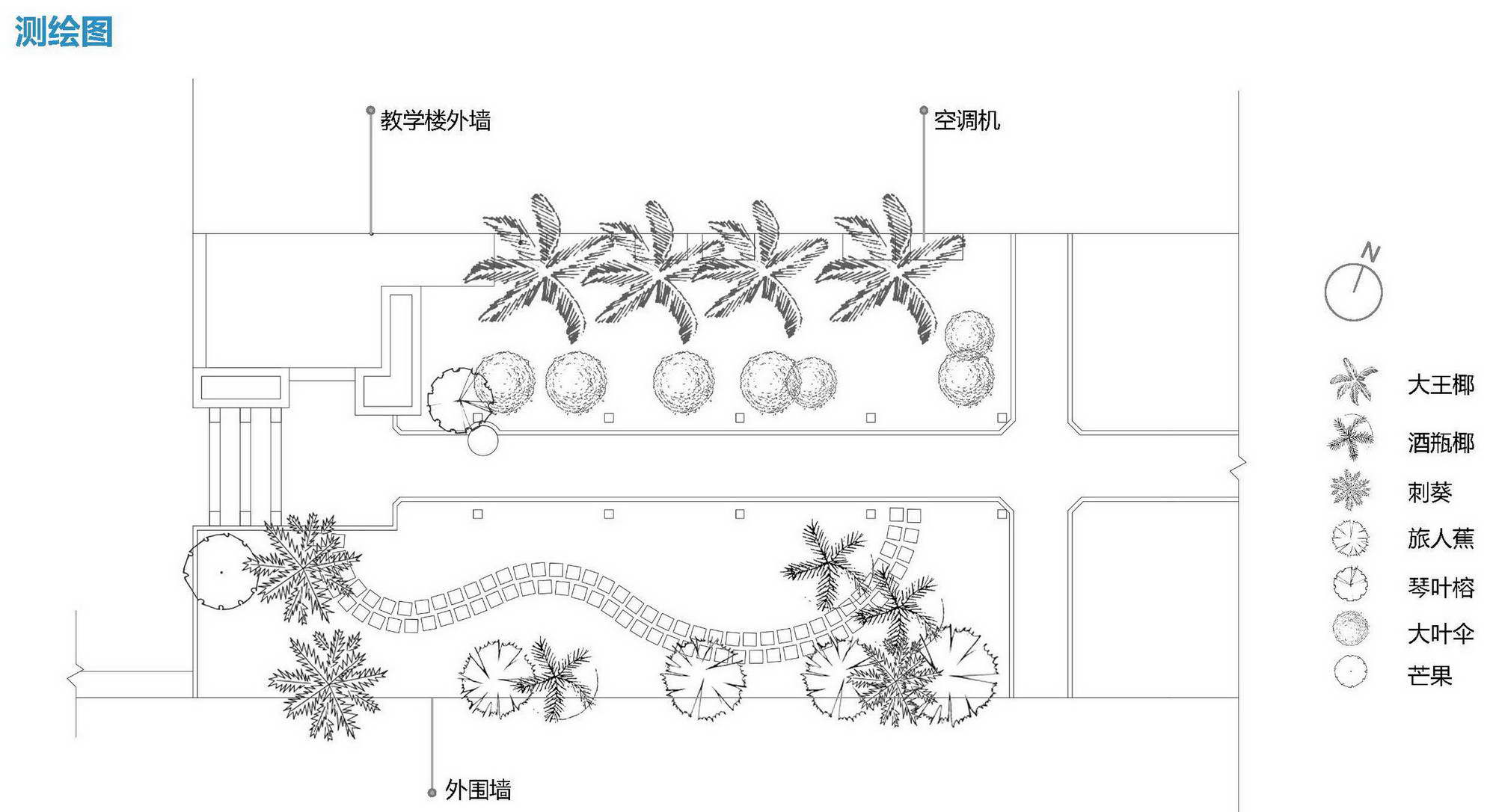
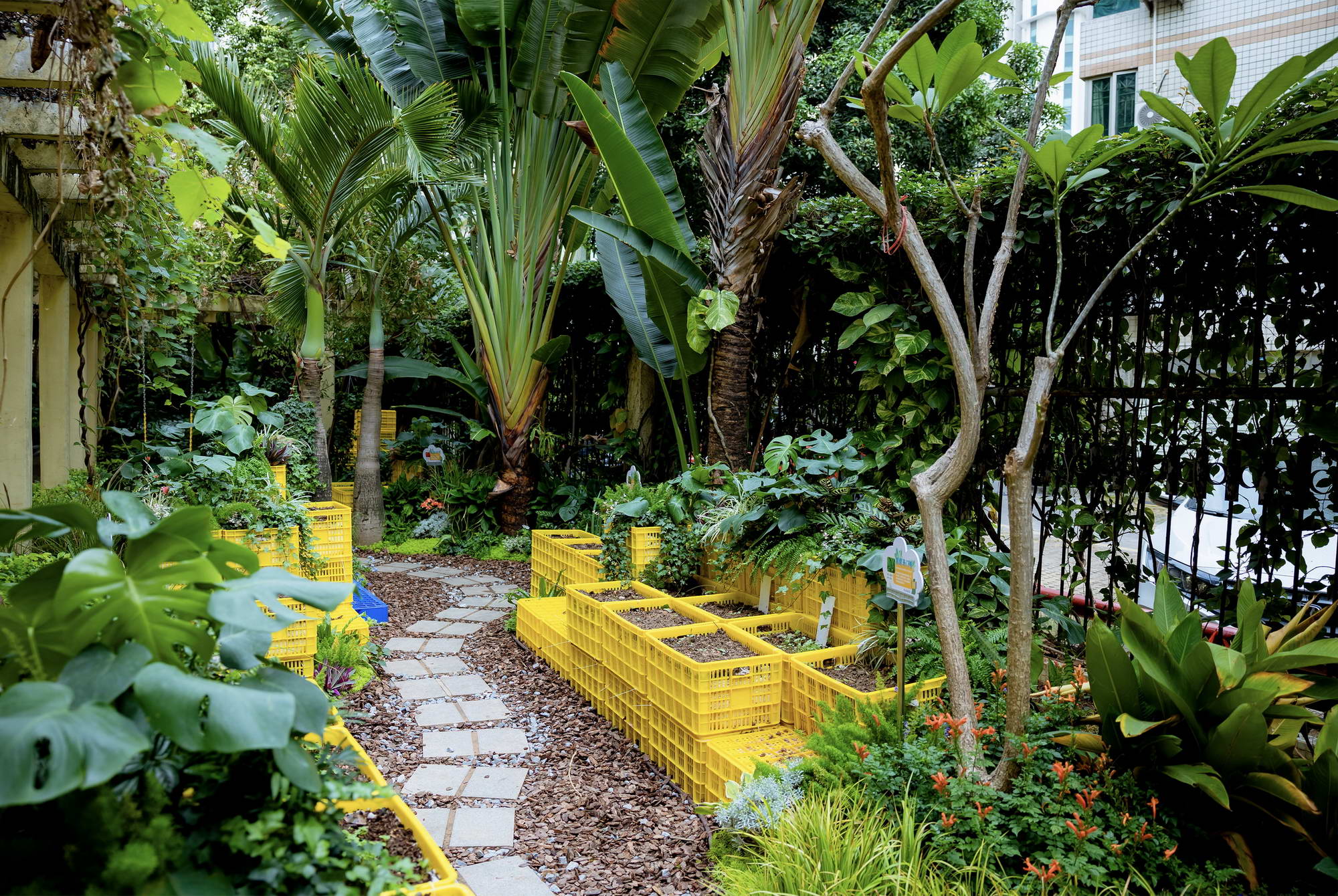
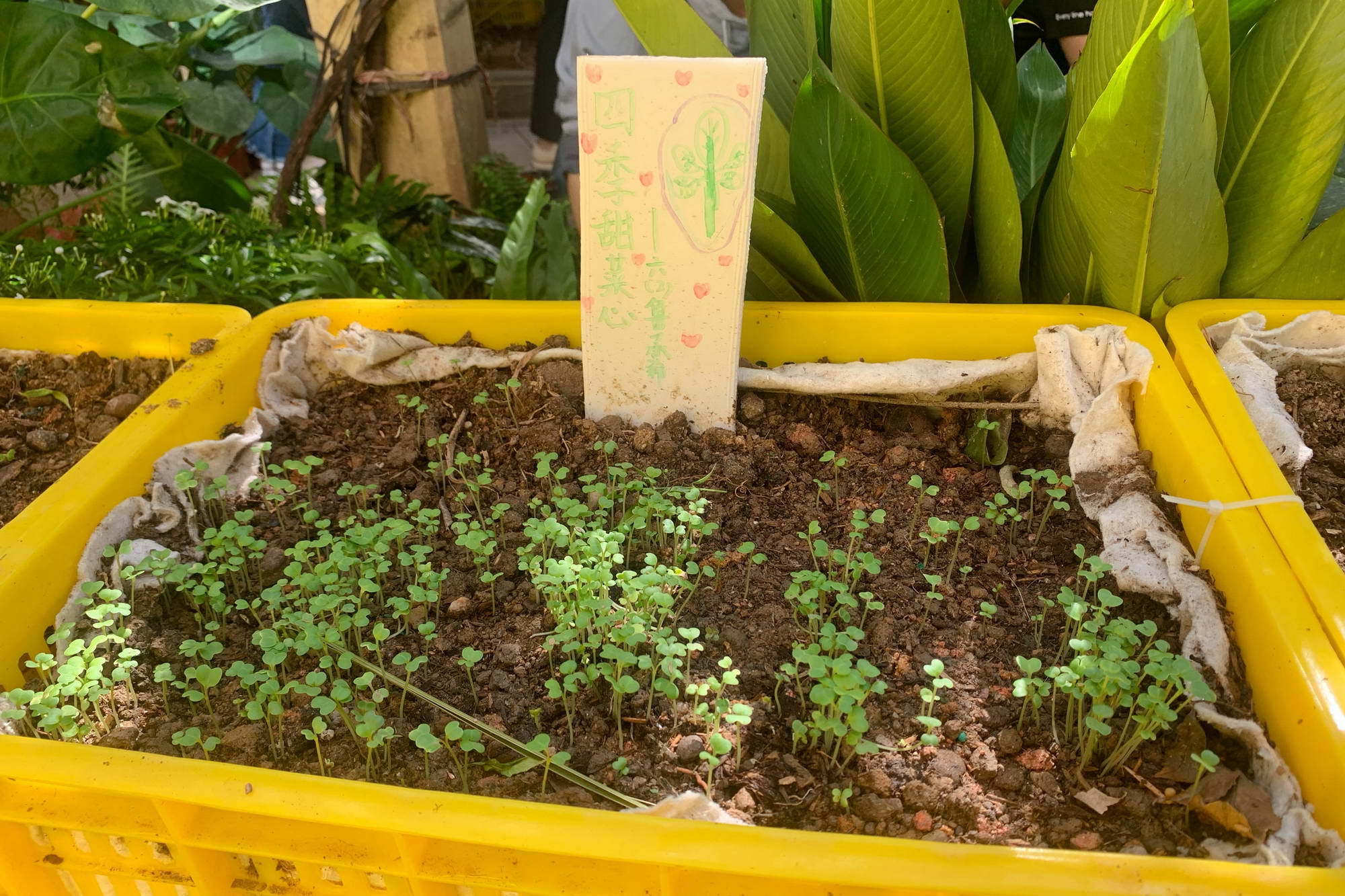
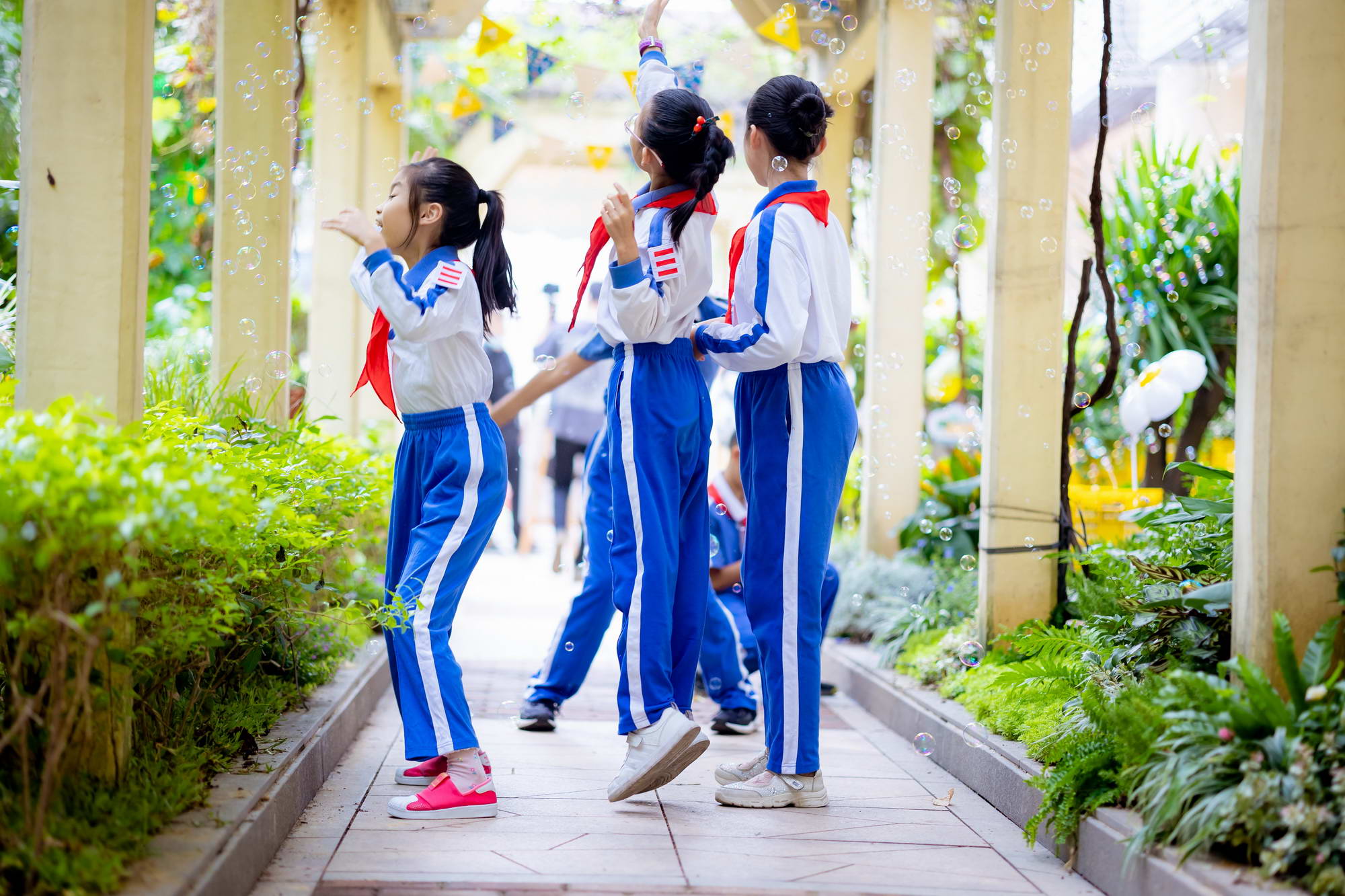
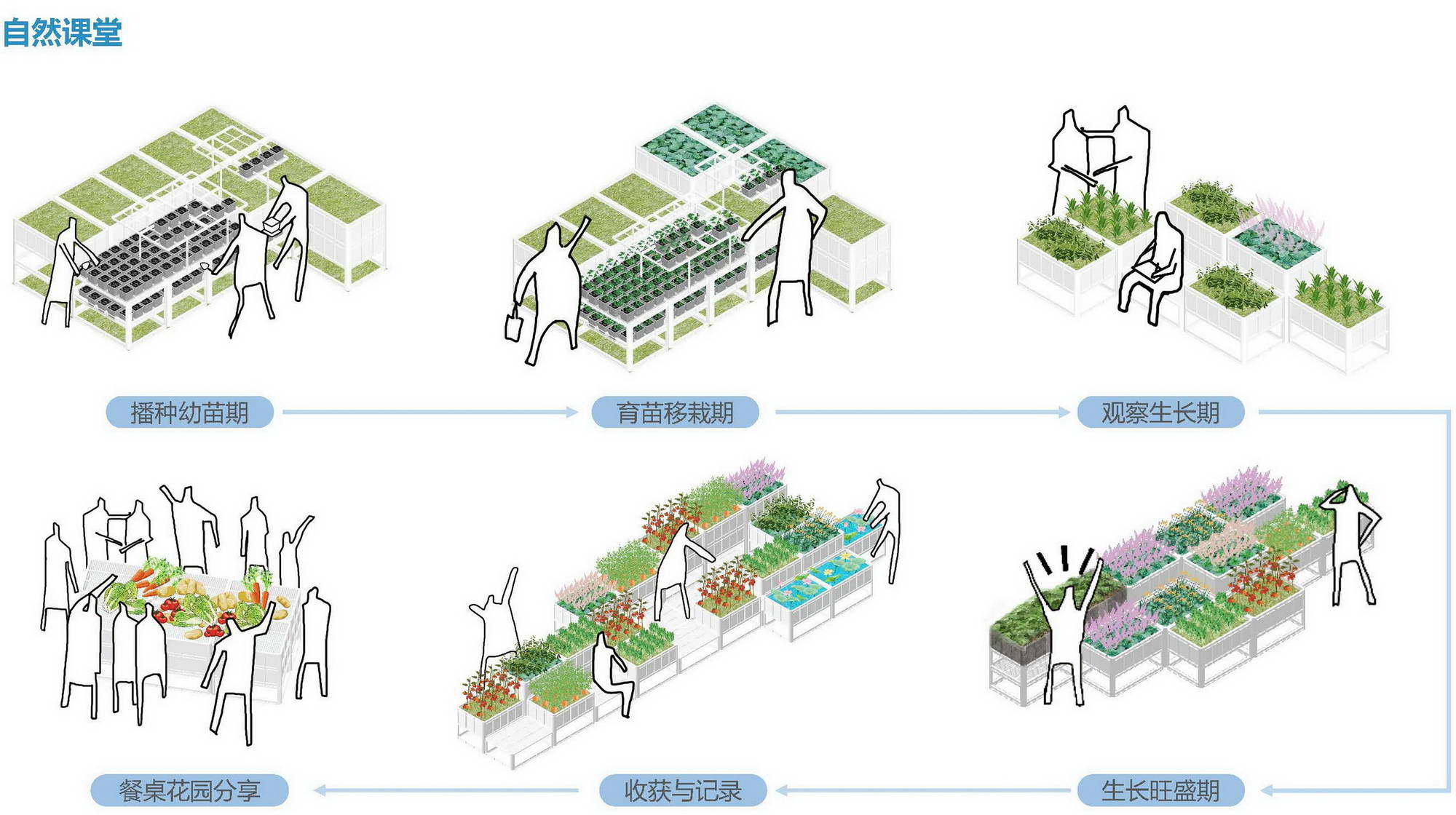
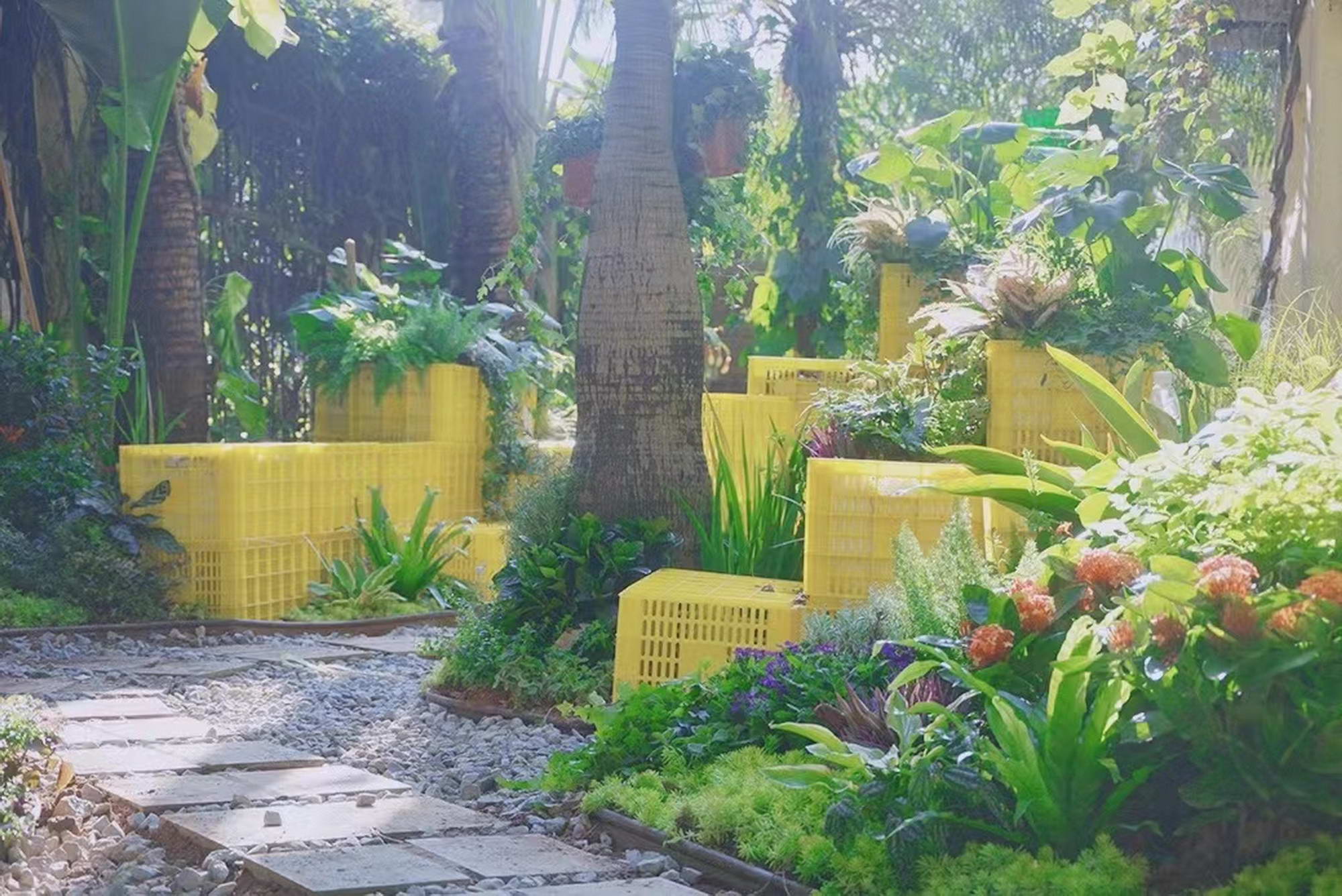
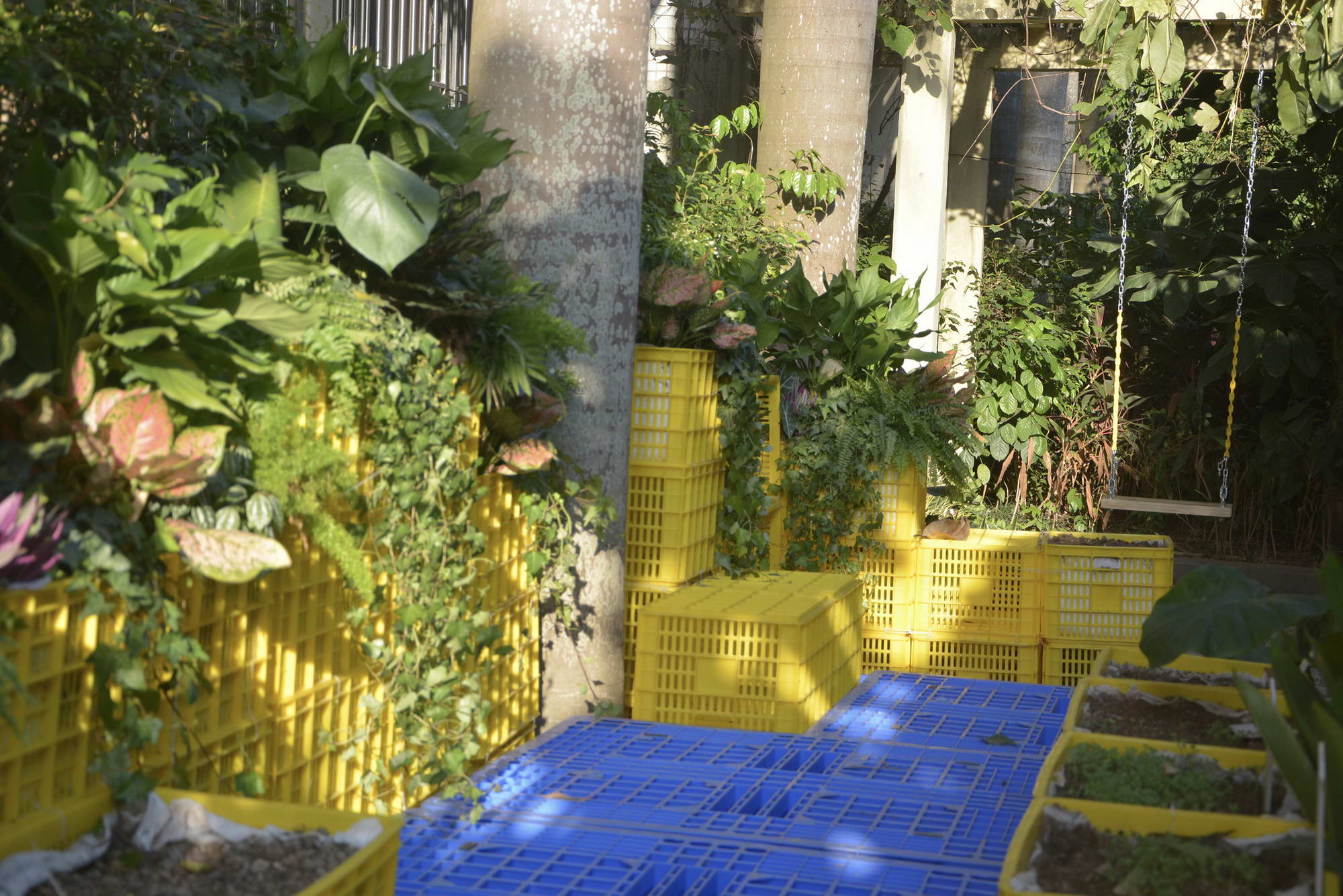
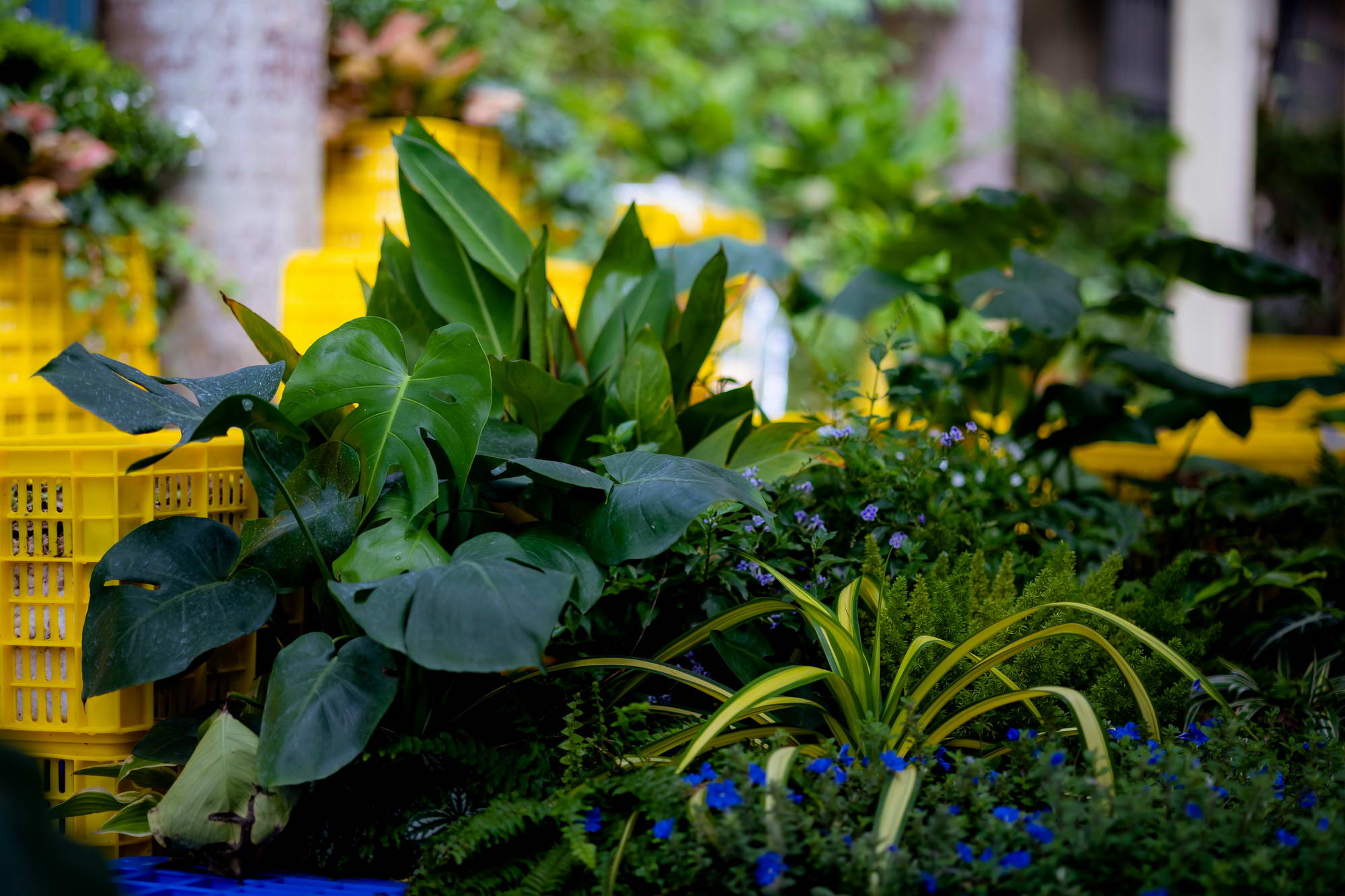
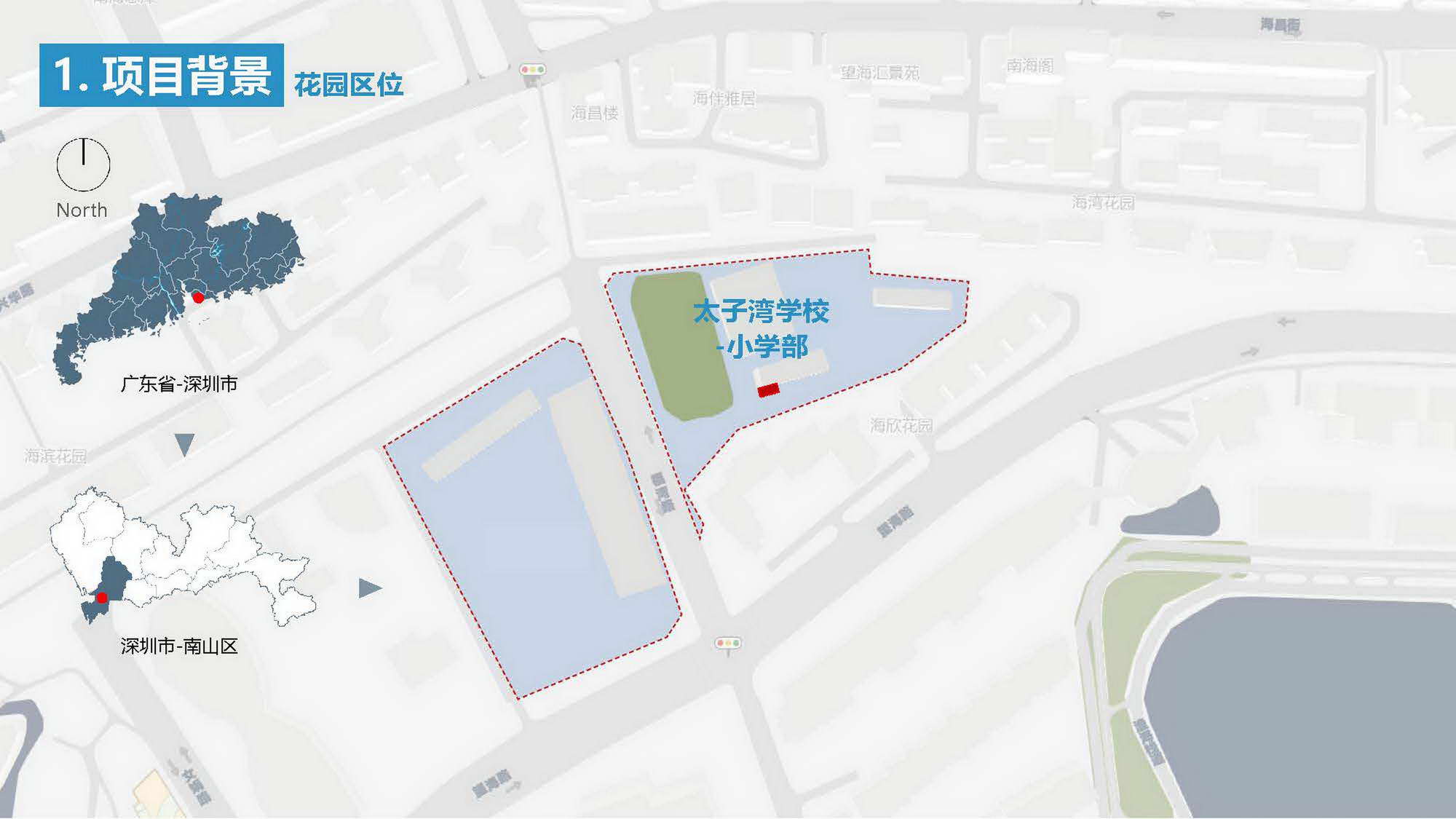
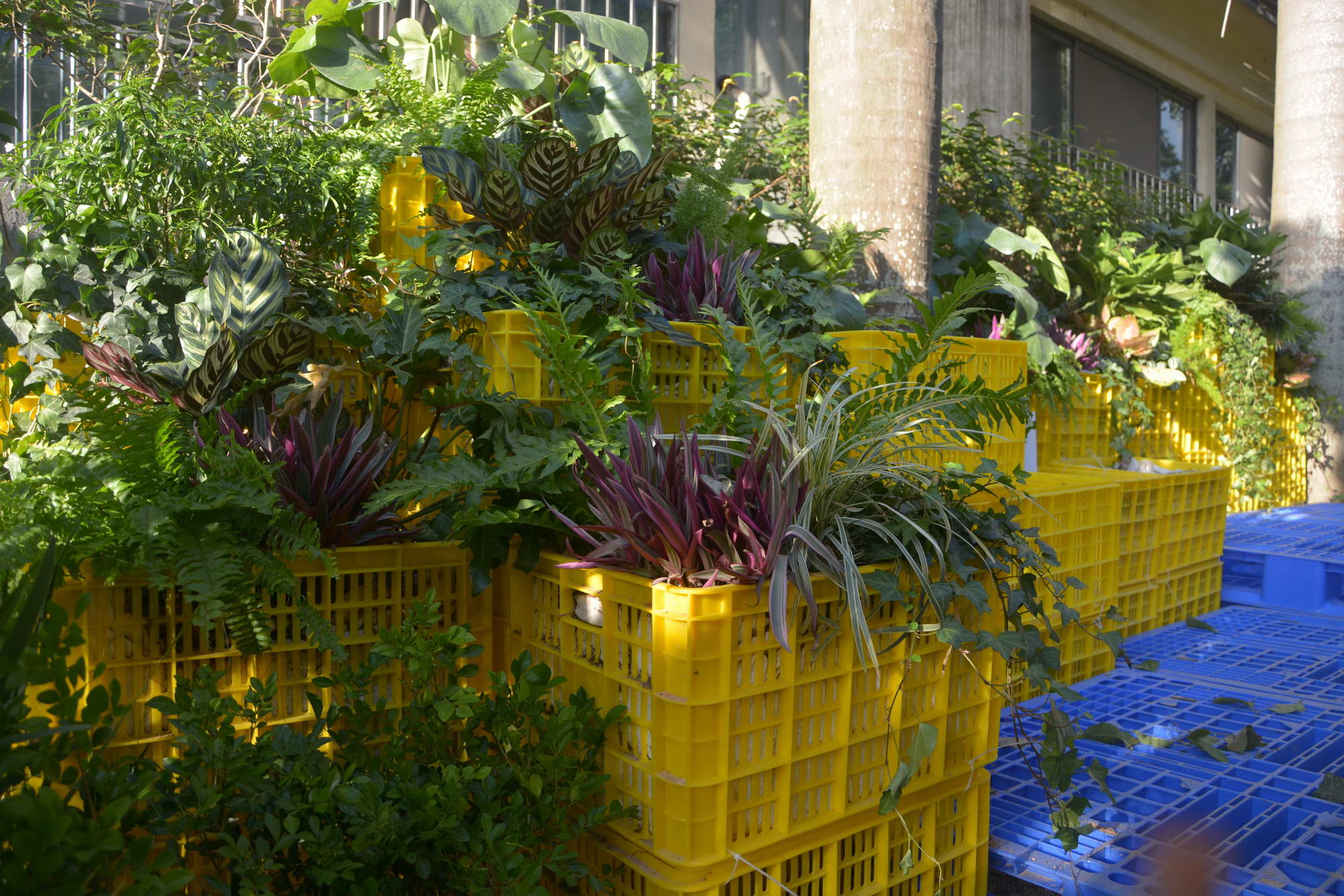
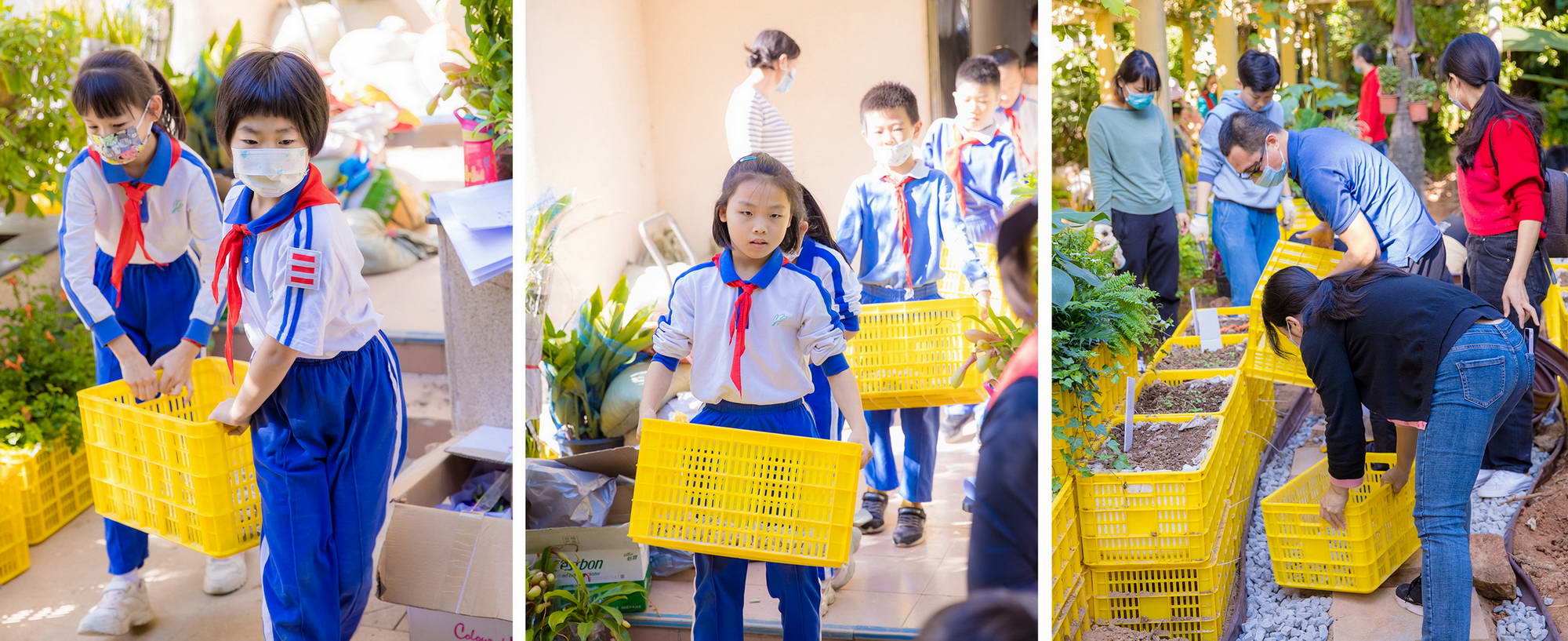
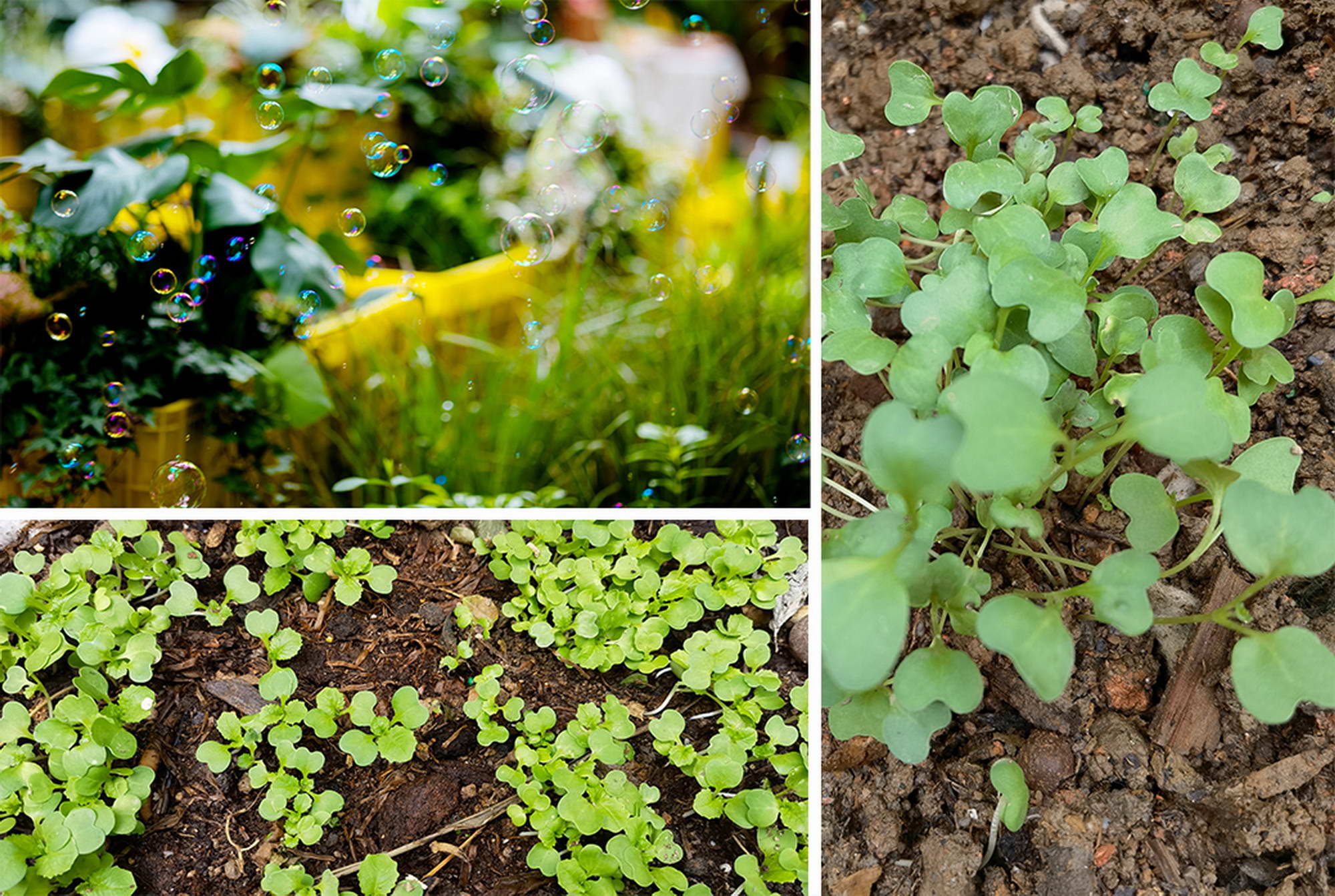
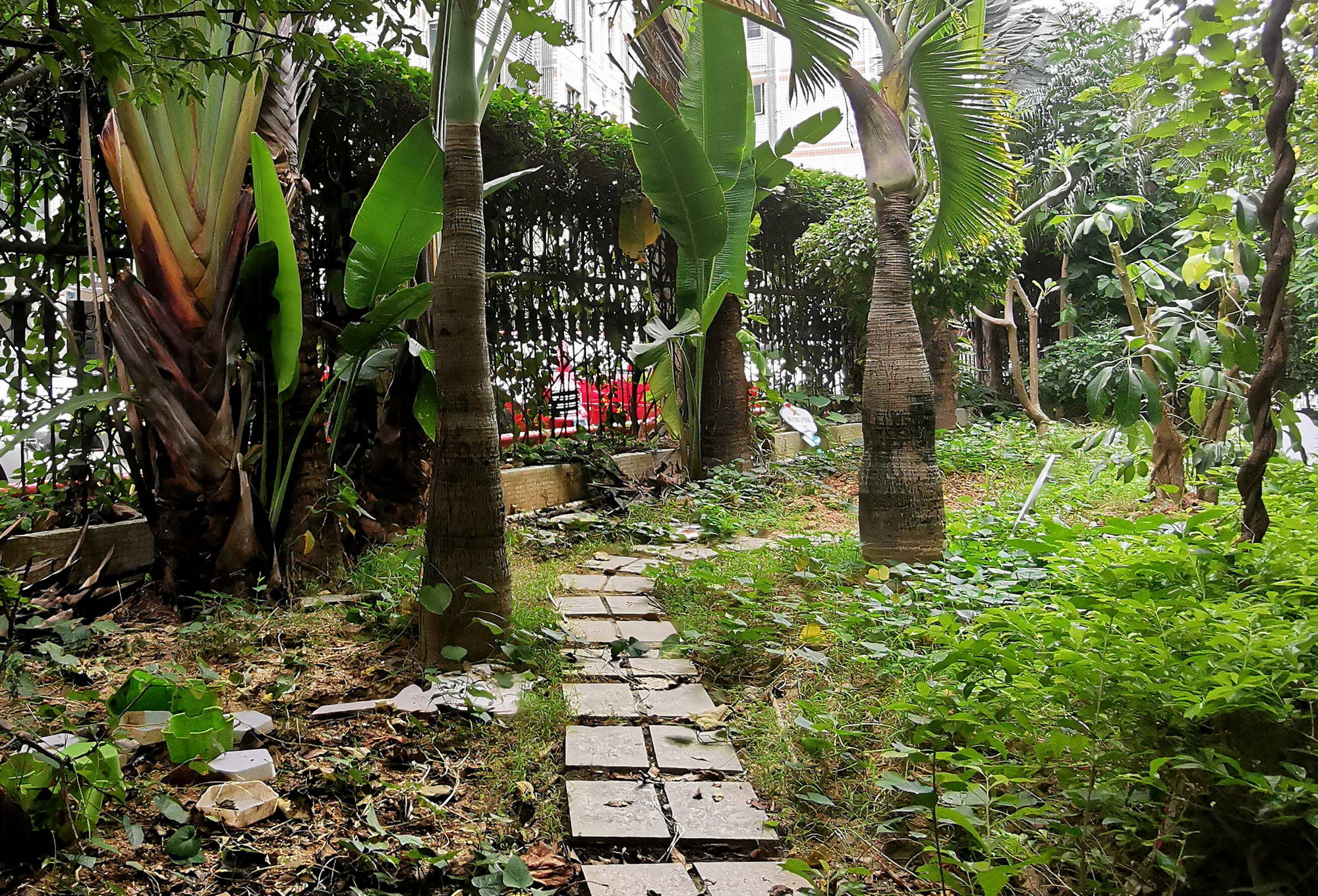
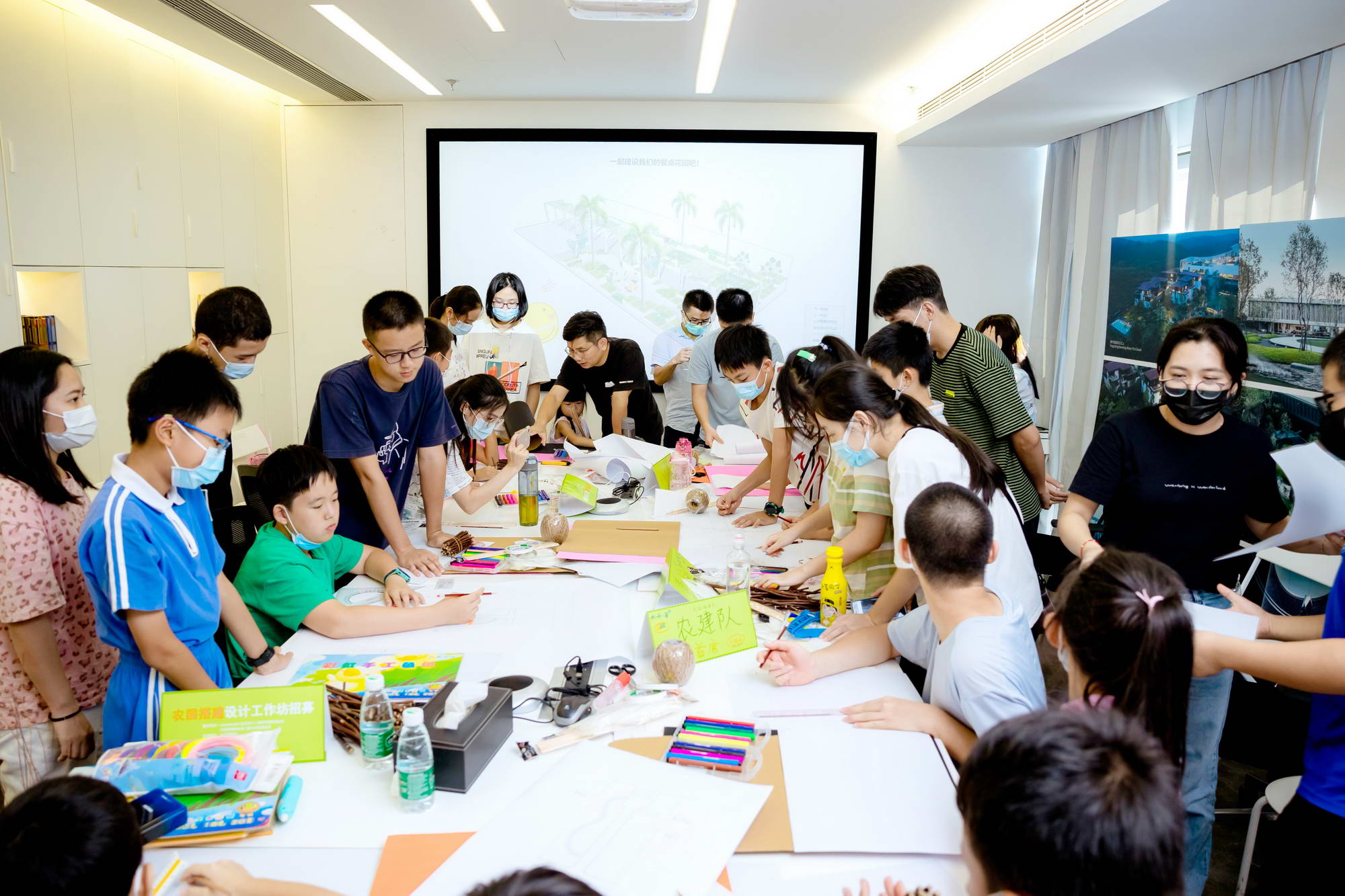
In six months, five events, and over a hundred participants, Metrostudio completed the design and construction of an edible garden on campus using a children-plus-designers model, based on a low-cost, low-maintenance, co-built, and shared strategy. The process of co-building the garden was brief, but through the process, it inspired children's sense of identification with the campus and achievement, planting seeds of beauty and love in their hearts—spiritual touches that endure. This is the greatest significance of Metrostudio's participation in community co-building. The project is a community garden practice by Metrostudio as part of Shenzhen's Co-build times Design small beauty competition, hosted by the Nanshan District Urban Management and Comprehensive Law Enforcement Bureau. Metrostudio partnered with Taizishan School and co-organized with the Shenzhen Green Foundation, The Nature Conservancy, and the Shekou Community Foundation. This is an open design-and-build project that, through multi-party participation and design coordination, transformed a disused campus green space. The site is located between the west side of the primary school teaching building and the school perimeter wall, with a pergola dividing the narrow space into two small plots. The planned renovation area is approximately 200 square meters. This area had become a collection point for discarded plants from across the campus; after years of unchecked growth, the planting was so dense that it even blocked the ground-floor windows of the adjacent teaching building. The project demonstrates how community co-building can transform neglected campus spaces into productive, educational gardens while building children's connection to place.







 Editor's Pick