Text description provided by the architects
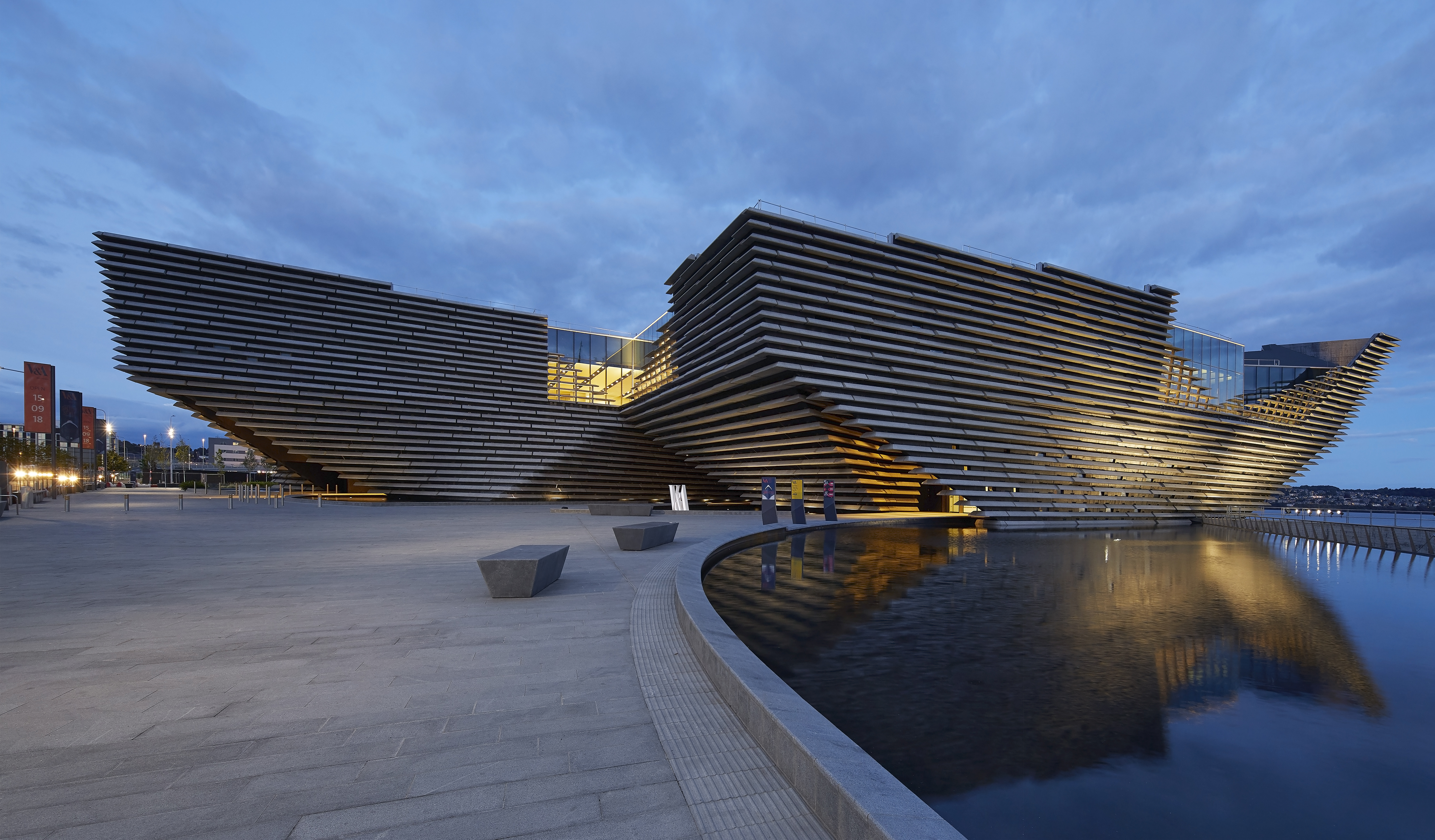
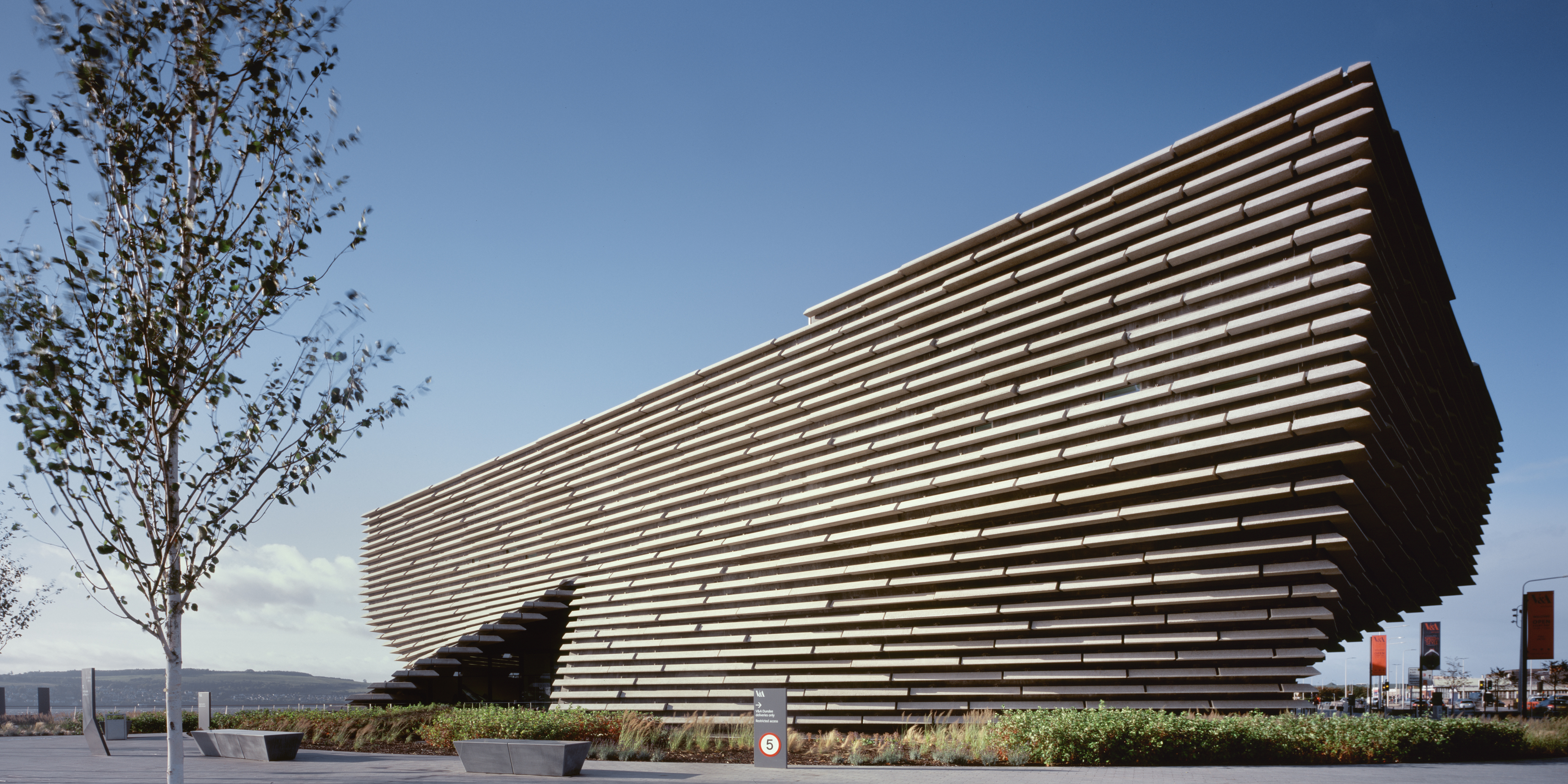
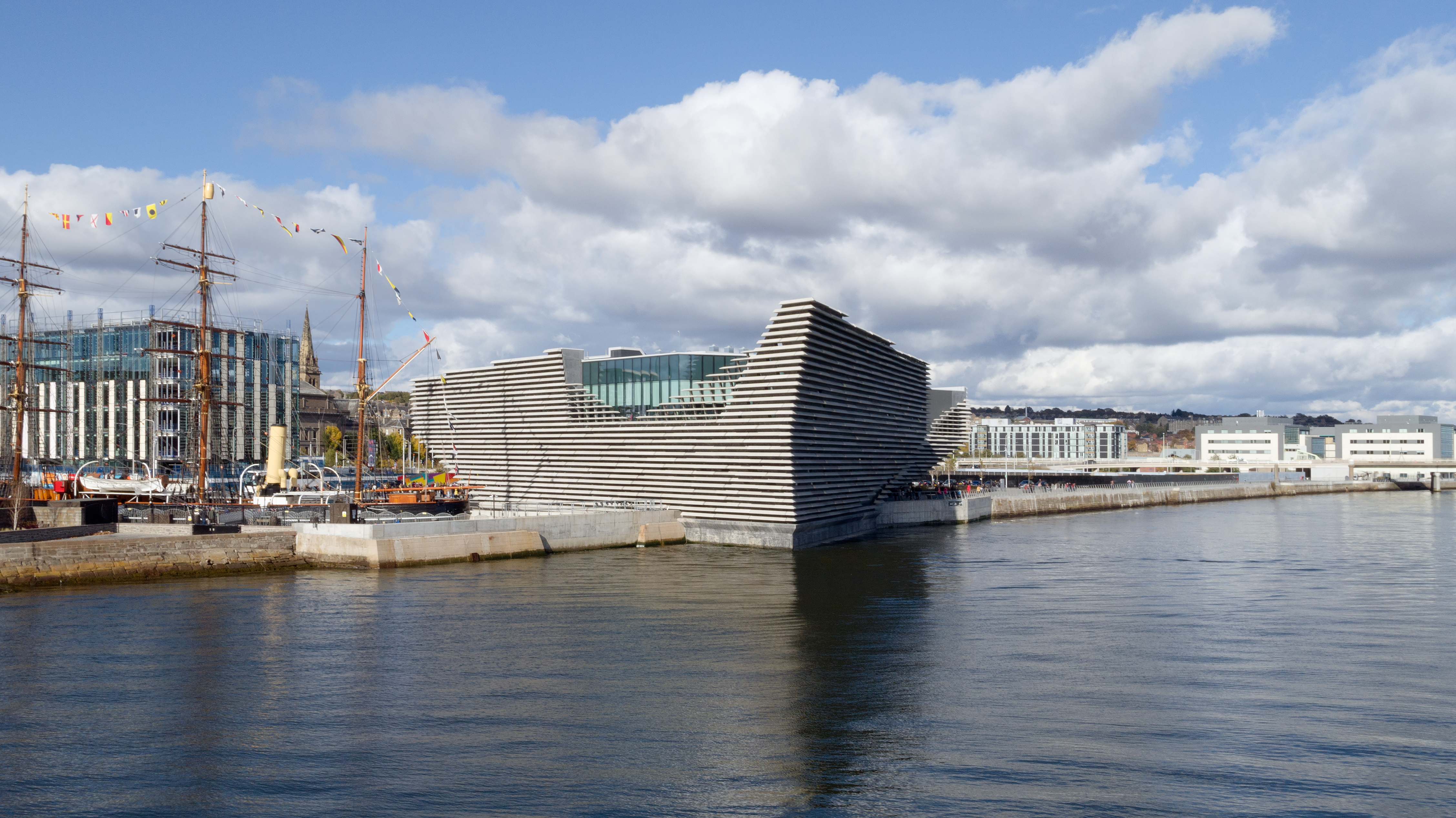
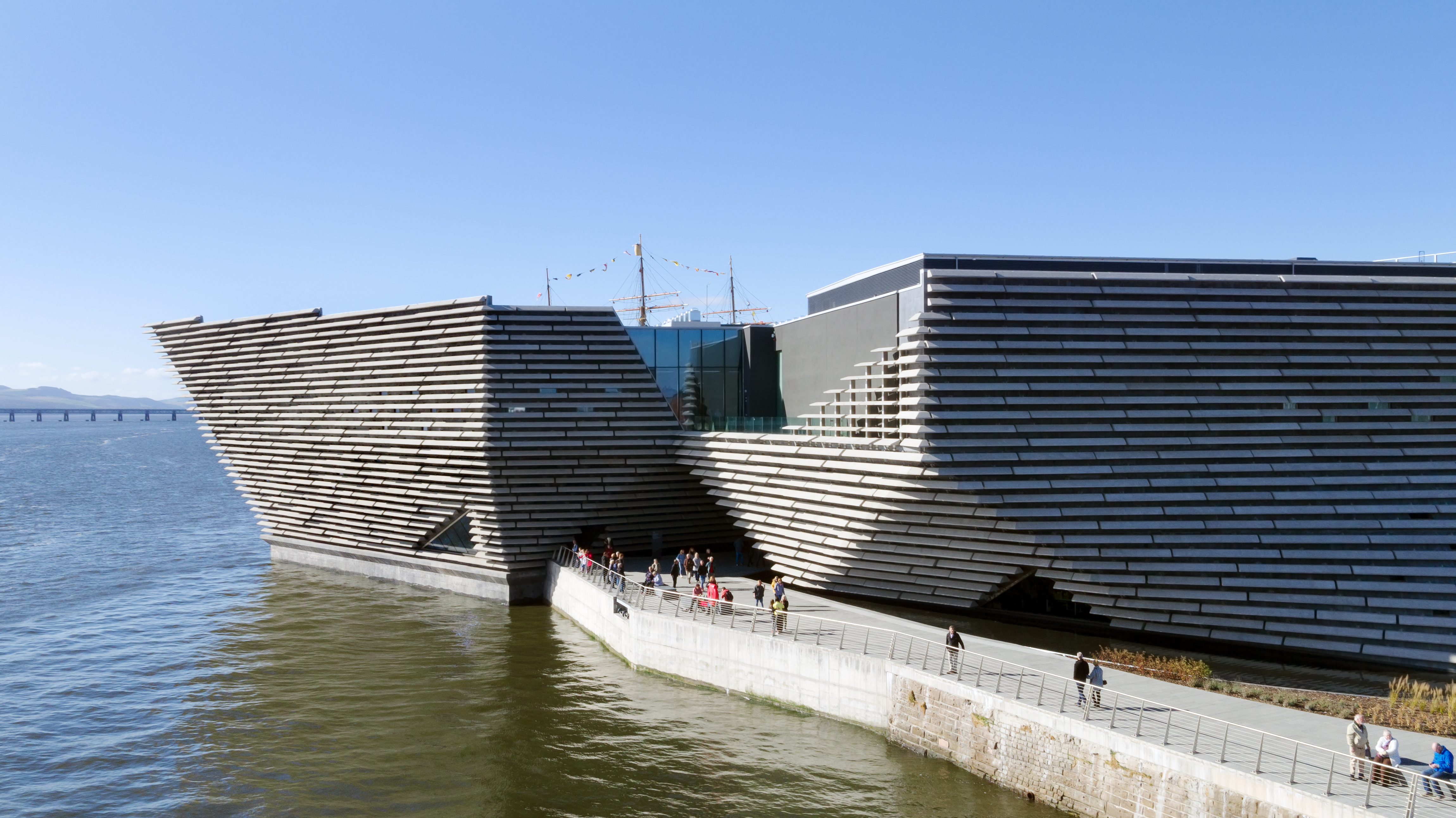
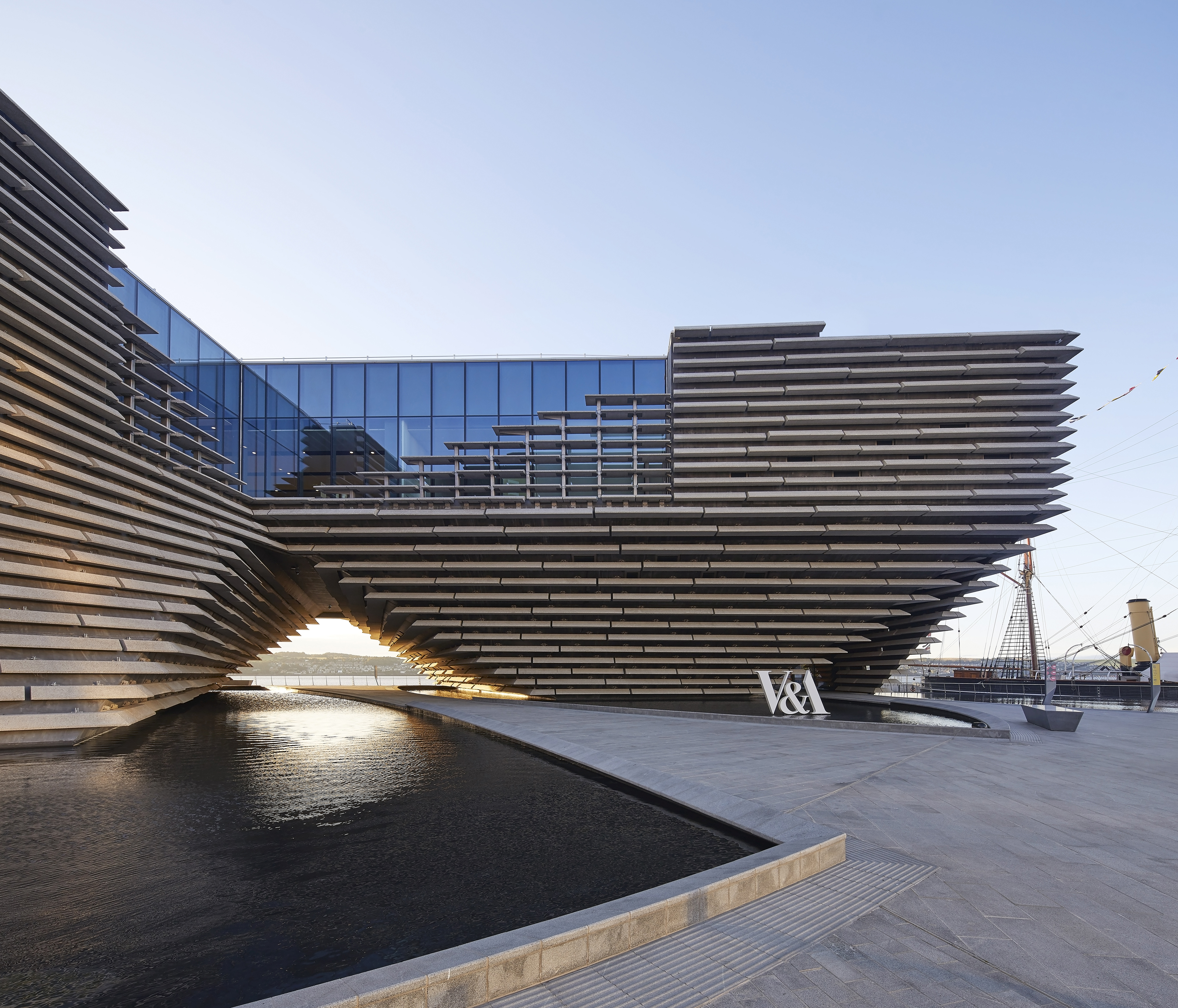
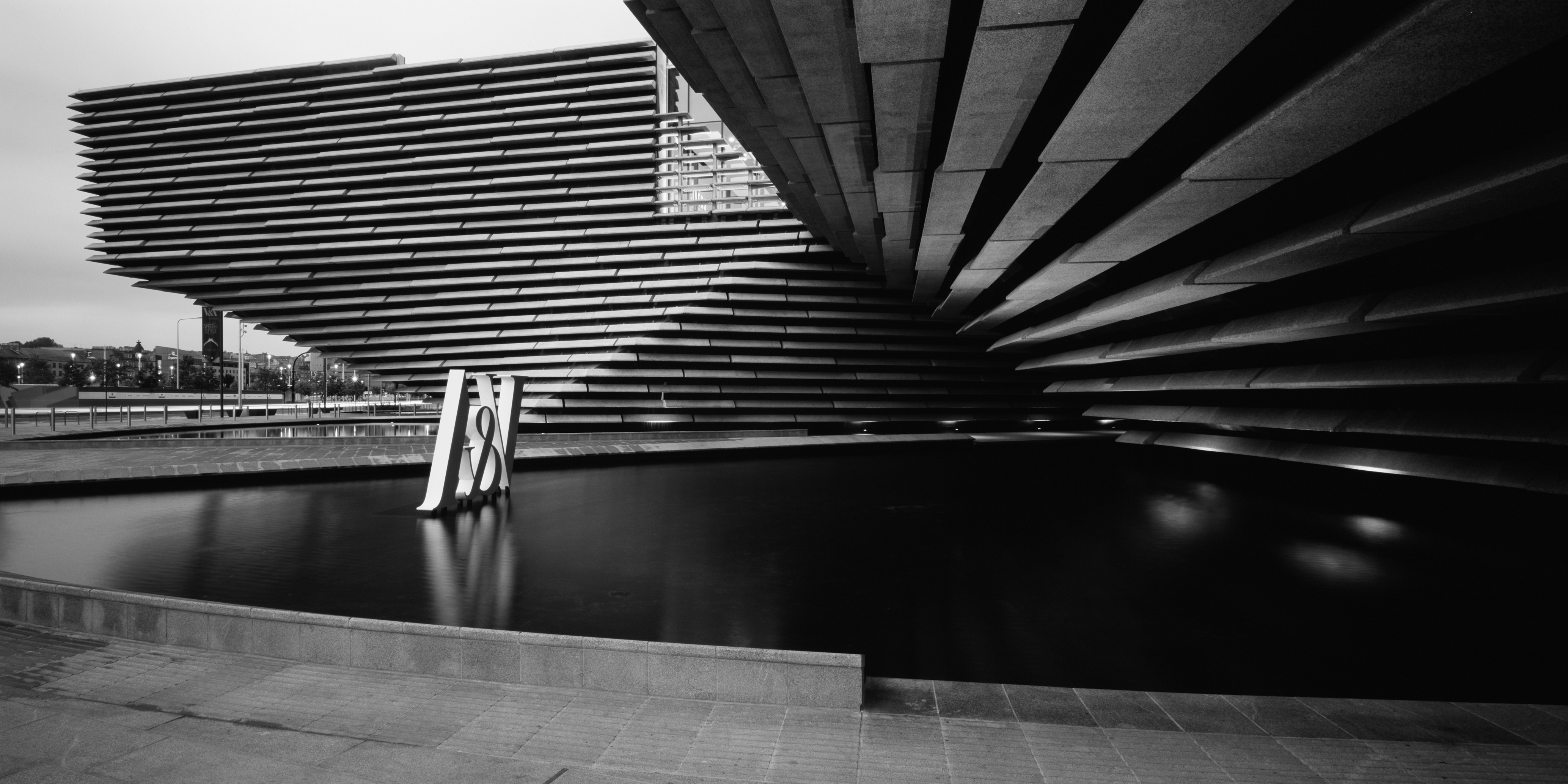
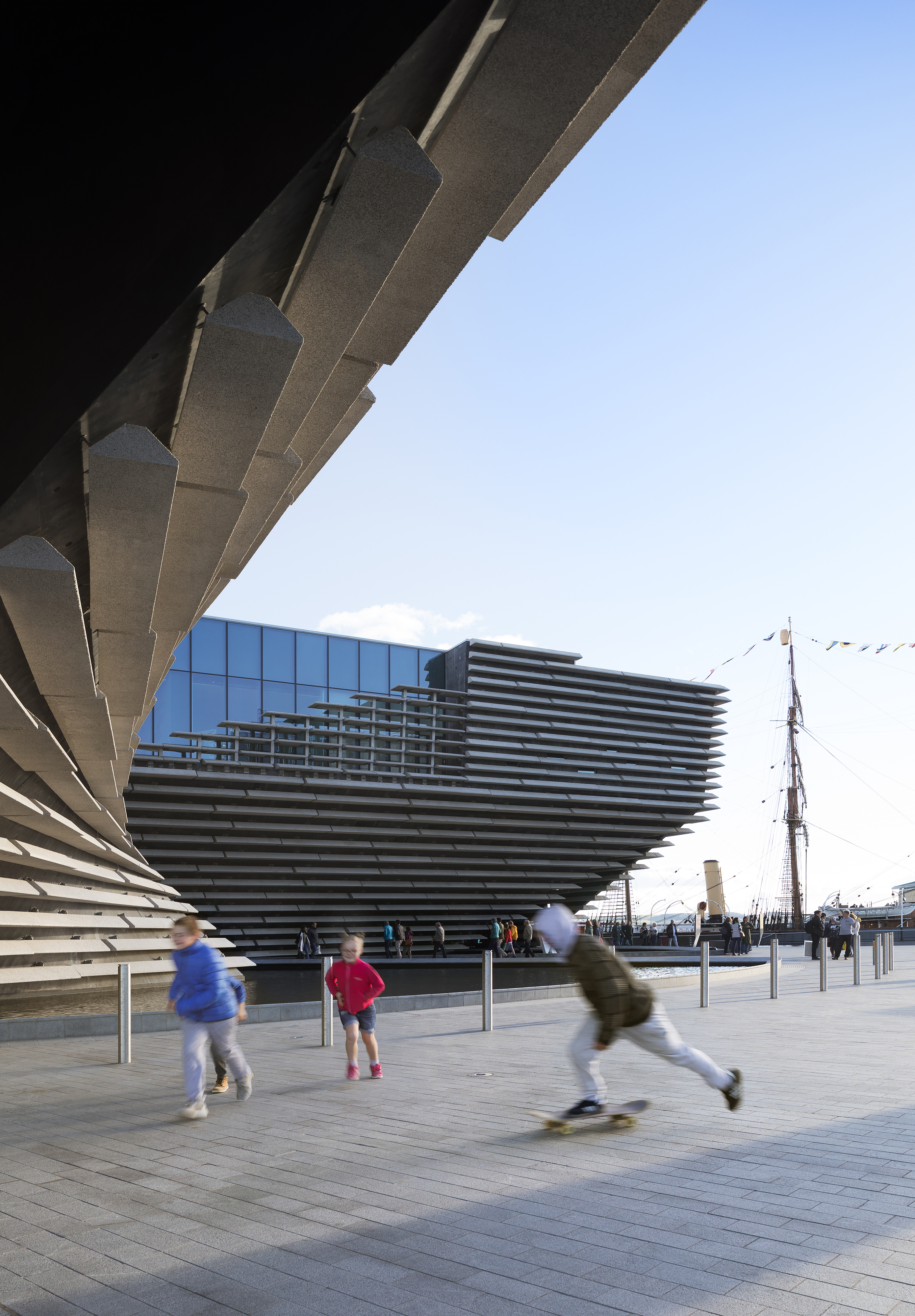
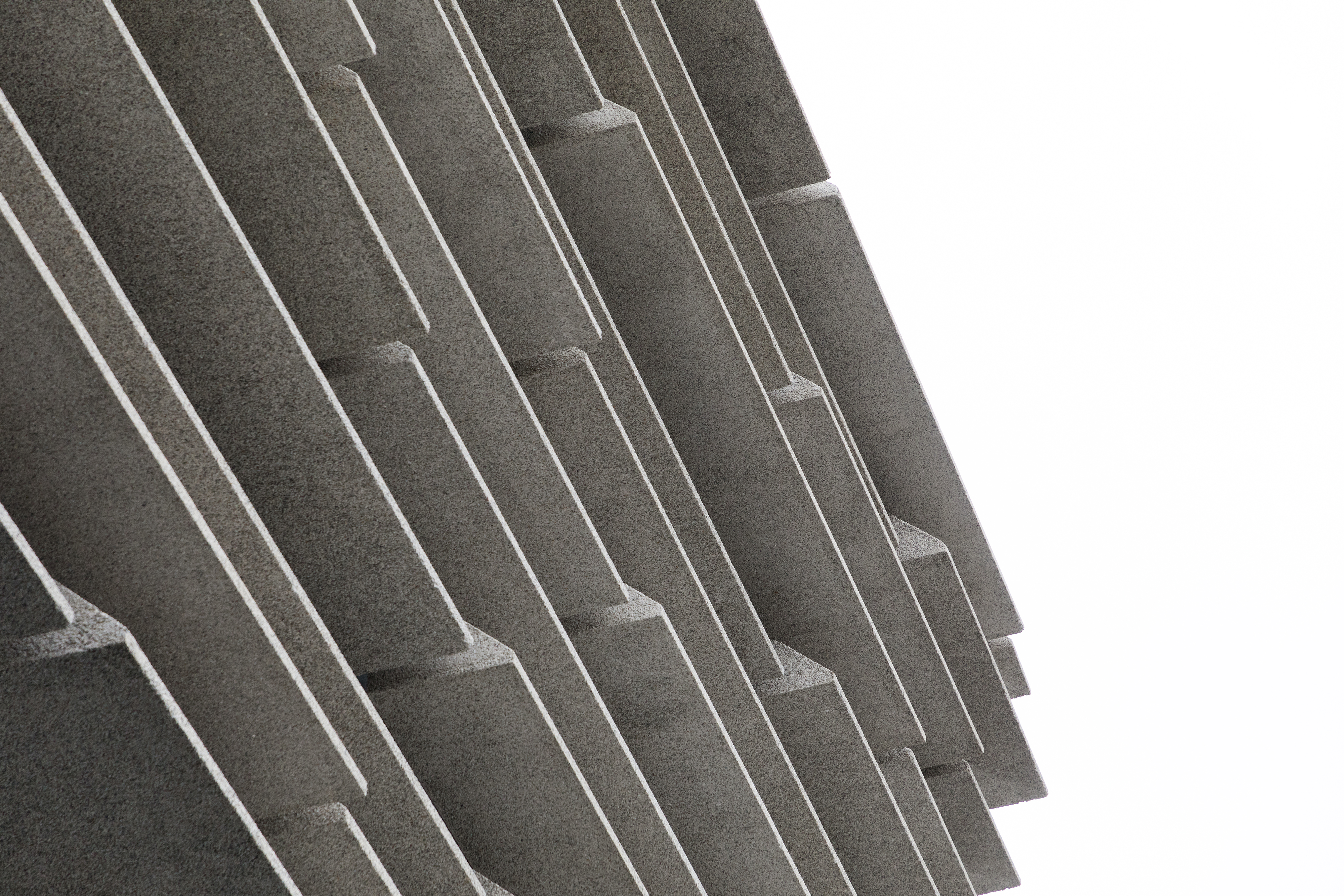
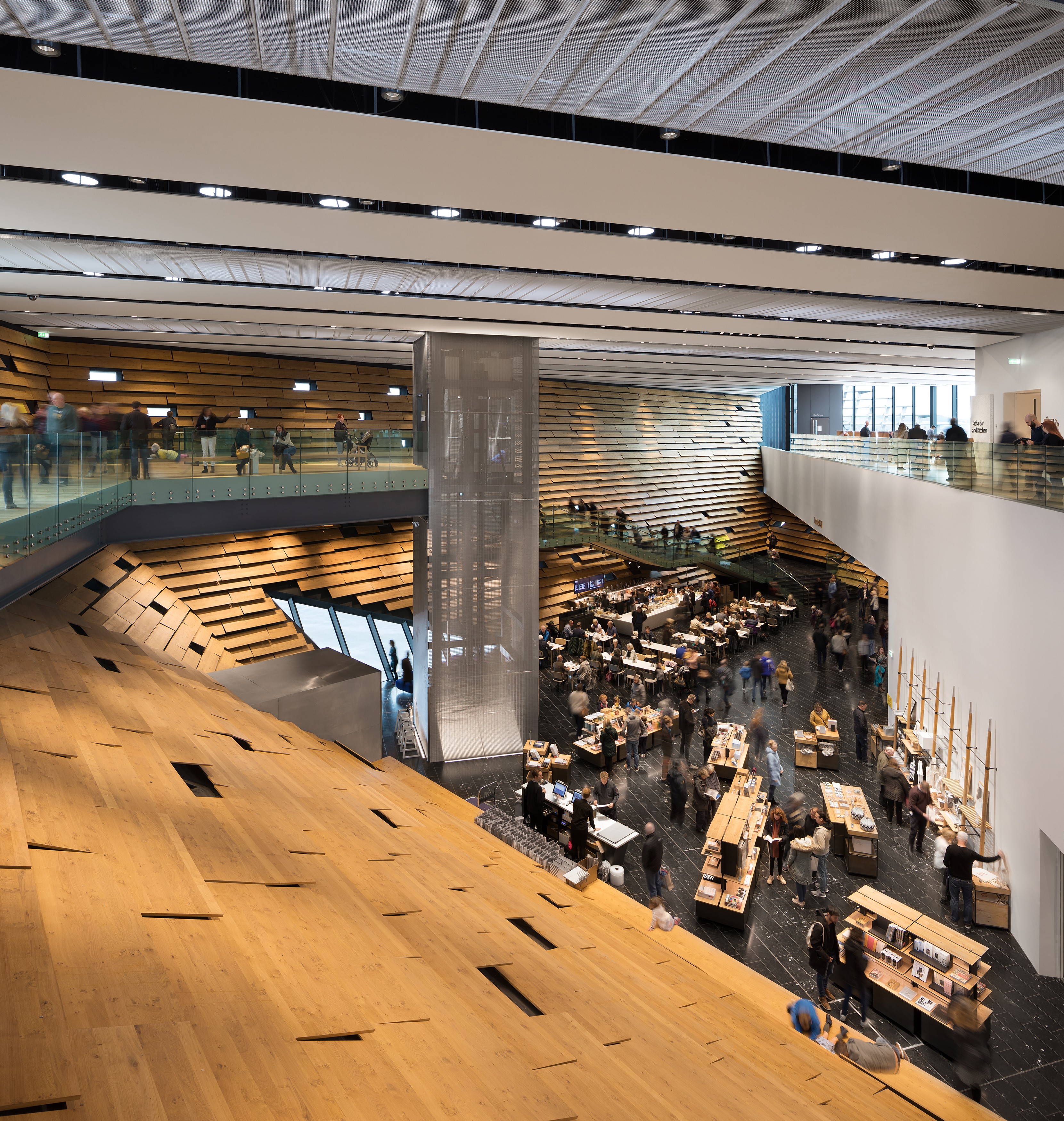
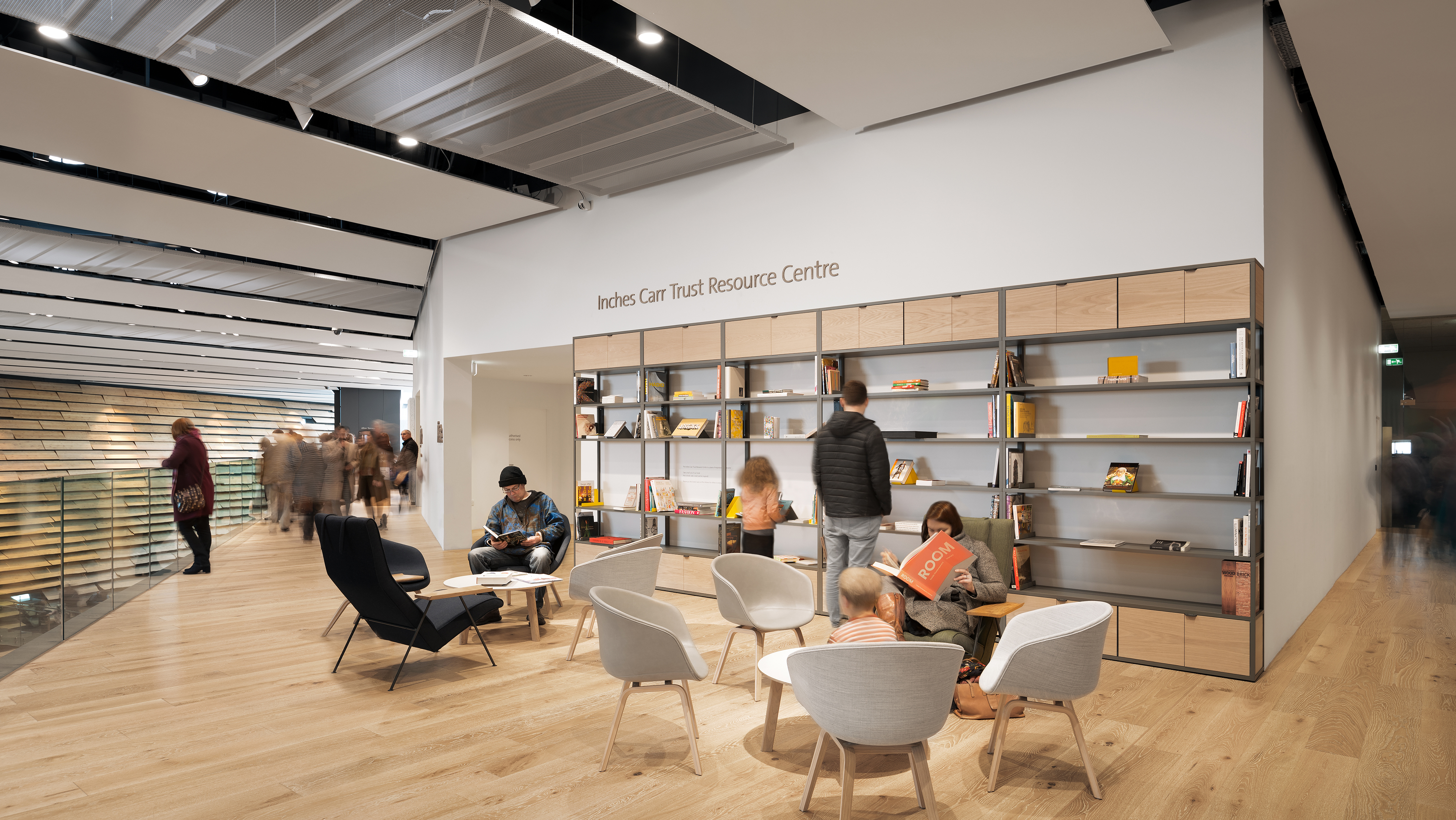
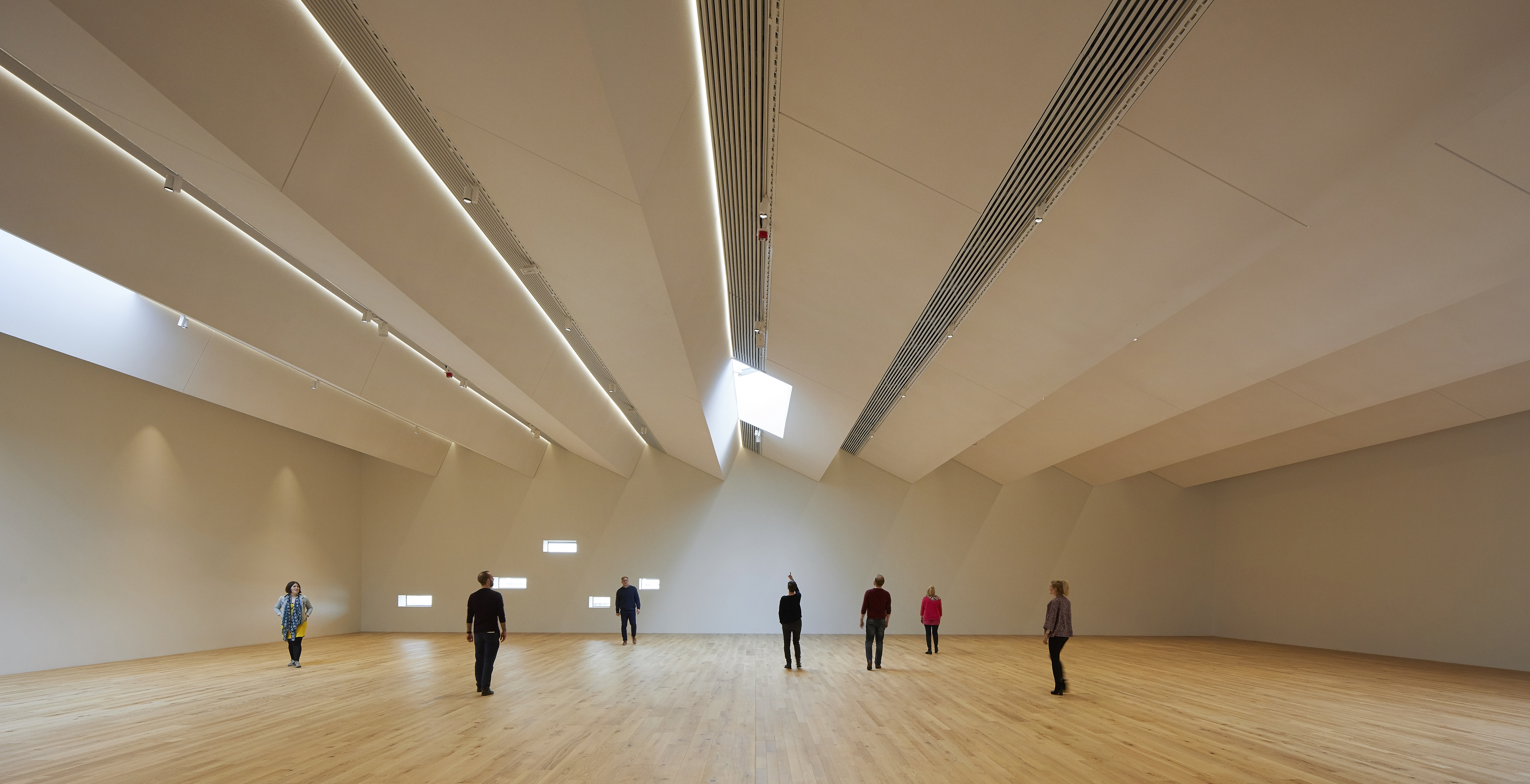
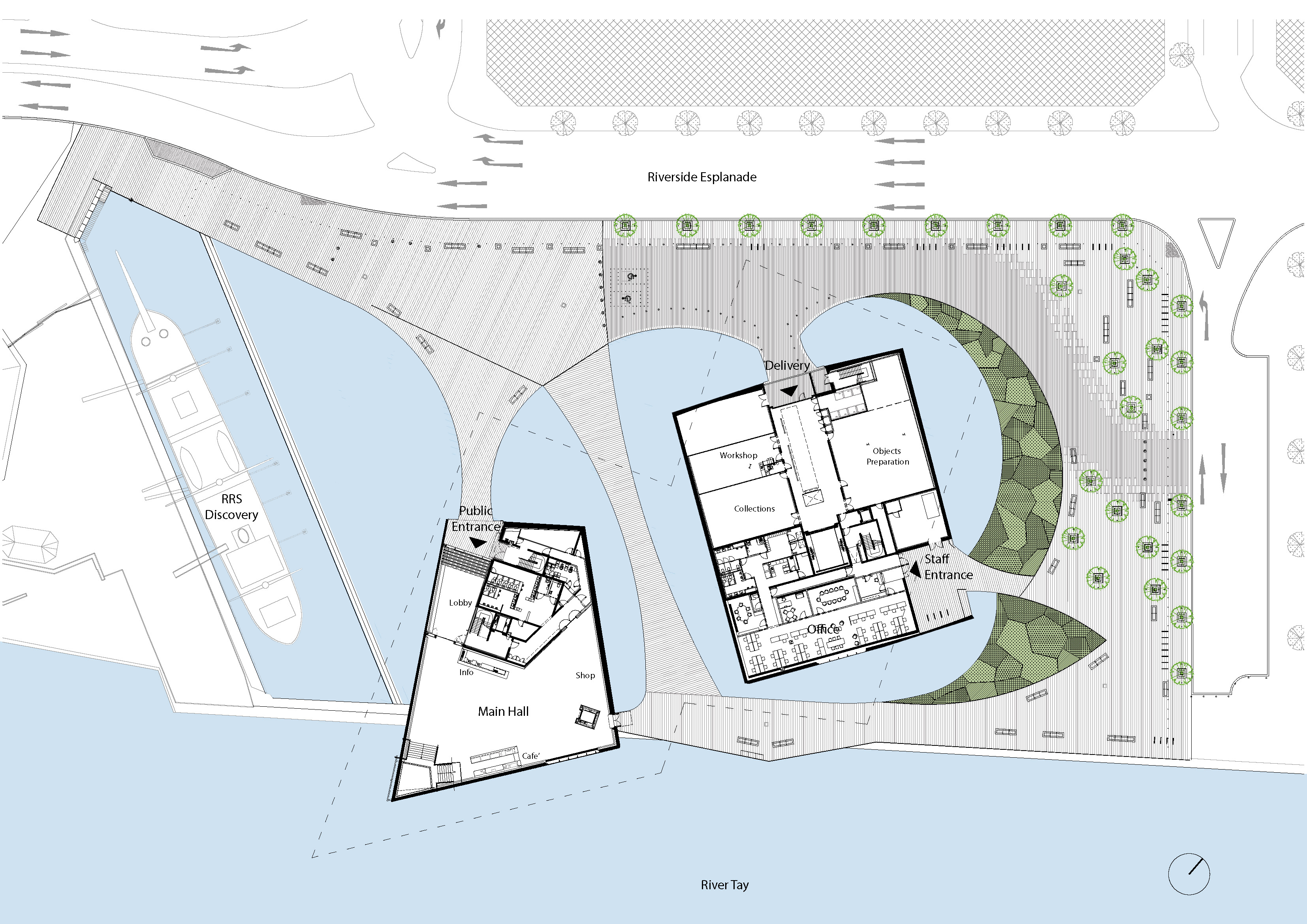
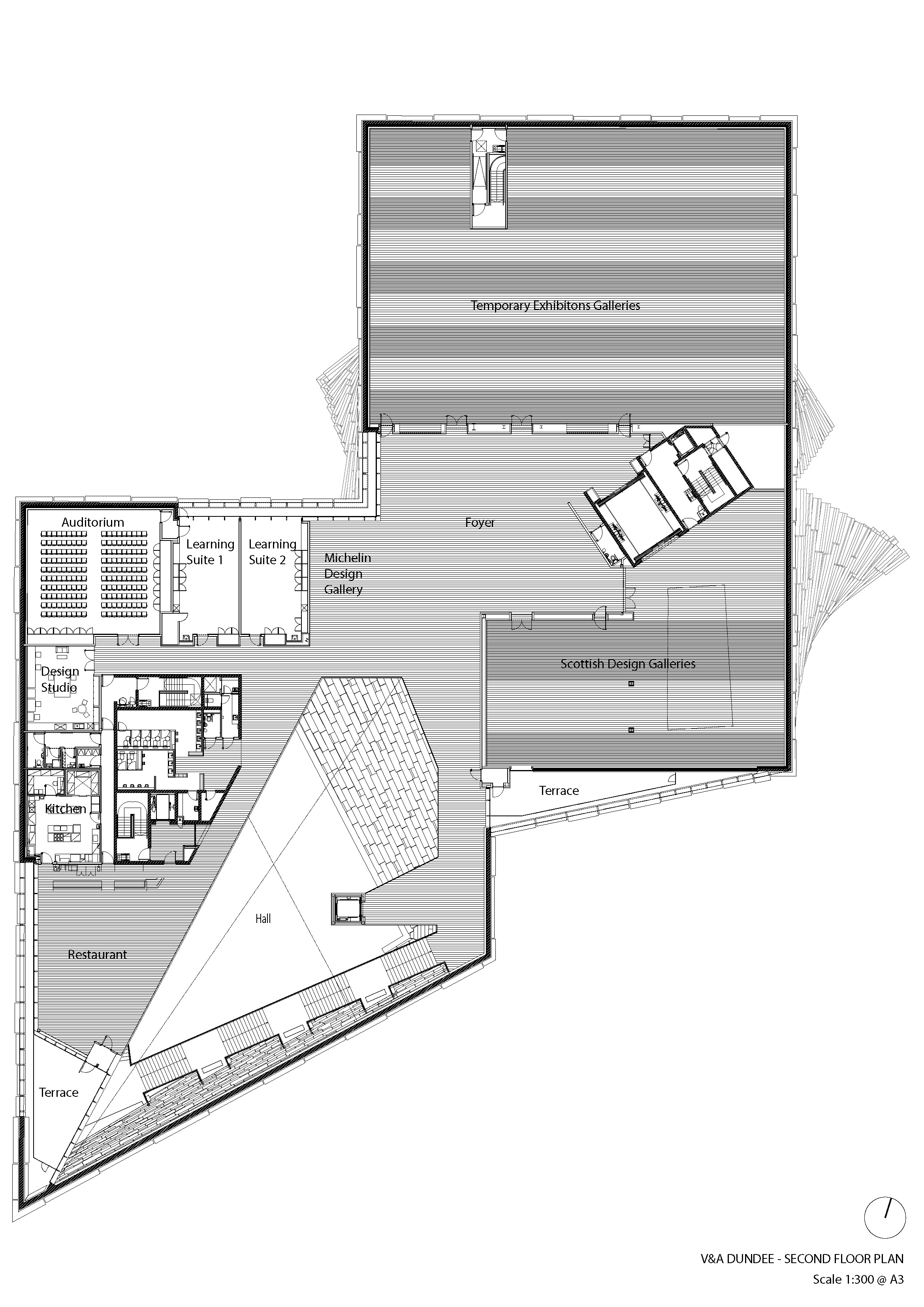
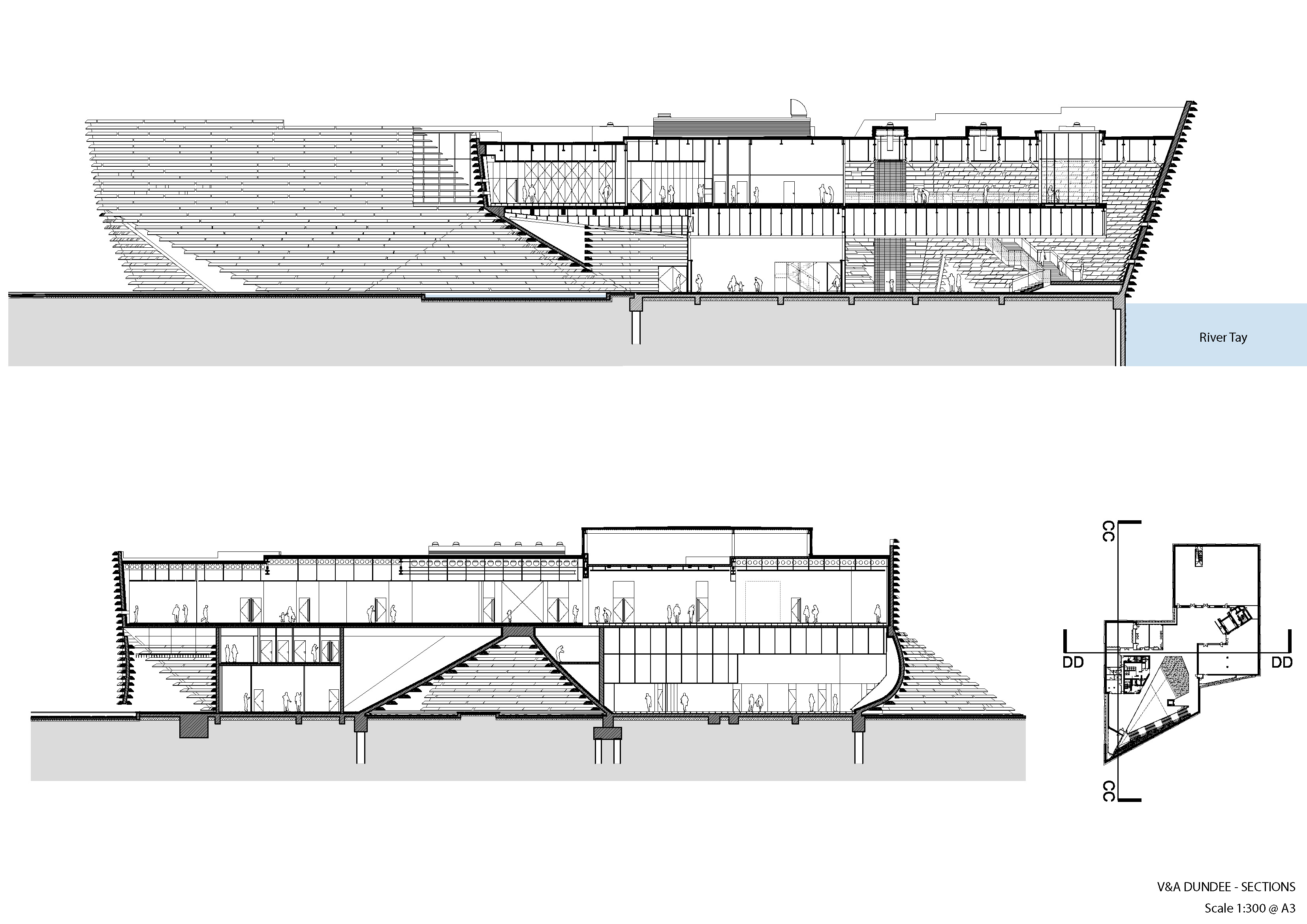
The design of V&A Dundee is intended to act as a connector between the river and the city, creating a frame through which the river can be seen from the city and vice versa. The building acts as a gate through which the city can once again access the world, in a way that reflects on Dundee's industrial heritage and its reinvention as a cultural city. The museum by Kengo Kuma, working with local partners, sits on the waterfront where the former industrial wharves once stood. Its curving, sculptural form is inspired by the cliffs and rock formations of the Scottish coastline, and its precast concrete panels reference both traditional Scottish stone construction and the industrial scale of the shipyards that once dominated this waterfront. Inside, the museum houses exhibition spaces, a design studio, a cafe, and a shop, all organized around a central atrium that connects to the restored waterfront promenade. The project represents a major cultural investment for Dundee, transforming the city's waterfront and establishing it as a destination for design and heritage tourism. The building has won numerous awards and is credited with catalyzing the regeneration of the city's waterfront.



 Editor's Pick
 Latest Design