Text description provided by the architects
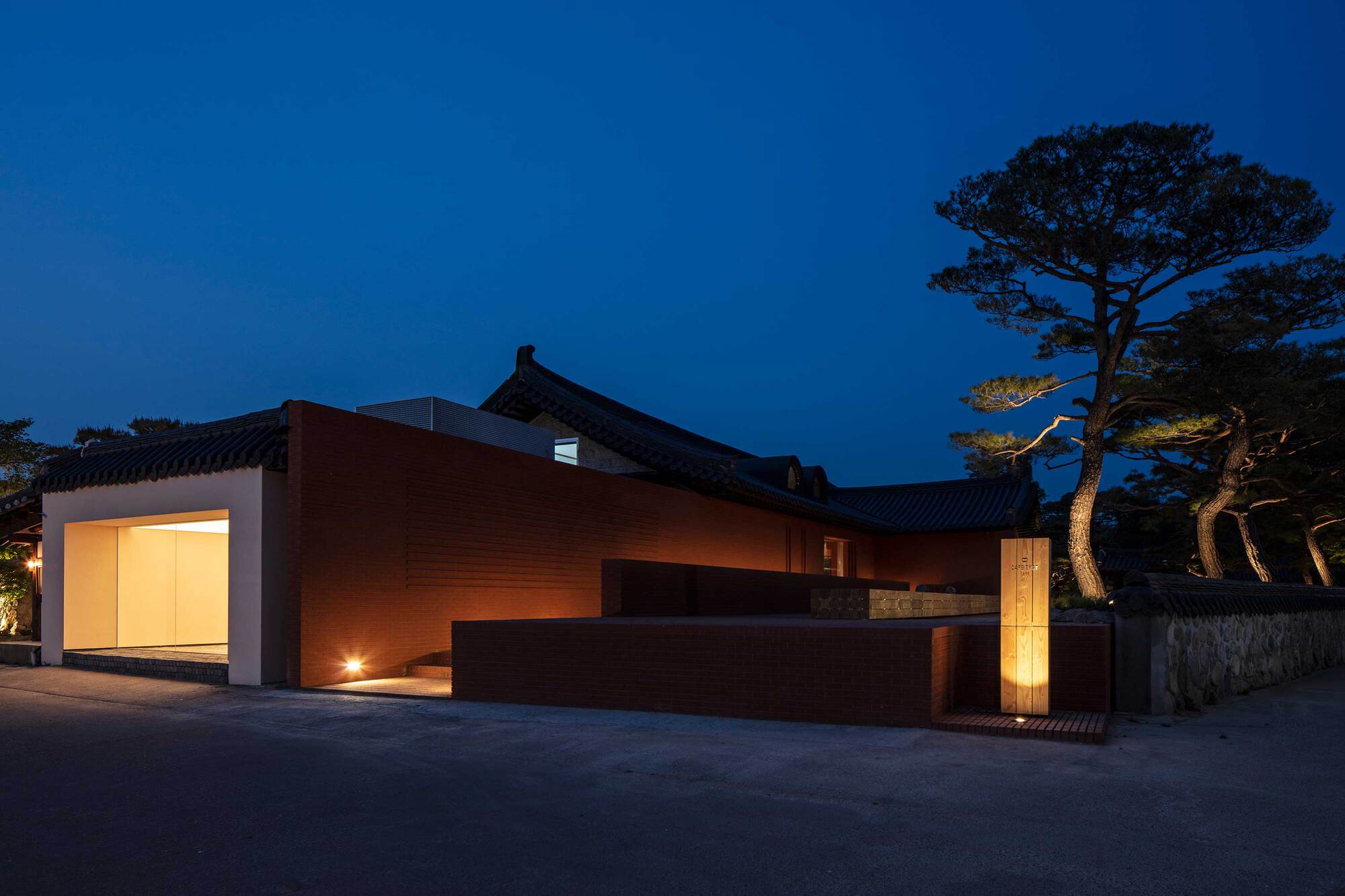
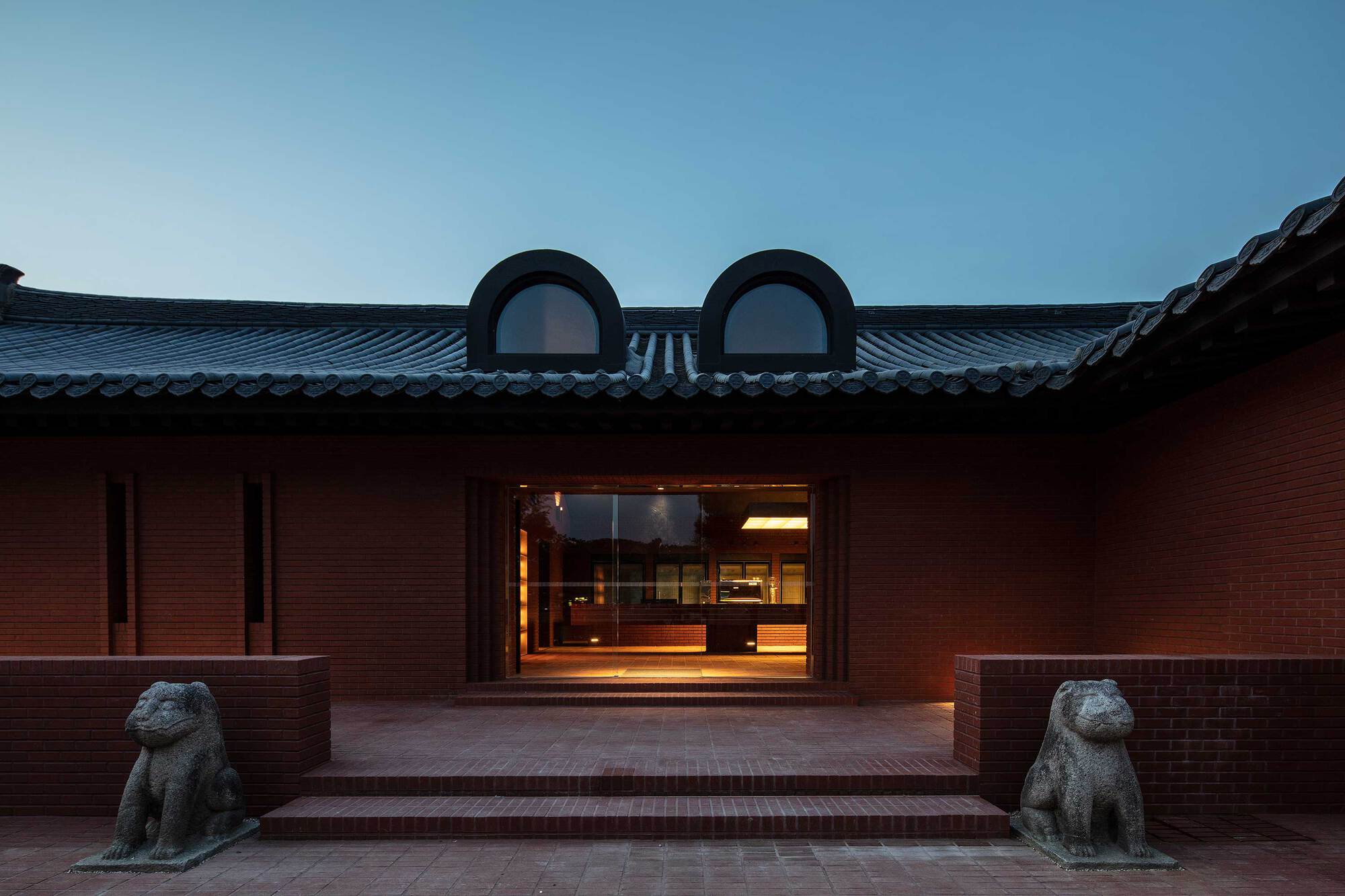
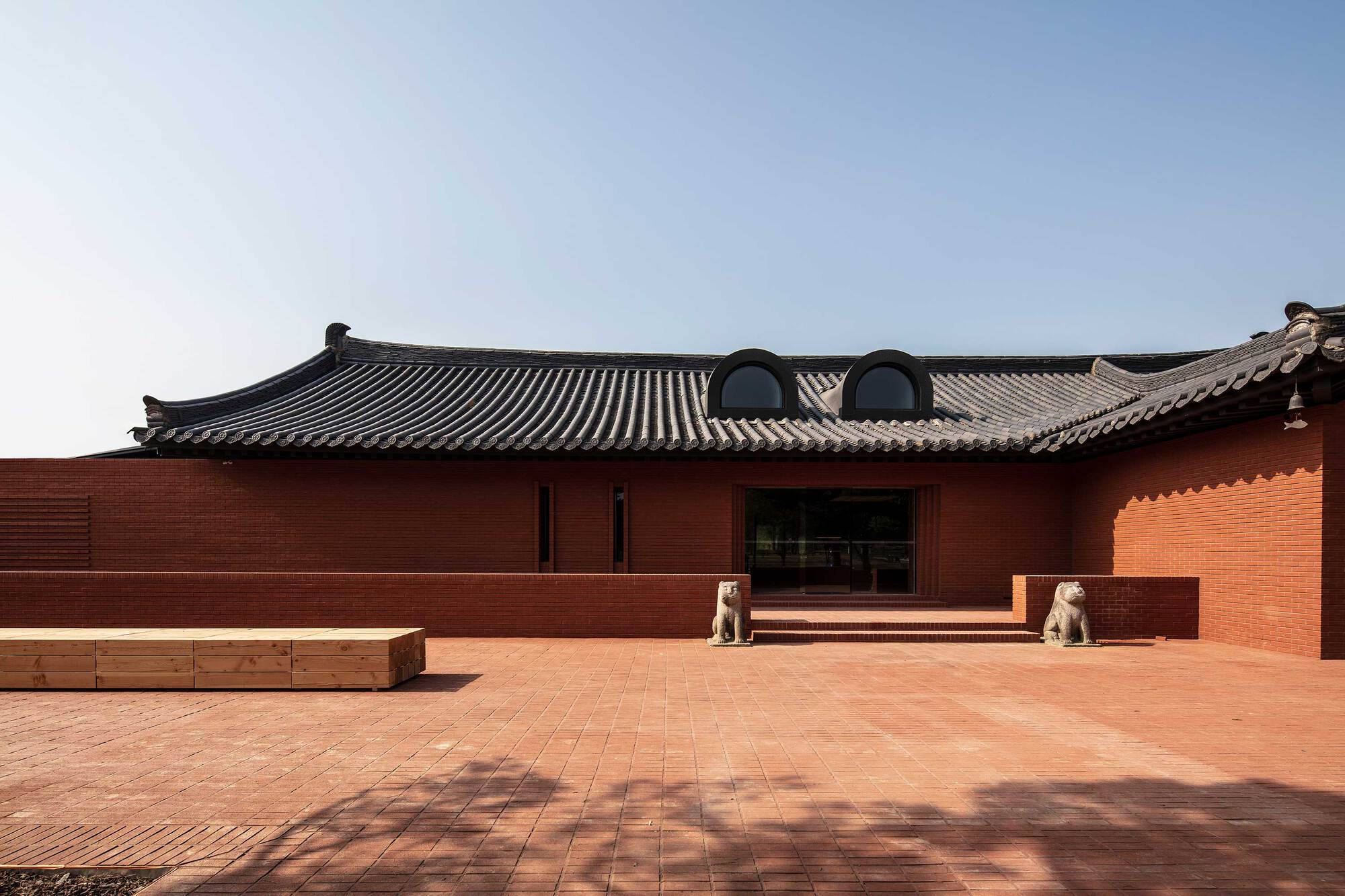
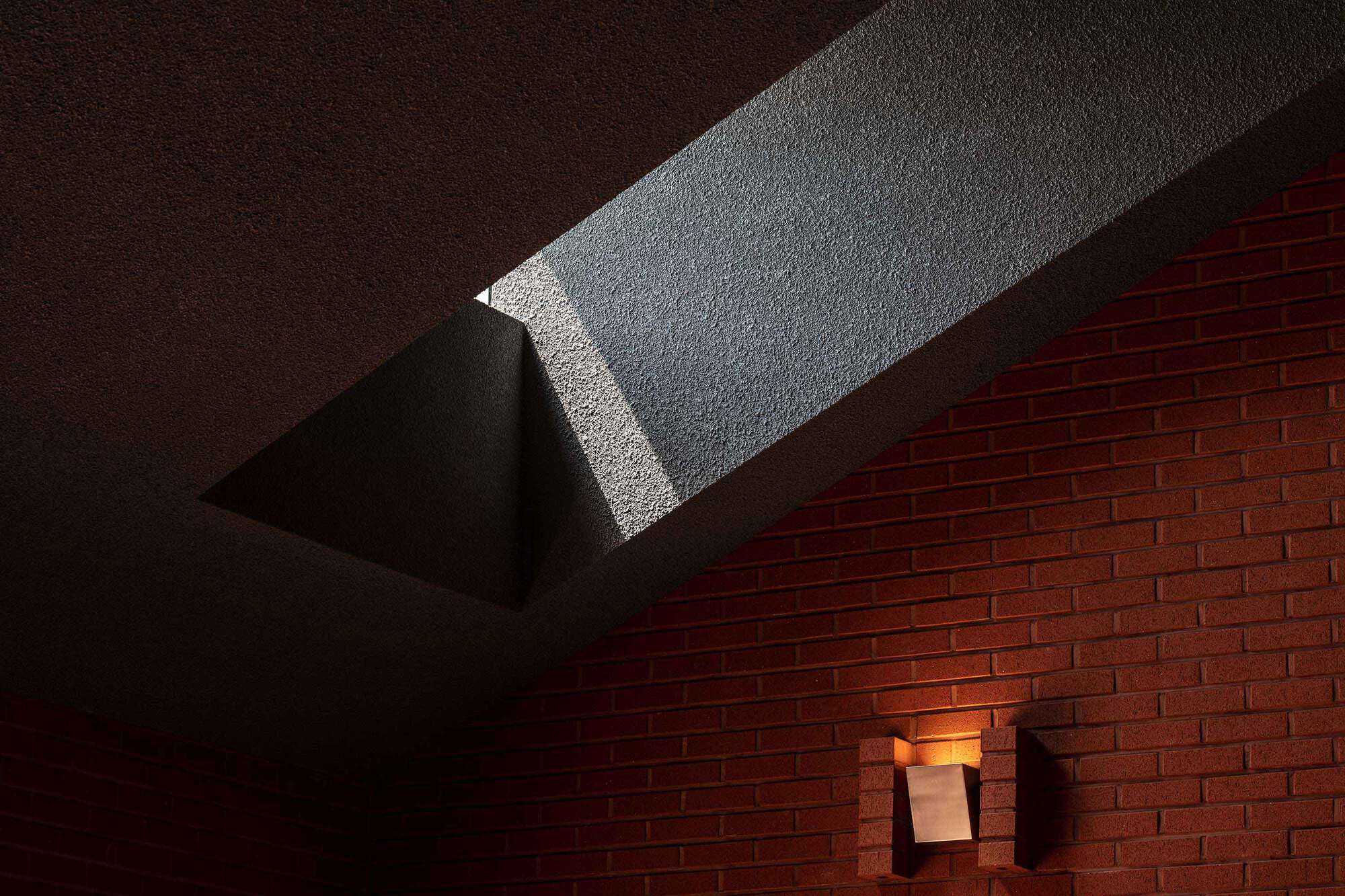
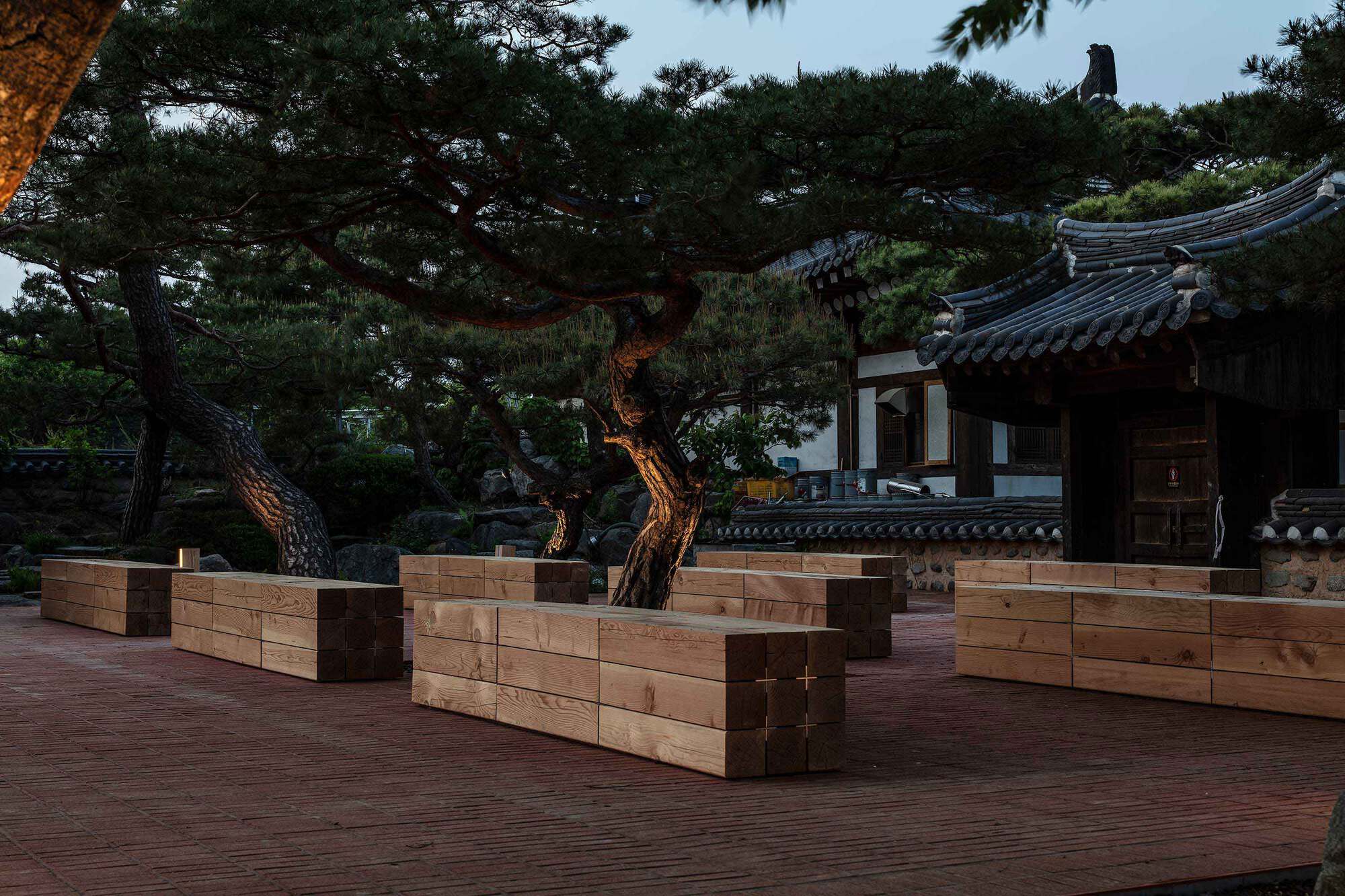
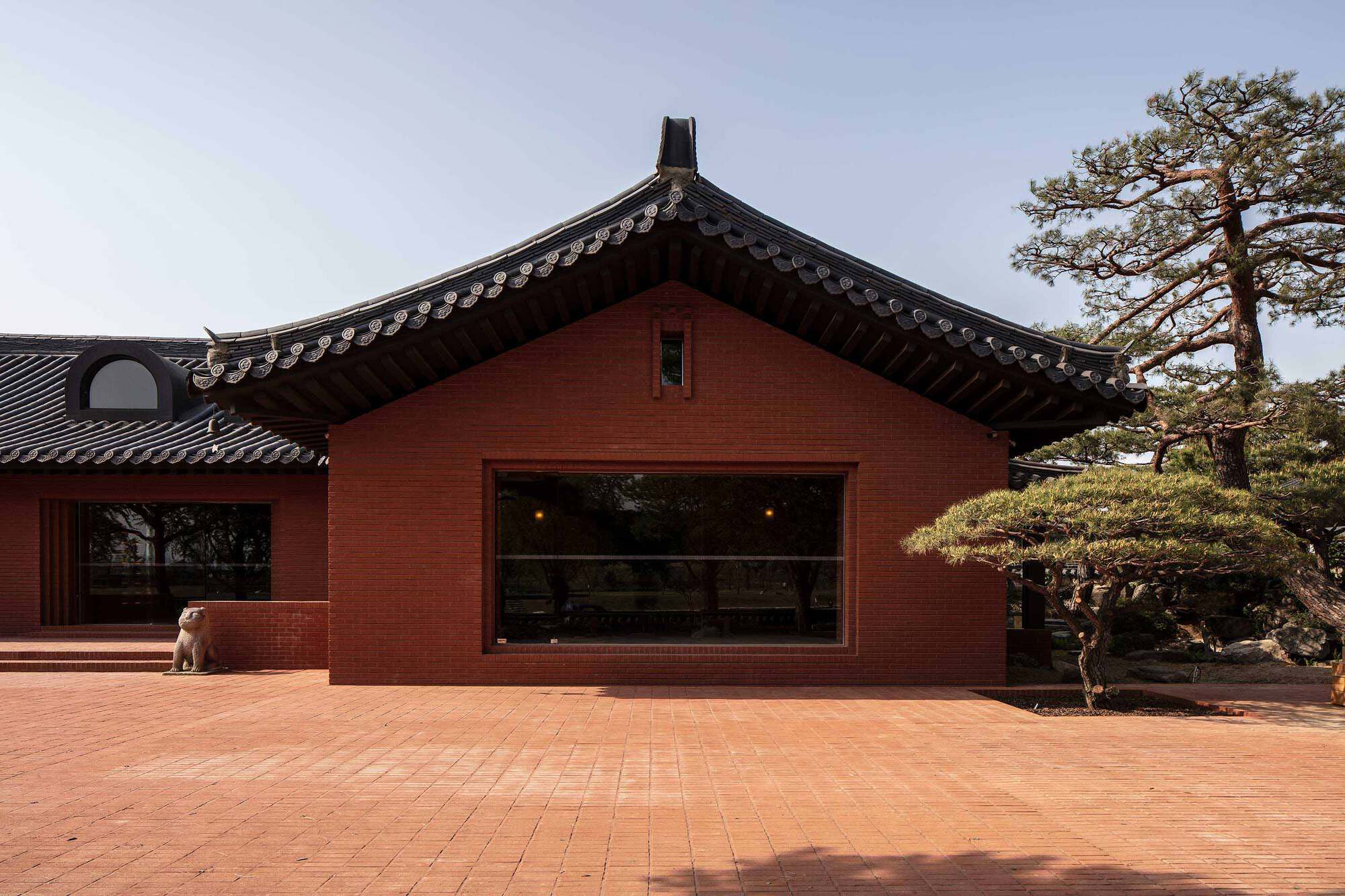
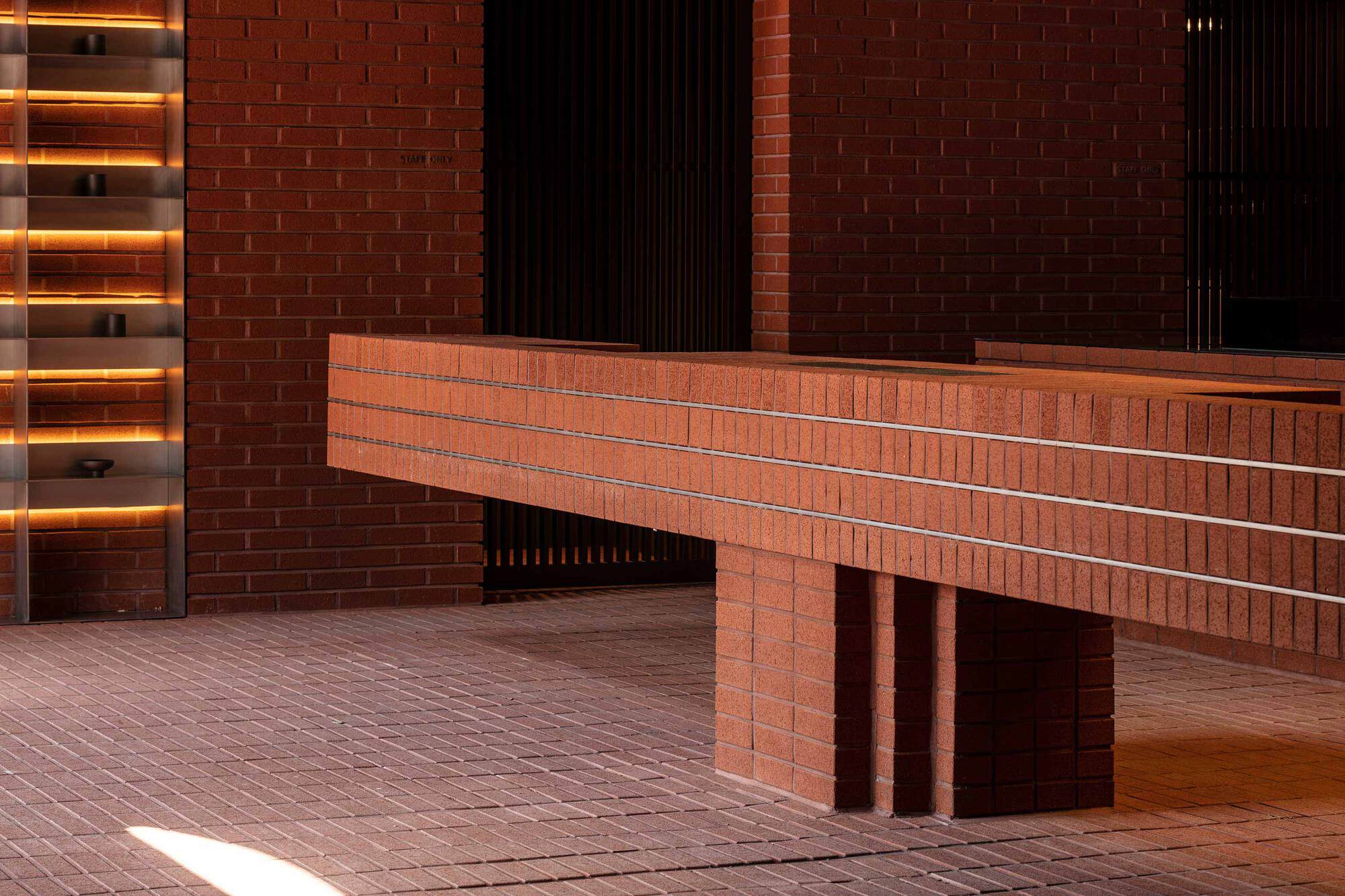
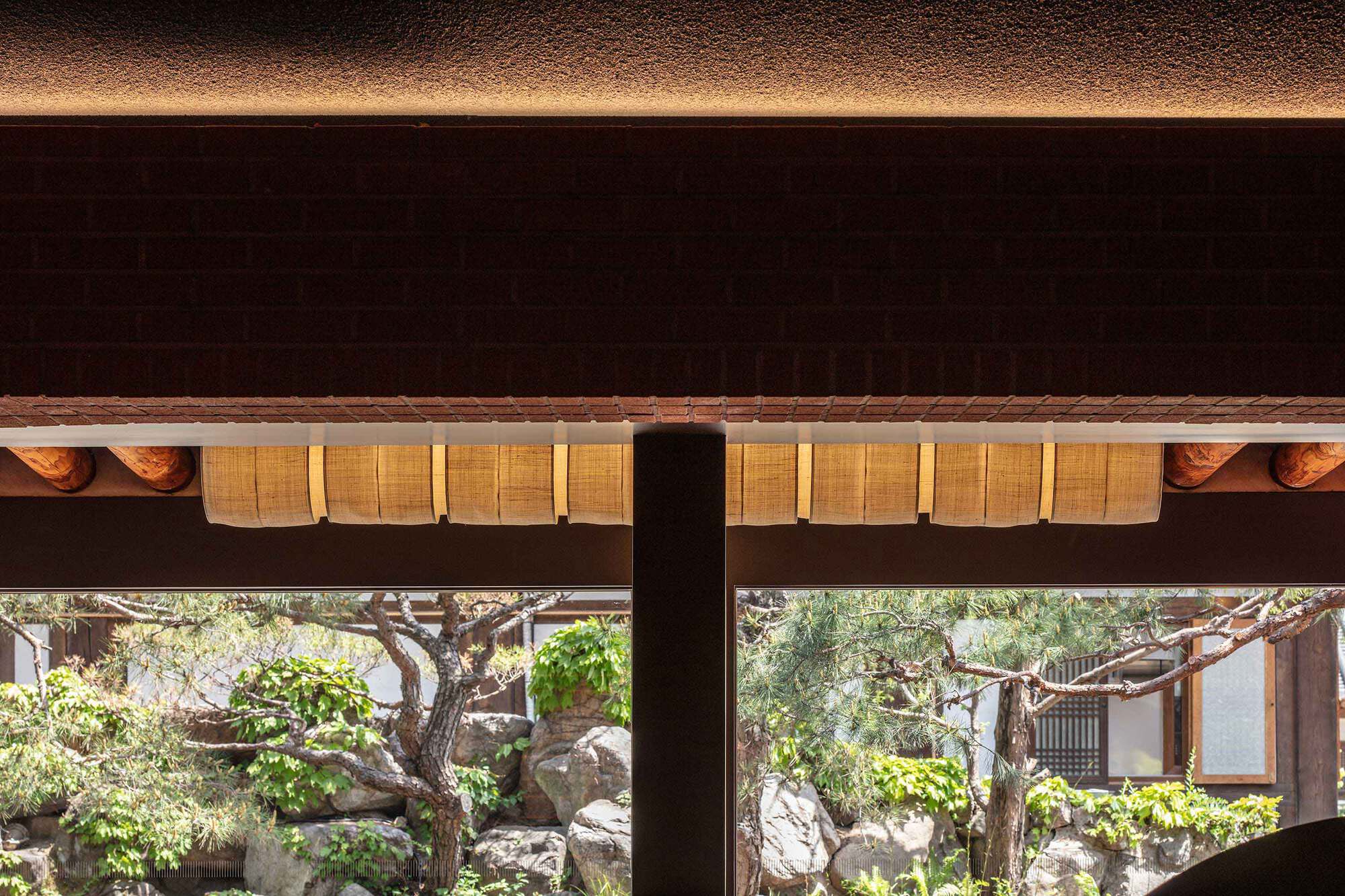
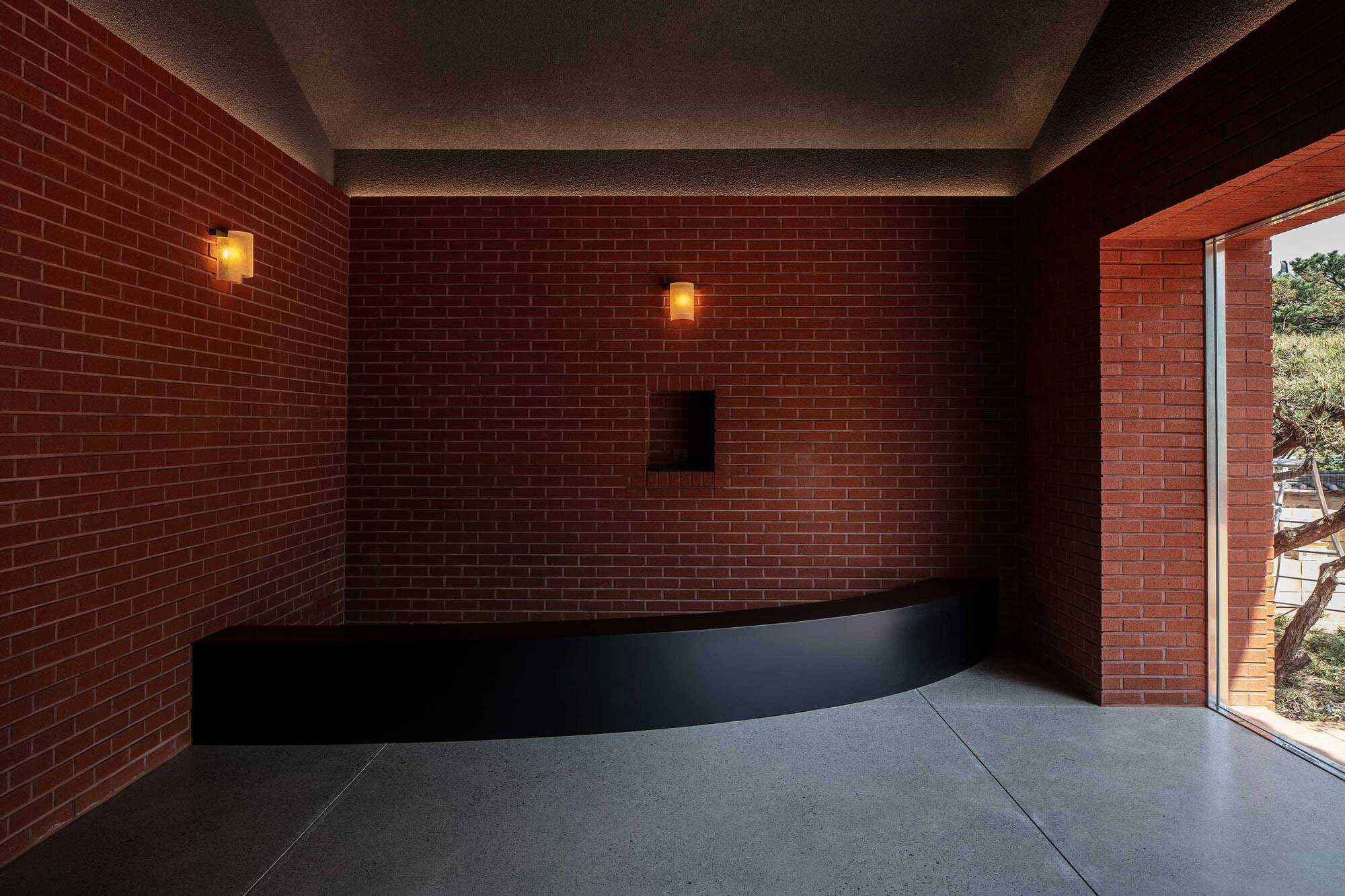
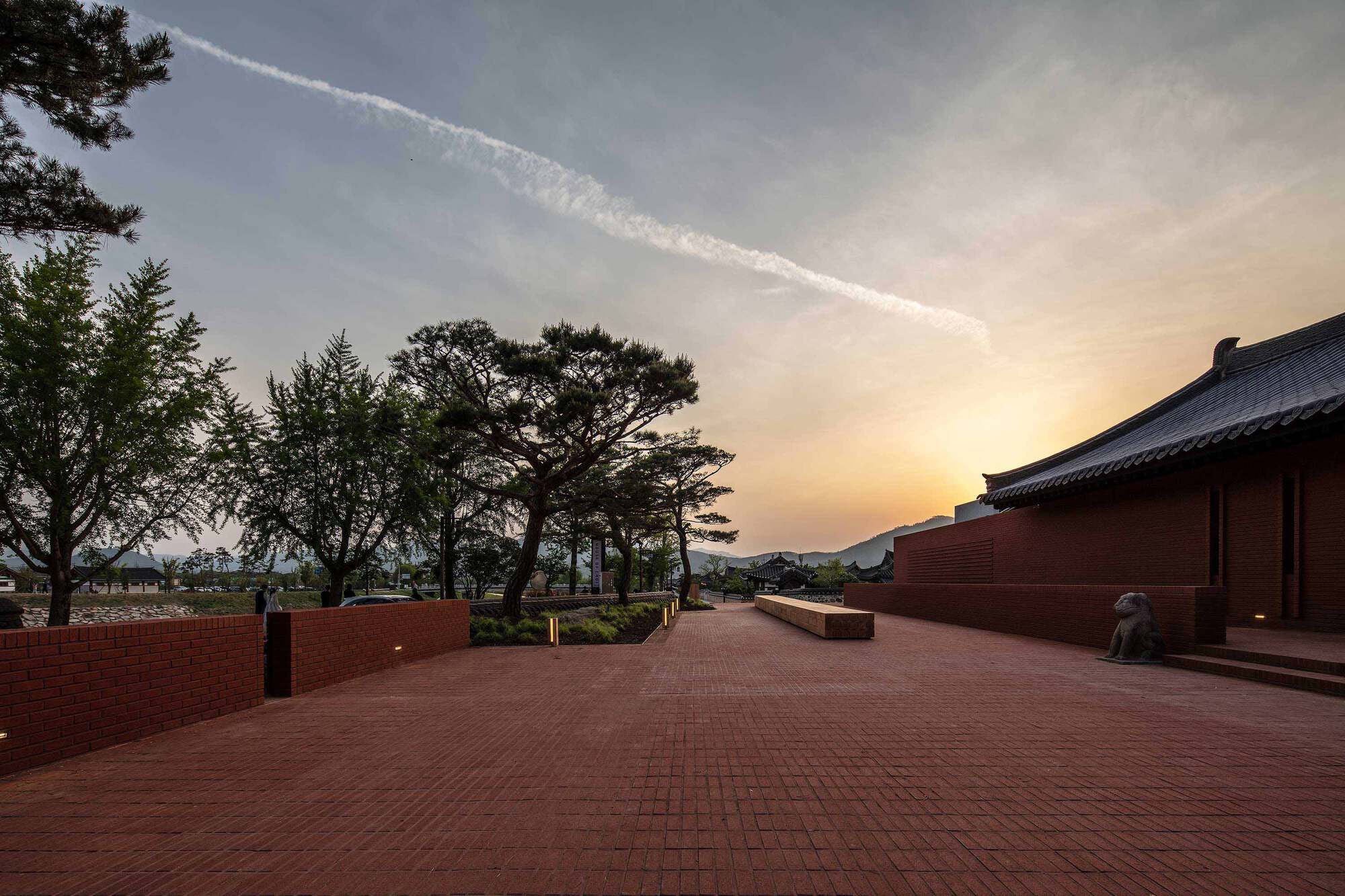
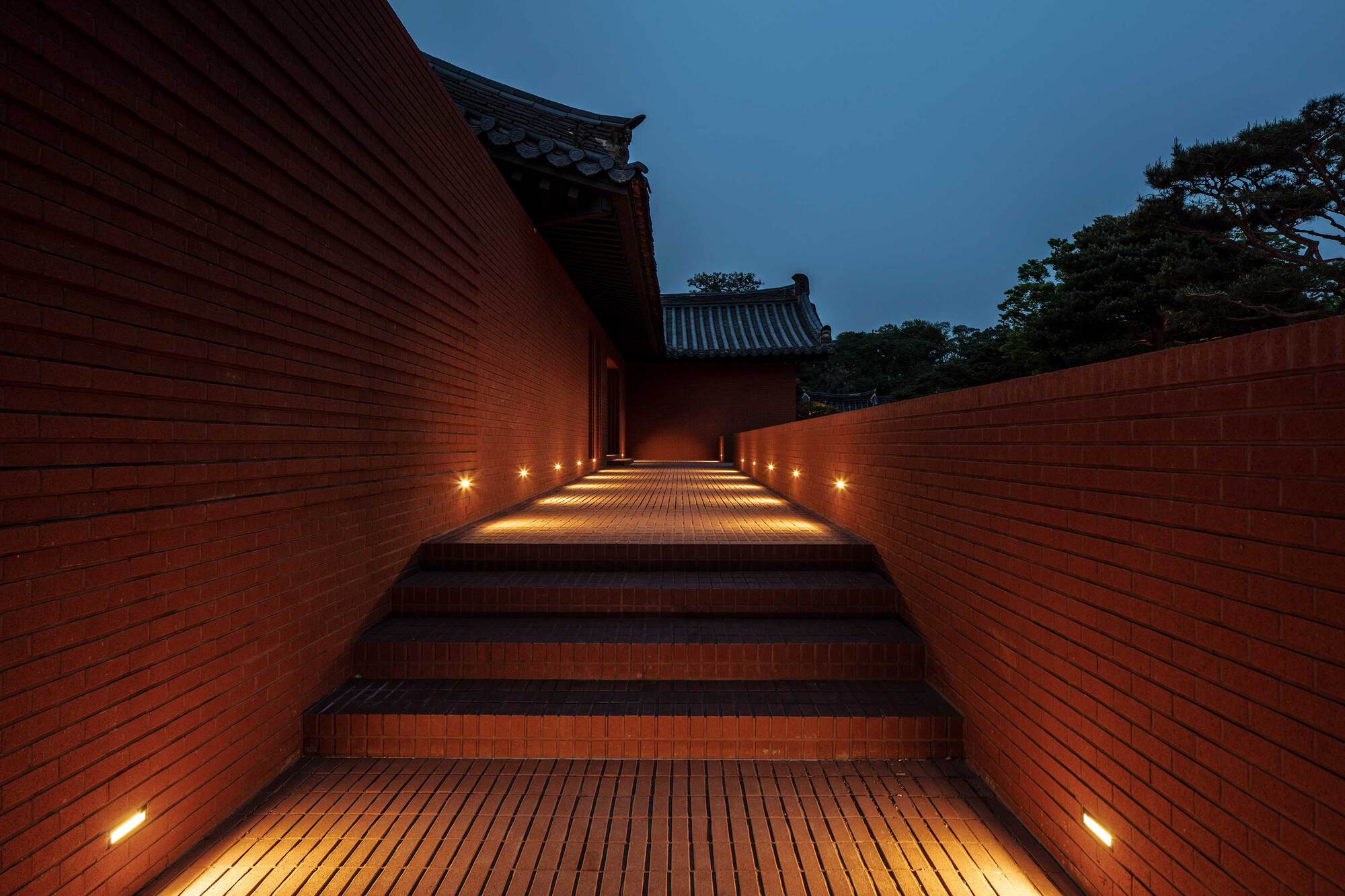
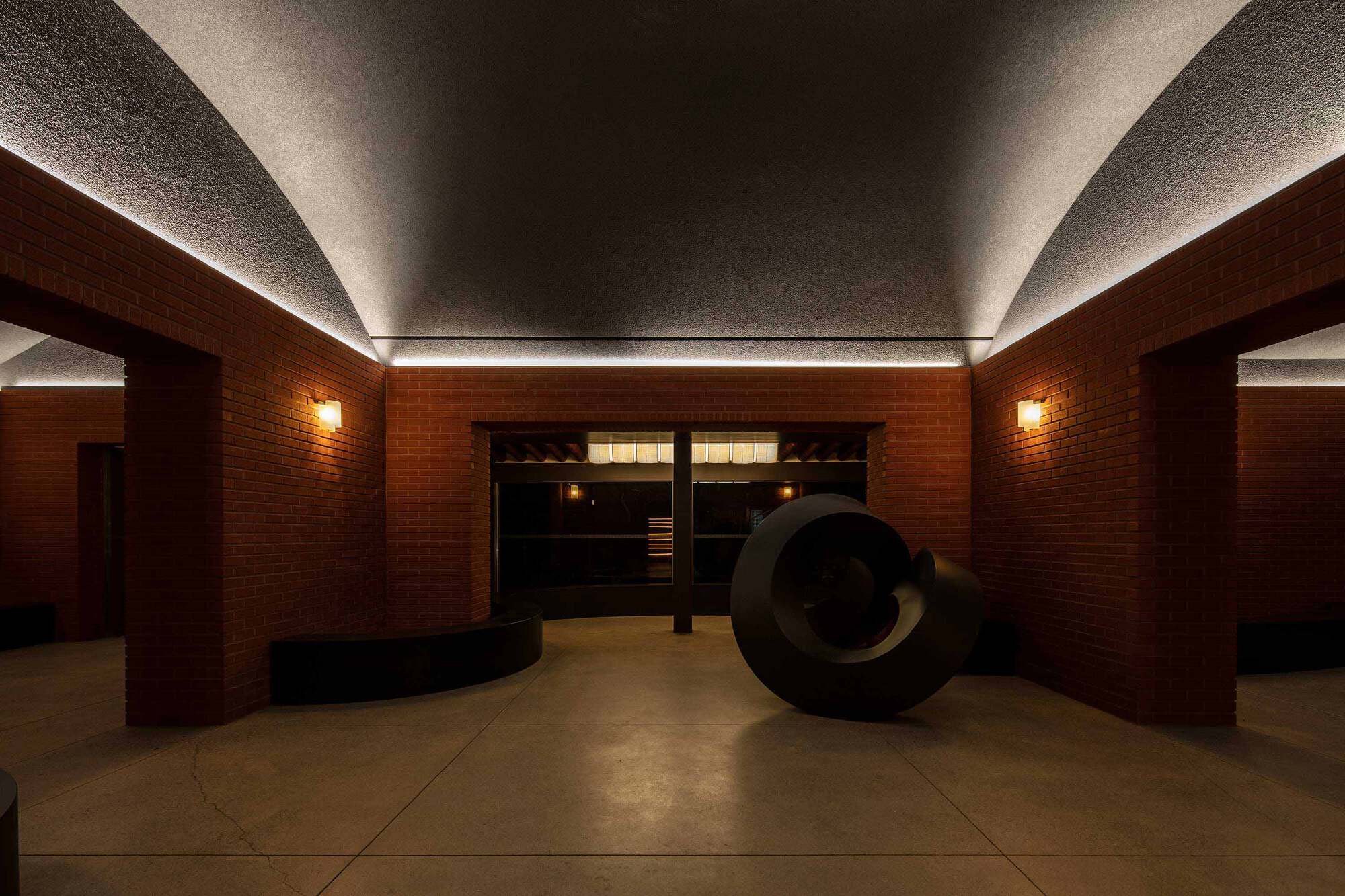
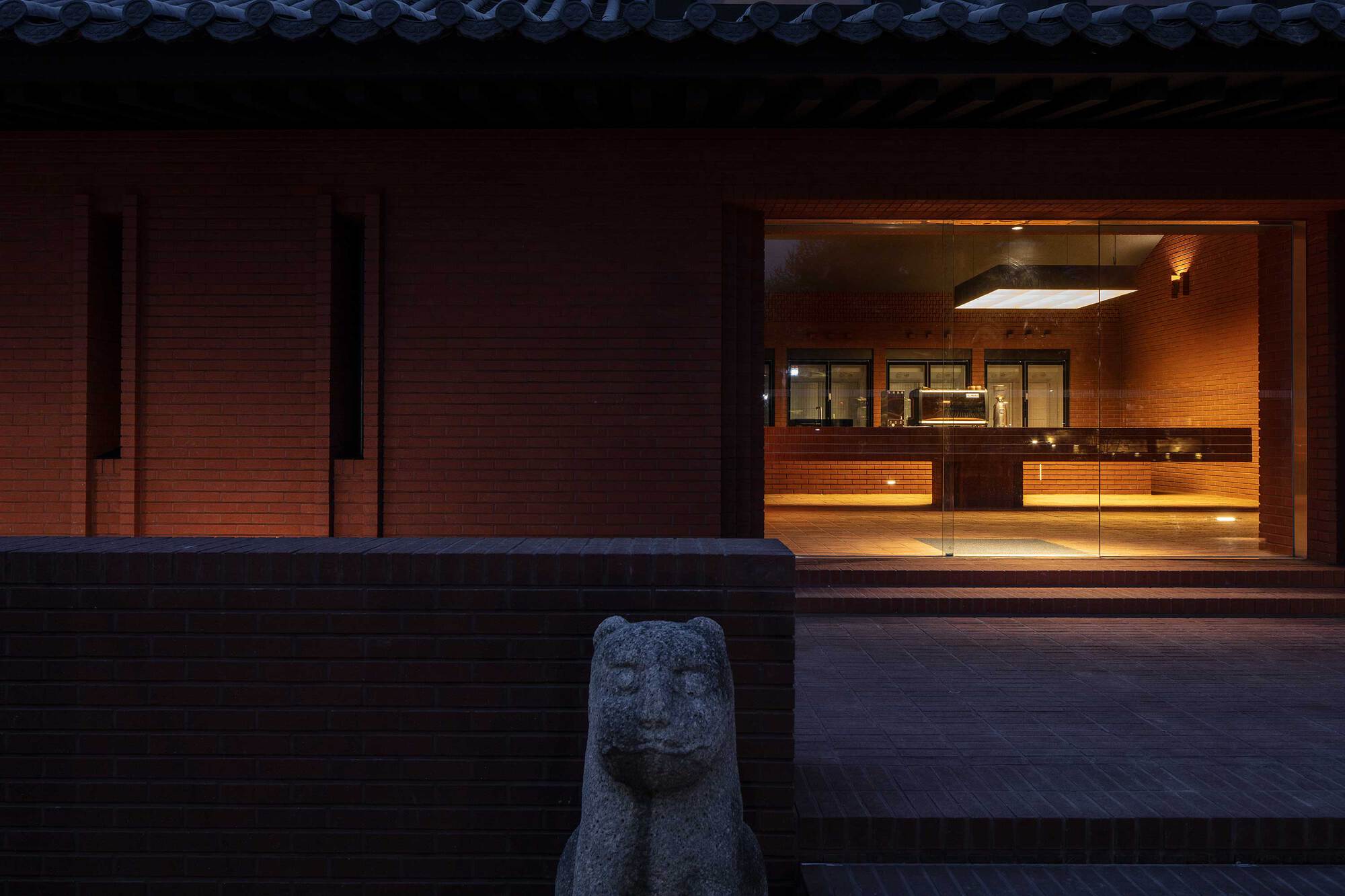
The Choi family of Gyeongju recently launched a foundation named the Choi Family Home to fulfill noblesse oblige. As part of this project, the only Western-style building at the entrance to the Gyo-dong Hanok Village in Gyeongju has been converted into a cafe. While respecting the historical and cultural context of the area, we hope the project will become a symbol connecting past and future. The key to the architectural idea of EYST 1779 is brick. Brick has been one of the most widely used materials for a long time, and will remain so in the future; we therefore felt brick was the appropriate material for a project whose theme is connecting past and future. We chose red brick that harmonizes with the surroundings, and the use of red brick for the entire mass also gives the building a strong presence. Floors, walls, and ceilings are all built of brick, expressing the identity and impression of the site more clearly and strongly. We also see the laying of each brick as analogous to the accumulation of time. Modern patterns and stainless-steel accents applied to floors, walls, door and window frames, the bar, and lighting serve as metaphors for the future. The courtyard of the old building originally contained much disordered landscaping and trees. We cleared the center of the courtyard to make a welcoming plaza and placed simple, sturdy wooden benches so that people can rest more comfortably. The interior includes a main hall with high ceilings and skylights, plus four seating areas with different views. We oriented each zone differently and brought the beautiful scenery of the garden indoors, offering visitors an unforgettable experience. Gyeongju is a thousand-year-old city with a long and deep historical and cultural heritage. We hope EYST 1779 will become a durable, sustainable building rather than a commercial space that flashes by over time.
















 Editor's Pick
 Latest Design
 Best Idea