Text description provided by the architects
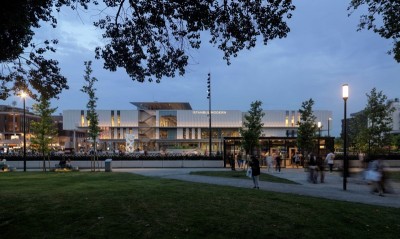
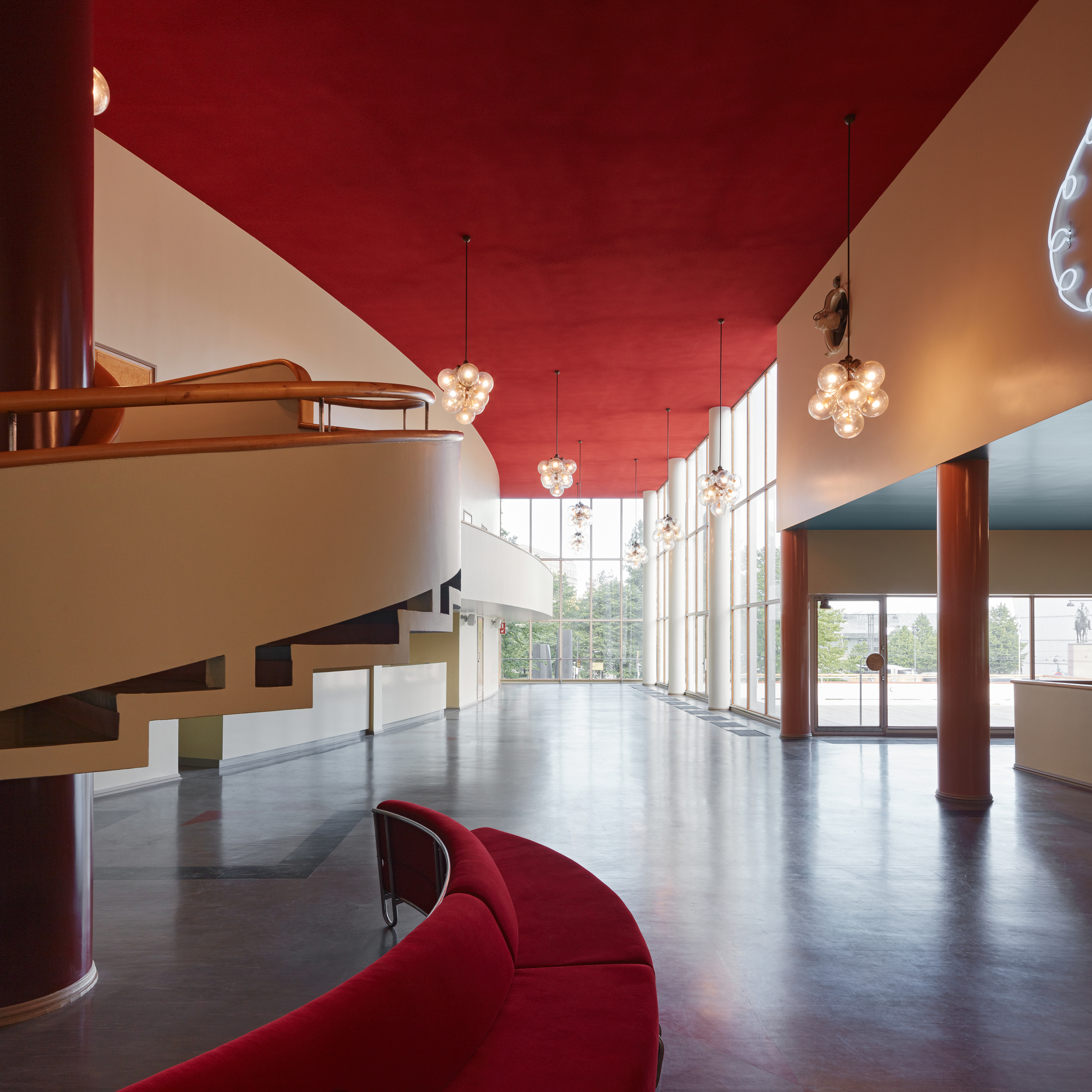
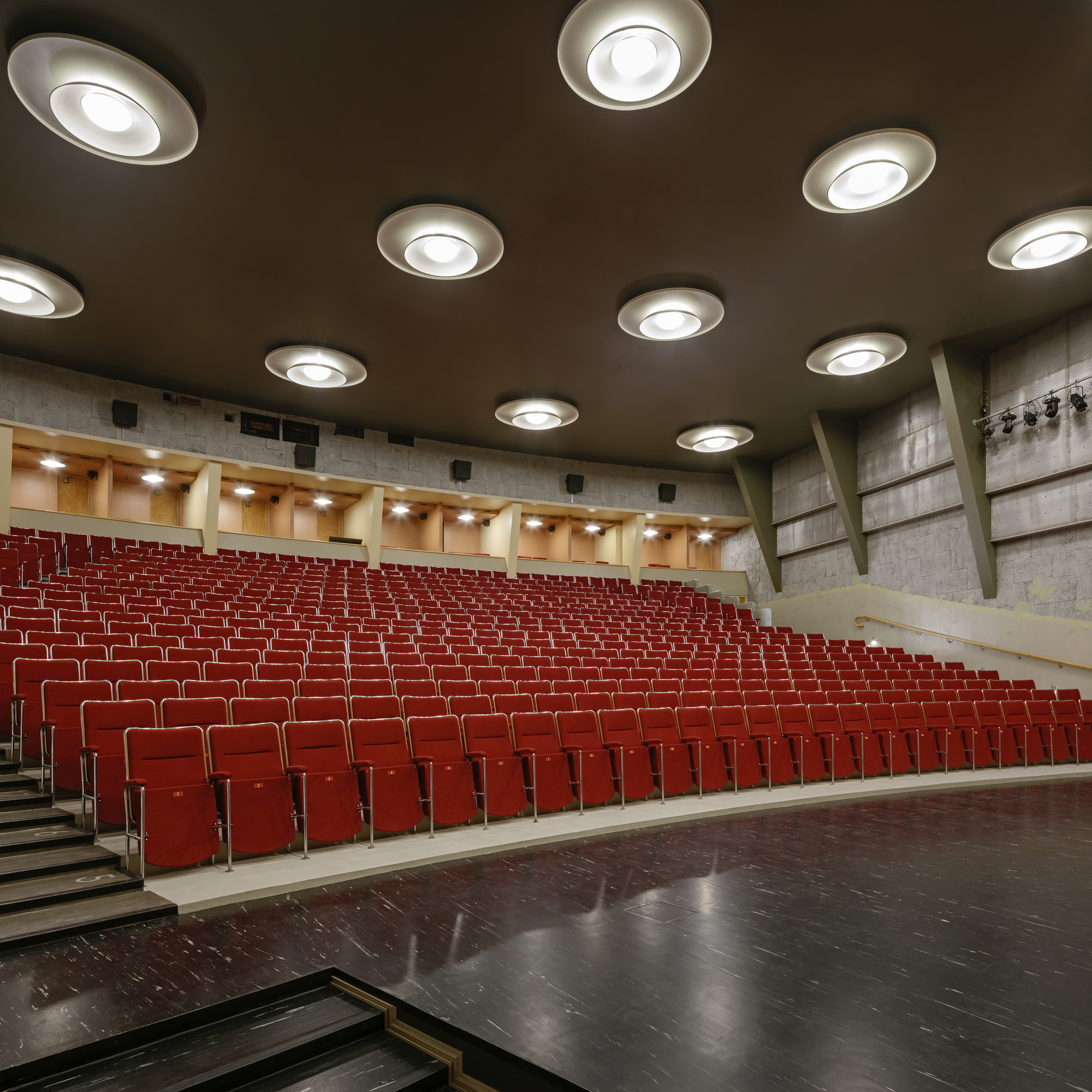
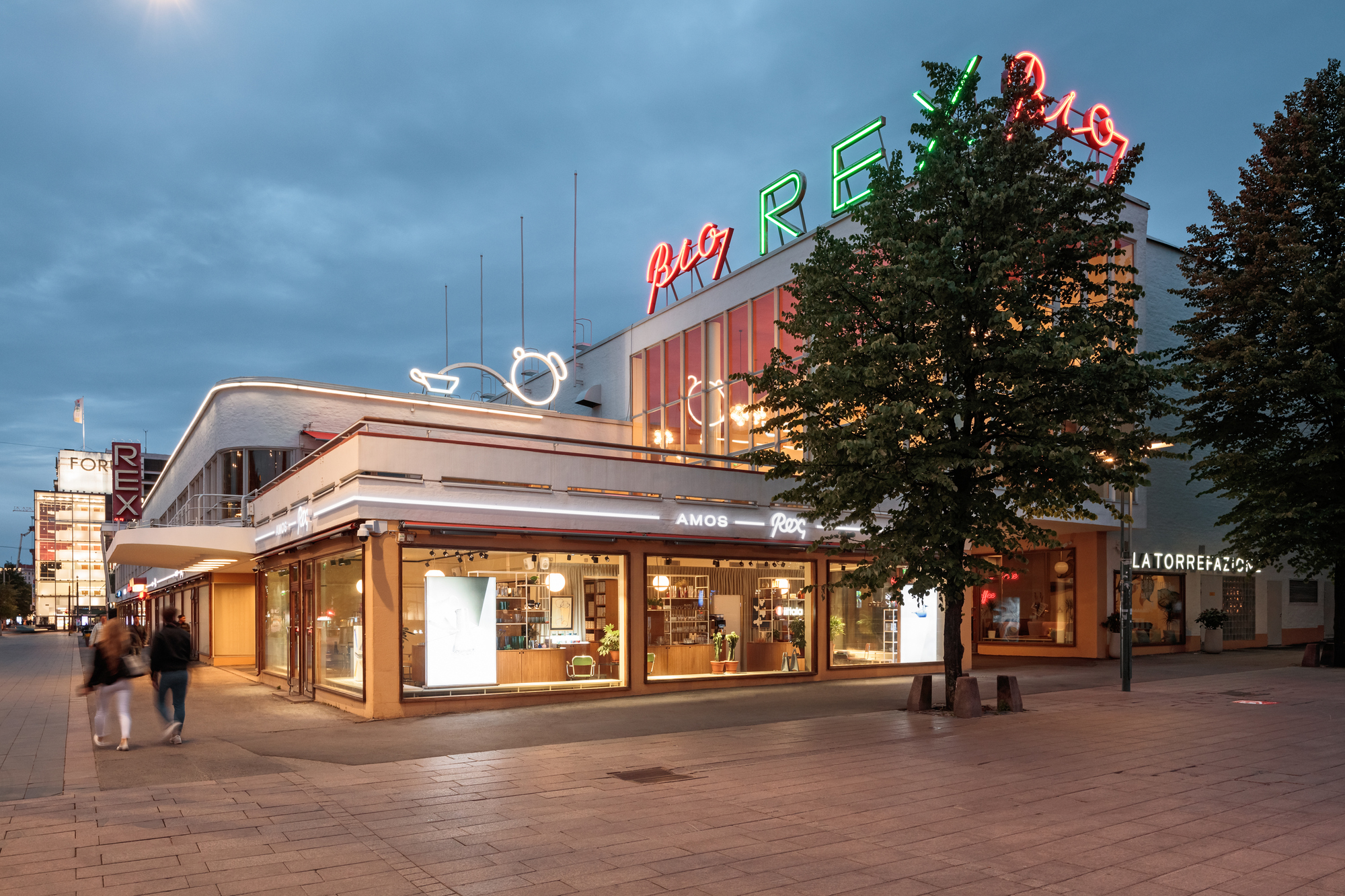
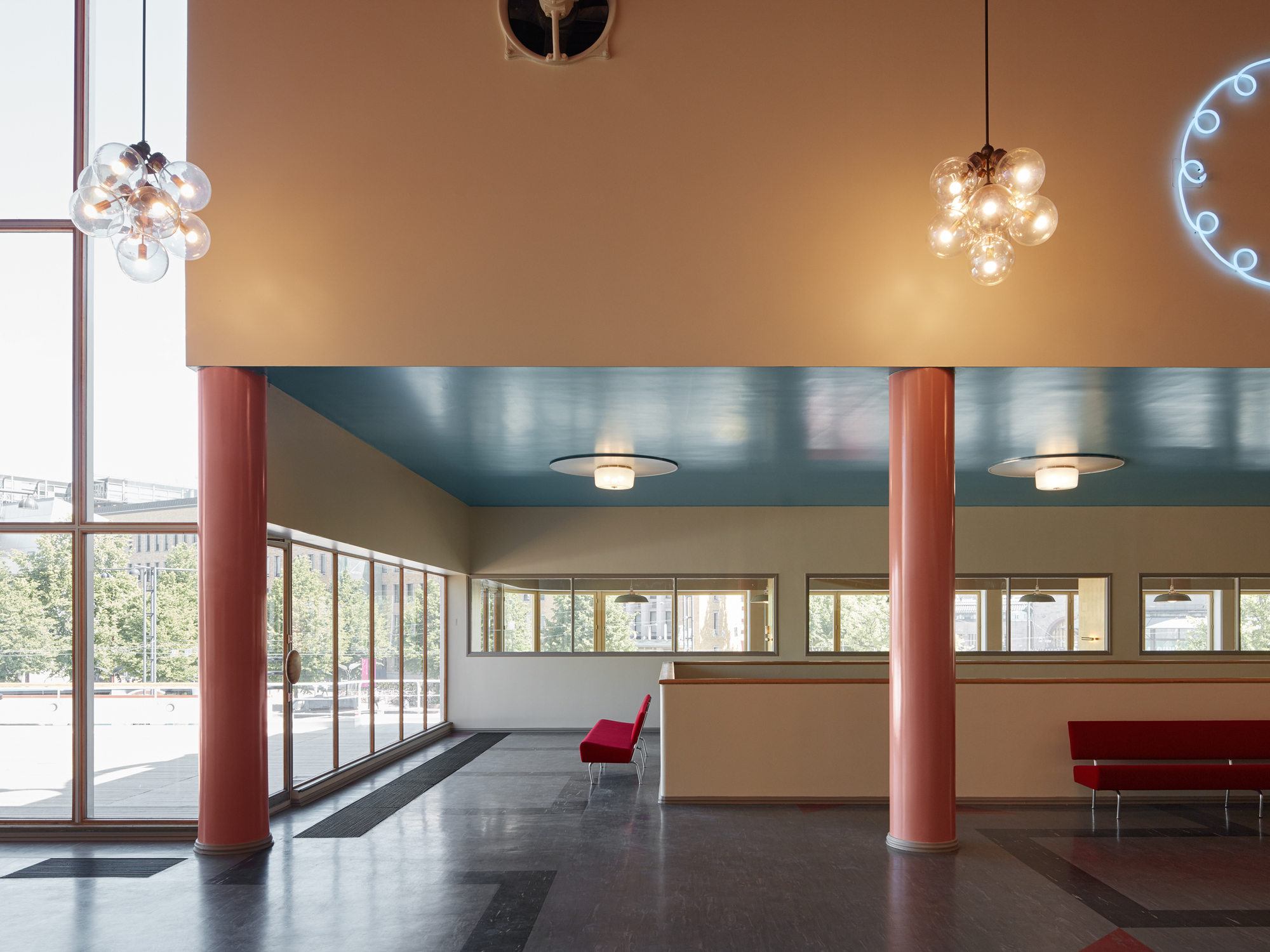
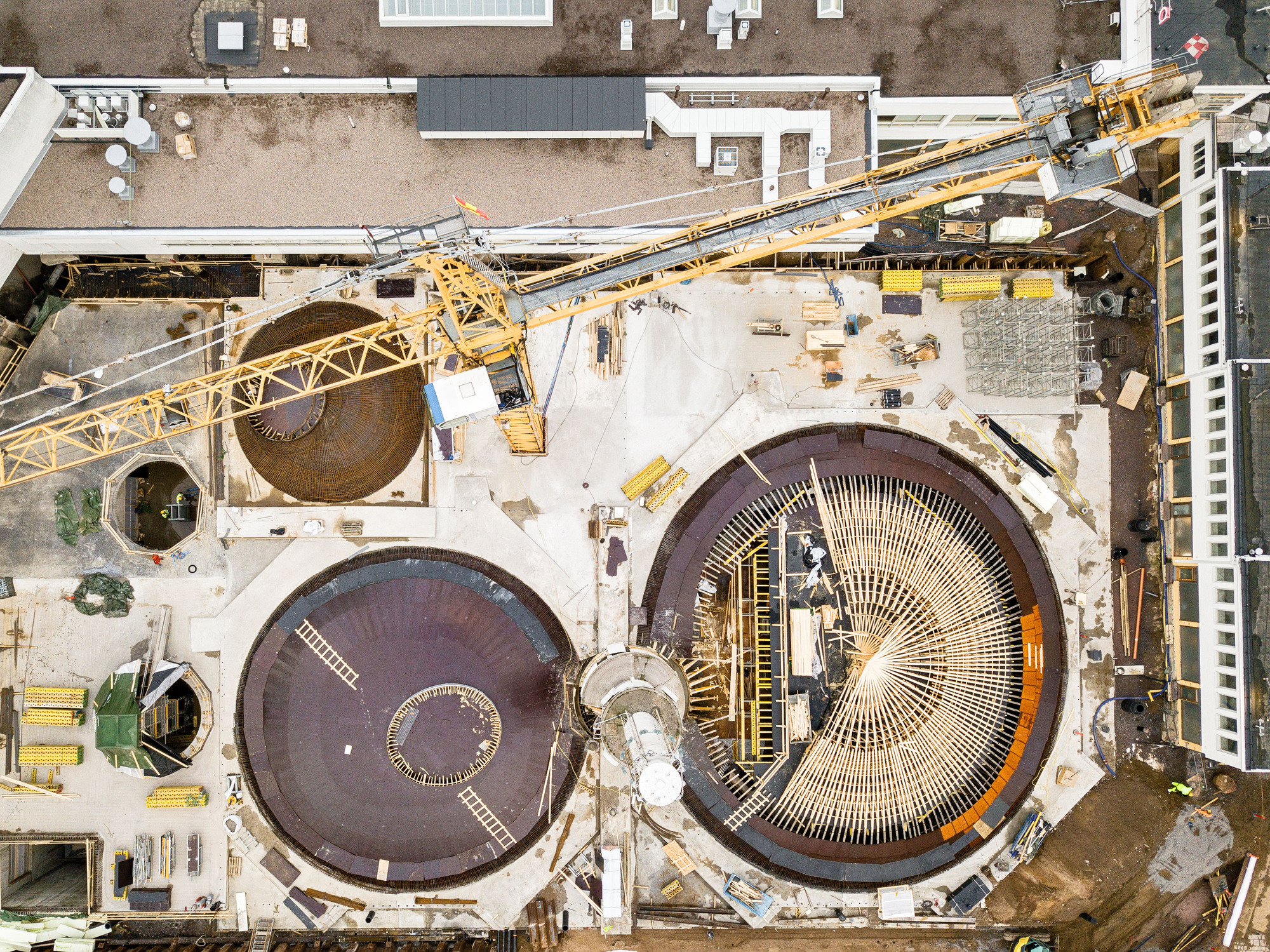
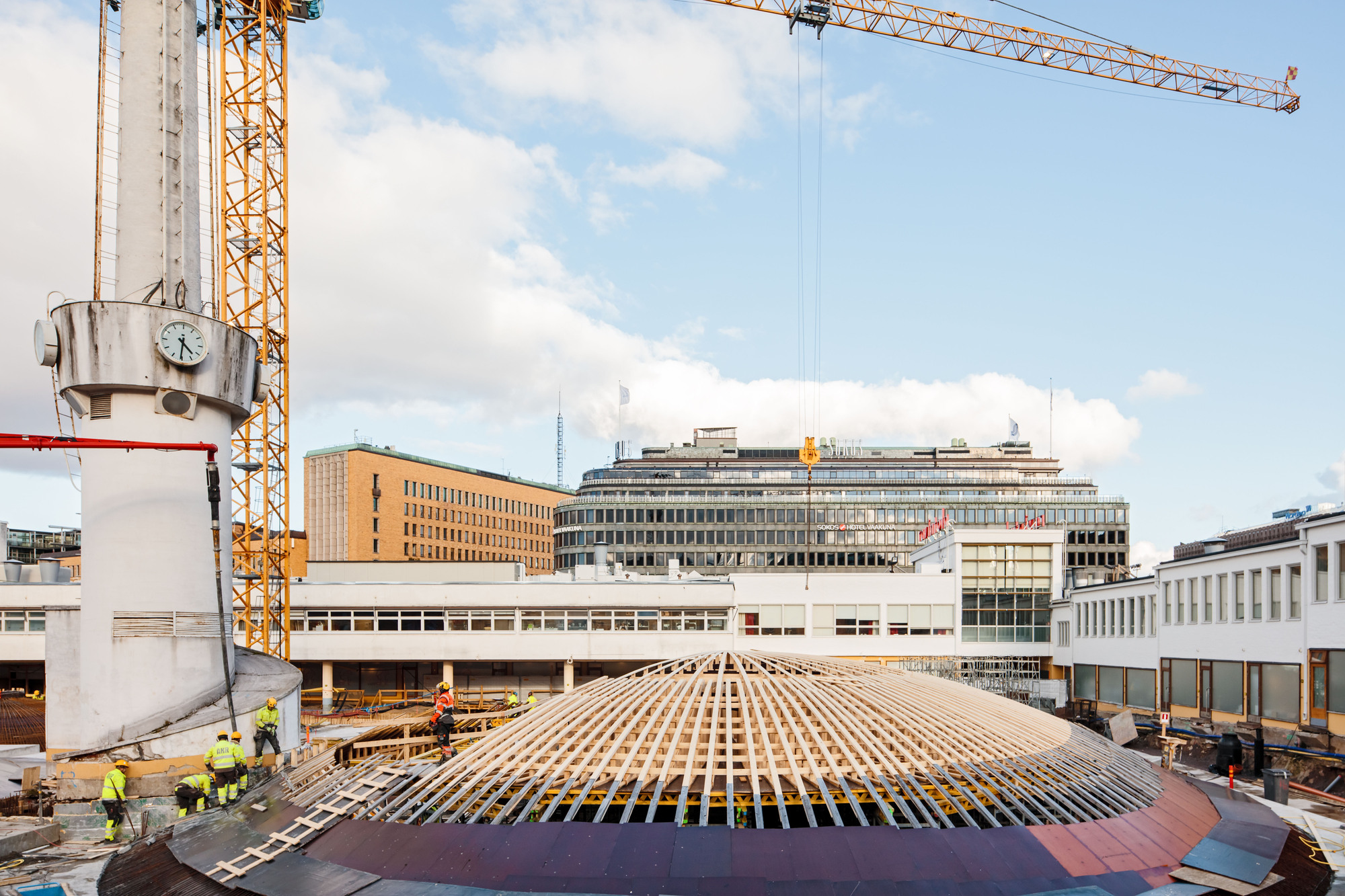
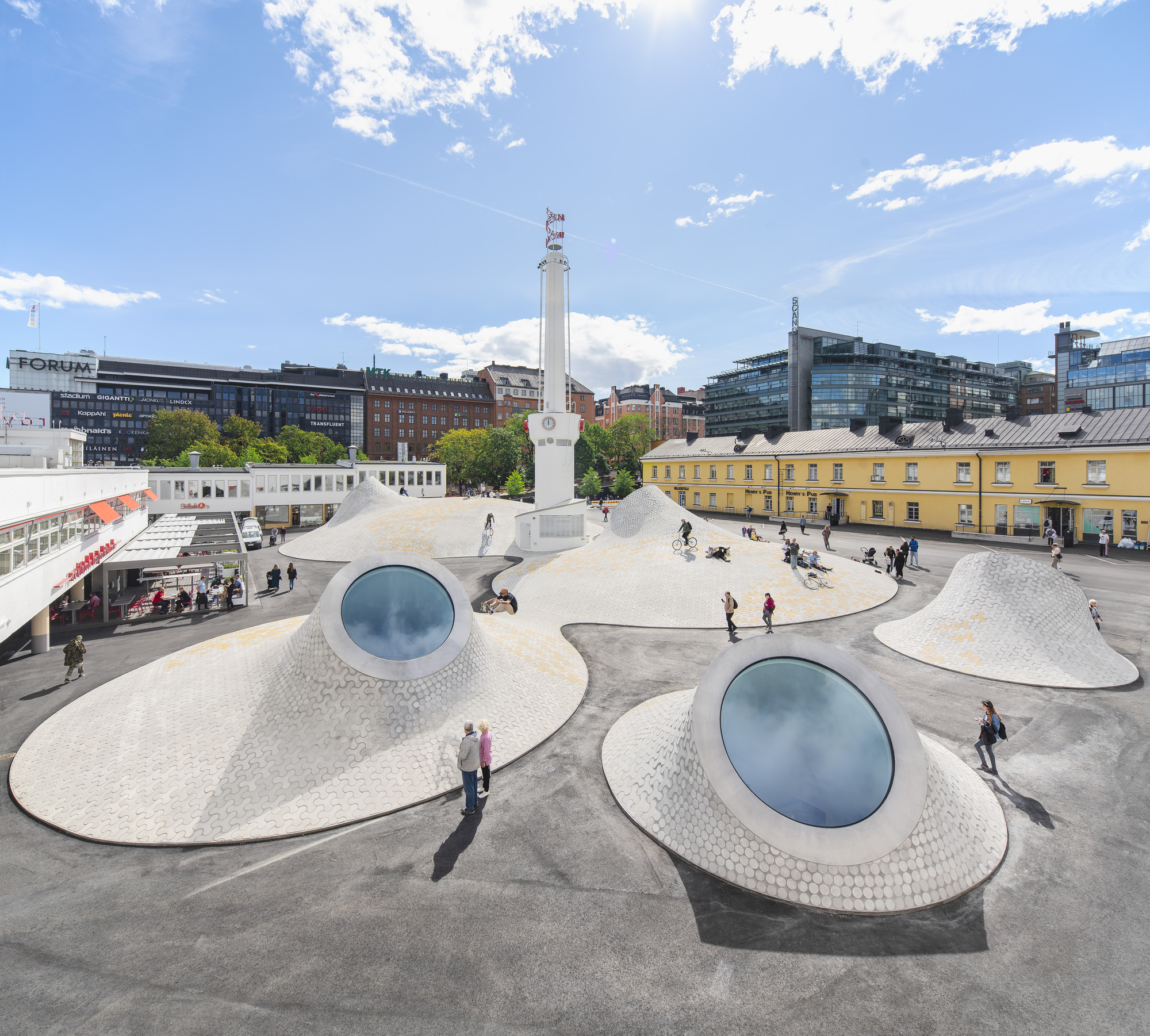
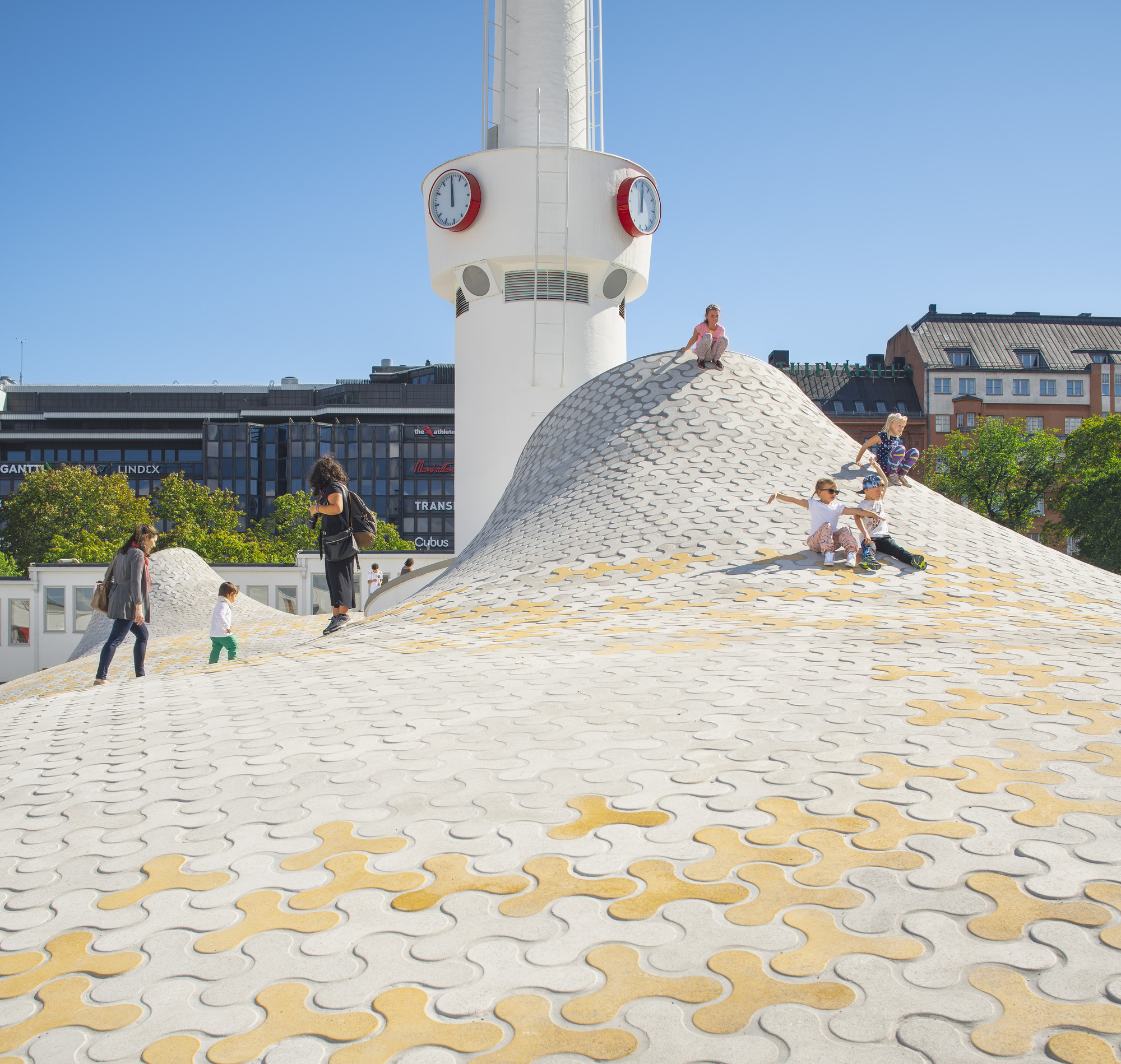
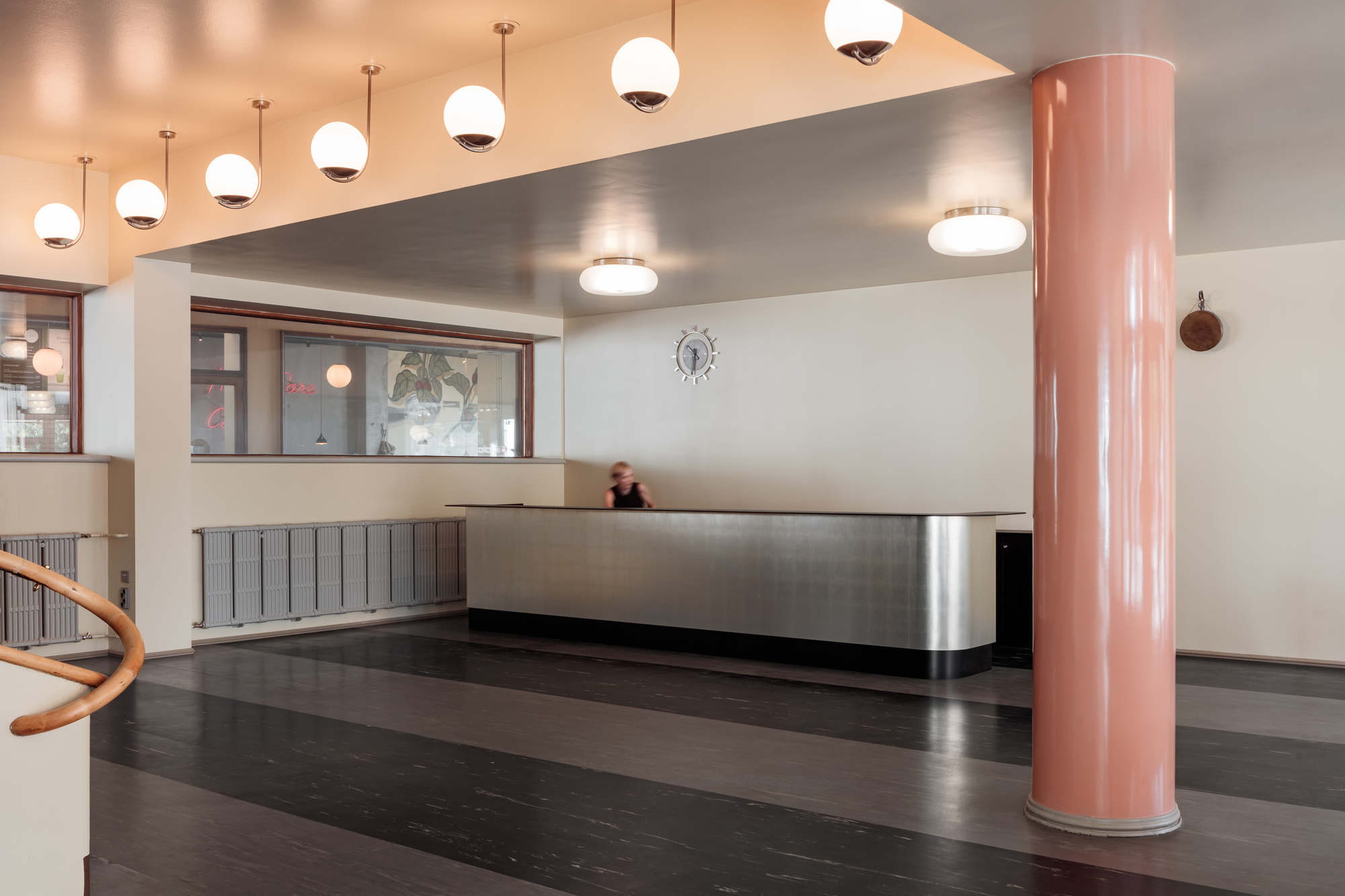
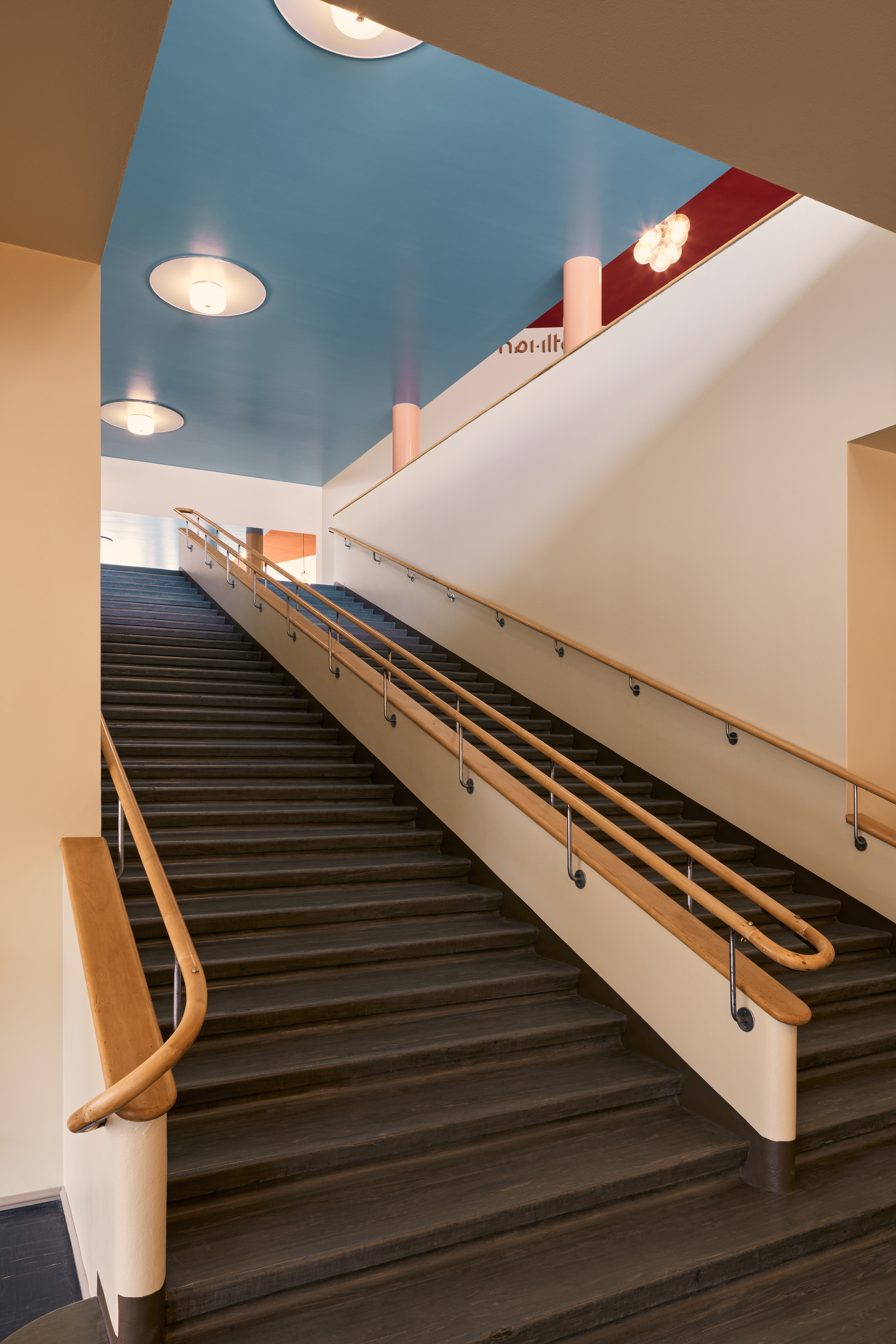
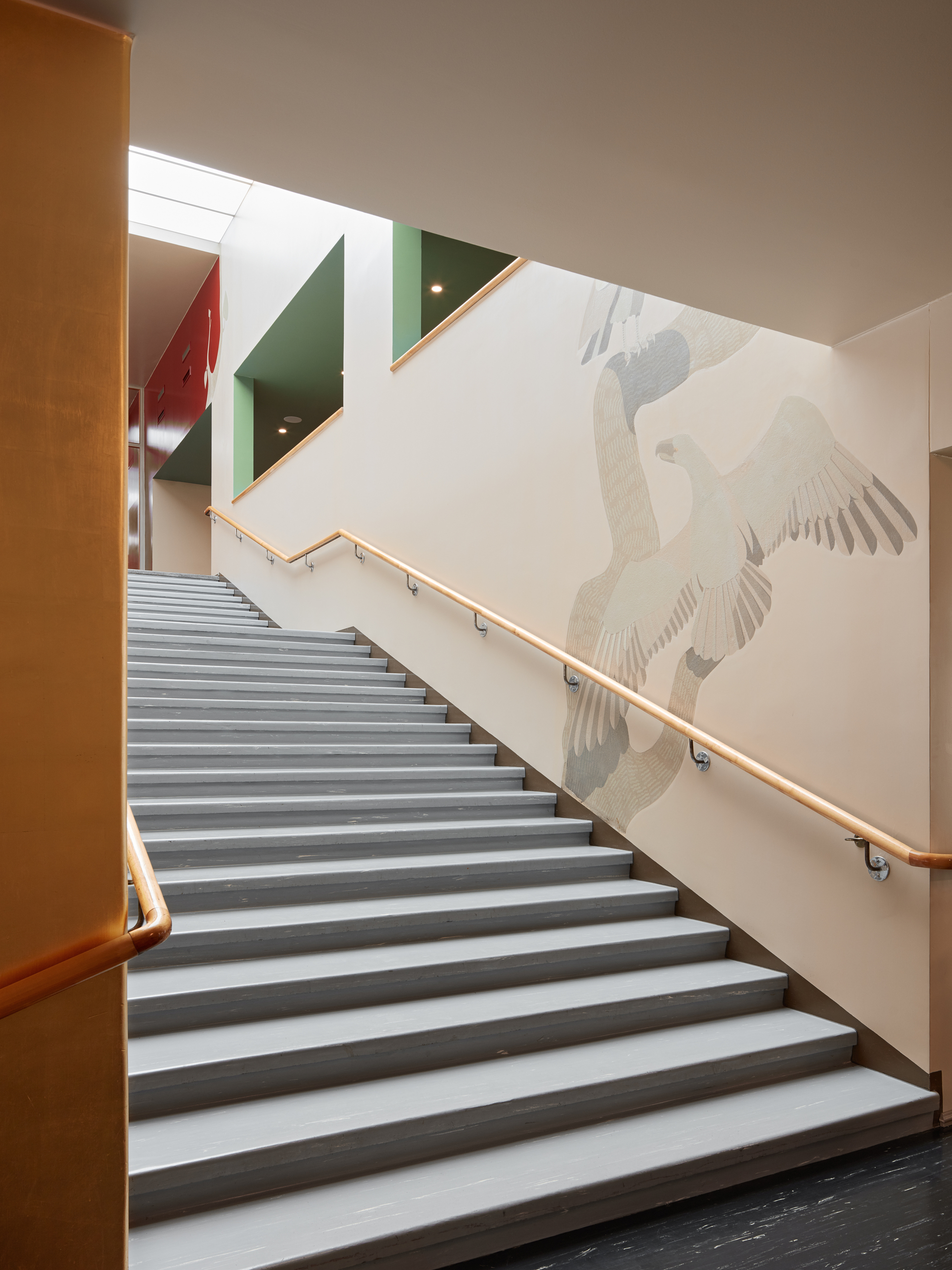
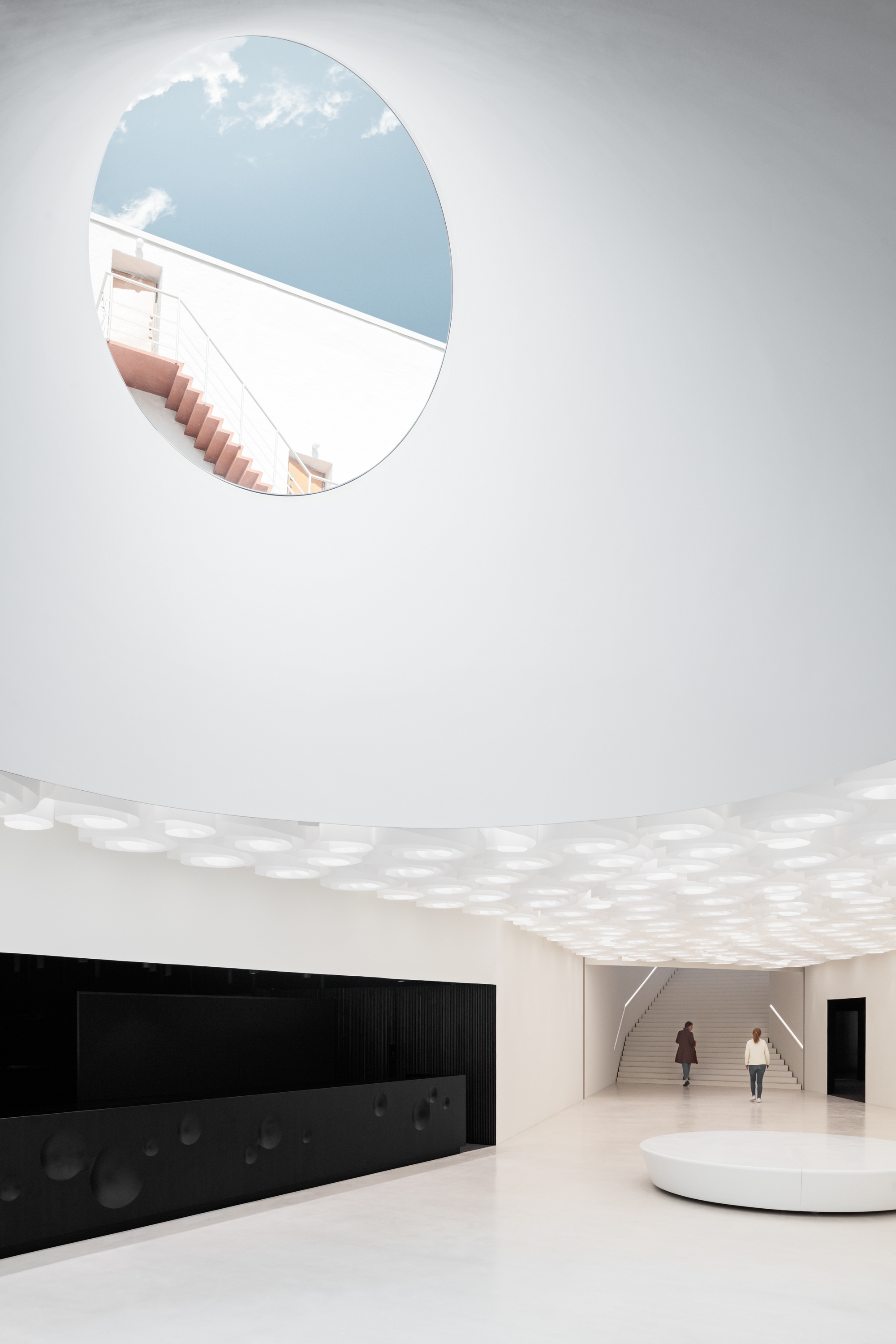
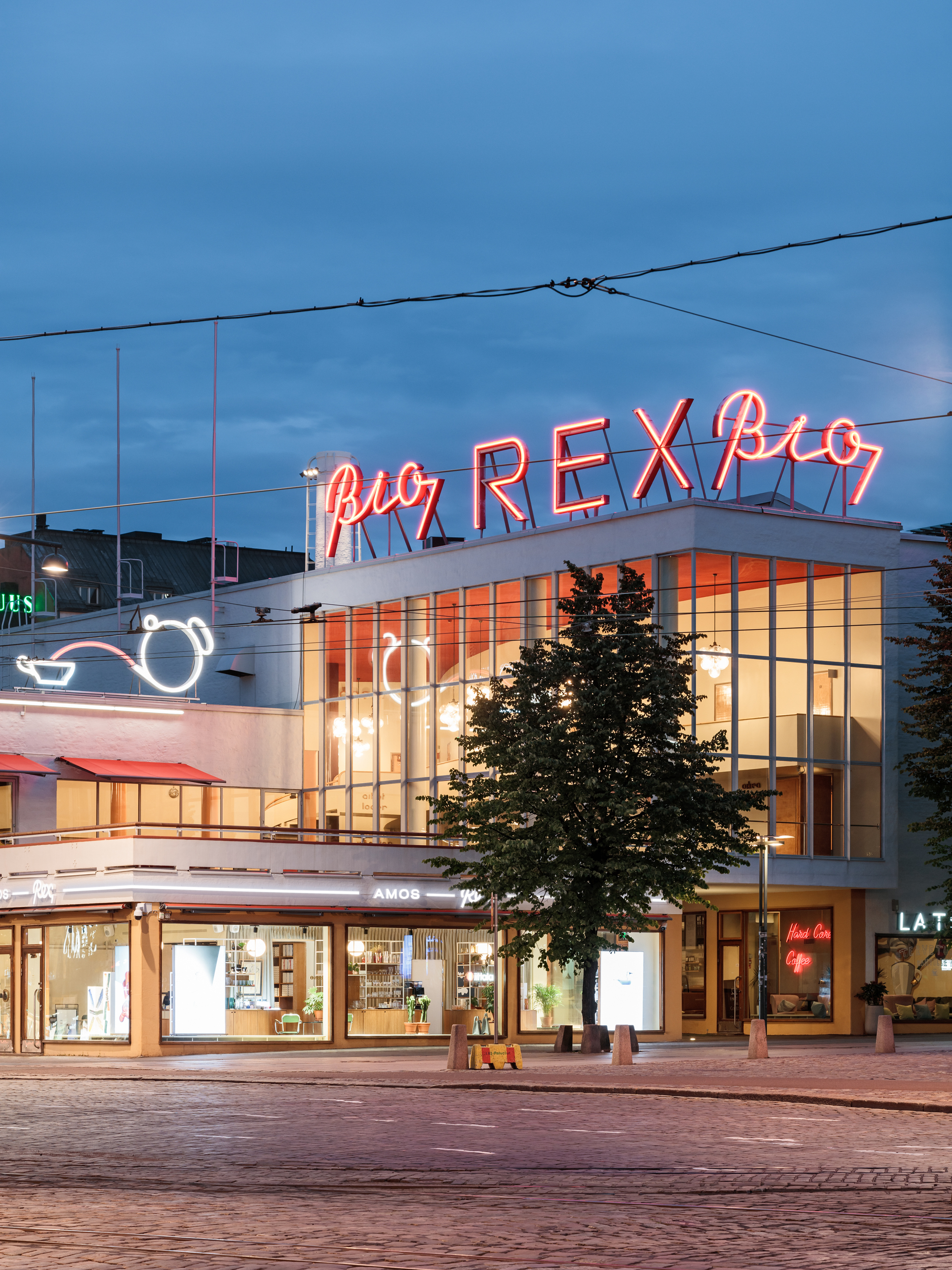
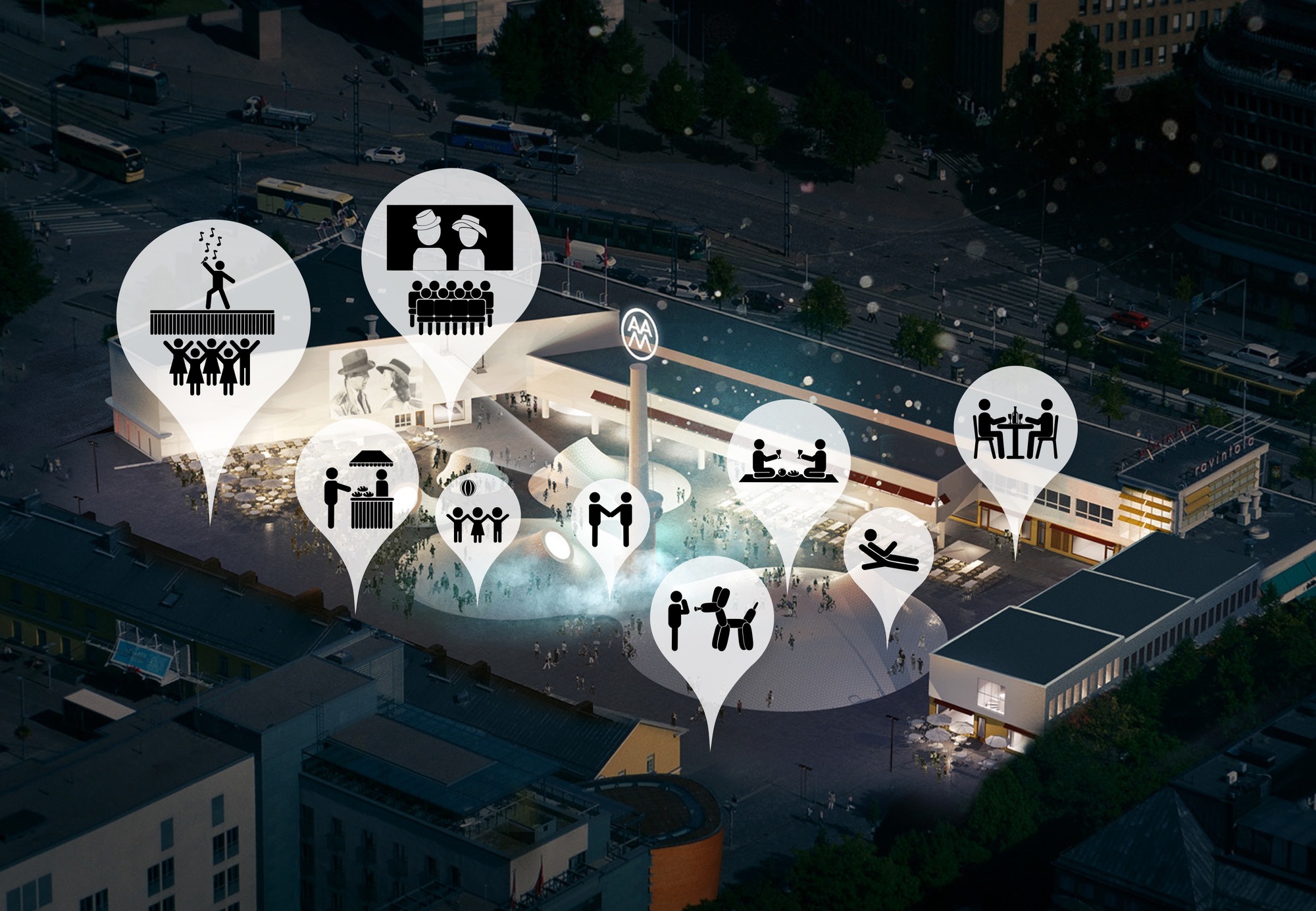
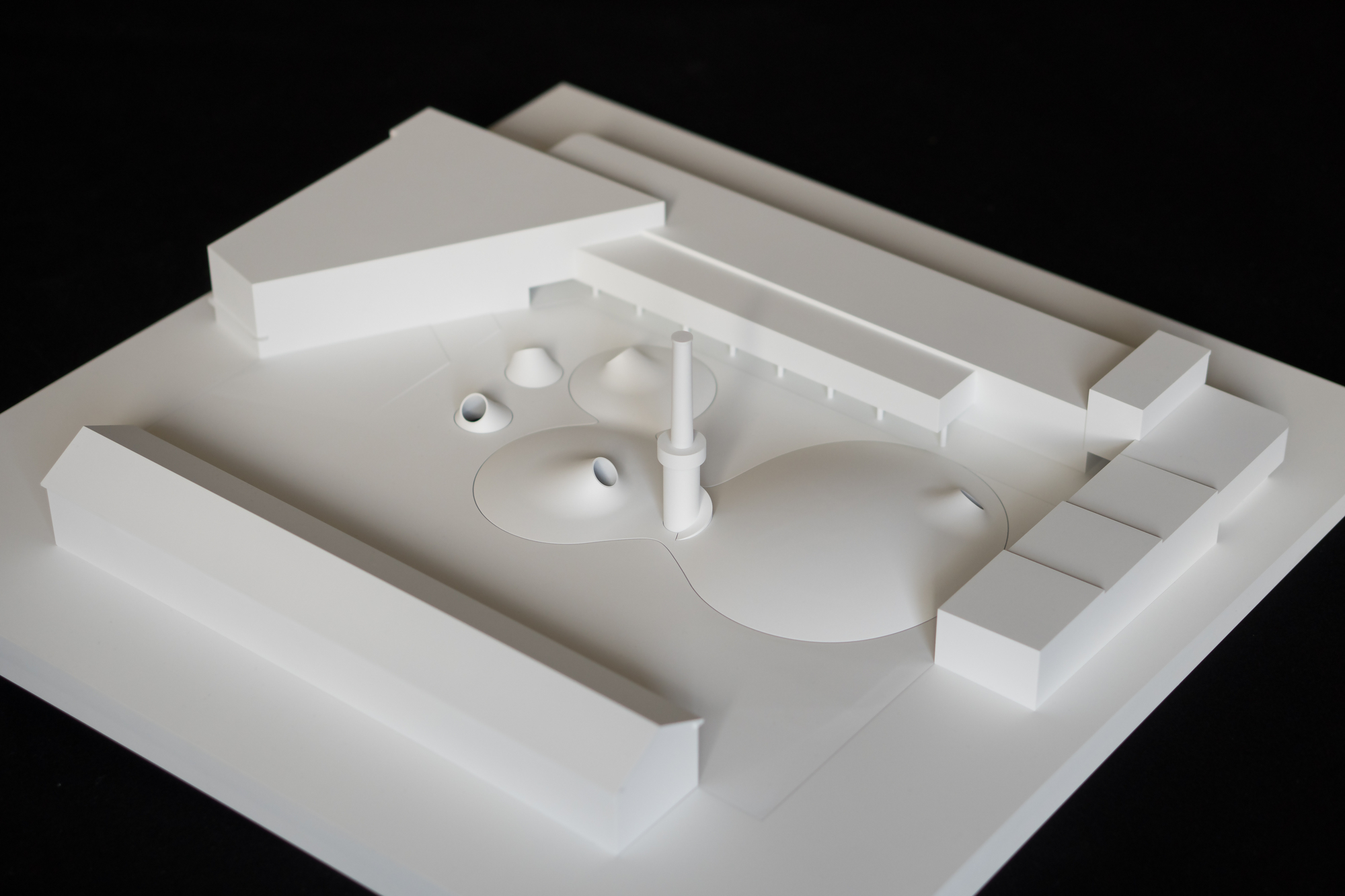
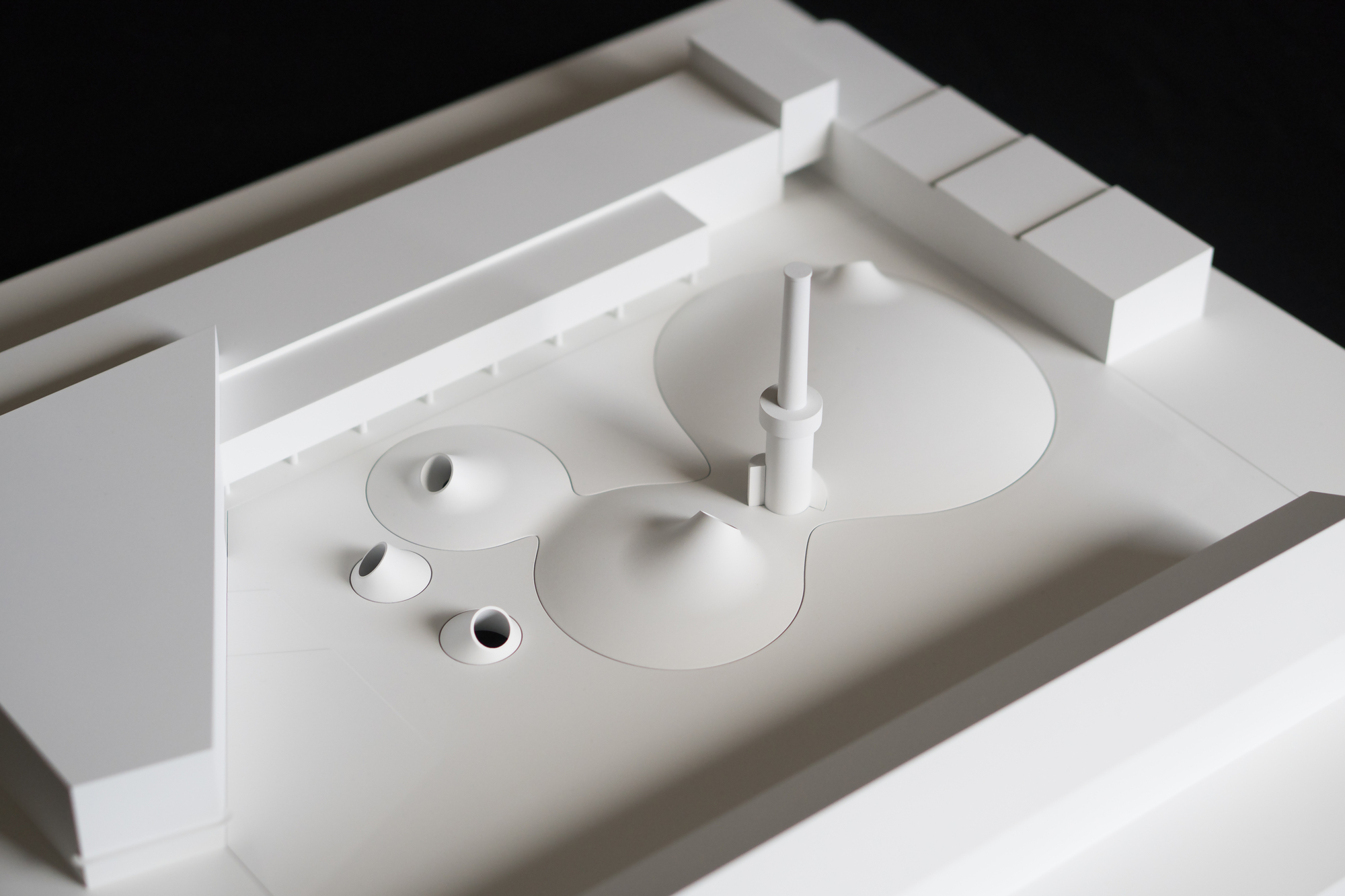
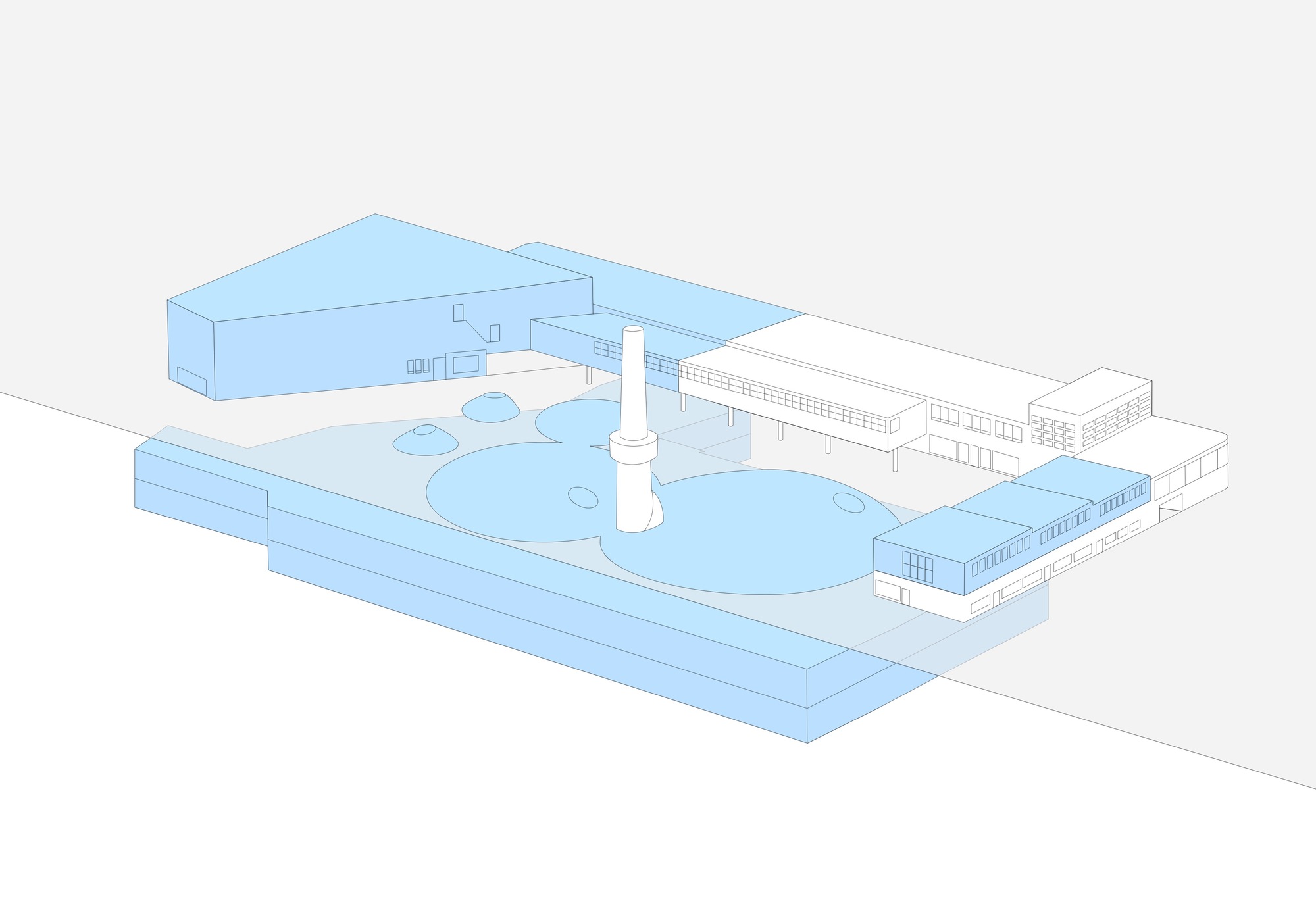
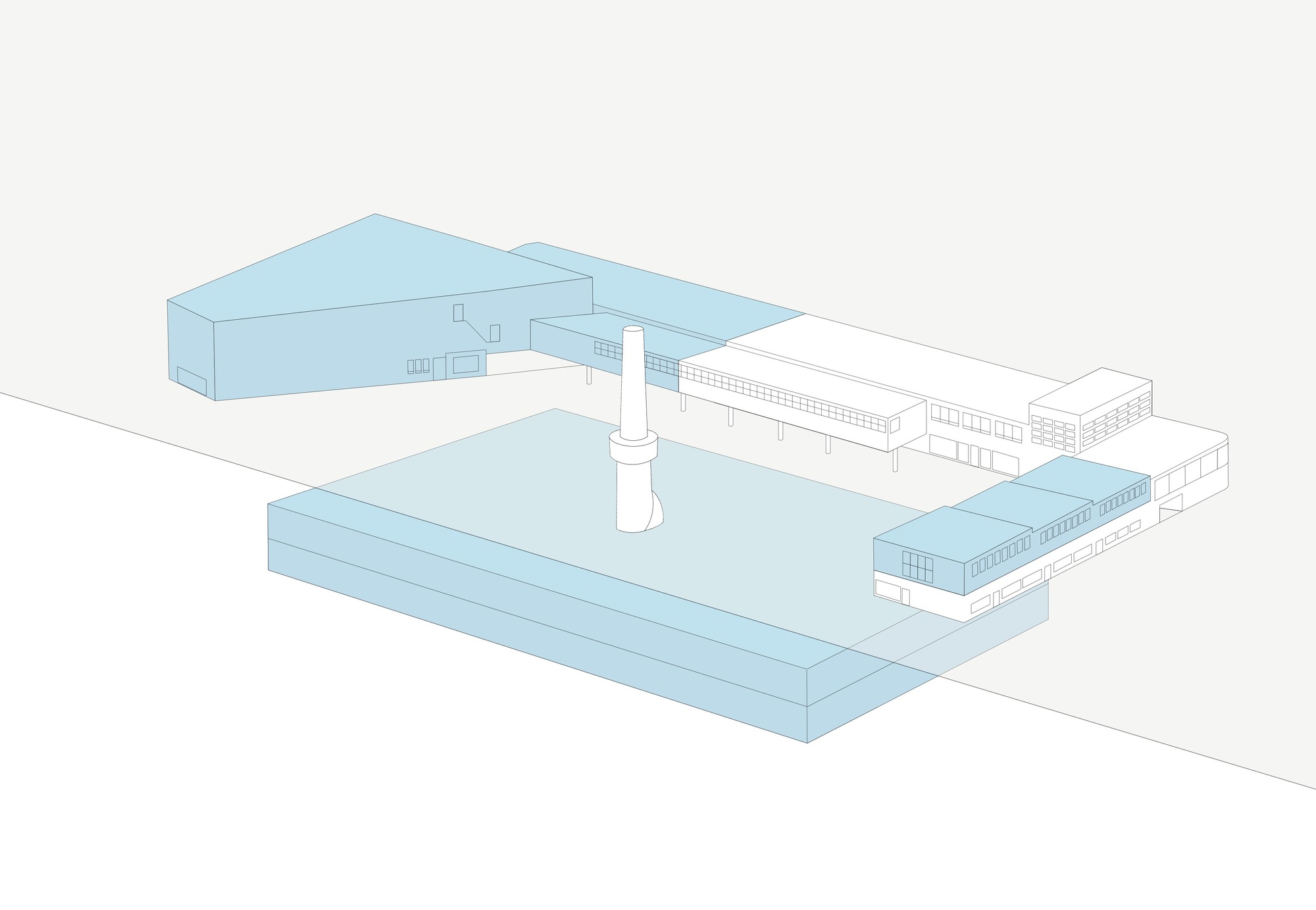
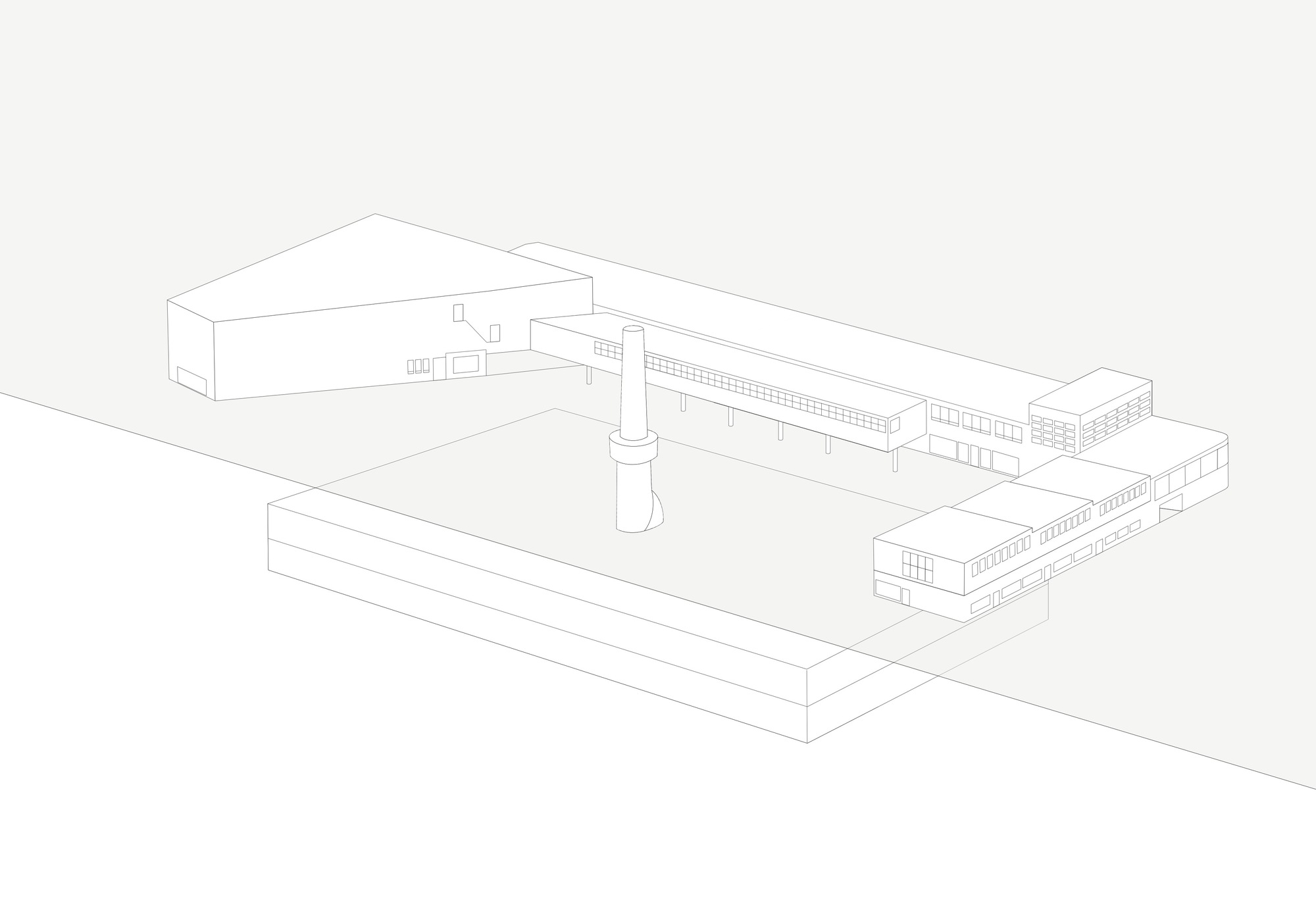
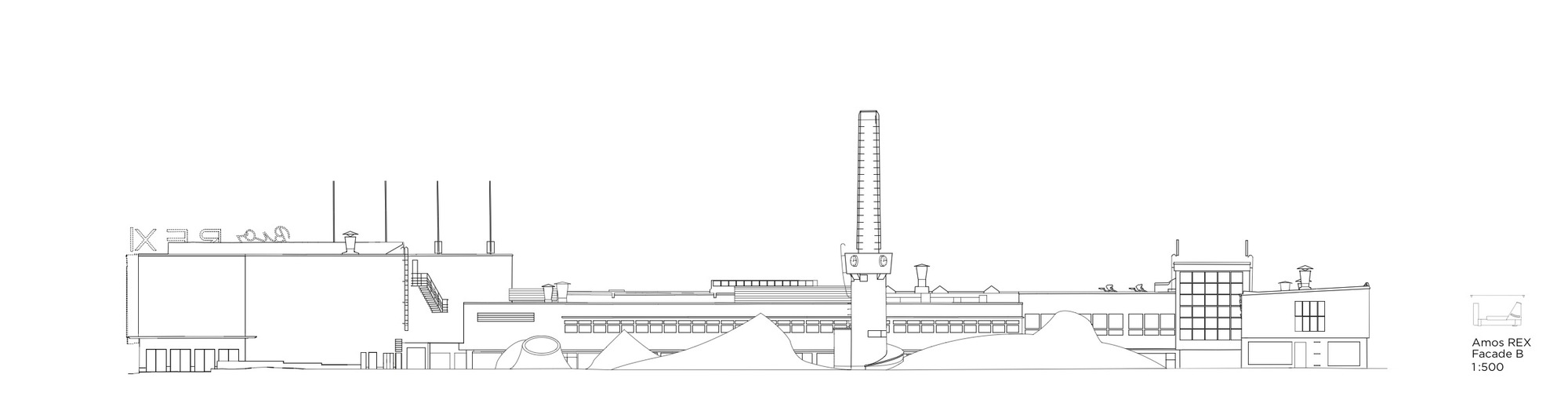
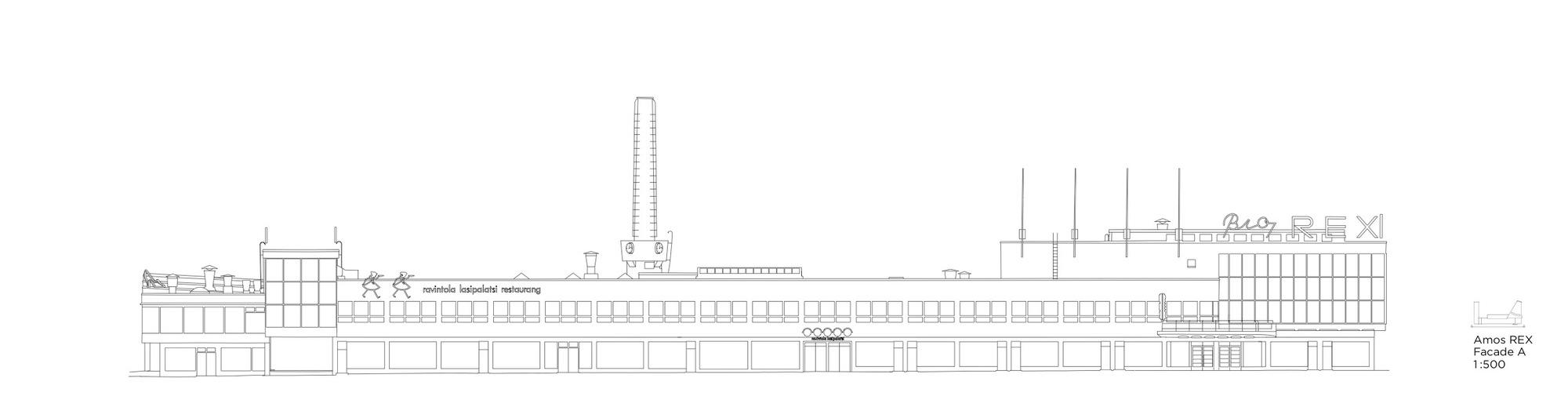
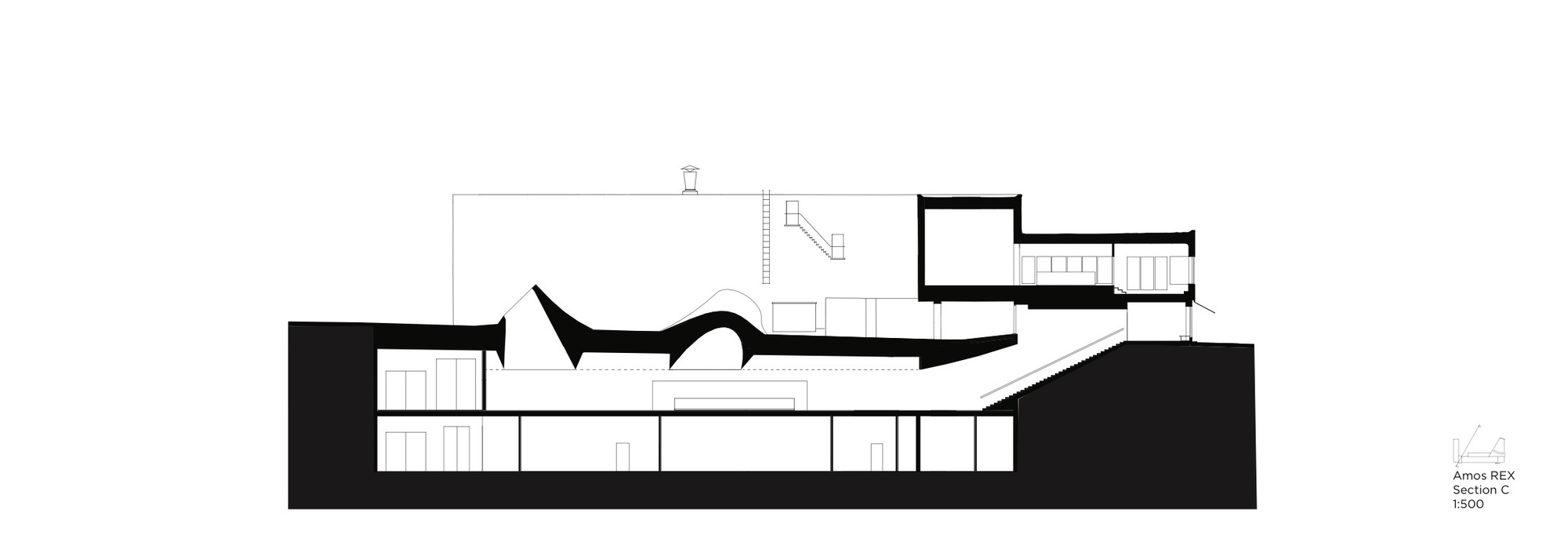
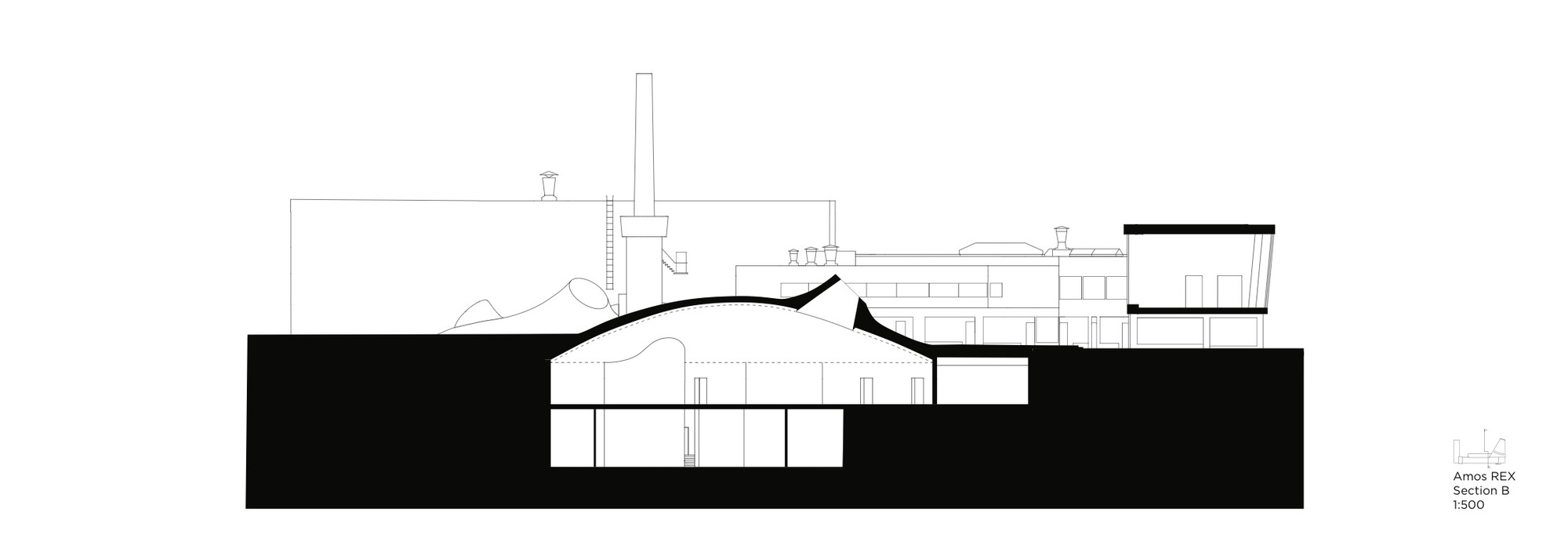
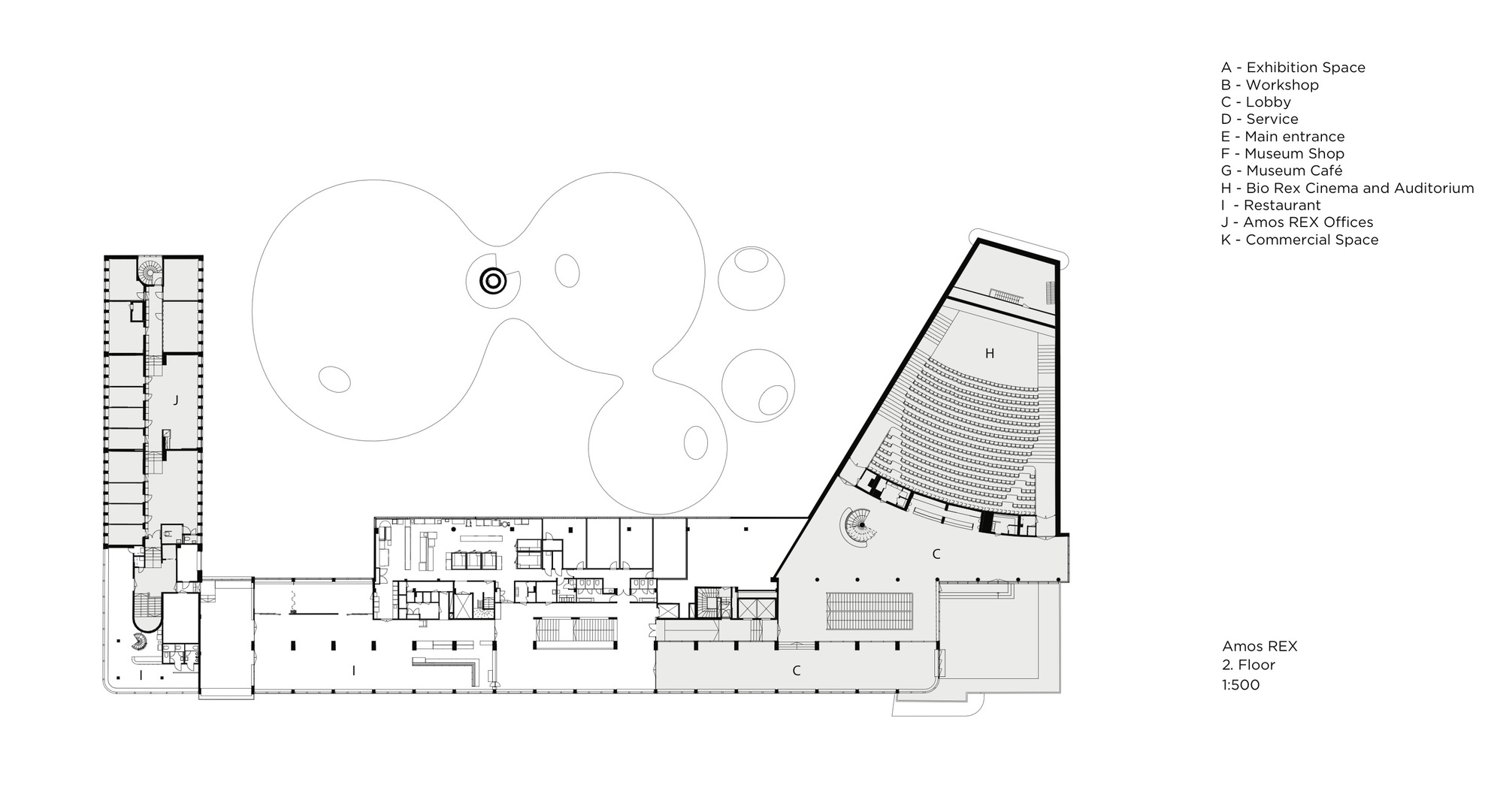
Amos Rex grew out of the Amos Anderson Art Museum, Helsinki's leading private museum since 1965. To meet the changing practices and expectations of twenty-first-century contemporary art, the museum's trustees concluded that a new venue was more appropriate than further alterations to the converted newspaper office that had housed the collection. The nearby Lasipalatsi building, one of Finland's best-preserved examples of 1930s functionalism, was chosen as the new home. As part of the project, Lasipalatsi has been comprehensively restored, with particular care given to original features including Finland's first external neon sign. Working with the Helsinki City Museum, JKMM carried out detailed archival research and on-site material analysis, allowing the team to recreate materials and colours consistent with the original design. Bio Rex, the 590-seat cinema within Lasipalatsi, has been restored to its 1930s splendour and integrated into the new institution. From the restored Lasipalatsi lobby, visitors descend a staircase past a picture window overlooking the public square and arrive at the underground gallery spaces. The galleries themselves are carved below ground, preserving the functionalist exterior above while creating large, flexible exhibition halls beneath the plaza. The project demonstrates how a contemporary art museum can be inserted into a historic city block without overpowering it, using the roof of the building as a public event plaza and the buried galleries as a quiet, flexible stage for art.



















 Editor's Pick