Text description provided by the architects
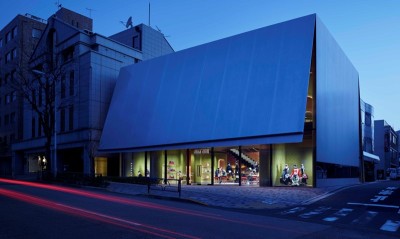
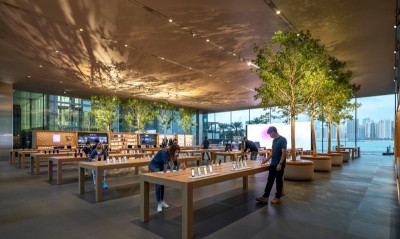
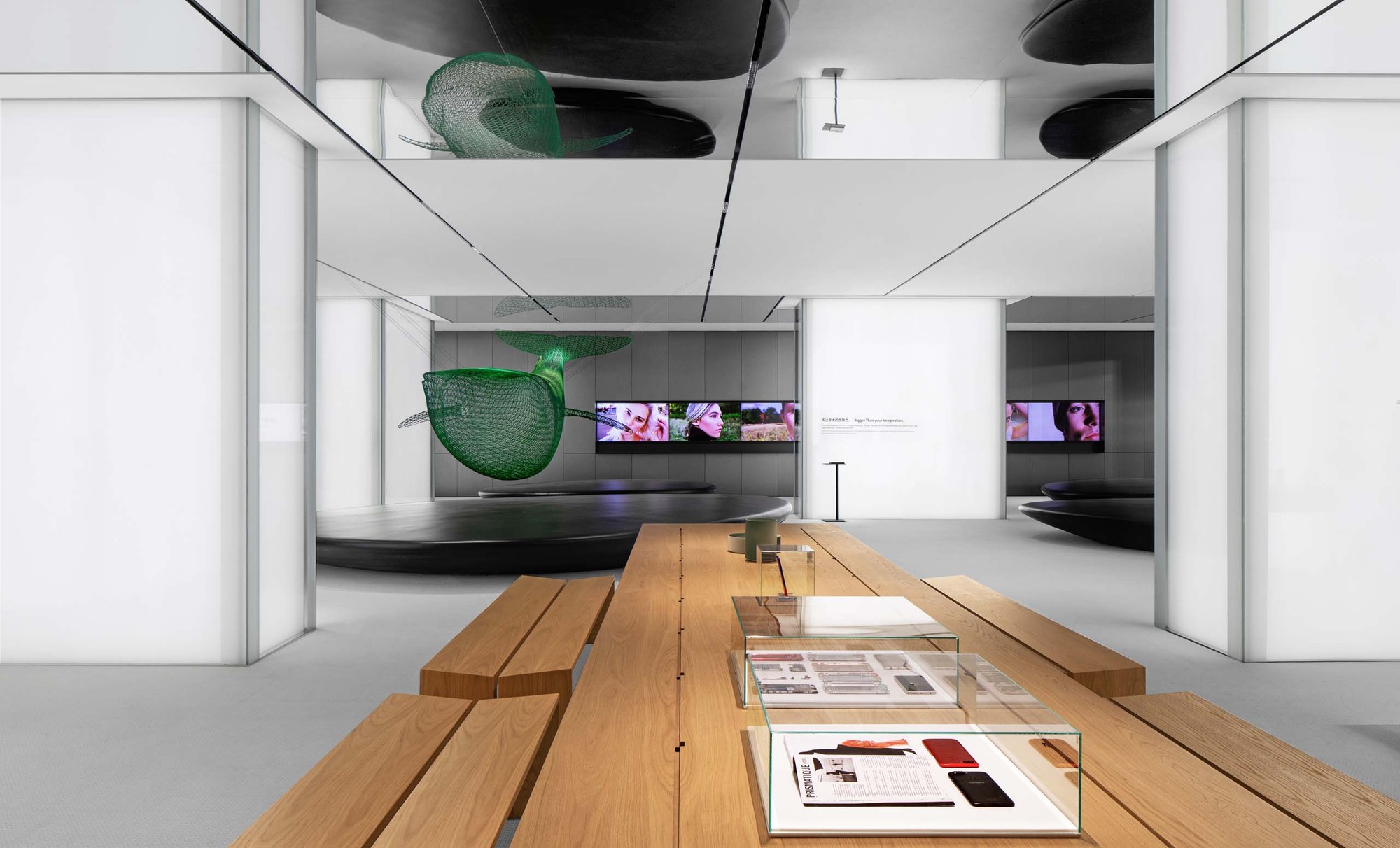
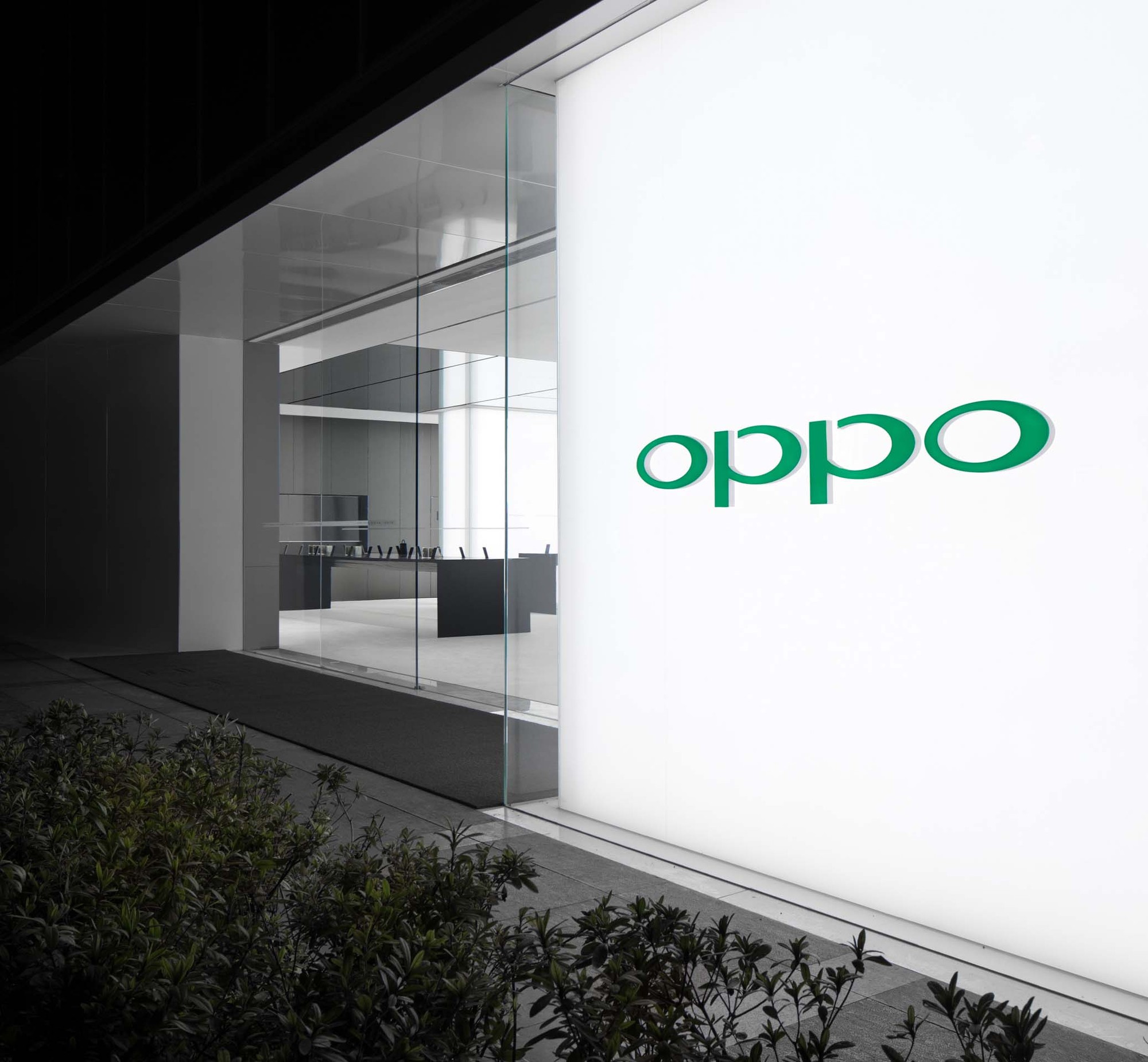
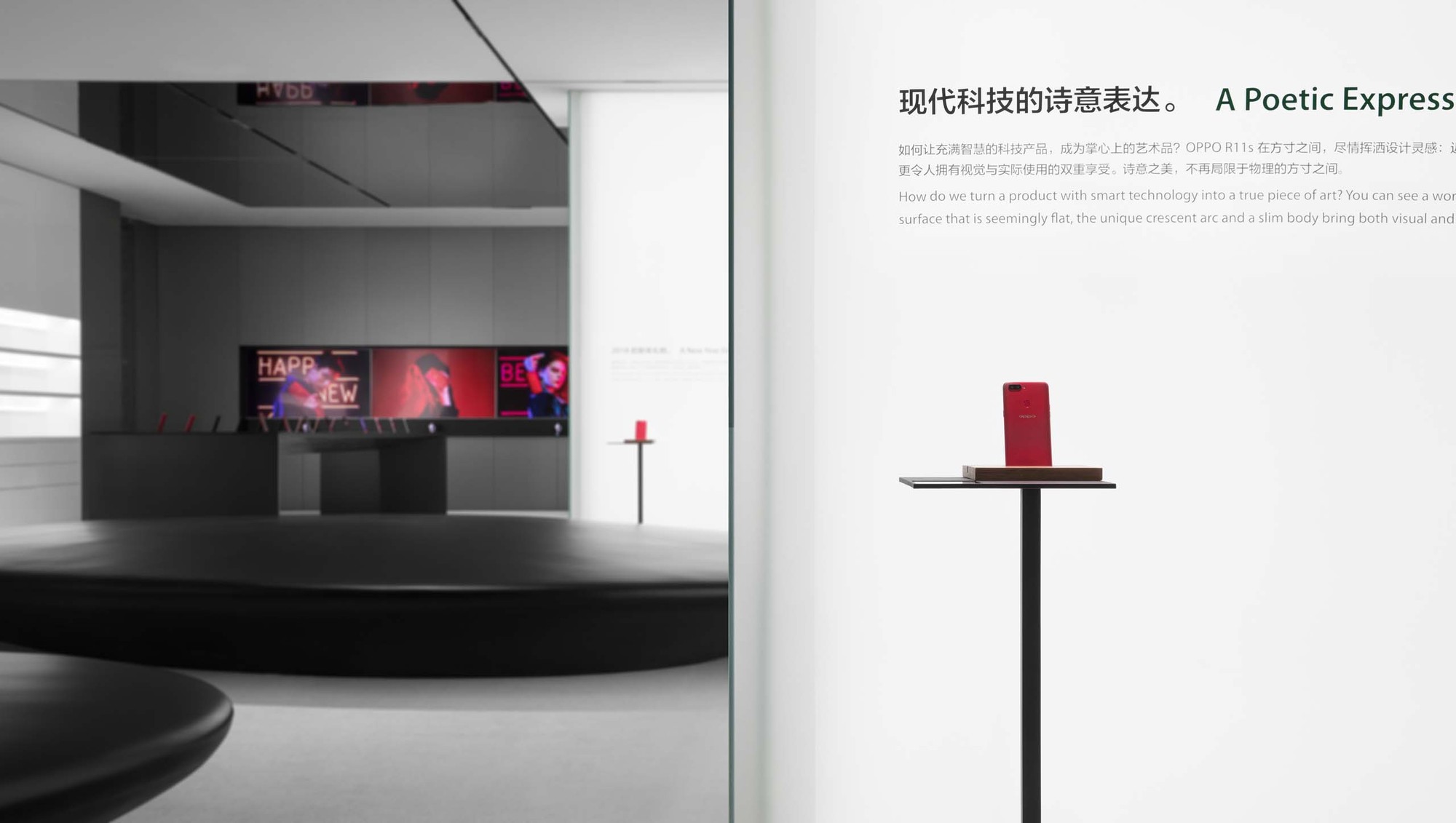
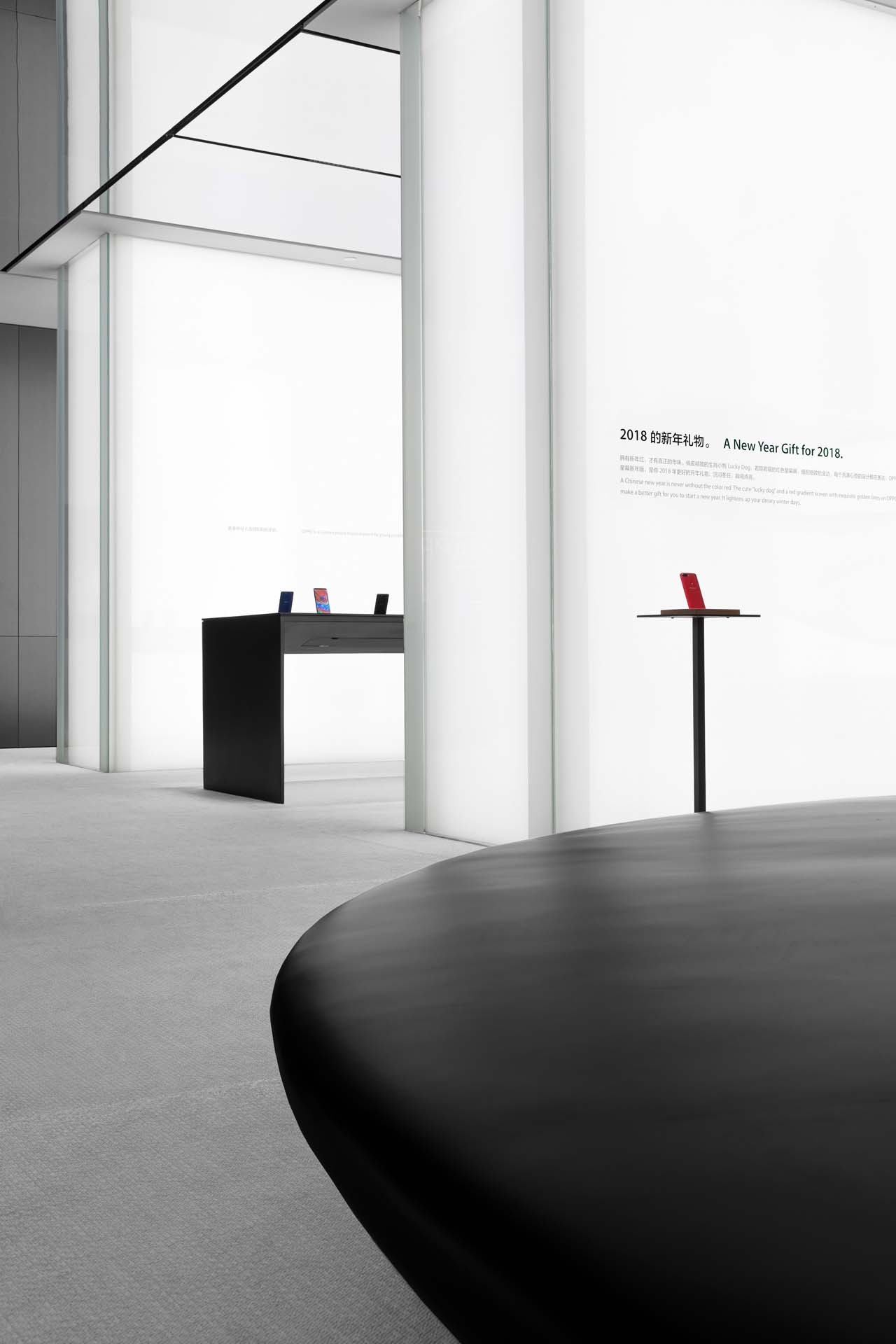
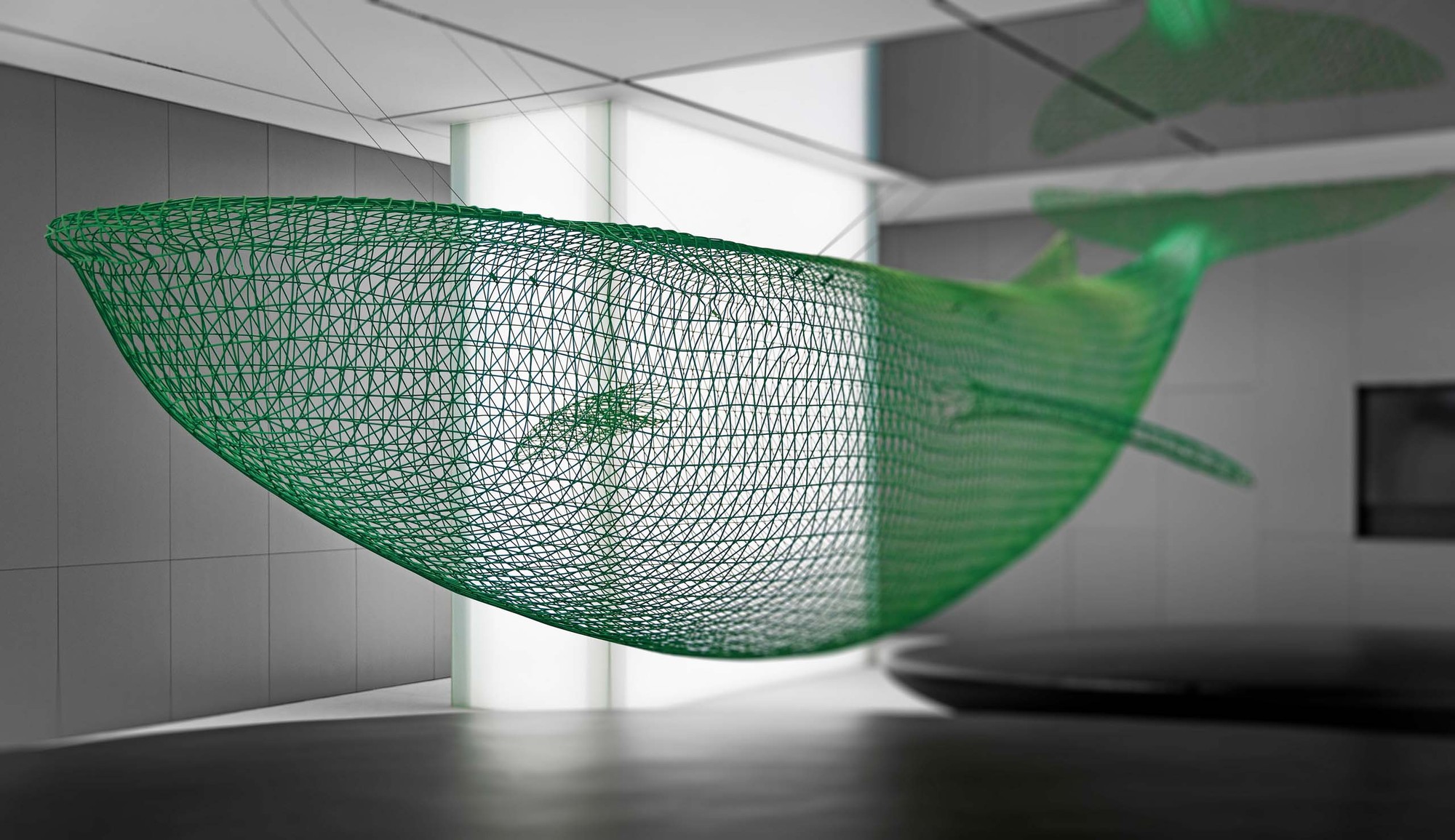
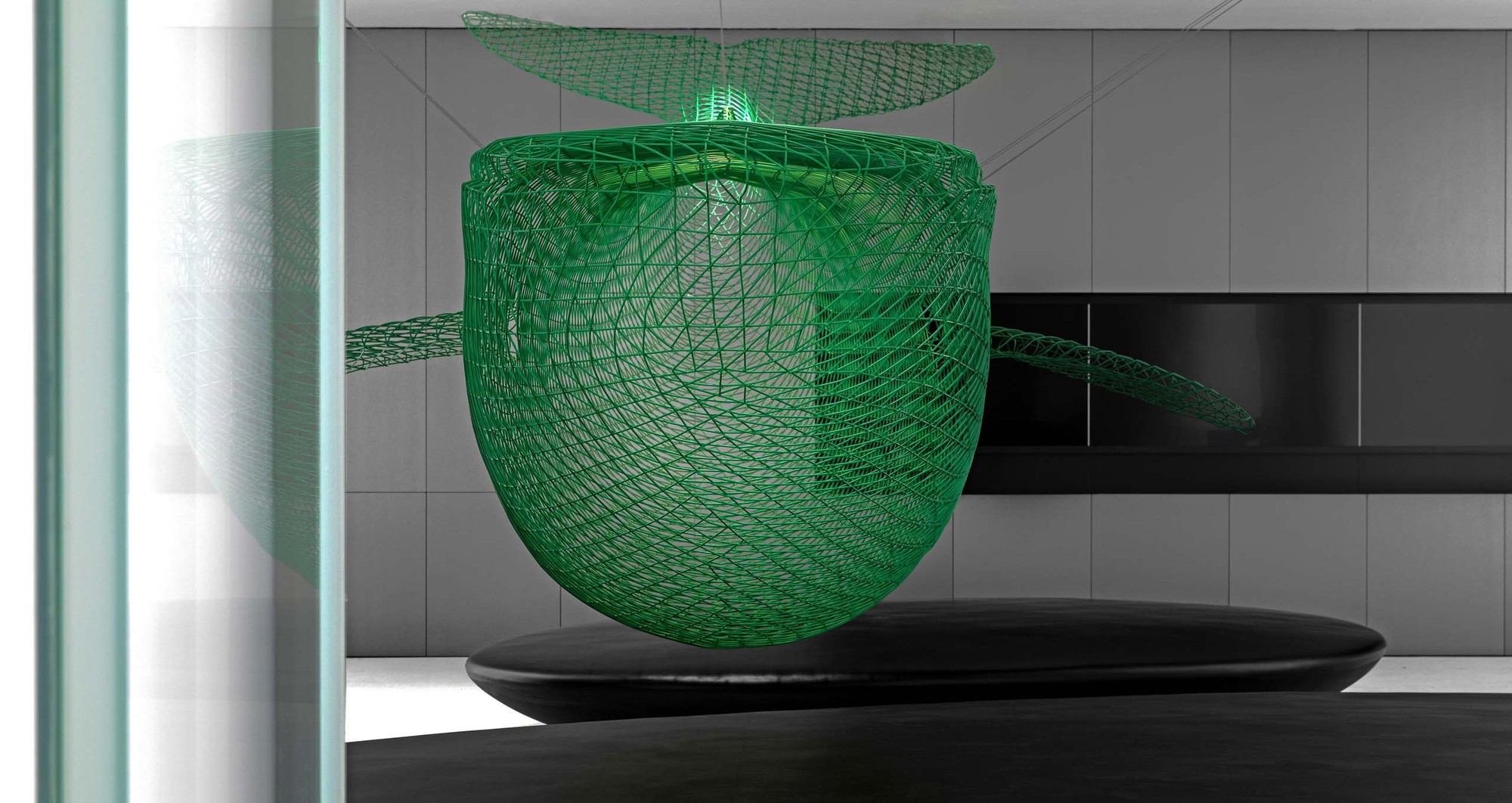
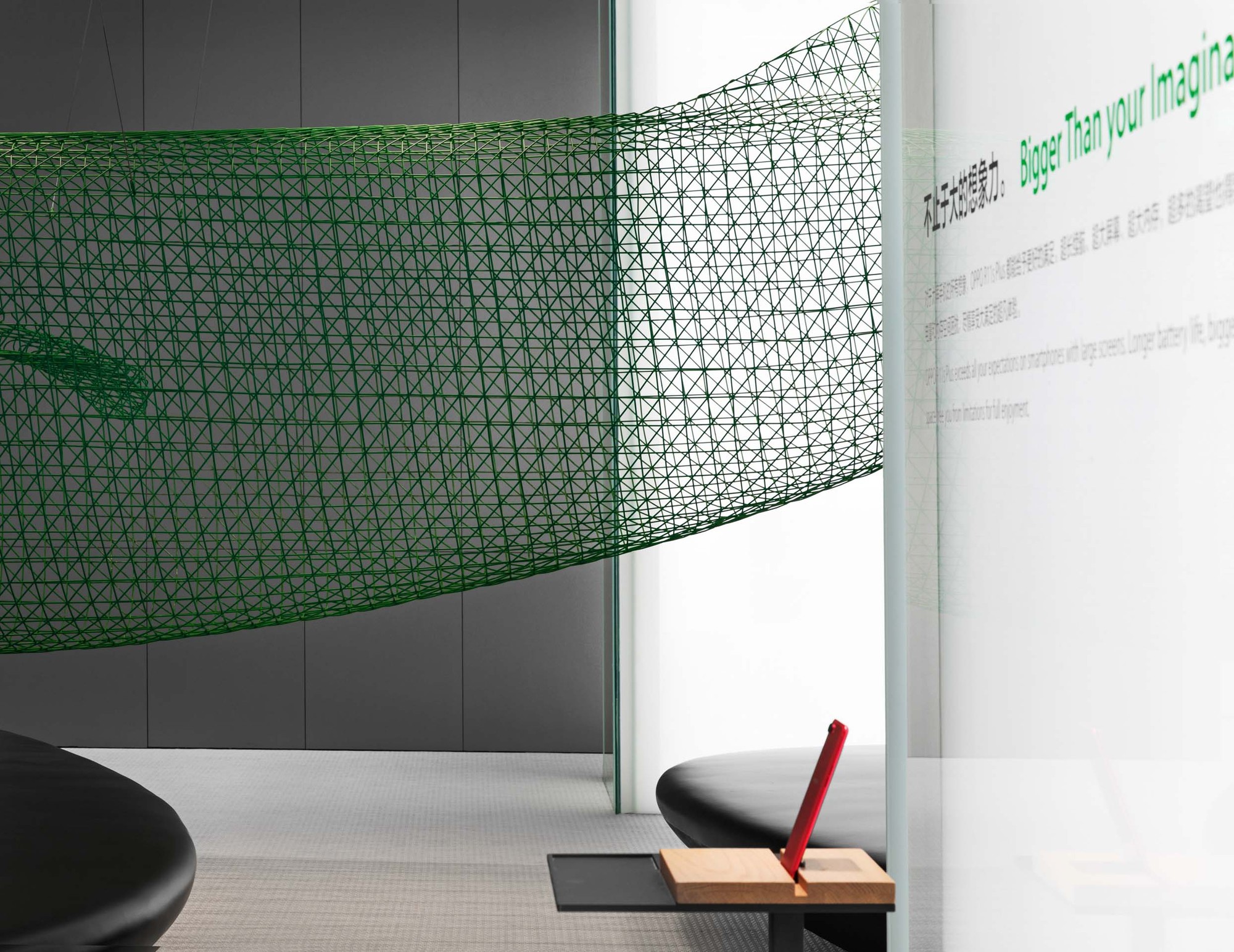
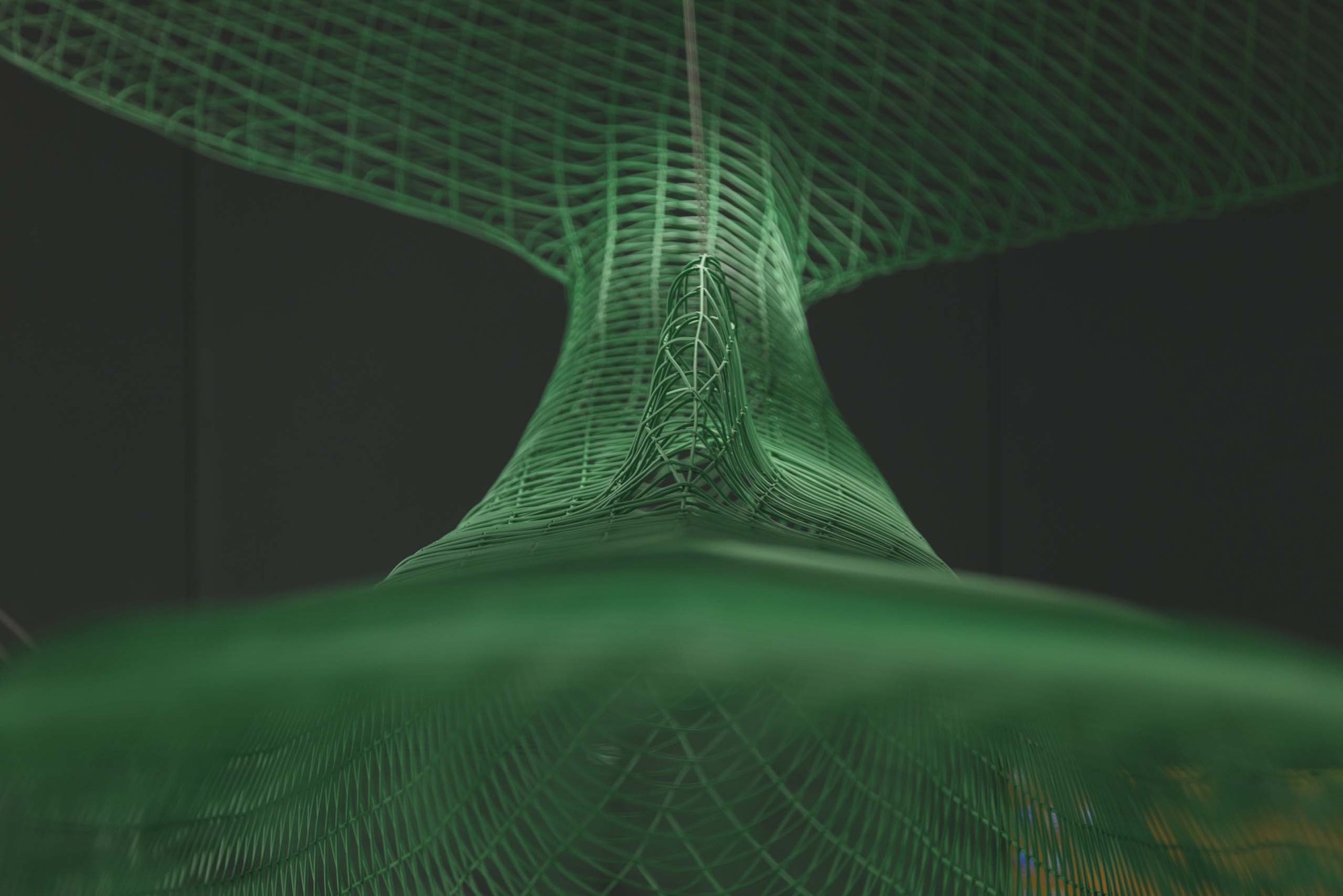
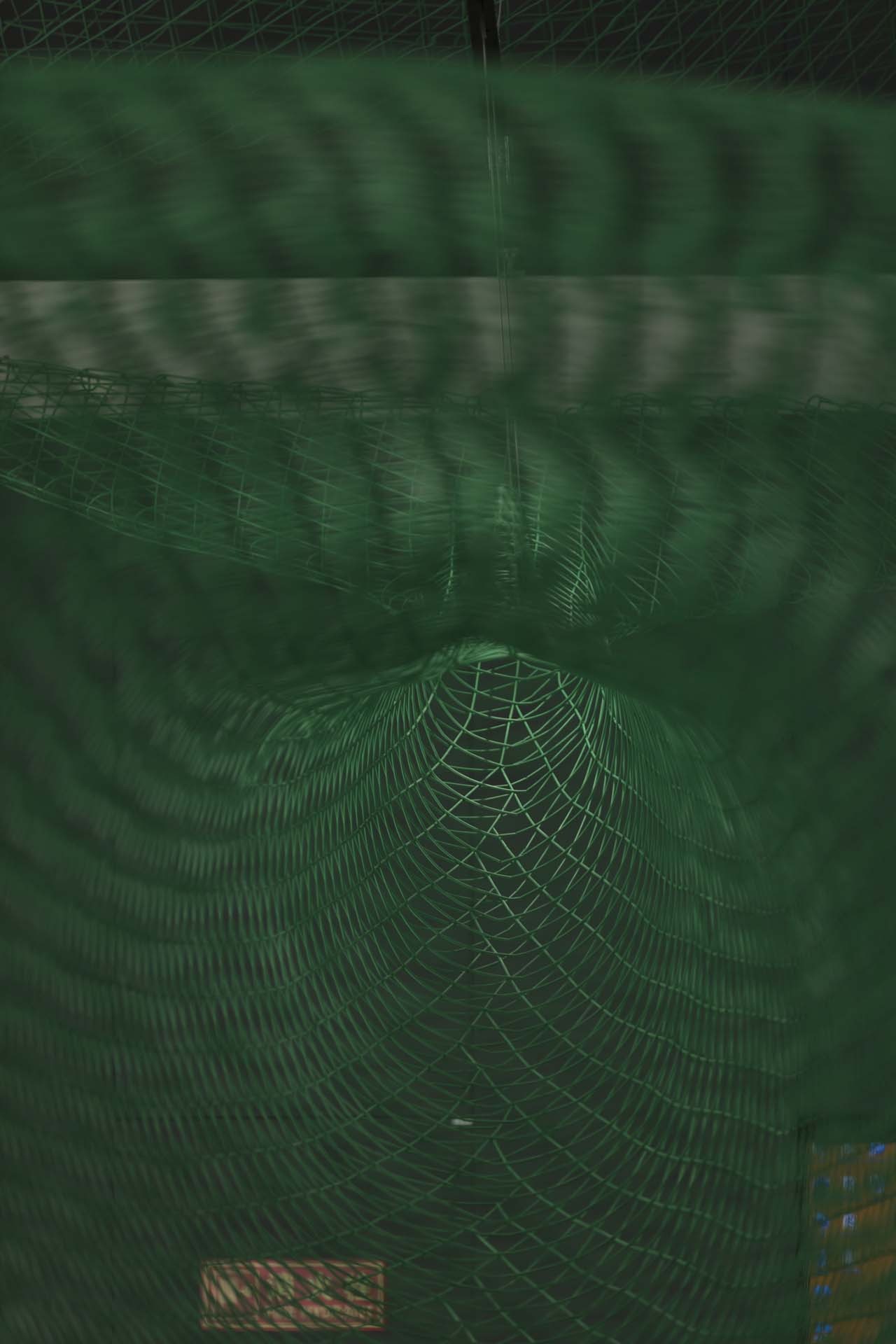
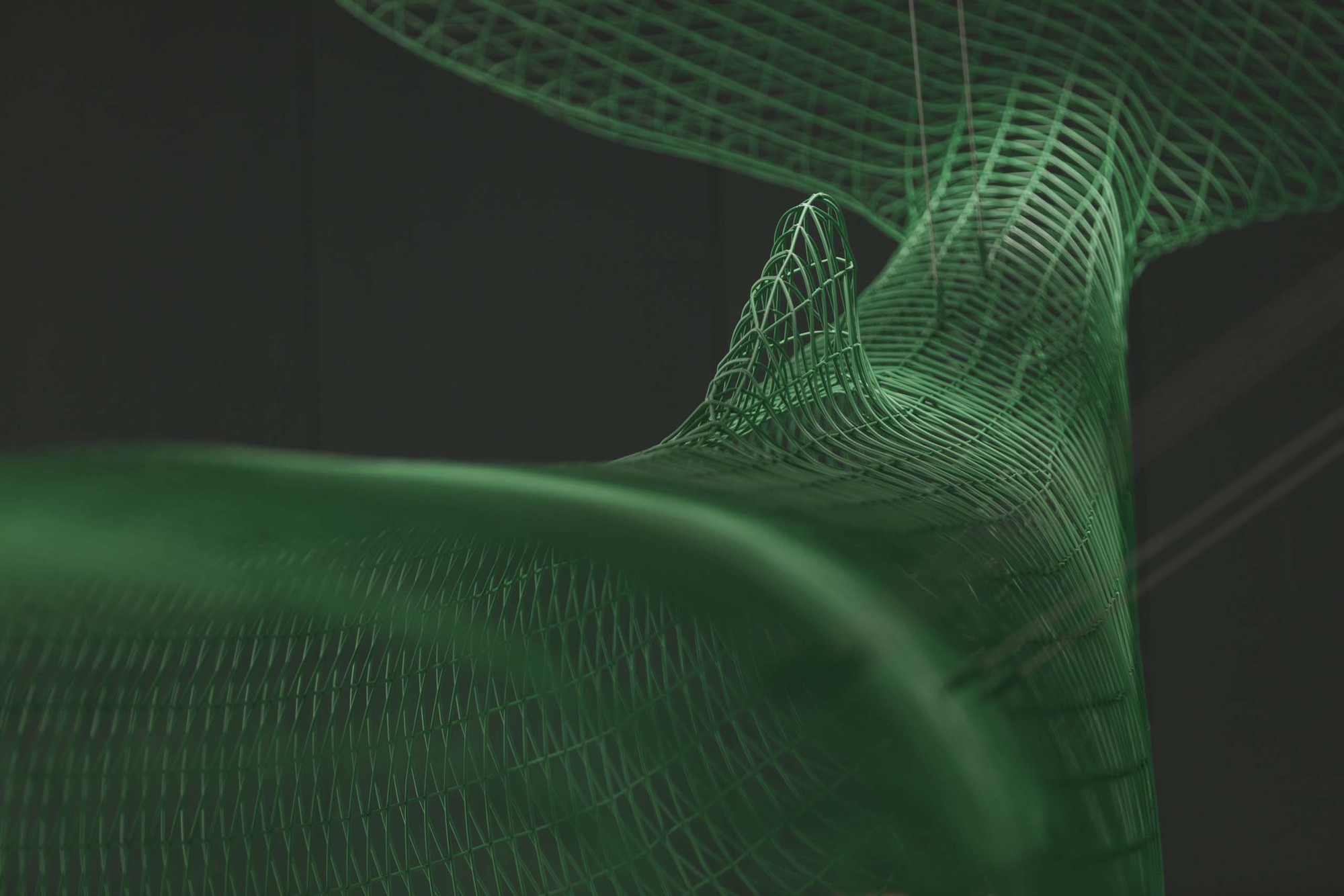
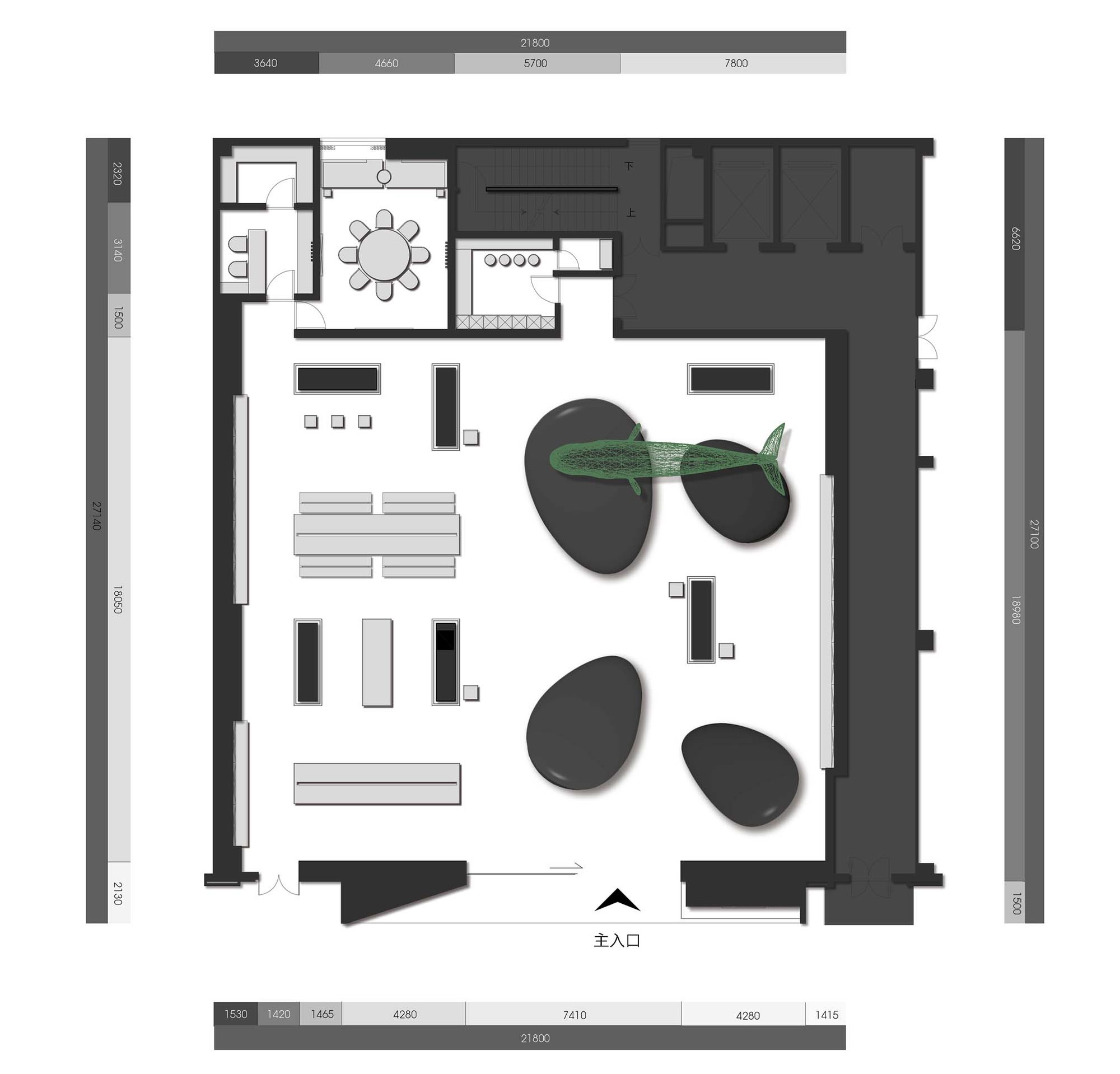
Compared with traditional mobile-phone retail environments, we wanted to give consumers a more open and free space. Through an open, liberated layout we aim to reduce the innate animal unfamiliarity and aggression between people. The entrance to the flagship store is therefore fully opened; within the passerby's line of sight there is no obvious trace of merchandise, weakening commercial aggression. Whether for brand communication or sales, people are maximized. As OPPO's first super-flagship store, it does not need to overstate products; the interior leaves generous space for consumers to experience freely, conveying through space the company's openness, inclusiveness, and acceptance of creativity toward the market, and increasing dialogue and contact between brand and consumer. The core idea of the spatial design is decentralization. We do not wish to establish an authoritarian condition that coerces consumers along a fixed circulation to browse every product. OPPO, as a brand loved by young people, should be free and open, allowing both sides to choose independent behaviors with ease. The boulder installations are placed to make the scene feel more public, not a merchant's utilitarian territory, but rather a civic space offered to the city, like an urban landscape where passersby may rest. Each giant cobblestone installation has irregular outer contours, preserving a comfortable safety distance between visitors. Traditional consumer-electronics display carries much clutter that creates unpleasant experiences; here we present products in the simplest way: products sit directly on solid-wood tables with elongated slots, and nothing else. Four structural columns in the original building are redesigned as luminous walls that assist product photography; combined with the many scenes created for experiencing OPPO products, they fully demonstrate product performance. This is the core value of how space brings a commercial premium. Today, almost everyone, especially young people, carries thoughts that need free release, and we have long sought a vehicle to let such thinking burst forth. The whale, the largest creature on earth, symbolizes freedom and carries dreams; with an open mind we arranged this art installation, detaching from solid form and using a woven, openwork texture as if seen in a dream, giving viewers more imaginative room rather than constraining them. Spatial design is for us both an emotional and rational thinking process; the most primitive starting point of a space is an abstract, even blurry image in the mind. Yet that image always feels most true; respecting one's first sensation and conveying it to others reveals the commonality that image holds within the public. In this process we communicate with countless people to find the keywords of the space and to blur them: what is blurred is the public's stereotyped impression, breaking through existing cognitive limits to produce striking freshness. The design is forward-looking, gradually refining society's recognition of beauty.










 Editor's Pick
 Latest Design