Text description provided by the architects
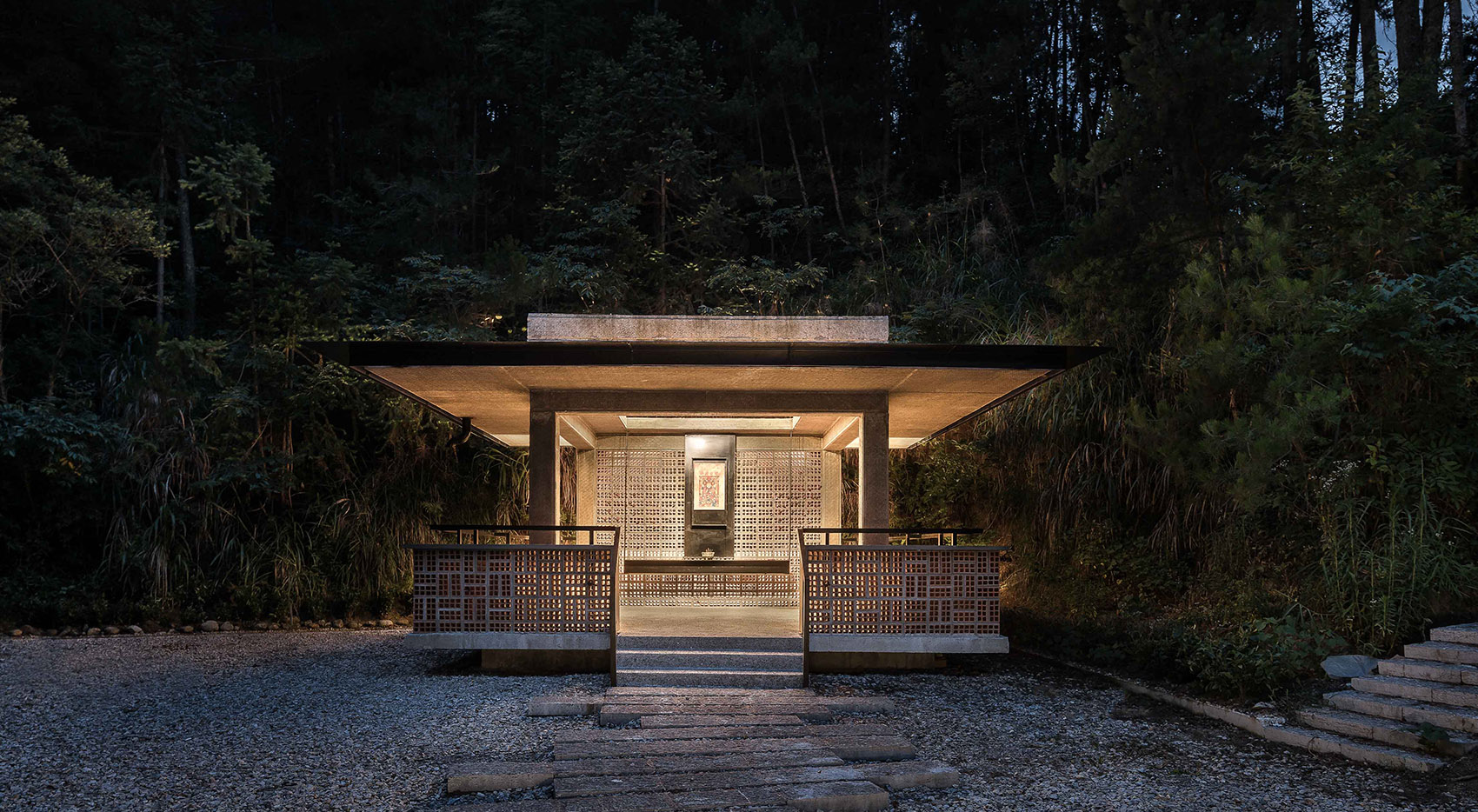
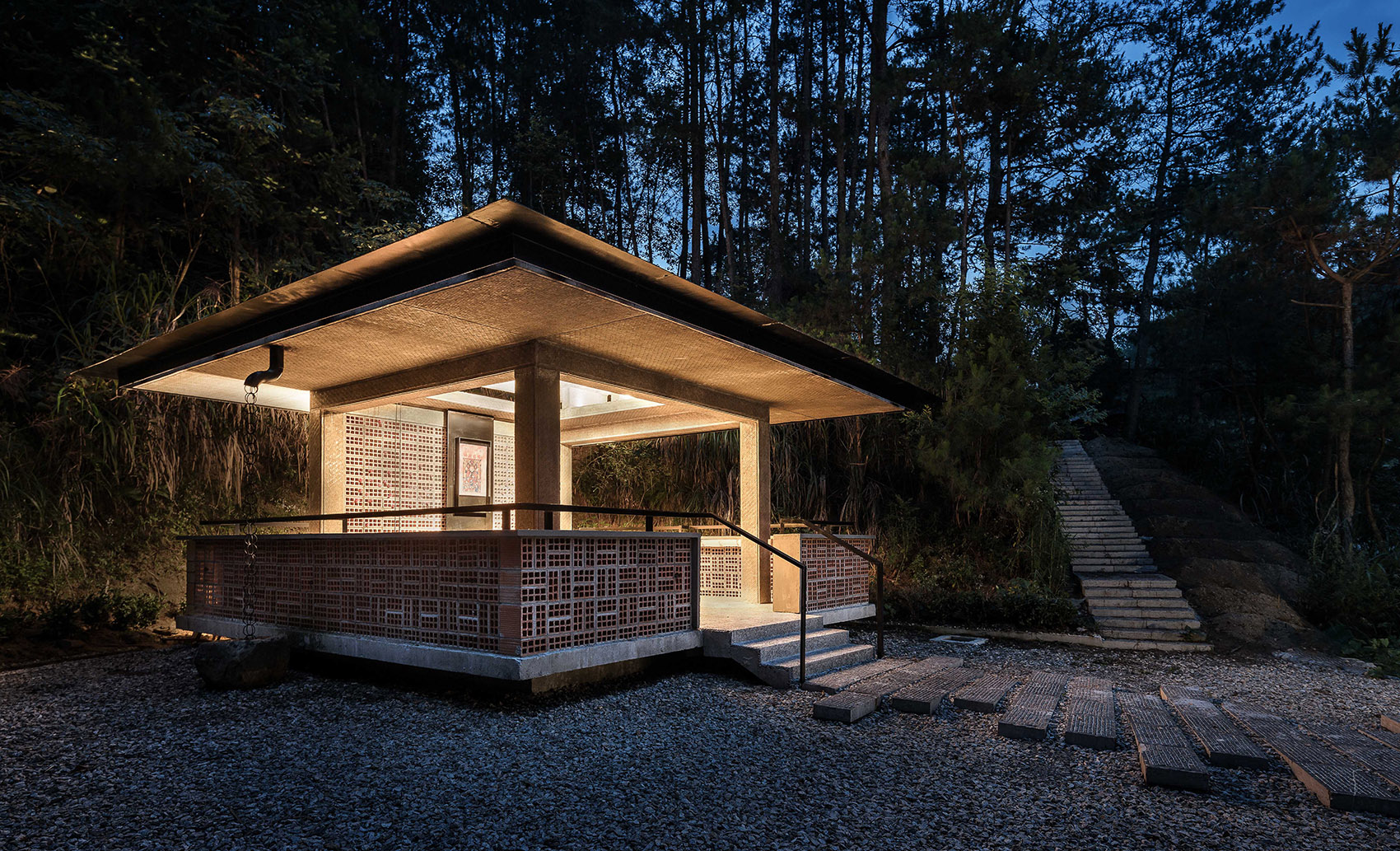
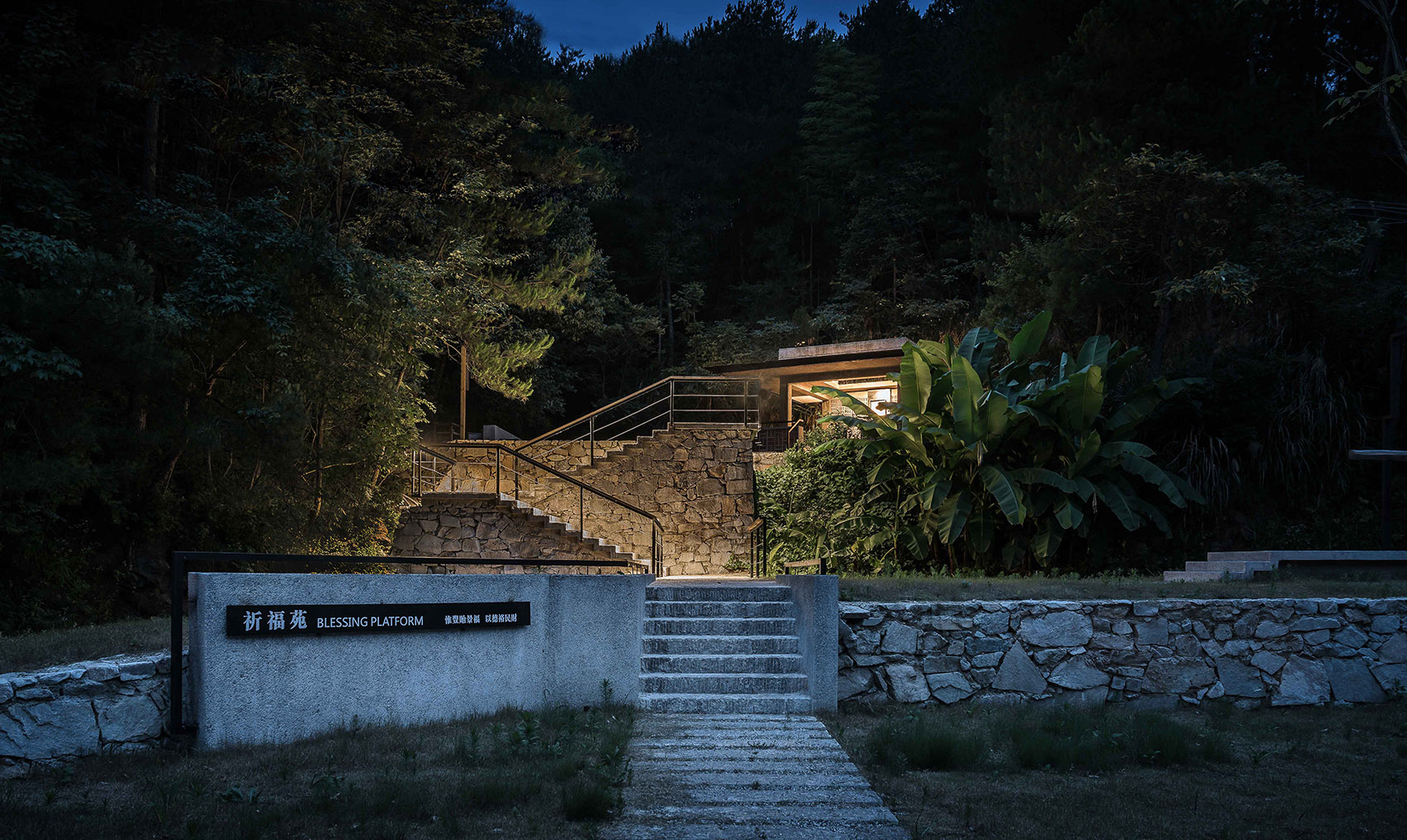
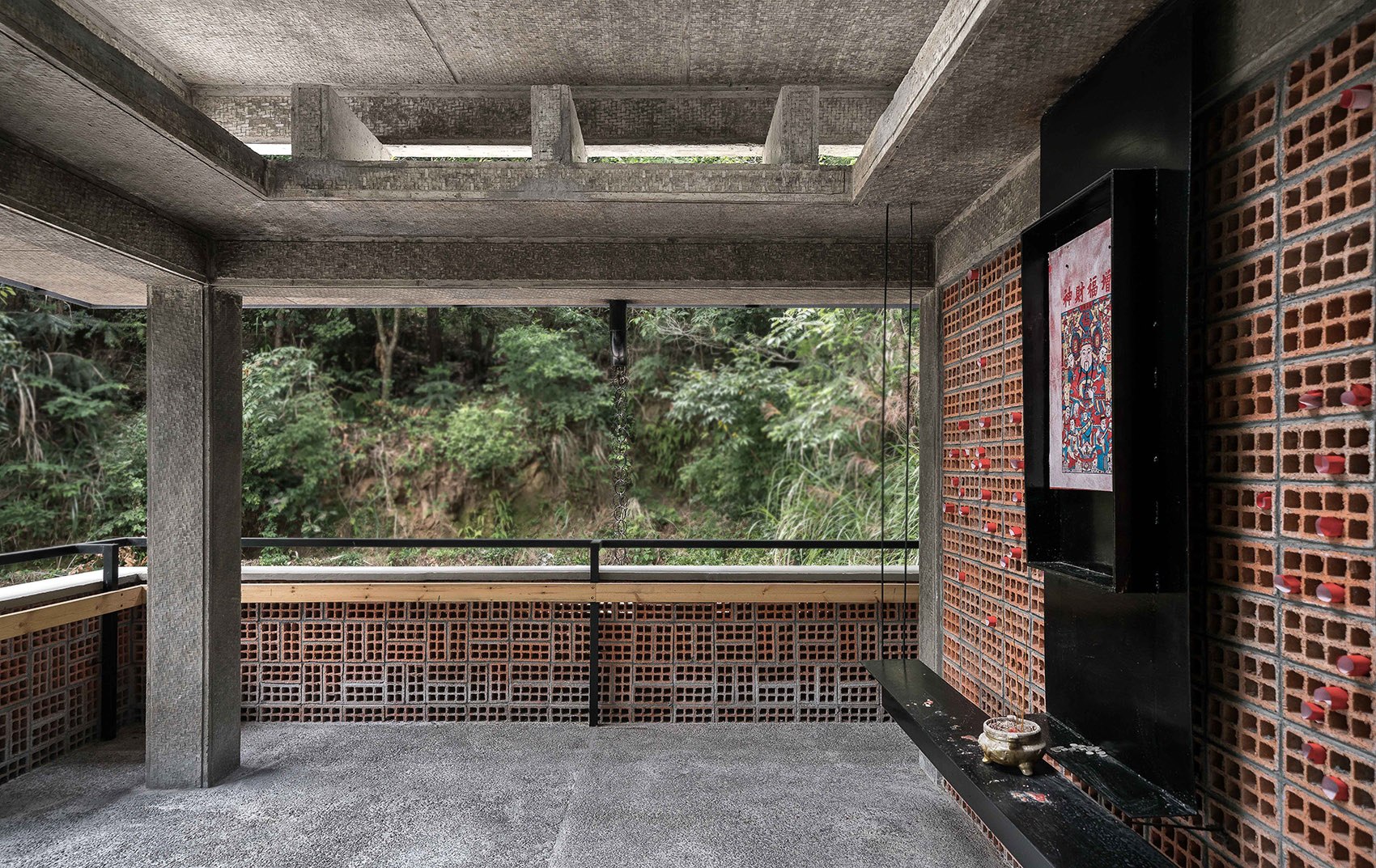
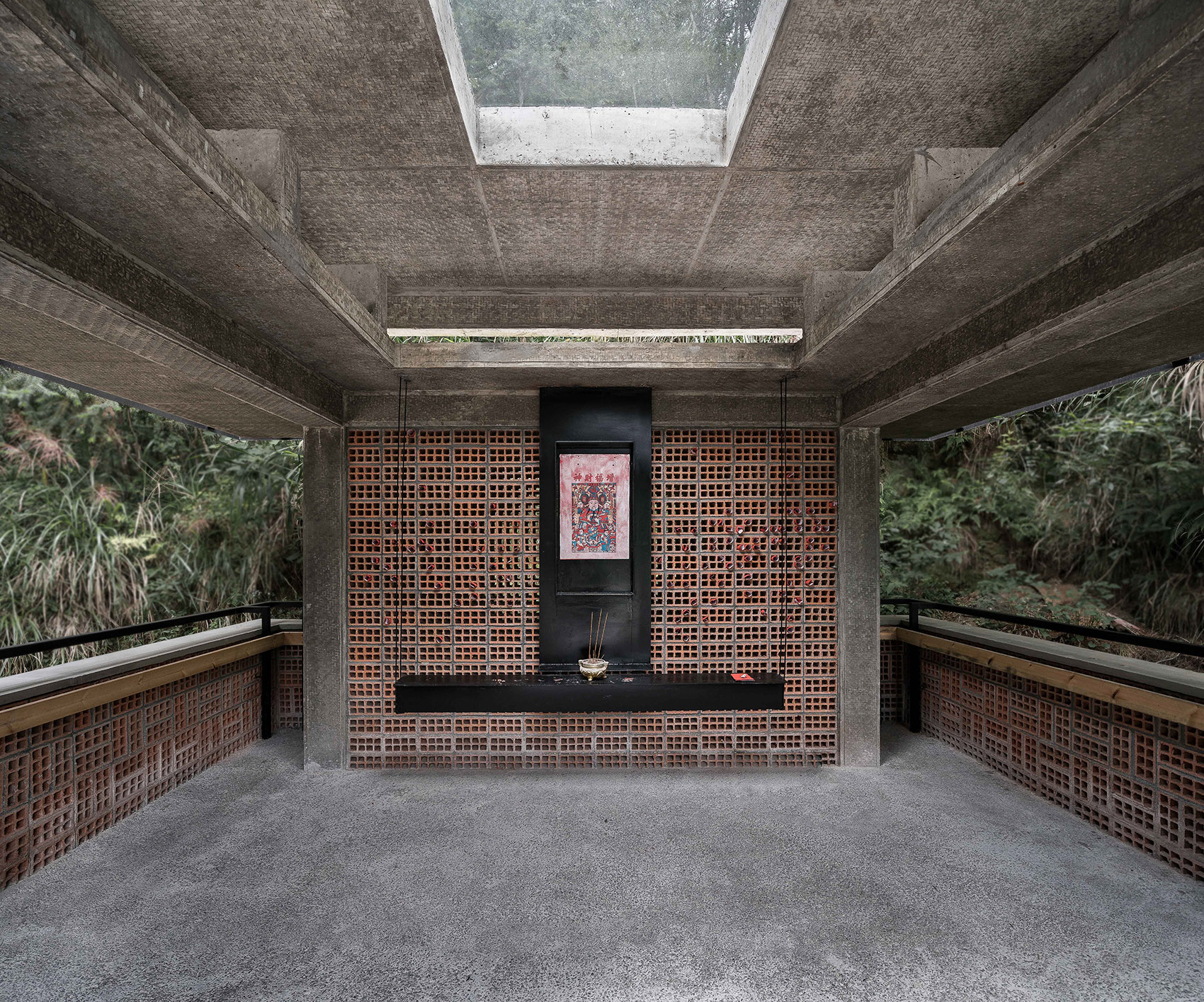
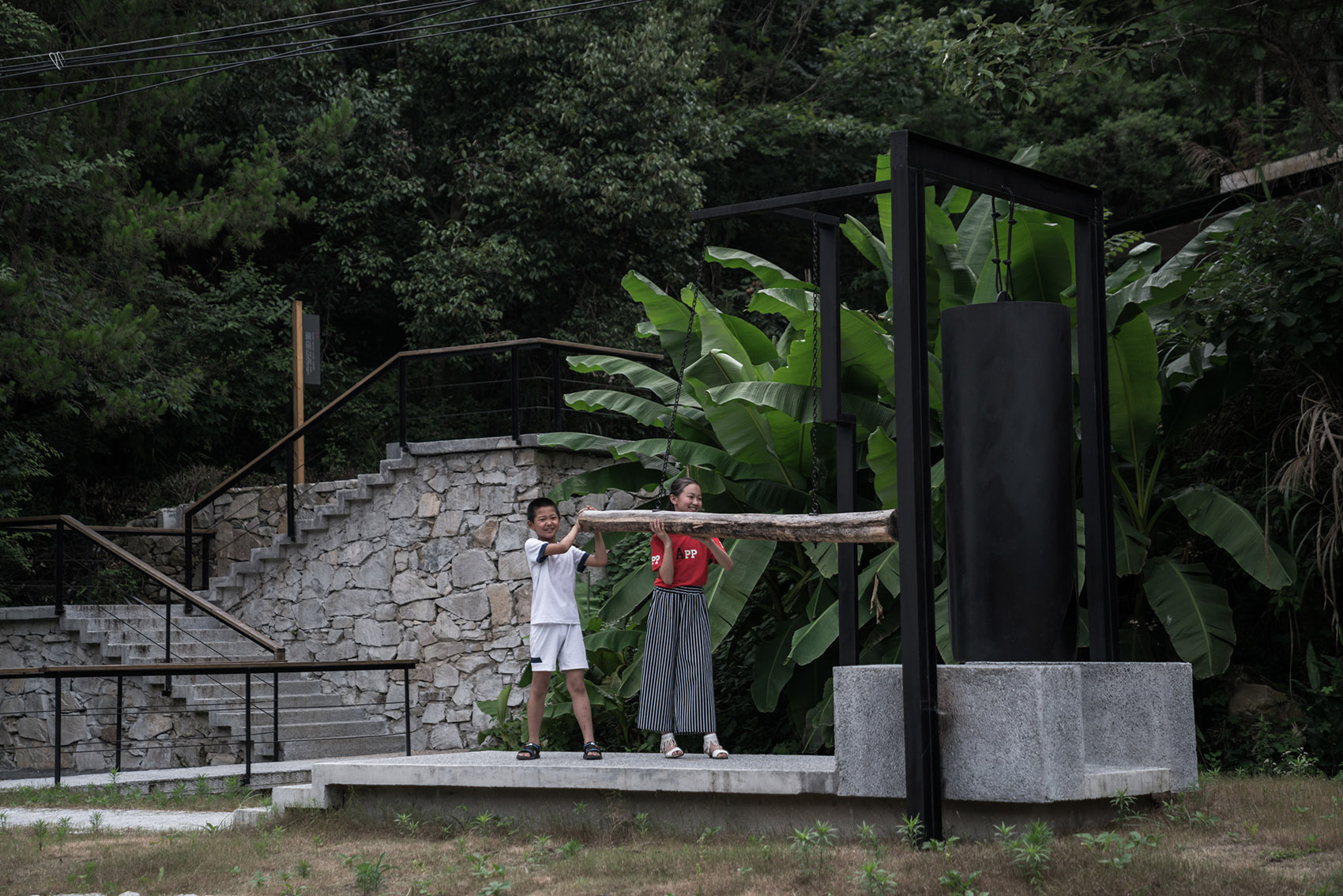
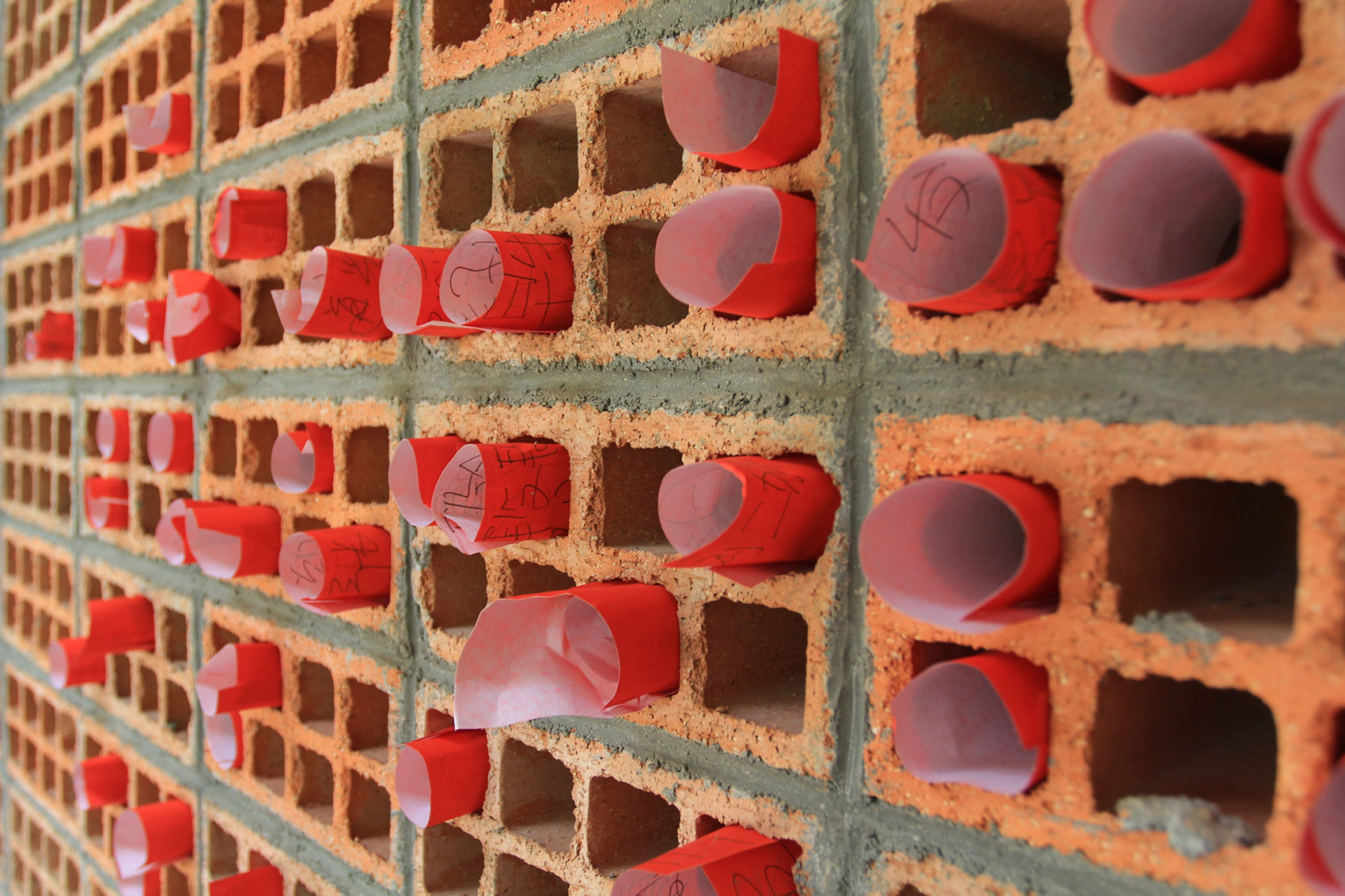
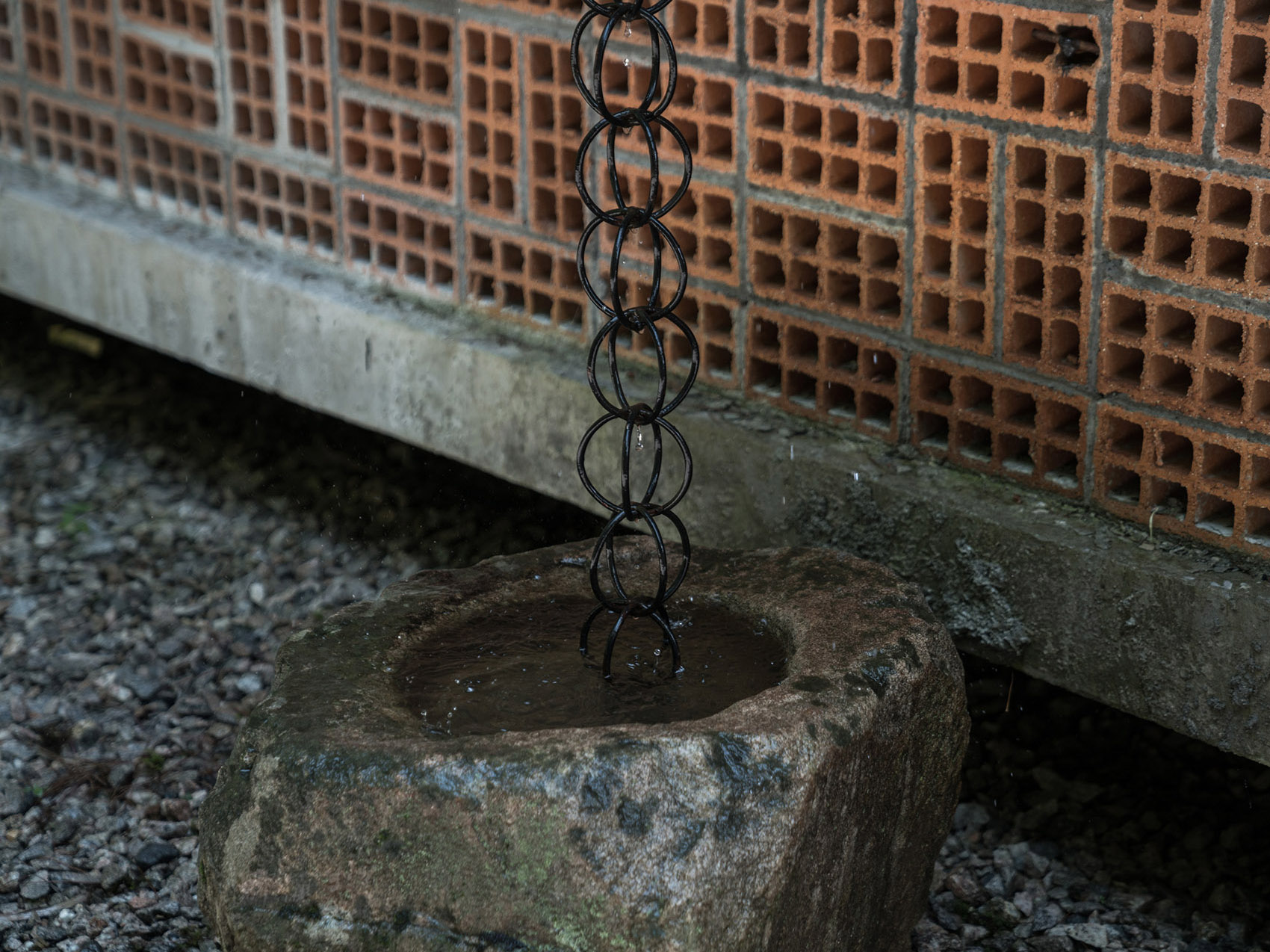
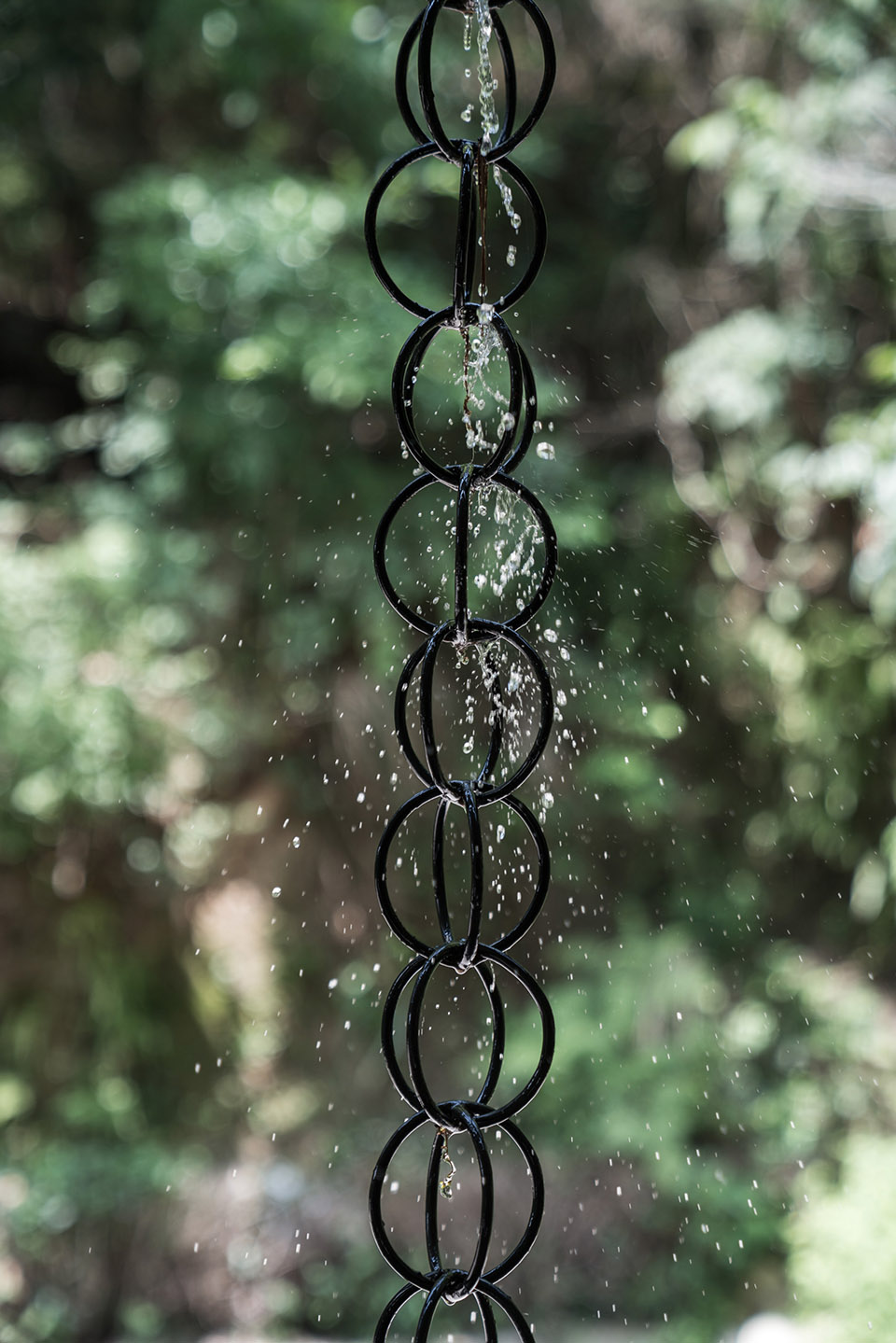
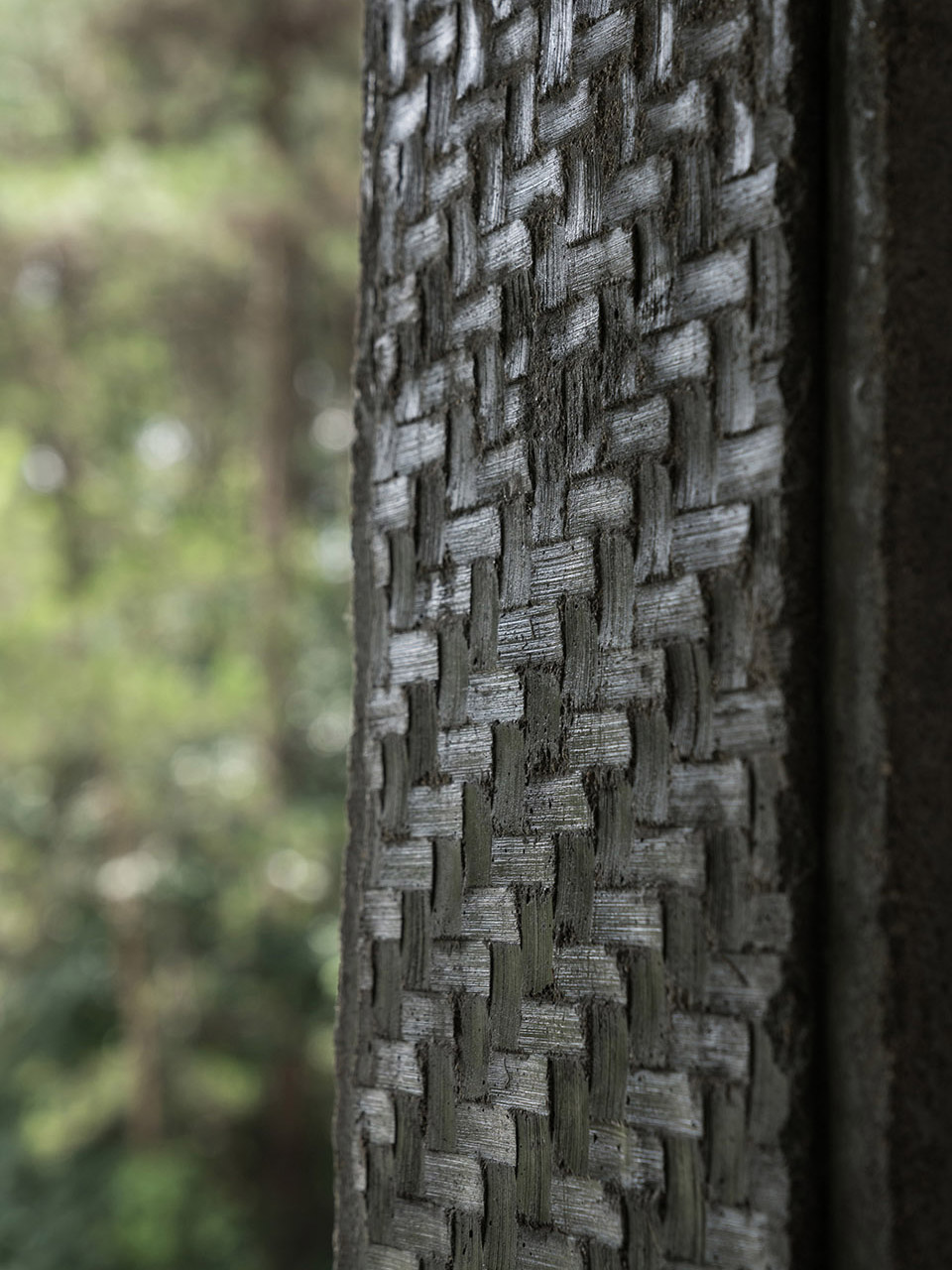
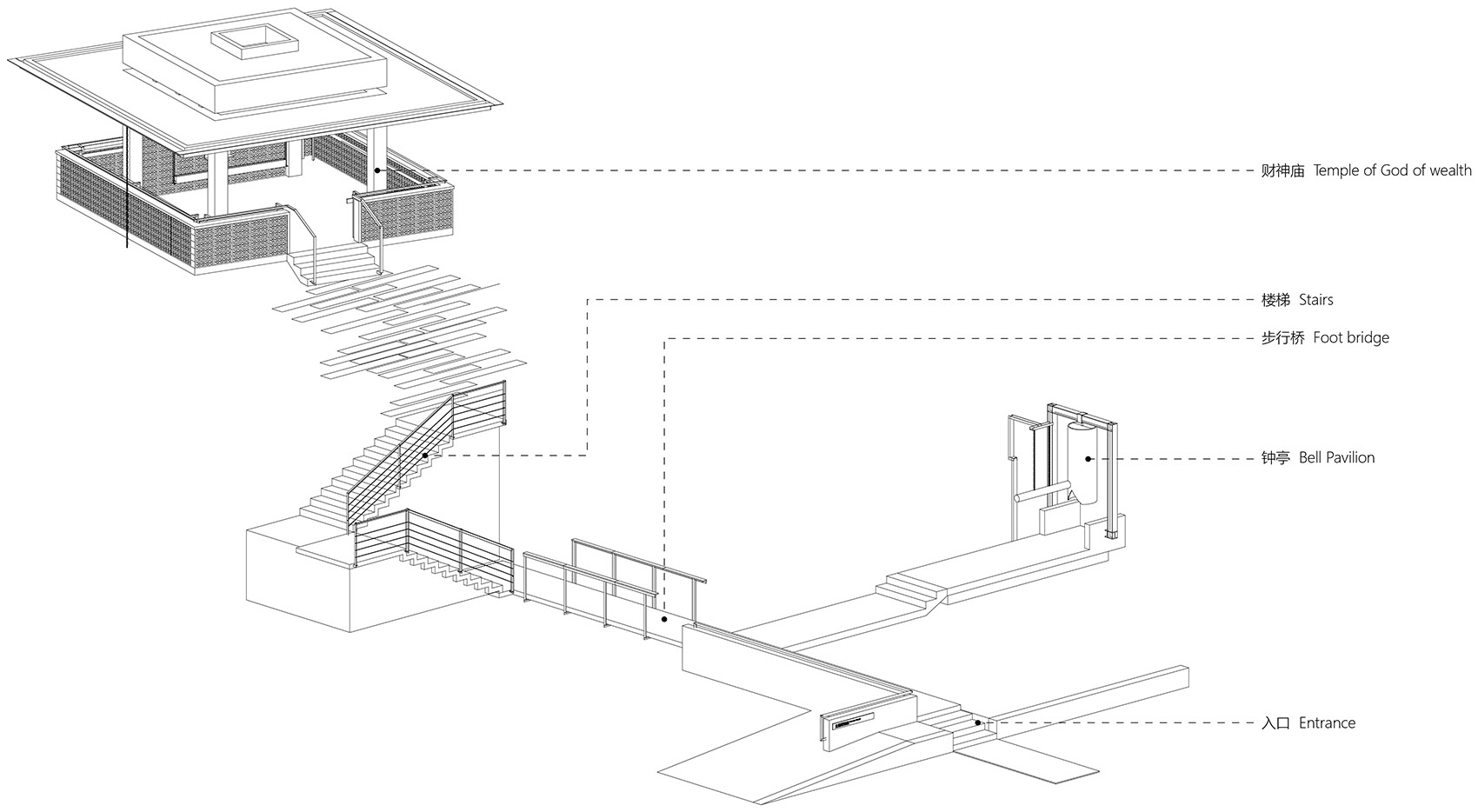
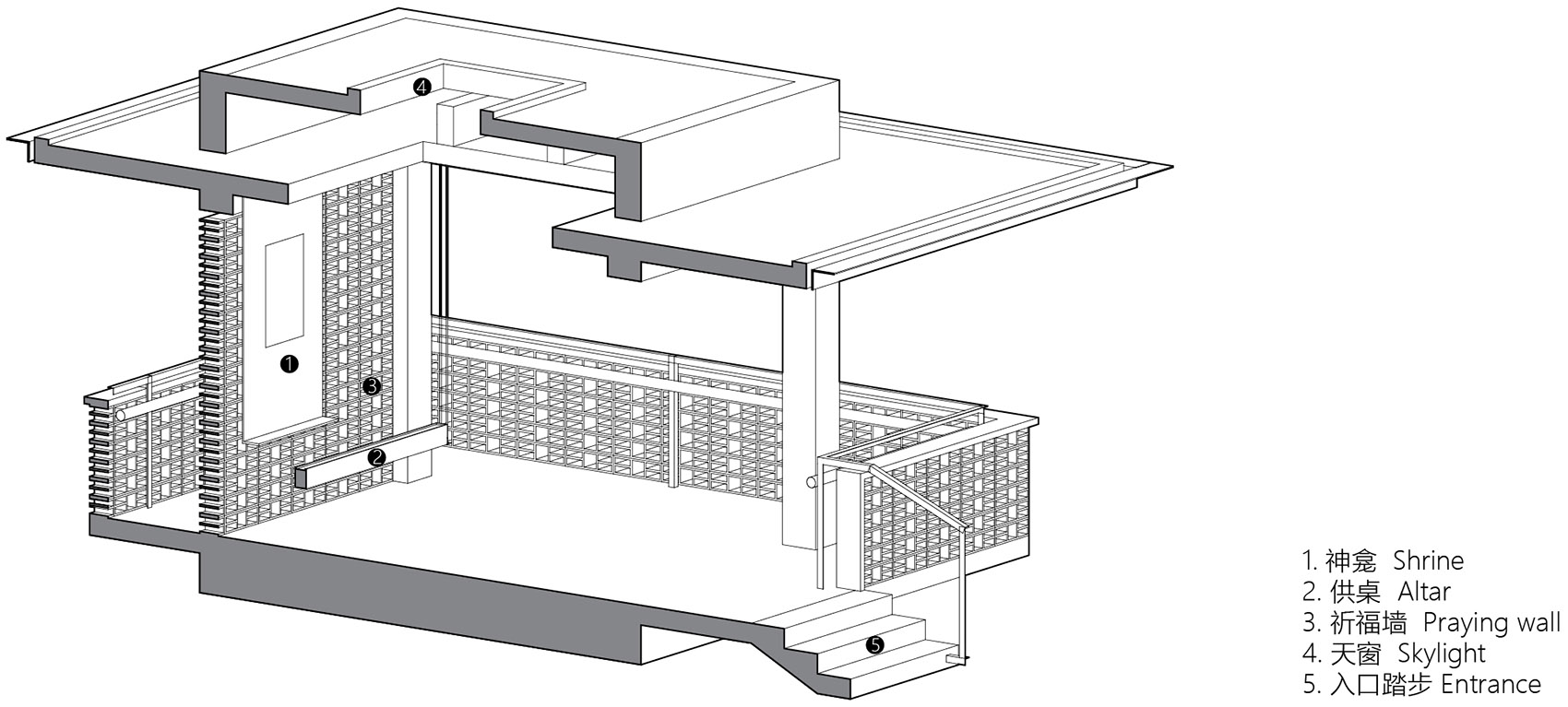
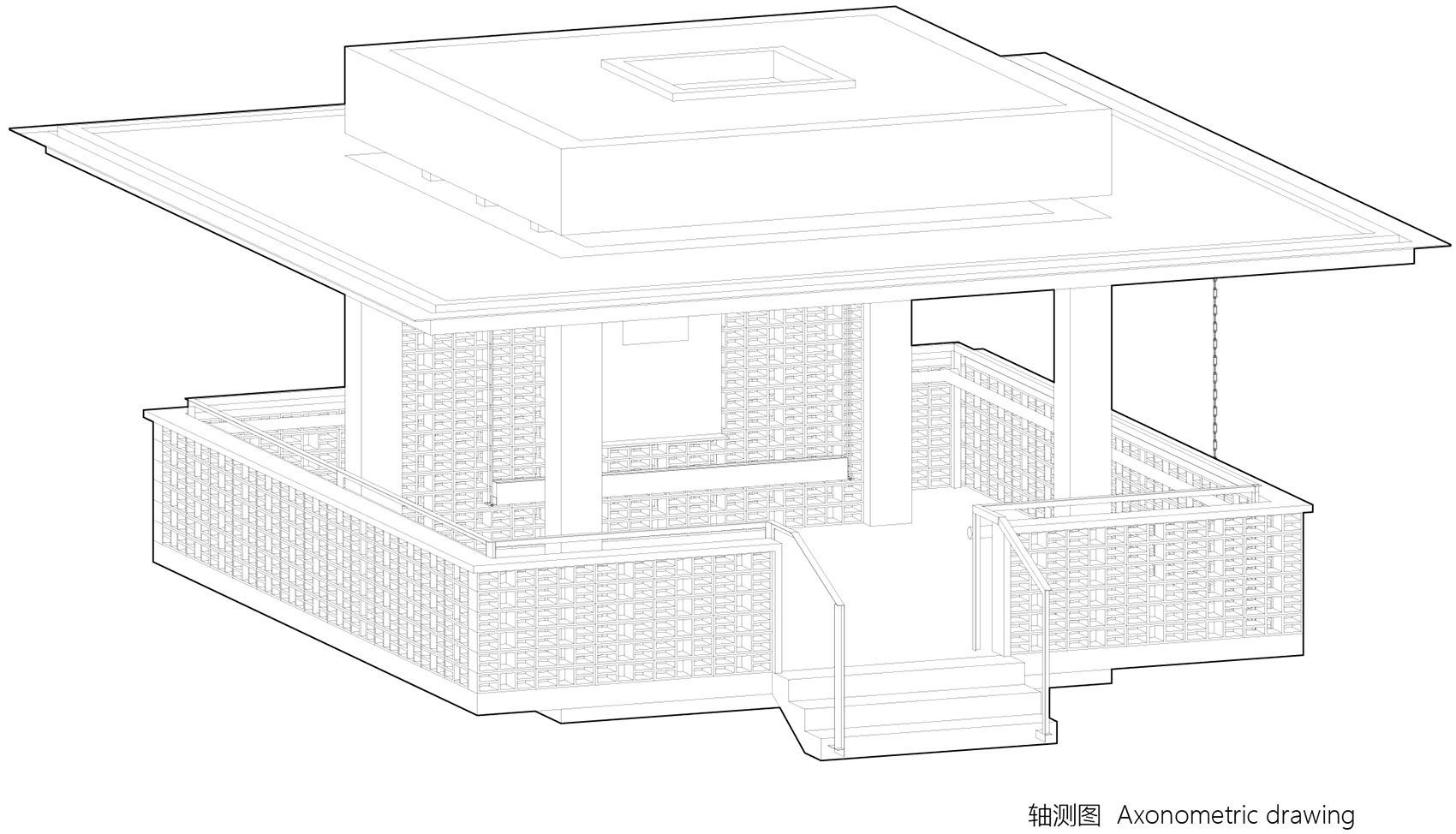
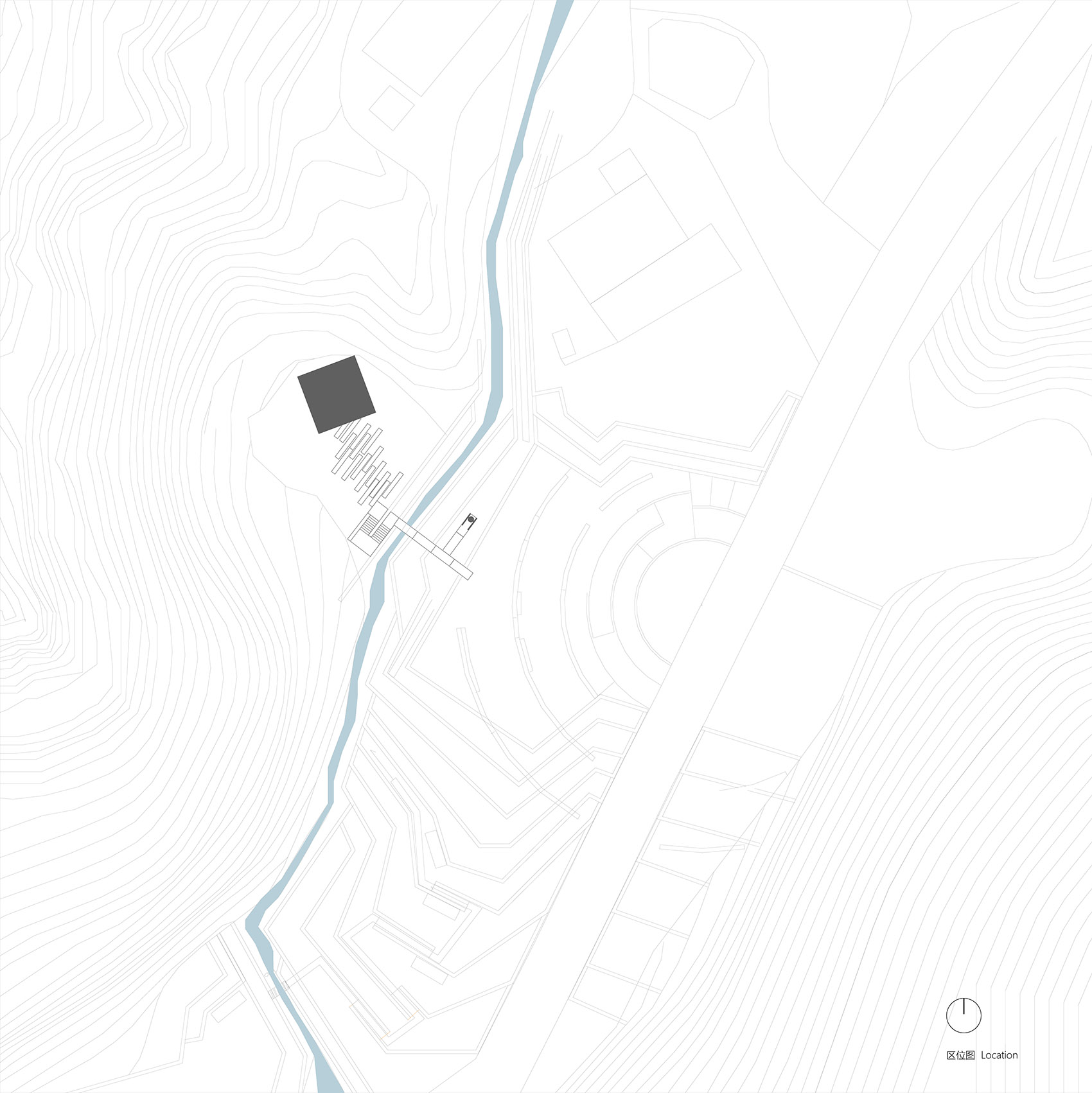
Sun Township is located in the heart of the scenicarea of Dabie mountain in Huoshan county, AnhuiProvince. To support travel industry, the localgovernment had commissioned our team to design asquare and a parking lot here, when the fieldengineering was almost finished, that only a smalltemple had not been tear down completely yet. Such asmall temple for the God of Wealth is quite commonin surrounding rural area, therefore the decisionmade to remove it had not cause attention at first. However, as the site investigation going deep, wefound this temple special. It was nearly two hundredyears-old, destroyed and rebuilt many times throughhistory. Tiny as it was, the temple was a spiritualcenter of local villagers for centuries. We thenconvinced the client to rebuild this temple nearby,to continue local traditional beliefs as well asprovide visitors an interesting interactivefacility. In this way this temple became aself-proposed design task beyond the initialcommission brief. We hope that through the design ofthis tiny facility, we can provide spiritual spacefor unsophisticated folk beliefs, and a dignifiedplace for rural religious activities. The new site had been arranged in a ravine which istens of meters away from the original site, backingmountains in three sides, facing the square,enjoying independent and peaceful environment. Thenew temple should not only act as a sacred place offolk beliefs, but also serve tourists andnon-believers. The first problem to be solved is howto increase its publicity and interactivity. Suchfolk village temples used to be enclosed on threesides, ended up with narrow space. Considering theabove, our design team tried to change the adducentspatial form of the former village temple, byintroducing the form of a pavilion , opening theexternal. Expect the necessary background wall forthe shrine, we released and opened the space all theway around, with the roof stretching out soothingly,to create a comfortable space of contemplation,showing an sharing and open image toward thevillagers. Rural construction often faced the limitation oftechnology and materials. Although traditionalmaterial seems to meet certain aesthetics andvalues, its high cost and the shortage of skilledworkers made it not the best choice. Therefore, wechose the most controllable in-situ concrete toconstruct the overall frame of the new temple, whileinviting local bamboo craftsman to knit handmadebamboo woven mats as the lining of the constructionmolds, which gave the concrete a texture of bamboomats. In this way we add to the cold modernmaterial, concrete, the temperature of traditionalcraftmanship. For the walls of the rebuilt temple weapplied red brick, which used to be filling blocksrather than presenting at the final exteriors. Wetransformed the usage of this common material bysimply change their direction, directly used hollowbricks to structure the masonry wall. The brickholes formed an unalloyed texture, making thescenery behind partly hidden and partly visible,blurring the boundary of the space. The square-shapeopening of the roof adds to the religious atmosphereof the temple. The light ray dropping from the topmoves slowly through daytime and illumine the statueat specific moment. In south China region, water is a symbol of wealth. Many native buildings strongly emphasizes the roleof rain in architecture. Thus in dealing with theroof drainage we especially considered this folkcustom, did special treatment for the drainagesystem. Also inspired by the rain chains in Japanesetraditional architecture, the design made rainwaterdischarge become a lively and interesting landscape,and a clever metaphor of the God of Wealth . When praying at the temple, local residents not onlyburn incense, but also set off firecrackers, pinebranches and paper money, etc. The governmentconcerned the risk of mountain forest fire andenvironmental pollution, raised that if we couldguide the behavior of villagers throughdesign. The hollow brick wall of the templebecame a new type of blessing facility, where peoplecan roll up the red paper written with blessingwords then put them into the hollow holes in thewall. With the passage of time, the brick wall holesslowly become filled up with red paper, connectingthe construction with its users, and creating aprocess of growth. In this way, the building itselfand the belief activities closely unifiestogether. Bell ringing is a very popularactivity among the participants of religious affairsin China. Below the site, we designed a big bell. Thus people can ring for blessing after coming downfrom the temple. The ringing bell and the blessingwall become new hot spot of the temple for the Godof Wealth, popular among both local residents andvisitors. After the completion of this accidental project,which was not originally commissioned by the client,it also achieved unexpected effects. The new templeof wealth retained and continued the belief centerof villagers, which not only continue to be a placefor villagers to pray for wealth and luck, but alsobecame an interaction place for visitors andvillagers to communicate with each other, achievingunique public attributes. The appearance of the newtemple and the new way of blessing also refreshedthe residents understanding of these facilities,becoming a focus of attention and discussion byvisitors, infusing new vitality to folk beliefs. 3 2



 Editor's Pick
 Latest Design