Text description provided by the architects
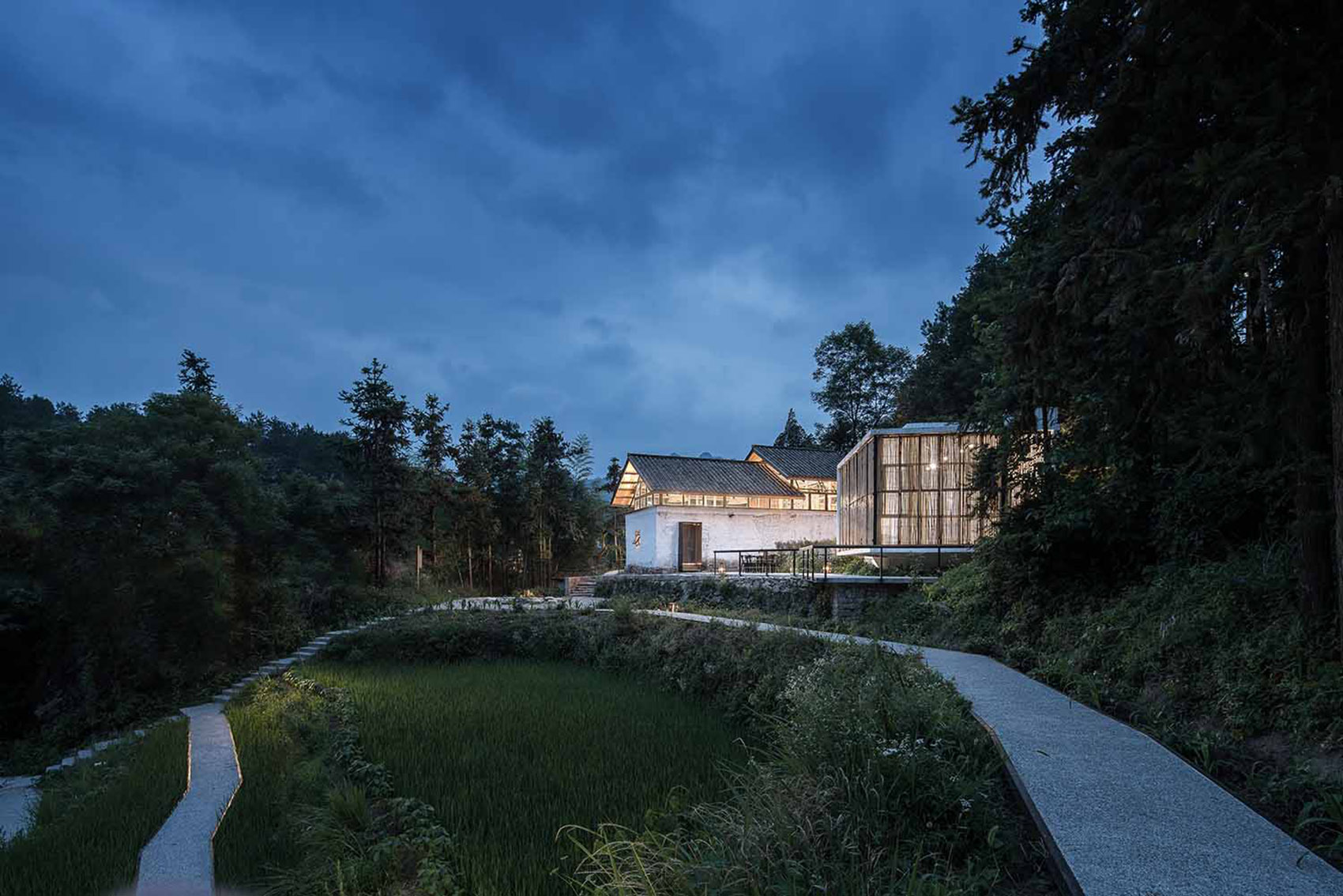
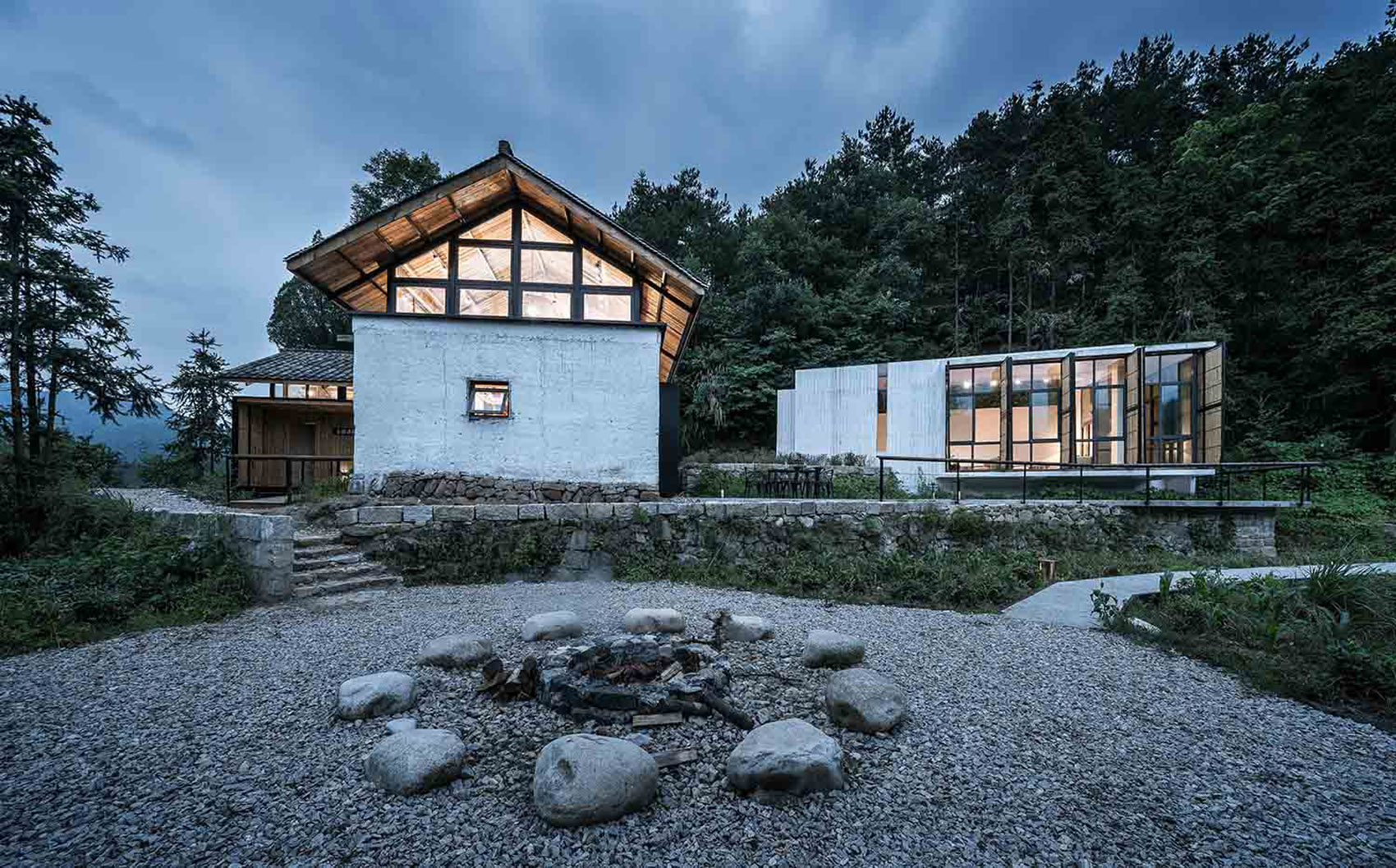
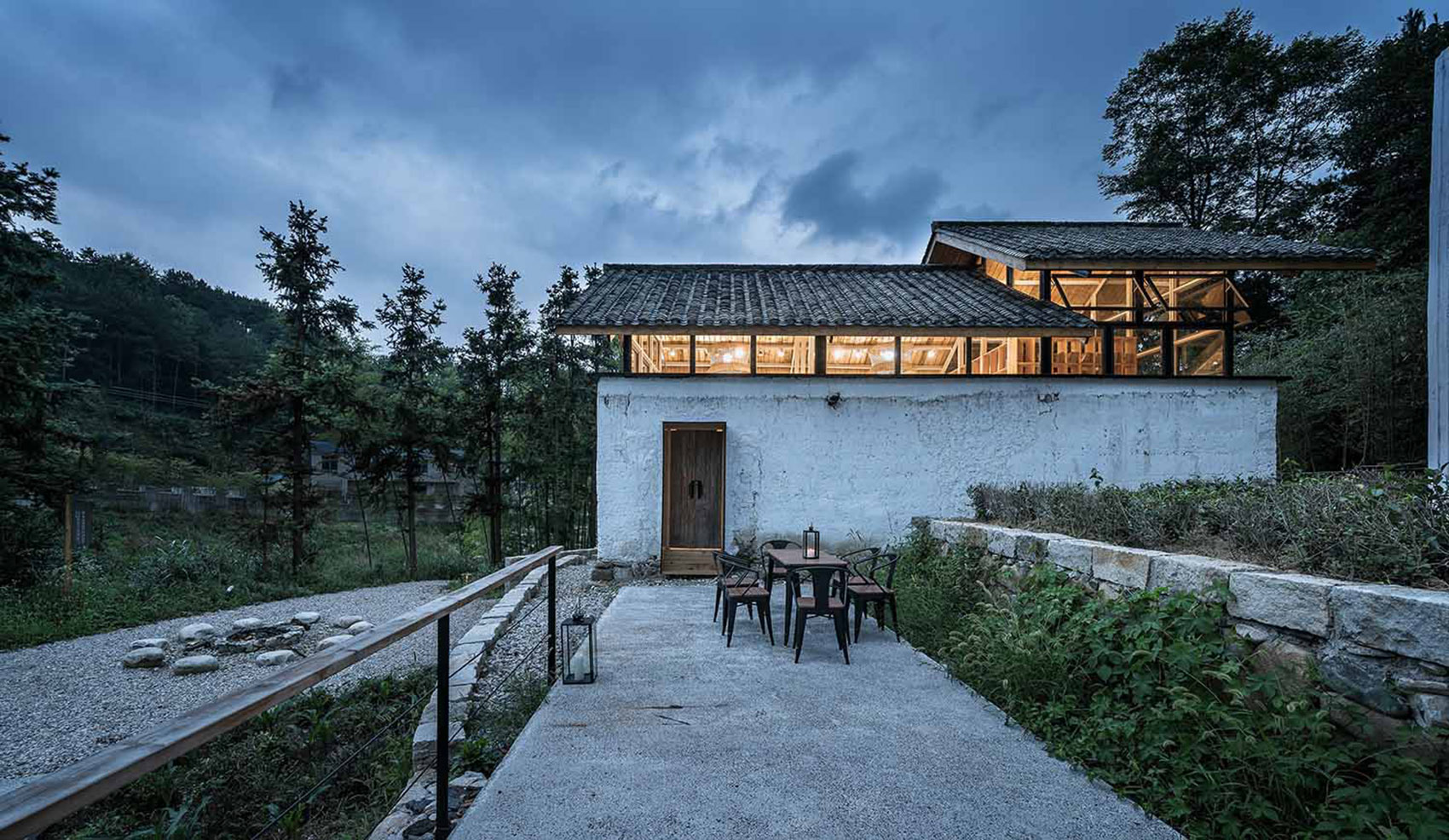
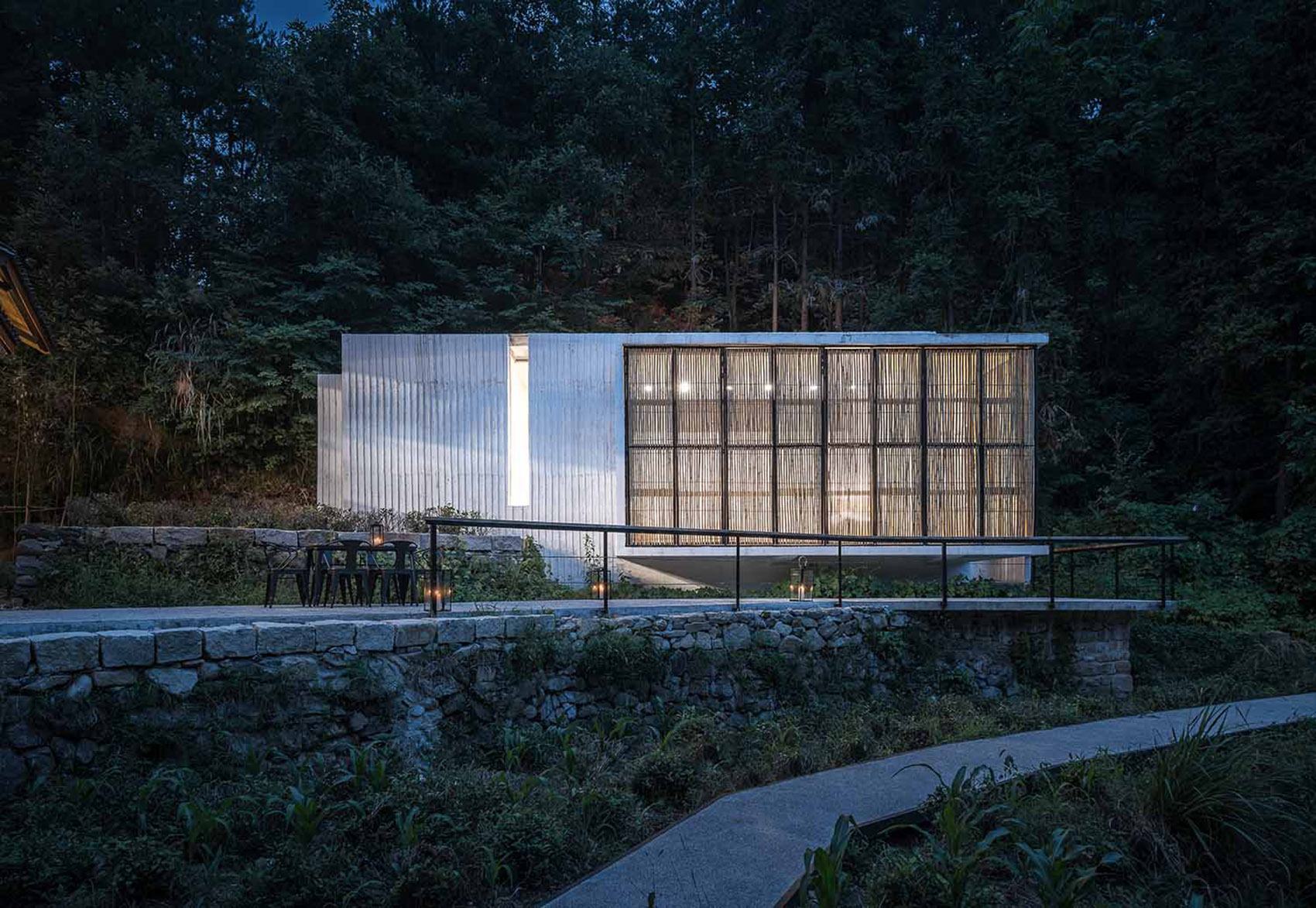
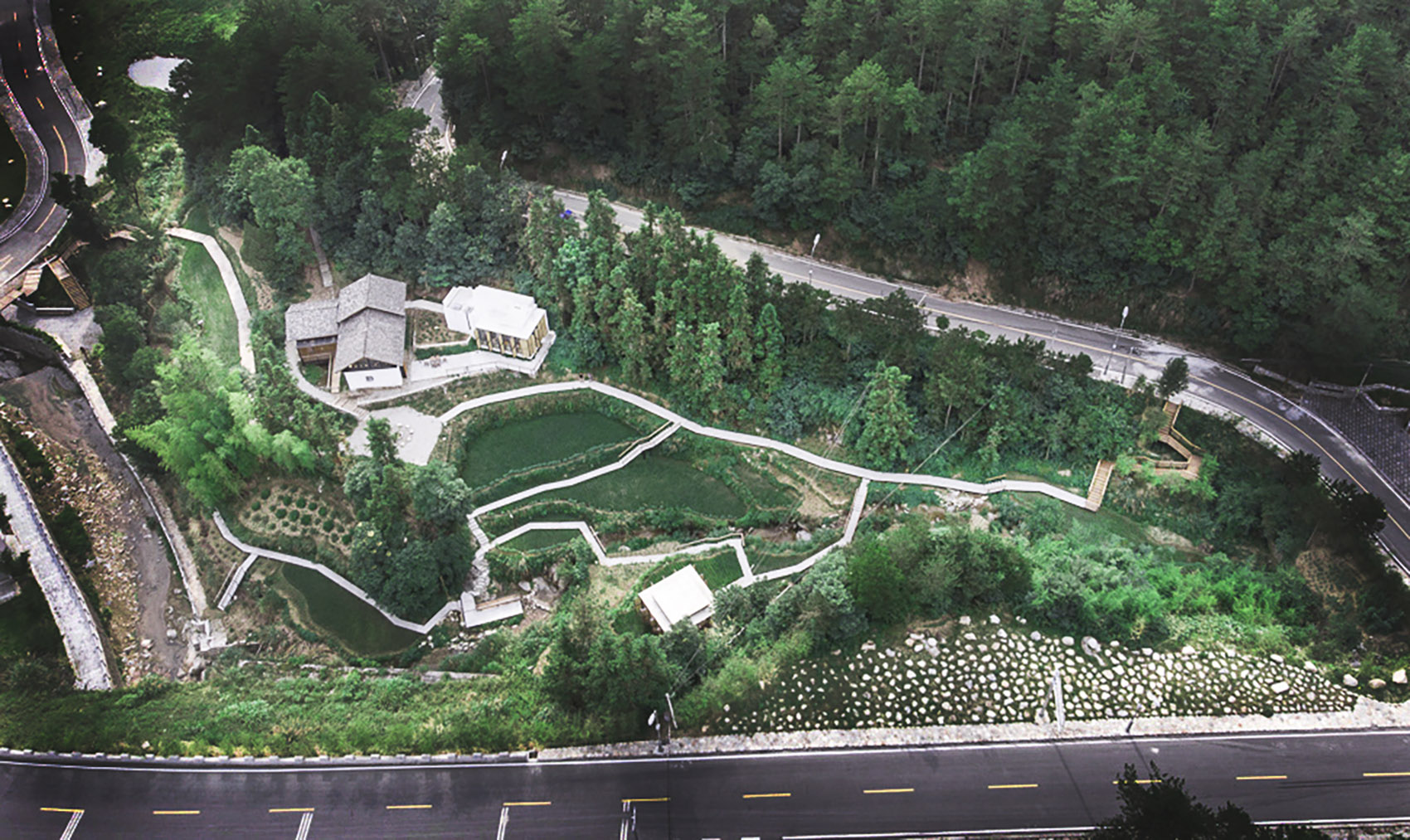
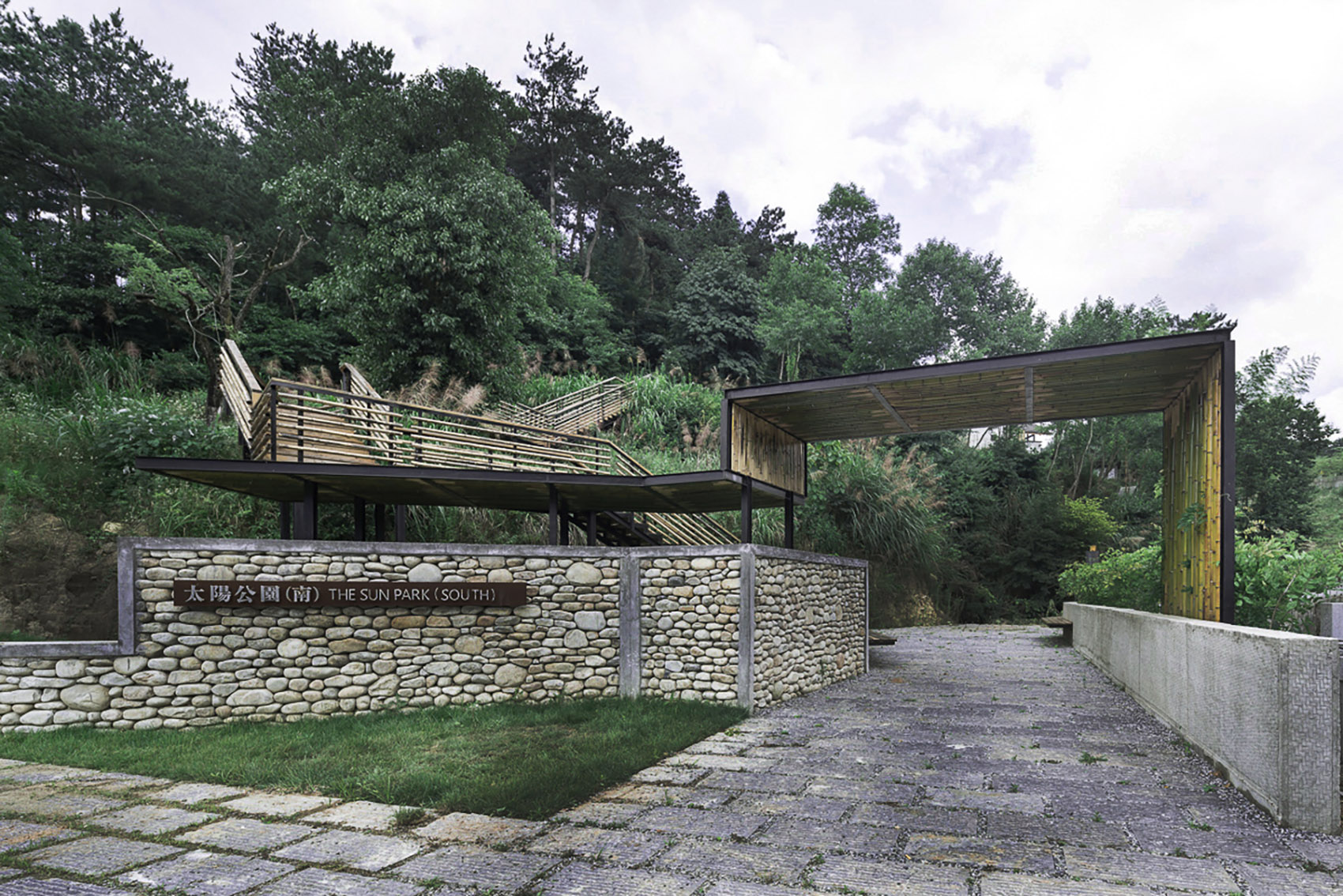
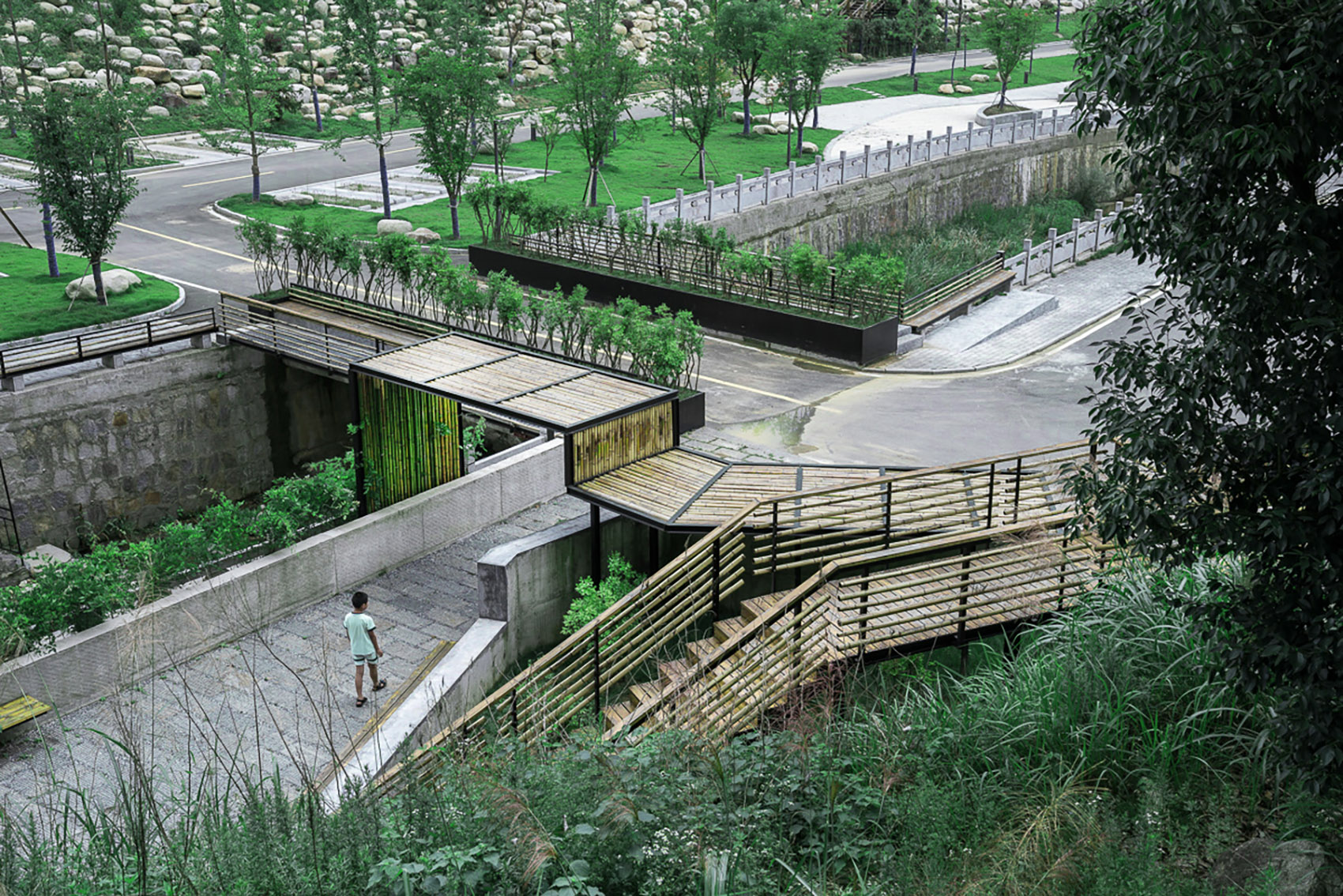
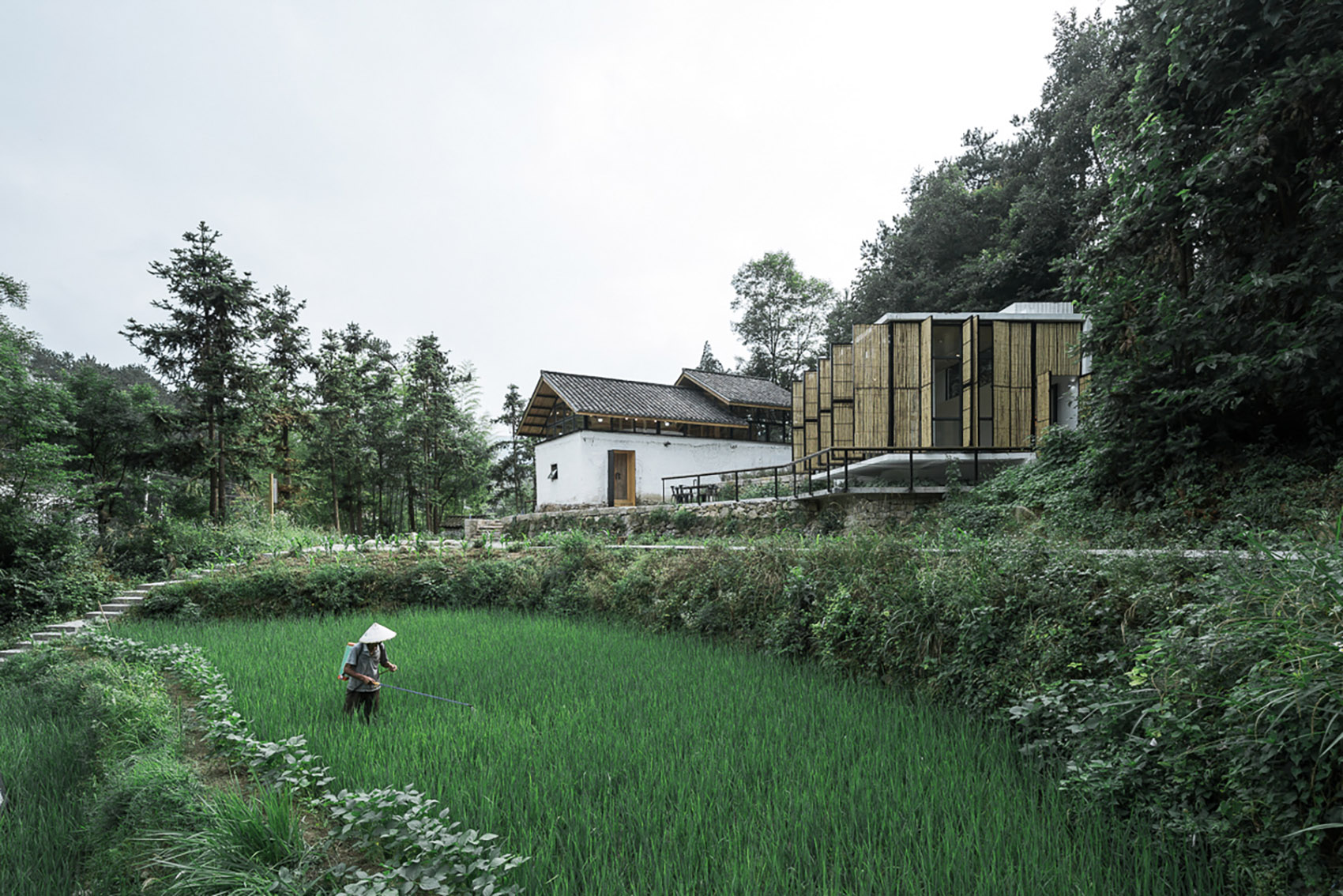
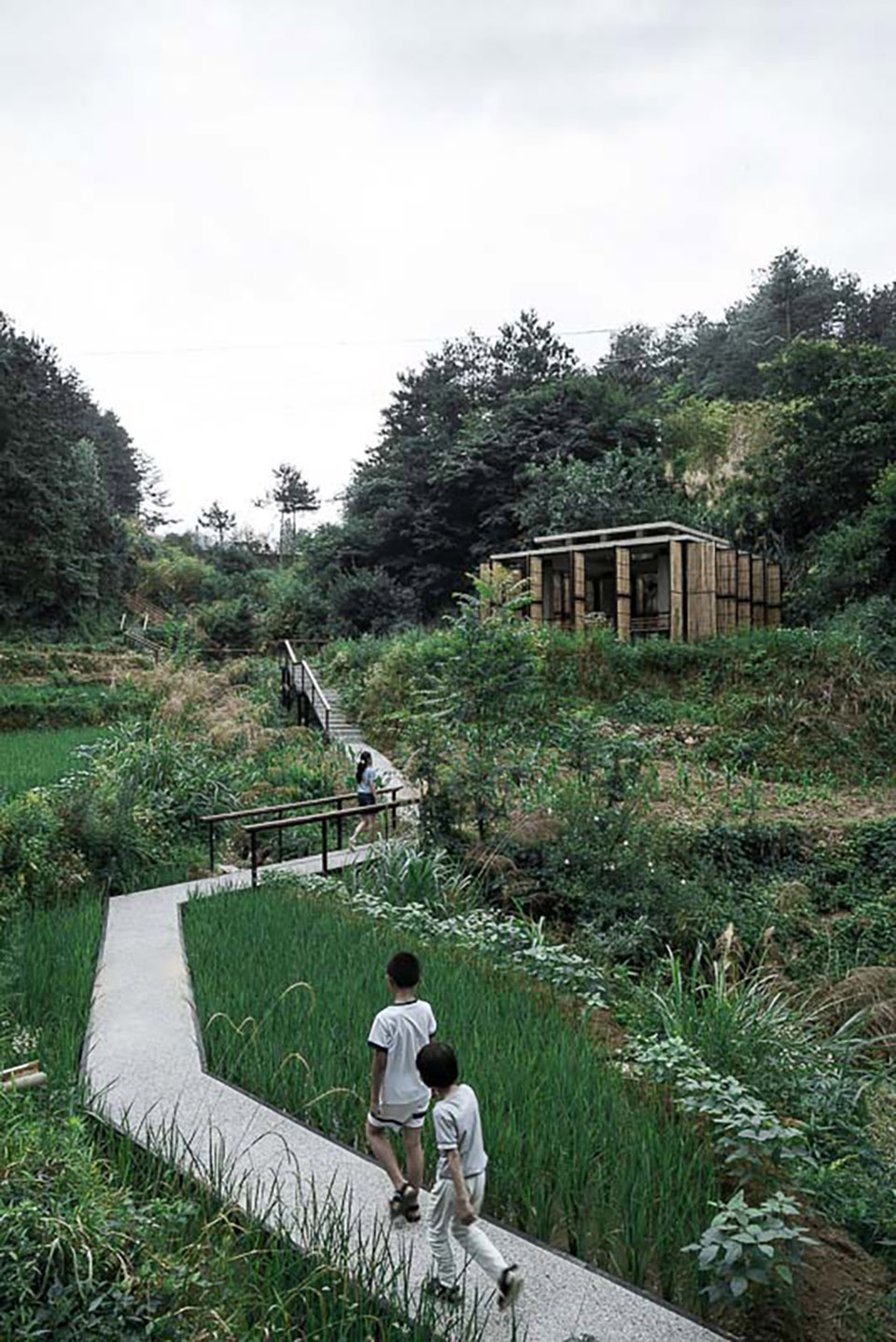
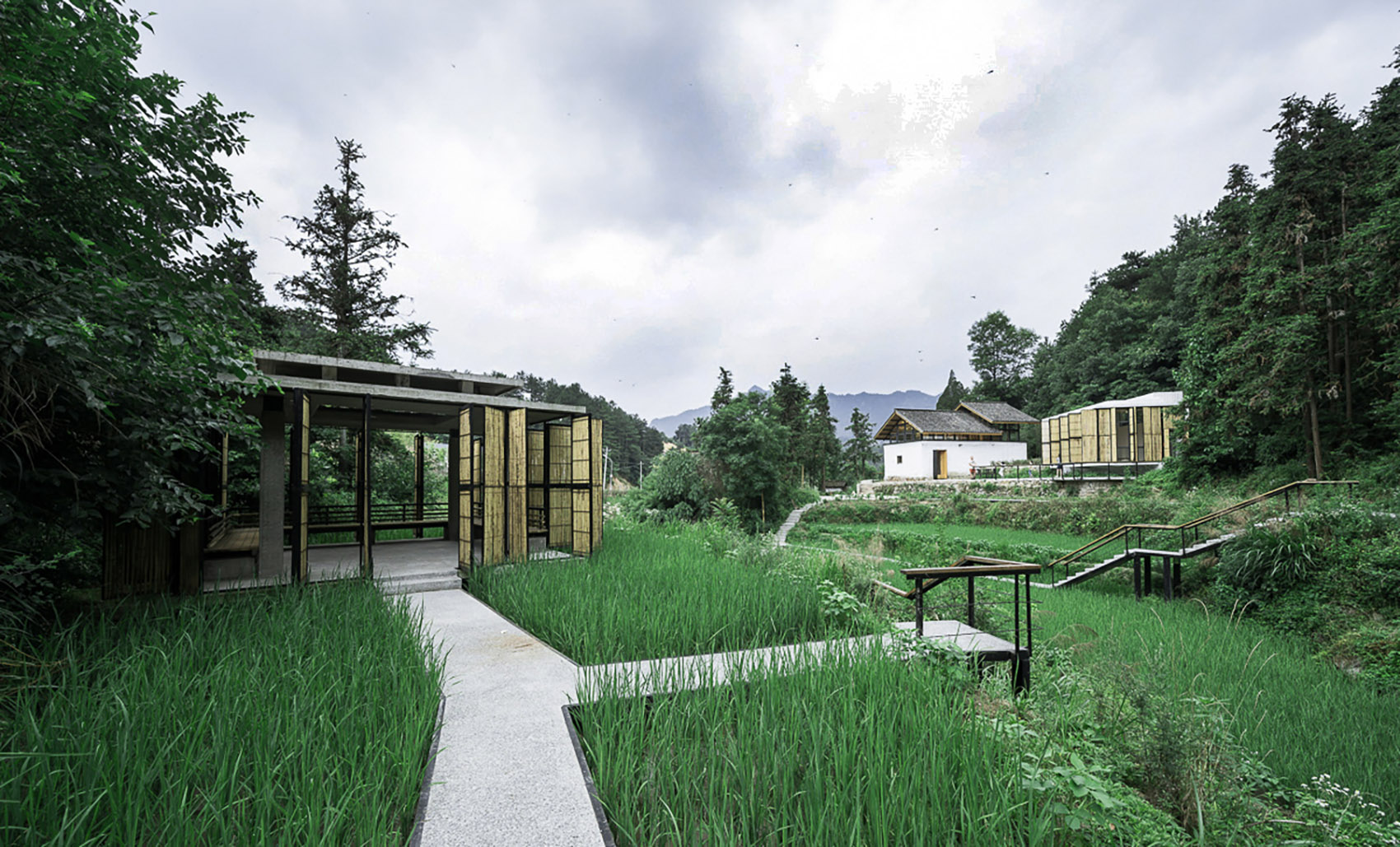
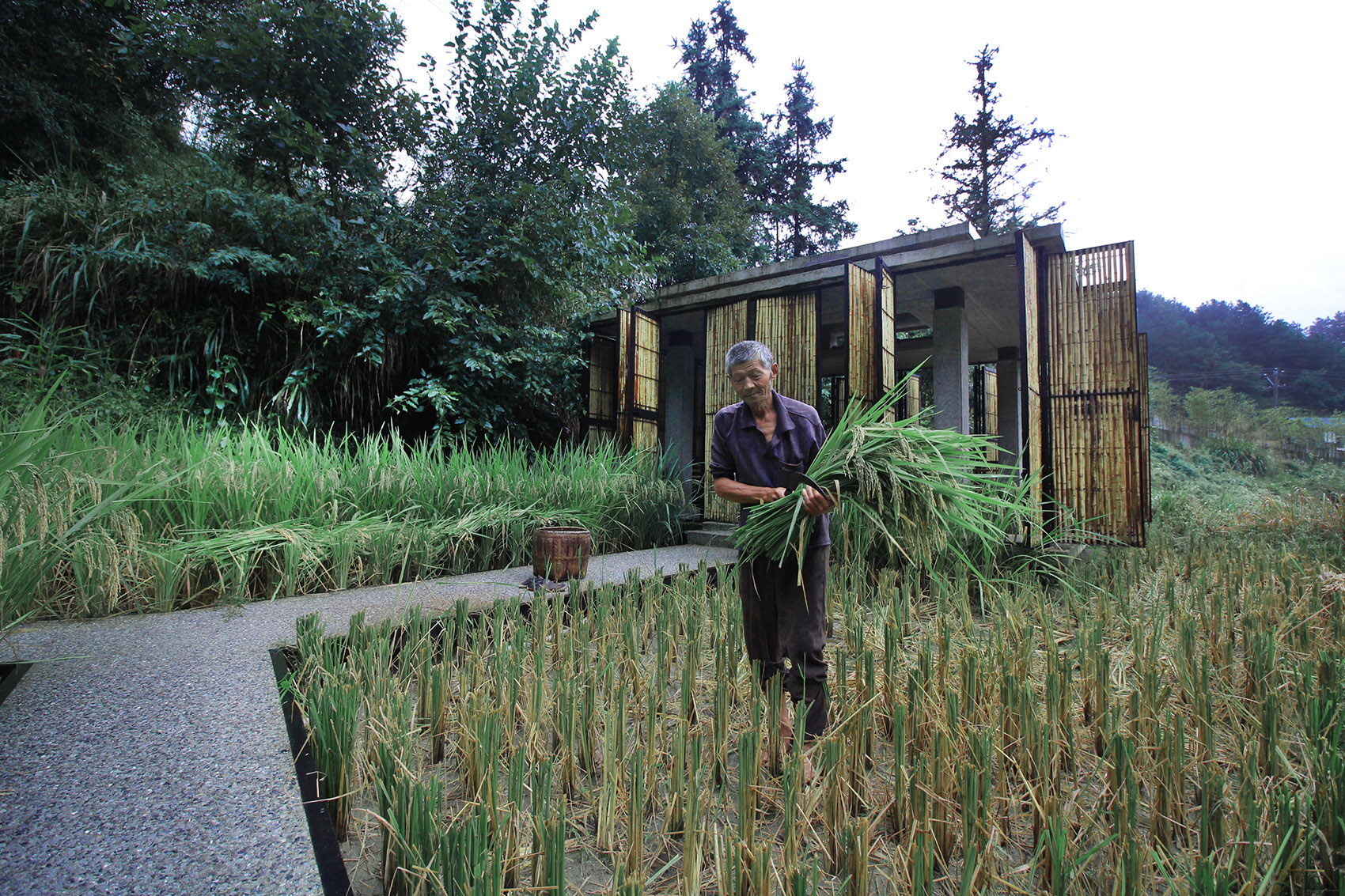
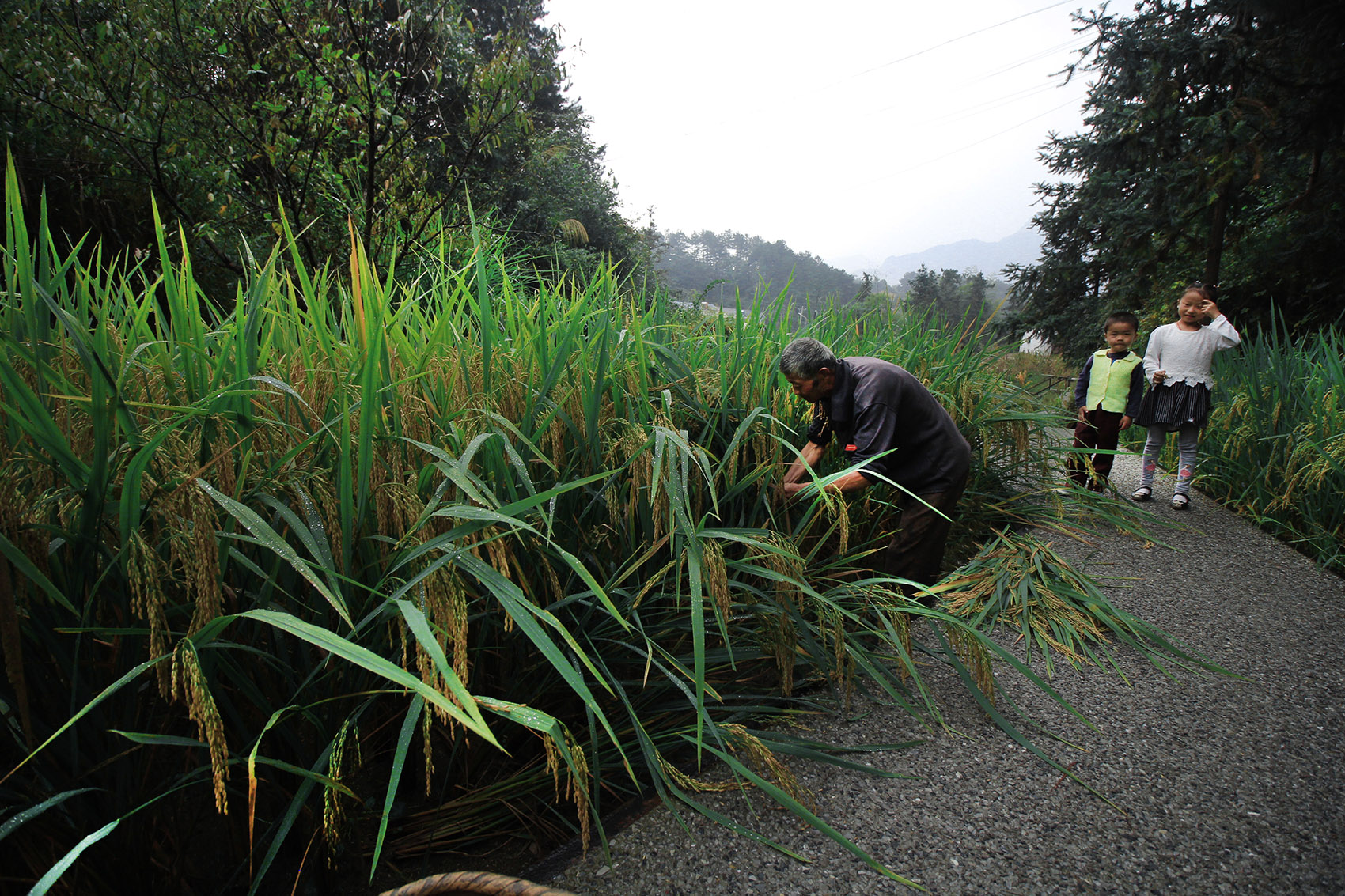
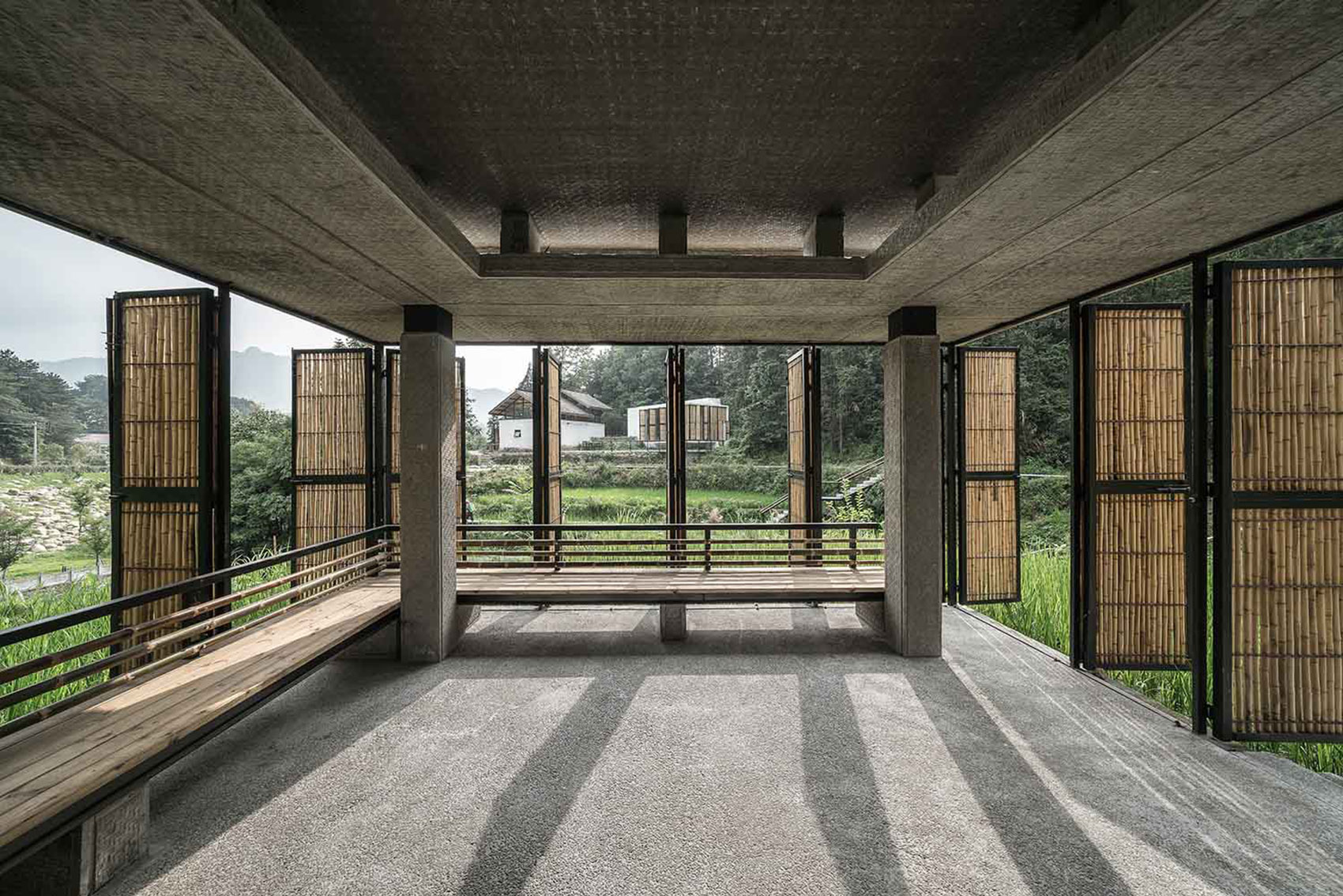
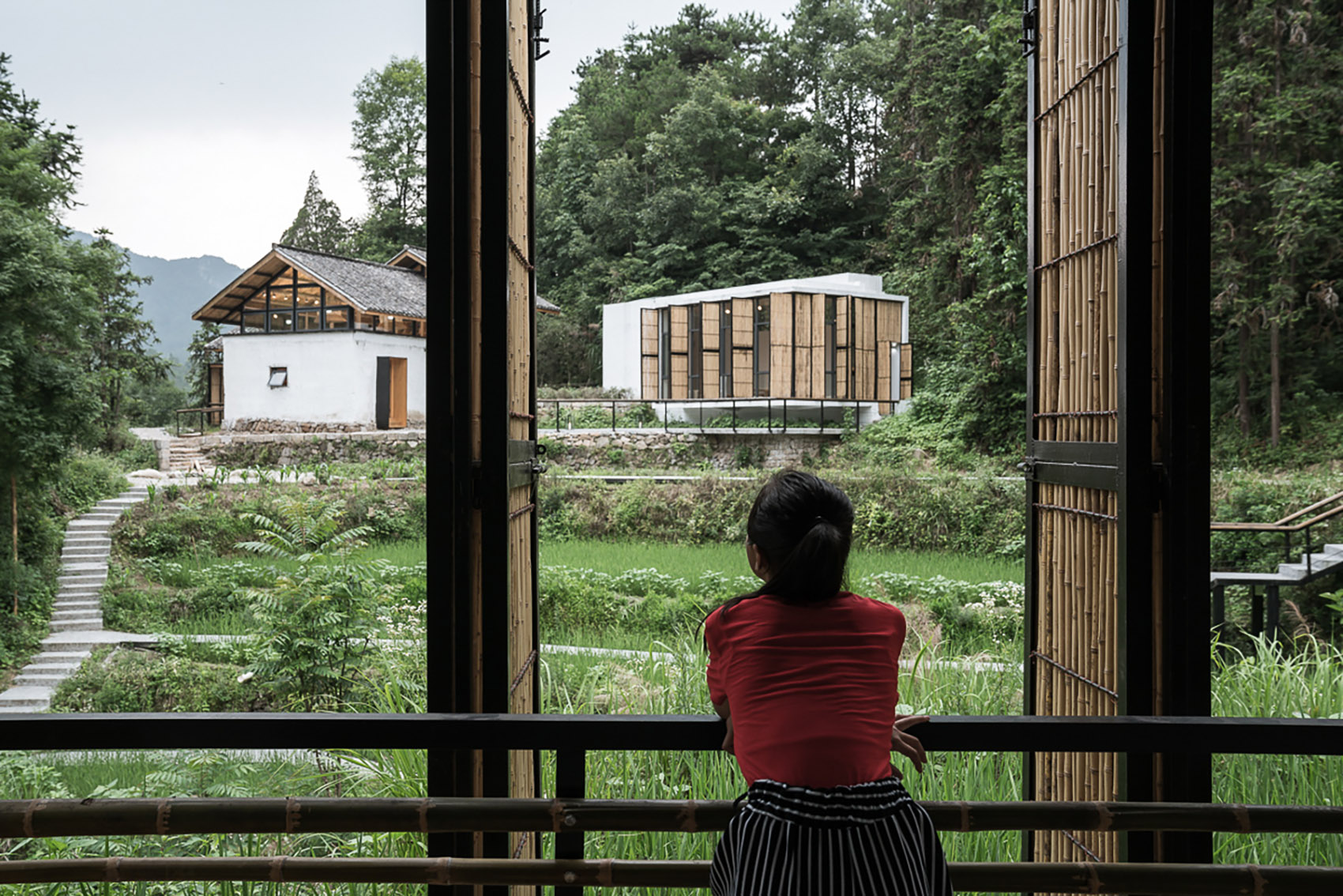
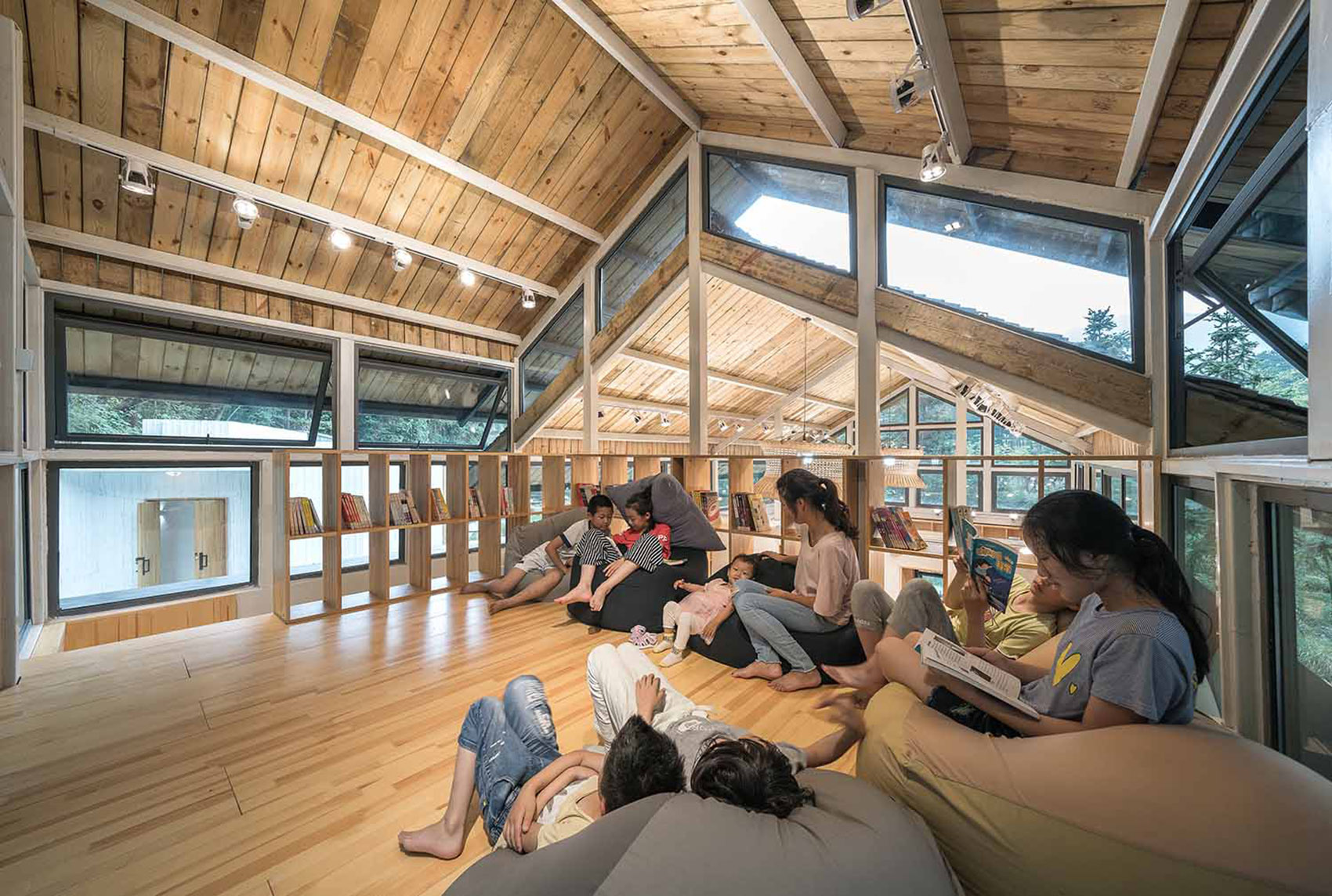
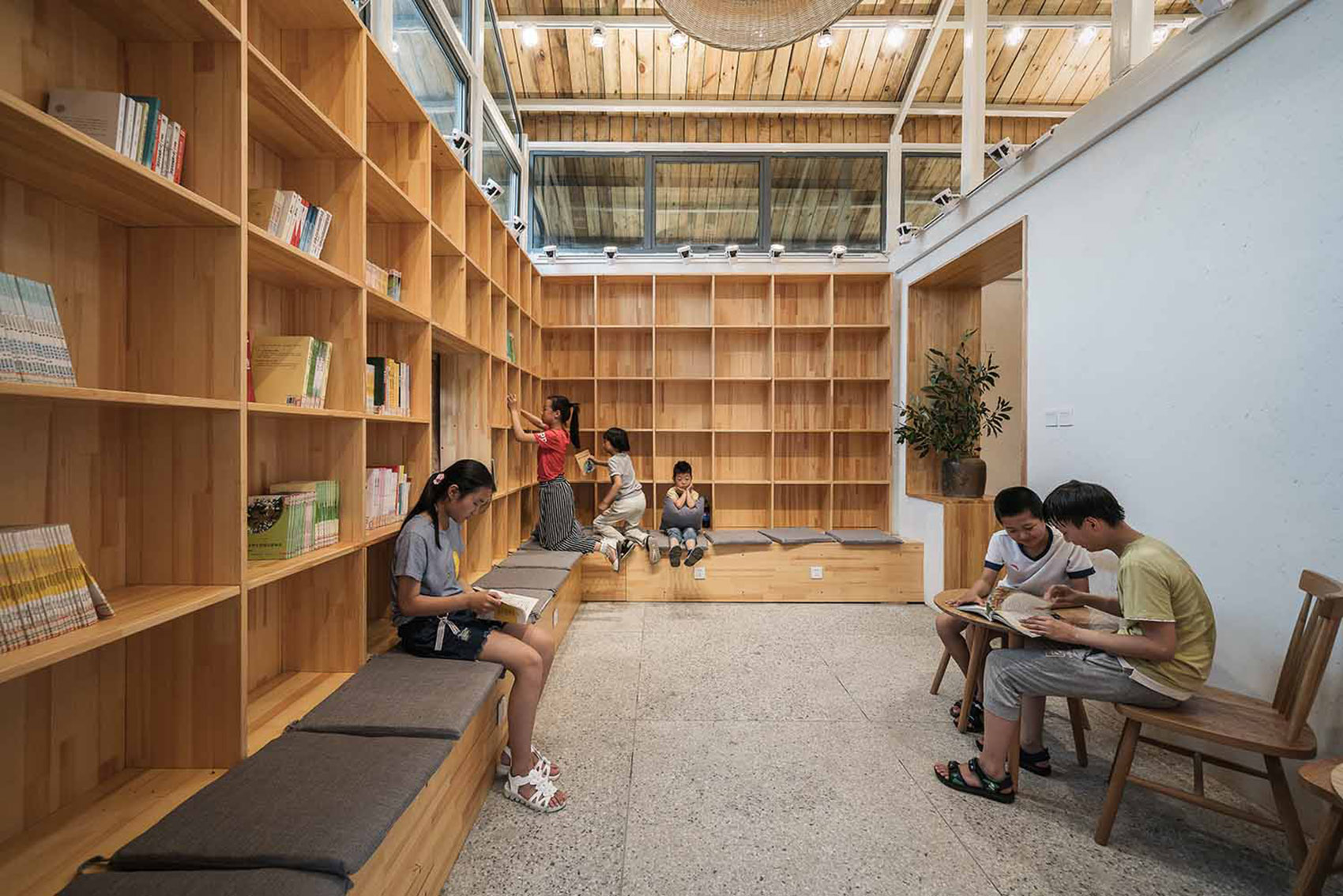
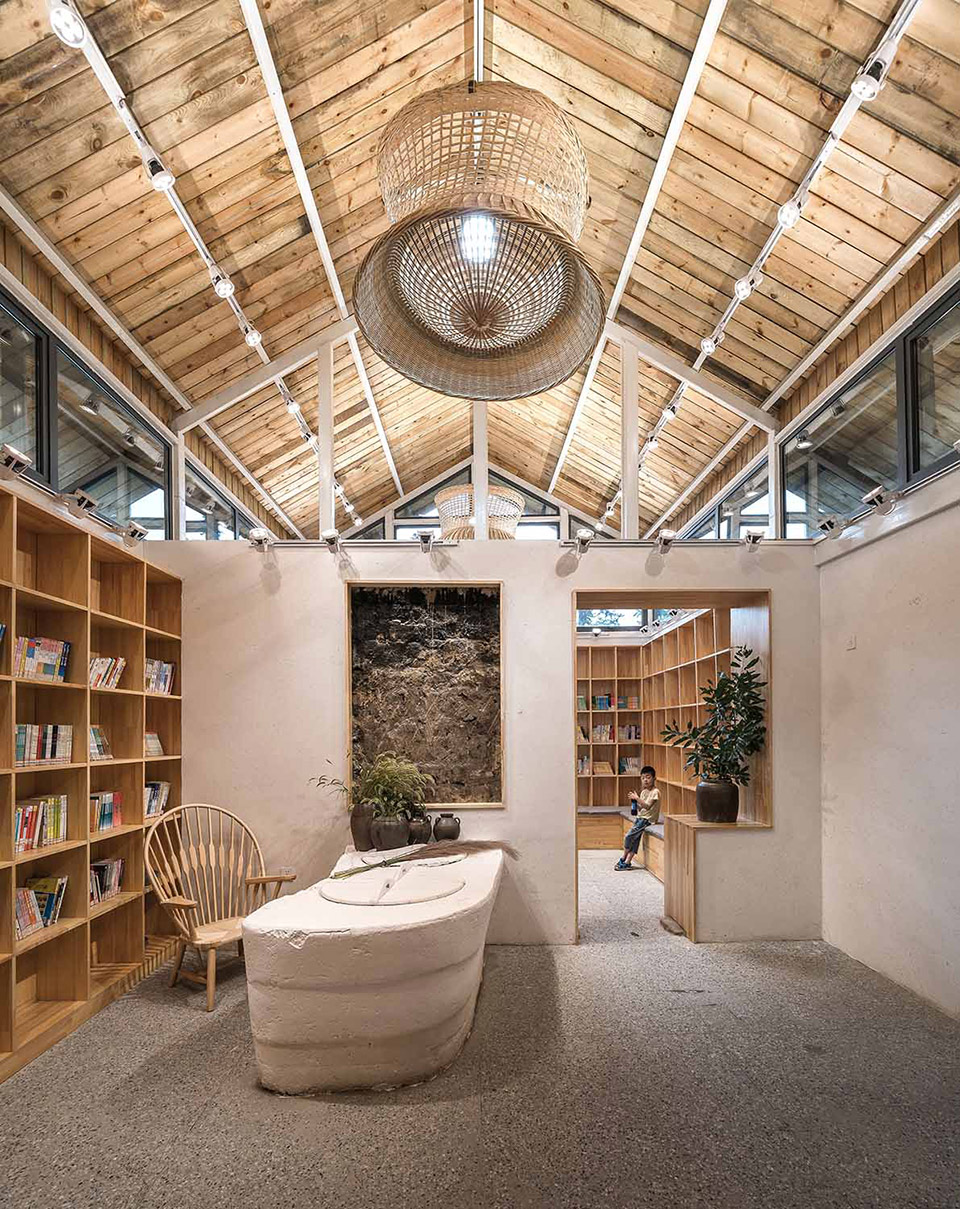
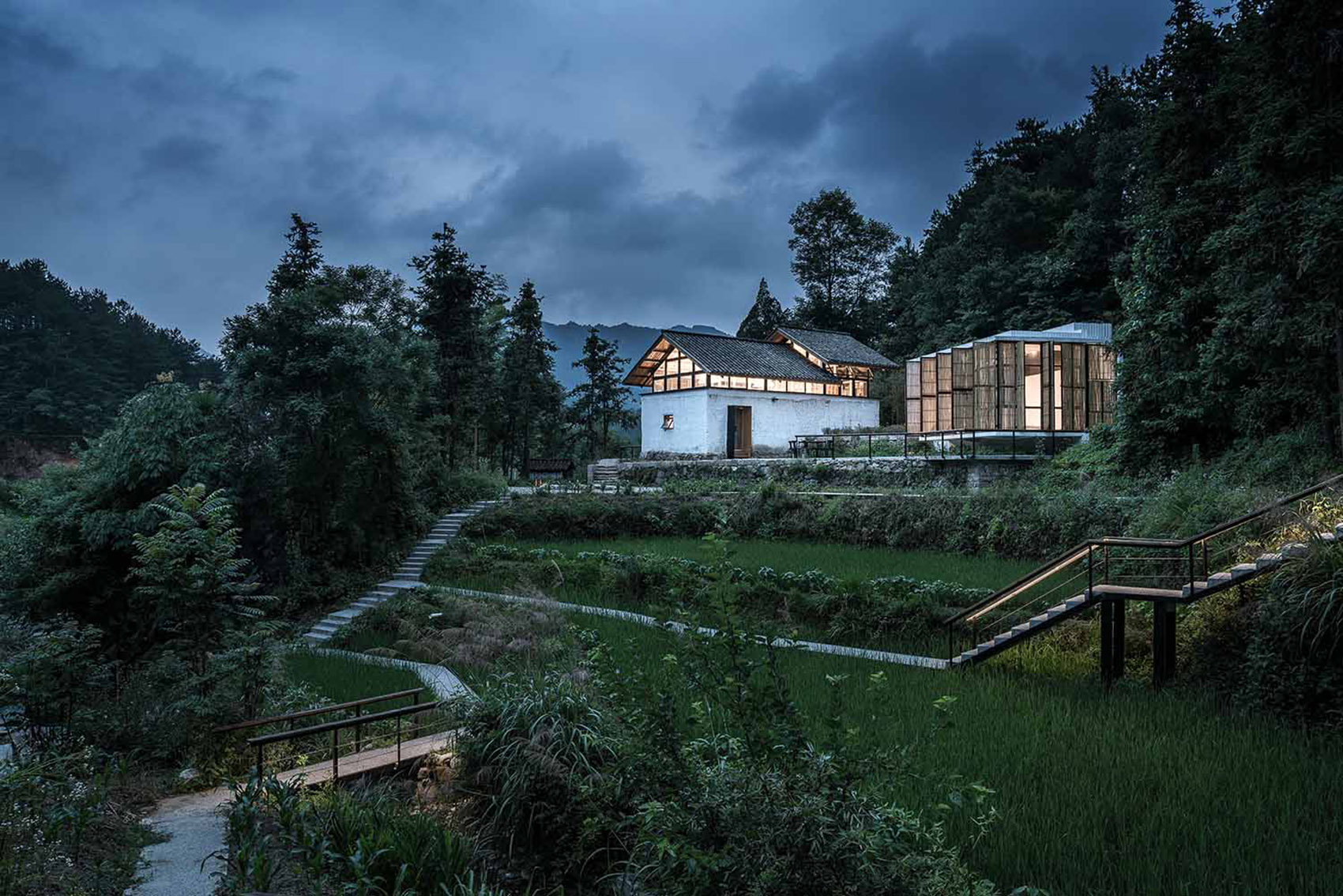
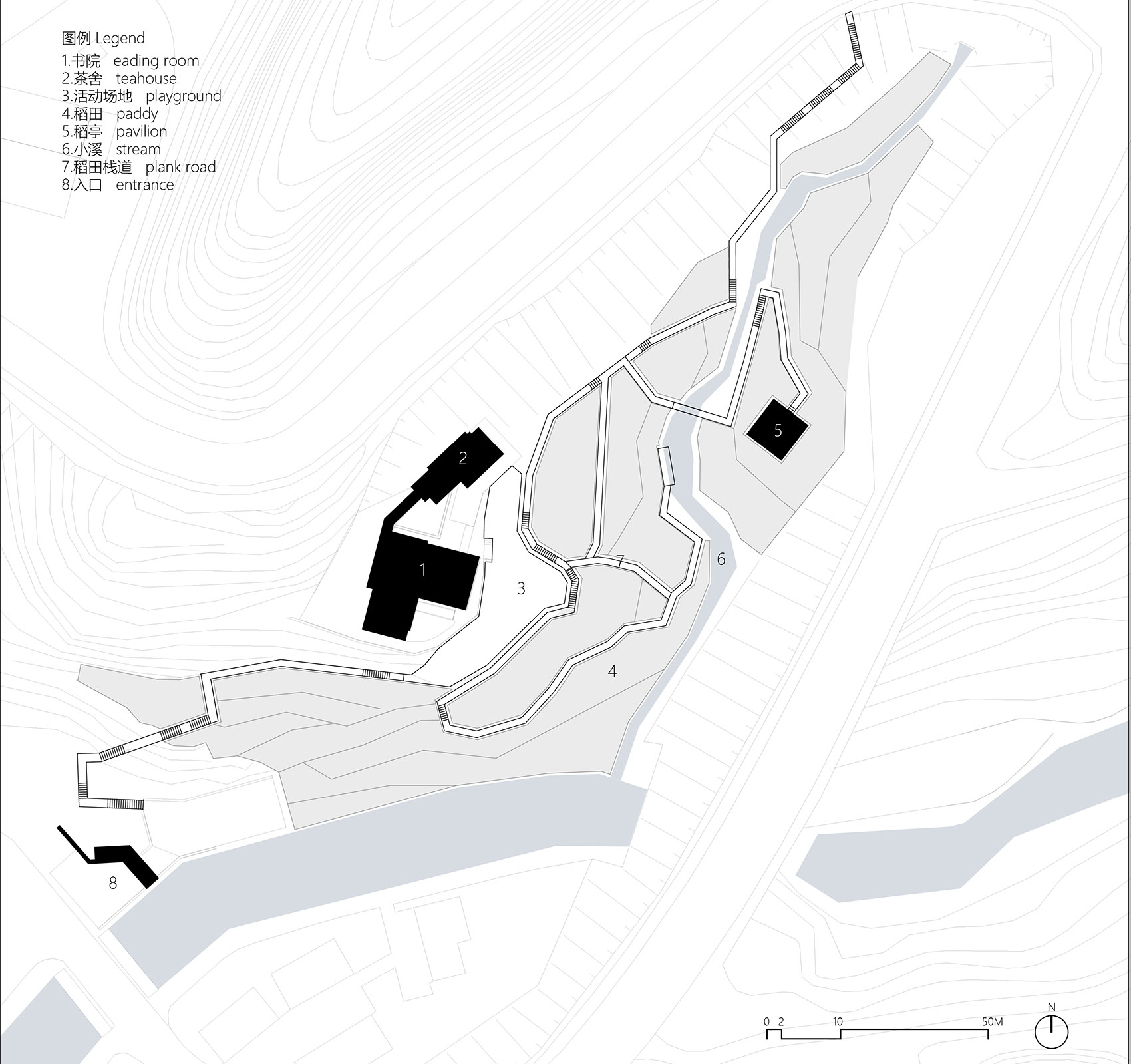
The project is located in Sun Township, deep in theDabie Mountains of Huoshan County, Anhui Province. The site was formerly a rural dwelling for anelderly widow who died and was repossessed by thegovernment. It is proposed to transform the siteinto a cultural facility that will serve thetownship community and act as a venue for theexhibition and appreciation of local tea. The siteis situated on one side of a hill, surrounded bywoods. Crossing by a stream in the middle, withterraced fields forming the central part of the siteand two old houses on the higher ground, making it asmall basin with a rare tranquility and naturalnessdespite being in a market town settlement. The Chinese people have believed in cultivation andread to bequeath to the family since ancient times,and this has been written on the plaques andcouplets of countless ancient houses. The academy ontop of this rice terrace is in keeping with thistraditional Chinese cultural theme. The terraces arethe biggest landscape feature of the whole site andthis small area has been cultivated continuously. The investors had hoped to convert the terraces intolandscaped flowers, believing that these were toobanal and ordinary a scene to be found anywhere inthe countryside. Nevertheless, the village does nothave to be greened in the first place, asproductive landscapes are the best scenery in thecountryside. In particular, greening is a concept originallyderived from the urban landscape. The need for greening in cities is due to the fact that cities,as concrete forests , need landscaping to improvetheir environment and thus maintain a basicecological balance. In the countryside, however,this ecological balance already exists.
TEAM
Client: “乡村”通常被定义为于“城市”相对立的概念,它们的对立在某种程度上意味着人类发展的不同程度。这种对立关系就像是“文明”和“蒙昧”、“现代”和“传统”、“自由”和“进步”、“保守”和“落后”之间的对立。使其不仅体现在乡村经济活动中,也存在于建筑和景观等学术领域,和现在乡村振兴的社会实践中。带来的结果就是乡村里的“绿化”没有城市里的养护保障机制而陷入尴尬,或者沦为杂草丛生的消极空间,亦或是被农民再次“回收”重新变回菜地,这种尴尬在当下的乡村建设中屡见不鲜。The psychological orientation of the client stemsfrom the long-held notion that the rural is oftendefined as the opposite of the urban, and that theiropposition somehow indicates a different level ofhuman development. This dichotomy is akin to“civilisation” and ” uncivilisation”, “modernity”and “tradition”, “liberal” and “progressive”,“conservative” and “backward”. Therefore, it is notonly reflected in the economic activities of thecountryside, but also in academic disciplines suchas architecture and landscape, as well as in thesocial practice of rural revitalization. The resultis that the “greenery” in the countryside is eitherreduced to a negative space overgrown with weeds or“recycled” by farmers back into vegetable plotssince there is no maintenance guarantee mechanism asin the city. This kind of embarrassment is a commonoccurrence in the construction of new ruralsettlements





 Editor's Pick
 Latest Design
 Best Idea