Text description provided by the architects
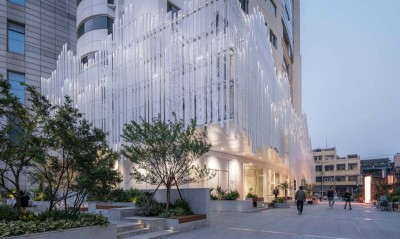
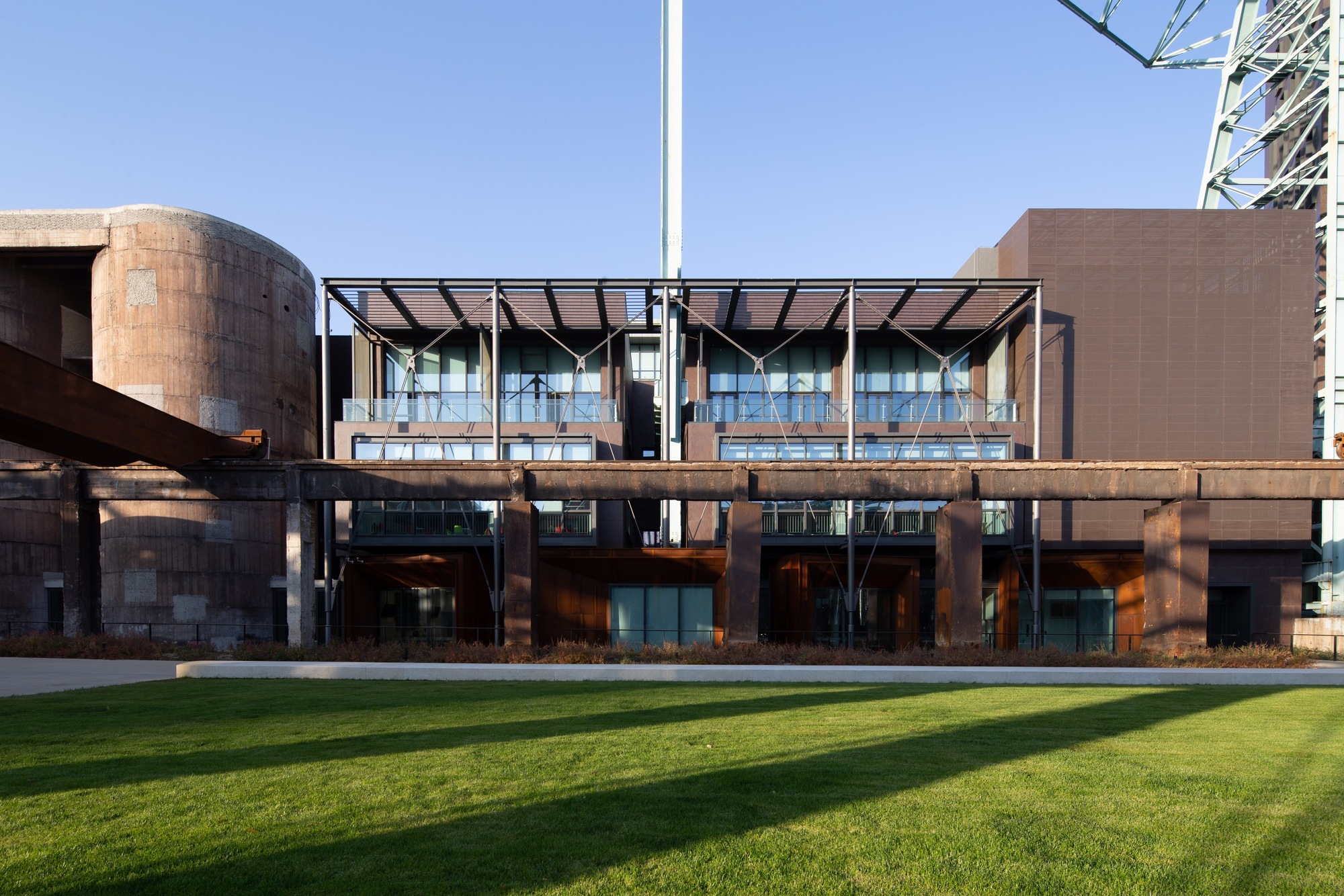
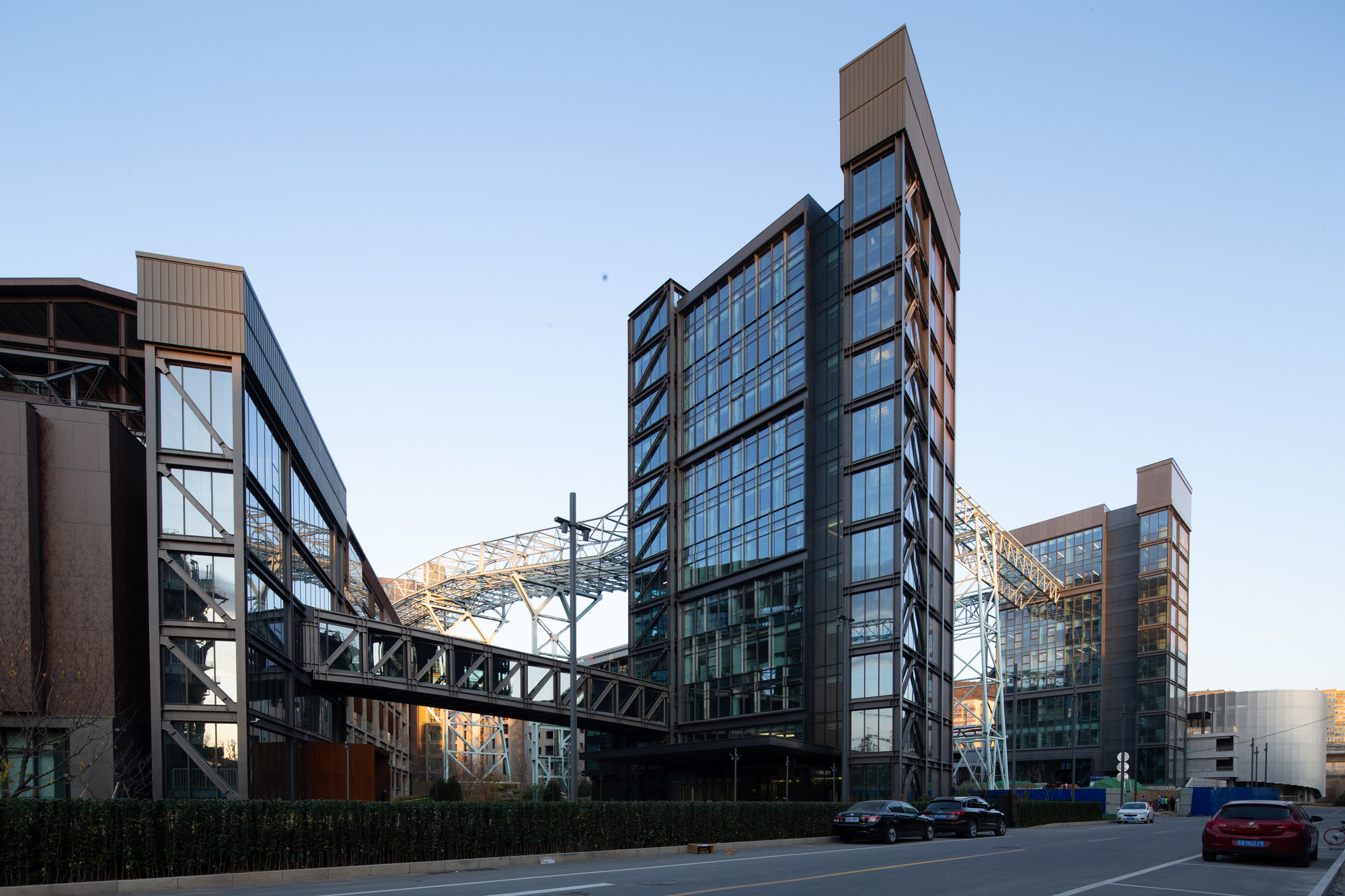
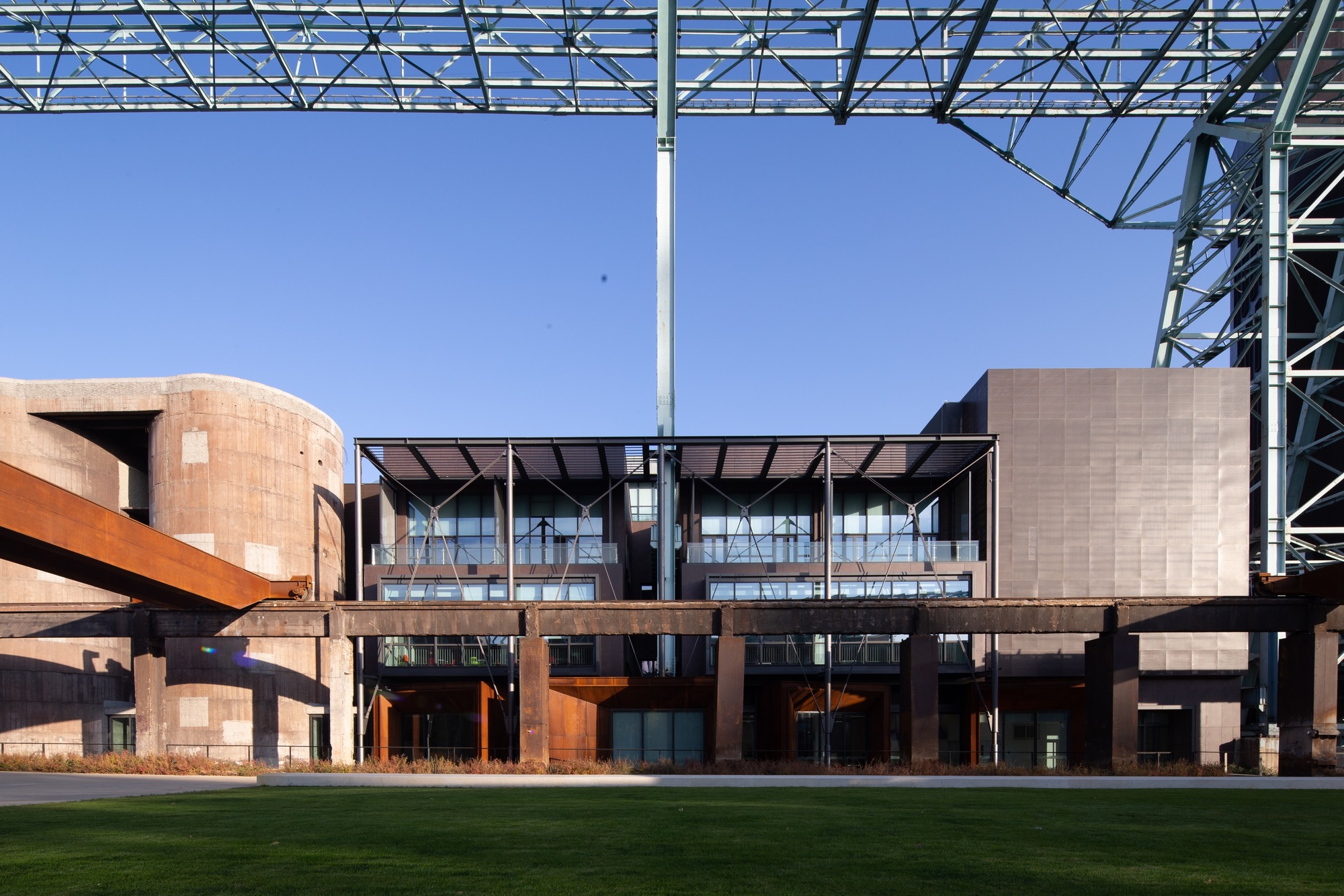
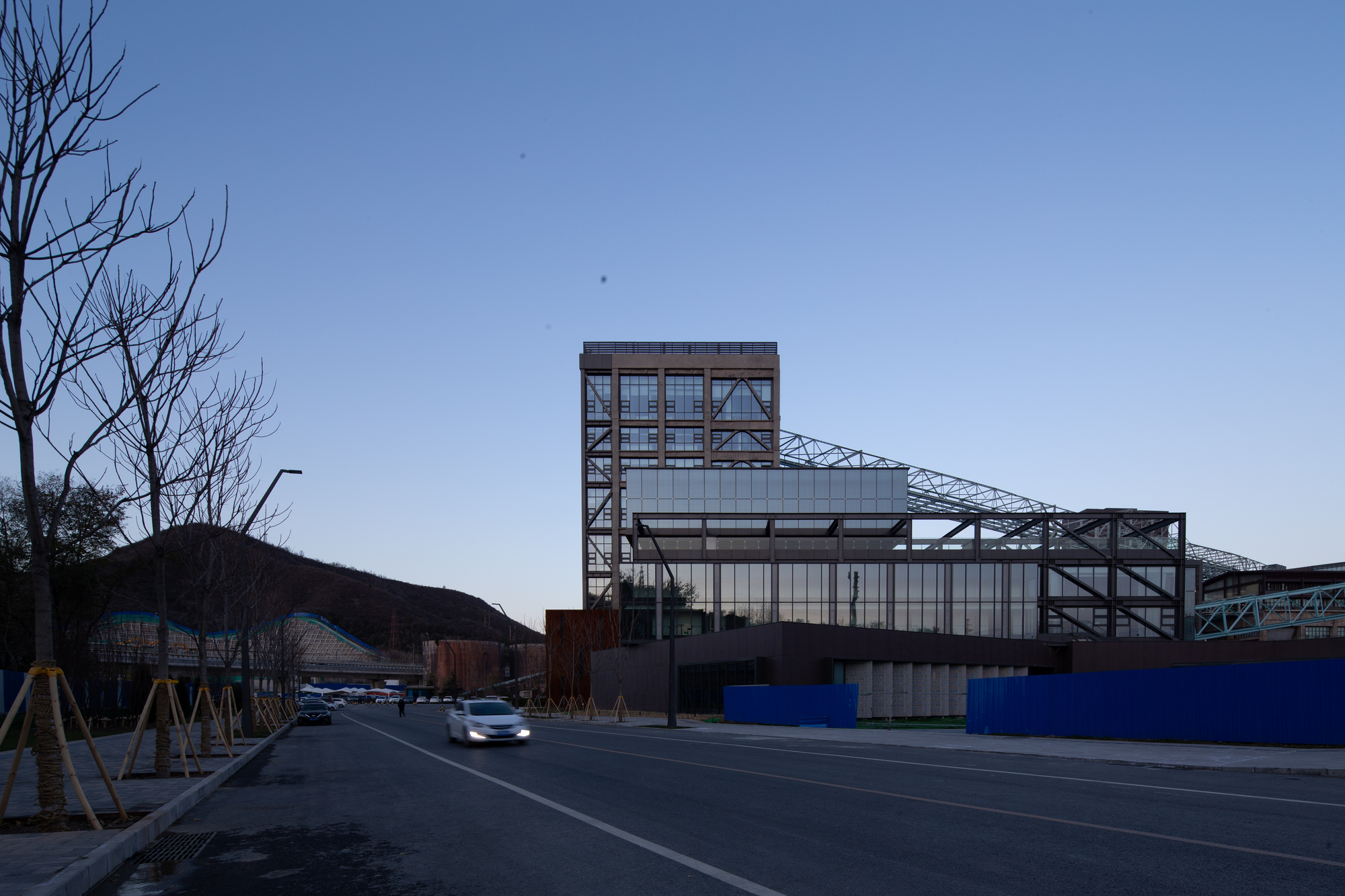
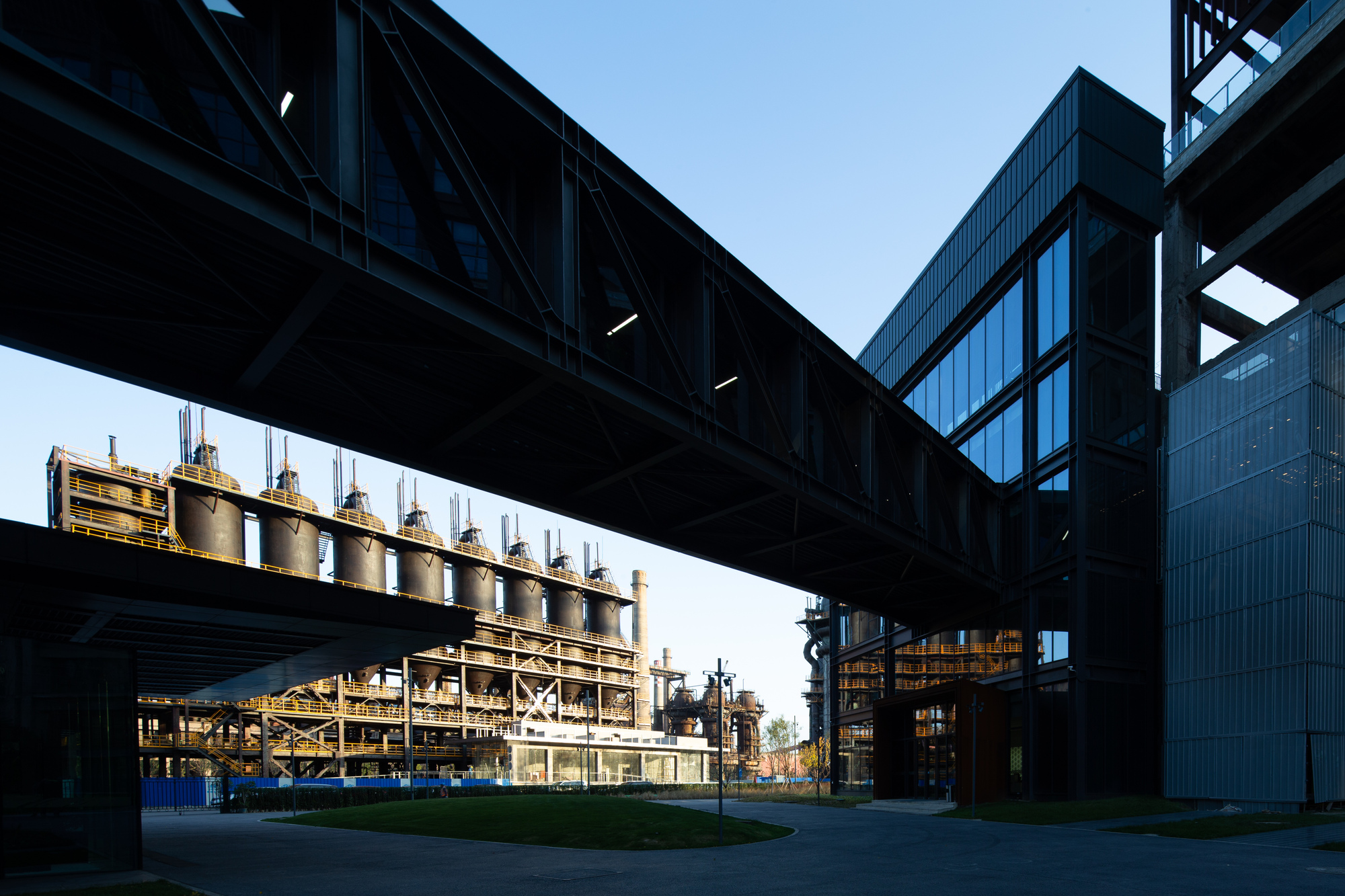
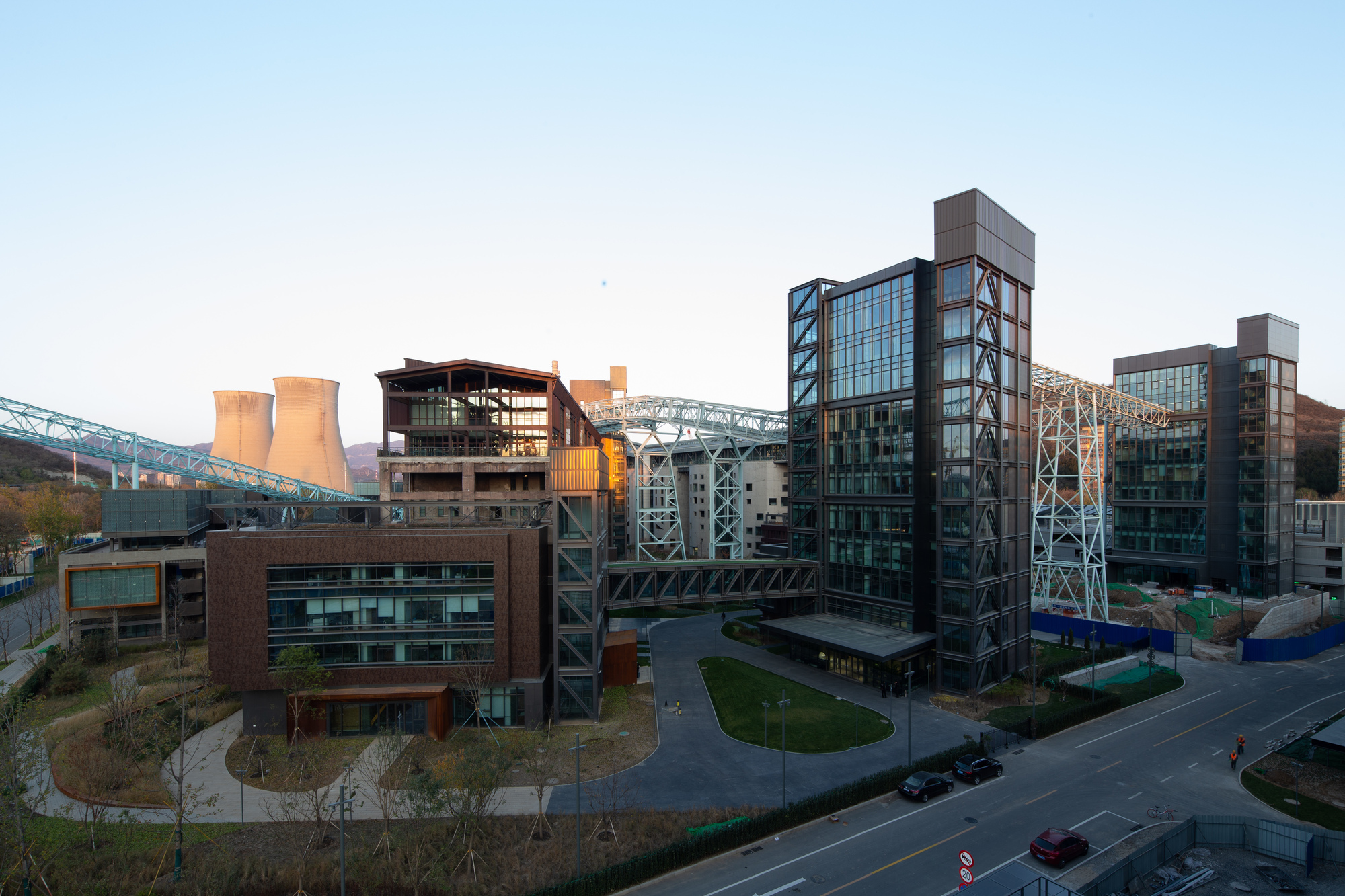
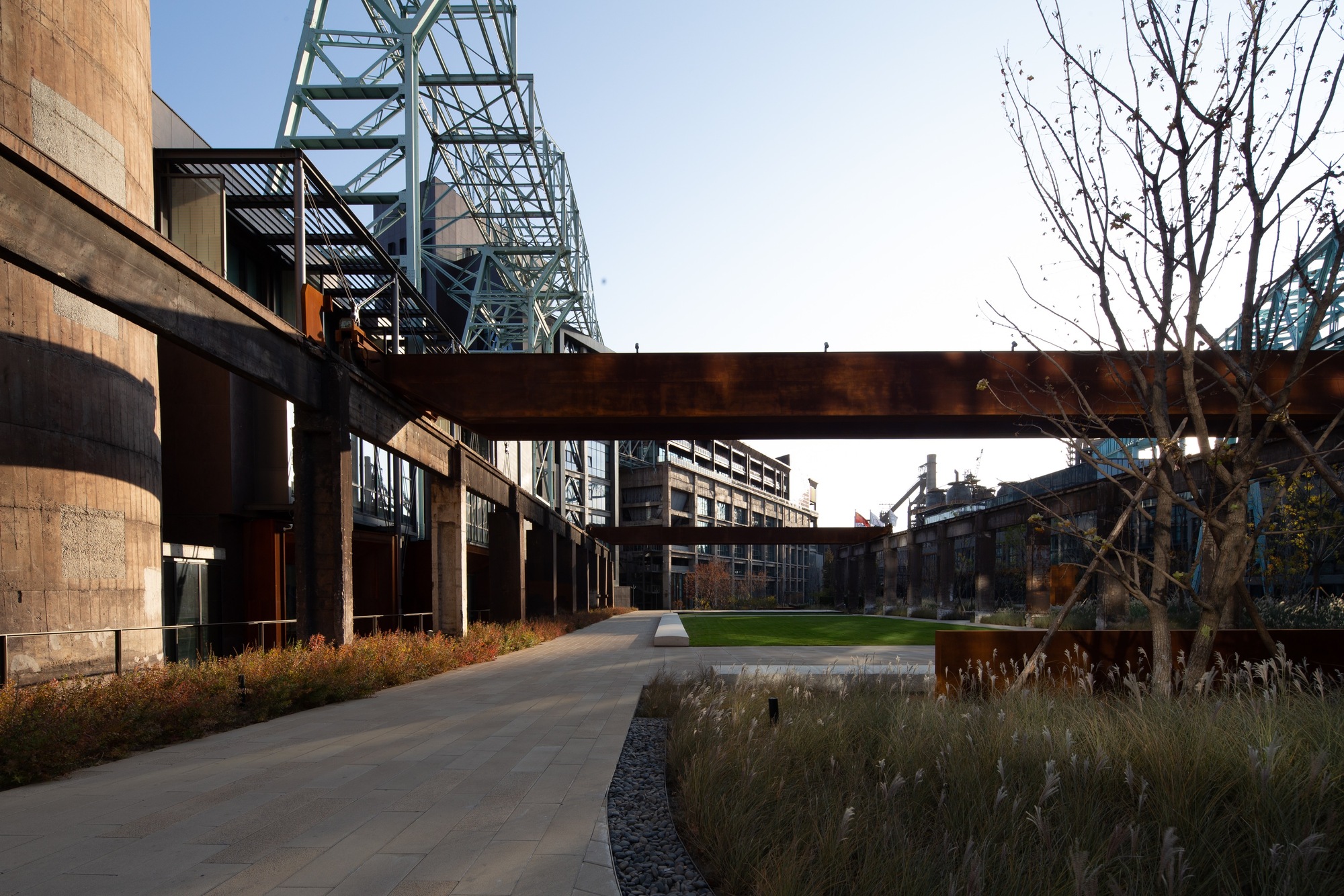
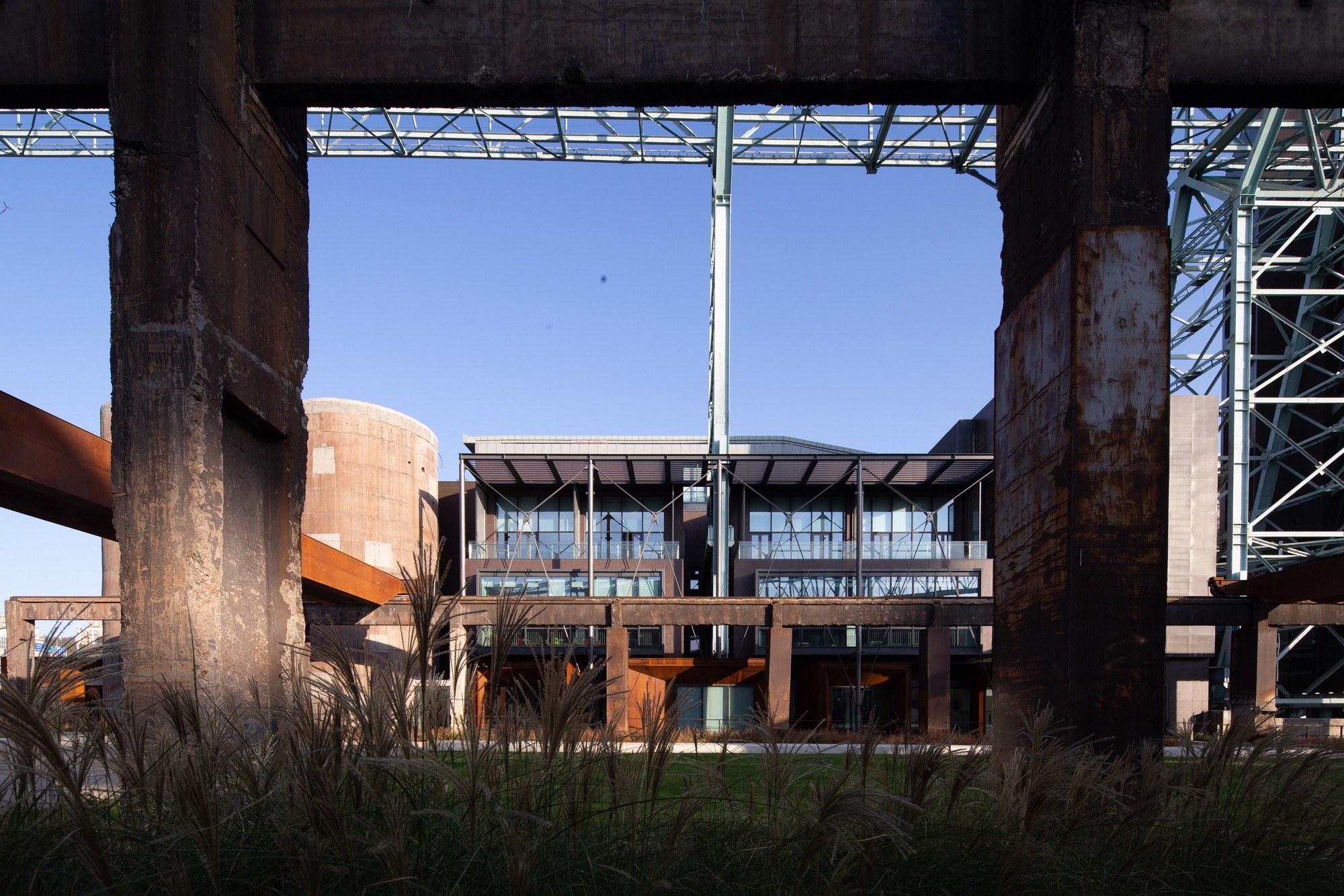
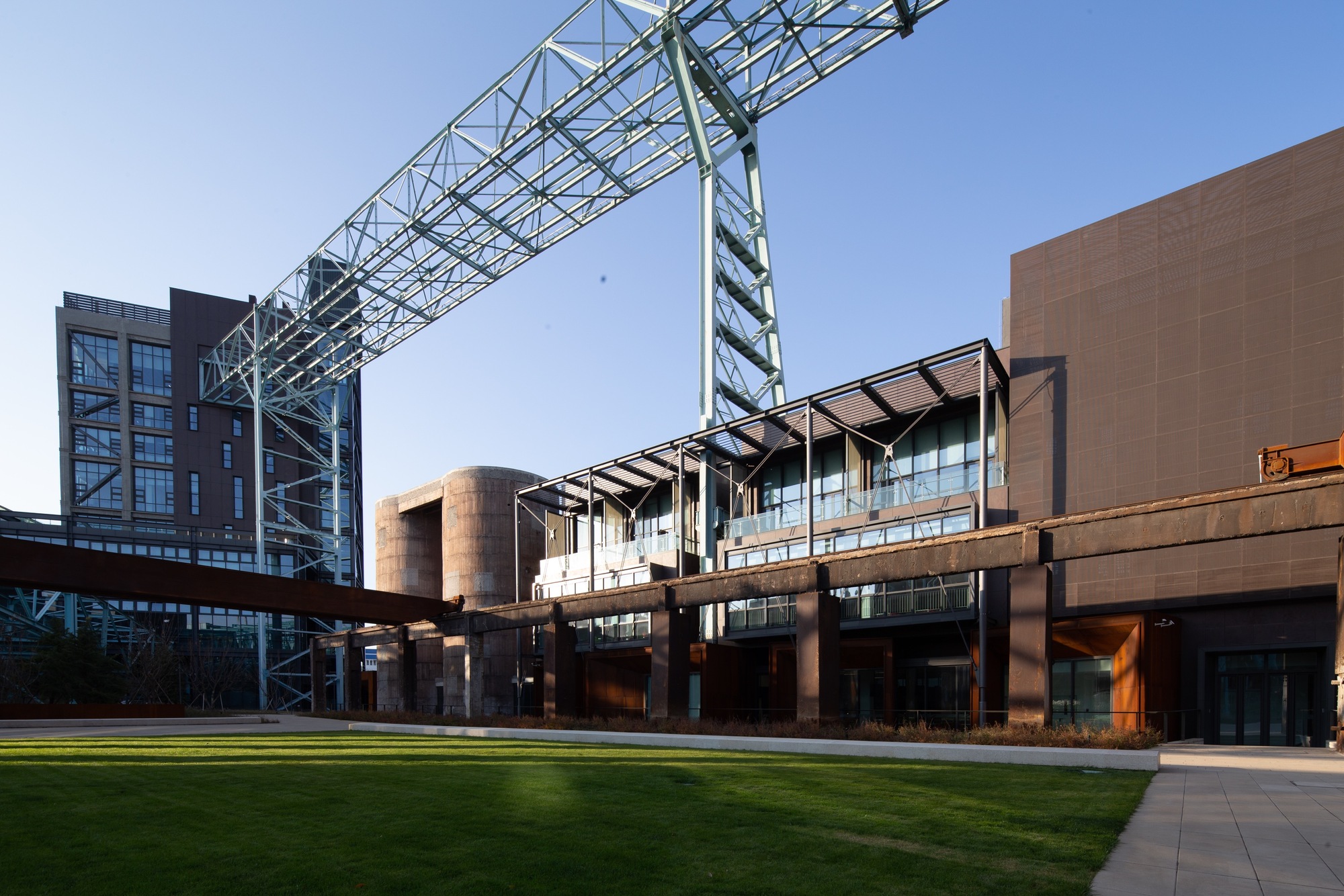
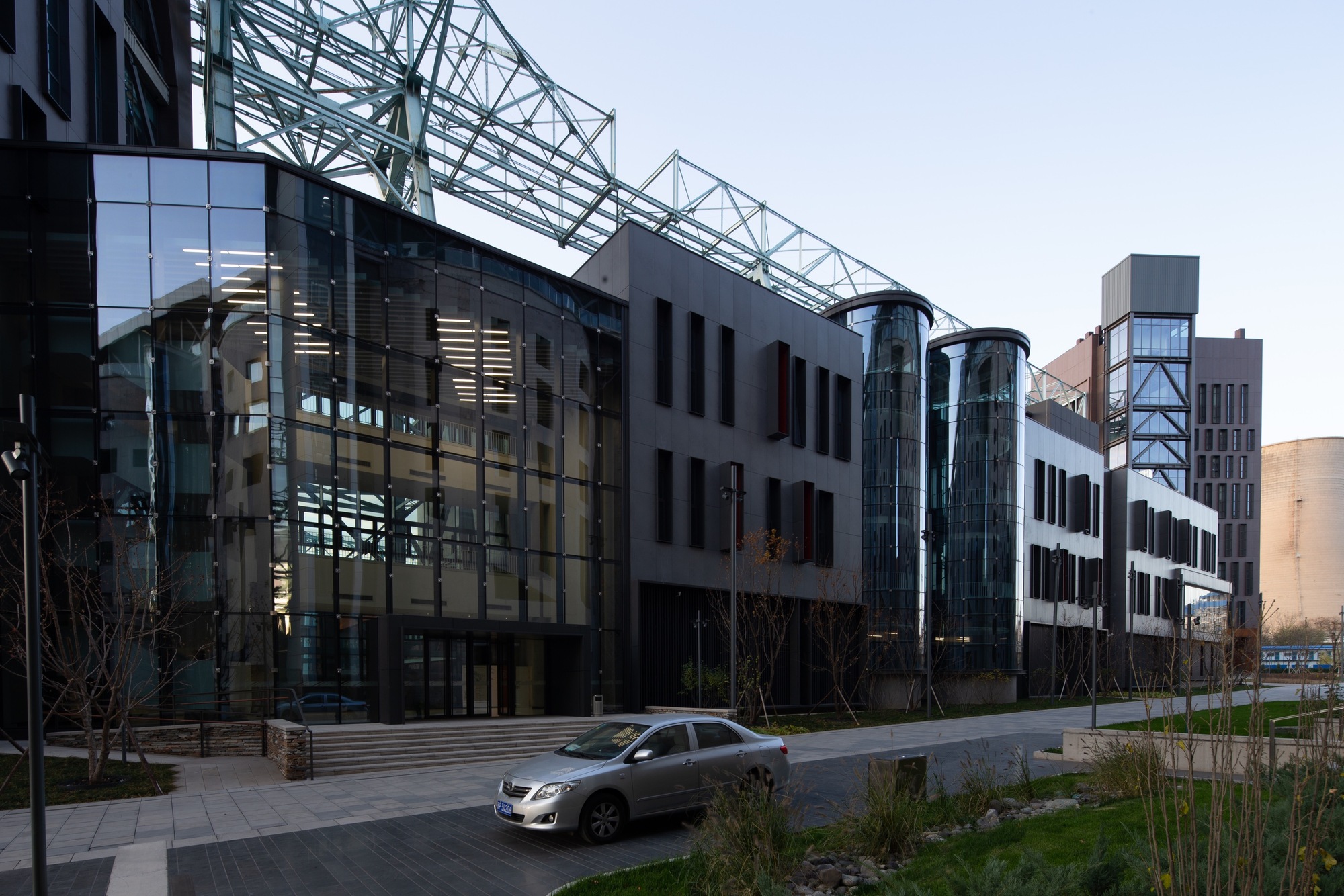
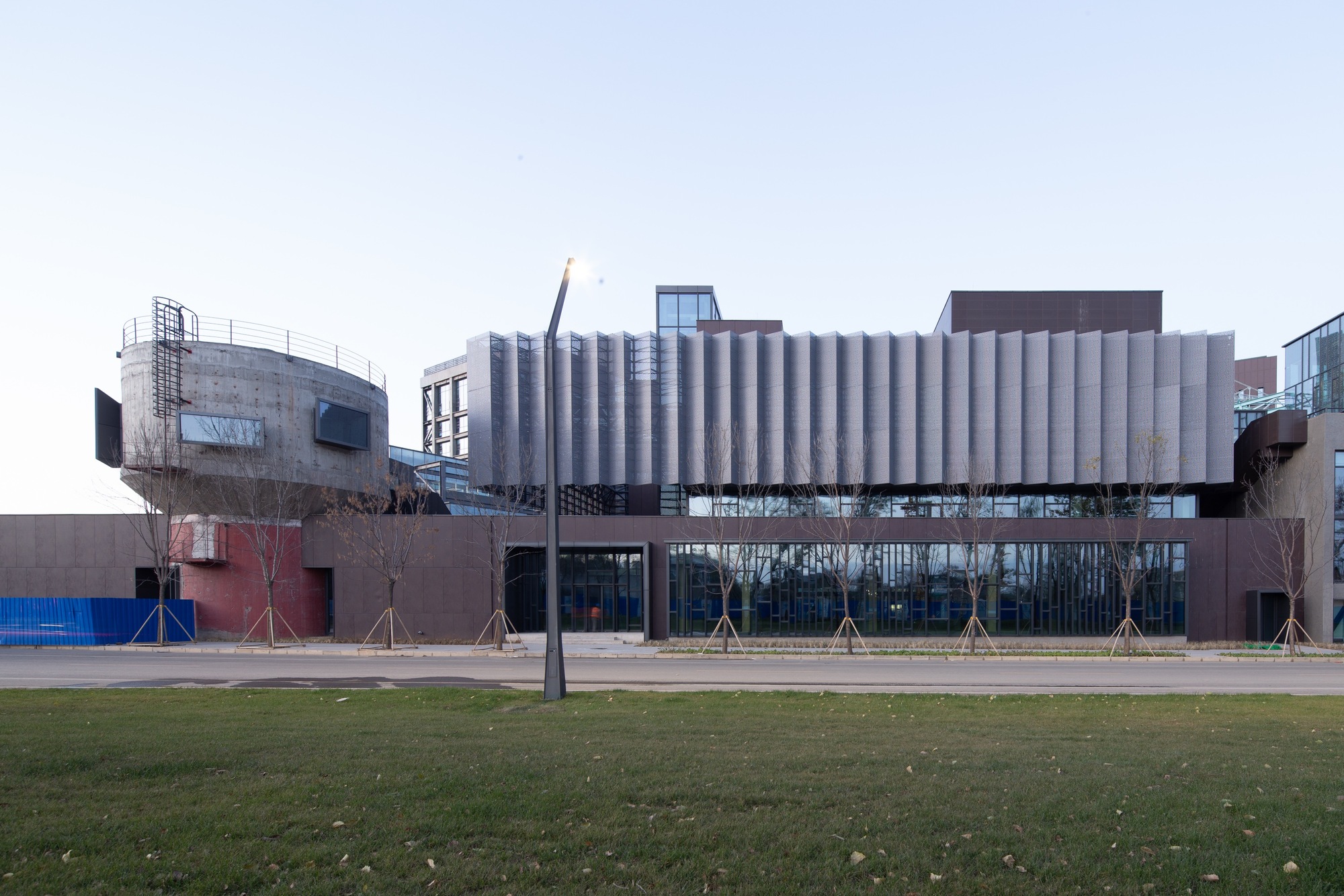
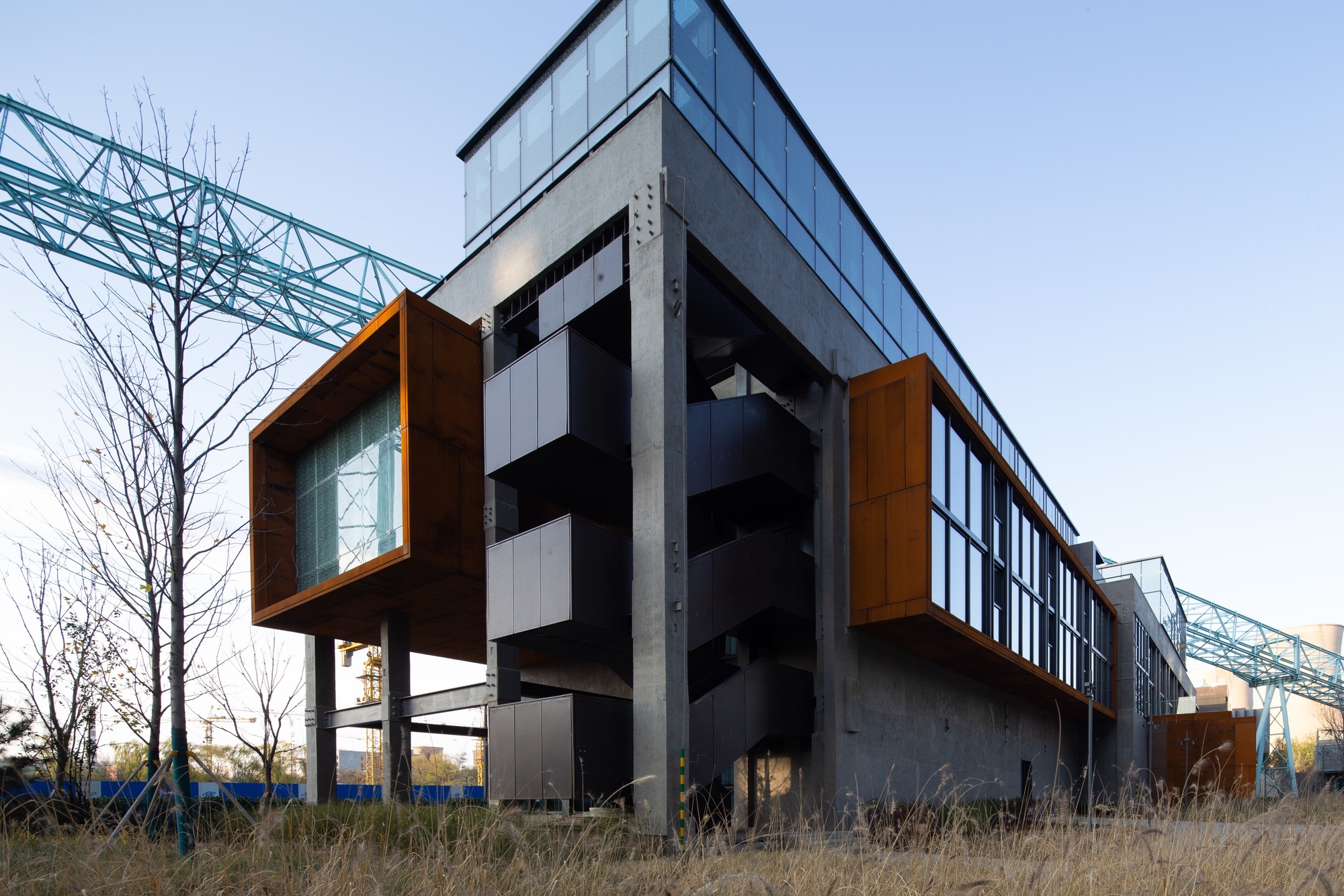
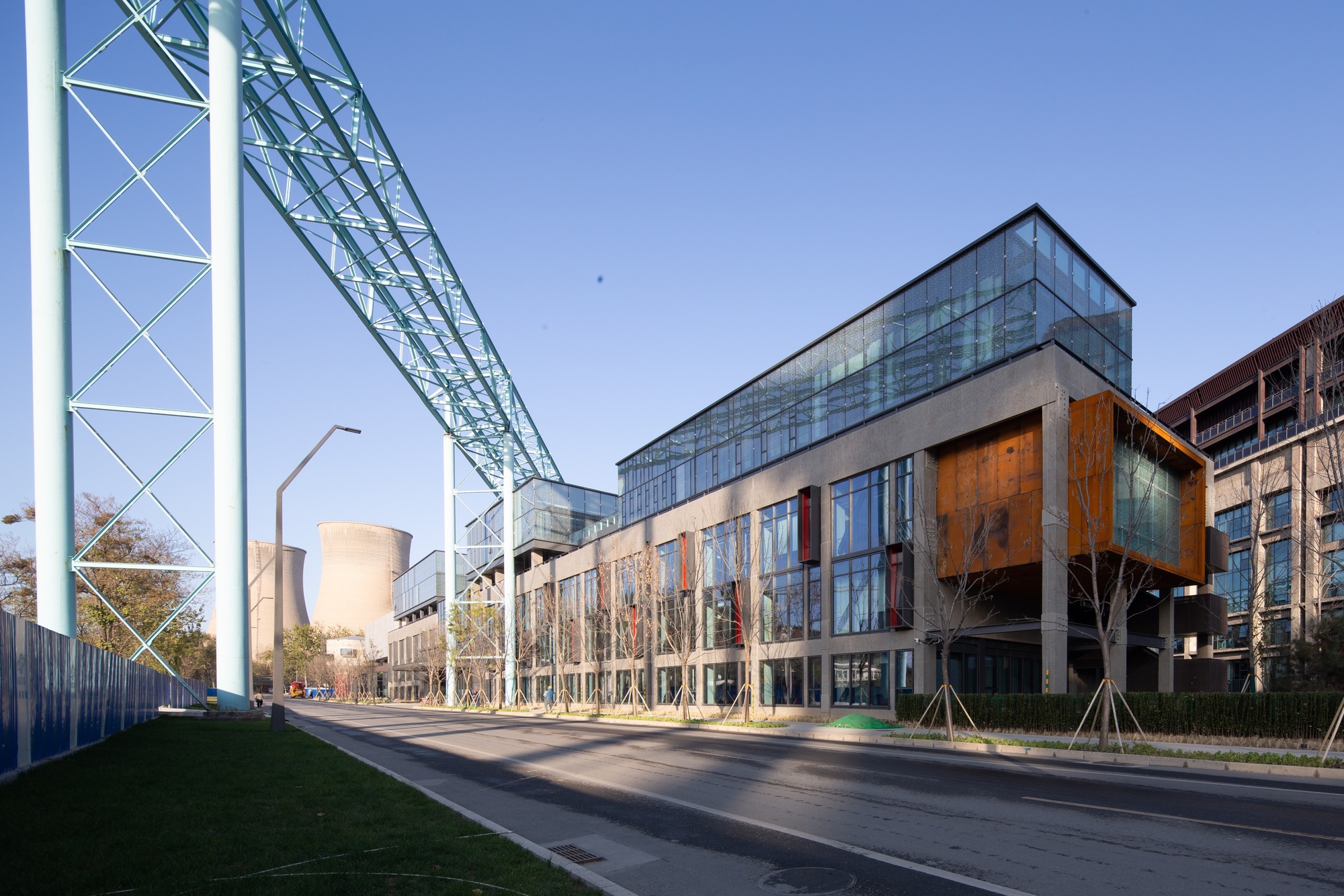
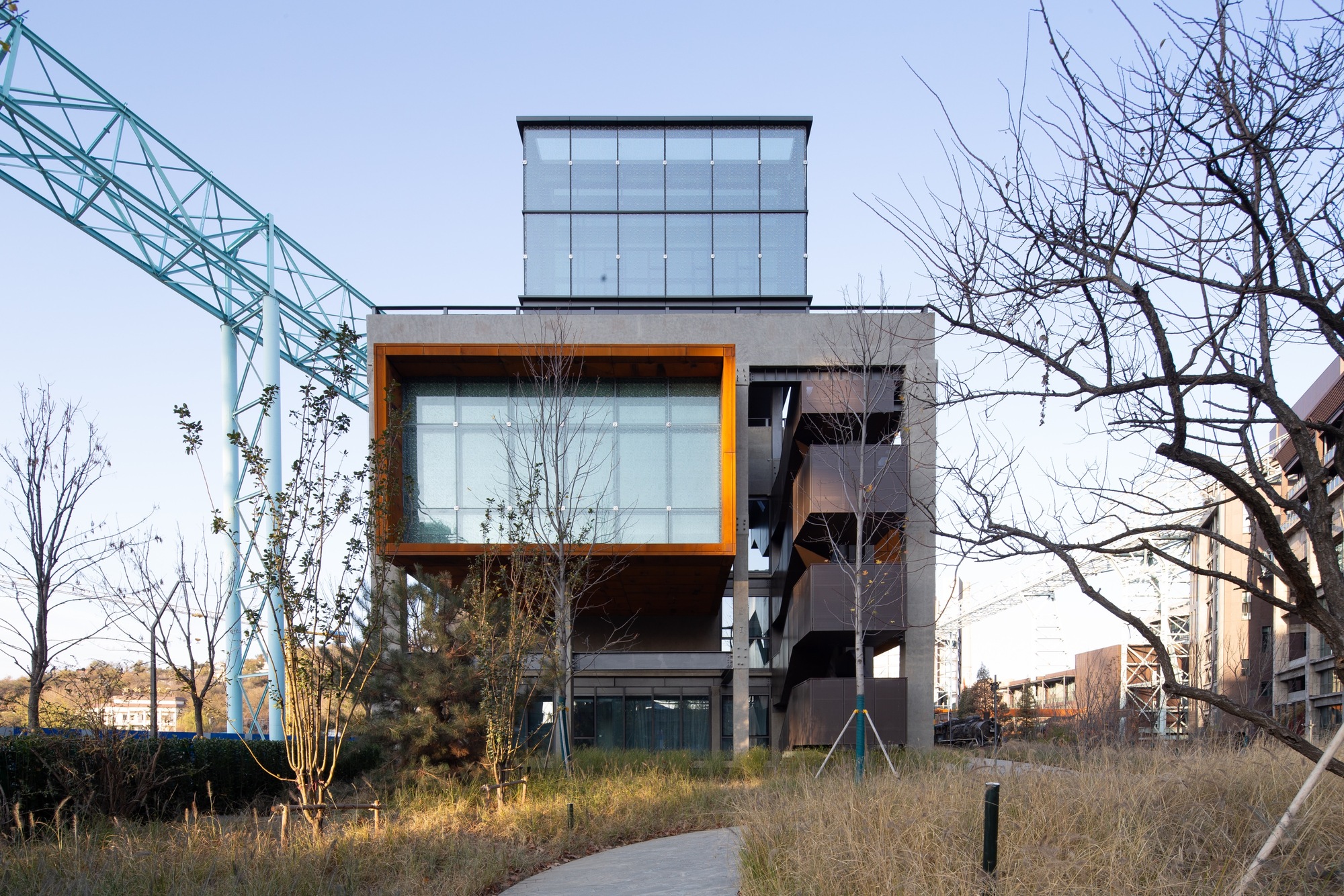
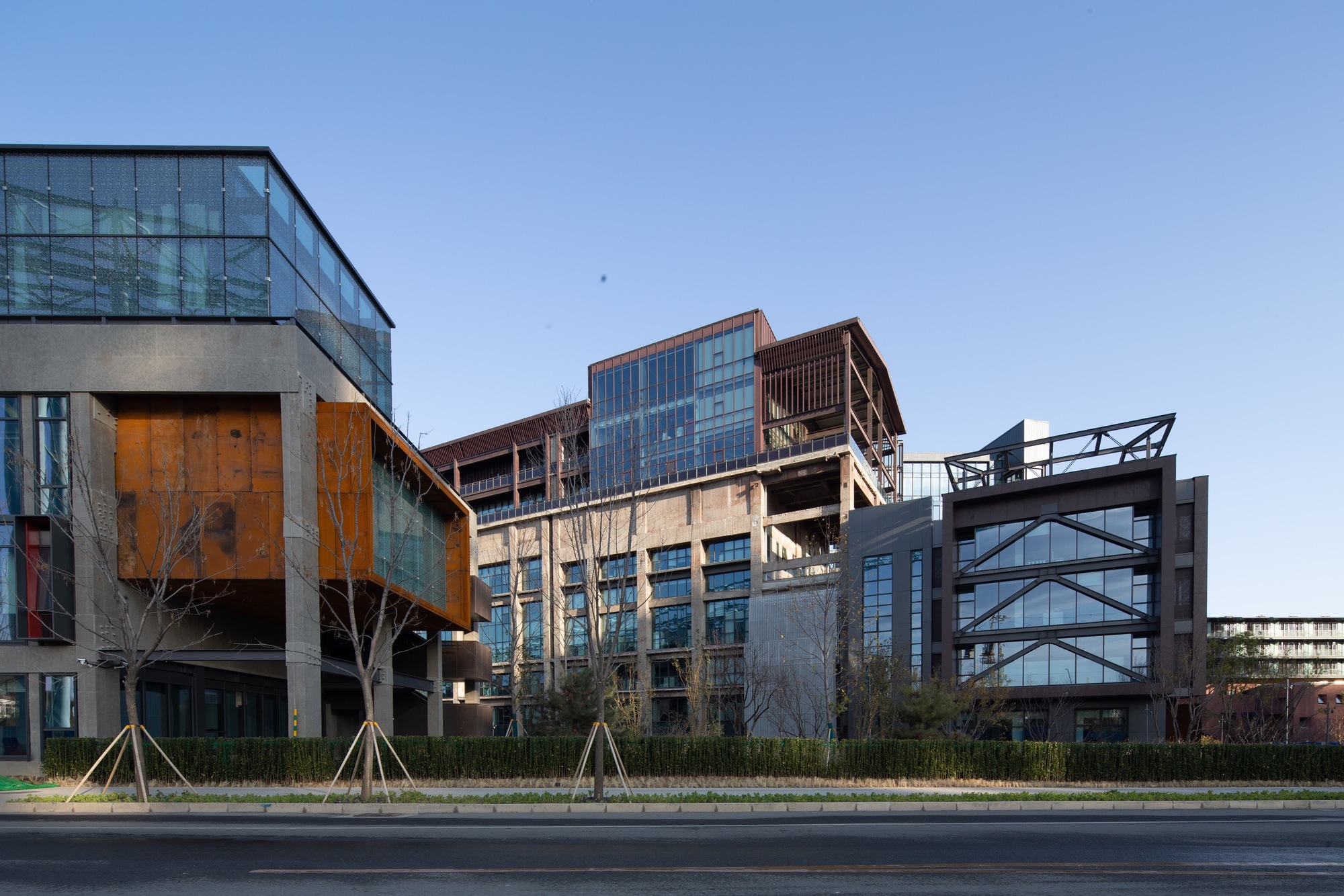
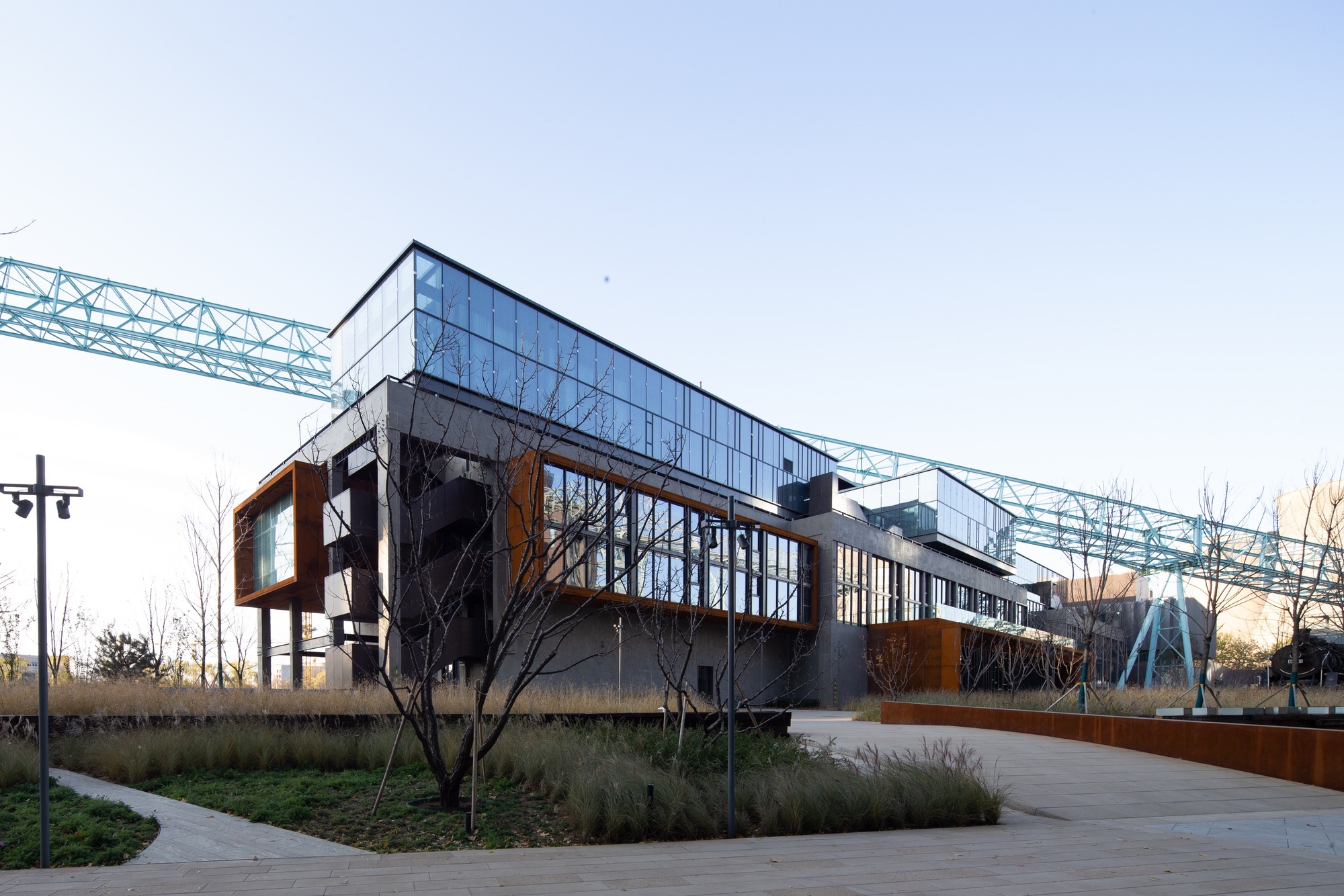
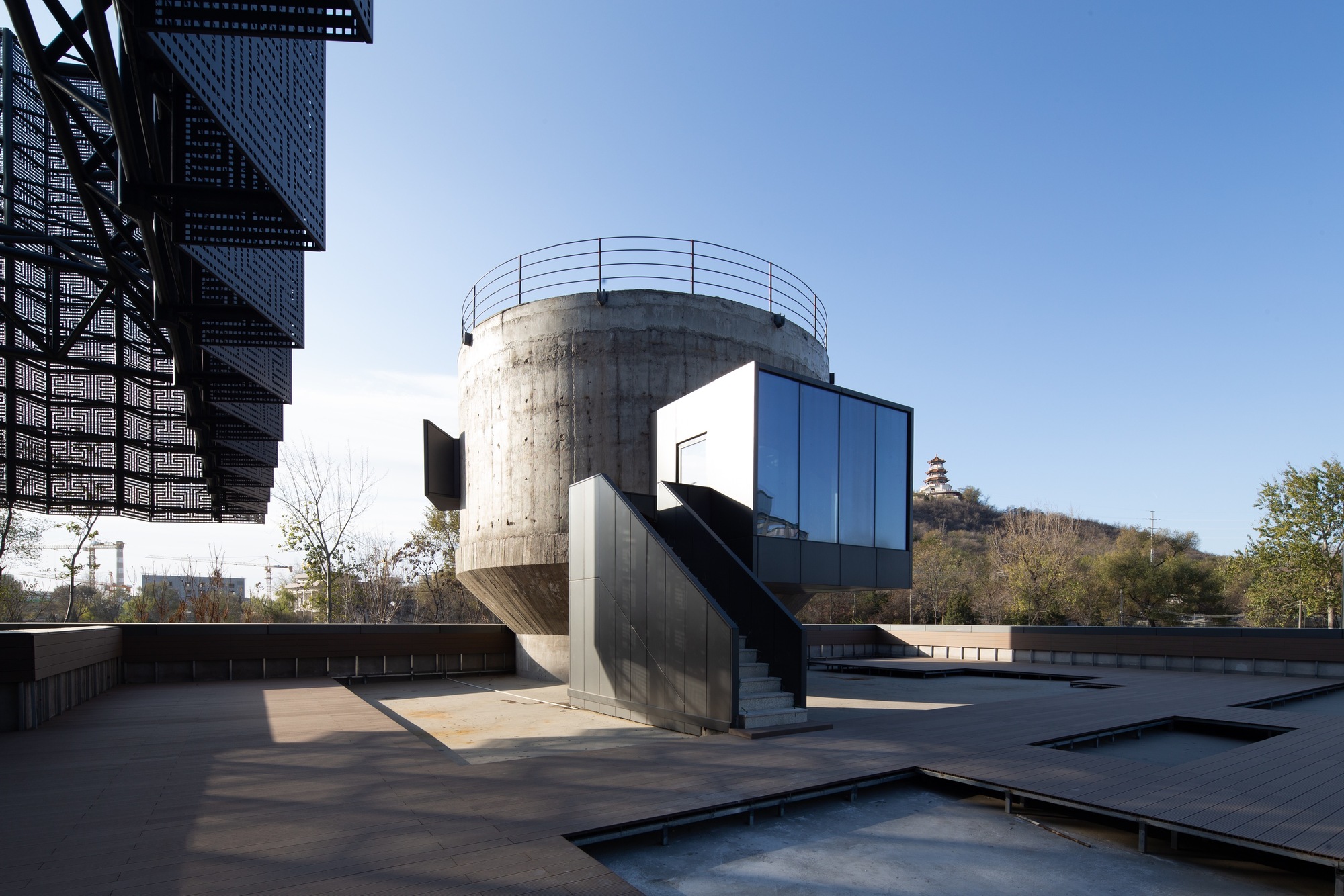
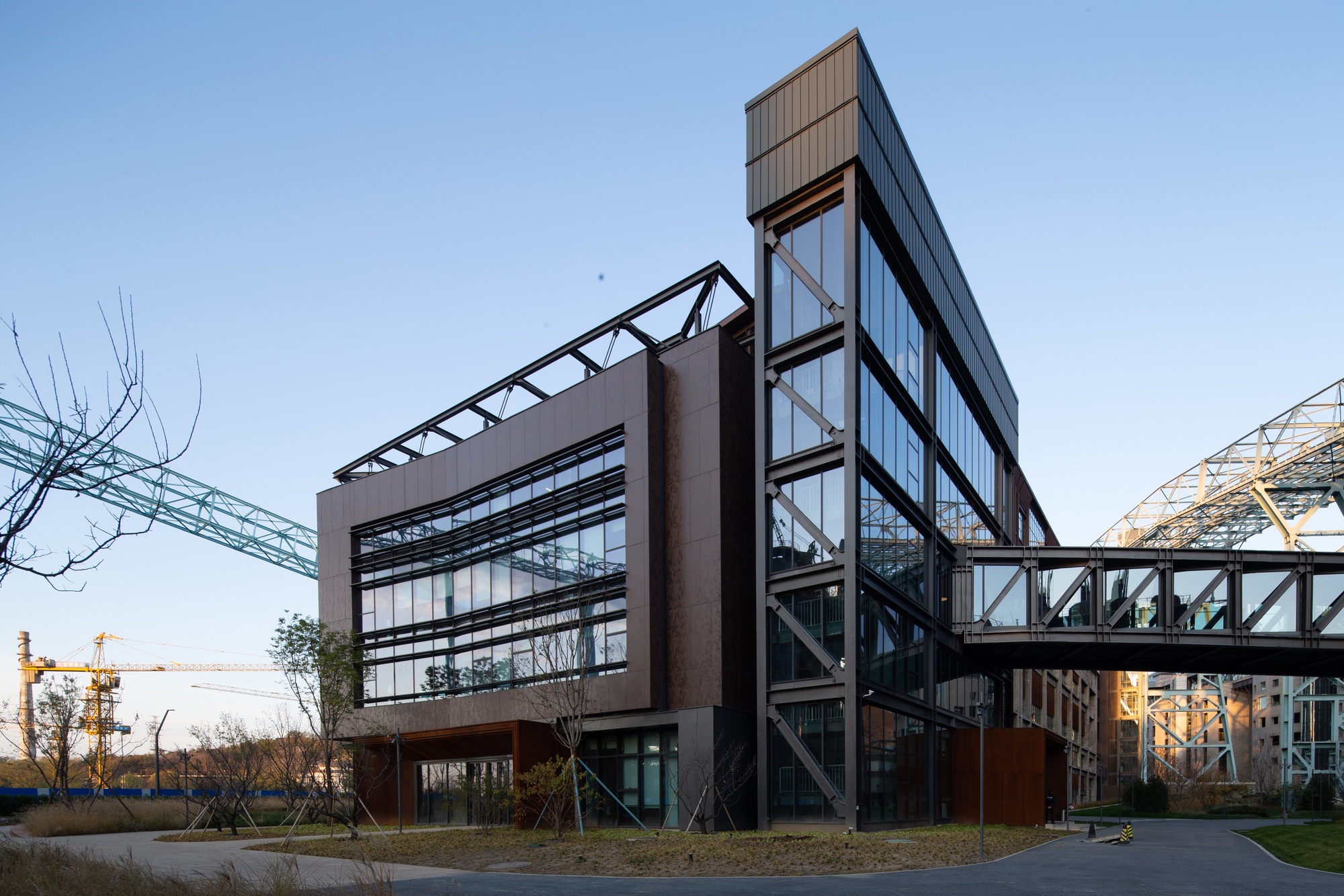
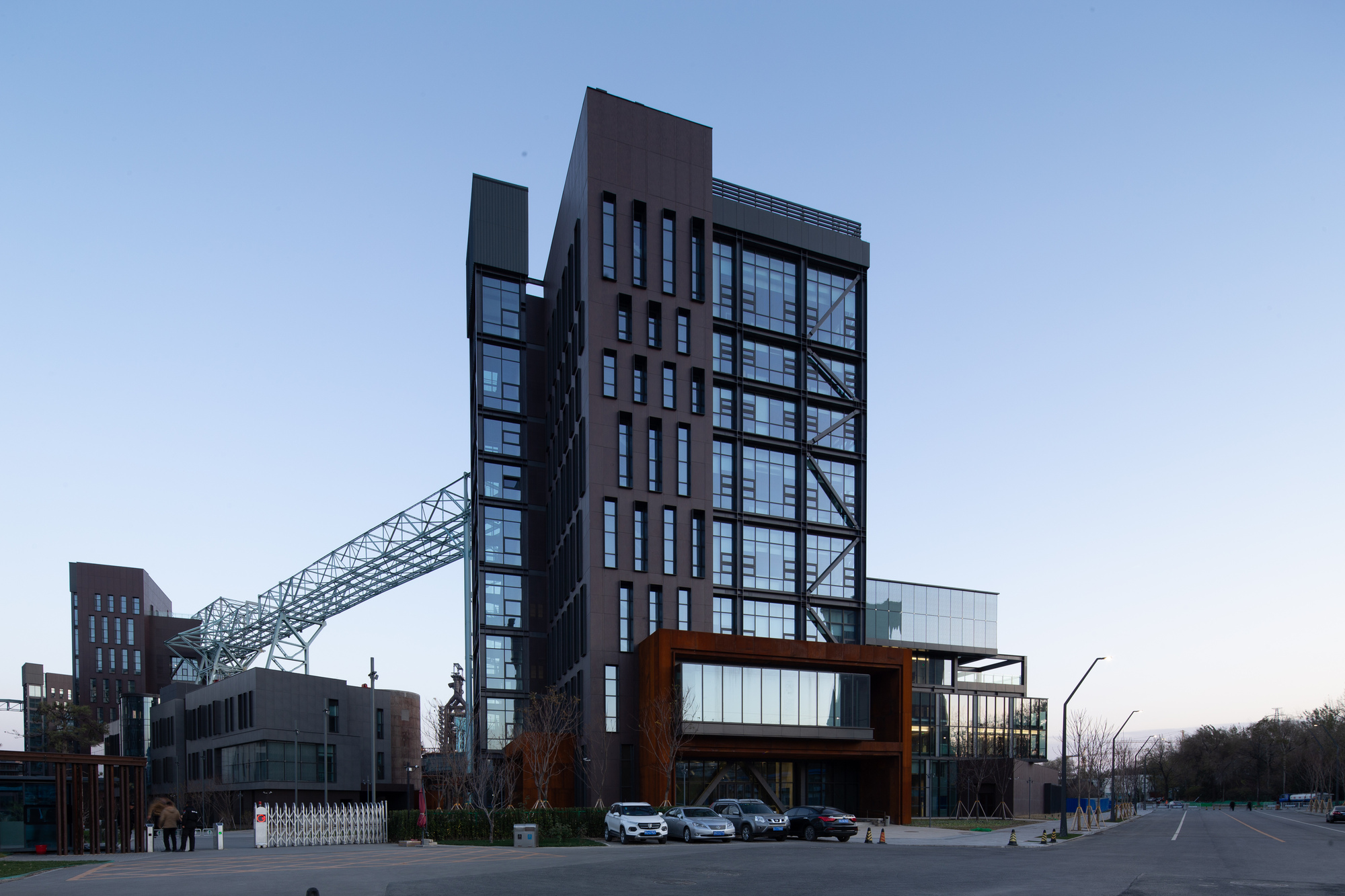
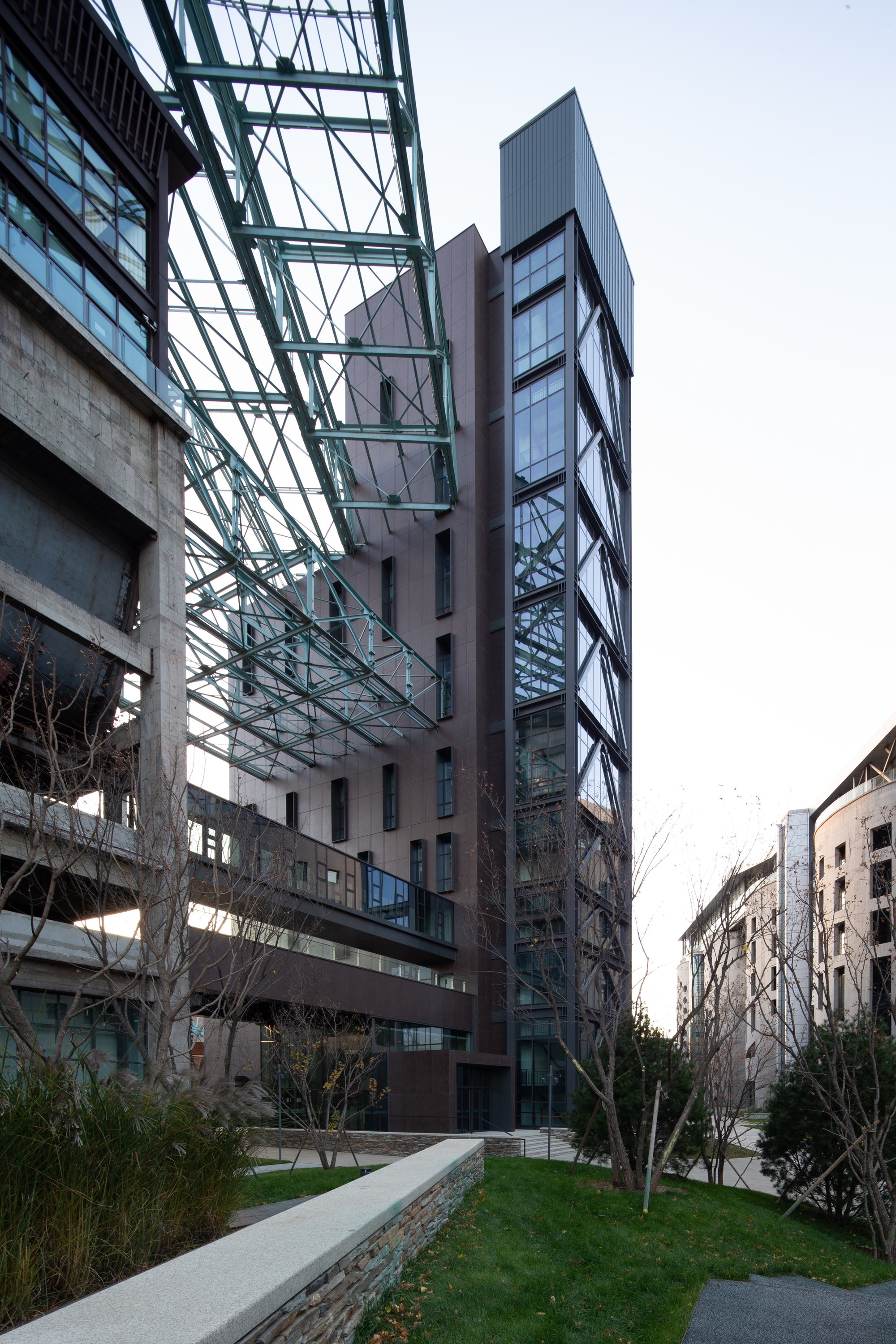
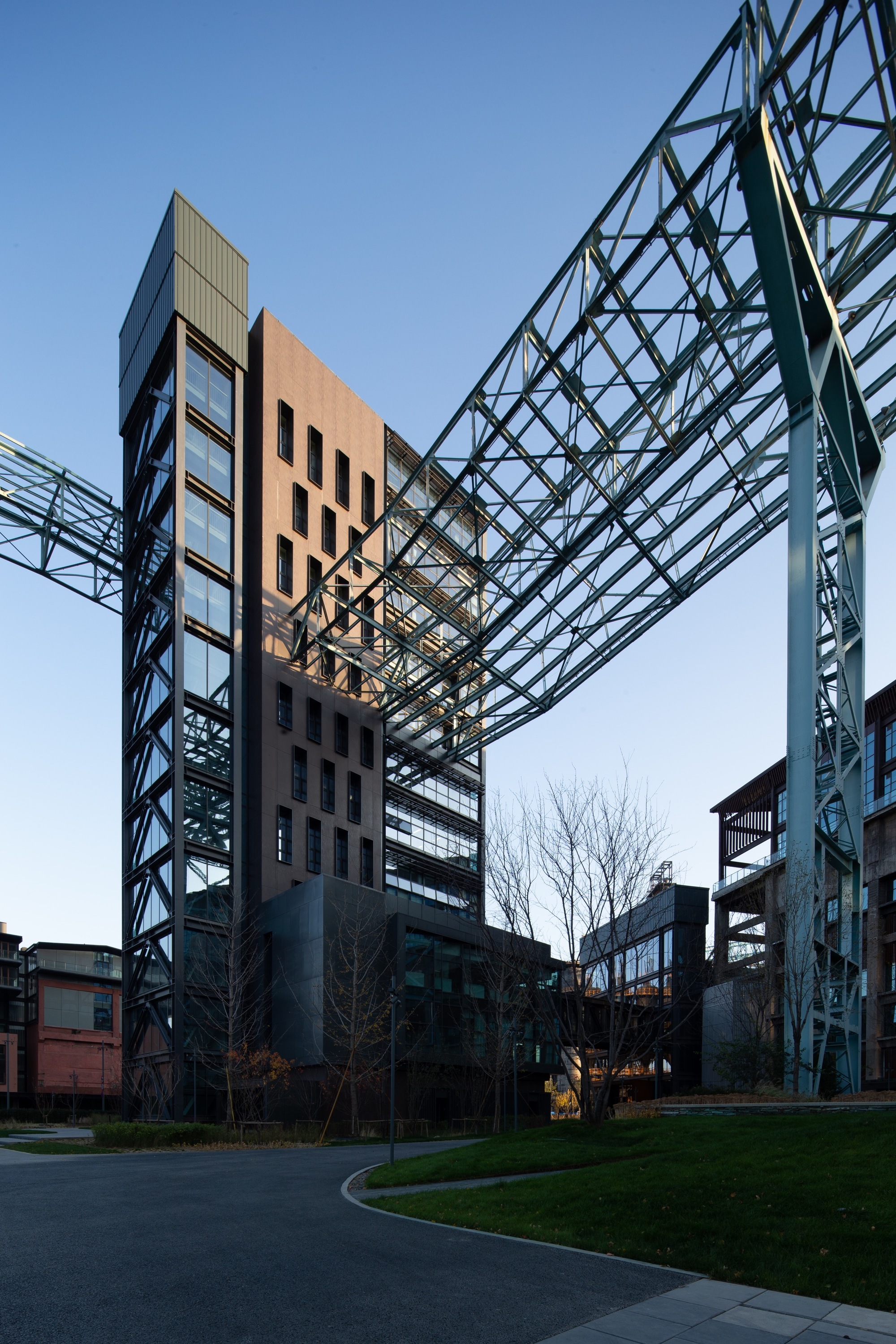
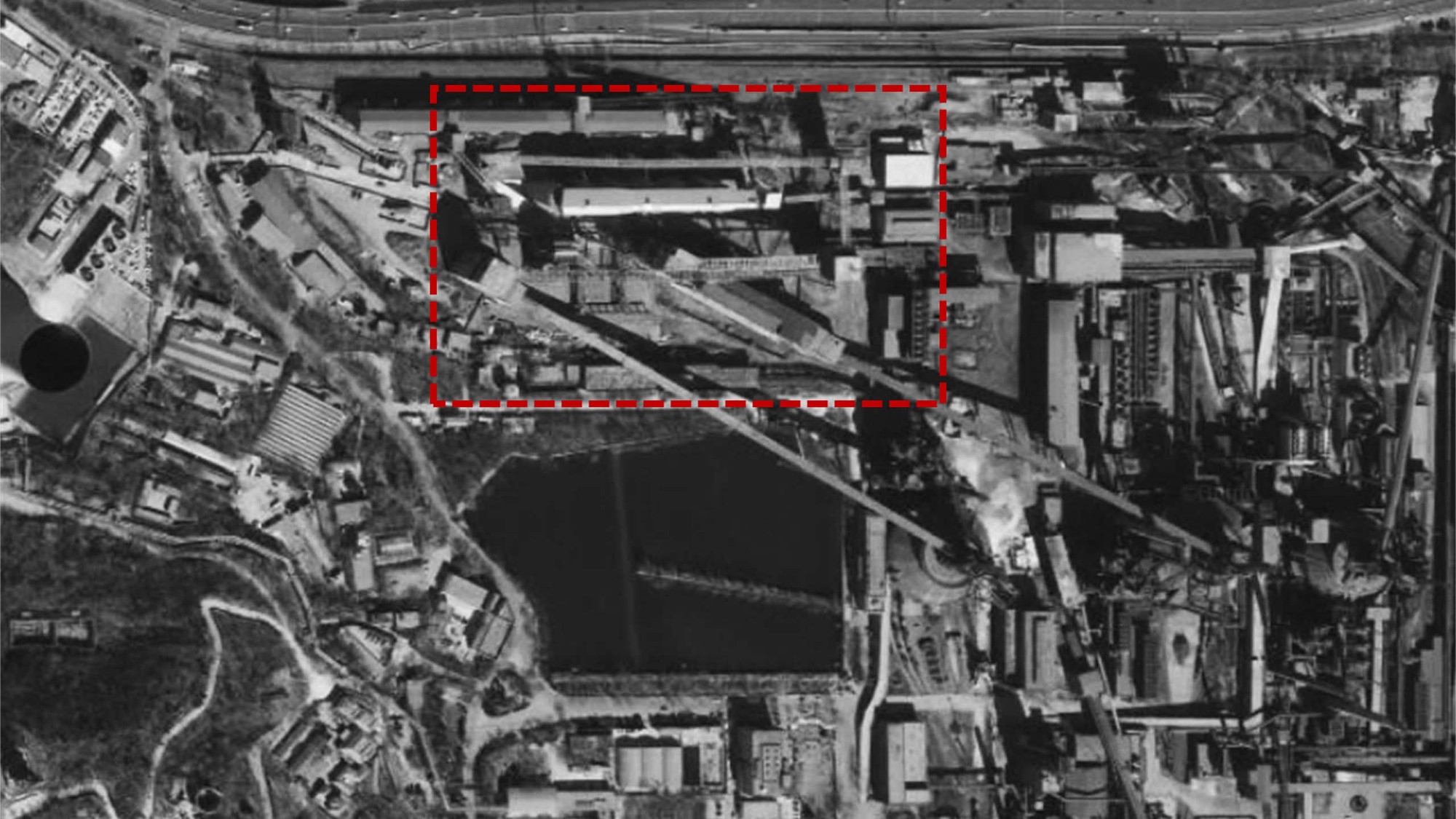
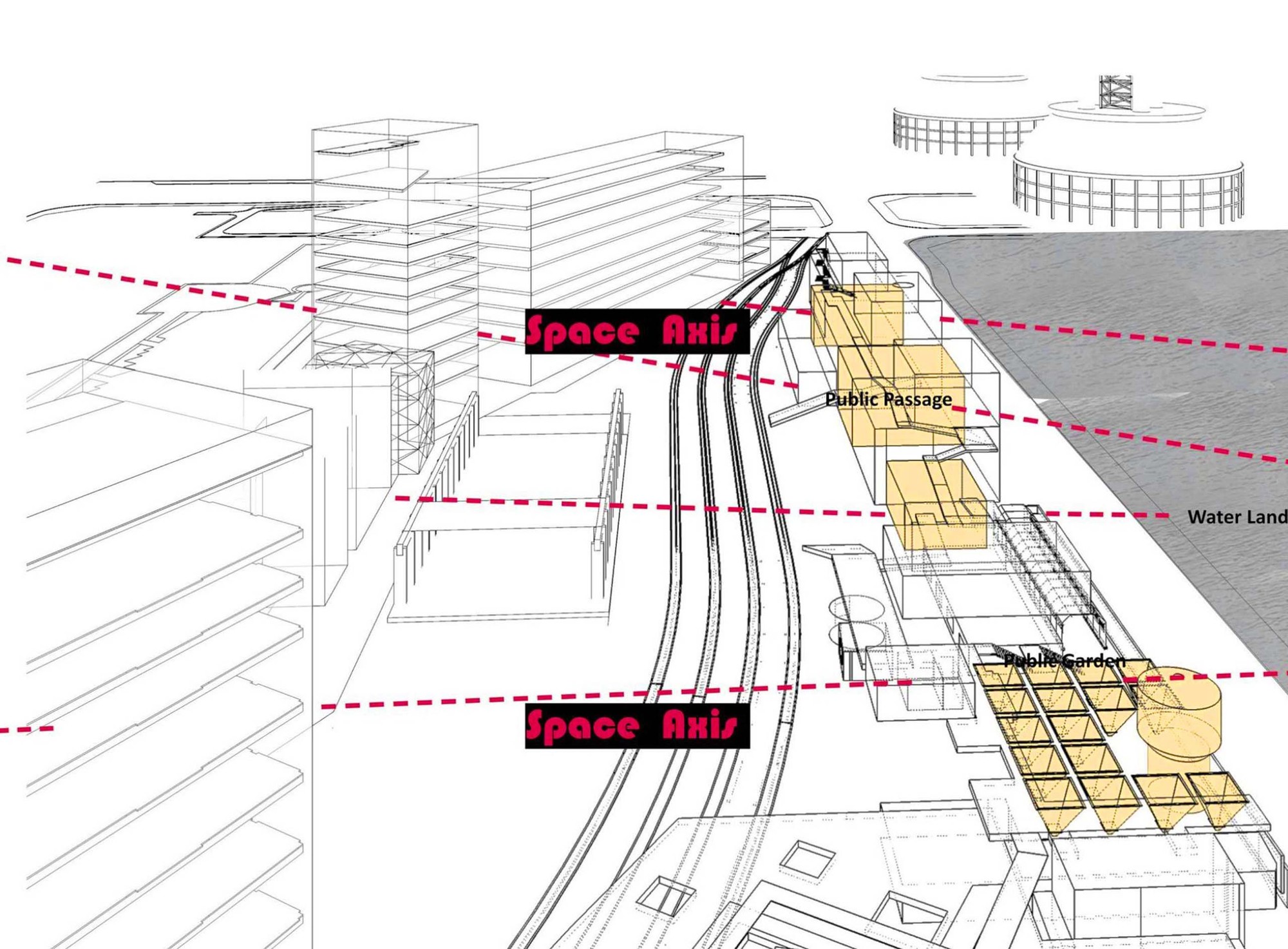
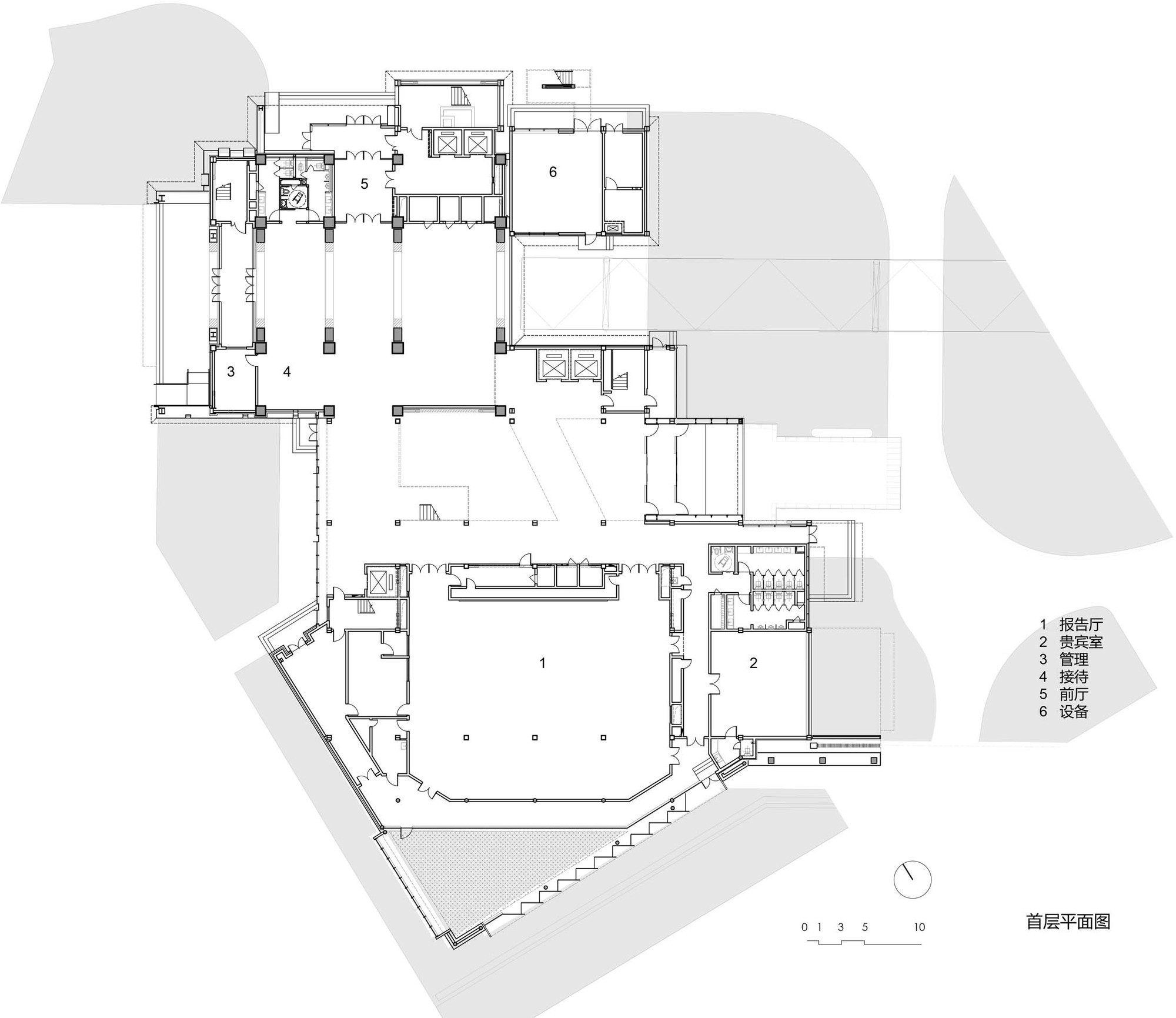
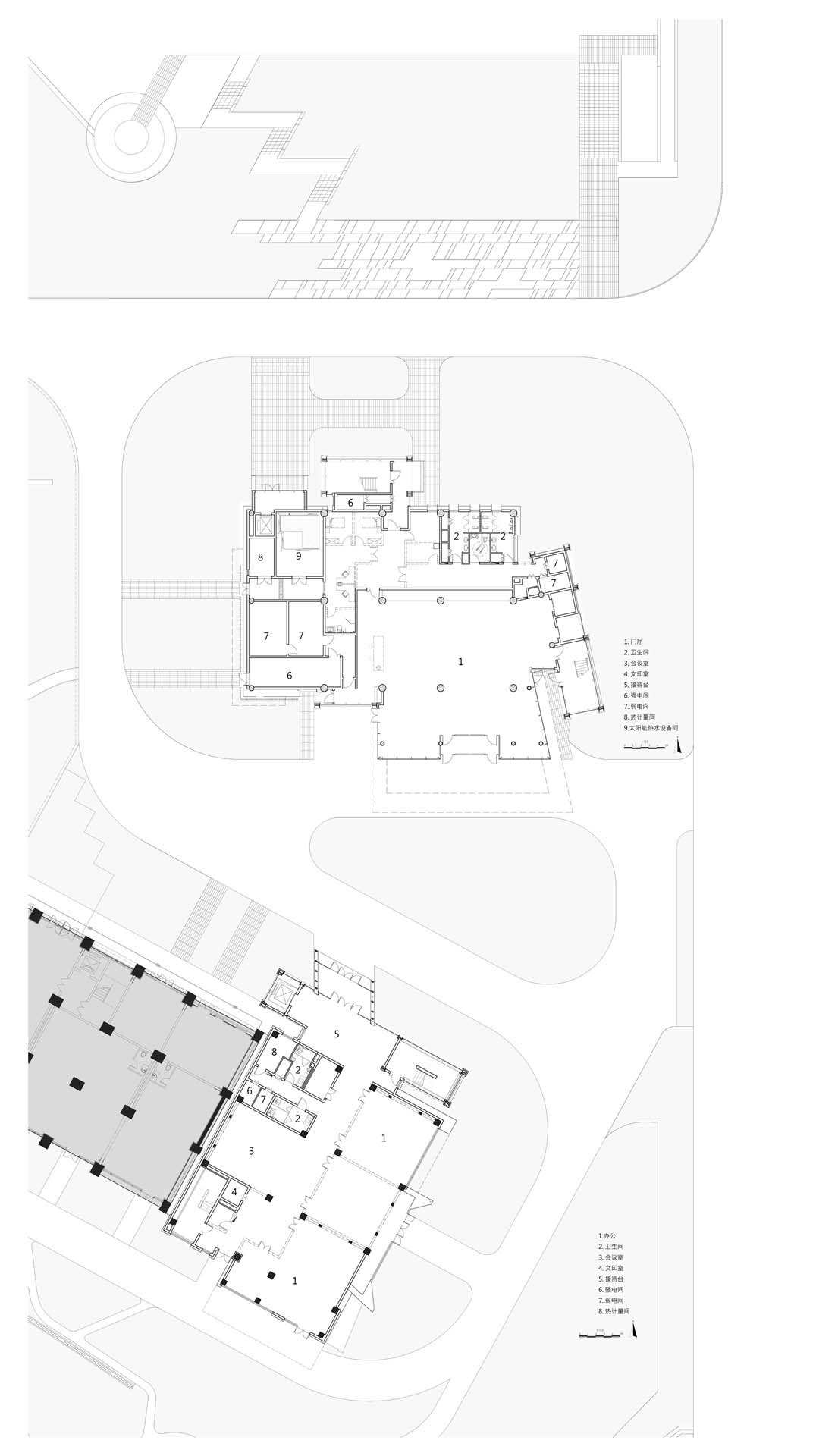
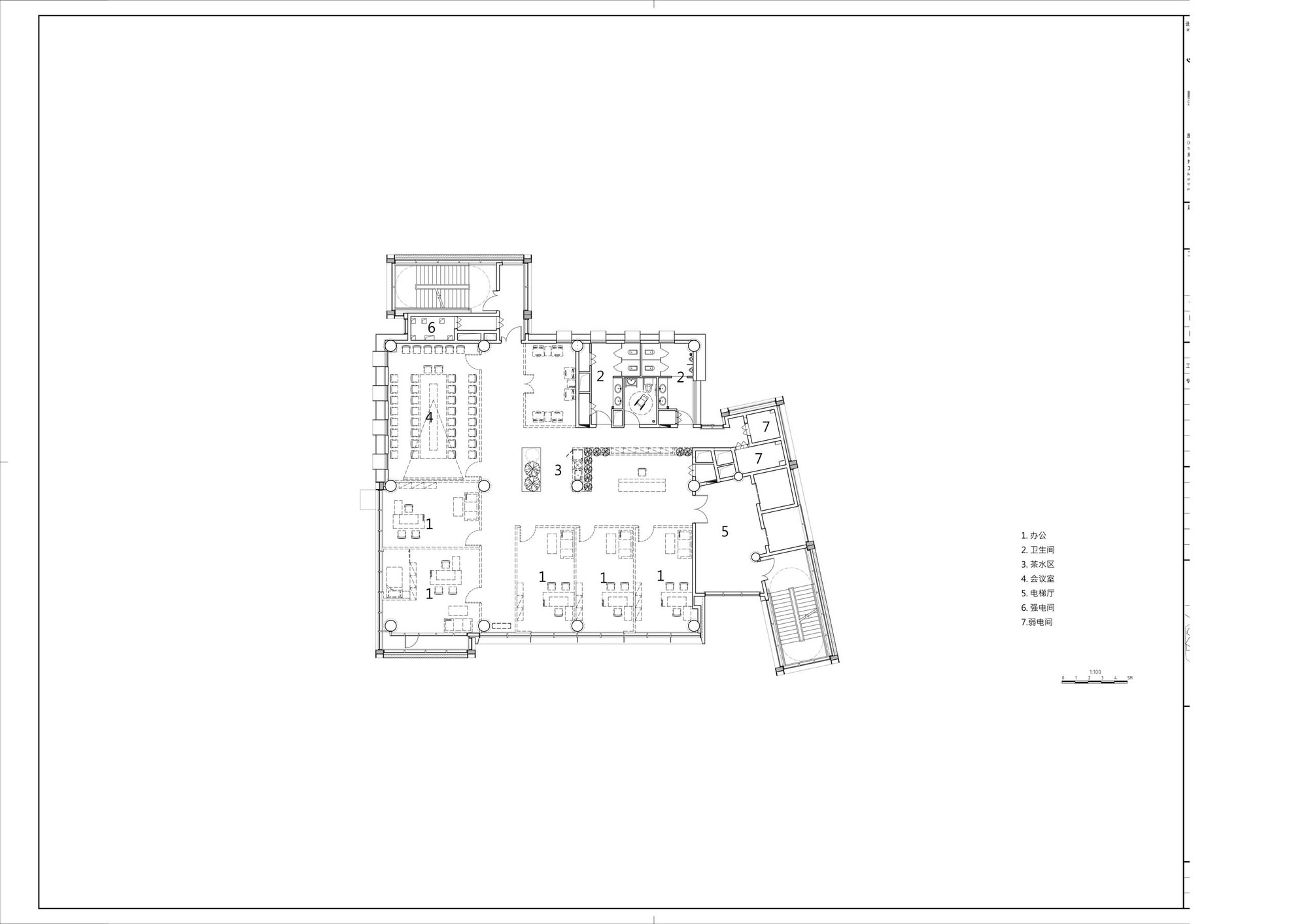
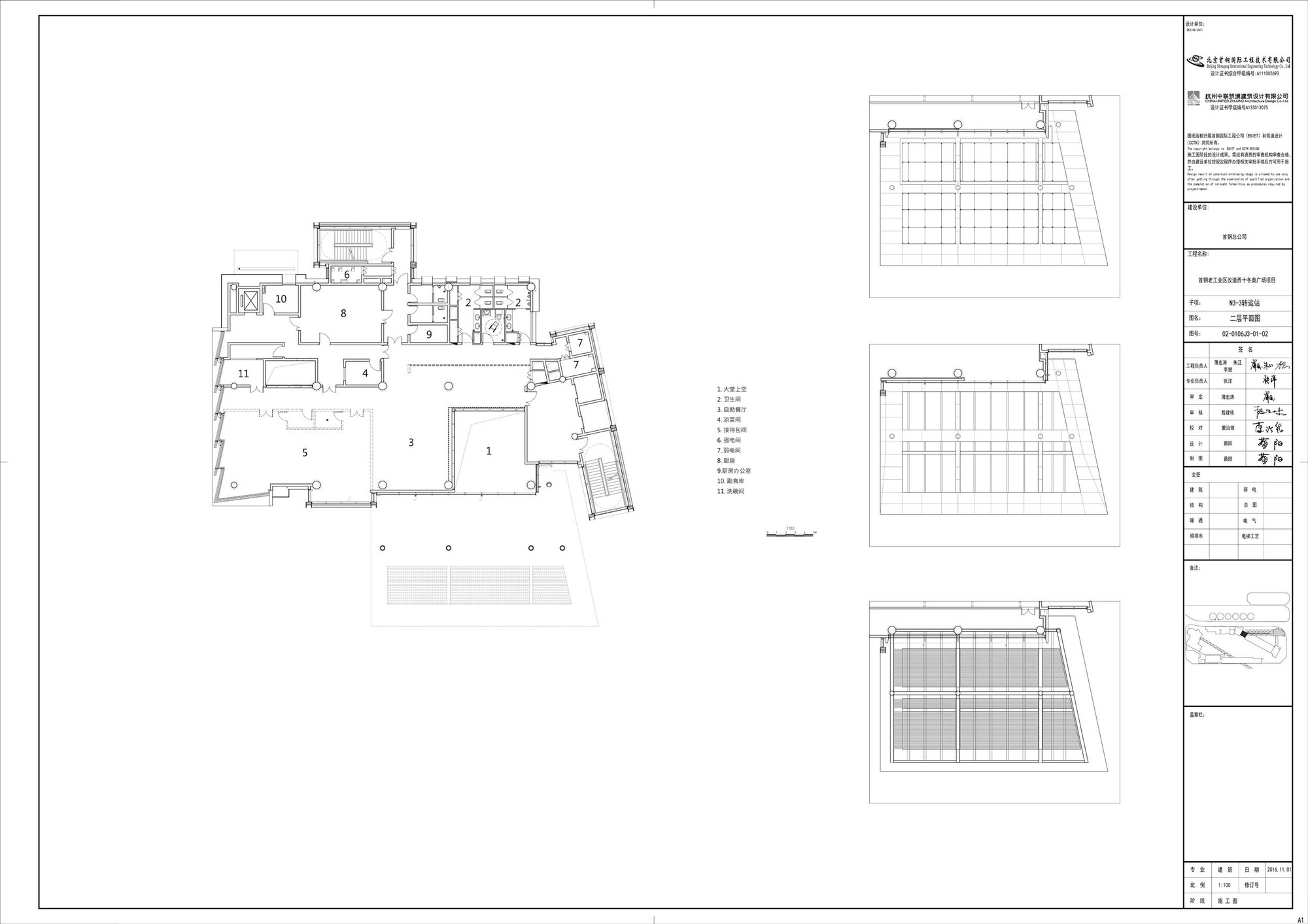
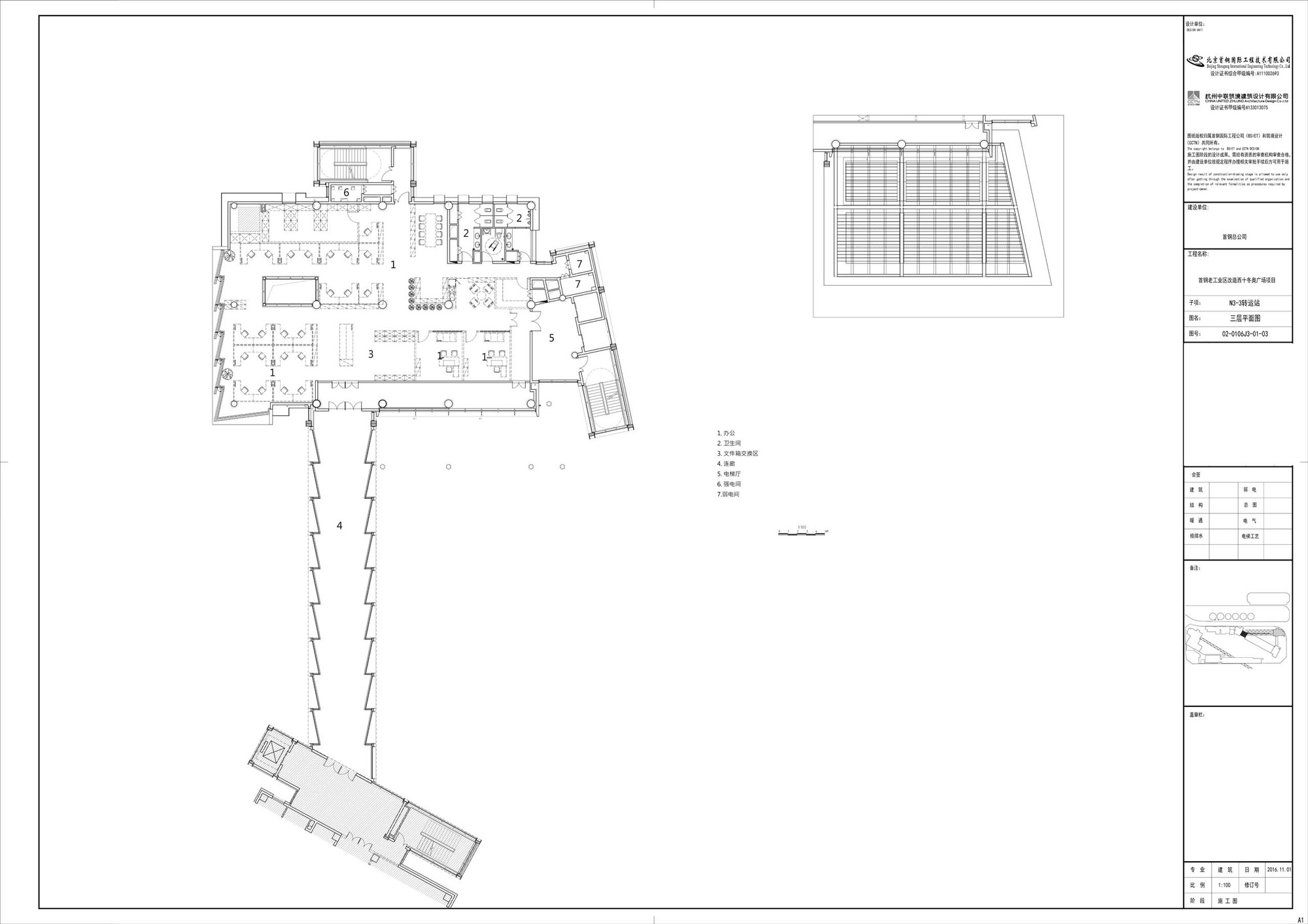
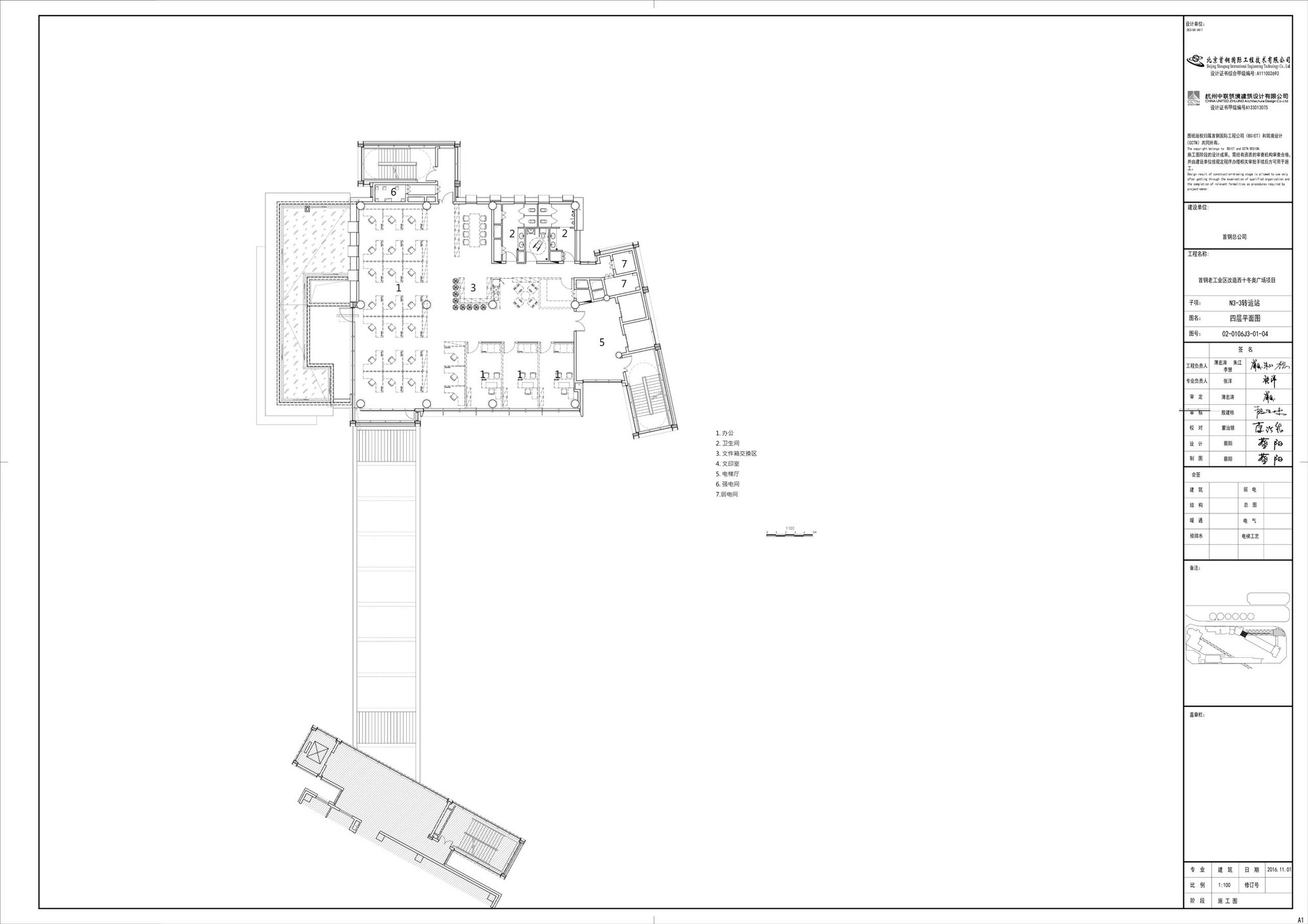
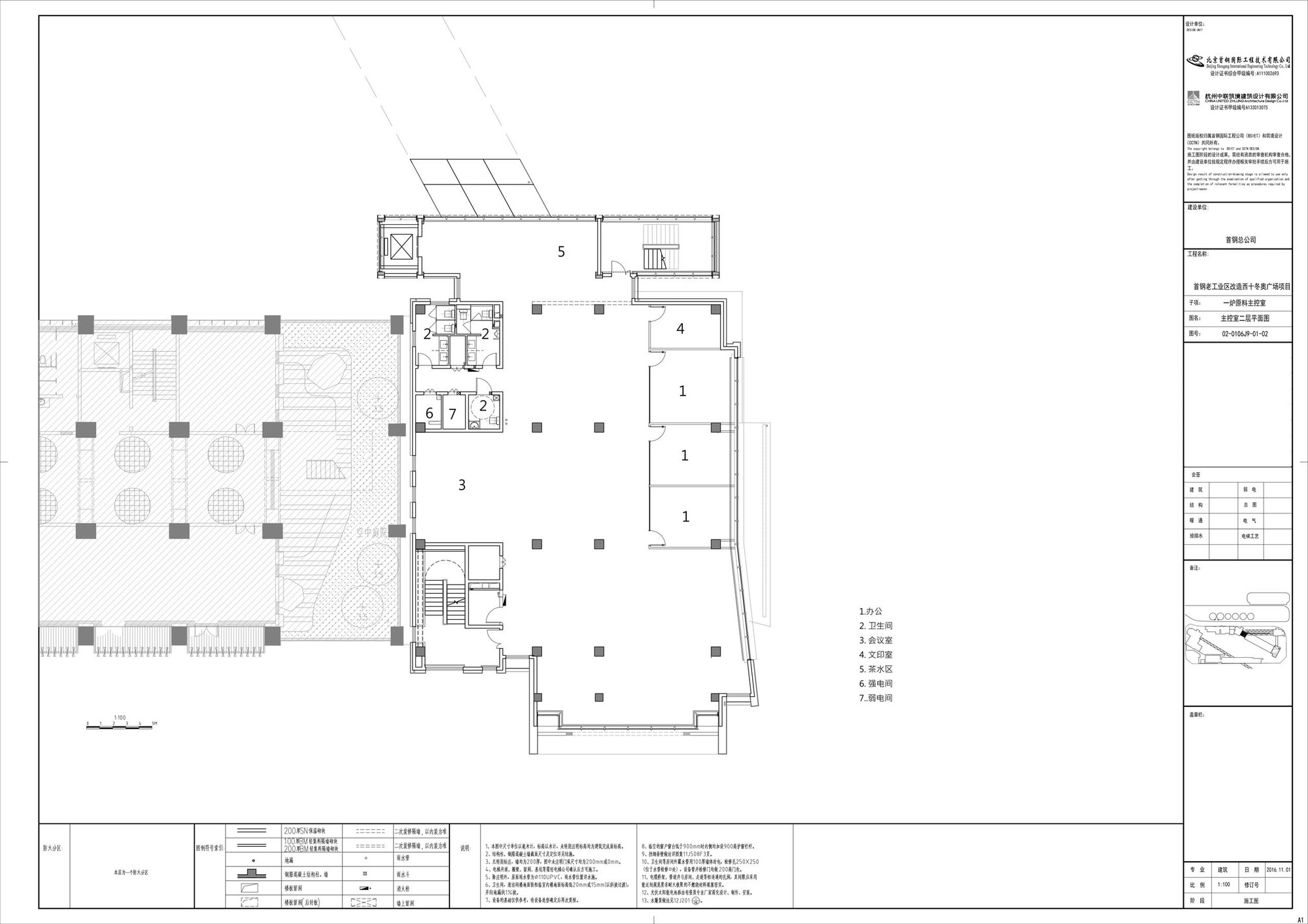
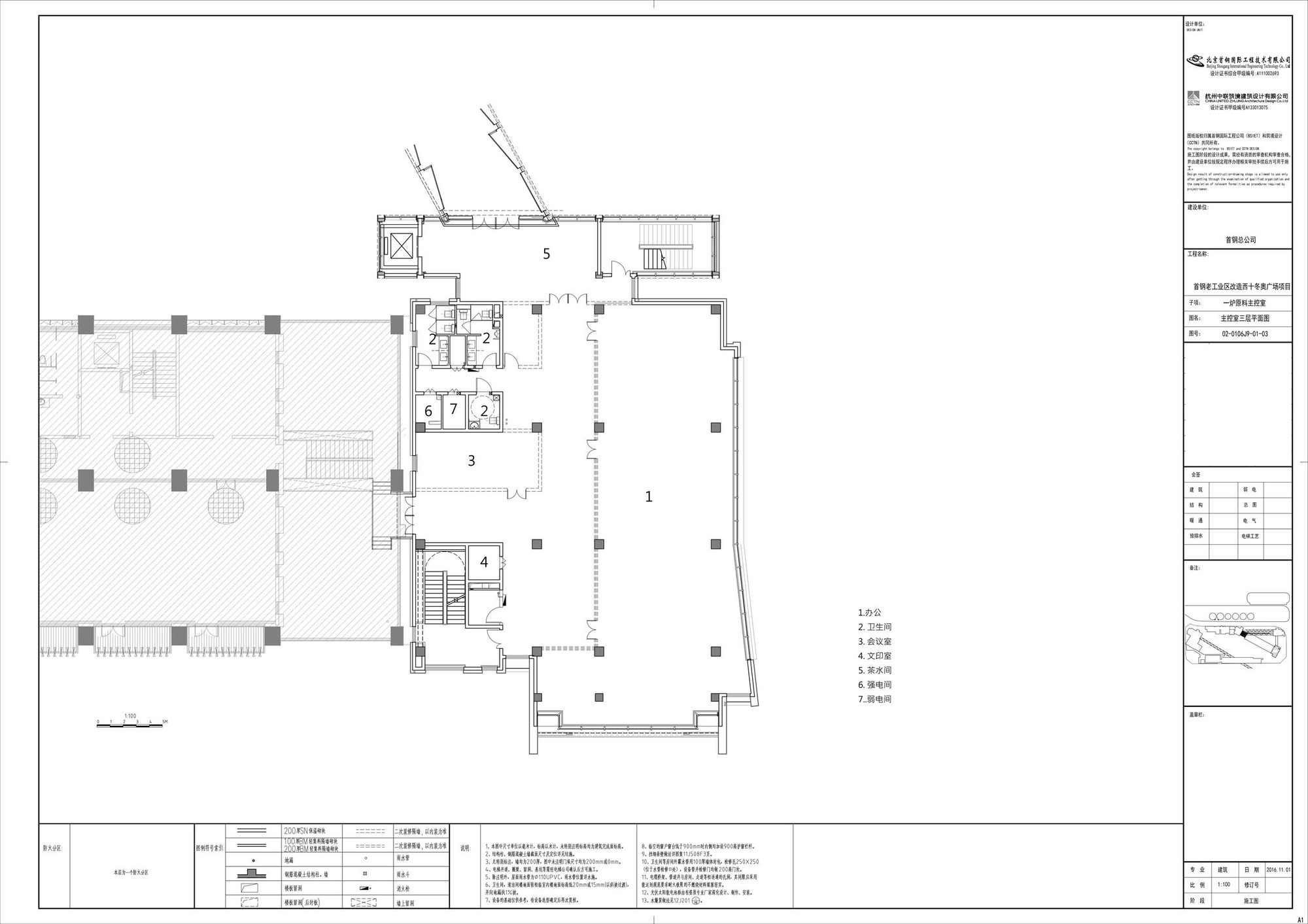
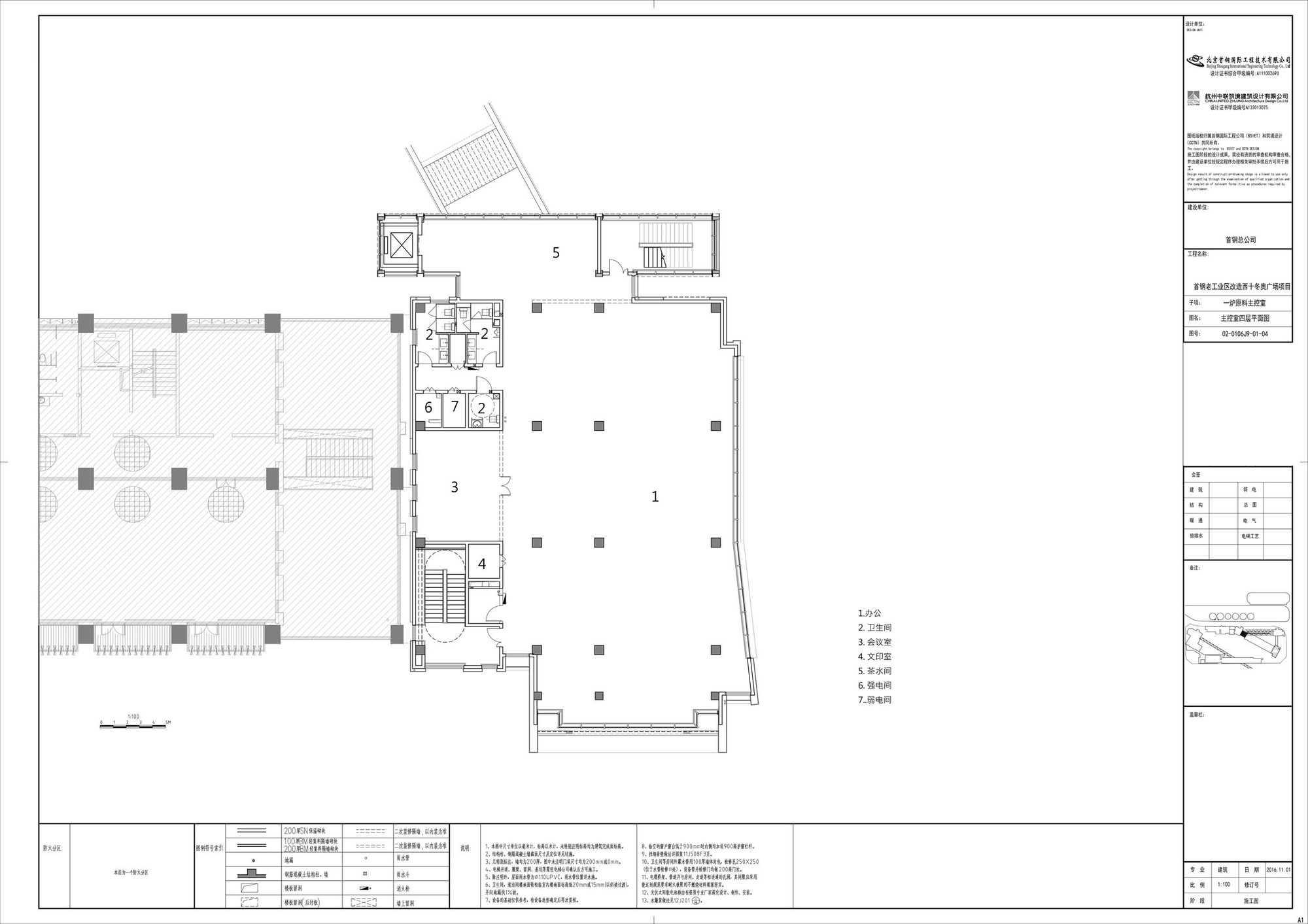
From 1901 to 1936, through the late Qing New Policies and the early Republican period, Chinese national industry and commerce developed considerably. In 1919 Sun Yat-sen completed his International Development of China in Shanghai, systematically setting out the paths, principles and plans for developing Chinese industry and proposing a state-centred programme of industrialisation that would modernise the economy. In 1914, with the outbreak of the First World War, steel became an extremely scarce strategic material, and China saw a wave of iron and steel enterprises: the Xinghe Iron Works in Shanghai and the Yangquan Iron Works in Shanxi were both founded in this period, and Shougang's predecessor, the Longyan Iron Mine, was born then. In 1914, Swedish advisor Johan Gunnar Andersson and others surveyed and discovered hematite deposits in Longguan, Pangjiabao and Yantongshan in Hebei. In 1919, the Beiyang government invested 2.5 million silver dollars, with Lu Zongyu as superintendent, to establish the official-private Longyan Iron Mine Company, and in the same year the Shijingshan Smeltery of the Longyan Iron Mine Company, the predecessor of today's Beijing Shougang Group. Before 1949, under the weak Republic, the plant was poorly managed and barely produced iron for years. The West 10 Winter Olympics Plaza is the adaptive reuse of one of these historic Shougang workshop buildings, converting the heavy industrial structures into offices, public spaces and event venues for the 2022 Winter Olympics. The design retains the industrial volume and structure, inserting a glass and steel public plaza that connects the old factory to the surrounding Olympic Park. The project is a working demonstration of how a century-old steel plant can be transformed into a contemporary civic quarter, preserving the memory of heavy industry while supporting a new, post-industrial economy in western Beijing.



















 Editor's Pick
 Latest Design