Text description provided by the architects
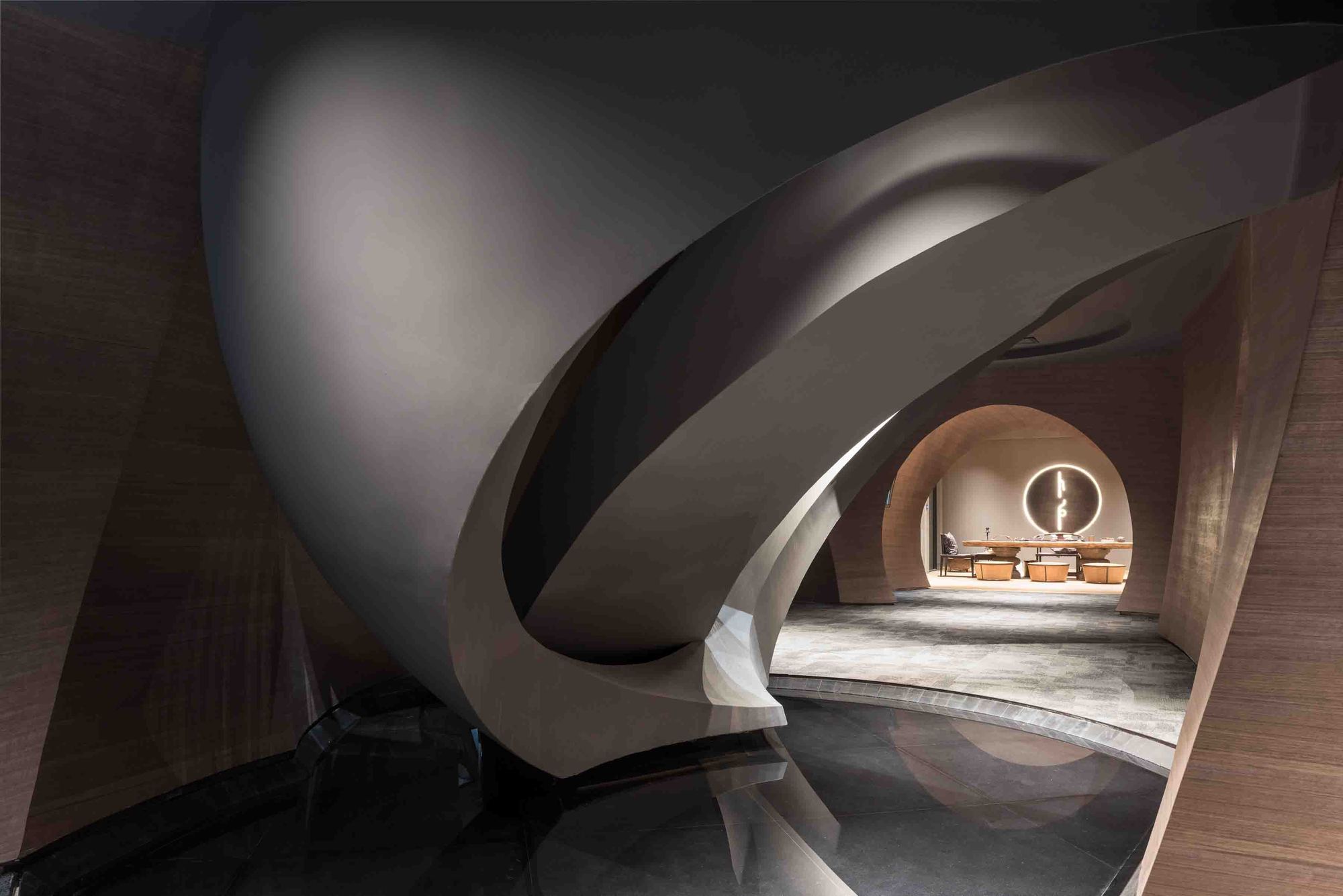
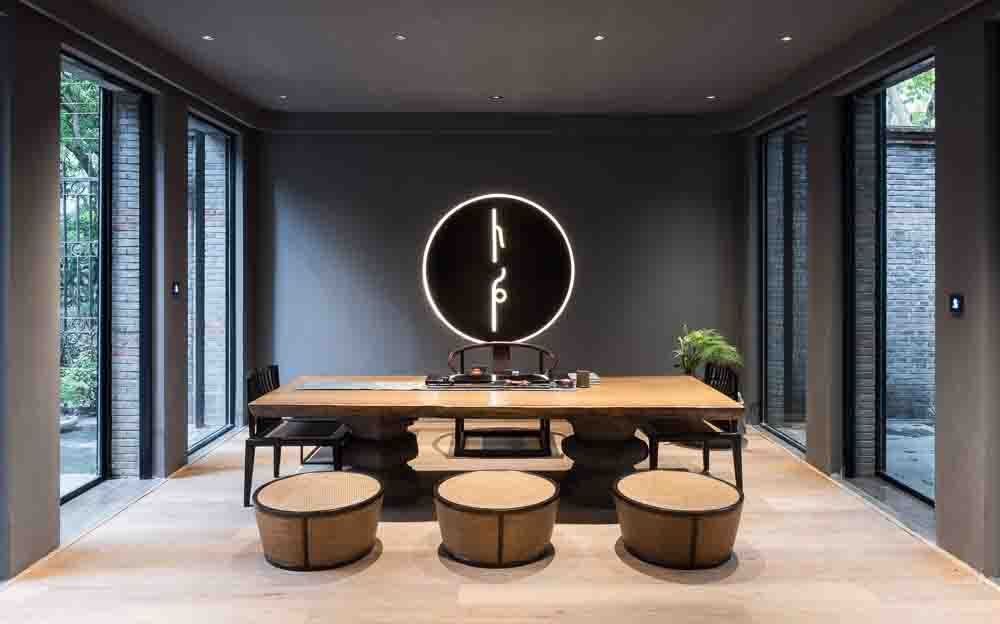
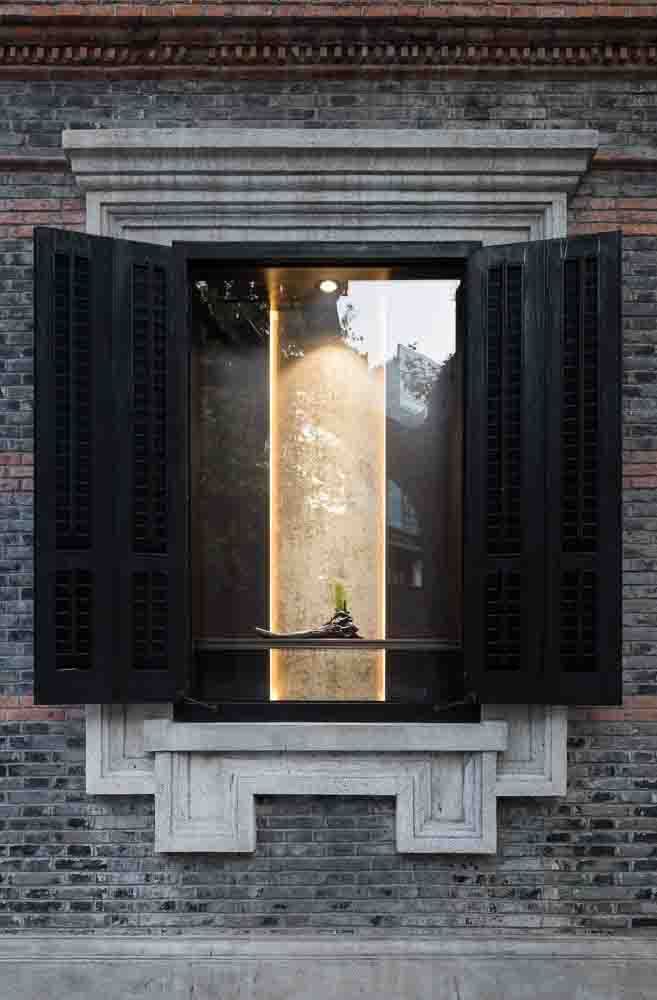
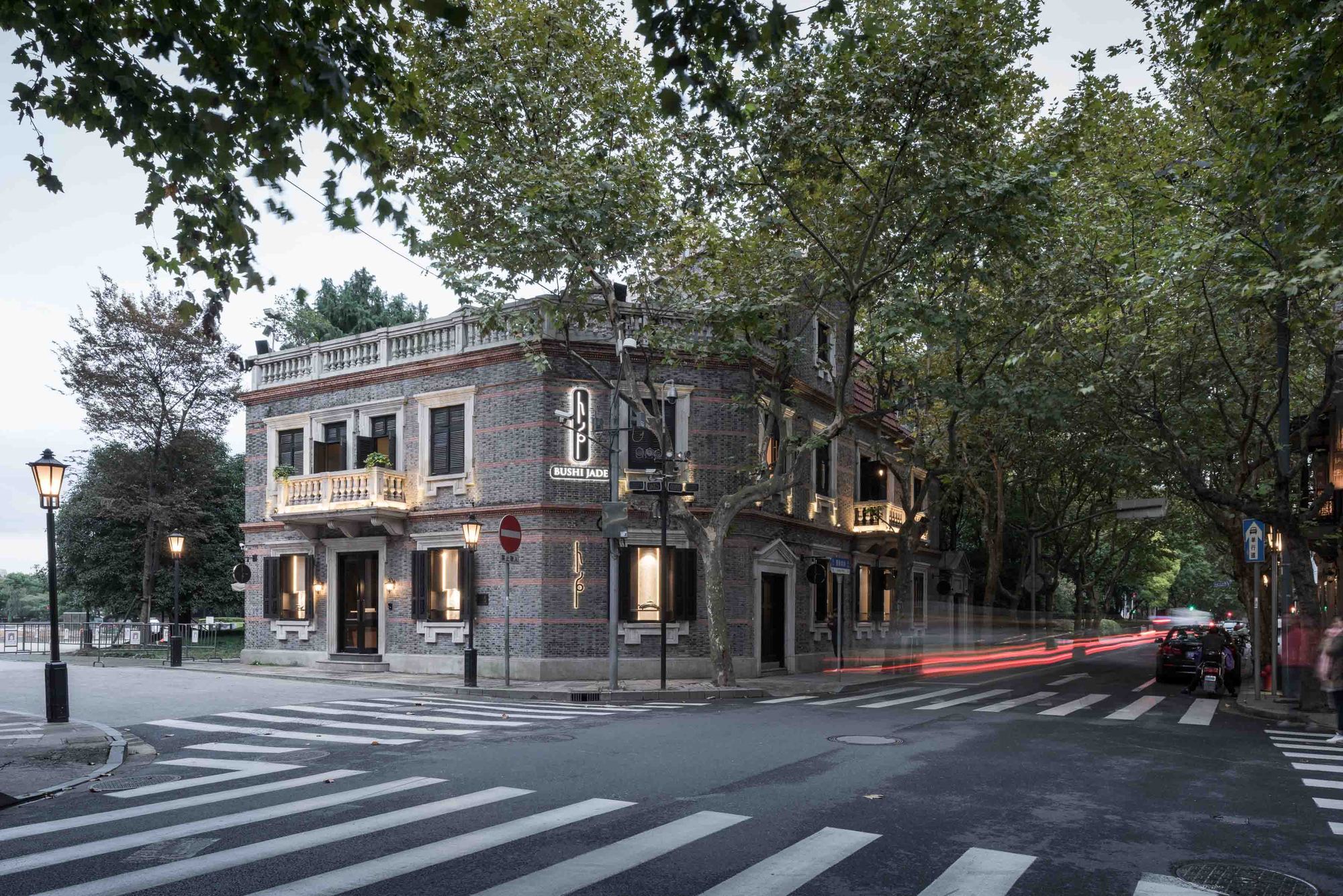
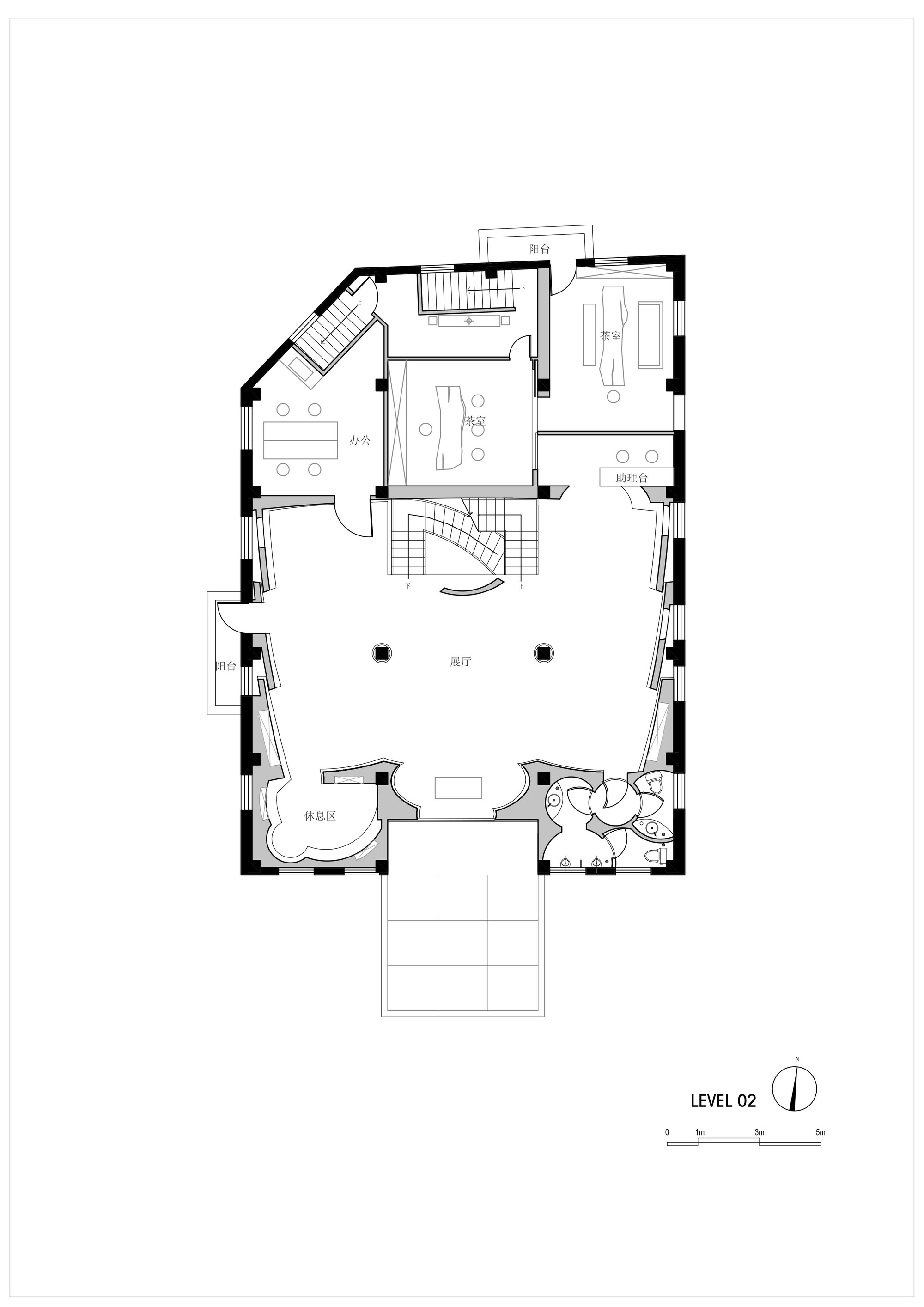
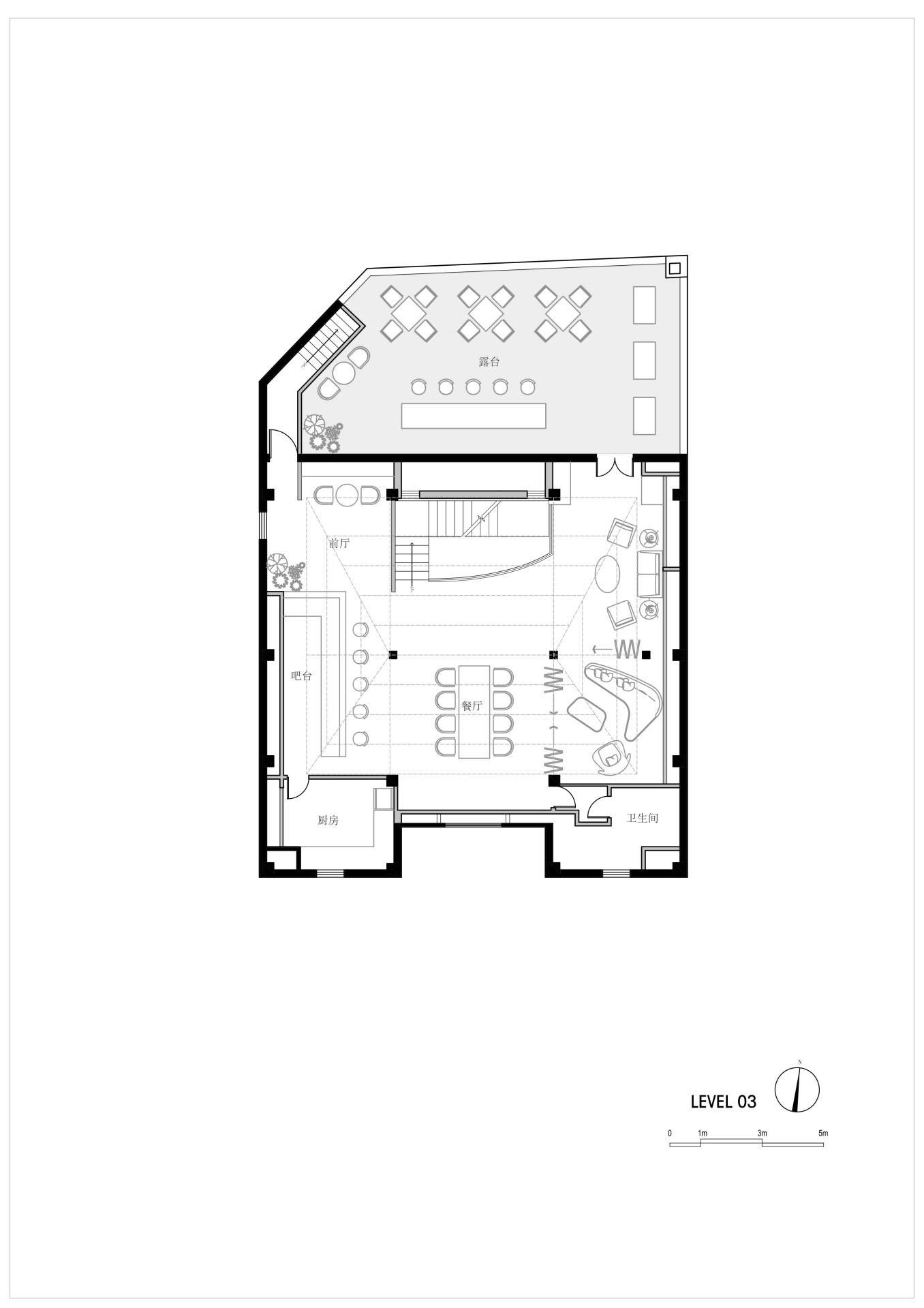
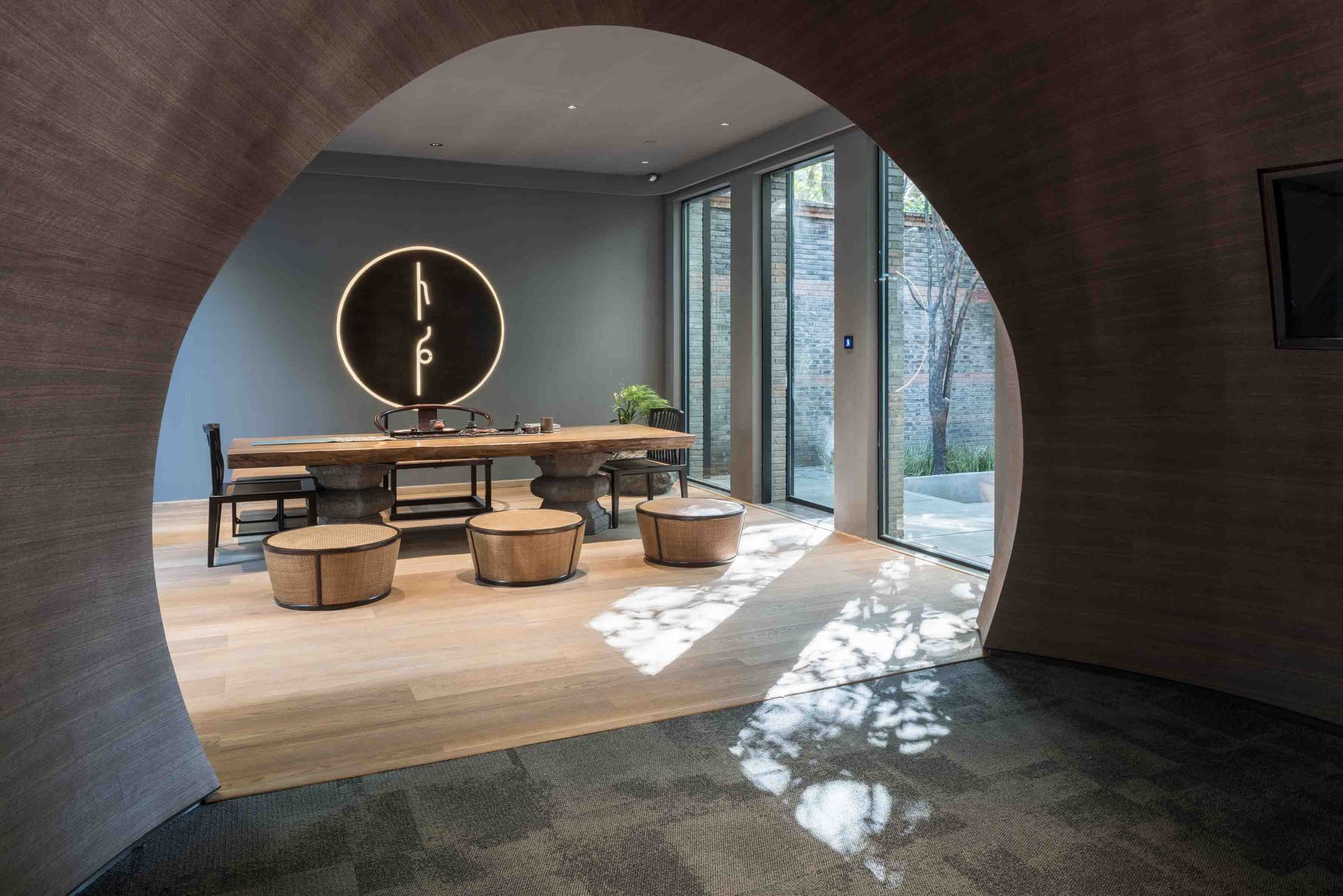
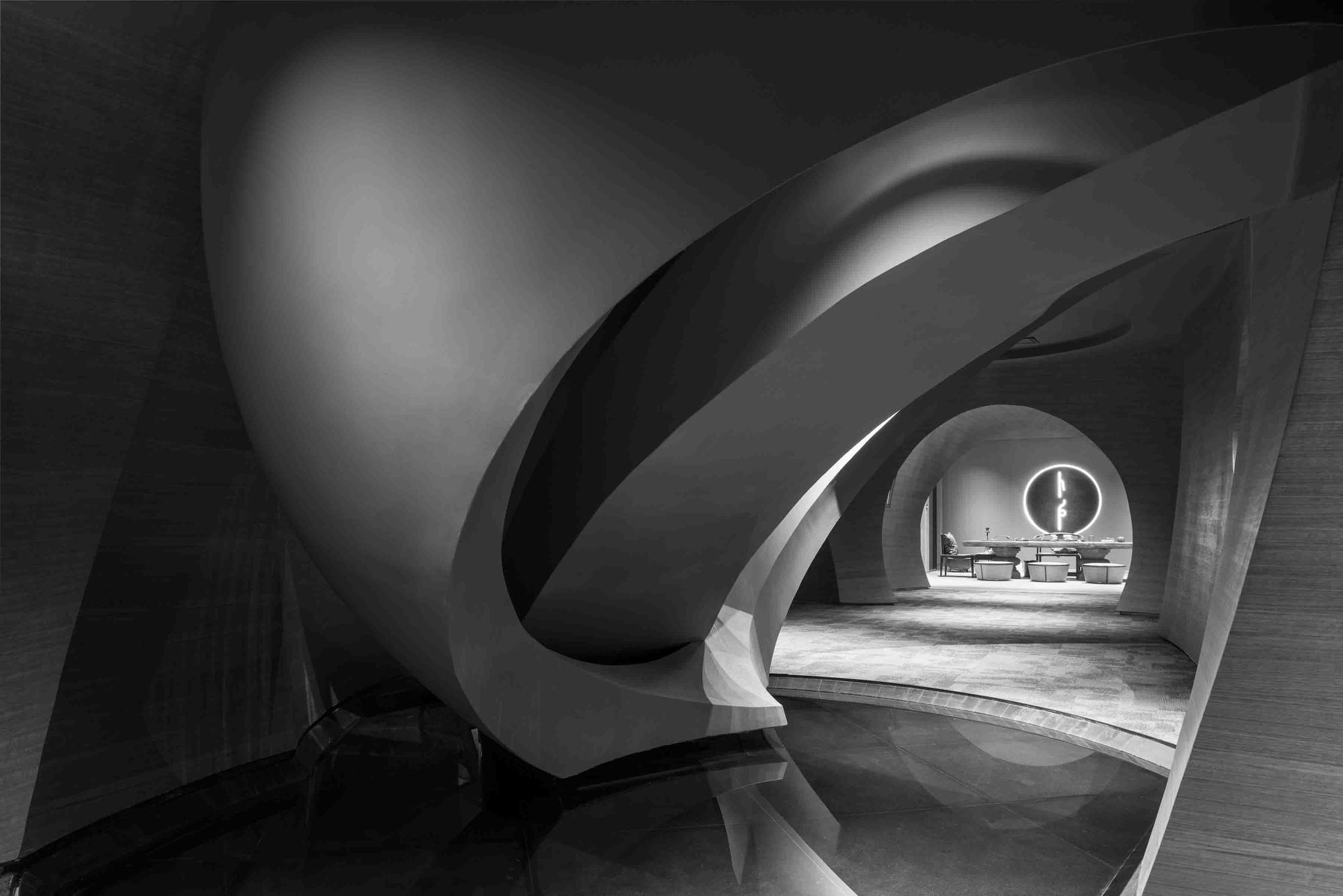
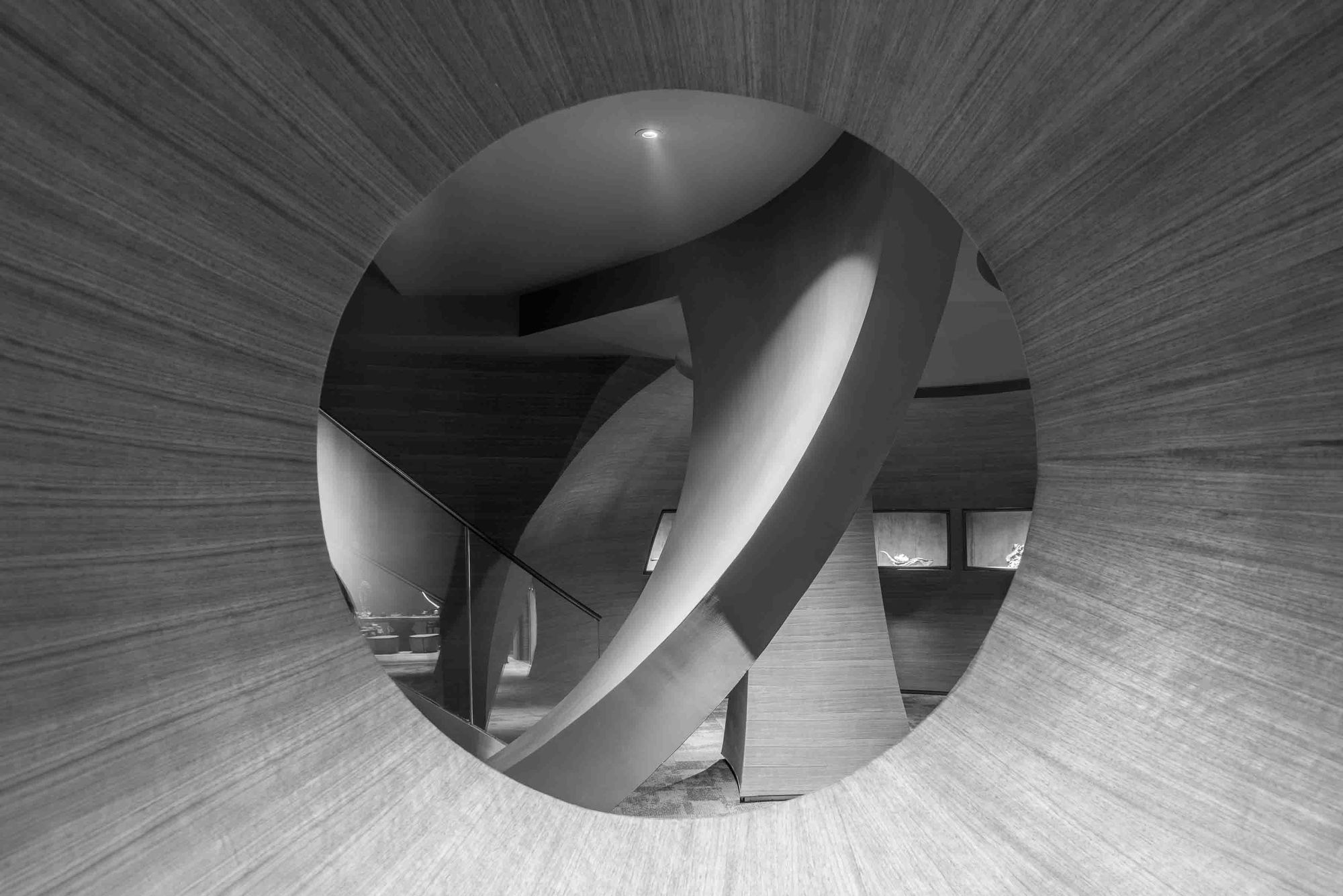
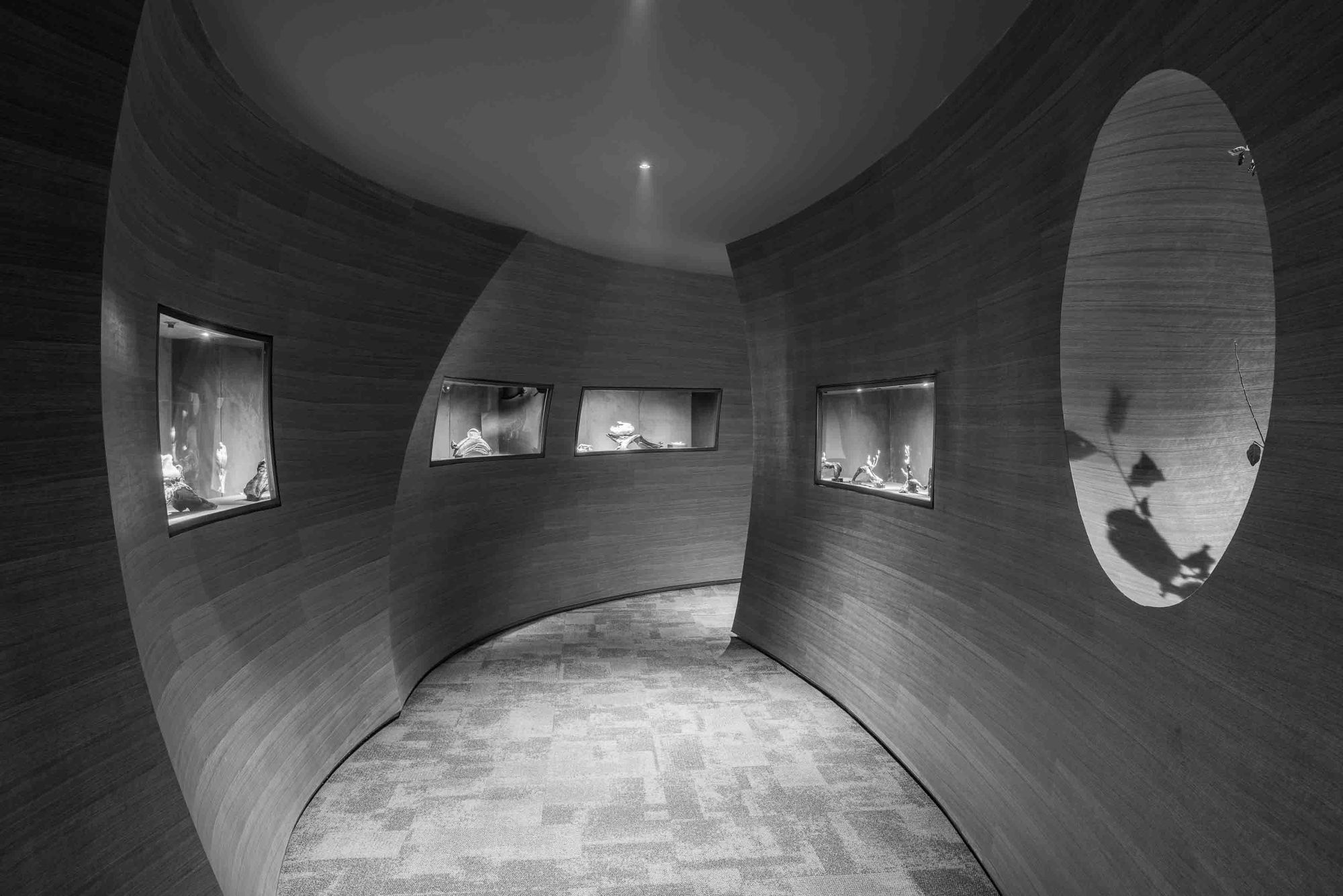
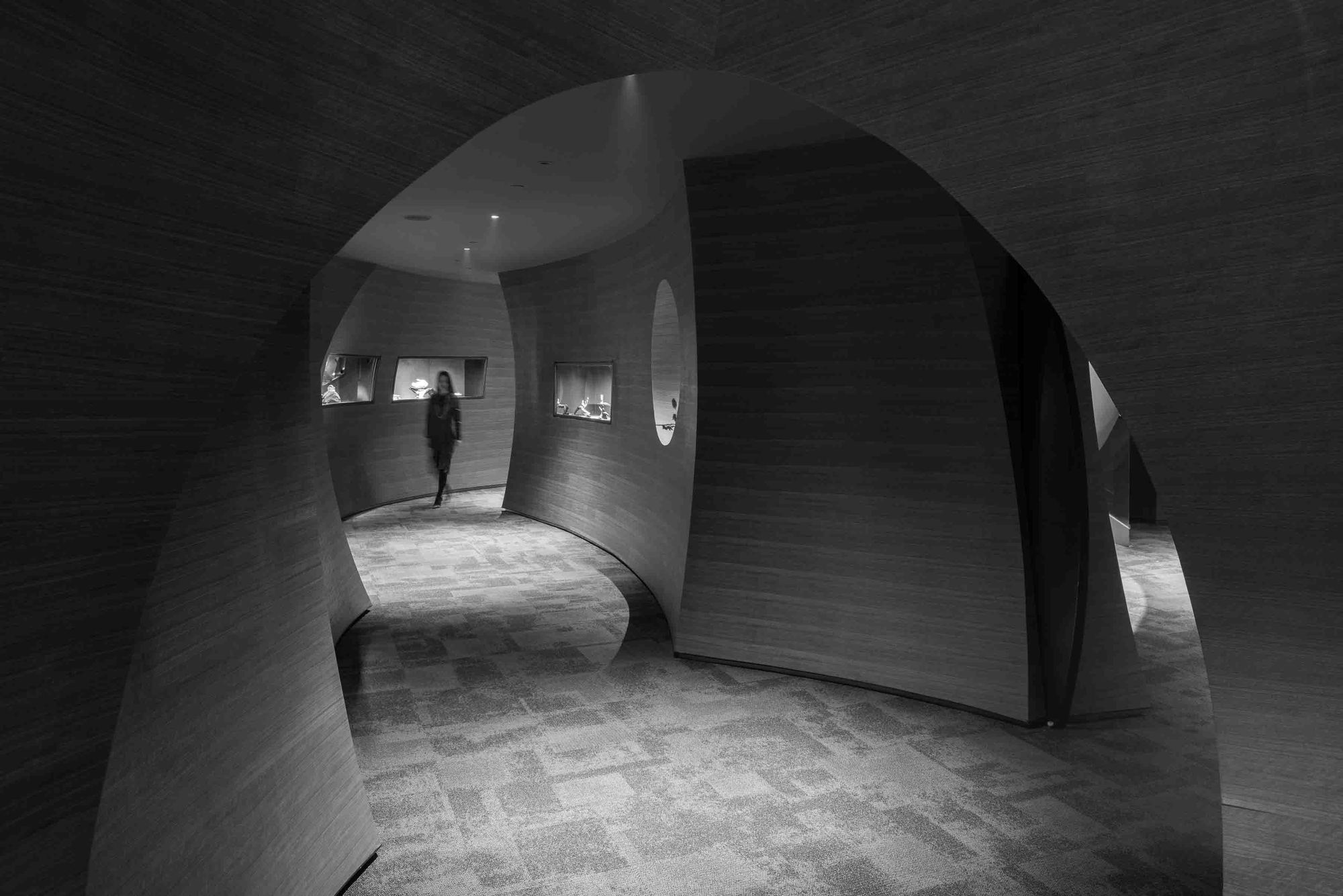
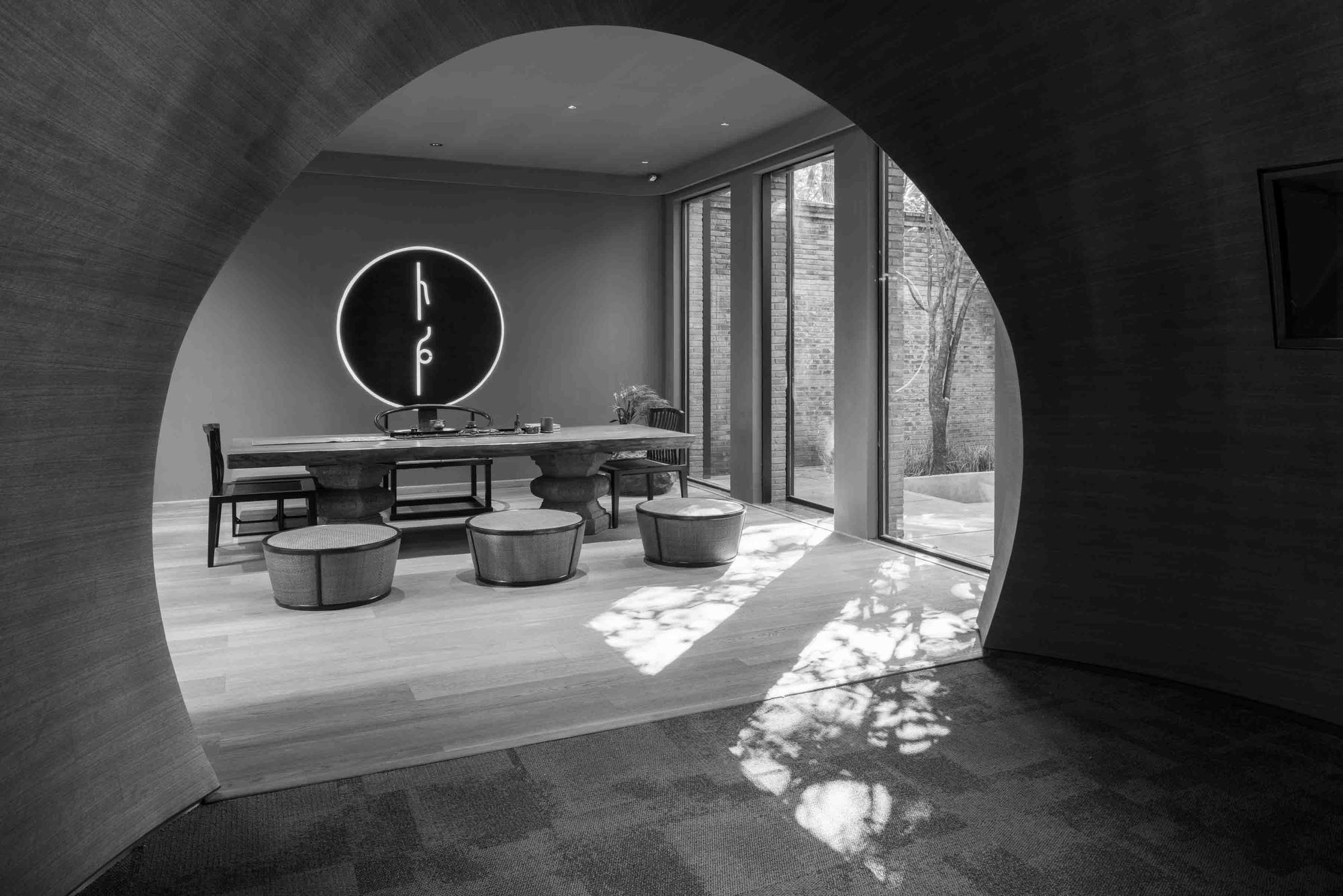
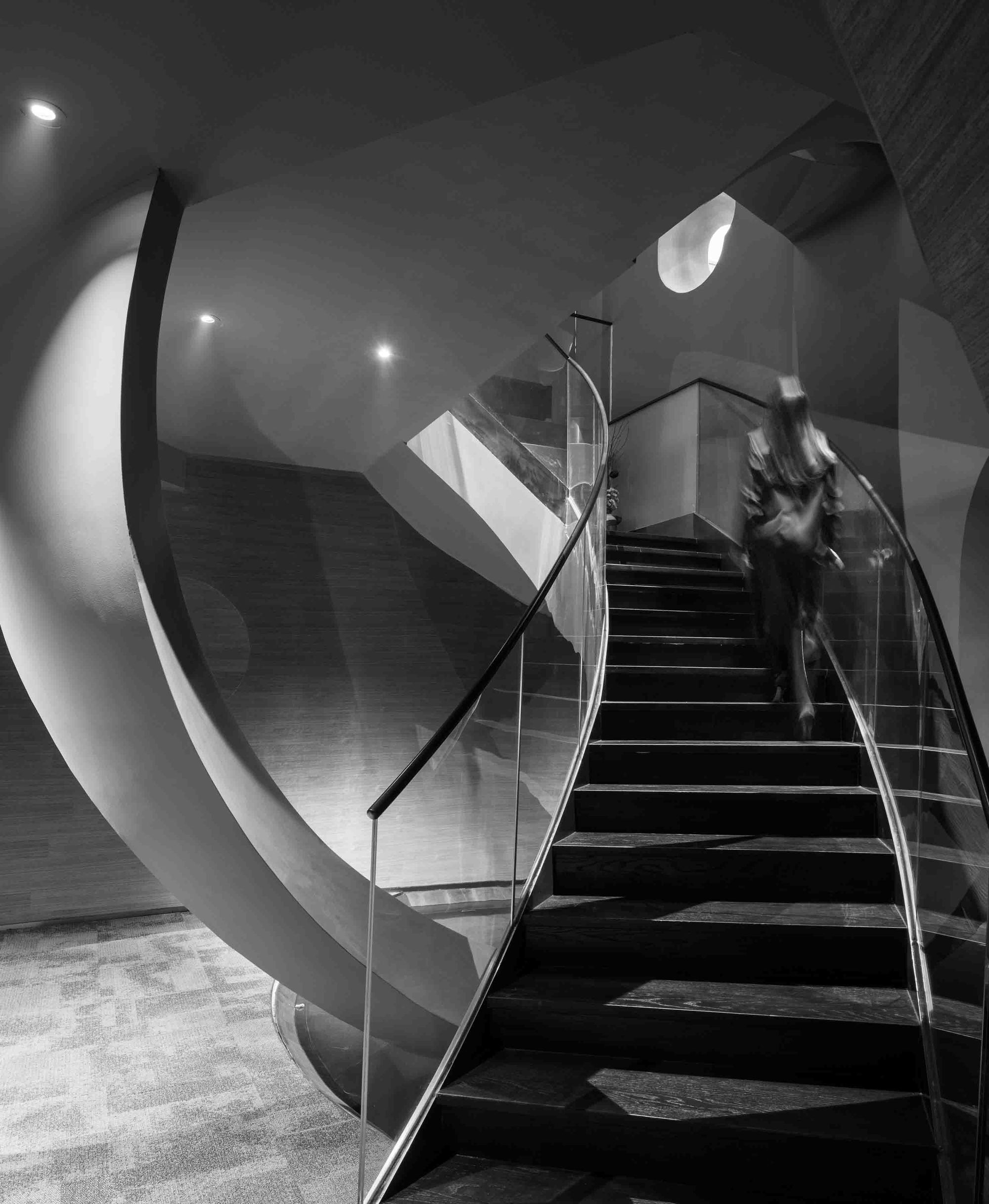
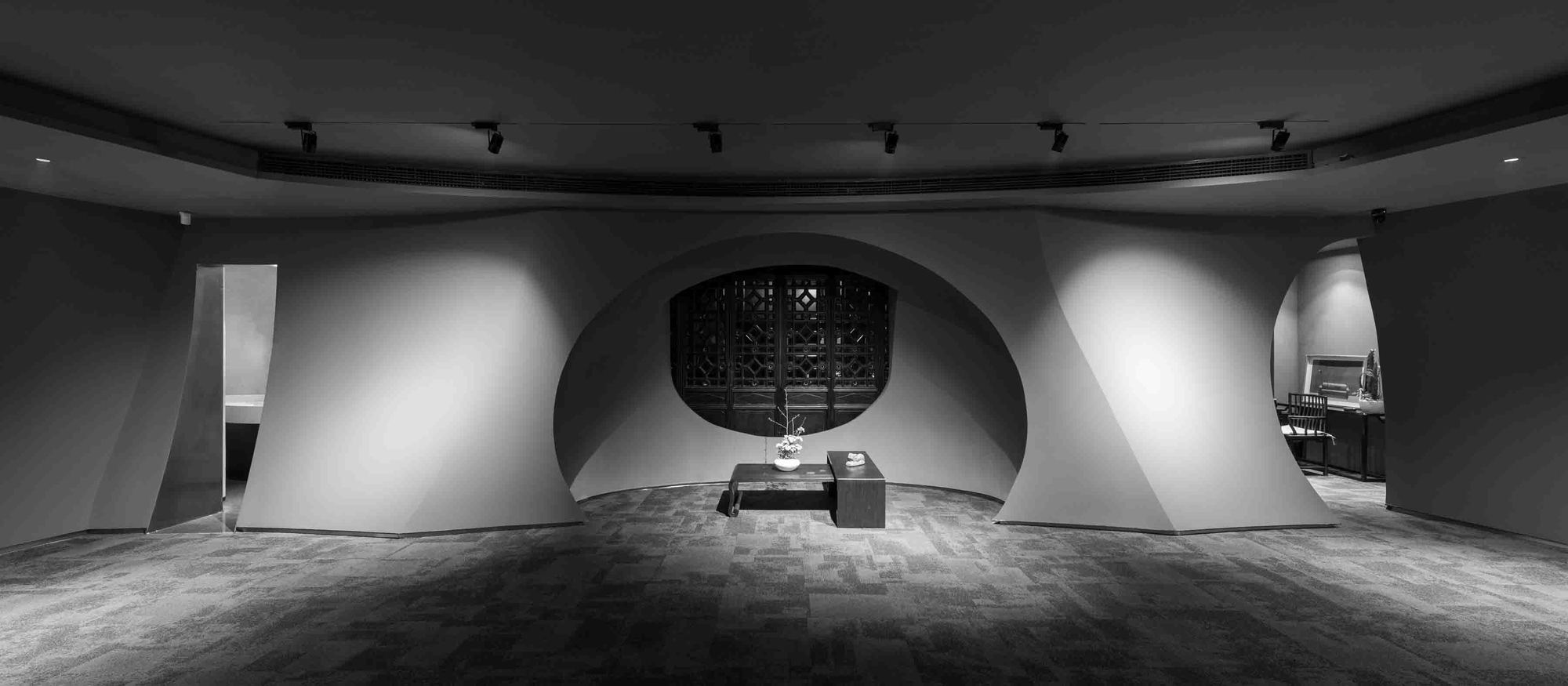
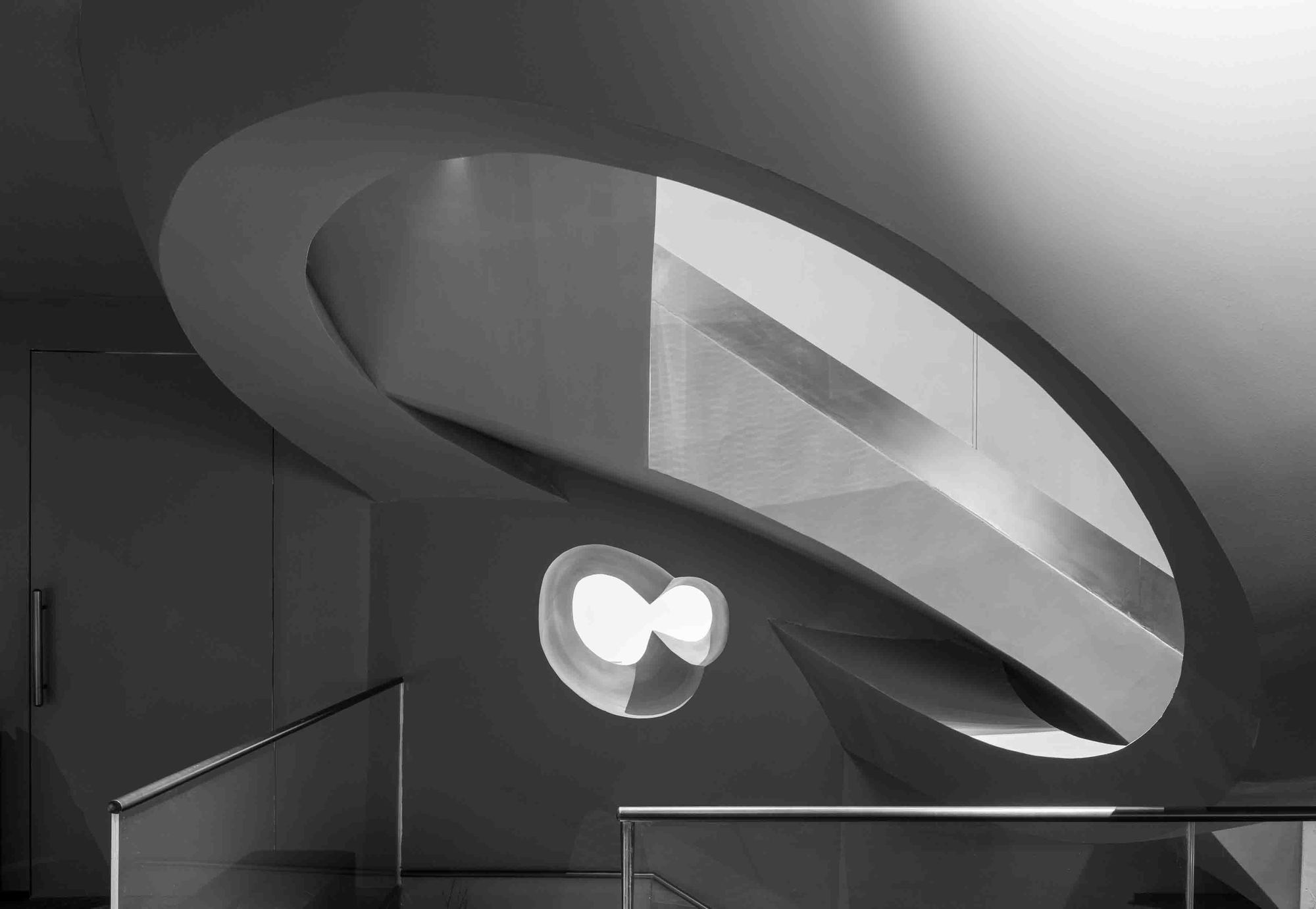
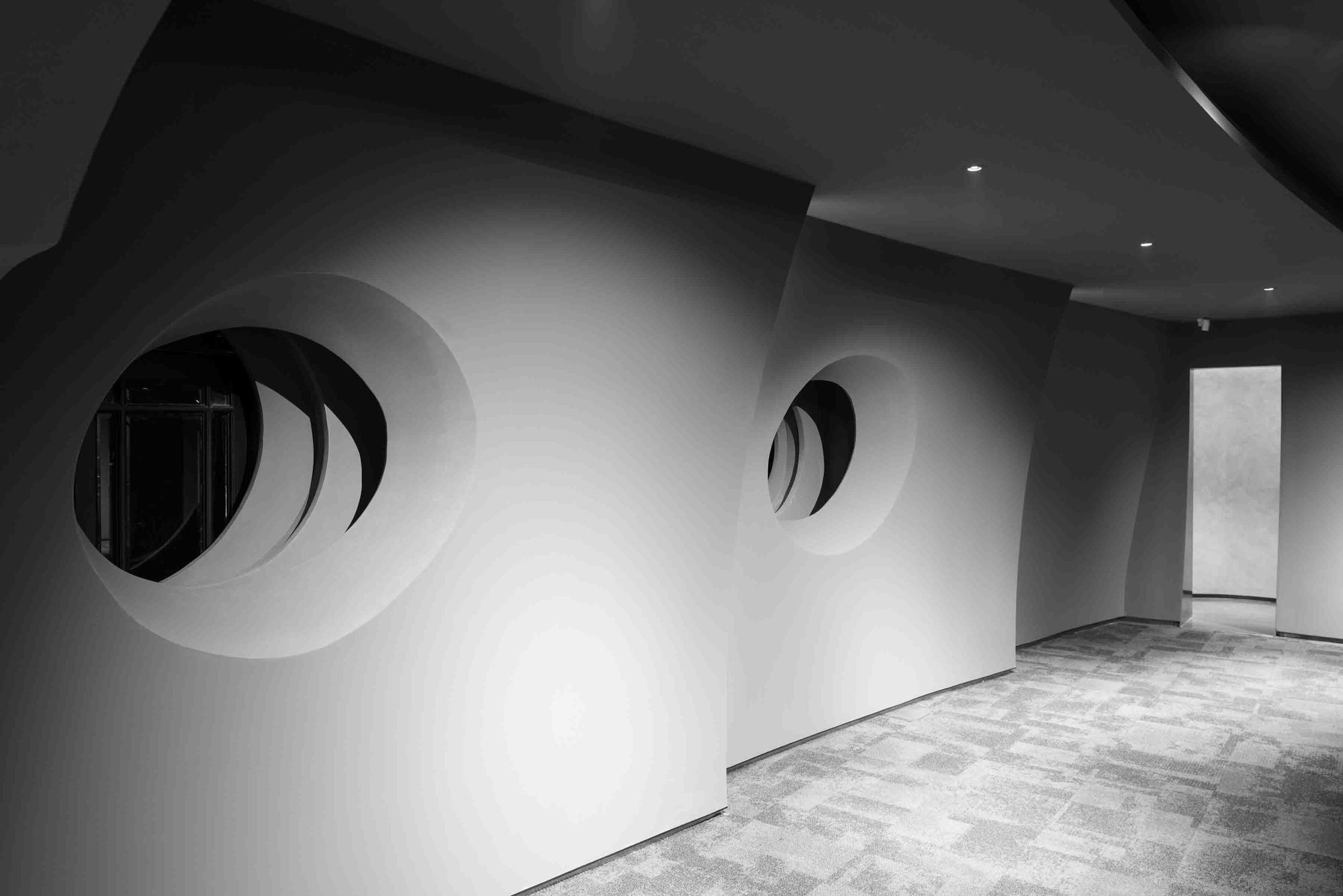
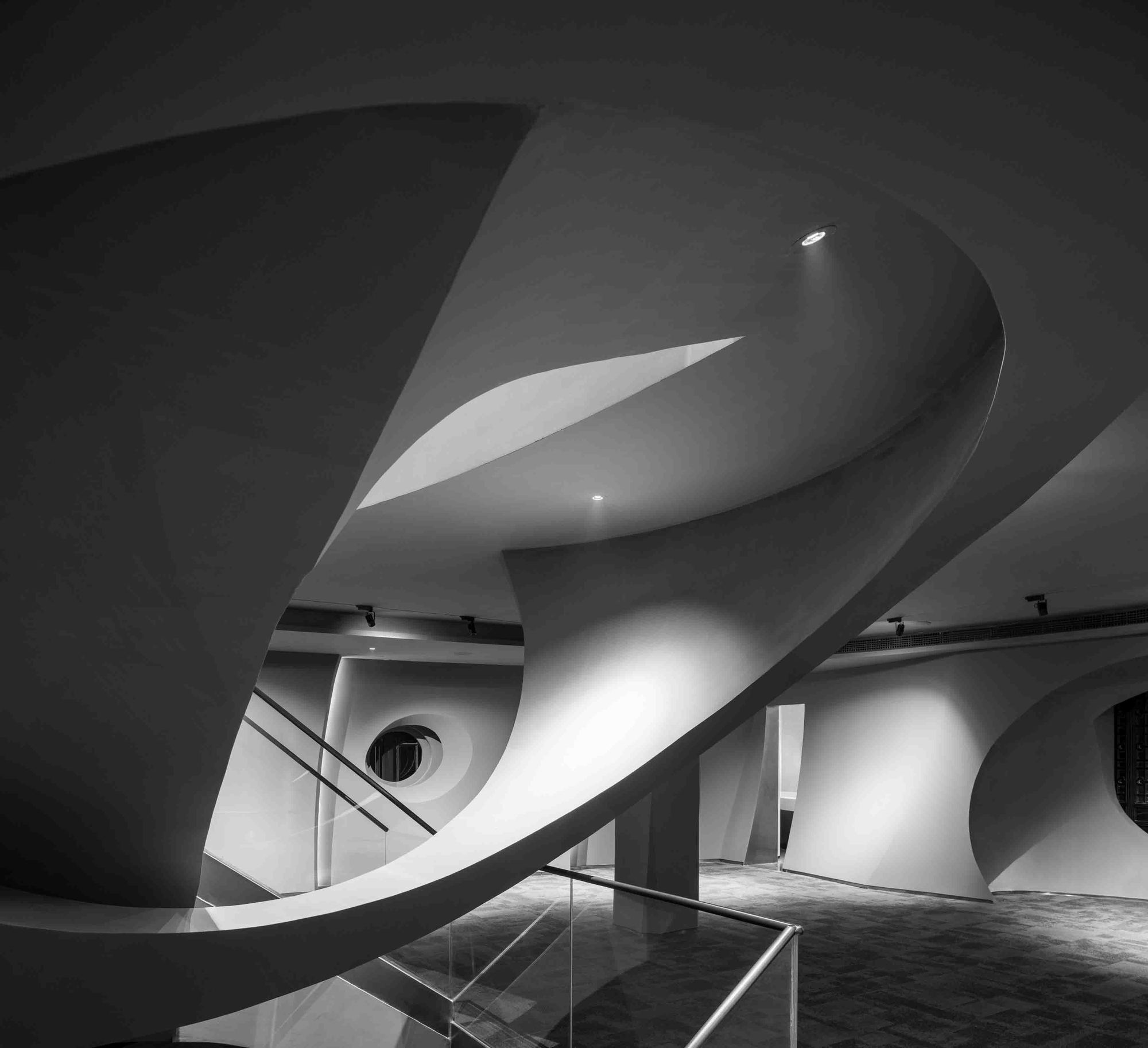
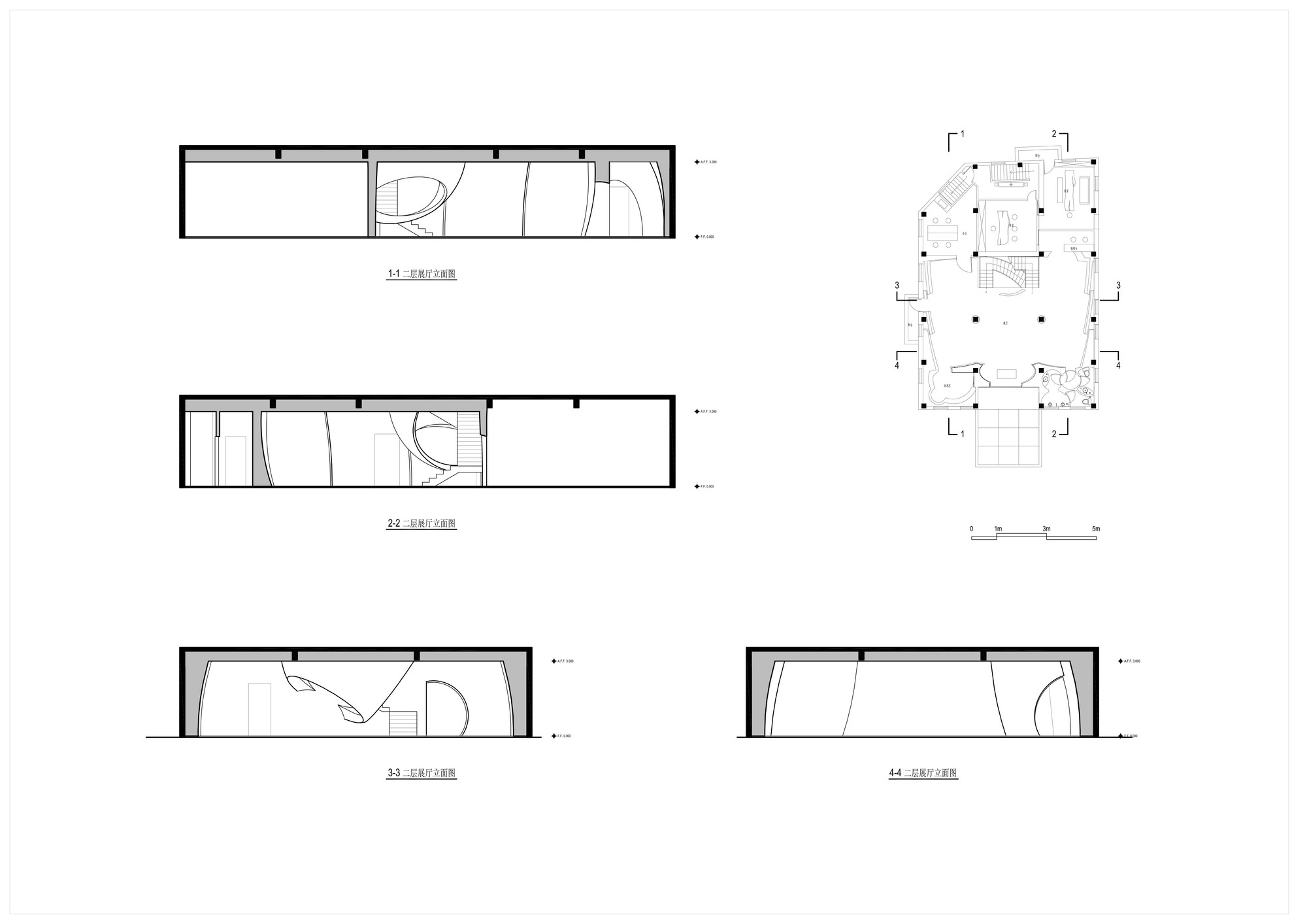
The Boshi Xintiandi Gallery is a small art space in Shanghai's Xintiandi district dedicated to traditional jade, designed to interpret Eastern Zen in a contemporary way that also fits the commercial atmosphere of the entertainment district. Like a traditional Chinese garden, it tries to read the large within the small, abstracting spatial changes at a tiny scale. The design draws on calligraphic sources, Huai Su drawing strength from the waves of the Jialing River and lightning, Yan Zhenqing's strokes like rain leaks on a wall or insects eating wood, forms that are vivid but not forced. The simplest geometry is the sphere, used here as the basic operation while structure is hidden and spatial intention foregrounded; digital fabrication supports the tight construction schedule. In Chinese culture the sphere carries a metaphor beyond materiality, and the design redefines it as a fundamental architectural primitive. Keeping the existing structure, the gallery is re-planned around the exhibition route, and the whole volume is re-cut and normalized through spheres. Spheres of different sizes, cuts and combinations produce rich variation, while jade, the exhibition subject, is metaphorically present so that the visitor feels as if walking inside an exquisitely carved jade piece. Through careful blending, rigid geometric relations acquire lyrical, poetic feeling. The conventional single commercial showroom is divided into halls, chambers, lanes, gardens and corridors of differing scale, connected between spaces by caves, valleys, peaks and lakes so that sightlines pass from one to another. The acoustic focusing of the spheres also enriches the soundscape, not only the visual. Tea tasting, jade appreciation, incense and bamboo listening, traditional literati activities, become possible inside this multi-purpose art space. Rich light and shadow give the space an ink-wash texture, and layered depths create a void-like, far-reaching mood in which light, shadow and form dissolve into one another. The changing perspectives etched on the visitor's memory make the passage of time itself feel tangible.










 Editor's Pick
 Latest Design