Text description provided by the architects
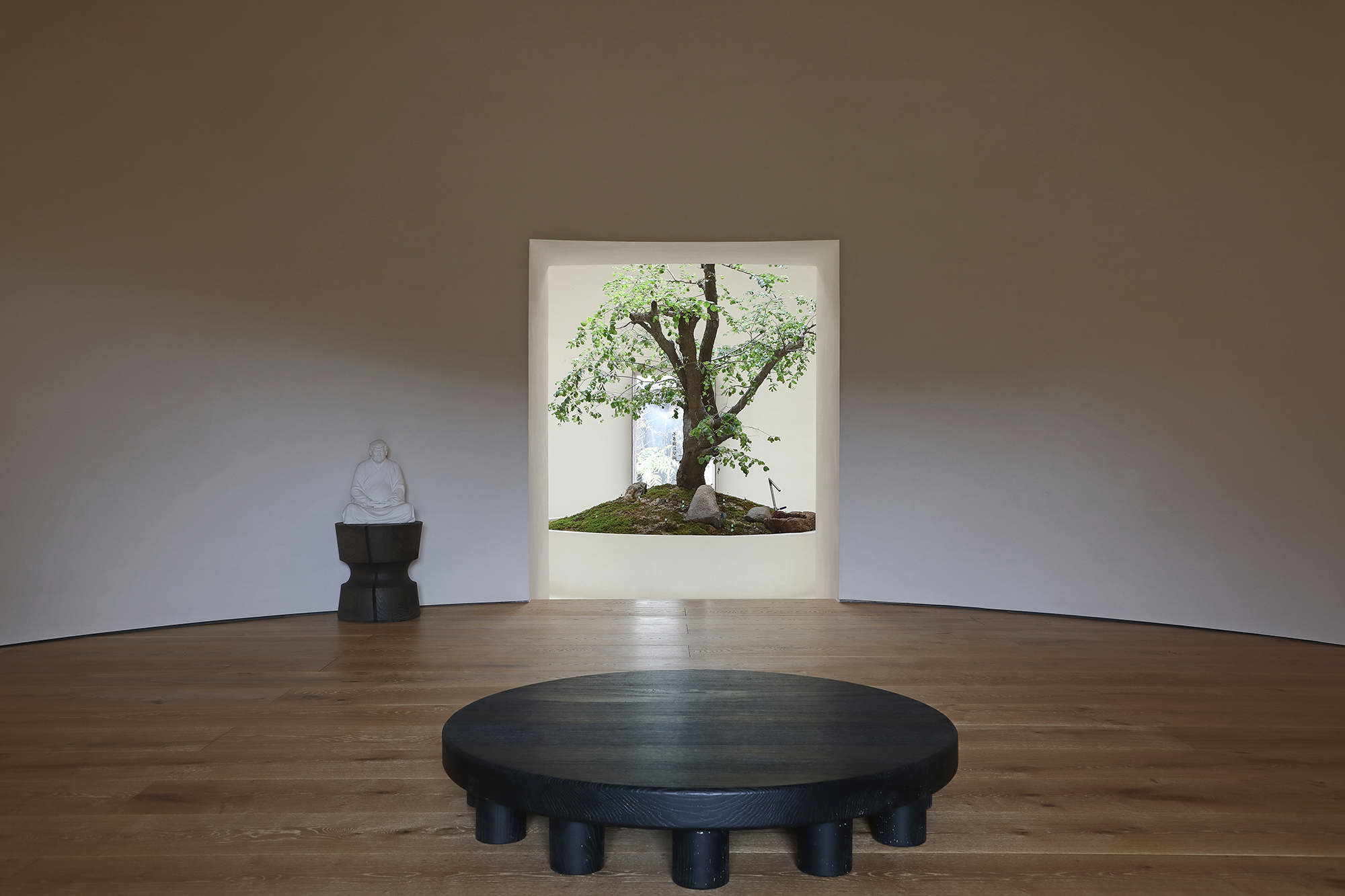
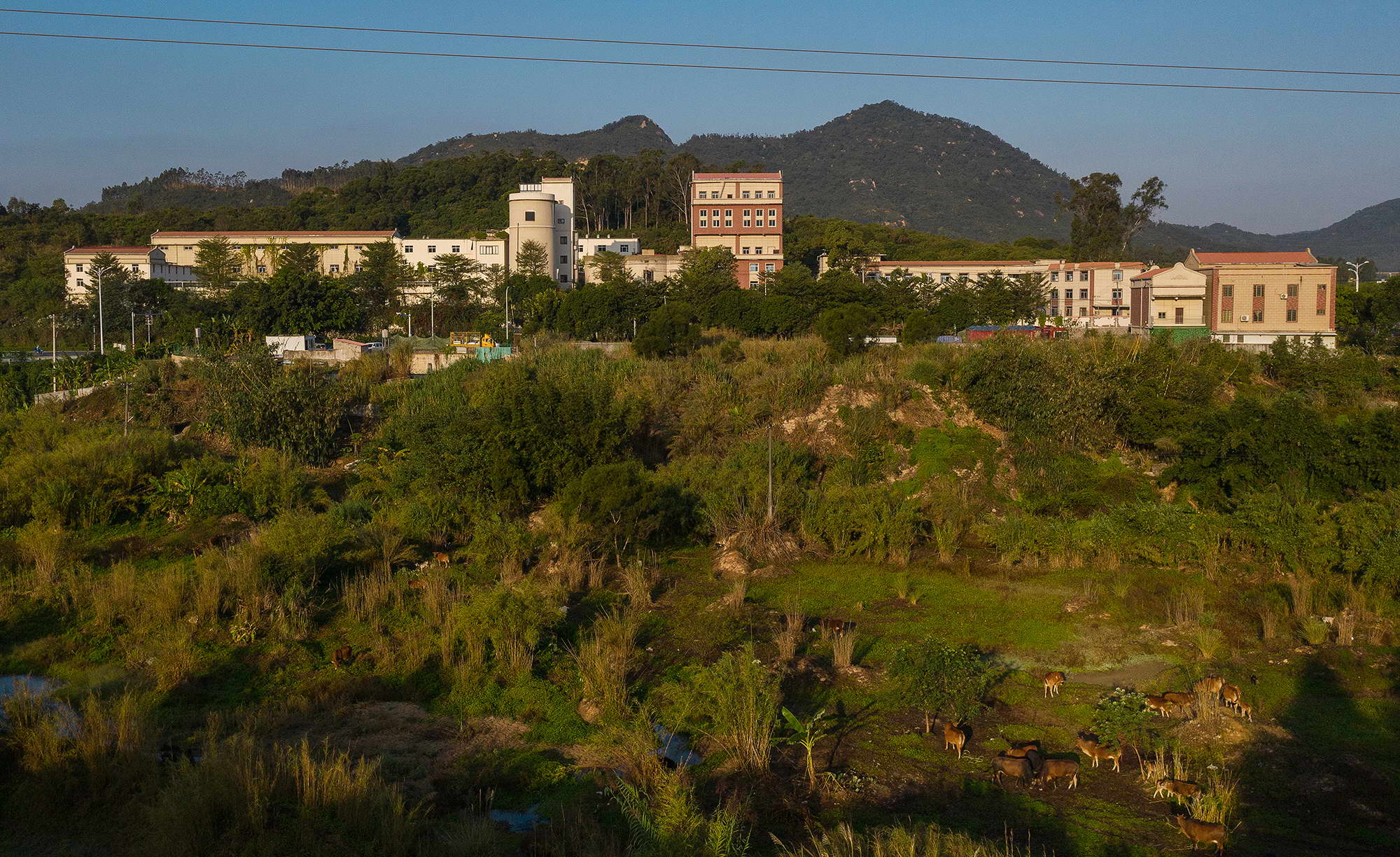
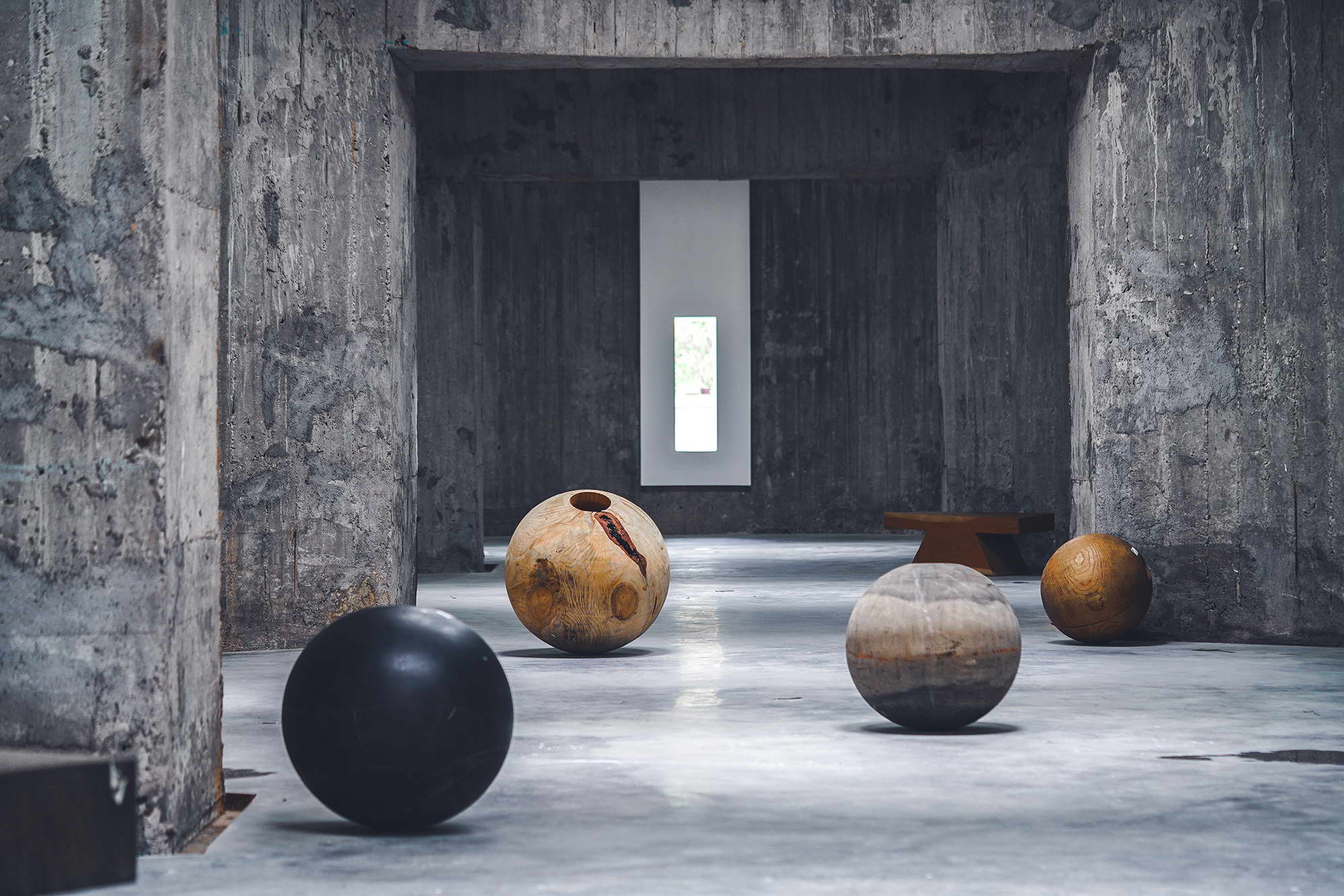
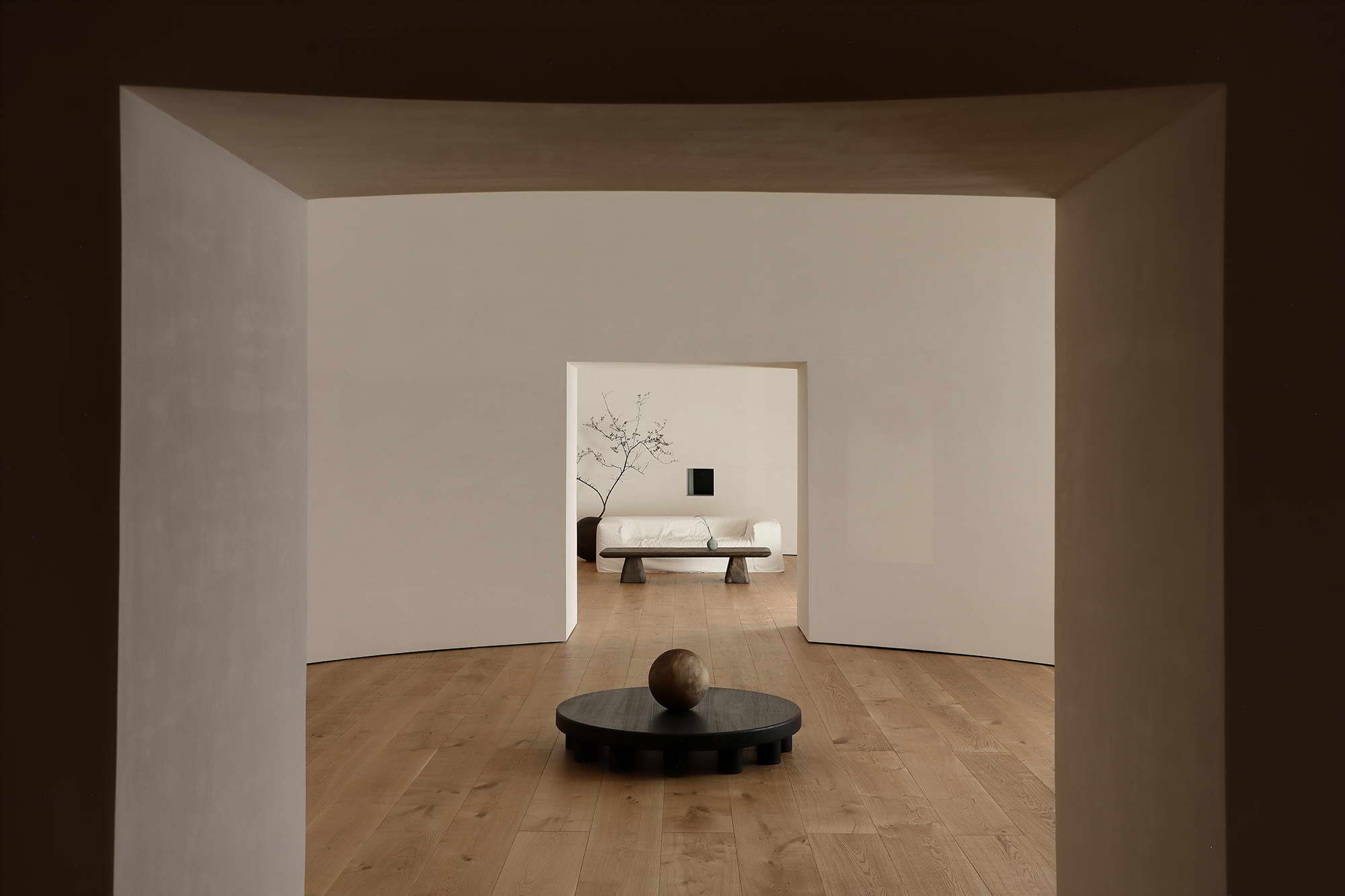
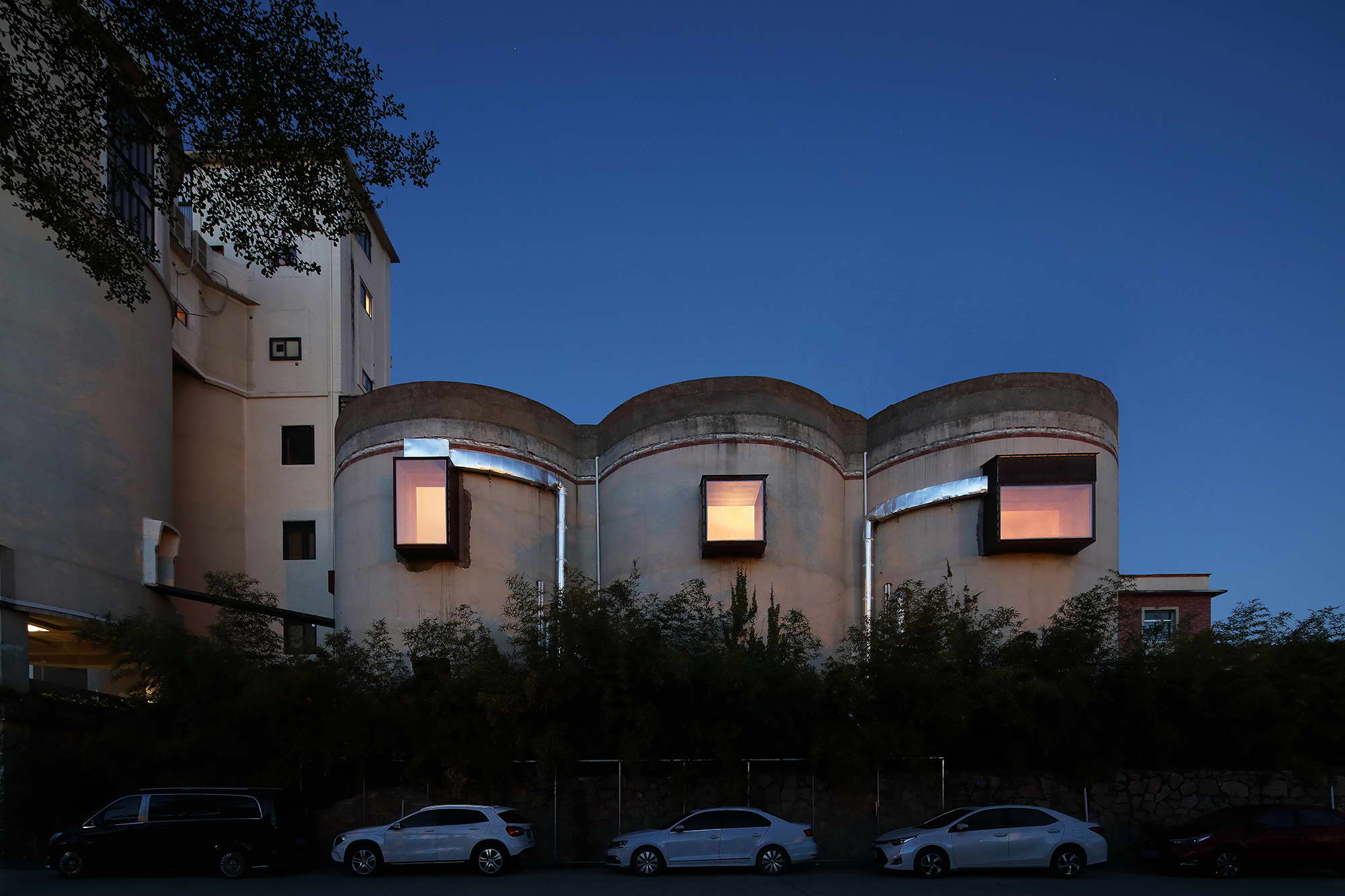
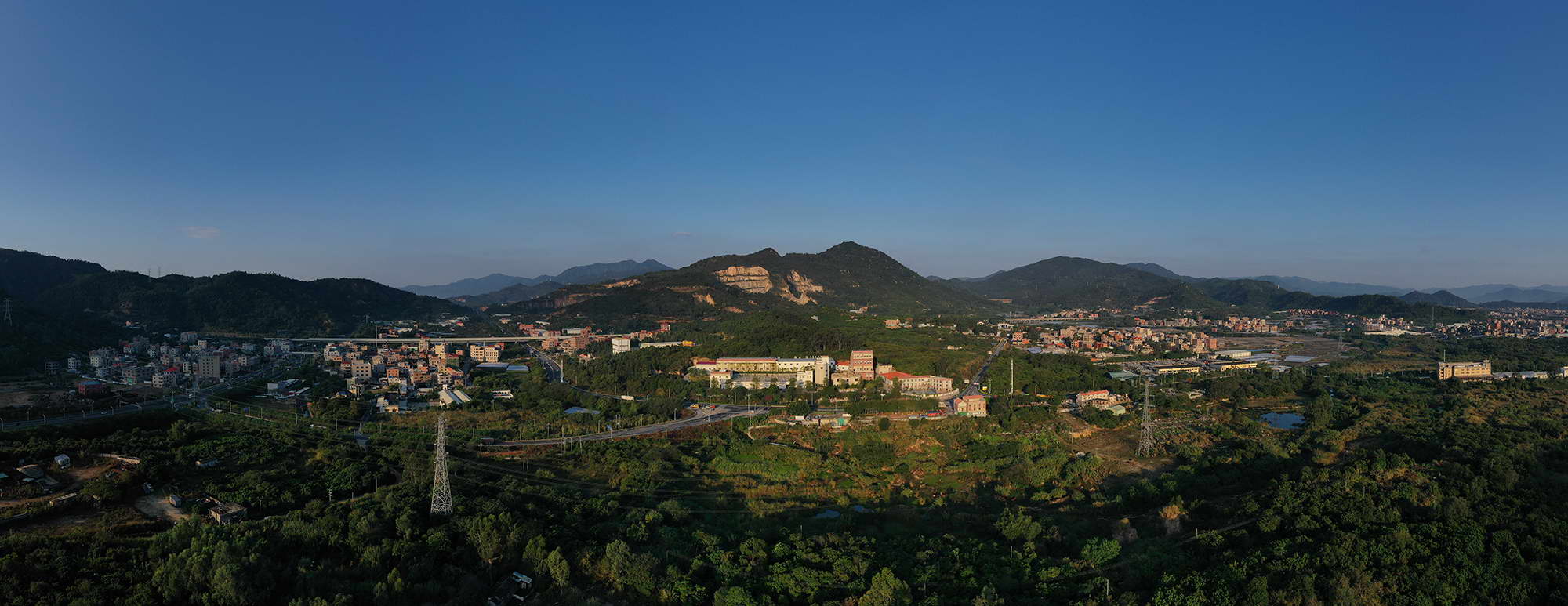
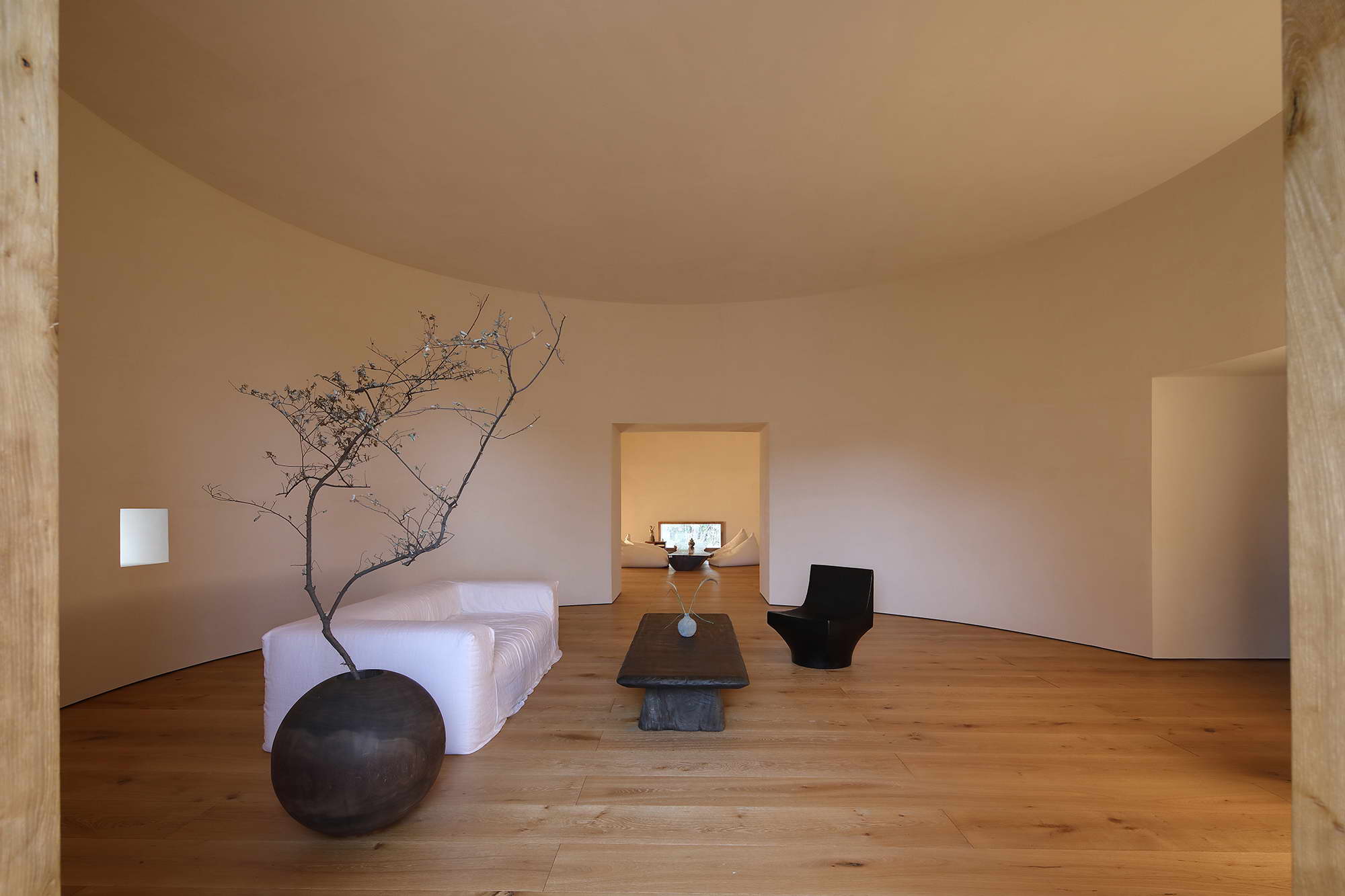
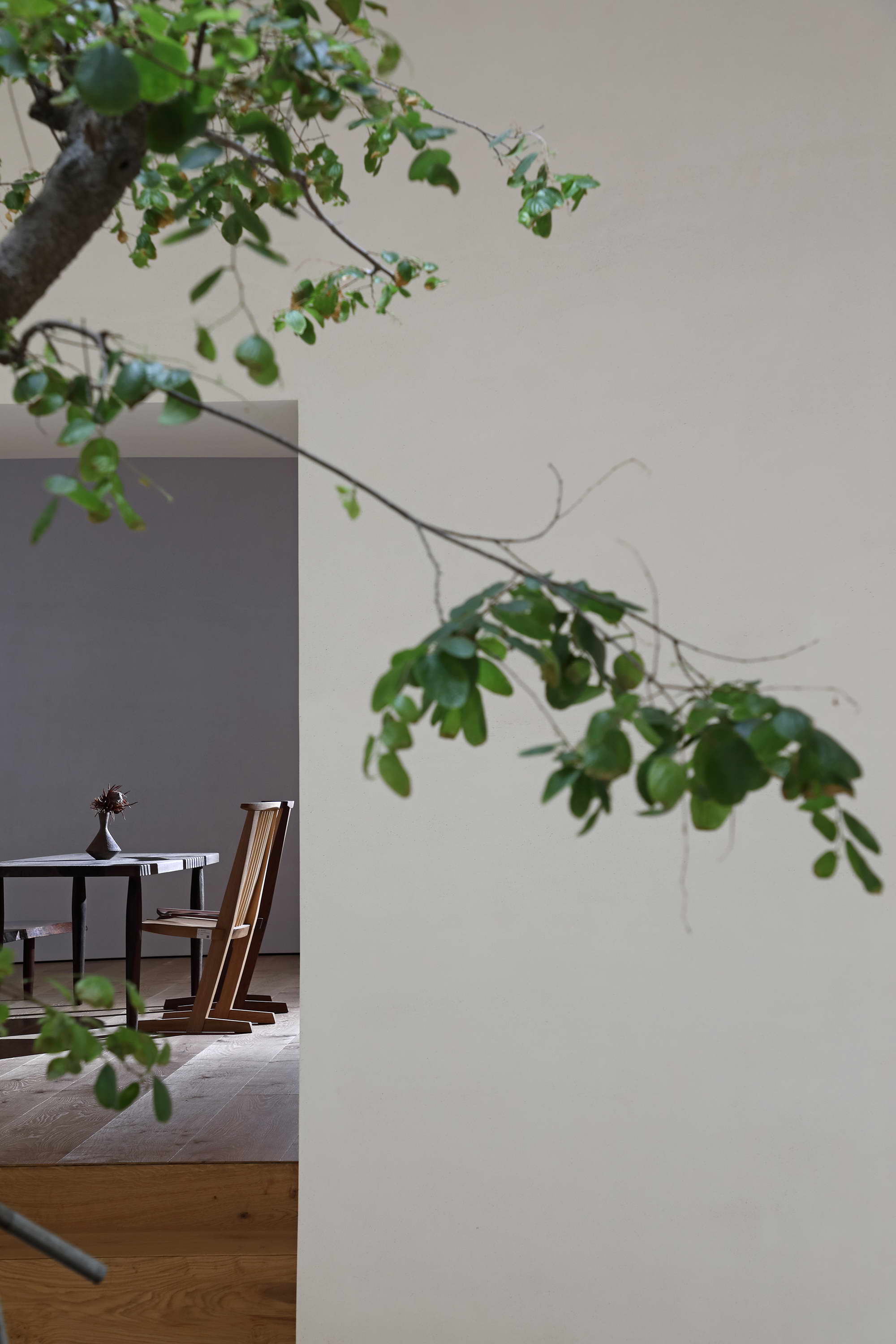
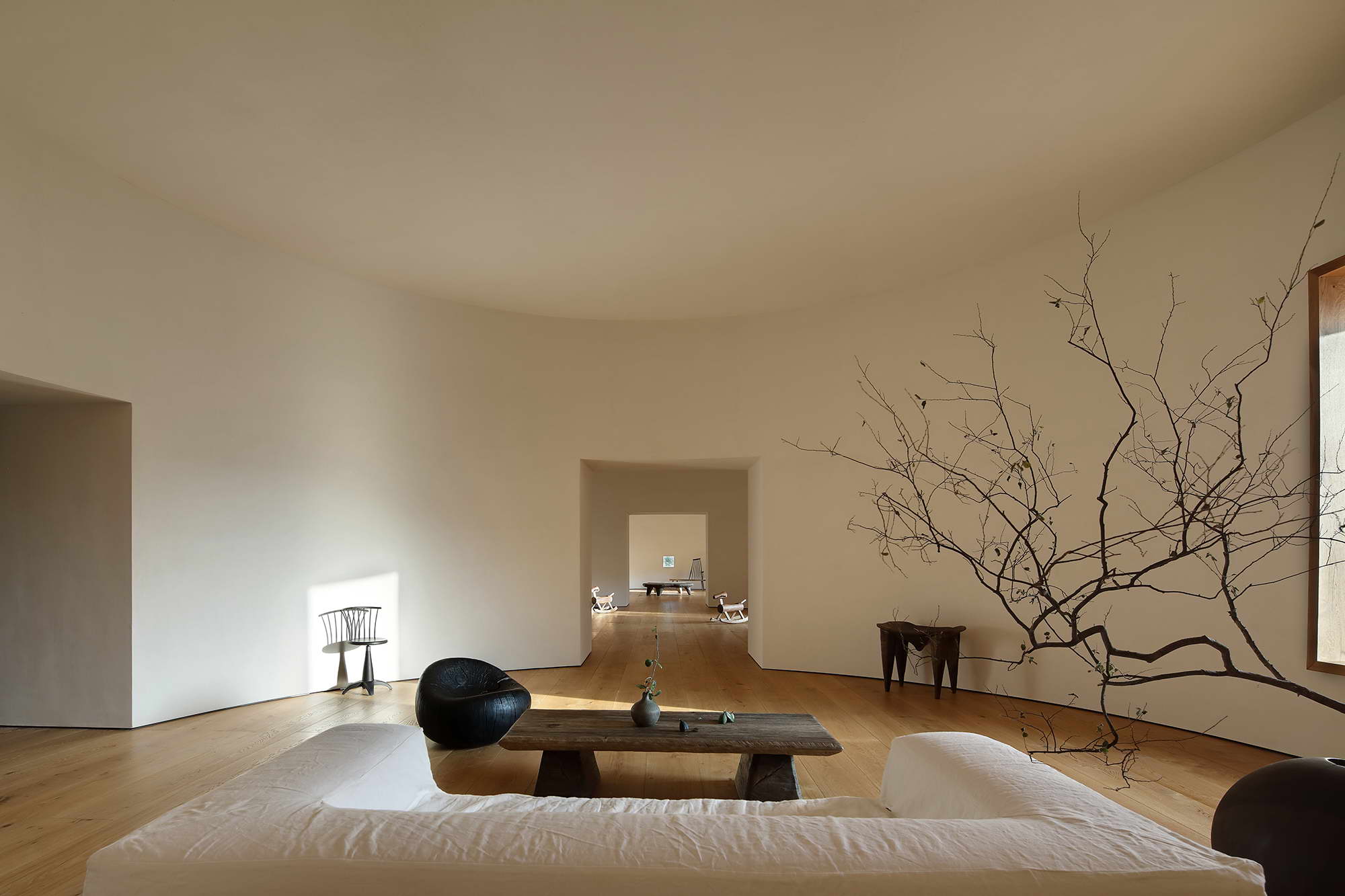
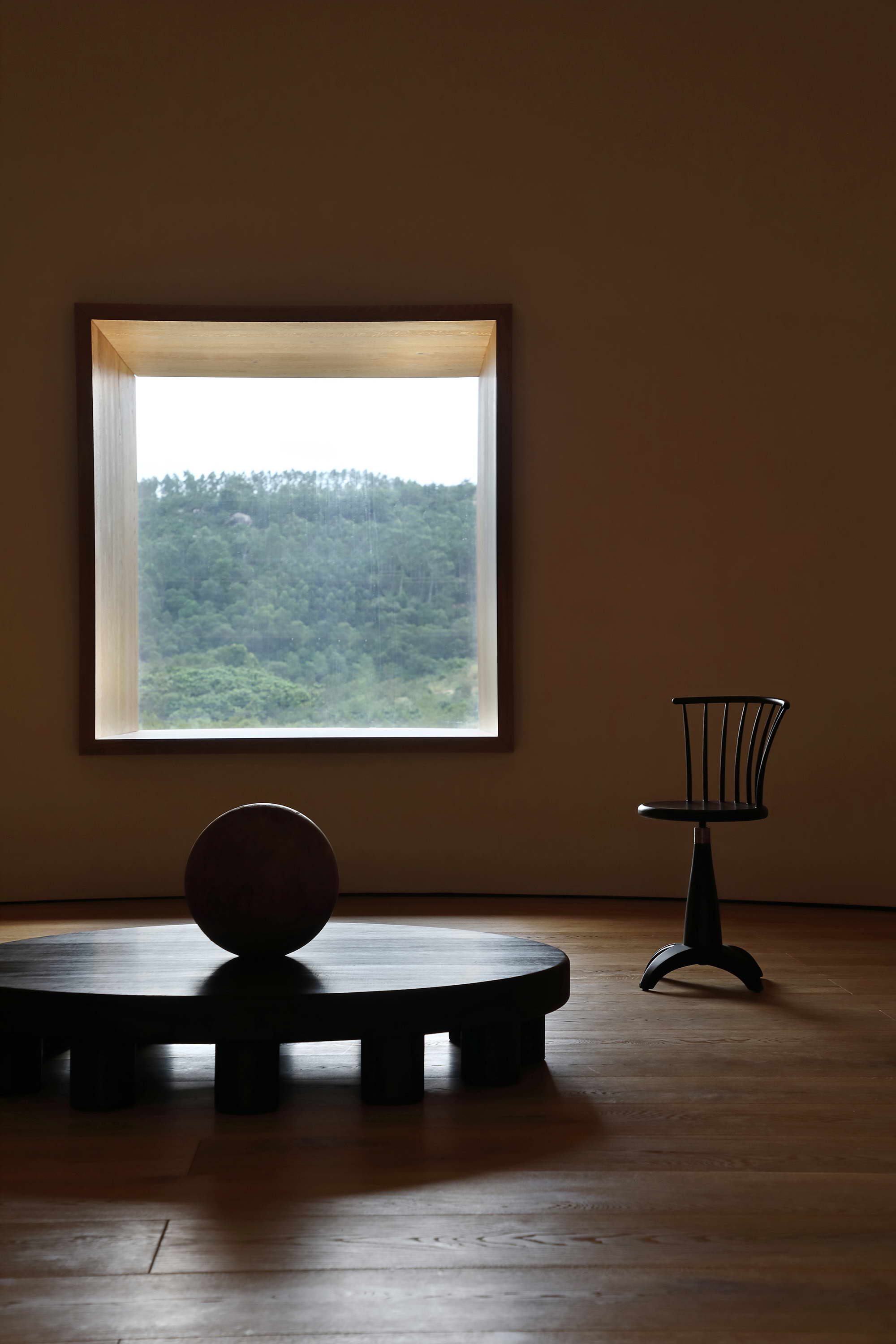
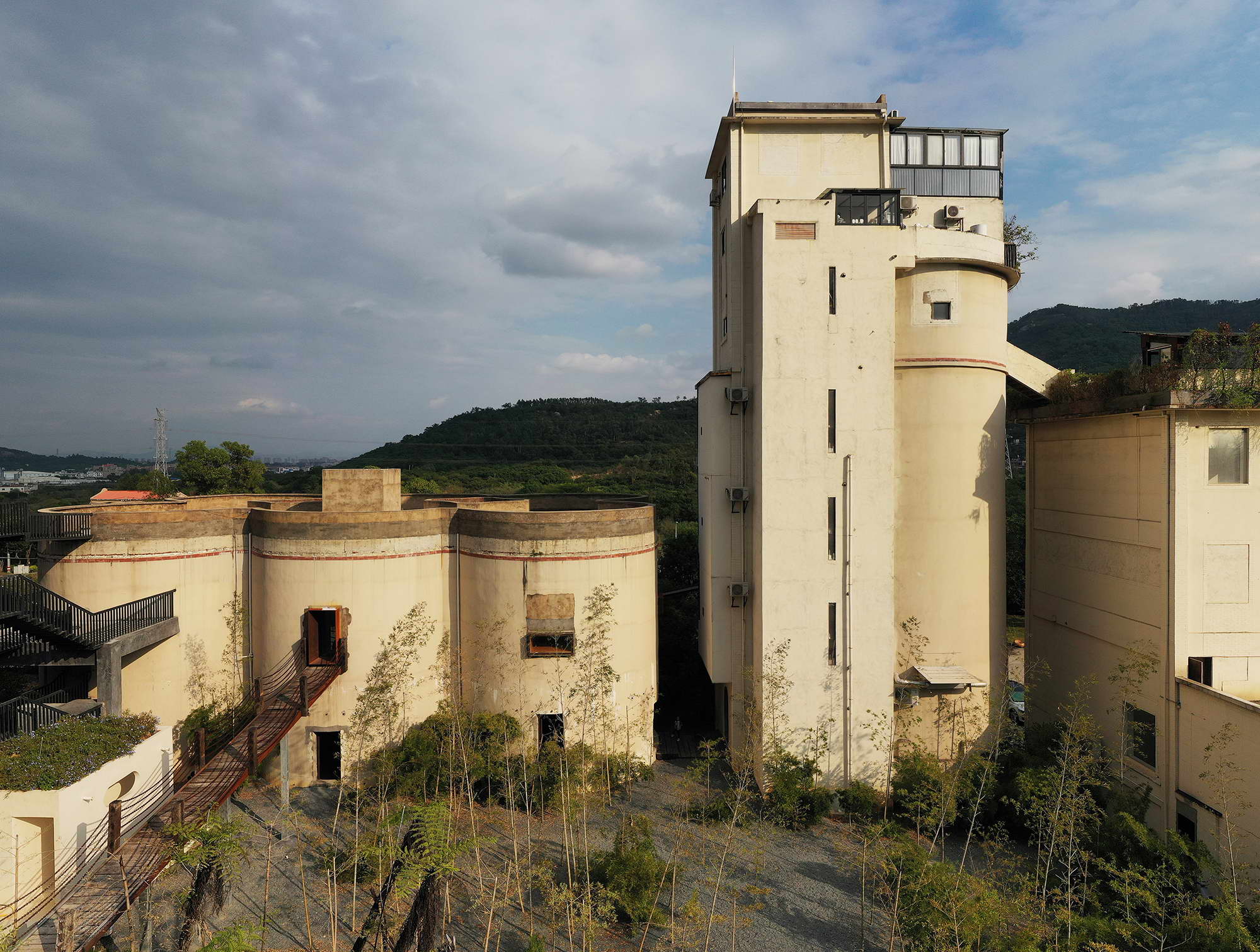
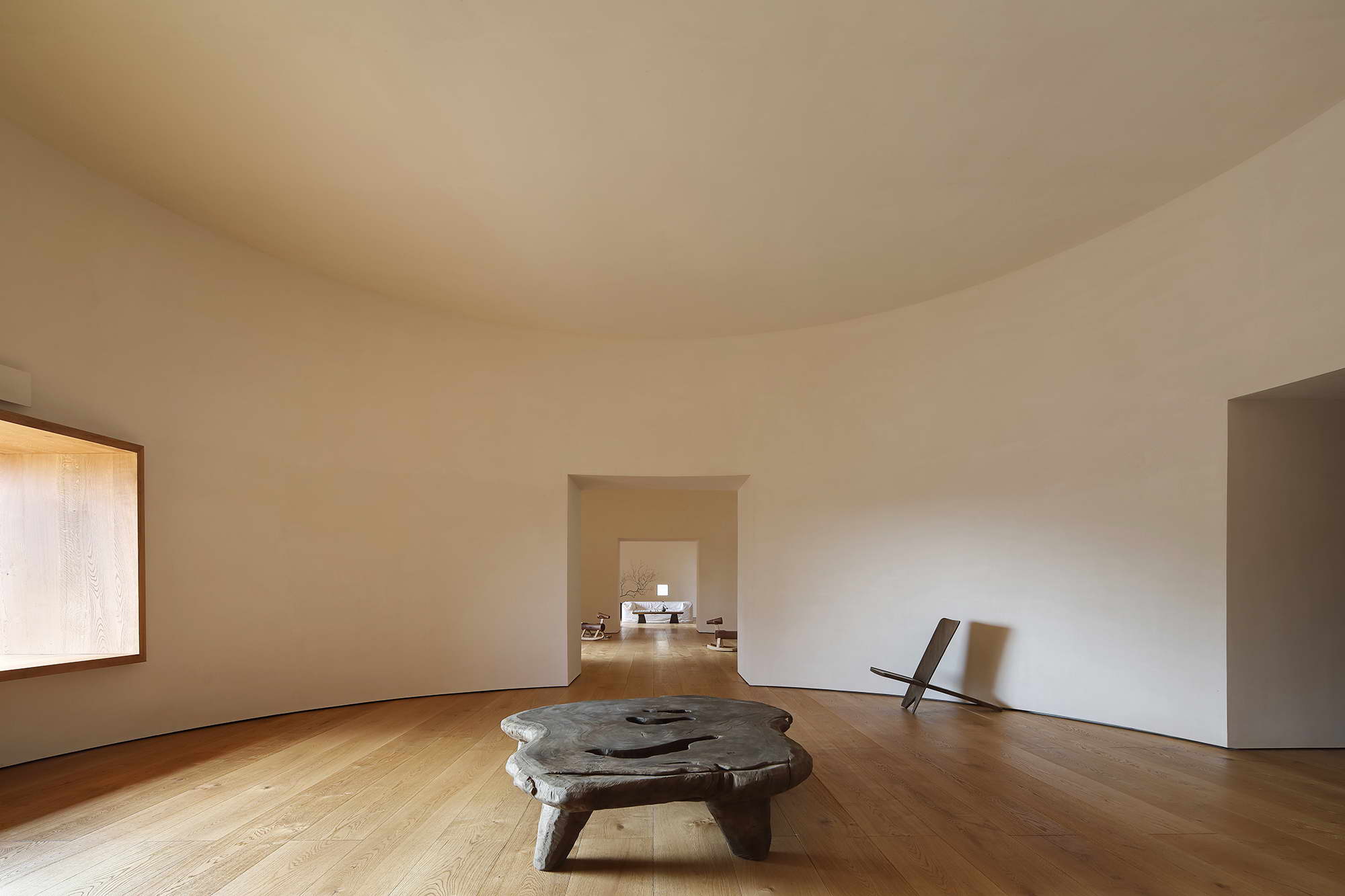
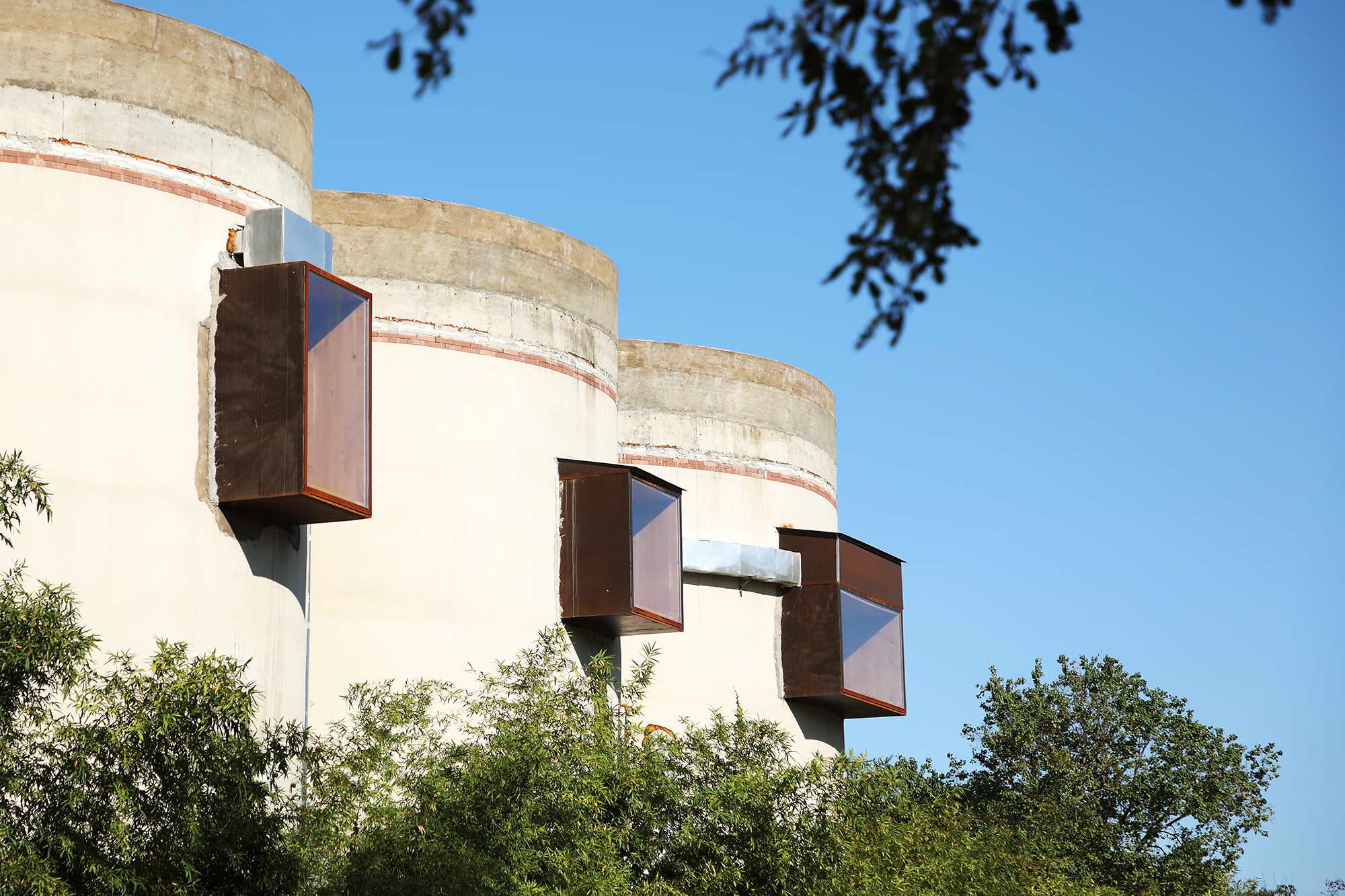
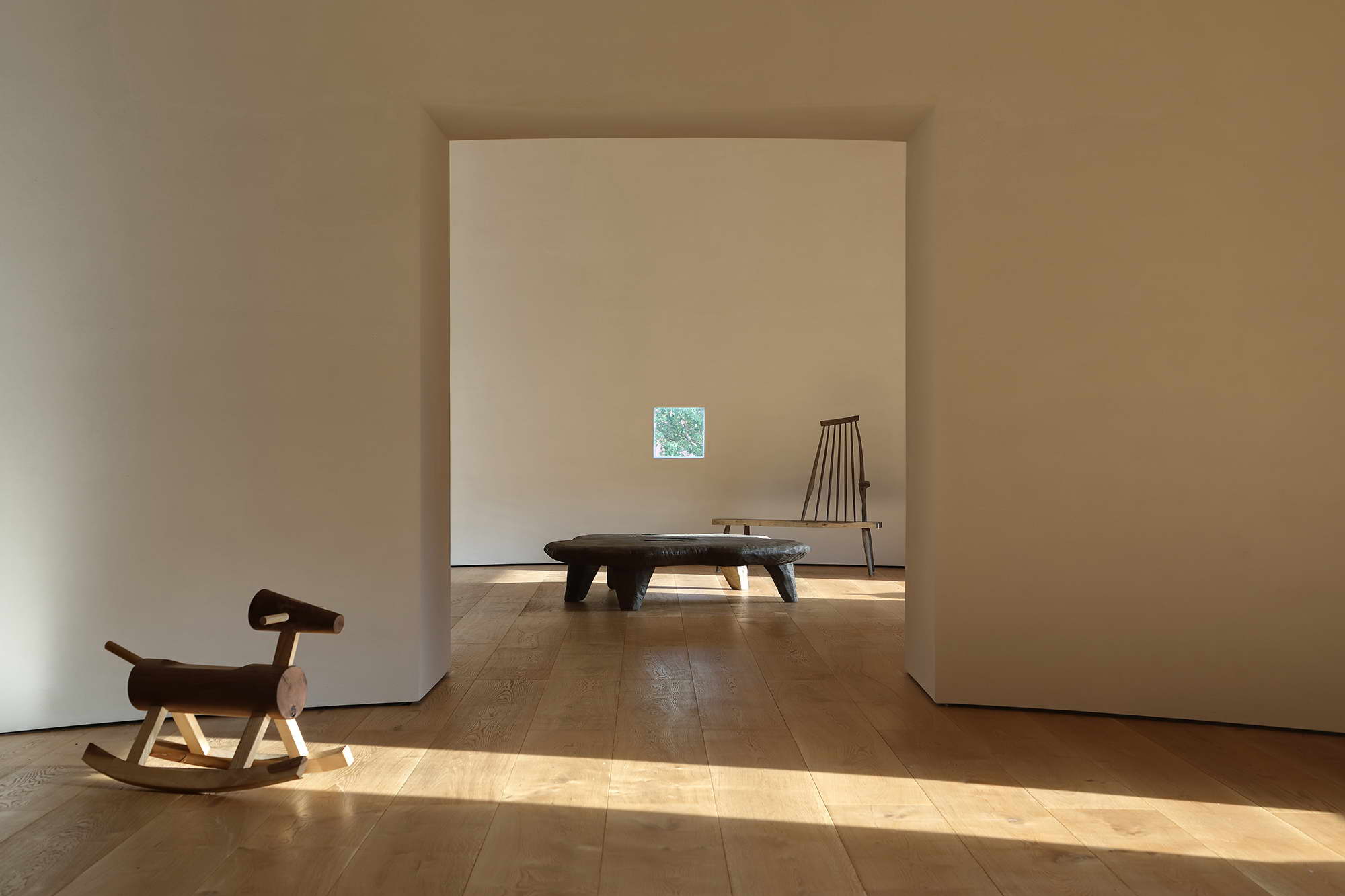
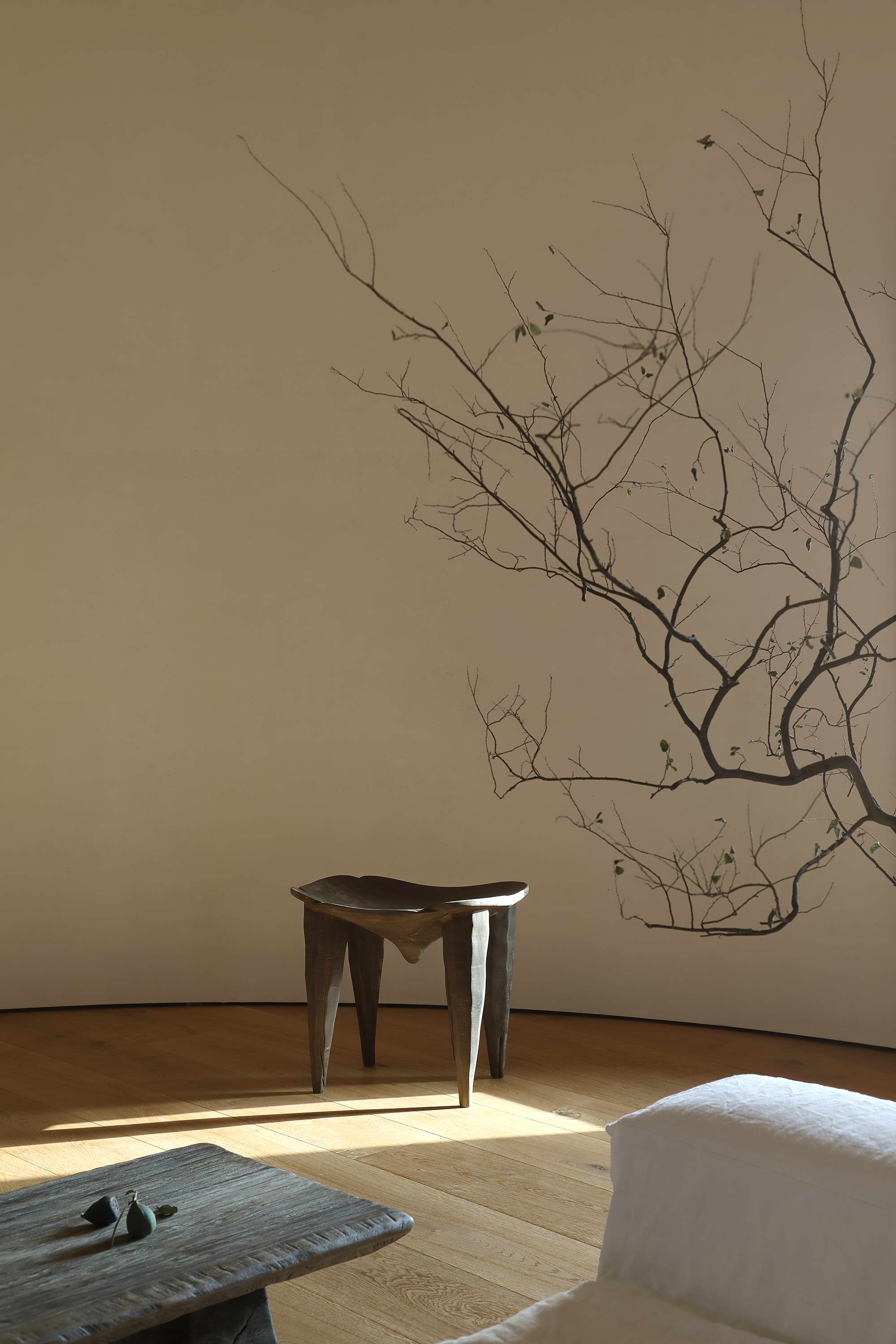
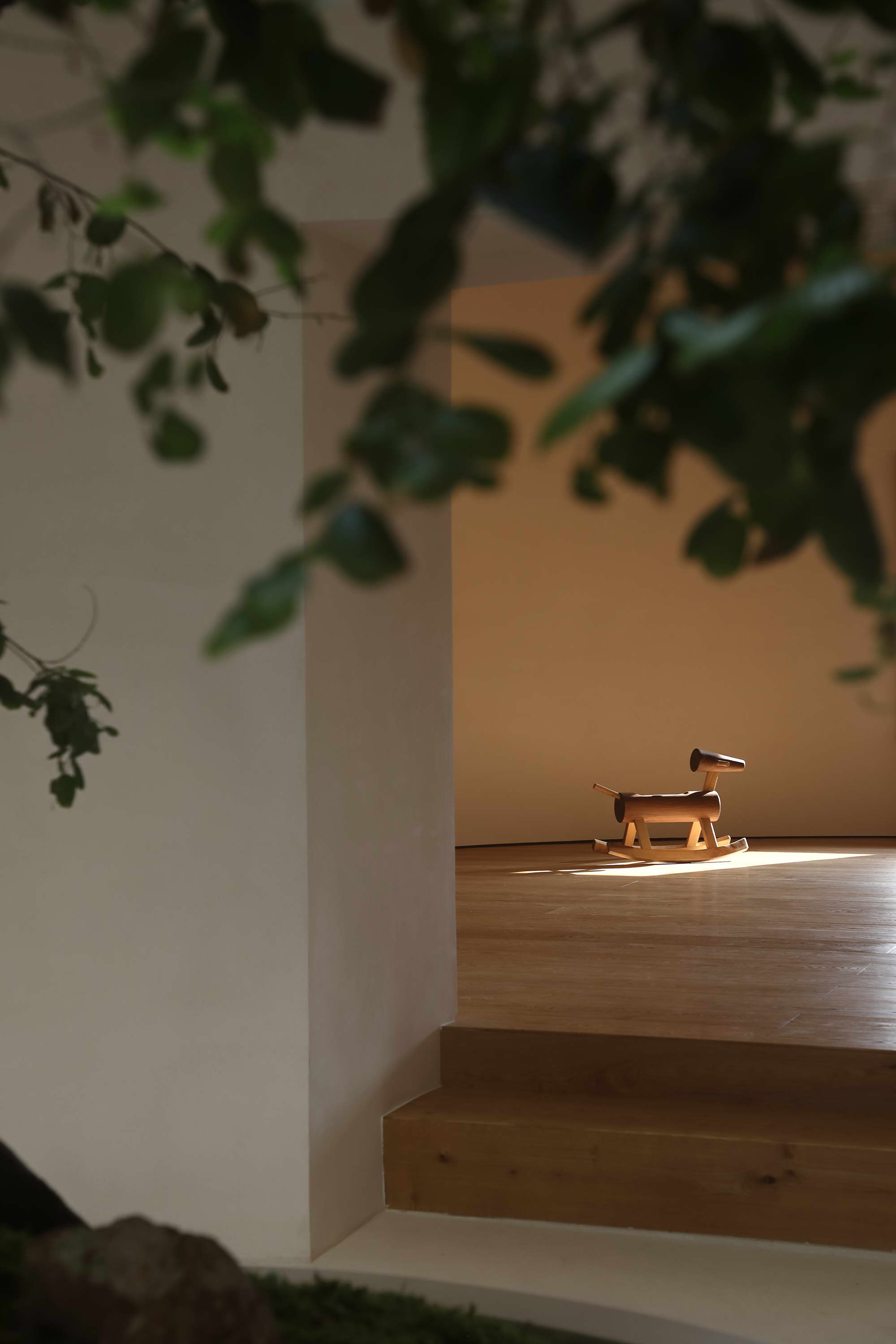
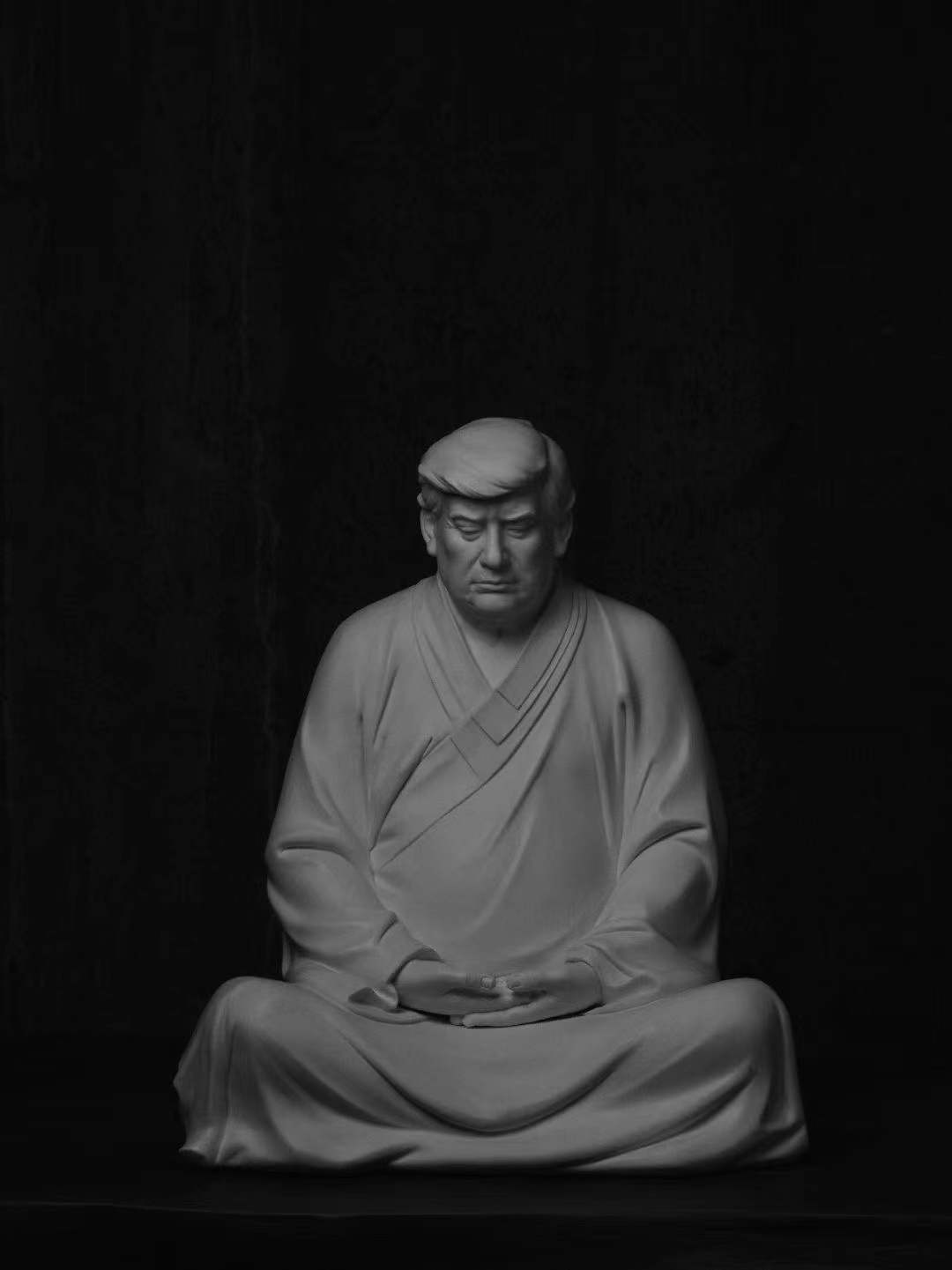
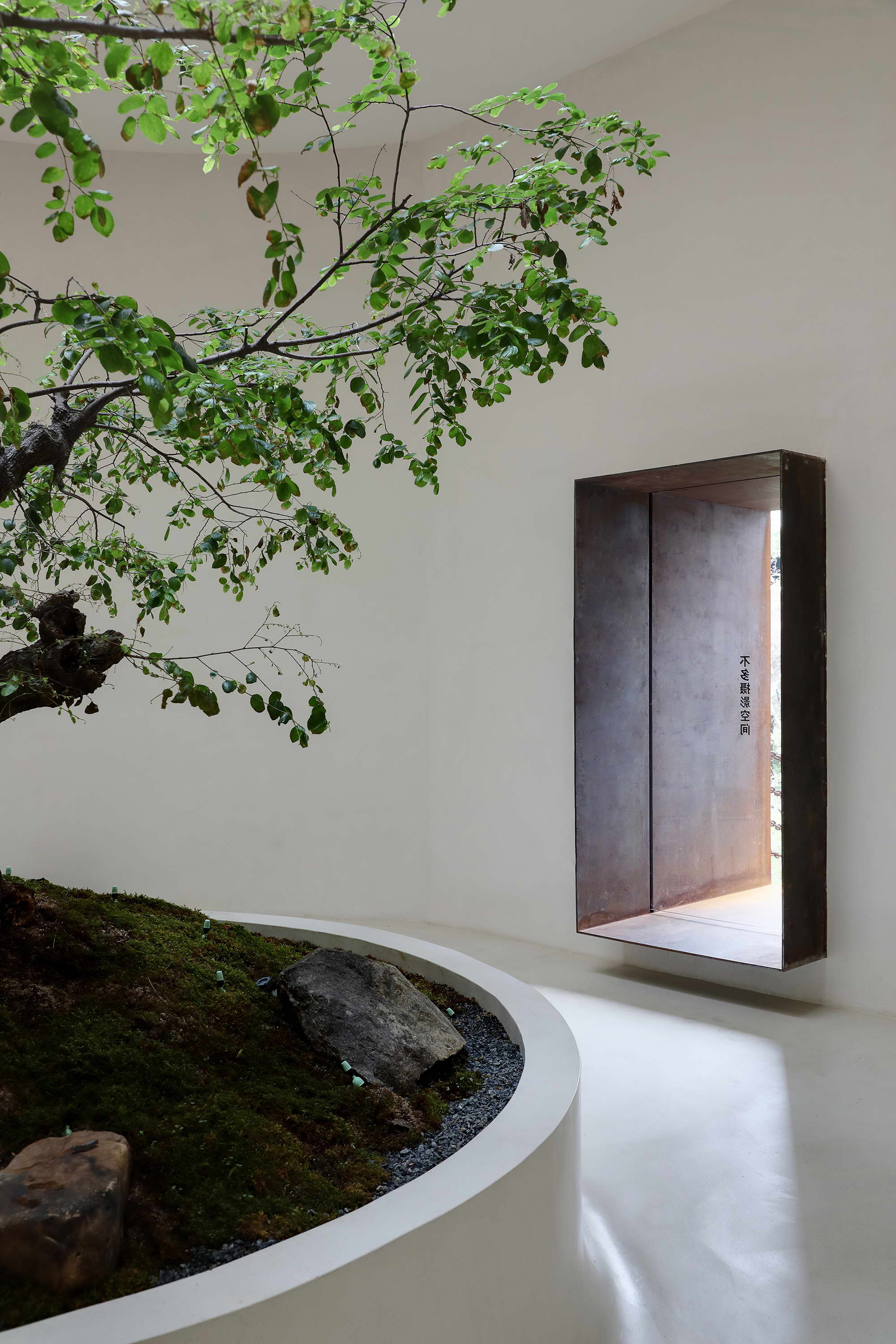
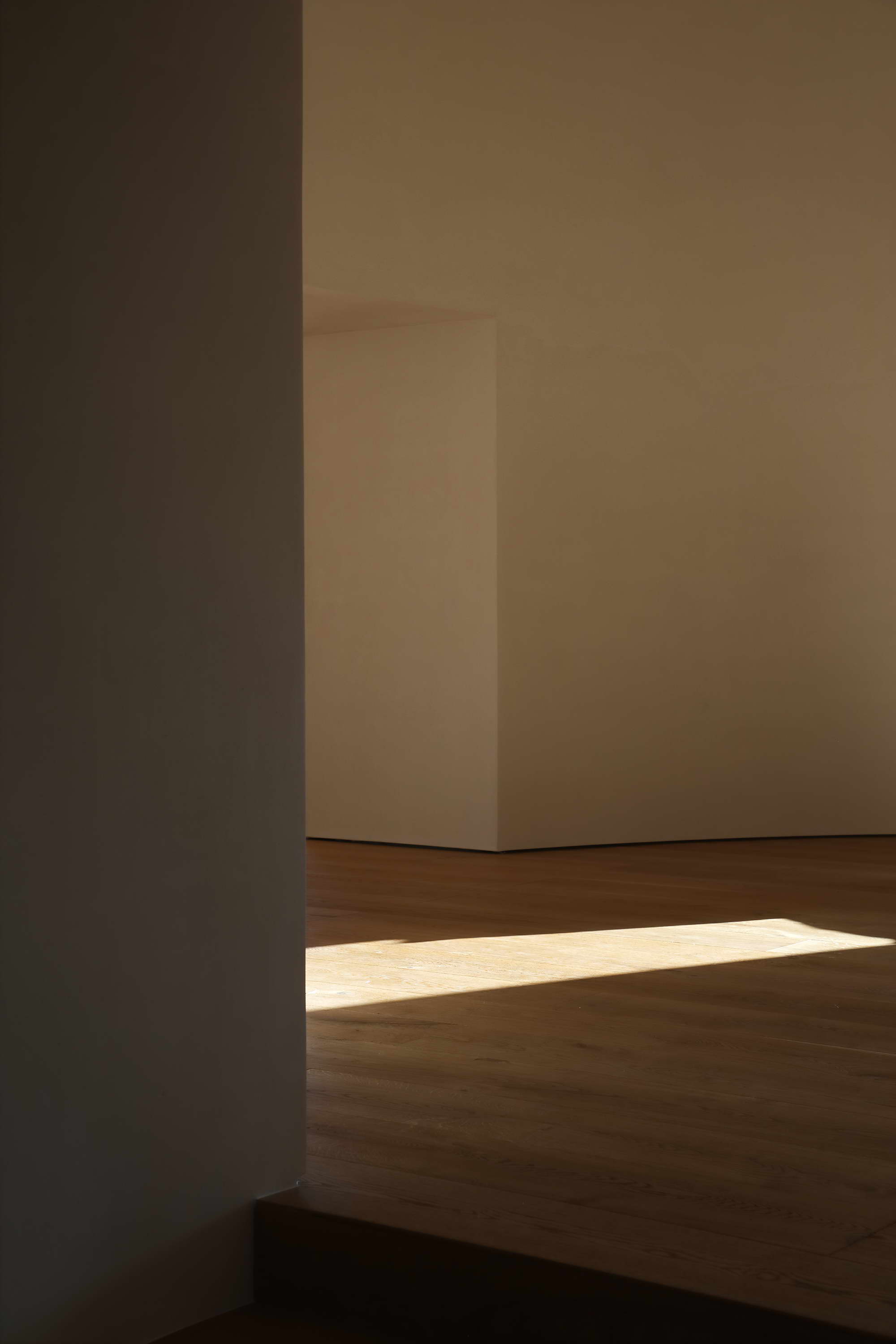
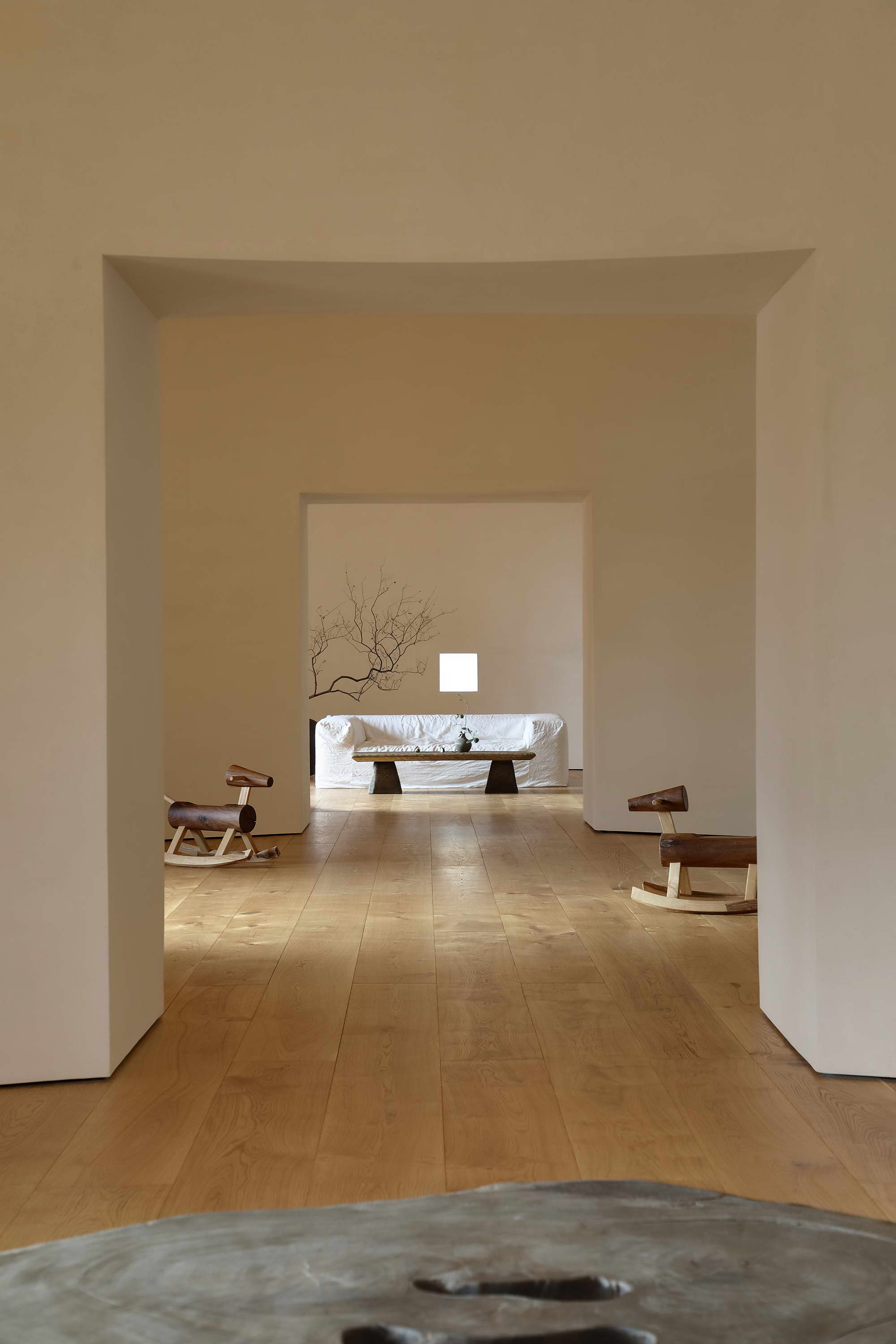
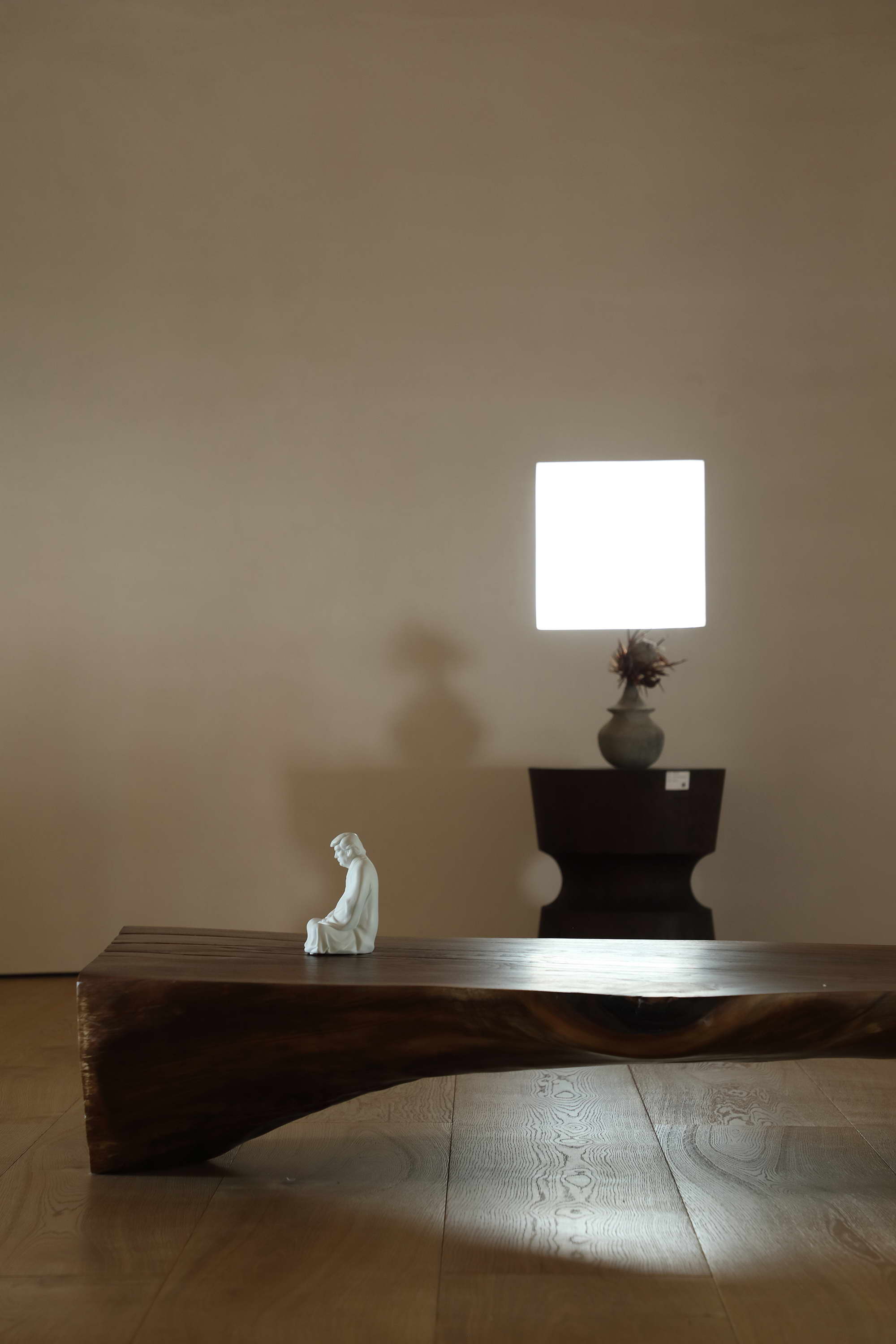
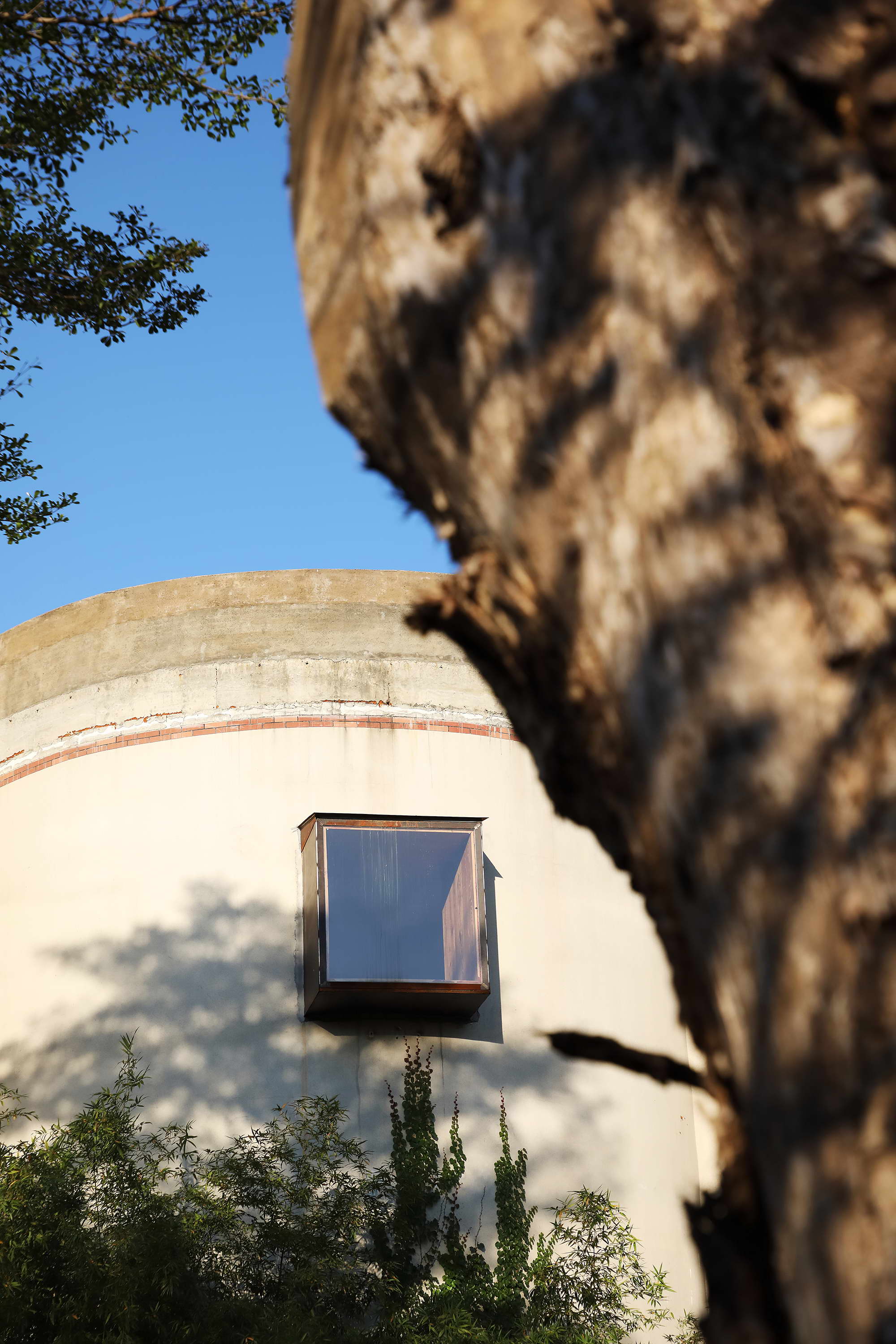
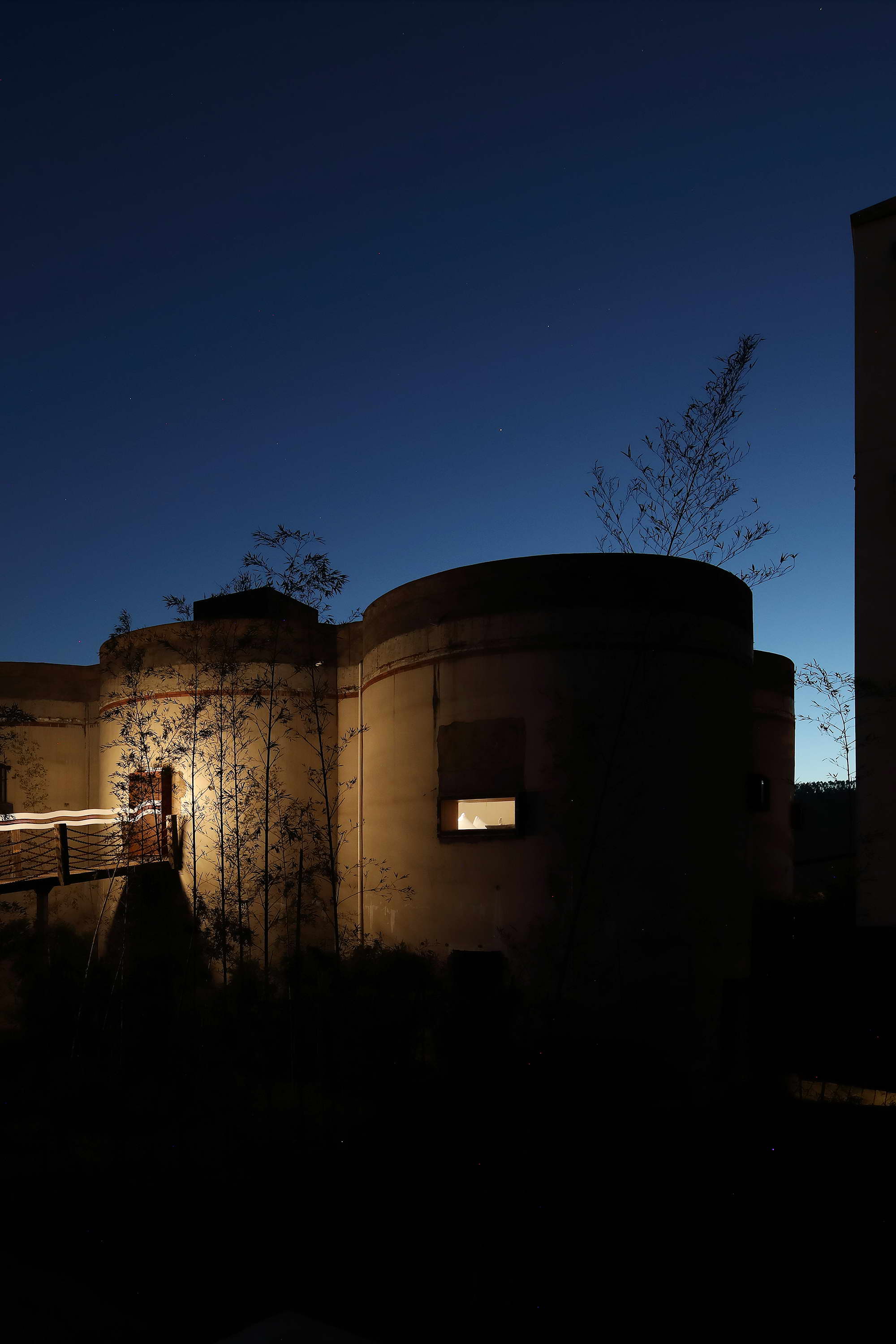
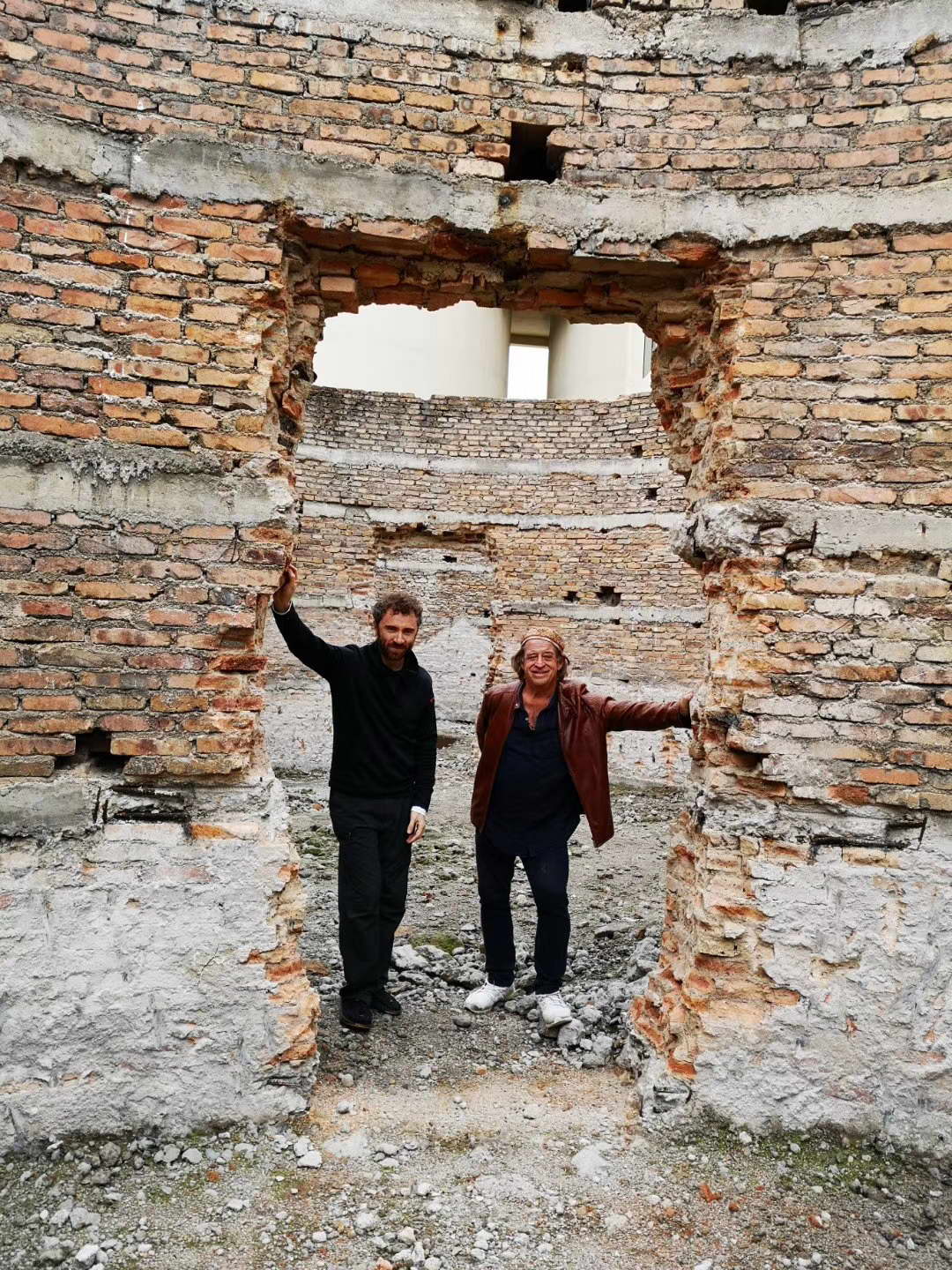
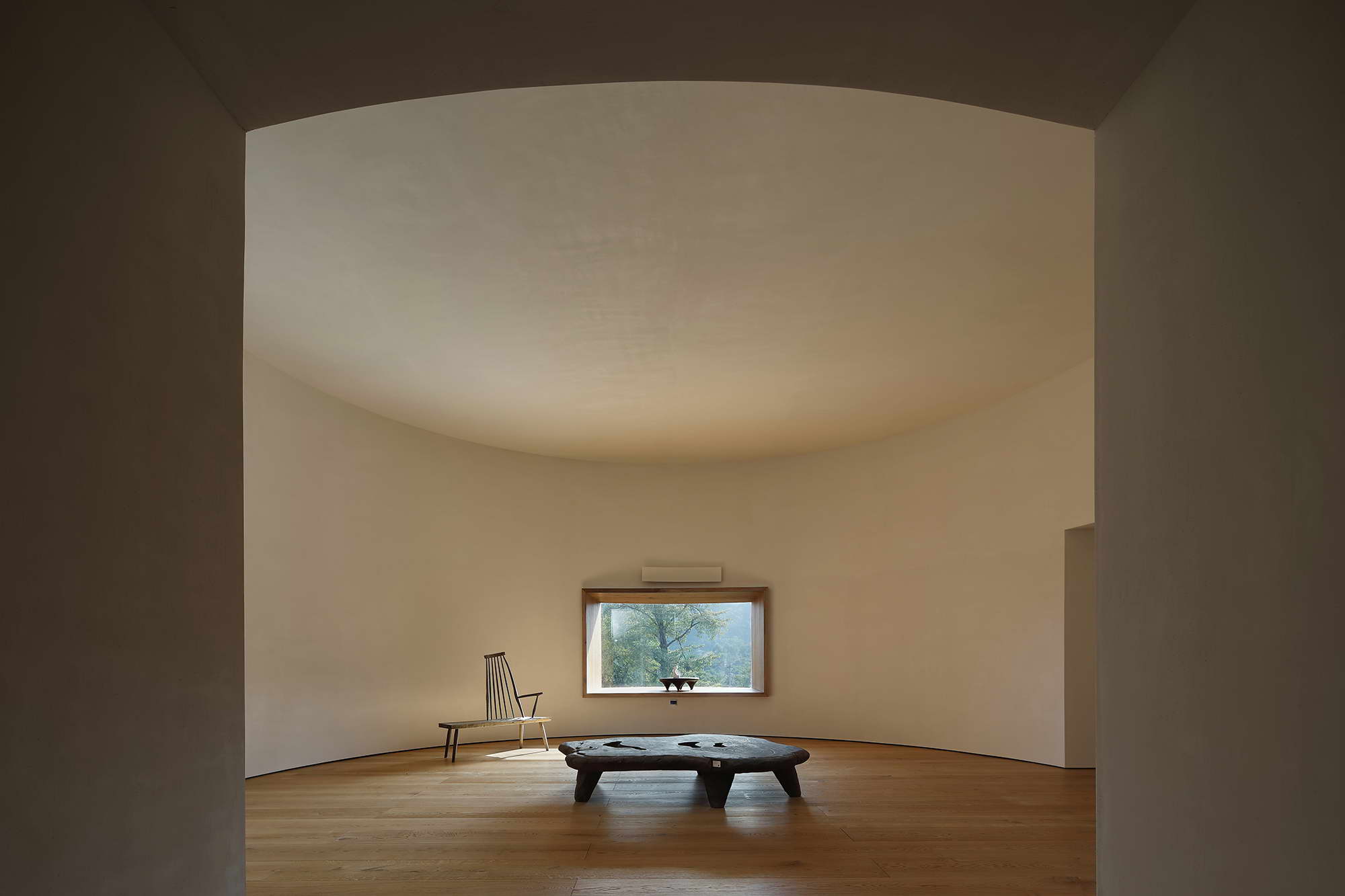
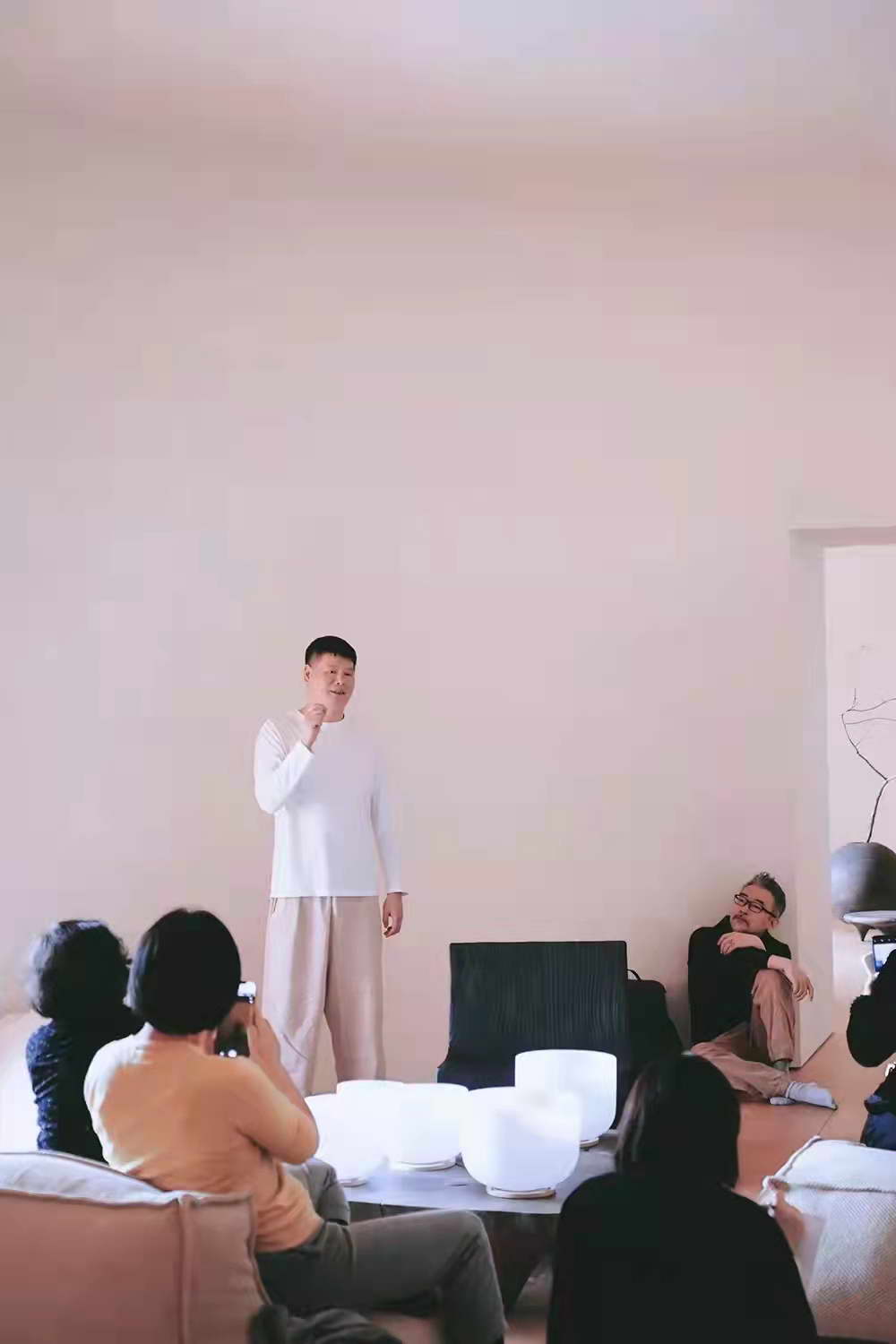
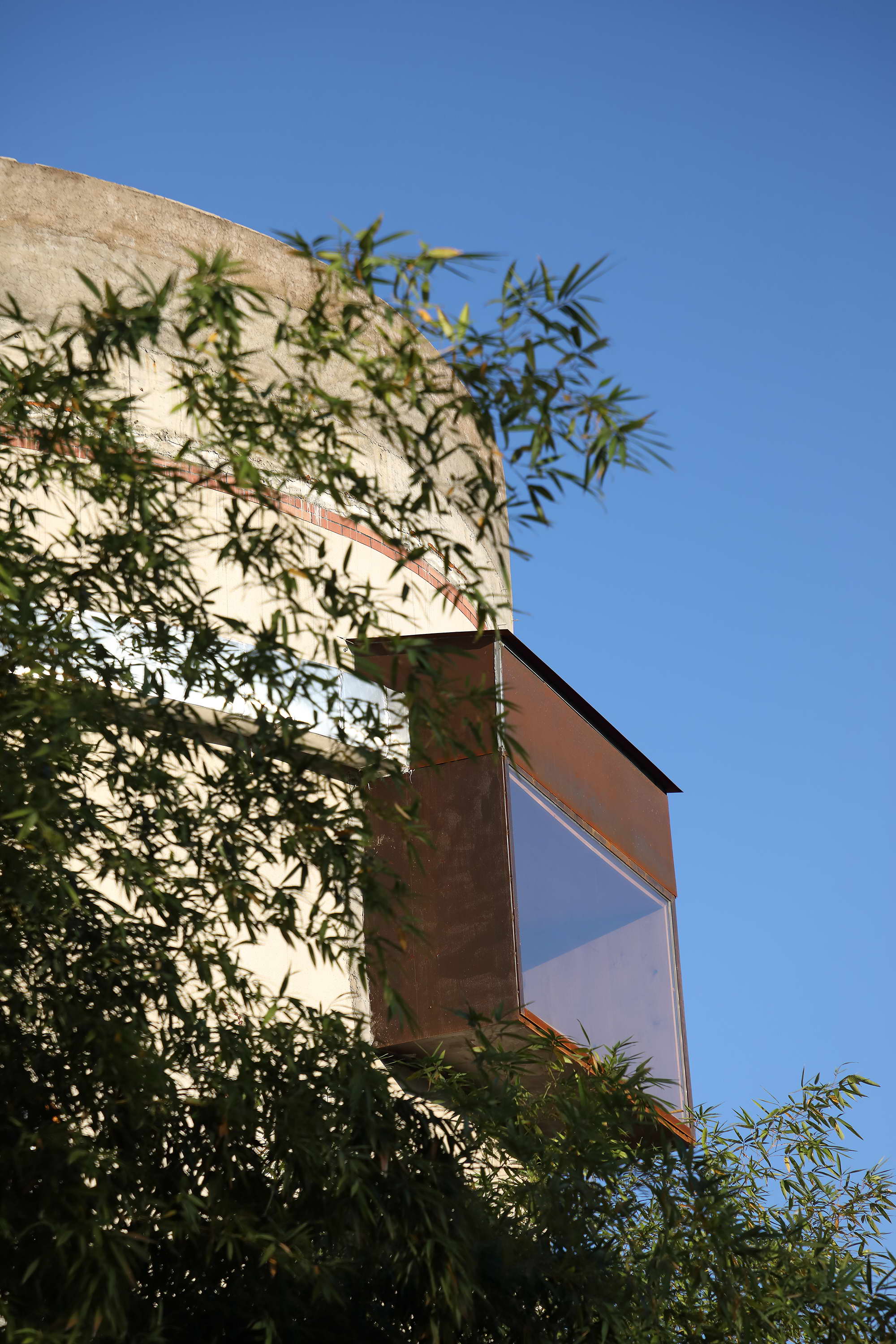
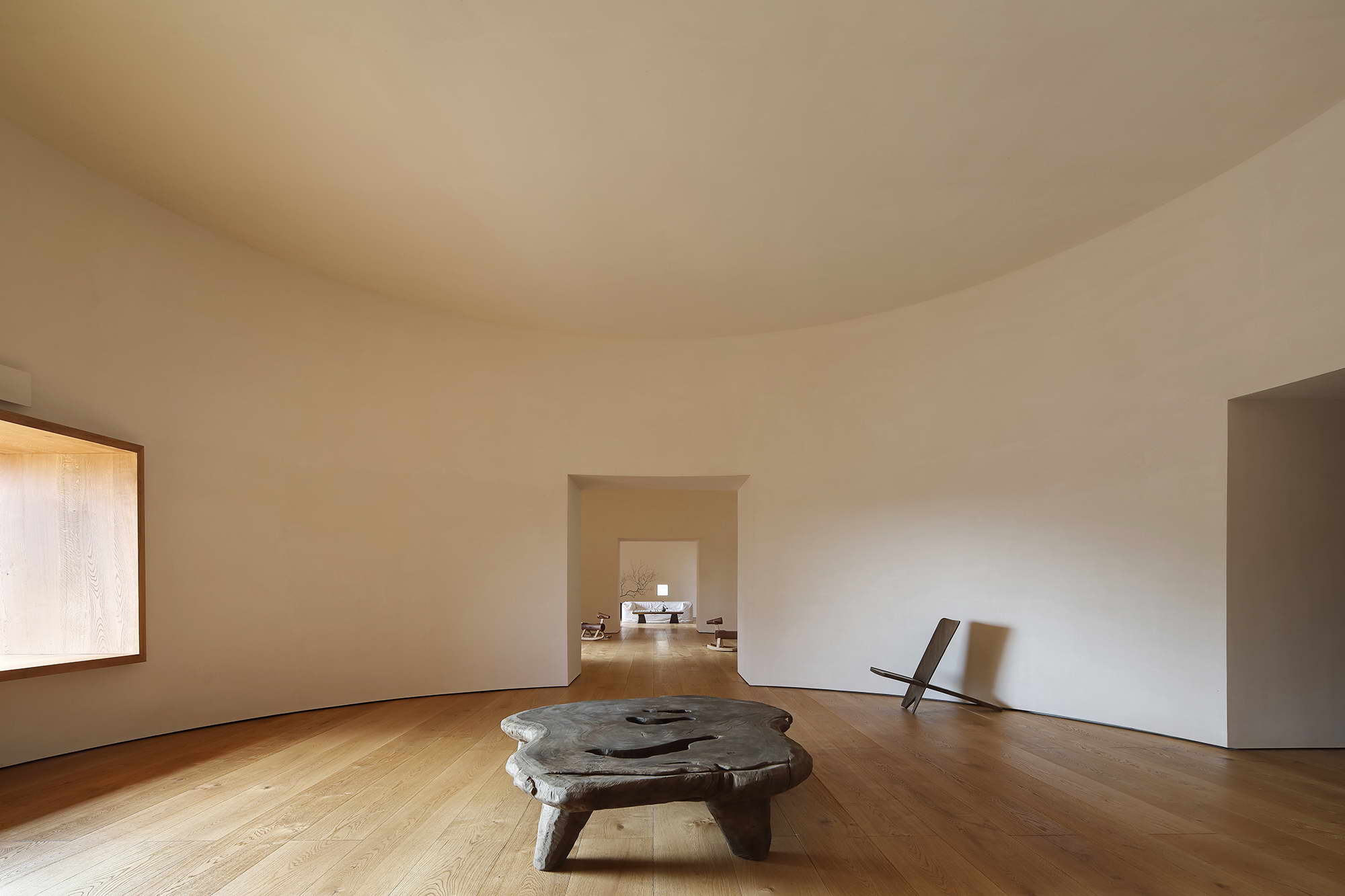
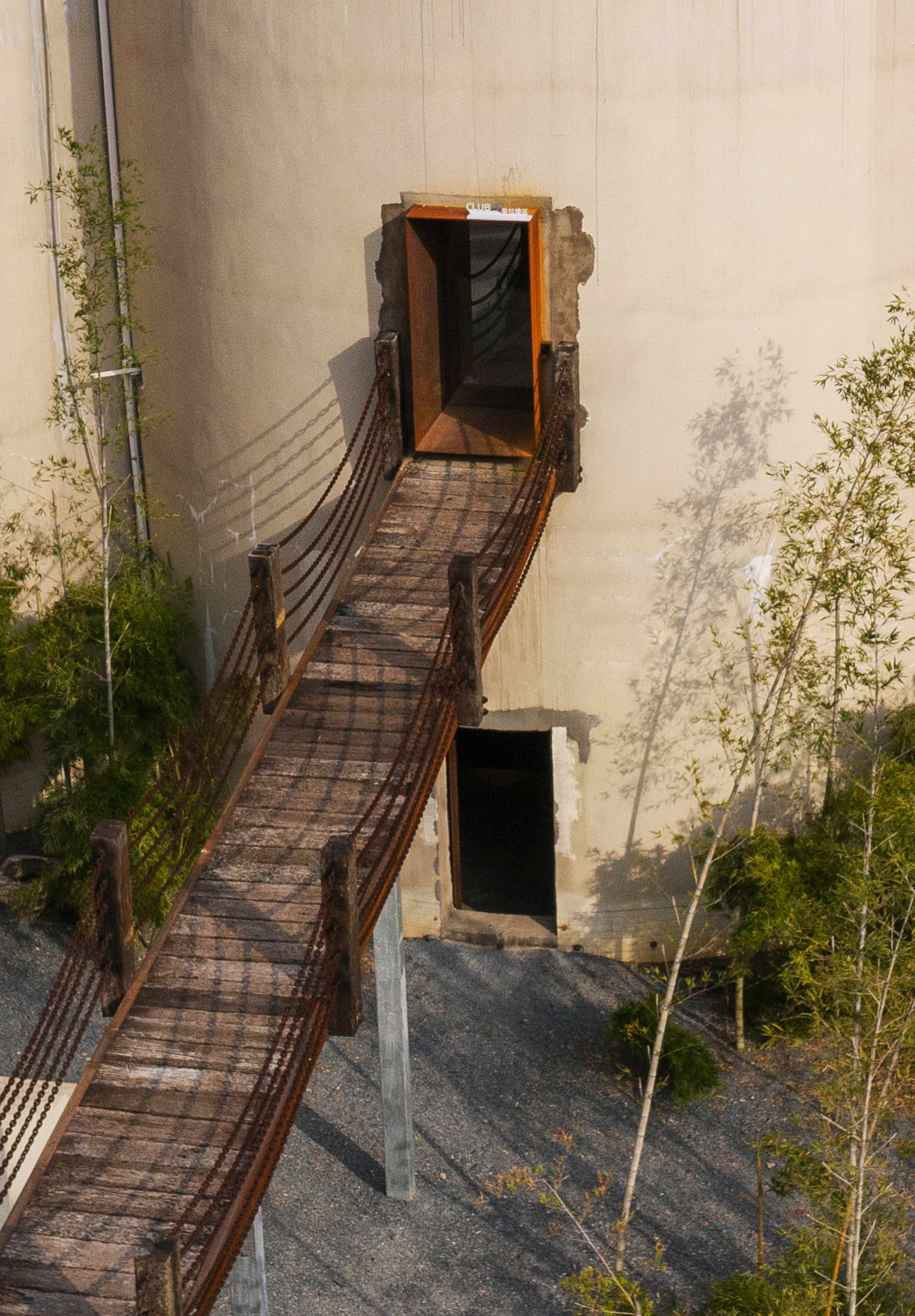
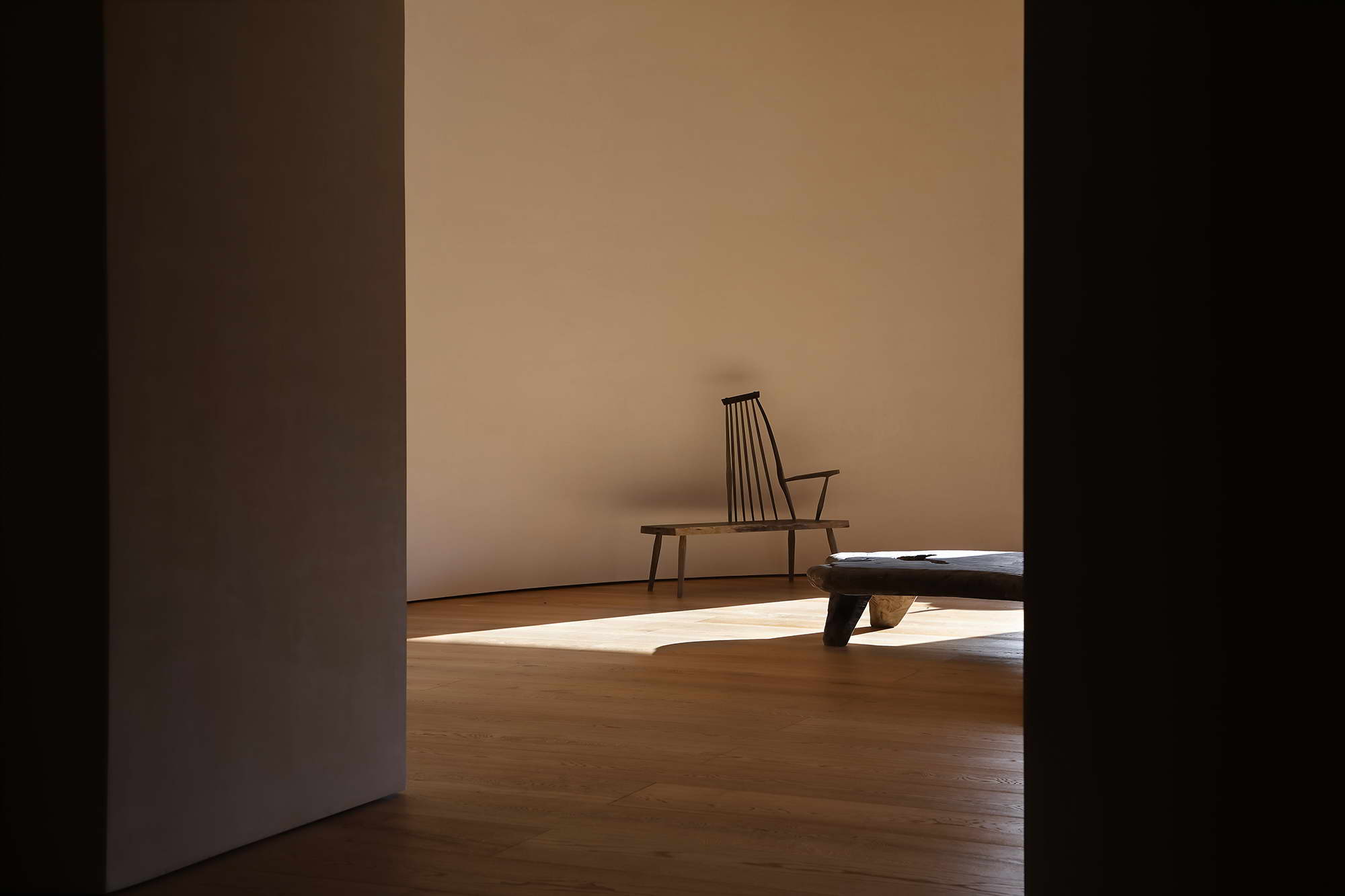
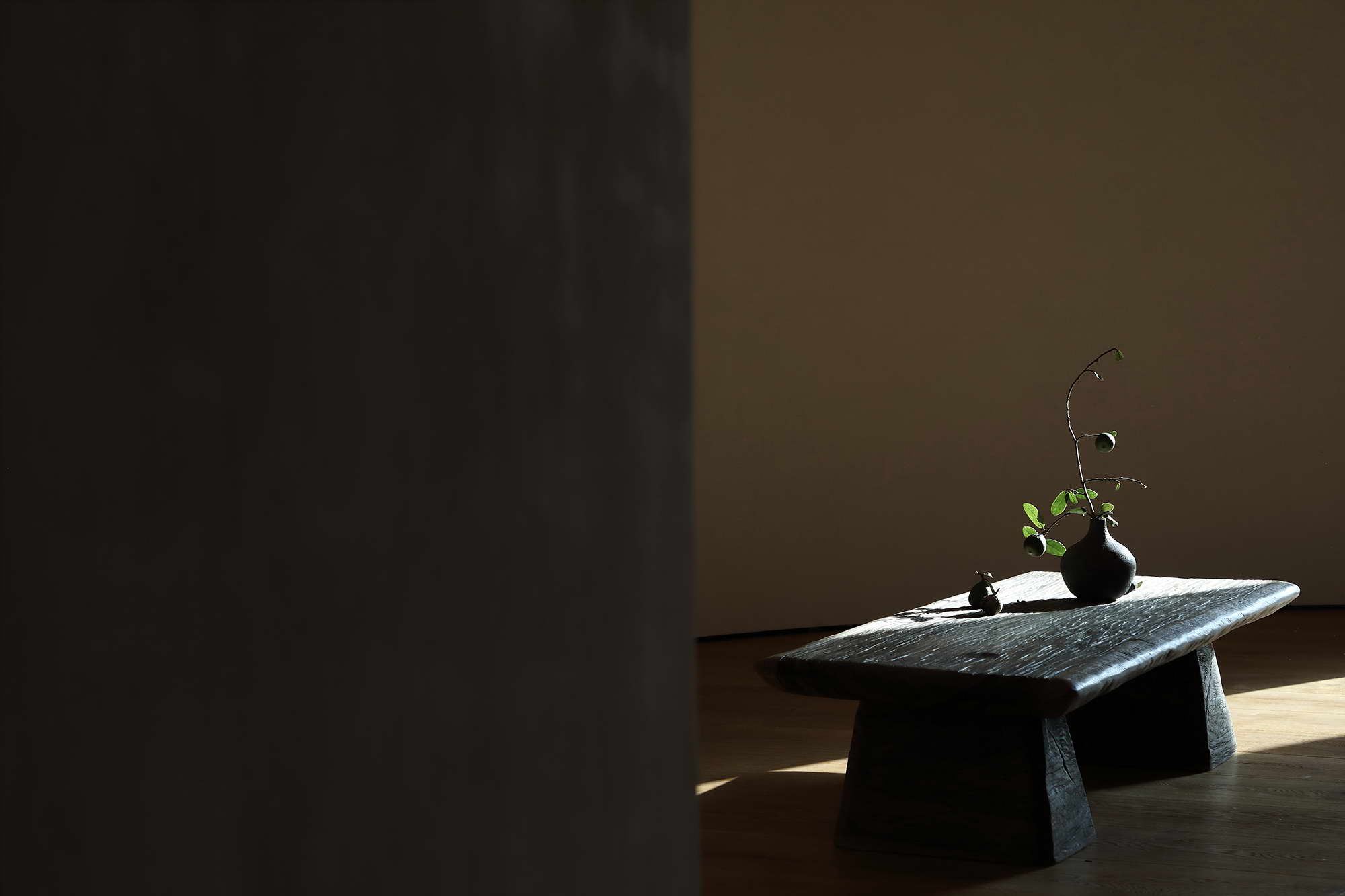
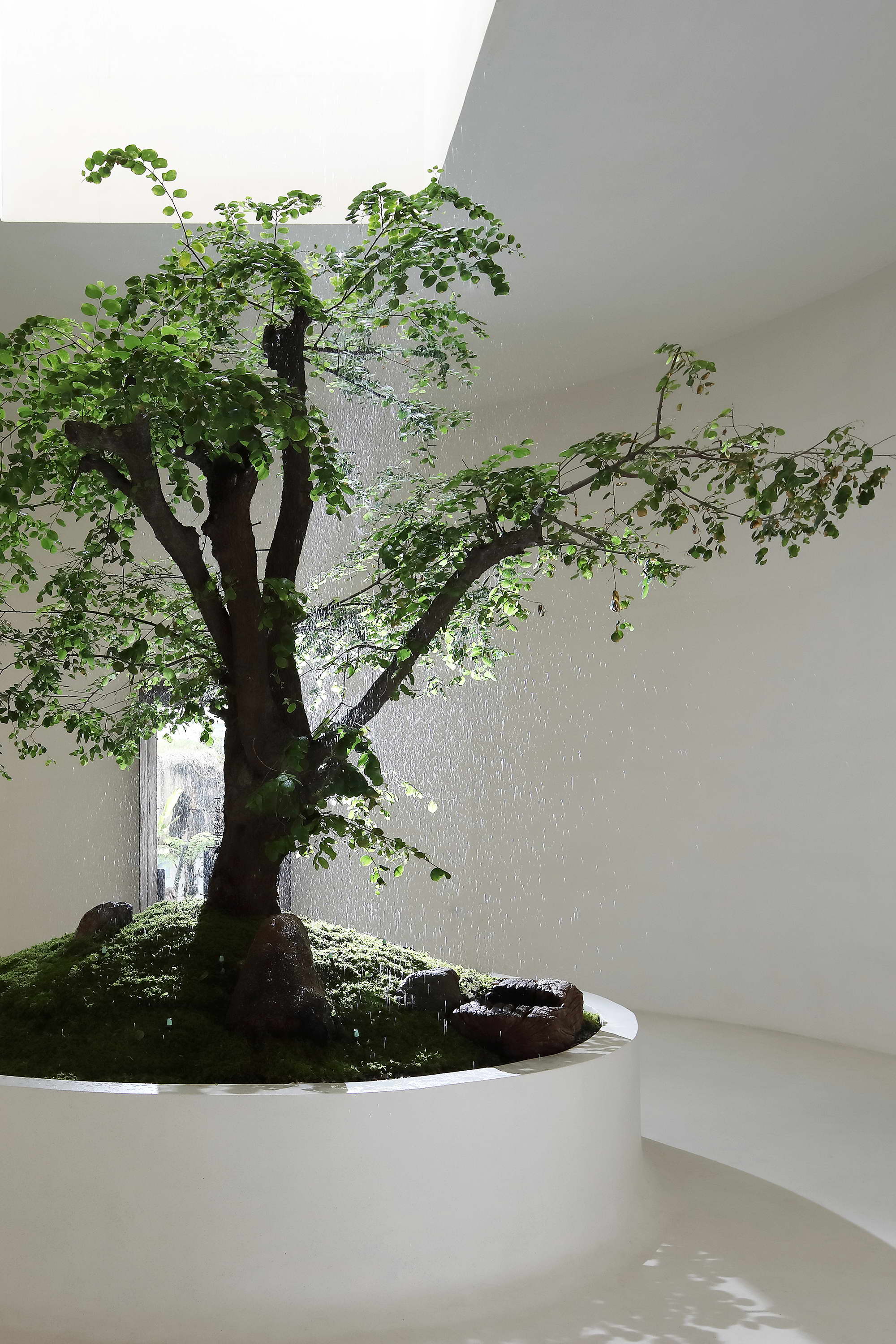
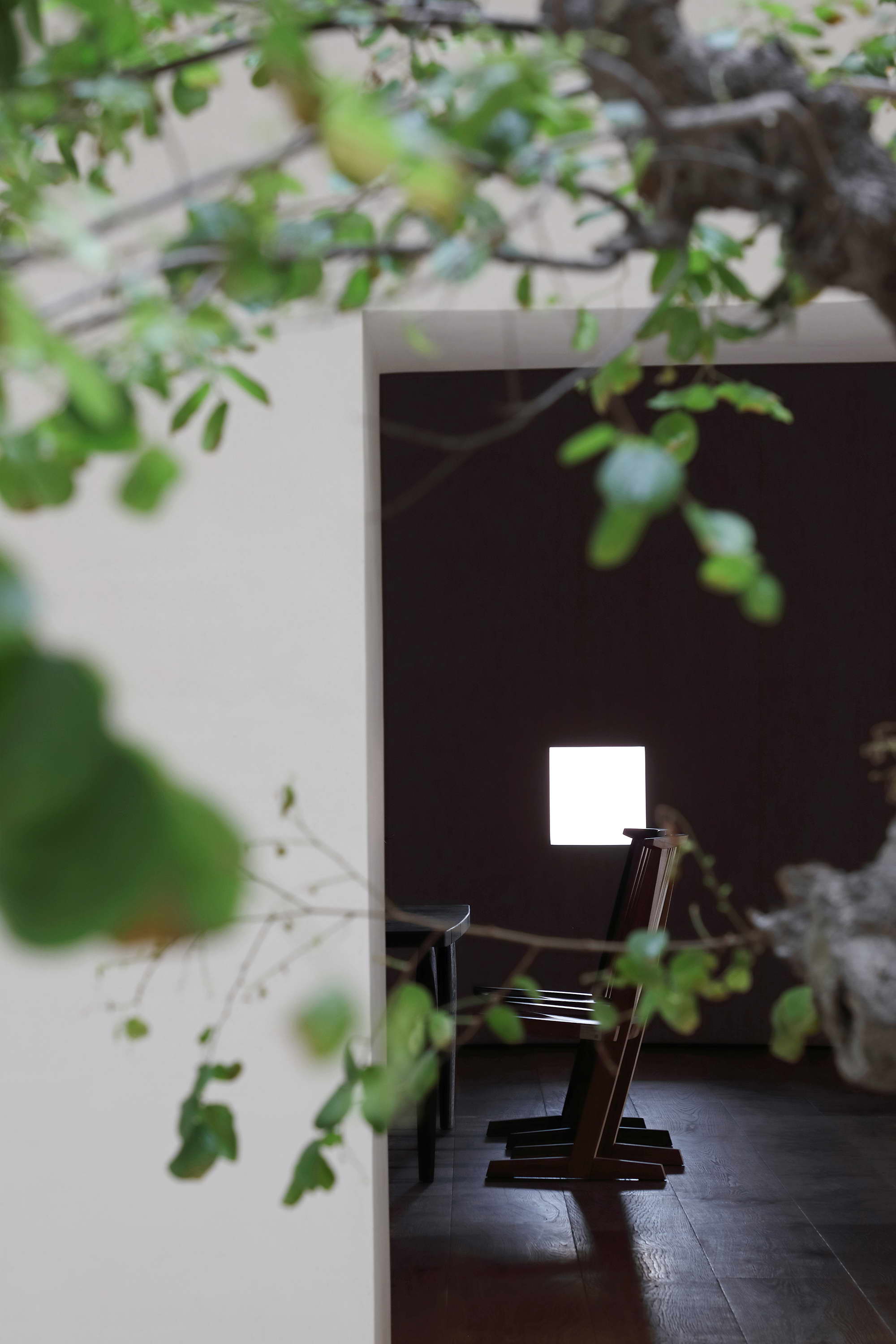
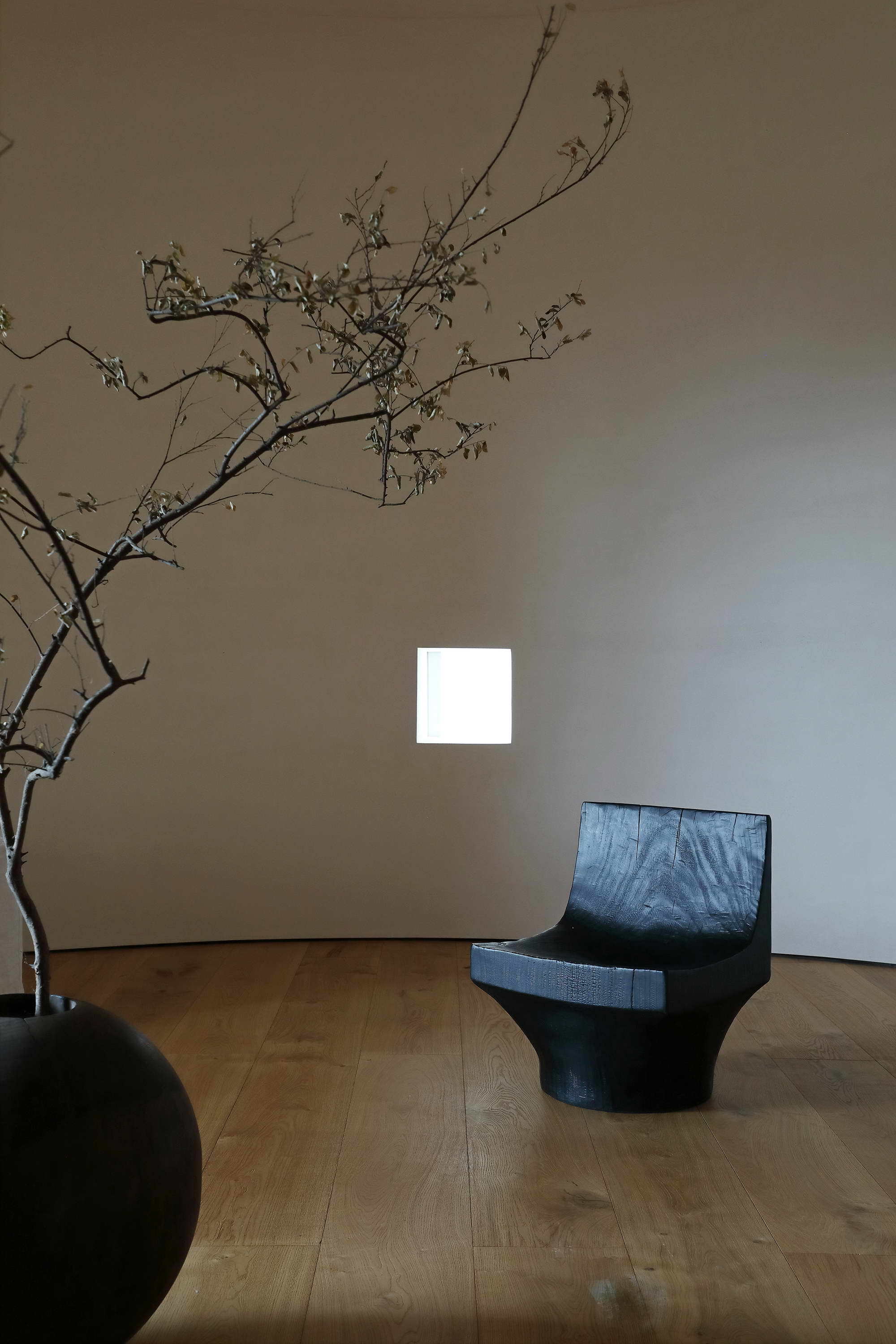
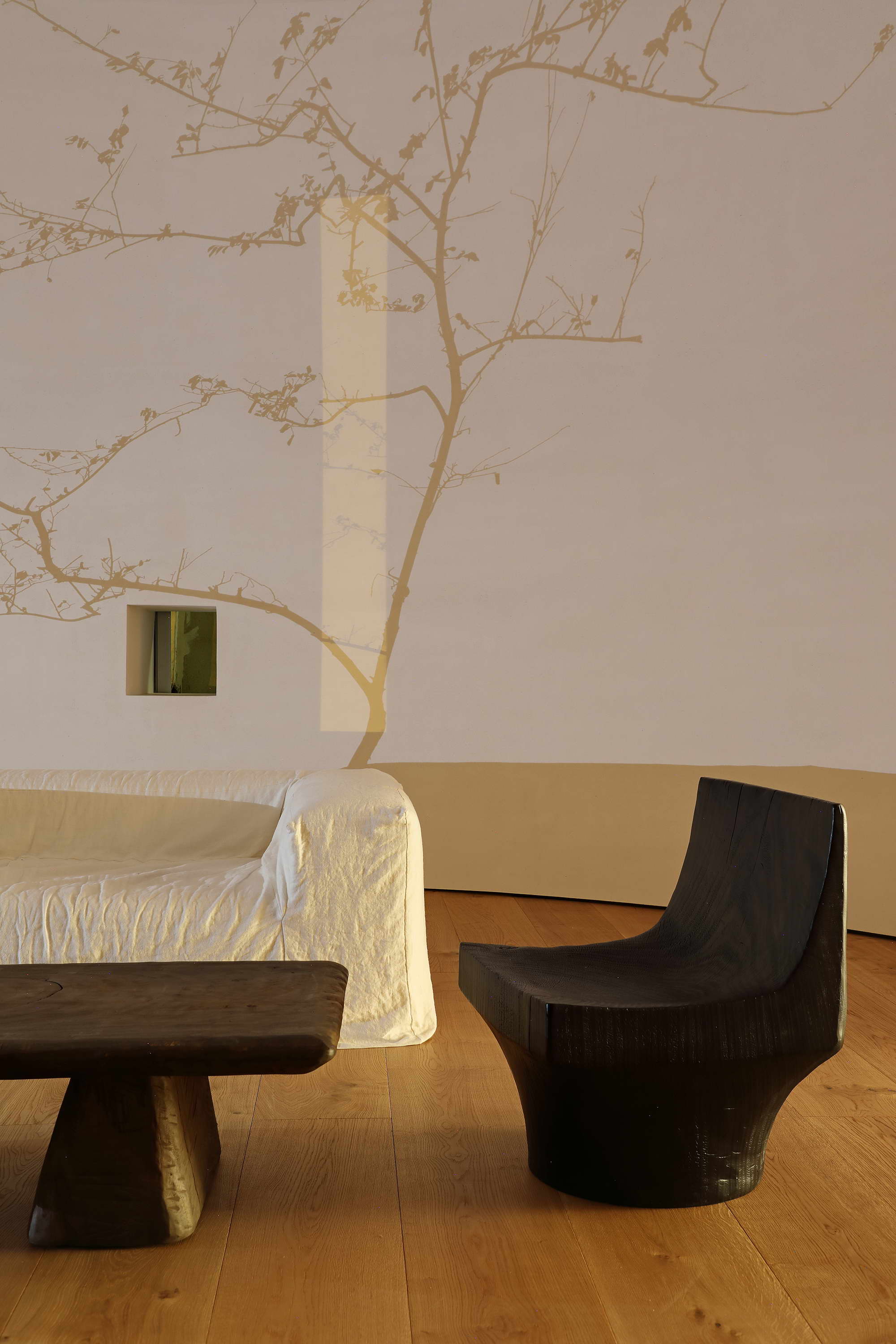
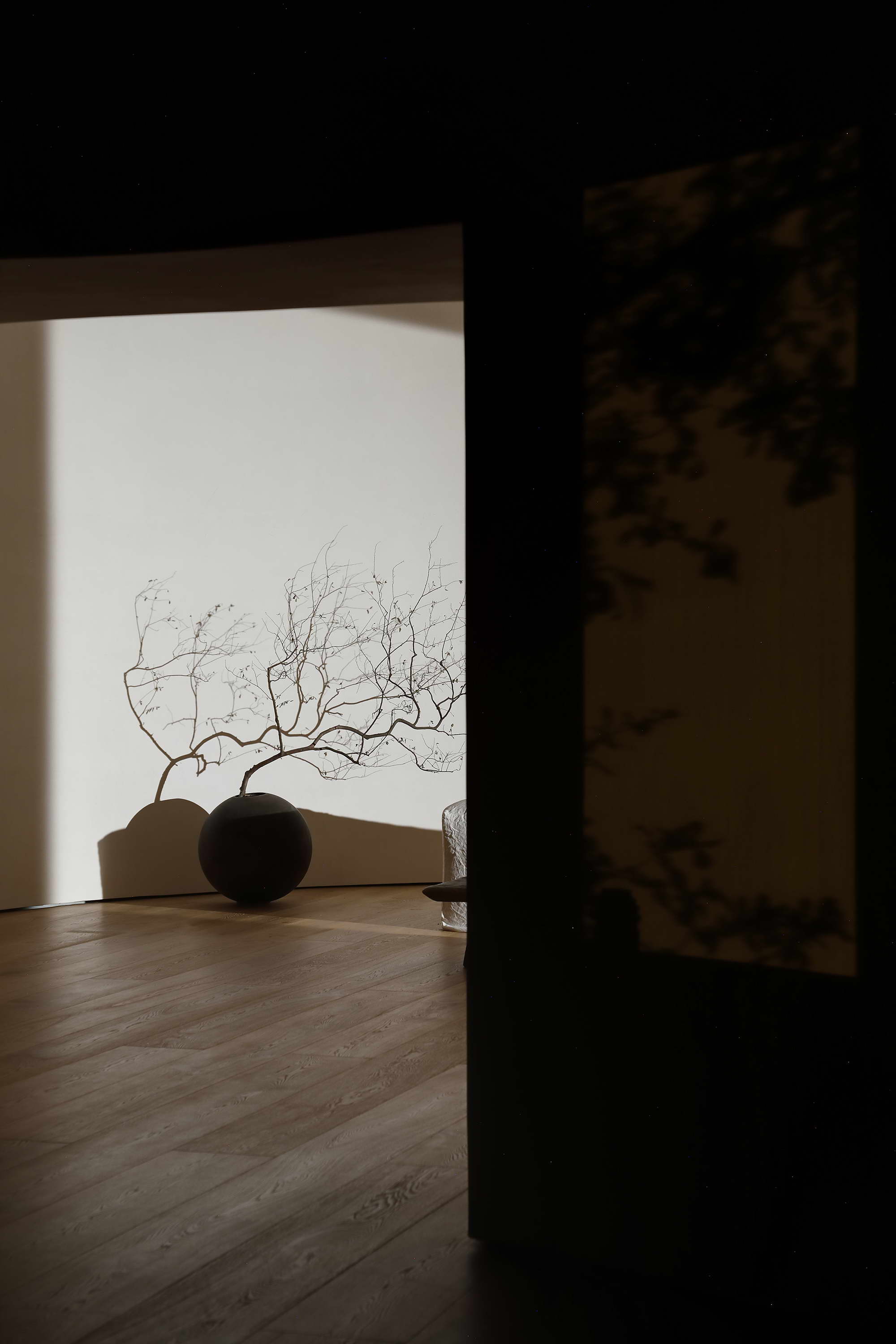
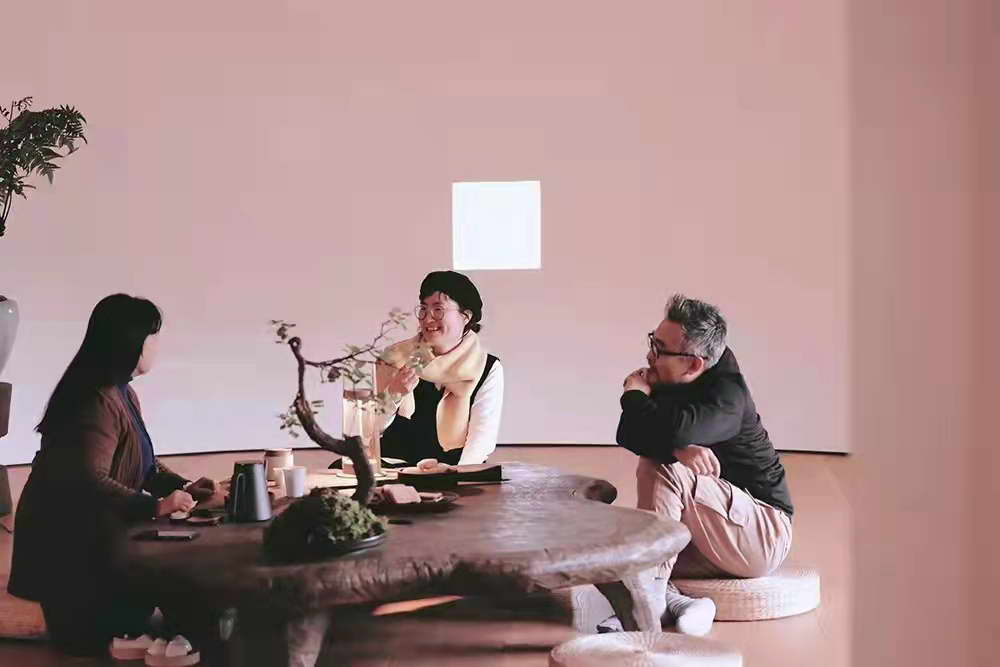
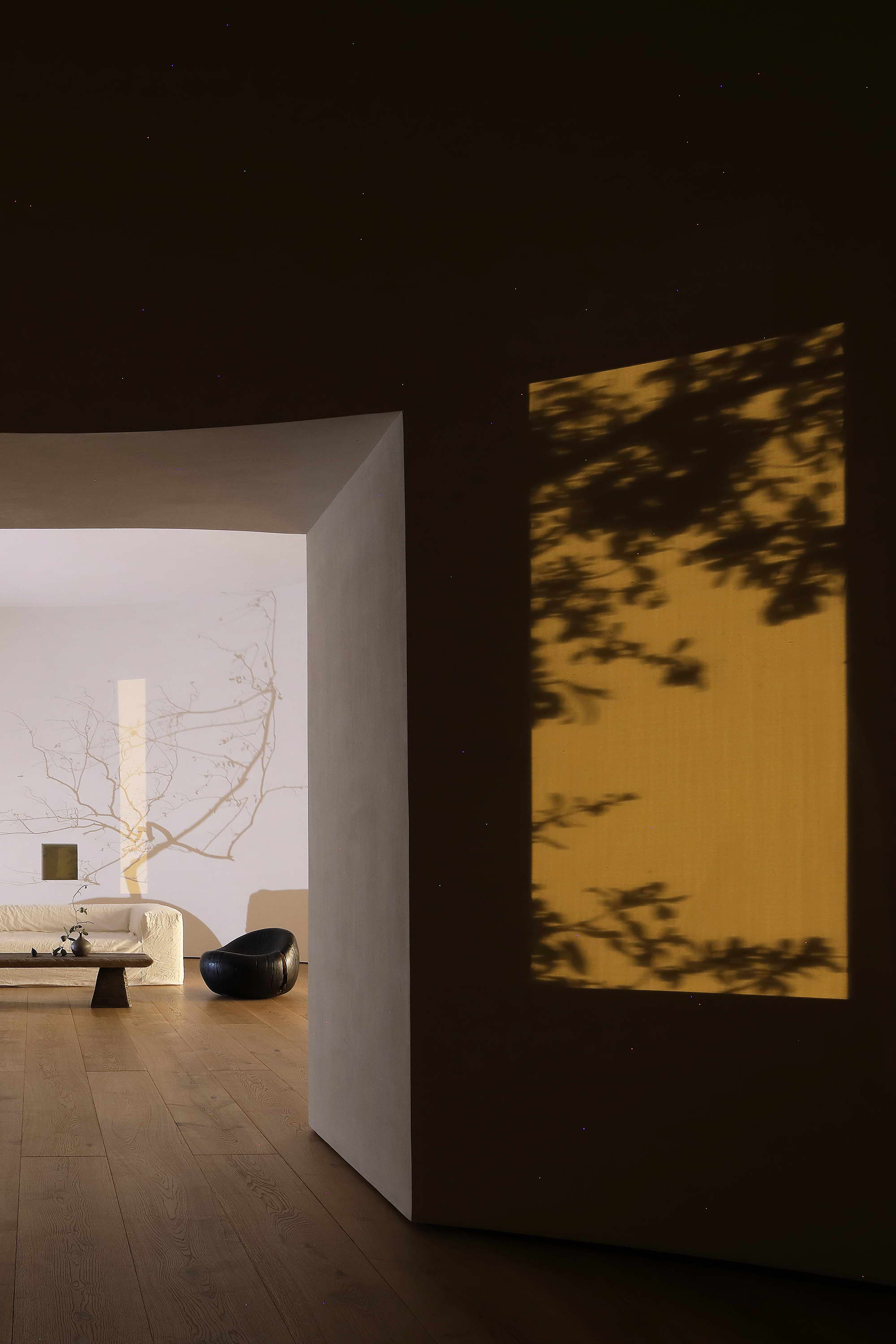
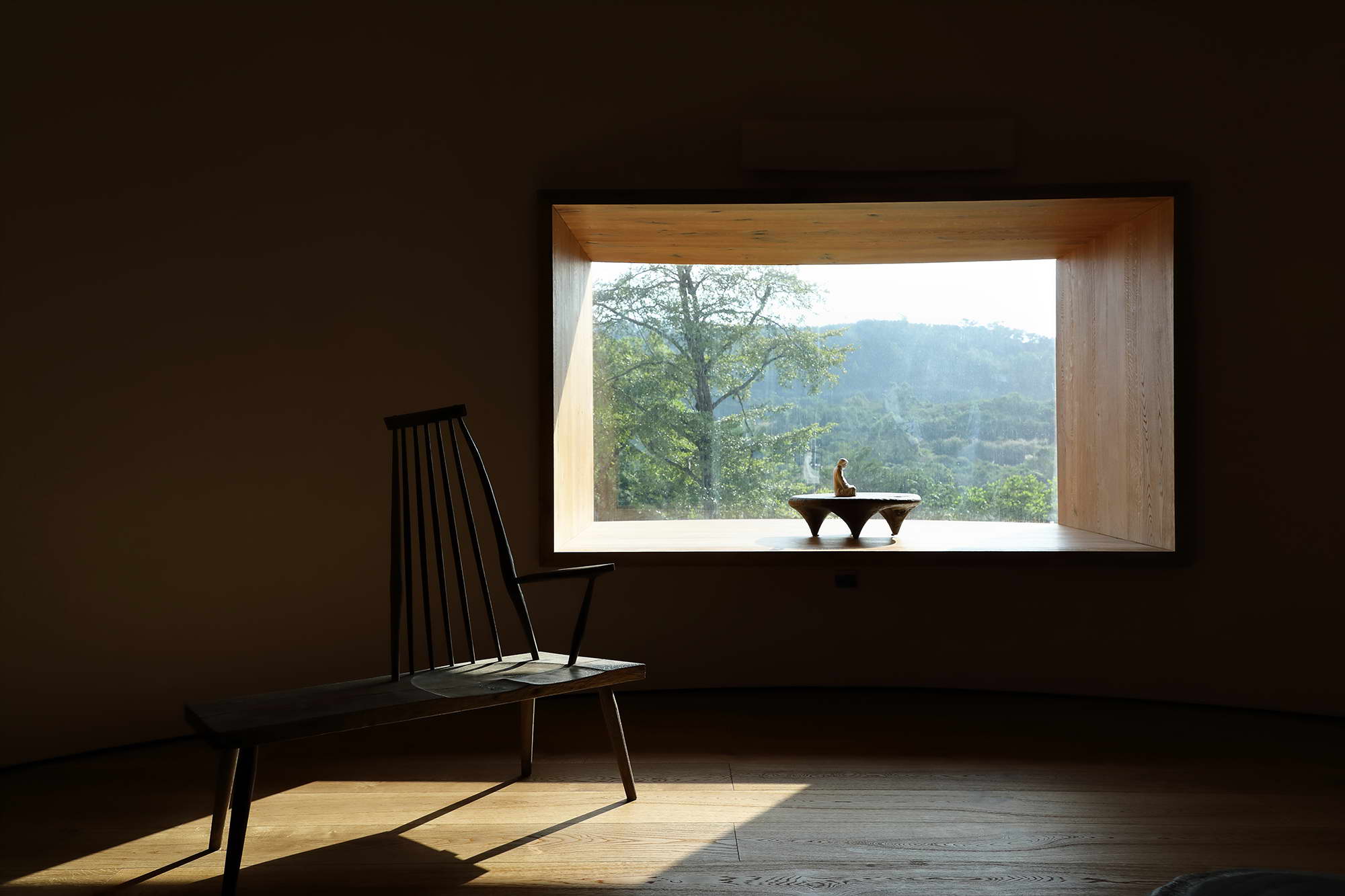
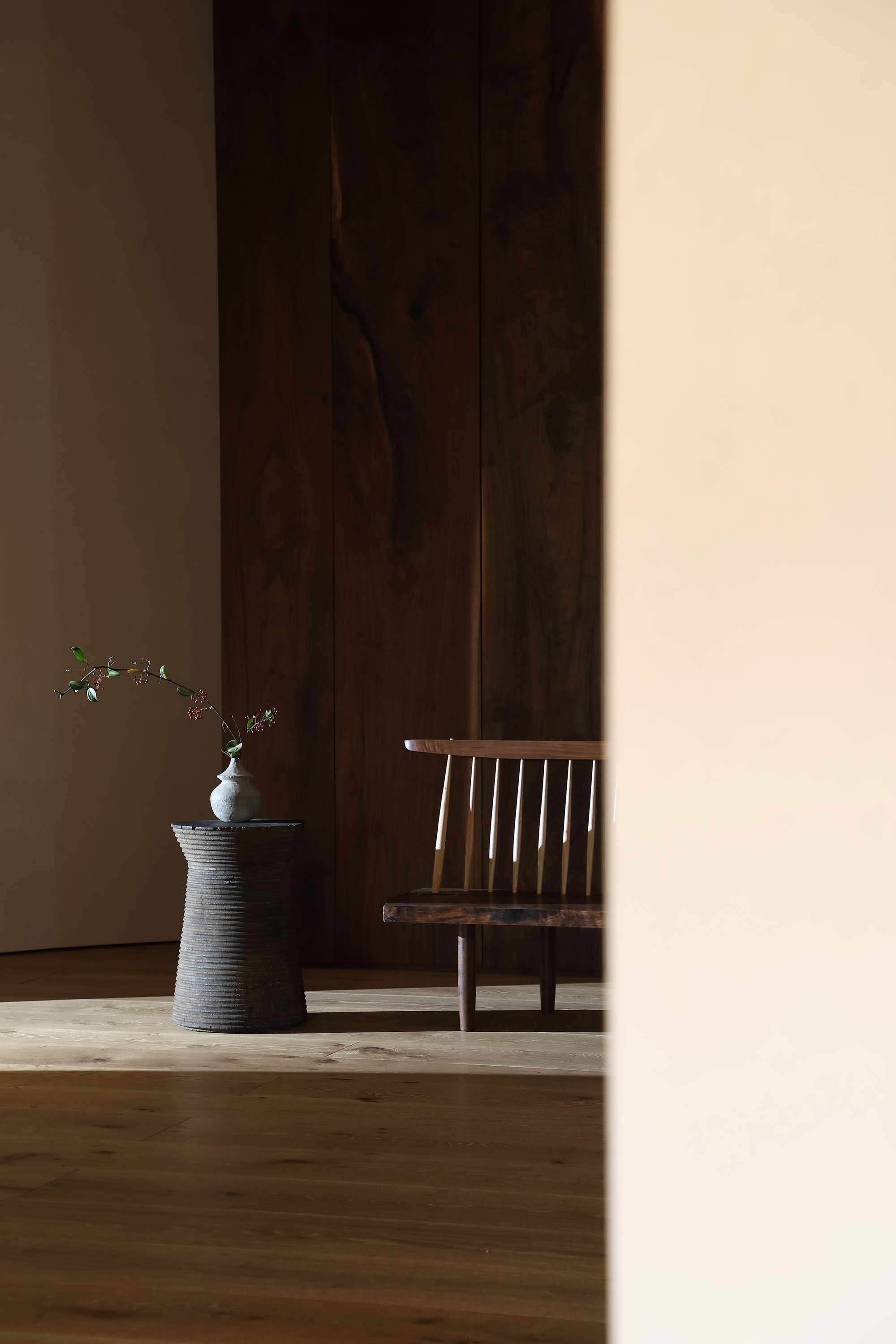
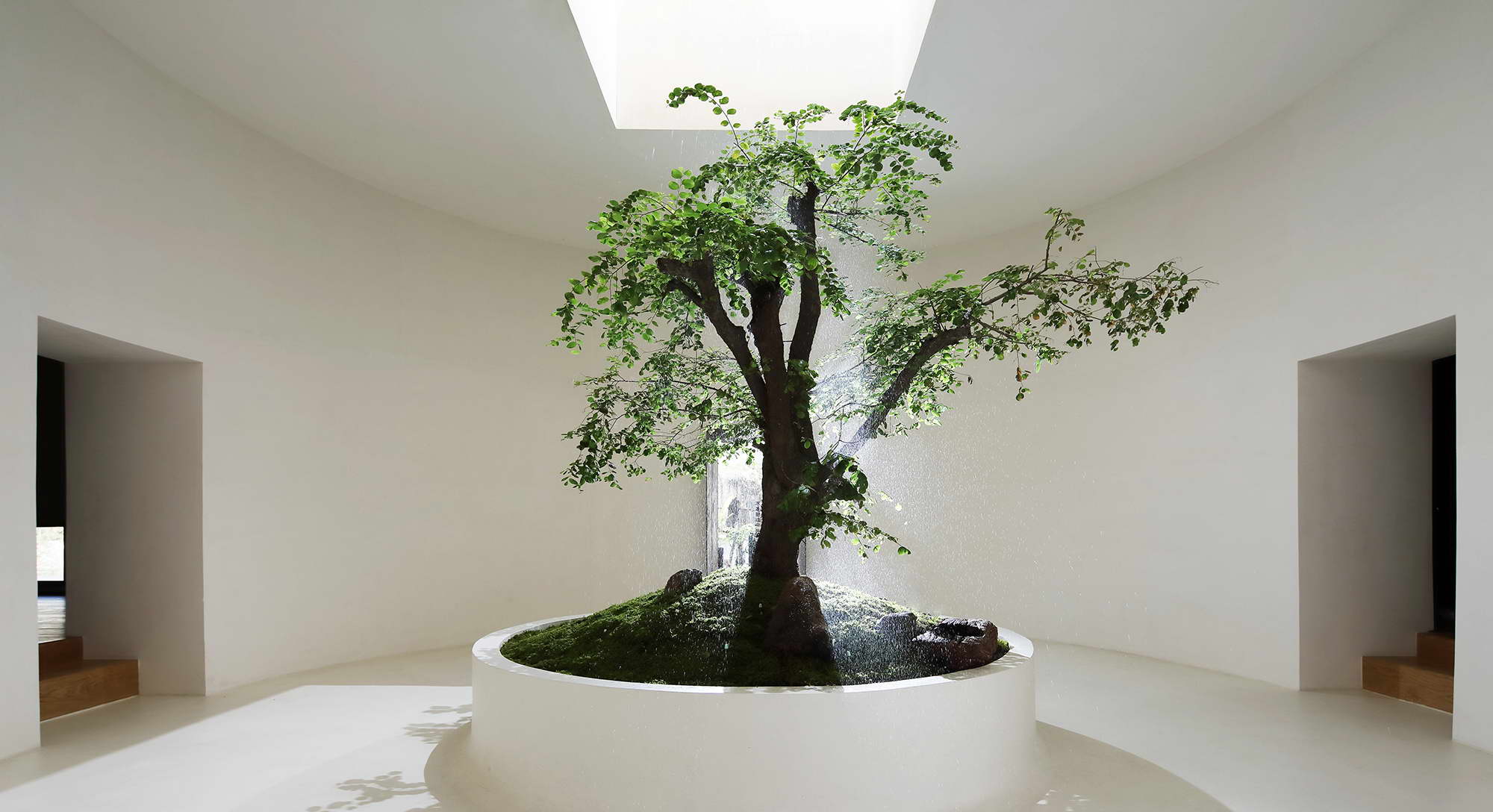
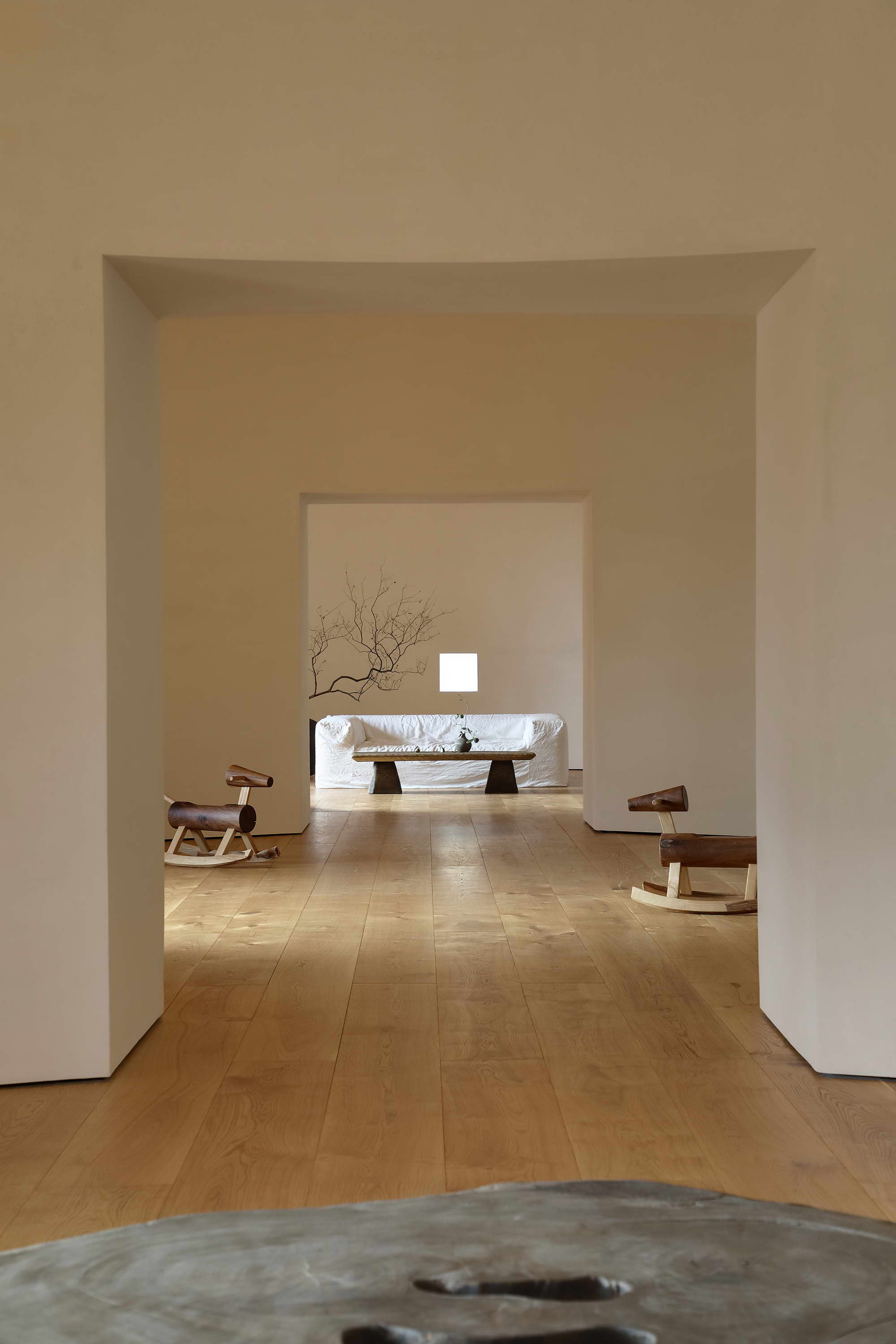
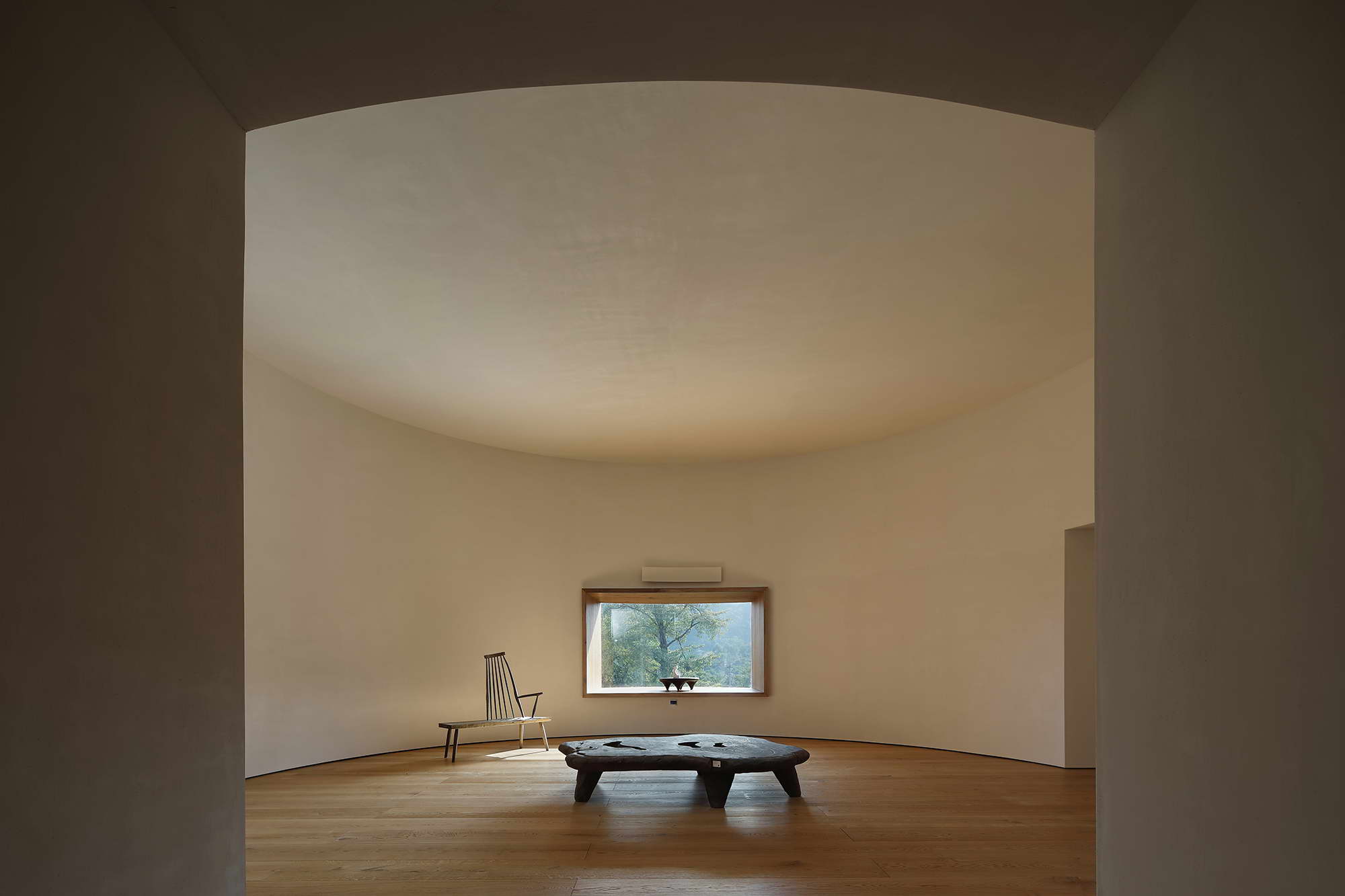
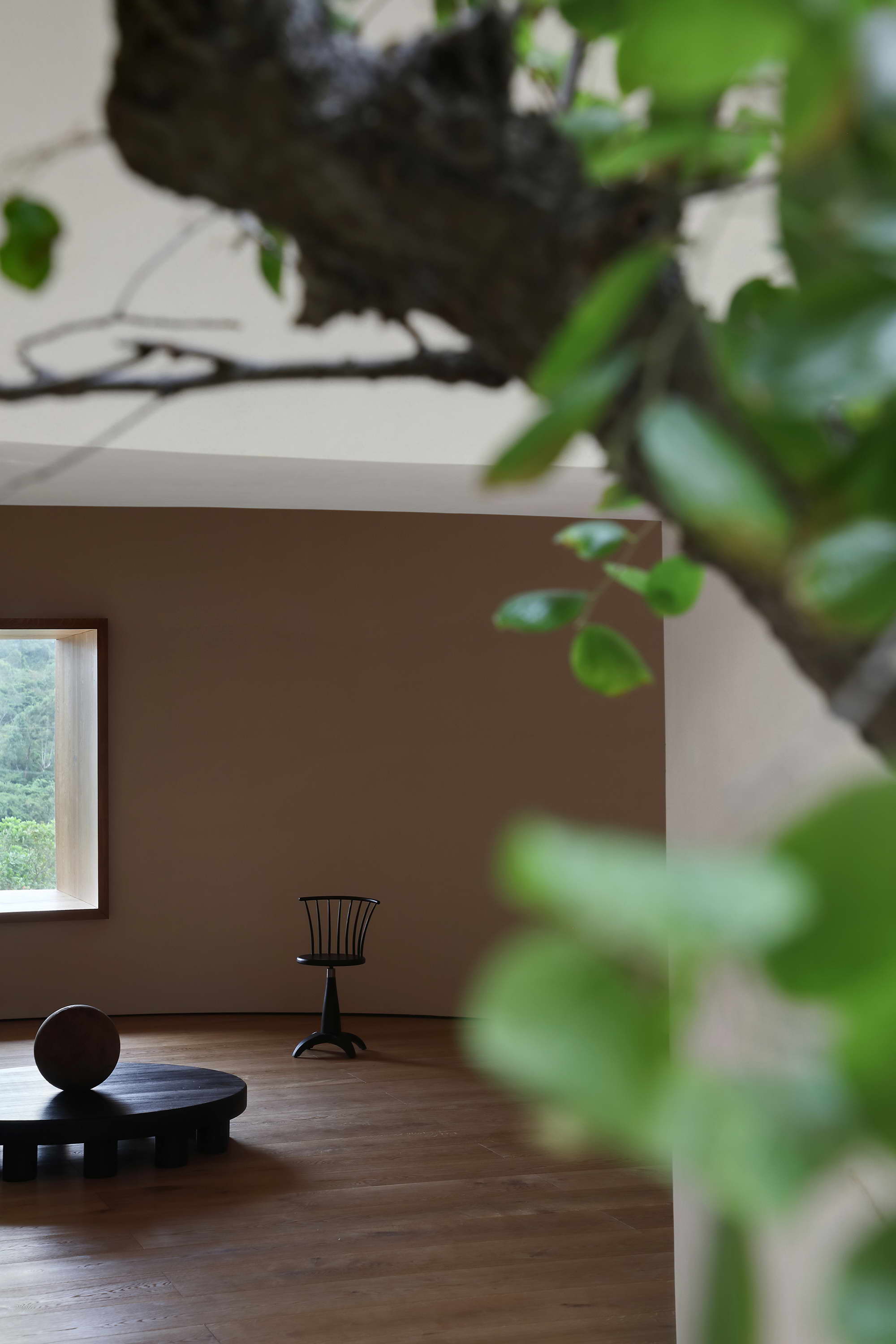
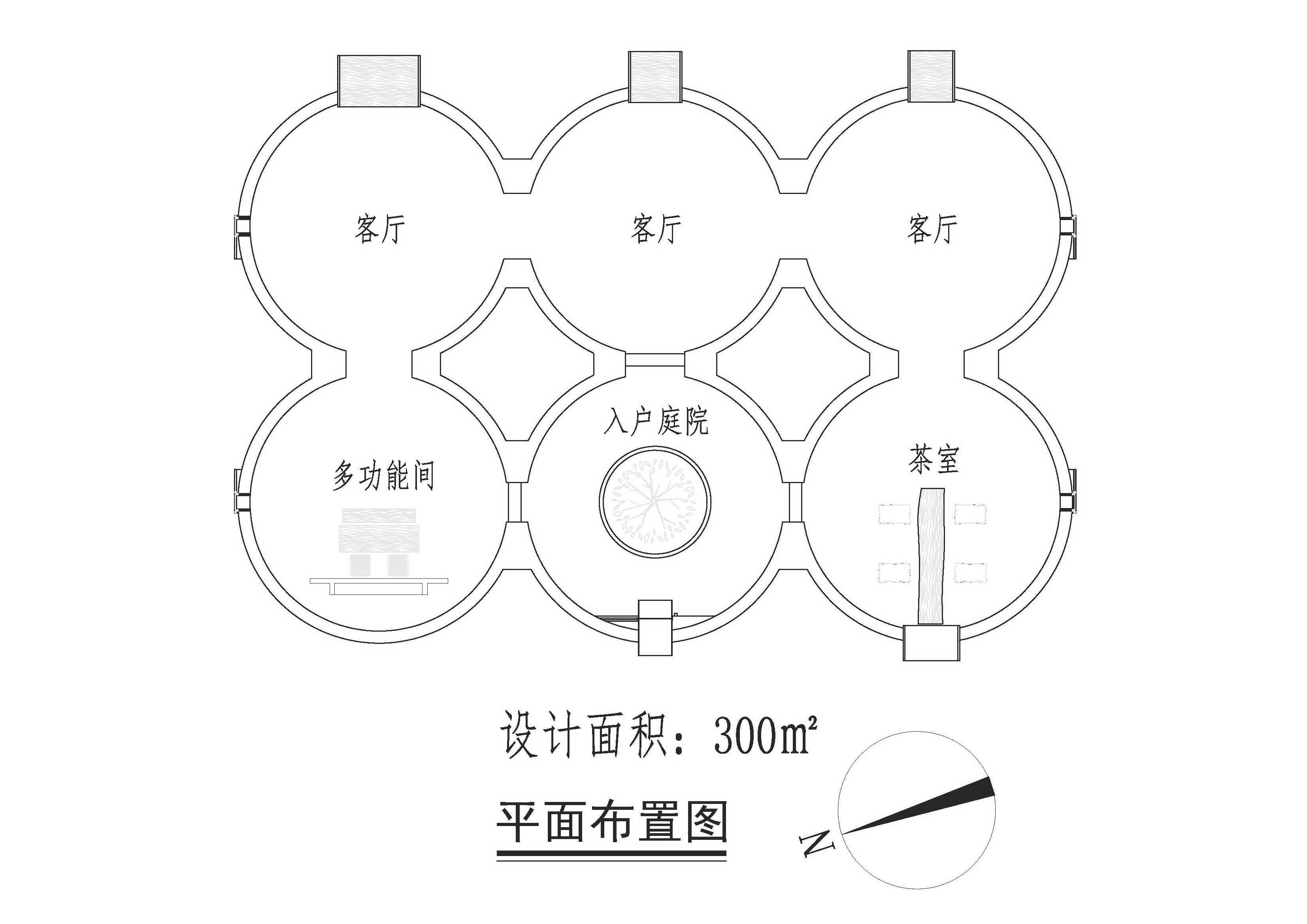
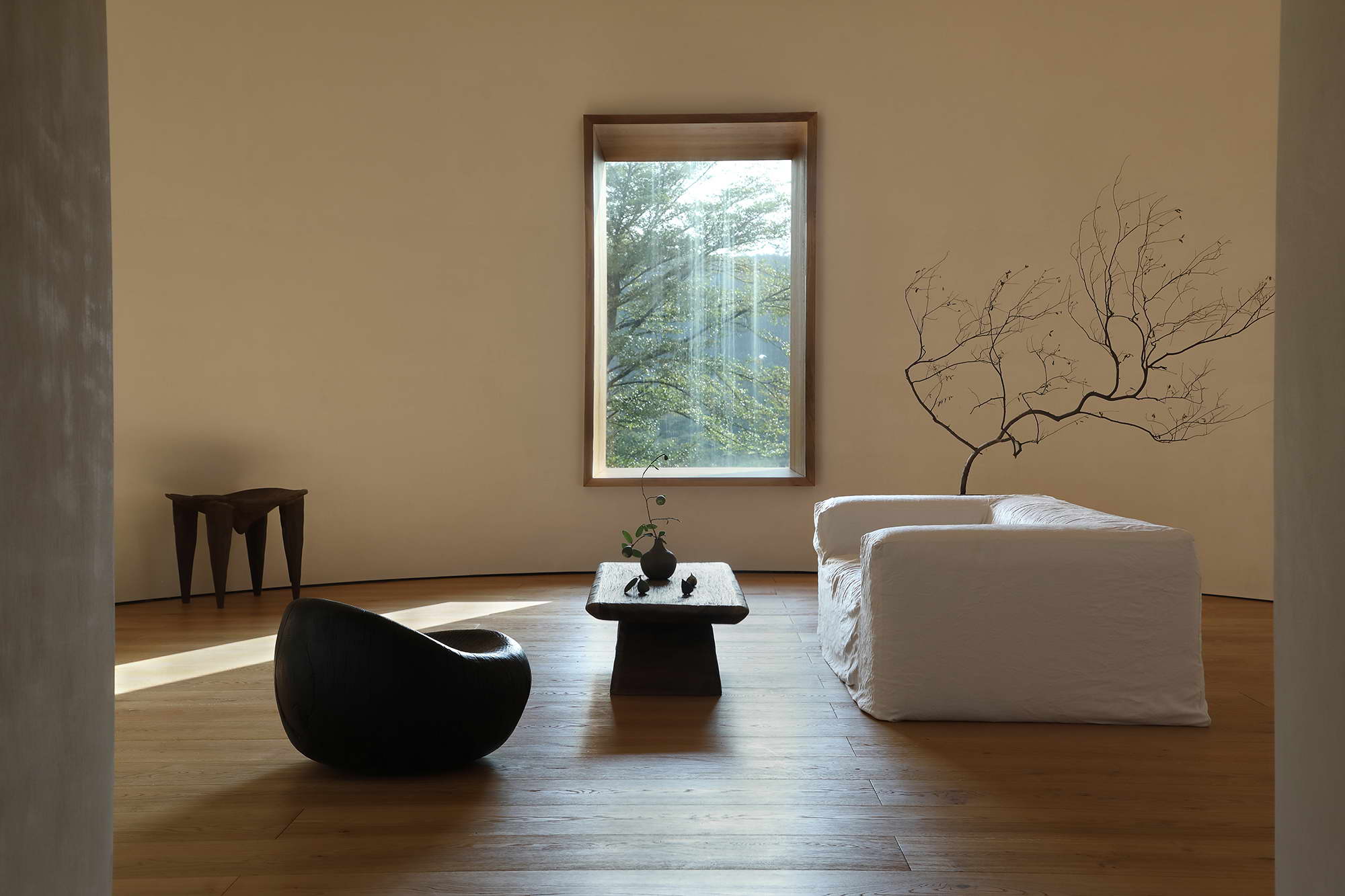
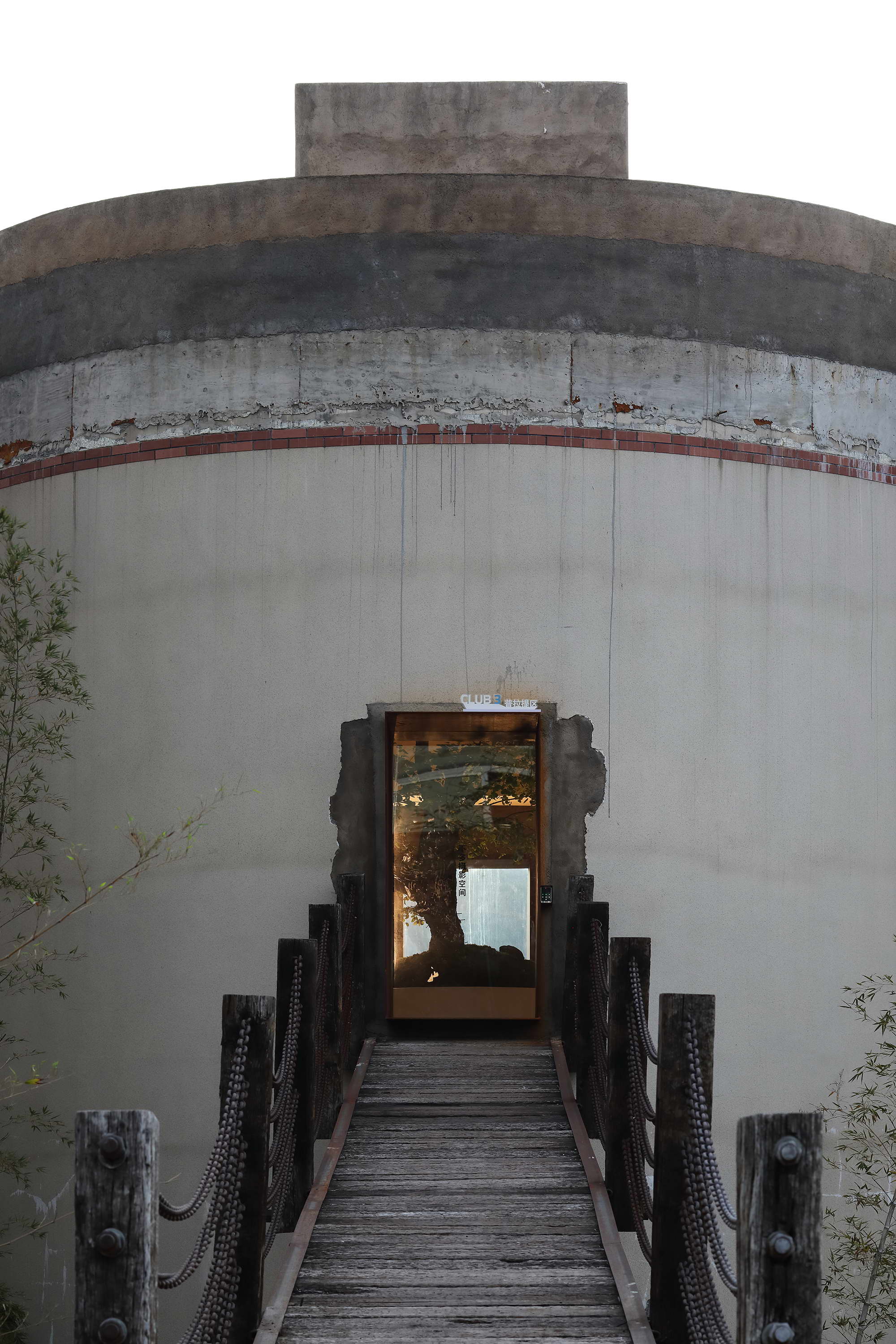
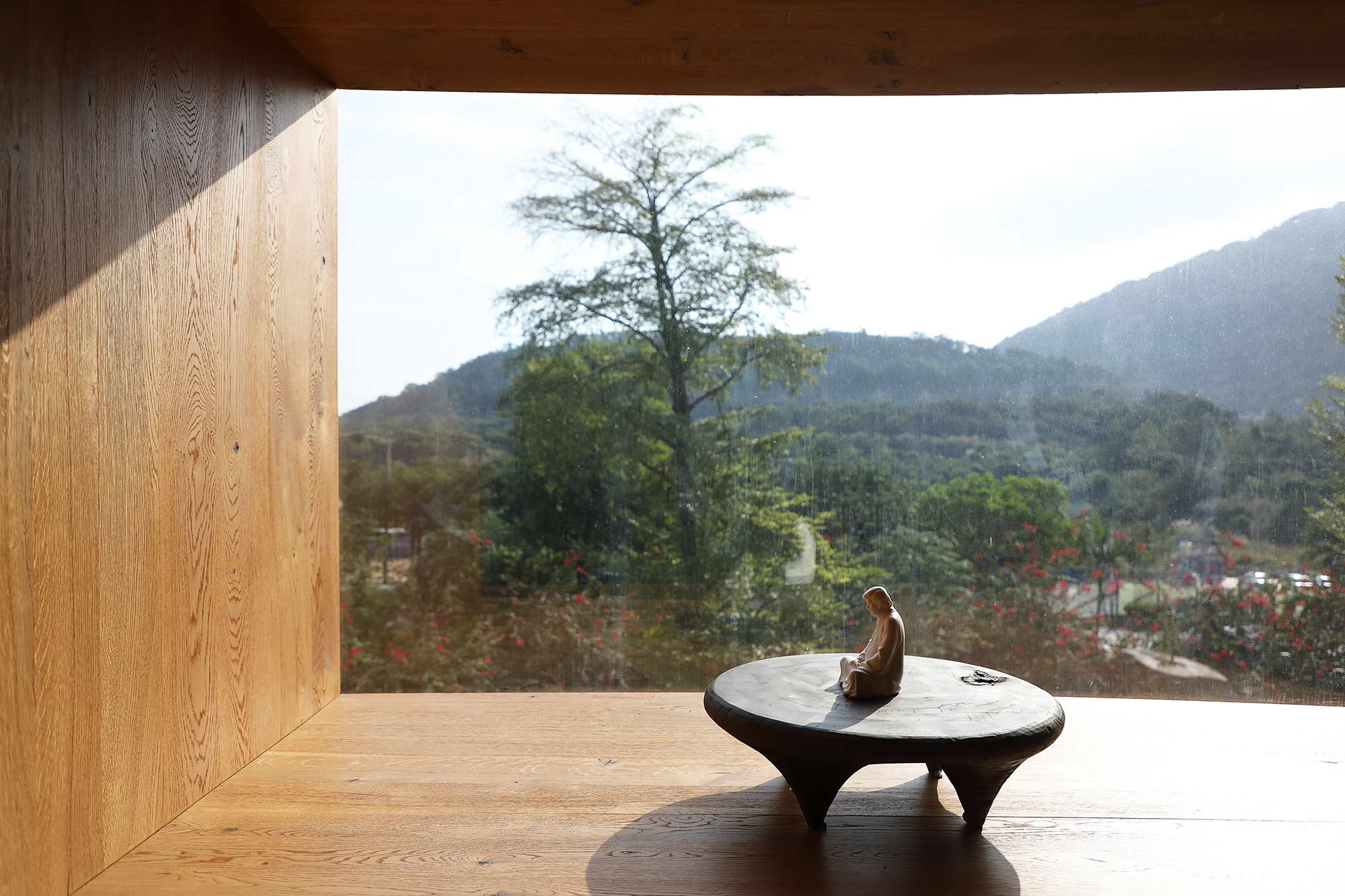
The "Buduo" (Not-Much) Tea House in Tong'an, Xiamen, is the latest work of the self-taught designer known as Wanmu Shazi (Playing-Wood Fool), whose earlier, irreverent sculpture of a Buddha with Donald Trump's face drew international media attention and became an internet meme. A woodworker by trade who moved into furniture, space, architectural, sculpture and fashion design without formal training, Wanmu Shazi began his architectural practice a few years ago when he found an abandoned cement factory at the foot of a small hill in Fengnan, Xiamen, surrounded by green hills and village life. Rather than demolish, he kept most of the old factory buildings; several enormous cement silos gave him the spatial inspiration, and he began inviting creative teams to share the campus. The silos have since been converted into a 15-metre-high meditation tea house, artist studios, a woodwork gallery and Wanmu Shazi's own home on top of a silo, gradually turning the once-remote factory into an accidental internet destination. Three years ago, when he began converting the last six silos, his direction had clarified: "A space, like a person, needs no more decoration once it has a good body, skin and temperament." The result is "Buduo" — not much decoration, only pure spatial expression and close-to-the-senses materials. To reach it one crosses a narrow wooden bridge and passes a light frame of rusted steel and glass, where the atmosphere changes and visitors quieten. A single shrub stands in the entry under a skylight; moss and earth scent blend inside and out, blurring the threshold. From this vestibule, five connected circular rooms unfold; their openings vary in size like eyes, framing the mountain across the valley and borrow views from one another so that the six circular spaces borrow views reciprocally. Warm wood floors, deliberately thick walls, rough textured plaster, air vents hidden at the skirting, and a ceiling without decoration or lamps make the spaces feel gathered and whole. Wanmu Shazi works by body rather than by theory: he walks repeatedly through a renovation in search of the most comfortable scale and the best window, and the small Buduo room took more than two years to build and adjust. He describes his method as "junior design makes form, senior design makes qi" — an atmosphere that slows visitors, invites them to lounge, watch clouds, talk or dance, and suspends time. The wider campus now hosts workshops, exhibitions and residencies for independent artists, with British architect Thomas Heatherwick among the visitors who came during construction, forming a chain from creative research through woodwork to production. Buduo itself is open to outside visitors as a tea house and as a piece of the campus's incubation programme.






 Editor's Pick