Text description provided by the architects
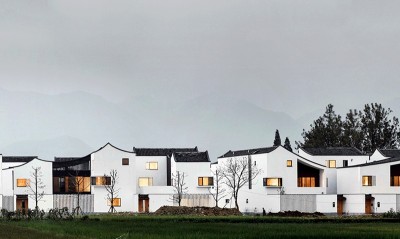
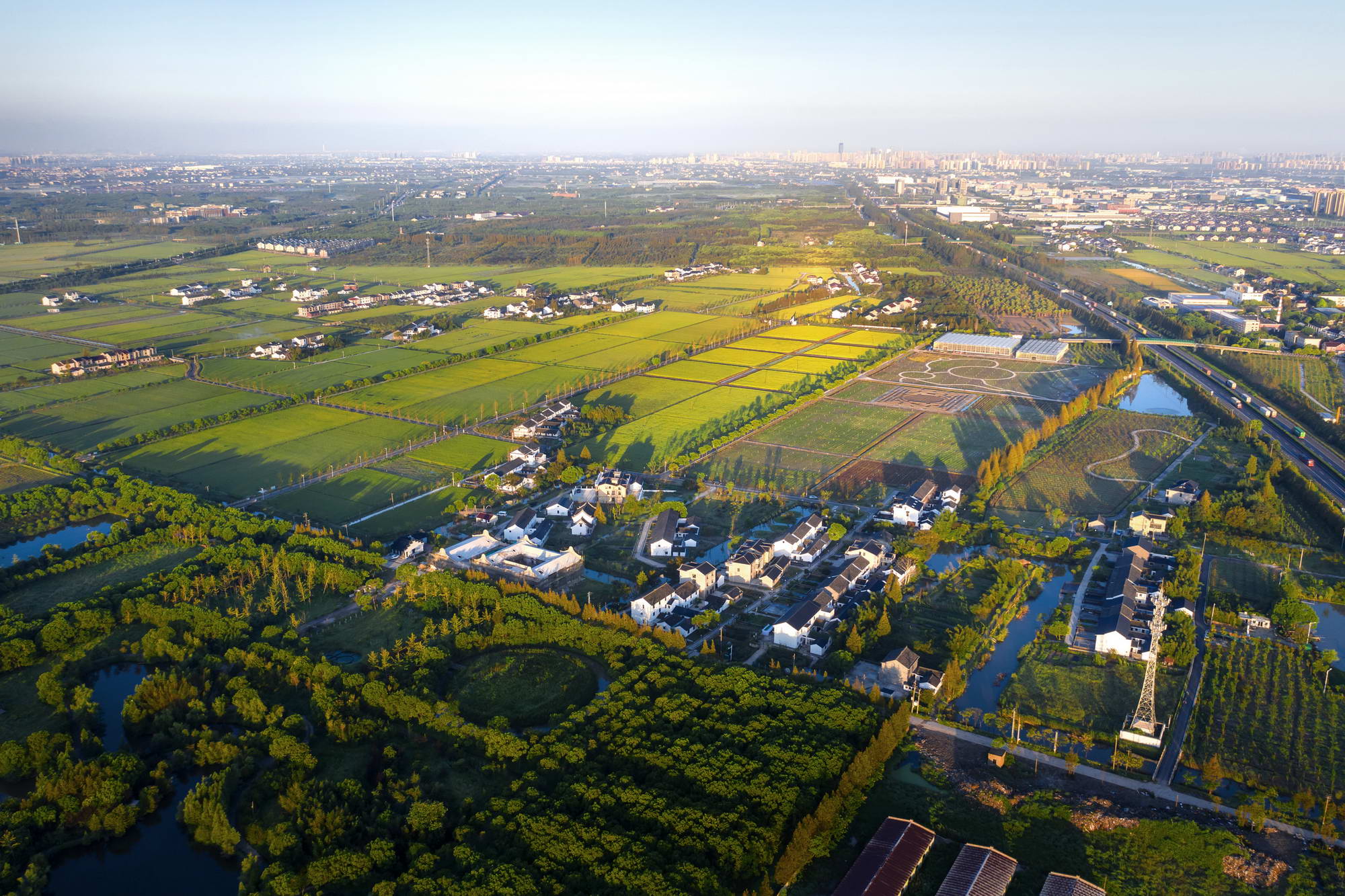
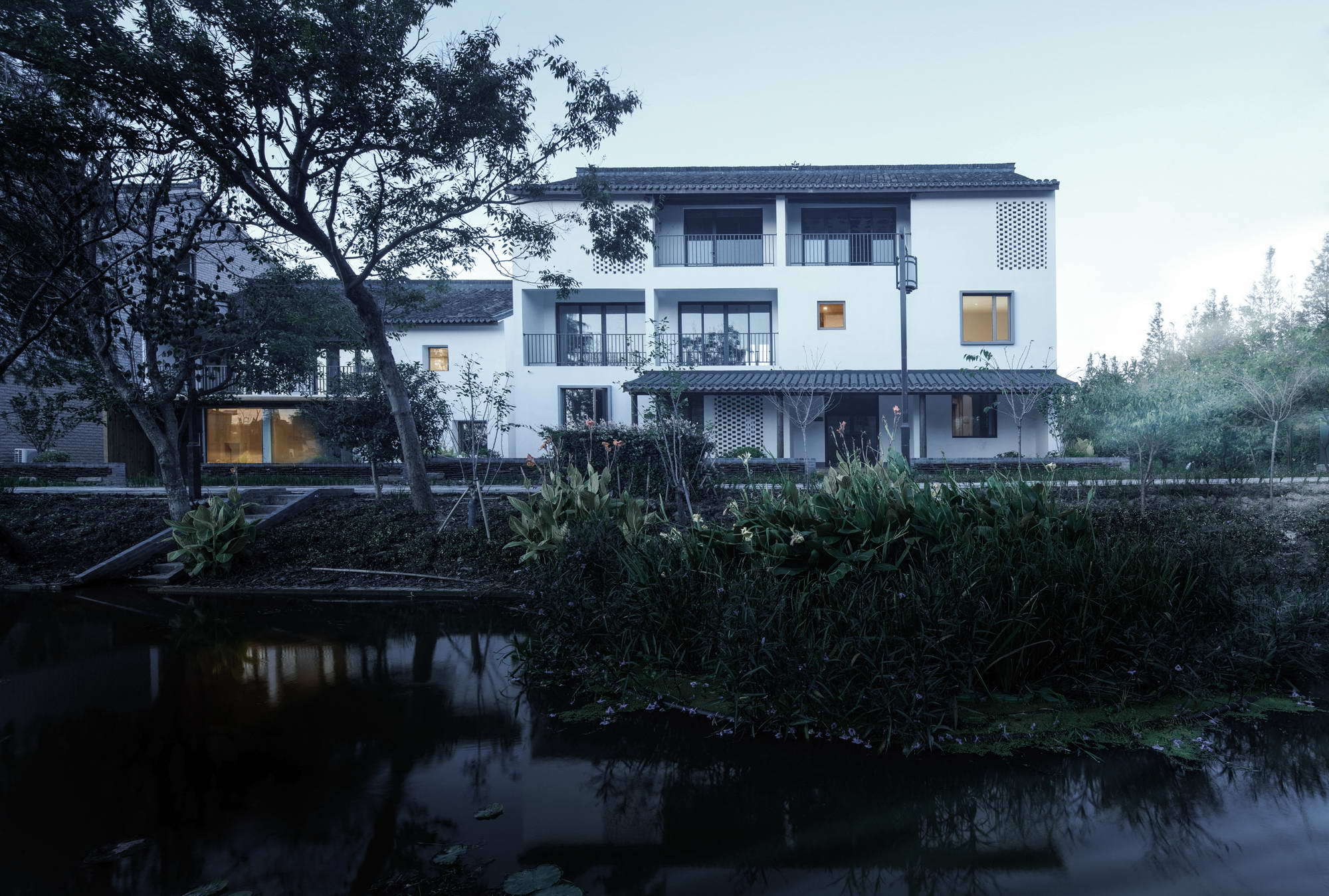
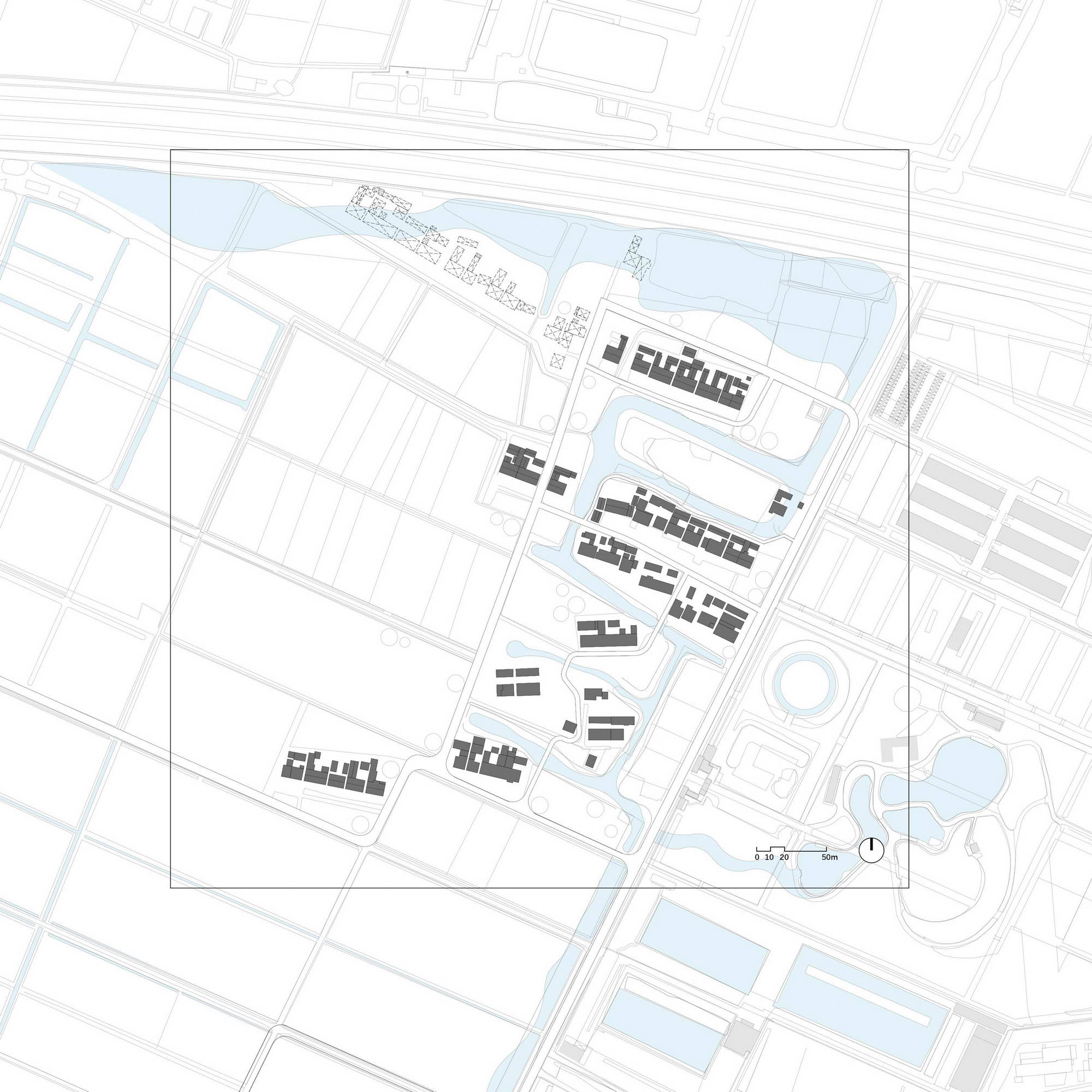
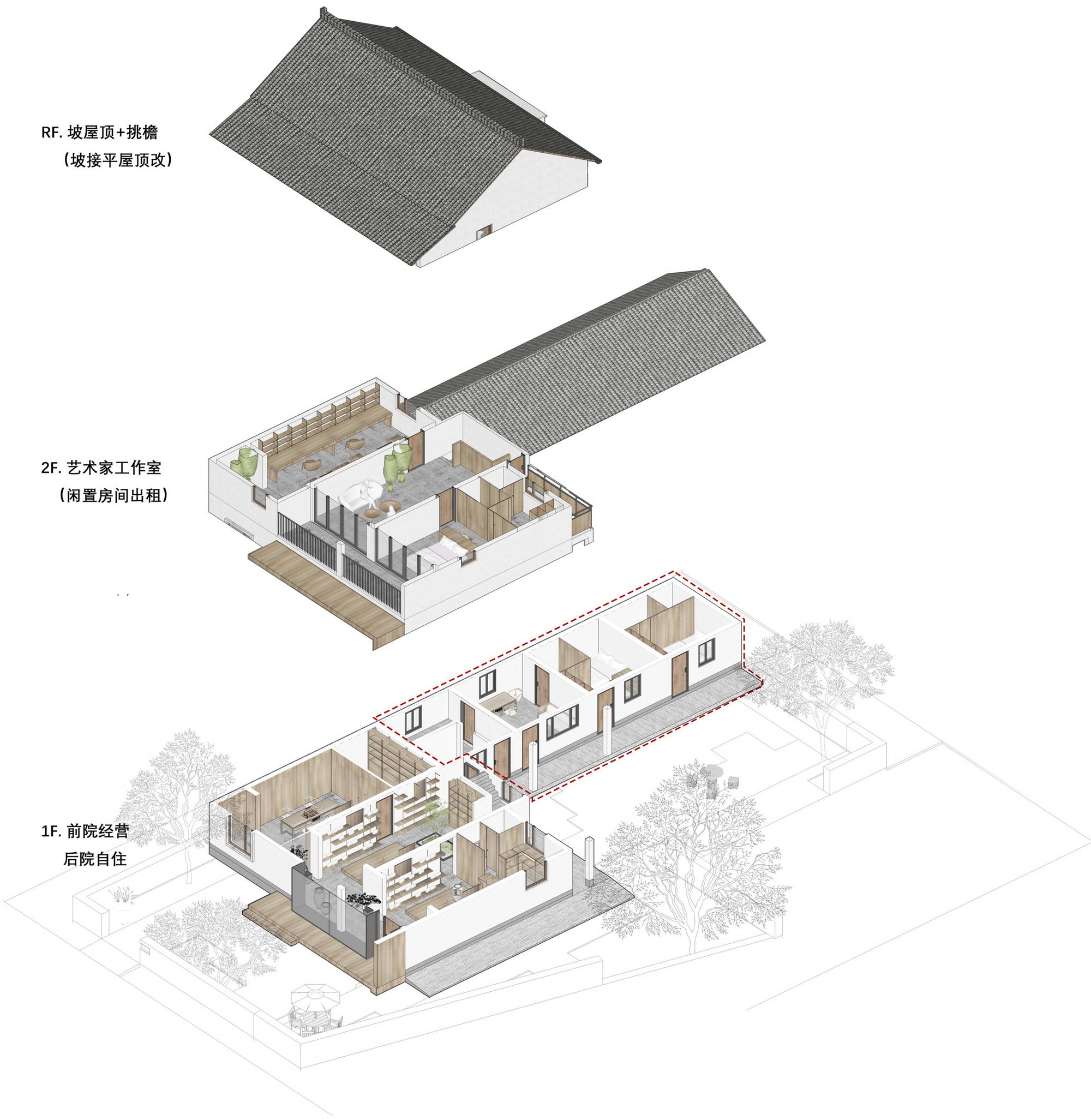
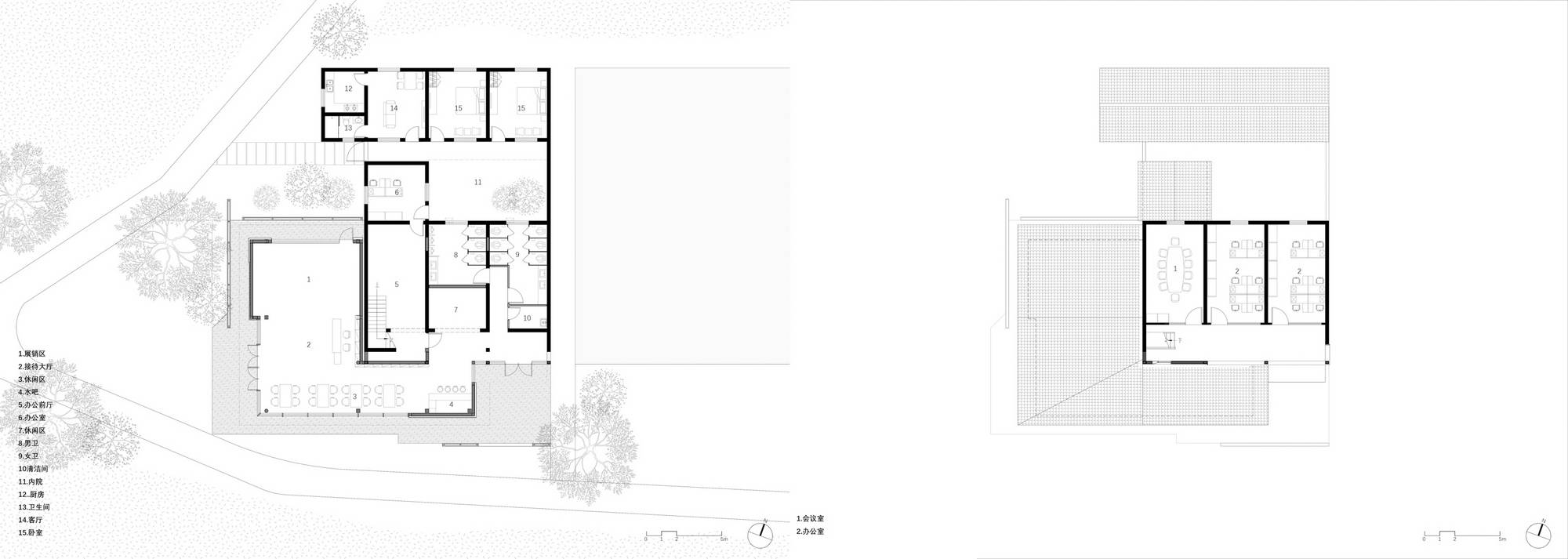
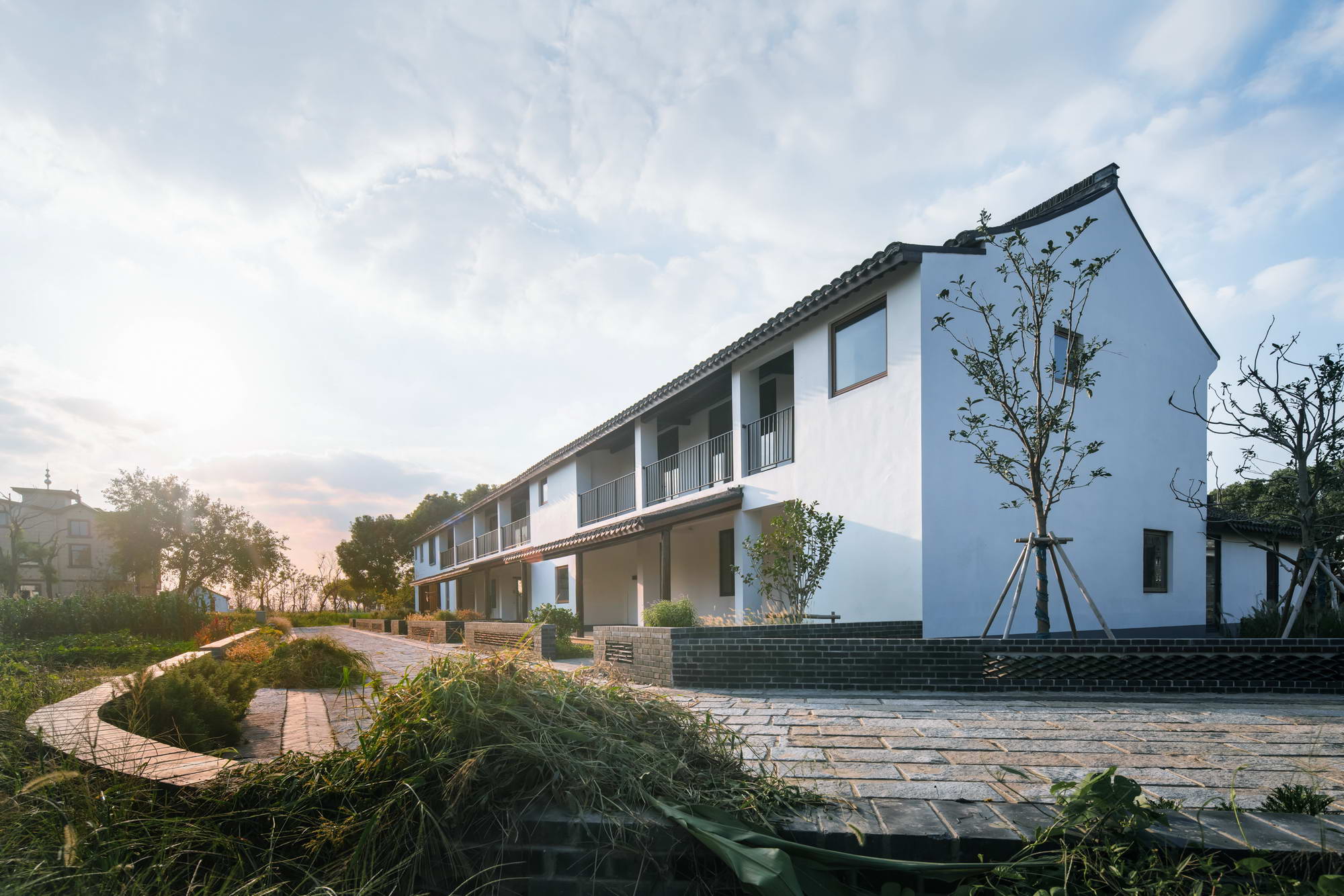
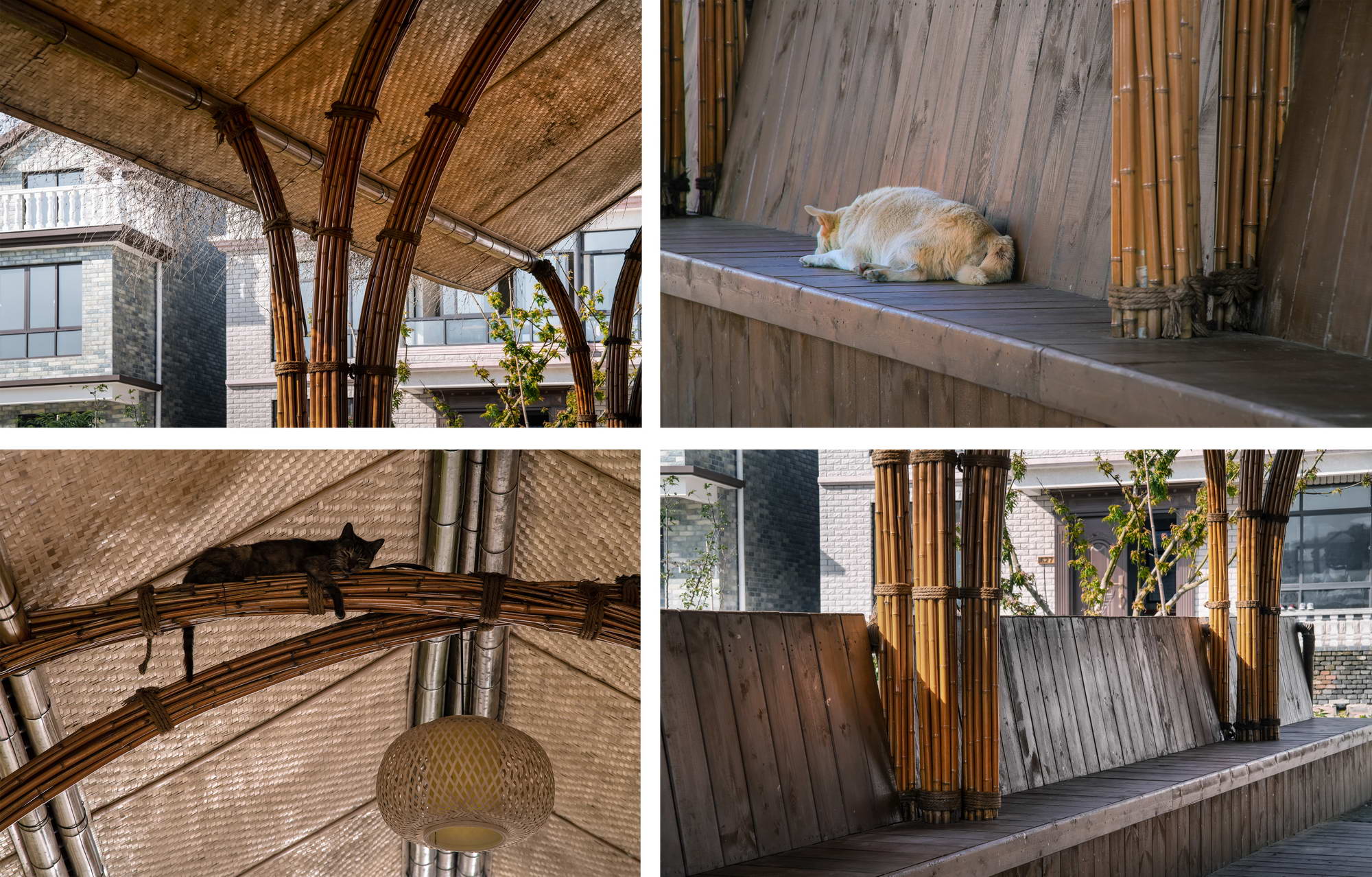
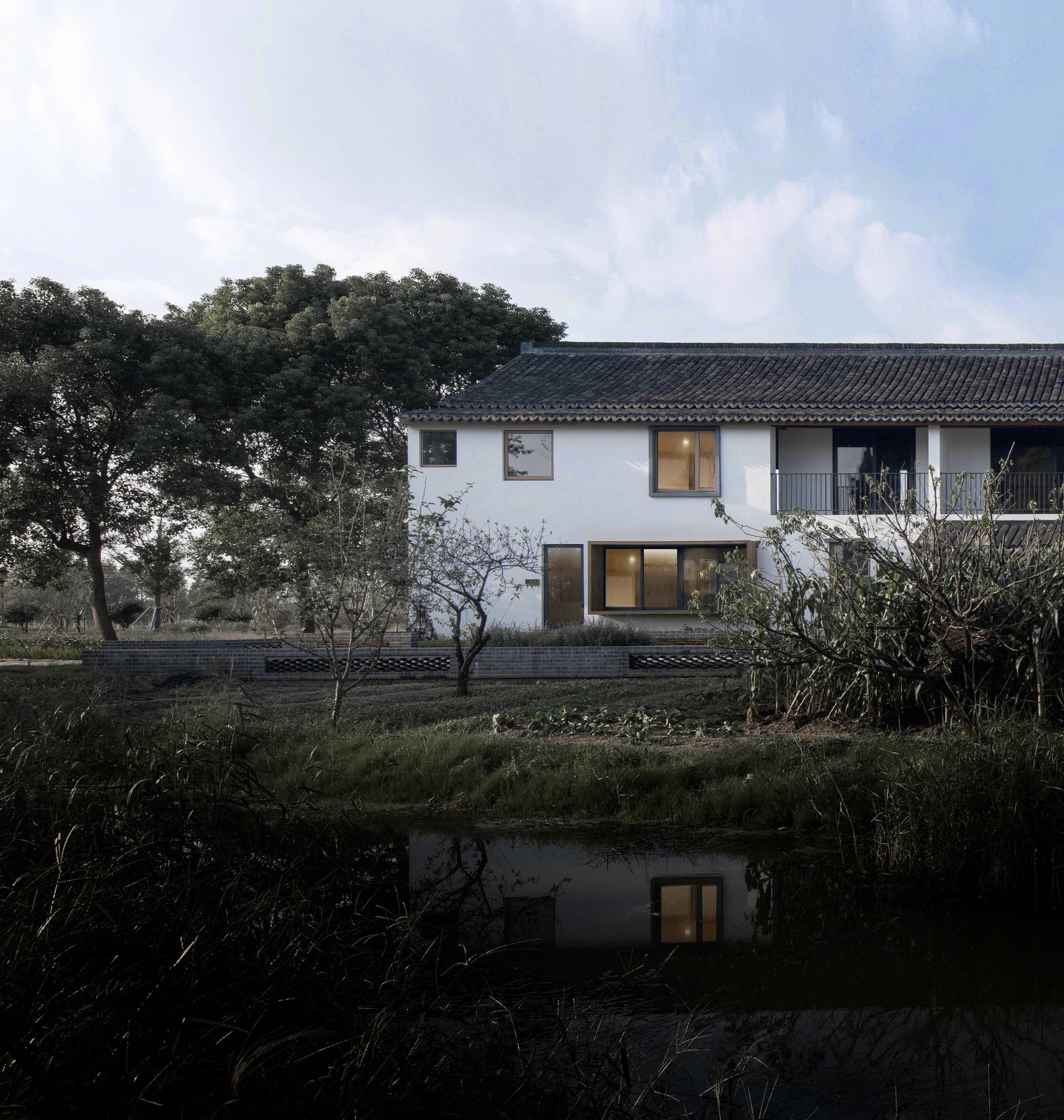
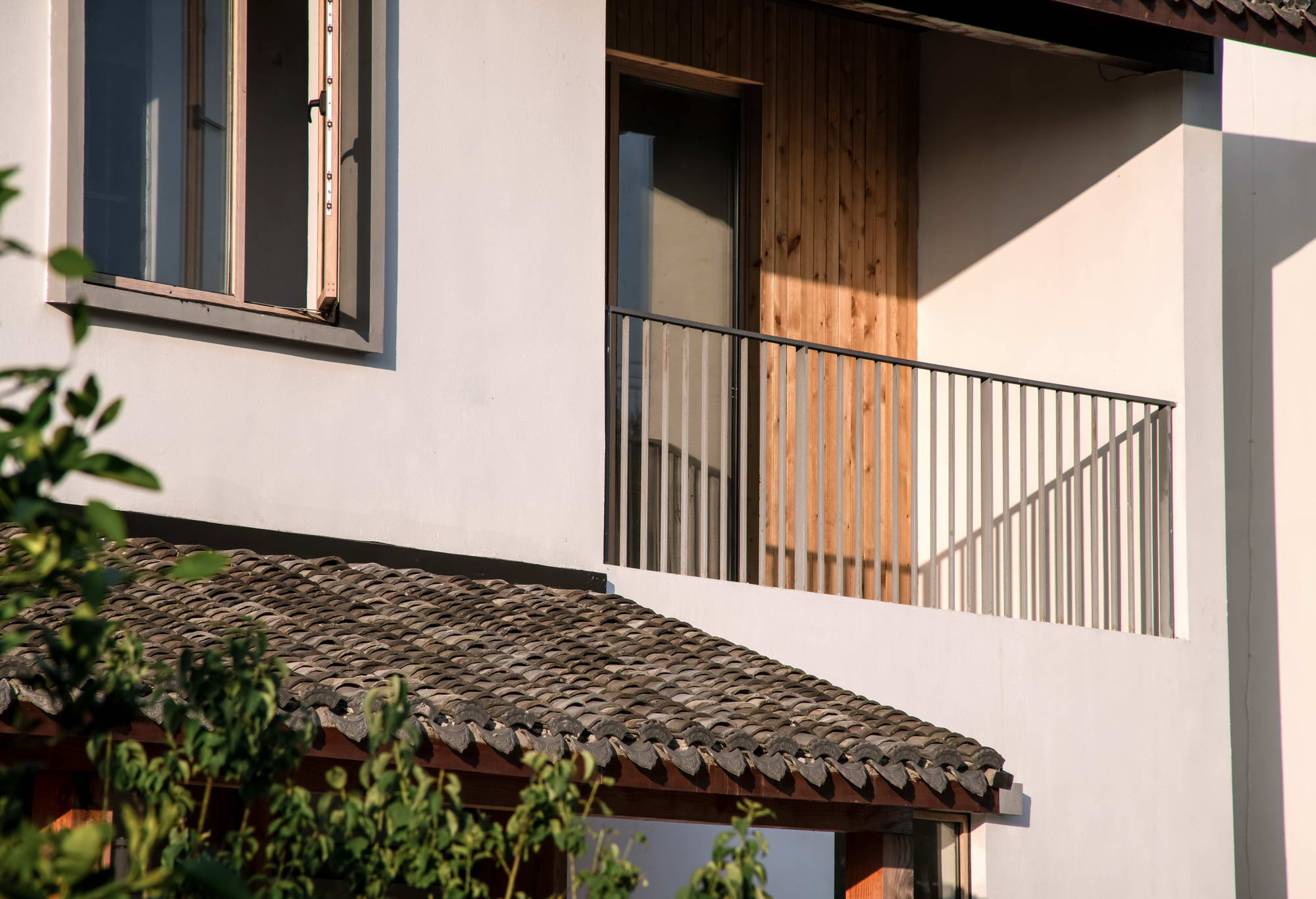
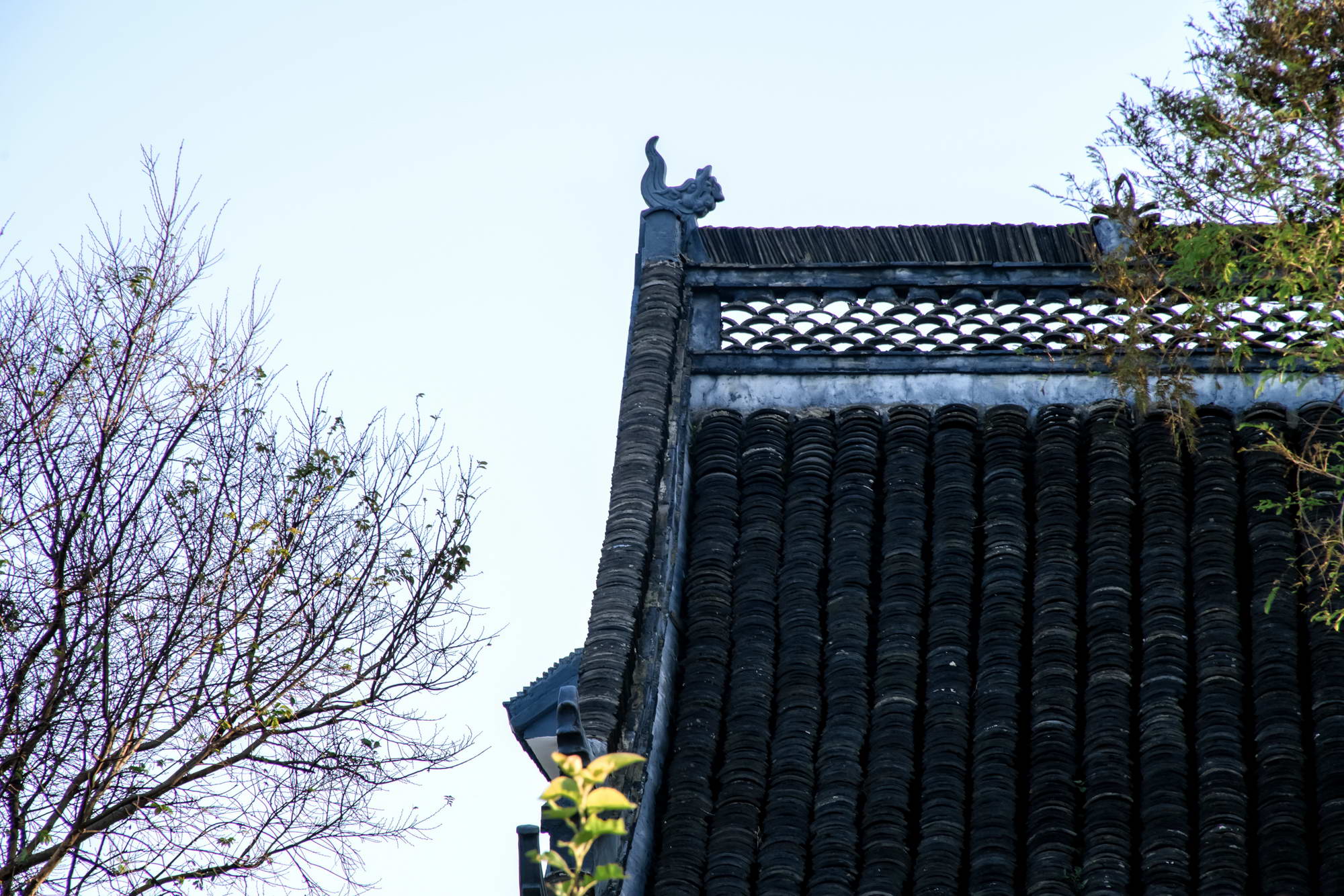
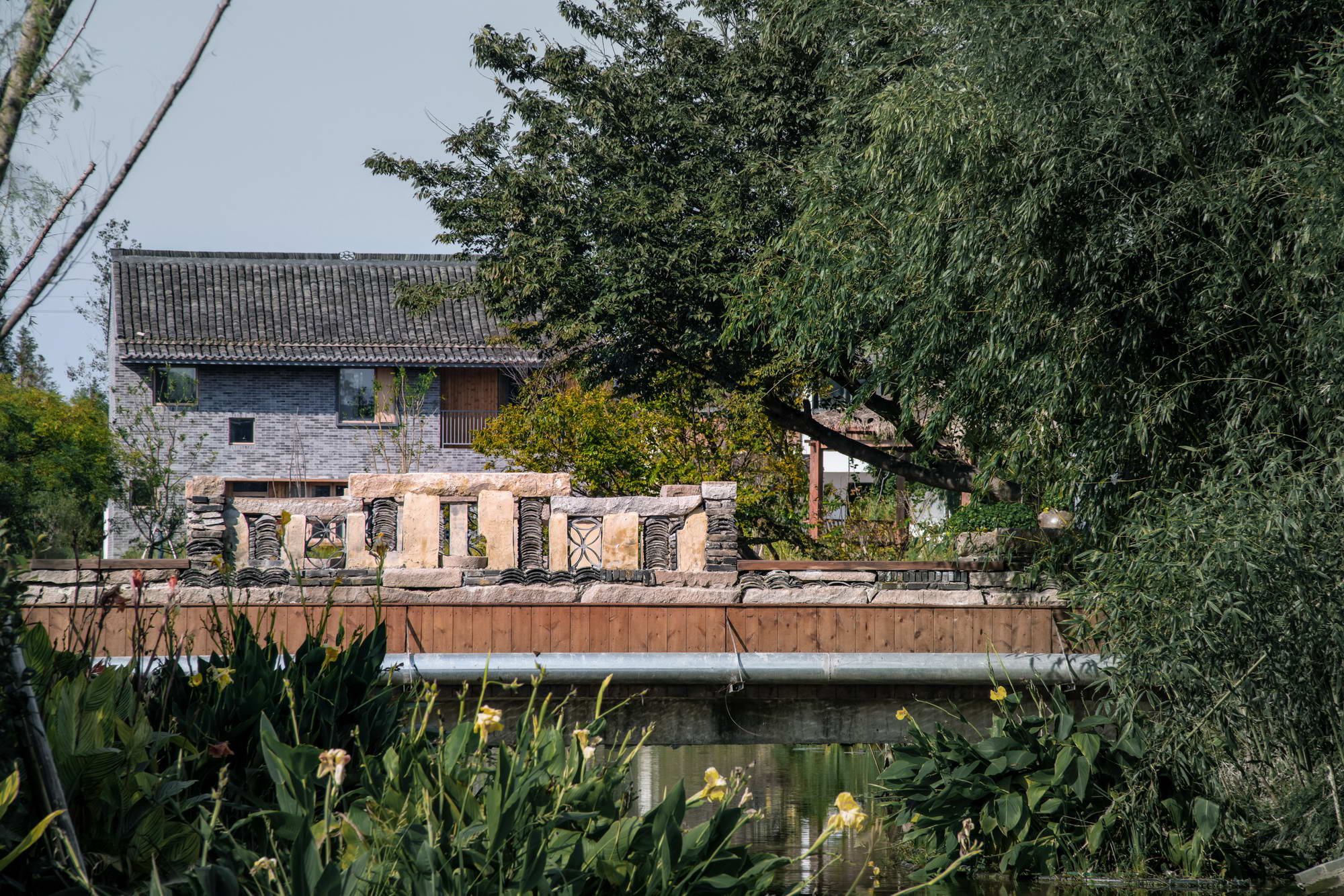
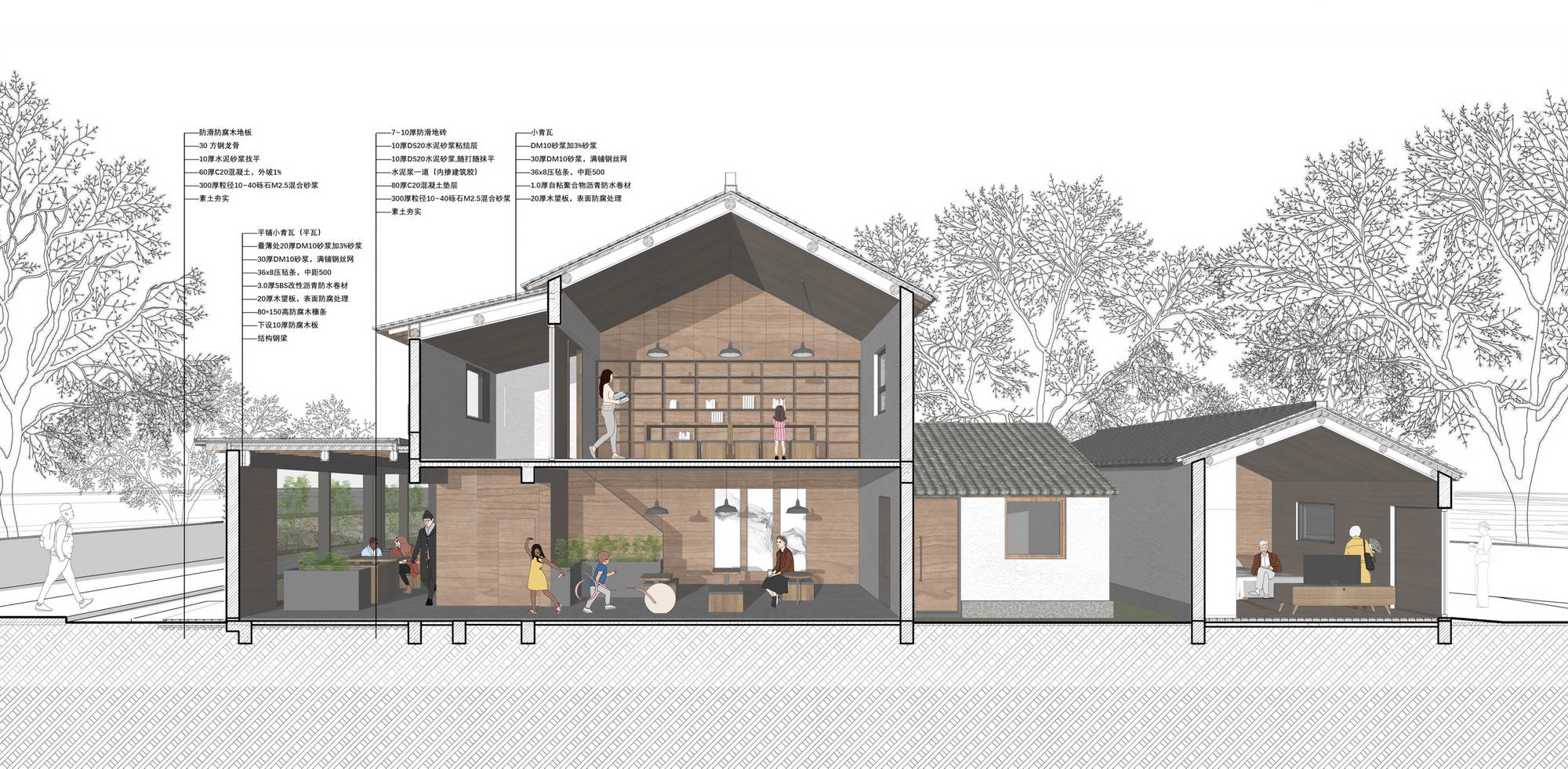
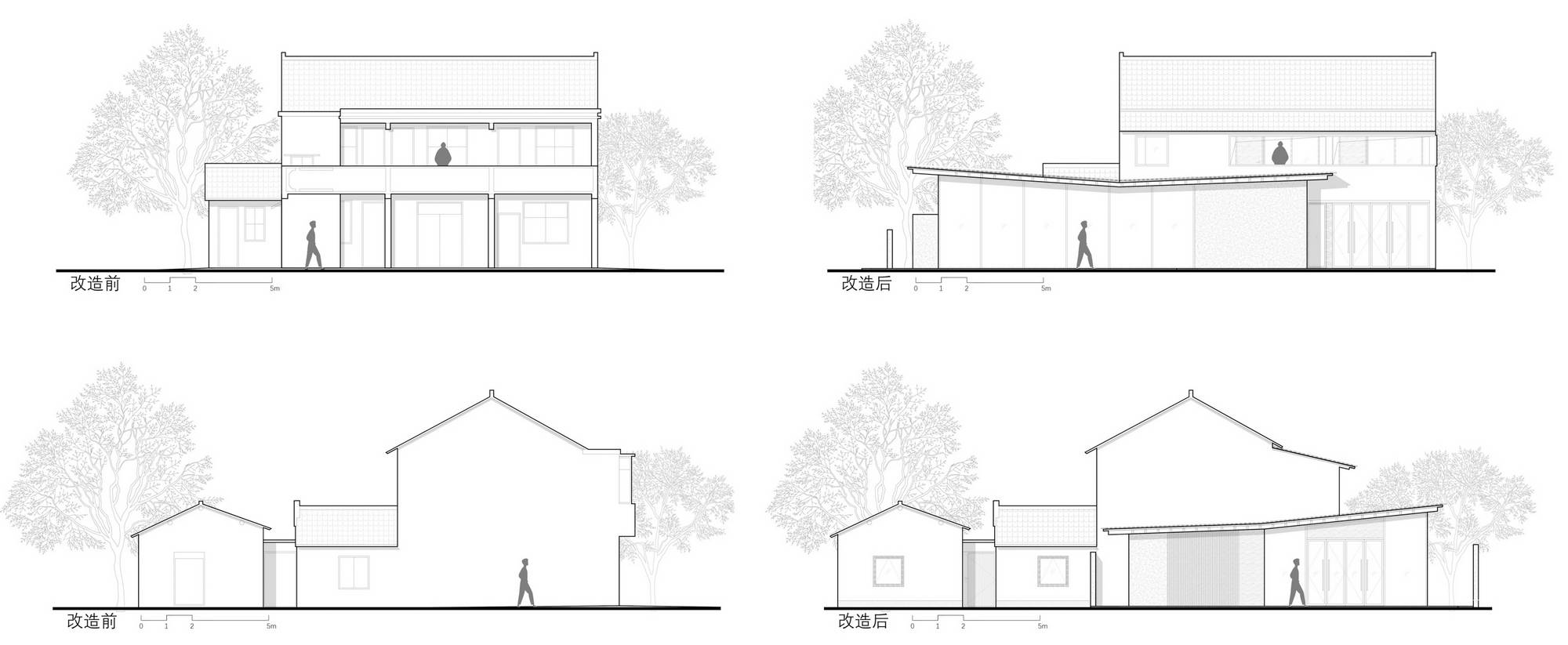
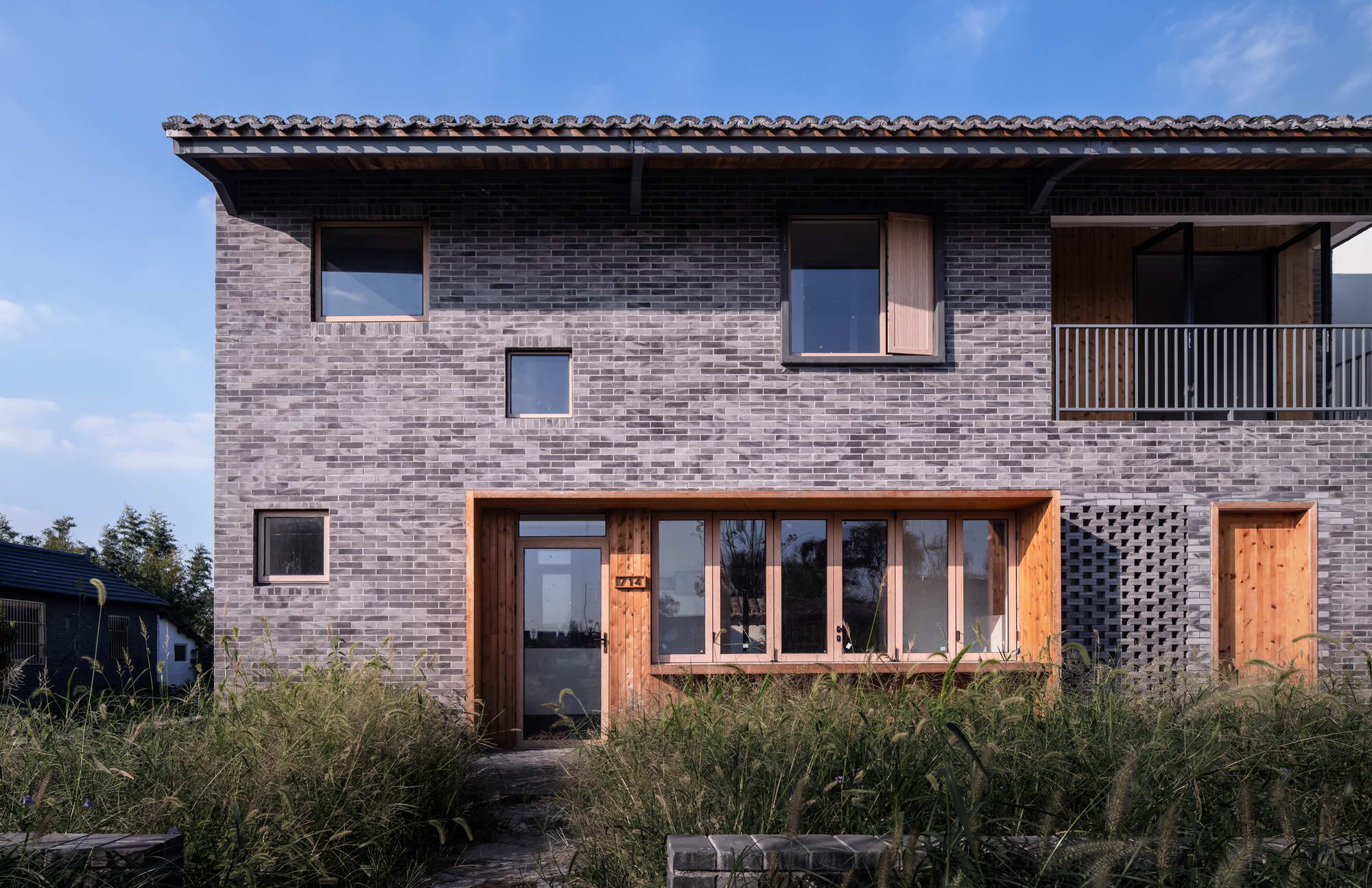
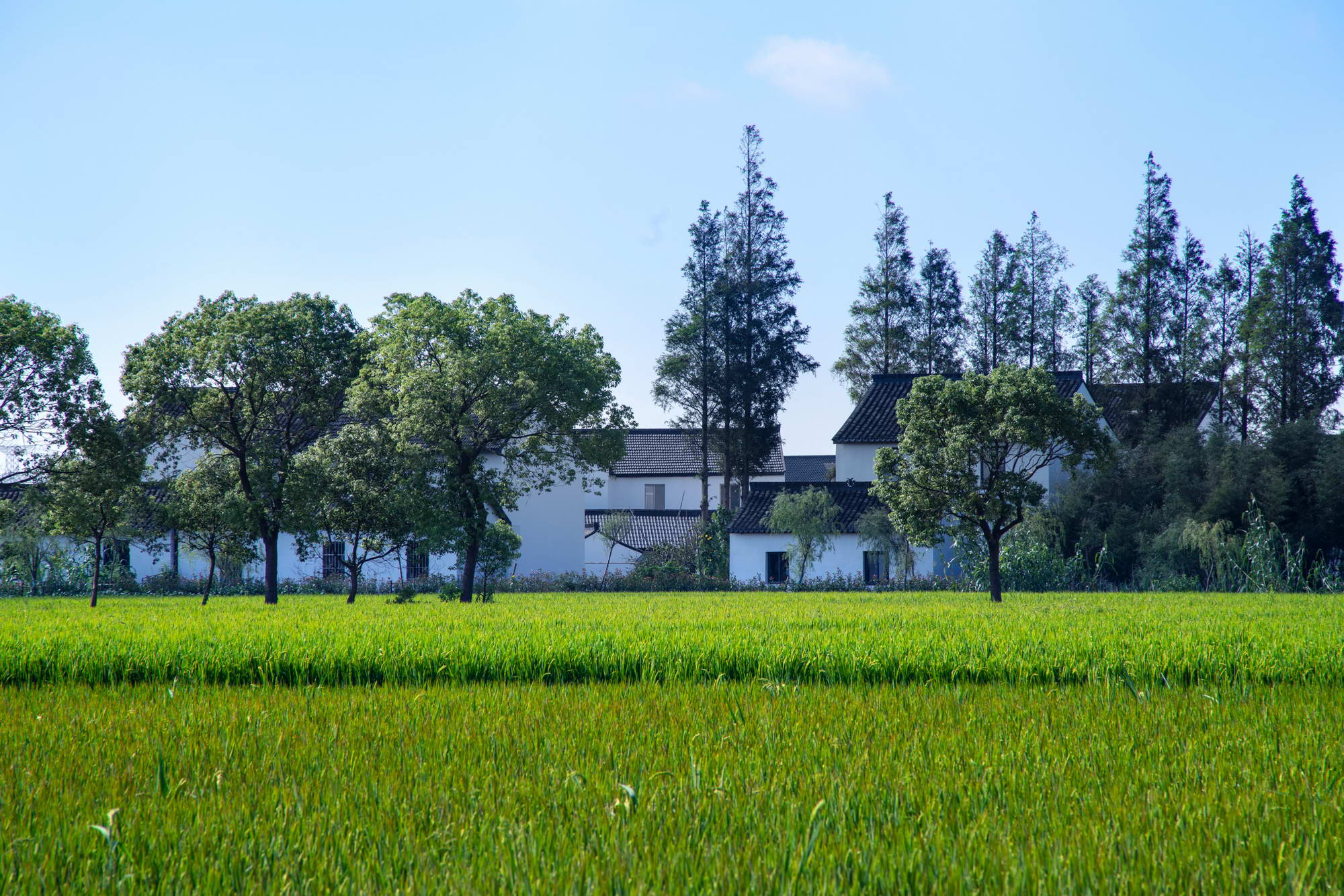
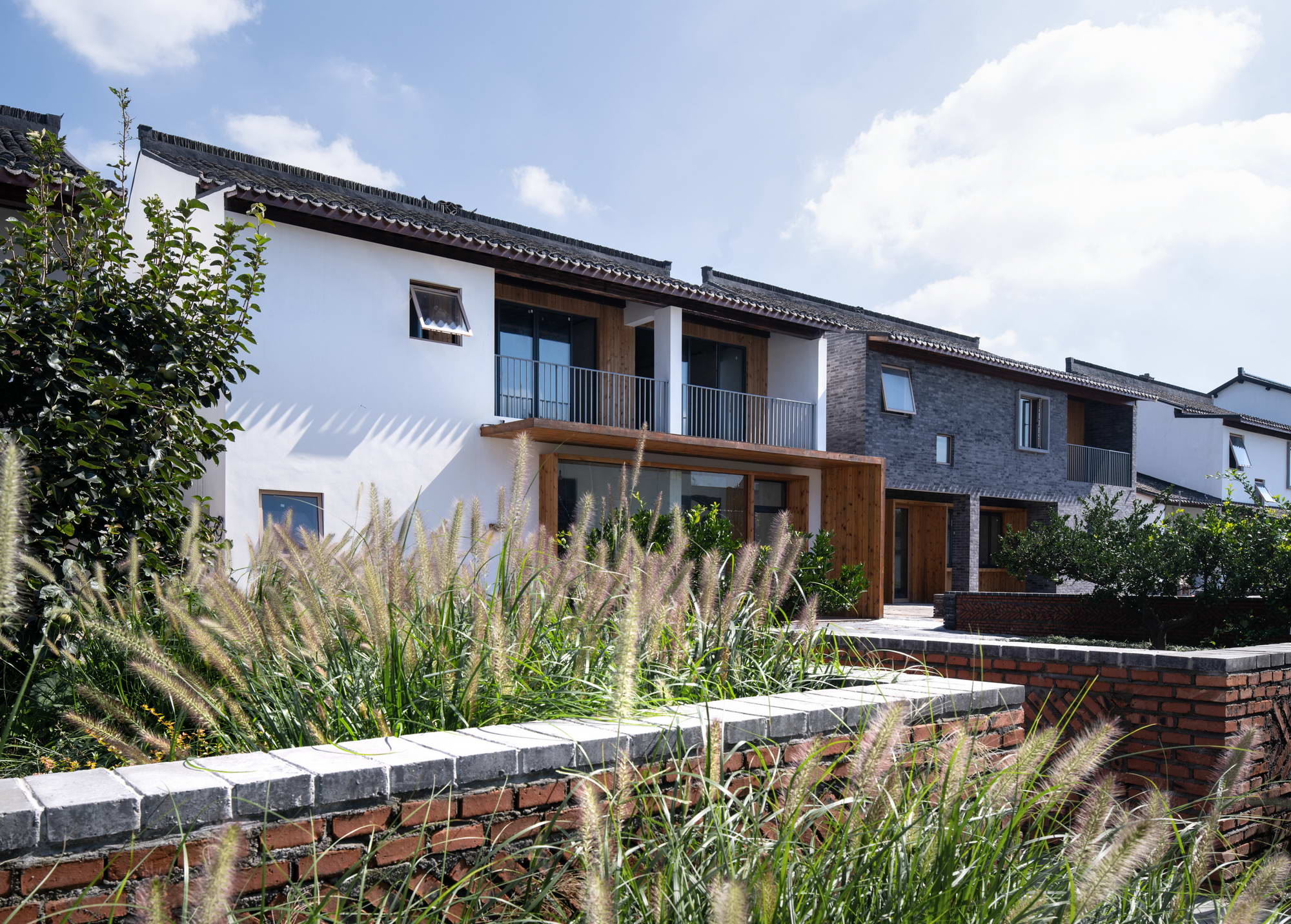
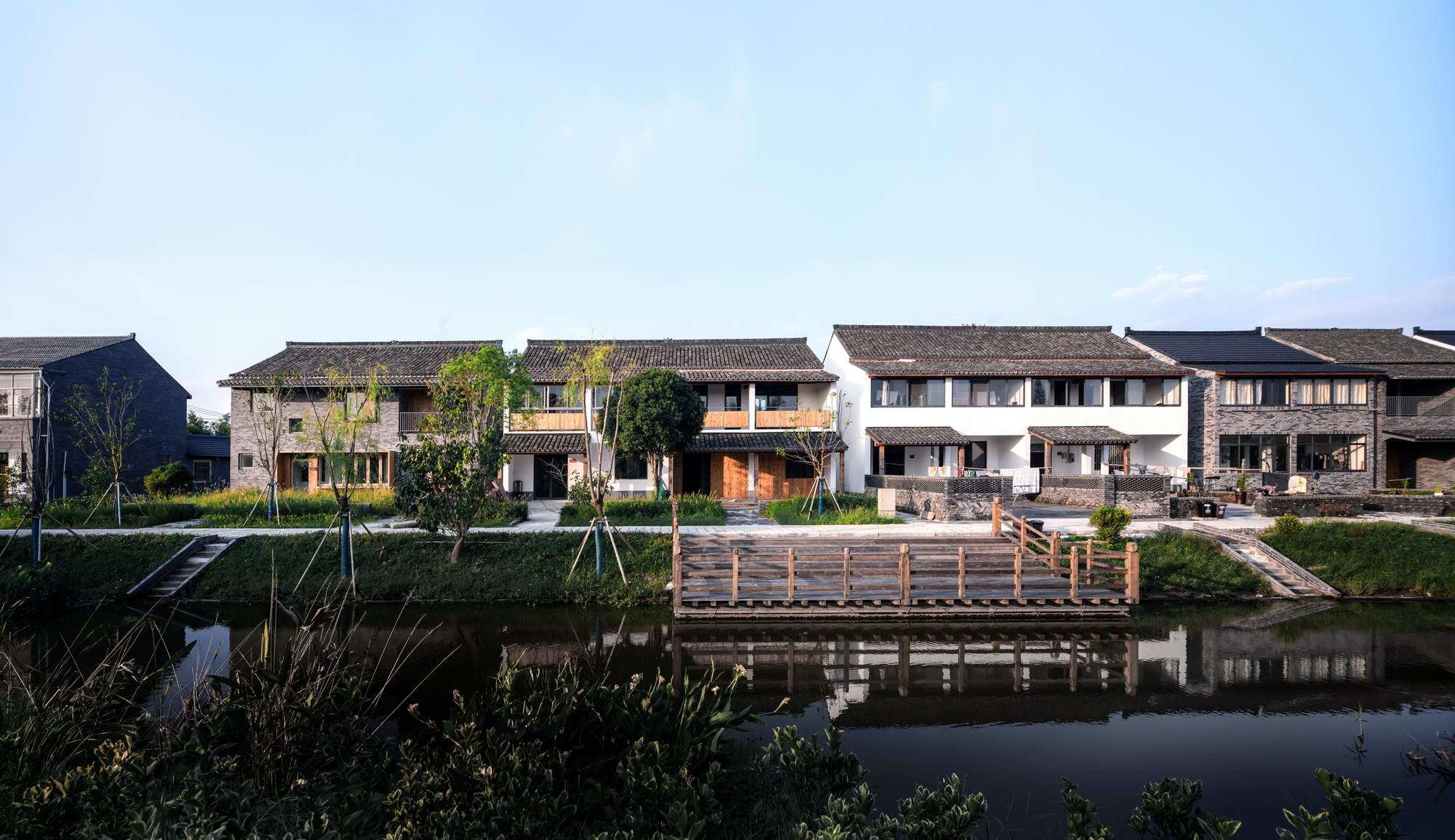
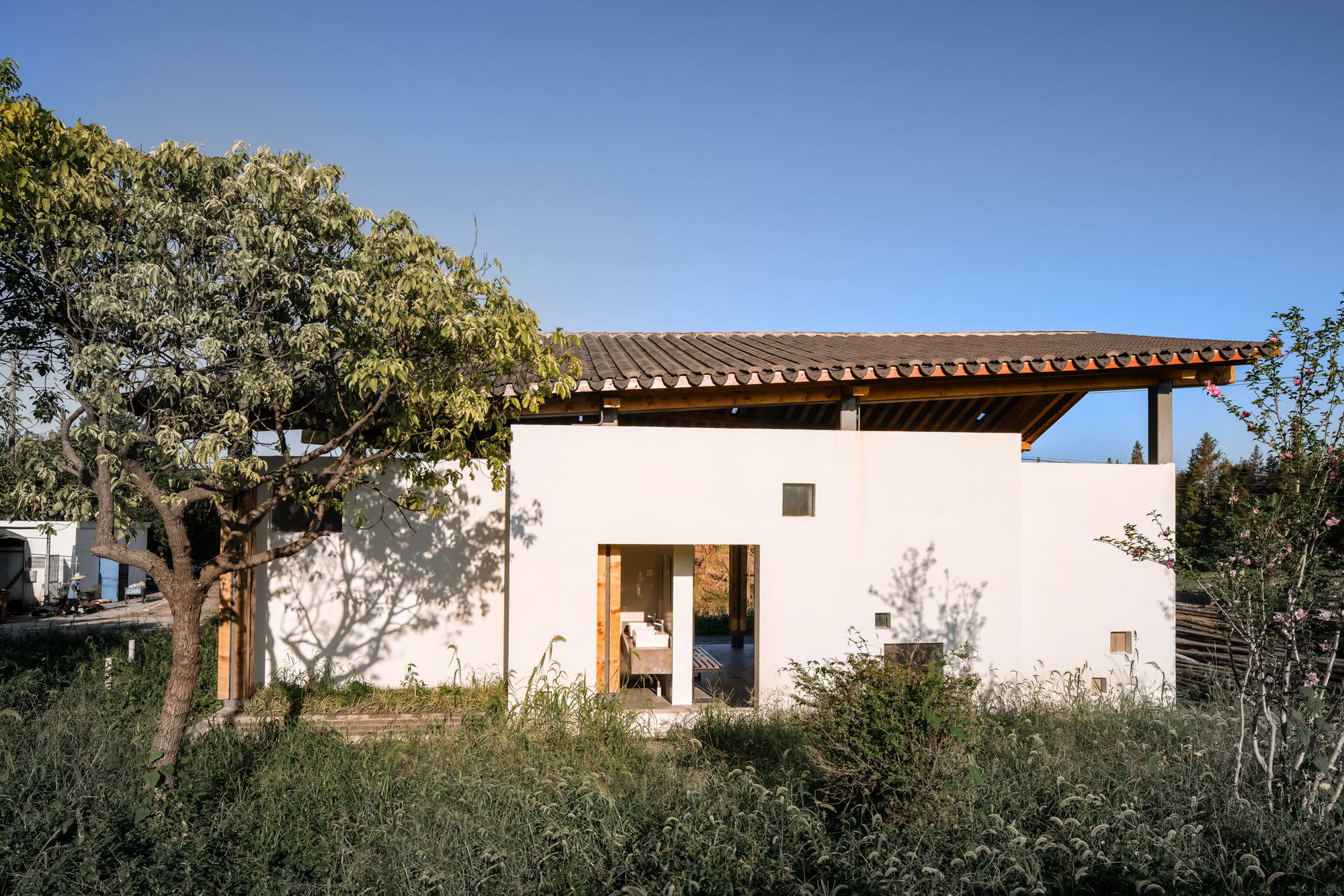
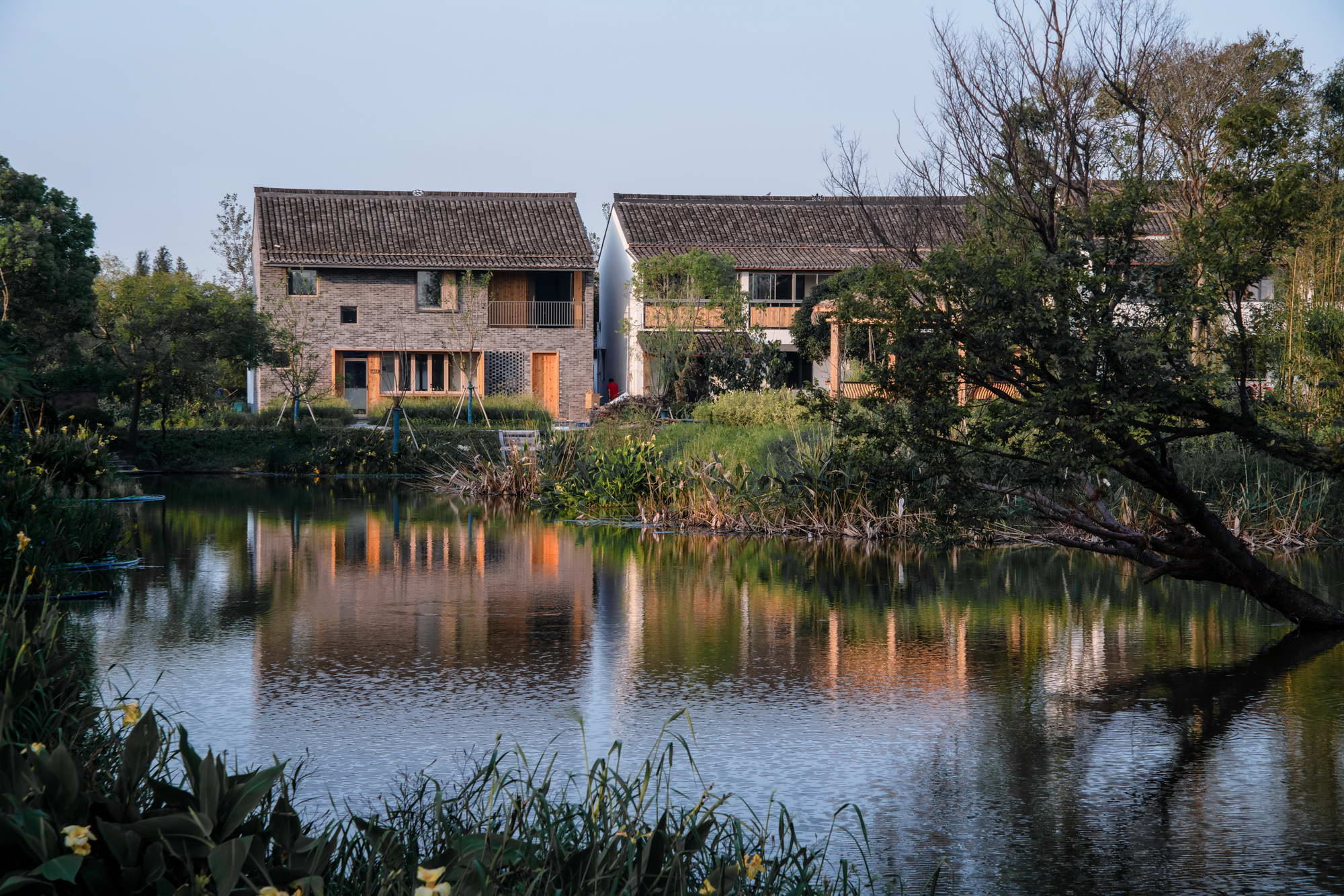
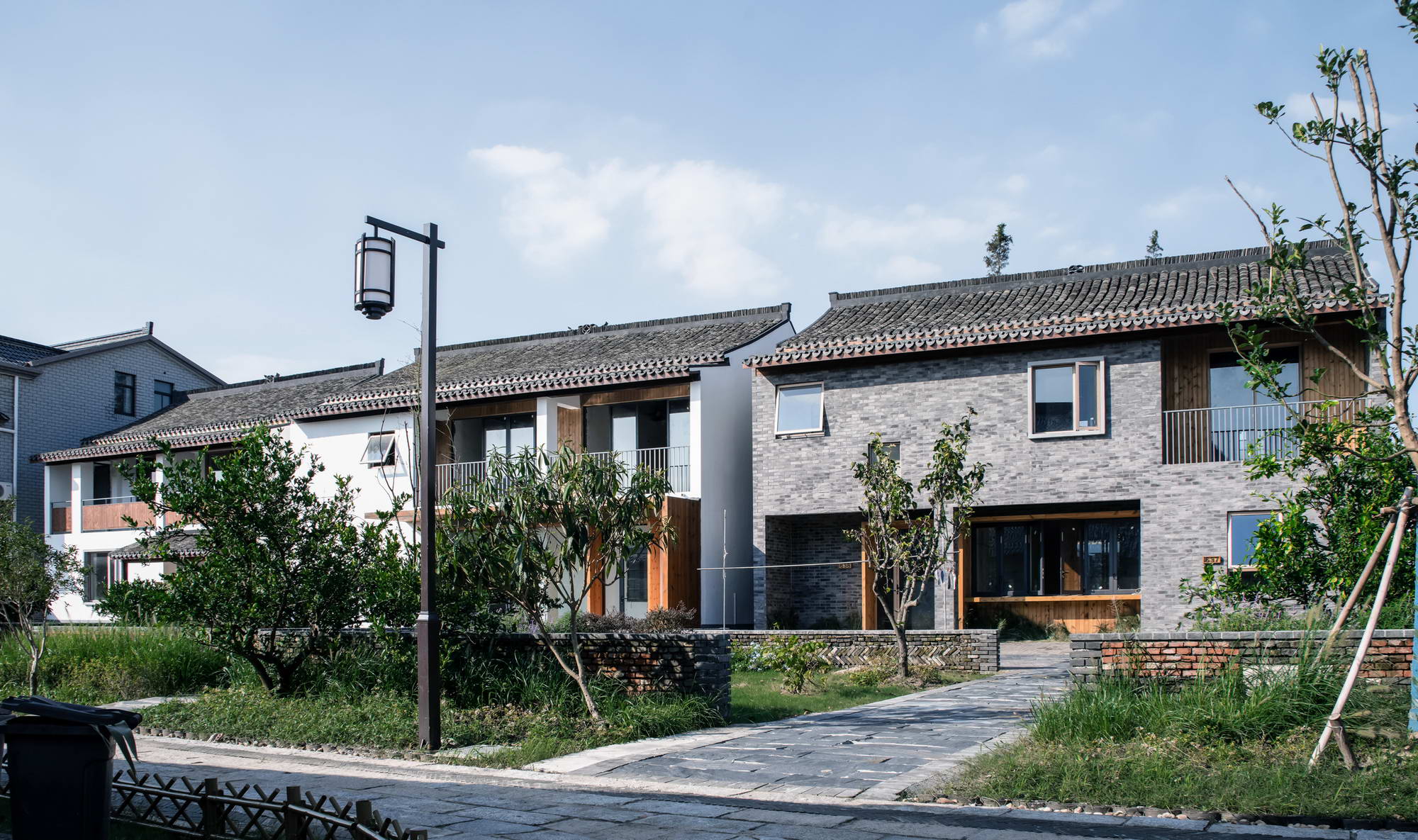
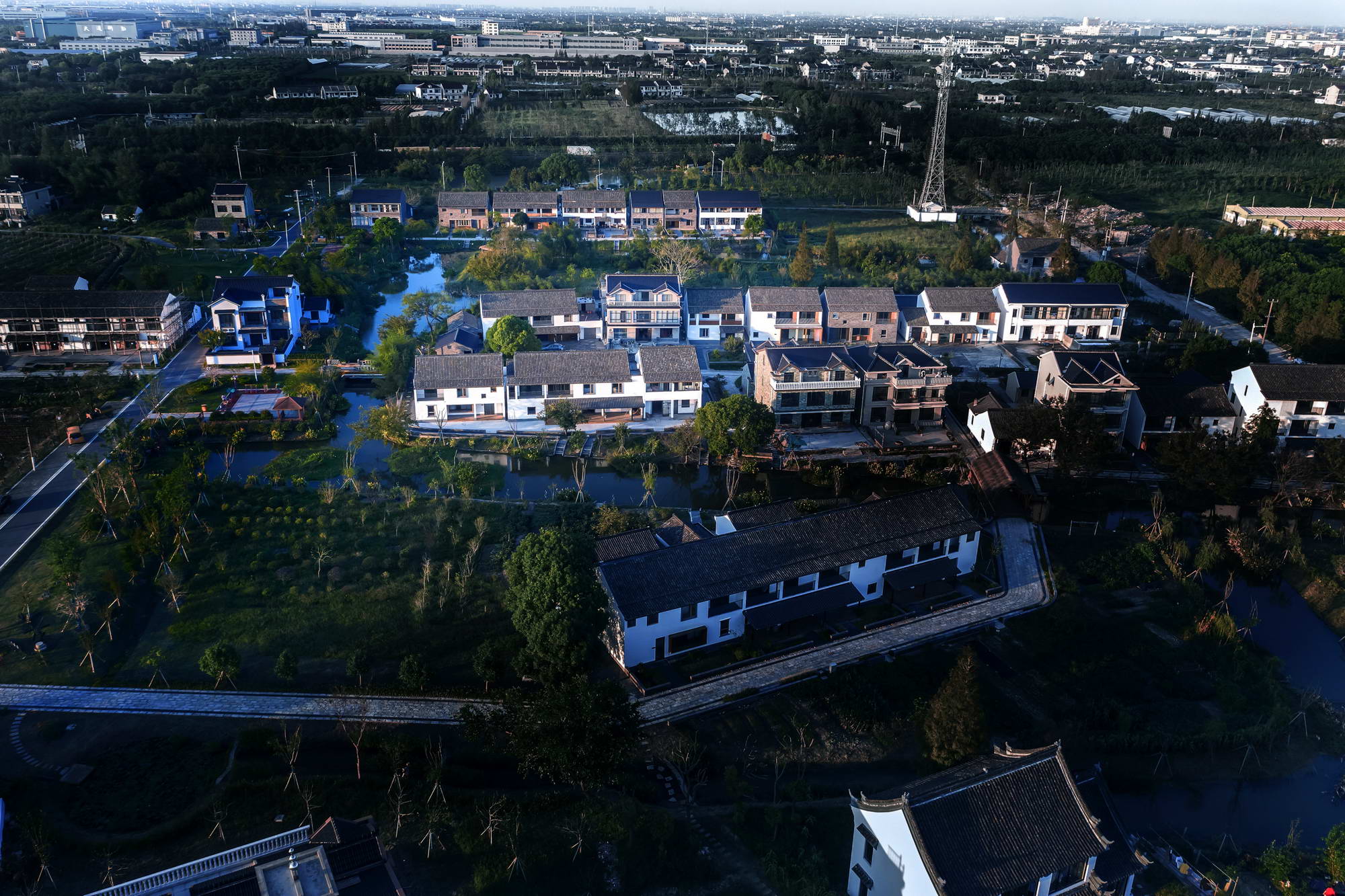
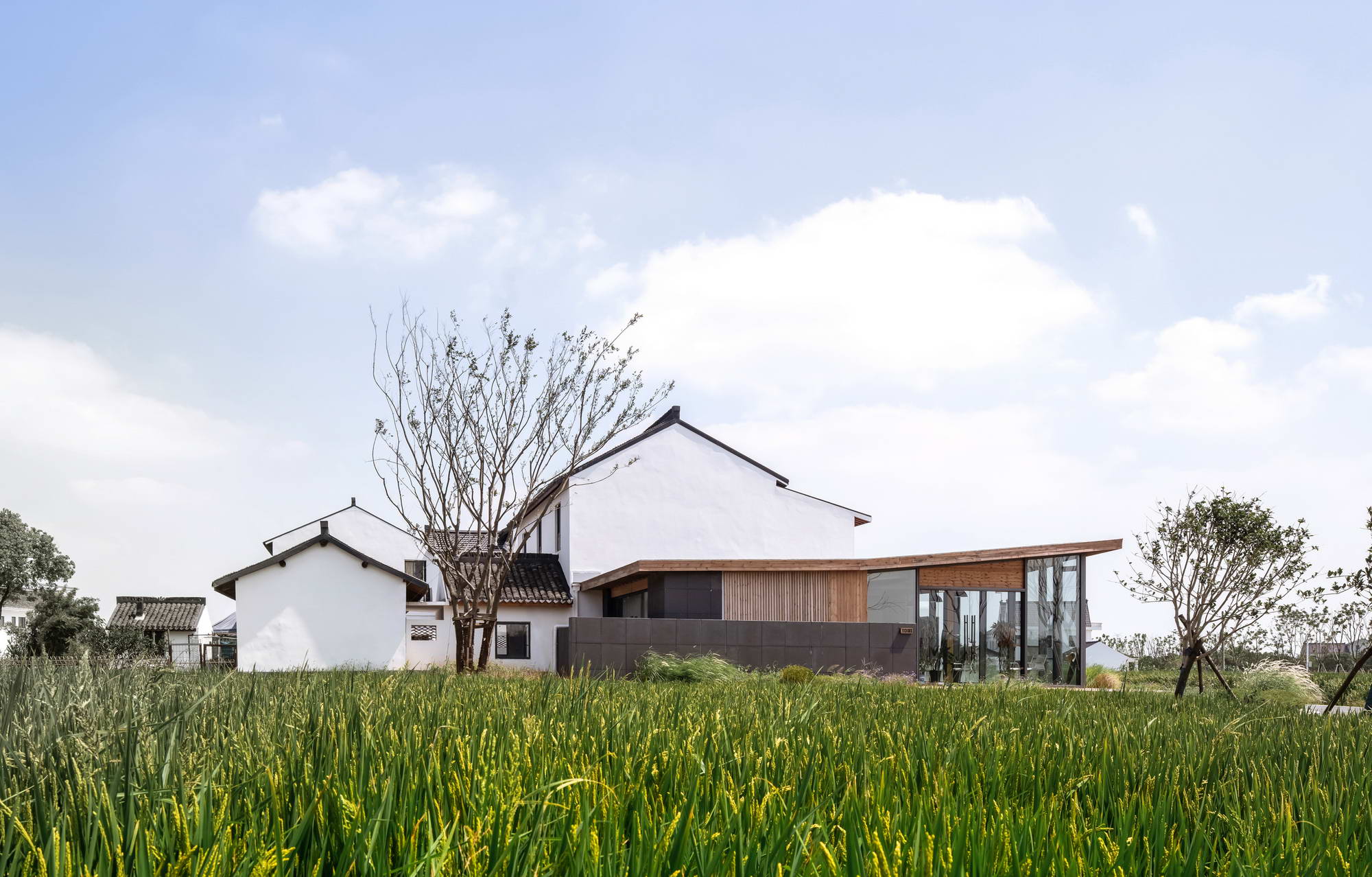
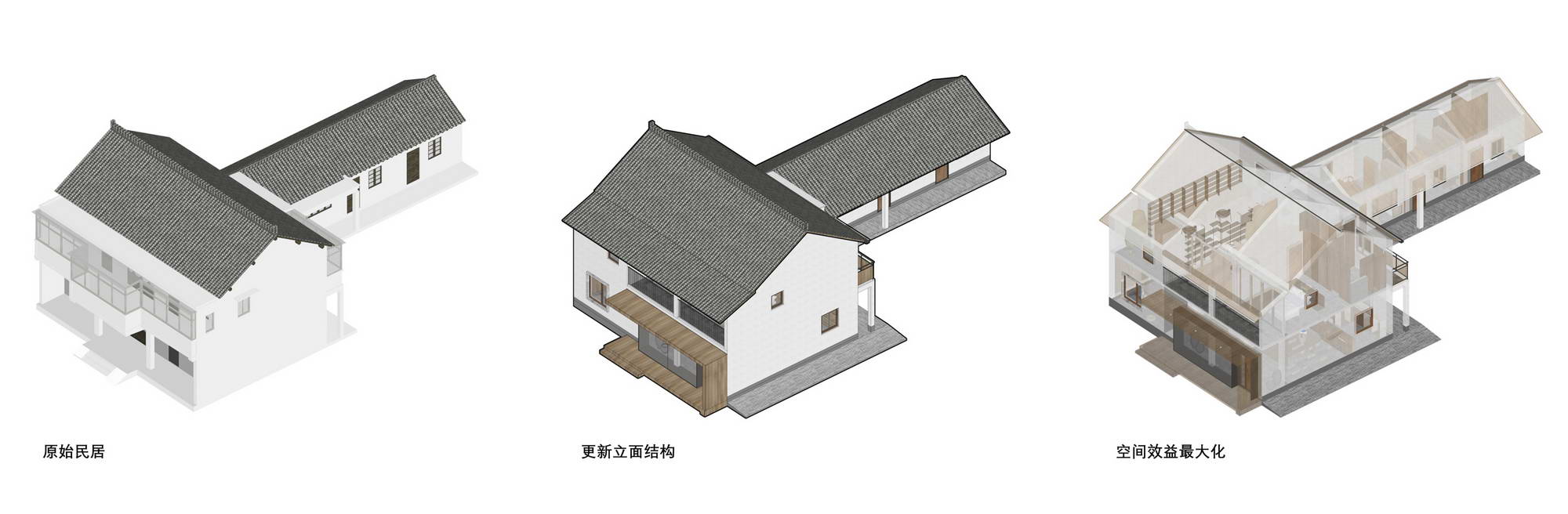
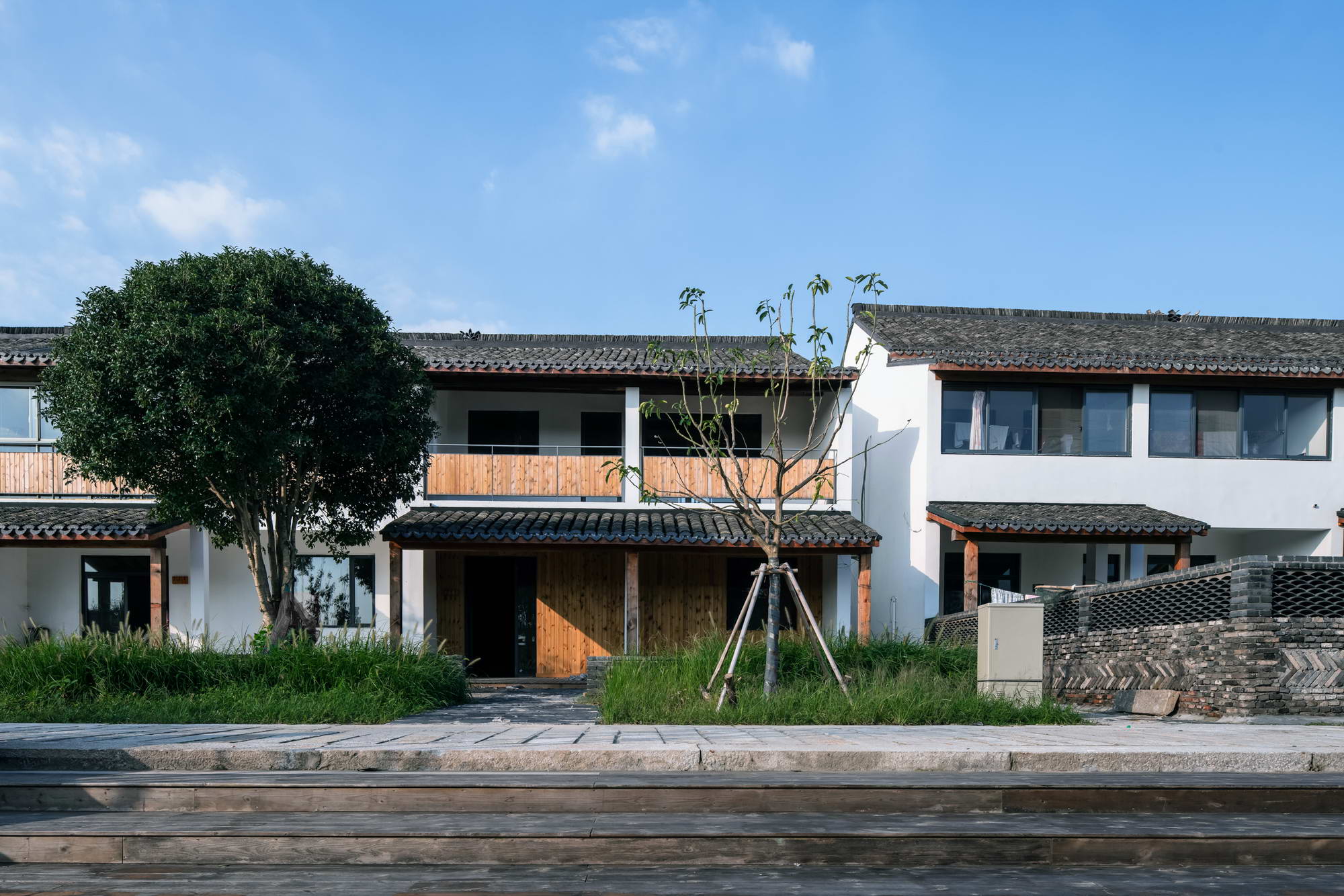
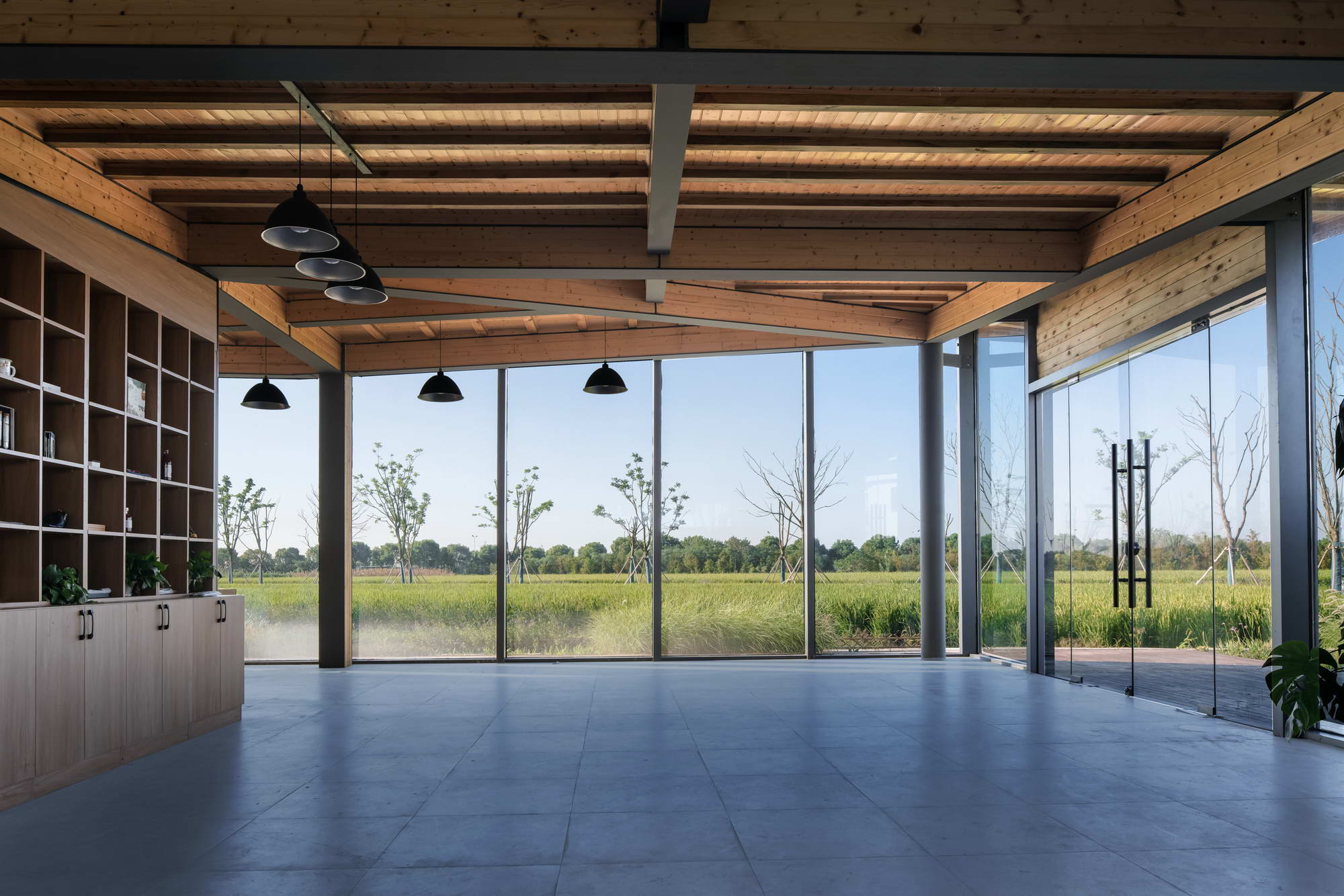
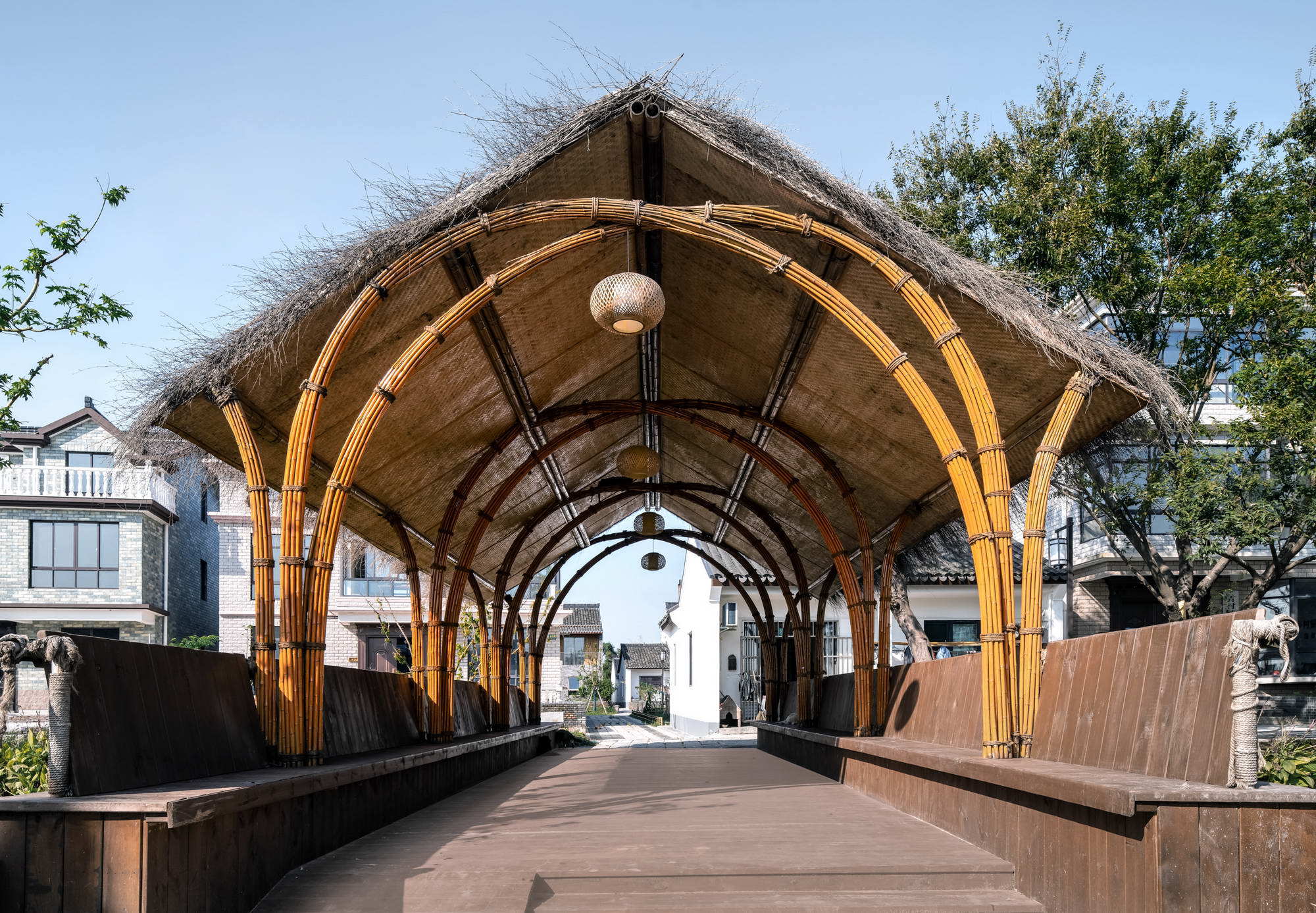
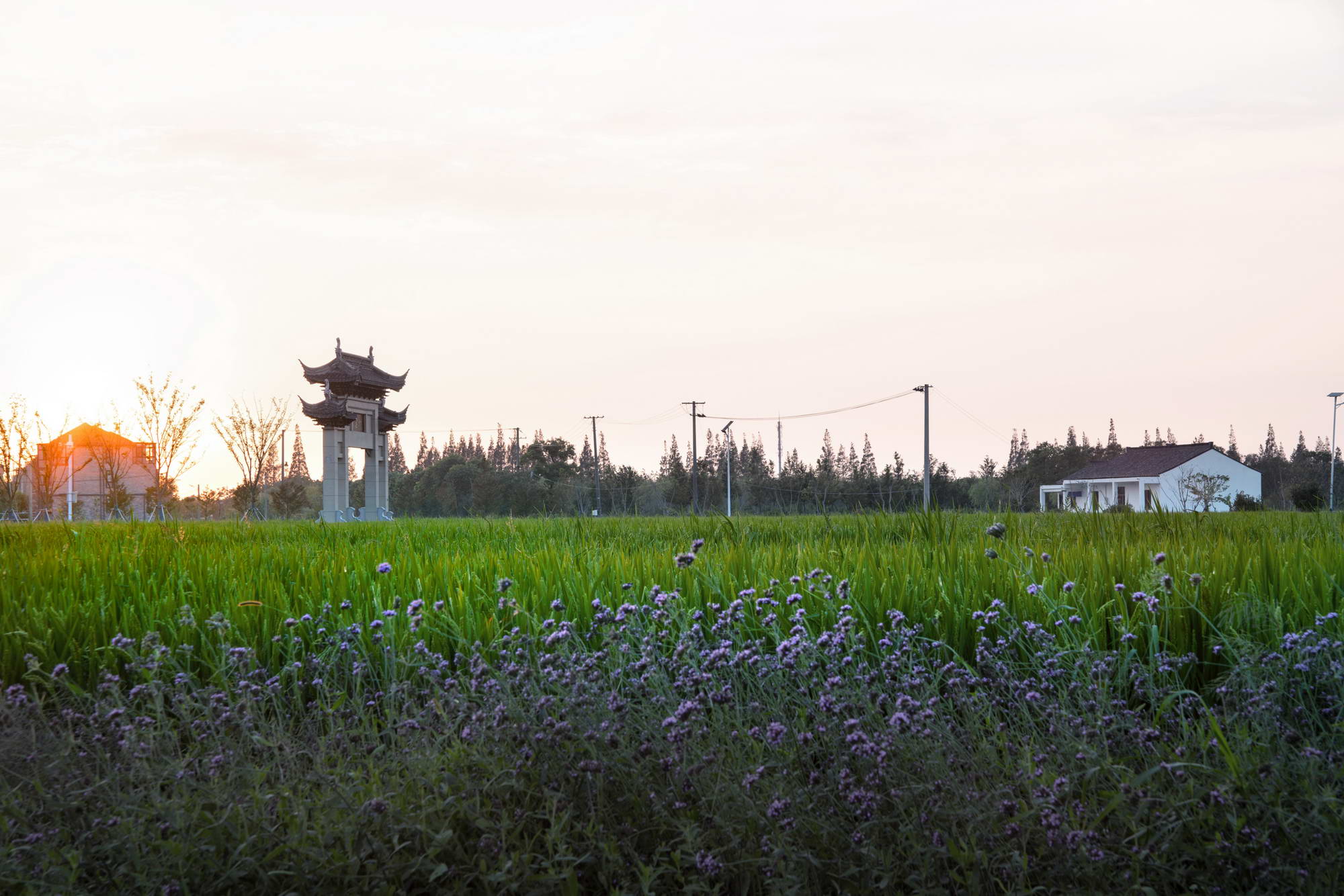
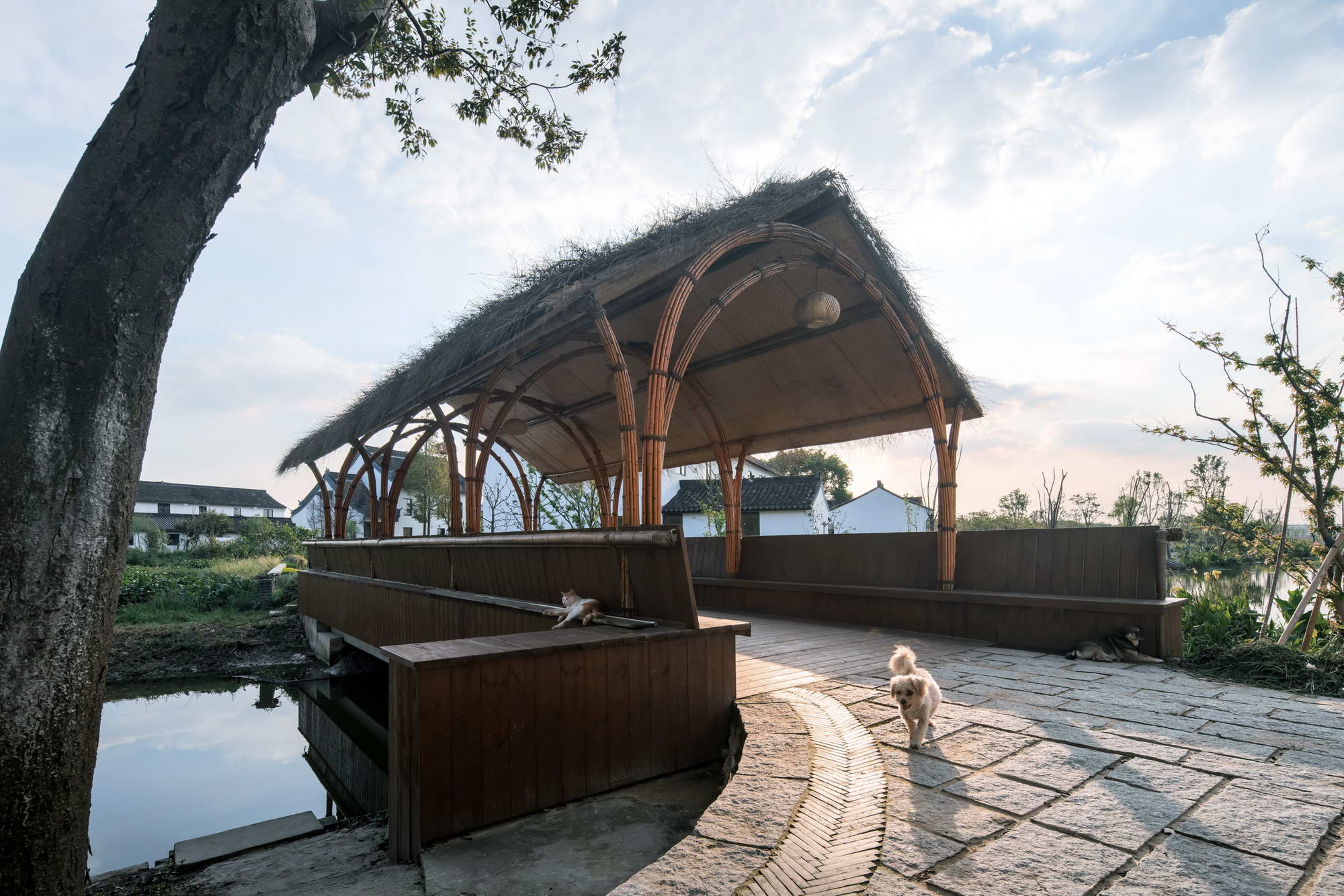
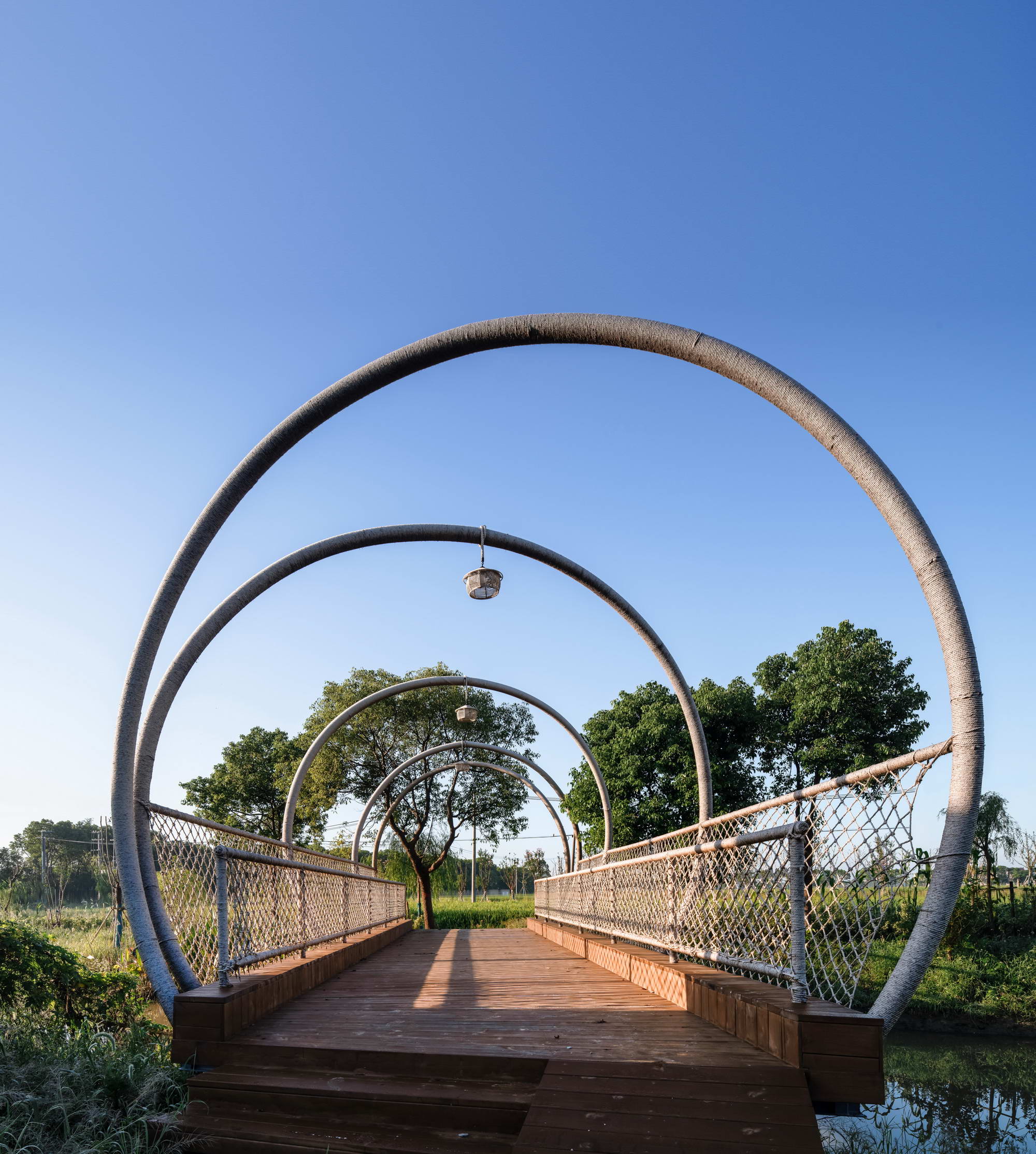
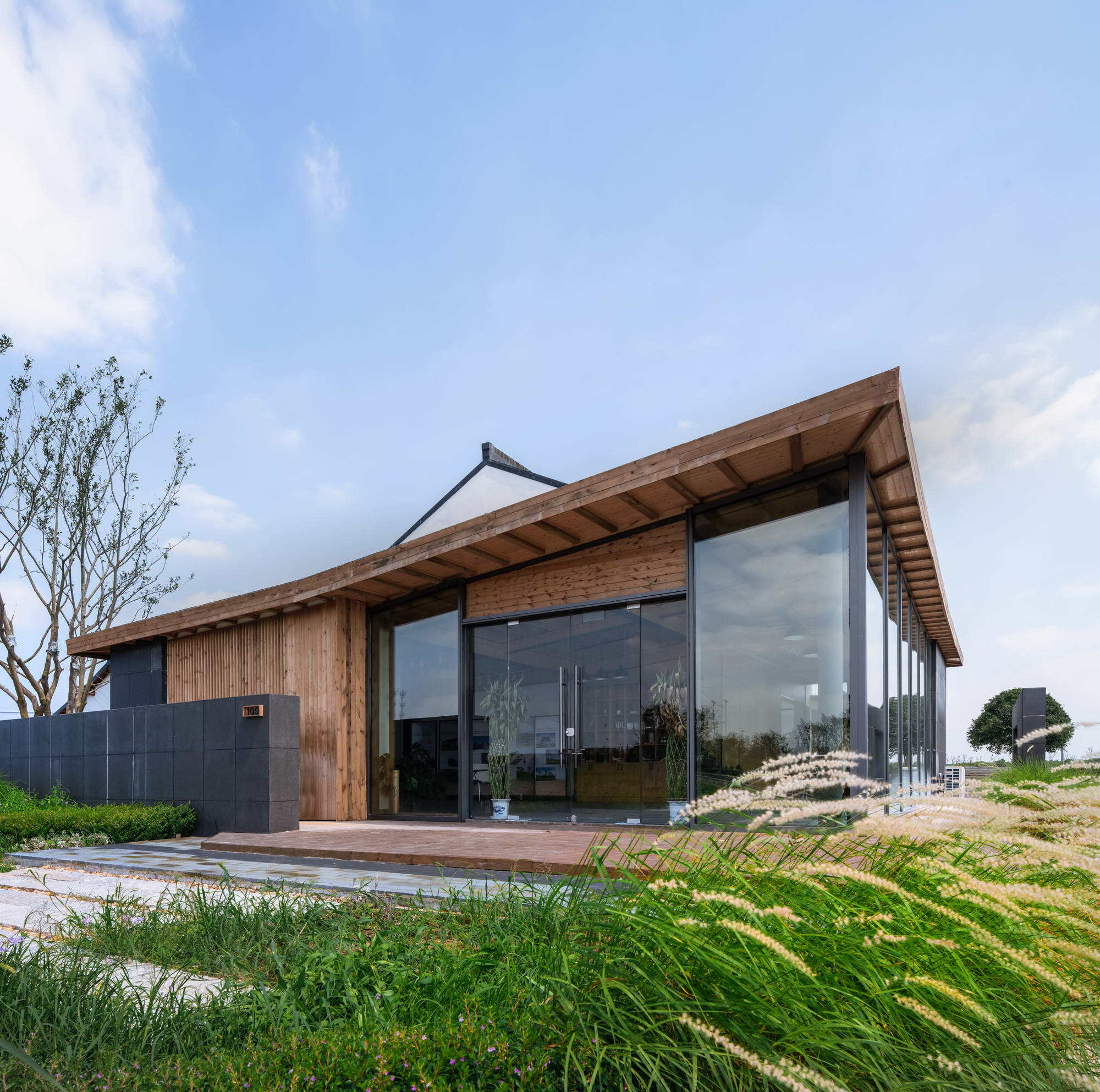
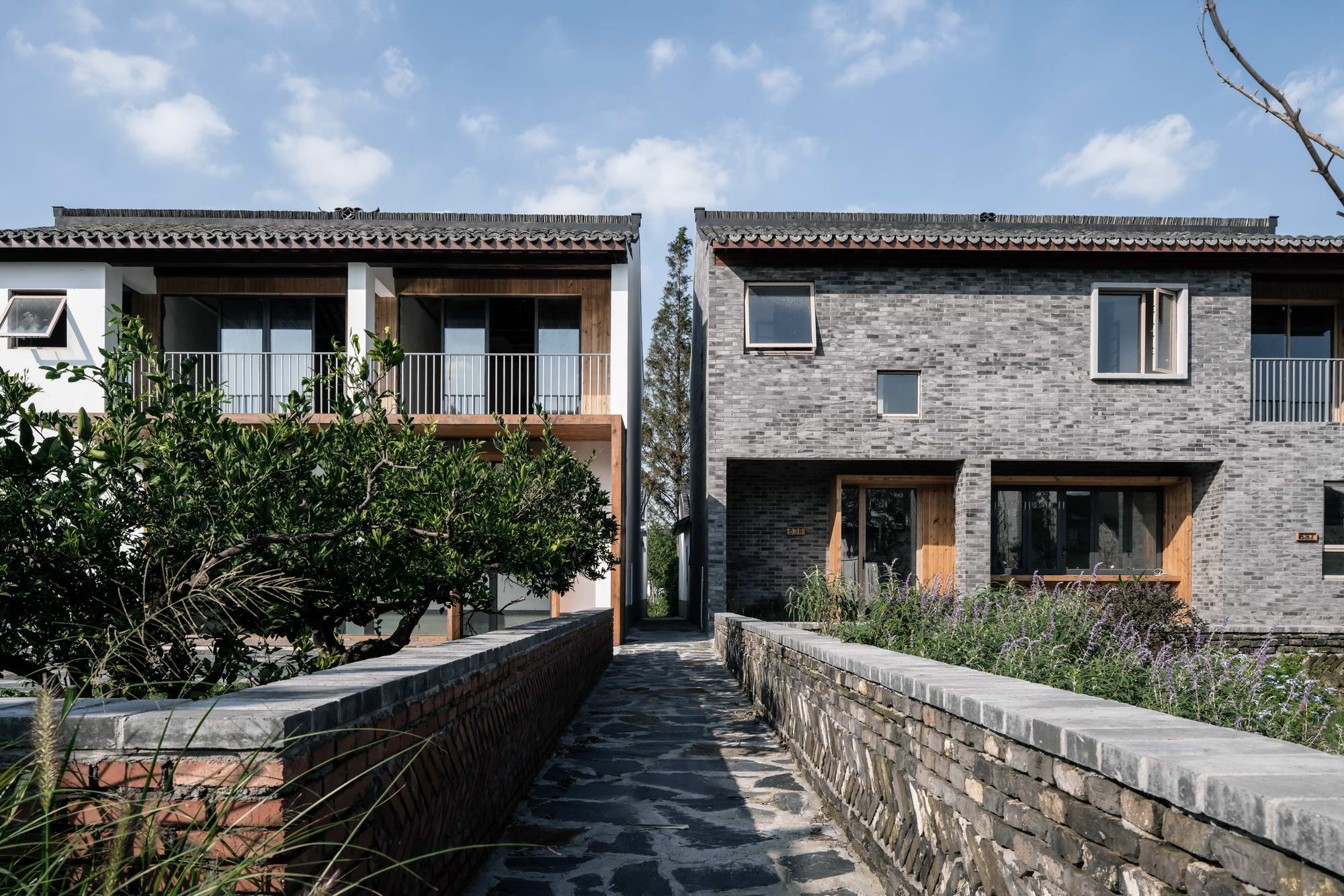
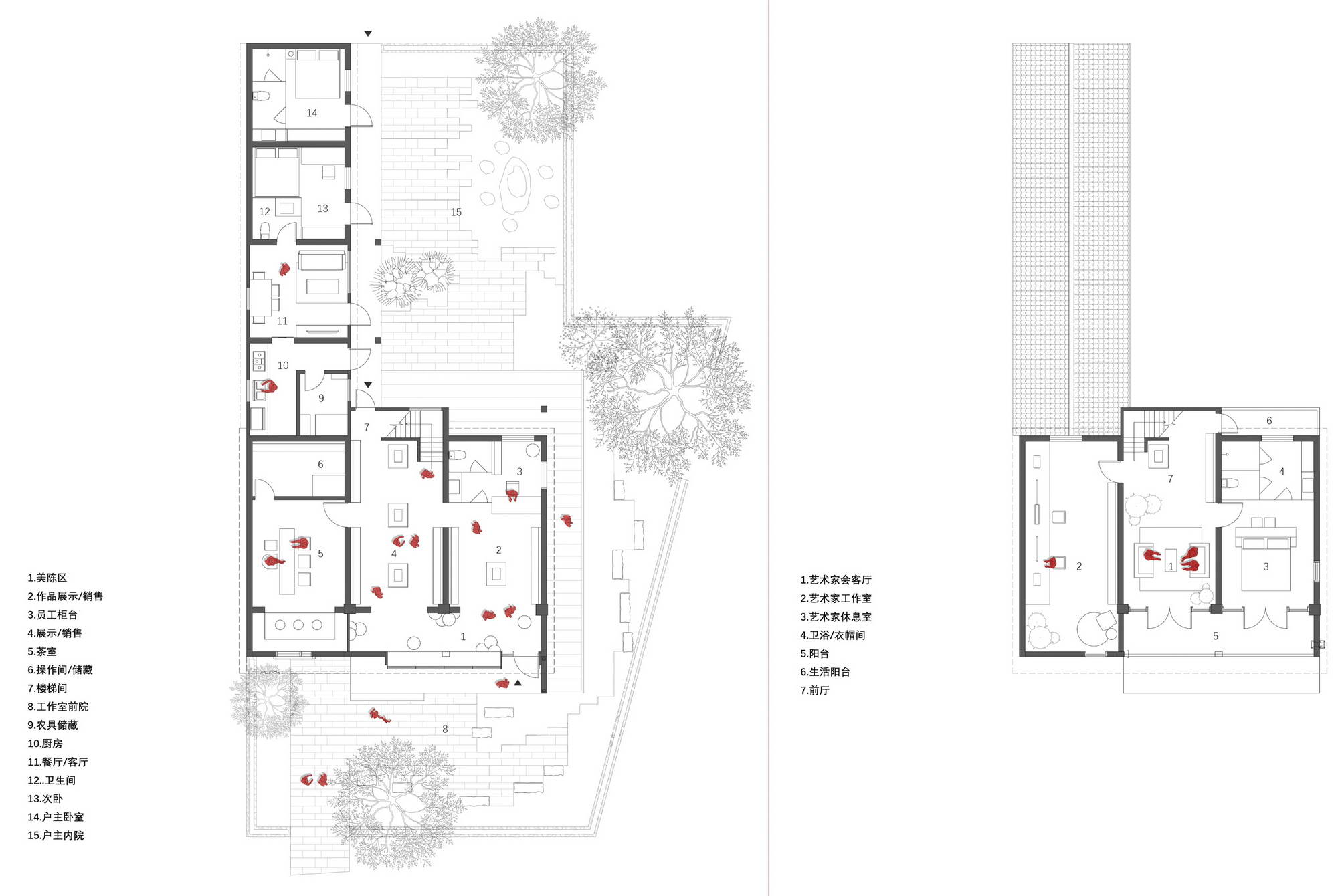
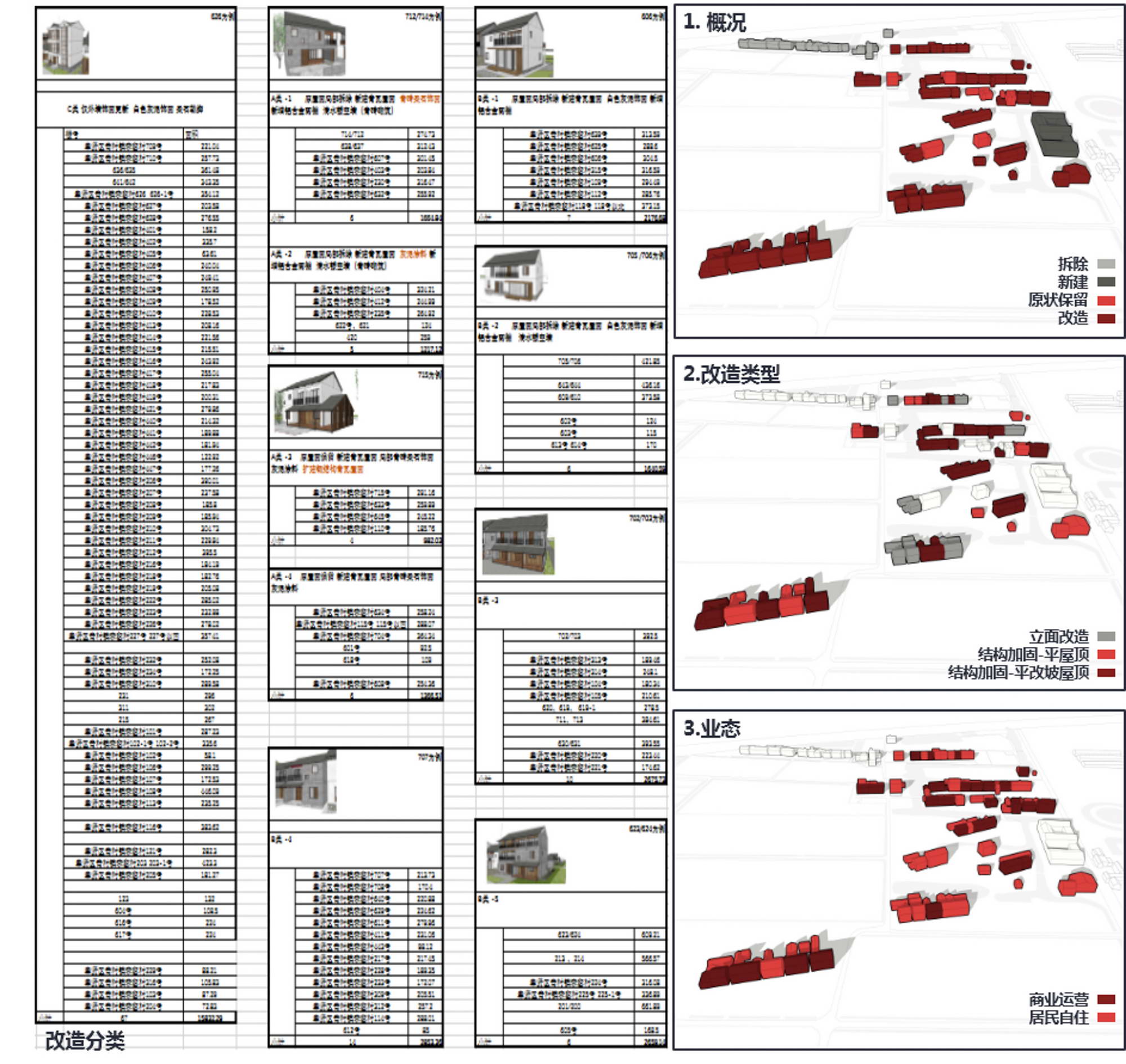
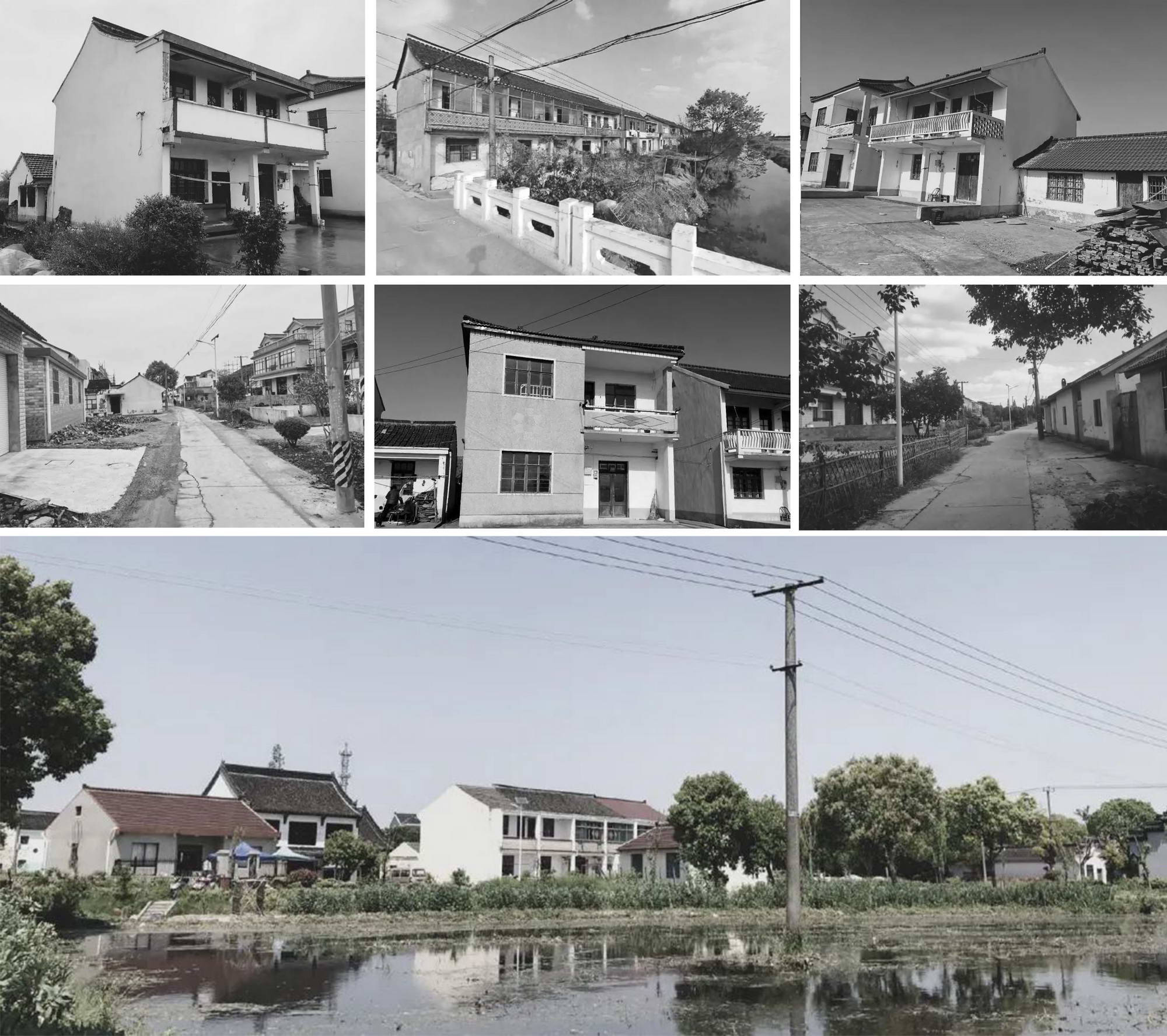
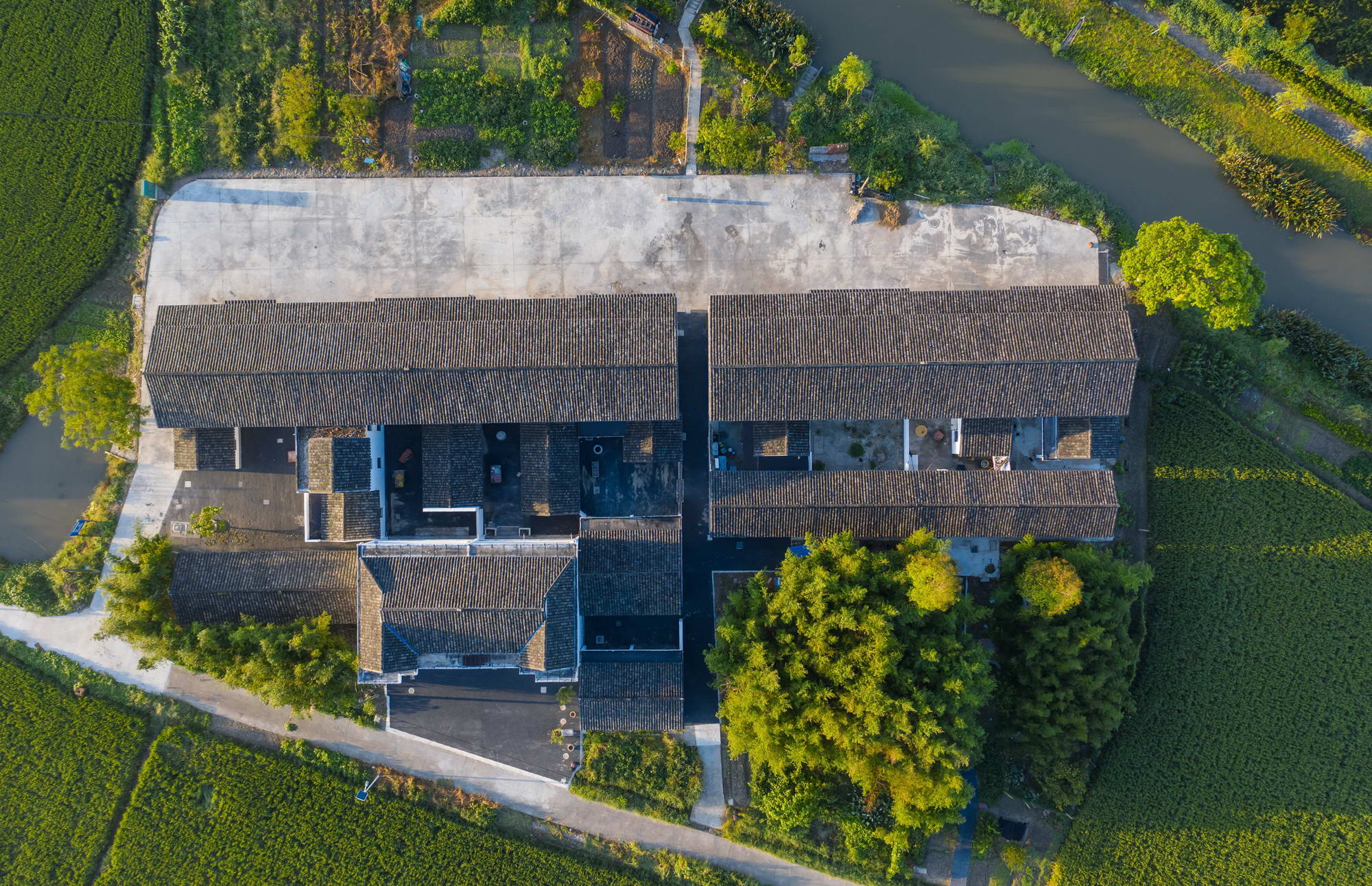
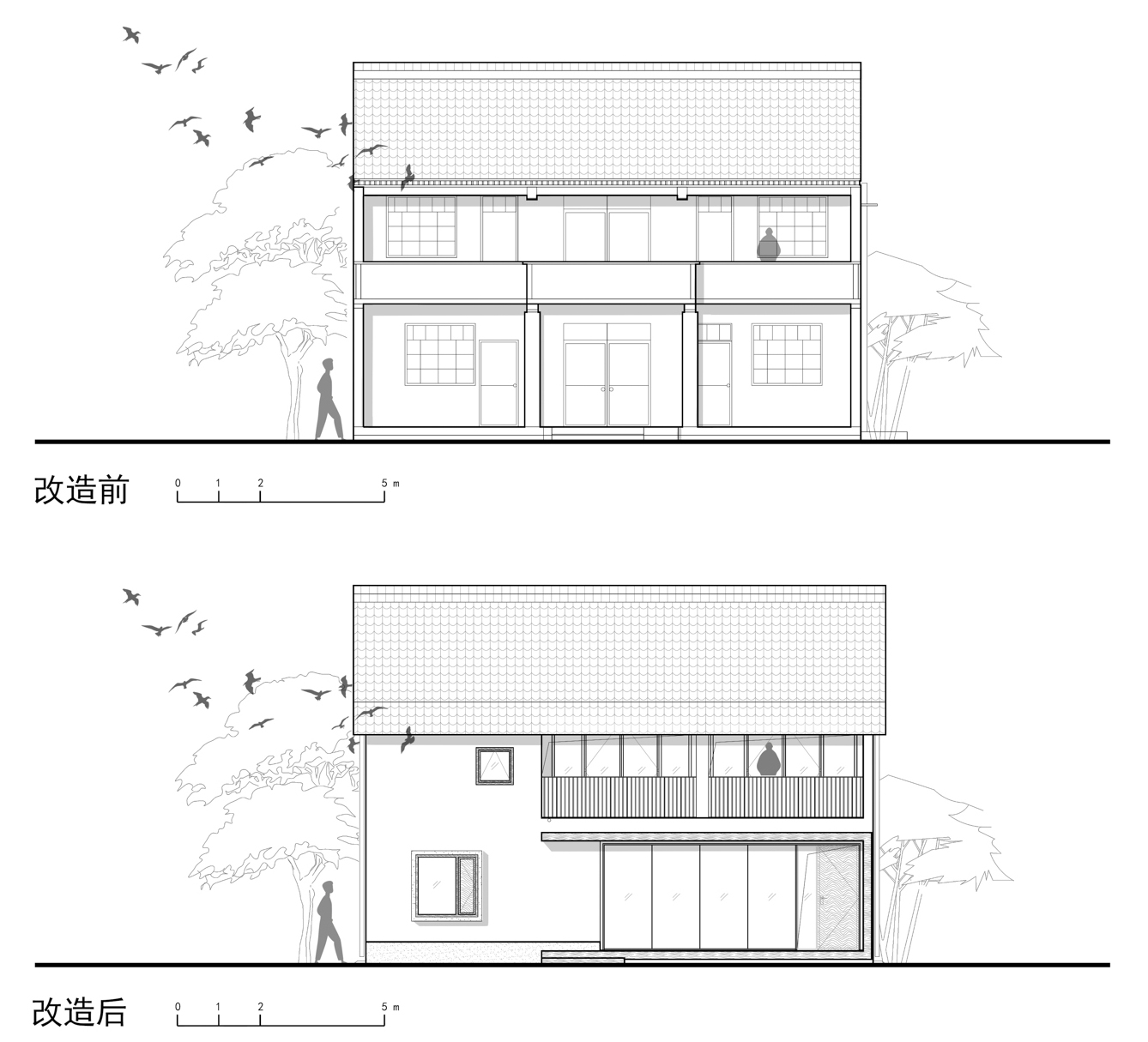
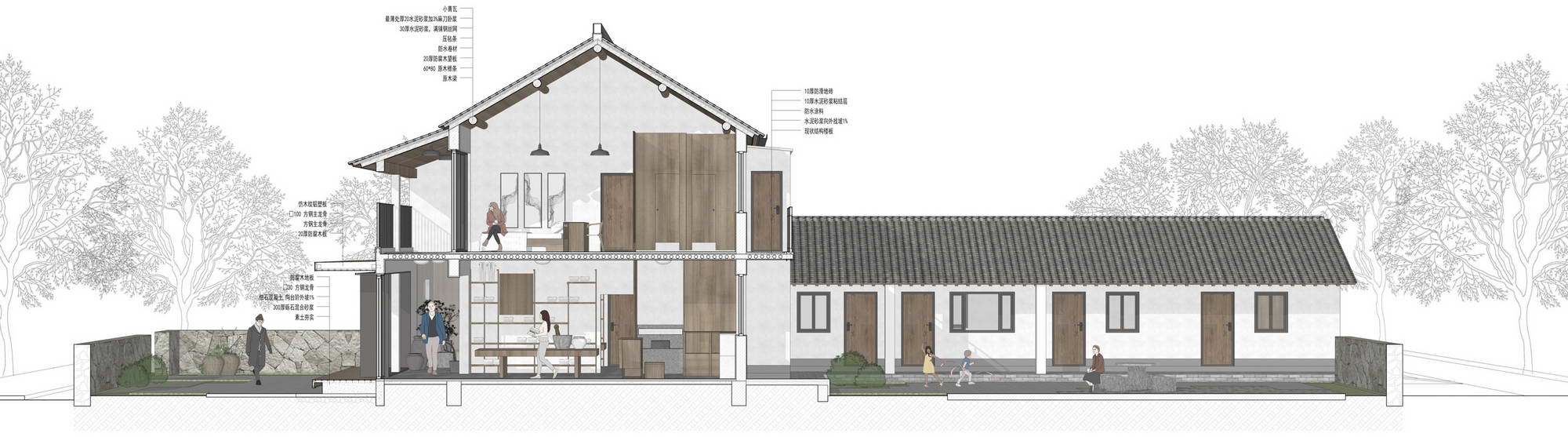
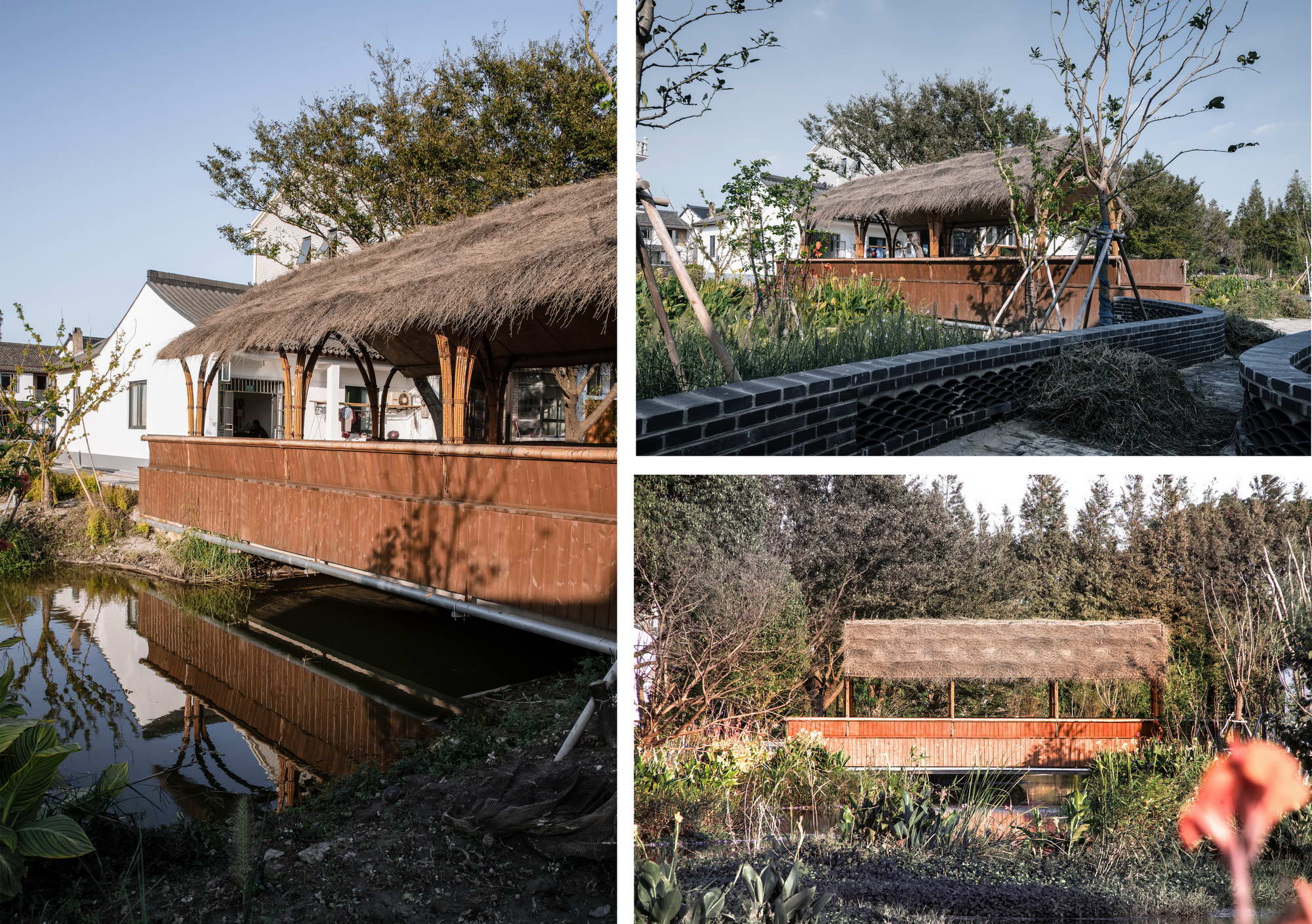
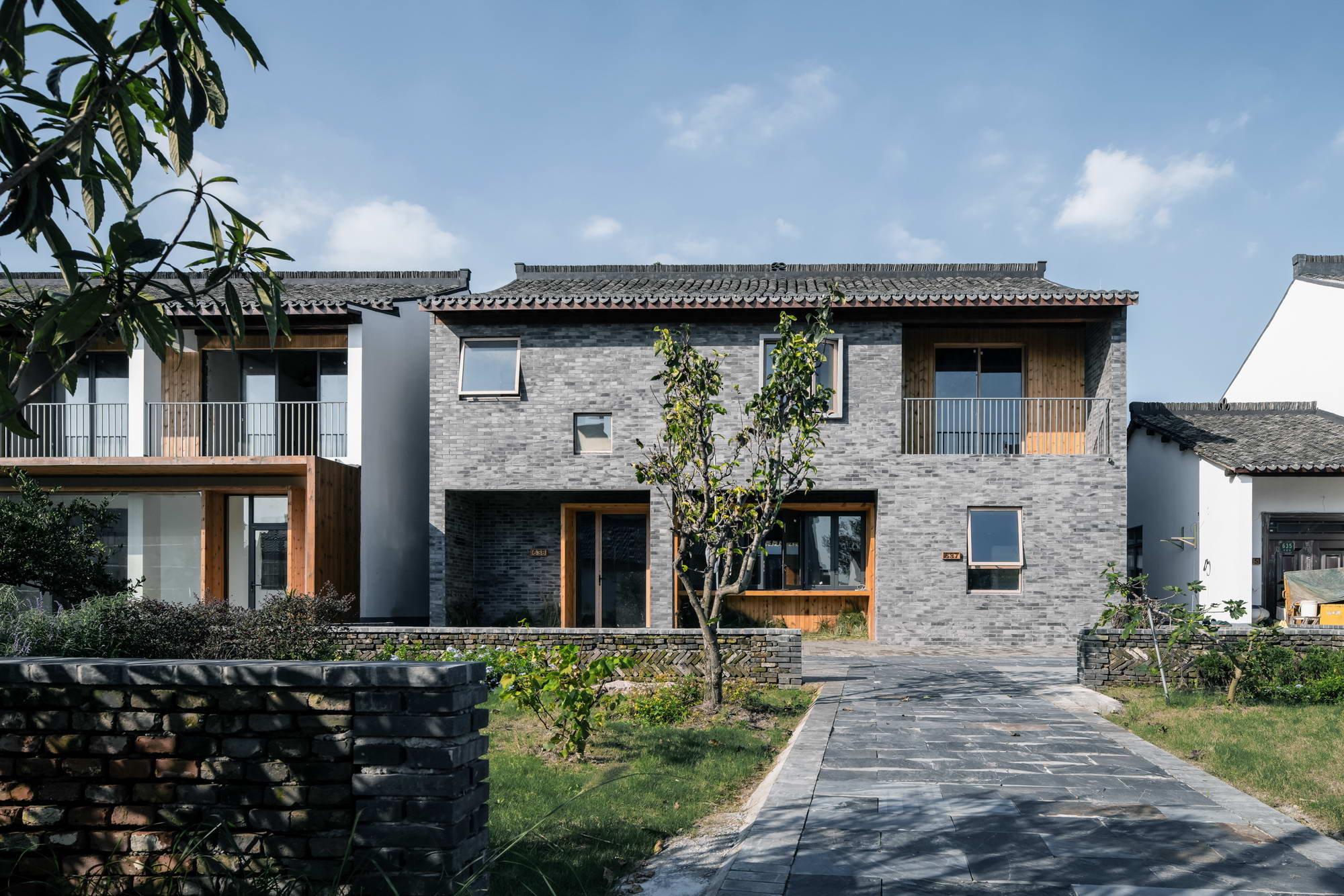
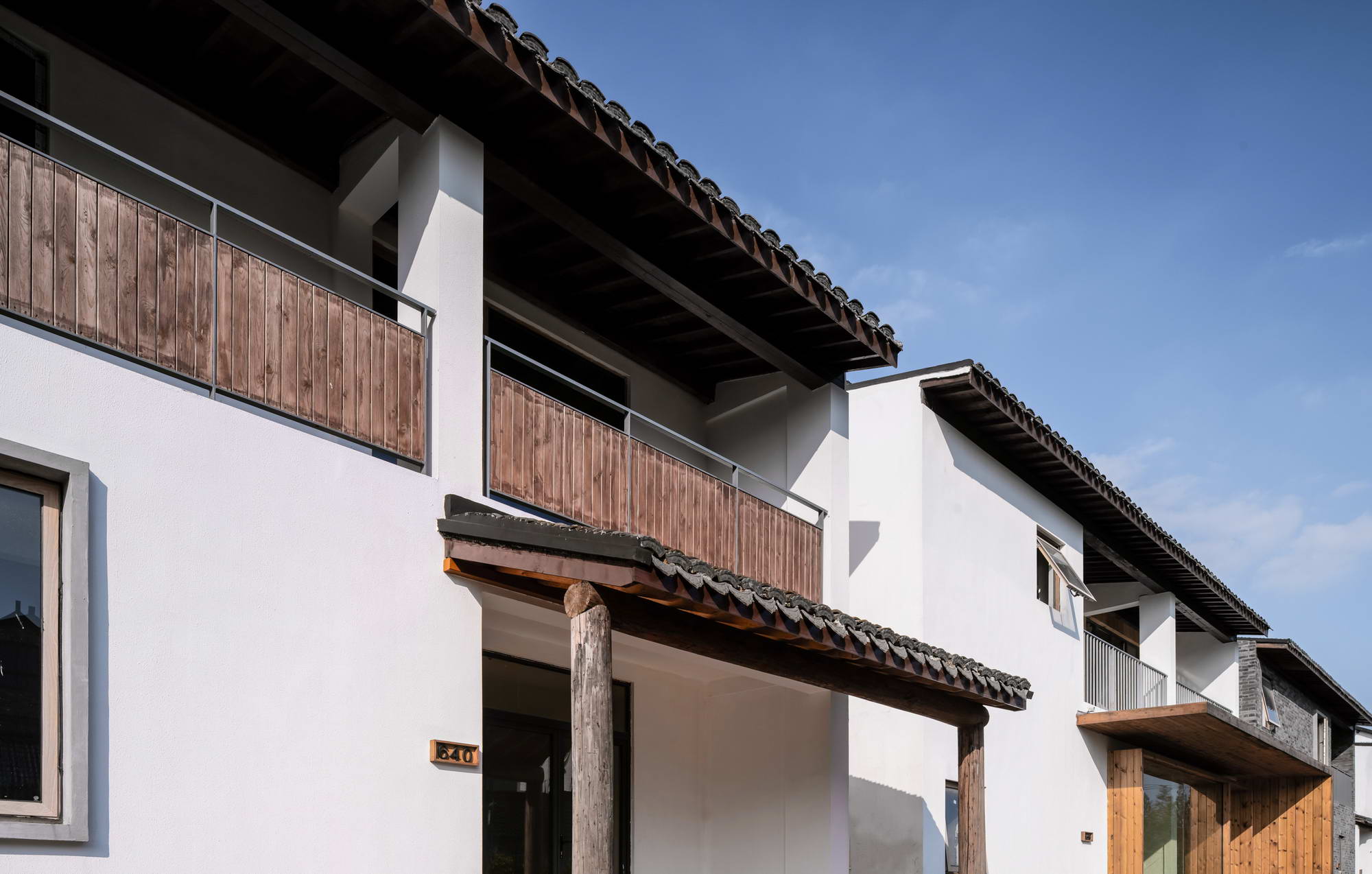
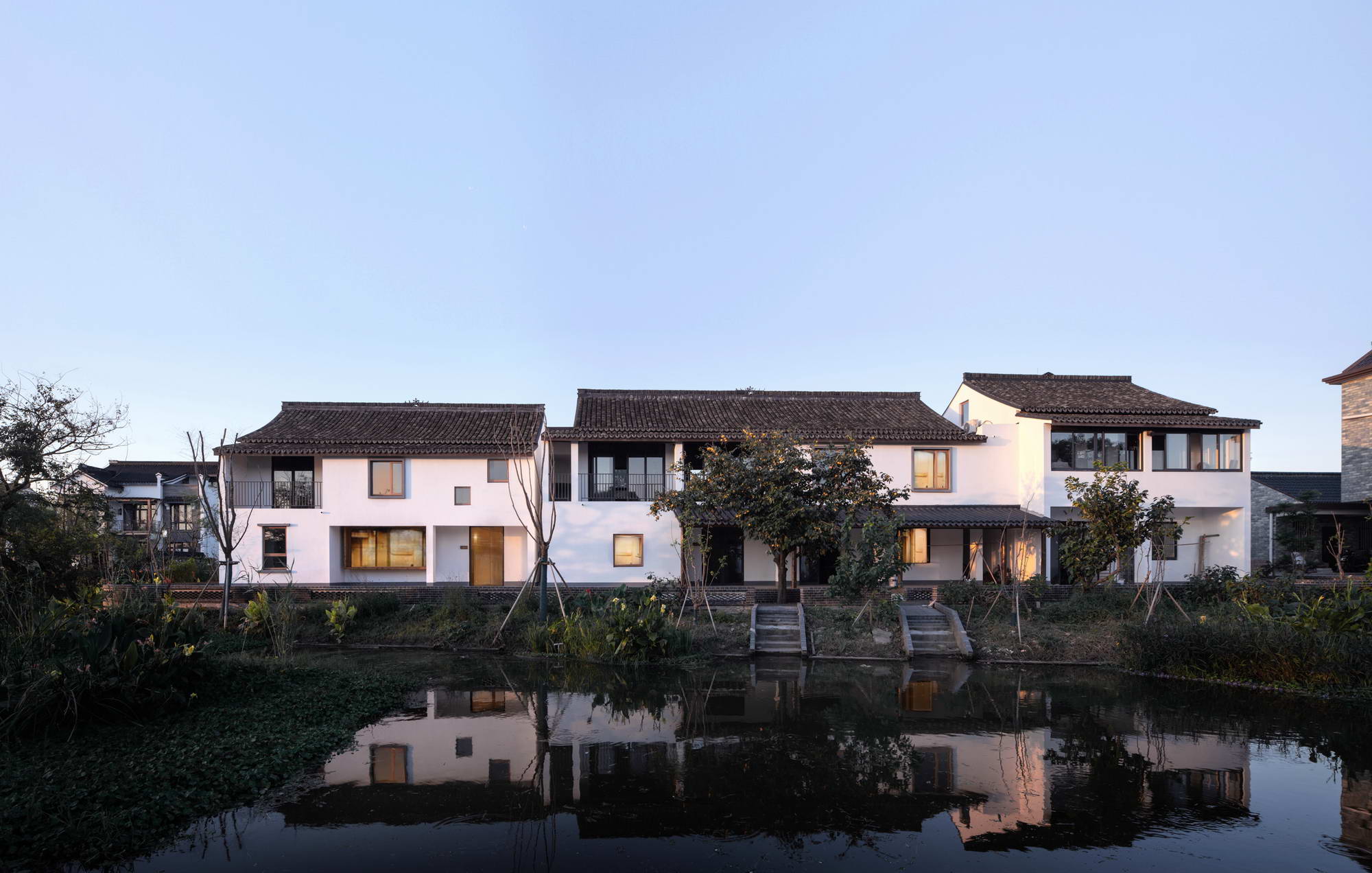
The rural revitalization project at Liyao Village in Fengxian, Shanghai, led by Xu Jinwei with design director Li Wenchang and landscape by Waterstone, is framed around three keywords: low cost, prefabrication and serial production, restoring poetry to the countryside. China's decades of rapid urbanization have widened the urban-rural gap, and rural revitalization is the national strategy by which cities and industry give back to villages. Liyao, Shanghai's third batch demonstration village, was selected in 2019 as a beautiful village and already holds large rice fields, a rich river network and basic greenery. Its name derives from a Li-family clan that migrated south in the Ming and Qing dynasties, built brick kilns and produced high-quality grey bricks; the village's kiln culture is its distinguishing resource. The team is careful not to repeat the over-renovation that has destroyed nostalgia and culture in so many model villages. The project rebuilds the village's agriculture, forestry, water, fields, roads and houses through housing retrofit, road and bridge work, river dredging, landscape planting and public service facilities, and establishes an income model of rent plus equity plus wages: spare houses are leased, refurbished and linked to new industries combining agriculture, commerce, culture and tourism. The 1,000-plus mu of rice forms the agricultural base, while the distinctive kiln culture and local intangible heritage are amplified, and new industries bring offices, leisure, sports and lodging for incoming residents. The village is divided into a forecourt arrival zone, a dining and market zone, a cultural-creative precinct, a new-industry incubation zone, a wellness and homestay zone and an agricultural market zone, forming a characteristic chain of agriculture plus tourism plus culture plus e-commerce plus lodging, and aiming to make Liyao an upgraded demonstration village suitable for living, working, leisure and visiting.







 Editor's Pick
 Latest Design