Text description provided by the architects
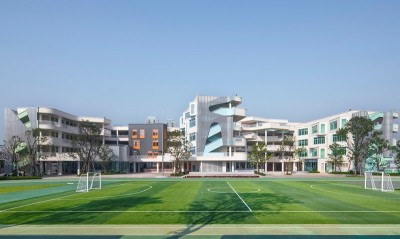
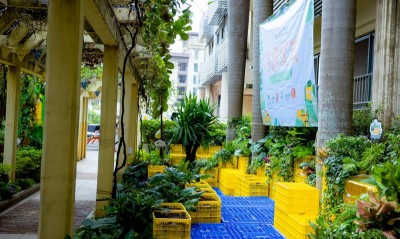
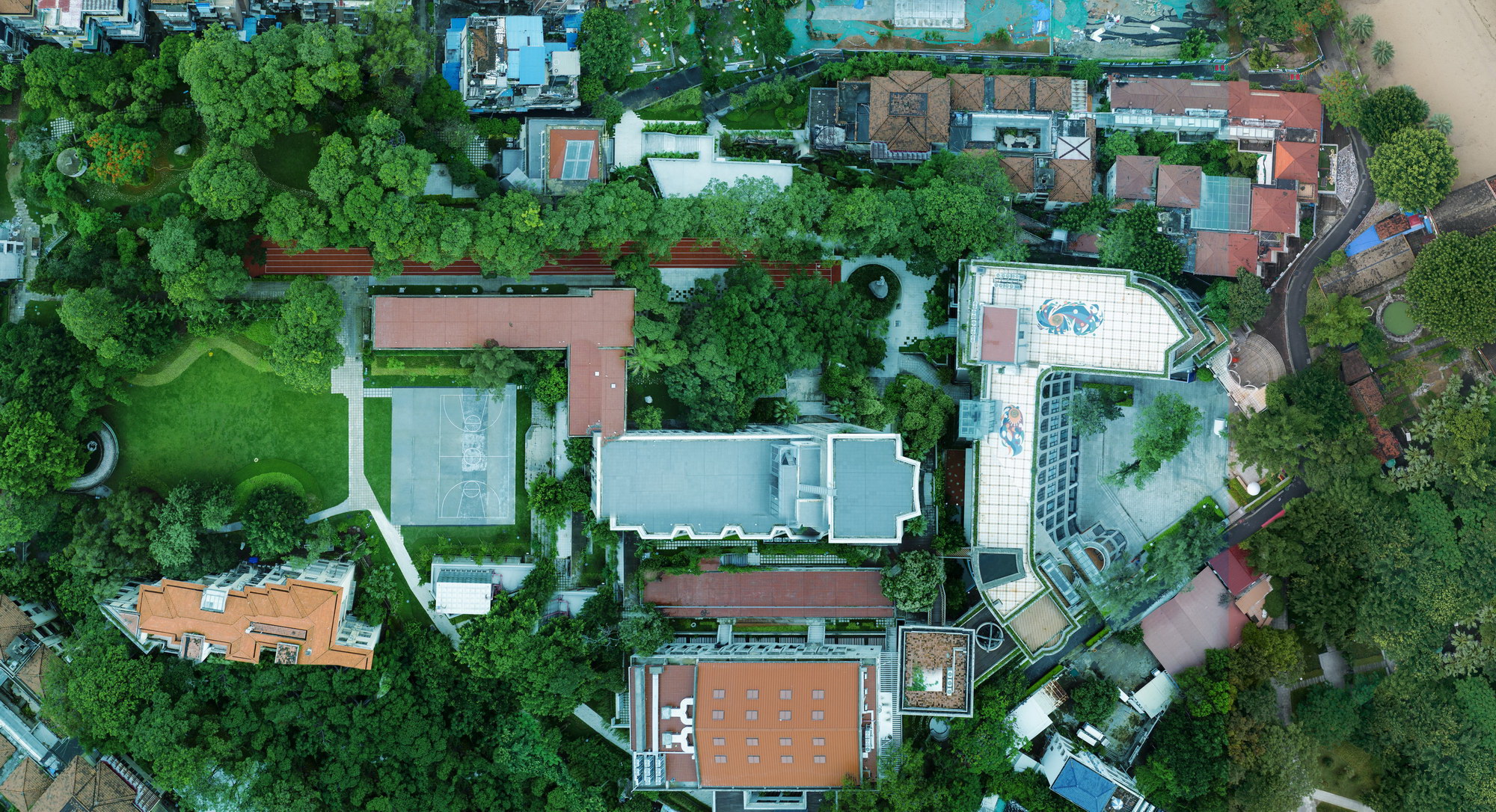
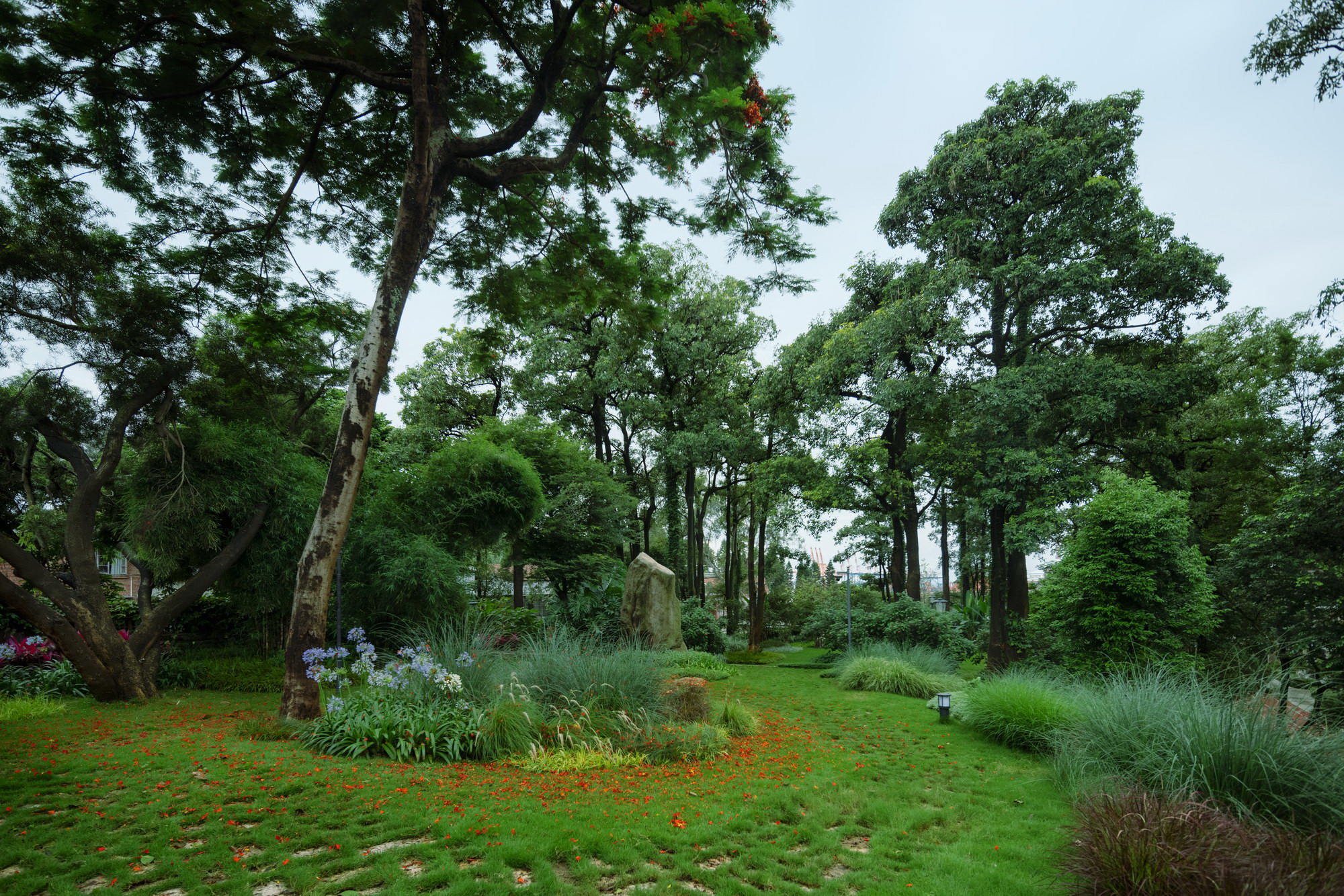
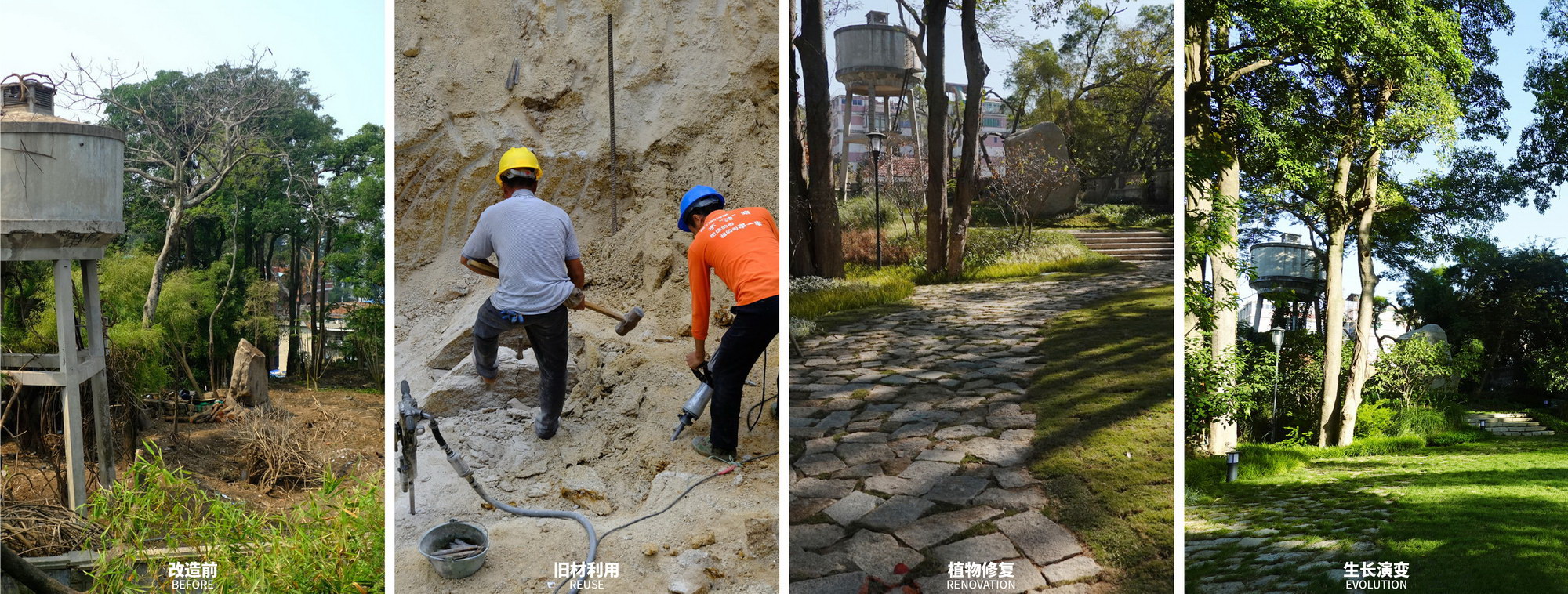
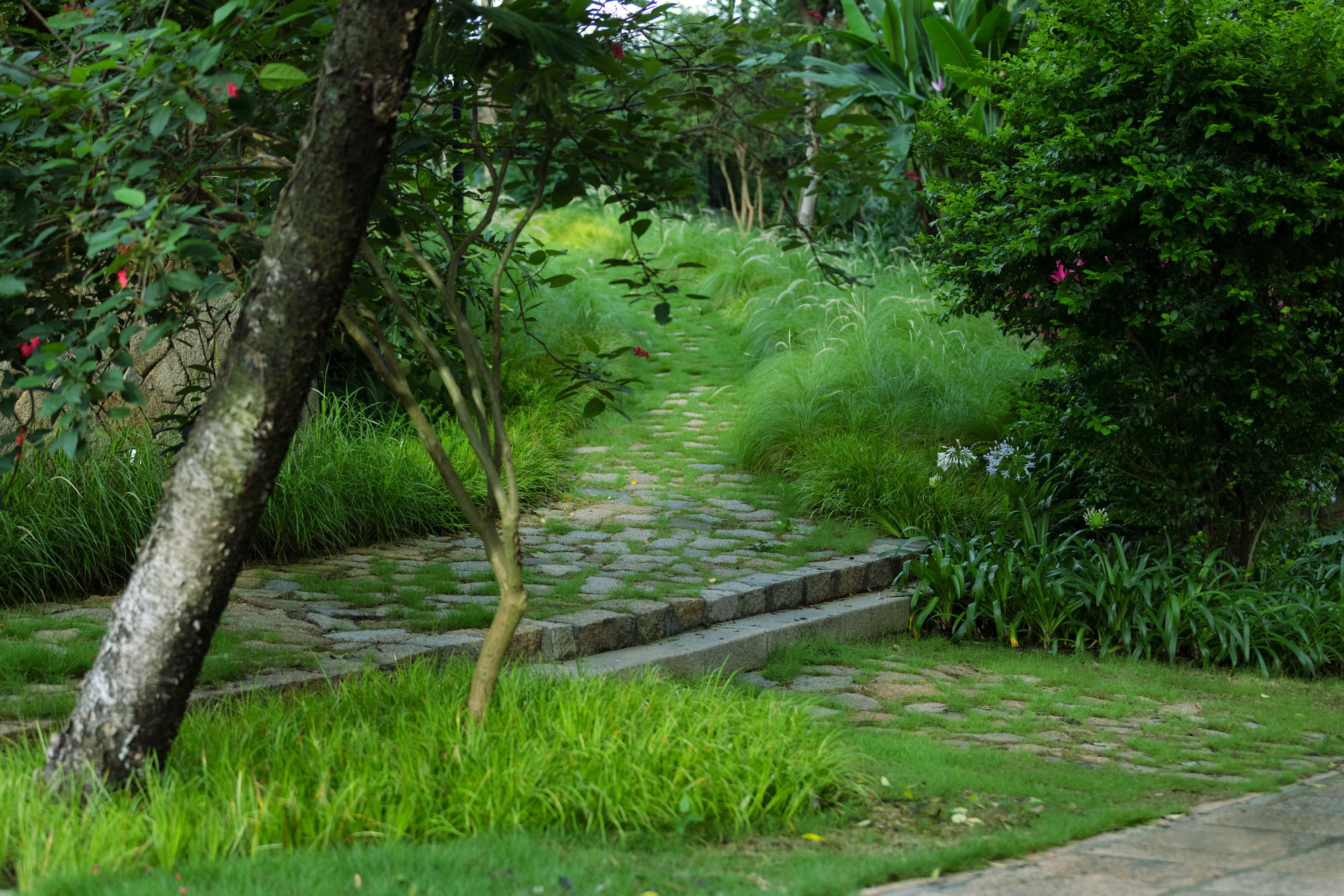
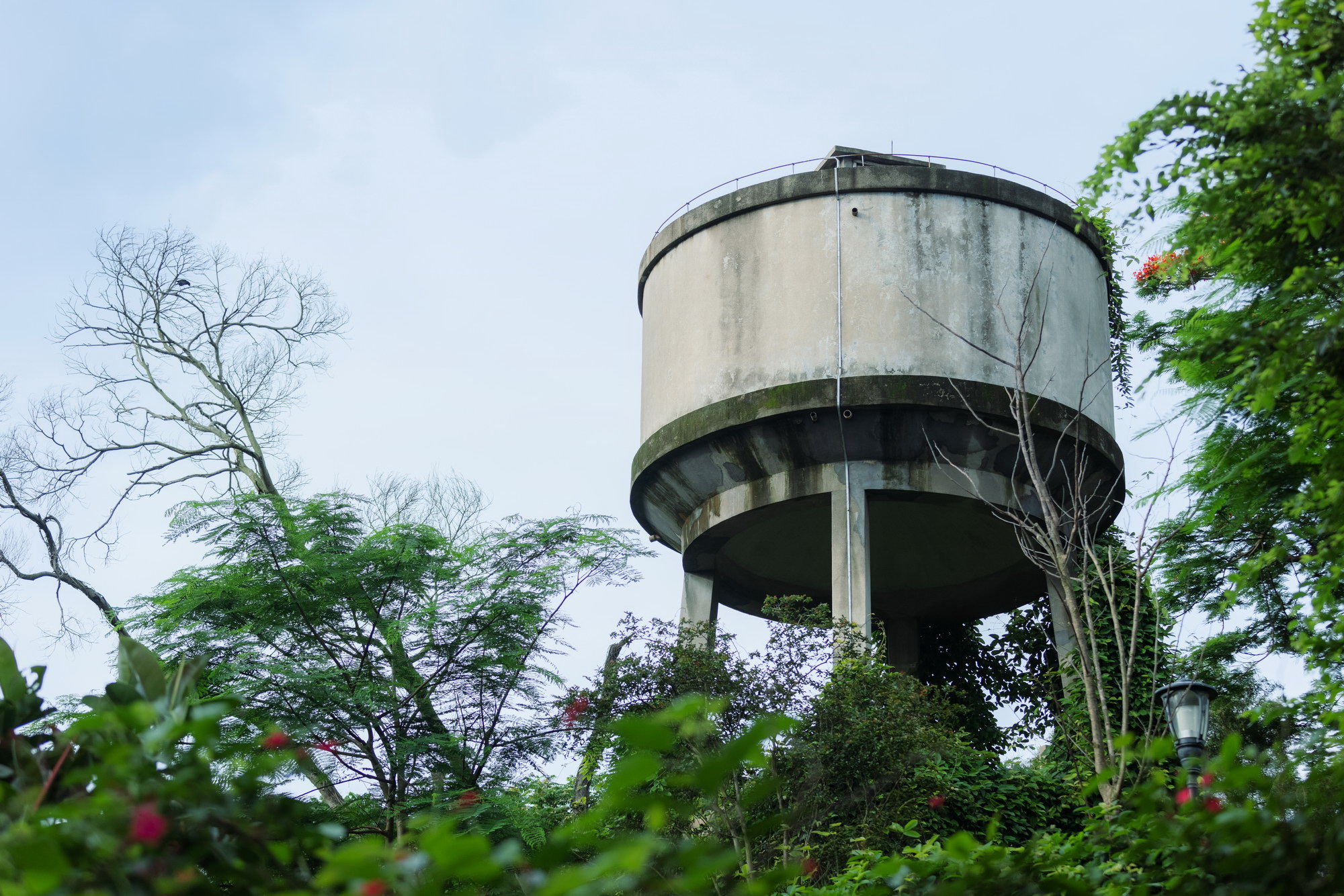
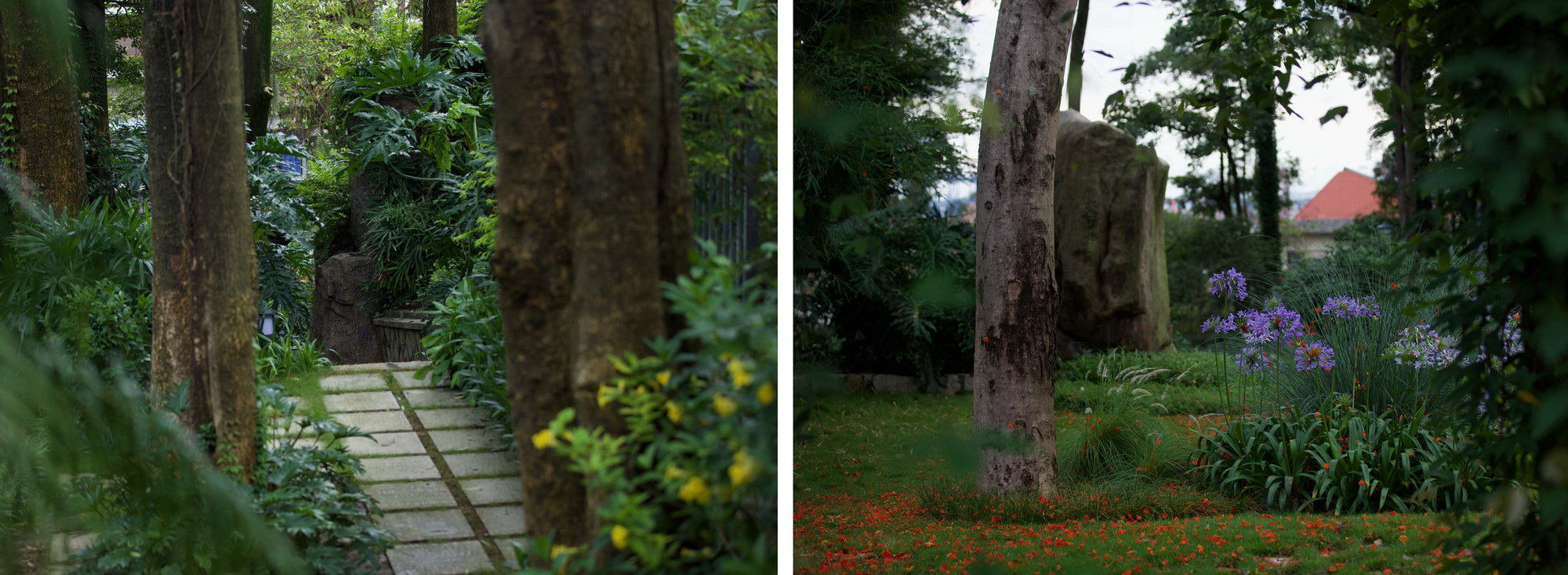
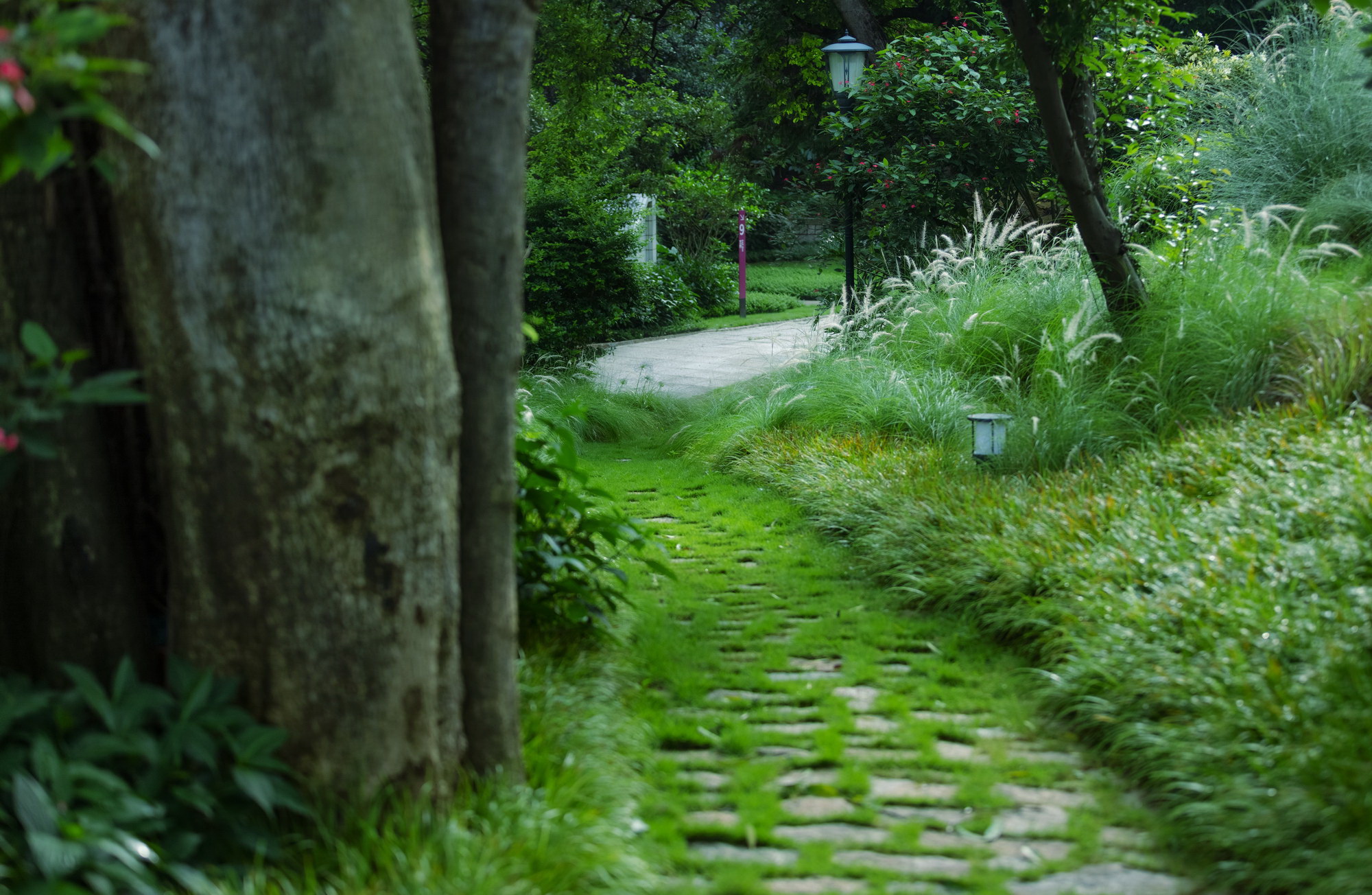
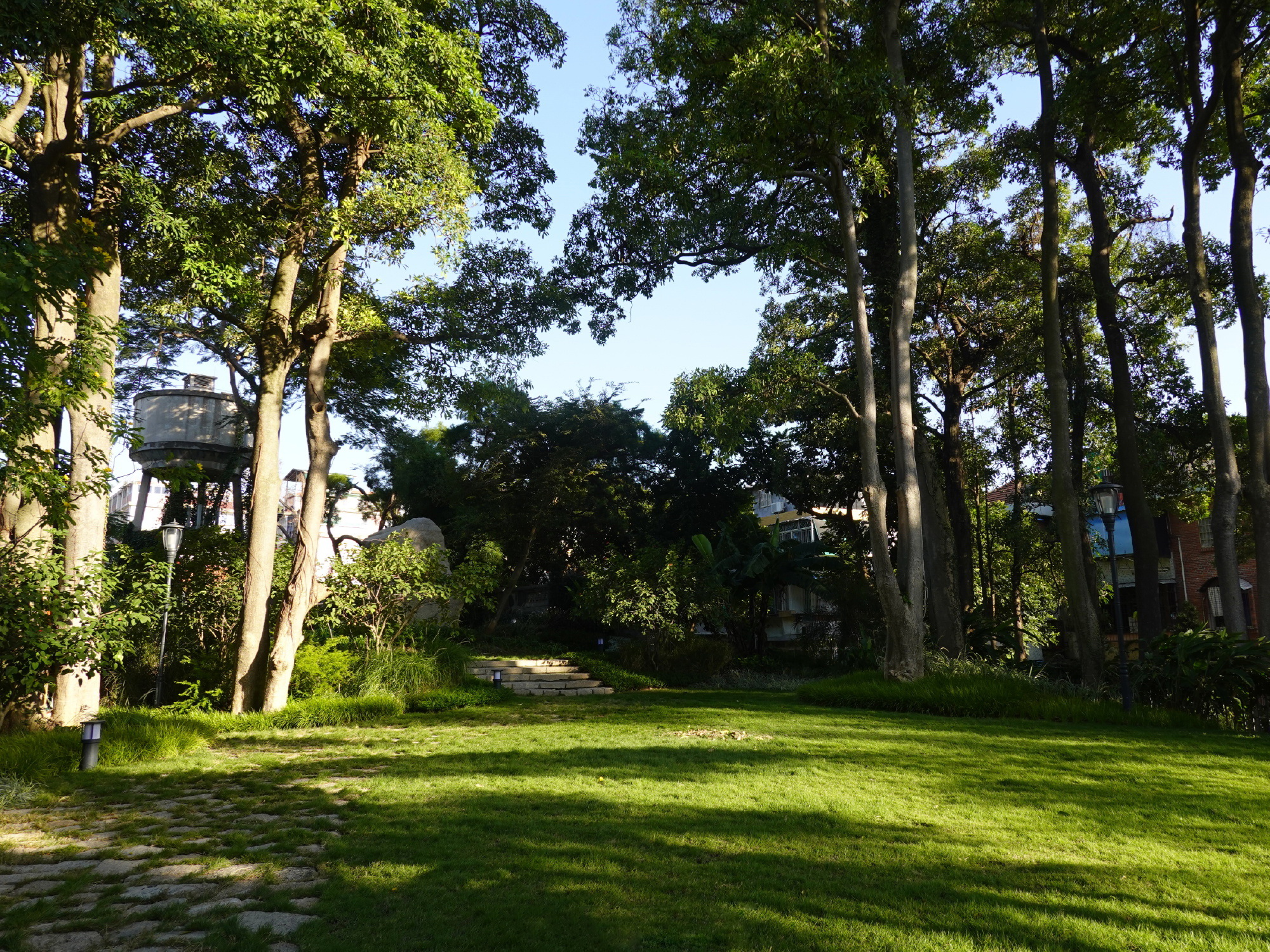
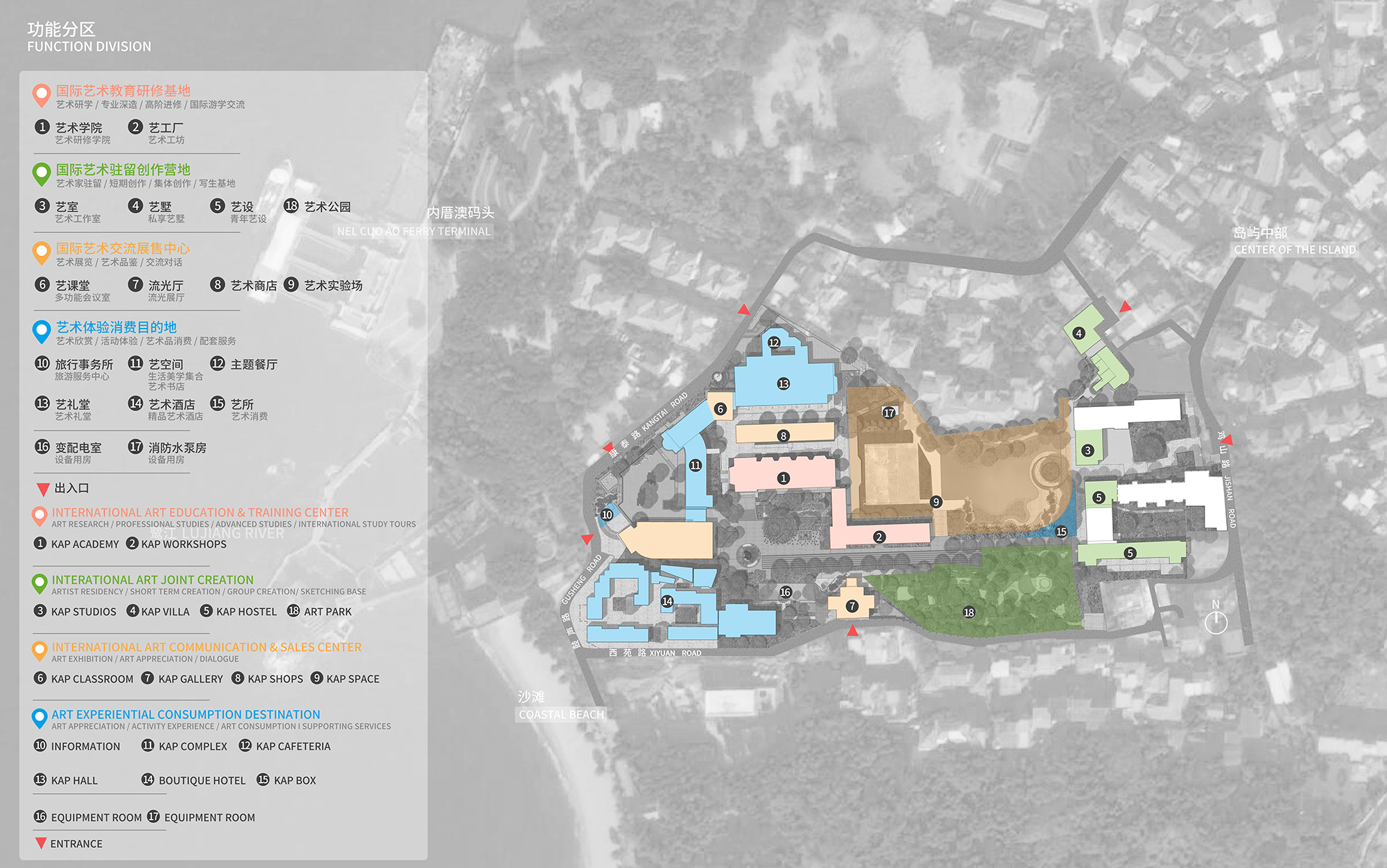
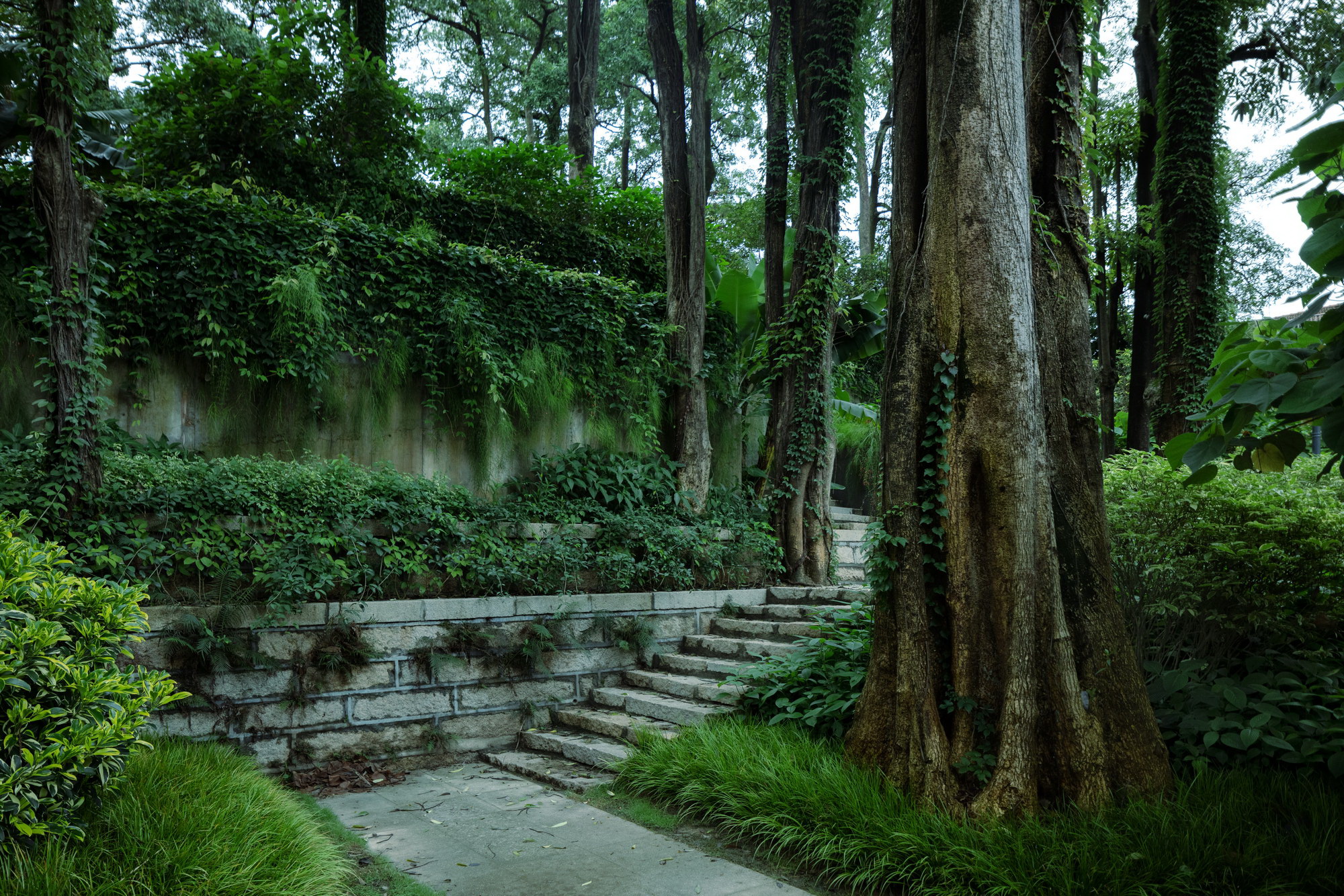
ToContinuetheGeniusLociofCampusCulture Kulangsu Island is located at the estuary of the Chiu-lung River in Fujian Province, facing Xiamen Island across the Lujiang River. Based on its outstanding universal value, Kulangsu, a historic international settlement, was officially listed as a world cultural heritage at the World Heritage Conference held in Krakow, Poland, in 2017. The predecessor of the Xiamen Academy of Arts and Design was the Private Lucao Art School, the earliest arts and design school founded in New China in 1951. It was officially registered as the Xiamen Academy of Arts and Design of Fuzhou University in 1993. With changes in educational demands and scale, the entire campus was relocated to the University Town in Jimei District in 2010. Since then, the Kulangsu campus has been vacant. In 2018, Fuzhou University and Lianfa Group cooperated in launching the project of renovating and improving the old campus, hoping to adapt to the new demands of urban development. Status Analysis Located in the northwestern corner of Kulangsu Island, Xiamen City, the Kulangsu Art Park is 150m away from the Neicuoao Pier. It faces Xiyuan Road in the south, Kangtai Road and Gusheng Road in the west and north, and Jishan Road in the east. Buildings of three architectural types can be found on the campus, including the European-style buildings of the 1990s (comprehensive buildings), buildings of the 1960s and 1970s styles (the main and deputy teaching buildings and the sculpture studio), and ordinary buildings constructed between the 1960s and 1970s (dormitories for men and women and lab). On the original site of the project stands a campus with an orderly spatial layout, a properly-arranged courtyard, and well-proportioned terrains. Although the campus has been vacant for eight years, one can still experience an intense artistic feel and see an elegant, quiet, and exquisite campus after walking inside. The Egret Goddess near the Yundang Lake stands on one side of the road, and the teaching buildings face shady green trees. White sculptures of diverse shapes are lined near the stairs, pleasing the eyes that dwell on them. Design Strategies Based on the design team s preliminary on-site investigations and survey analysis, this project enhanced the landscape centered on three themes: respecting and continuing cultural traditions of the site, increasing interactions between communities, and achieving public accessibility to the site. The campus was renovated with low costs and minimal intervention. Out of respect for the site s characteristics and the original natural environment, all materials on the site were retained and used repetitively, allowing the campus to gain rebirth with historical traces. Combining architectural functions, the vacant sites that failed to be used fully were reconstructed. Aside from returning to its normal life, the campus can provide a public space for neighboring residents and social communities to live, communicate, and interact with each other.




















 Editor's Pick