Text description provided by the architects
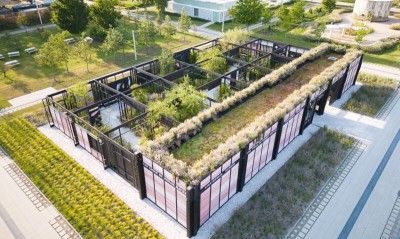
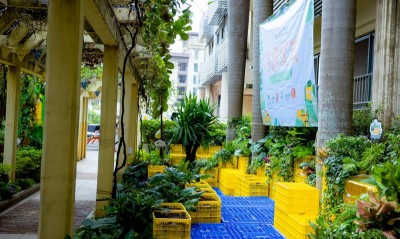
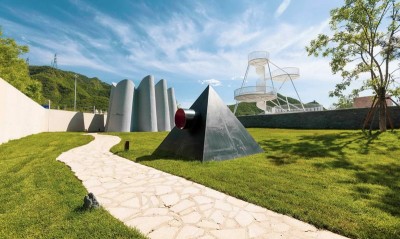
Satoyama Garden was one of the venues of the 2017 National Greening Exposition in Yokohama, and after the exposition it has continued to host twice-yearly Satoyama Garden Festivals where citizens can encounter nature at close range. Designed by Toda Yoshiki Landscape Design Institute, the twenty-hectare site occupies a former fallow field in the hilly northern part of Yokohama next to Zoorasia Yokohama Zoological Gardens, chosen with the hope of reviving the land's vitality. Flower seedlings are purchased from local urban farms, supporting regional agriculture, and the garden is designed so that strolling through it promotes both ecological literacy and personal health. Each spring and autumn festival carries its own theme, ranging from the nature-rich satoyama and autumn foliage of the first seasons through cherry blossom meadows, colorful autumn plants, fragrant flower fields, a flower field celebrating the zoo's twentieth anniversary, laughing in nature, harvest joy, a fruit-laden spring coinciding with the Tokyo Olympics, physical and mental wellbeing, happy flower vistas and enthusiasm for satoyama and plants. The main entrance garden is the focal display area, with a south-facing slope that receives strong light; a nine-meter-high sky-walk platform offers panoramic views, and an accessible loop near the main flower bed allows wheelchair users to read the subtle color changes. Spring plantings, installed in winter, must resist late frosts and rapid warm-up; autumn plantings, installed in summer, must survive heat and typhoons. In keeping with the satoyama ecology, no pesticides are used; pests are managed by hand or through organic methods. Each festival uses roughly fifty thousand seedlings supplied by Yokohama farmers, with hardy perennials mixed in for long-term structure, and plants that survive the festival are transplanted into public spaces across the city. Where the land once fed people, it now fills their hearts.




 Editor's Pick
 Latest Design
 Best Idea