Text description provided by the architects
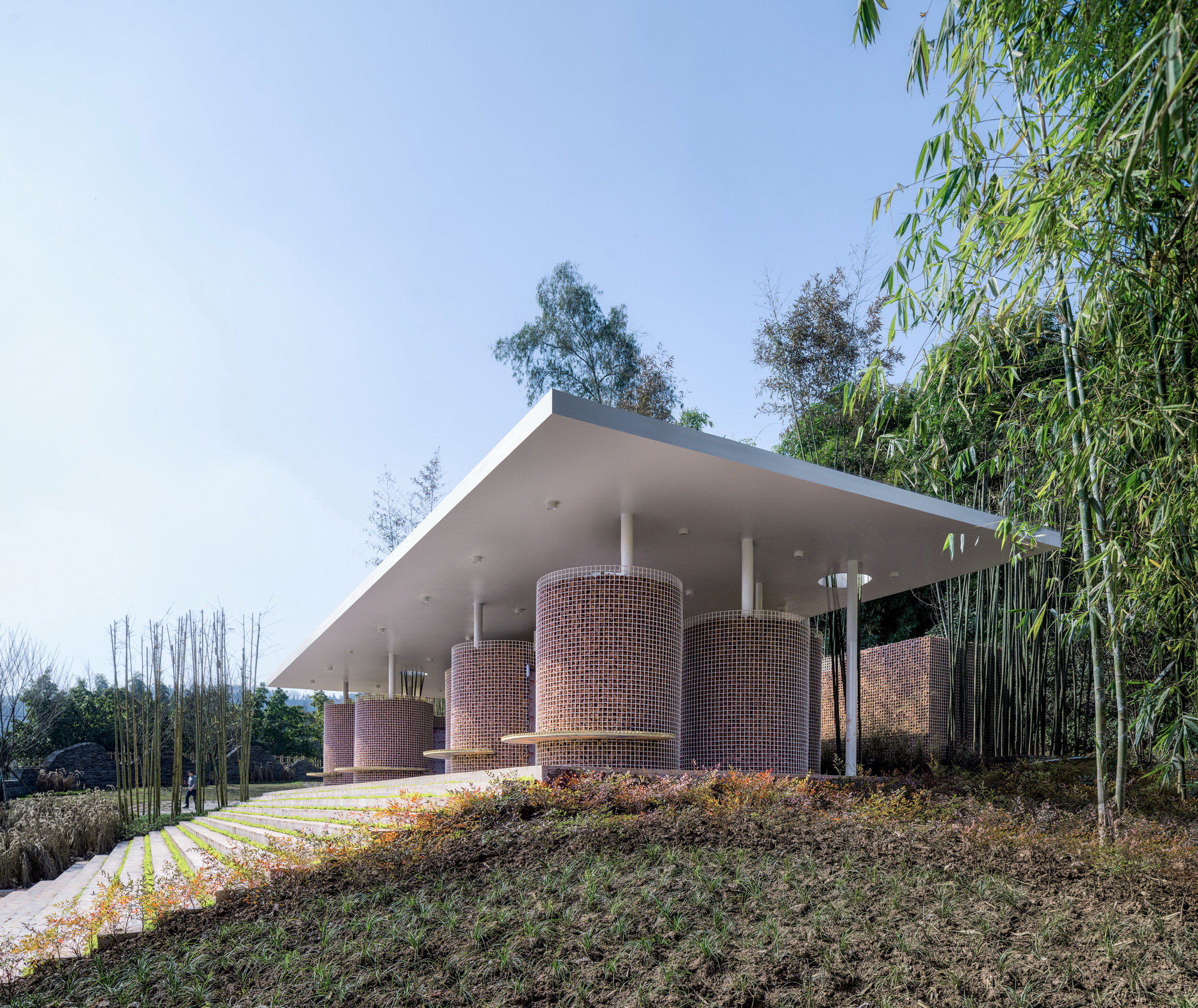
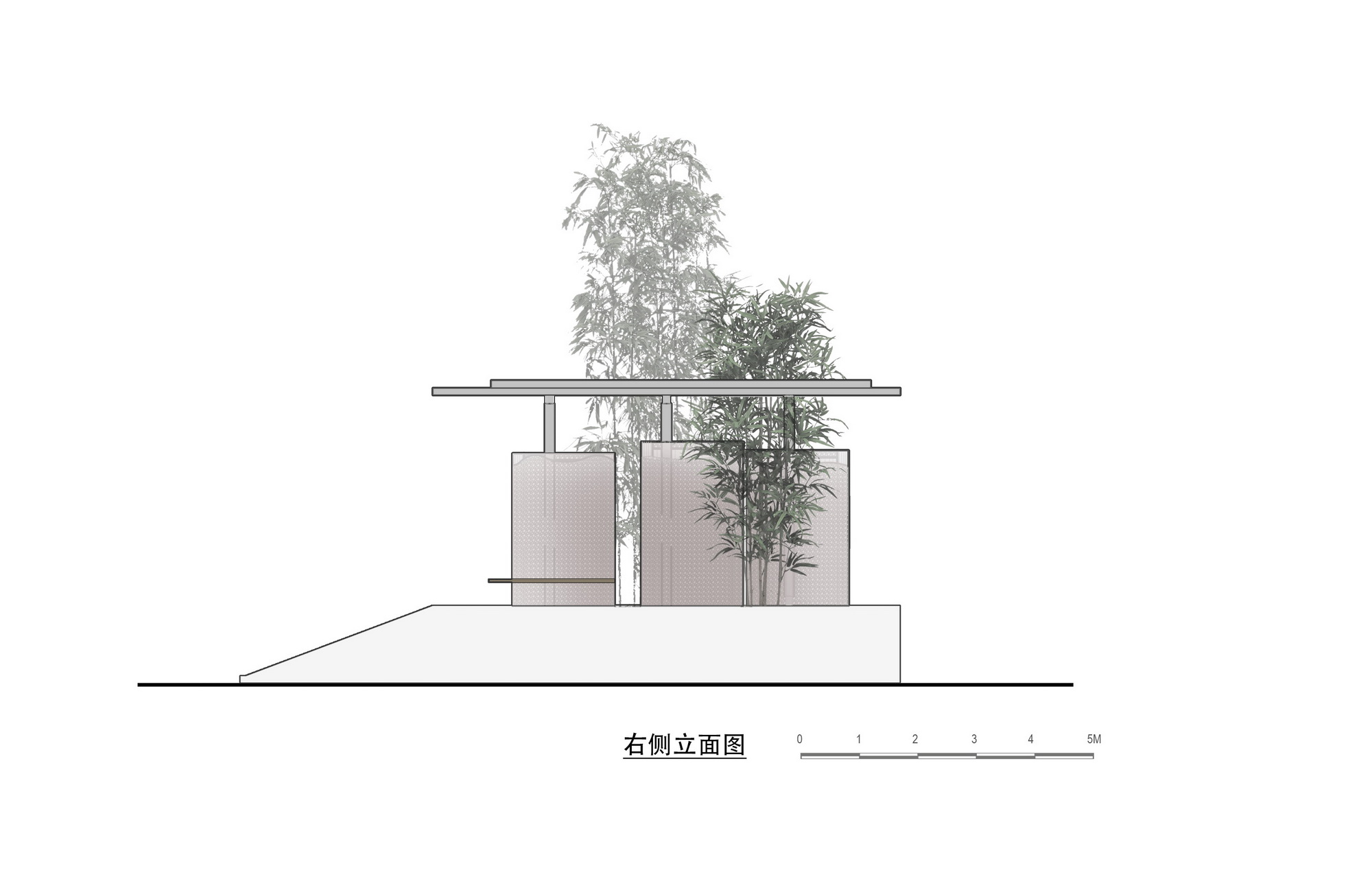
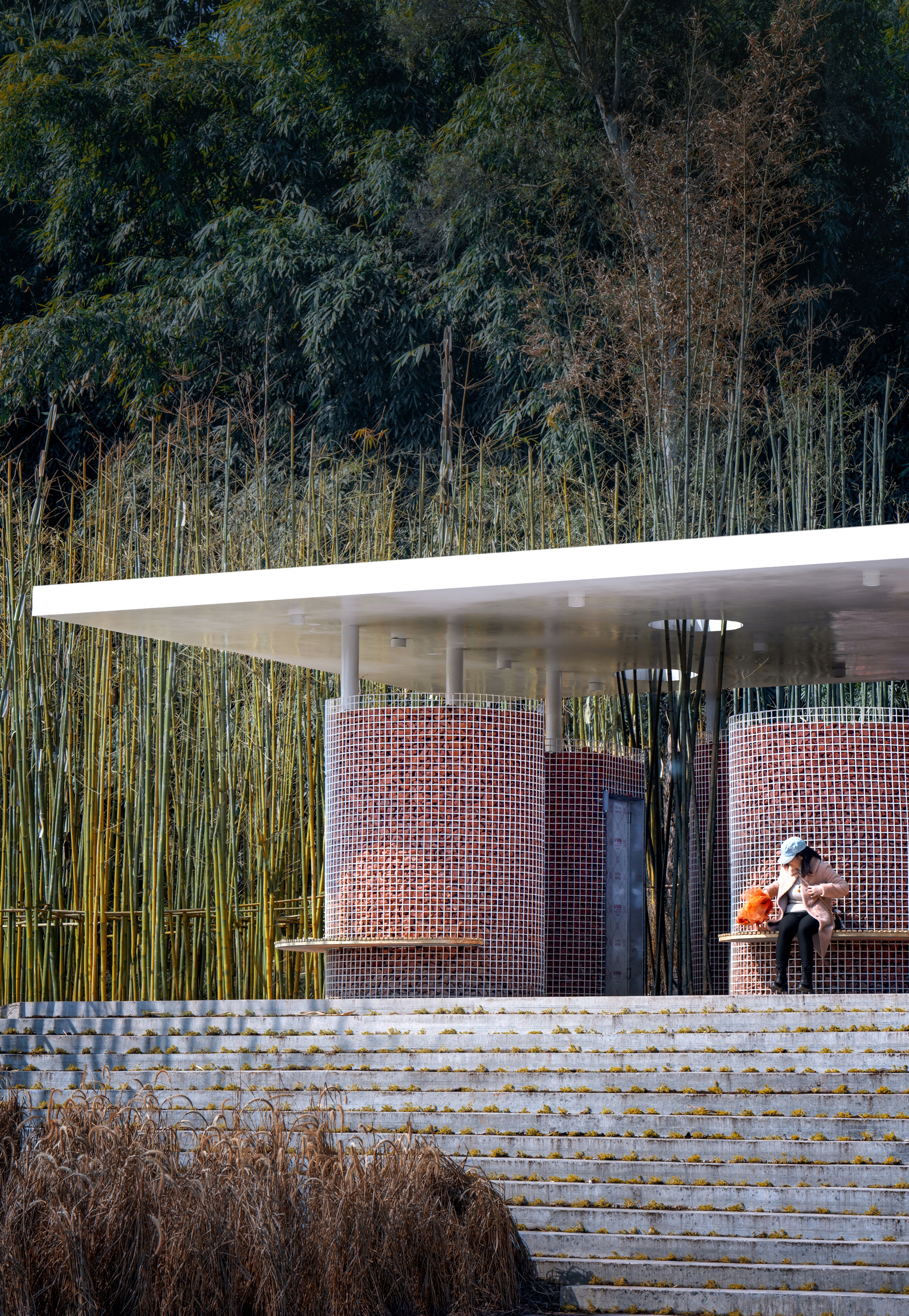
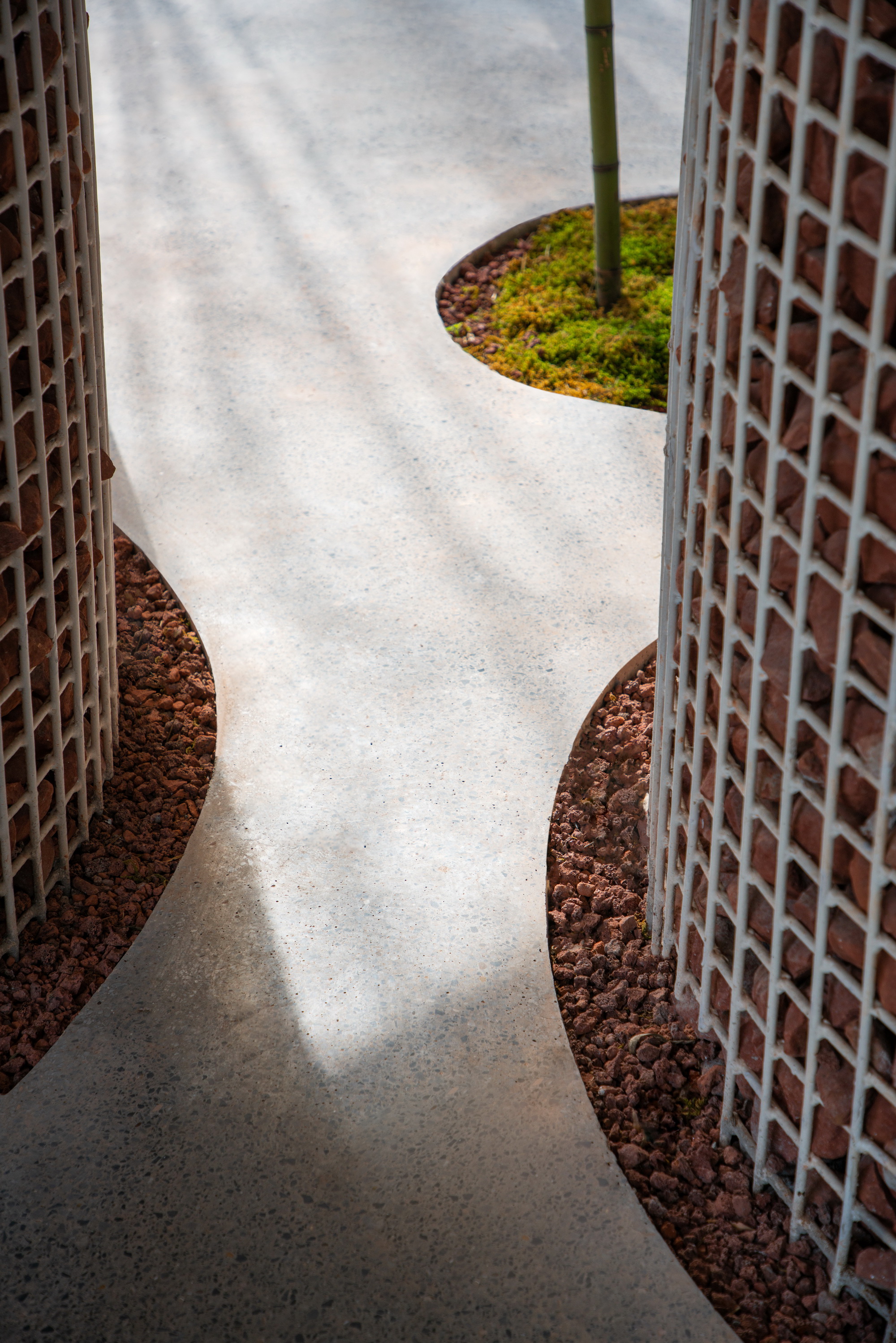
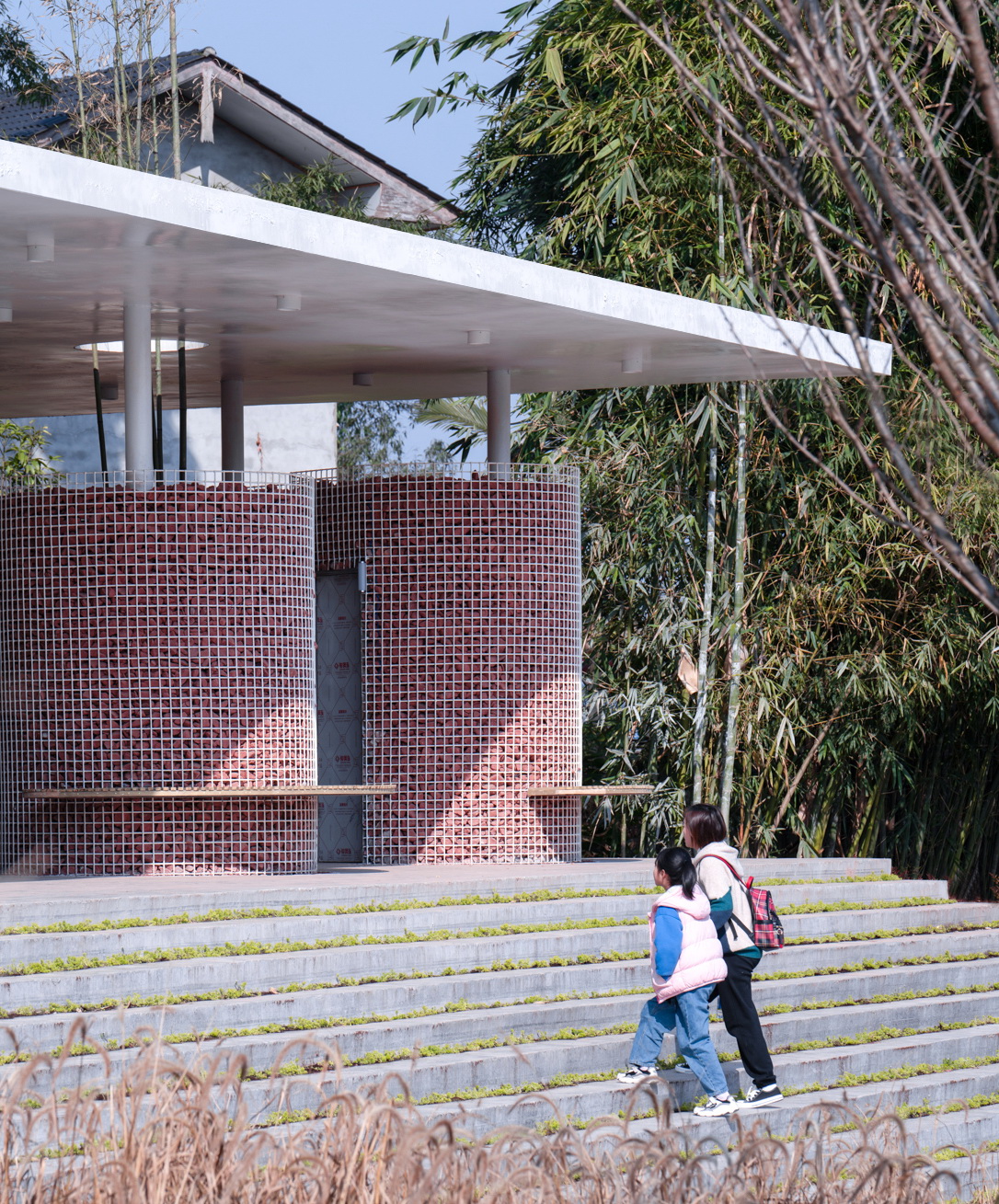
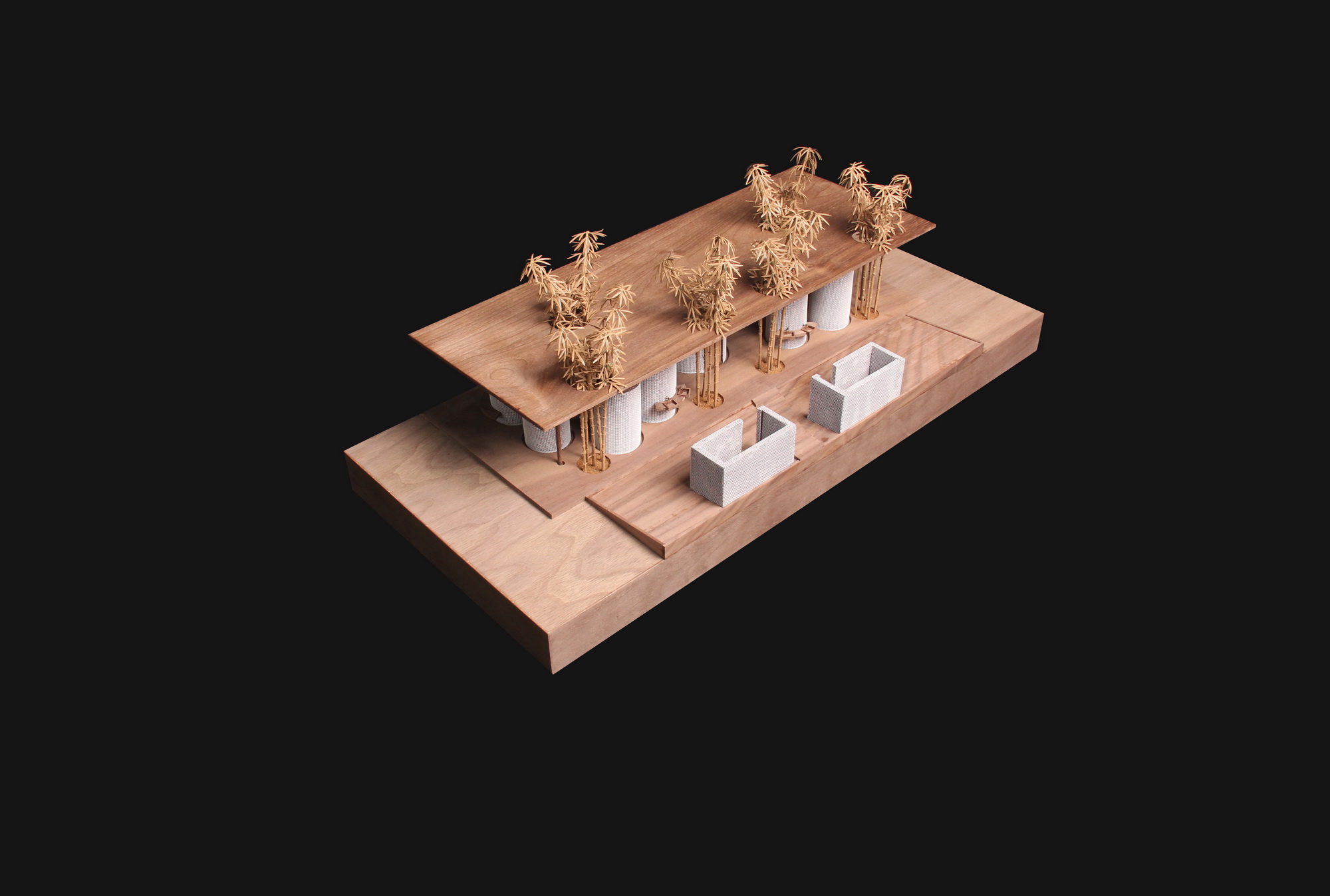
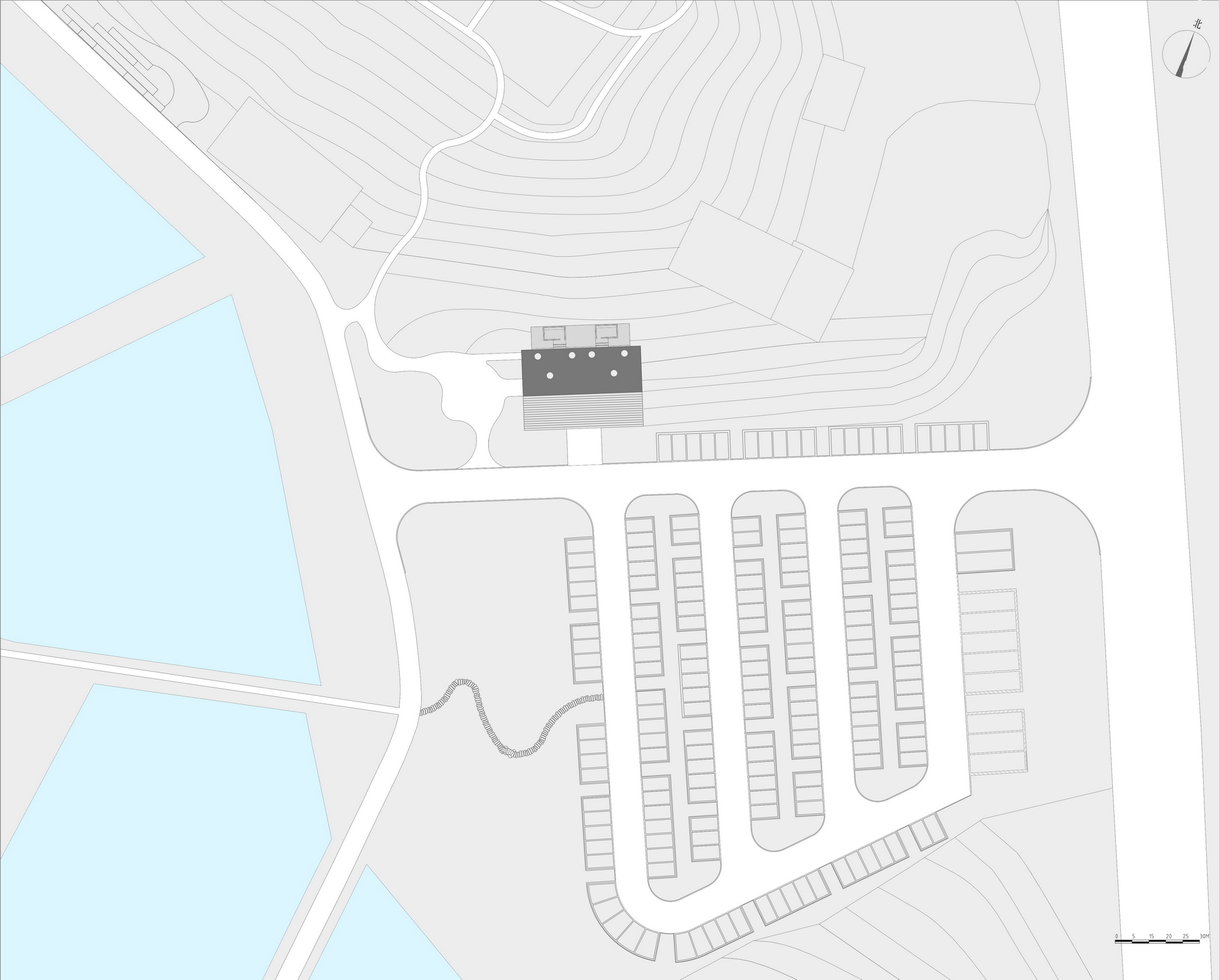
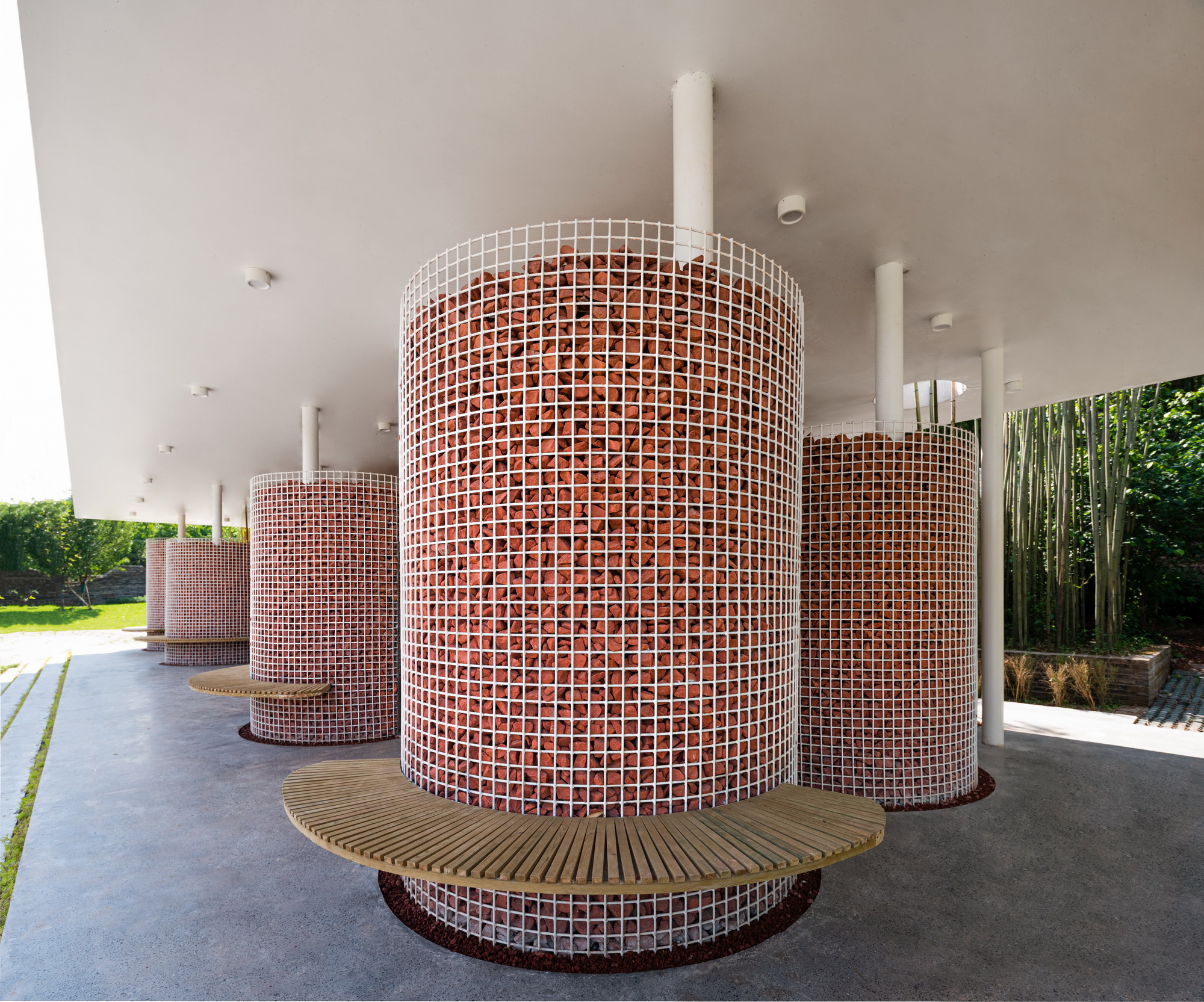
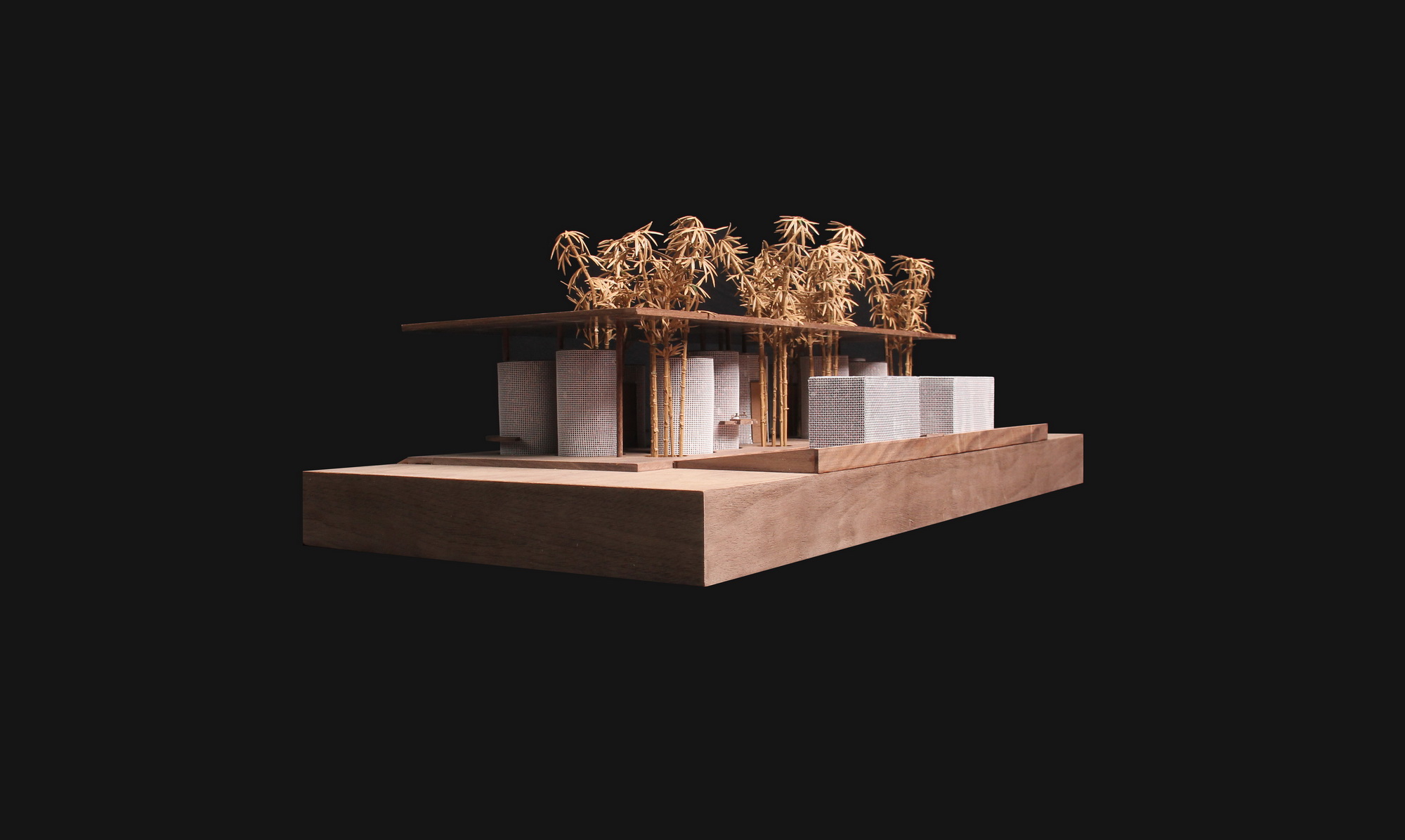
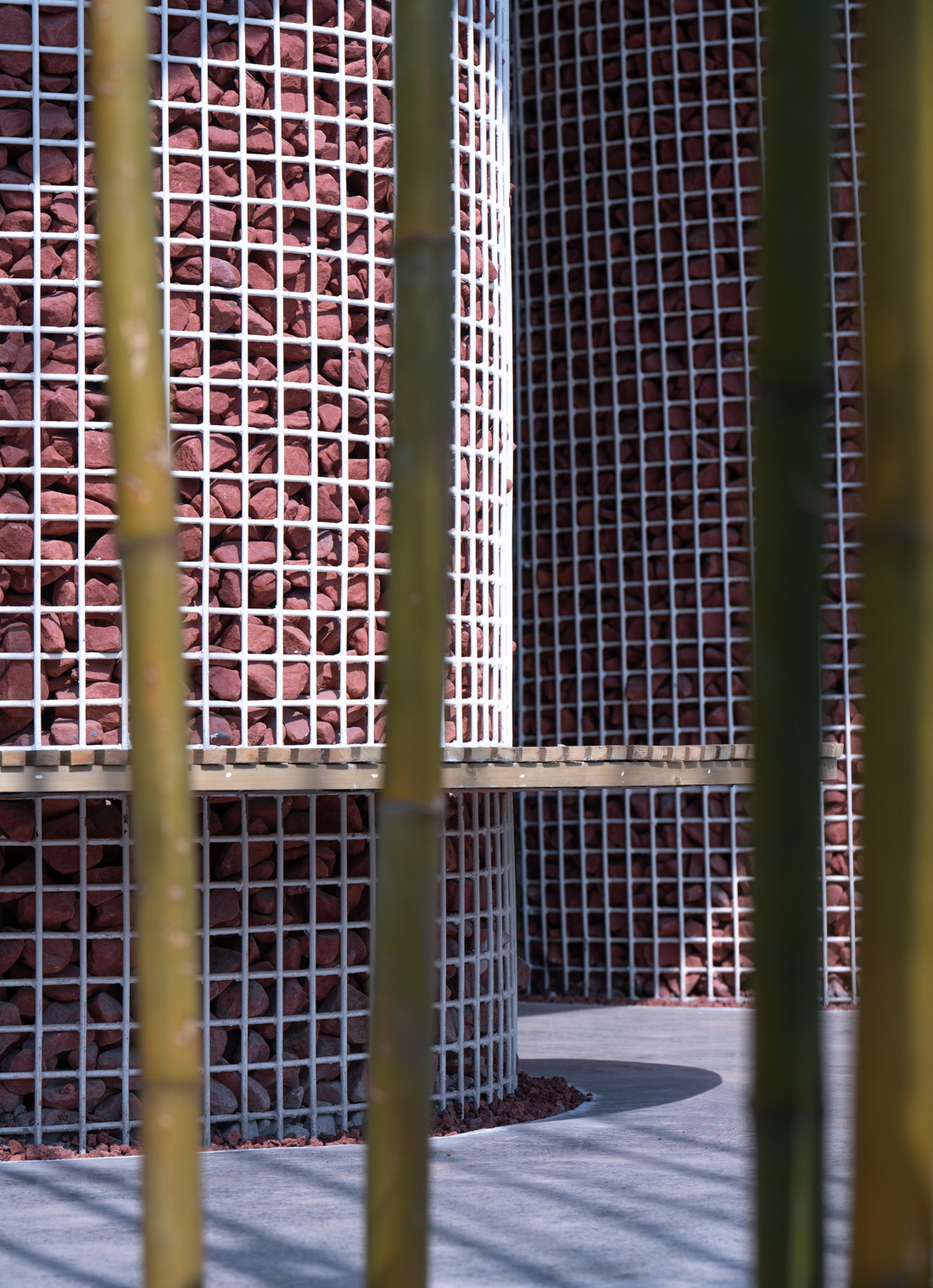
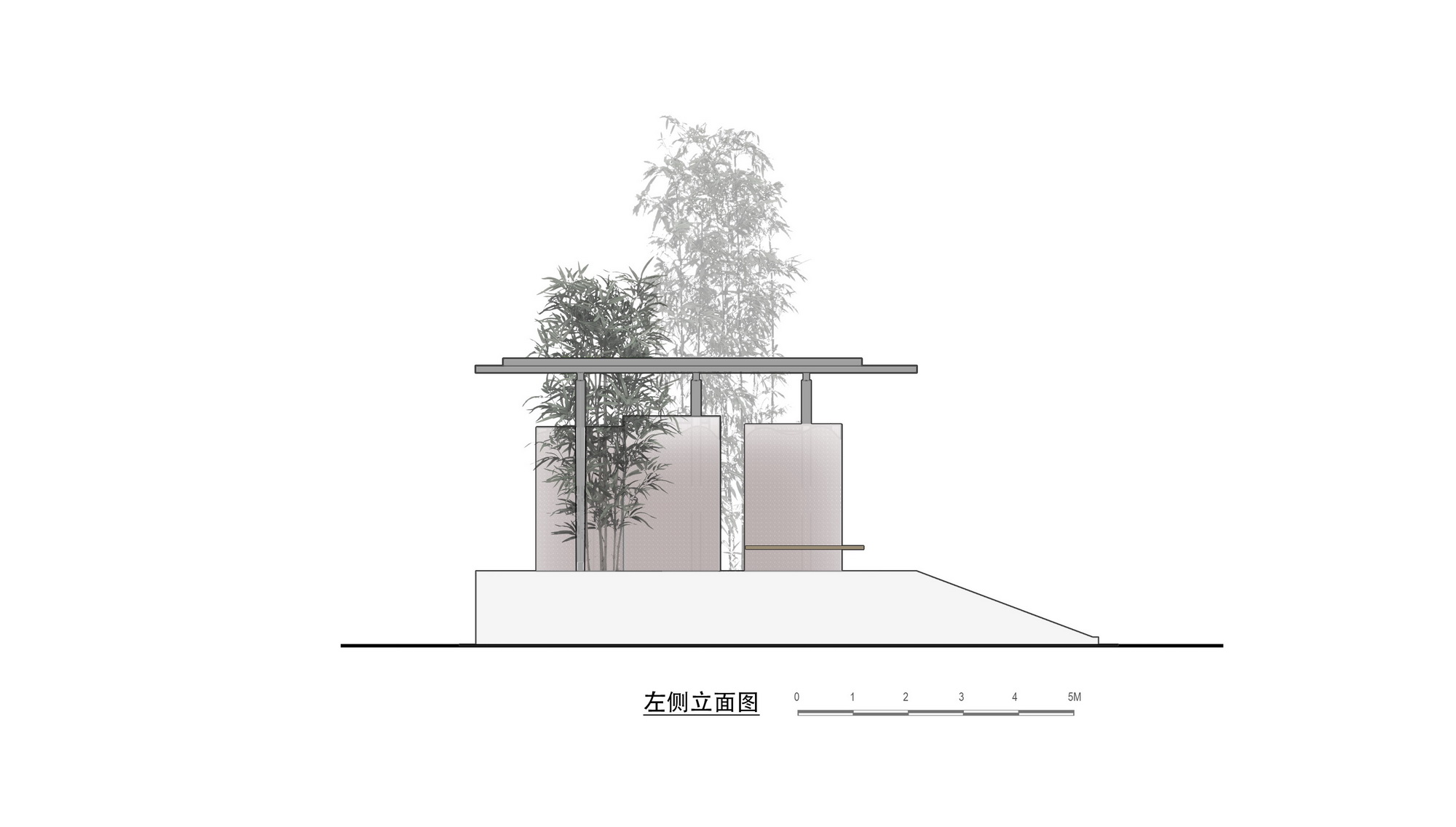
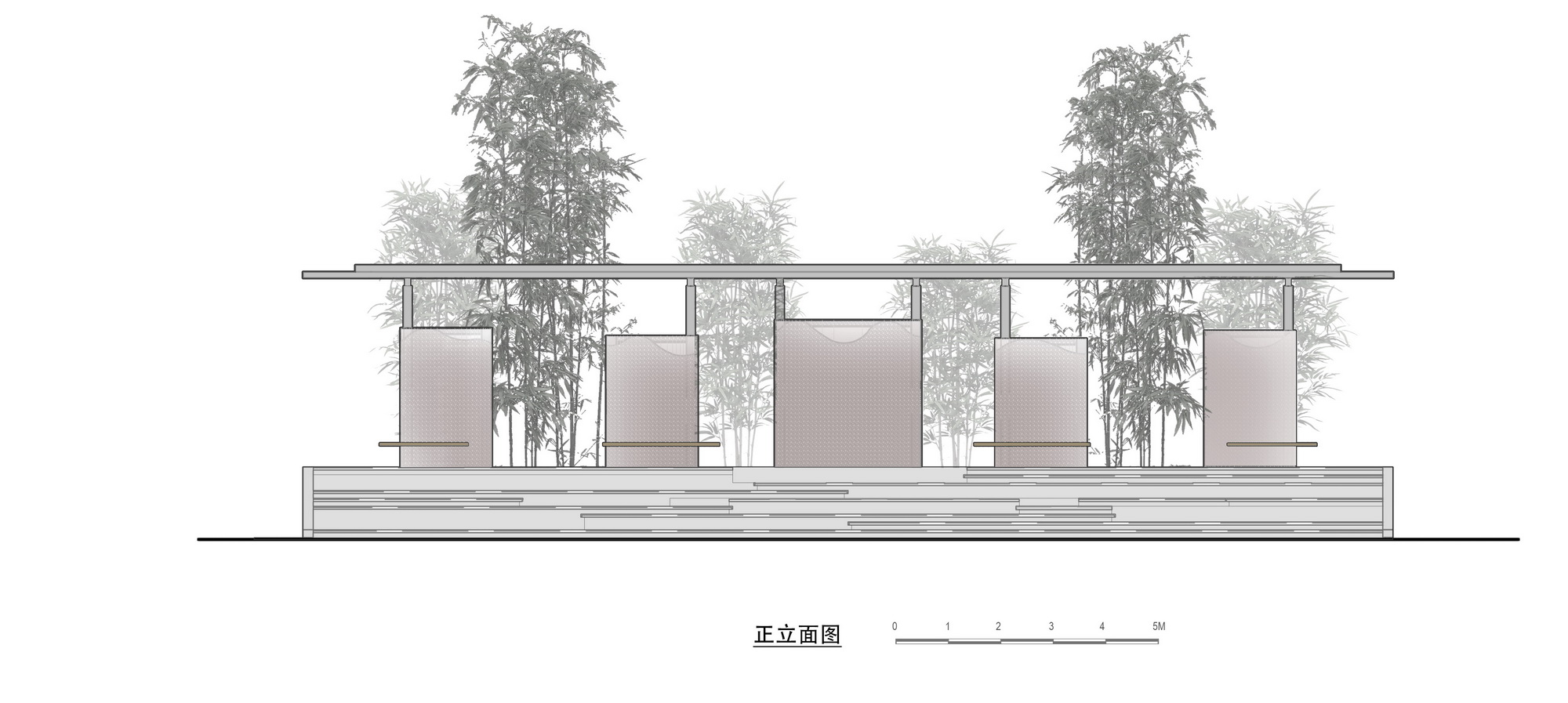
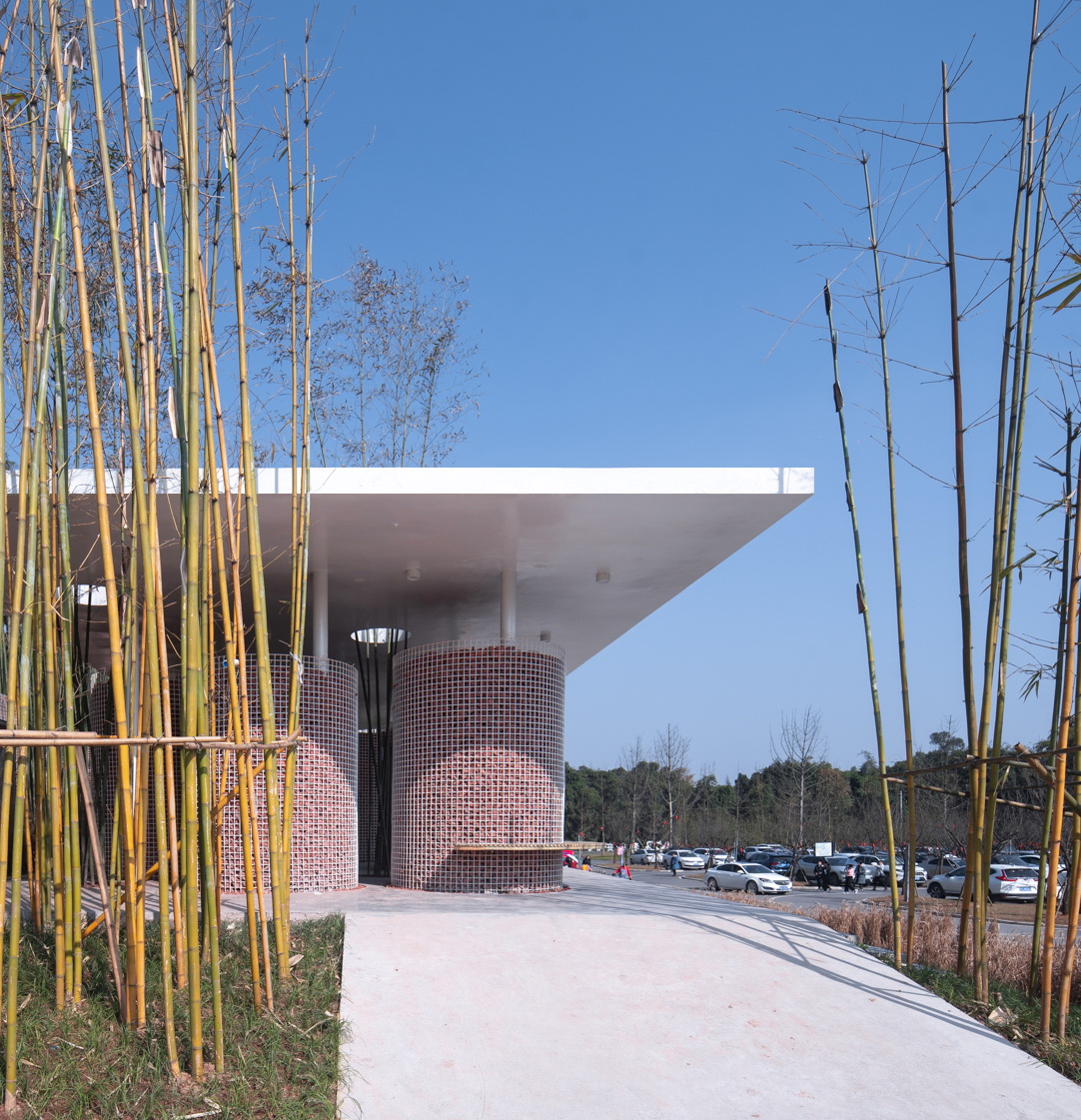
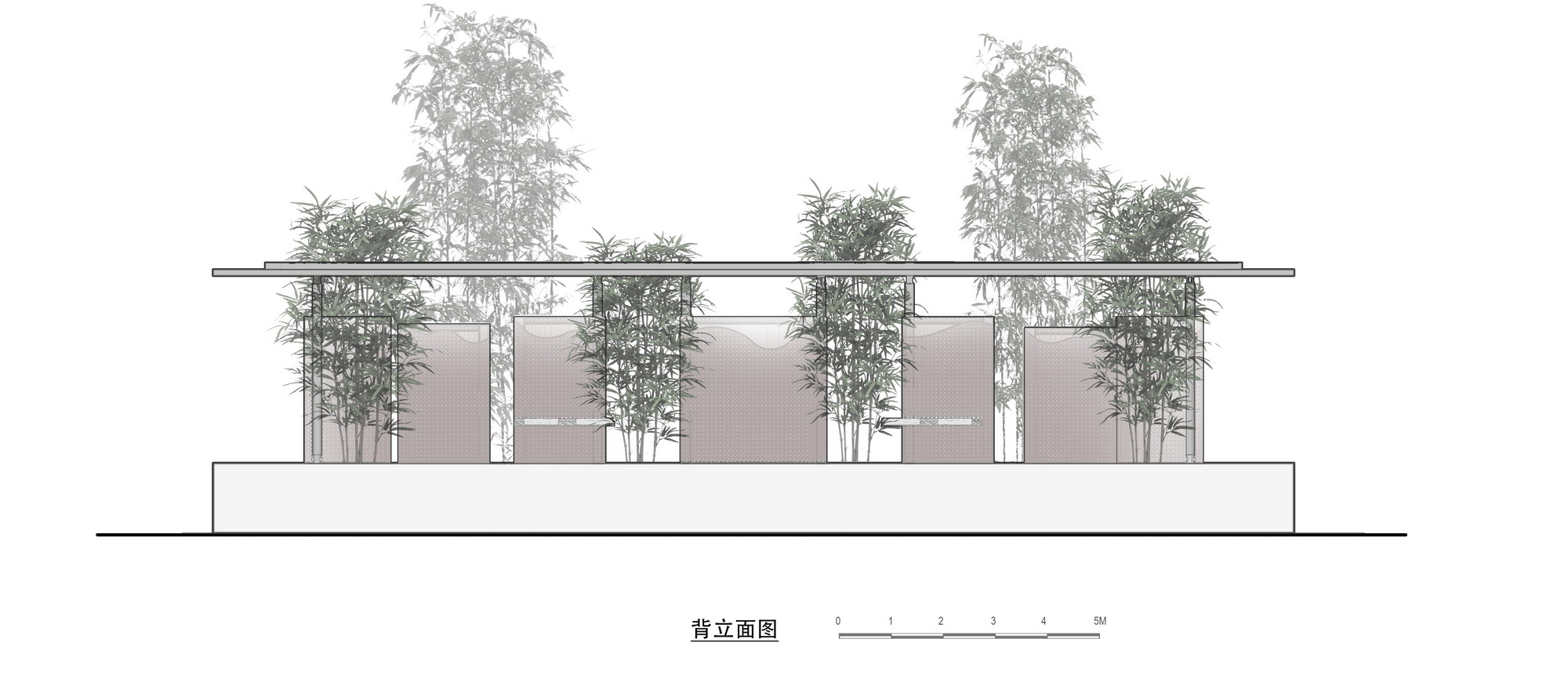
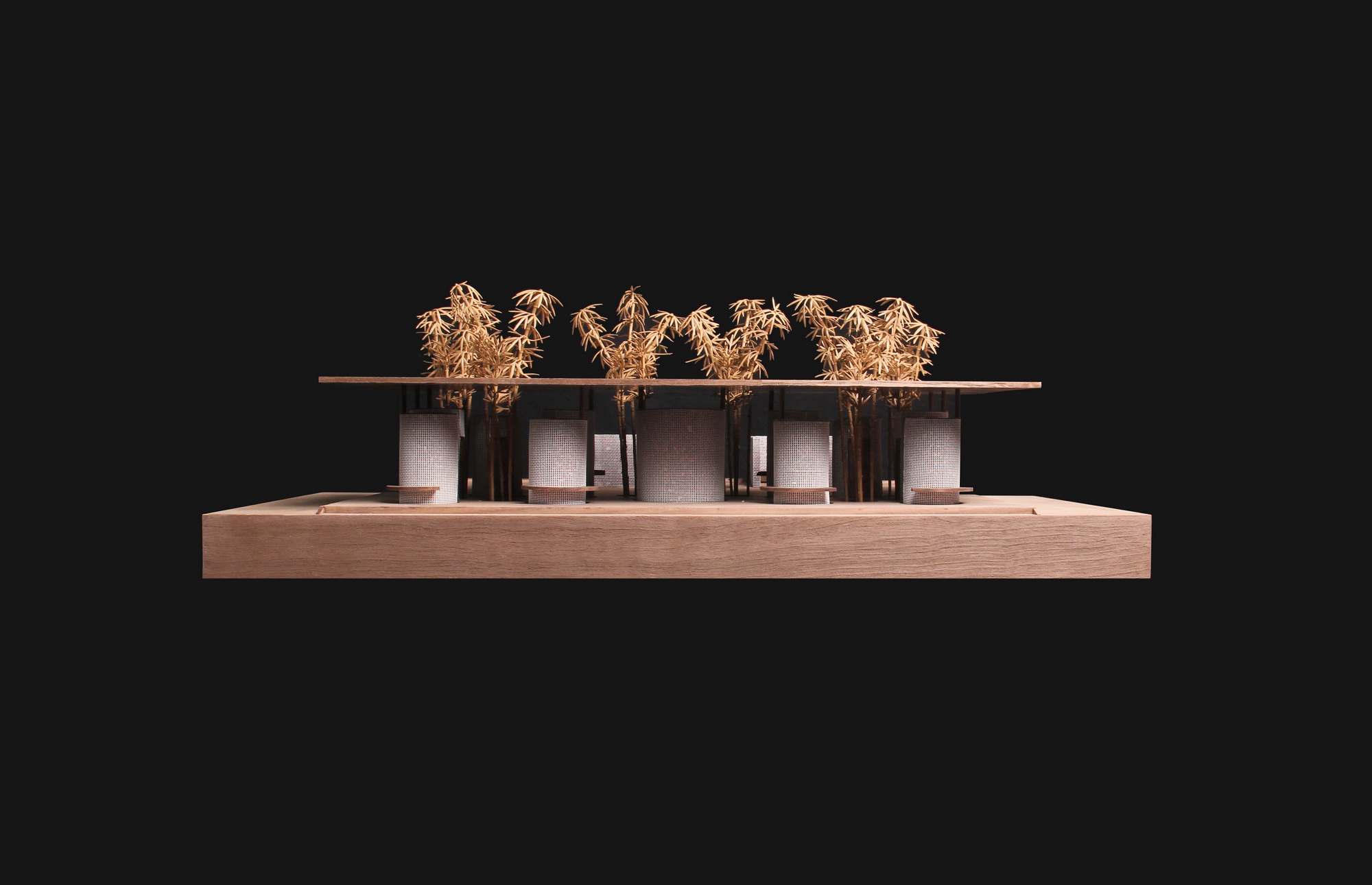
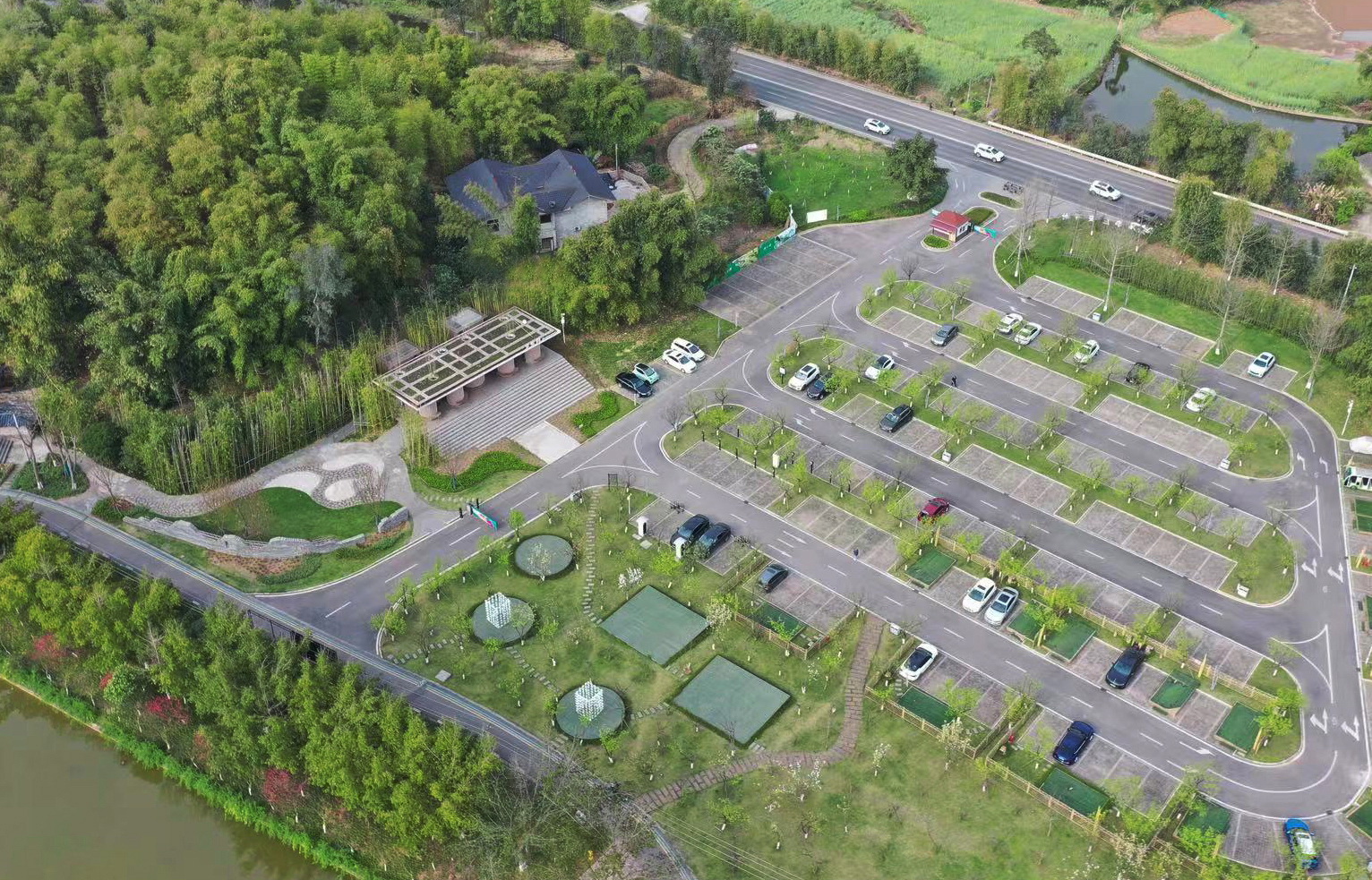
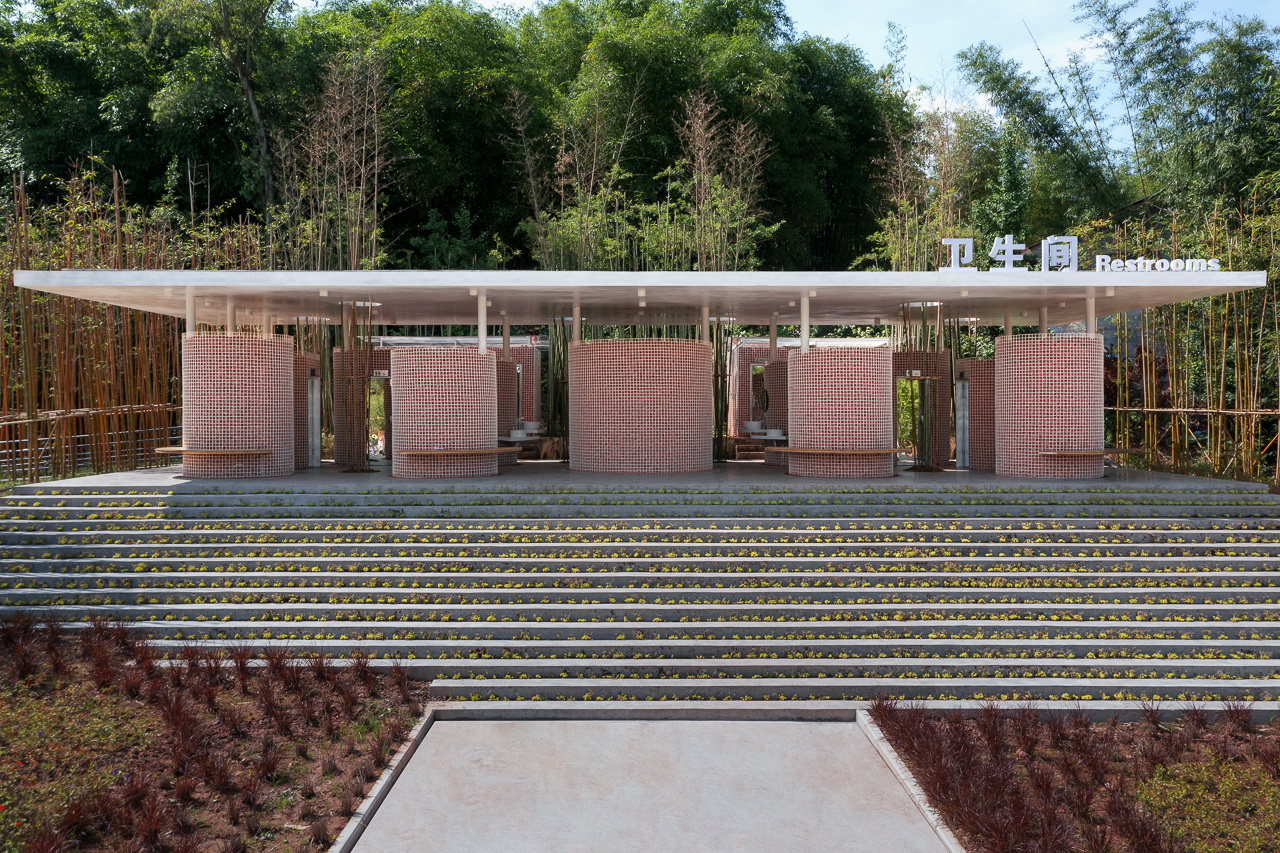
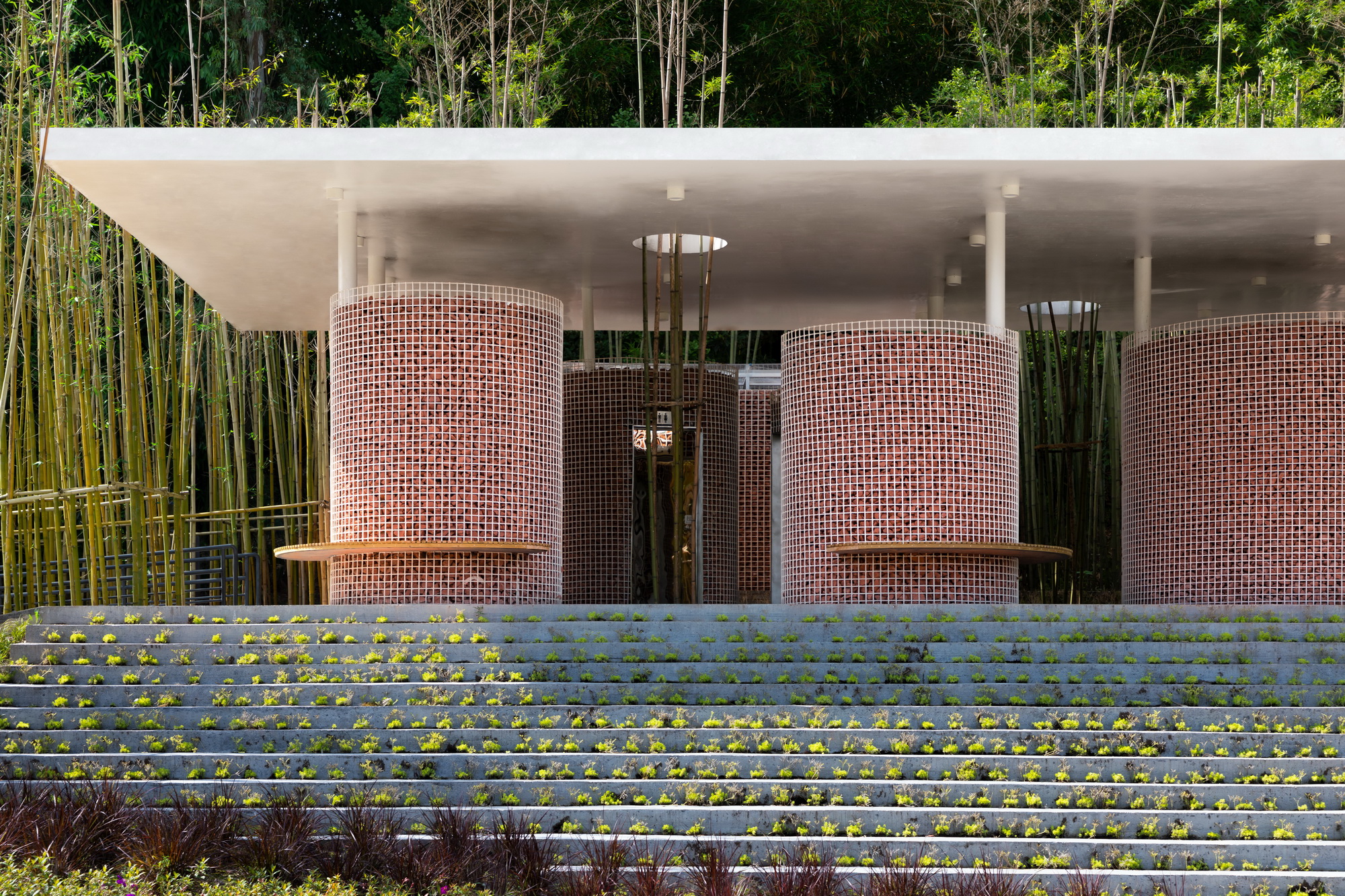
Anshi Village in Yibin, Sichuan, is an ordinary village backed by Nianpan Mountain. The village is connected by lanes, with scattered fields and ponds, houses and trees interwoven—a typical southern Sichuan settlement. The project is located next to a parking lot at the village entrance adjacent to the Yichang Road, facing farmland landscape and backed by a bamboo grove planted by villagers. In the context of rural revitalization, focusing on the most easily overlooked public amenities, the Roll Toilet aims to use design to meet the needs of tourism development and villagers while serving as an important space that presents the image of Anshi Village, leaving visitors with a positive first impression. Beneath a large rectangular roof supported by steel-frame cylinders, stone-cage-wrapped cylindrical volumes are arranged in a staggered formation, forming ten individual toilet stalls. The slightly larger cylinder in the center is a disabled-access toilet, and two symmetrically positioned smaller urinal cubicles are placed at the rear. Traditional public restrooms often result in excessively long waiting times for female visitors. Considering equity in space use, the designers introduced the gender-neutral restroom concept. In the Roll Toilet, anyone of any gender can use any stall at any time, solving the problem of difficult restroom access during peak periods. At the same time, the inward-facing openings of the stalls maximize personal privacy, meeting the needs of users of different genders, ages, and mobility levels. The elevated roof allows wind and air to circulate freely, eliminating odor problems, while light penetrates through skylight openings into the stalls, achieving natural ventilation and lighting. The project demonstrates how even the most basic rural infrastructure can become a distinctive architectural gesture that serves the community and welcomes visitors.






 Editor's Pick
 Latest Design




