Text description provided by the architects
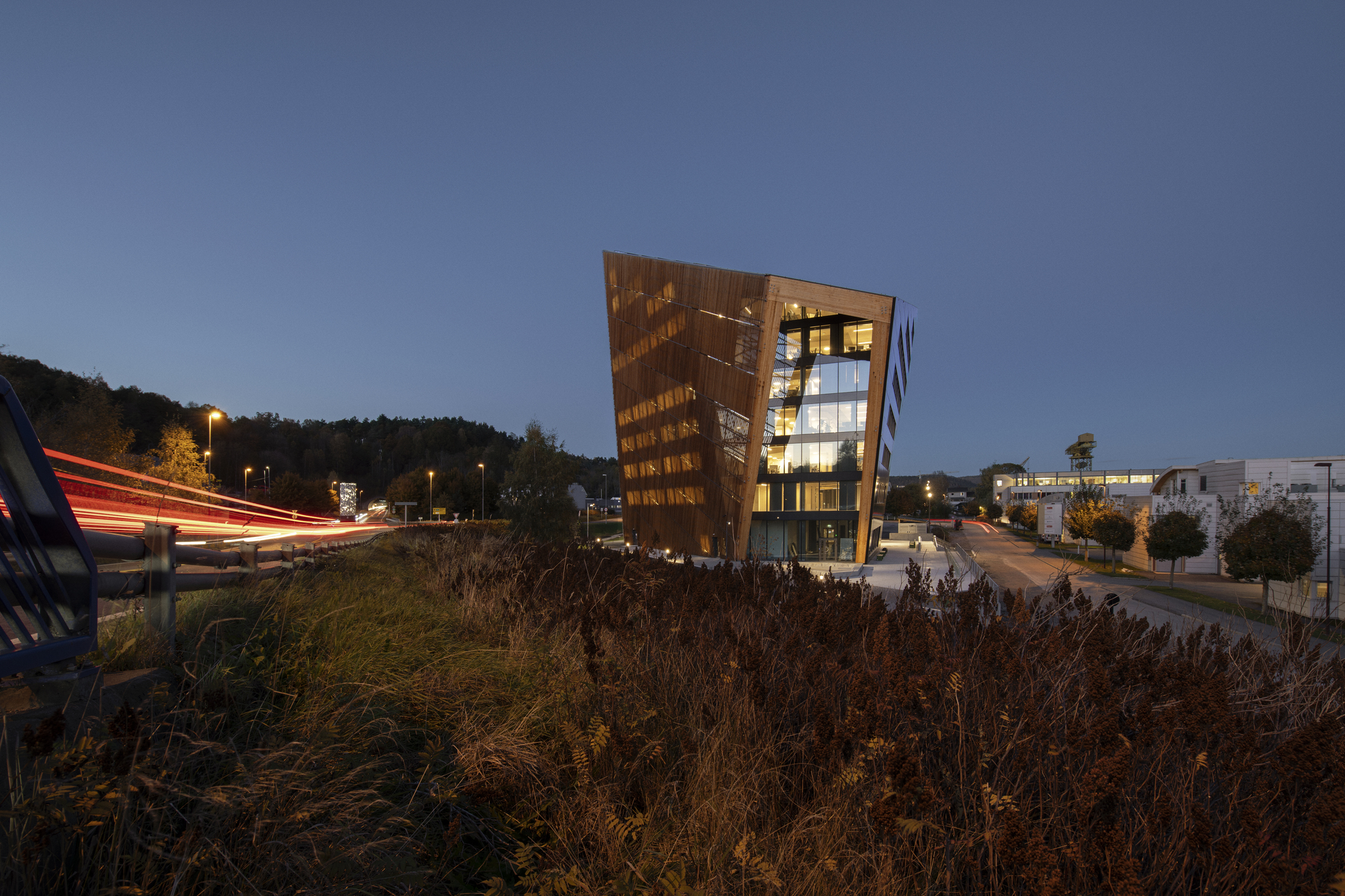
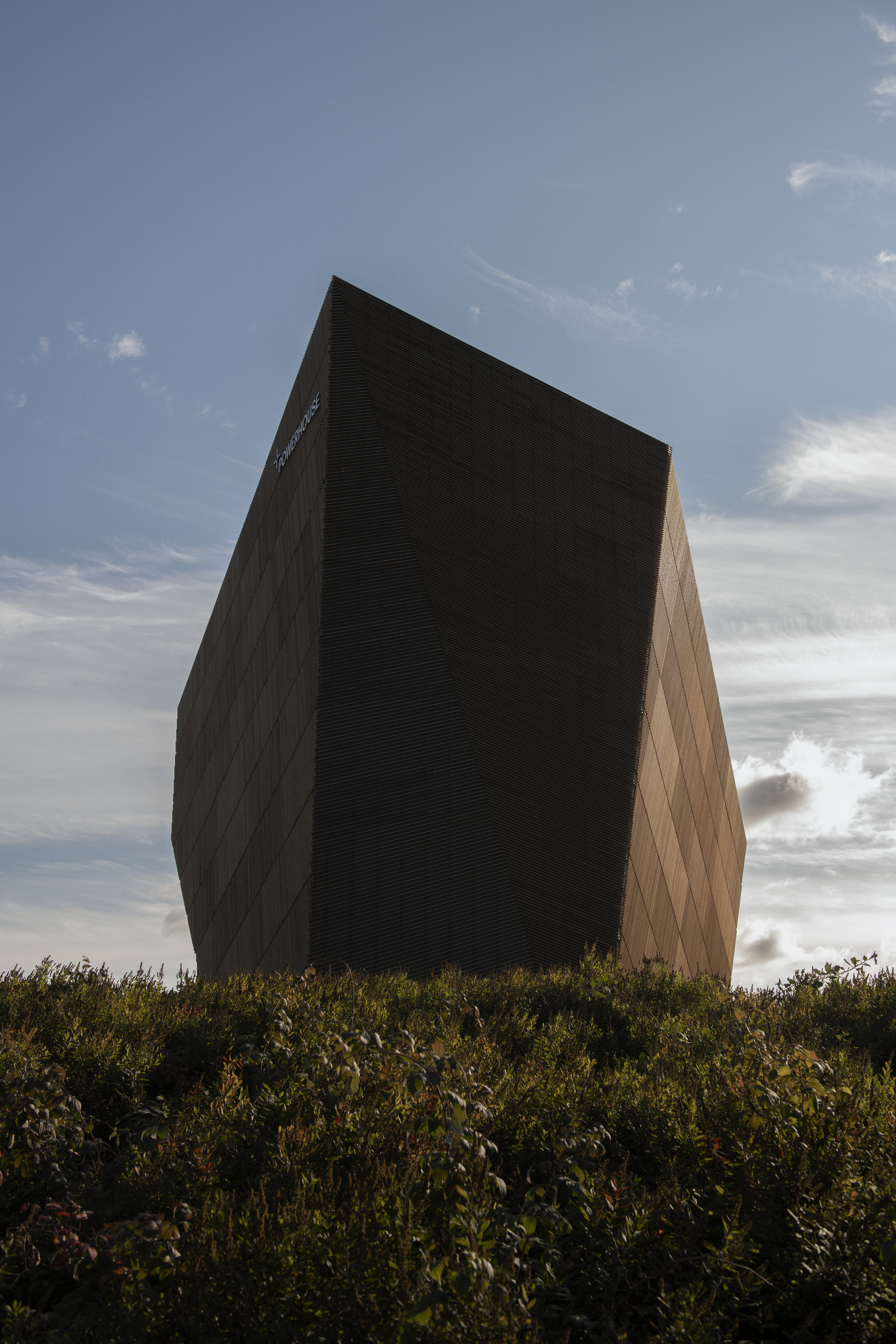
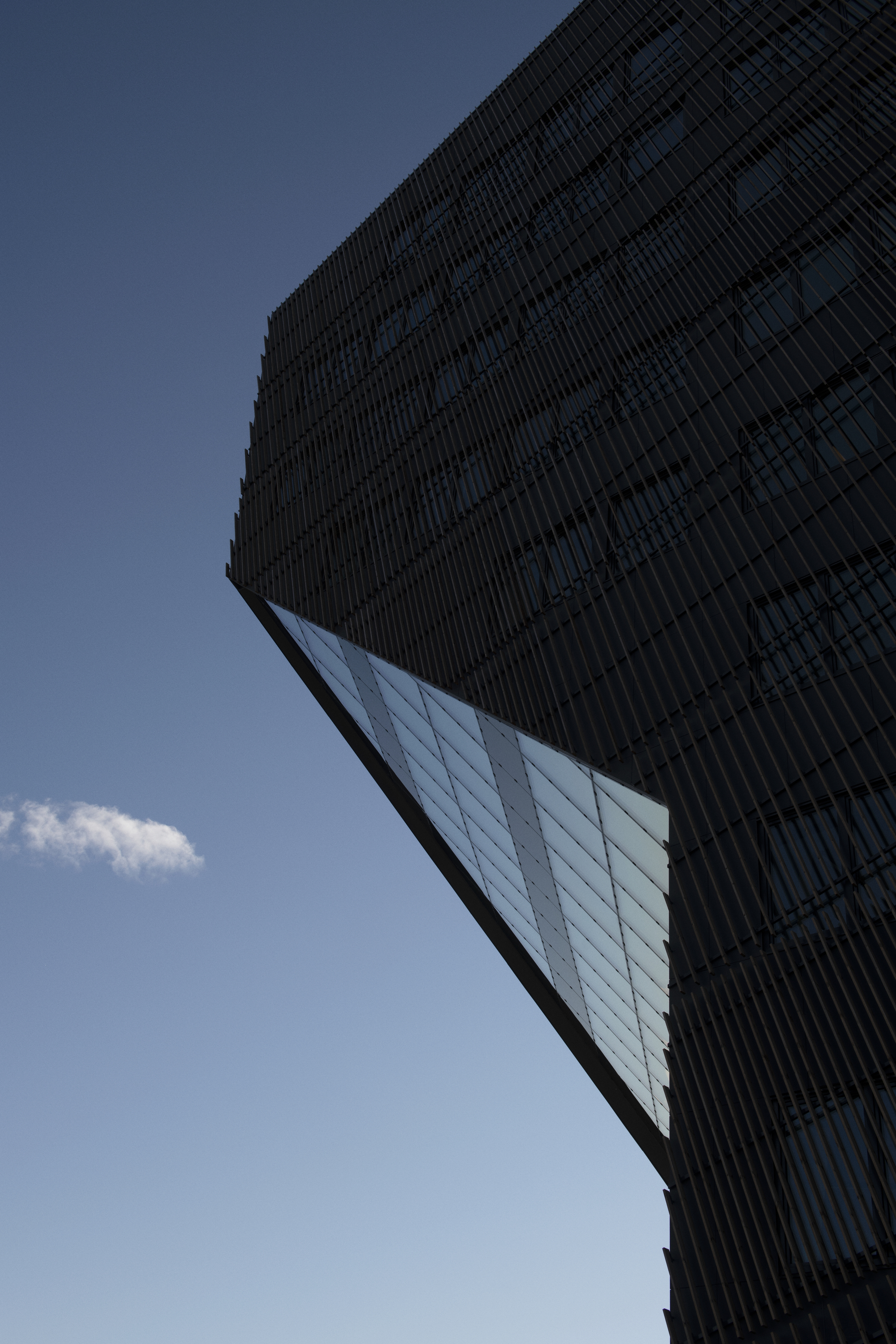
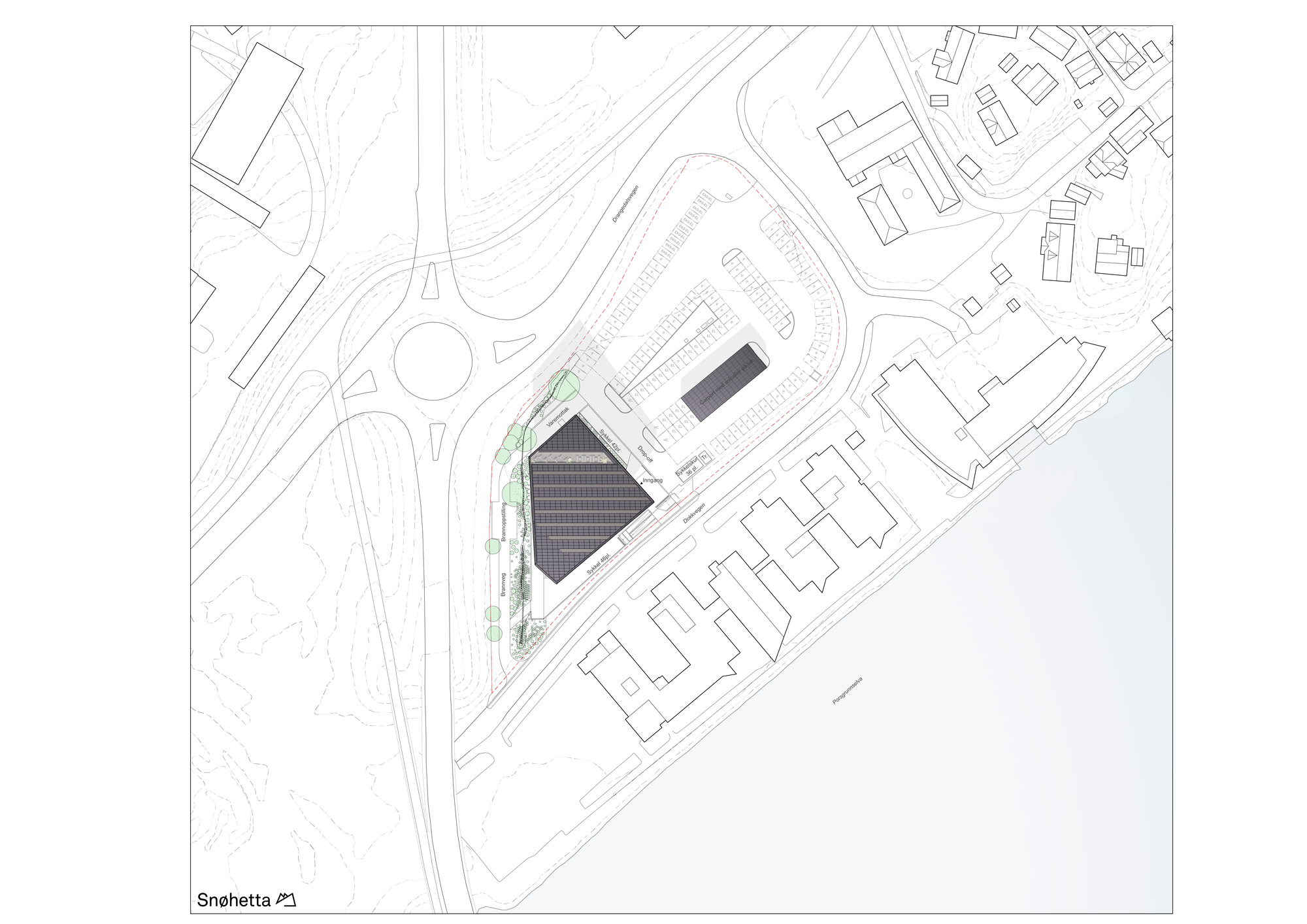
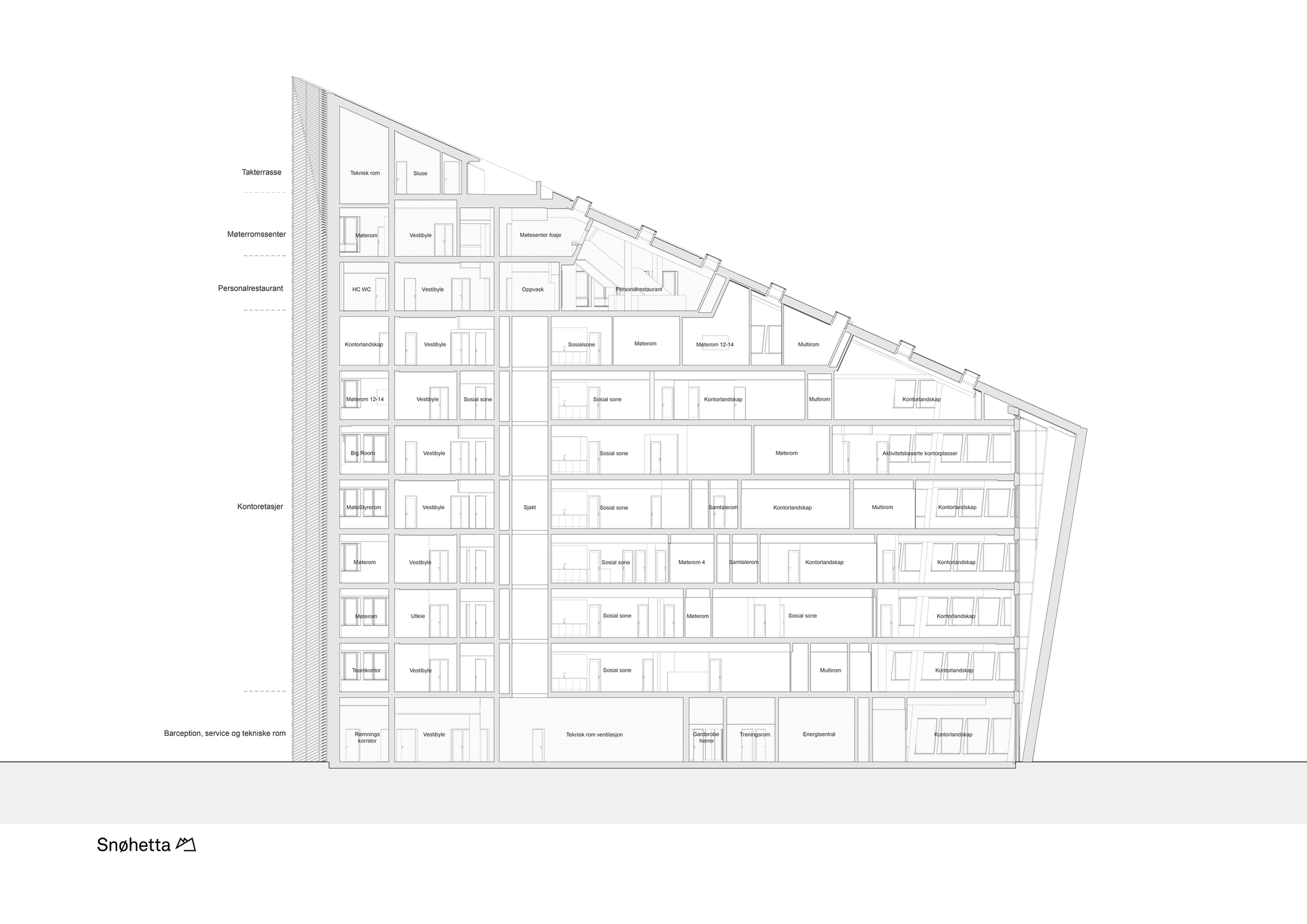
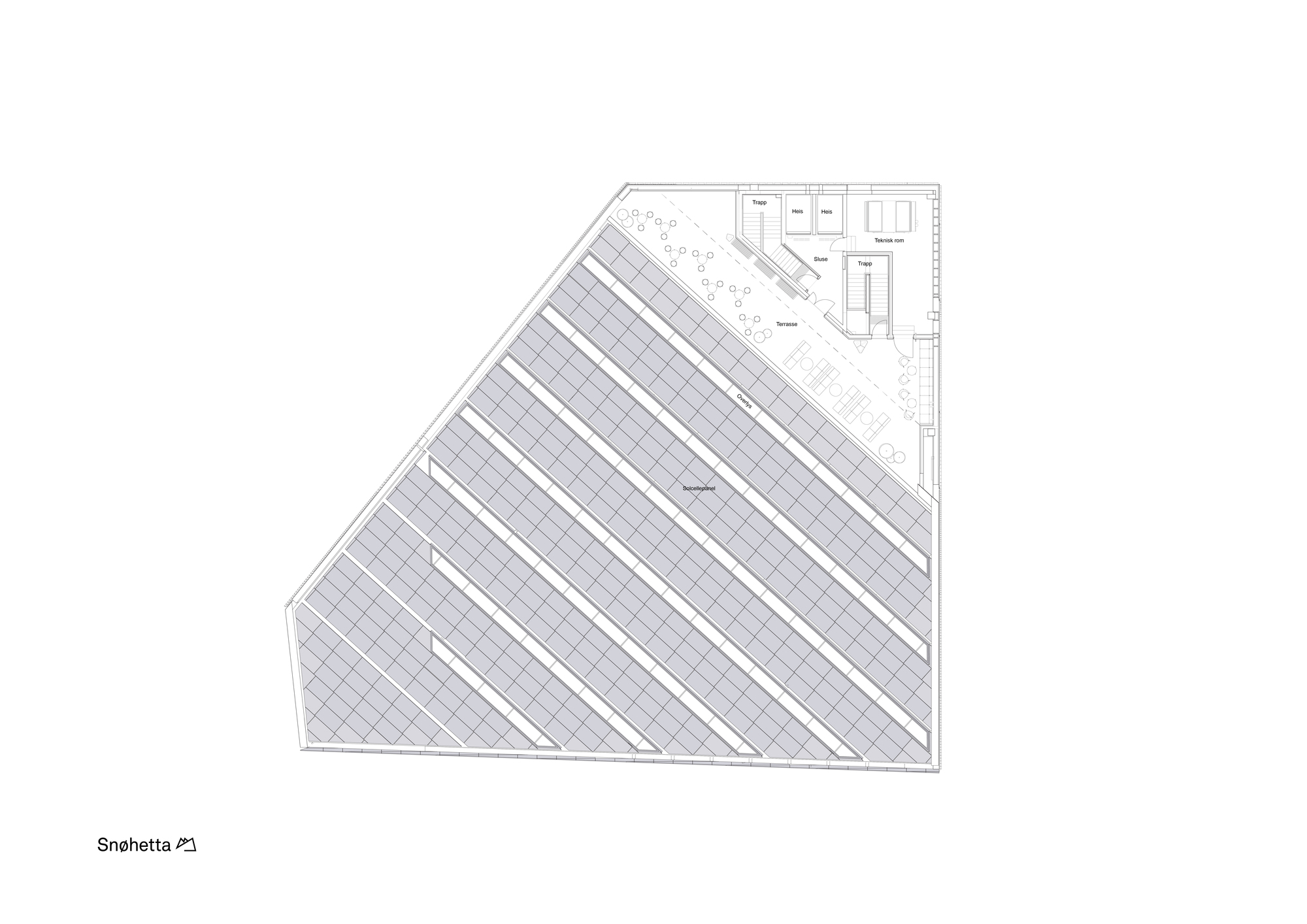
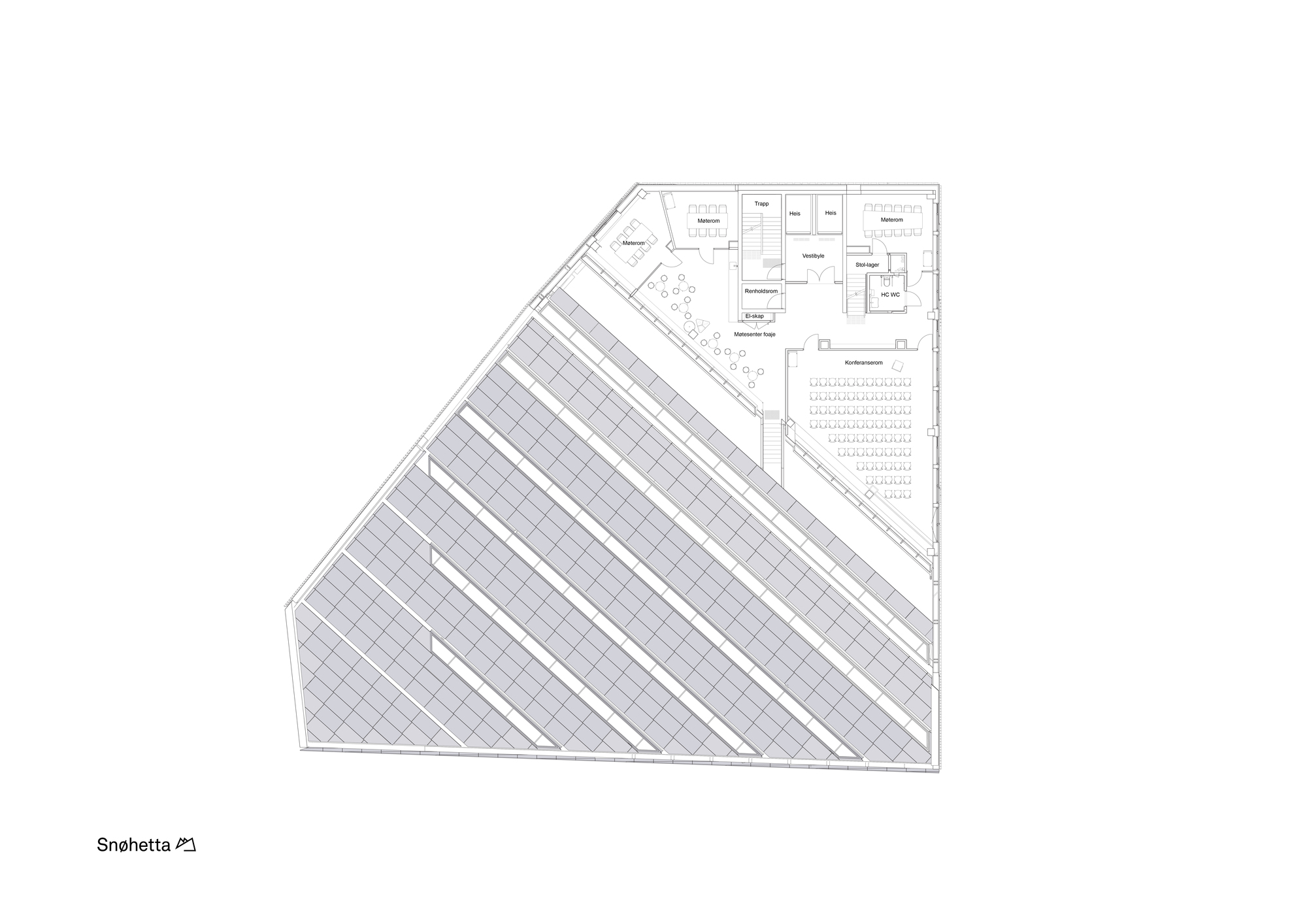
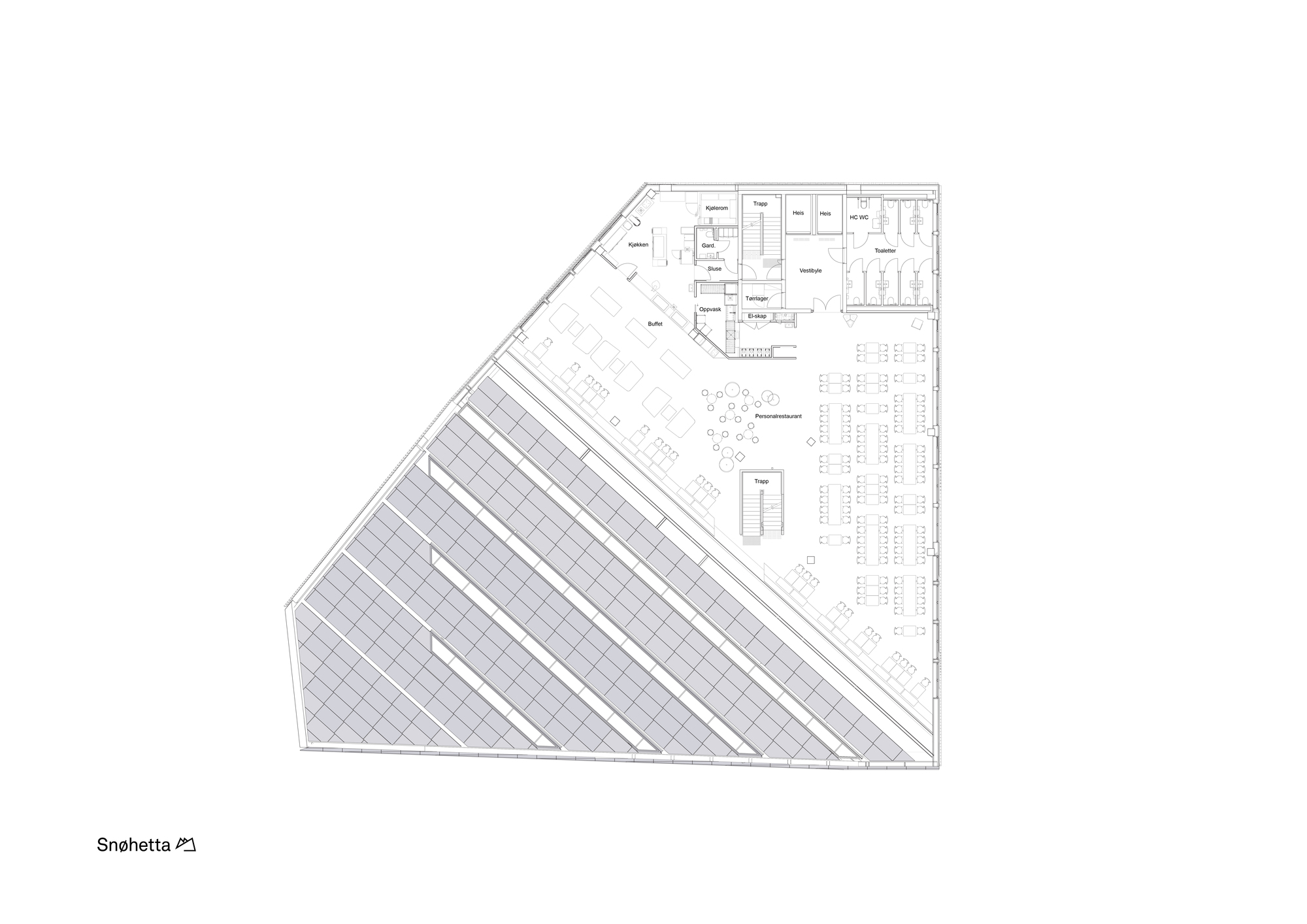
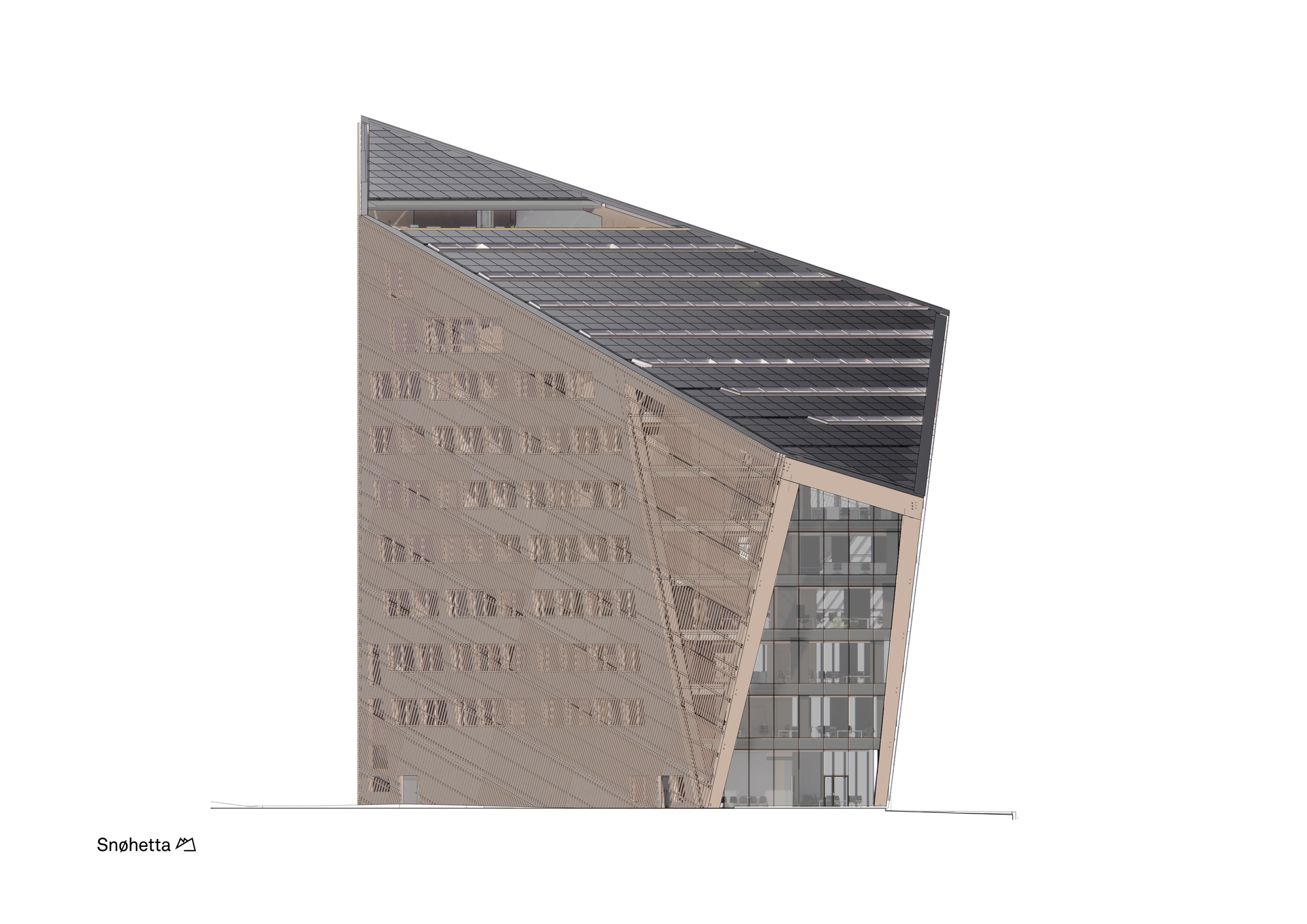
More than forty percent of global industrial process heat emissions come from the energy used in the construction industry. Combined with global population growth and the climate crisis, architects face significant challenges and responsibilities in every project they design and build. The project is located in Porsgrunn, Vestfold og Telemark county, Norway. The eleven-story building continues the local history of hosting the largest hydroelectric power plant since the nineteenth century. The newly completed Telemark Energy Plant is intended to reflect the region's ongoing commitment to green energy and its leading performance in decarbonization. The southeast-facing facade and roof produce 256,000 kilowatt-hours of energy annually. This amount is twenty times the annual energy consumption of an average Norwegian household. Surplus energy will be stored in local battery systems and fed back into the grid. The building's dynamic facade maximizes solar exposure while responding to the region's harsh climate. The project demonstrates how an industrial building can be transformed into a positive energy asset, generating more power than it consumes. It serves as both a working facility and a symbol of Norway's clean energy transition, proving that sustainability and industrial productivity can go hand in hand.


















 Editor's Pick
 Latest Design