Text description provided by the architects
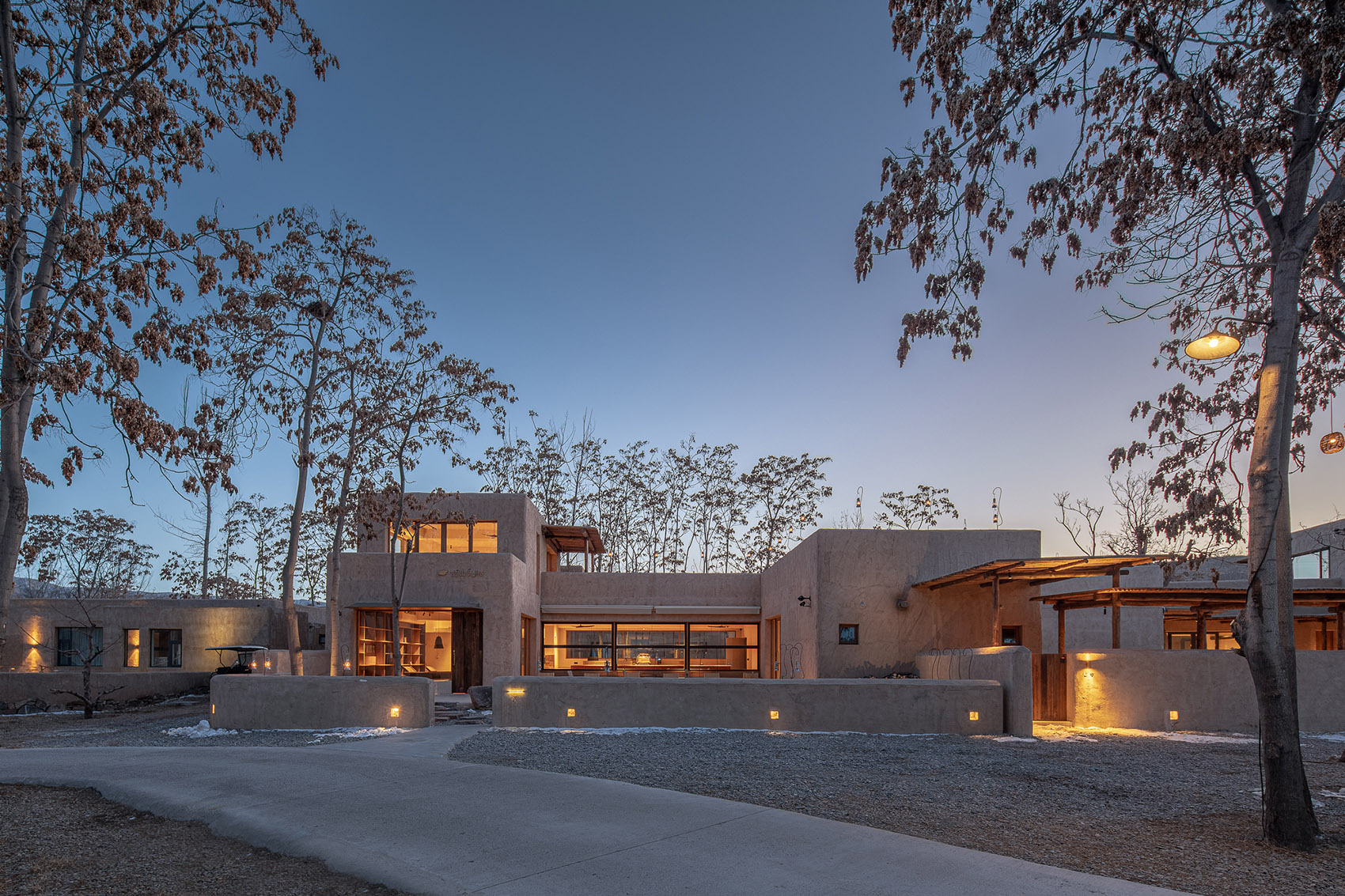
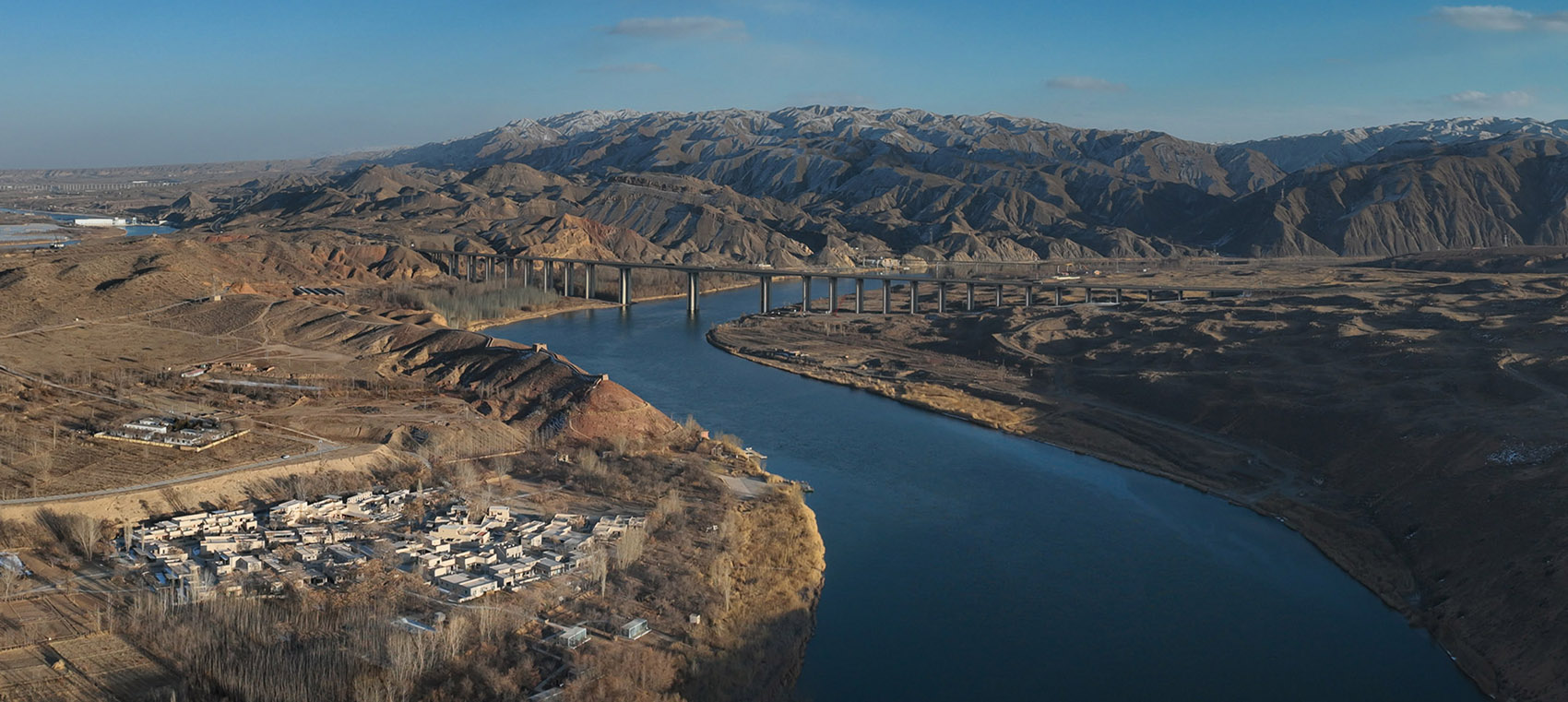
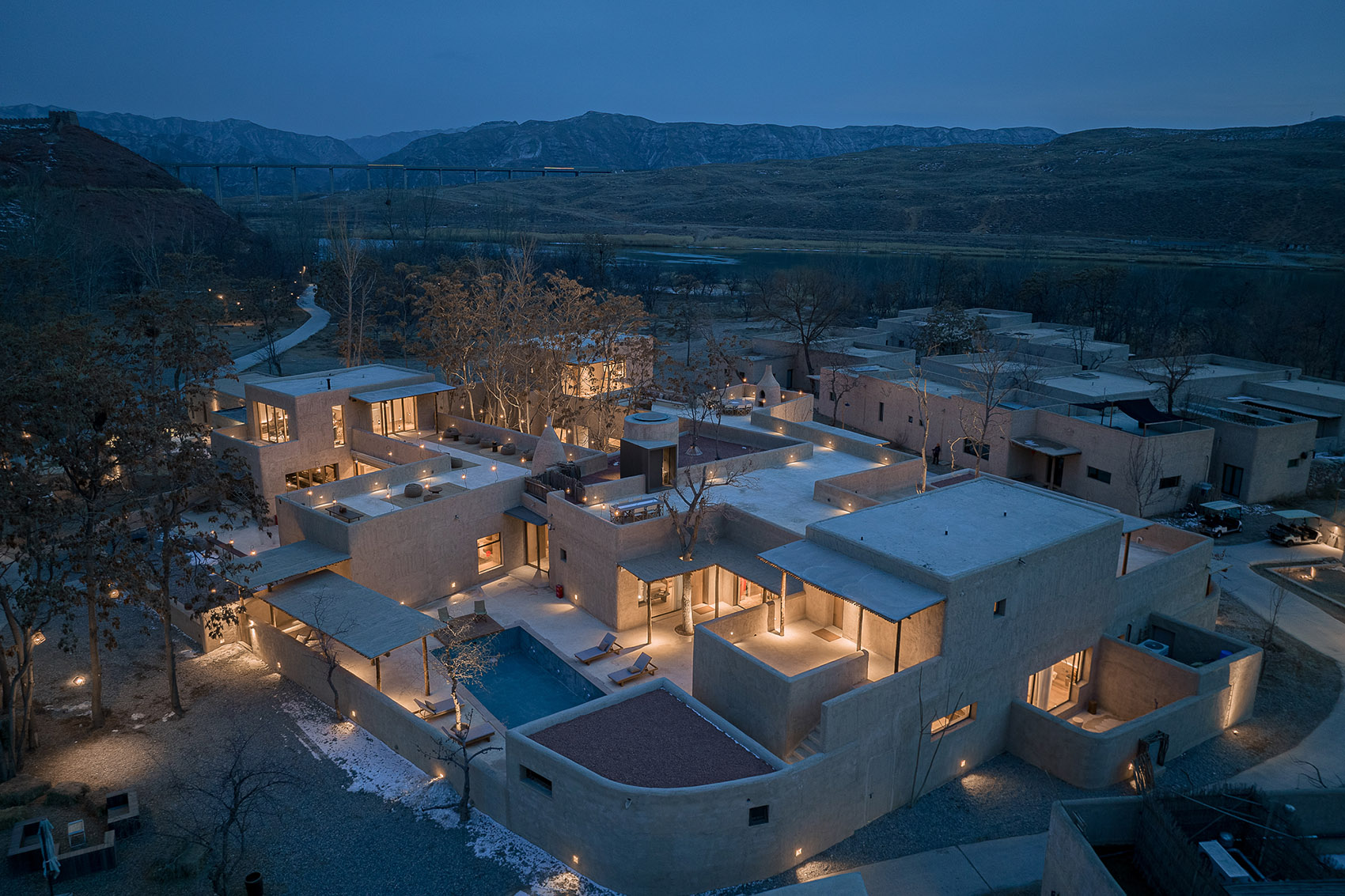
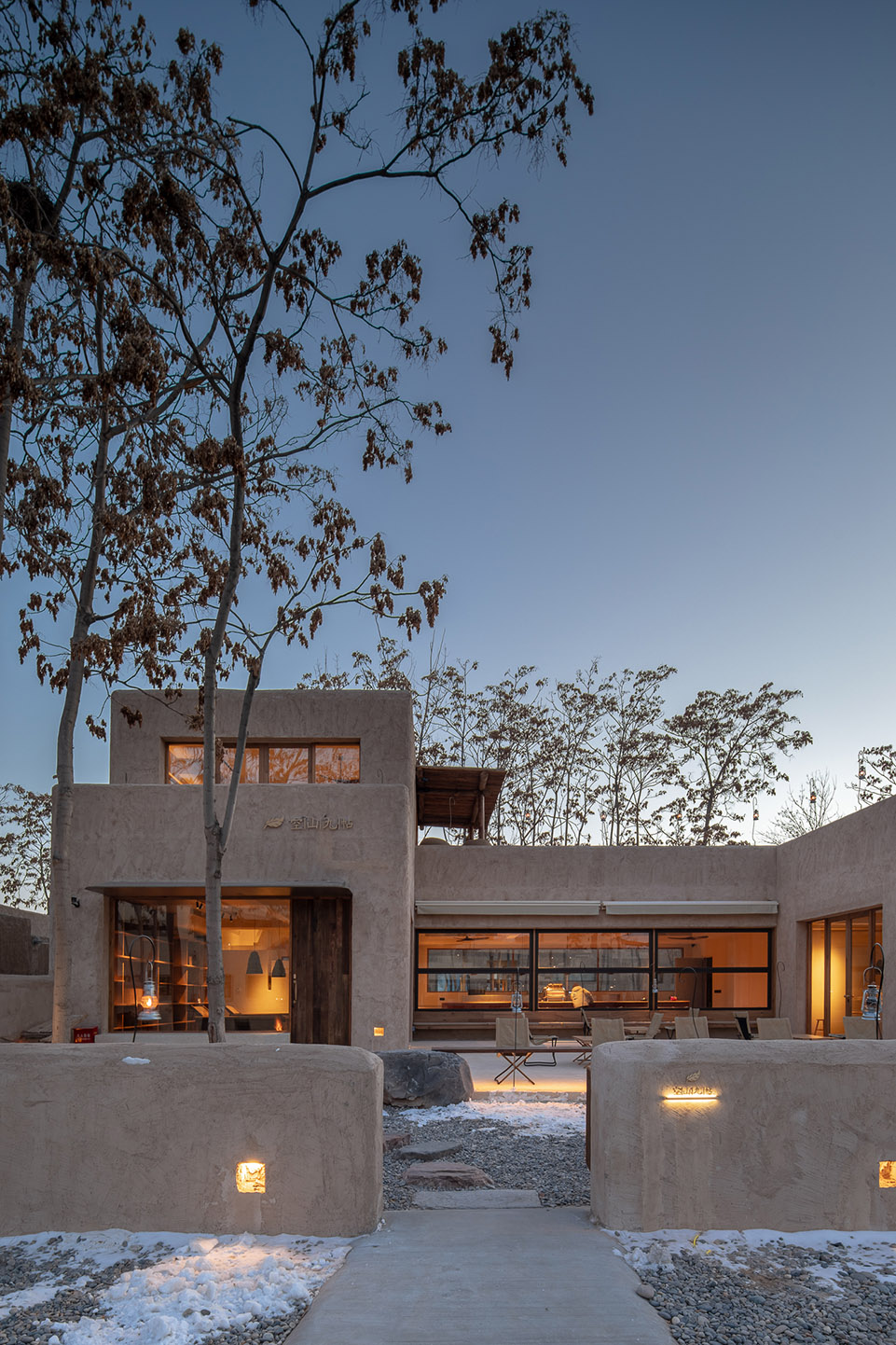
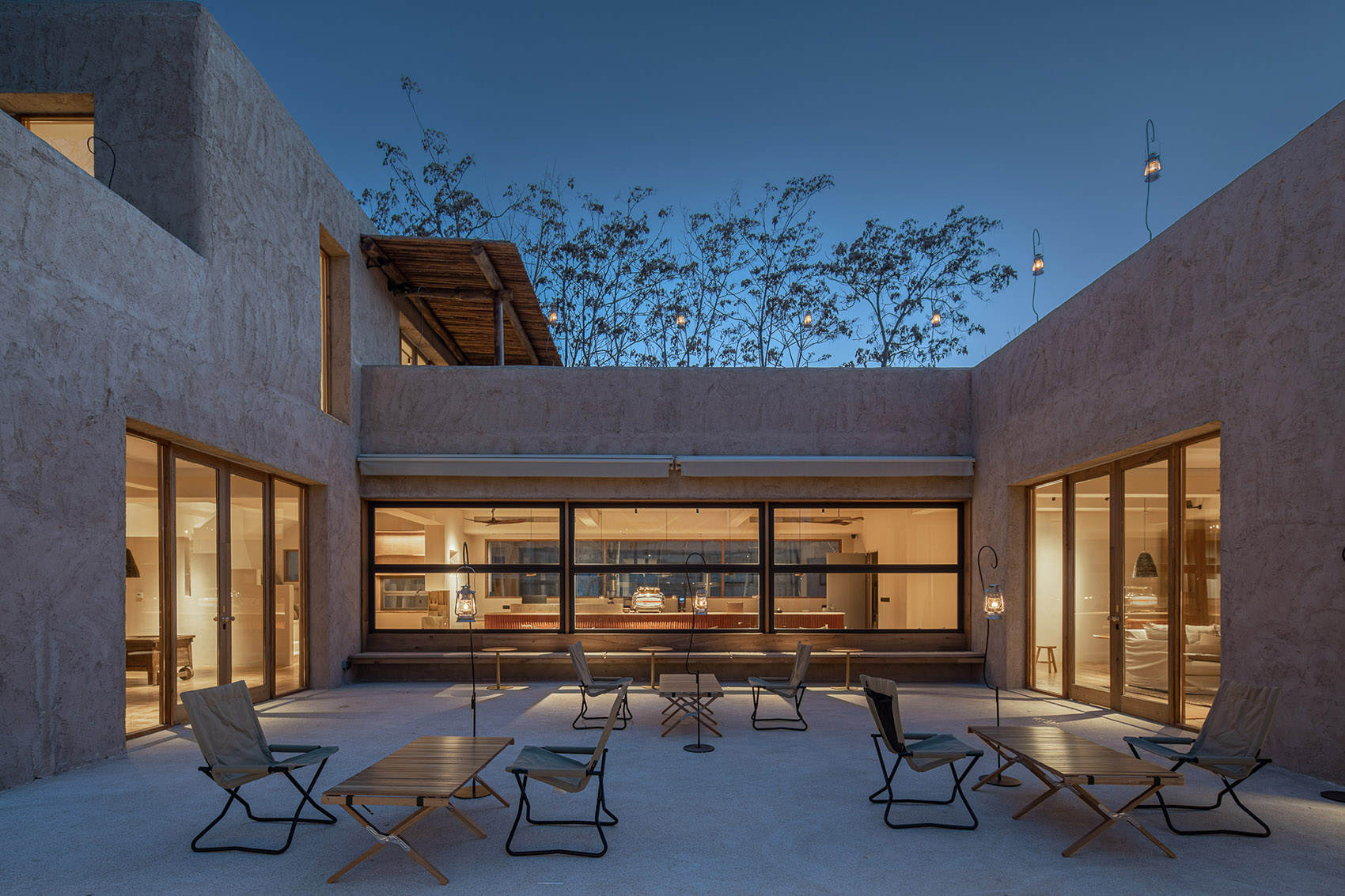
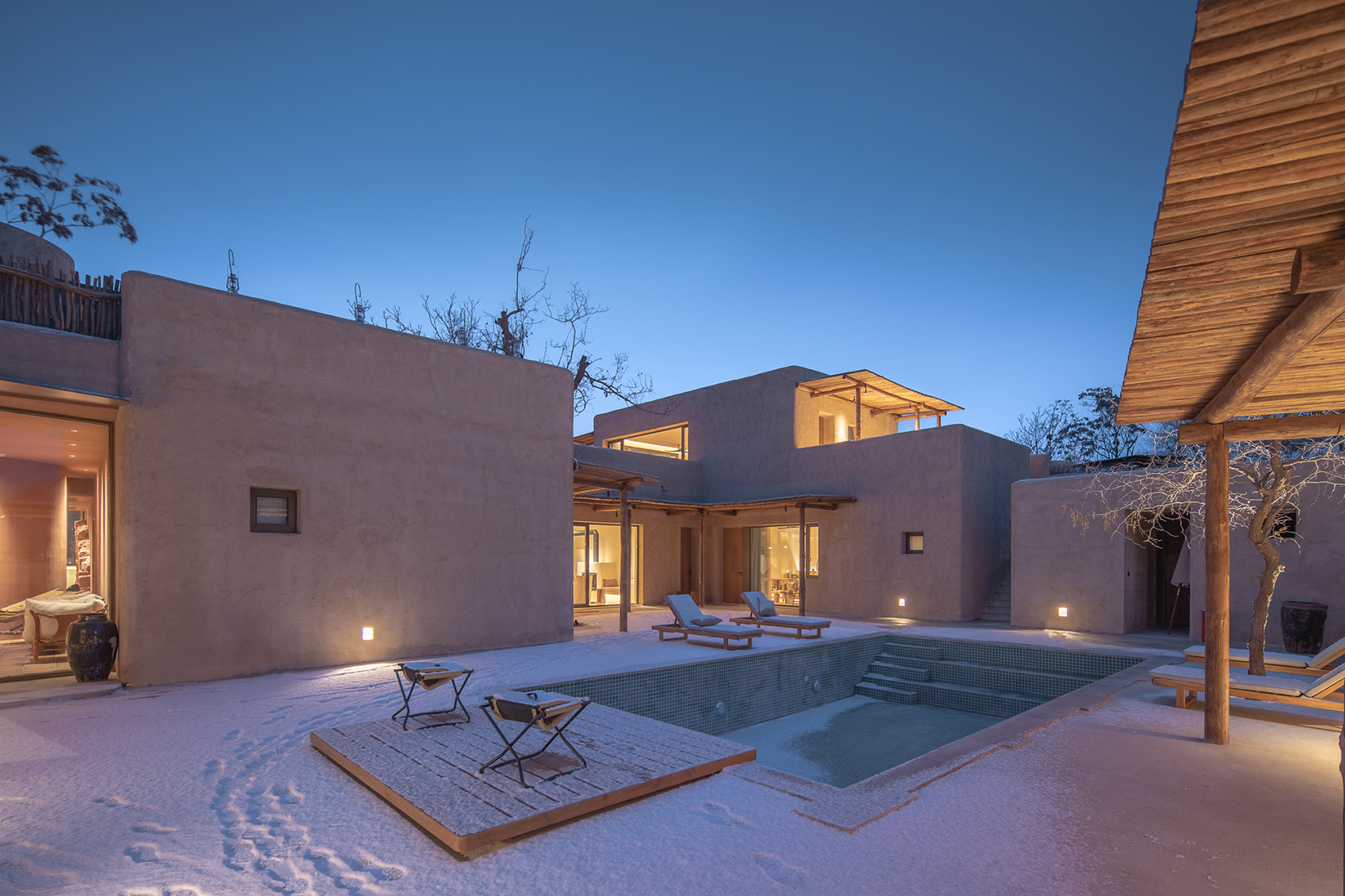
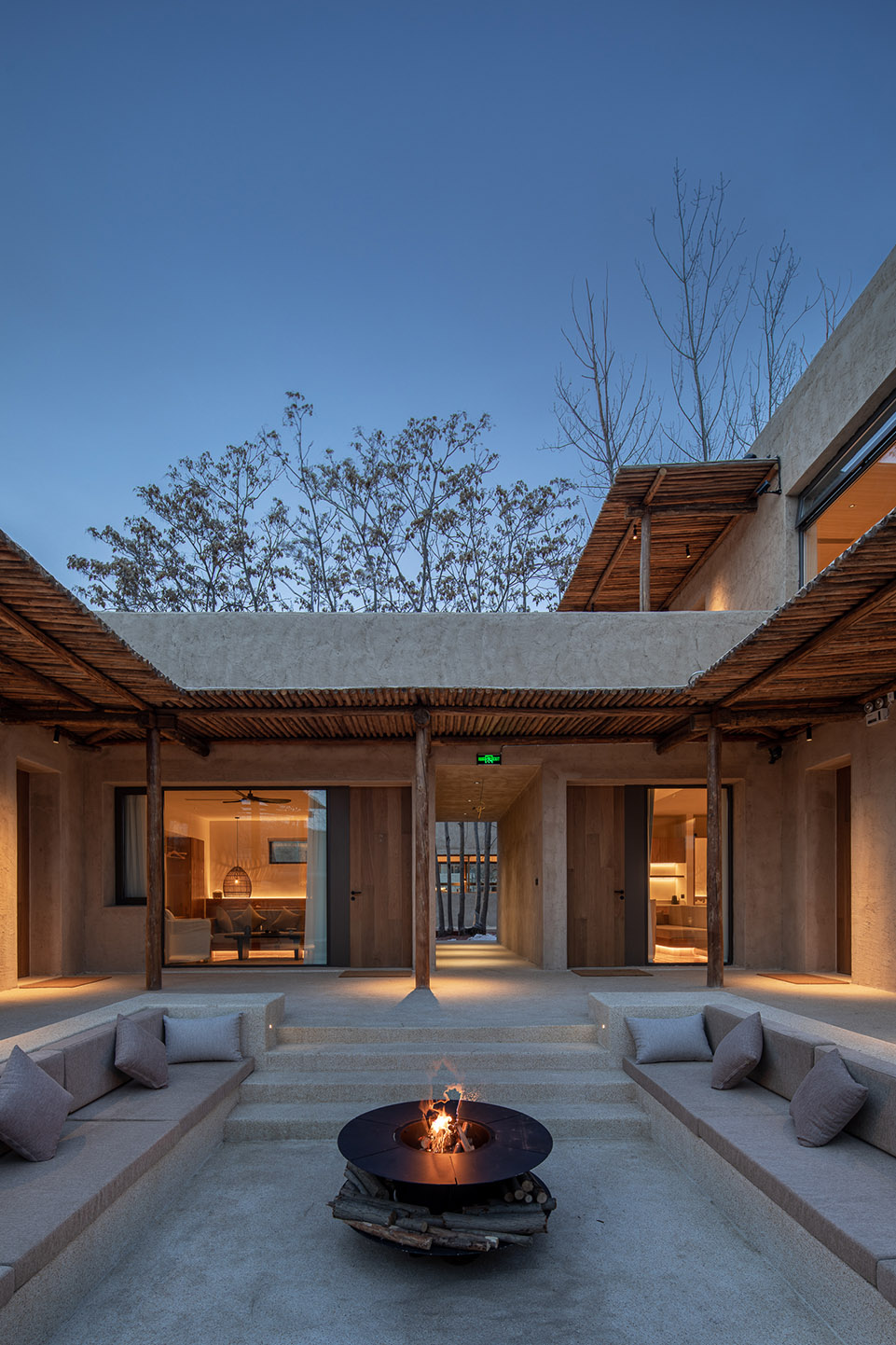
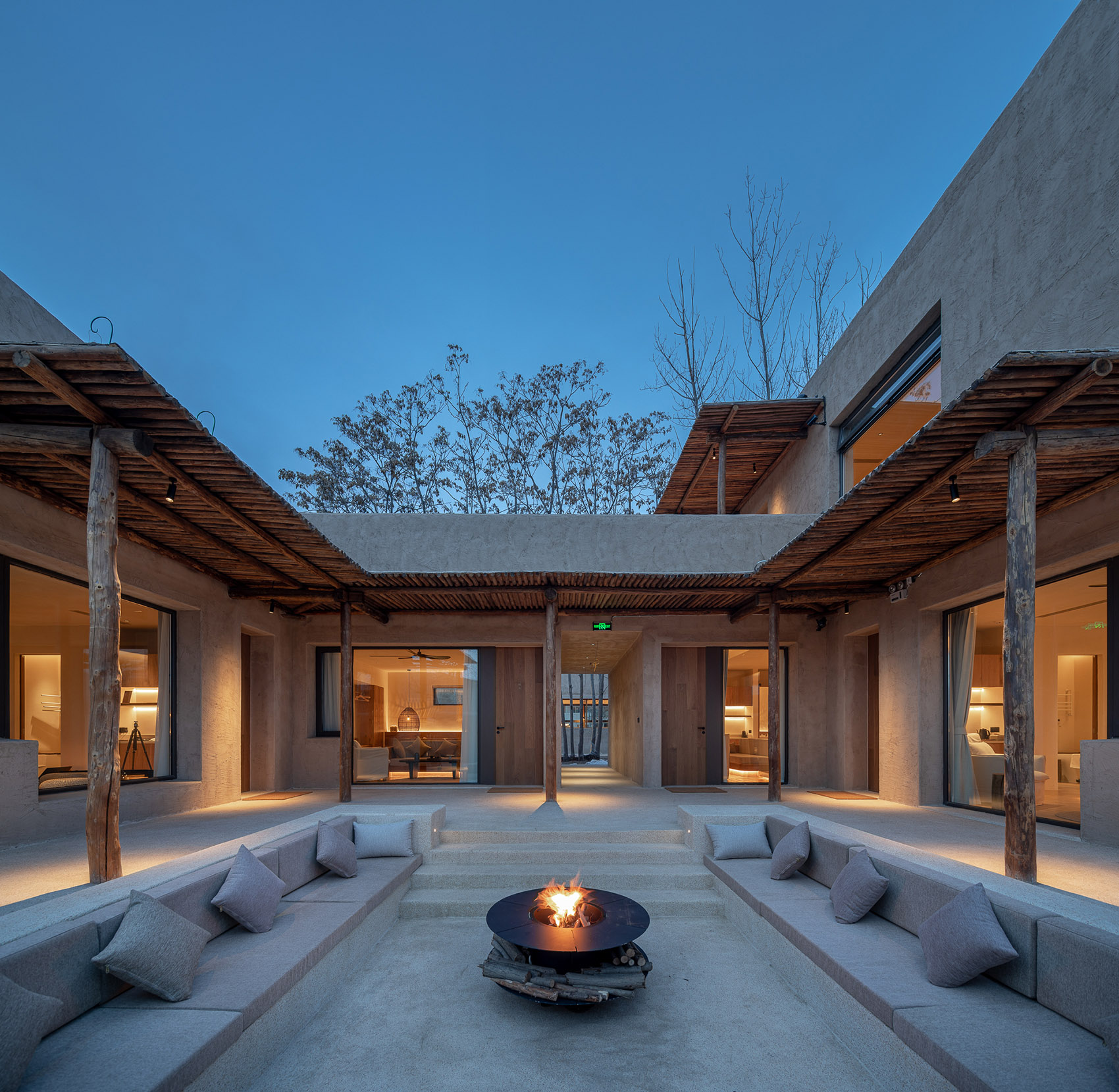
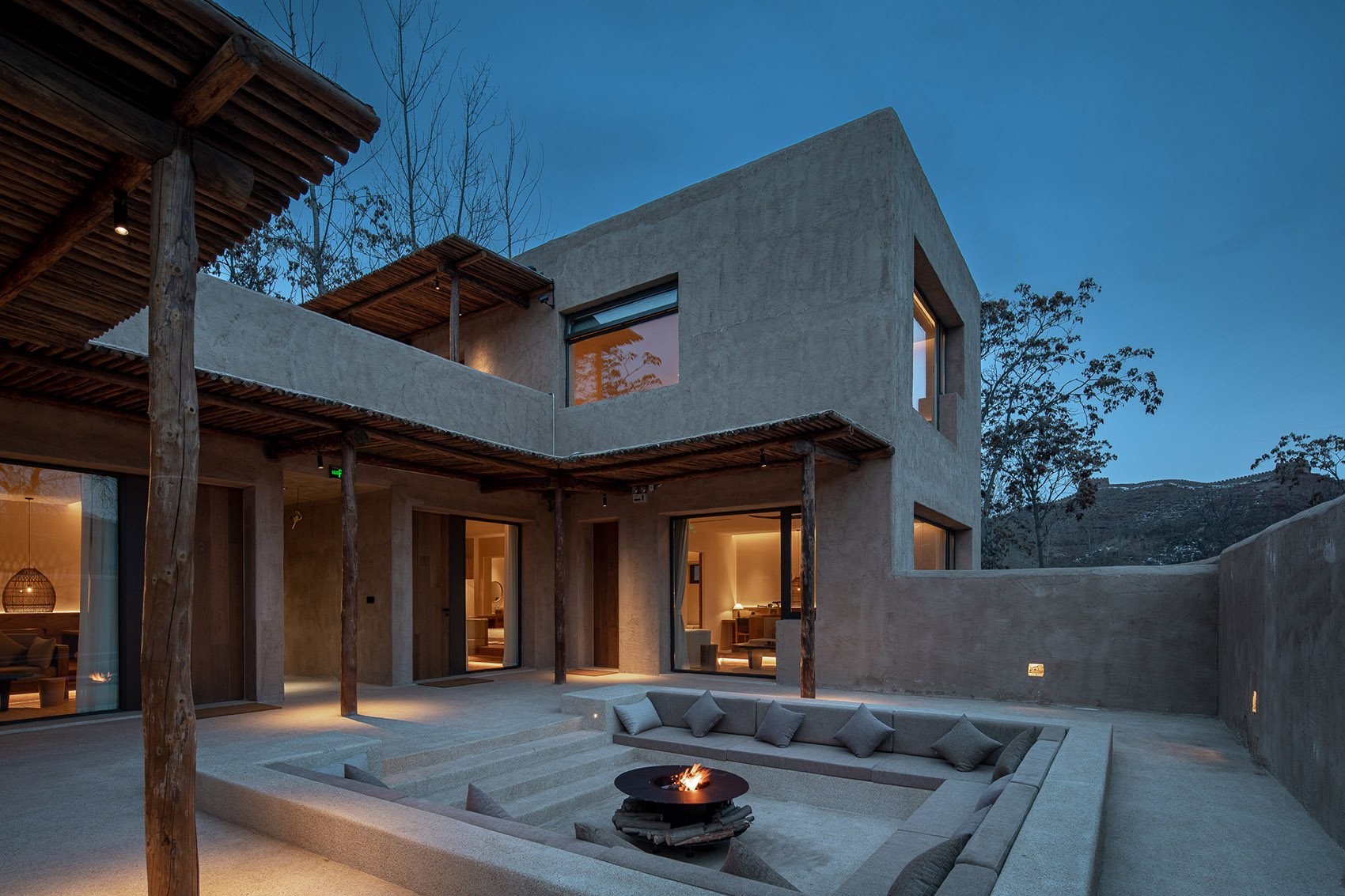
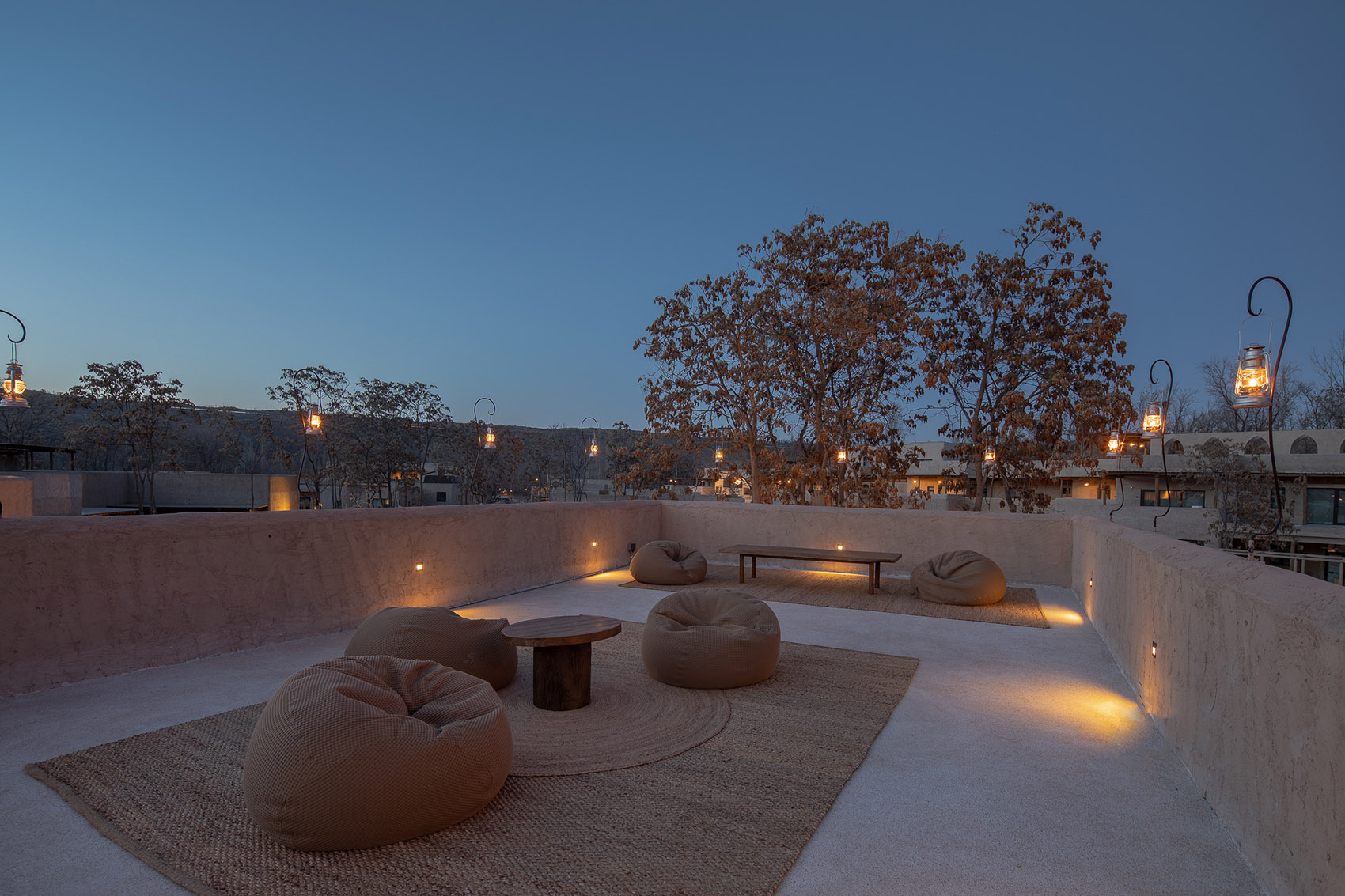
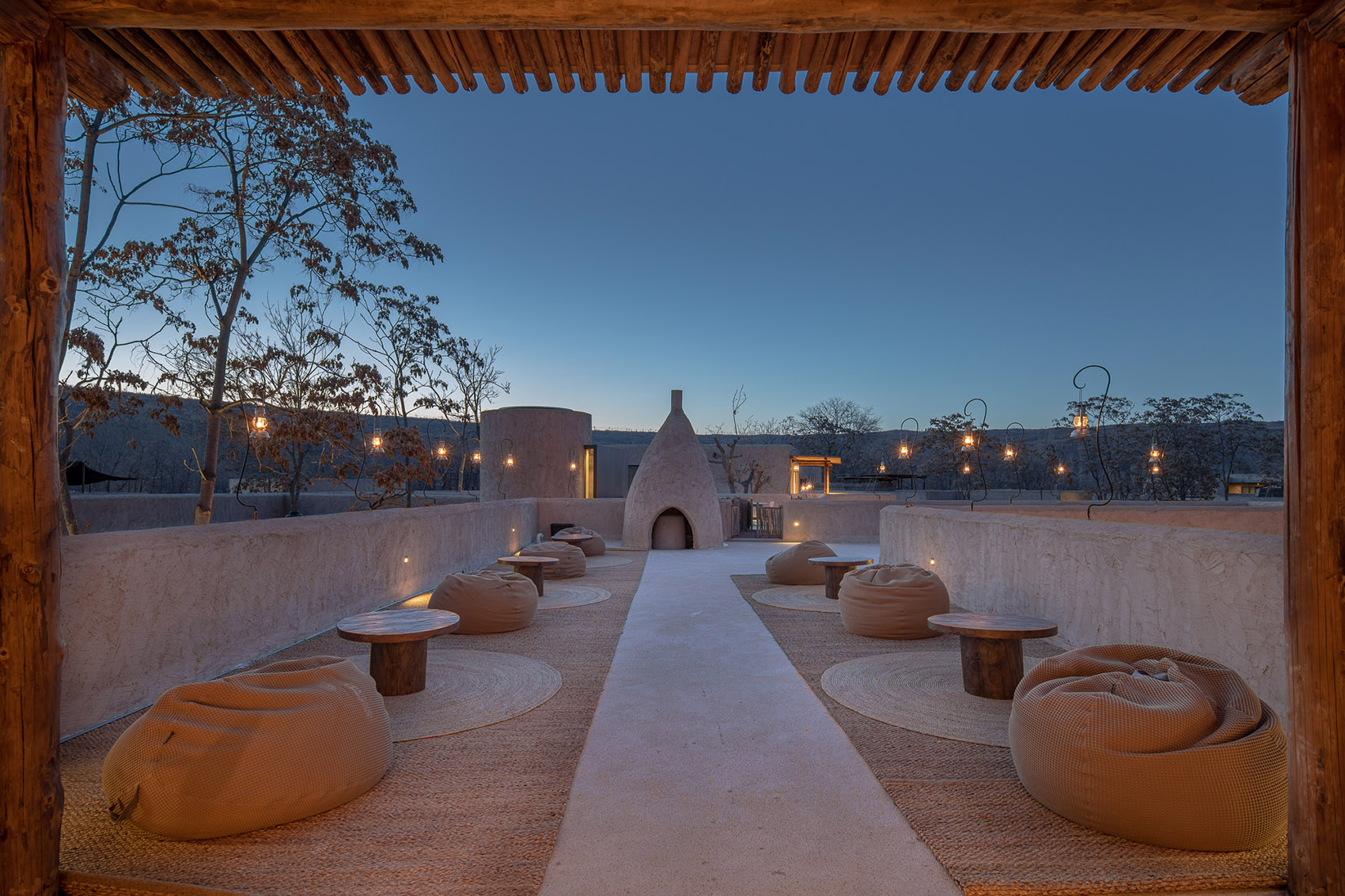
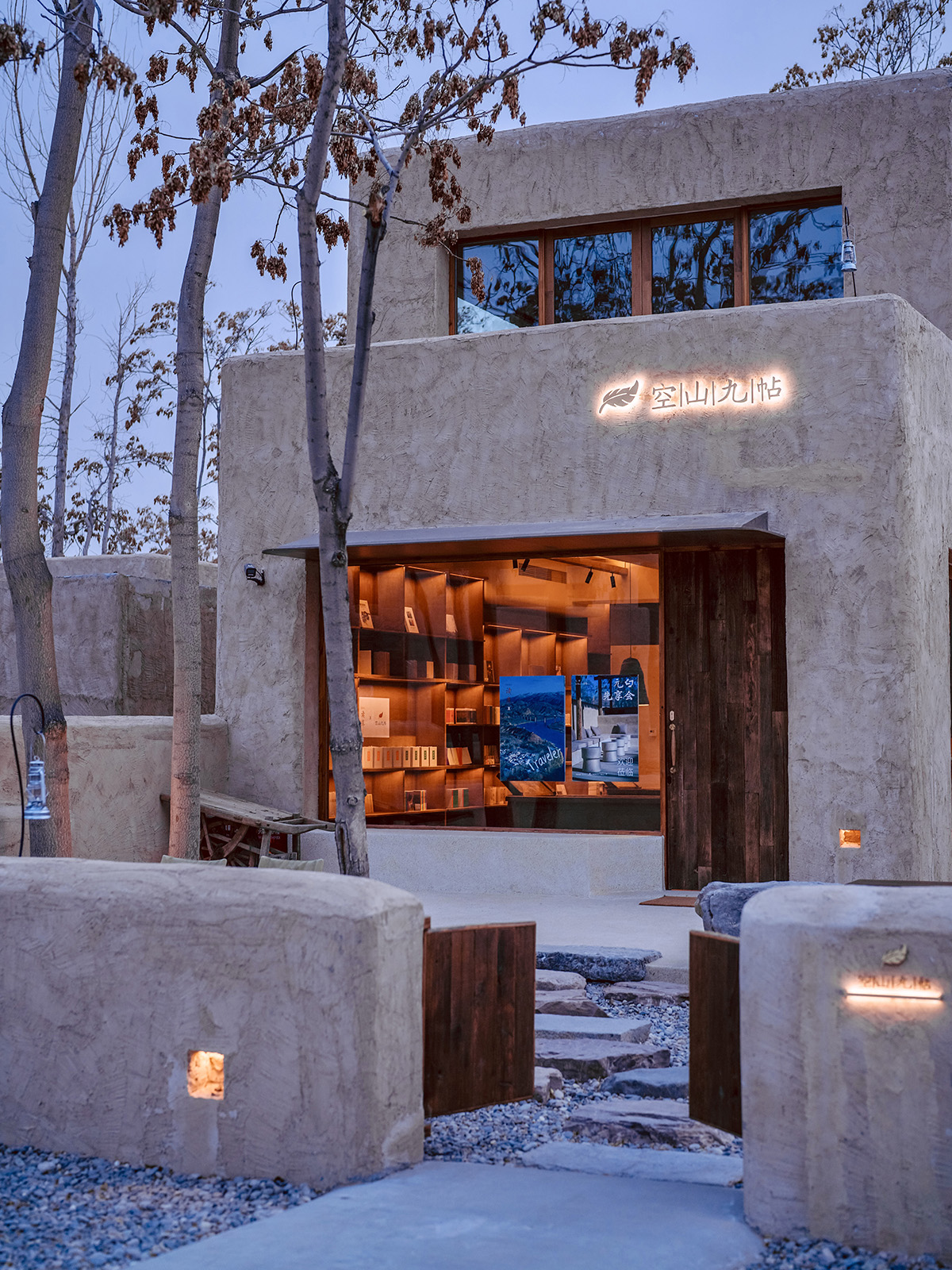
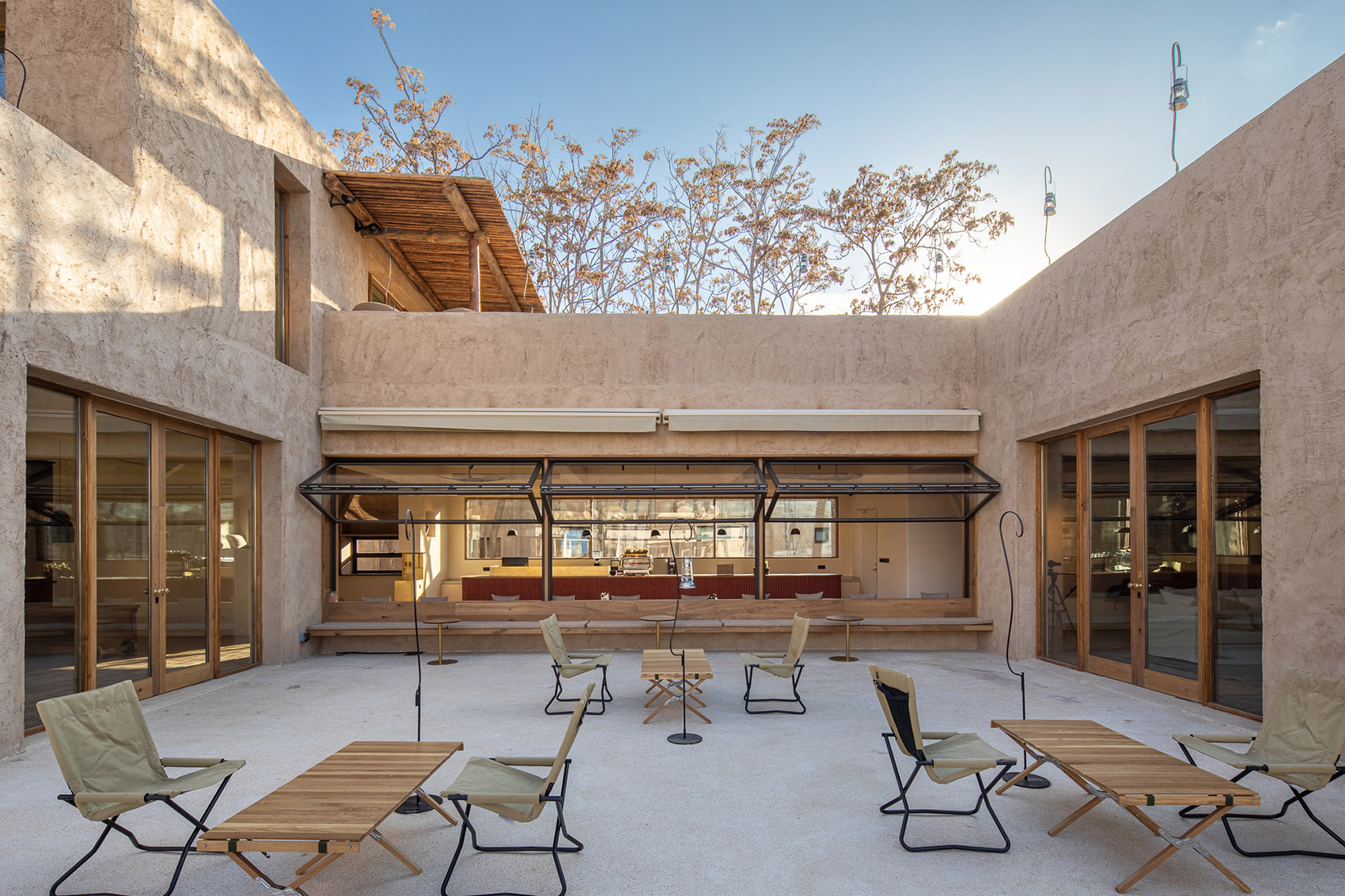
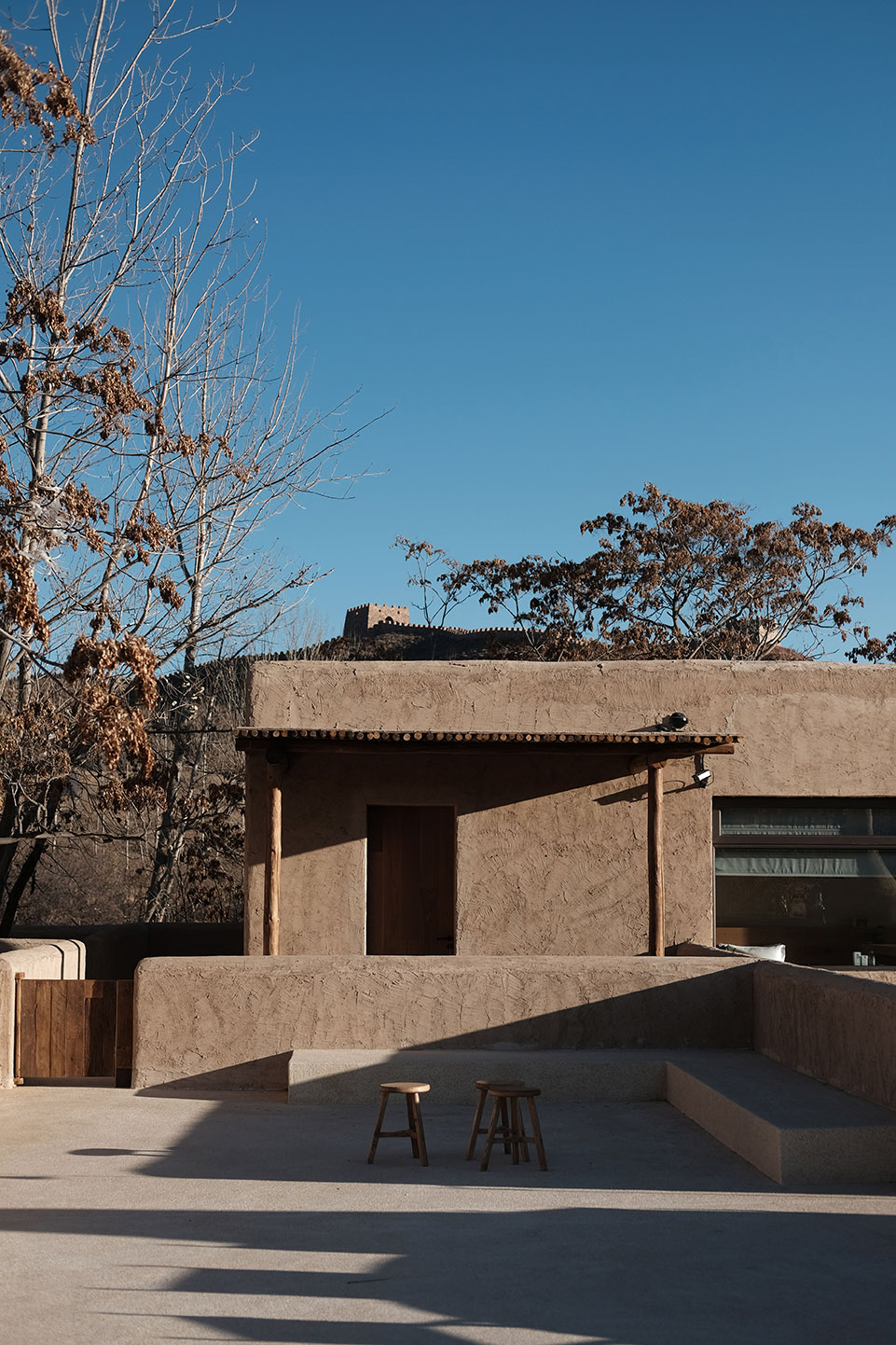
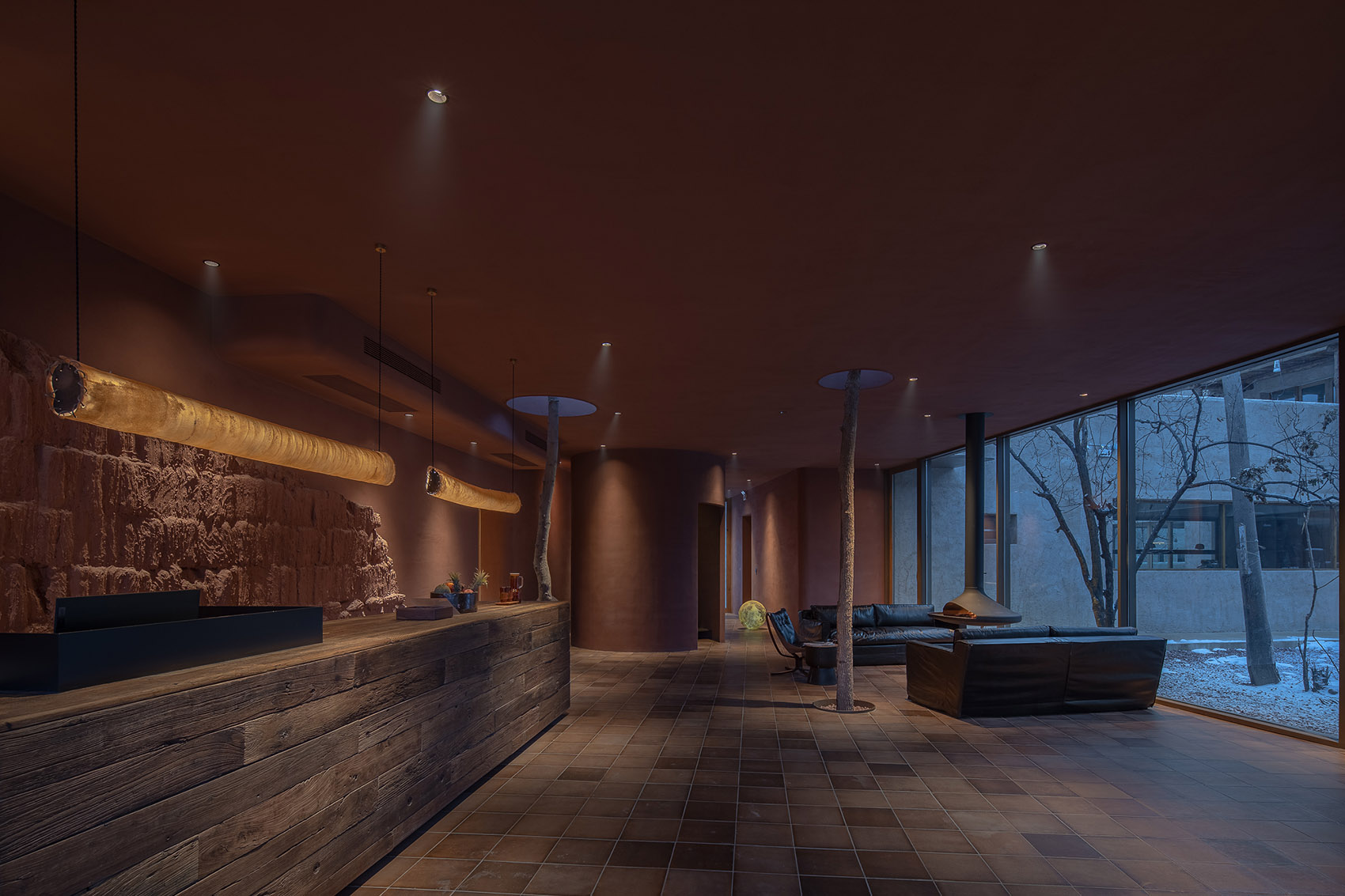
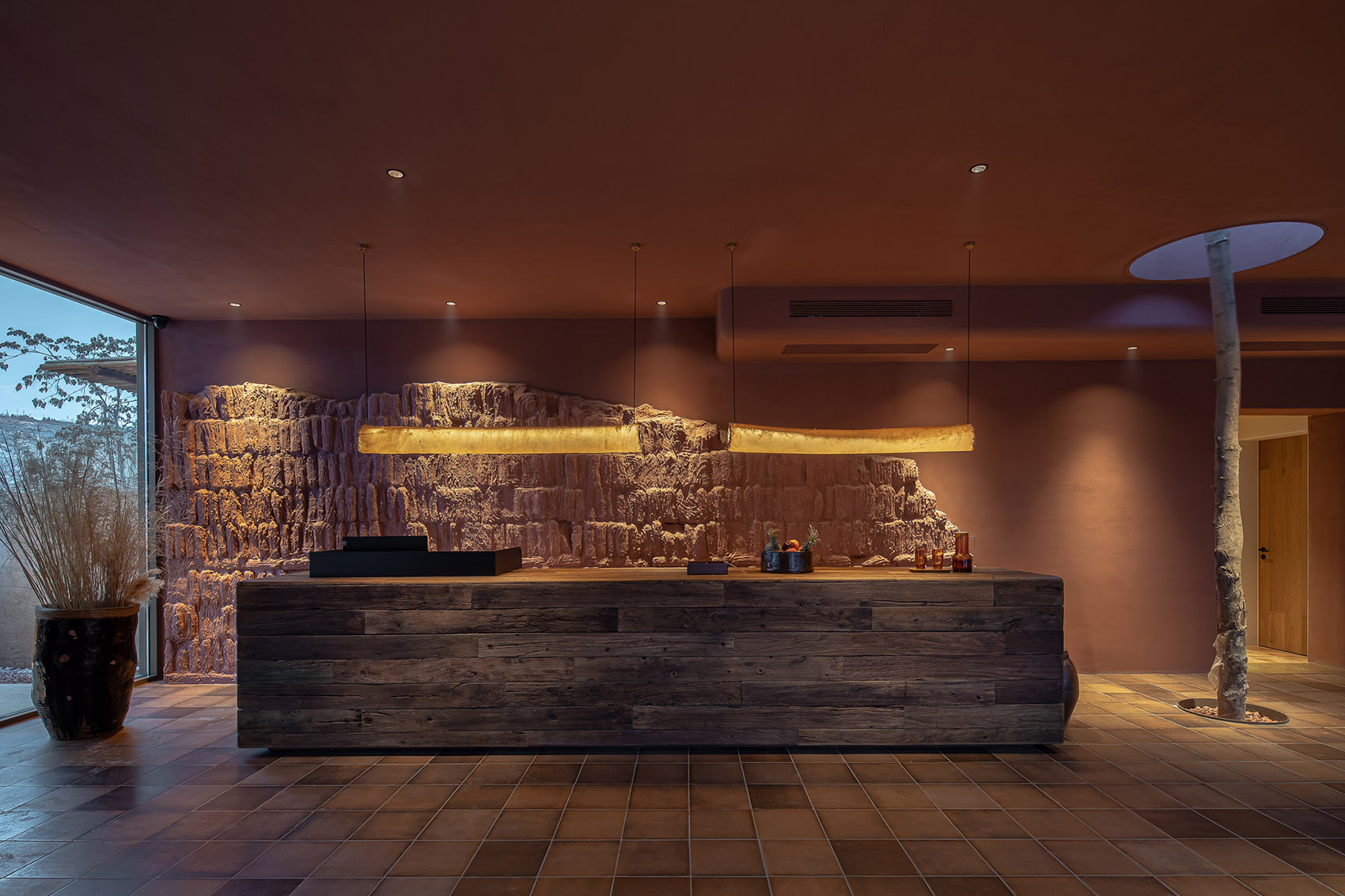
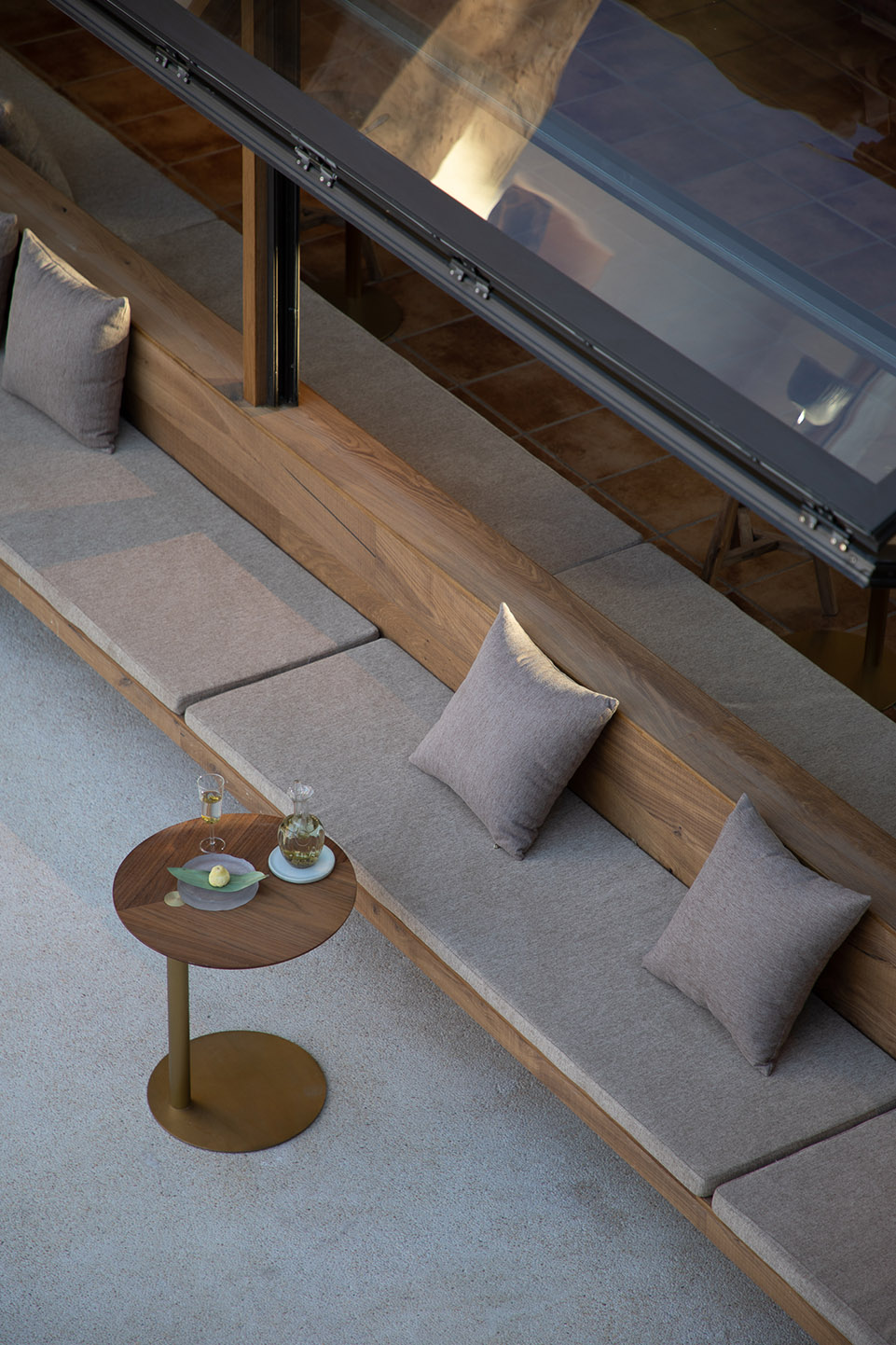
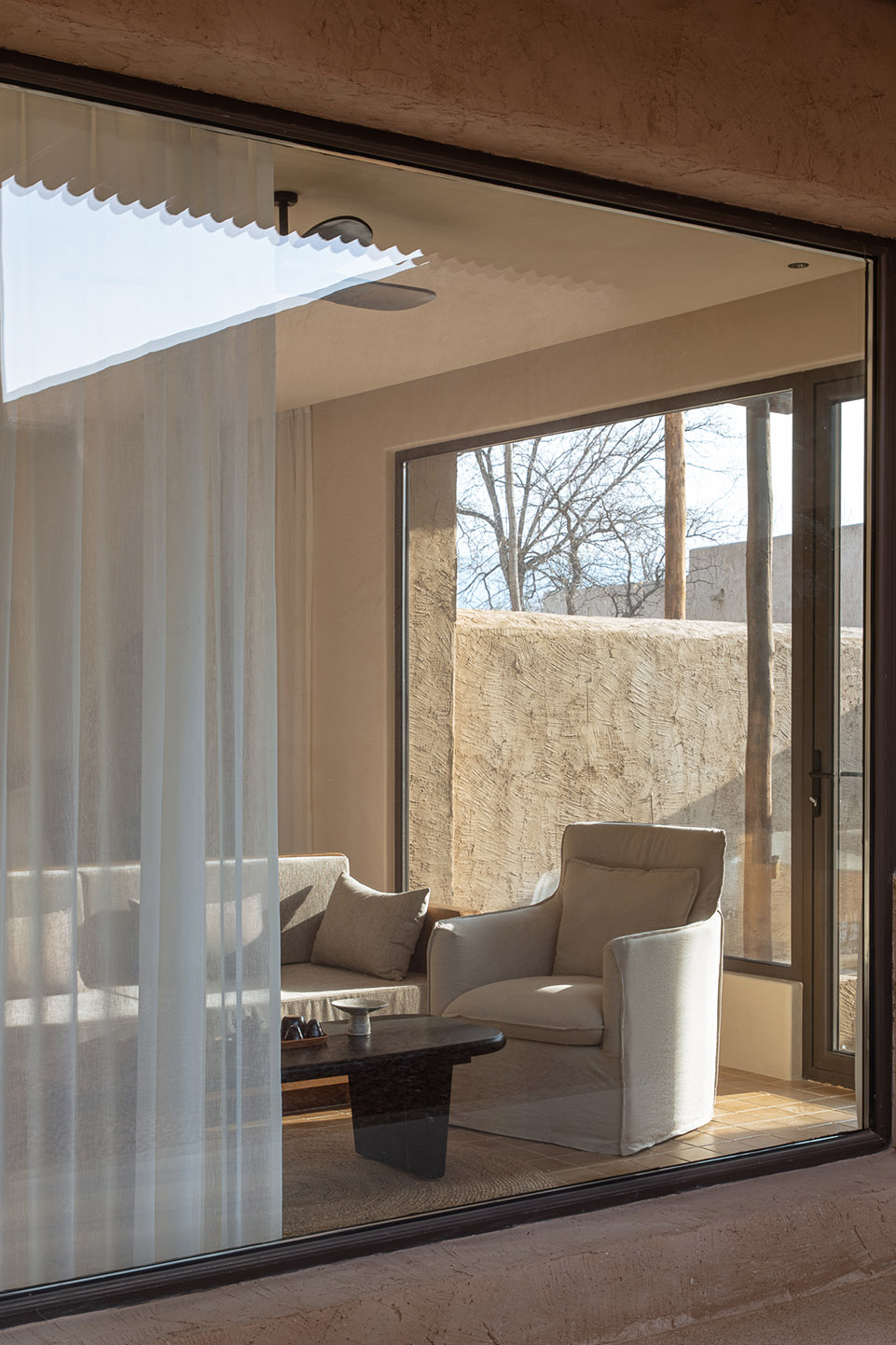
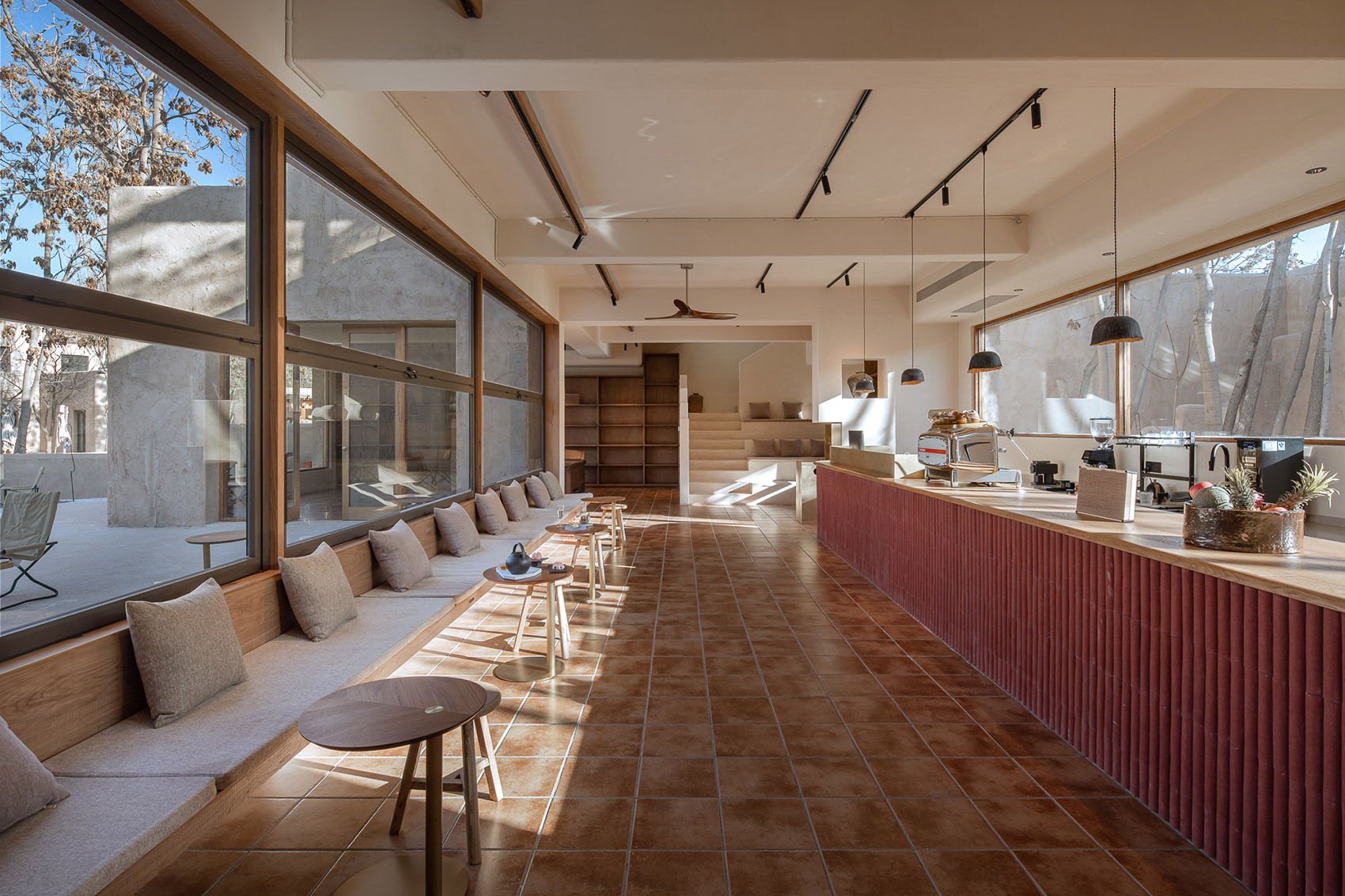
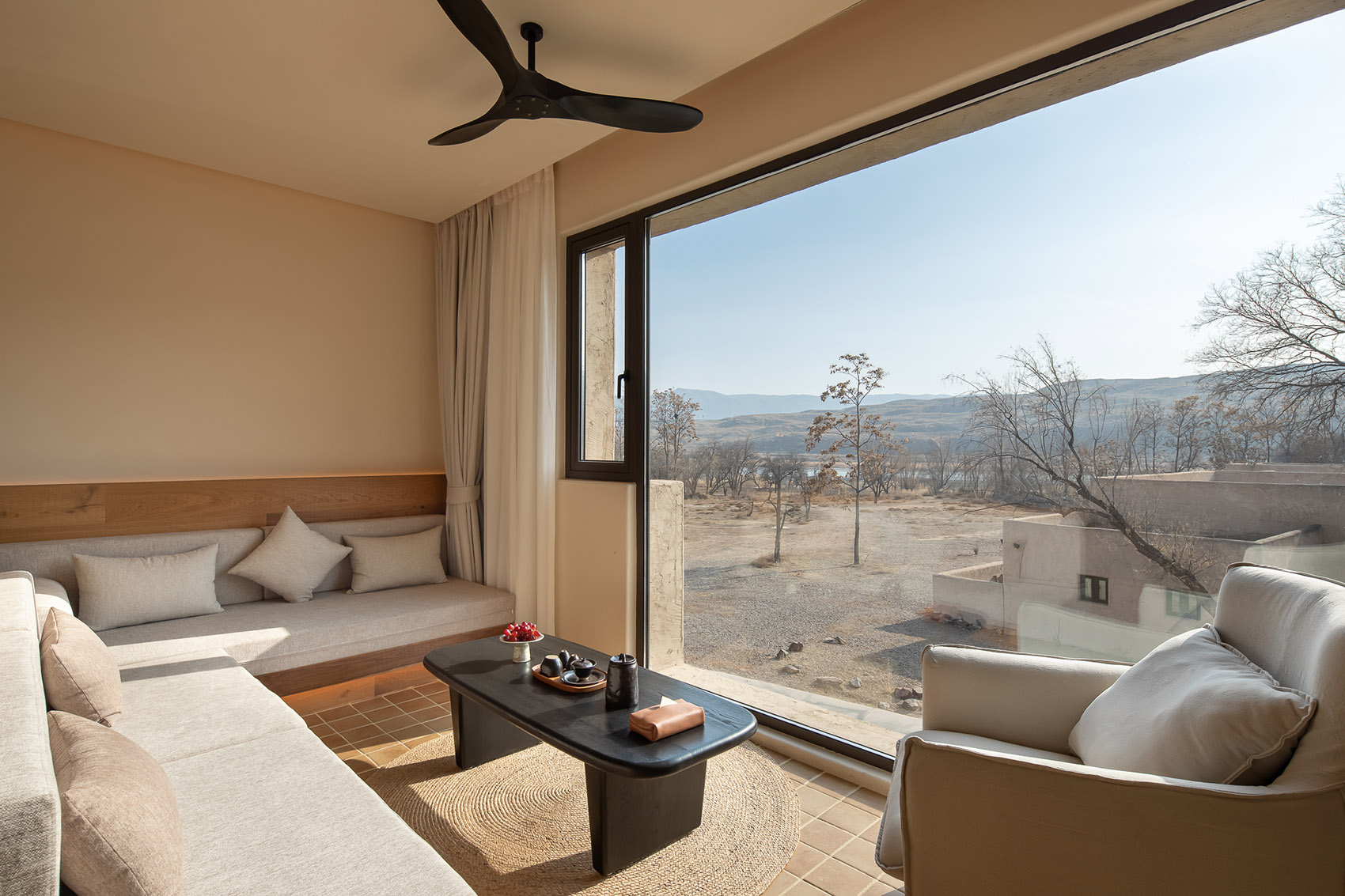
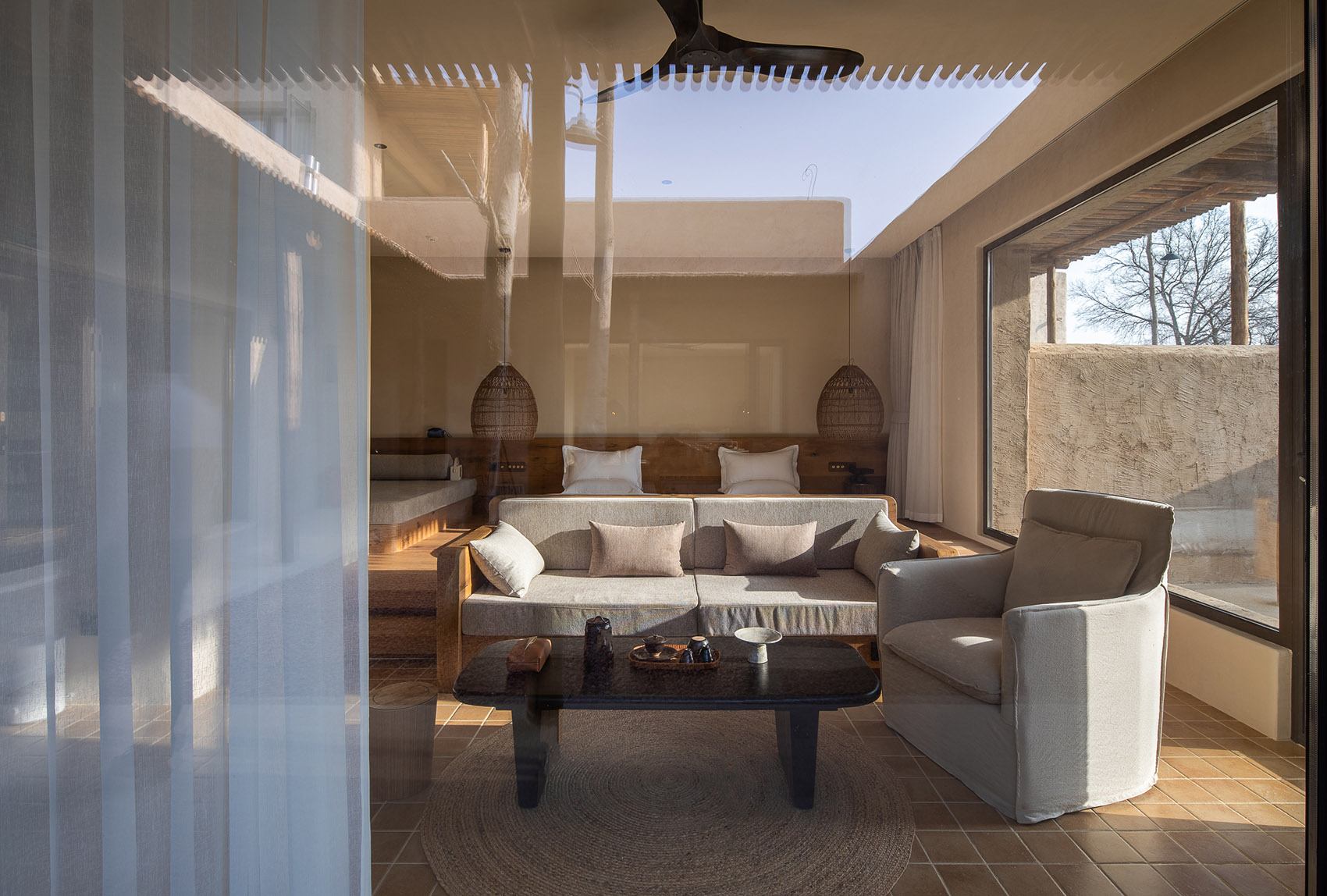
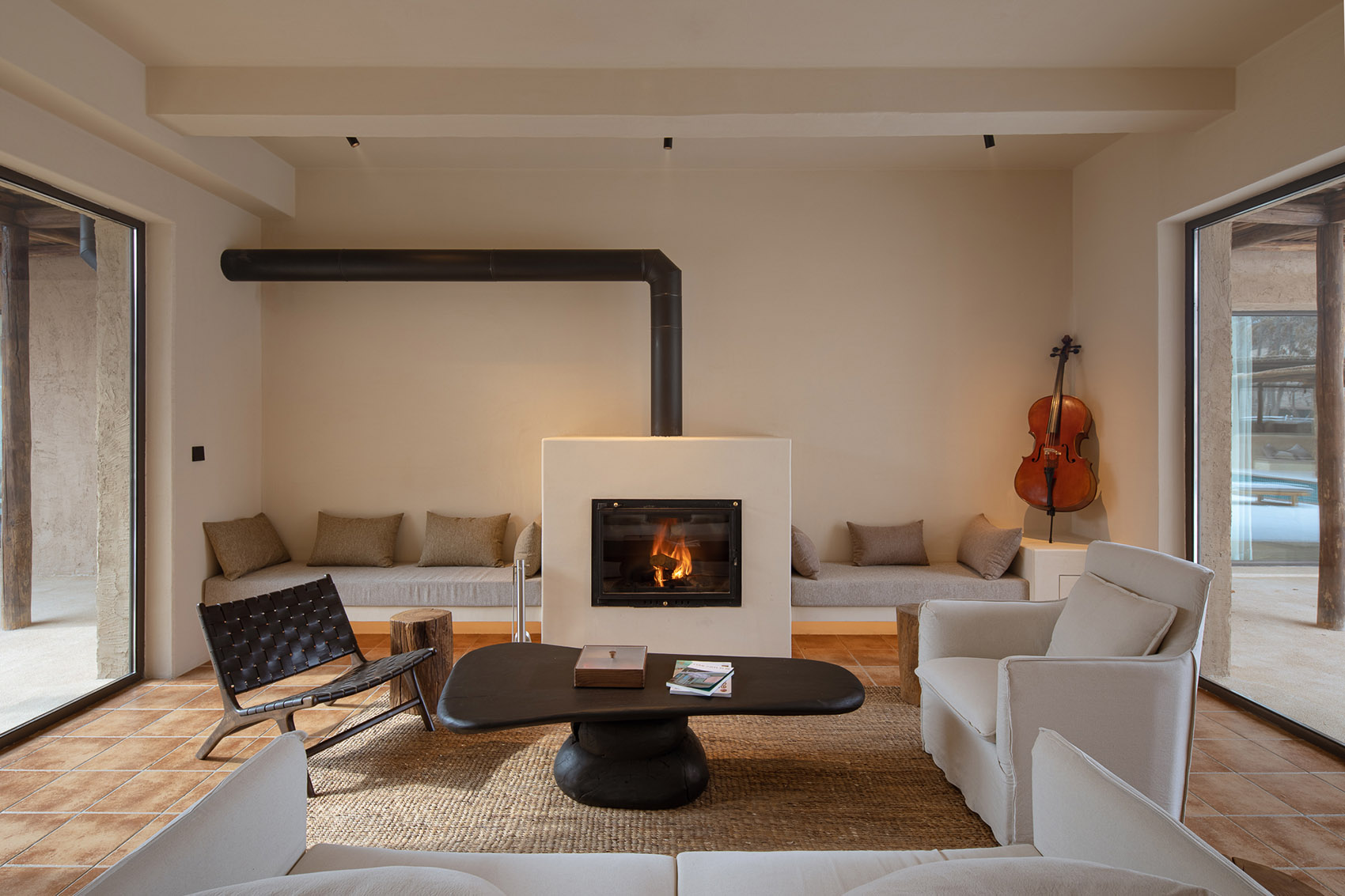
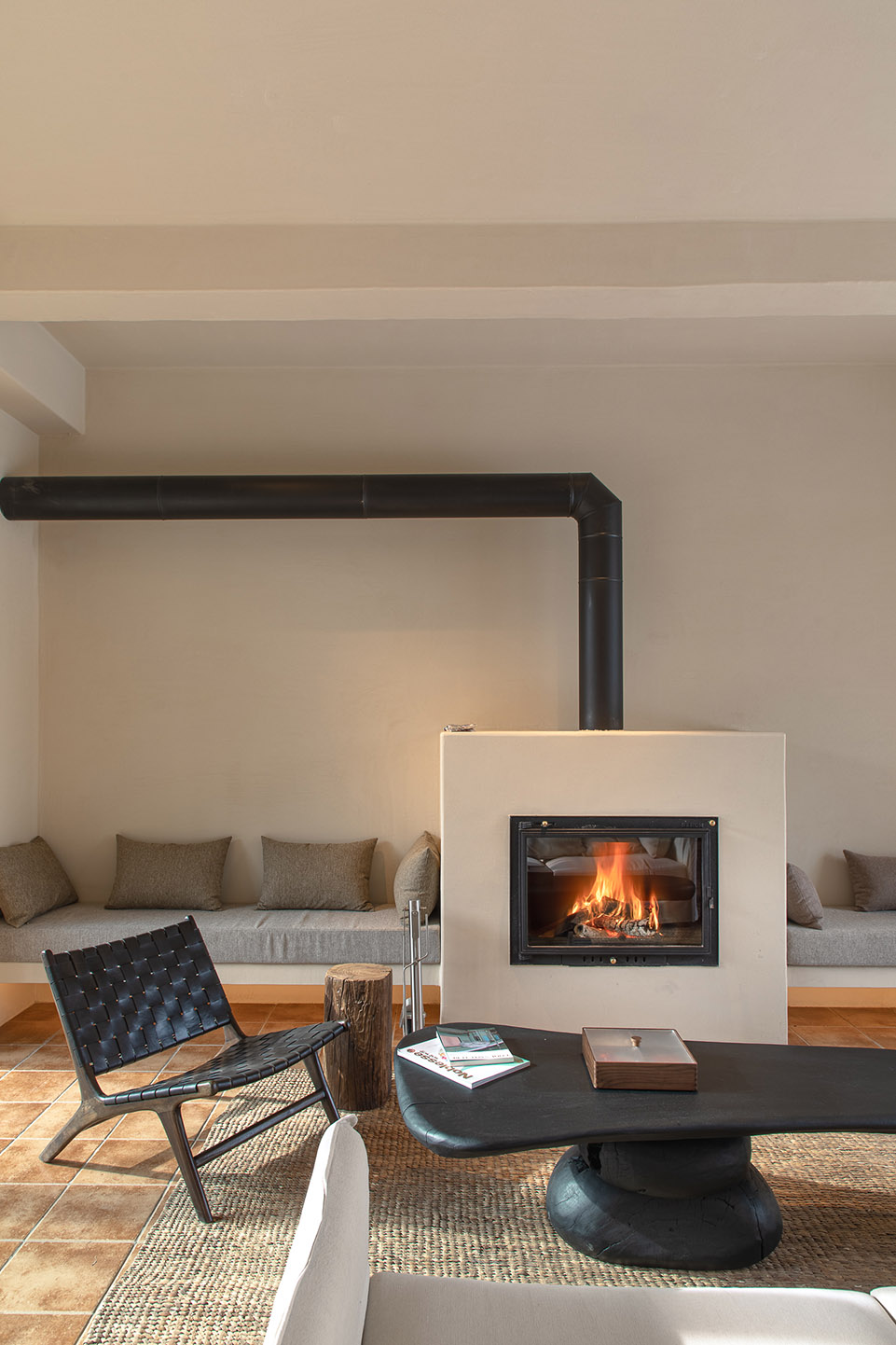
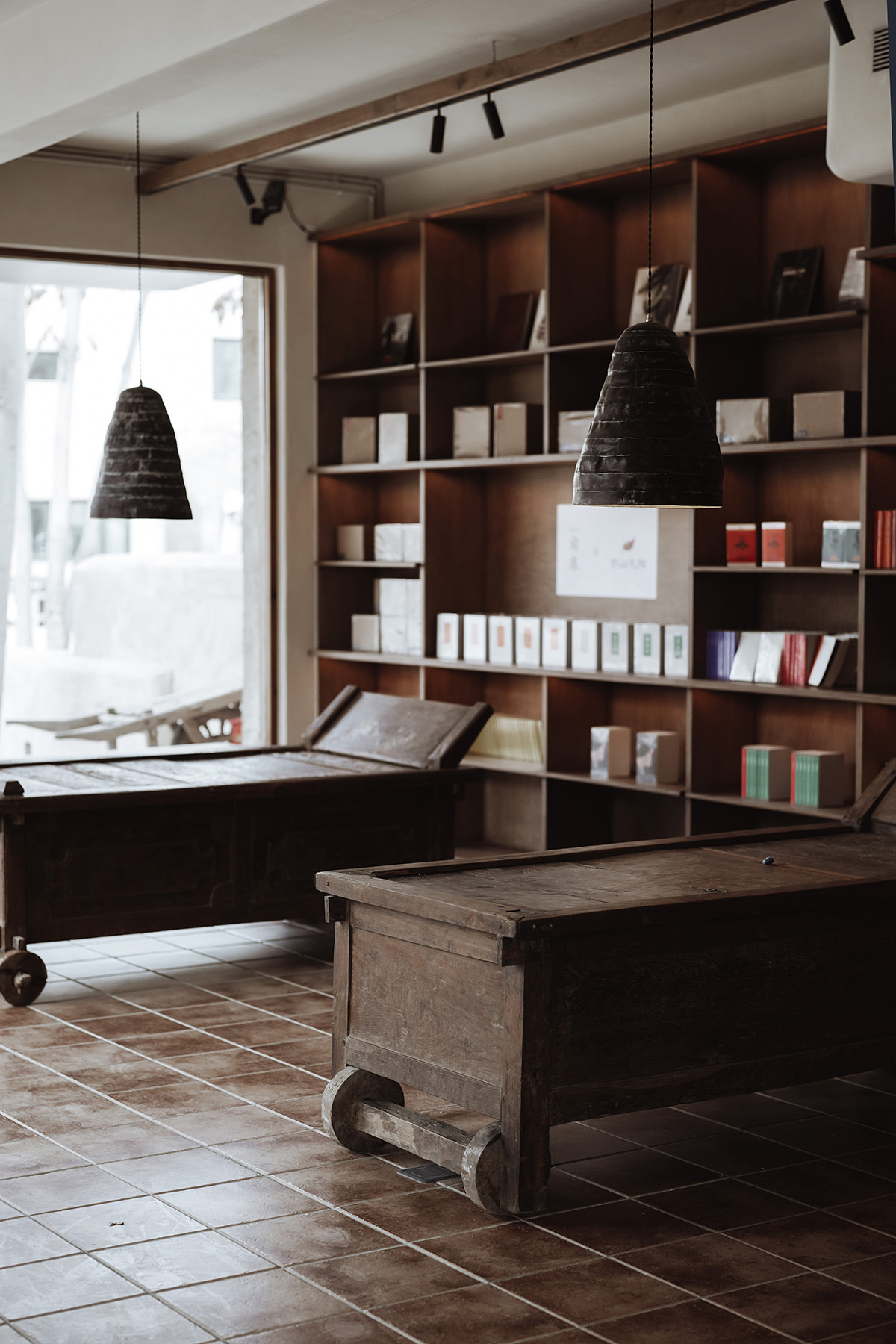
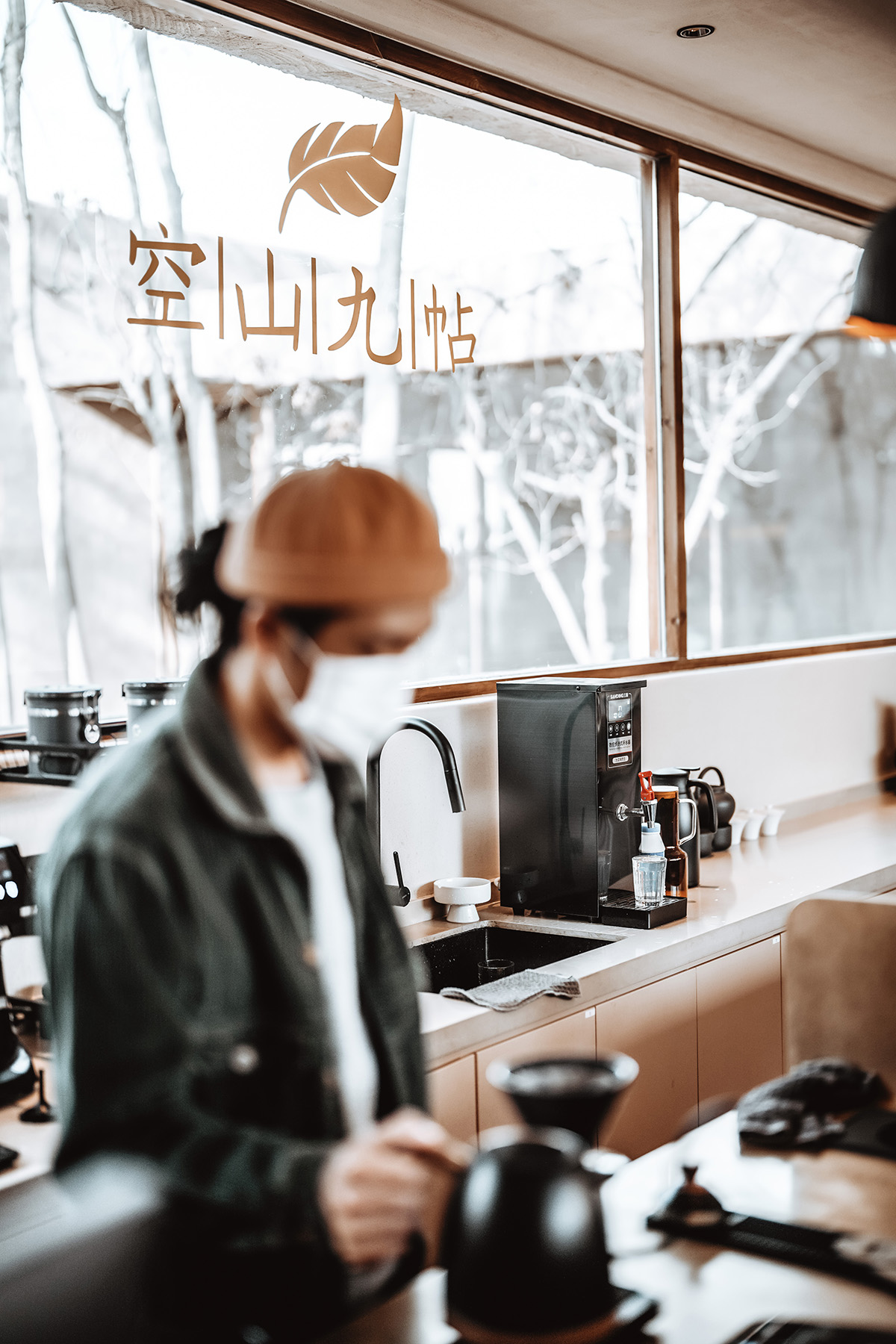
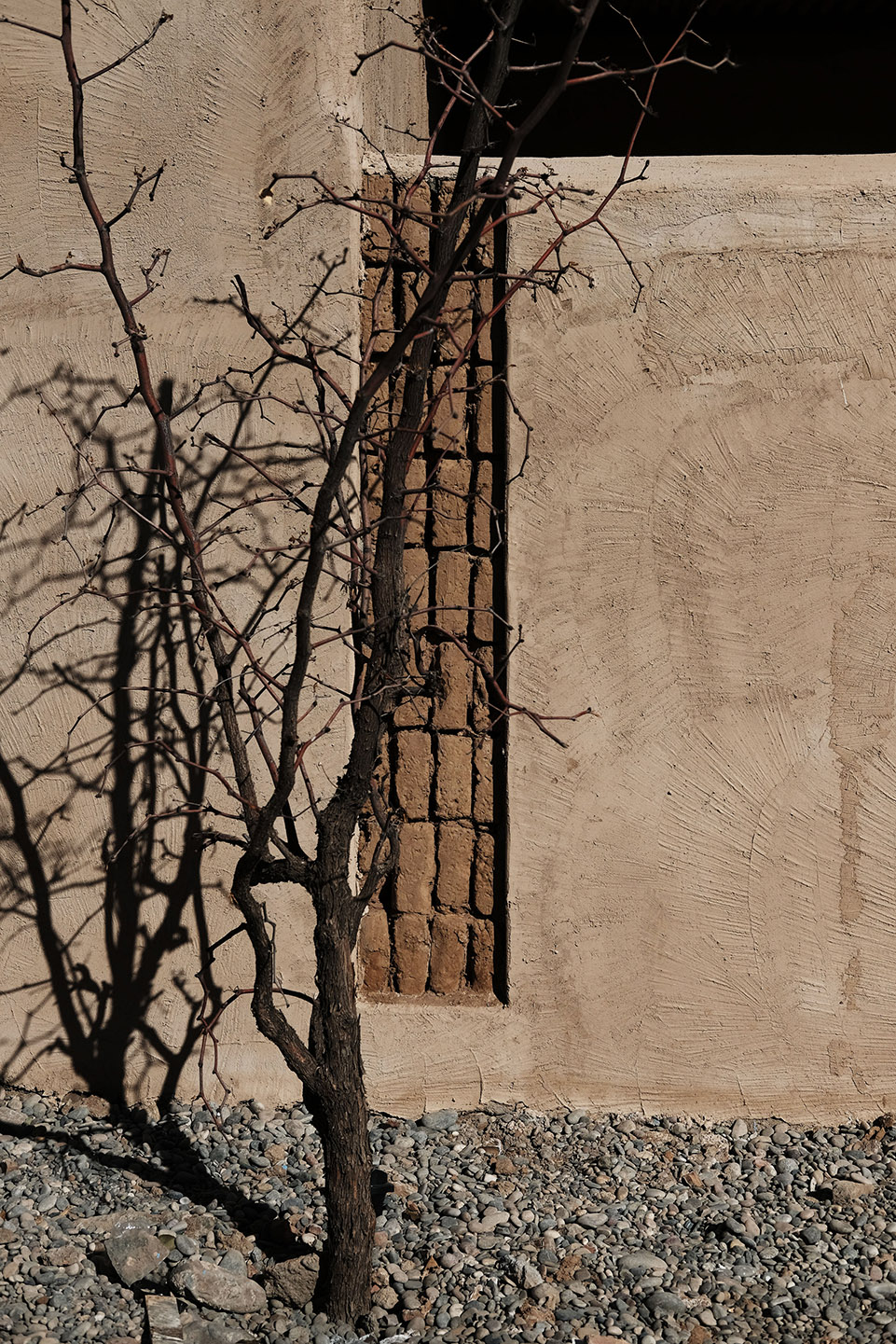
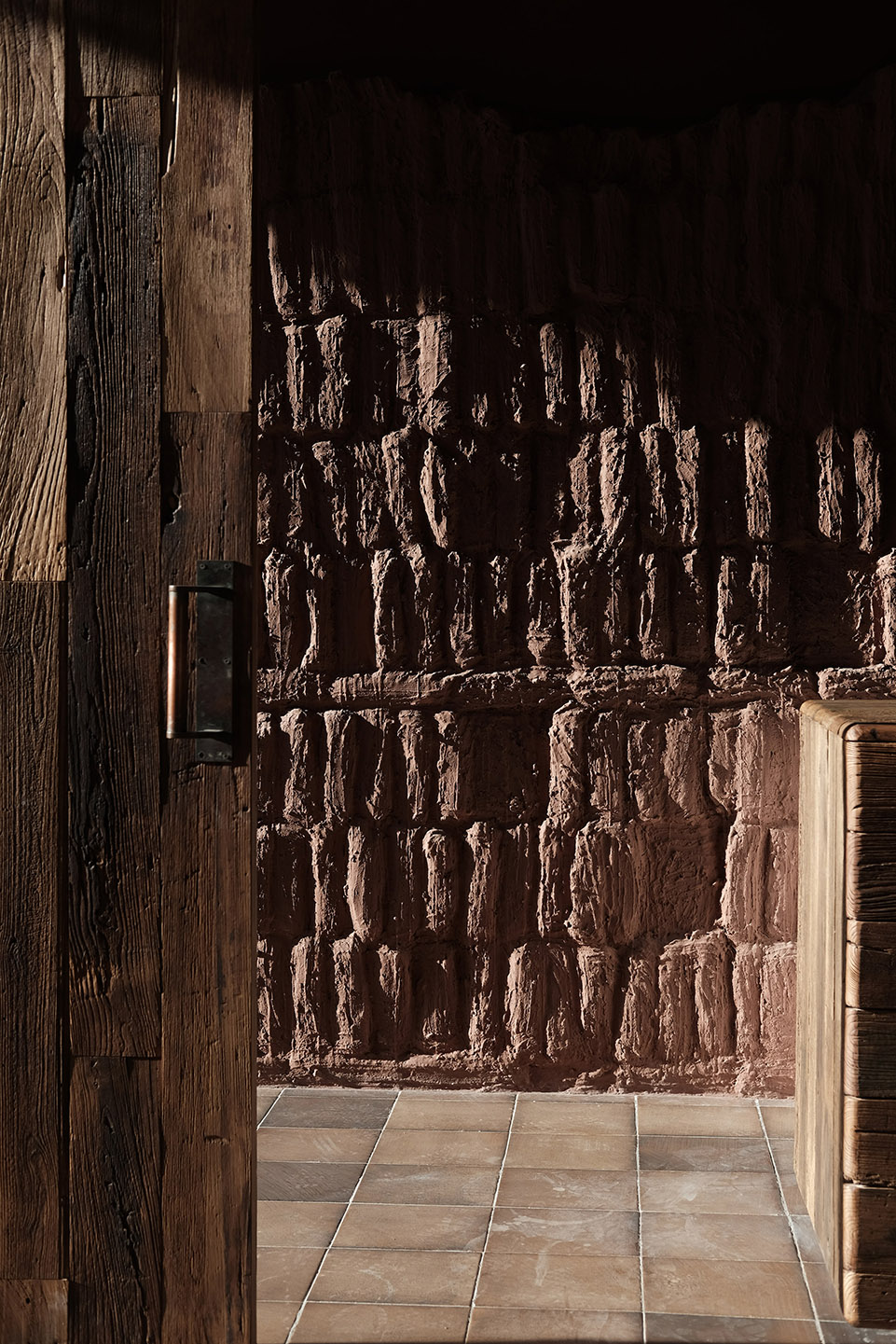
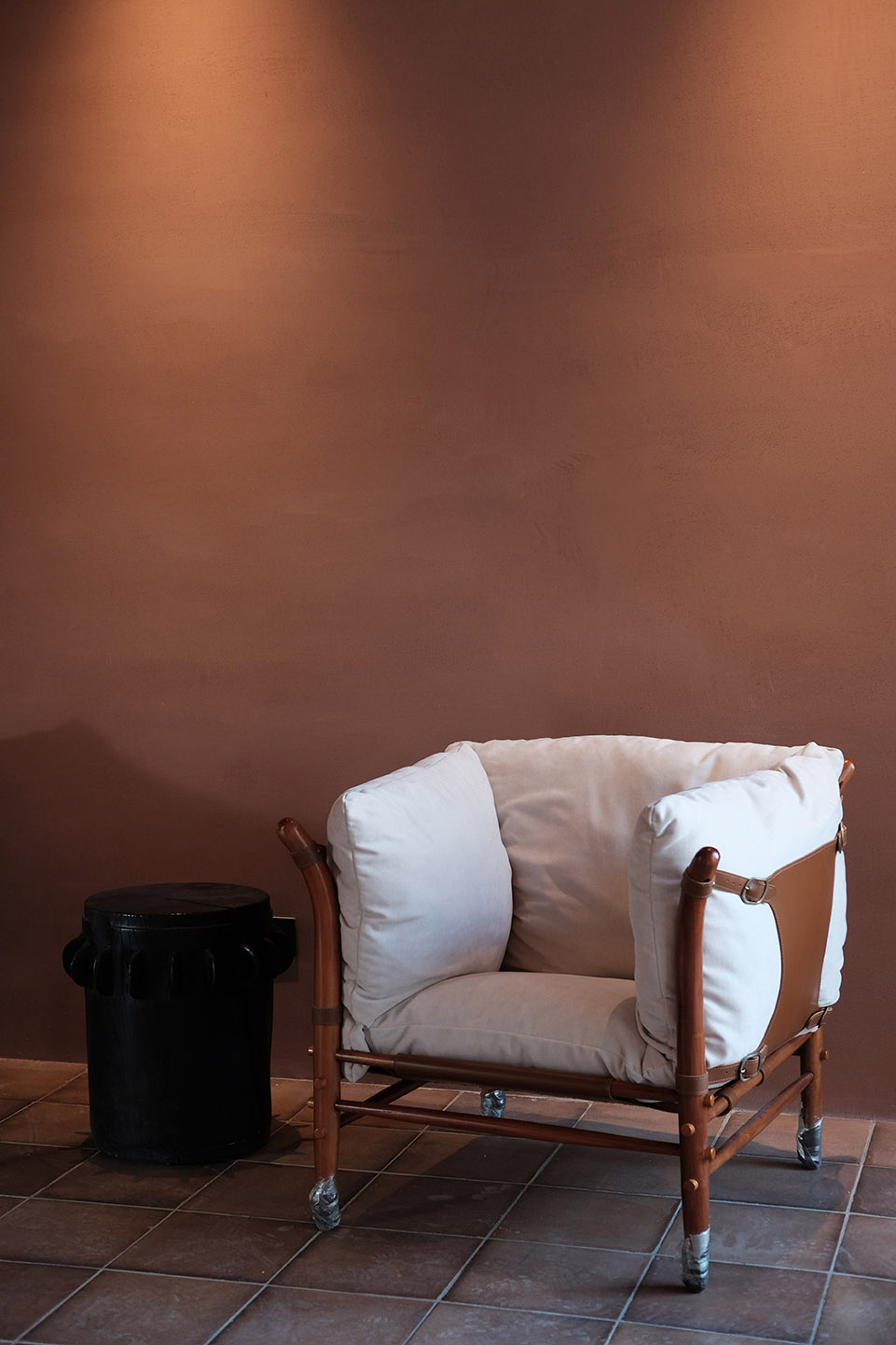
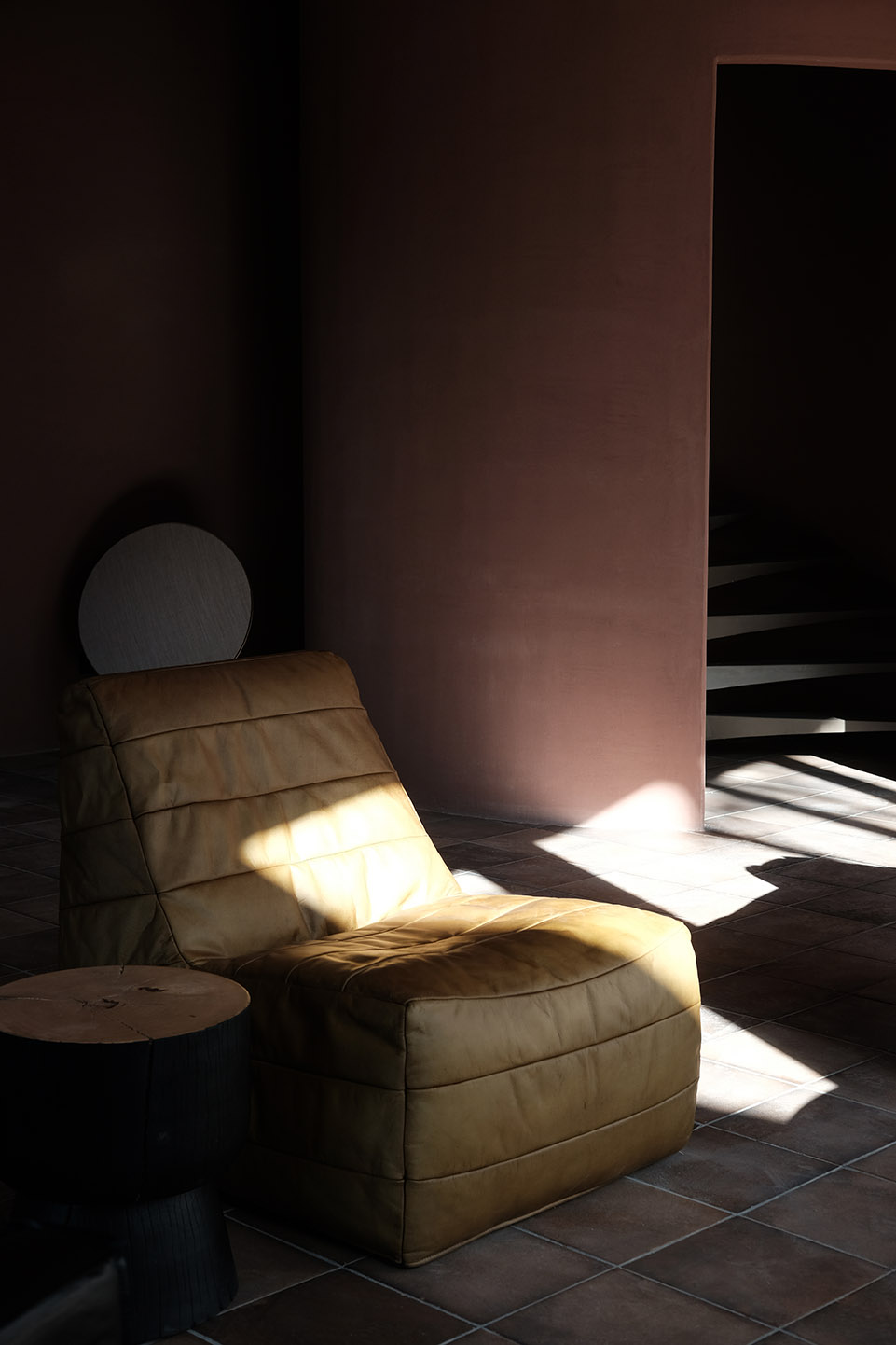
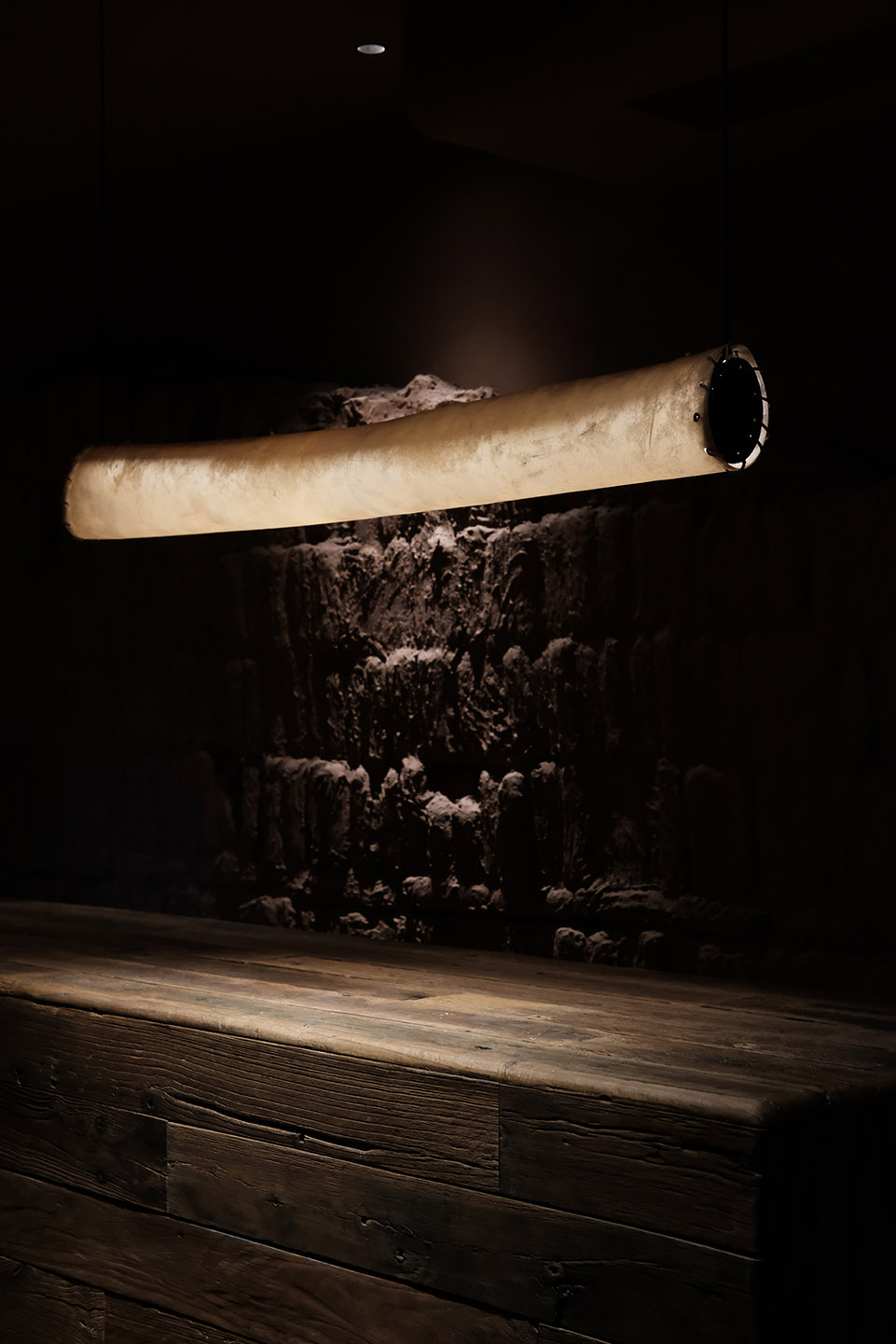
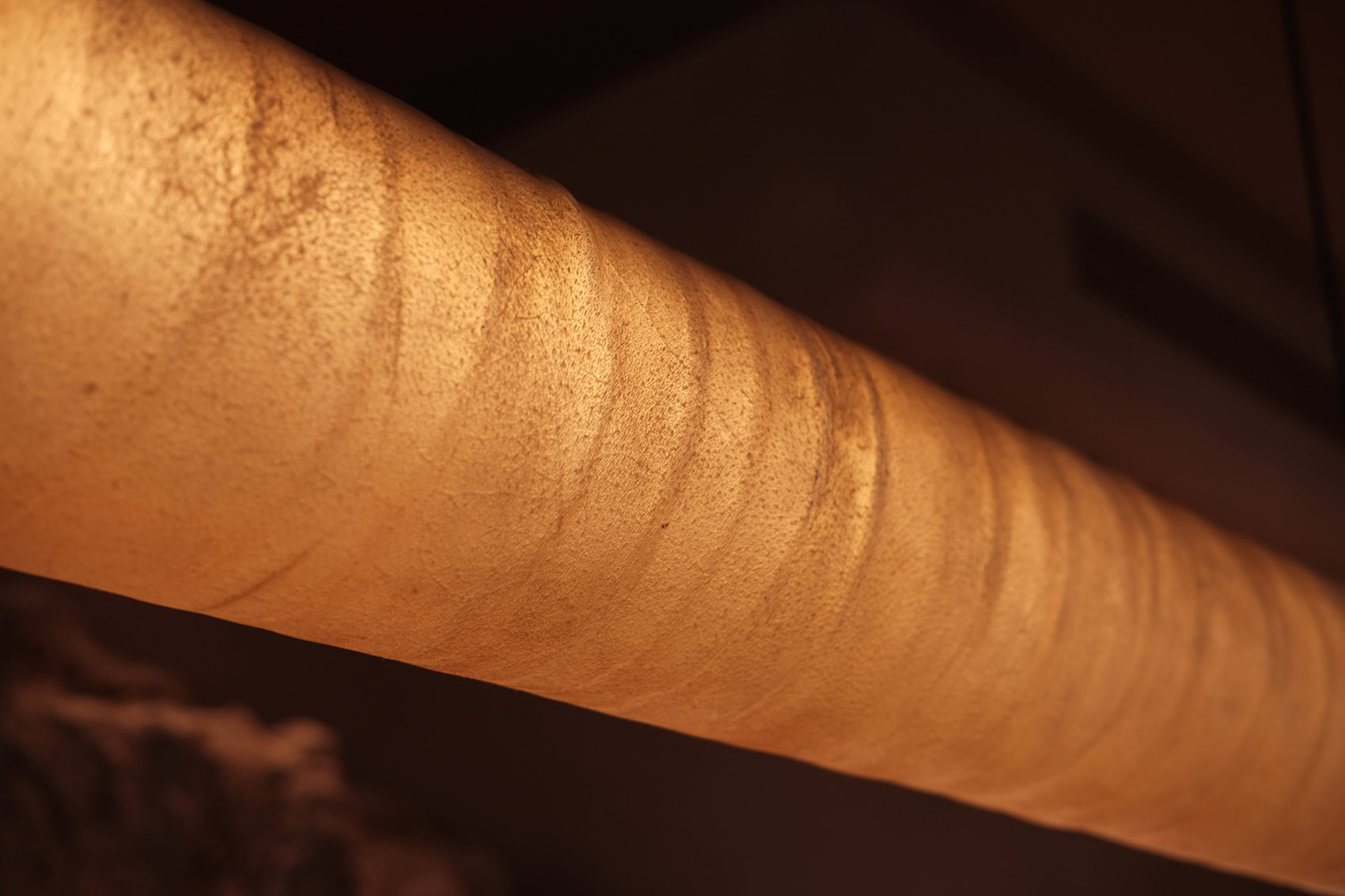
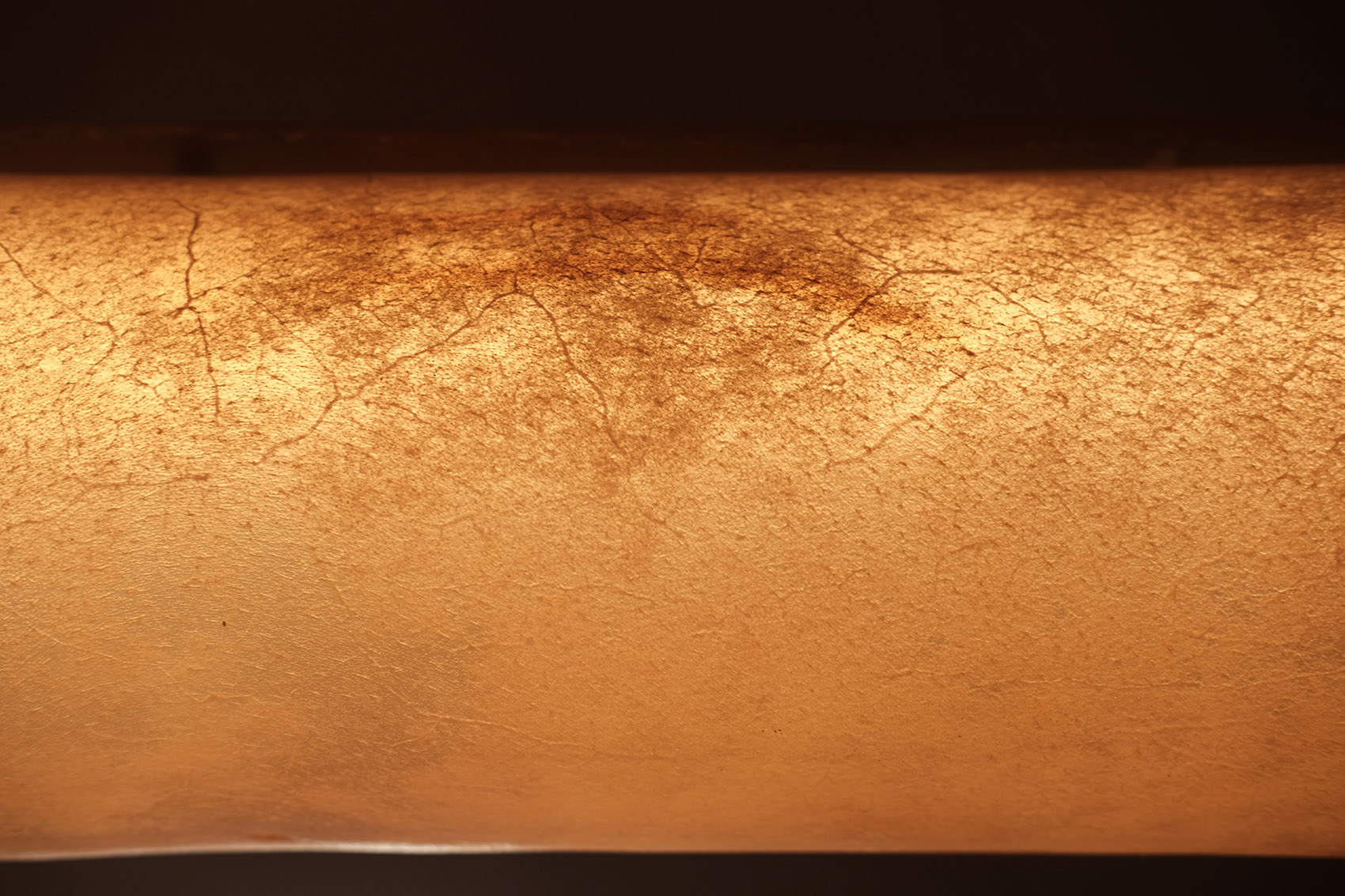
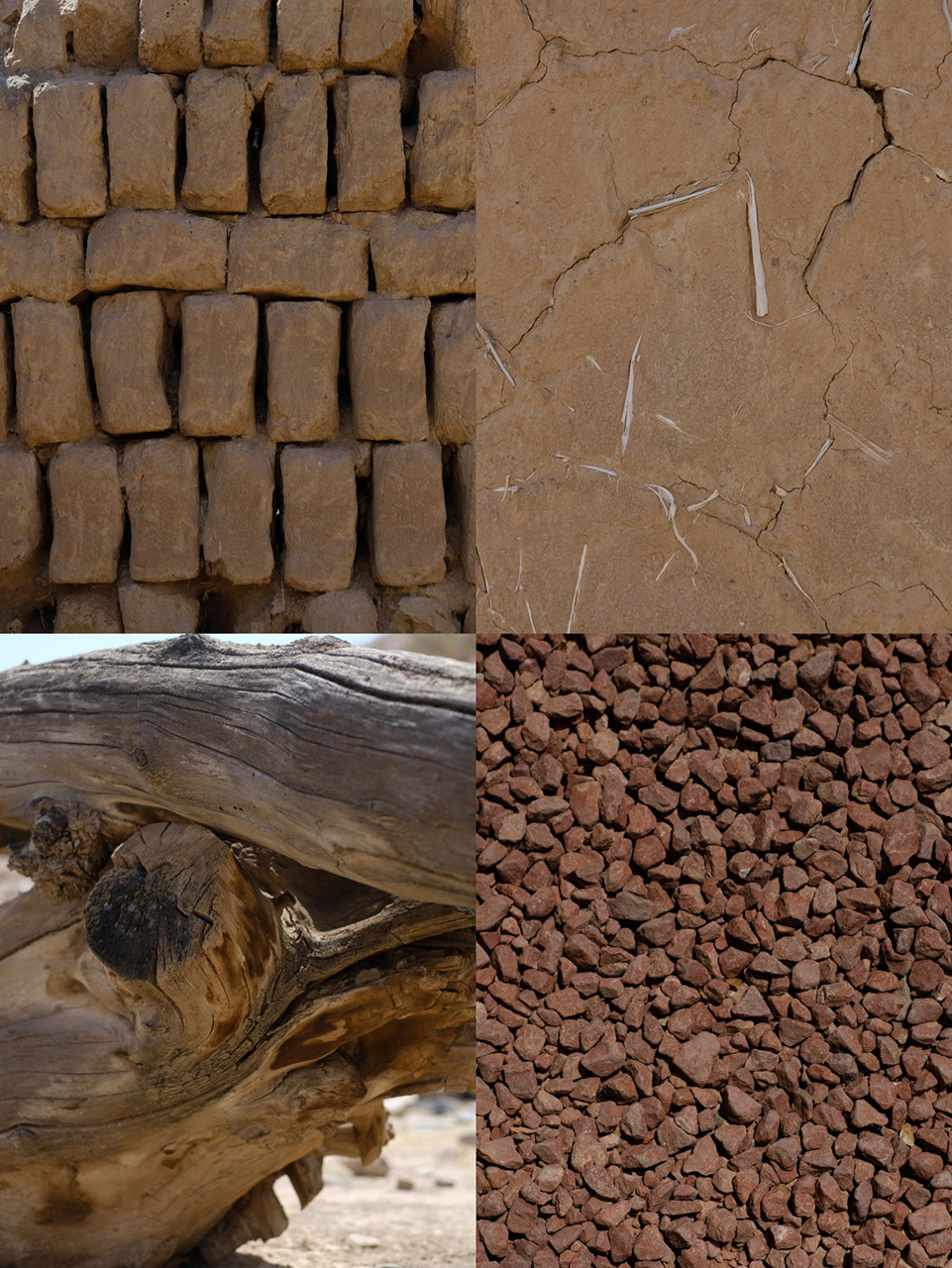
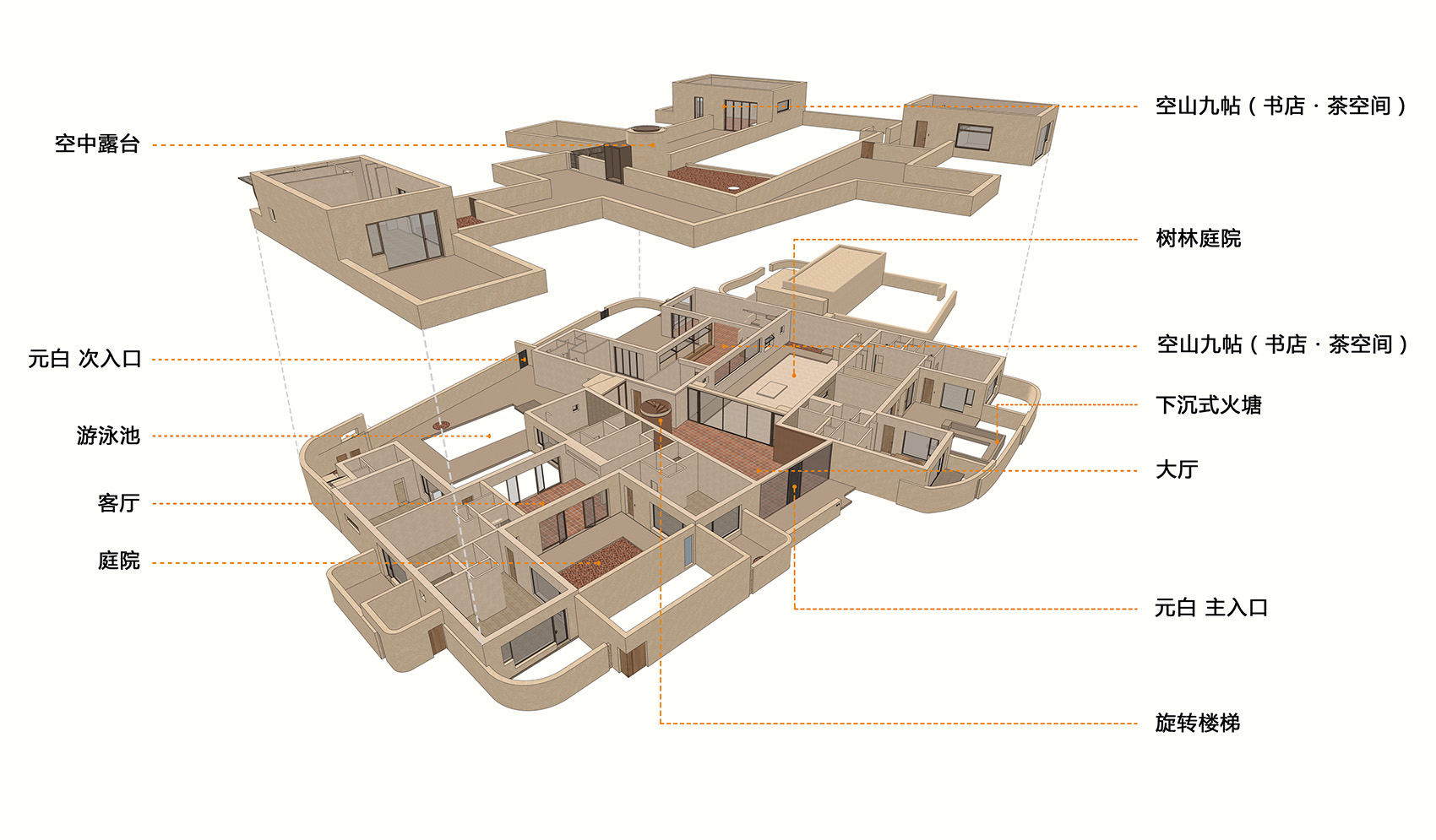
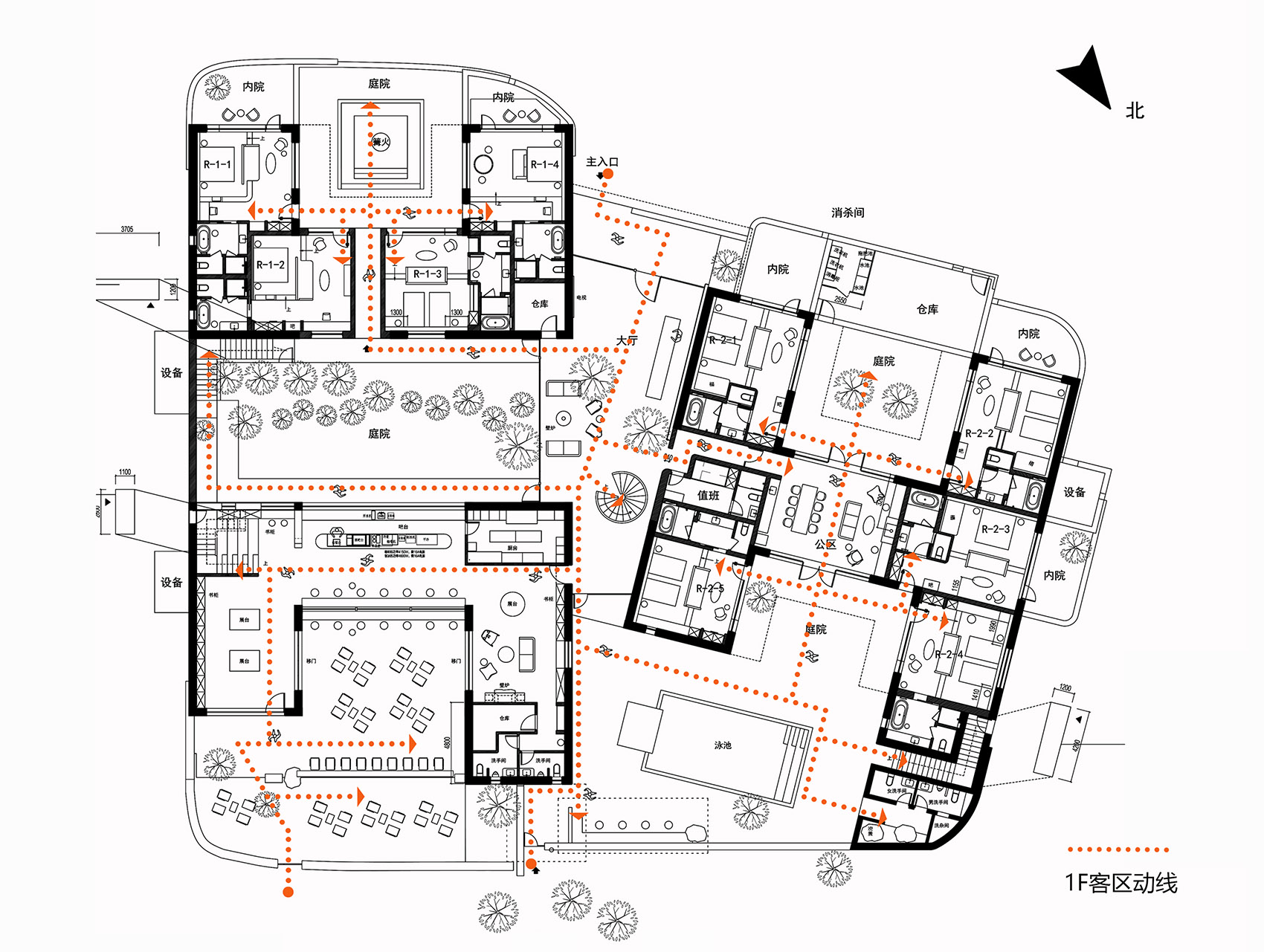
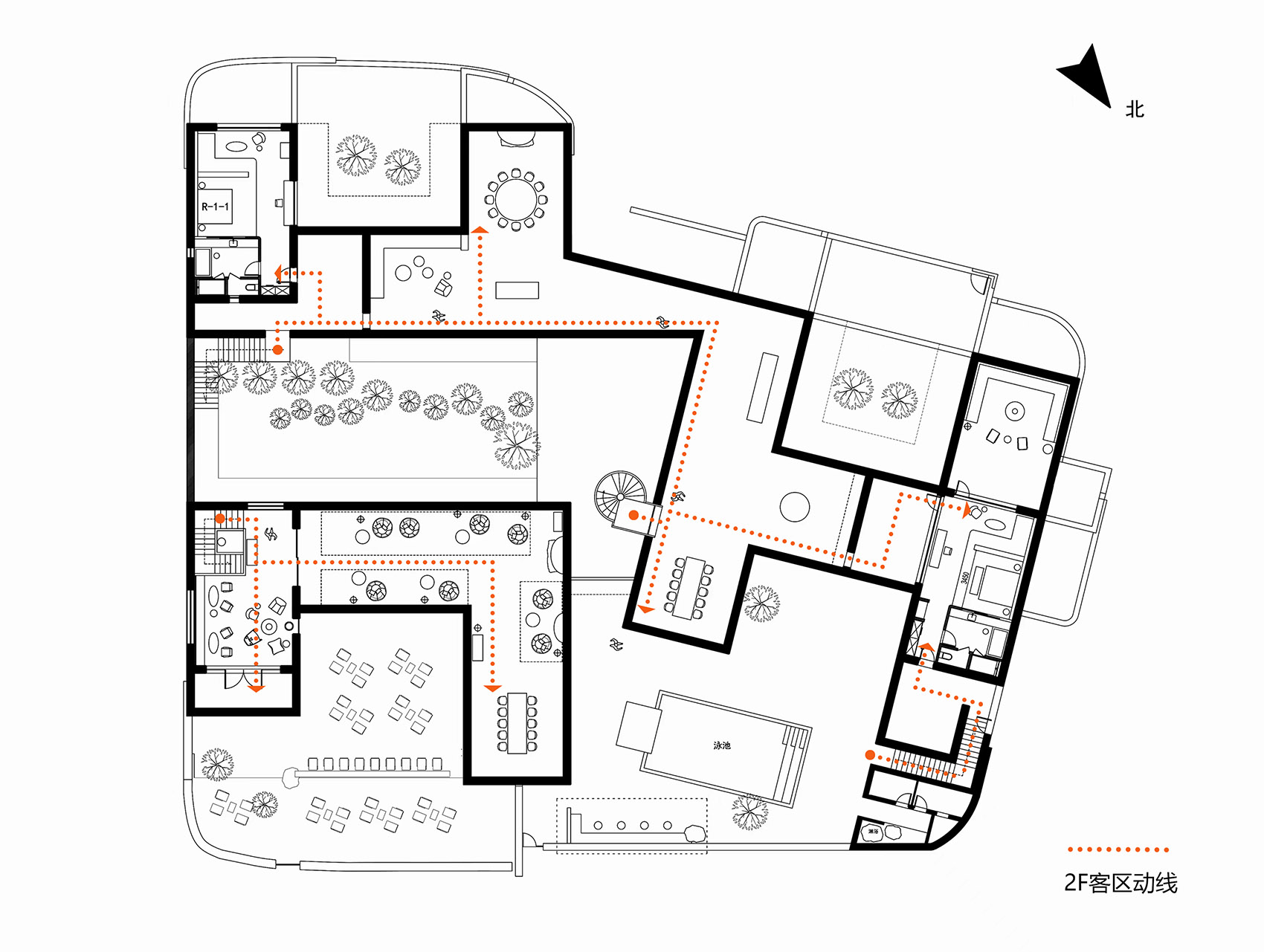
Zhongwei, a city with a history of more than 600 years, islocated at the junction of Ningxia, Inner Mongolia and Gansuprovinces. In recent years, Zhongwei becomes famous due tothe Yellow River Suji, the boundless Loess Plateau, the vastdesert, the Yellow River running past, years here flowing,with strong northwest culture precipitating here. Yuanbai Zhongwei is the final work of the elevenaccomadations in the Yellow River Suji, which should notonly integrate into the overall atmosphere of the whole, butalso reflect the unique quality and tonality of Yuanbai,which needs more consideration. Before the reconstruction, Yuanbai is three scattered-adobehouses, lonely and stubborn guard in the best place of theentrance of the Suji. Corridors were added in the design tohelp shelter from wind and rain, and connect three excellentadobe houses into a warm home; Then, through reasonableroute planning, arriving guests can wander freely in thehotel, enjoying holiday-style relaxation and alsoindependence and privacy at the same time. The hotel is divided into three courtyards, one is called“Kongshan Jiu Tie” bookstore and tea space, open to thepublic; The other two have 11 guest rooms. After thebuilding is enclosed and reconstructed, each courtyard has adistinctive public area, such as outdoor coffee area,swimming pool, forest courtyard, sunken fire pond, skyterrace, etc. Guests can choose to stay according to theirown preferences, and also can visit and share othercourtyards, one-stop vacation is rich and diverse. Flying thousand miles to Ningxia Zhongwei, what you want isnot only a comfortable guest room, spiritual home is alsothe yearning pursuit of modern people. Therefore, Yuanbaihas a “Kongshan Jiutie”, which integrates bookstore, teaspace and cafe. Kongshan Jiutie, defined as “Bookstore in wild, not justbooks,” aims to bring the best publishers to thecountryside. Currentyl three bookstore named DUKU, InsightMedia, and Citic Dafang has settled in. In future, here willalso hold various activities together with the residentorganizations, such as book launch, sharing sessions, smallconcerts and so on. This is not just an ordinary bookstore,but also a place for cultural communication. Tea and coffee, as a medium, can bond any spatial scene. Yuanbai has “Kongshan Suiye” tea space, using teapots inancient form to cook tea; Yuan Bai also cooperates withGaoligong Mountain Top No. 1 coffee manor to launch coffeeproducts. You can have a cup of Dirty or make a hot pot oftea and enjoy your leisure in the lazy northwest sun with anice snack. Beichangtan village, one of Zhongwei’s many ancient villageshidden deep in the mountains and Yellow River Bay, had noelectricity until 2006, ending the days of kerosene lamps. Arriving in Beichangtan along the undulating tarmac of theYellow River, the villagers have all moved out, leavingbehind traces of their past lives in empty villages. Redstones, seasoned tree trunks, wooden palisades withbranches, adobe walls with straw. Vigorous, vast, loess,these are the main melody here. Deeply inspired by Beichangtan, the Hall of Yuanbai haschosen the unique sandstone red of northwest China. The topsurface, ground, wall and revolving staircase are allprocessed to thick northwest red. When arrriving at Yuanbai,guest will encounter a crash of warm, energetic and simpleemotion Yuanbai has taken great pains on the exterior wall. Learningfrom the local old mason, press specific formula toharmonize yellow mud, then scrape up on the wall by hand. When gently touching the undulating scratch texture, thescene of workers sweating in the sun seemed to be in frontof your eyes. More attention is paid to the red mud brick wall behind thebar. The masters use the traditional crafters to make bricksfrom the local yellow mud, pile up them one by one onto thewall, and then colored with the special northwestern red. The bricks, layer upon layer, simple, rough, casual, mottledscratches as if the traces of time left in the ancientvillage. Above the bar in the hall, there are two cowhide lamps ,created by Mr. Liu Jiang from Enough Leather ResearchInstitute. Mr. Liu Jiang rolls the whole translucent rawhide intotubular shape, finalize the design through a month, keep thegrain, the rise and fall, overlap and natural twist on thecowskin, burnish and polish by hand again, turn theoriginally hard rawhide into soft and warm. The moment when the light is on, the soft warm light comesout from the cowskin, shining the natural texture of theleather without reservation, like landscape, like a person,like a picture scroll, like a long river of history,amazing. It’s not just lights. It’s art. The essence of homestay is still “stay”.









 Editor's Pick
 Latest Design
 Best Idea
 Hottest of Week