Text description provided by the architects
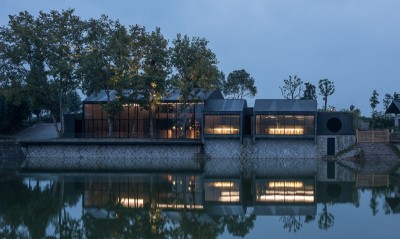
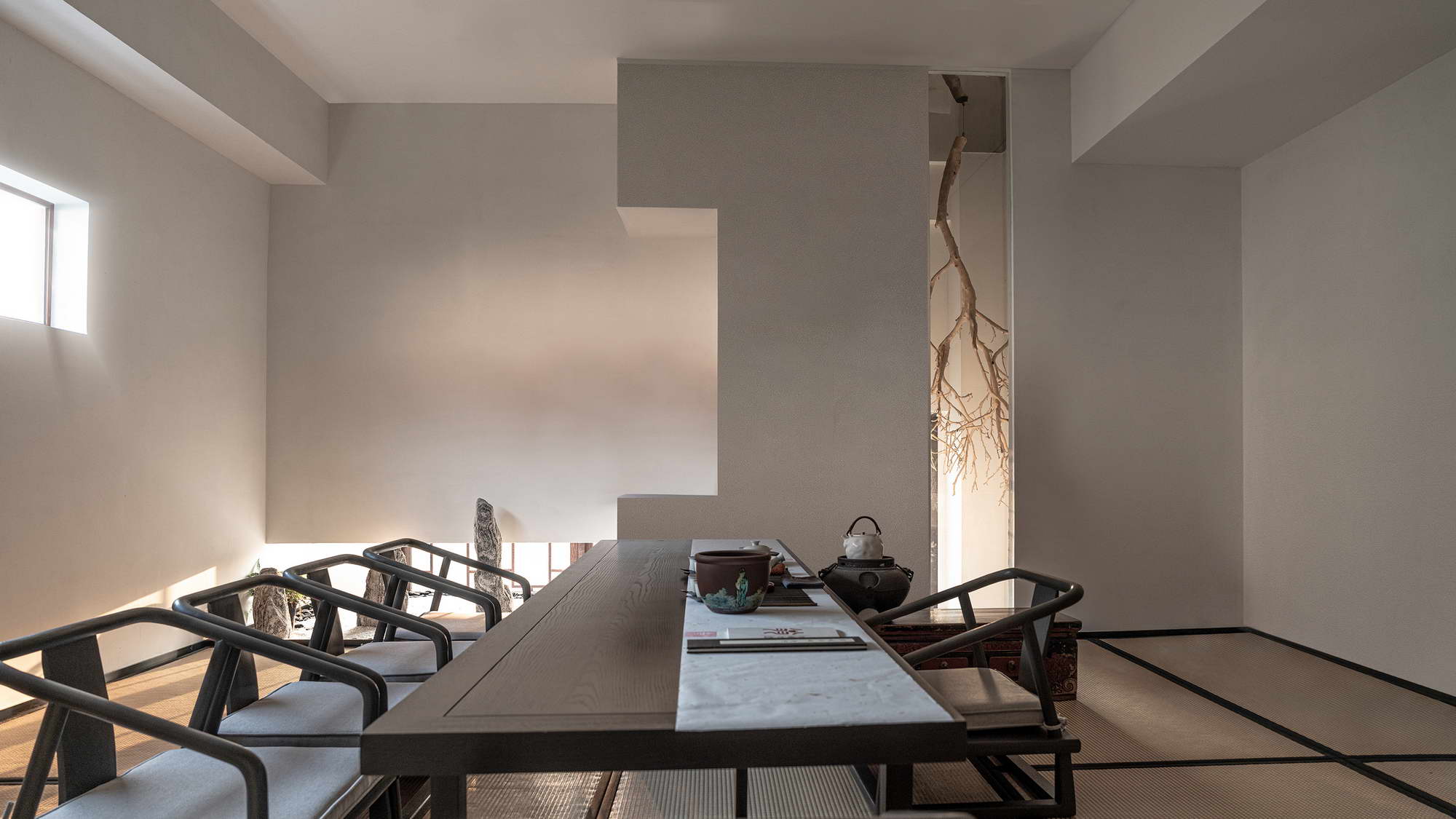
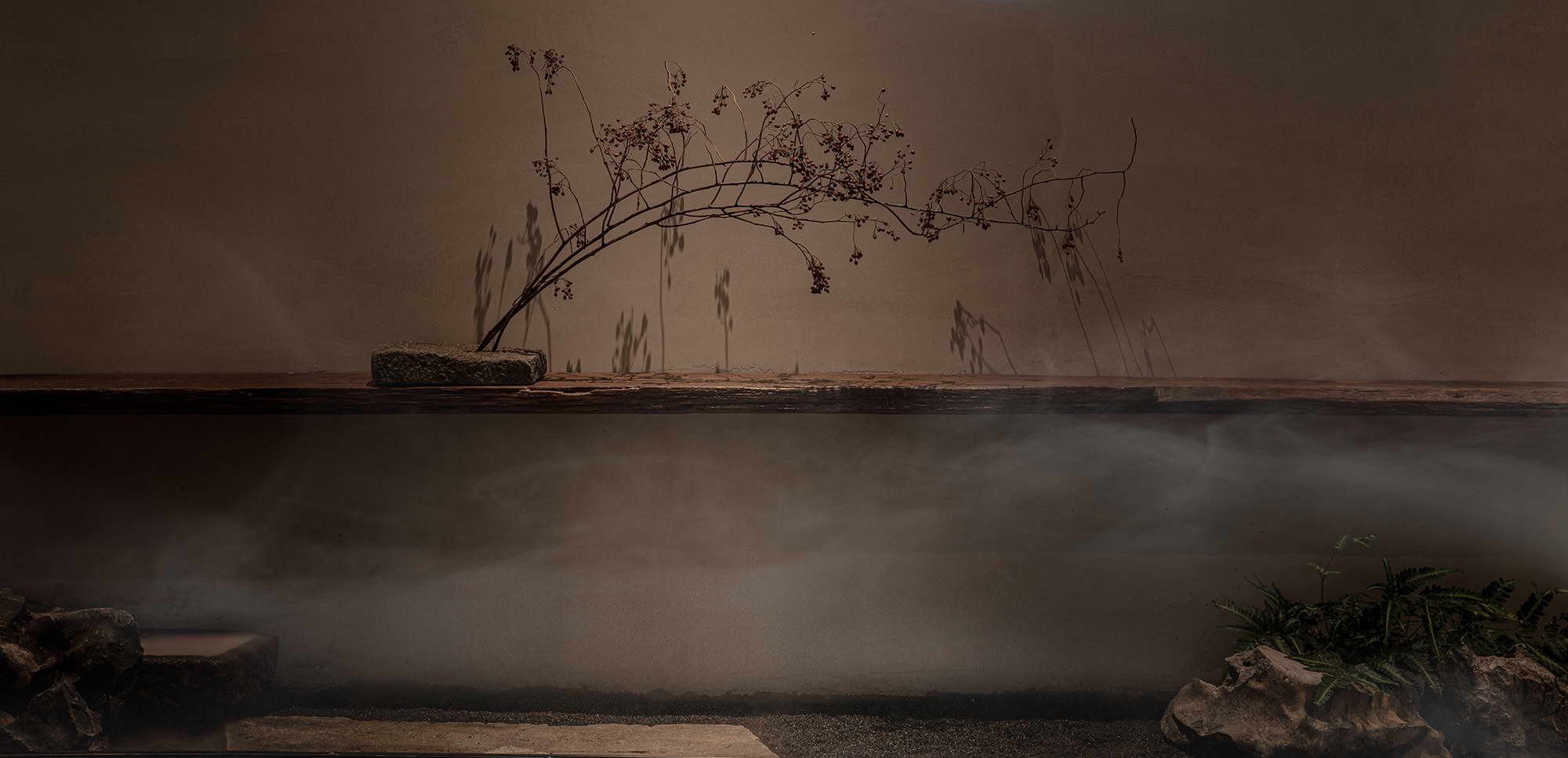
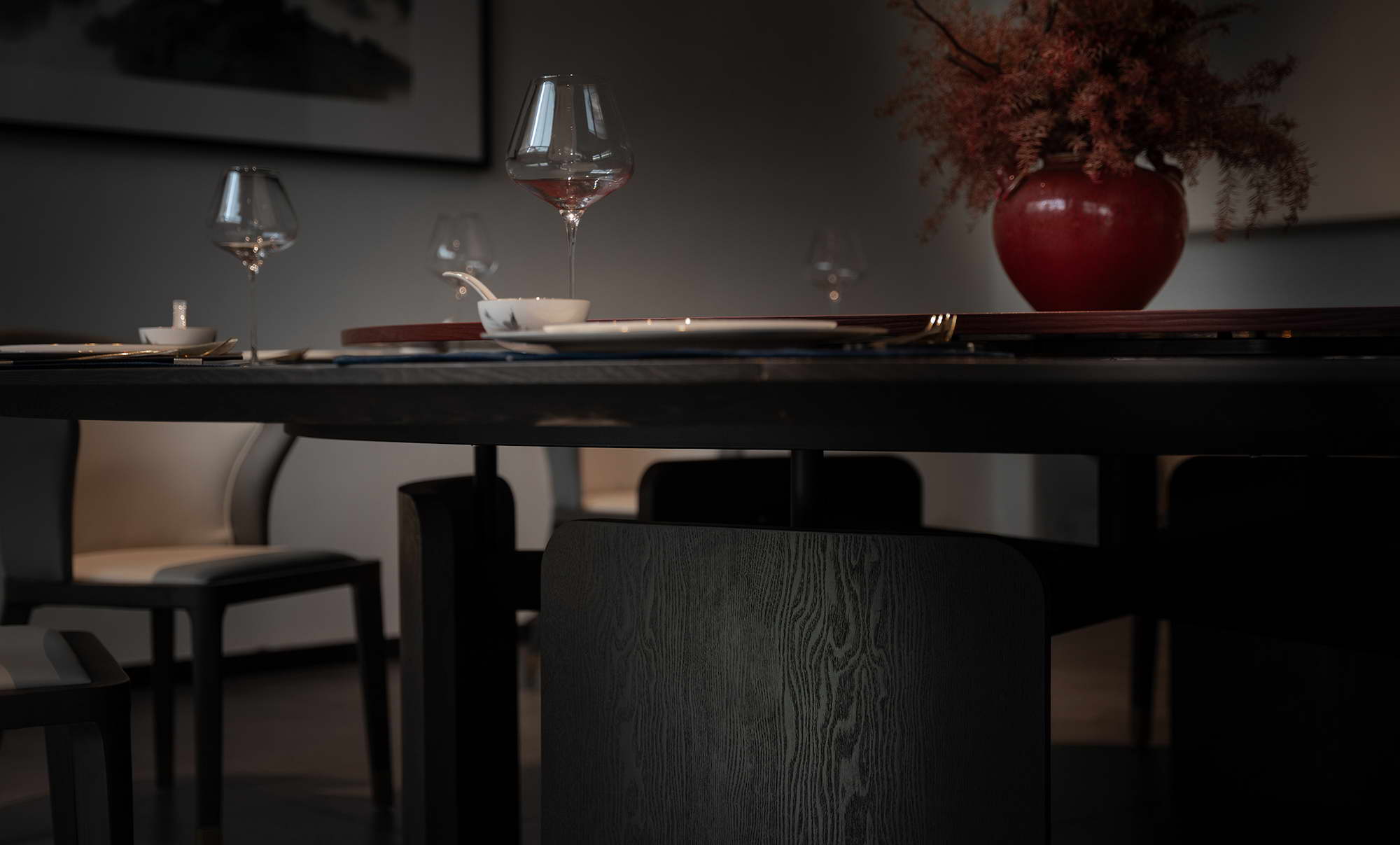
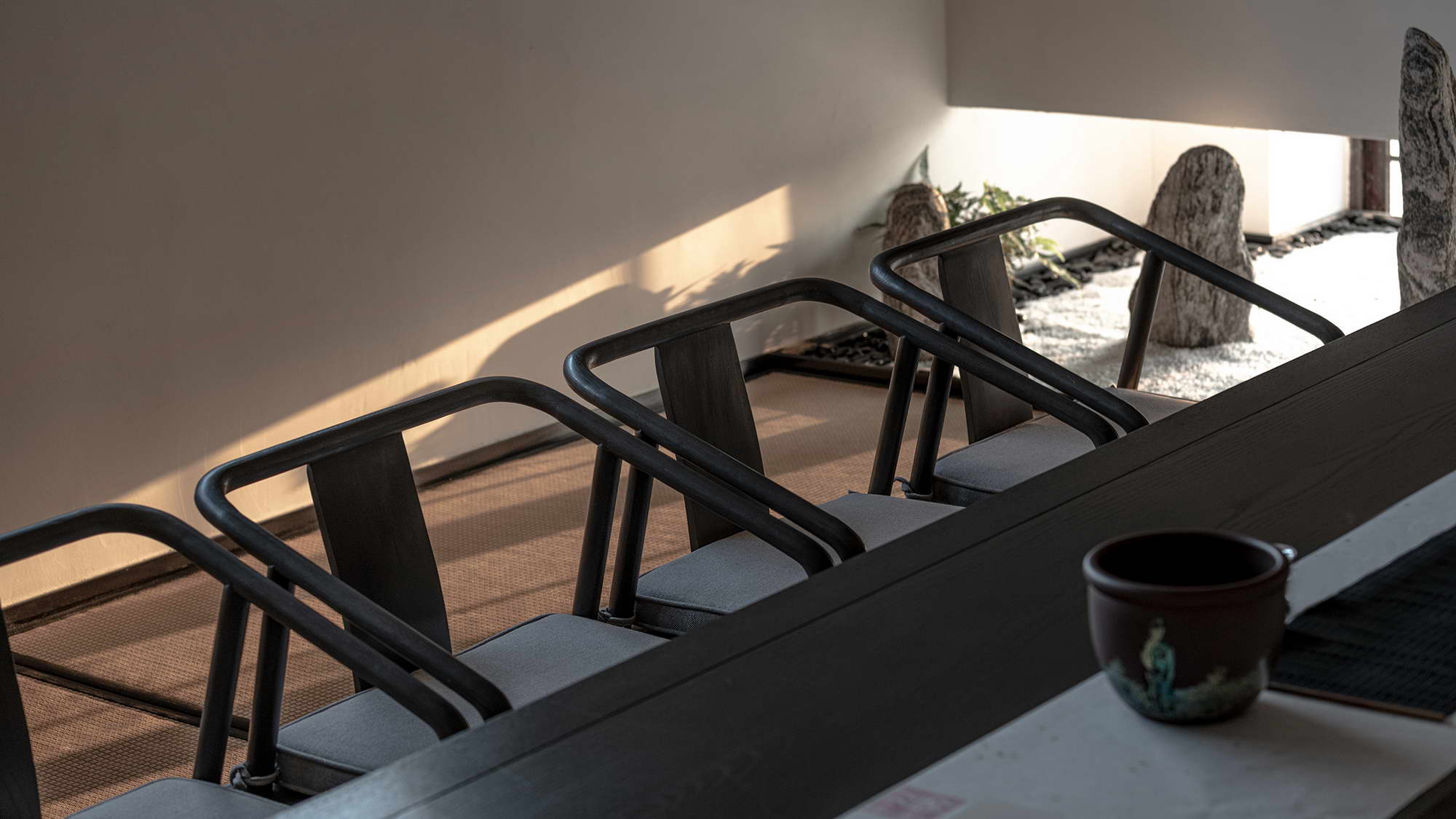
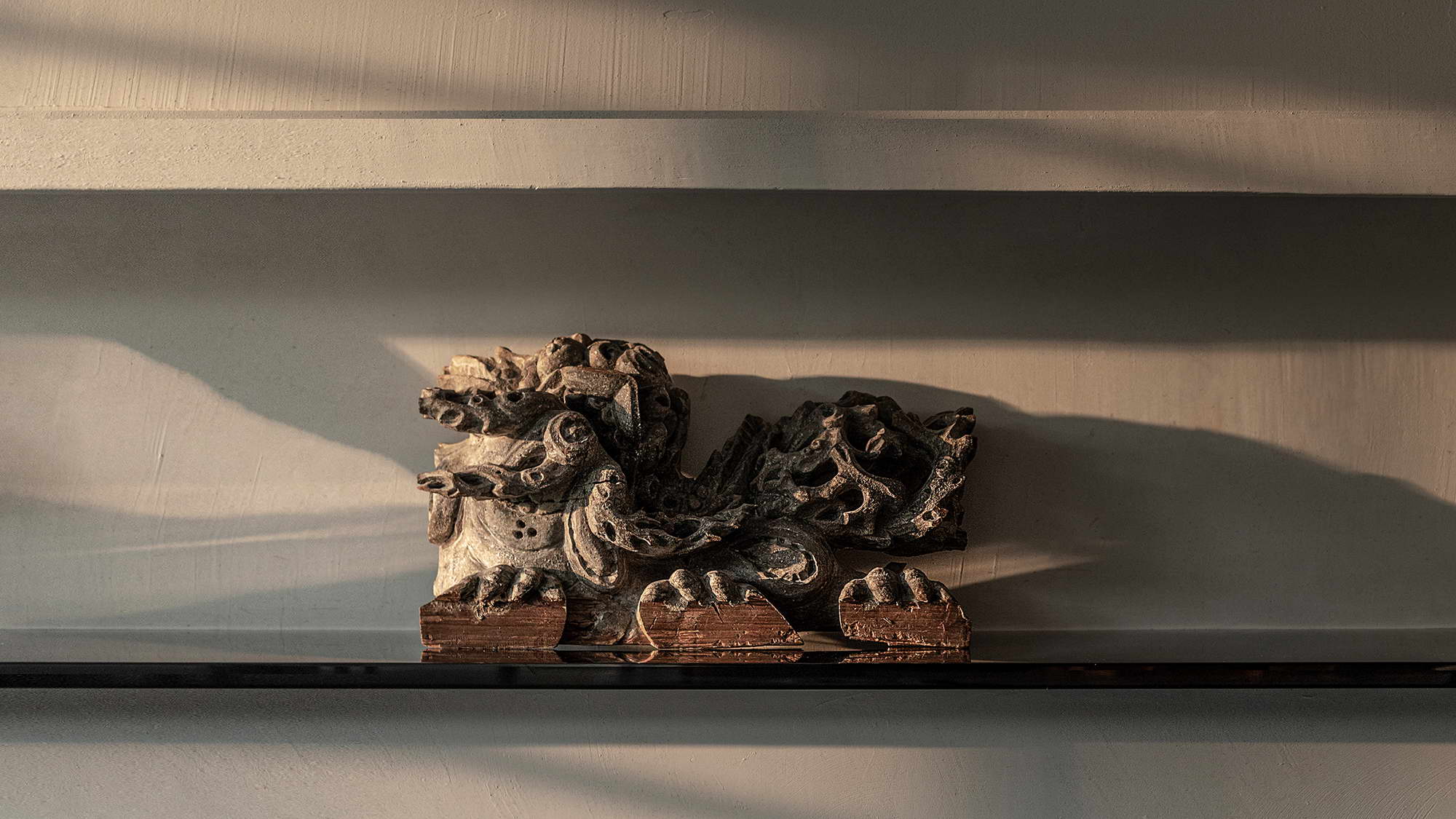
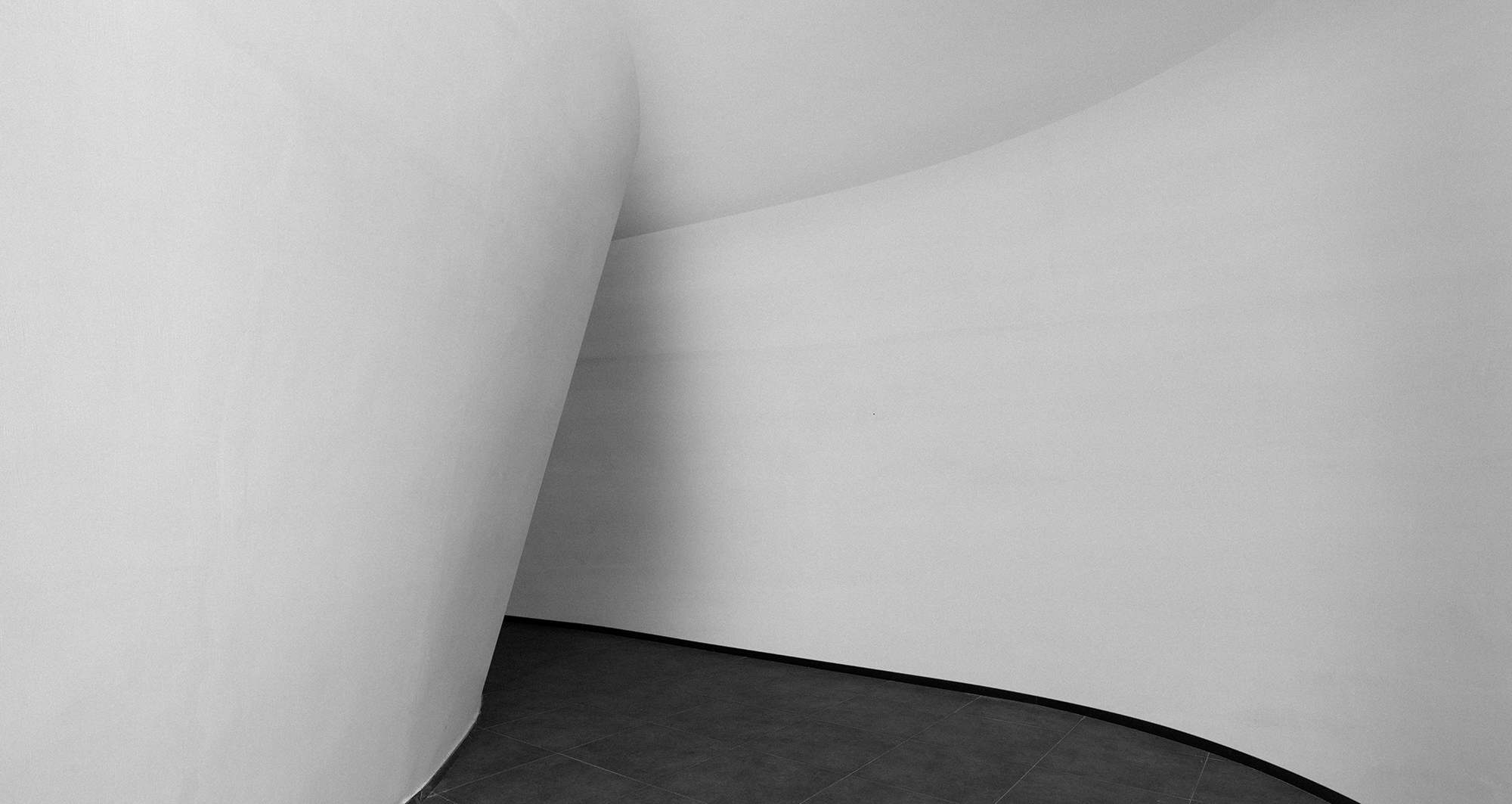
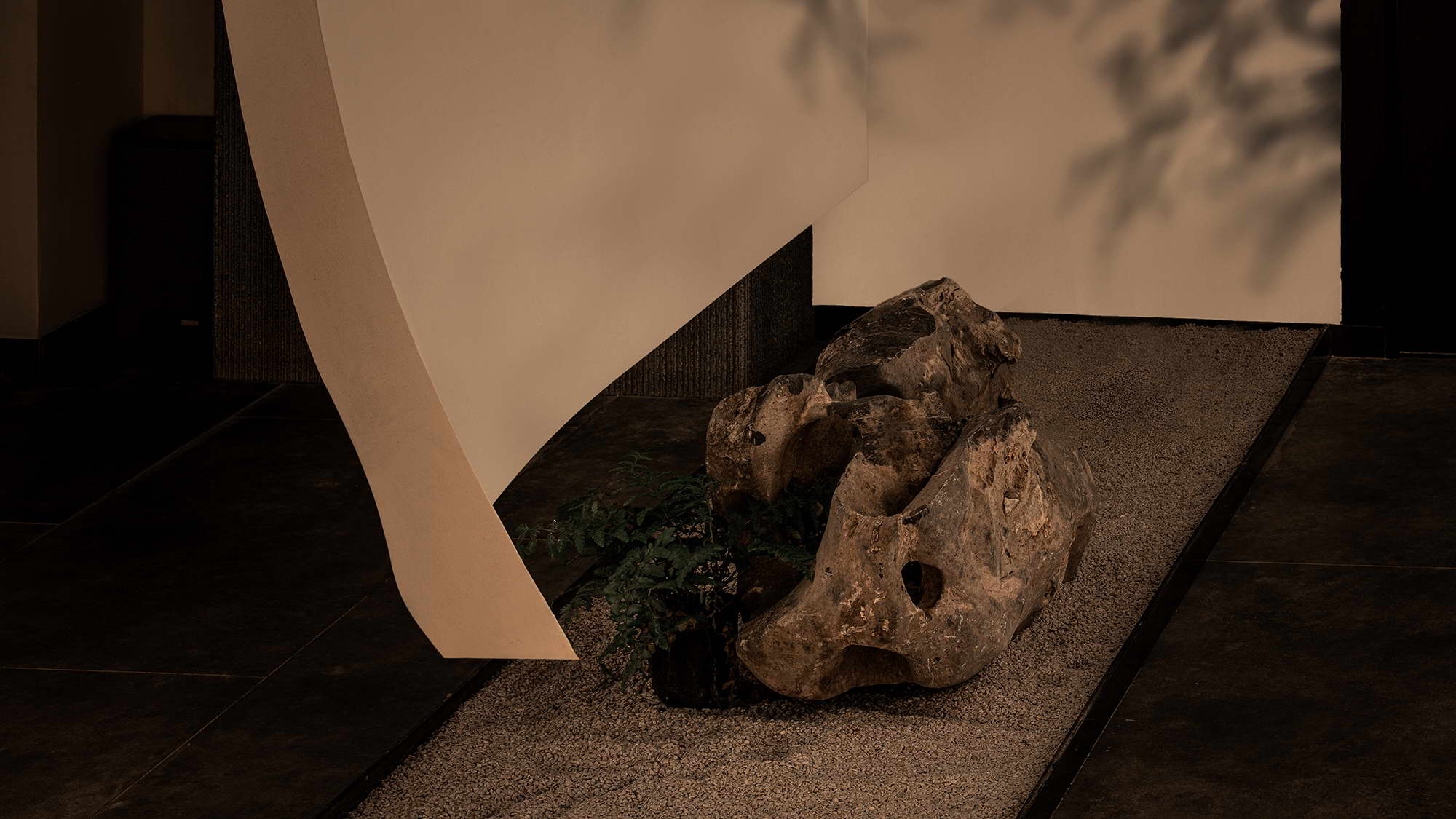
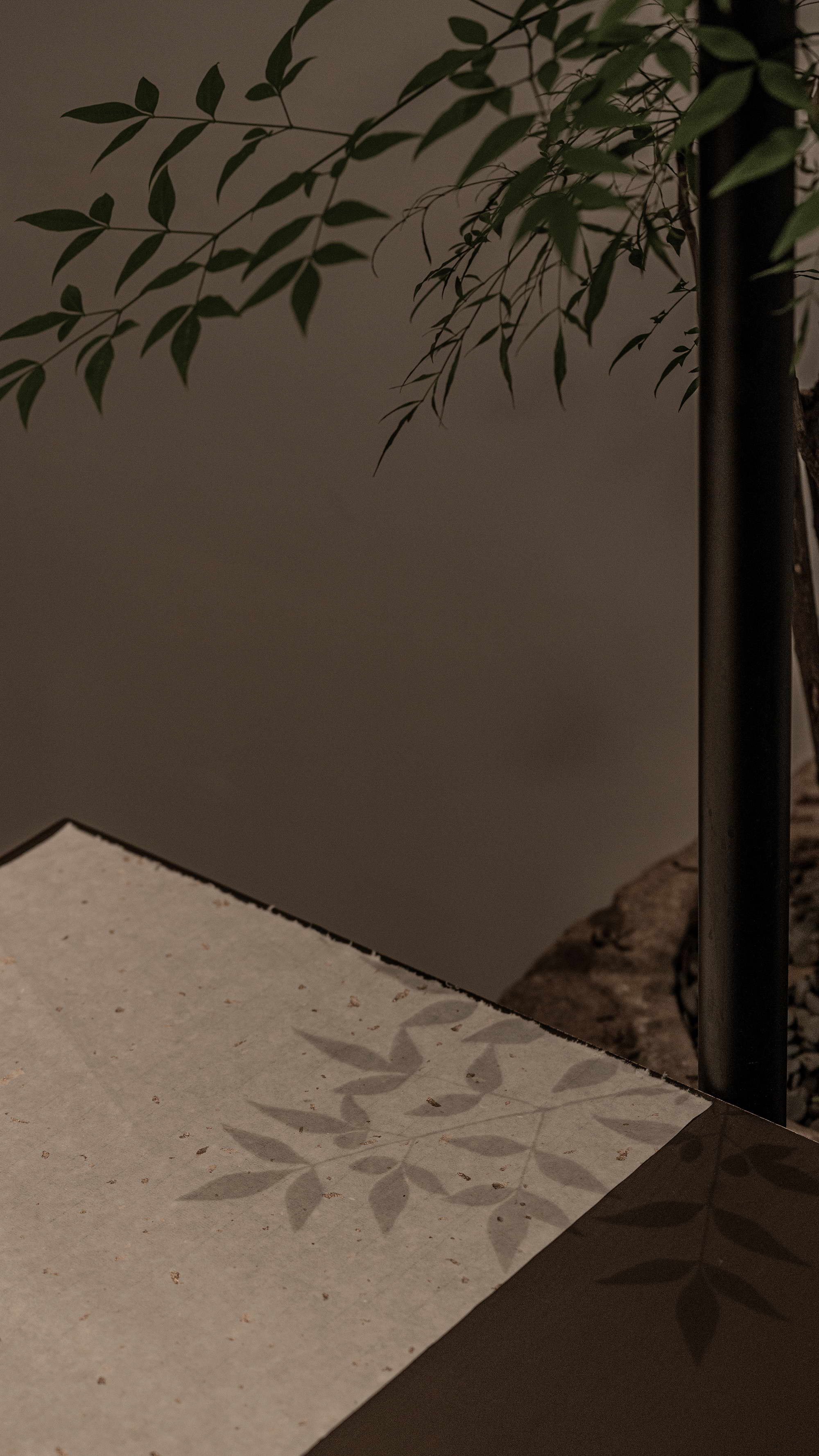
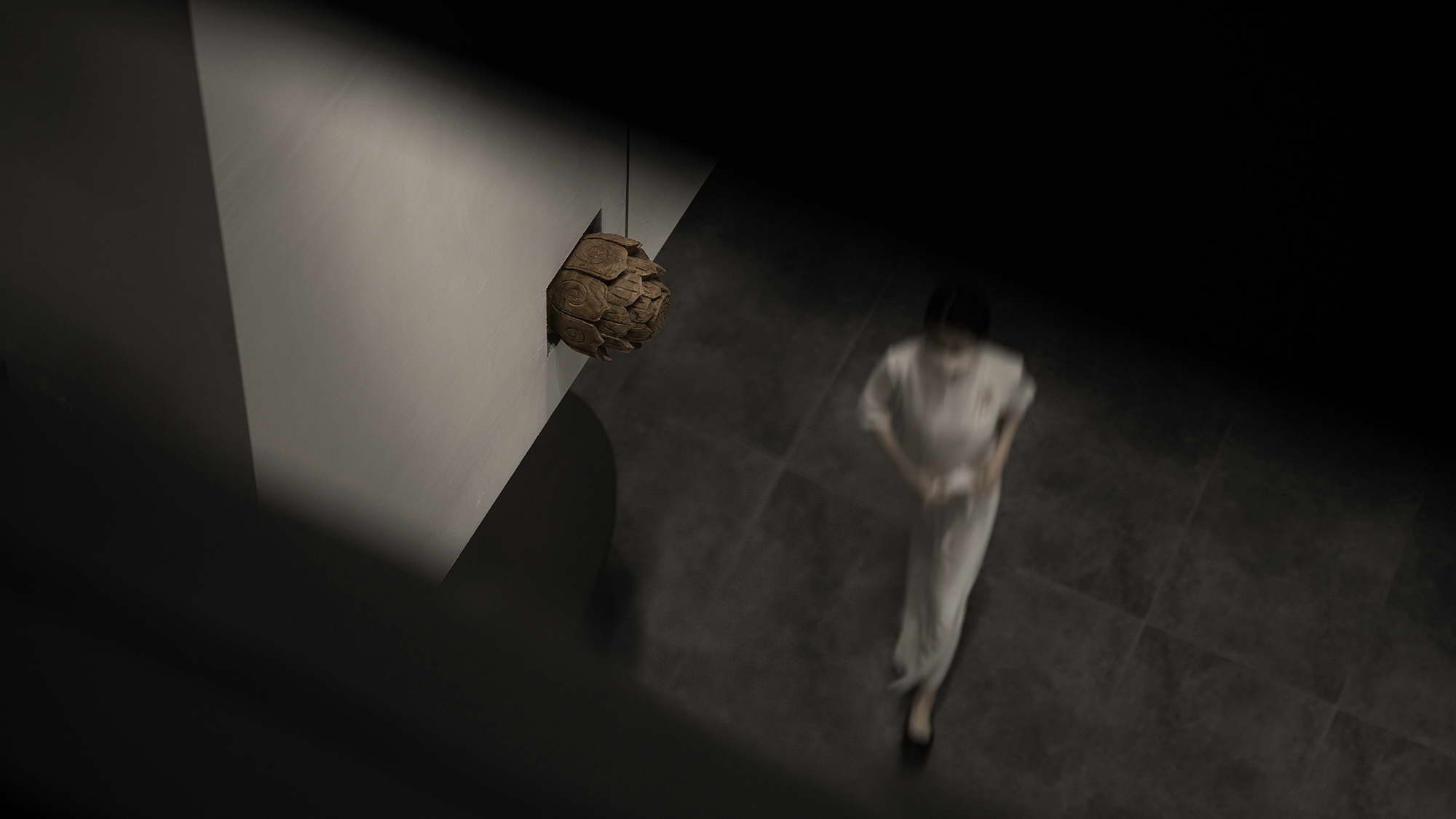
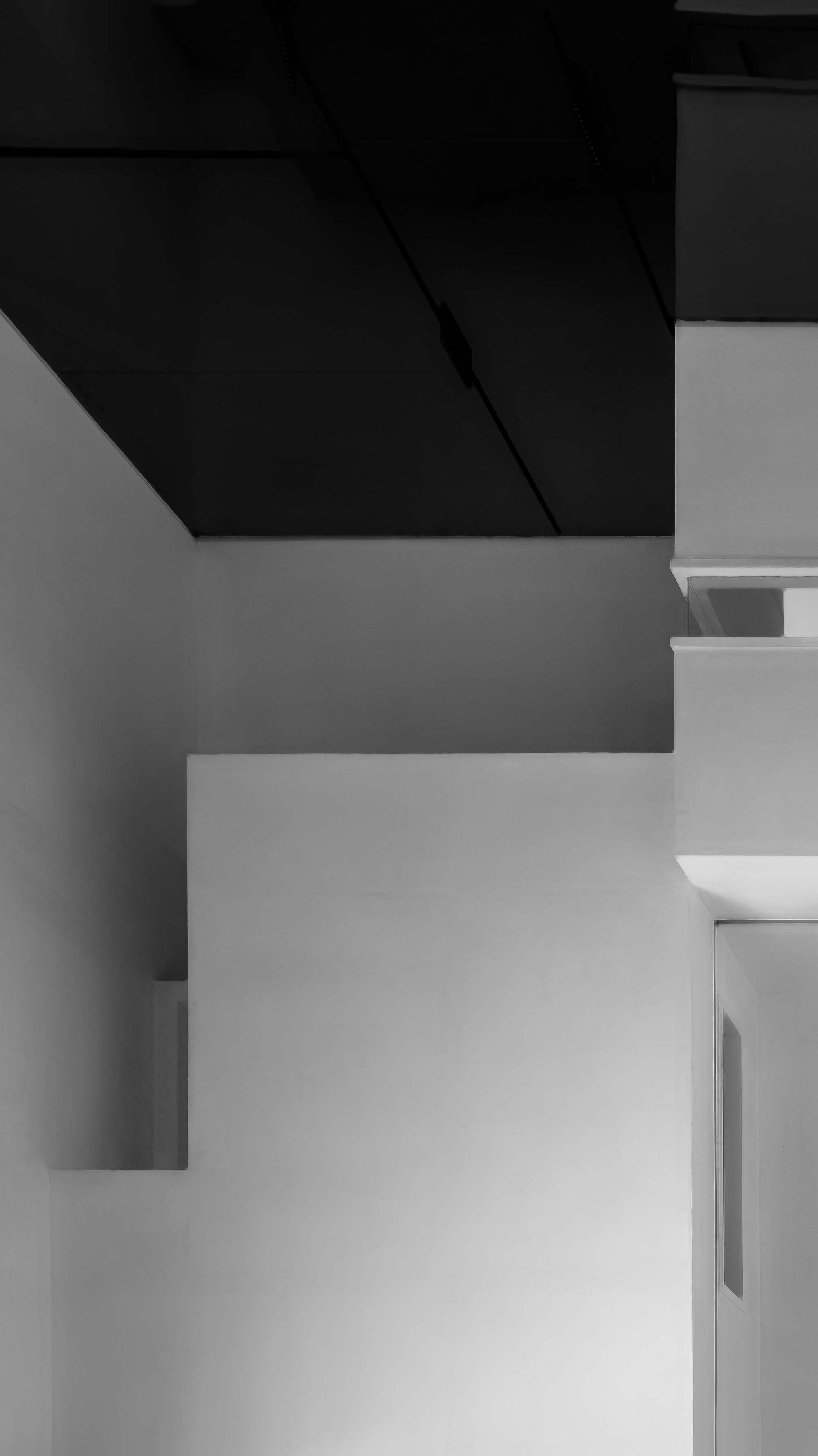
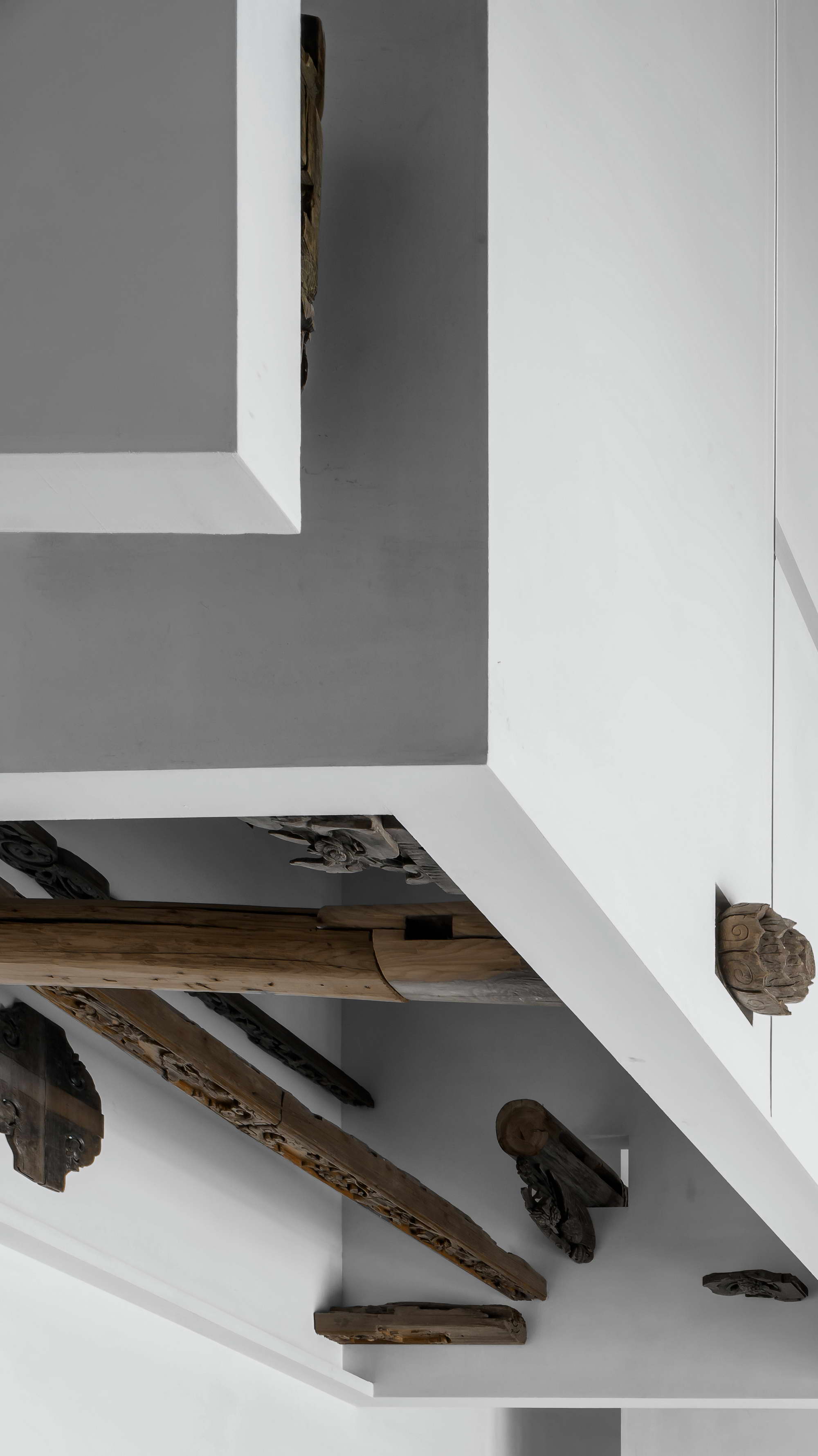
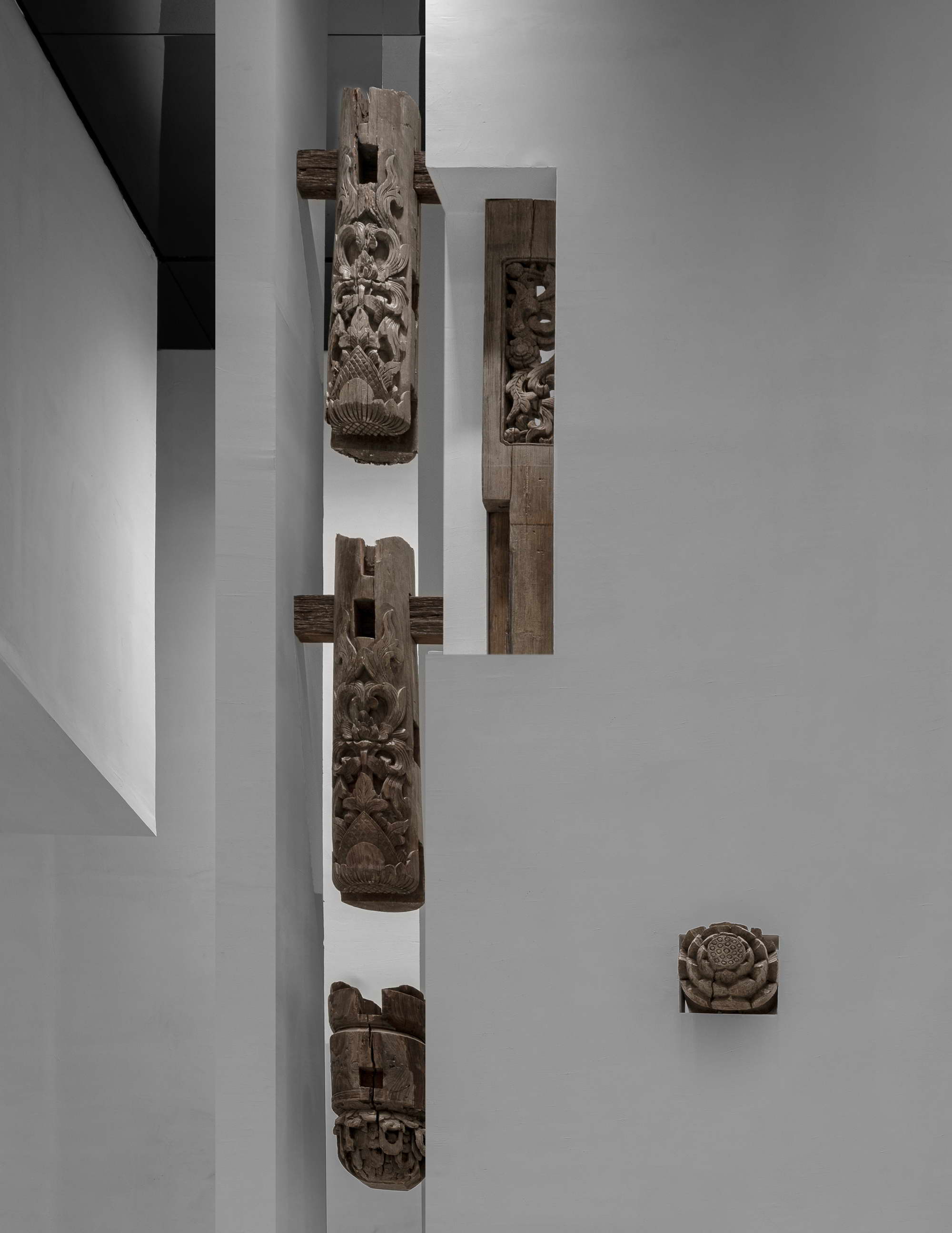
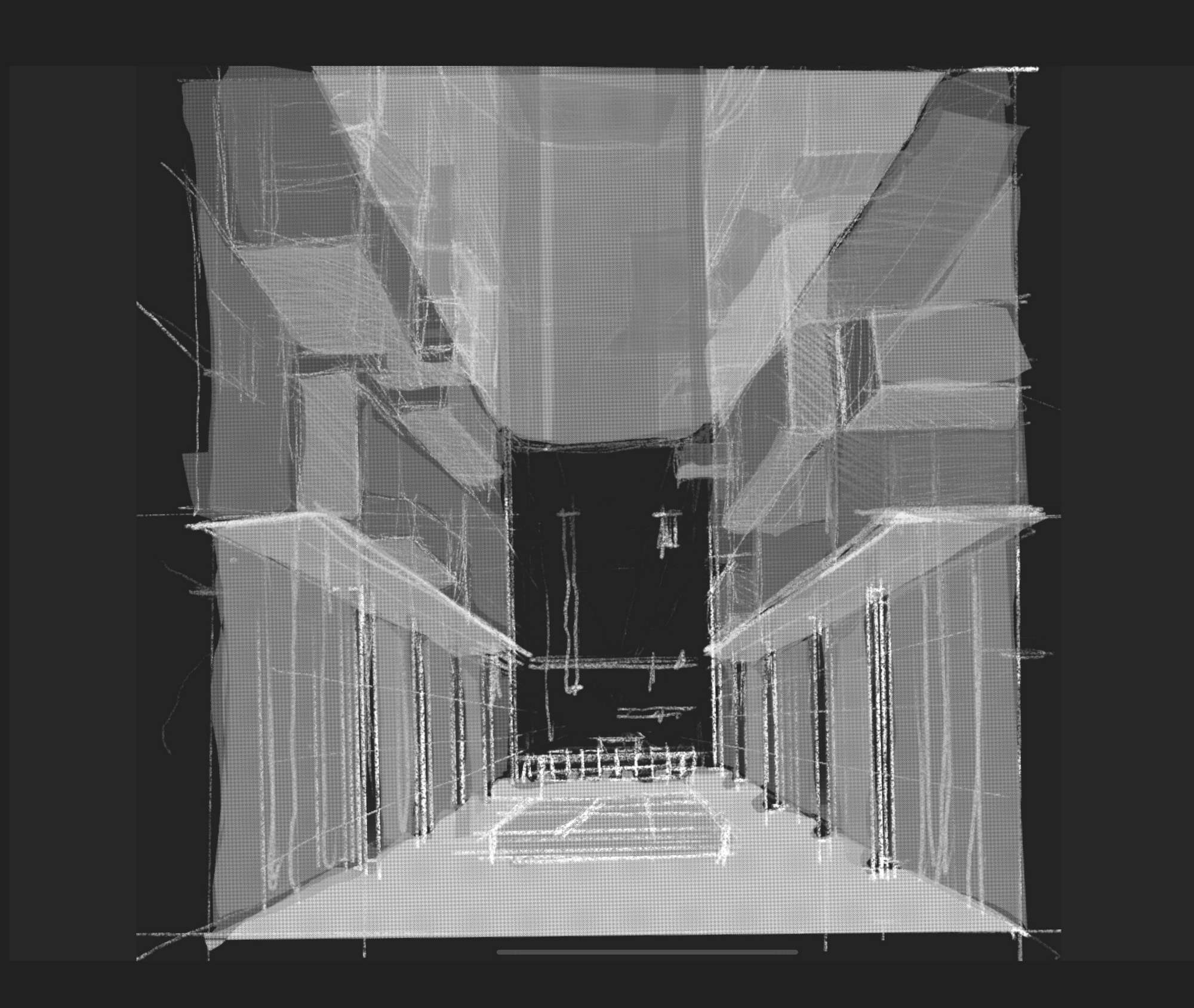
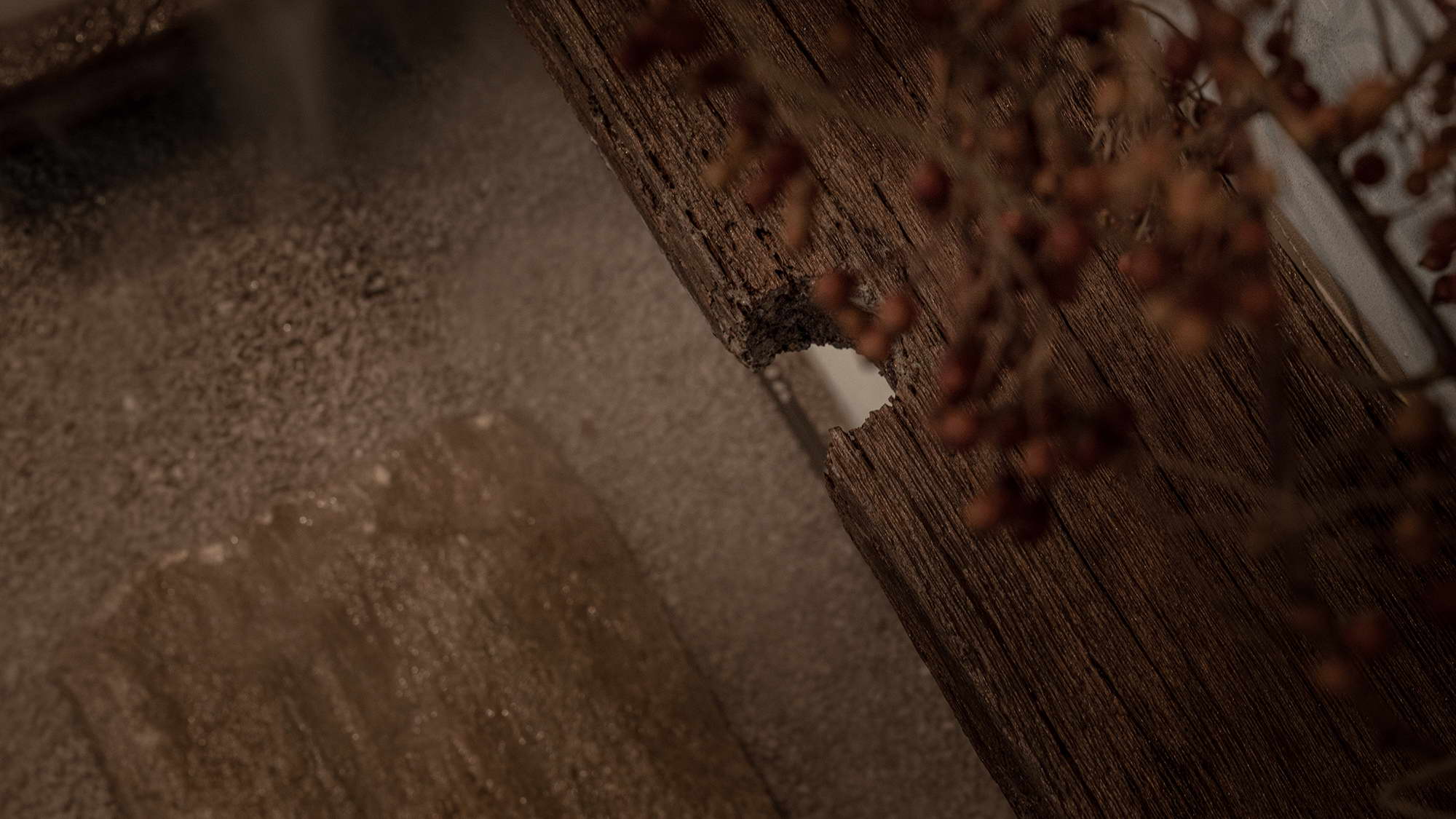
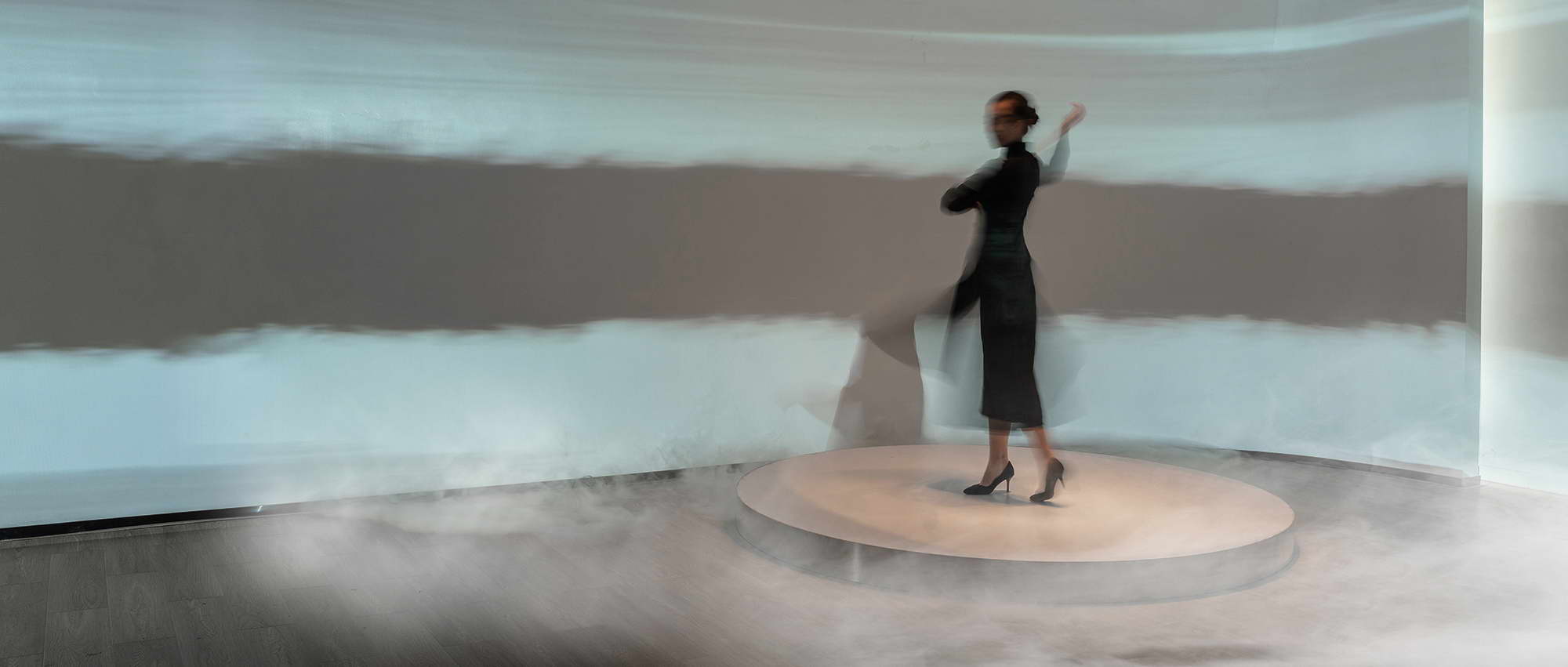
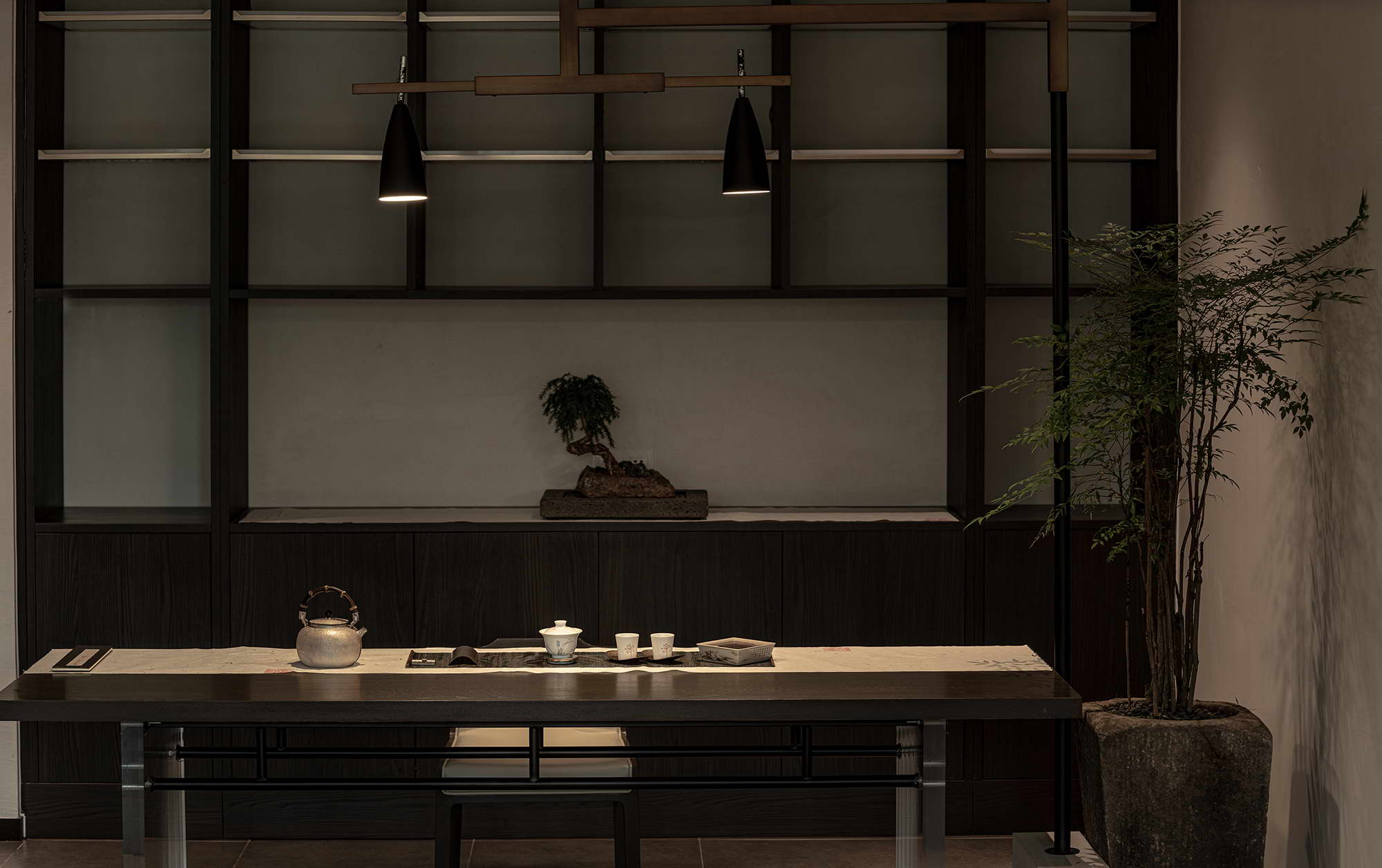
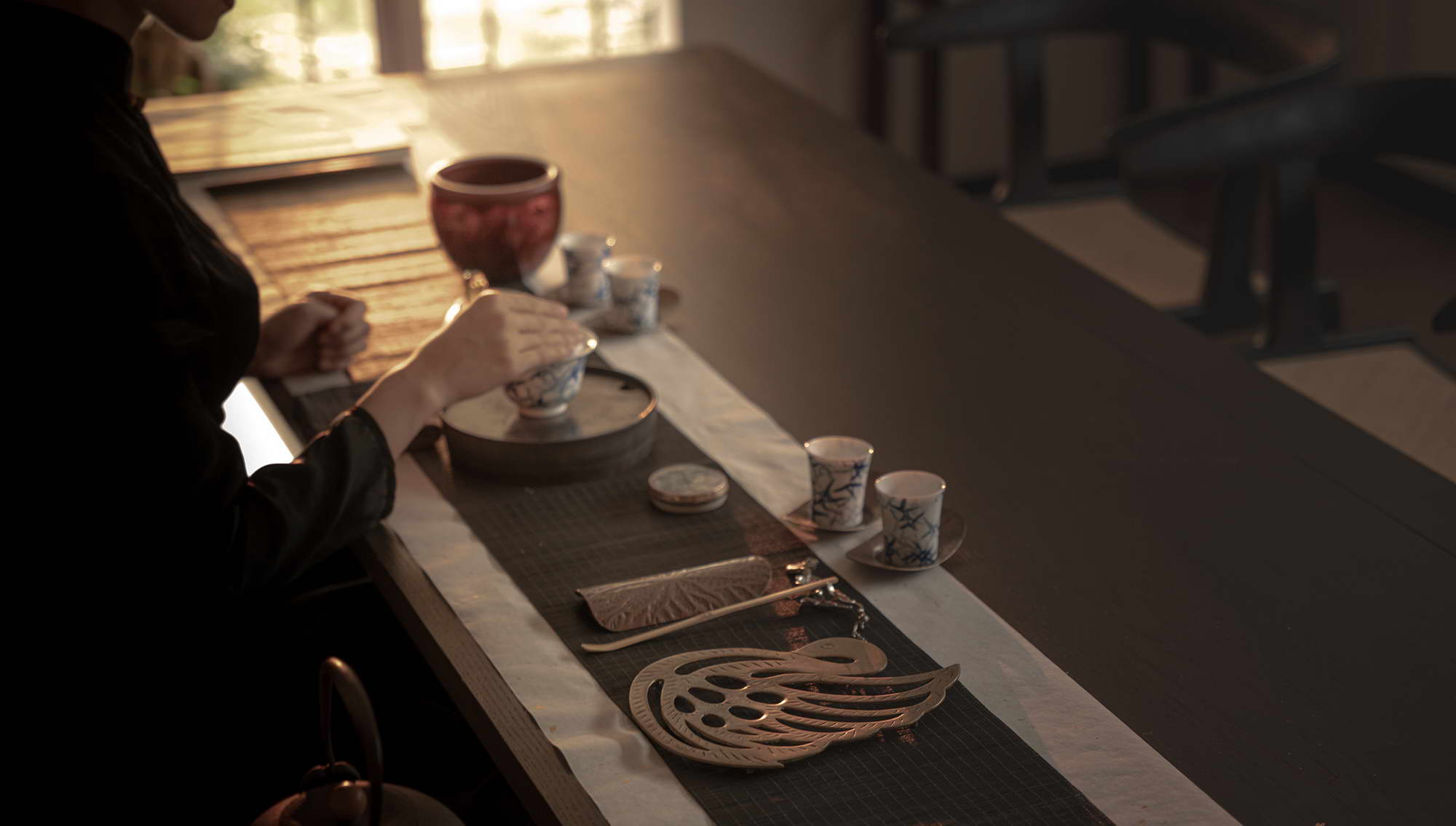
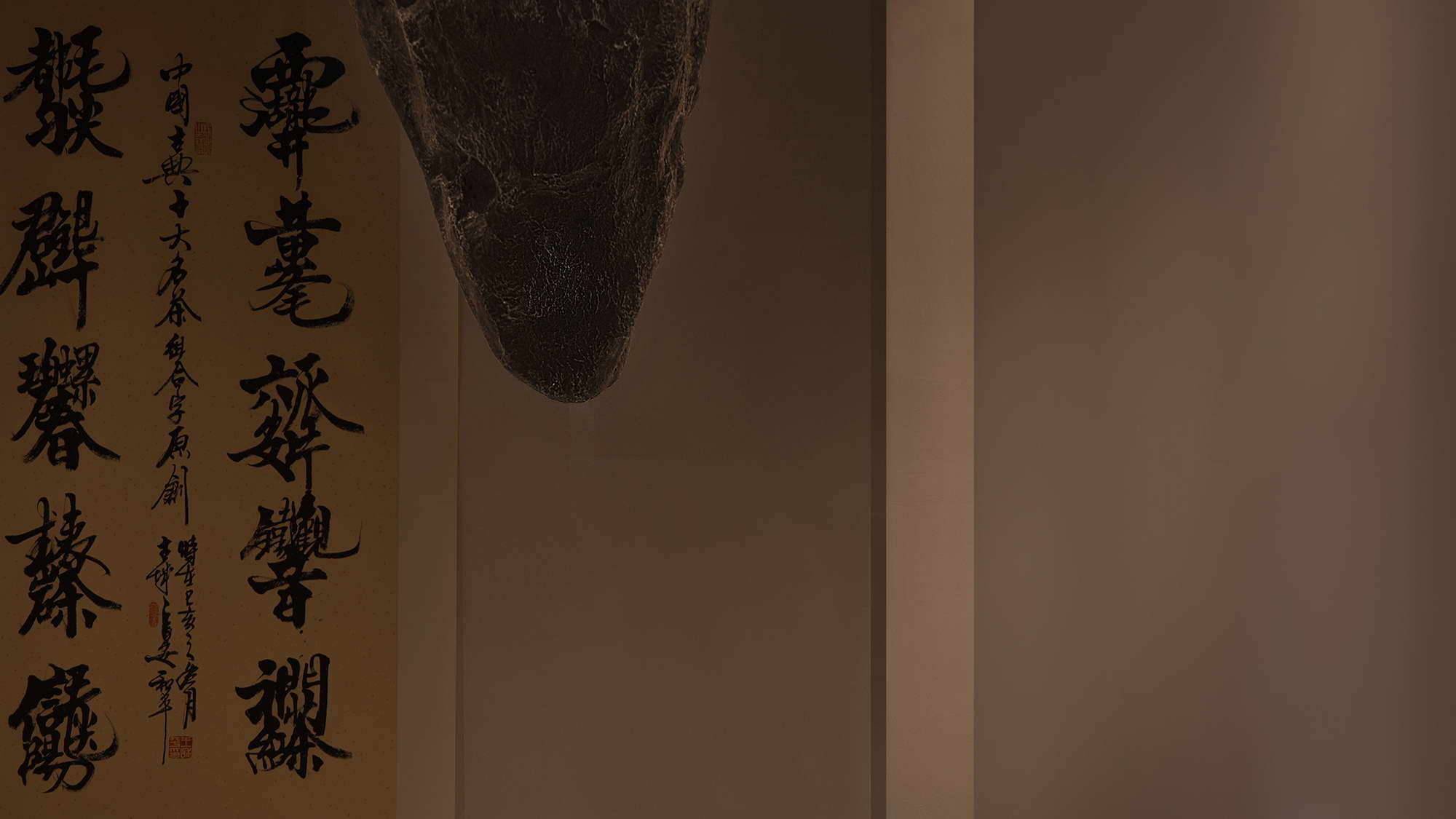
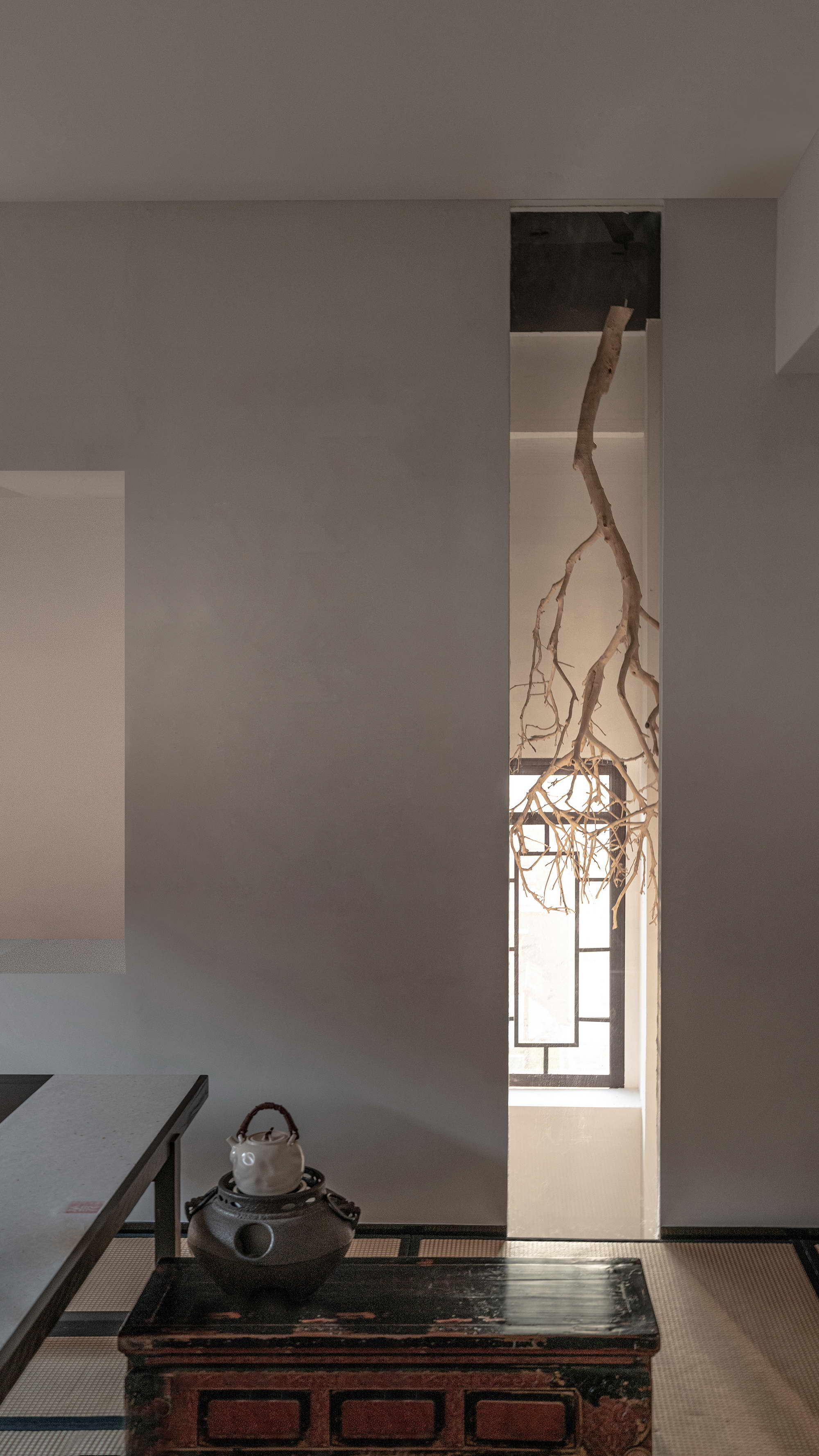
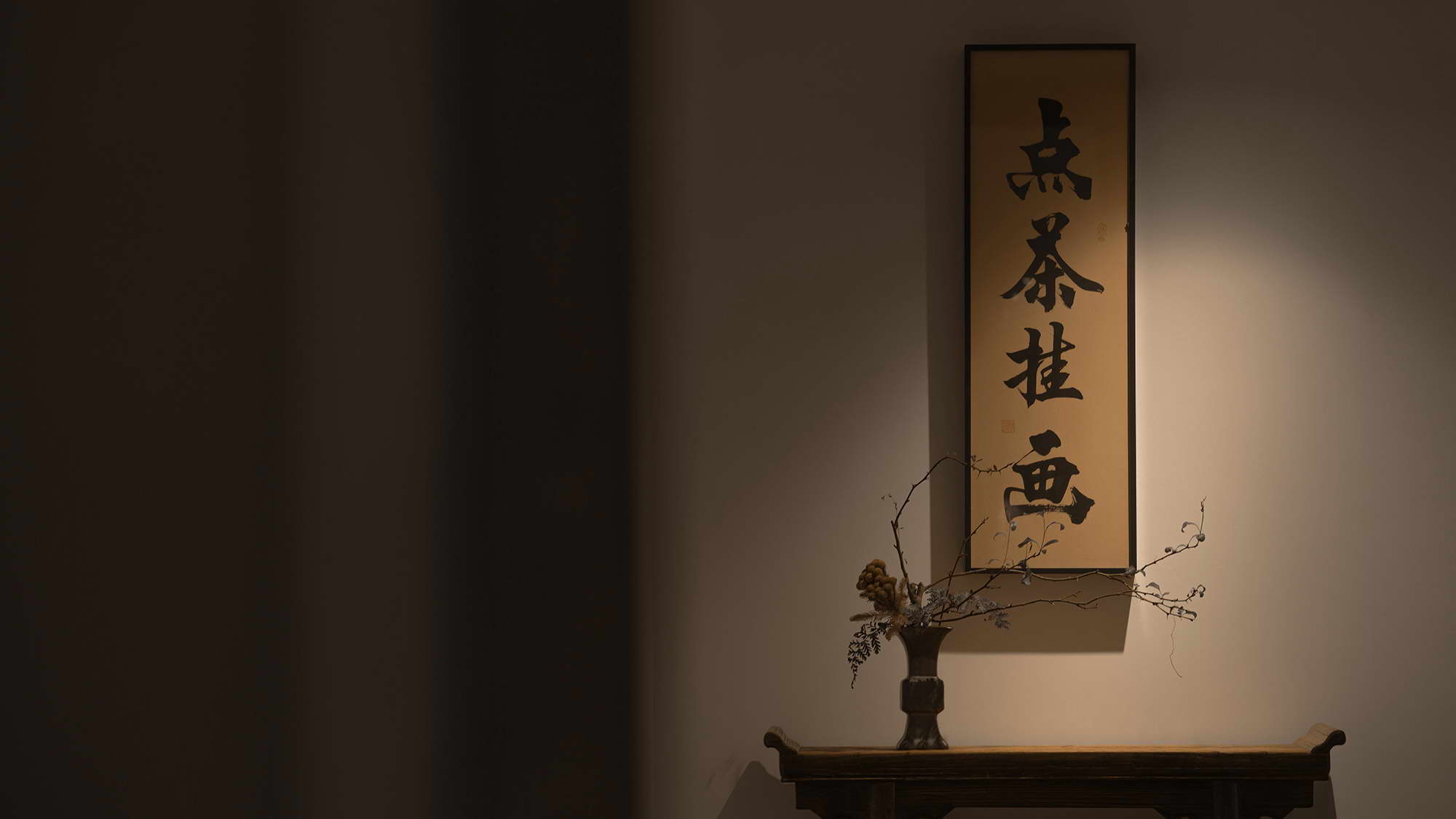
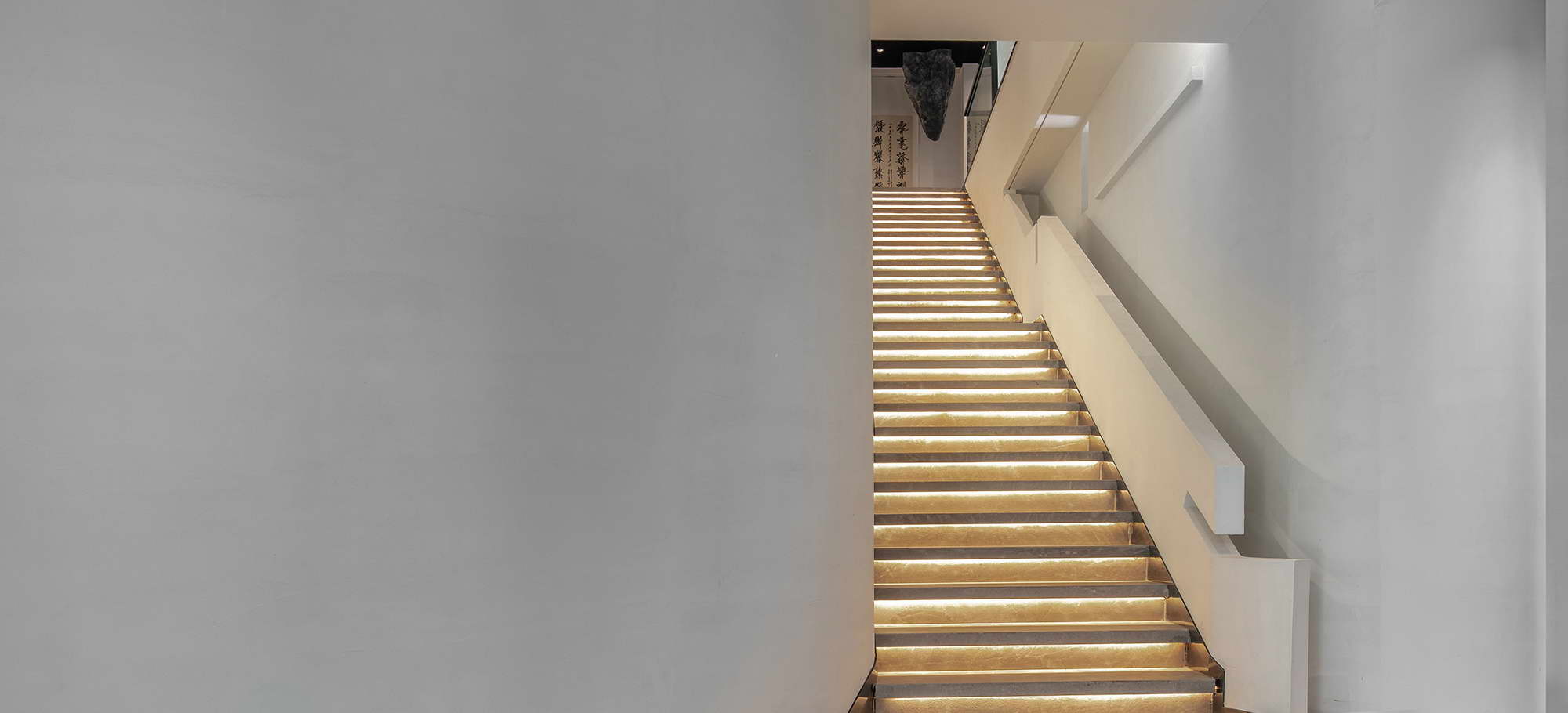
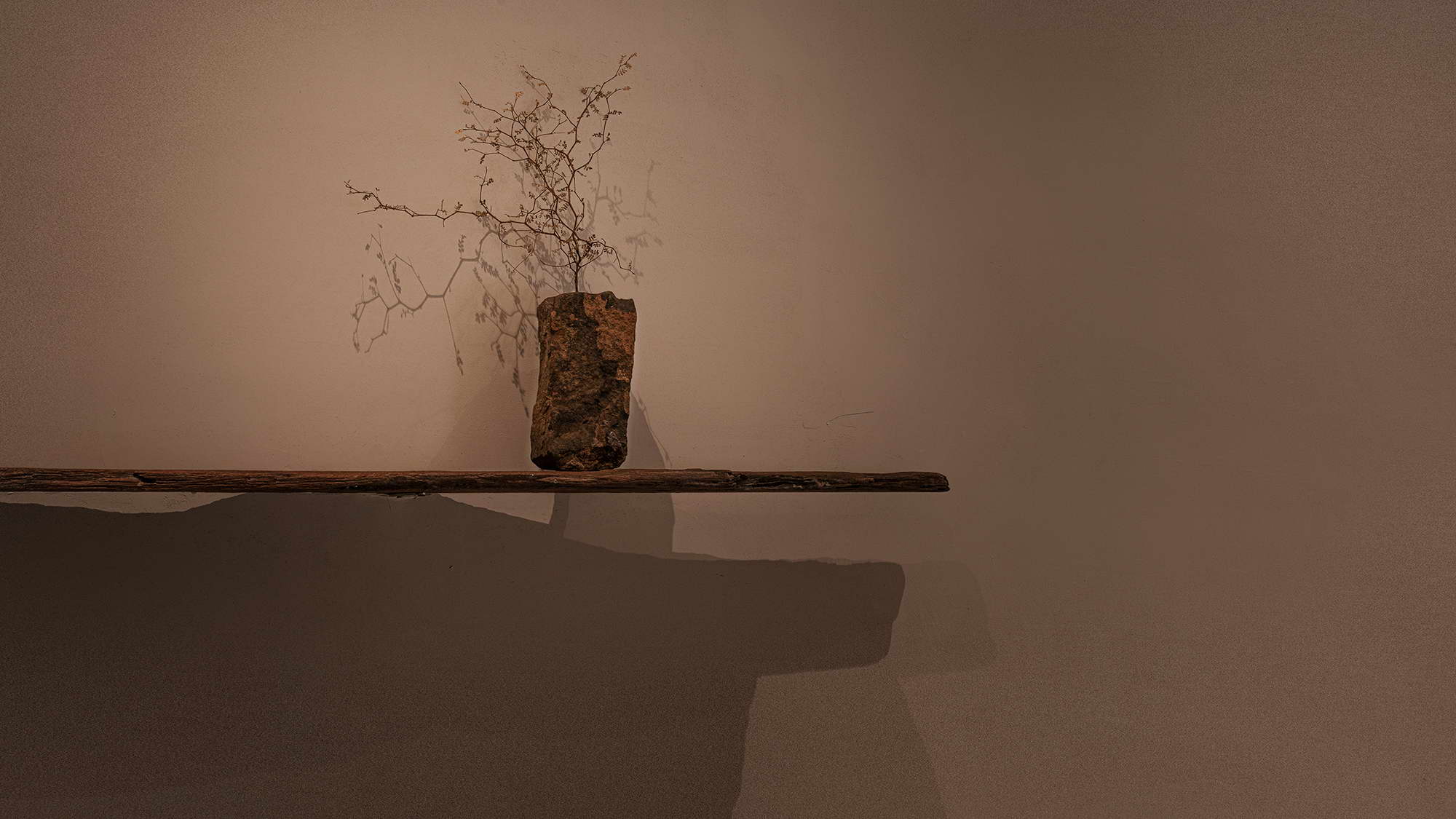
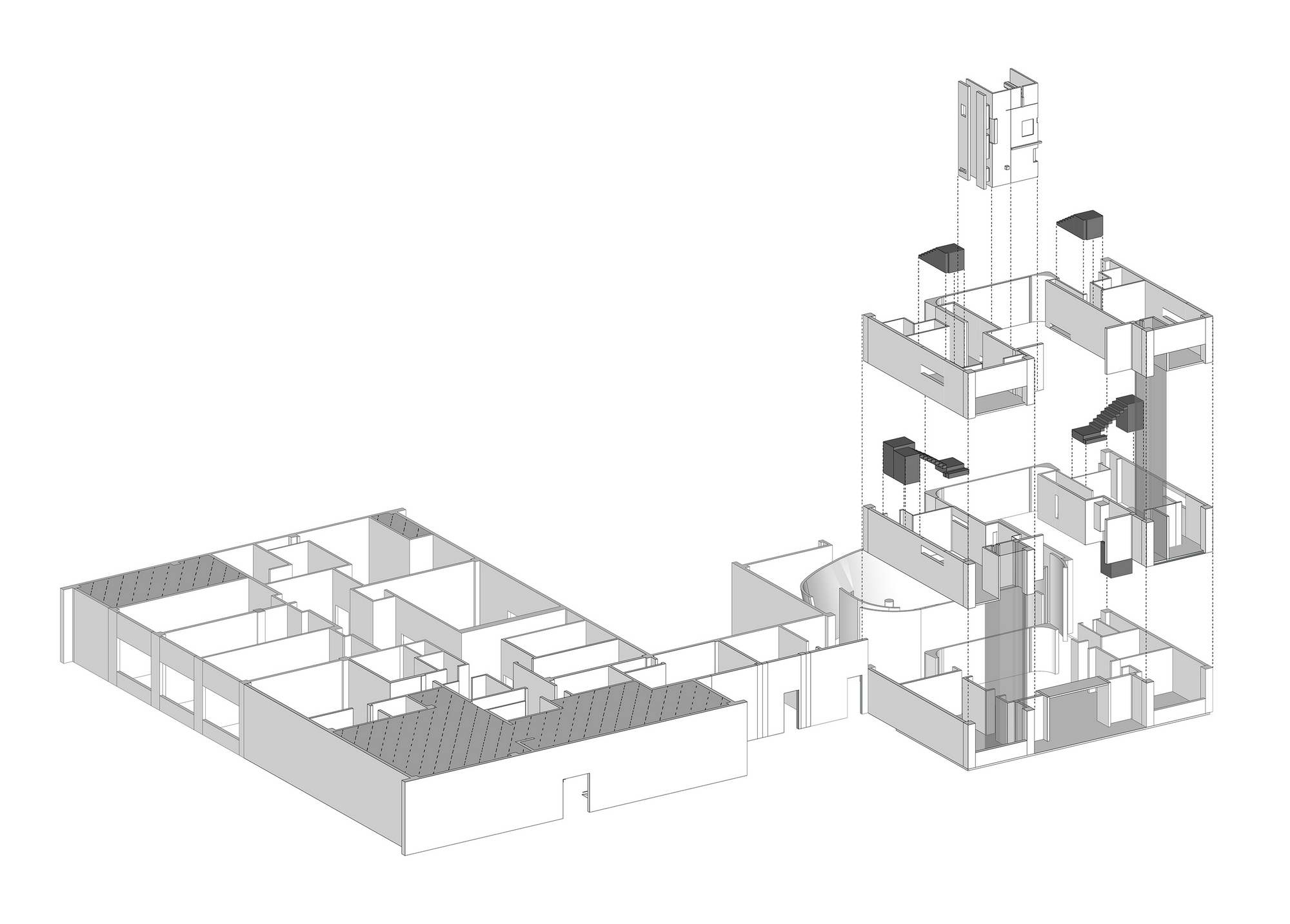
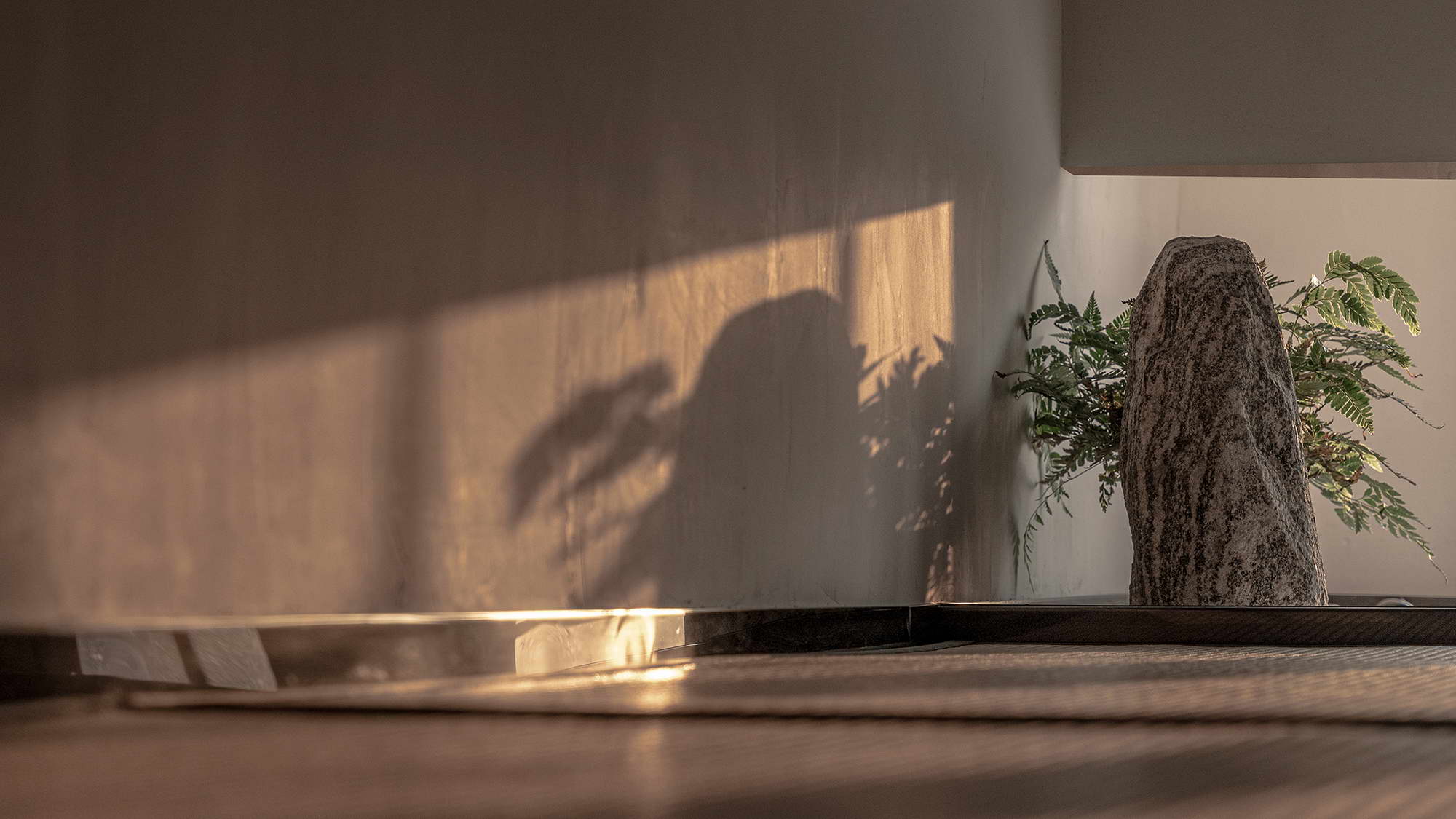
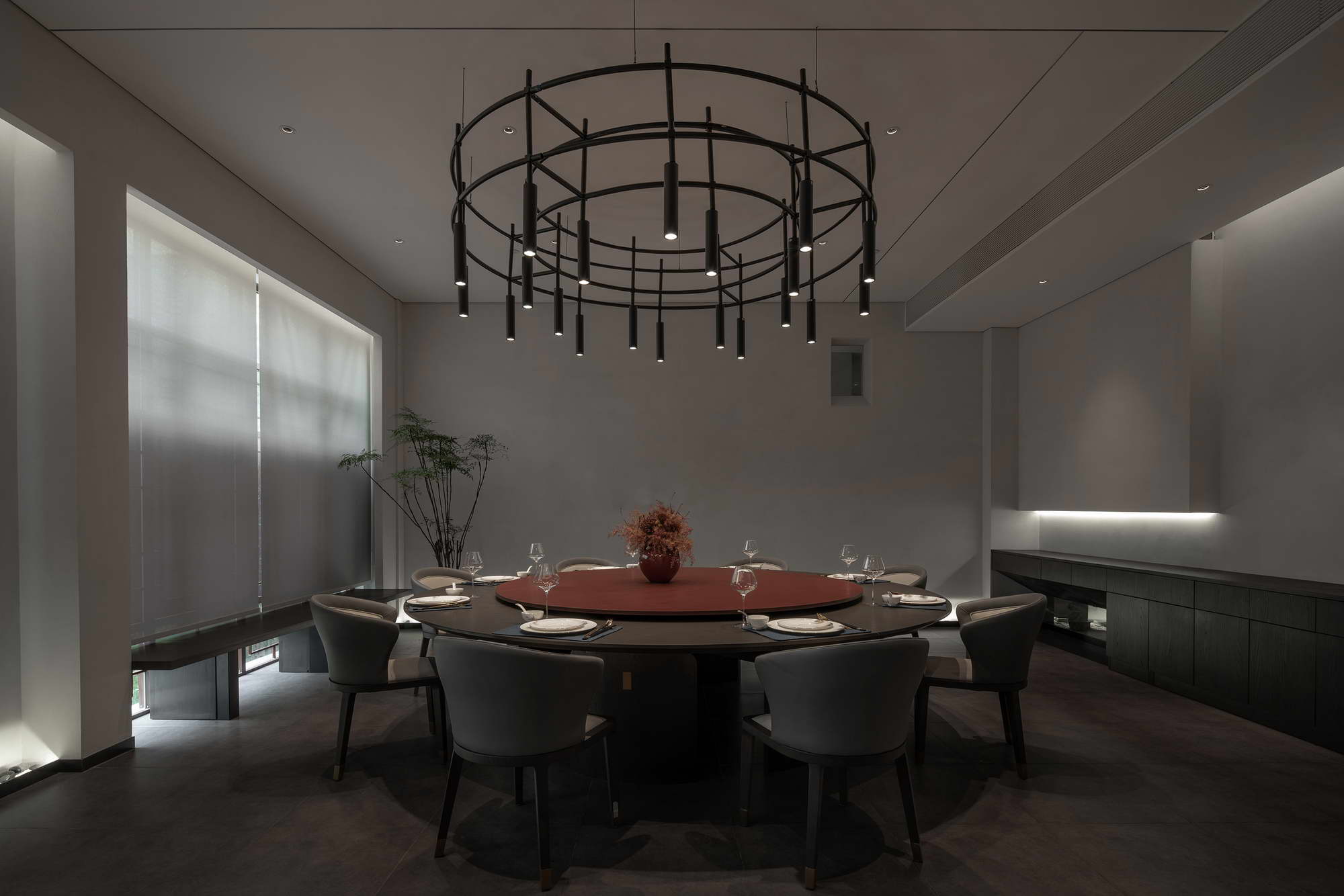
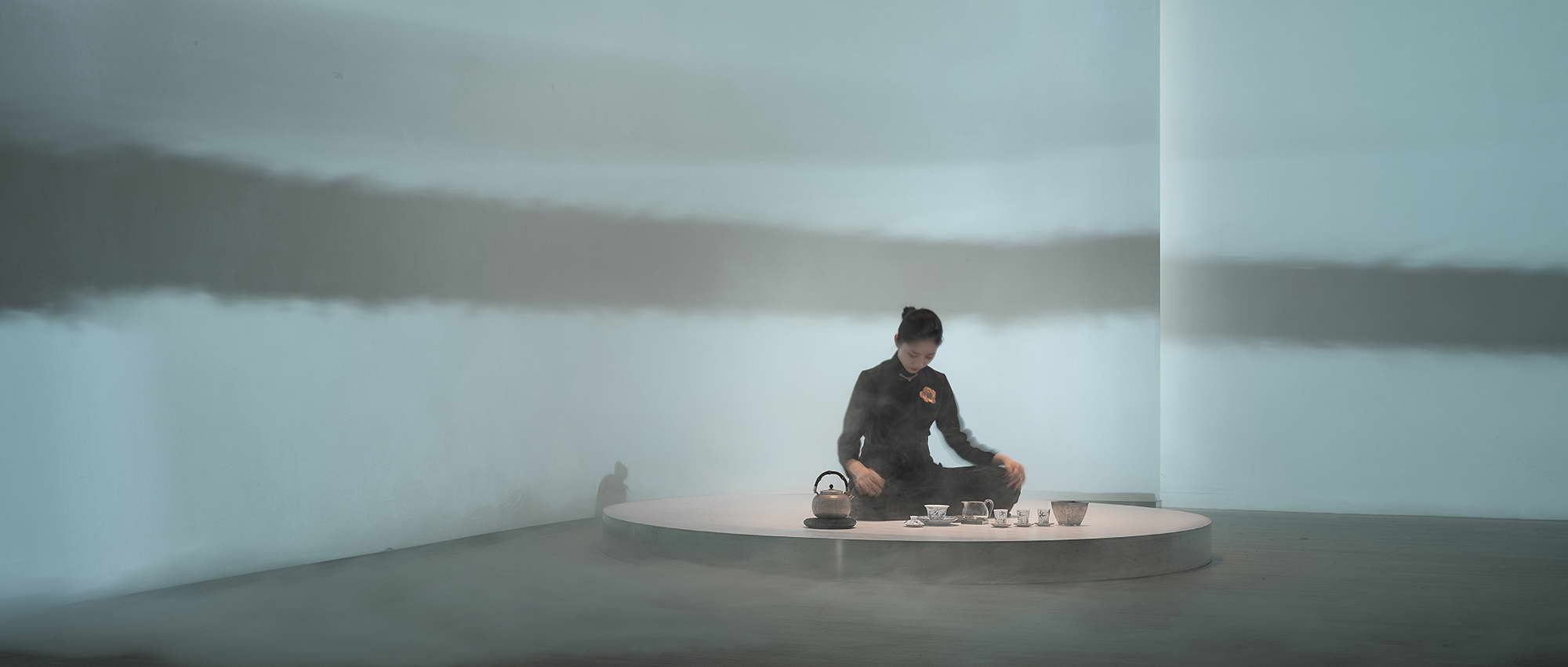
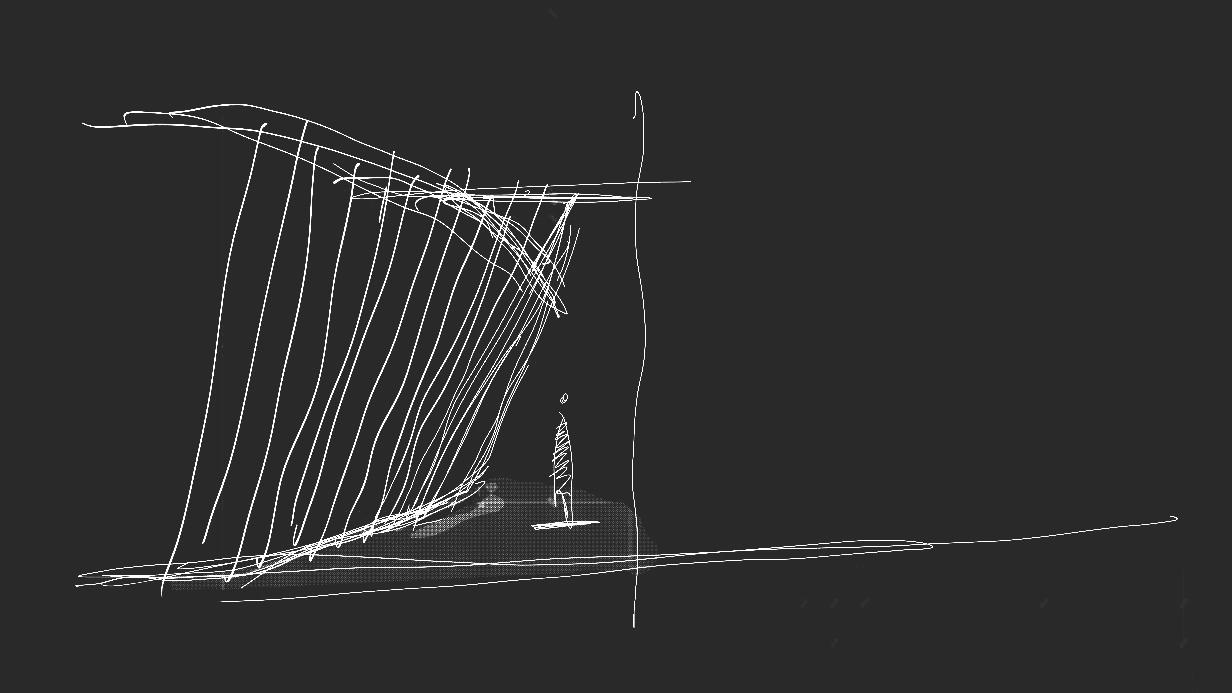
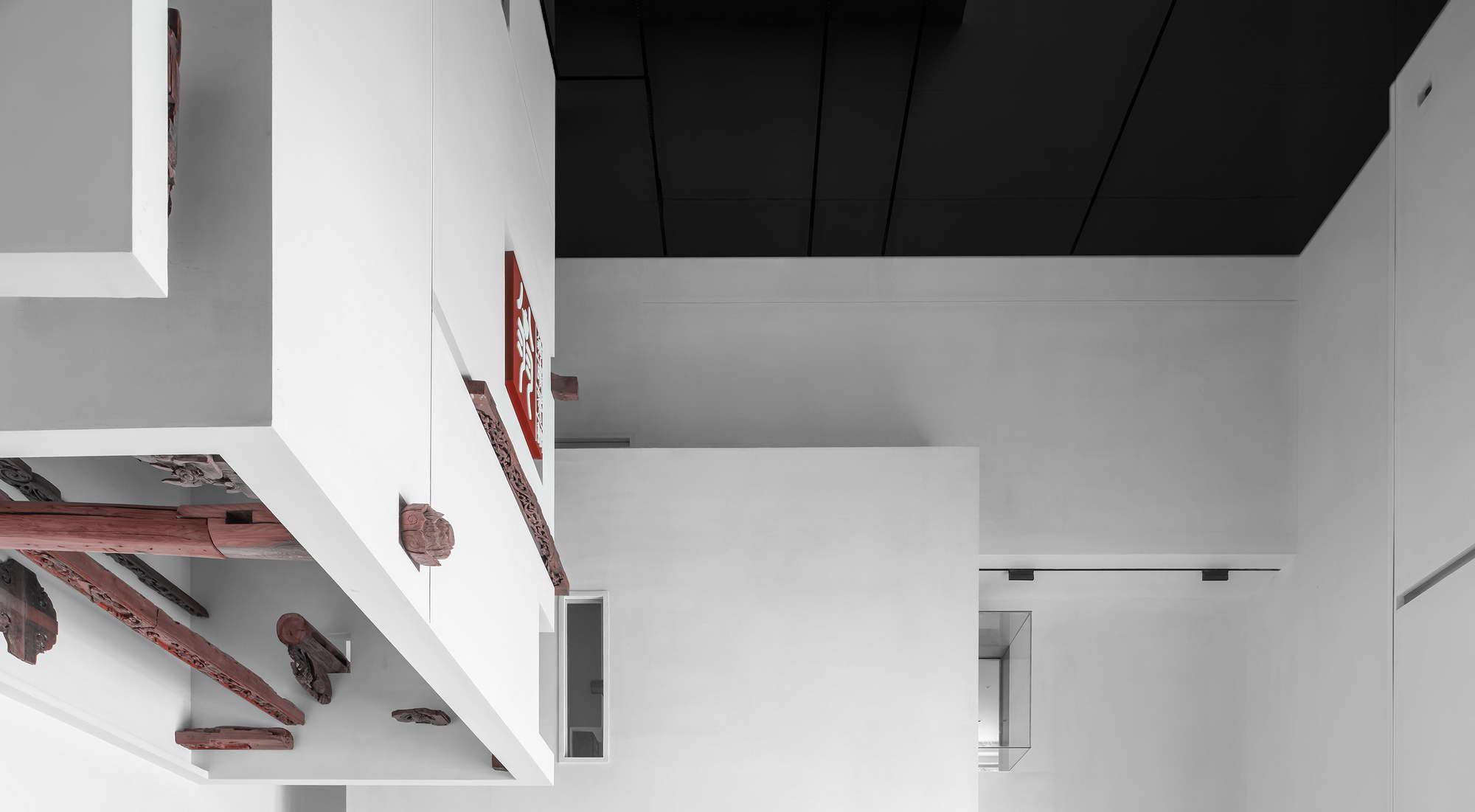
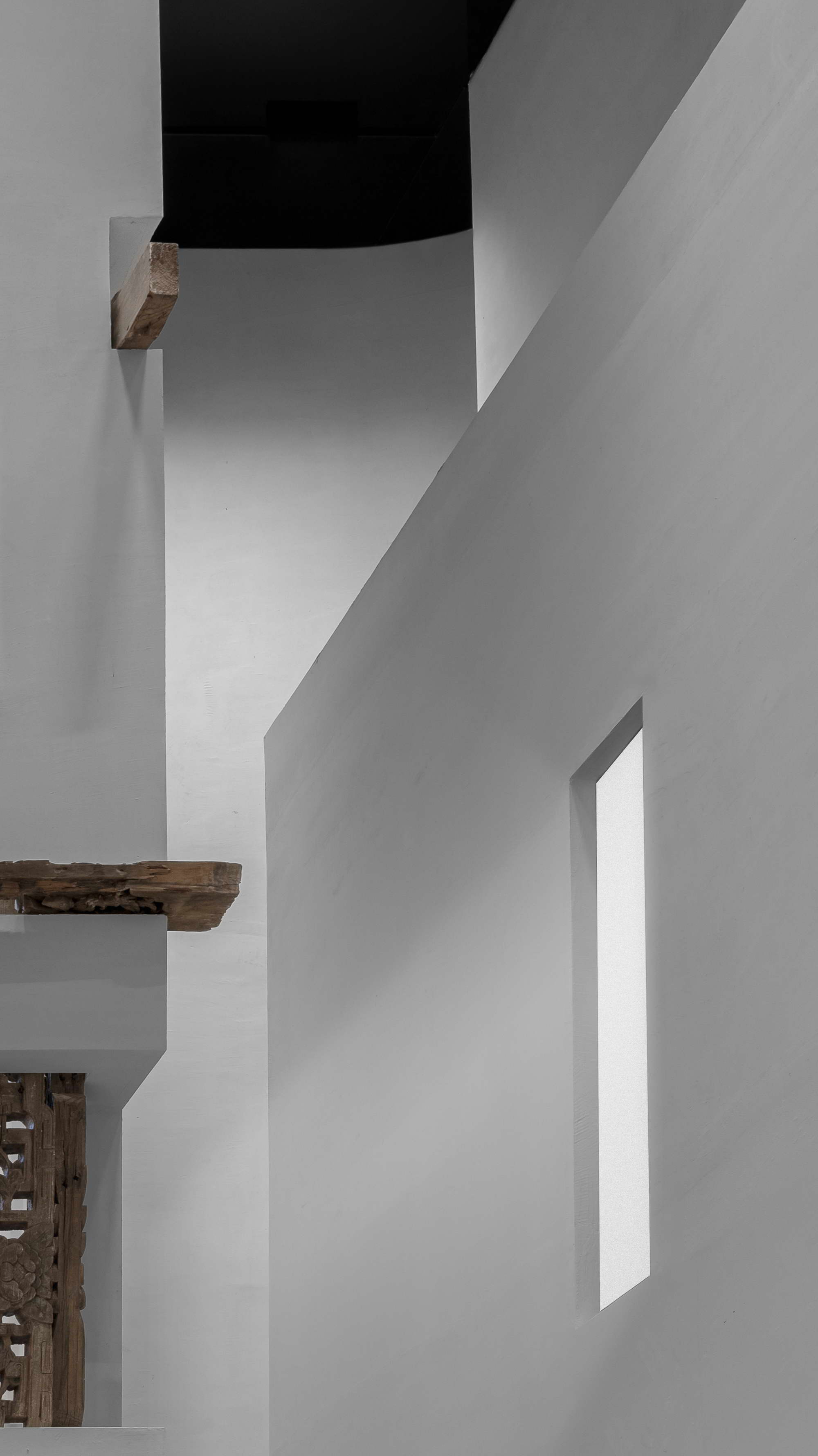
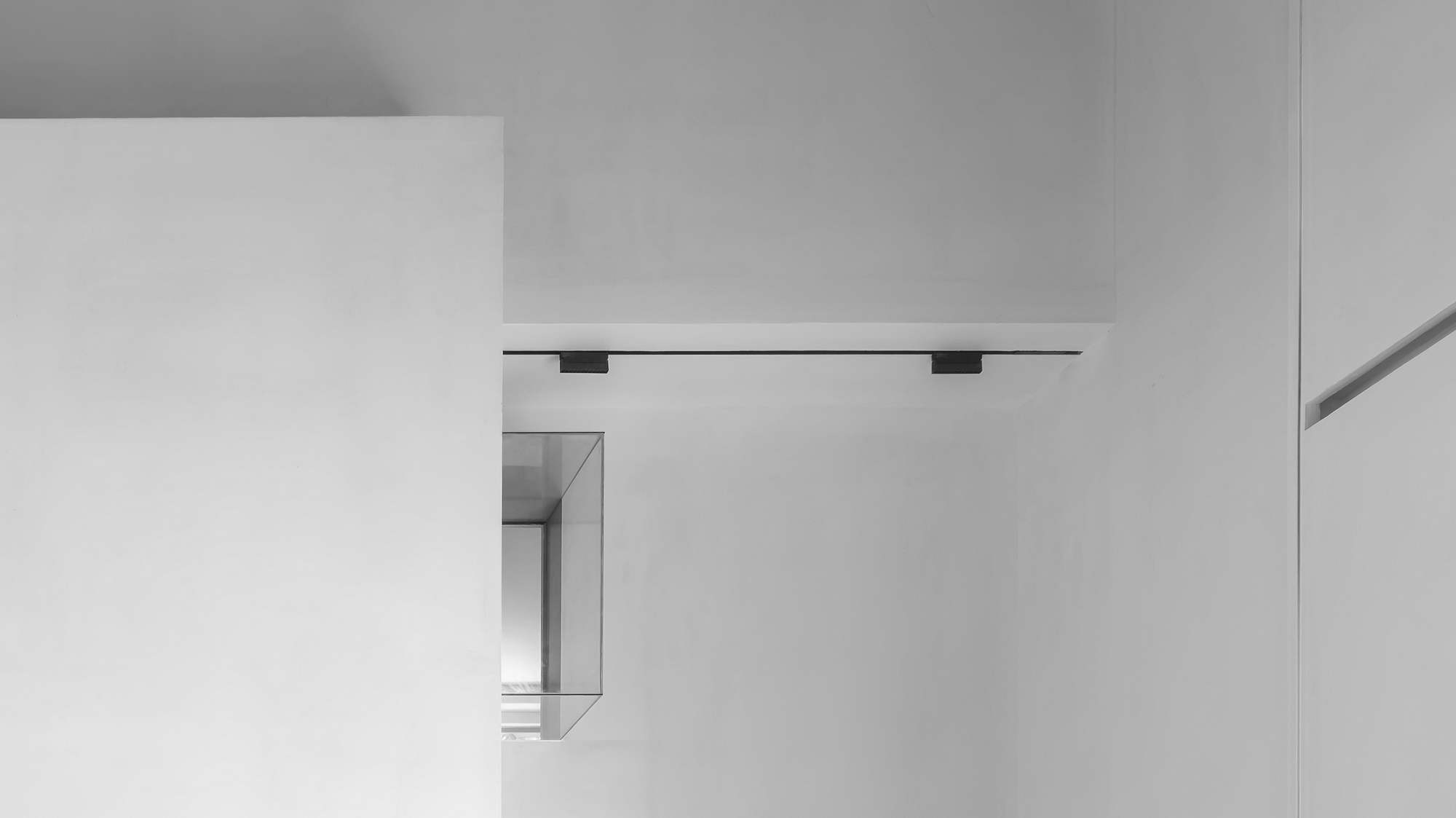
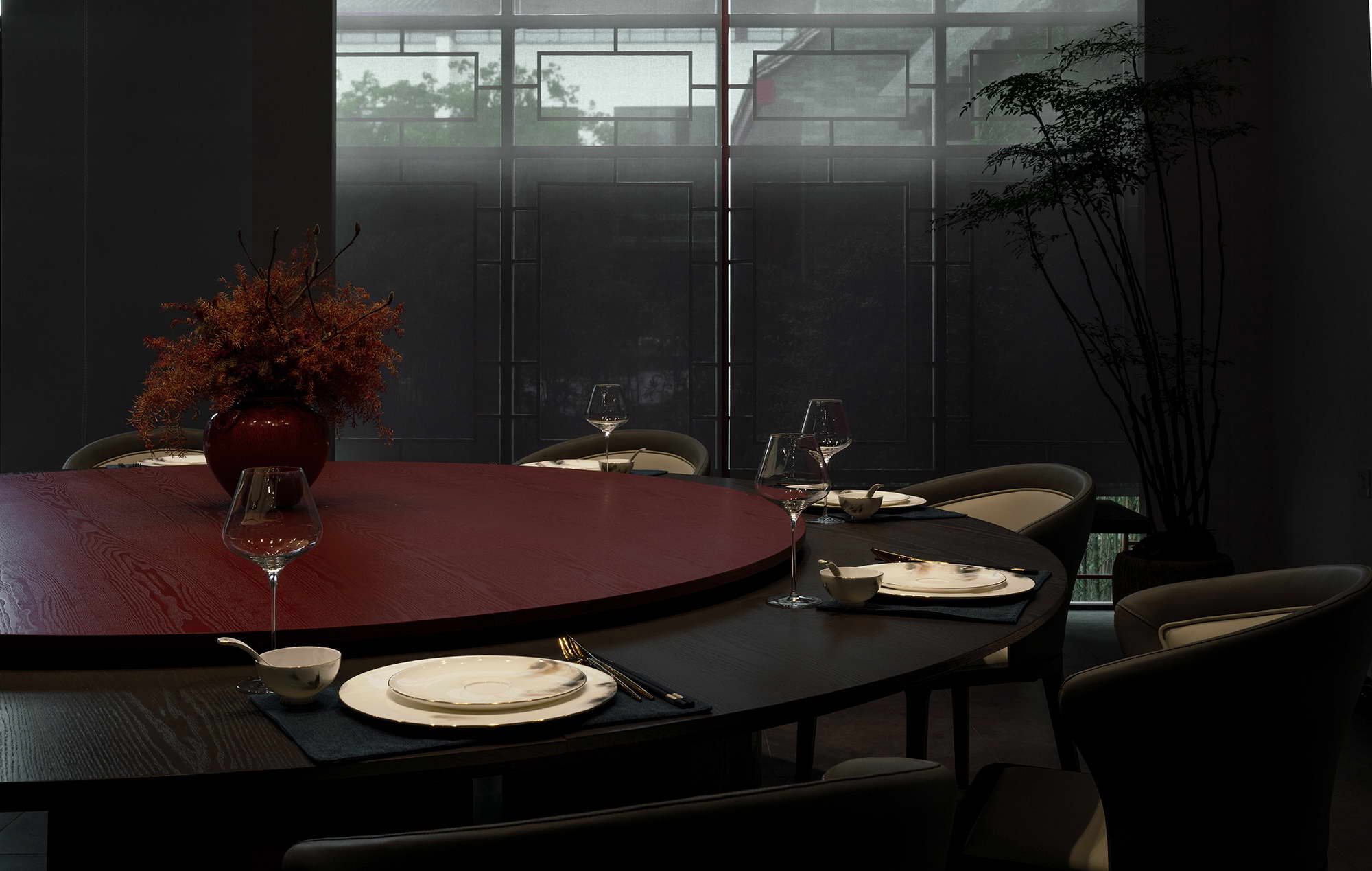
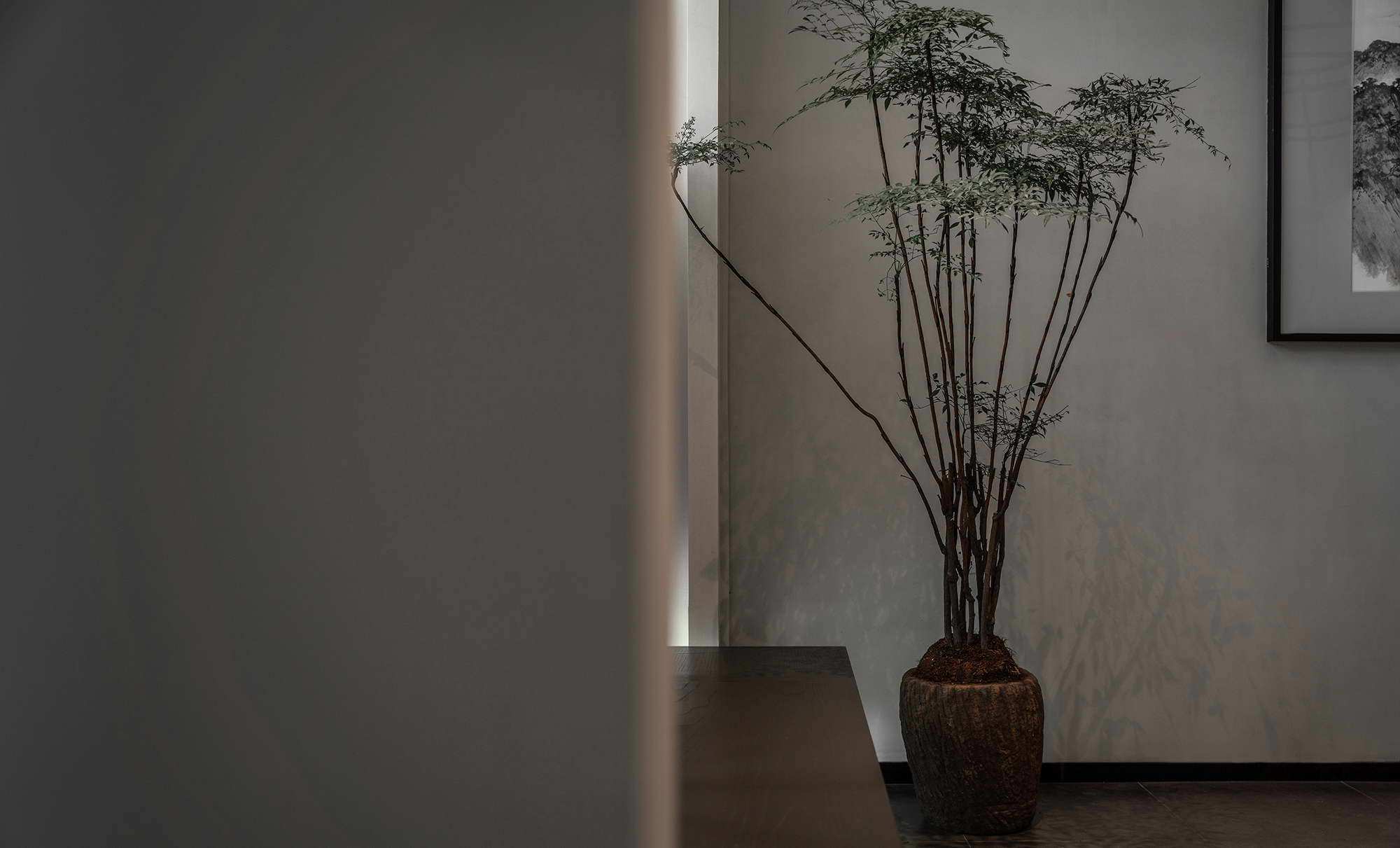
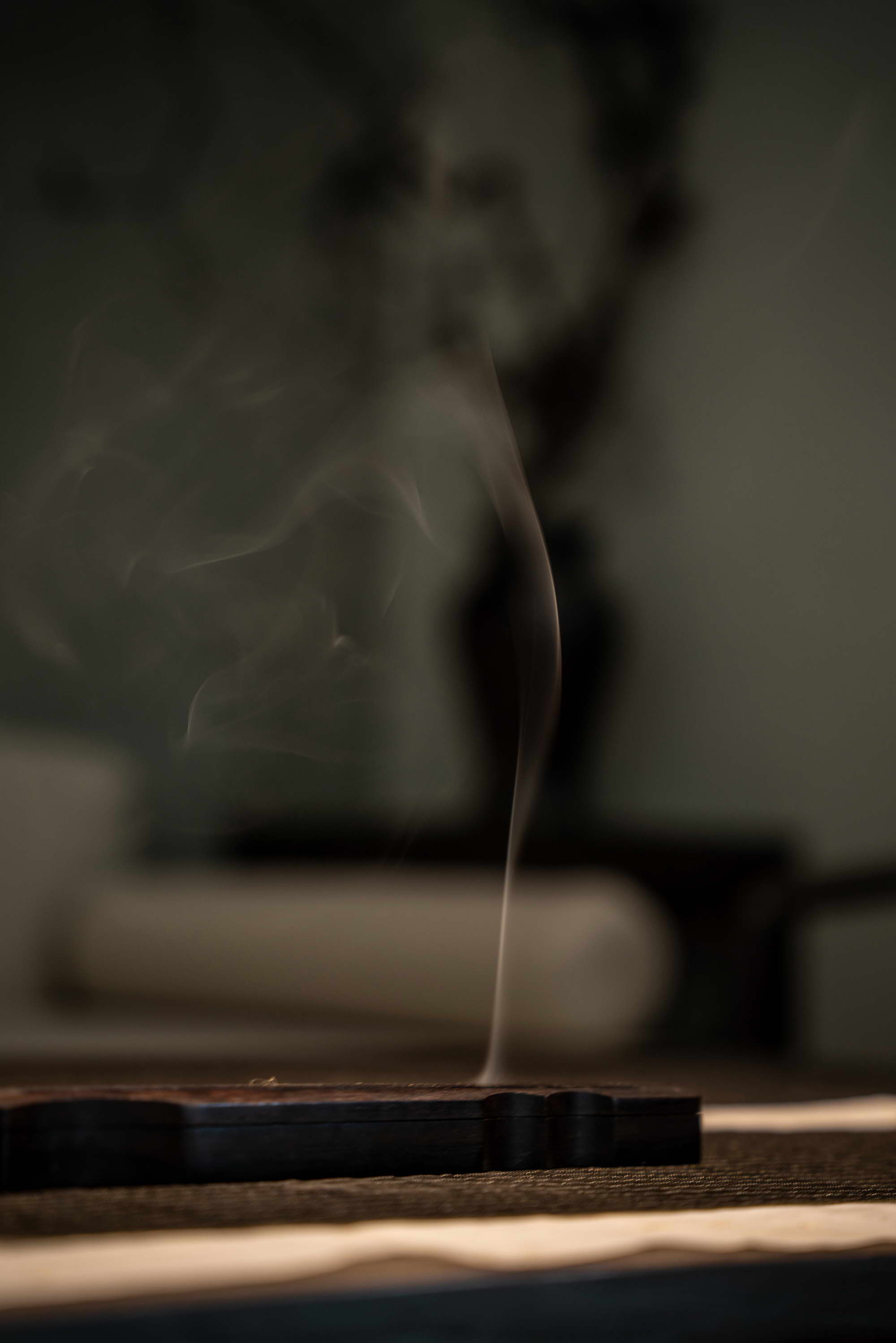
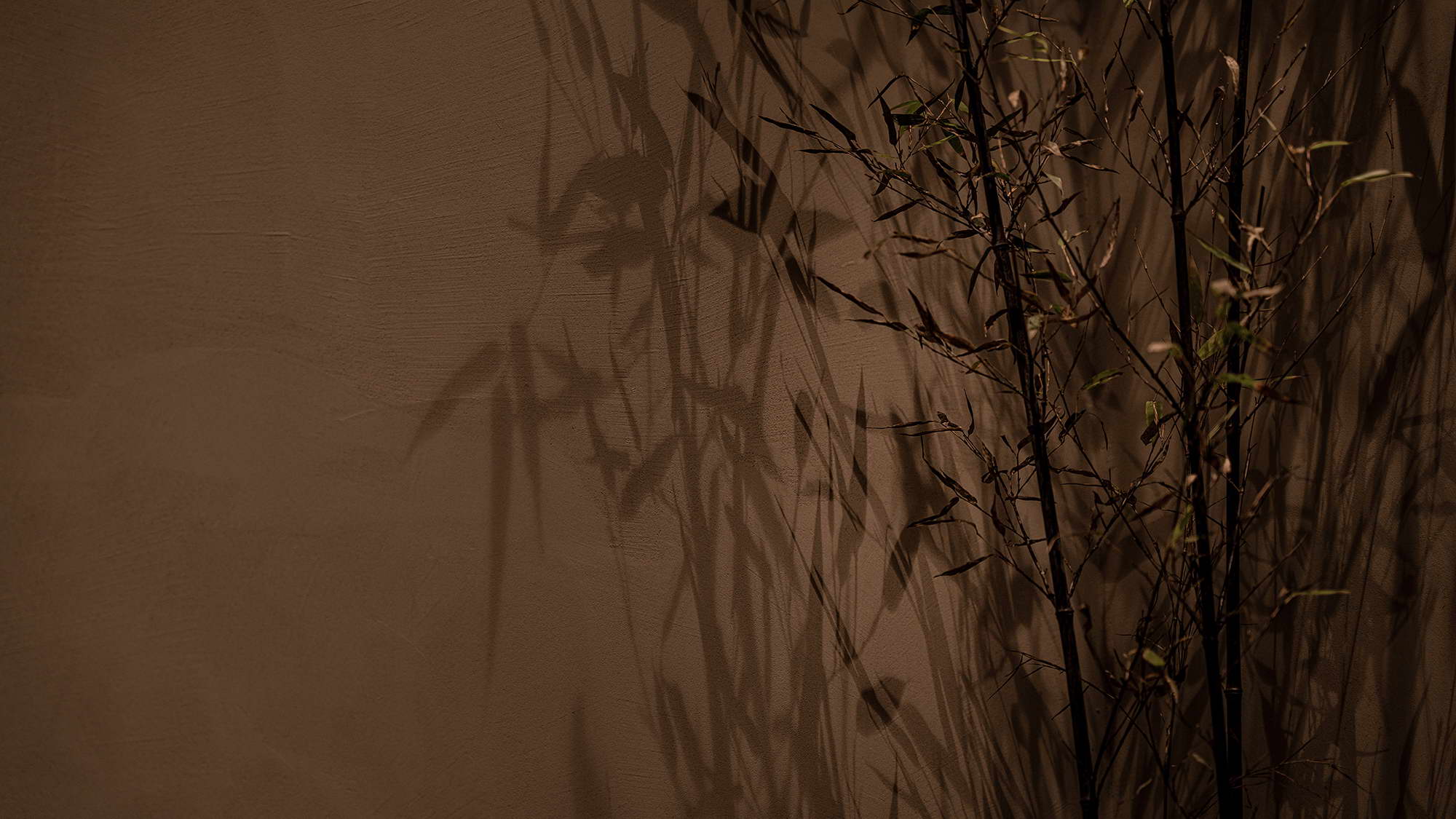
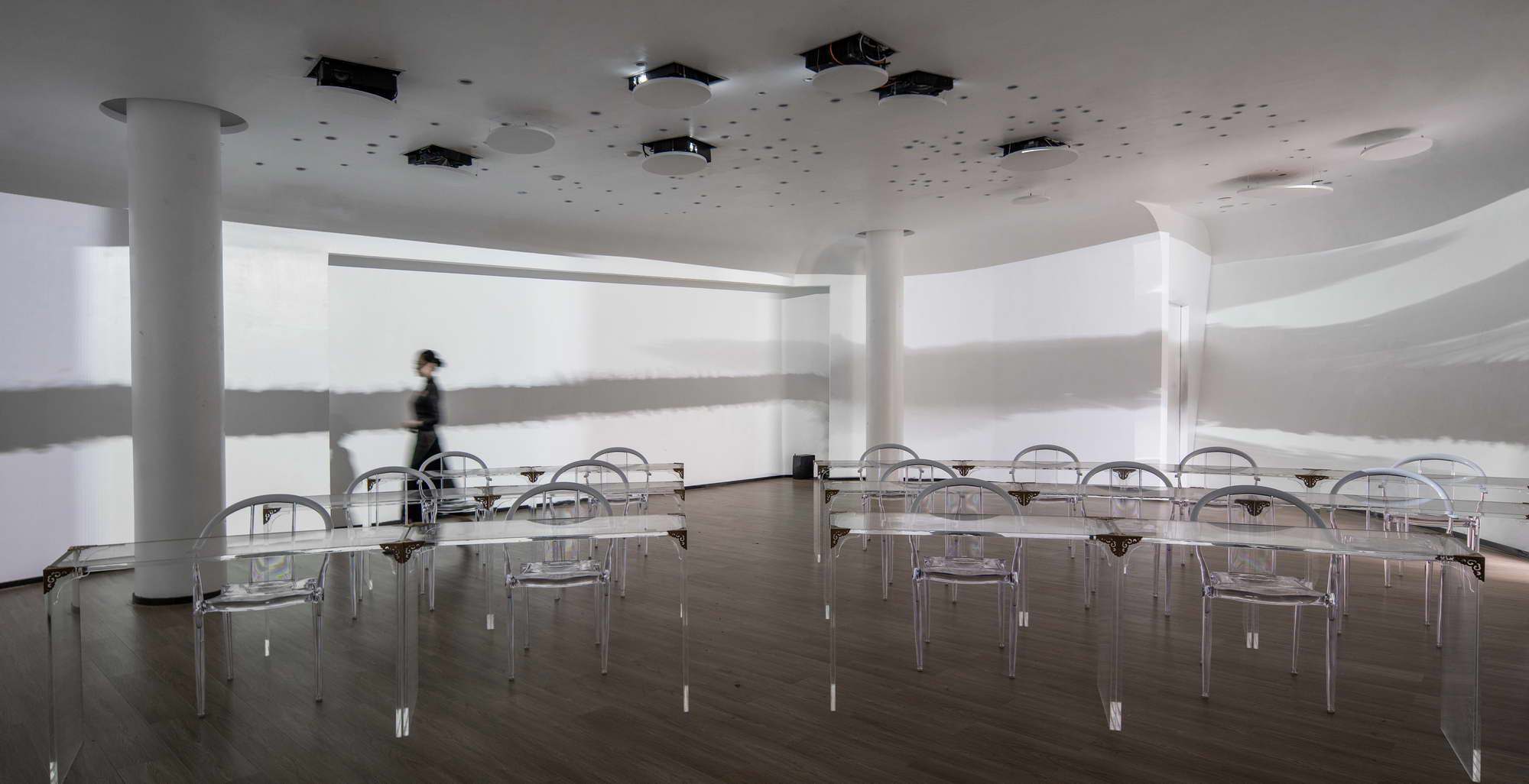
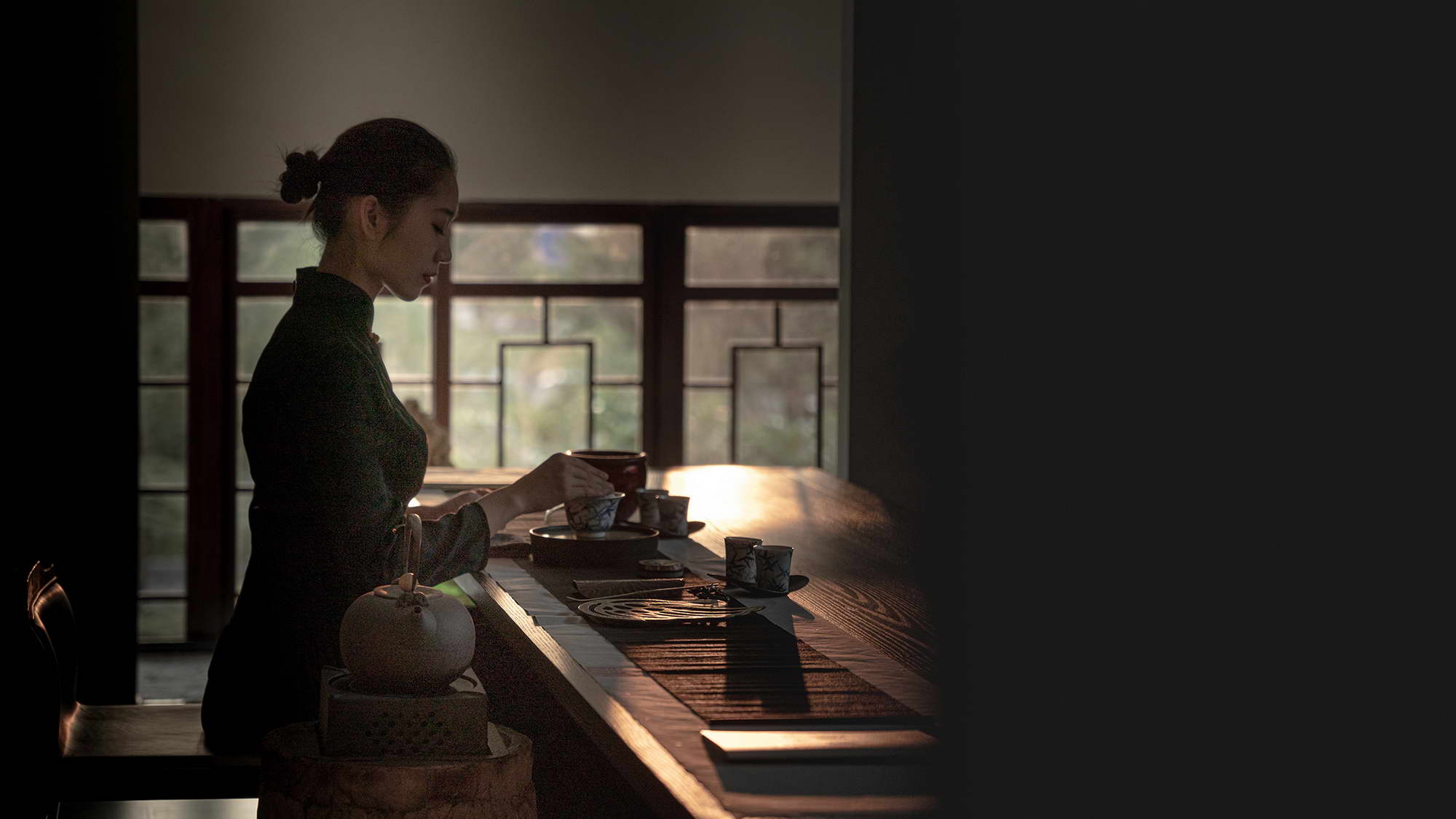
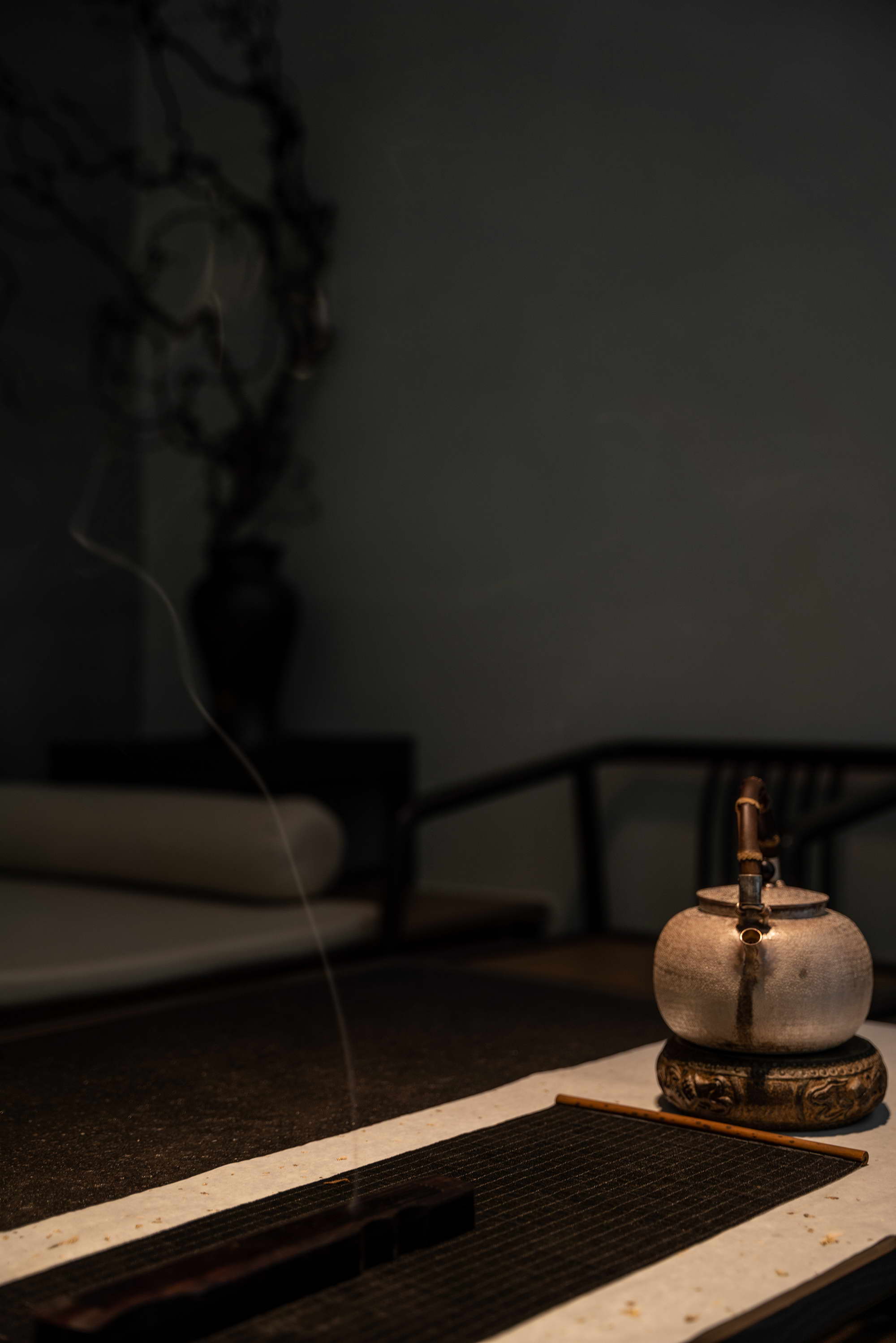
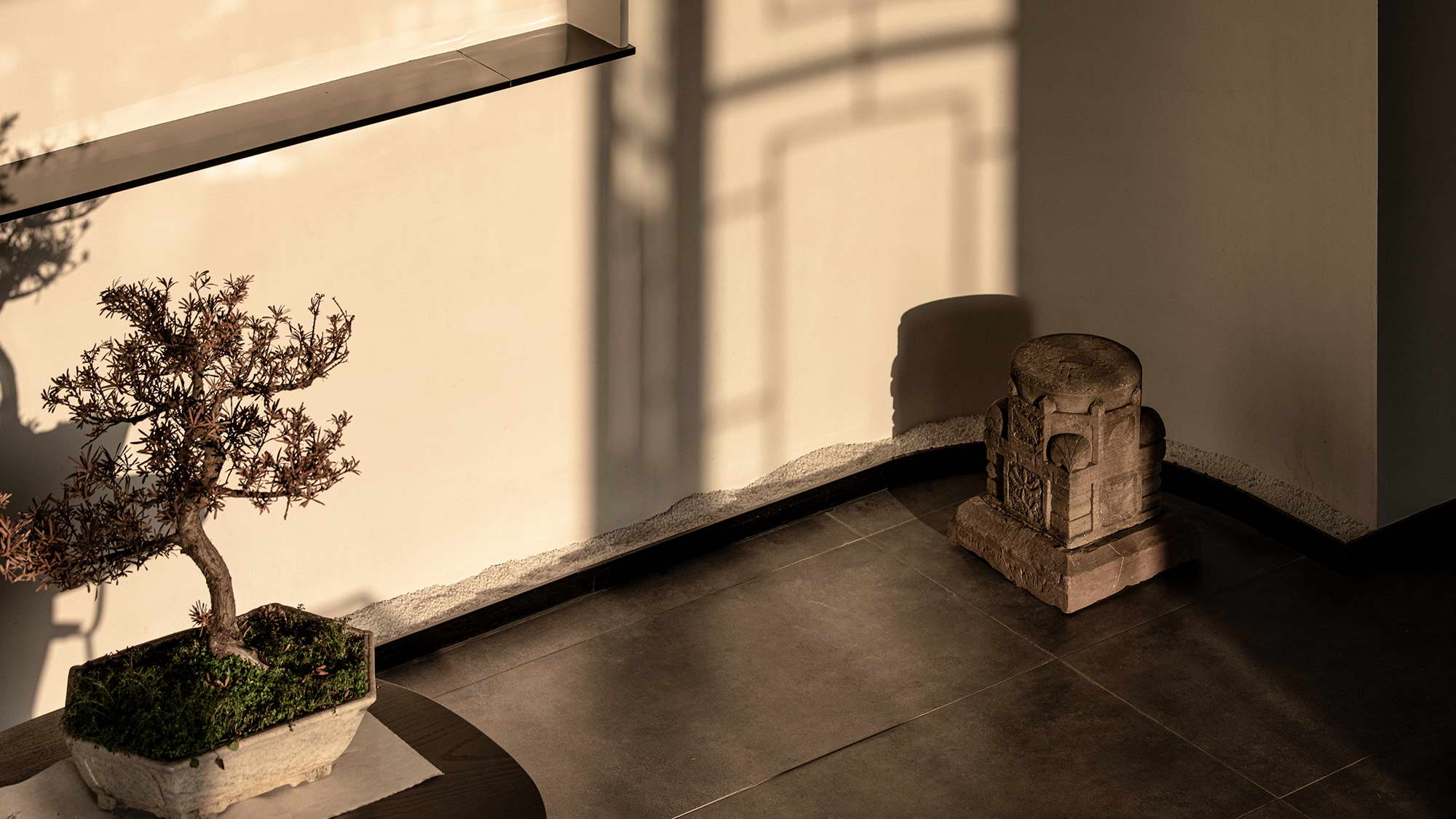
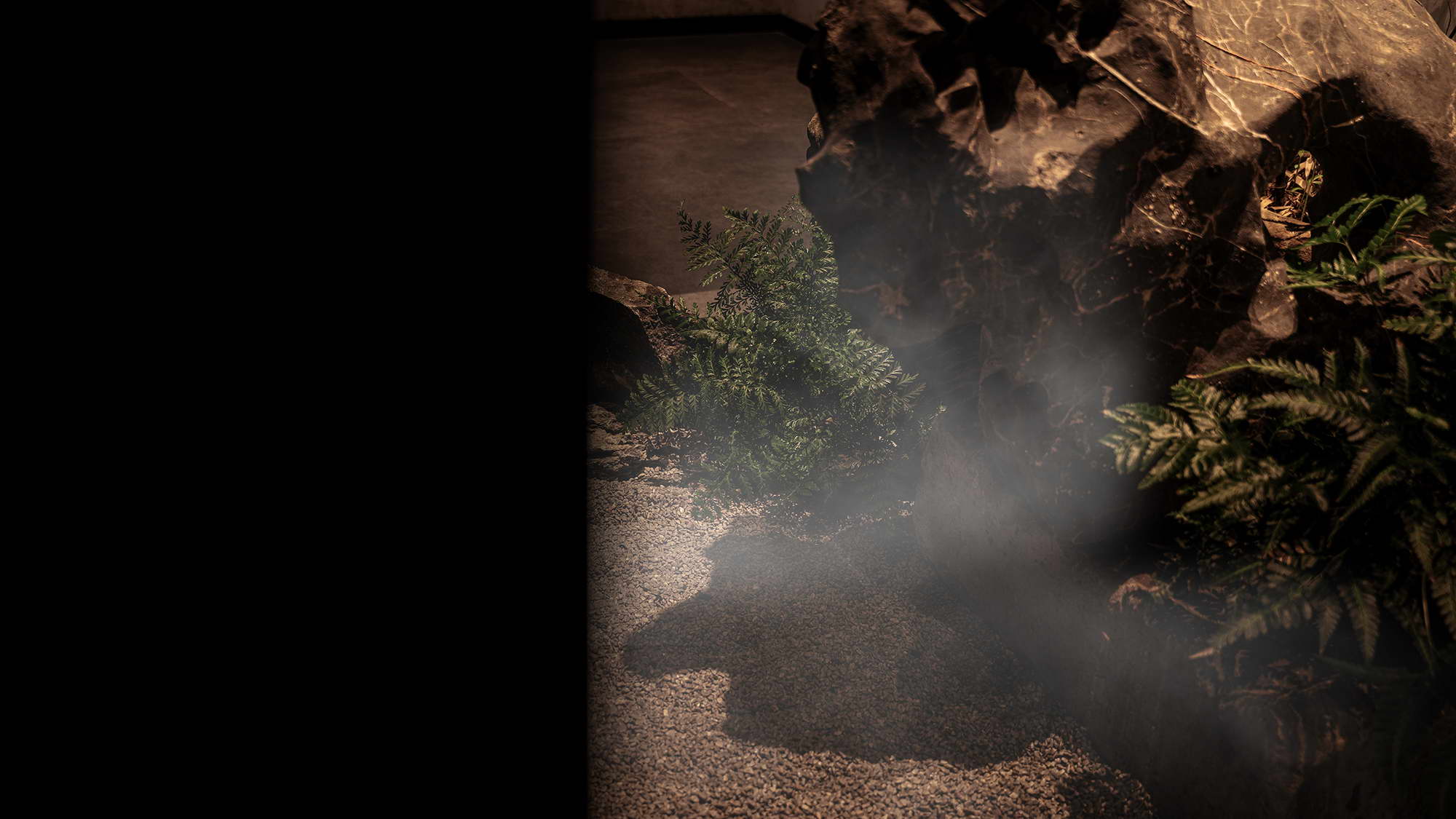
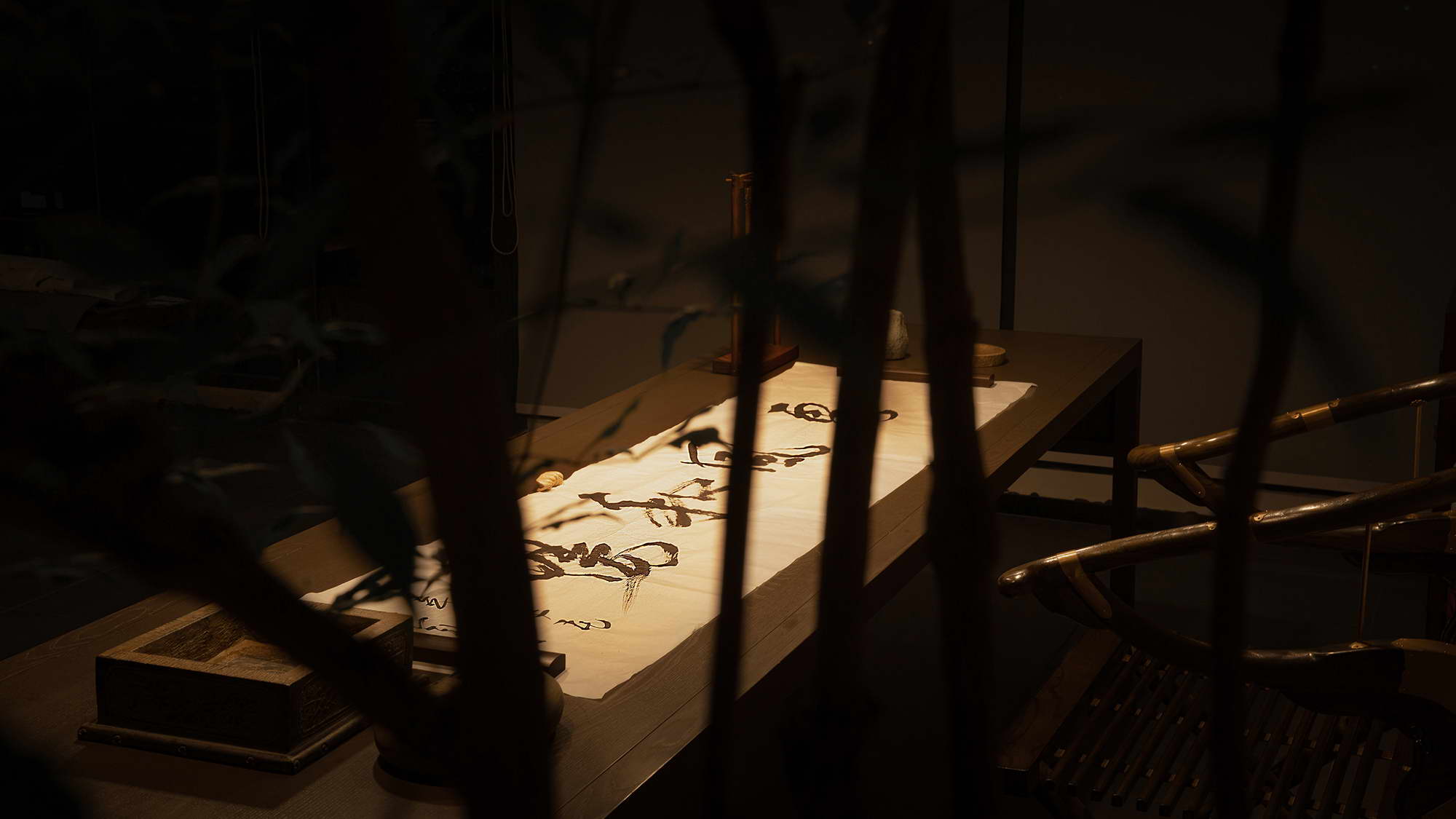
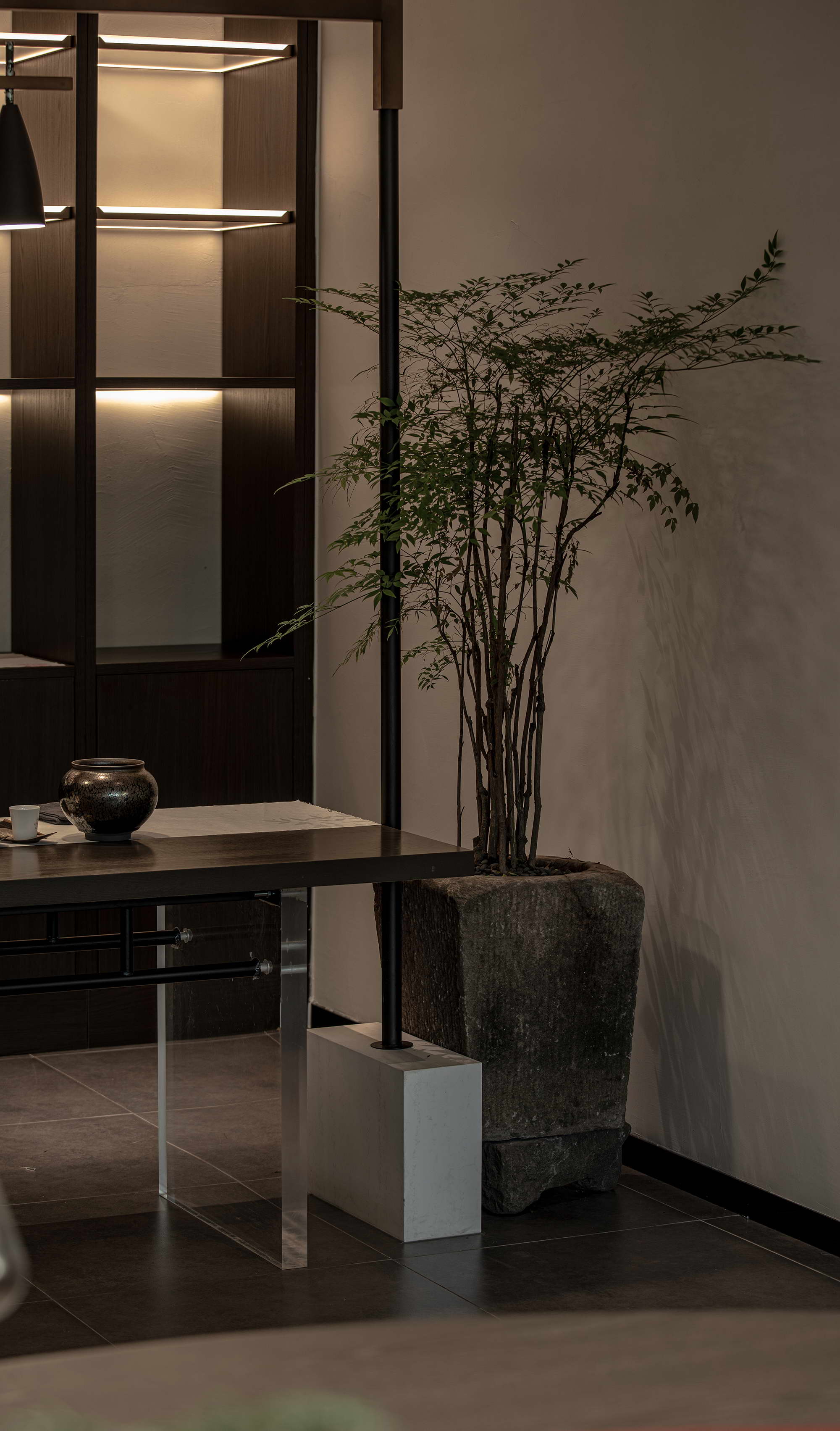
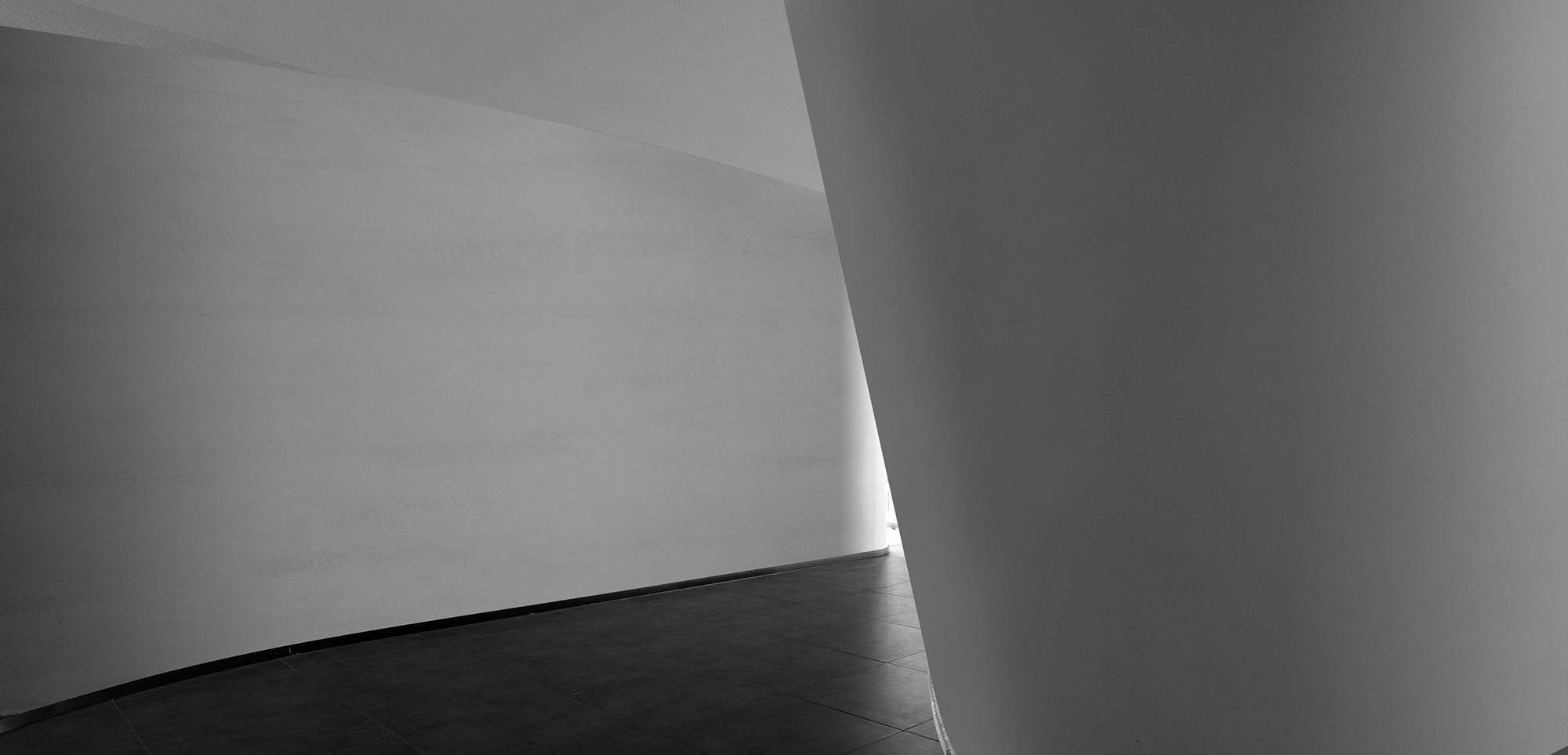
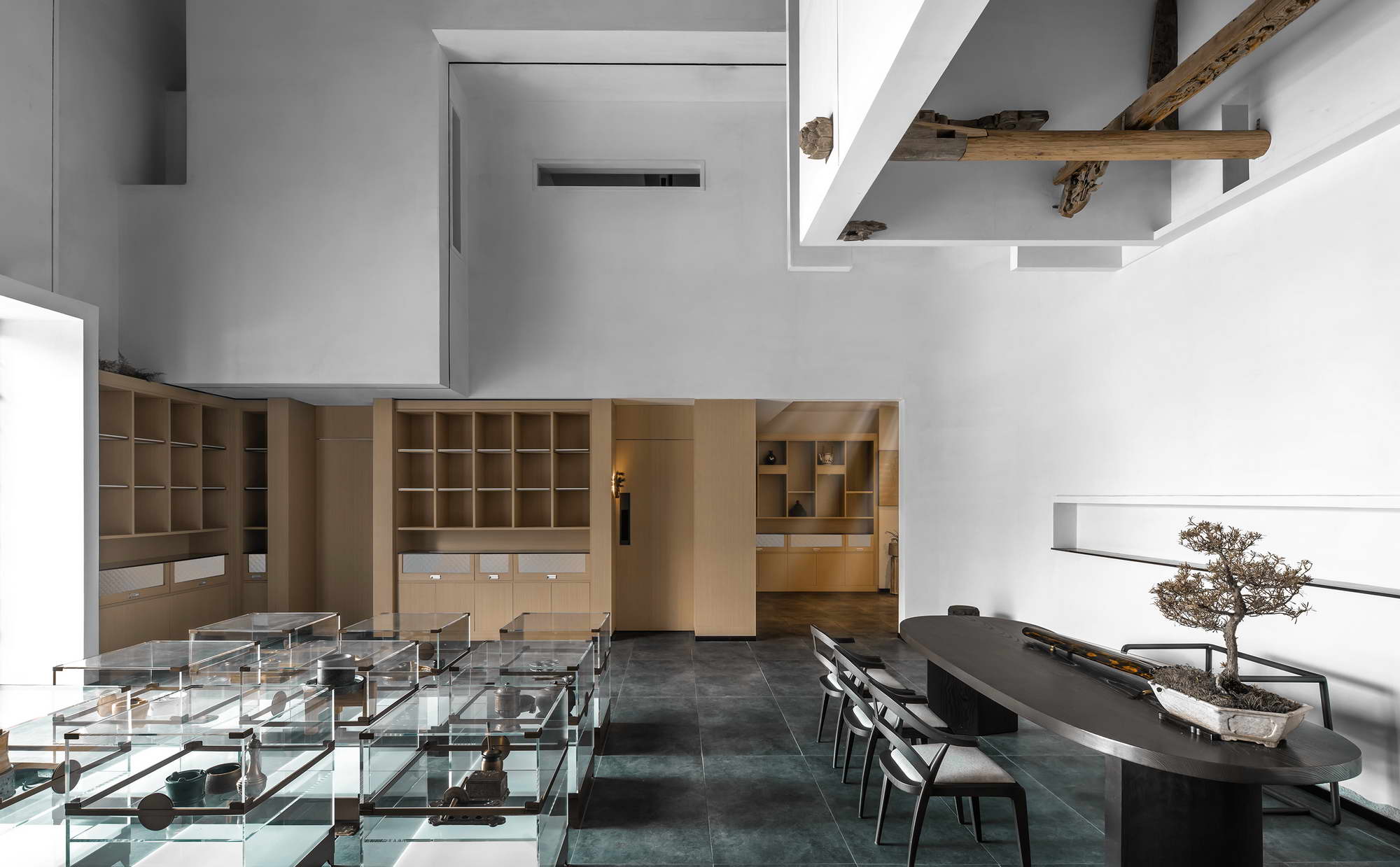
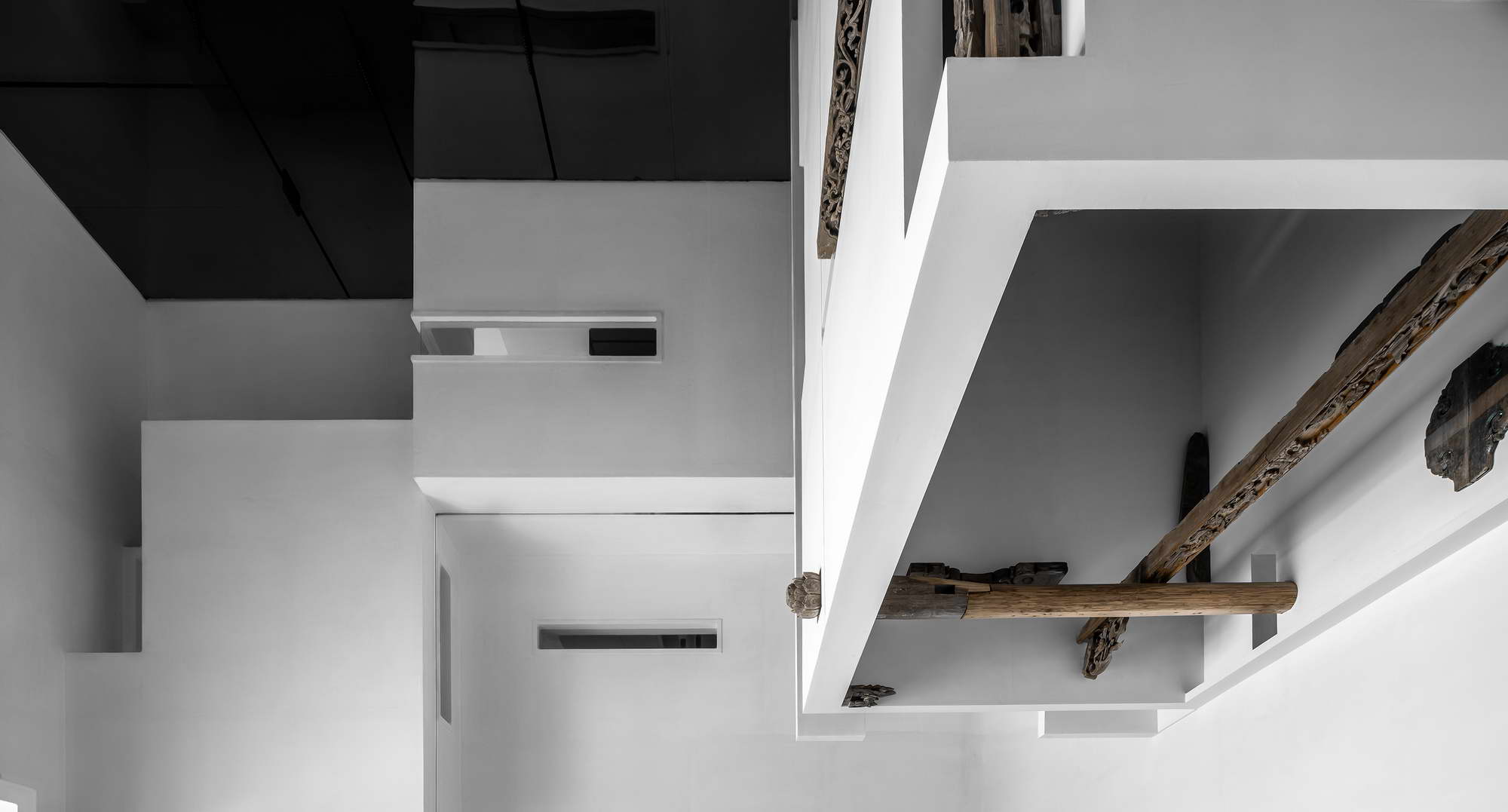
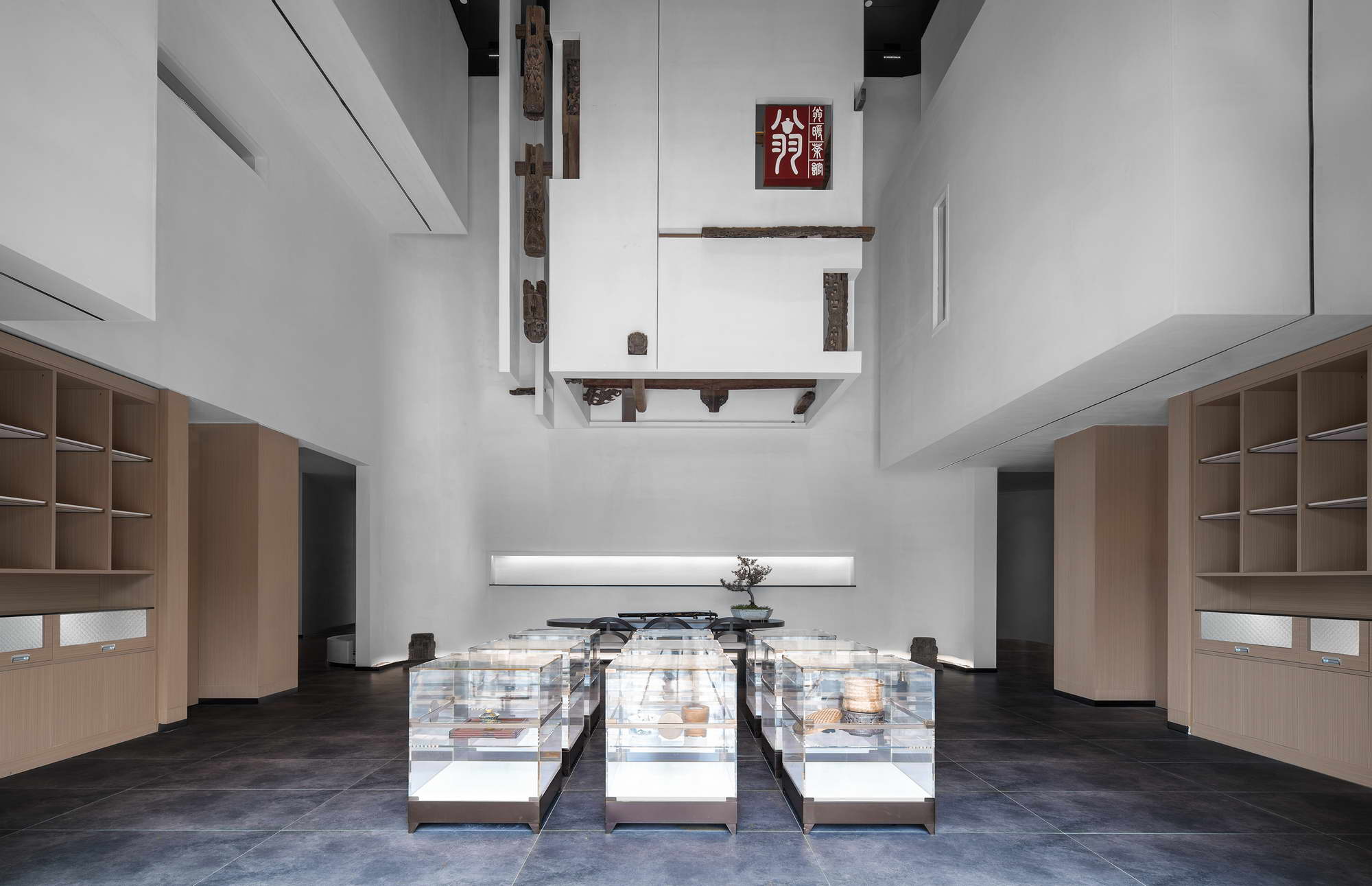
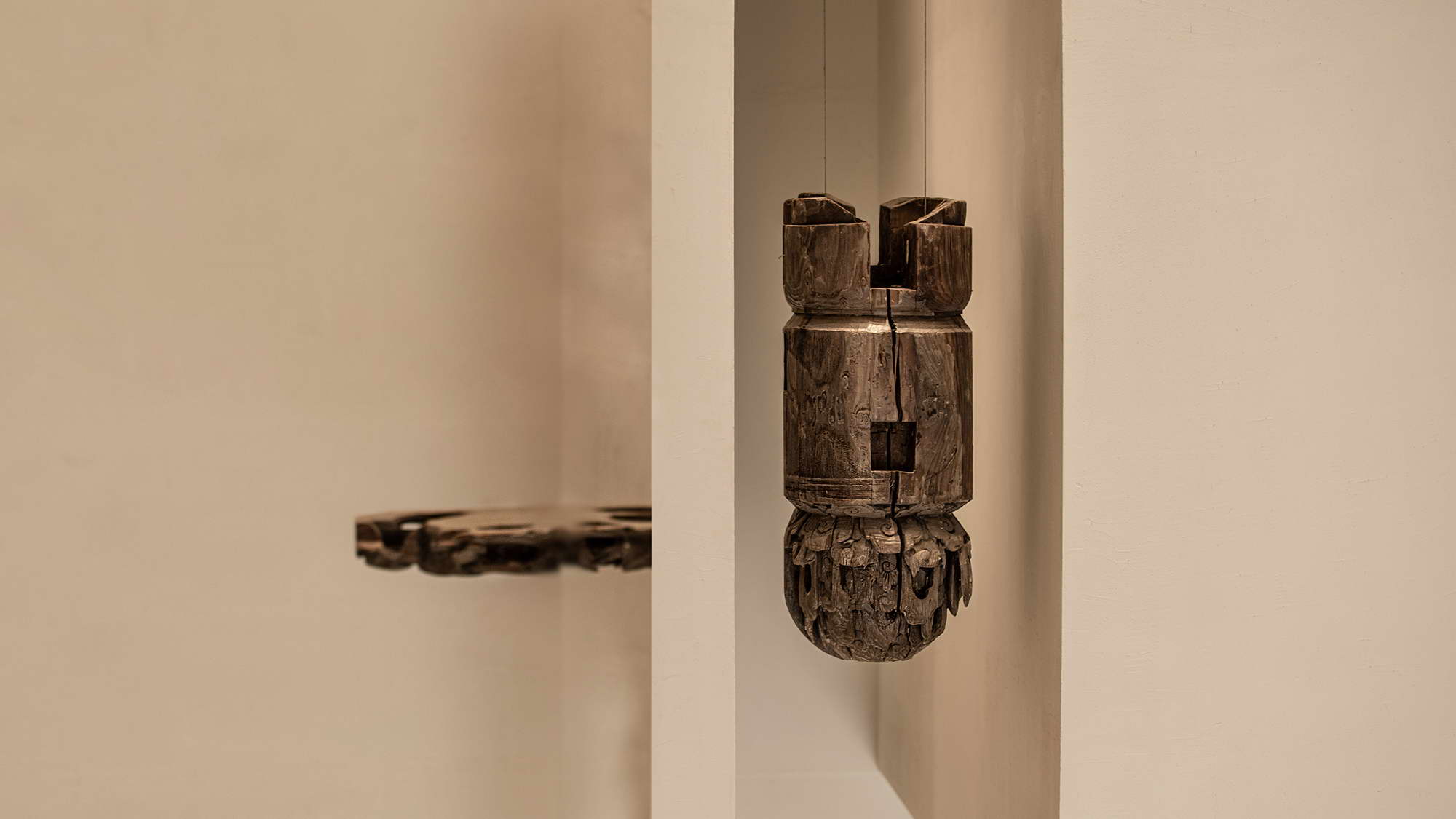
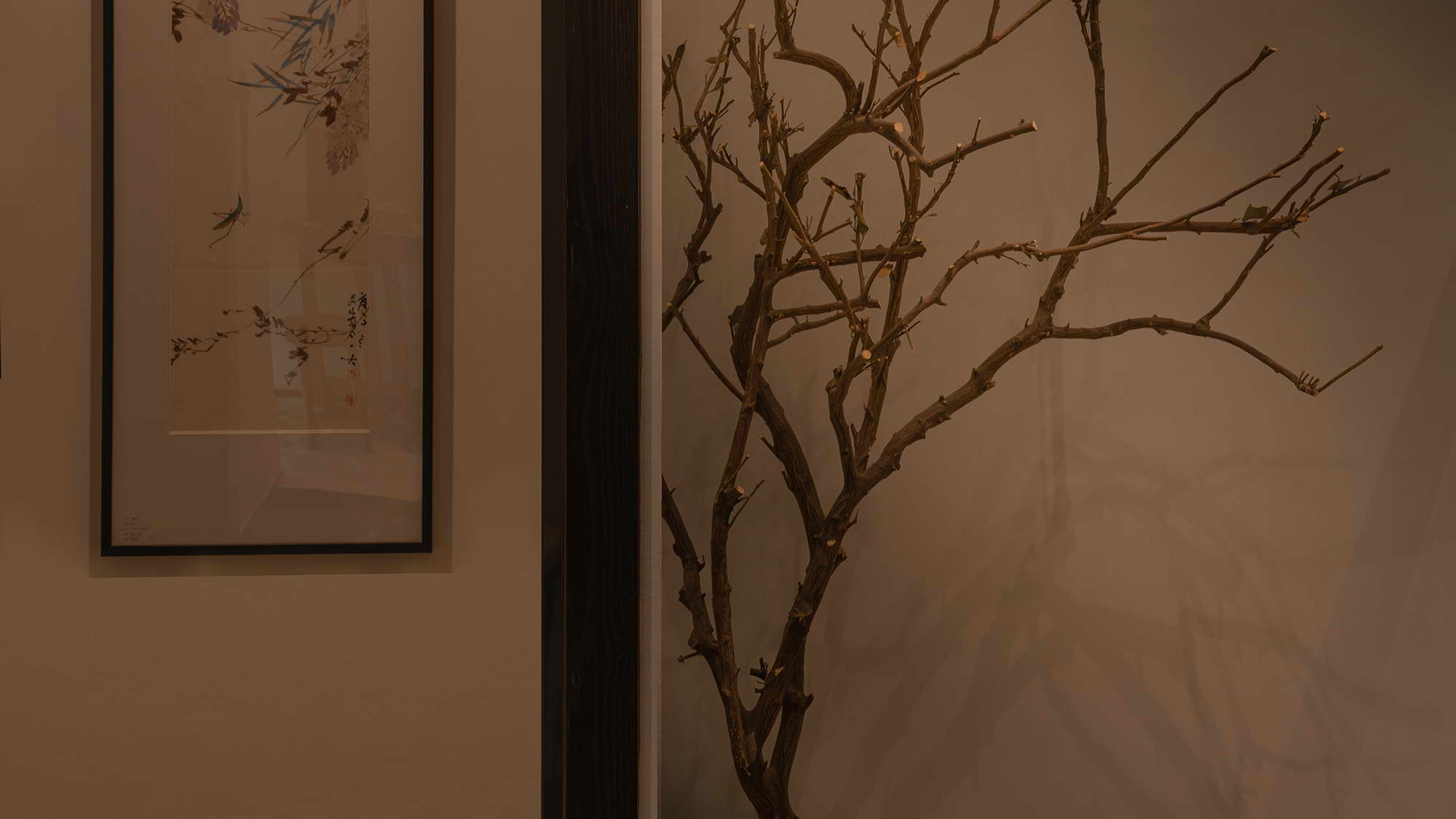
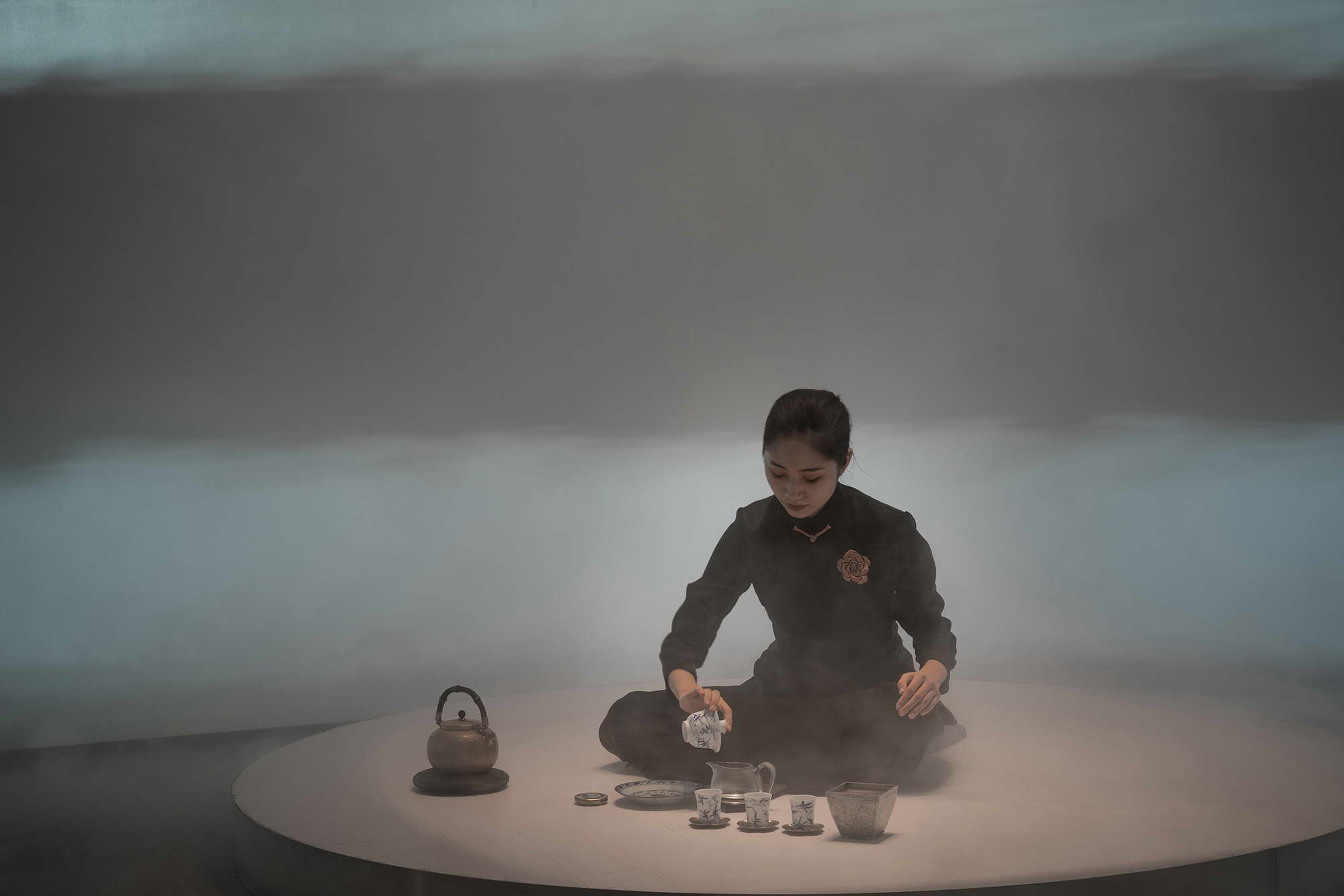
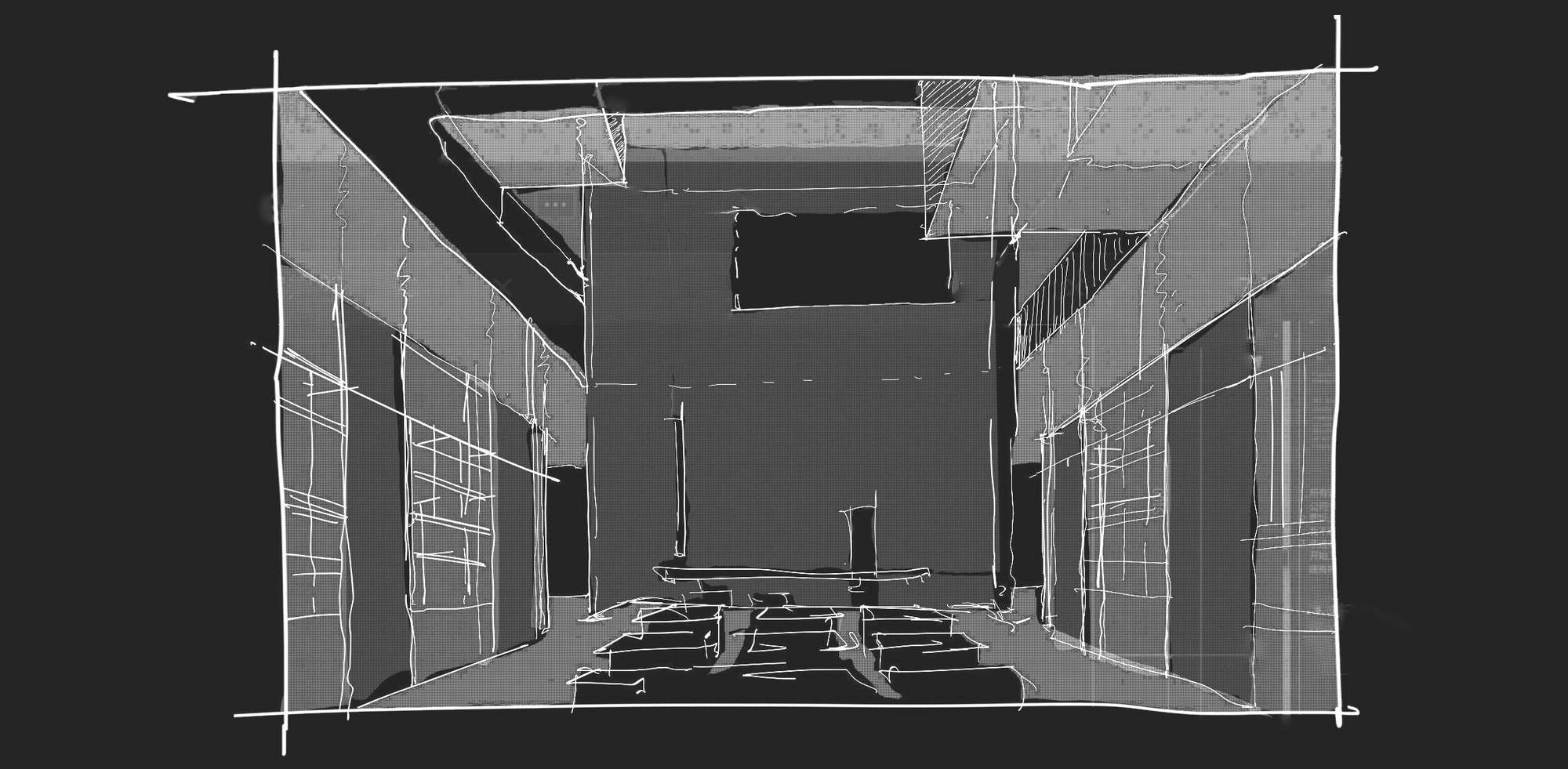
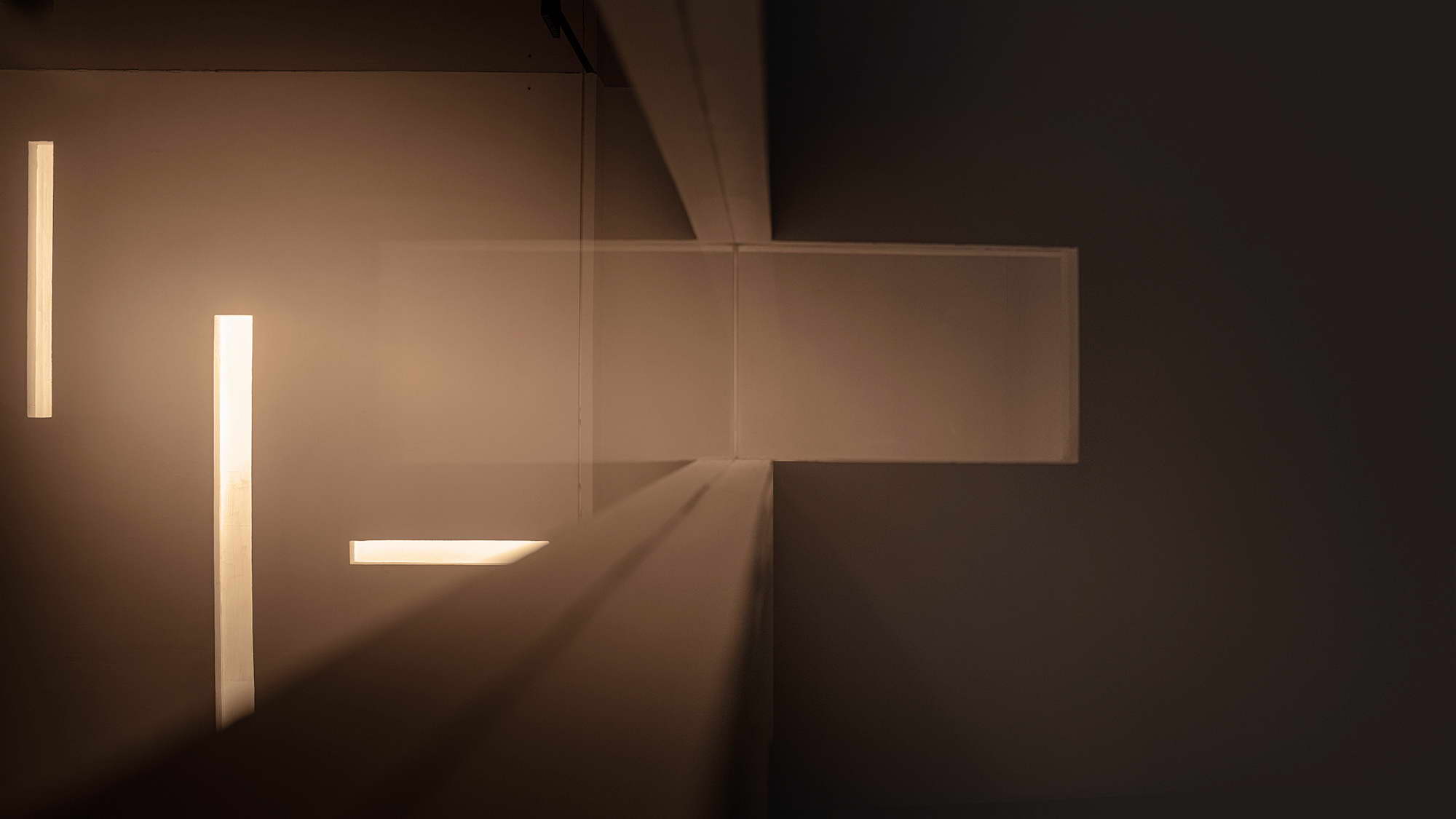
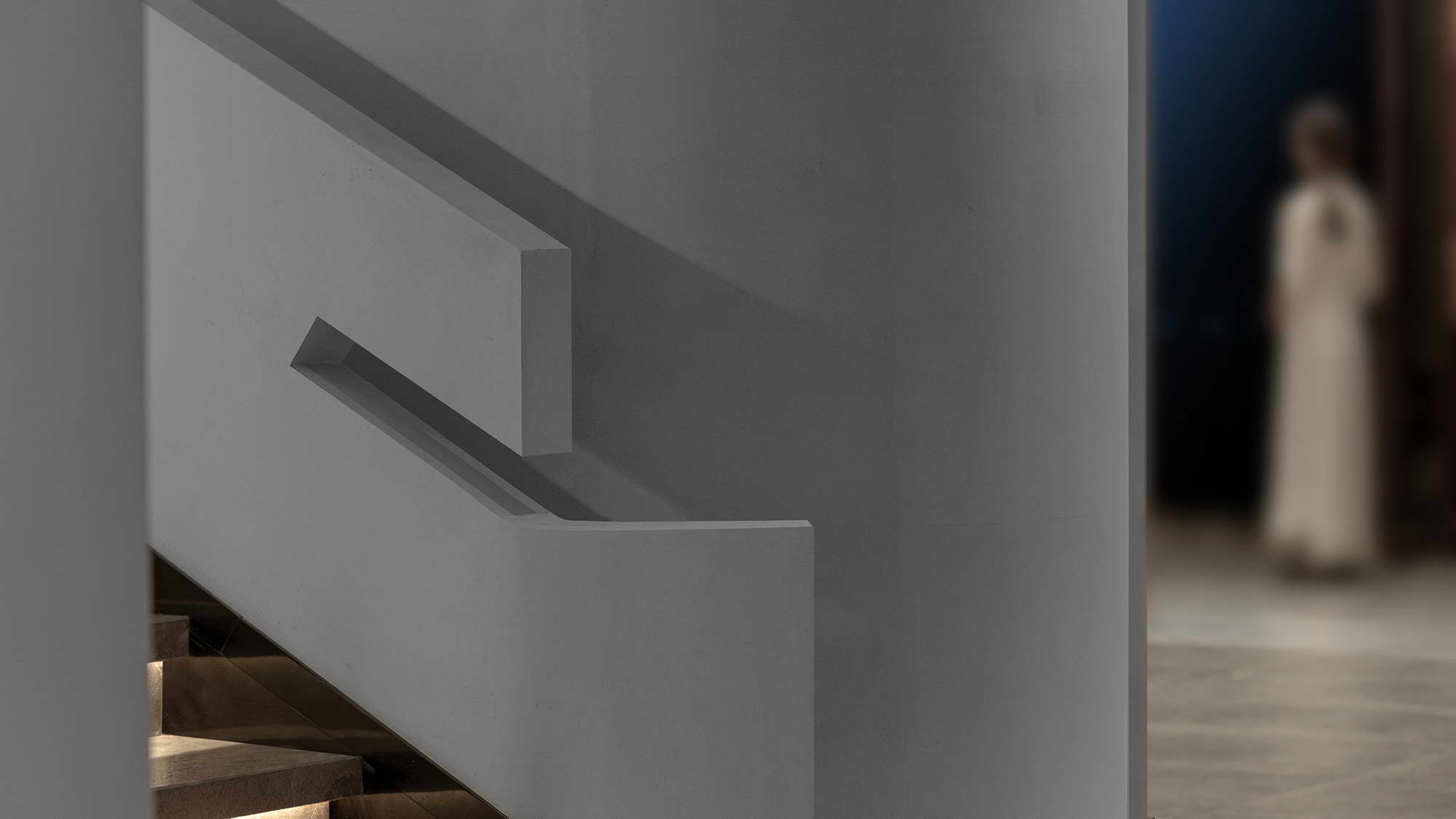
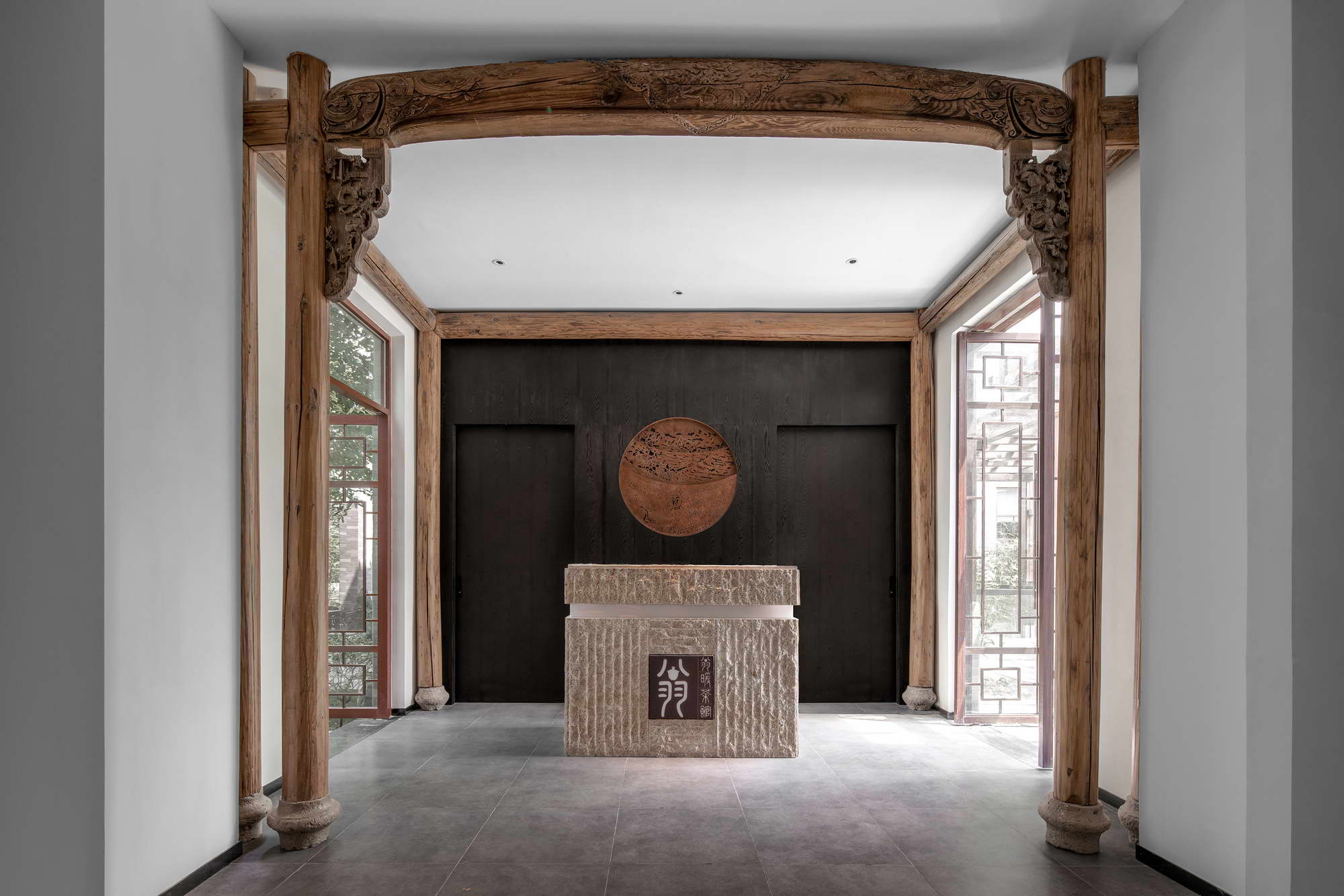
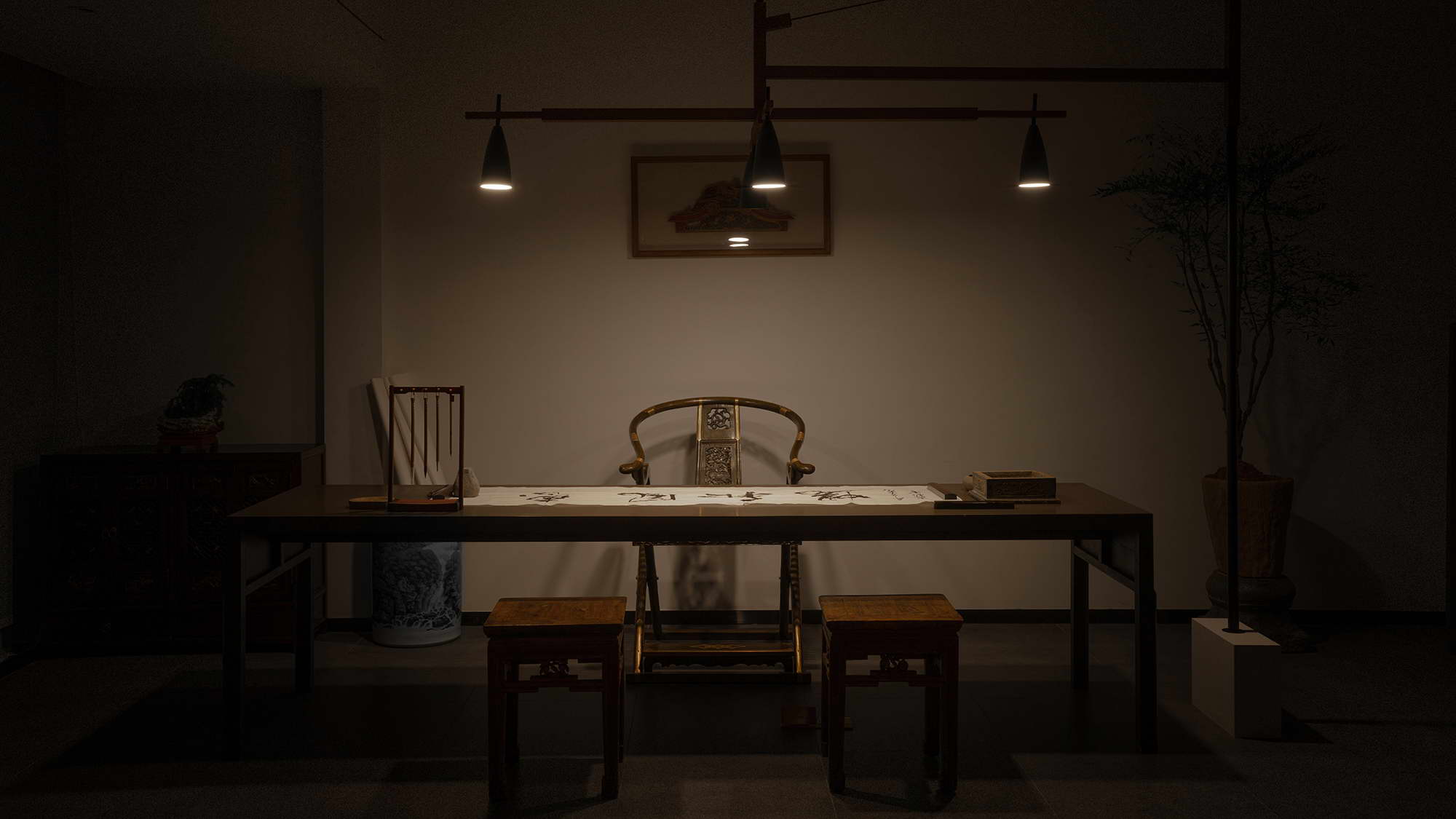
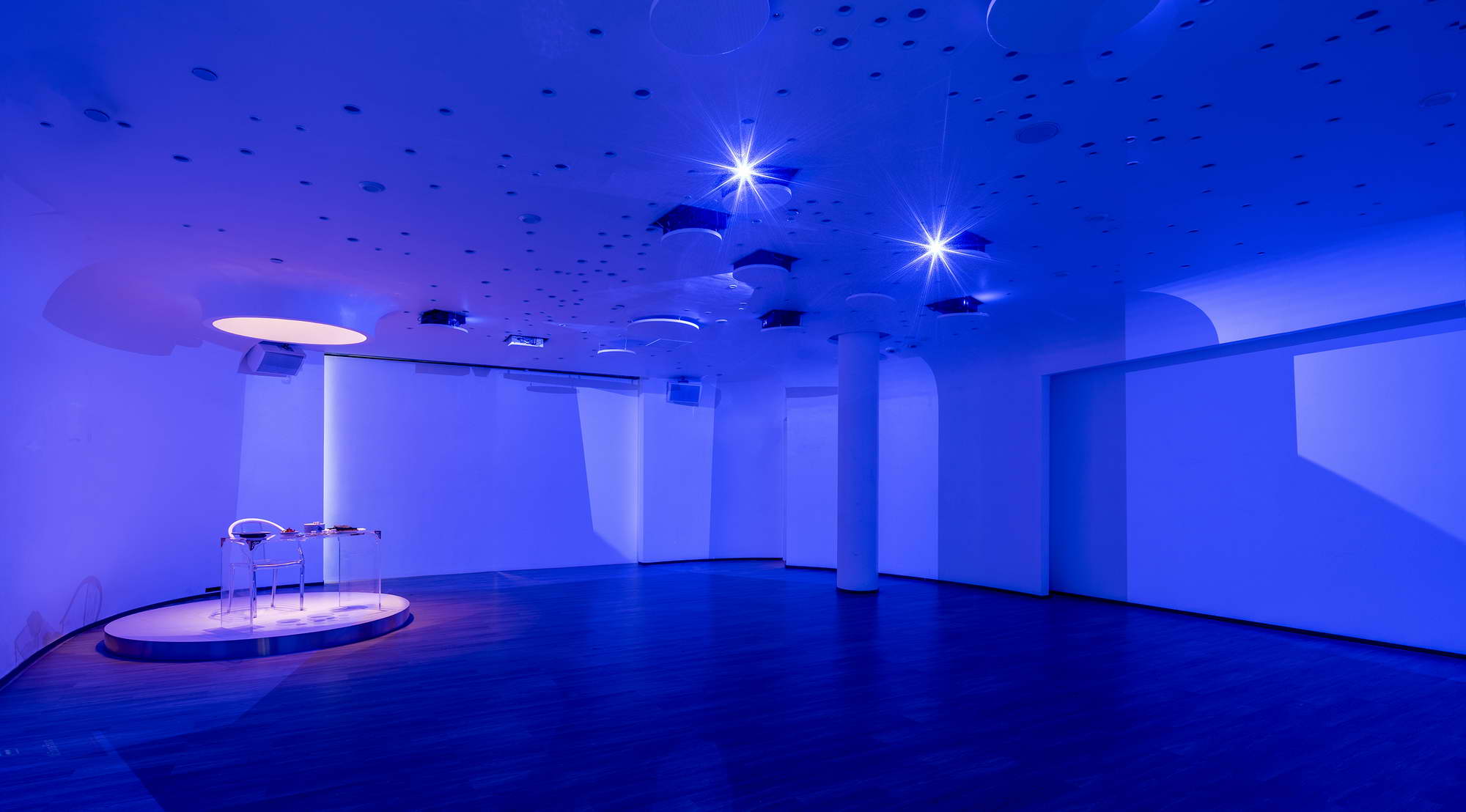
On the Bank of the Pearl River, there is a teahouse named Weng Nuan, which is convenient for the city without the noise of the city. The teahouse is divided into three spaces: "tea", "meal" and "learning". You can enjoy tea, eat, burn incense and splash ink. You should be alone, meditate, meet friends and make friends, get the music of audio-visual taste, and throw away the lack of body, skin and soul. By means of construction, the designer breaks the stereotyped symmetry, distinguishes the color blocks and materials between the box and other interfaces of the space, and uses log flower carvings to find a balance between classic and contemporary space. Leave blank to highlight the focus. The natural texture and sense of age of the logs set off the long history of tea. The history of tea is based on utensils and Taoism: the tea utensils of the past dynasties are placed in the Jiugong grid to silently interpret the development process of tea culture. Since the Tang Dynasty's Zen master cong'e tasted the allusions of "eating tea" to attract scholars, the Tang people liked to fry tea, while the Song Dynasty took ordering tea as a ceremony. The tea art has evolved into a system after thousands of years The wood shadow moves the scholar's rhyme, the tea fragrance sends the fishing poem hook, the quiet room is dark, the tea smoke curls, and the ink is splashed. The five colors of ink are compared with the six colors of tea, which complement each other. Tea is used in painting to help the fun, and tea is used in painting to carry the Tao. [menglianglu] said: those who build people's houses can't live every day, firewood, rice, oil, salt, soy sauce, vinegar and tea. Since the Song Dynasty, the idea of integrating tea and meal has been integrated into tea culture. The light is dim, the green is crisscrossed, the light and shadow float, and the dark fragrance curls. While the taste buds at the tip of the tongue are satisfied, you can taste another cup of tea. This is probably the meaning of the so-called stealing floating life. The essence of this Chinese garden is changing scenery step by step. Under the dense smoke, the shadow of mountains, stones and bamboo sways, and the guests are like in the garden corridor. Where the winding path is accessible, it is the space for tea research and learning. At the far end, only the light is blurred, which leads people to move forward. [research and study space] is a space for learning and exchange of tea culture. With holographic projection as the carrier, tea friends talk about the inheritance and development of tea at the beginning of the class. 163. com








 Editor's Pick
 Latest Design