Text description provided by the architects
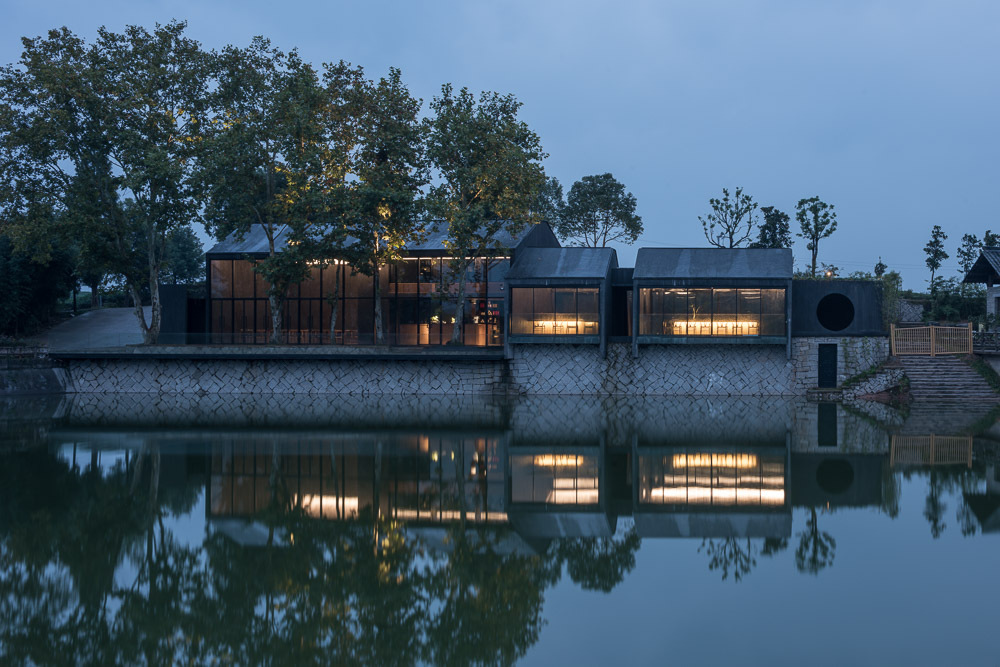
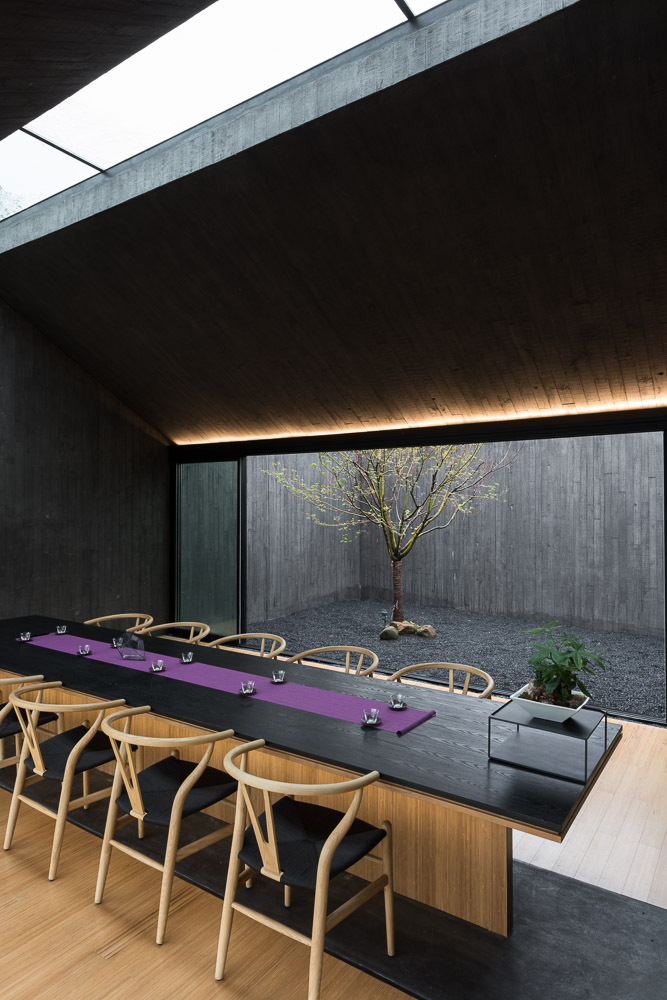
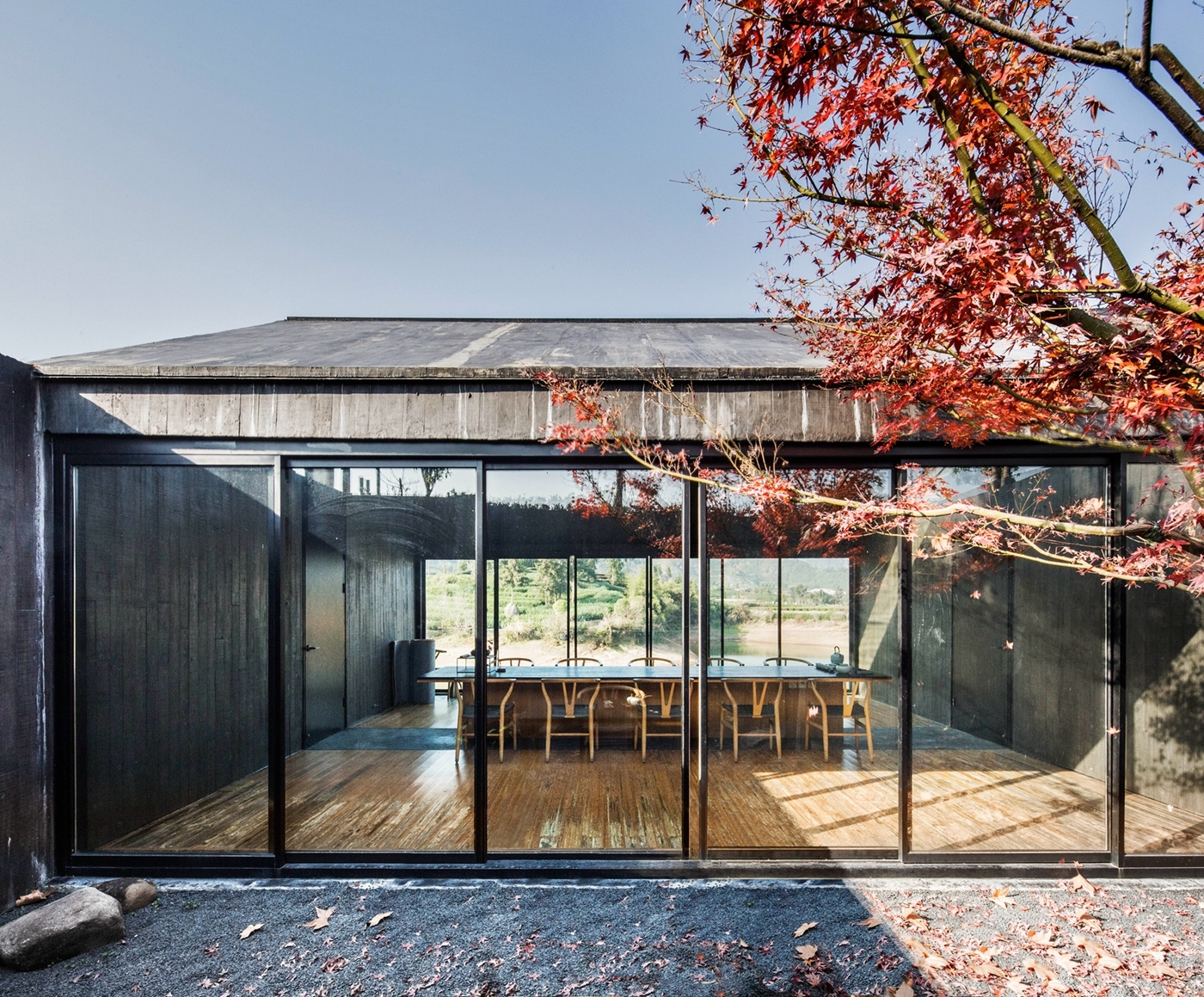
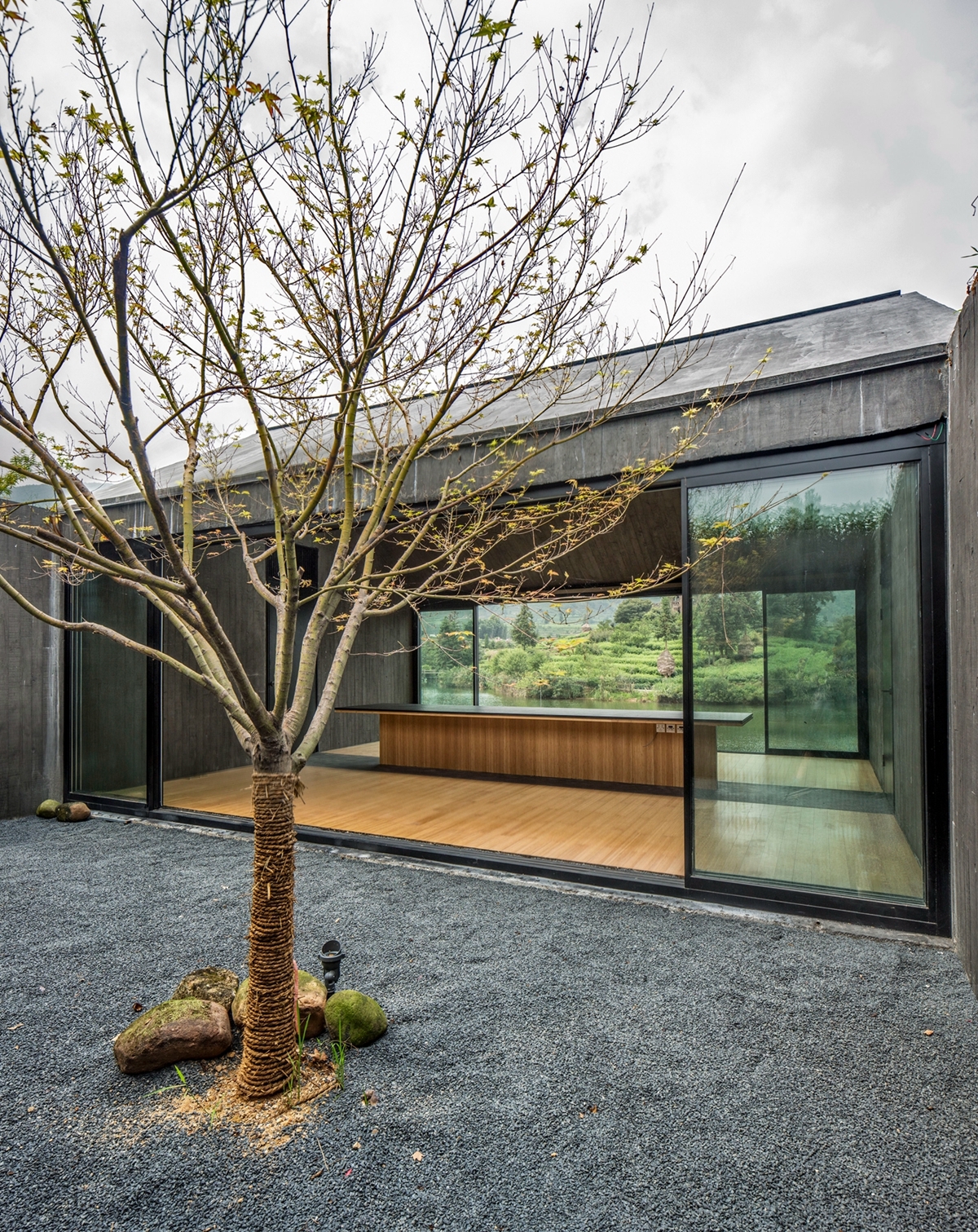
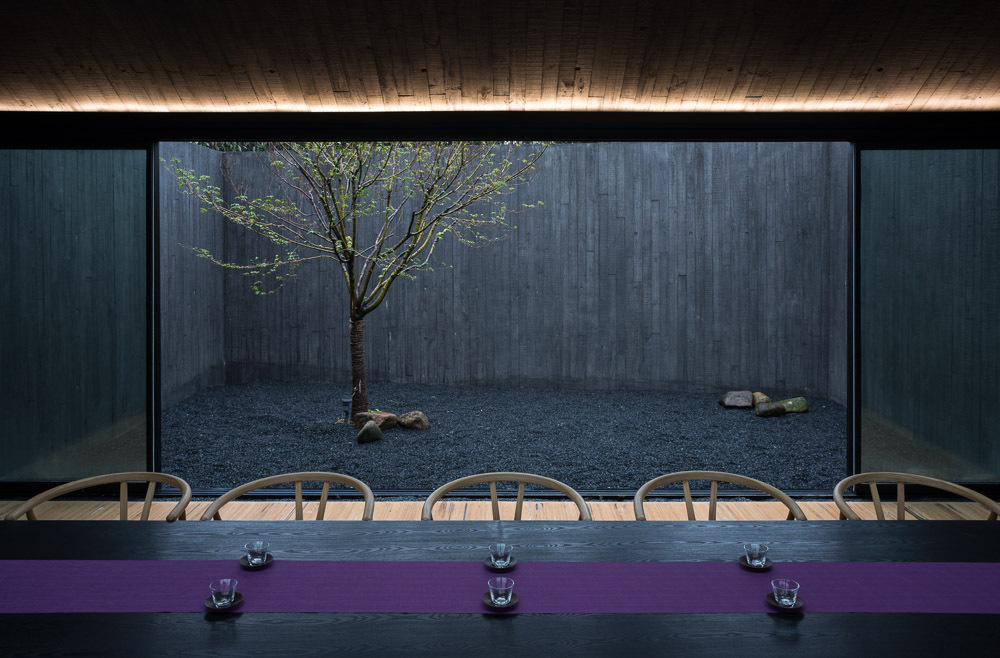
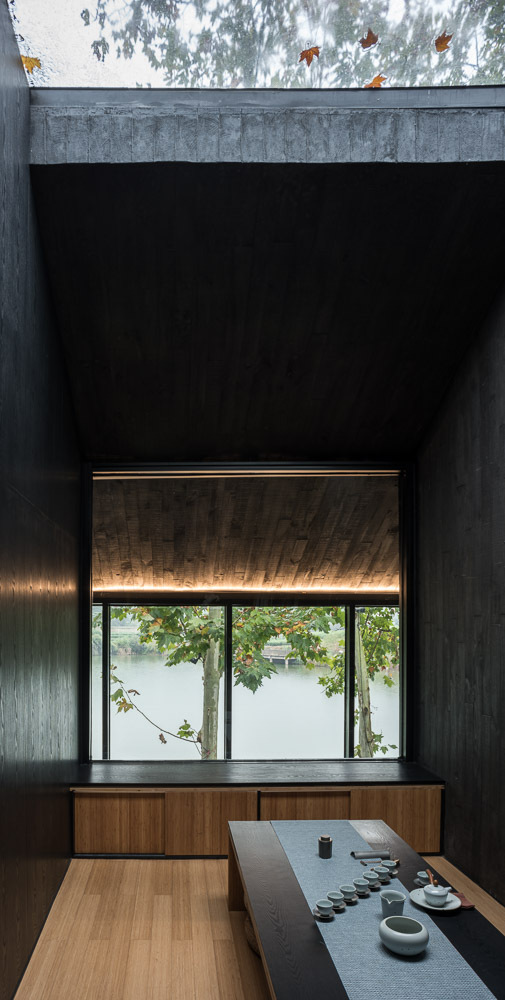
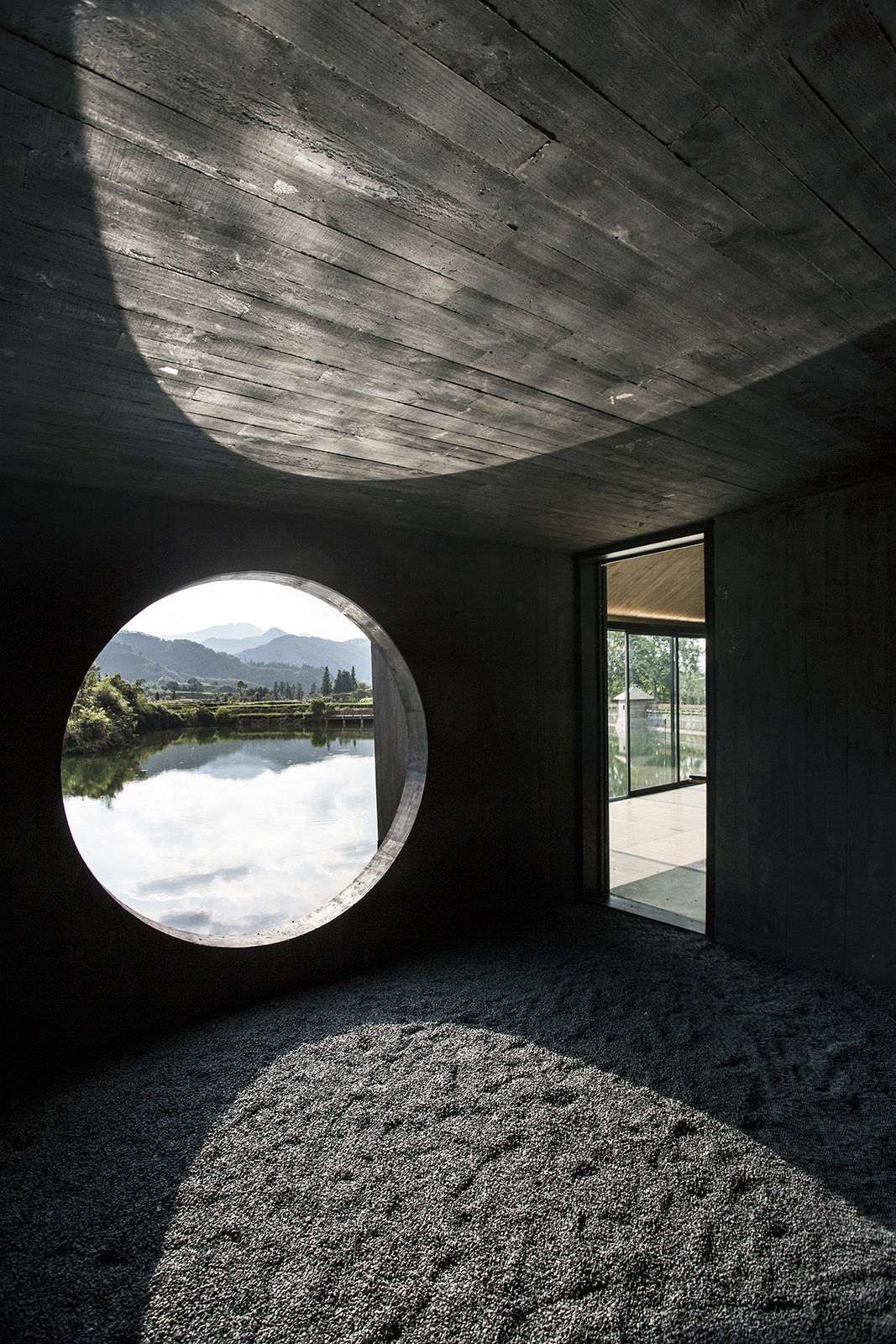
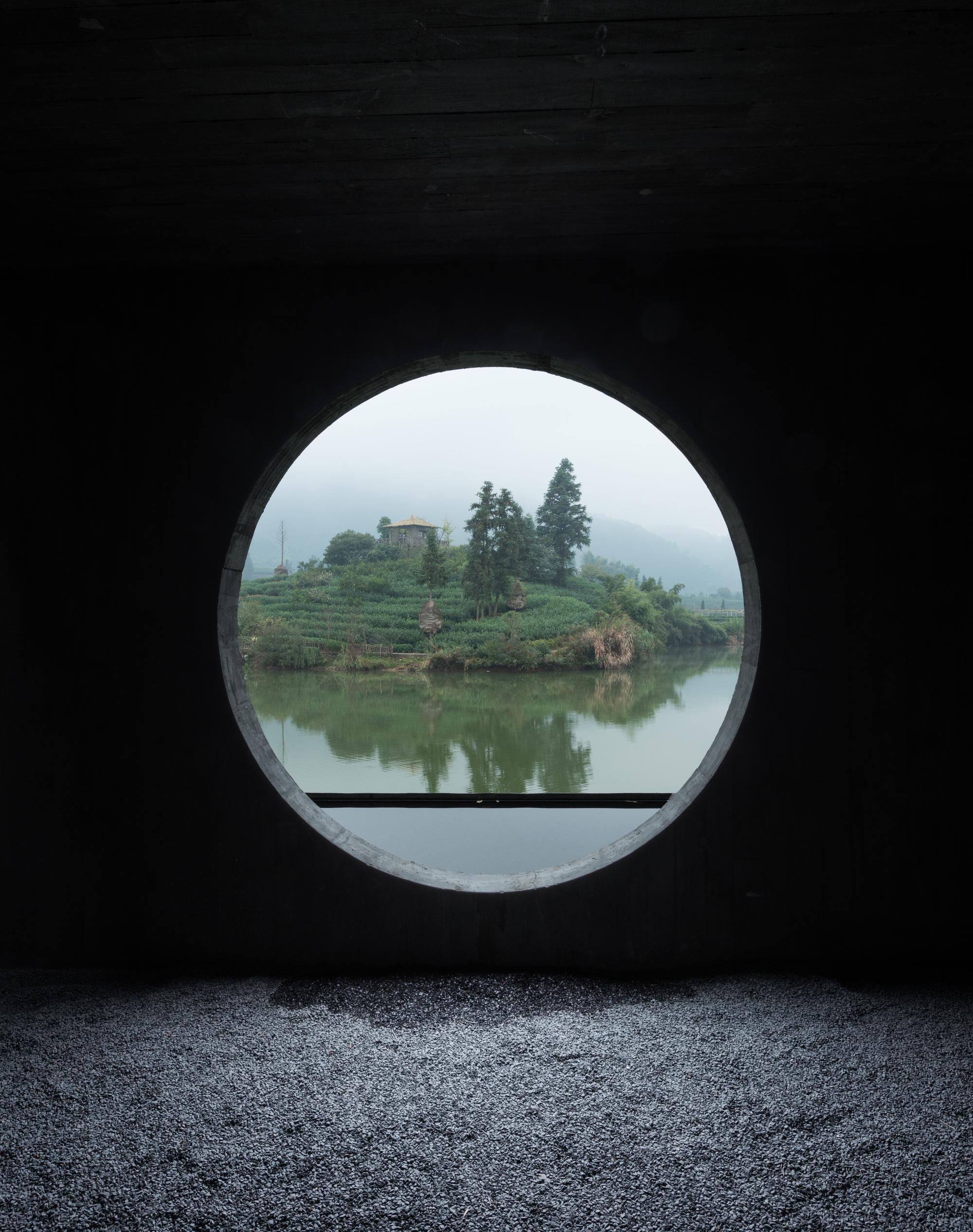
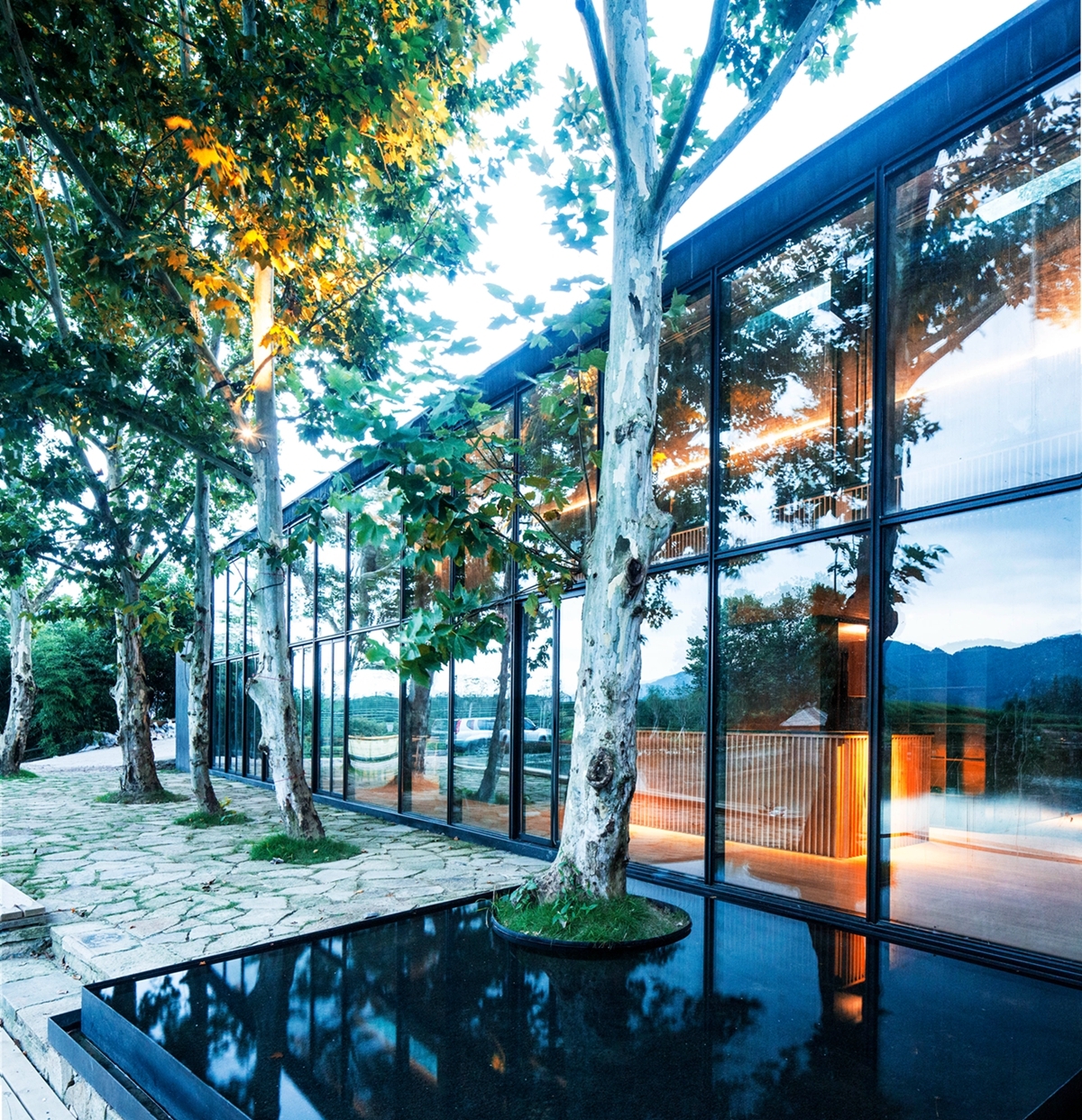
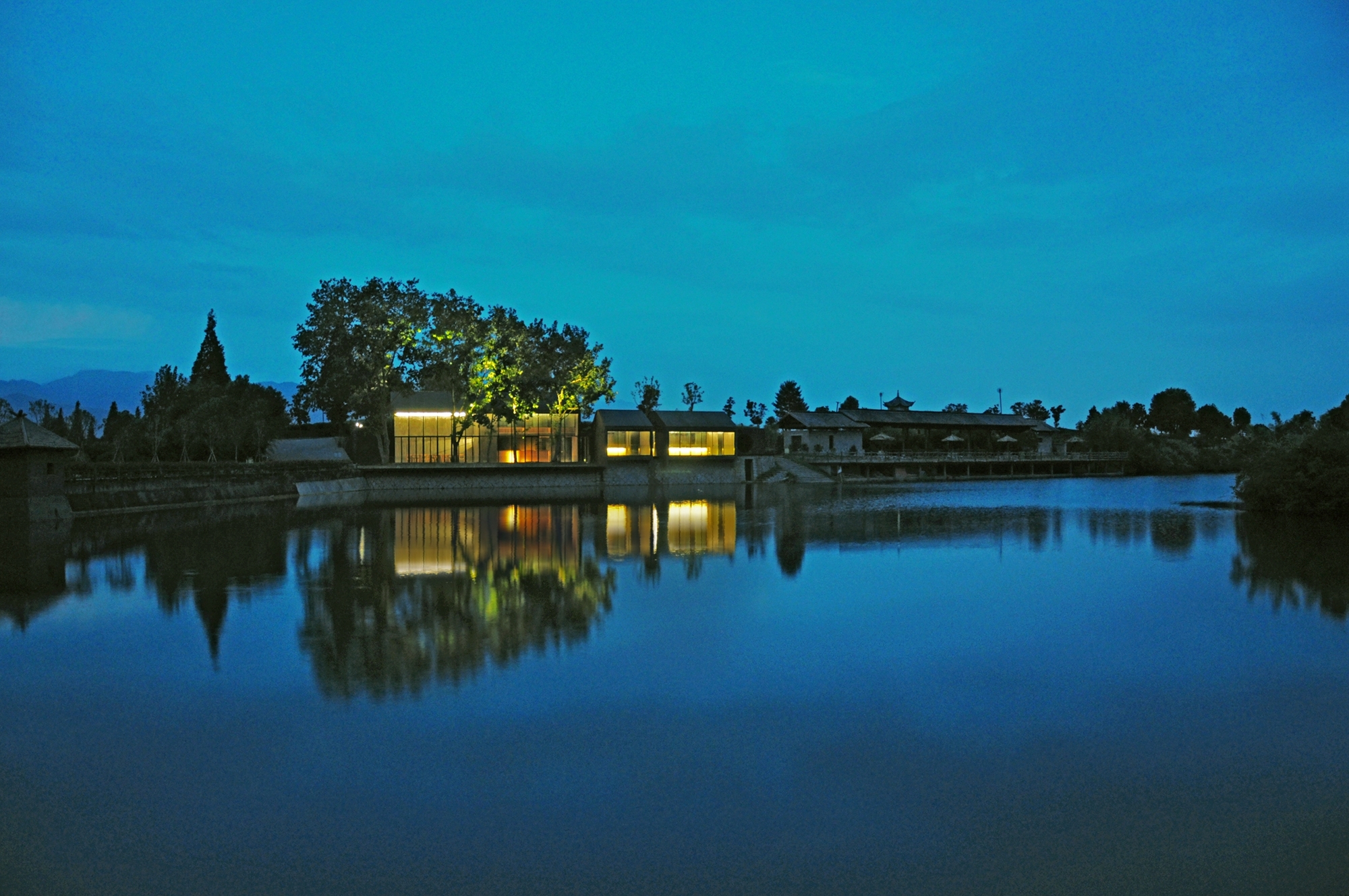
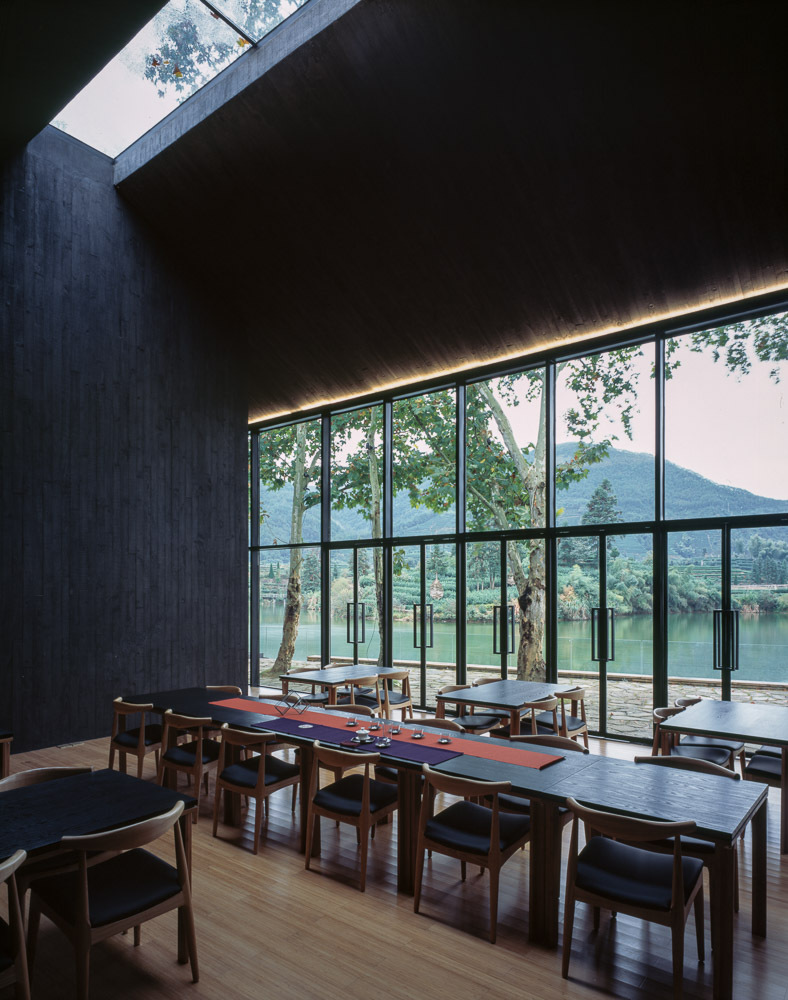
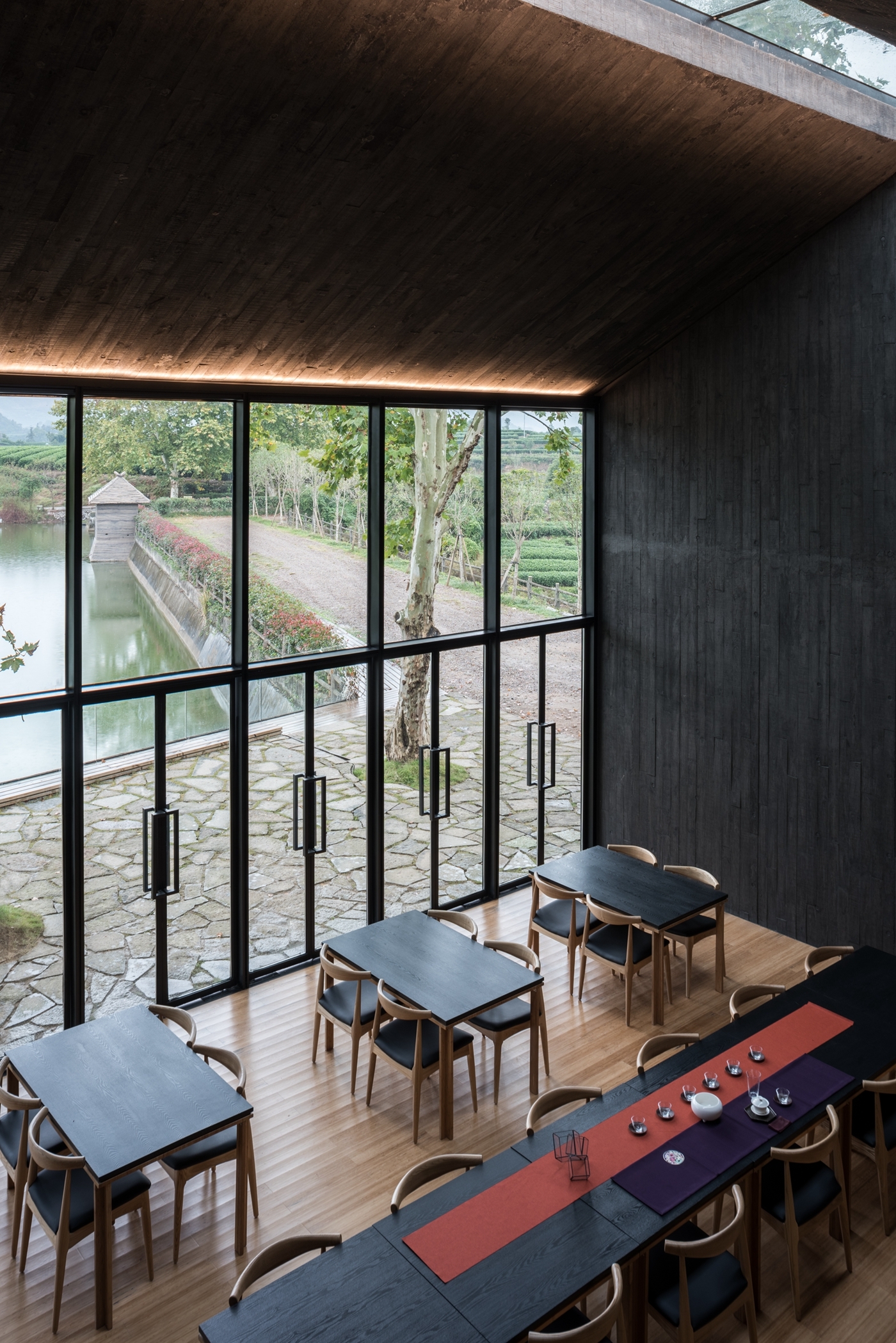
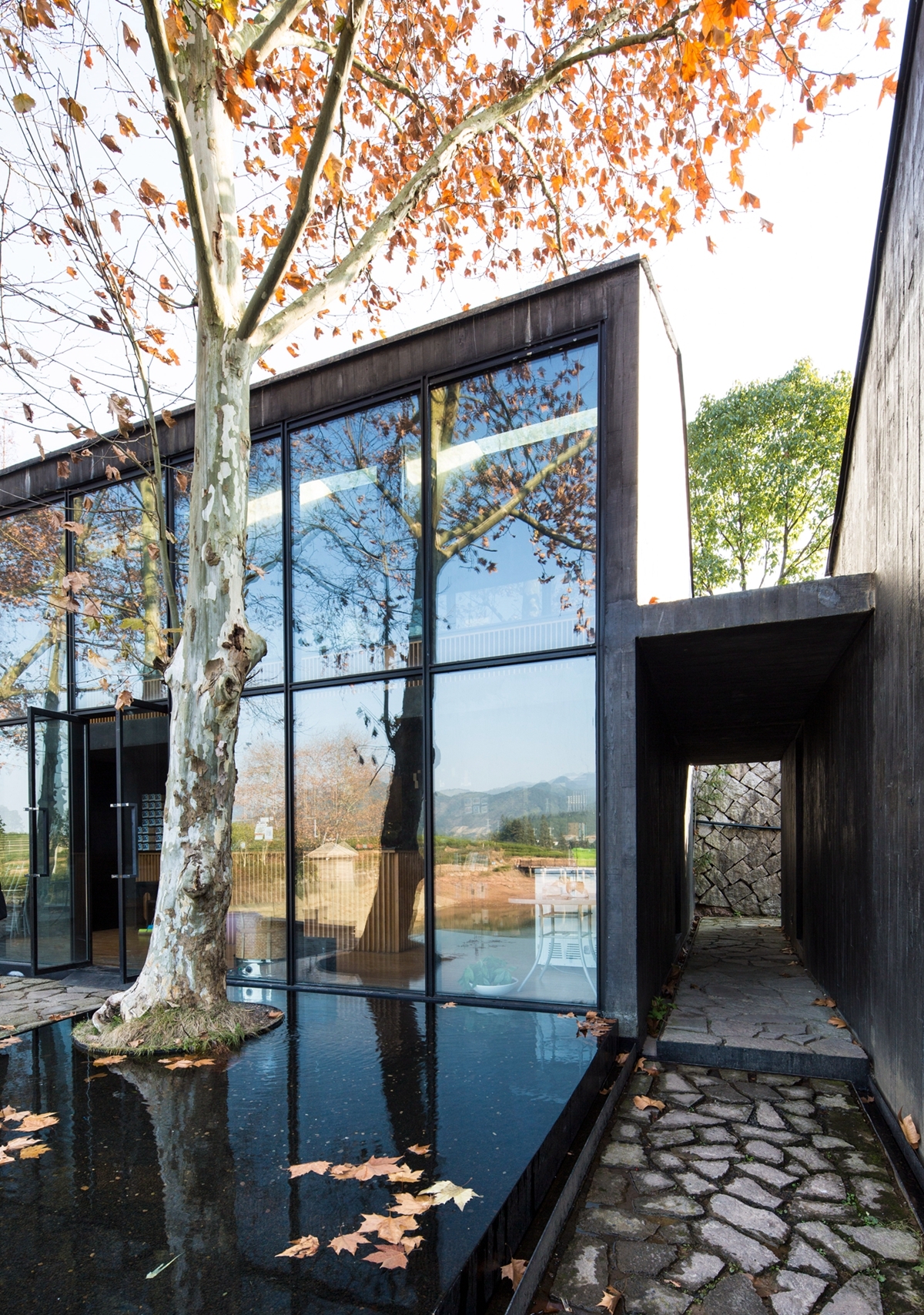
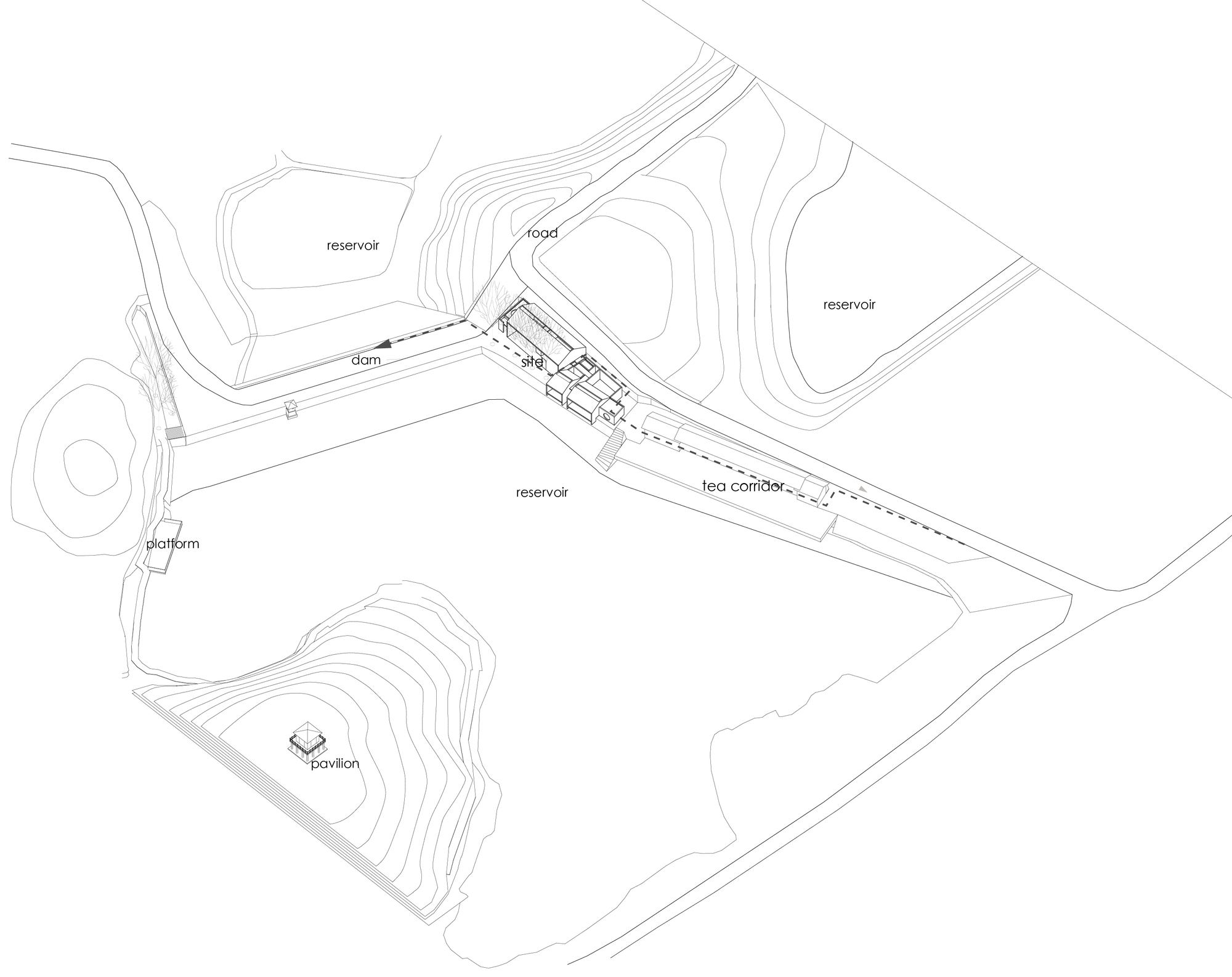
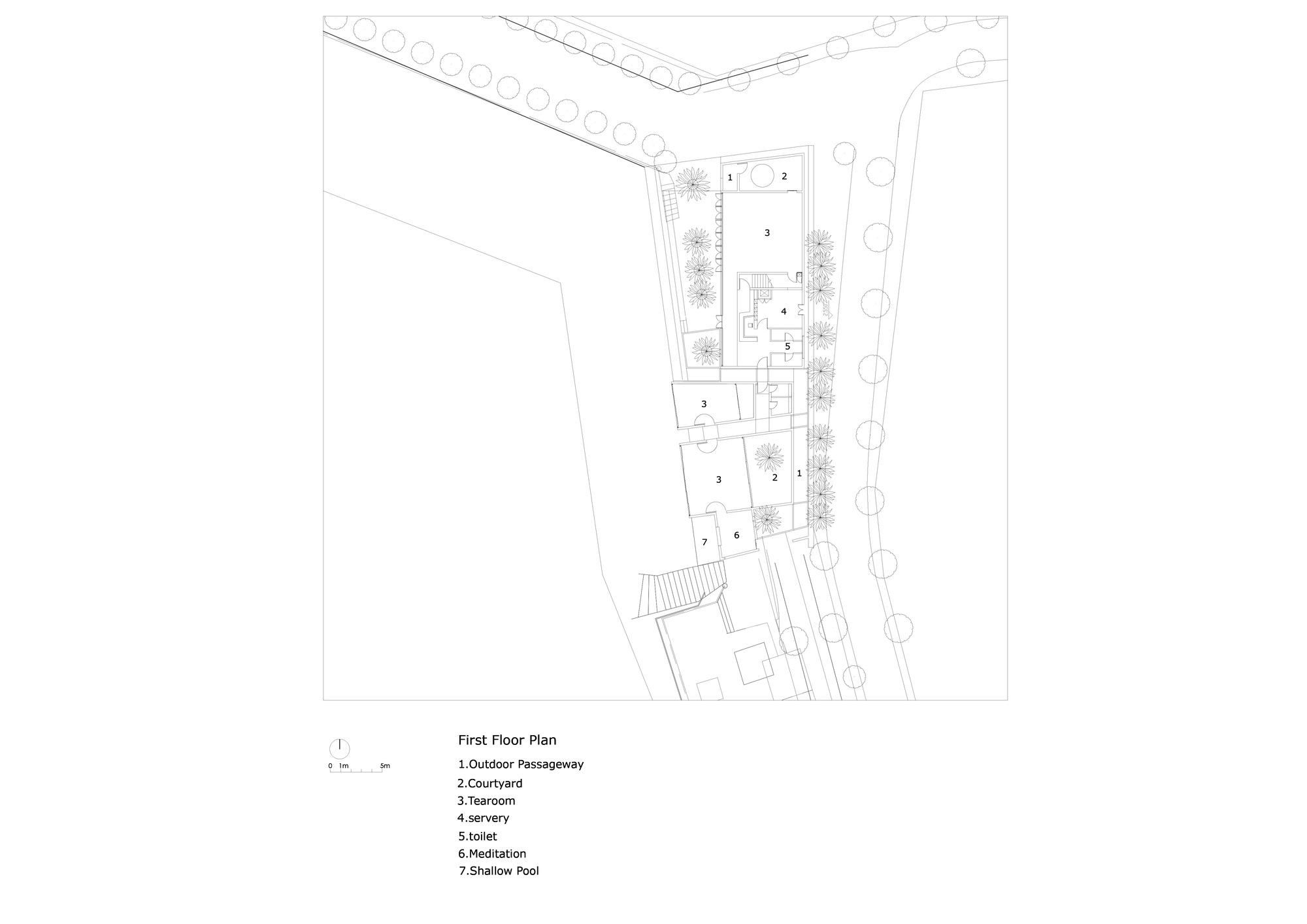
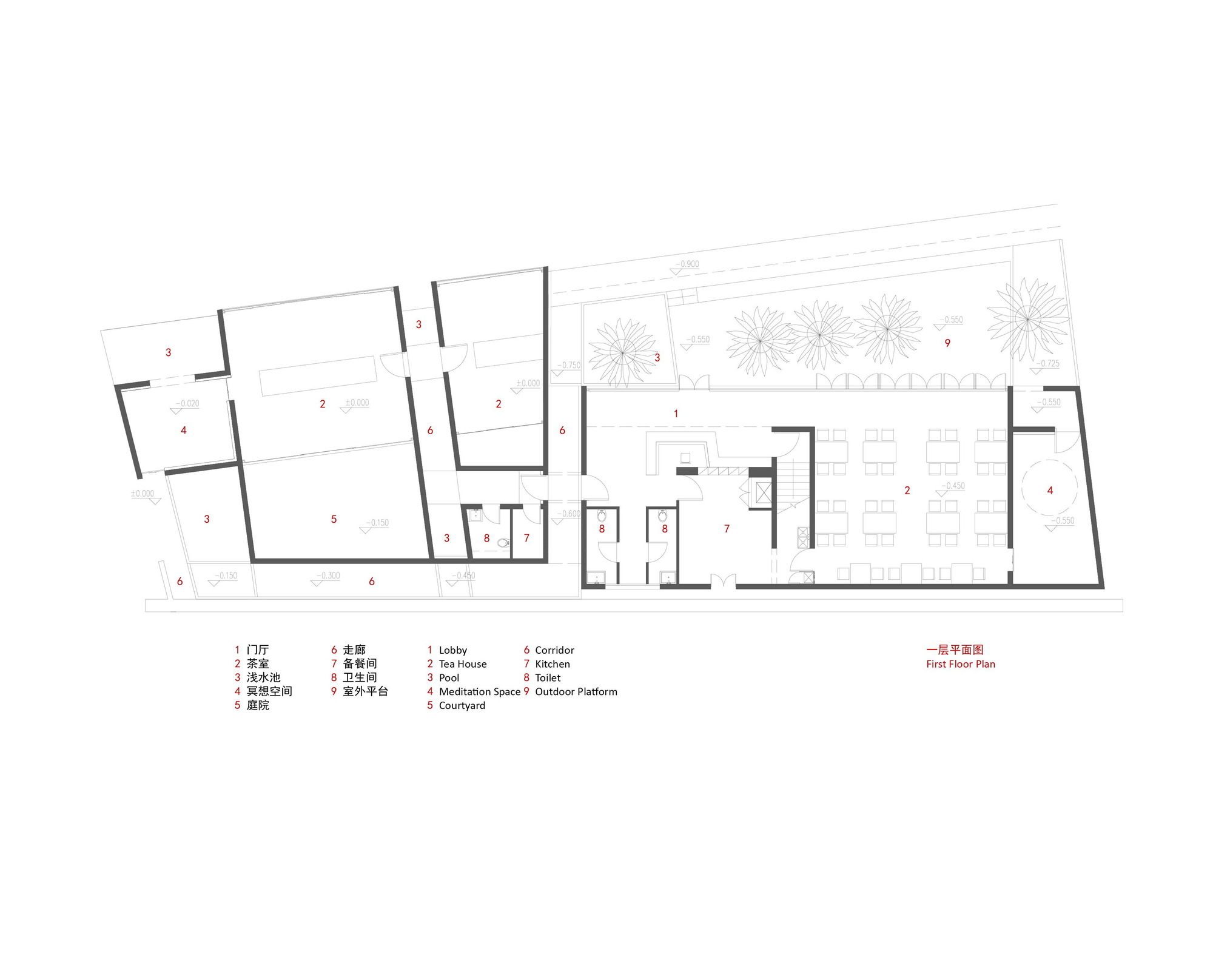
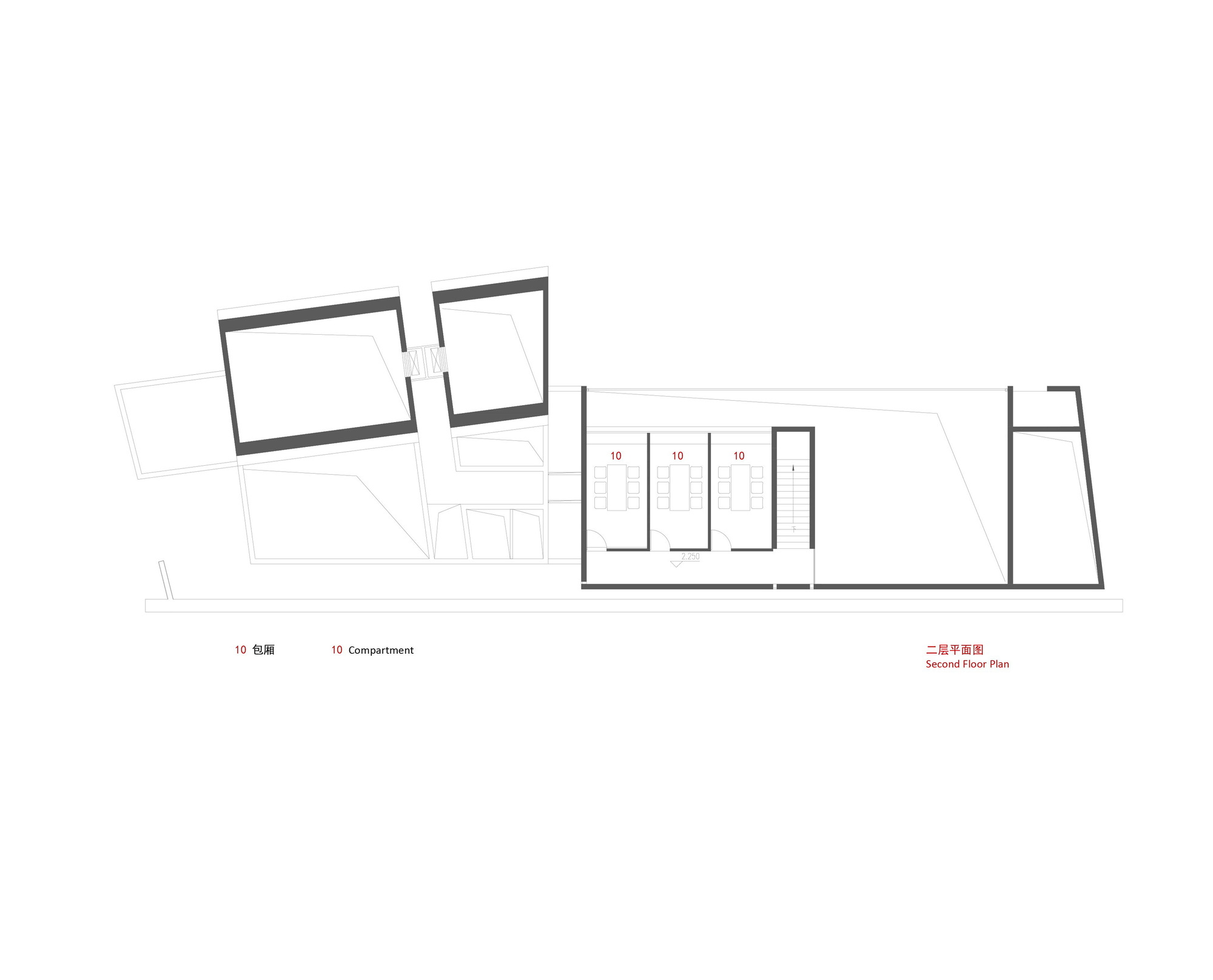
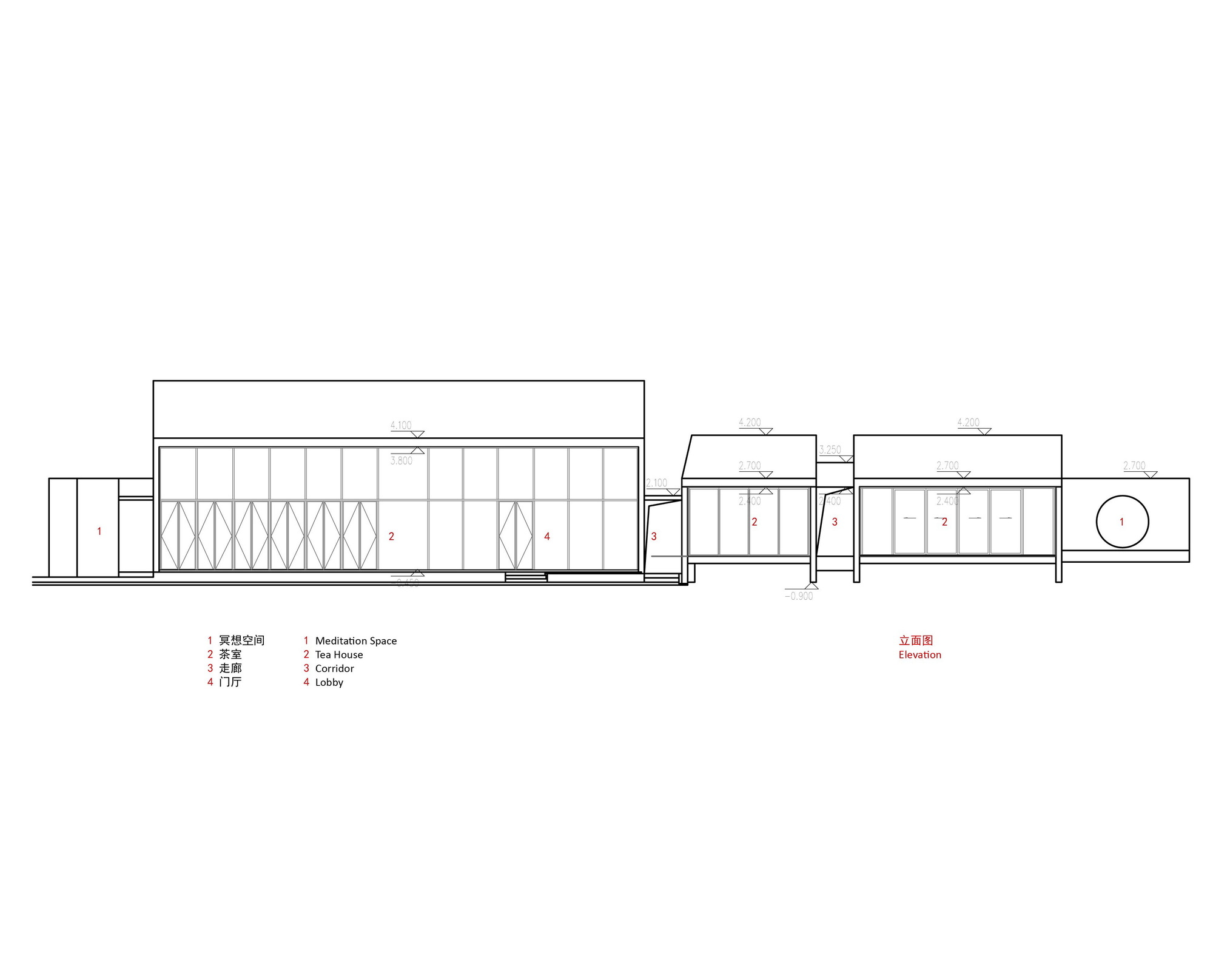
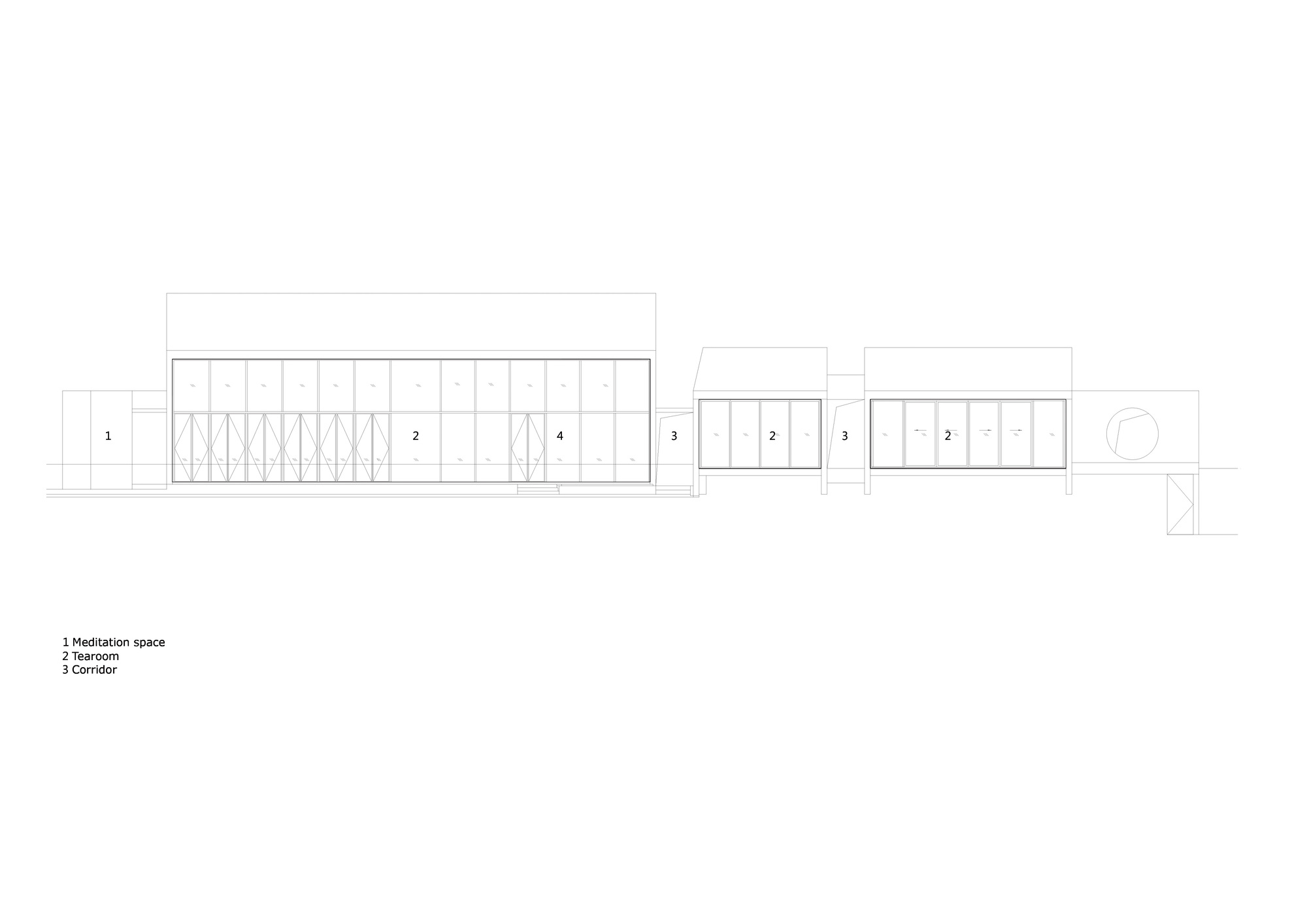
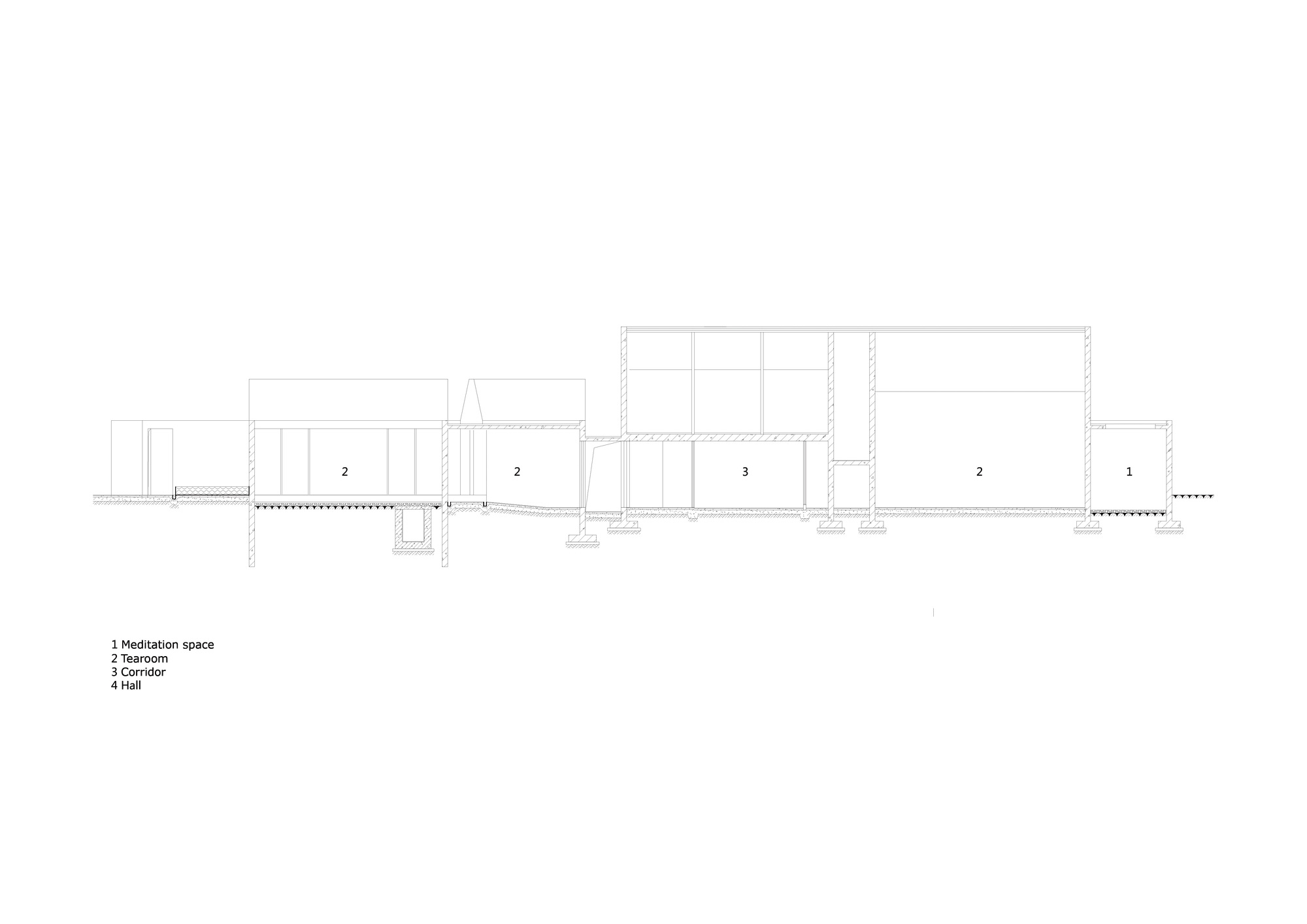
Songyang County in southwestern Zhejiang is a demonstration county for protecting traditional Chinese villages, known as the Peach Blossom Spring sealed in on all sides, with fifty villages listed as traditional villages by the Ministry of Housing. Damoshan Tea Garden is a major tea-producing area and tourist attraction near the county seat, surrounded by villages and on the route to Songyang's ancient settlements. The tea garden is worked by local farmers, and before the Qingming harvest large numbers of migrant tea workers arrive. As China's largest cycling tea garden, visitor numbers to Damoshan and Songyang grow annually; the county tourism company planned a series of landscape pavilions and service facilities, including bamboo viewing pavilions already built and a planned tea house by the central reservoir. The reservoir is bounded by embankments; the west is a natural slope planted with tea, while the east, lower than the road, already holds a traditional pitched-roof resting corridor and waterside platform, with a flat narrow plot to the north, framed by five plane trees opposite two at the other end. Placing the tea house here offers visitors indoor resting space while completing a continuous route around the reservoir. Following the earlier bamboo pavilions, which replaced generic metal sculptures with natural local materials, the tea house continues the dialogue between tea garden, local craft and landscape.











 Editor's Pick
 Latest Design