Text description provided by the architects
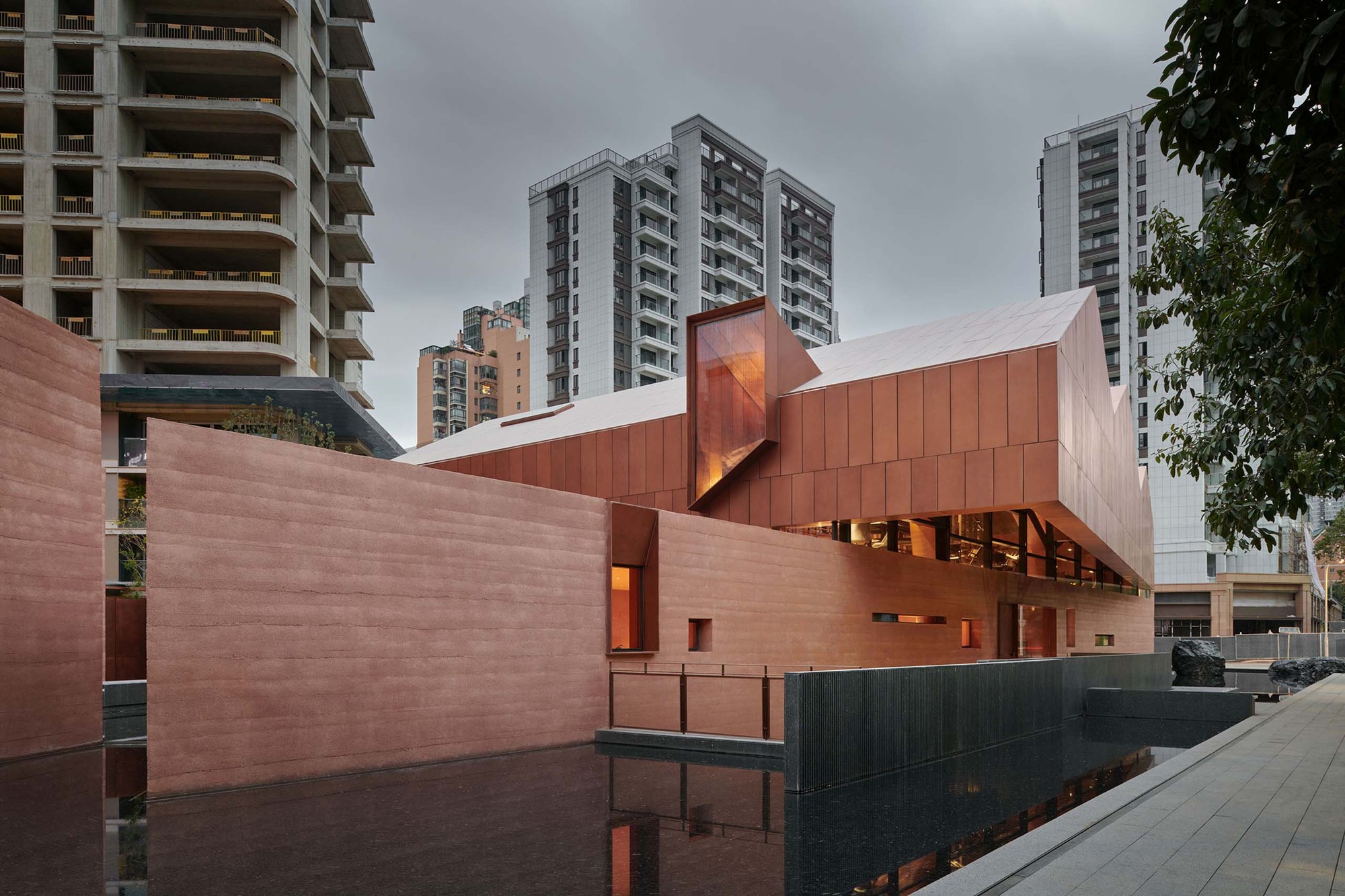
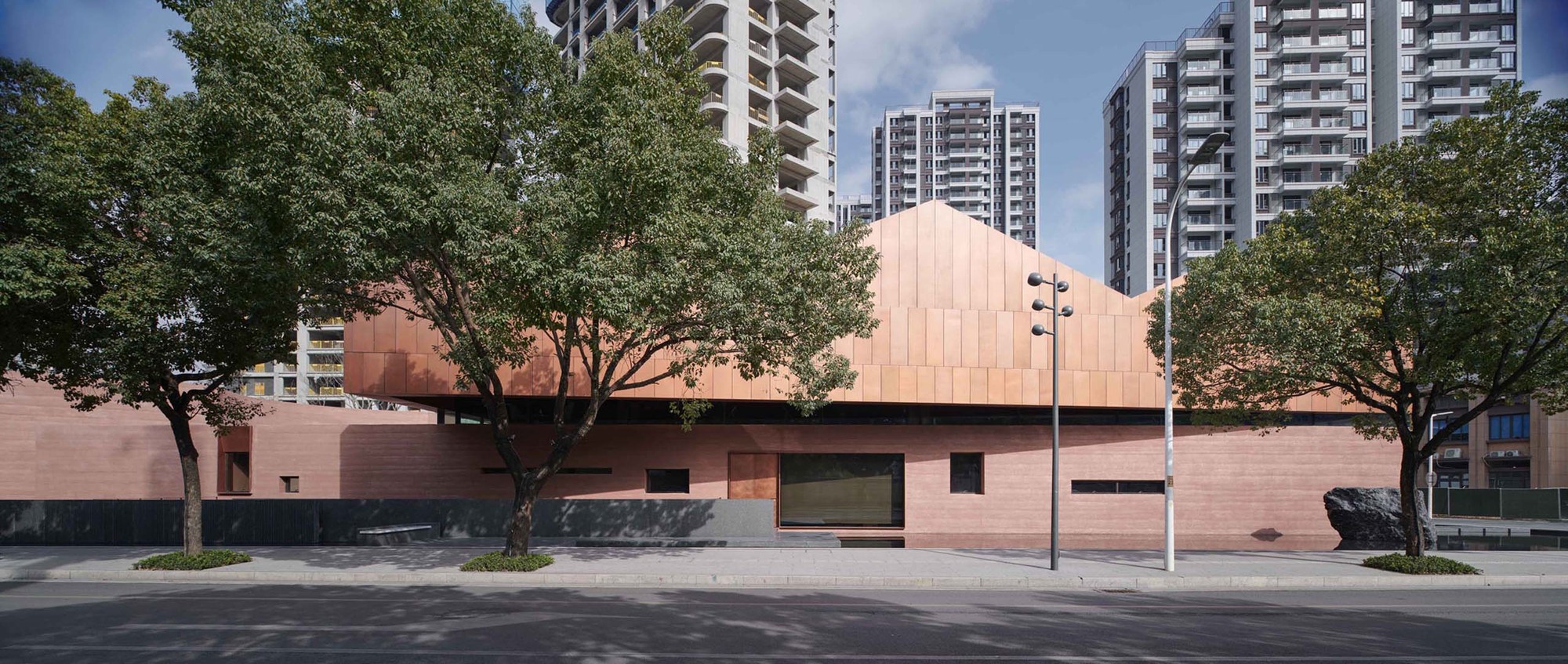
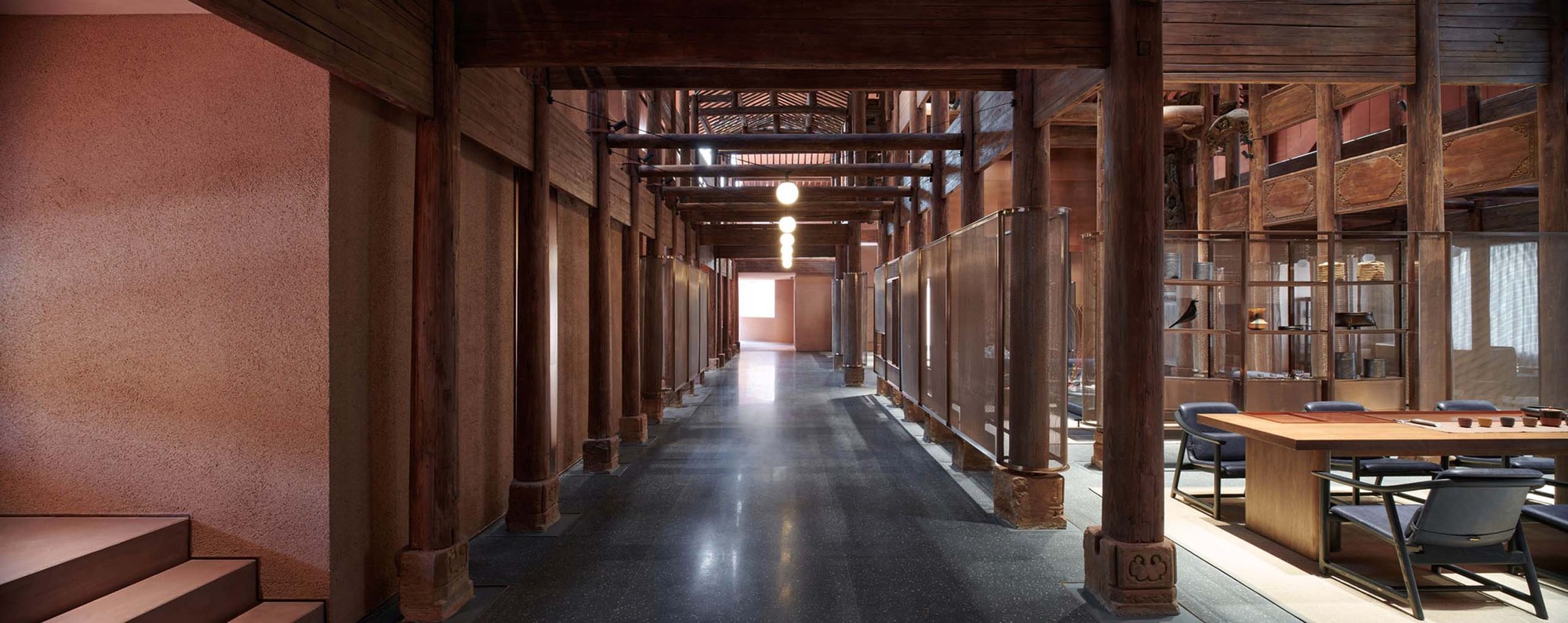
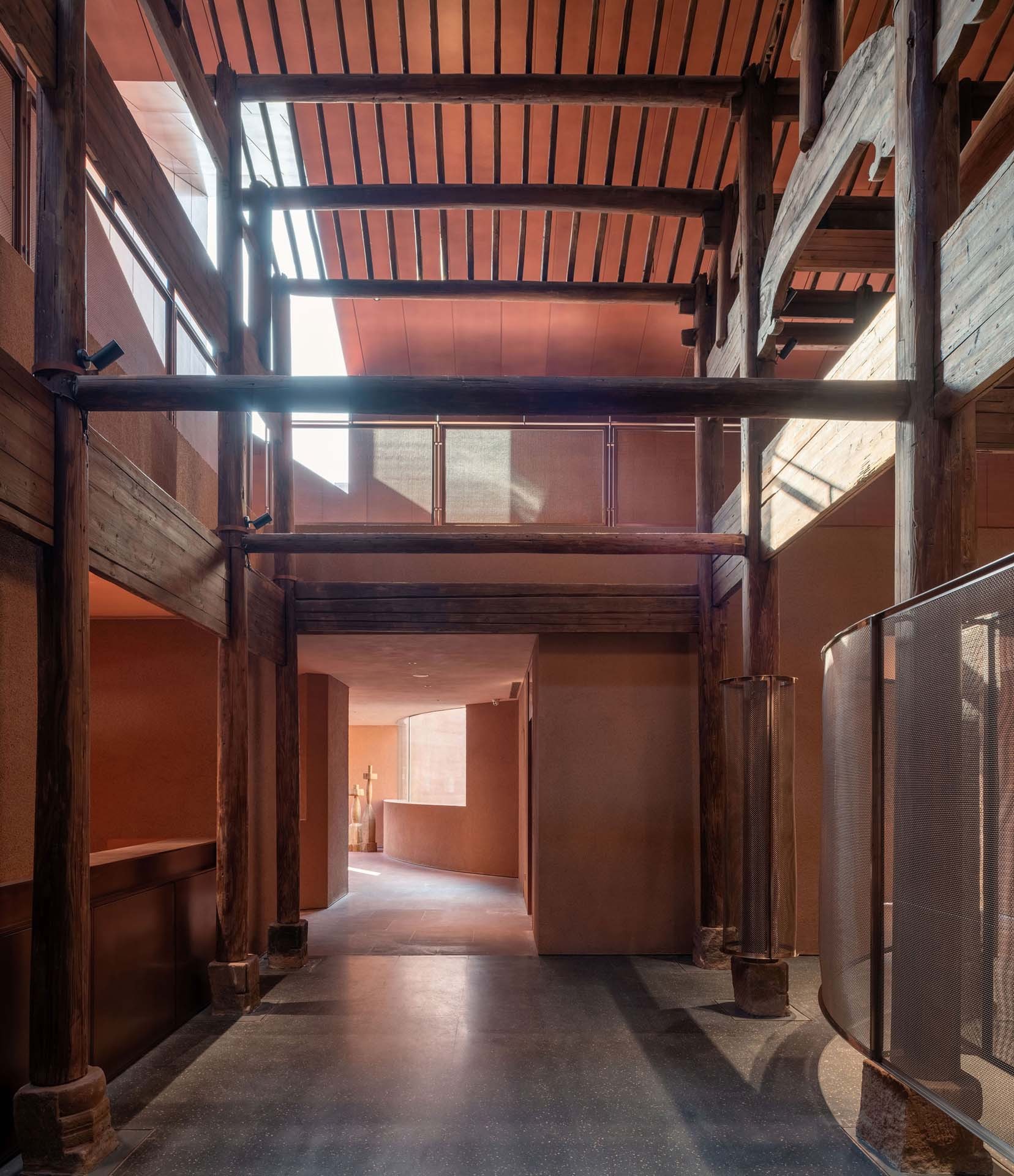
The Fuzhou Tea House is inspired by the Jinshan Temple of Fuzhou as captured through the lens of John Thomson. The renowned British photographer John Thomson was one of the earliest photographers to travel to China, conveying Eastern landscapes and culture to the West through his images. In his photographic collection Fuzhou and the Min River, Thomson documented his legendary 1871 journey upstream along the Min River, capturing the rare ancient temple built on a floating rock in the middle of the river. The ancient temple sits quietly on the floating stone in the river, and this image has become an enduring memory of Fuzhou. Neri used Fuzhou's history and culture as brushstrokes, painting this tea house as a city artifact. The ancient wooden structure inside the tea house is a Qing Dynasty historic residence, a typical example of Huizhou architecture. It is filled with rich, elaborate decorative wood carvings. Neri wrapped the wooden structure within the new building envelope, making it the centerpiece of the tea house. In recent years, rapid urban development has gradually eroded traditional culture and cultural identity. Against this backdrop, the Fuzhou Tea House design is a unique example of historical inheritance. The project by Neri&Hu creates a tea house that is both a contemporary architectural space and a preservation of historic fabric, demonstrating how adaptive reuse can bring new life to old buildings while maintaining their cultural significance.









 Editor's Pick
 Latest Design
 Best Idea
 Hottest of Week