Text description provided by the architects
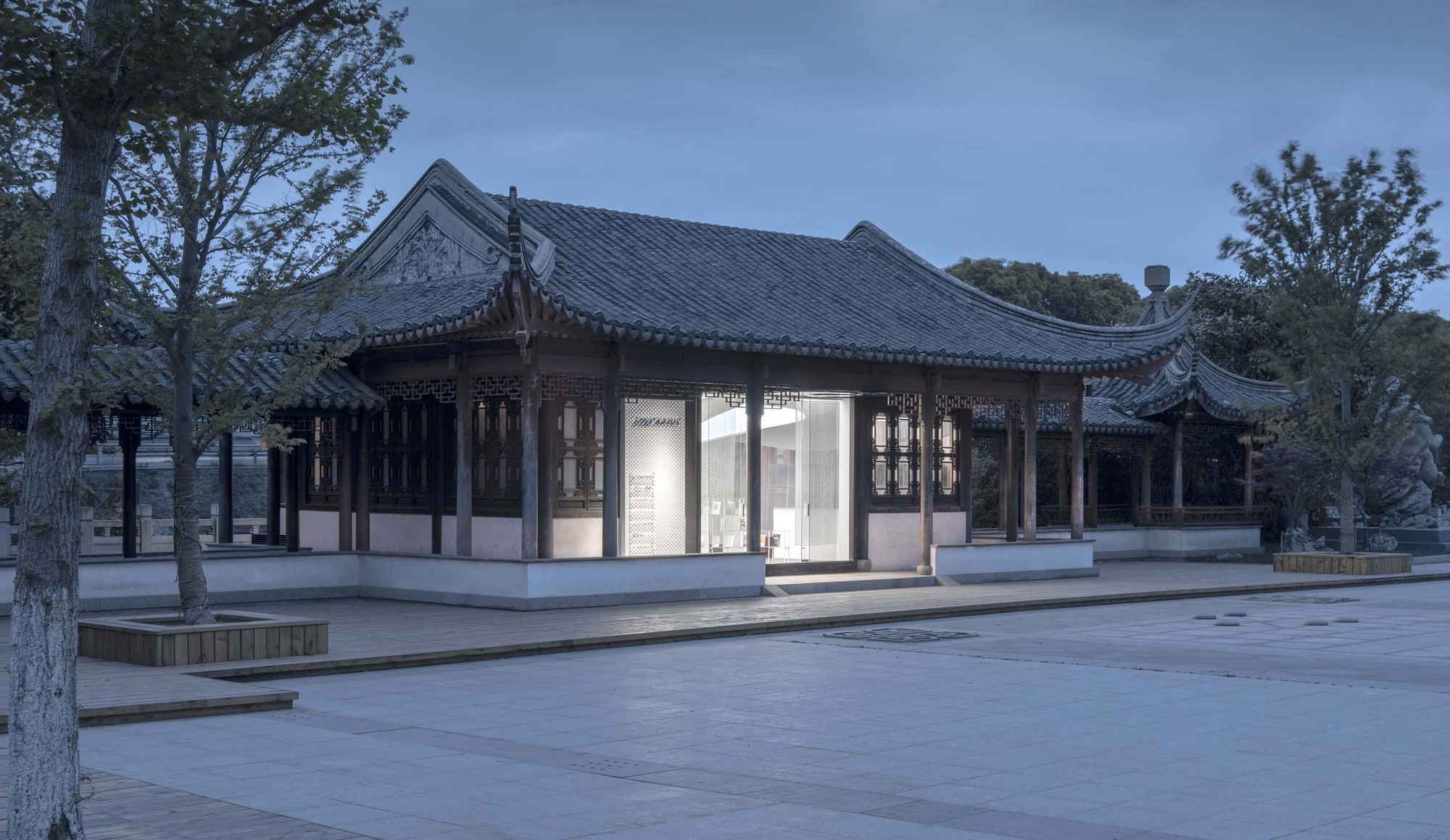
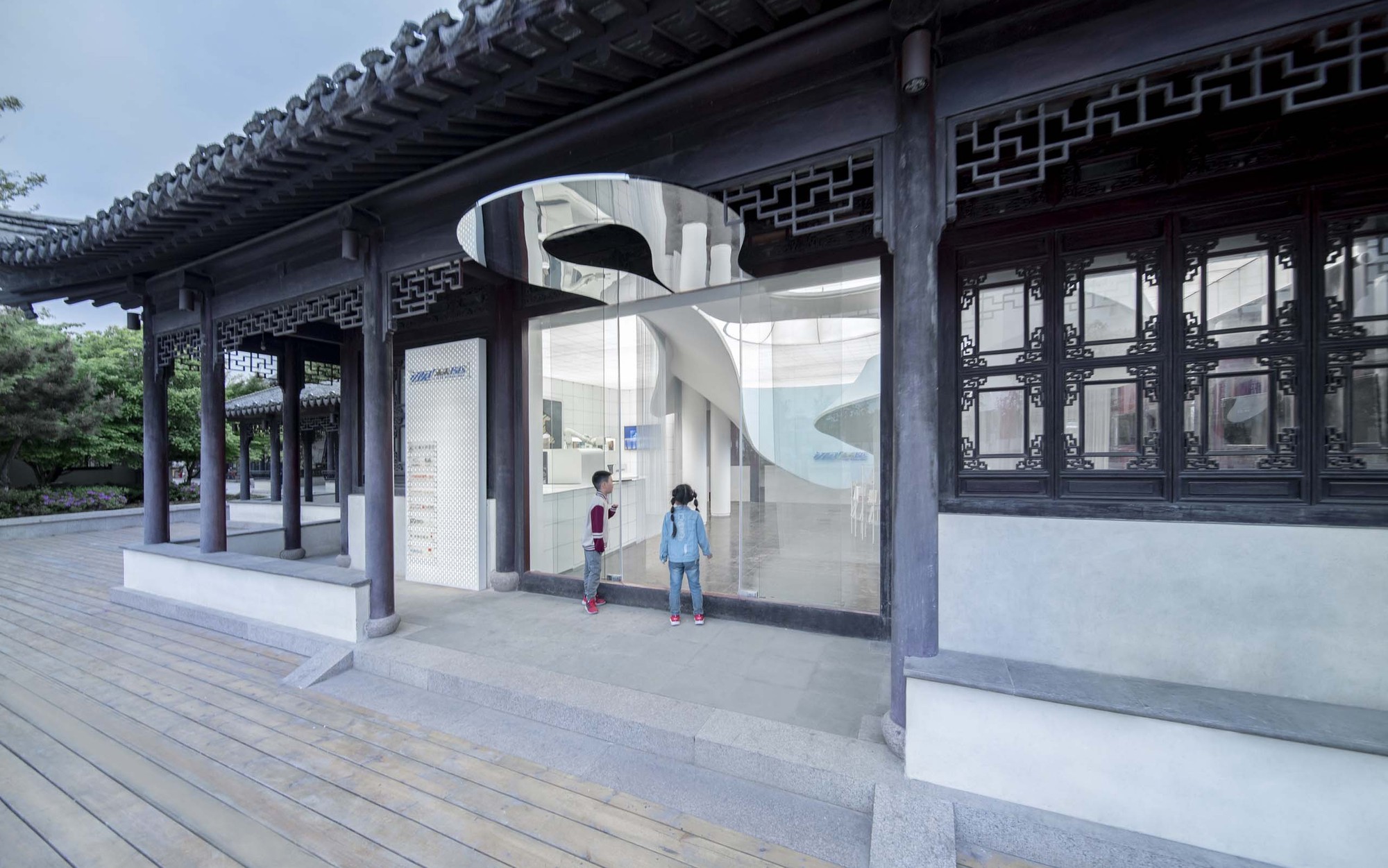
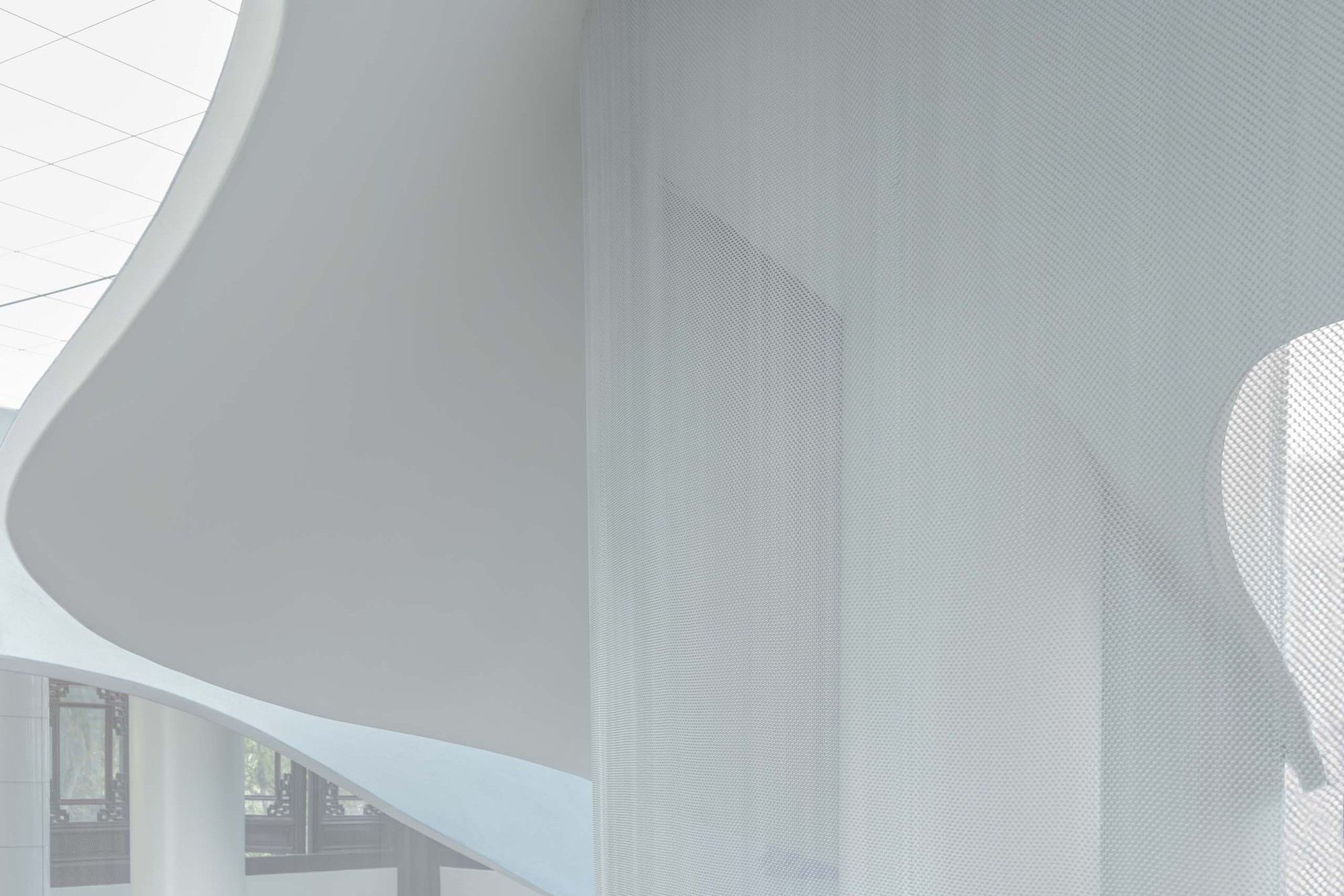
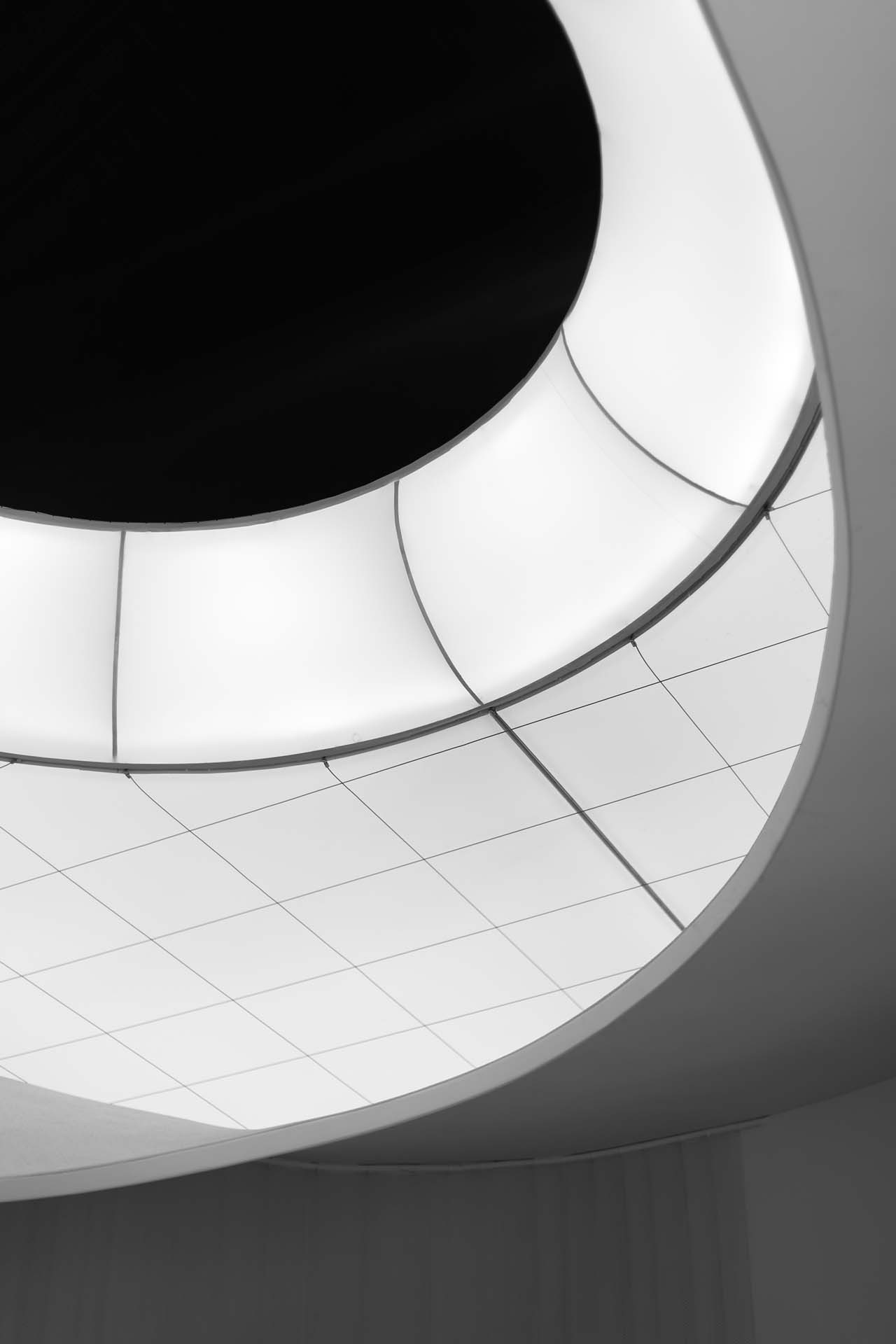
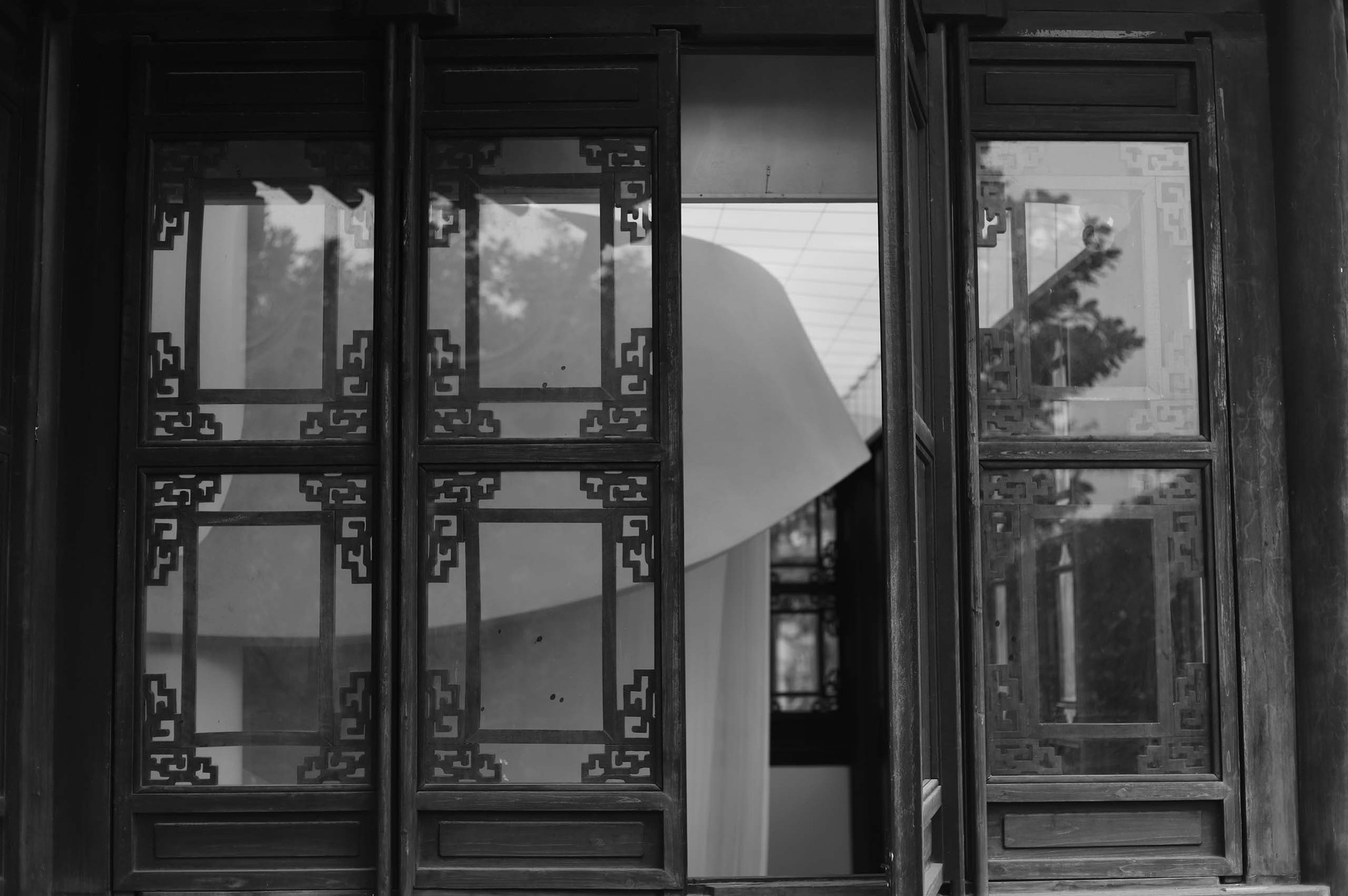
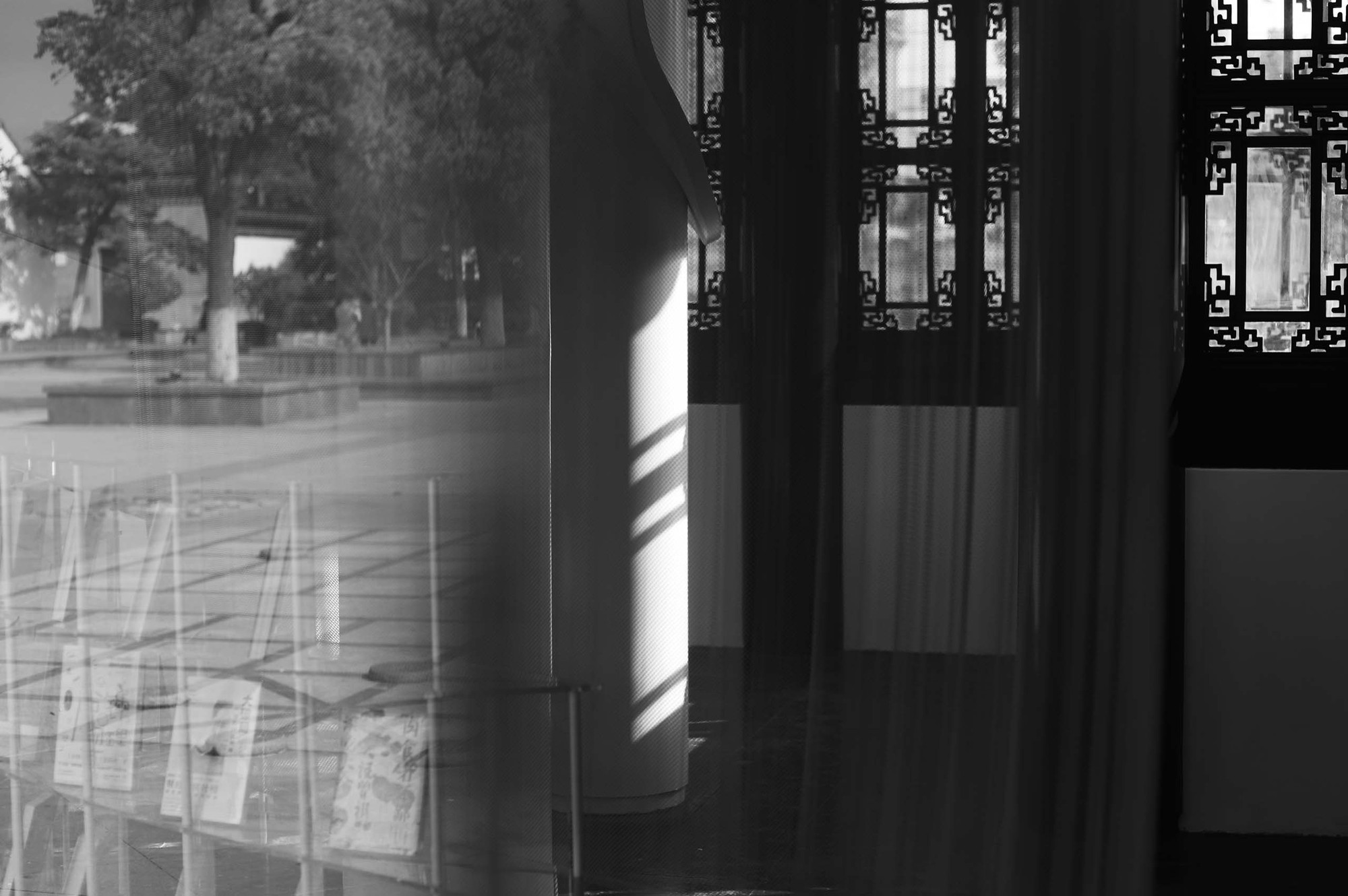
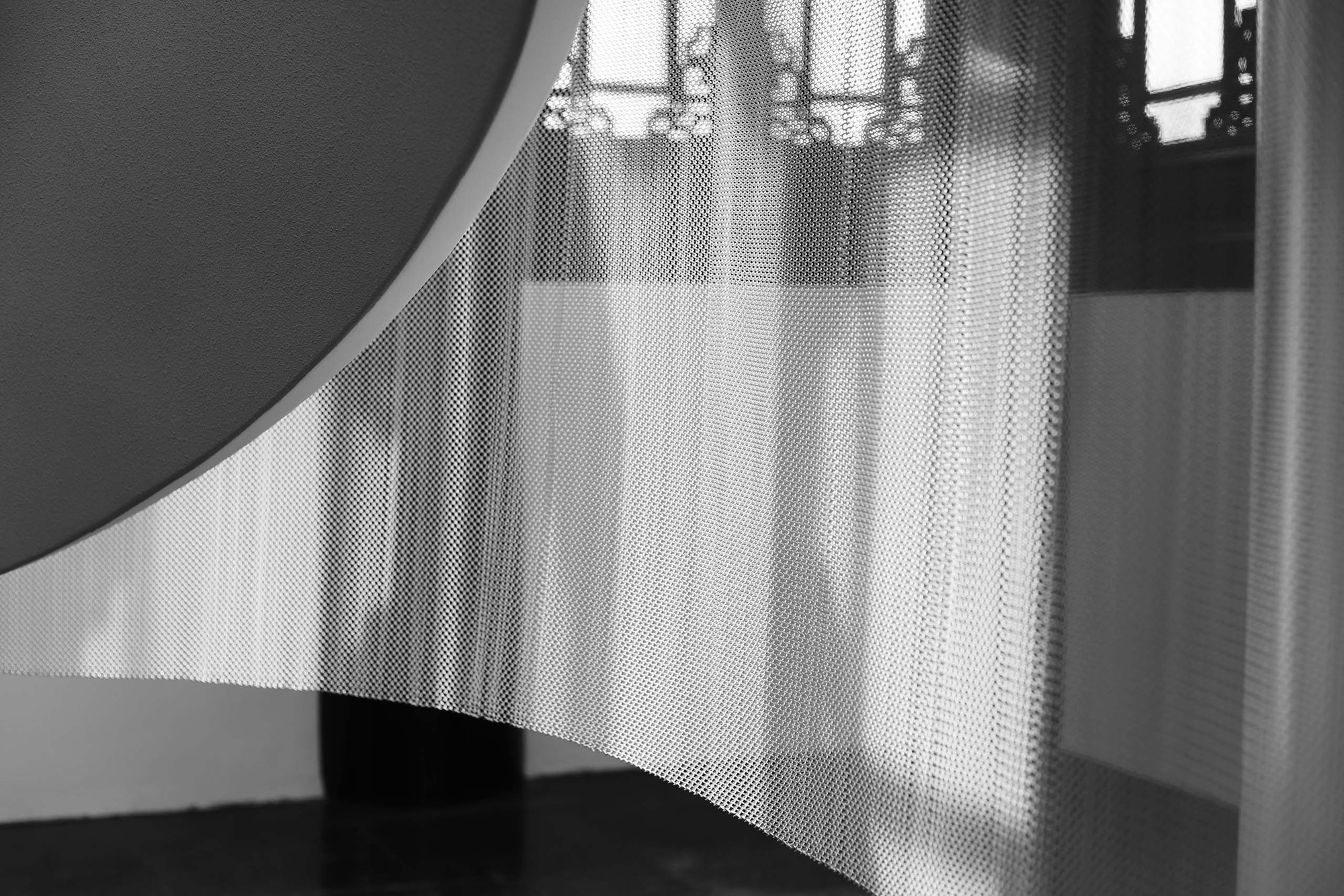
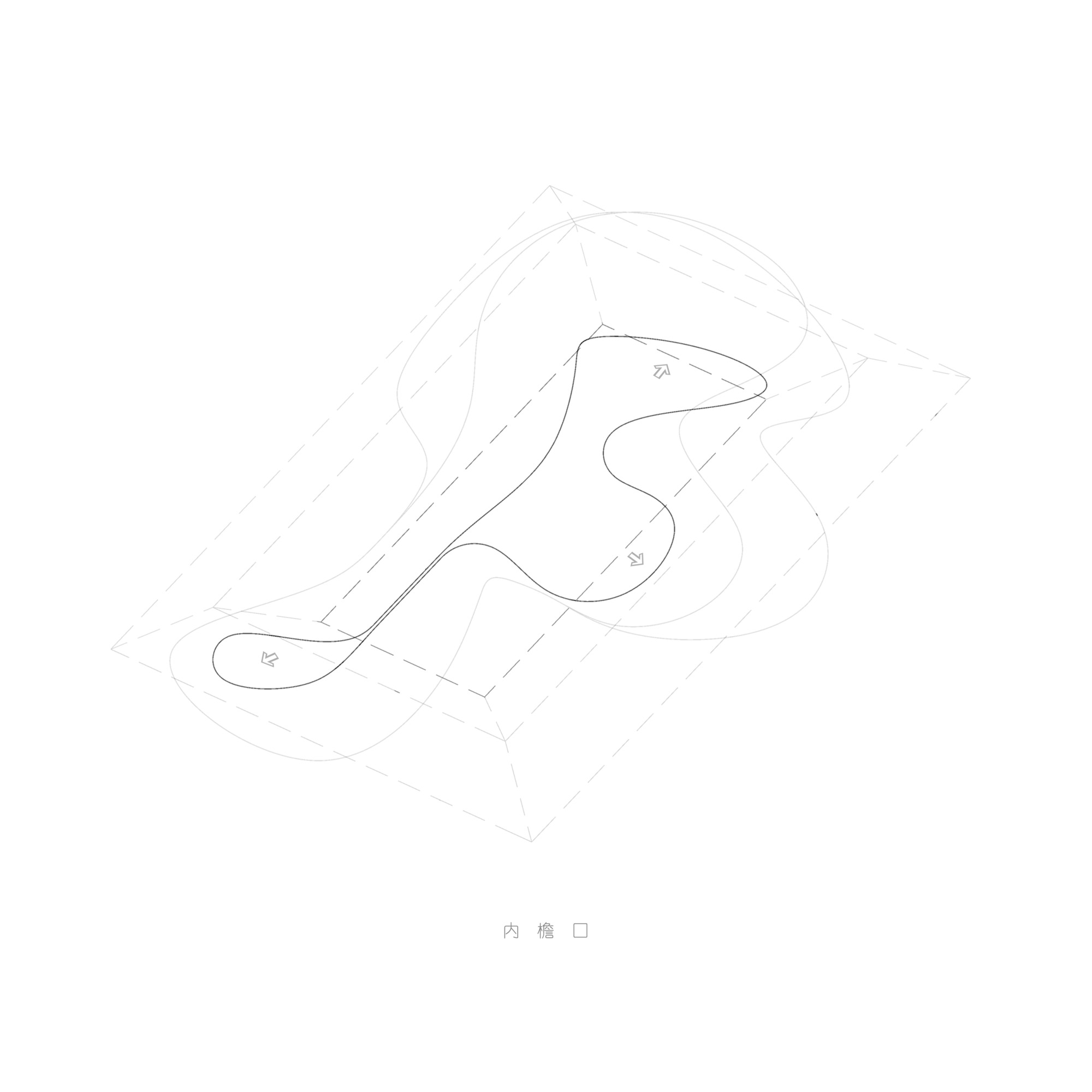
The Future Bookstore sits in Guli, an ancient town in Jiangsu. In a traditional setting, the project creates an opportunity for dialogue with the future; architecture is the key to that dialogue. The new bookstore, in a traditional environment, carries a not-so-traditional function: periodically presenting a certain selection of books. It is hidden among water-town dwellings, next to the two-hundred-year-old Tieqin Tongjian Tower, one of the four great private Qing-dynasty libraries. The special site fuses vague spatial memories: south of town, old houses, childhood in Qin Zhuangyuan Lane. These become the most important analogues in the design. Rather than inventing entirely new possibilities, imagination is triggered by existing experience. Beneath old eaves hides another new roof; they share a formal logic of ridge, inner and outer eaves and a clear pitched volume, yet are utterly unfamiliar. Abandoning obvious geometry, the new roof and the river outside share a fluid curve, eaves flying up and down, sometimes an invitation, sometimes a shield.











 Editor's Pick
 Latest Design