Text description provided by the architects
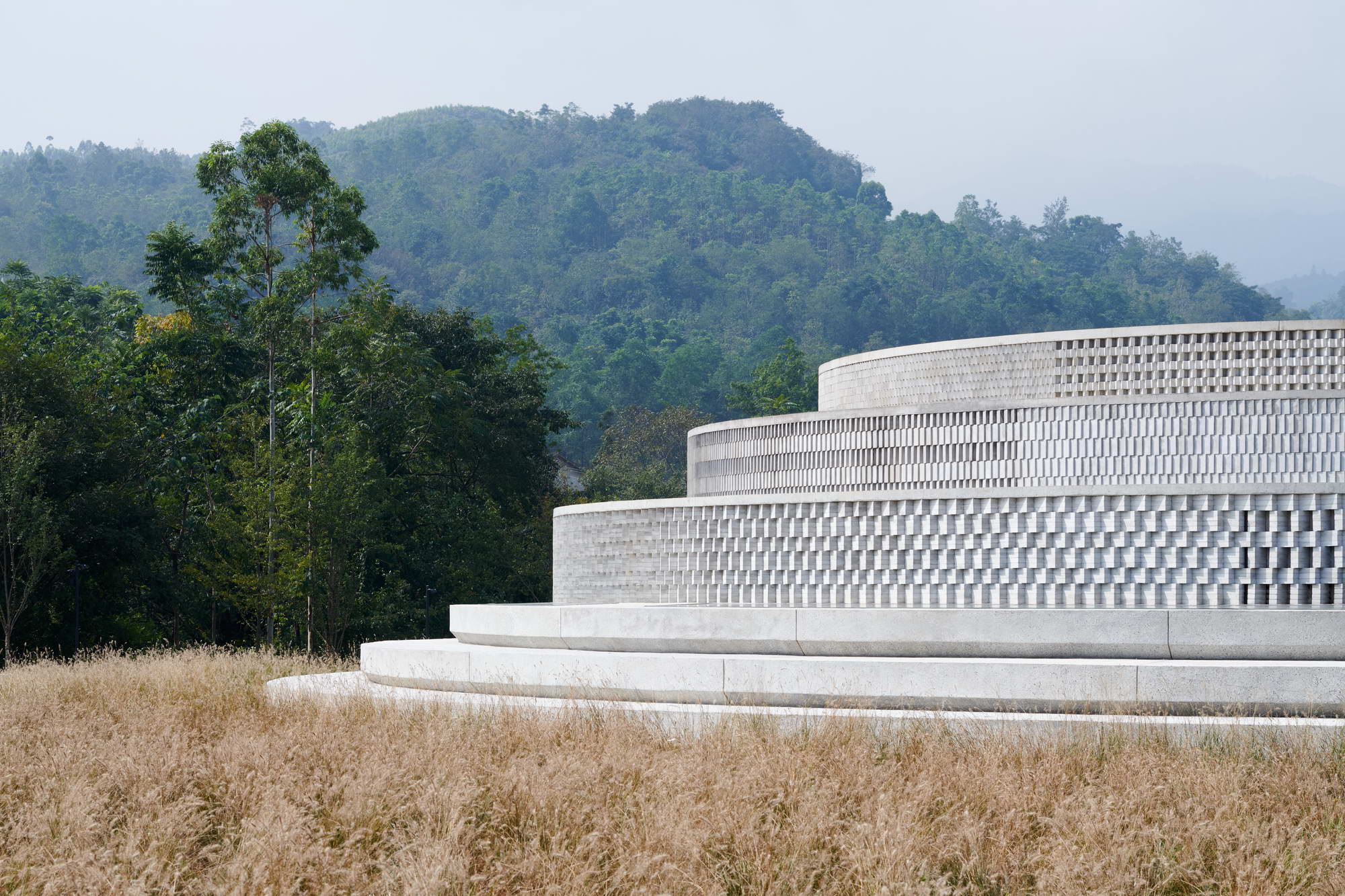
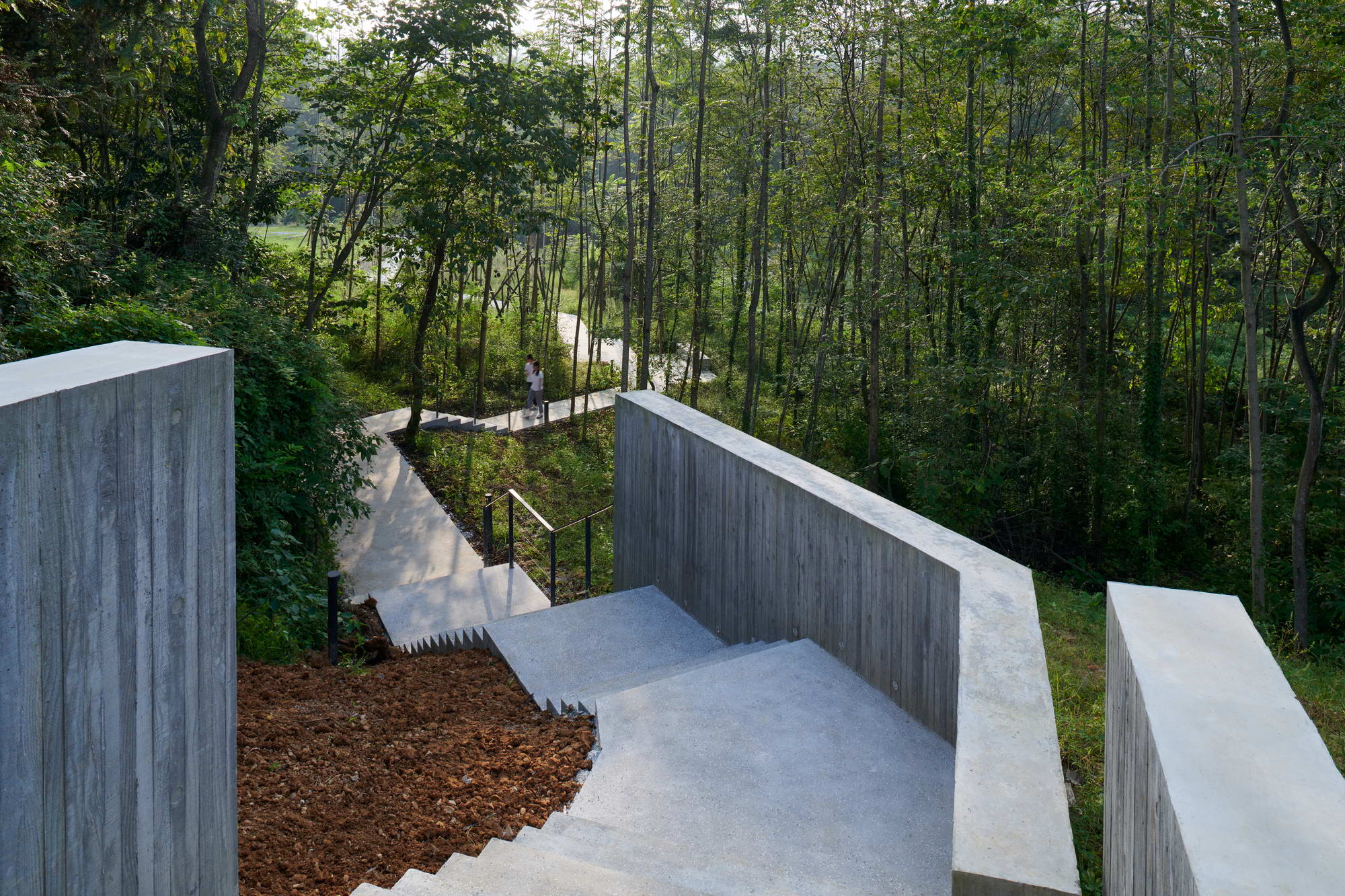
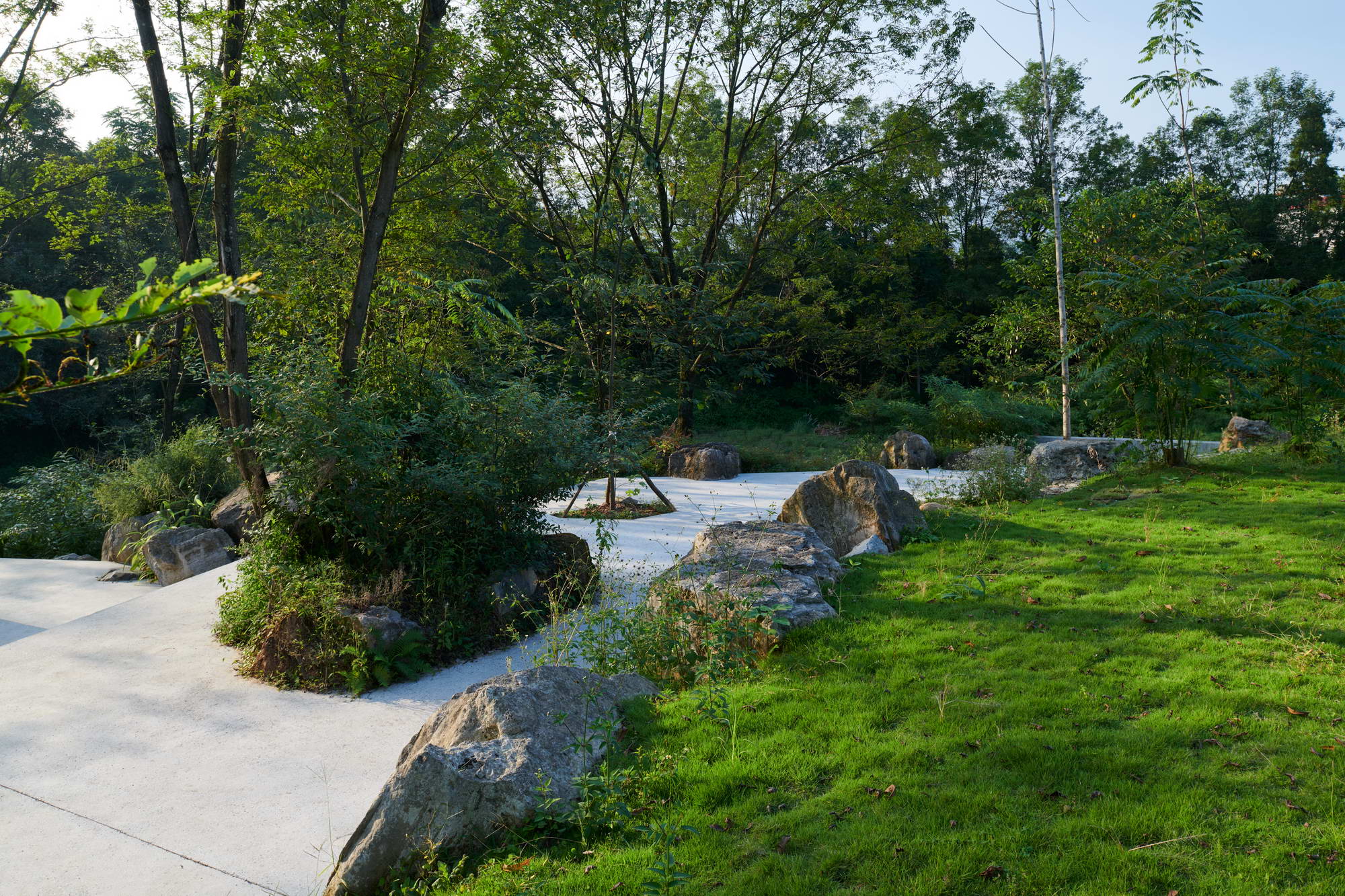
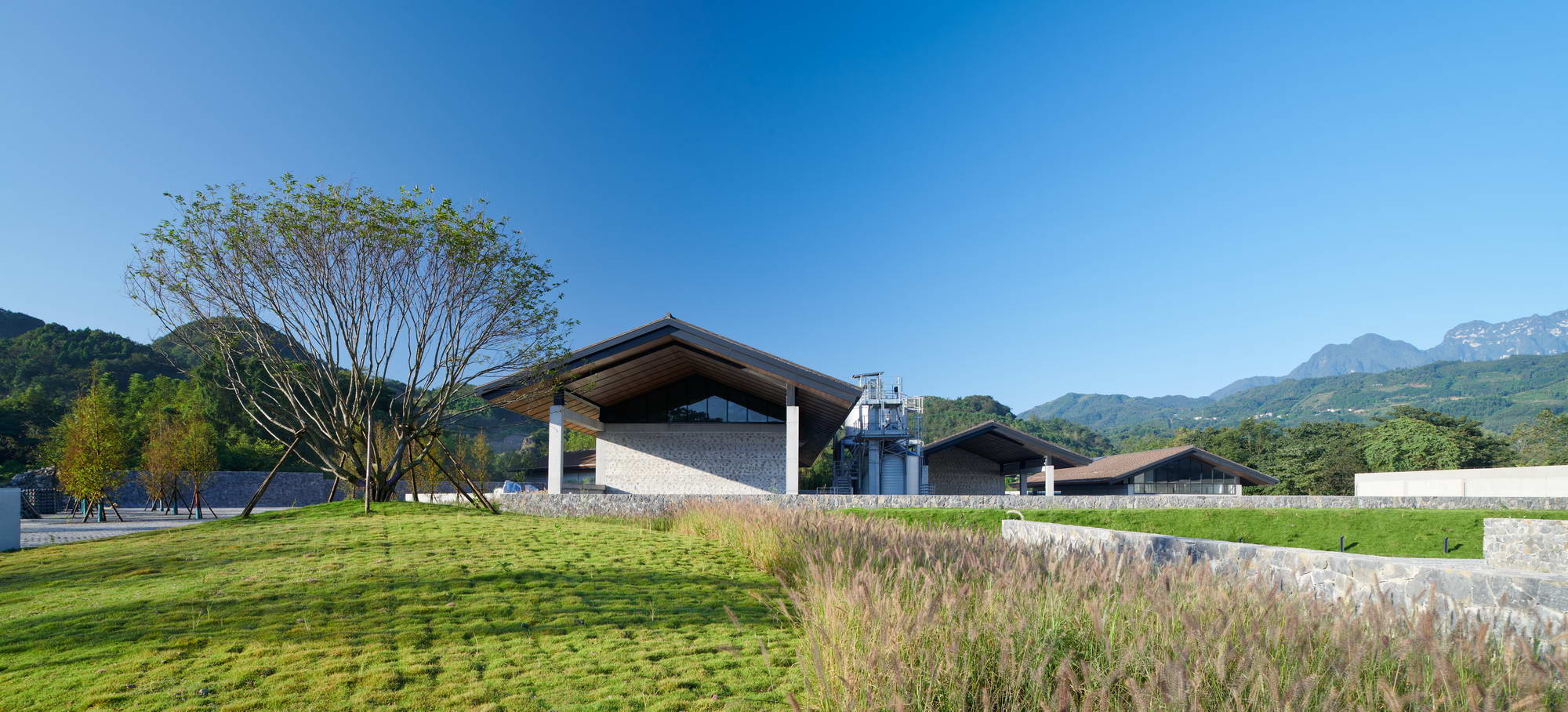
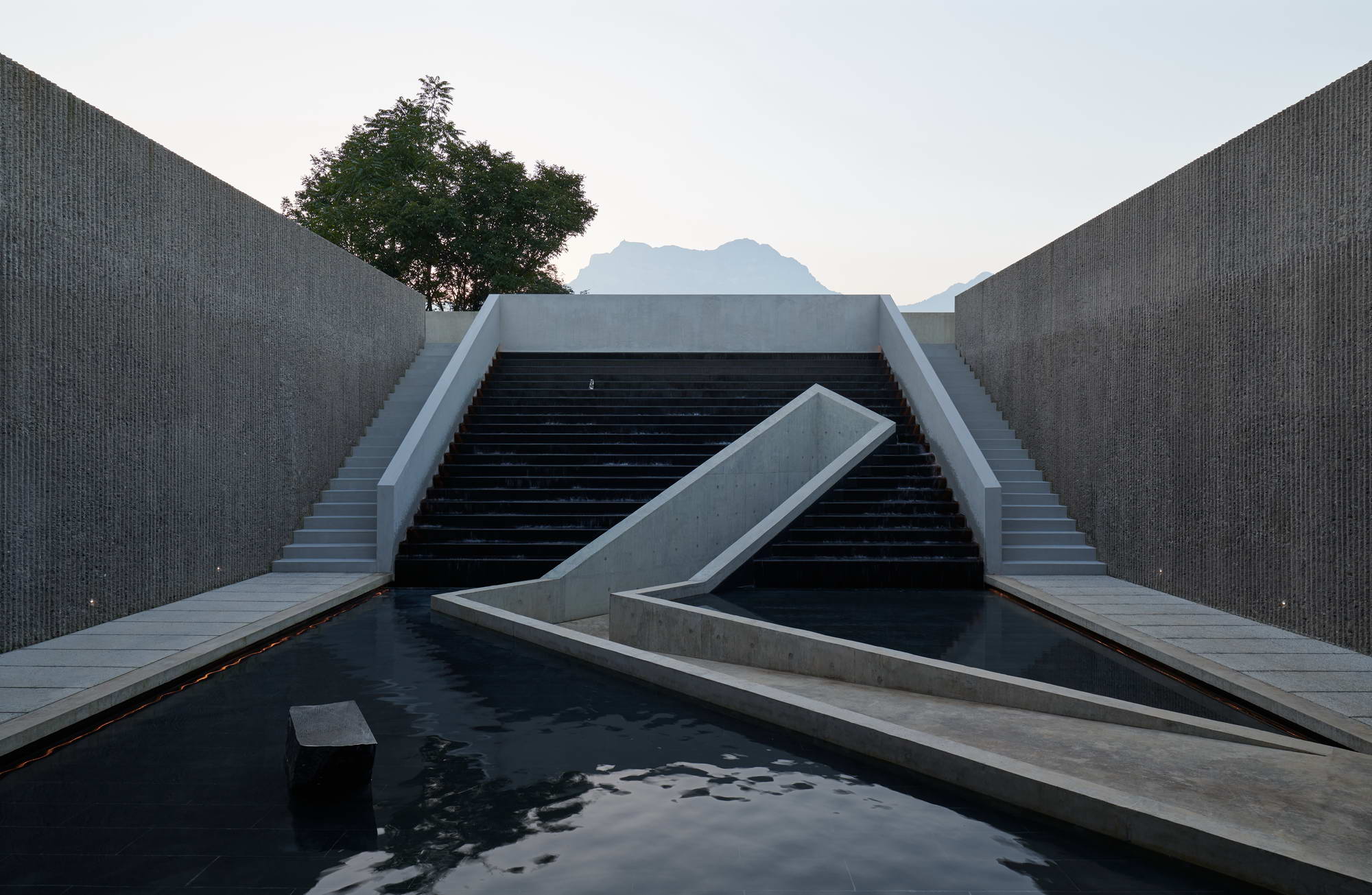
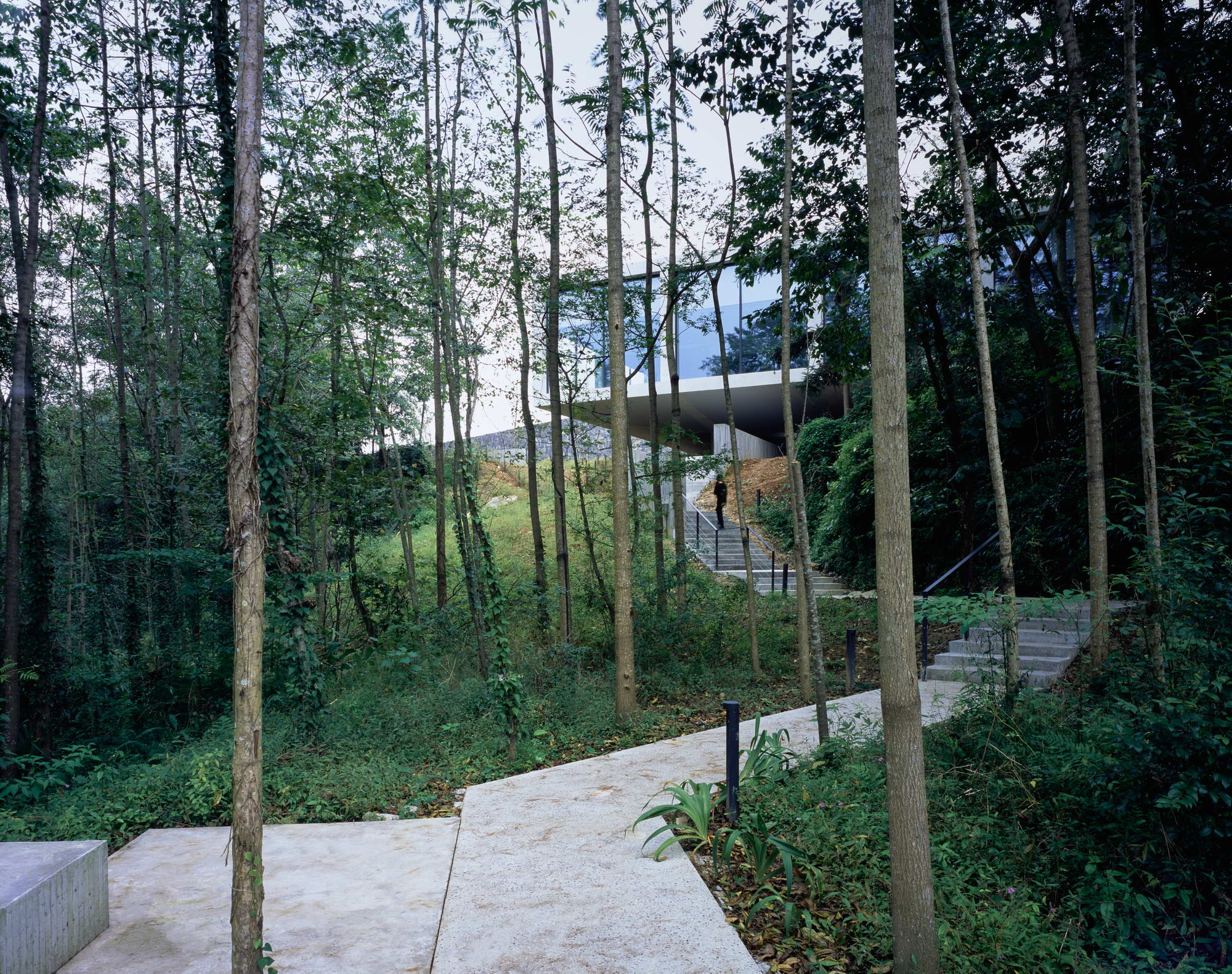
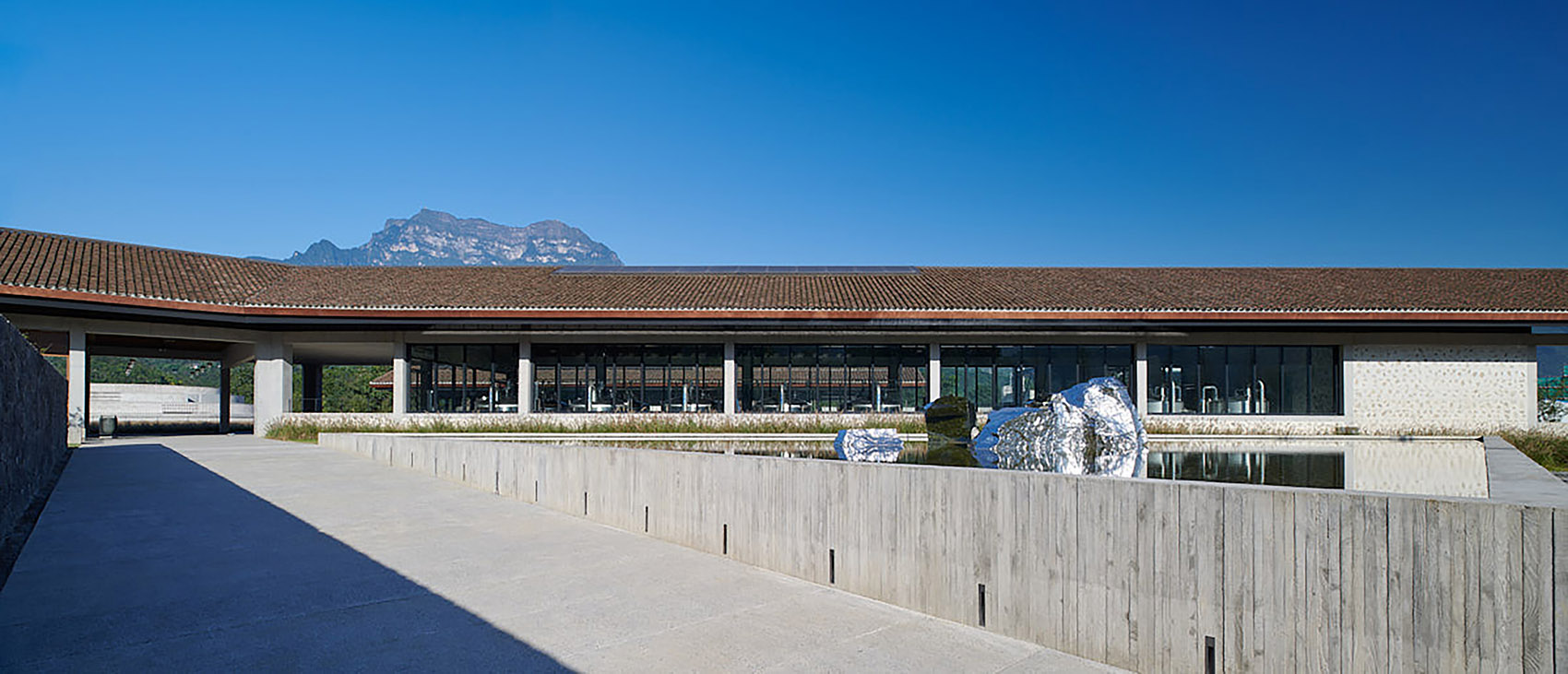
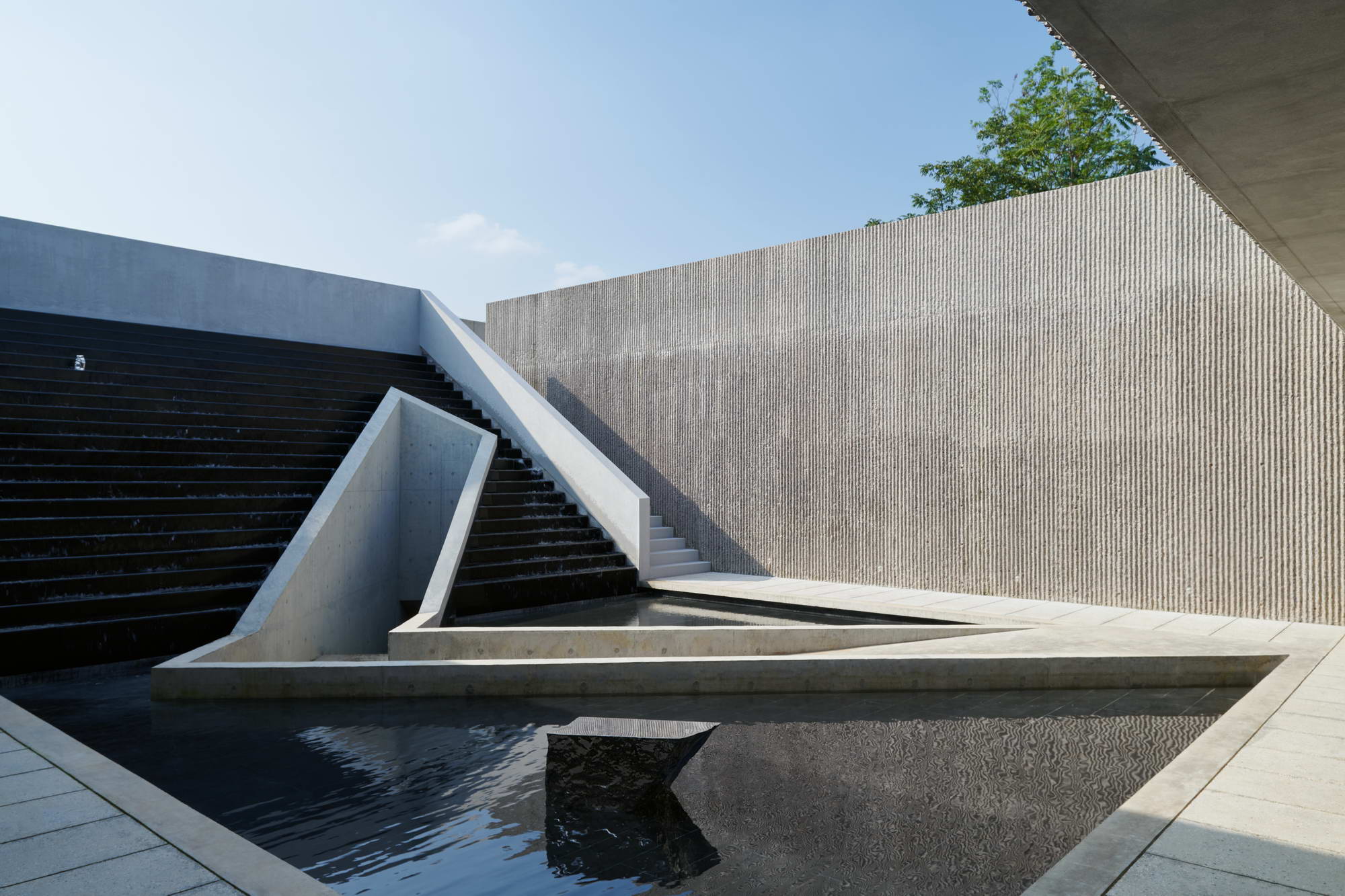
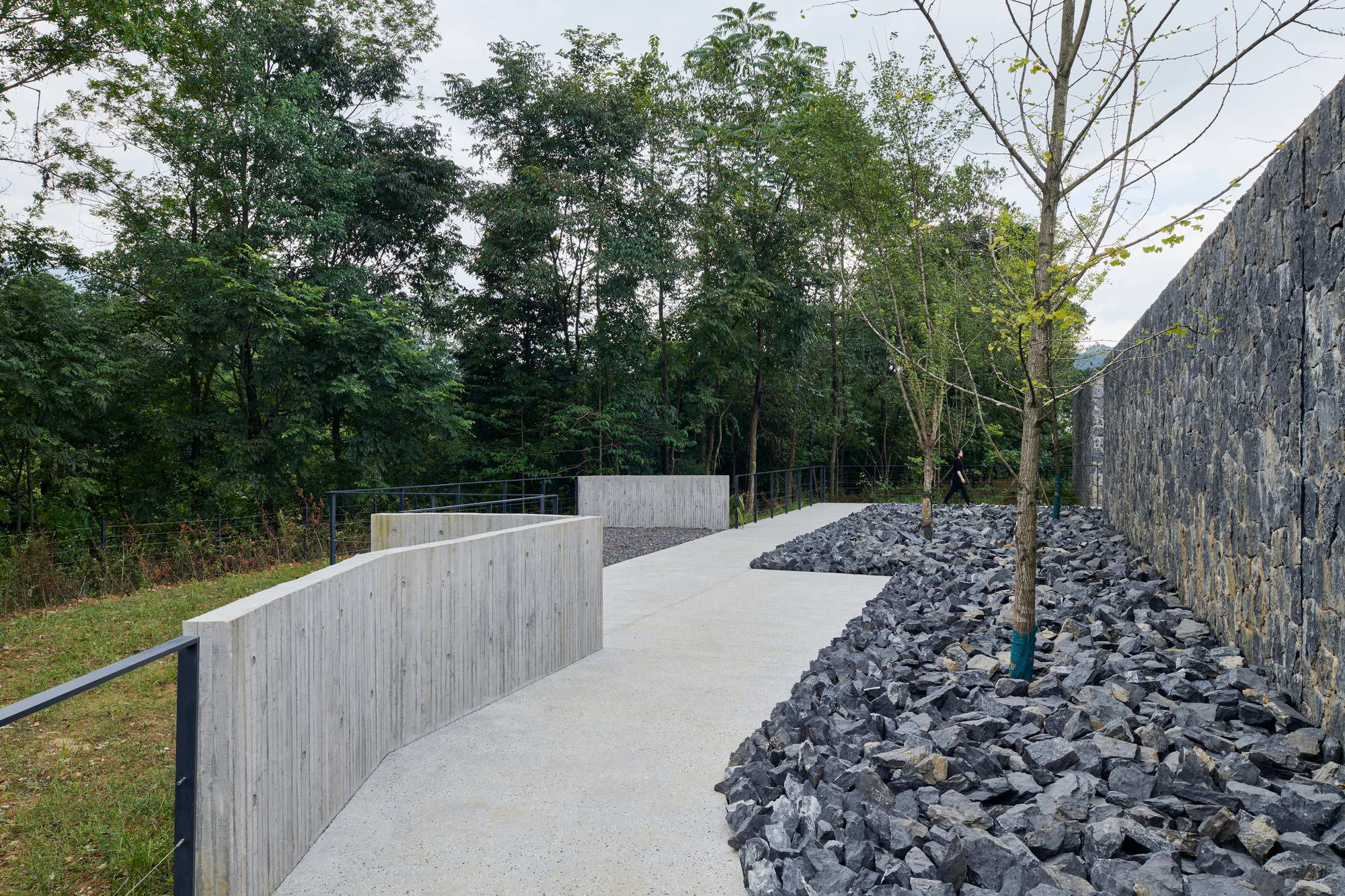
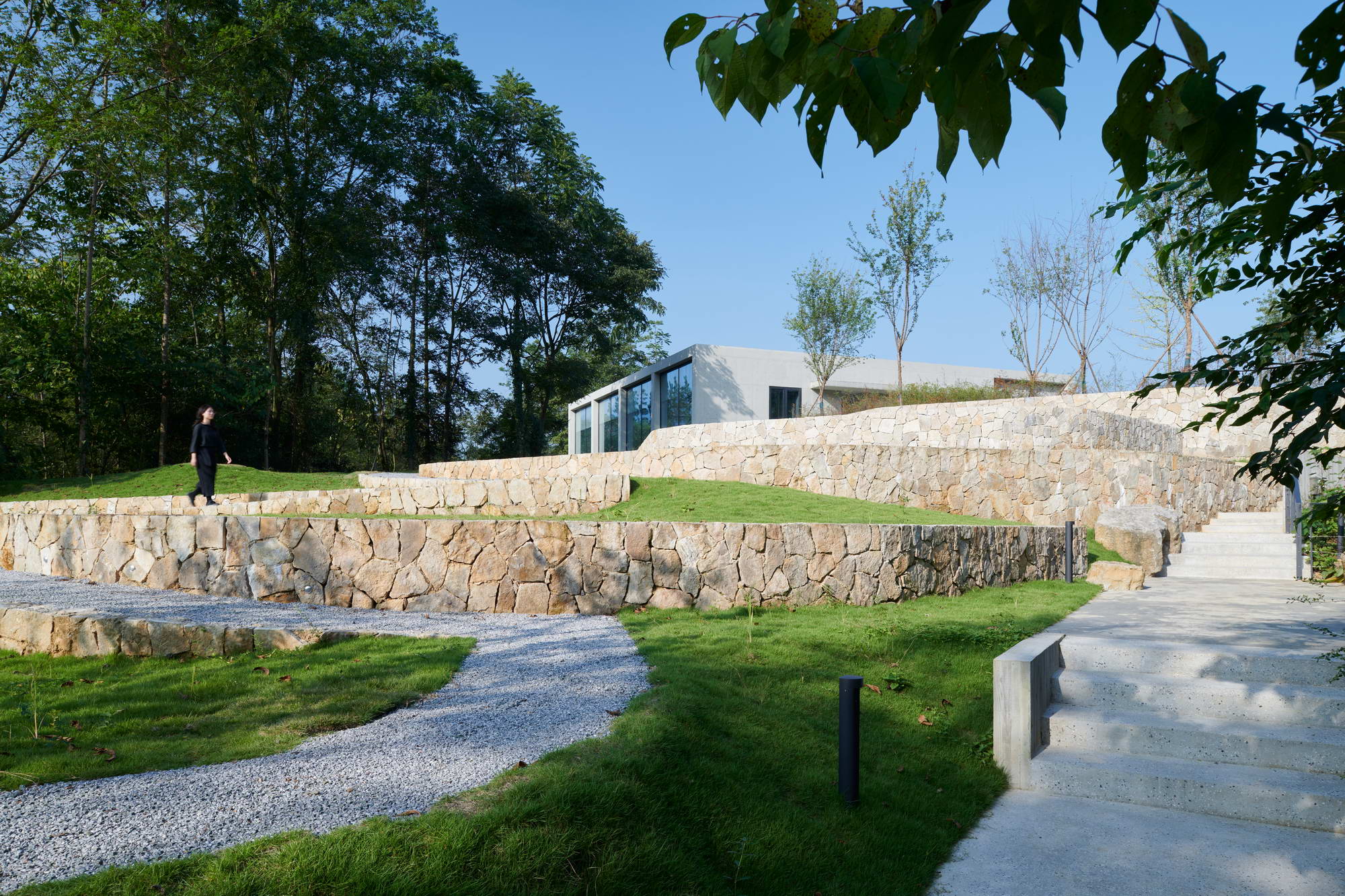
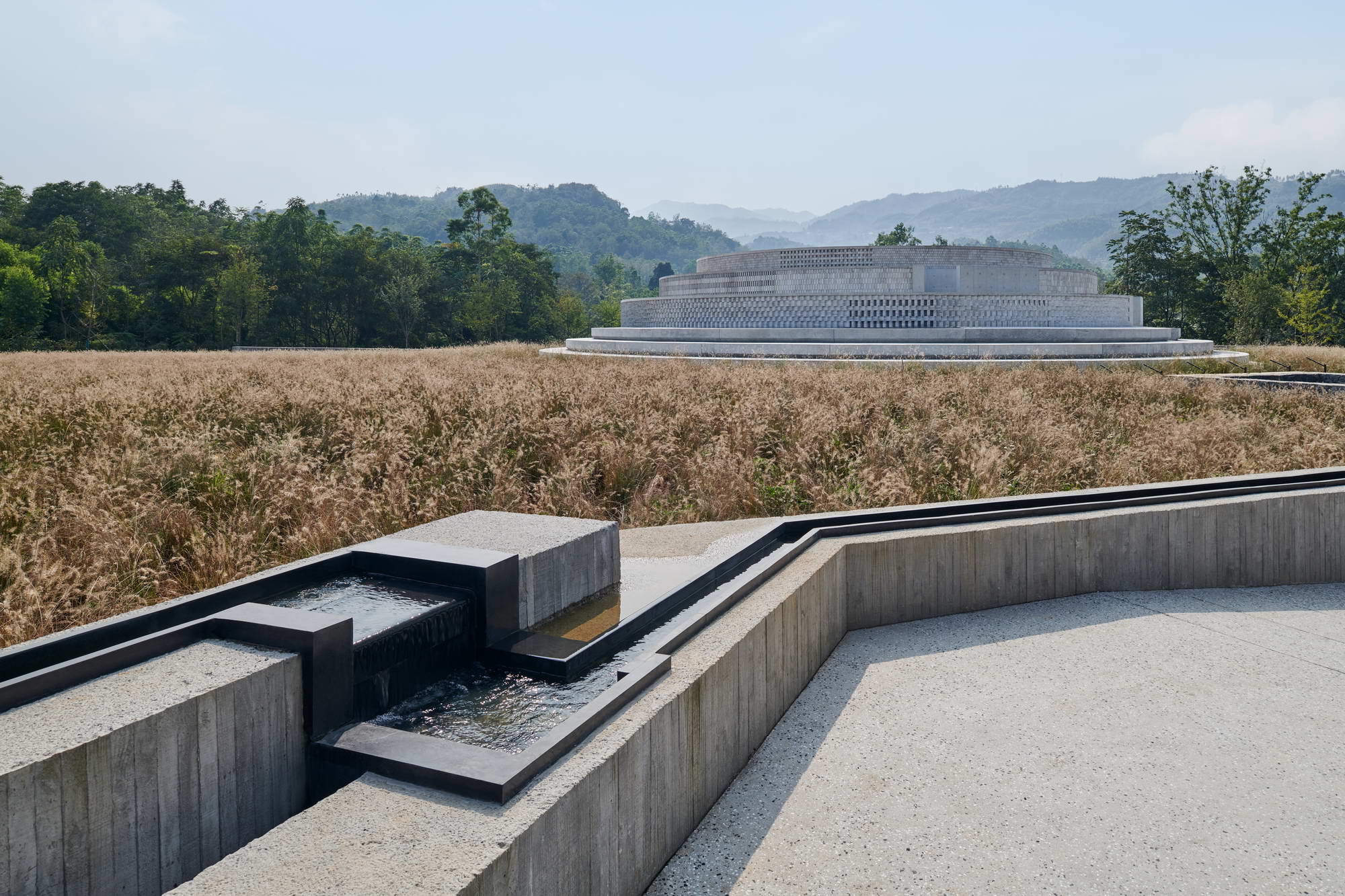
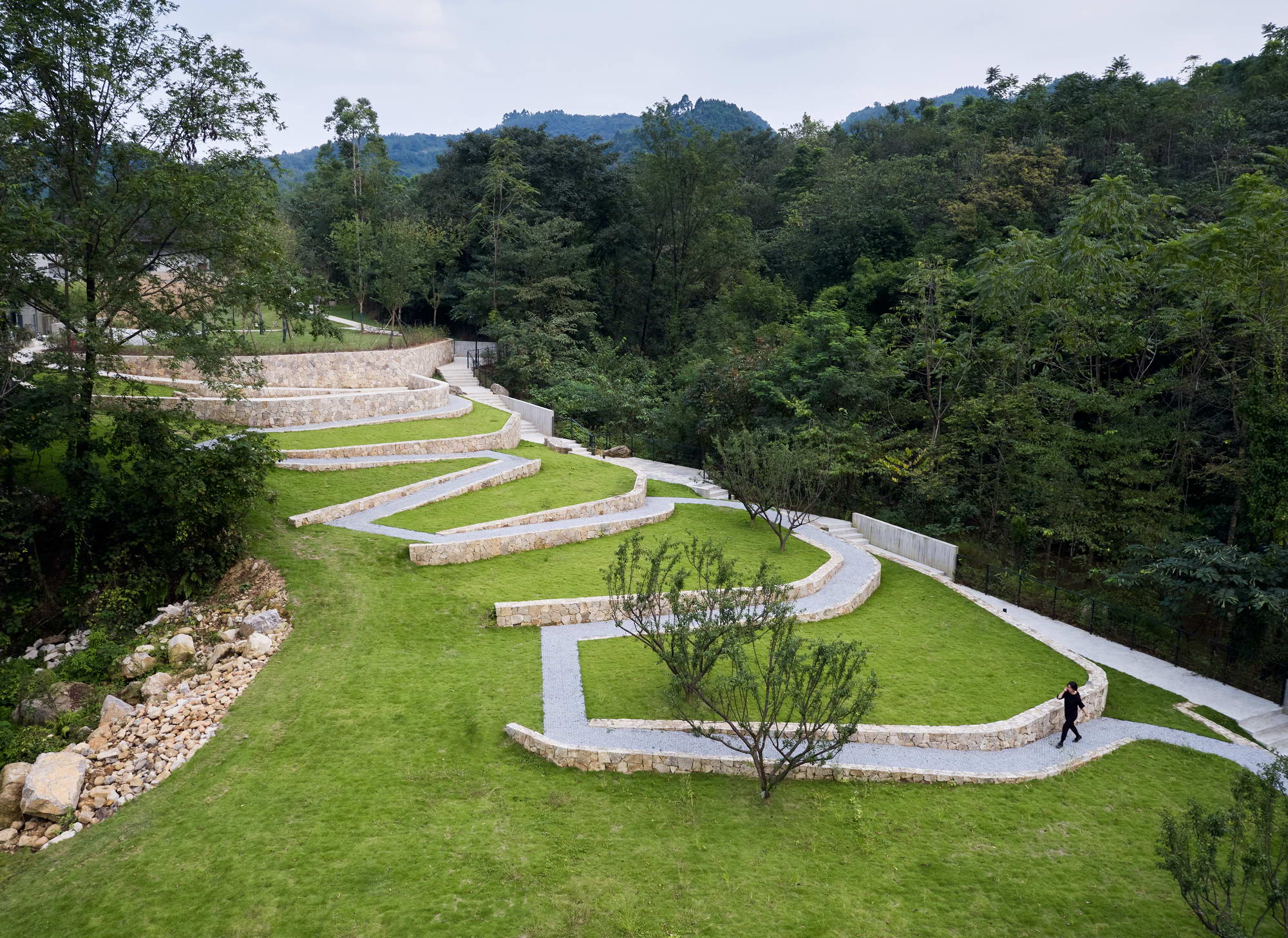
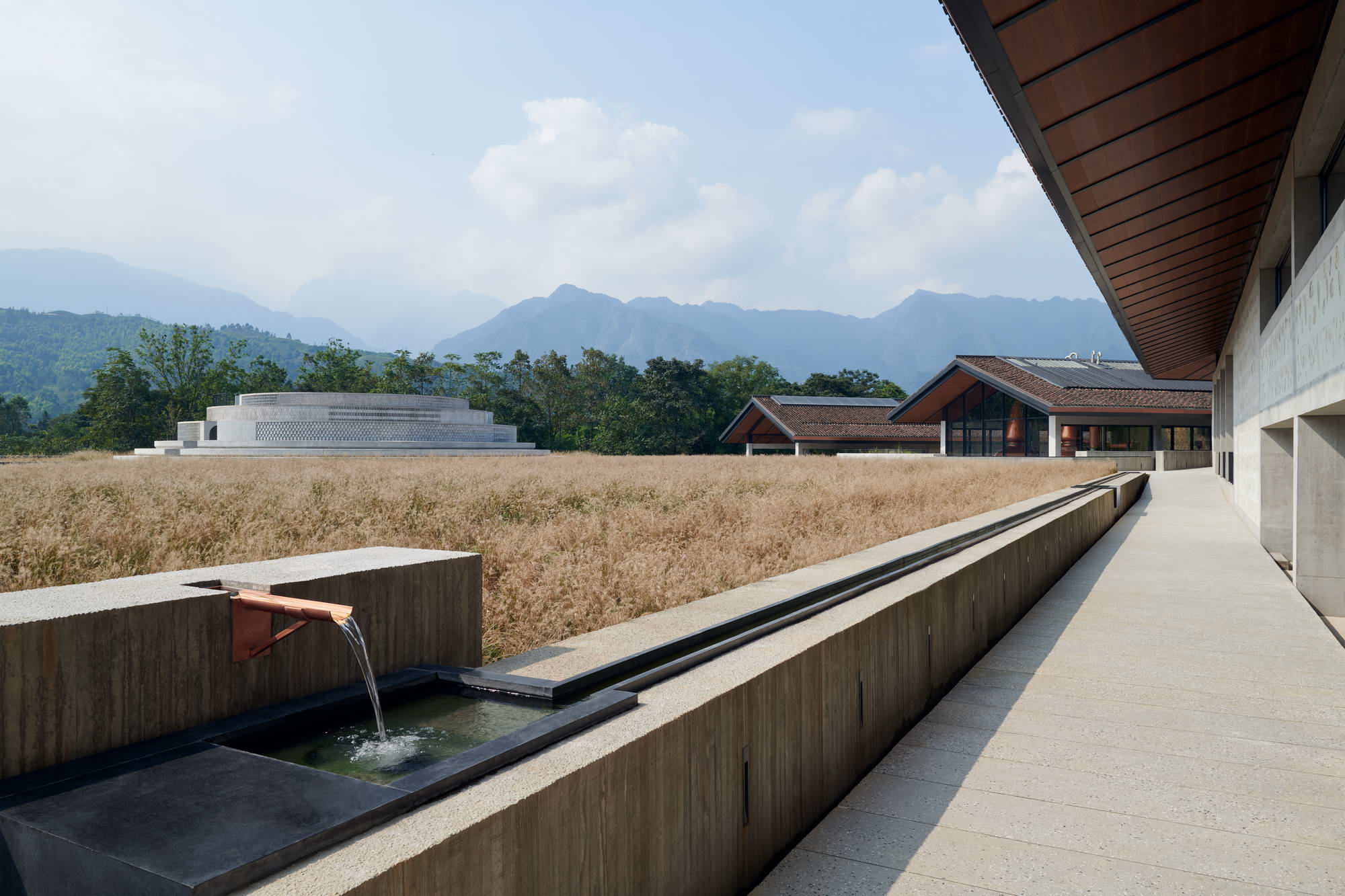
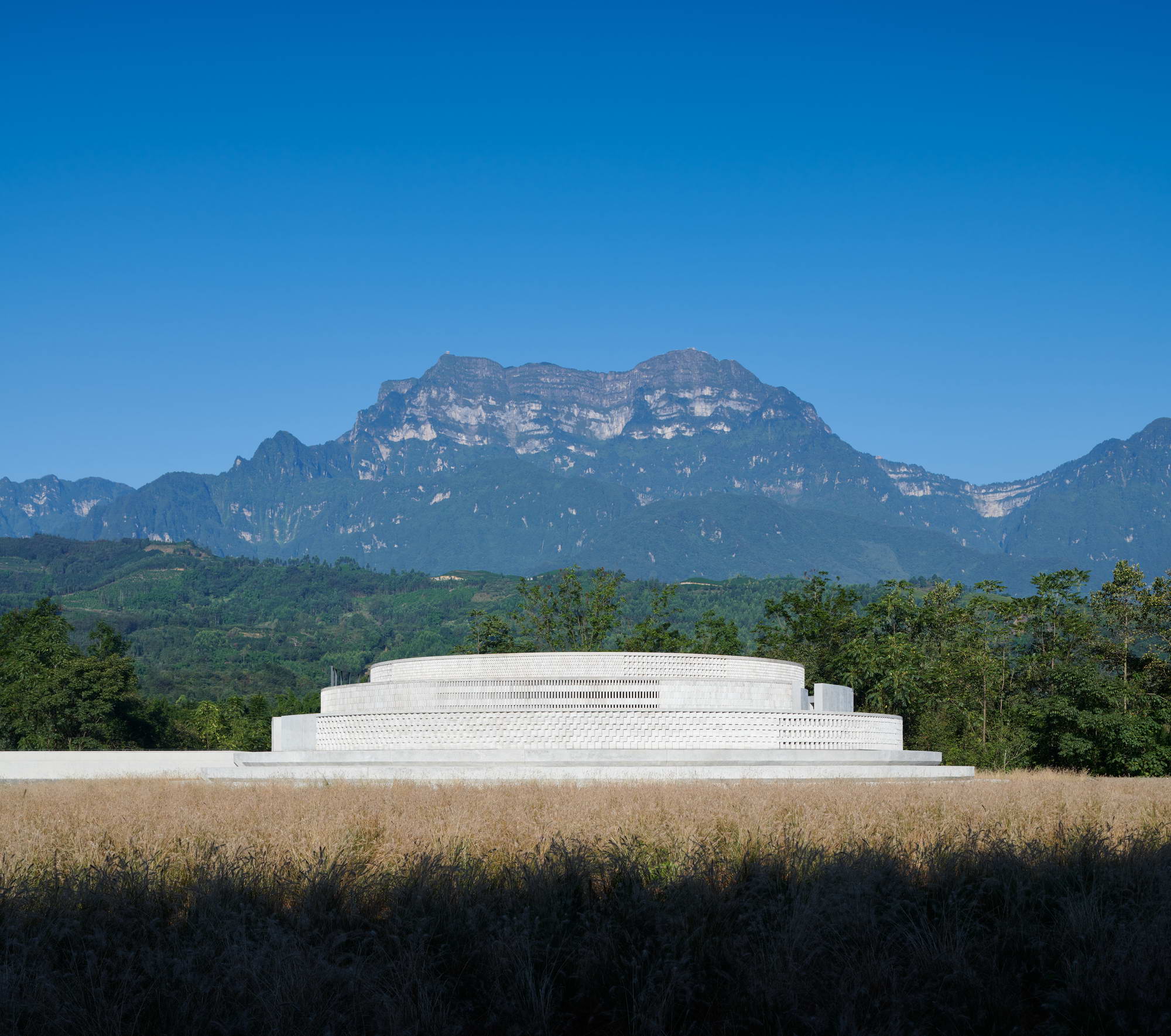
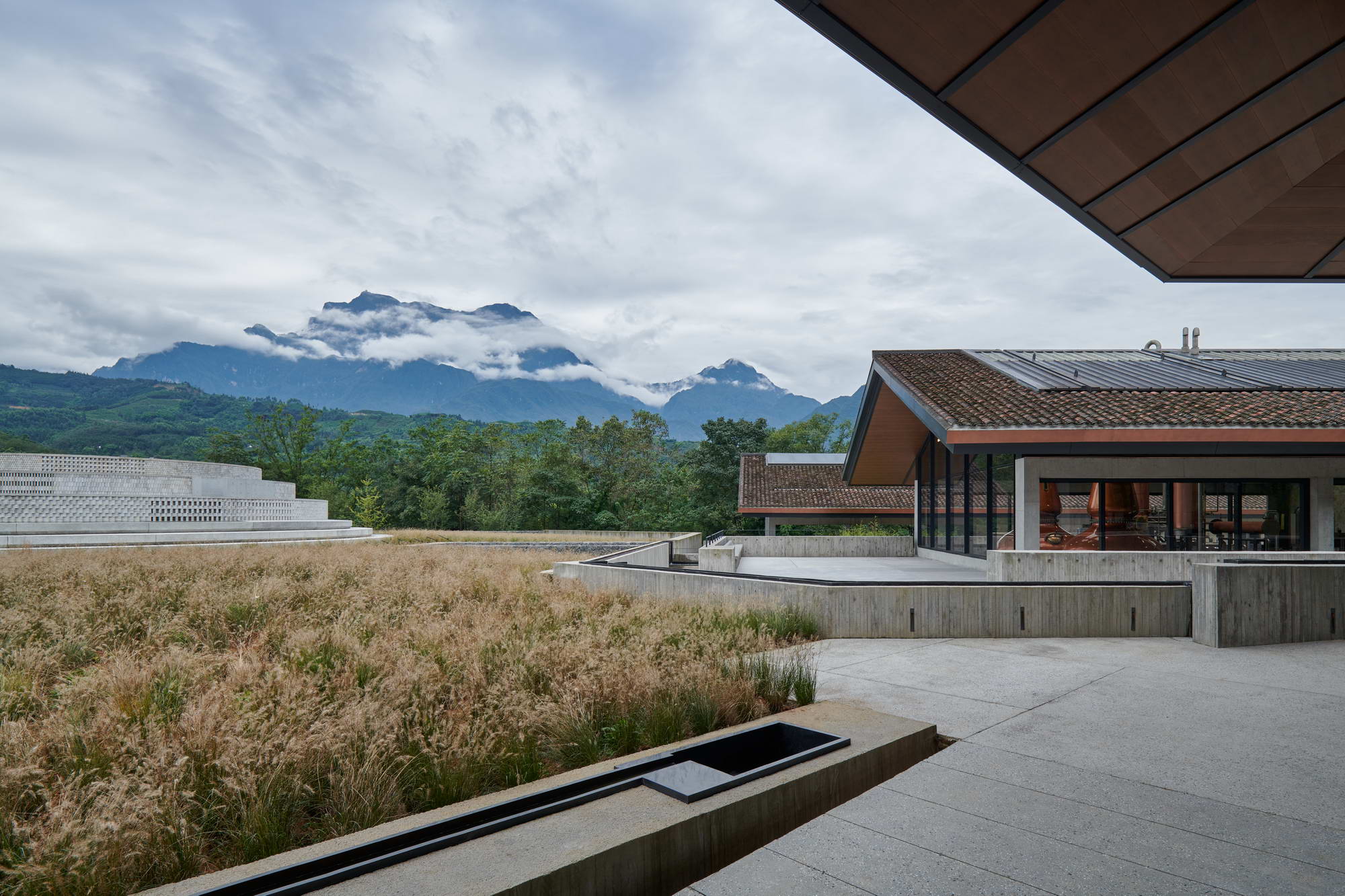
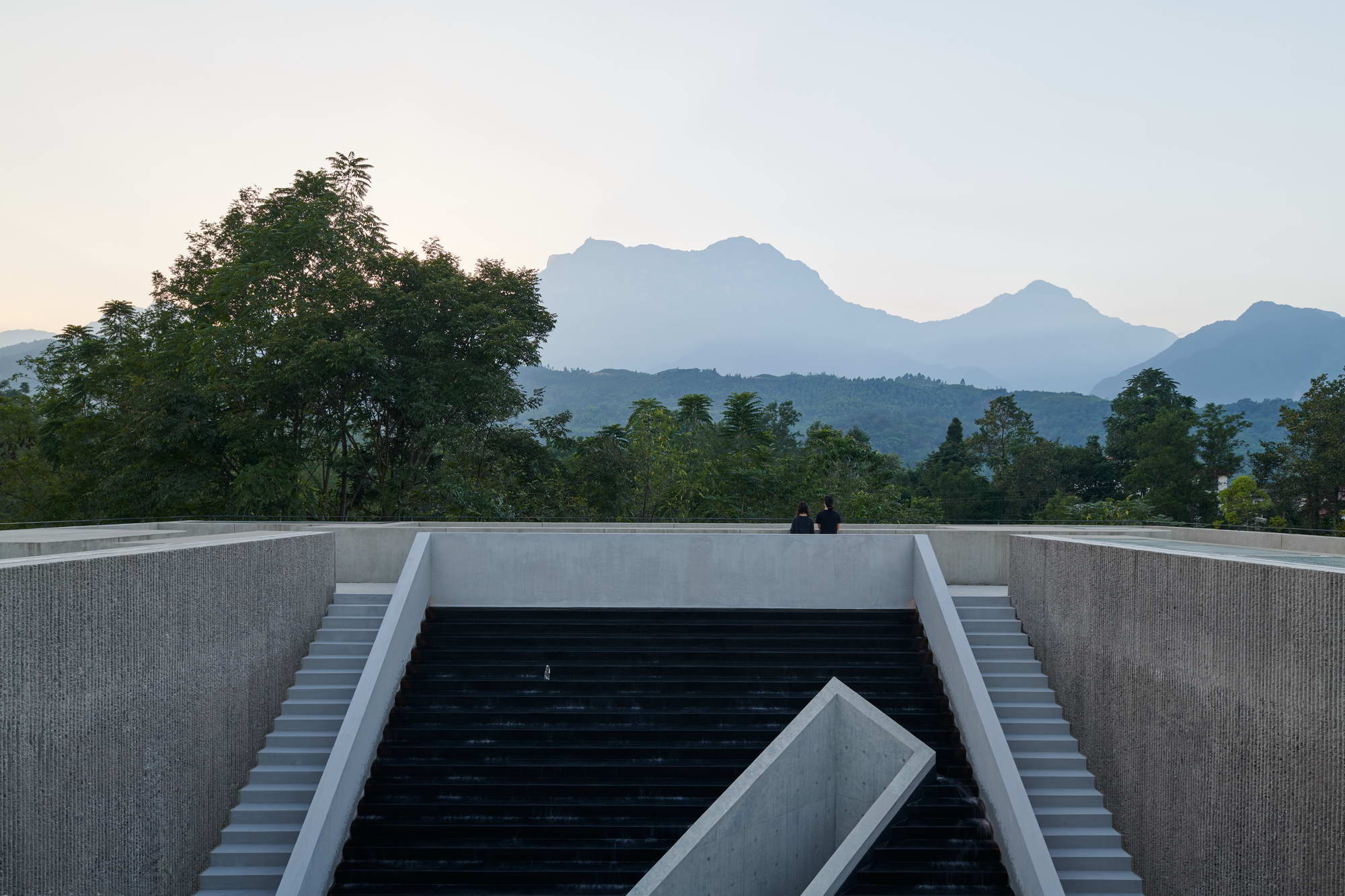
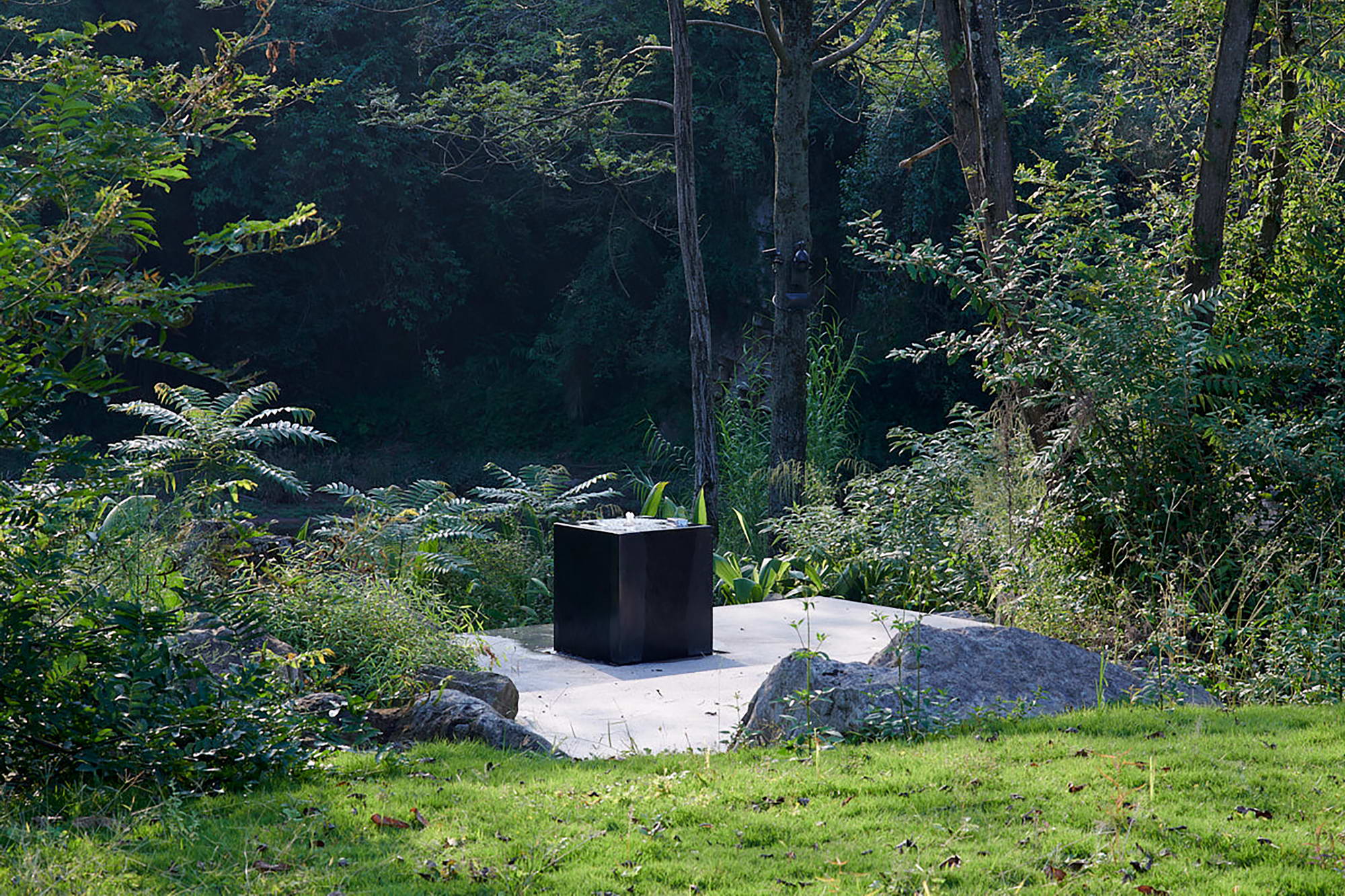
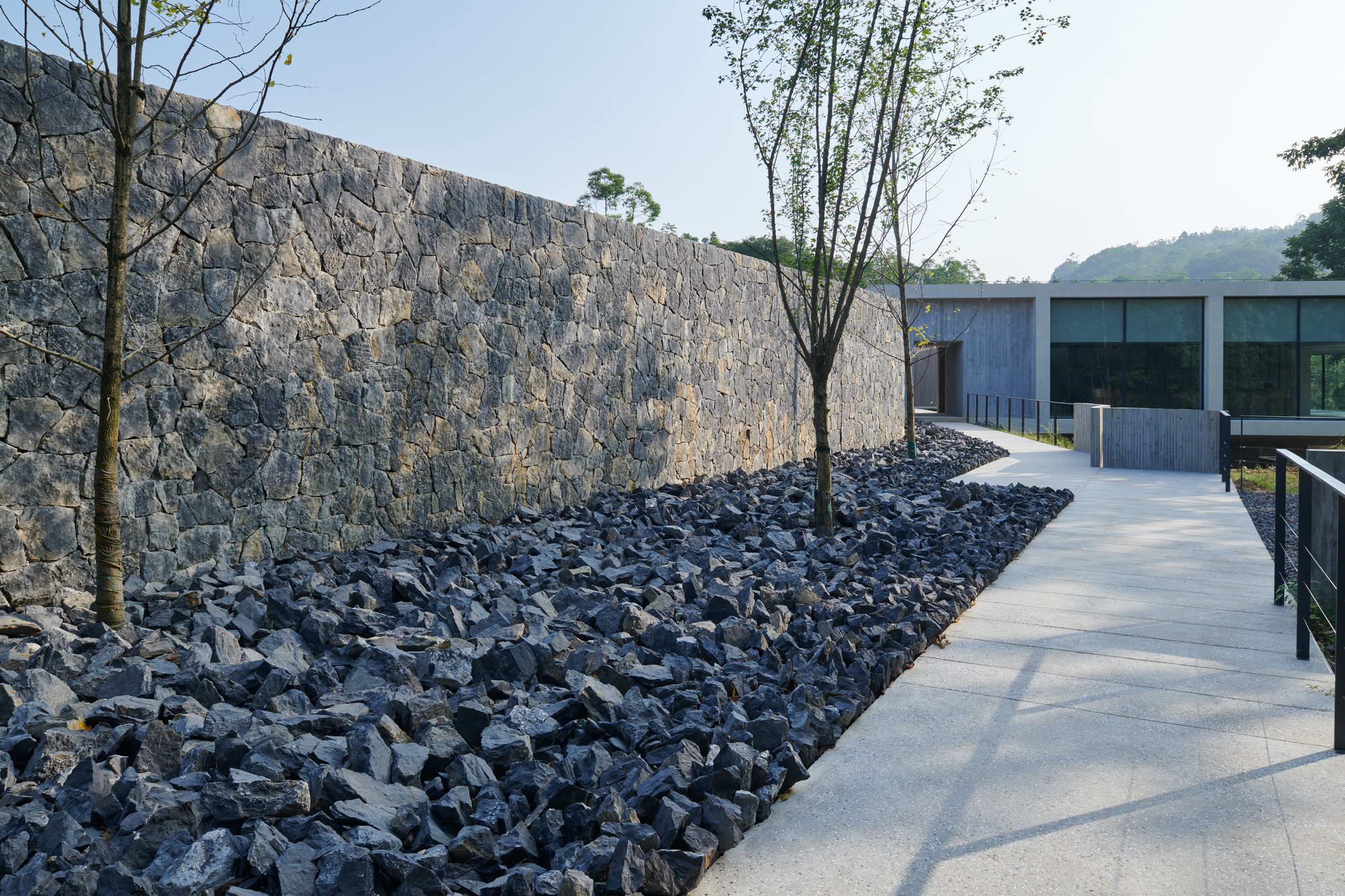
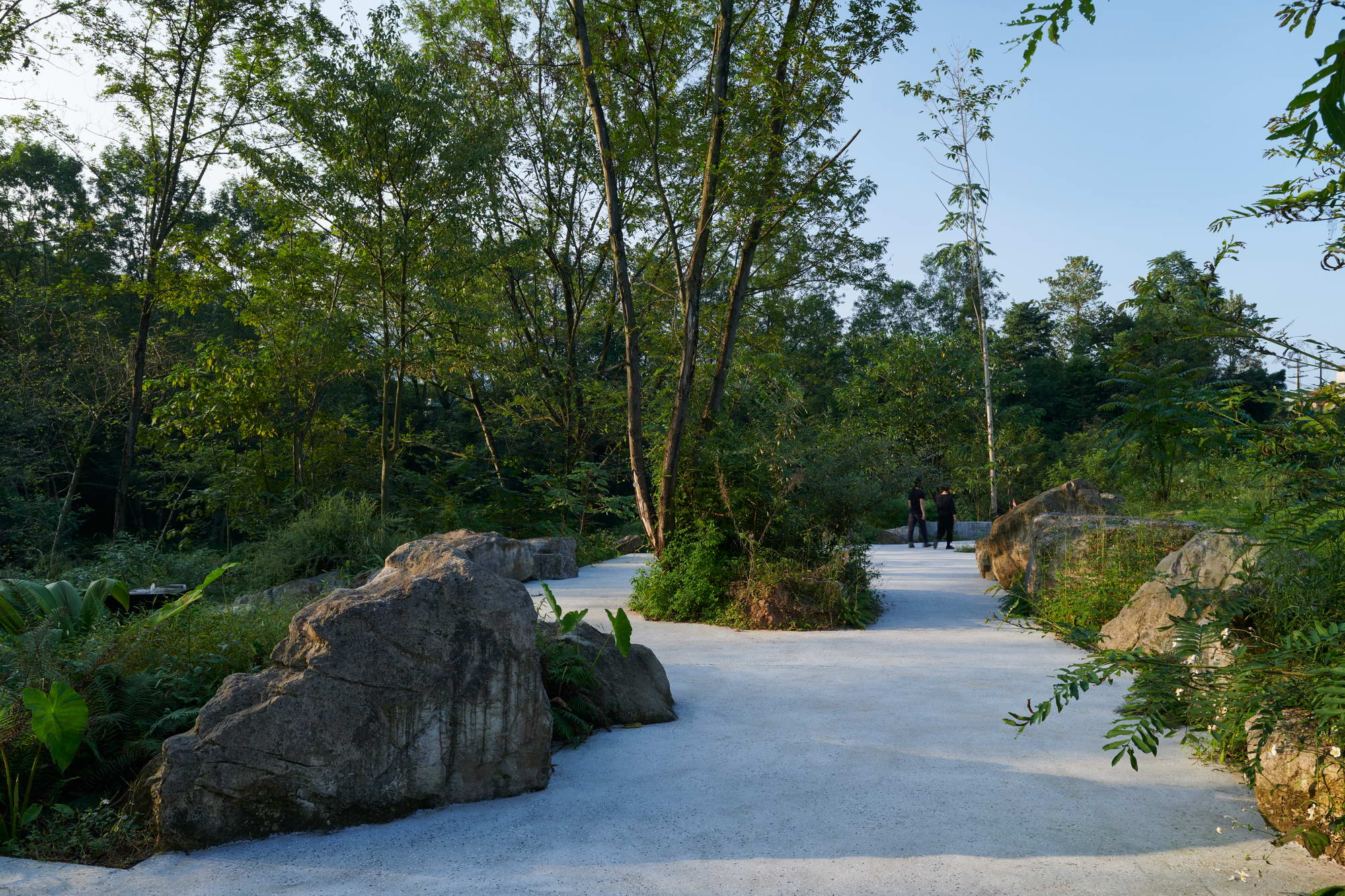
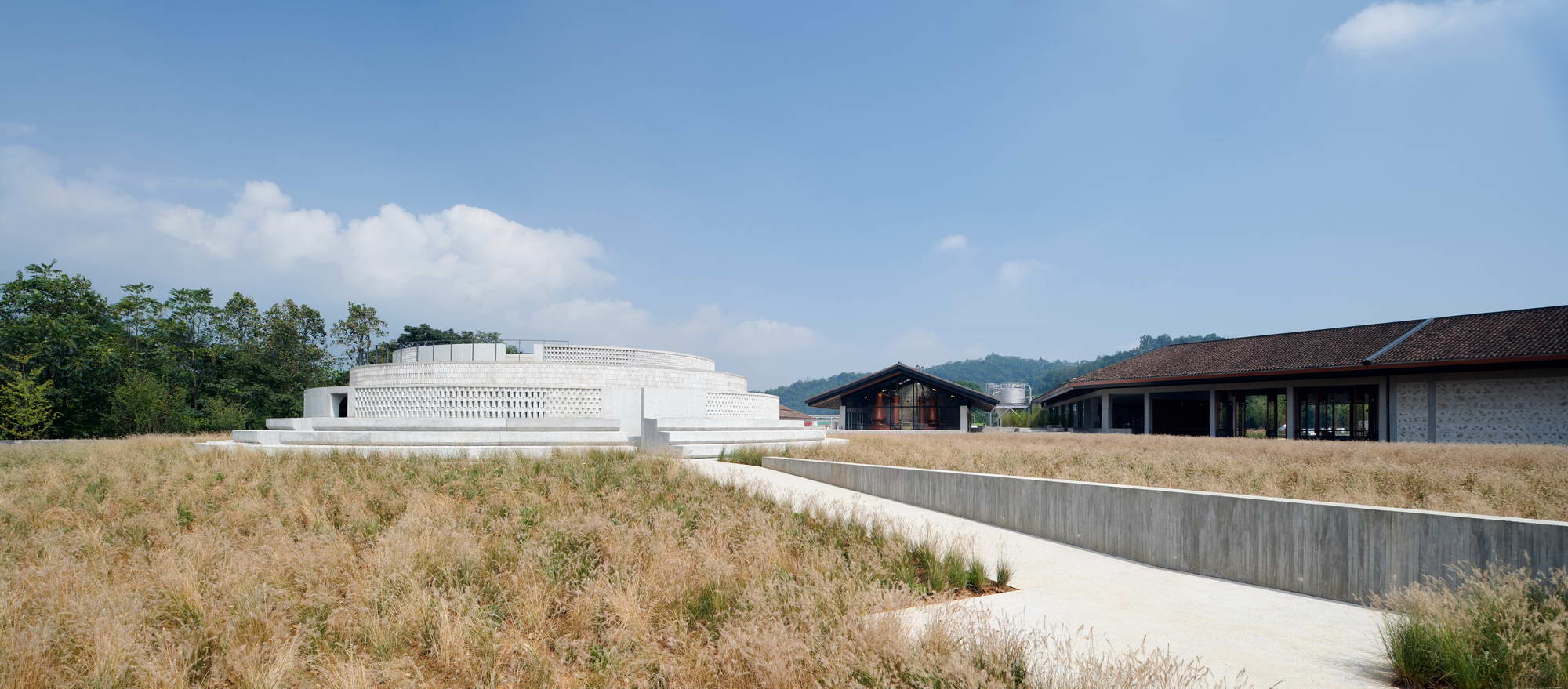
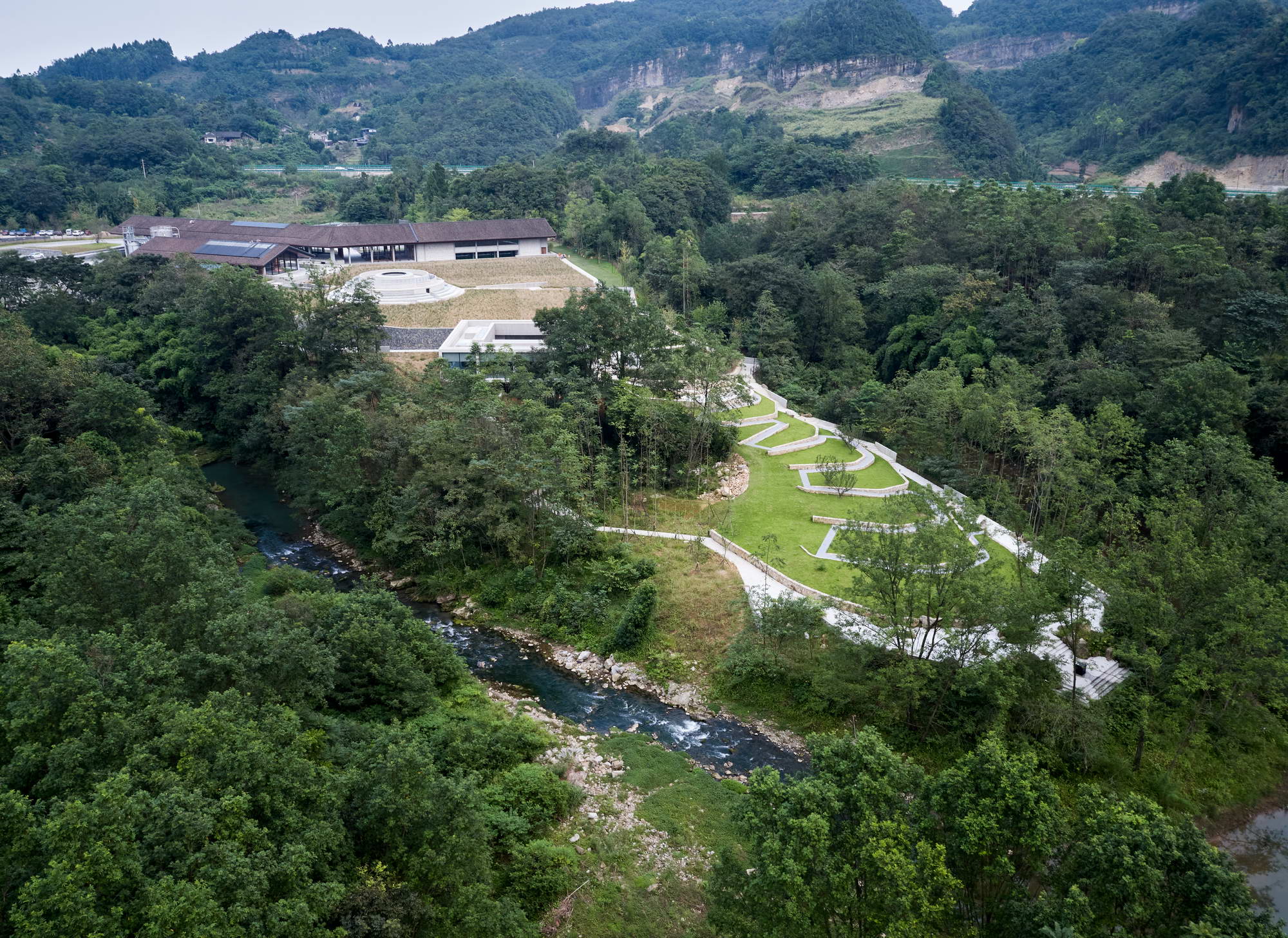
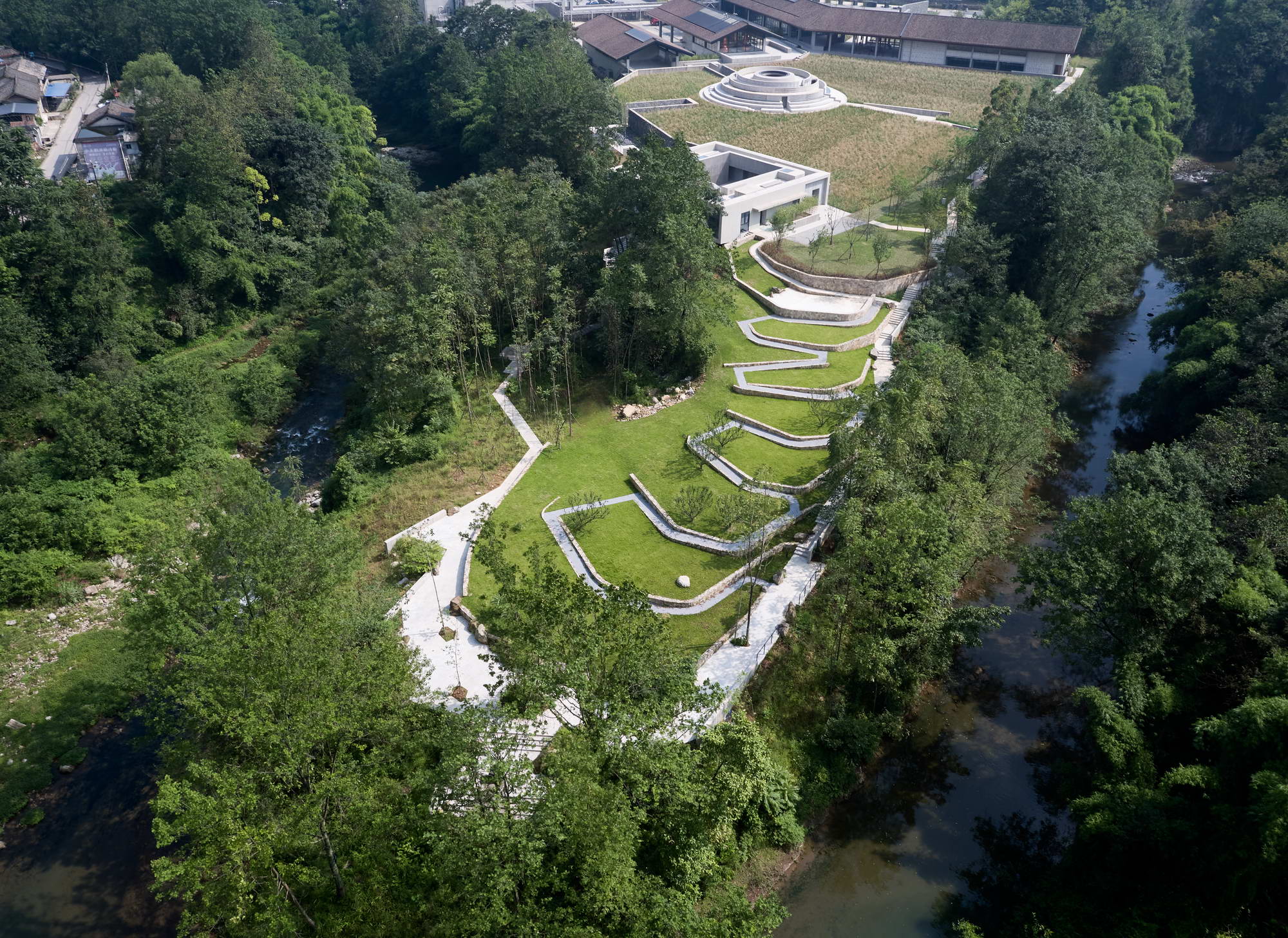
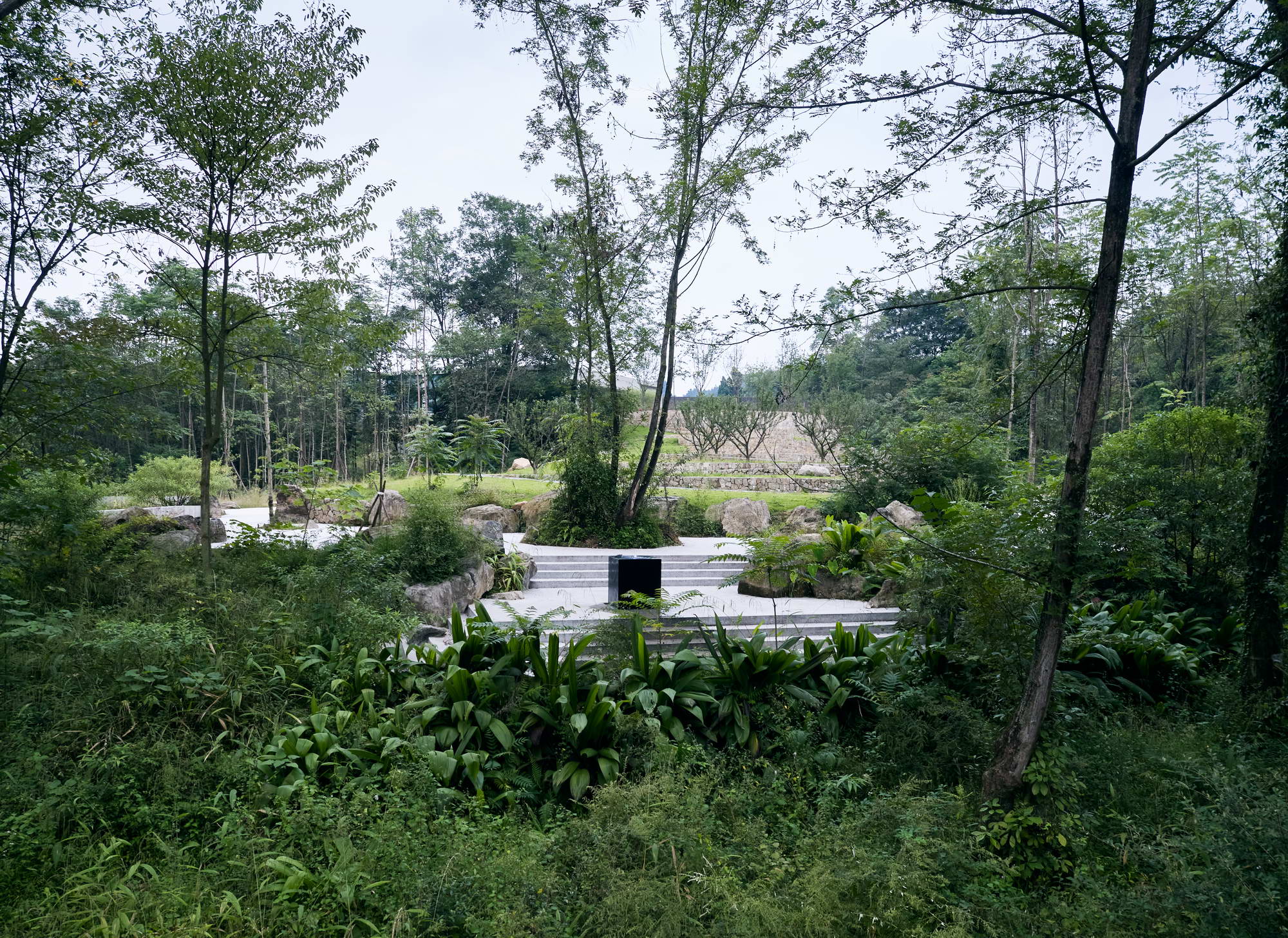
Inspired by the Chinese philosophical dictum that a single flower contains a world and a single tree a forest, One-U Design has shaped the landscape of the Pernod Ricard Dichuan single-malt whisky distillery beneath Mount Emei as a poetic journey that reconnects visitors with nature. Collaborating with architects Neri&Hu, the studio built a framework that explores mountain beauty and encounters the pleasure of water, balancing built and wild, delicate and bold, contrast and harmony. Surrounded by river and lush green, the project preserves existing natural conditions and offers rich sequential experience from interior to exterior; the landscape is both soft and strong, the architecture powerful and plain. An organic farm retained on the terraces will grow vegetables for the distillery's restaurant in collaboration with local farmers, closing a zero-waste loop. Three strategies—connecting nature, amplifying nature, echoing nature—guide continuous visual links to surrounding green. Woodland paths choreograph changing viewpoints, and the perception of nature is carried through sequence: mountain views framed as pictures, winding walks through trees, butterflies and wildflowers by rocks, the sound of running river. Stepped water courts and linear water details, including dripping waterfalls, punctuate the journey, while stone walls and boulder gardens reuse ninety percent of rock excavated on site, returning the earth's gift in another form. All existing trees and even wildflowers are carefully preserved so that construction and nature coexist. Stone walls form a ceremonial approach to the domed landmark, and a square stone fountain embraced by forest becomes a place of contemplation. At the entrance, an oak stands like a green guardian, and a water feature developed with an artist sets artificial and natural in reflection. The project's sustainability operates on the deep meaning of harmony: native planting encourages wildlife return, habitats are carefully disturbed as little as possible, and what is taken from the land returns to the land, ensuring a self-sufficient ecosystem and a worldview in which human culture and nature coexist gracefully.




 Editor's Pick