Text description provided by the architects
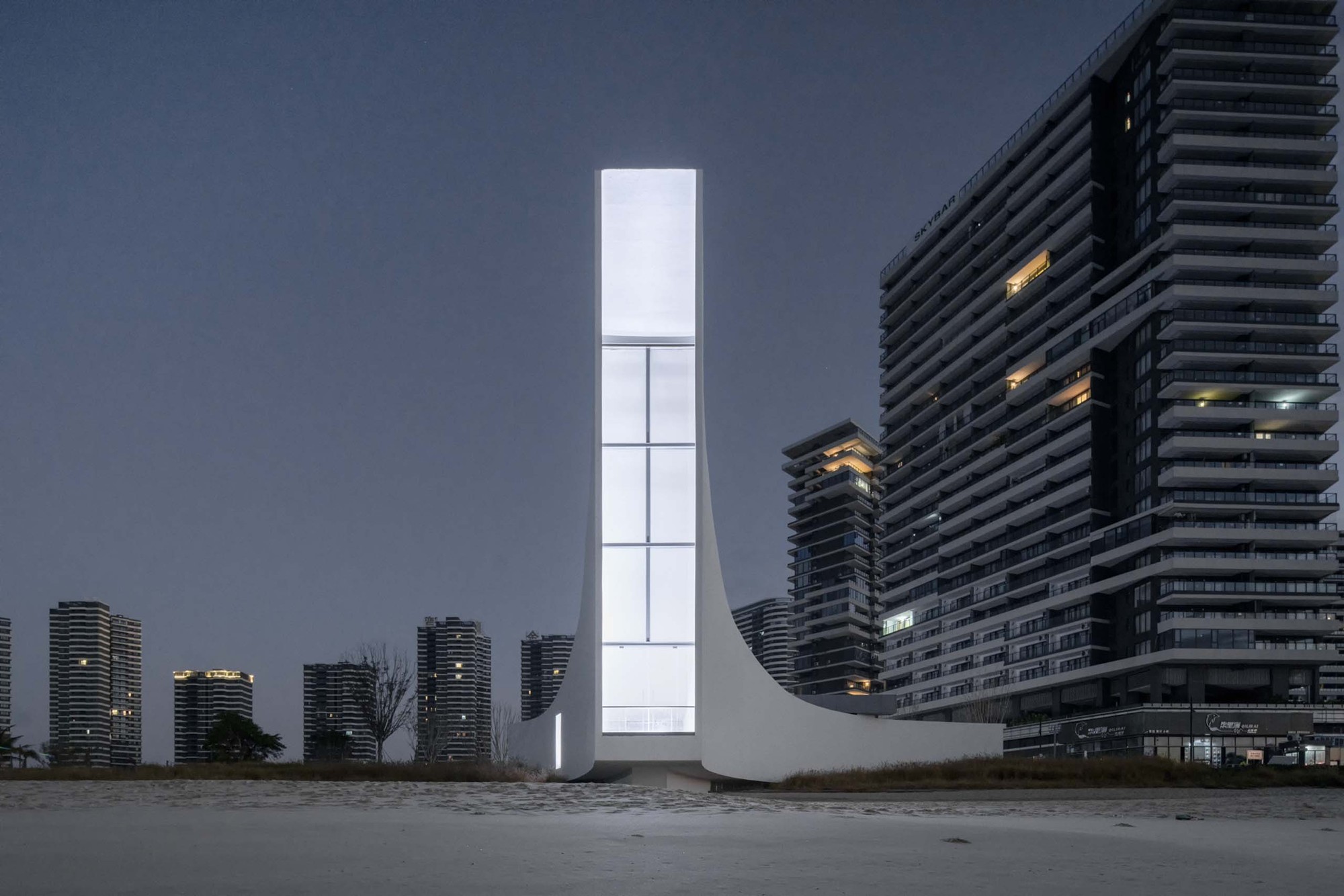
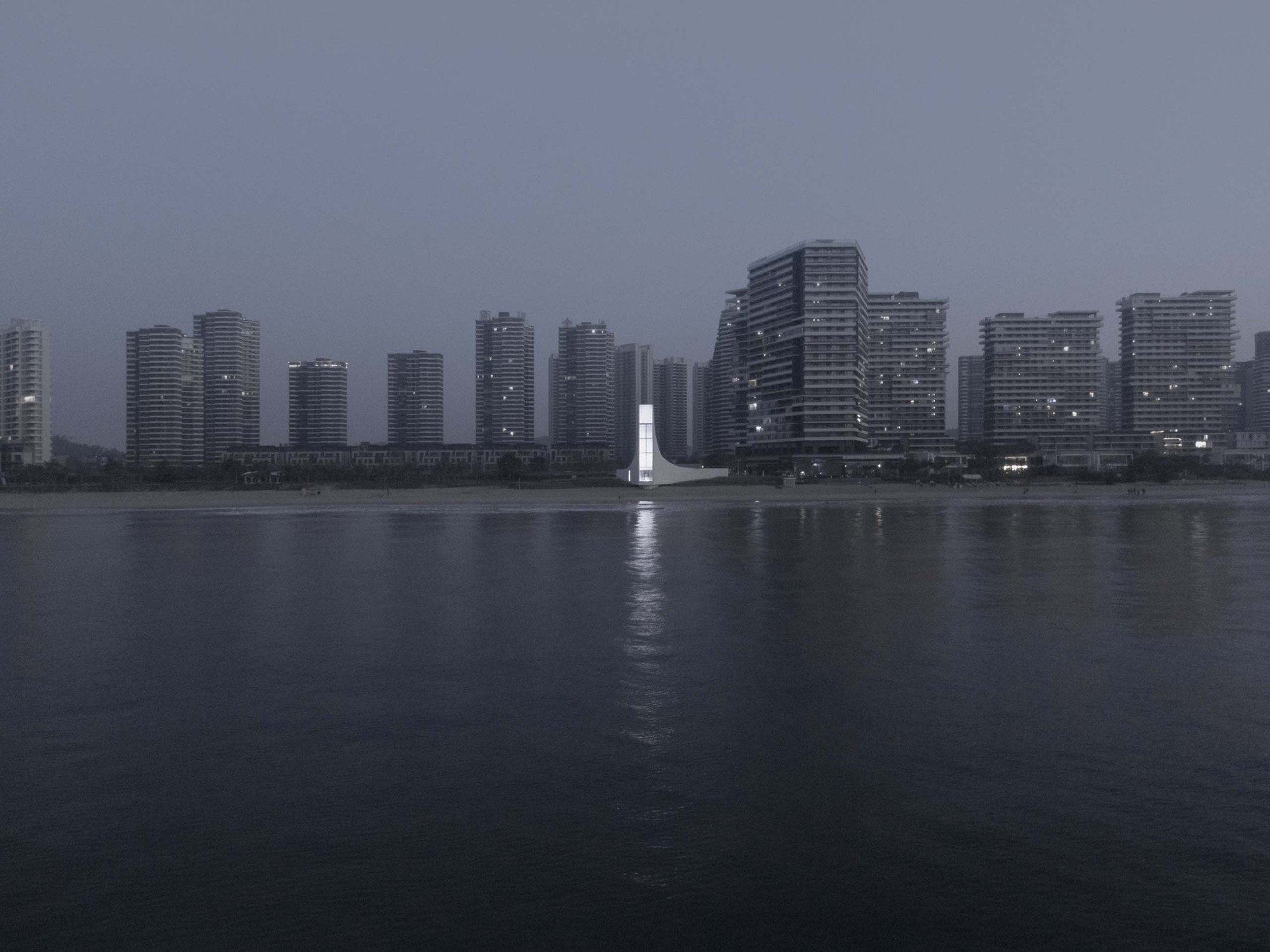
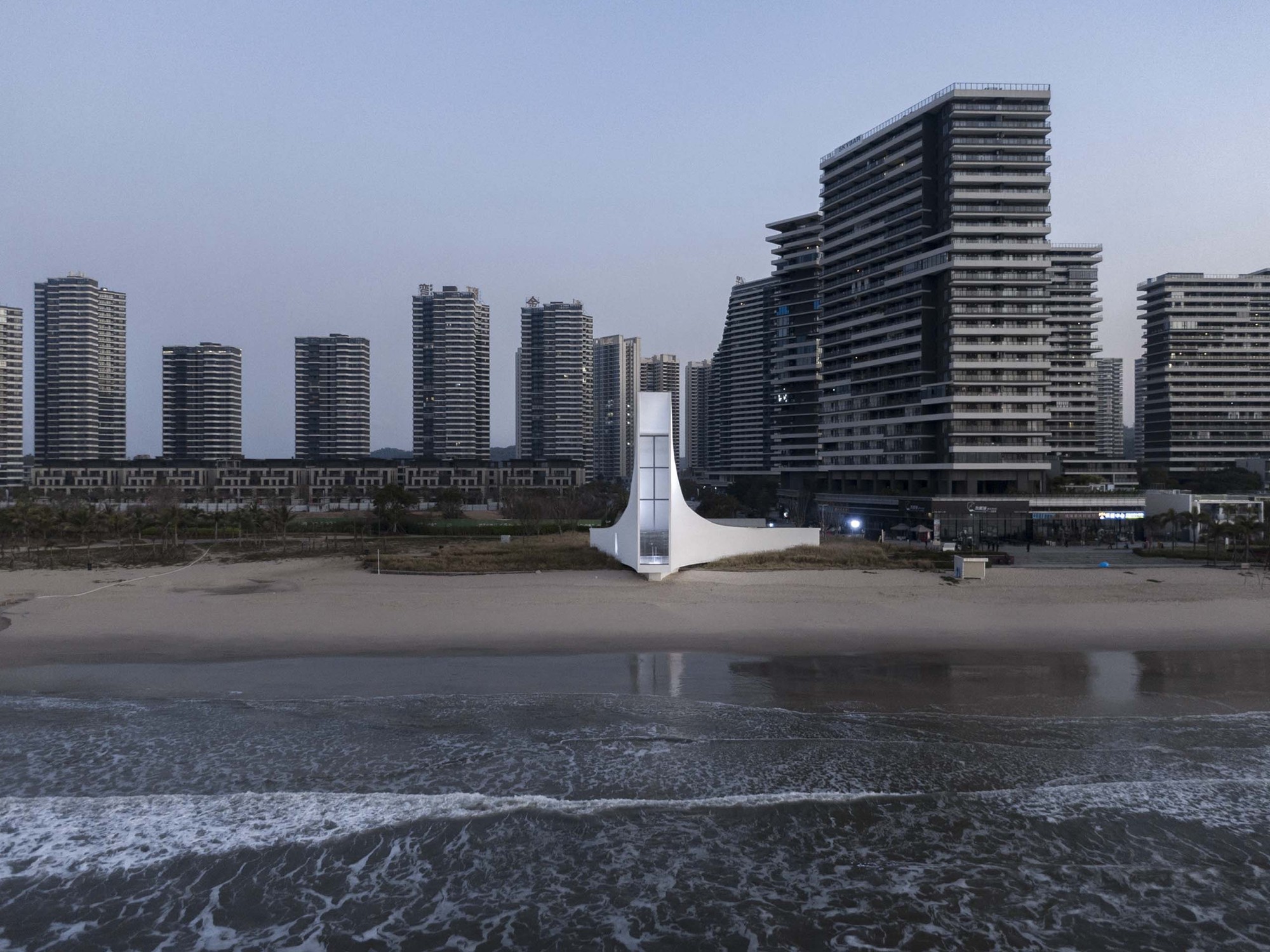
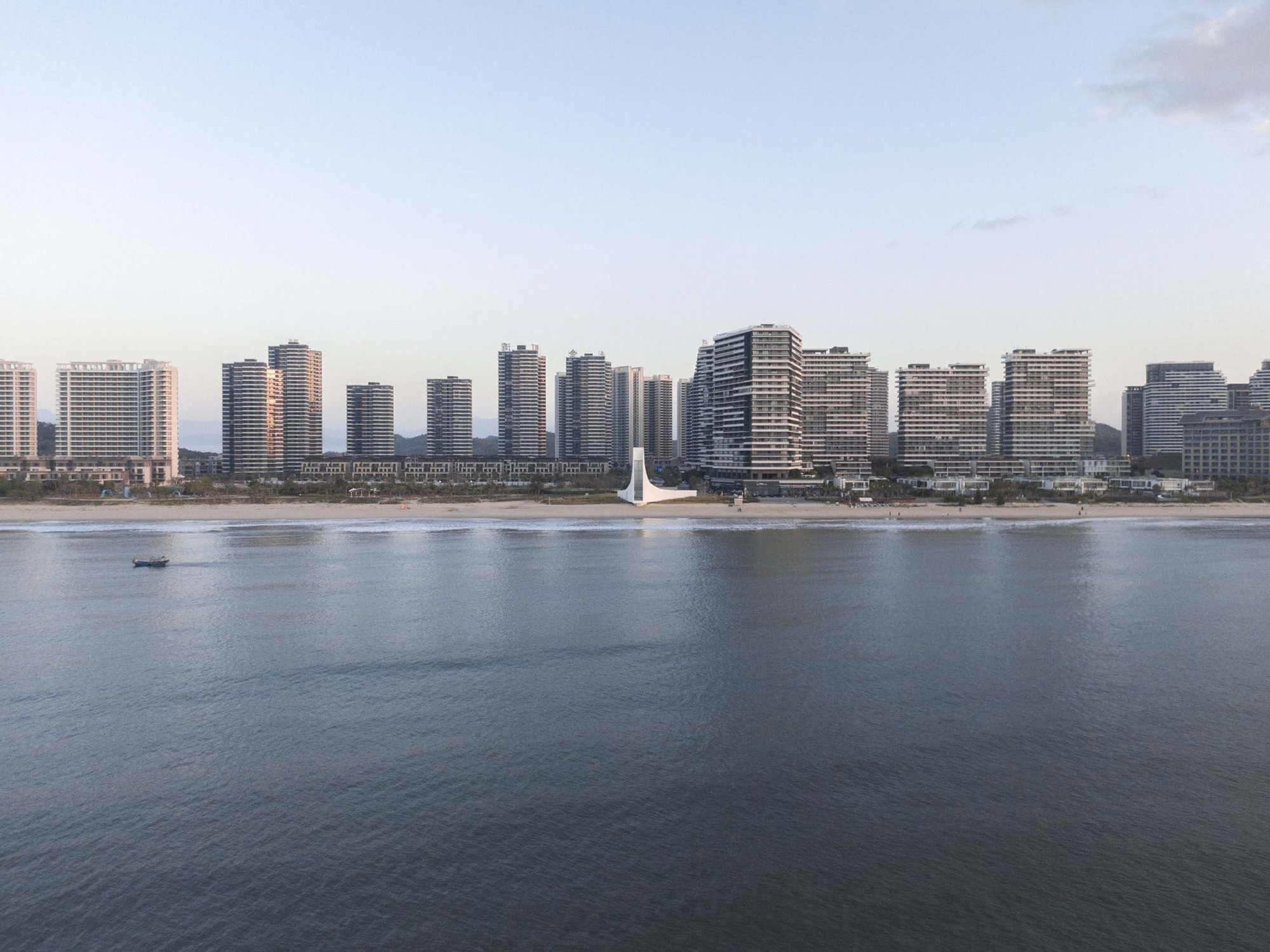
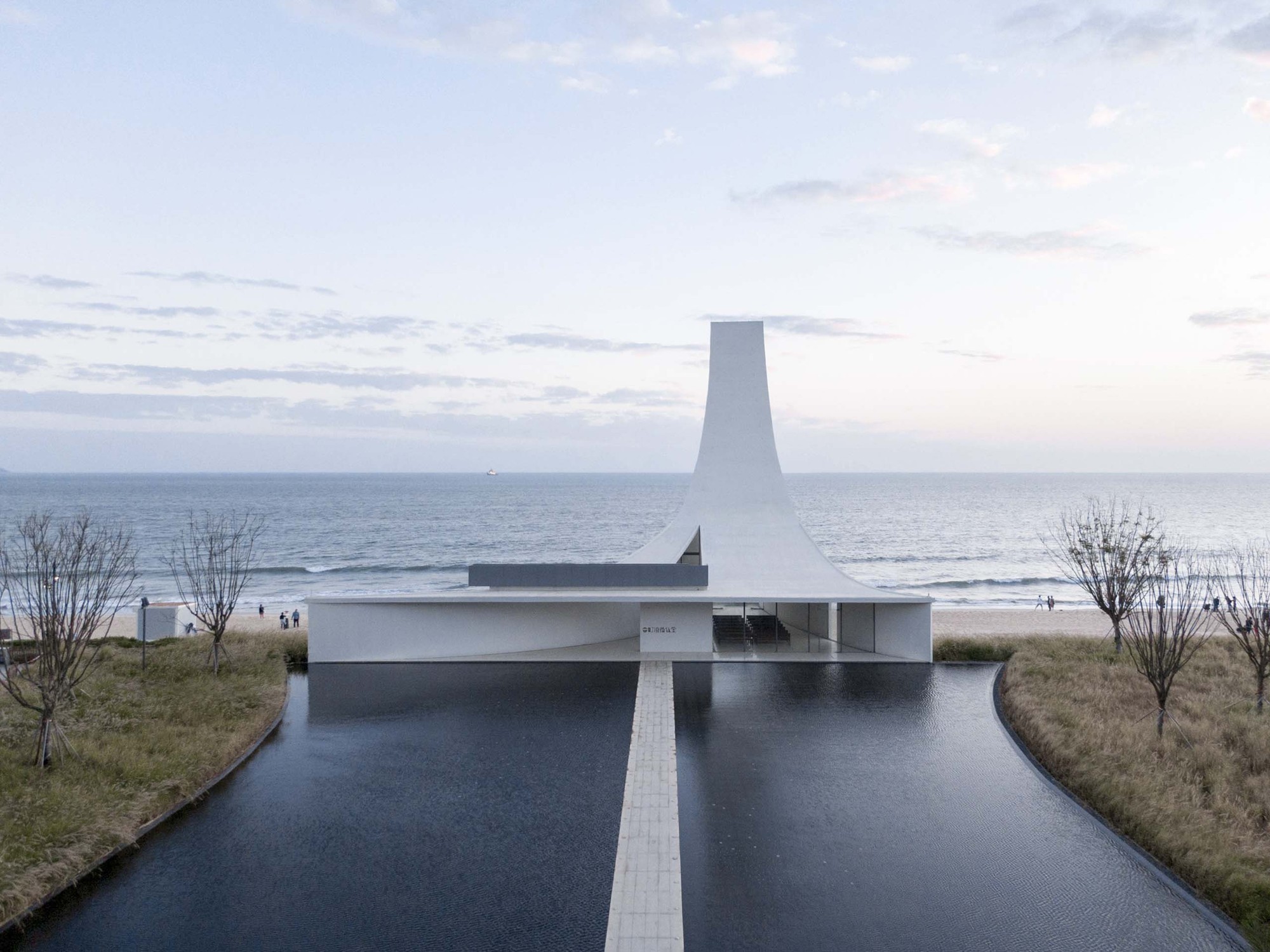
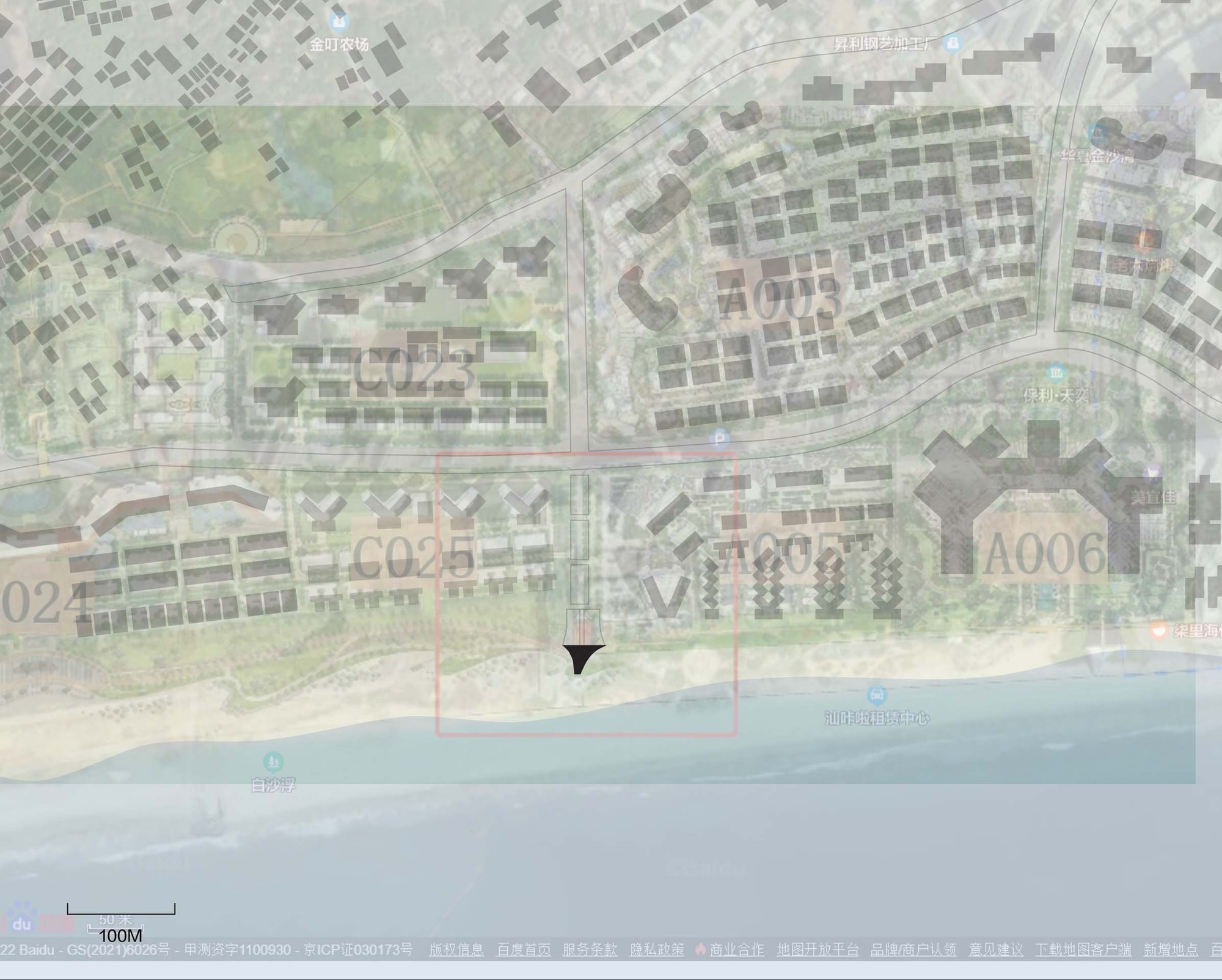
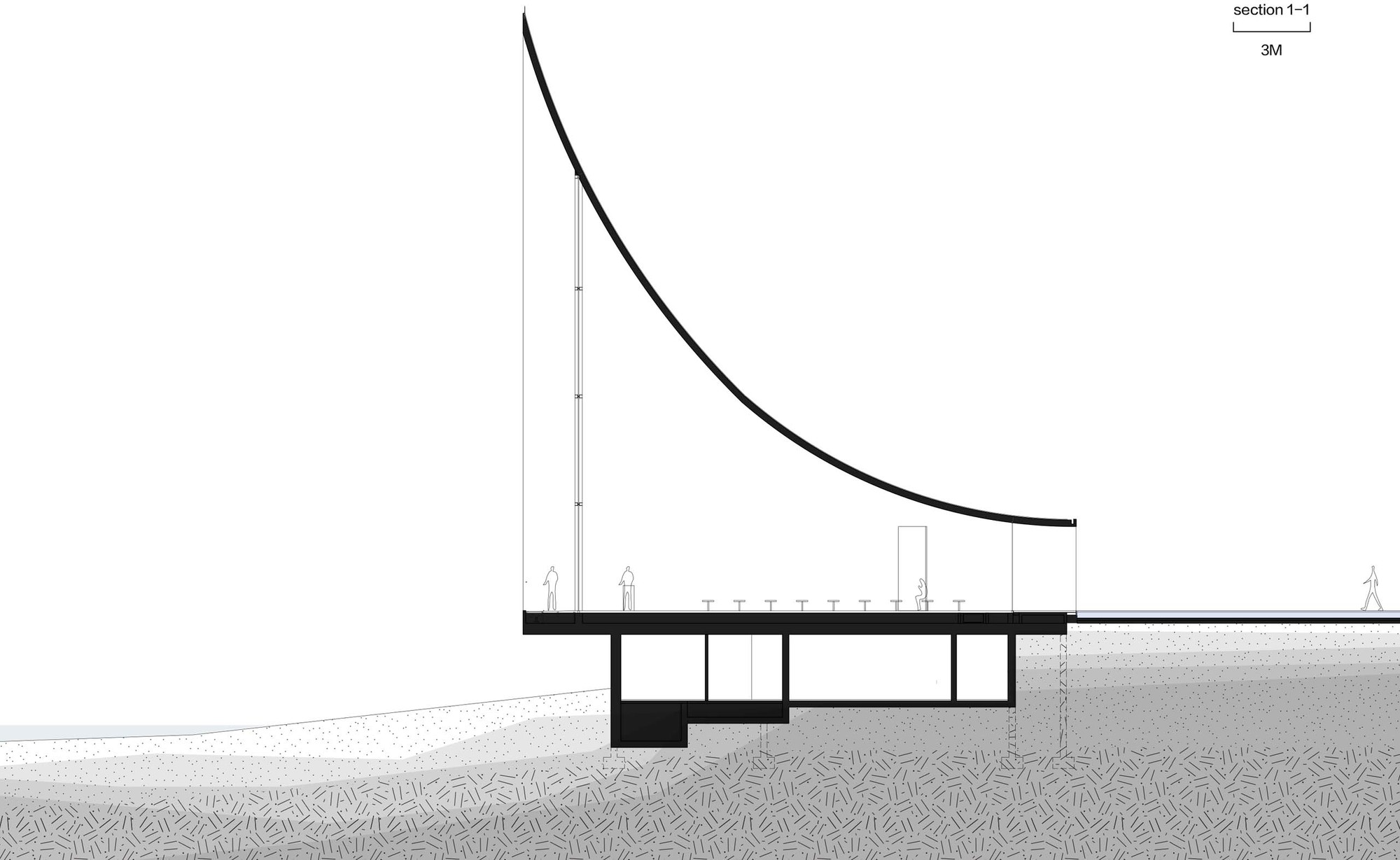
The project is in Shanwei, on the central coast of the former Hailufeng region, which has more than ten per cent of the province's coastline and a sea area three times the size of its land. The main language is Hokkien of the Min Nan family, and fishing tribes have lived here since the Neolithic. The unique geography and environment produce a natural landscape of mountains and sea together, and a quiet, plain human atmosphere. City and countryside. On the edge of the vast South China Sea, coastal fishing settlements have historically been formed by groups living from the sea. Fishermen worked the near shore, self-sufficient and producing distinctive fishing villages. A few settlements grew into larger market towns, and the two were linked by trade into a coastal village-and-town system that, together with the bays and hills of the coast, formed a unique cultural geography and a rural commercial-agricultural system of south-eastern Guangdong. Under the impetus of new transport infrastructure, capital overflowing from central cities flowed into this raw area rich in tourism landscape, and a new city began to be built in the blank zone between growing cities and raw townships. The new city brought a high-density urban model to the area. The Jin Ding Bay chapel is a small non-denominational wedding and events chapel on the coast. The design uses a simple gabled concrete volume raised on pilotis above the sloping site, with a large opening facing the sea. The chapel is deliberately modest in scale and material, sitting between the new resort and the fishing village, and serving as a quiet landmark that frames the view of the bay. The project demonstrates how a small sacred building can mediate between rapid coastal urbanisation and the original rural fishing village, using a restrained form to anchor the new community.













 Editor's Pick
 Latest Design