Text description provided by the architects
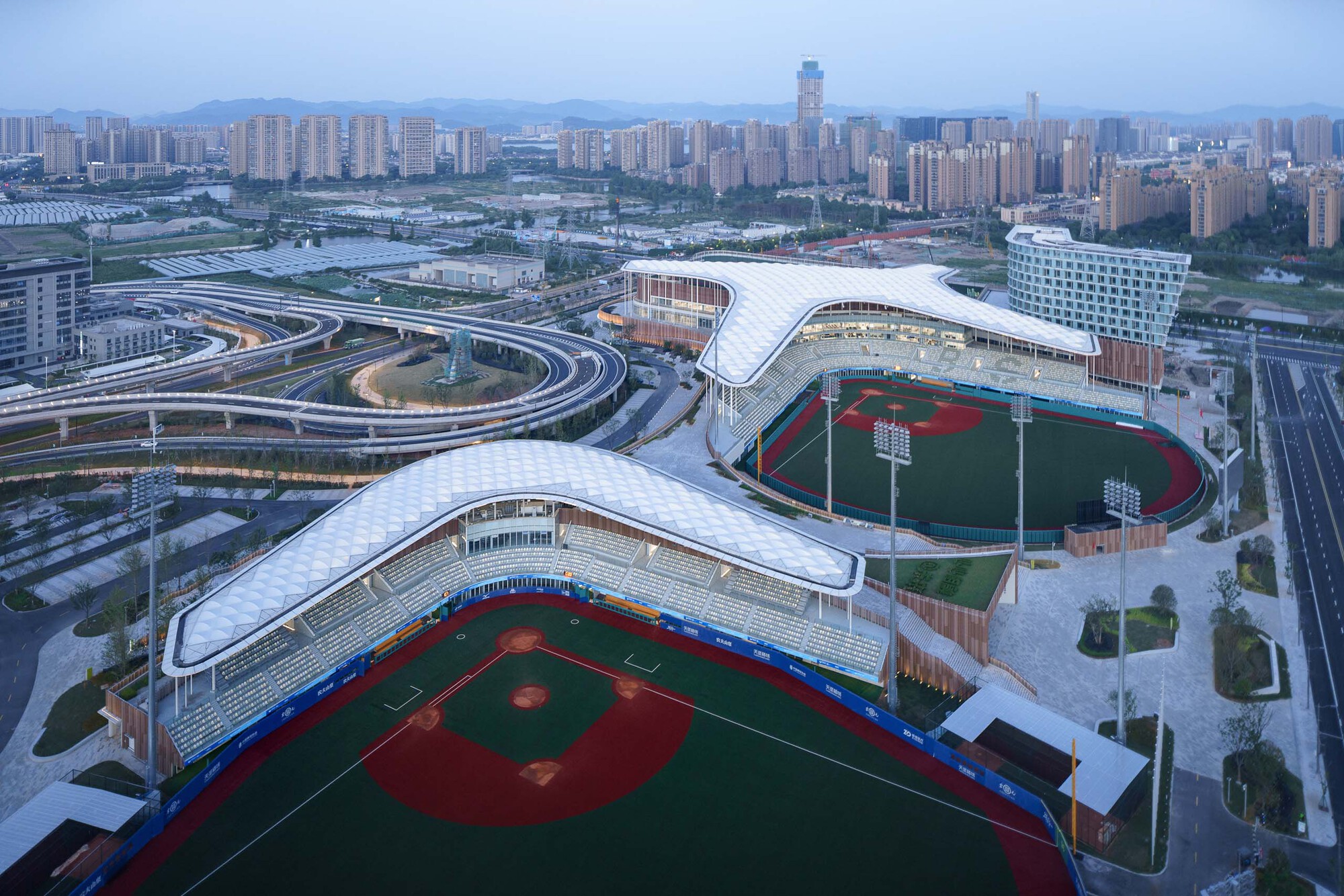
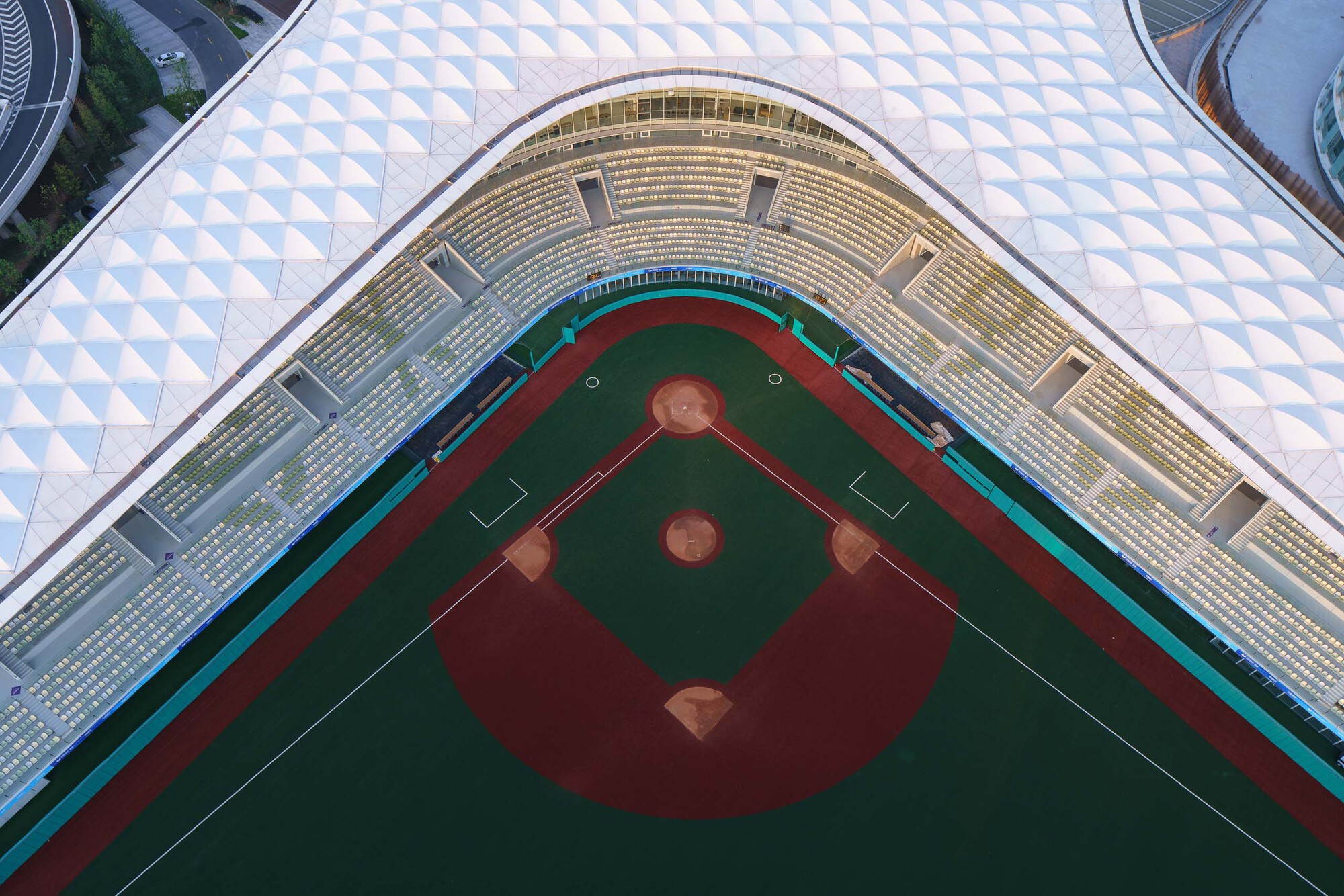
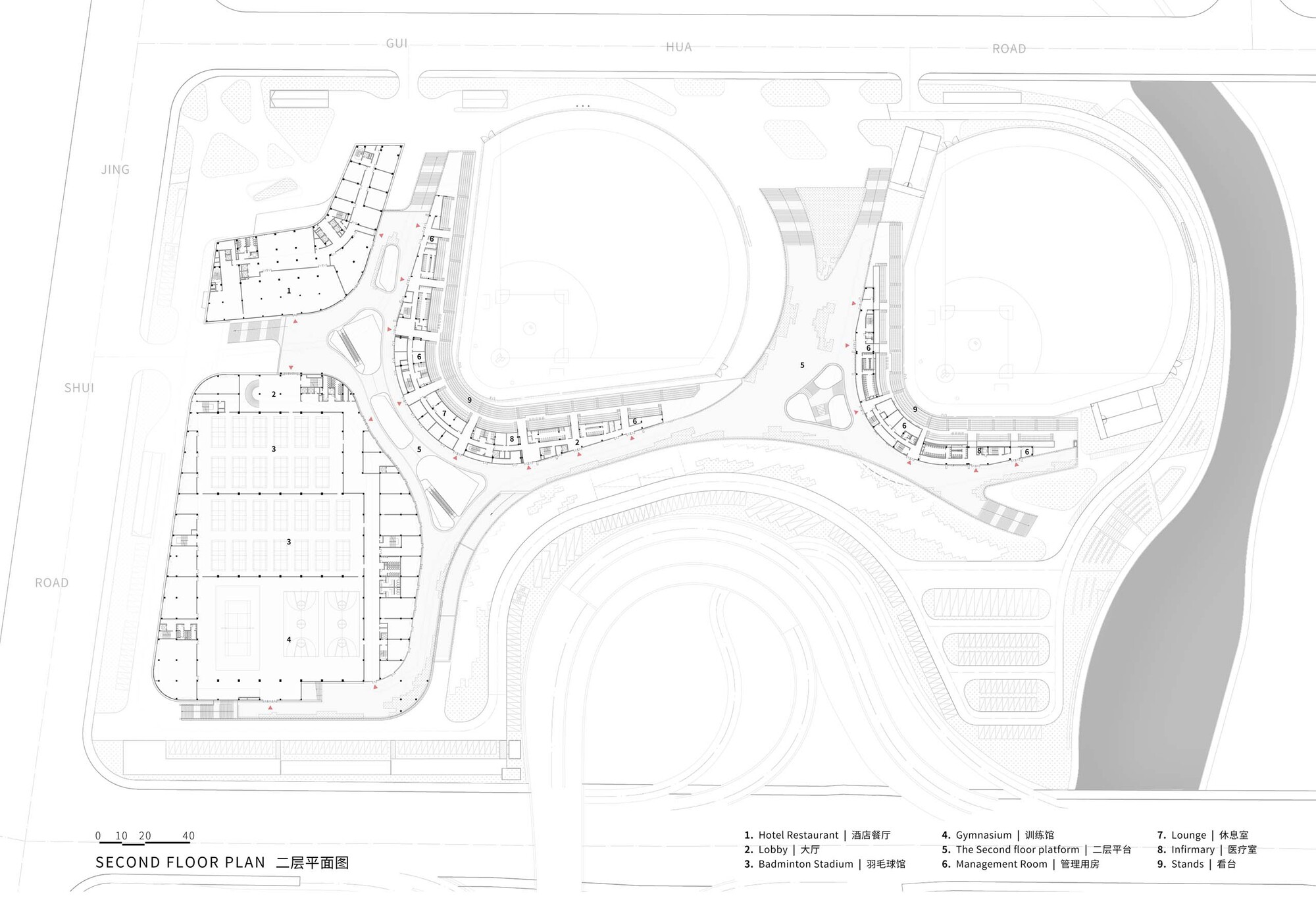
The inherent nature of sports architecture prompts us to rethink how to organize its intrinsic relationship with the city. We want to build a sports community driven by sports venues that fully considers multiple possibilities within the urban context and integrates them into urban life from a forward-looking perspective. At the same time, the design runs through the entire building lifecycle with the concept of sharing and openness, making it a bond connecting culture and life and giving sports architecture its unique public service value. The 19th Asian Games will be held in Hangzhou, China in 2023. The Hangzhou Asian Games Baseball and Softball Sports Culture Center, as the largest new venue of this Asian Games, is currently the largest, highest-standard, and most advanced baseball and softball sports center in China. It will inject new vitality into the surrounding future communities and make sports the cultural foundation of the area. We believe that sports architecture should not be limited to competitive functions but should emphasize flexible public services to adapt to the social trend of openness and sharing. Building a sports-culture complex in the form of an athletic community makes it an extension of the surrounding environment. The project by TJAD creates a sports facility that serves not just during the Games but as a year-round community resource, demonstrating how major event venues can be designed for lasting public benefit.













 Editor's Pick
 Latest Design




