Text description provided by the architects
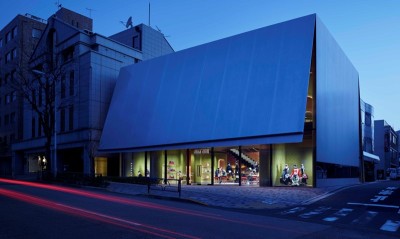
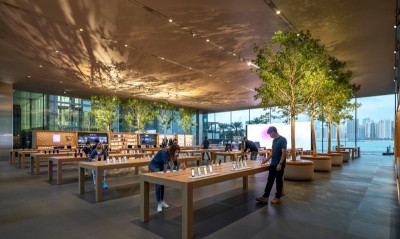
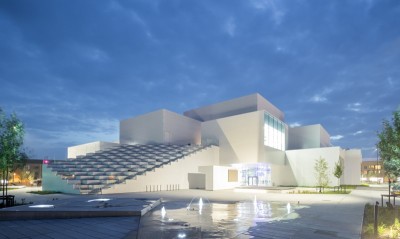
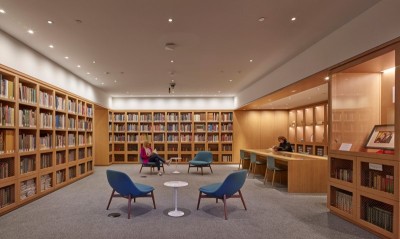
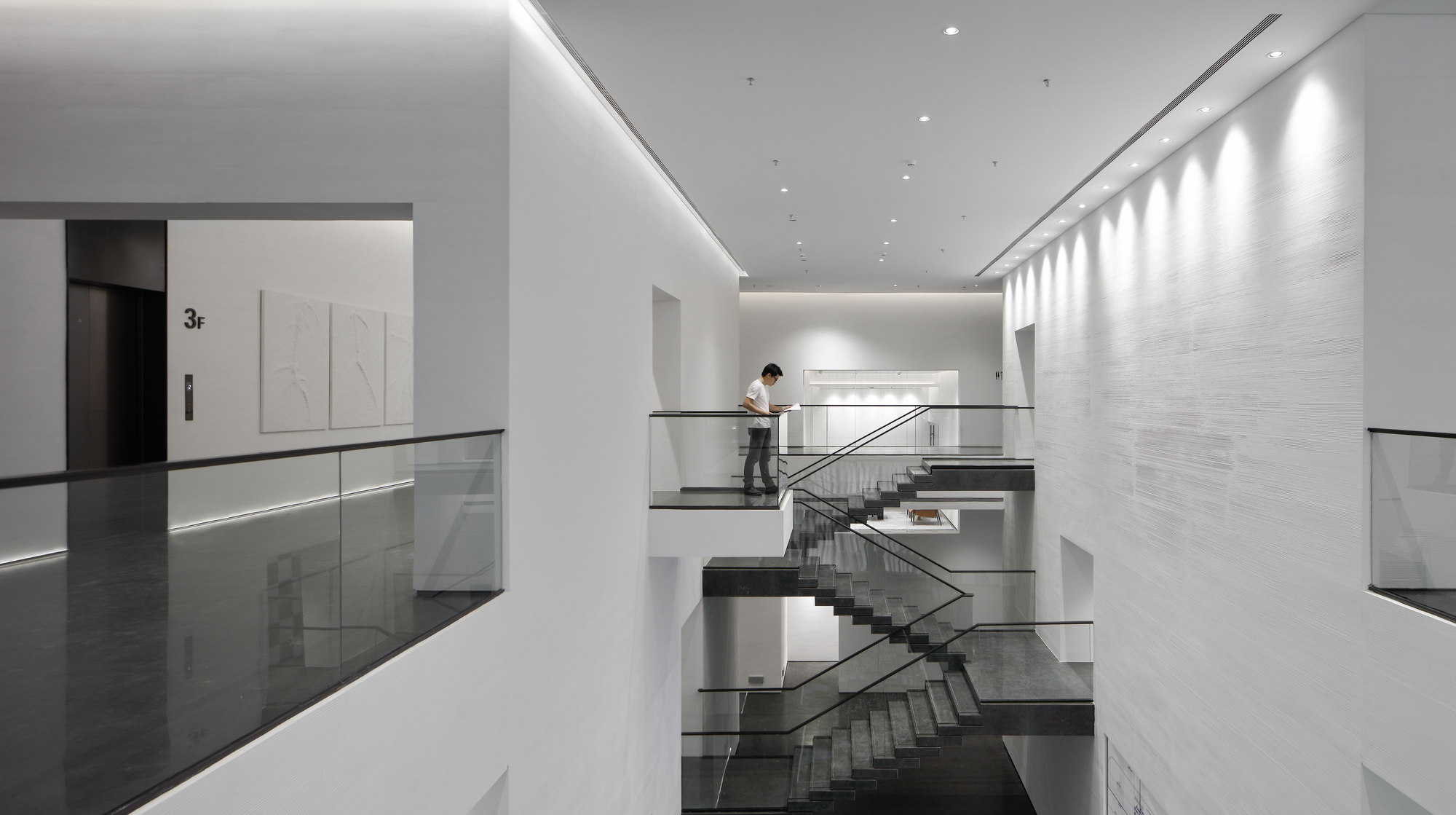
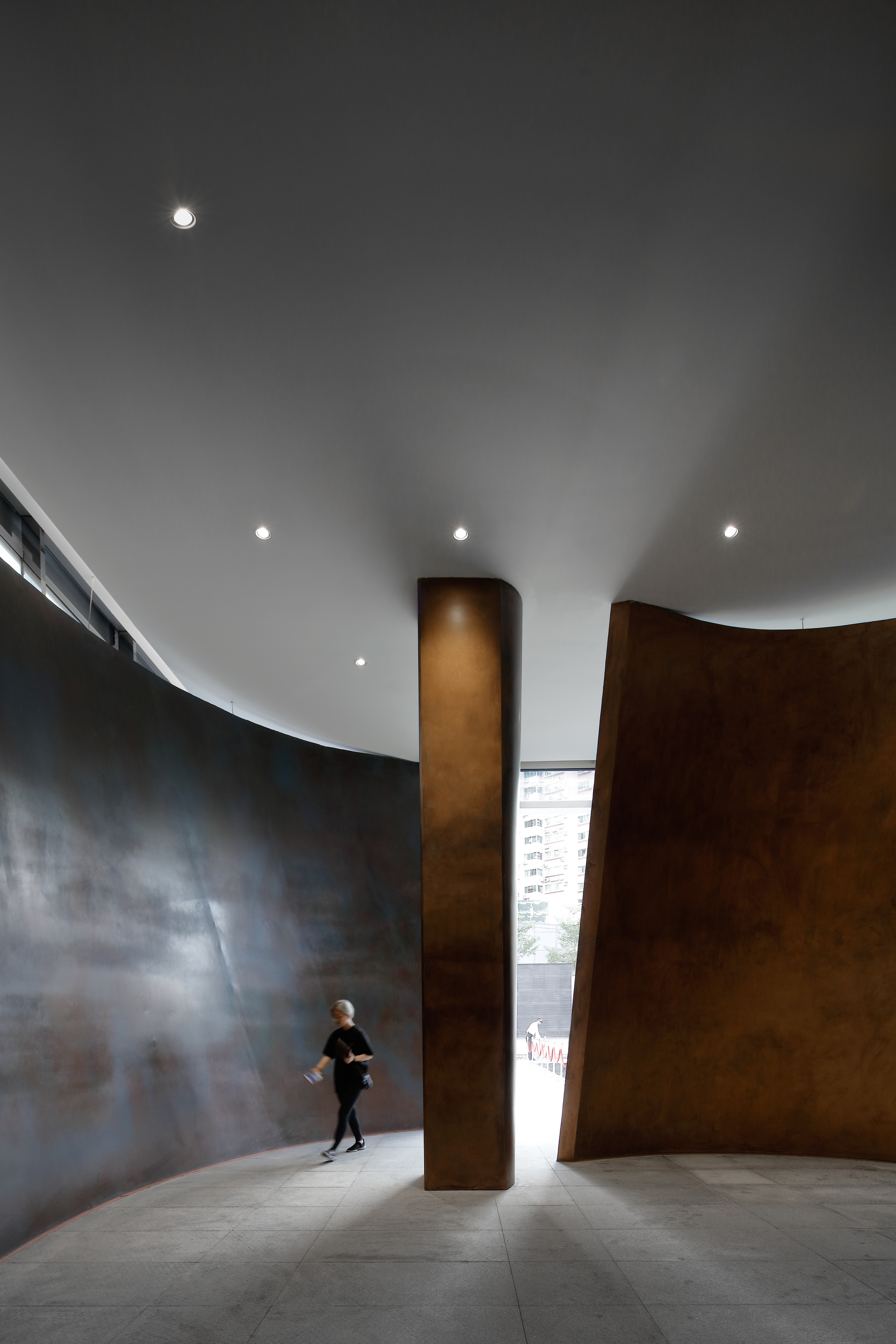
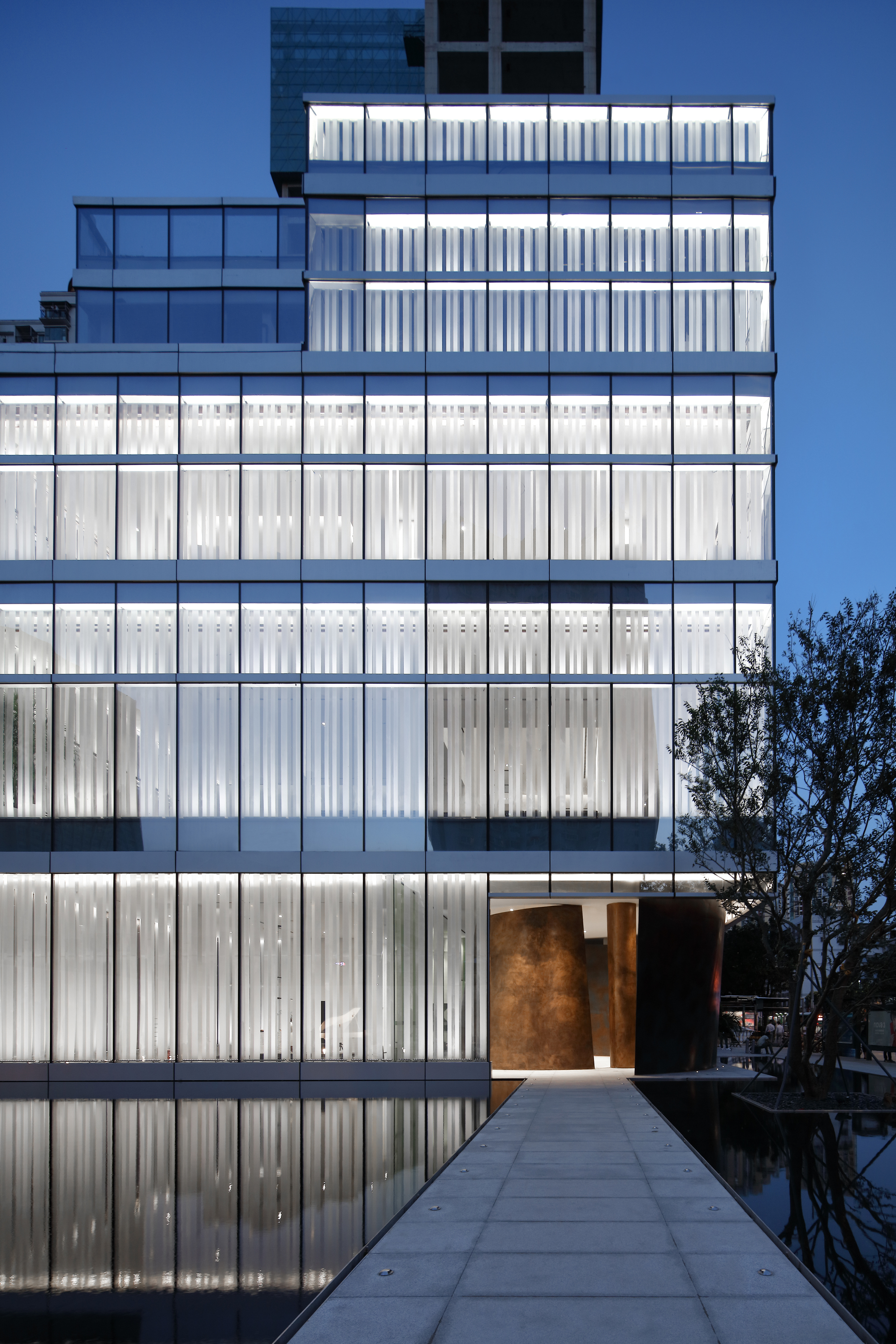
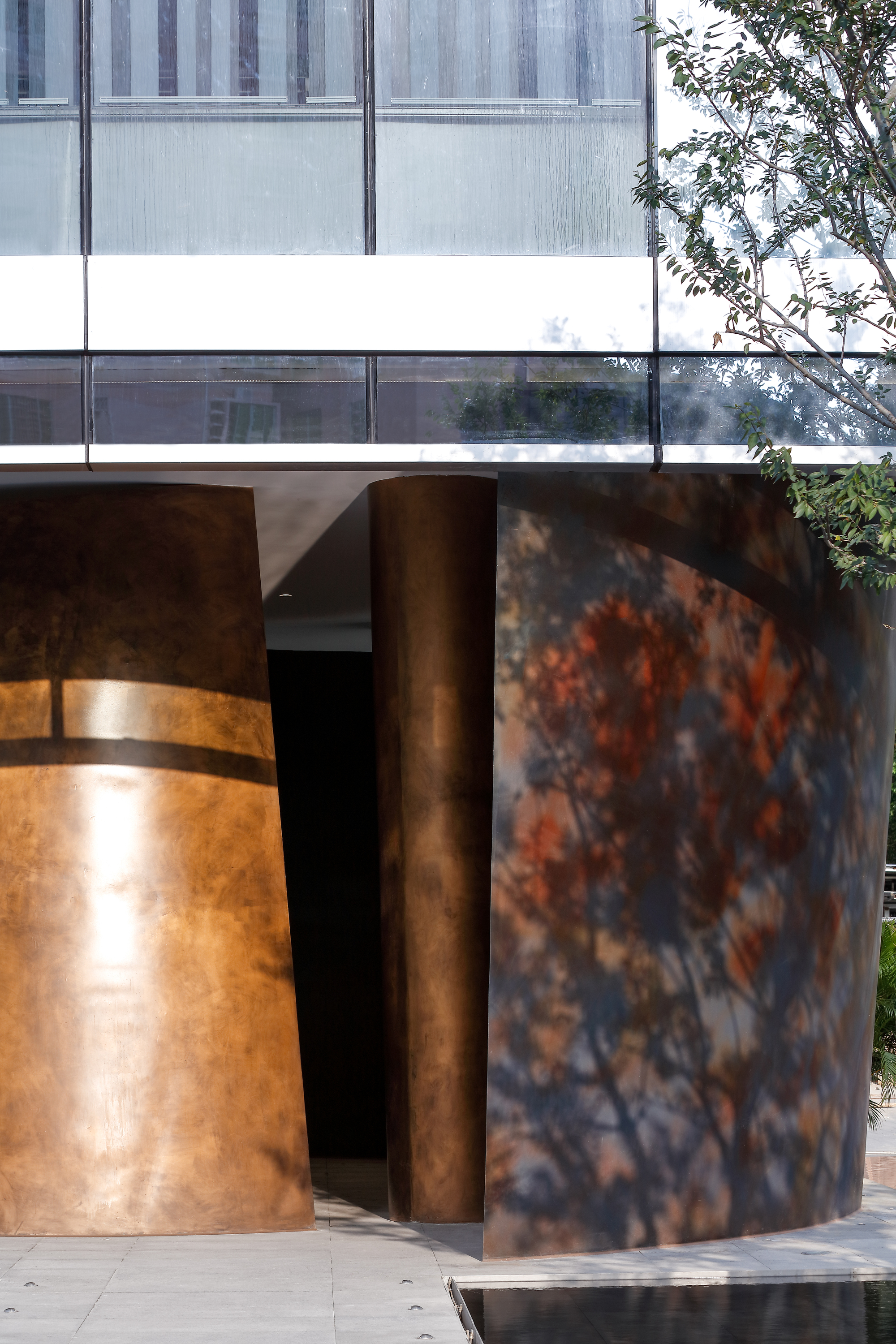
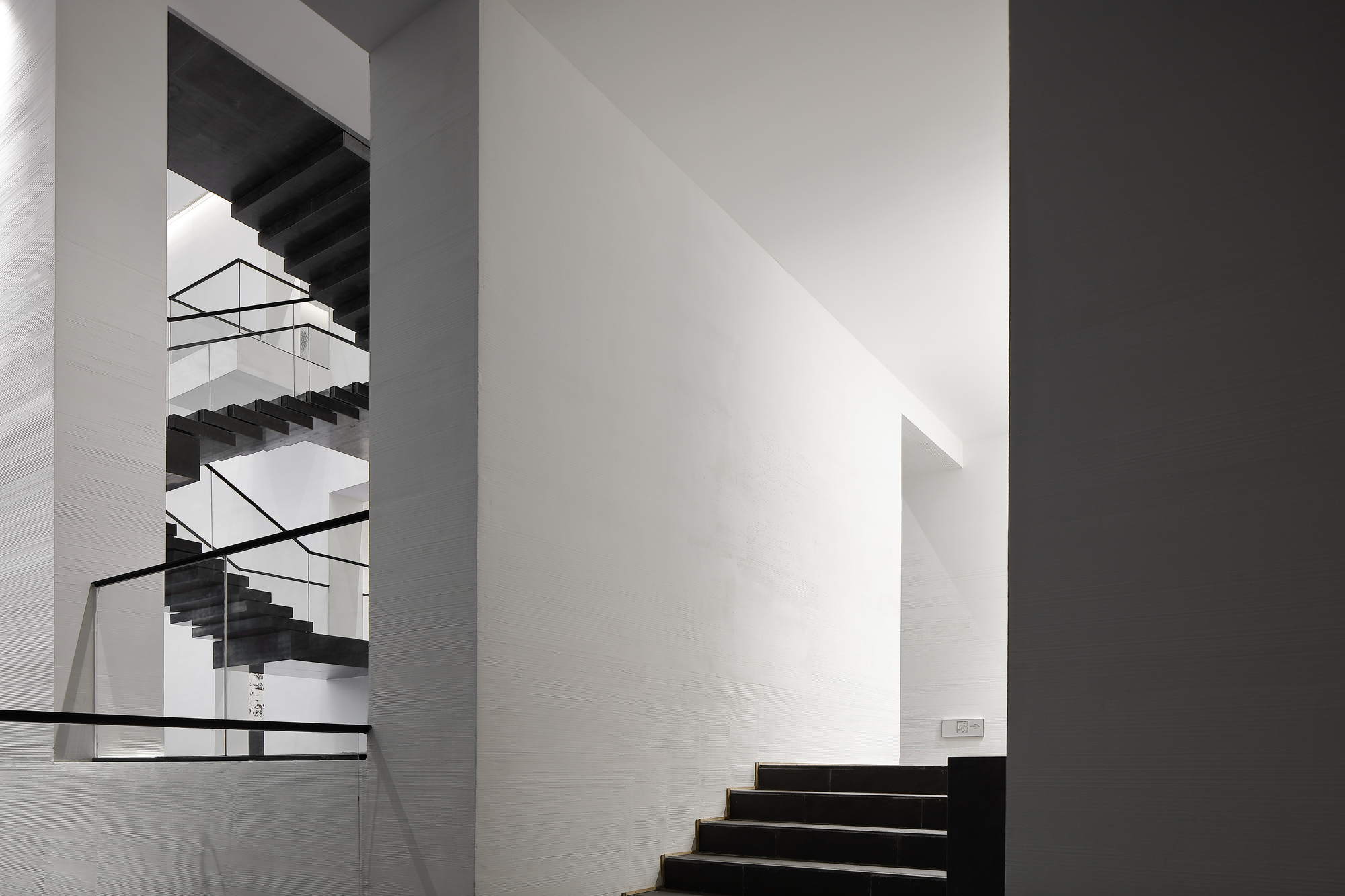
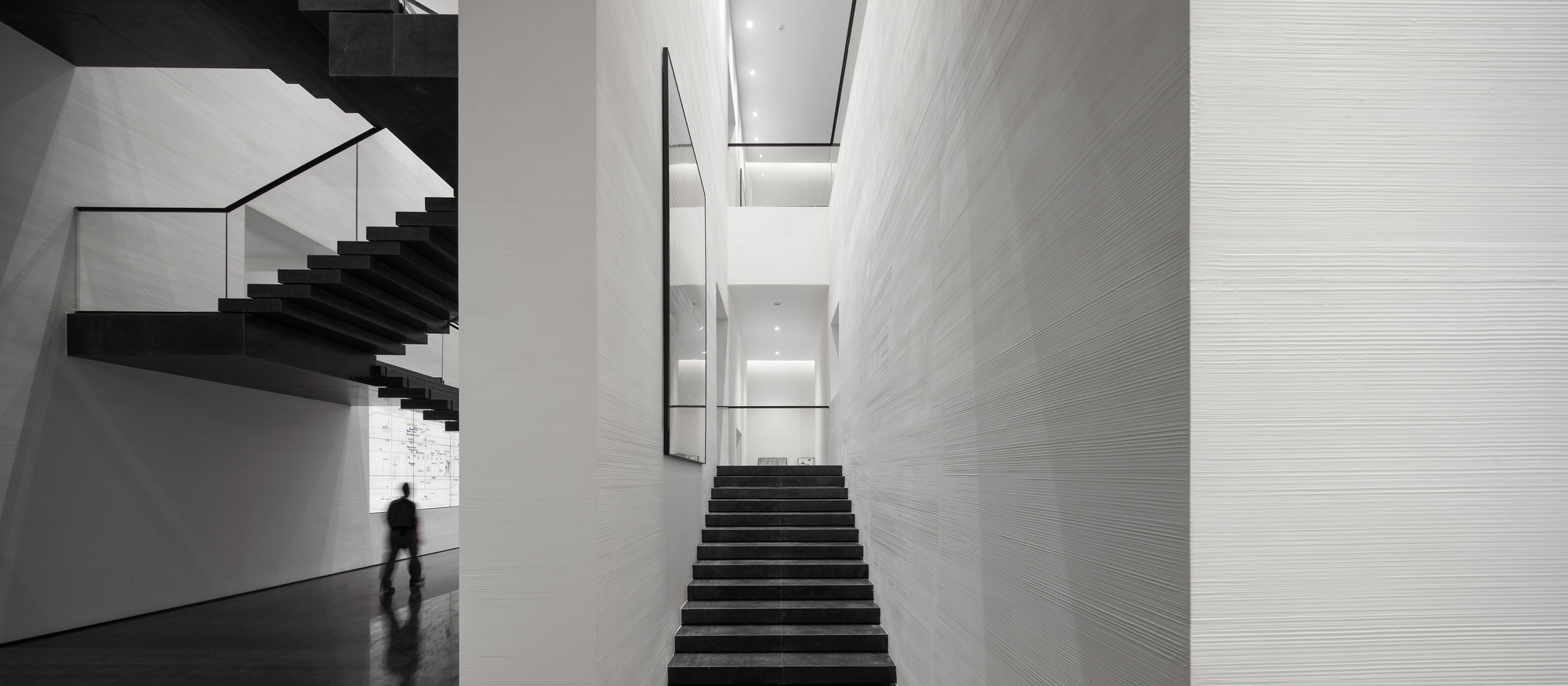
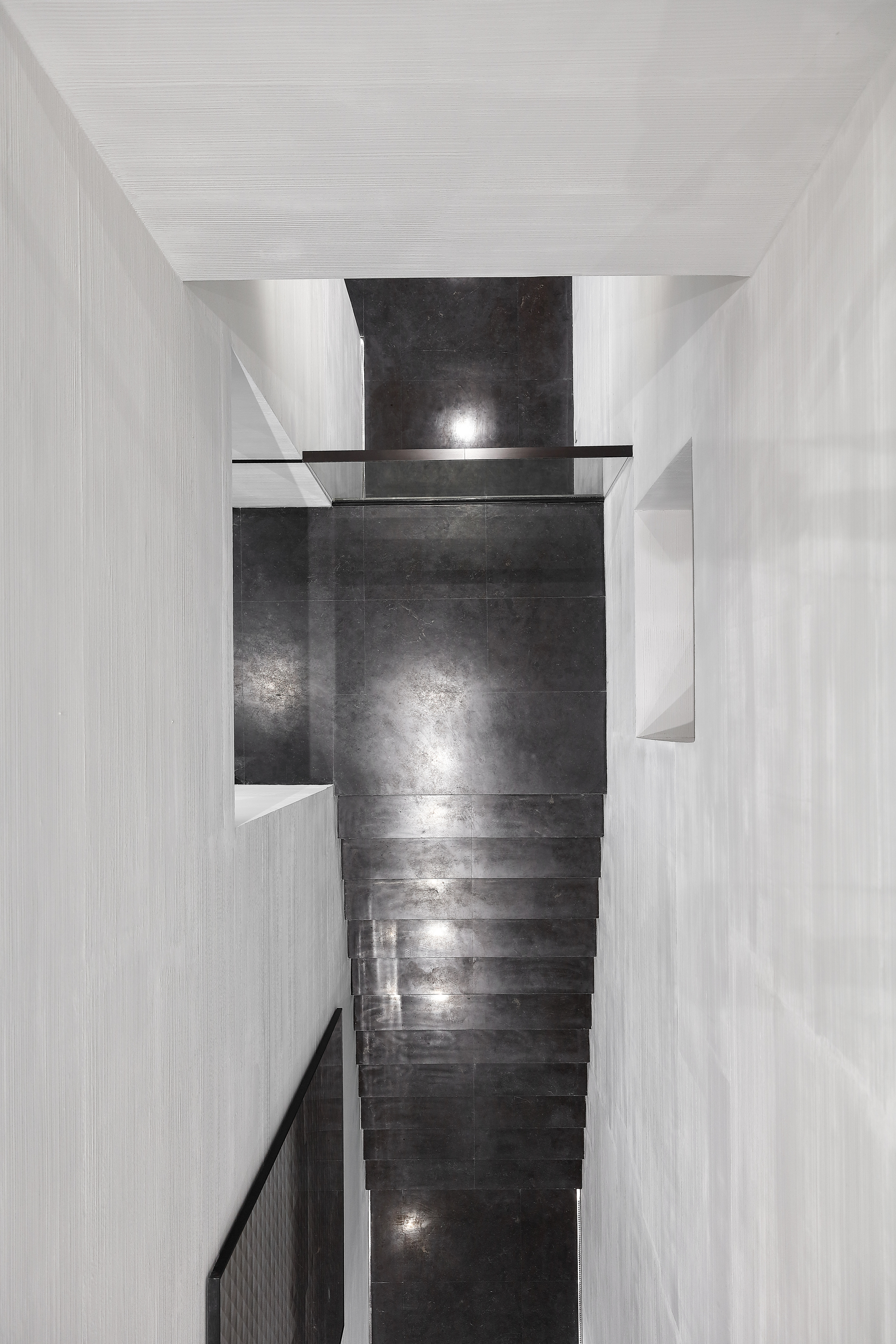
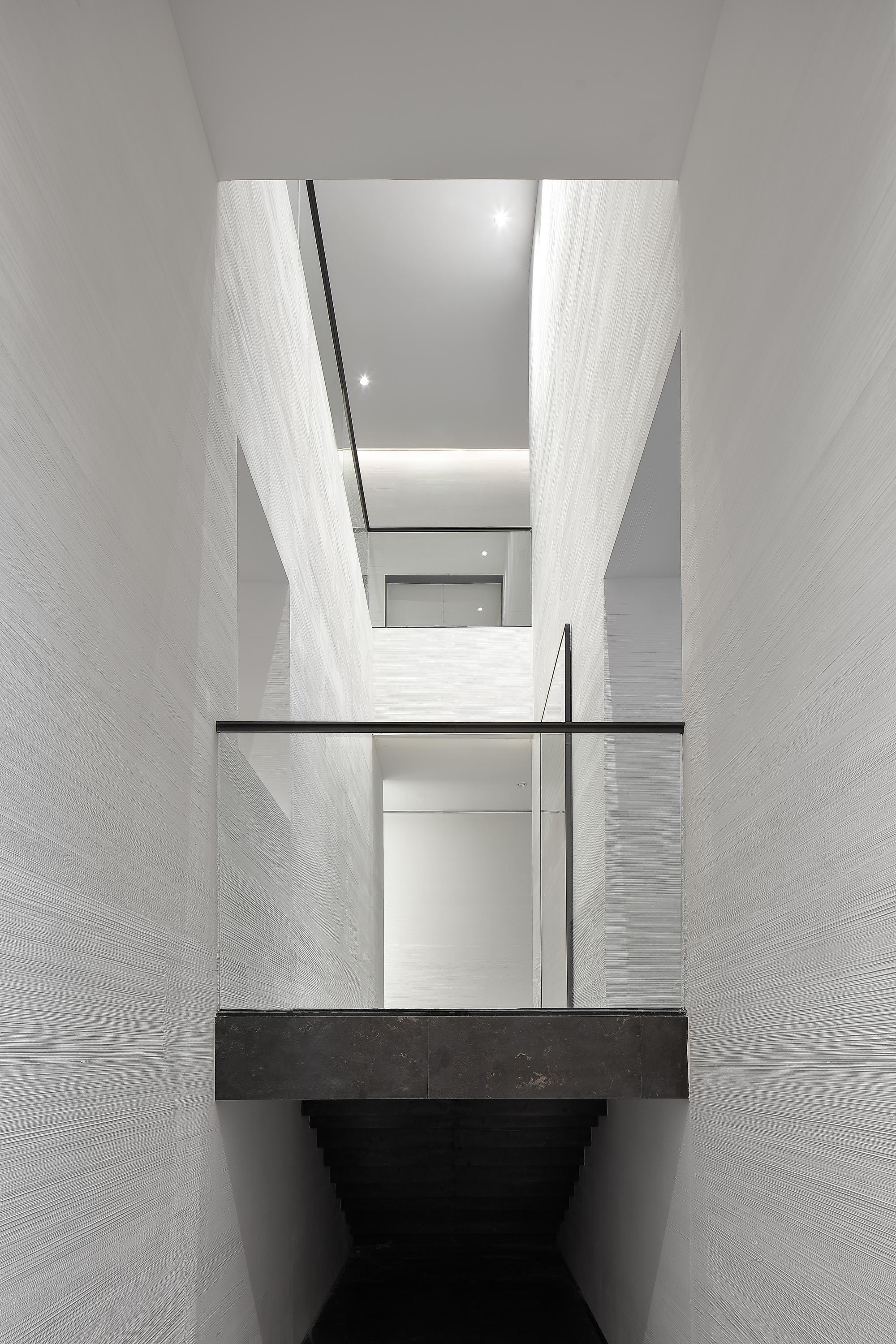
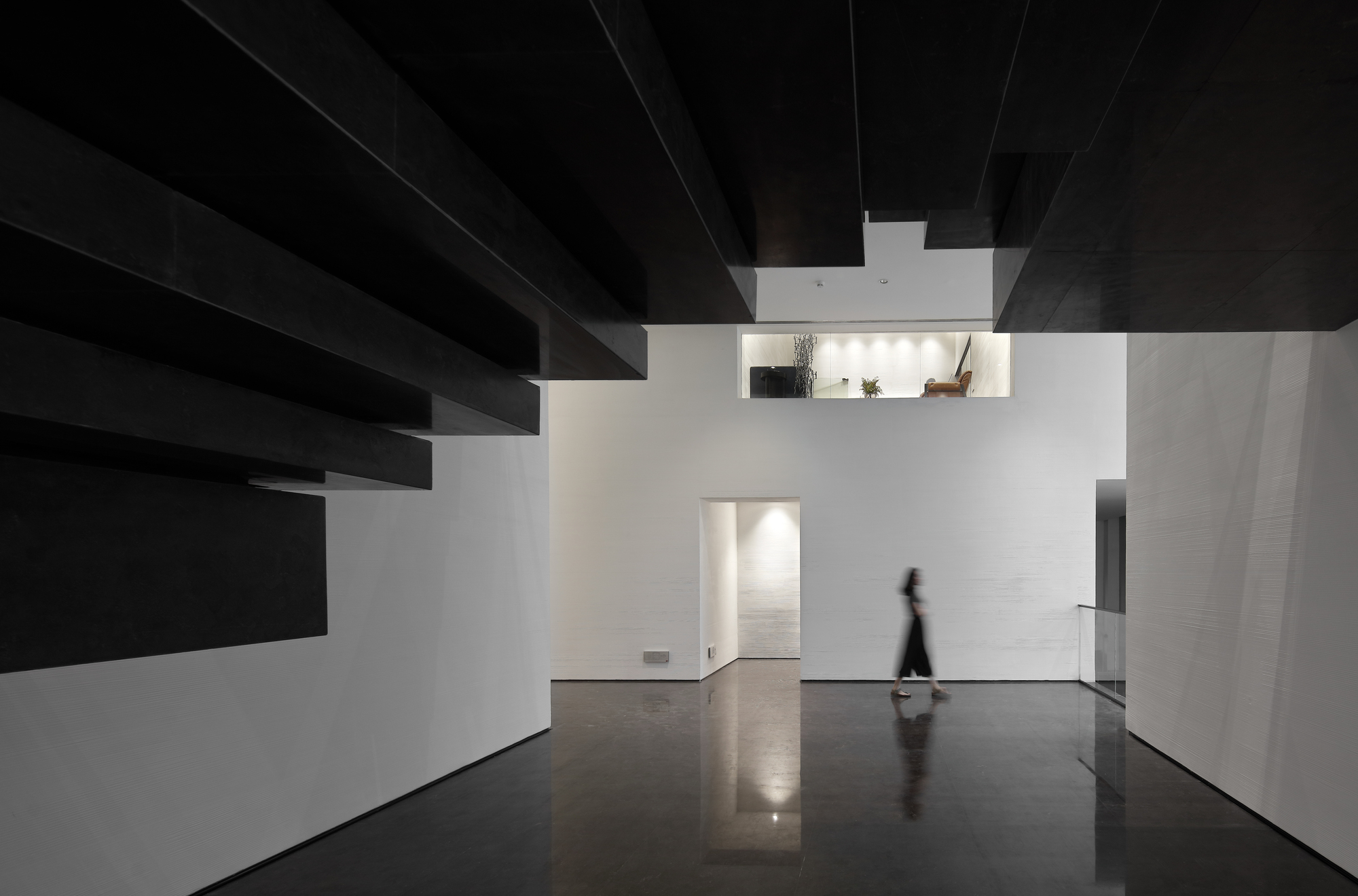
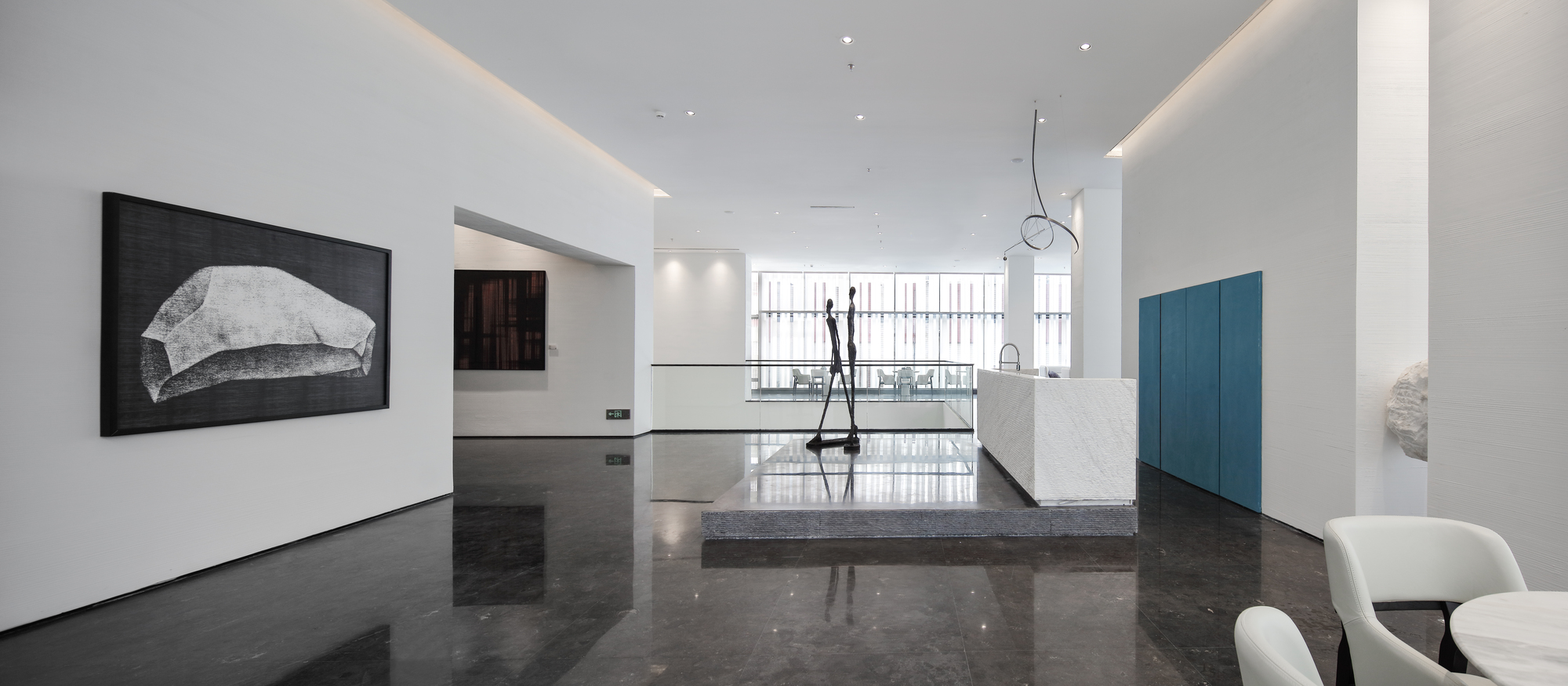
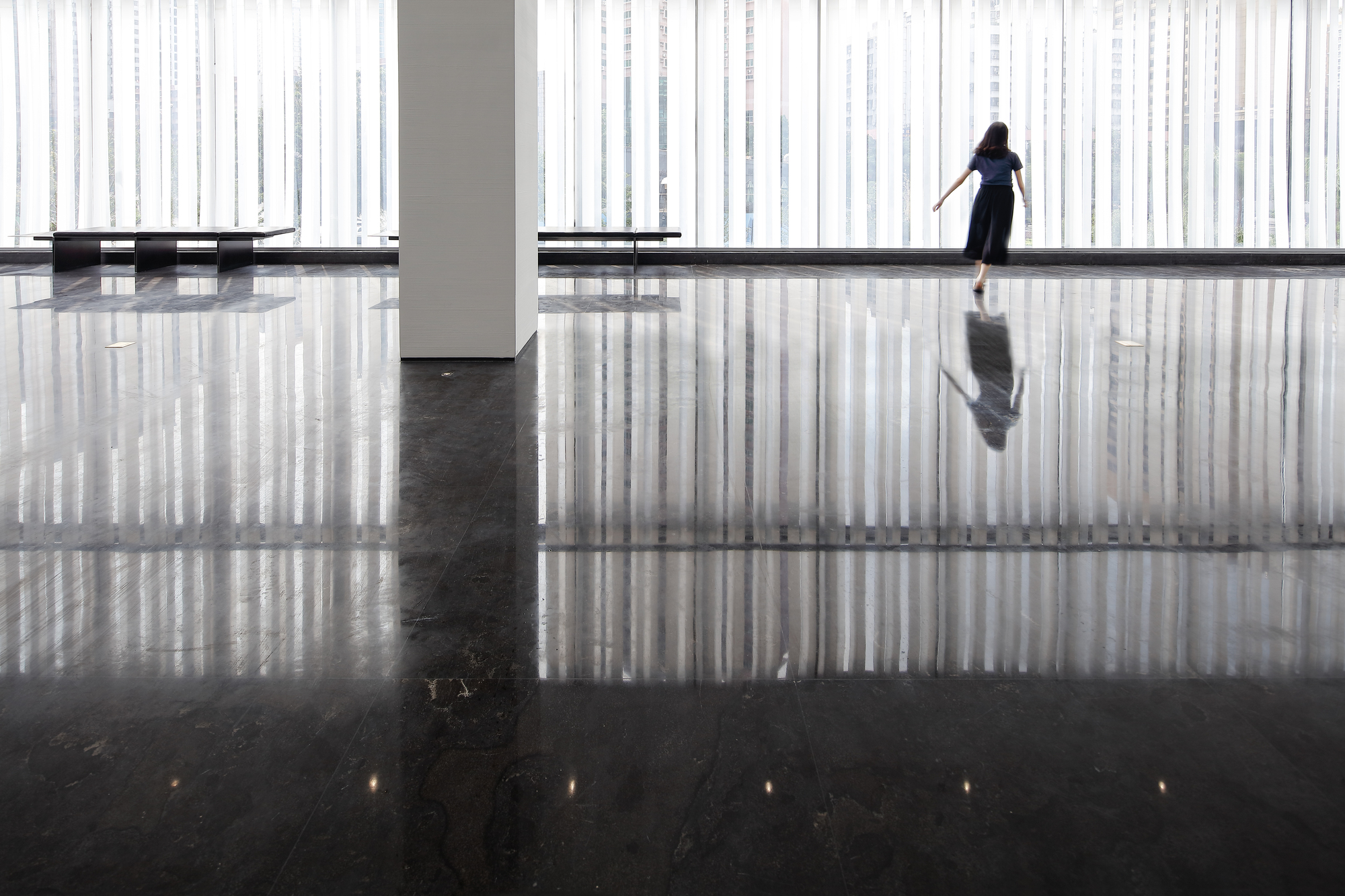
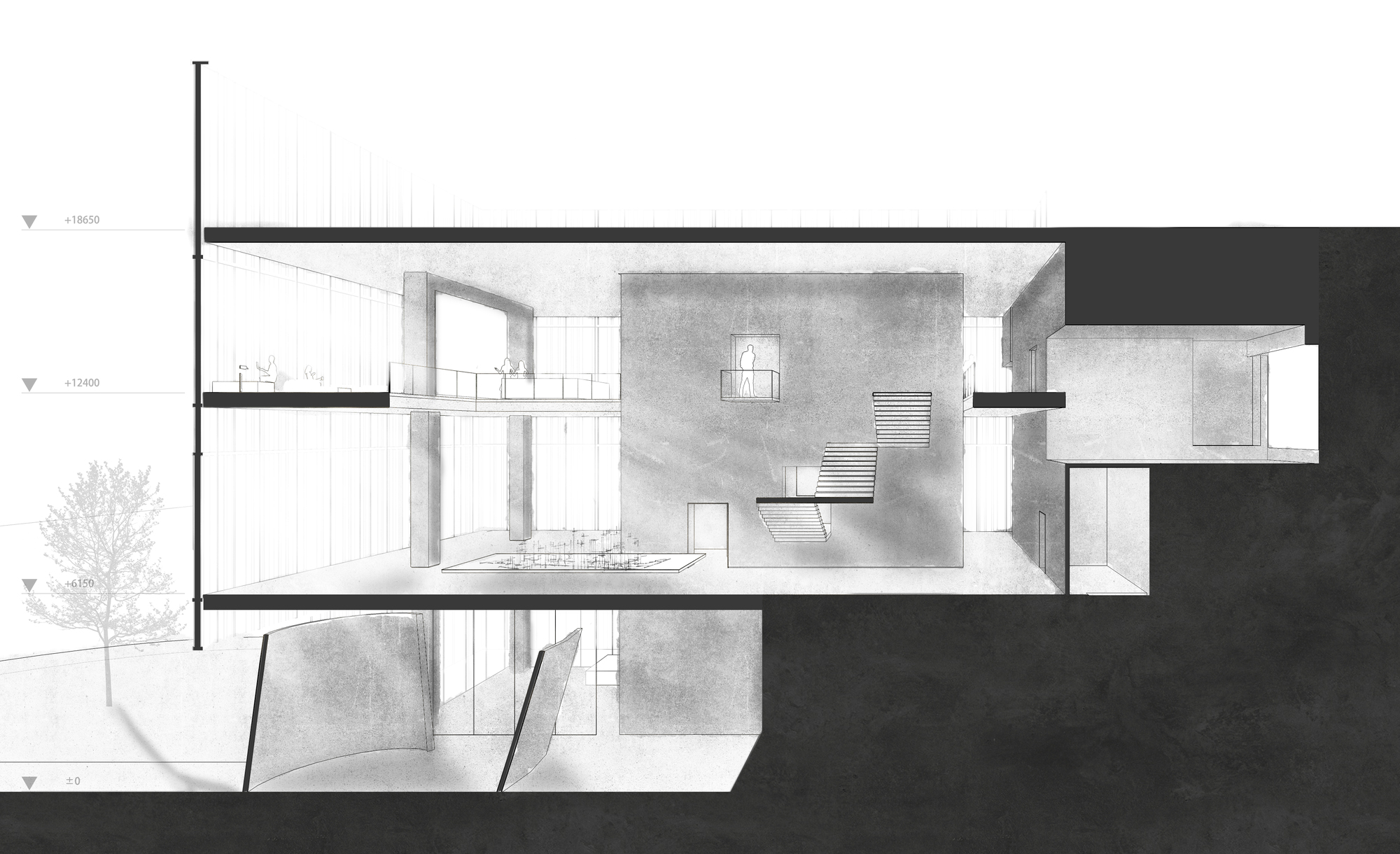
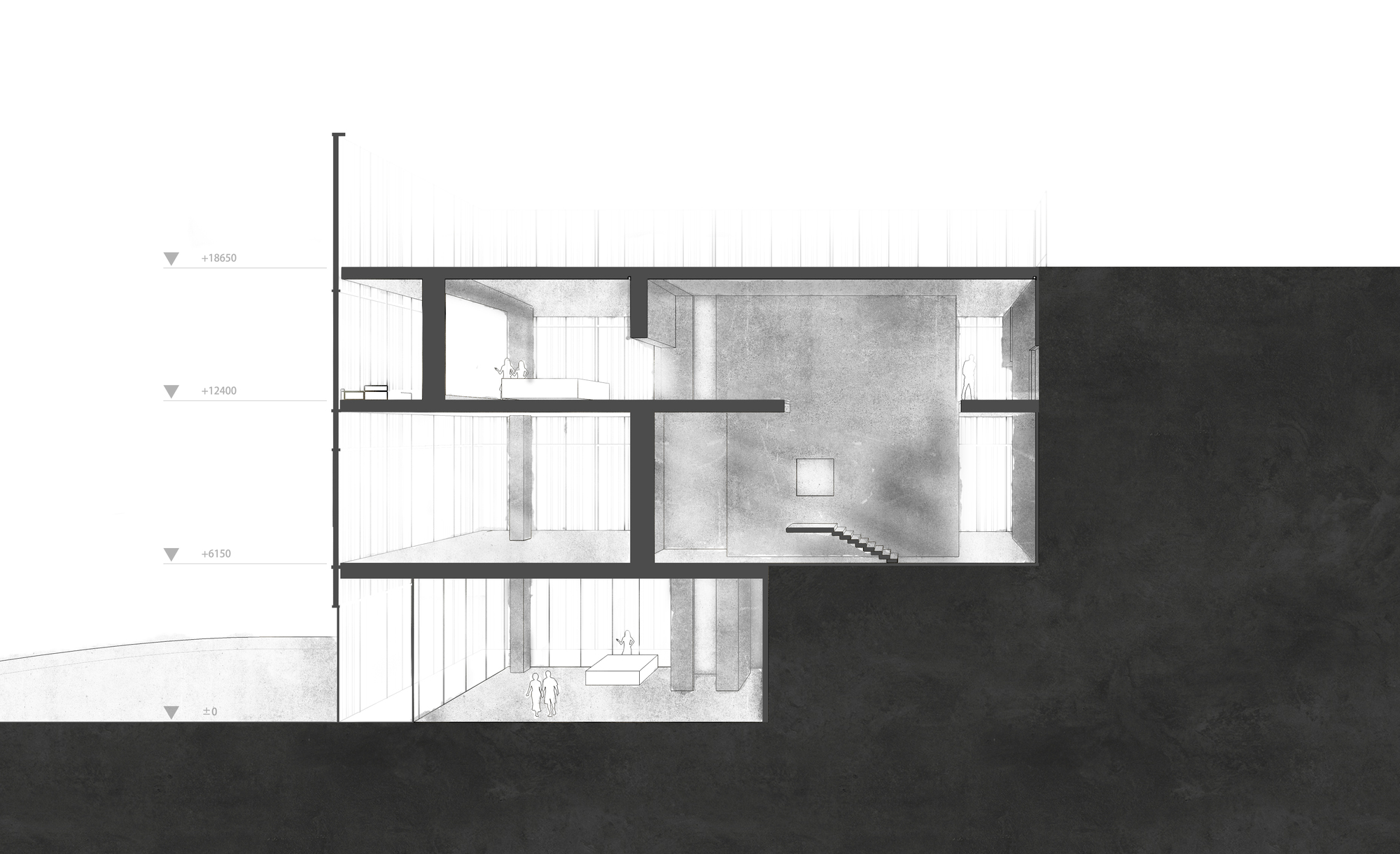
The district of Luohu in Shenzhen is an older urban quarter, unlike the newly built clusters of towers elsewhere in the city; even where contemporary buildings have risen, they are surrounded by long-standing everyday life. In a city of rapid metabolism where old and new collide, Waterfrom Design took the spirit of museum curation as the backbone of the project, seeking to brew a field within the busy flow of people where visitors instinctively slow down, step out of the restless routine, and gain a pure sensory experience that weaves a cultural resonance with themselves. As a carrier for art and culture, the space needed scale and tension that would immediately signal a departure from the noise. Inside, only black and white are held: a glass curtain wall admitting abundant daylight, against which white matte acrylic panels are scattered; white walls carry the grain of cedar; the rough chiselled surface of stone sections is exposed. In this setting, even the light seems to slow down. Yet a quiet field is not merely a blank container for art; it must also give the exhibits drama and build the environmental pressure that holds the viewer's breath. The designers used contemporary sculptural and interior-architectural means, slicing through the standard frames of doors, windows and stairs to guide the visitor, almost imperceptibly and yet rhythmically, to stop, gaze and even become part of the framed art. The first dramatic shock comes from the winding approach at the entrance. A forecourt of water reflects the sky, and the glass curtain wall reads as transparent and light; the architects therefore created an entry sequence that pulls the visitor through and around this surface before revealing the main space. The result is an art-filled interior that treats looking itself as the subject, using restraint, water and light to slow the city down.














 Editor's Pick