Text description provided by the architects
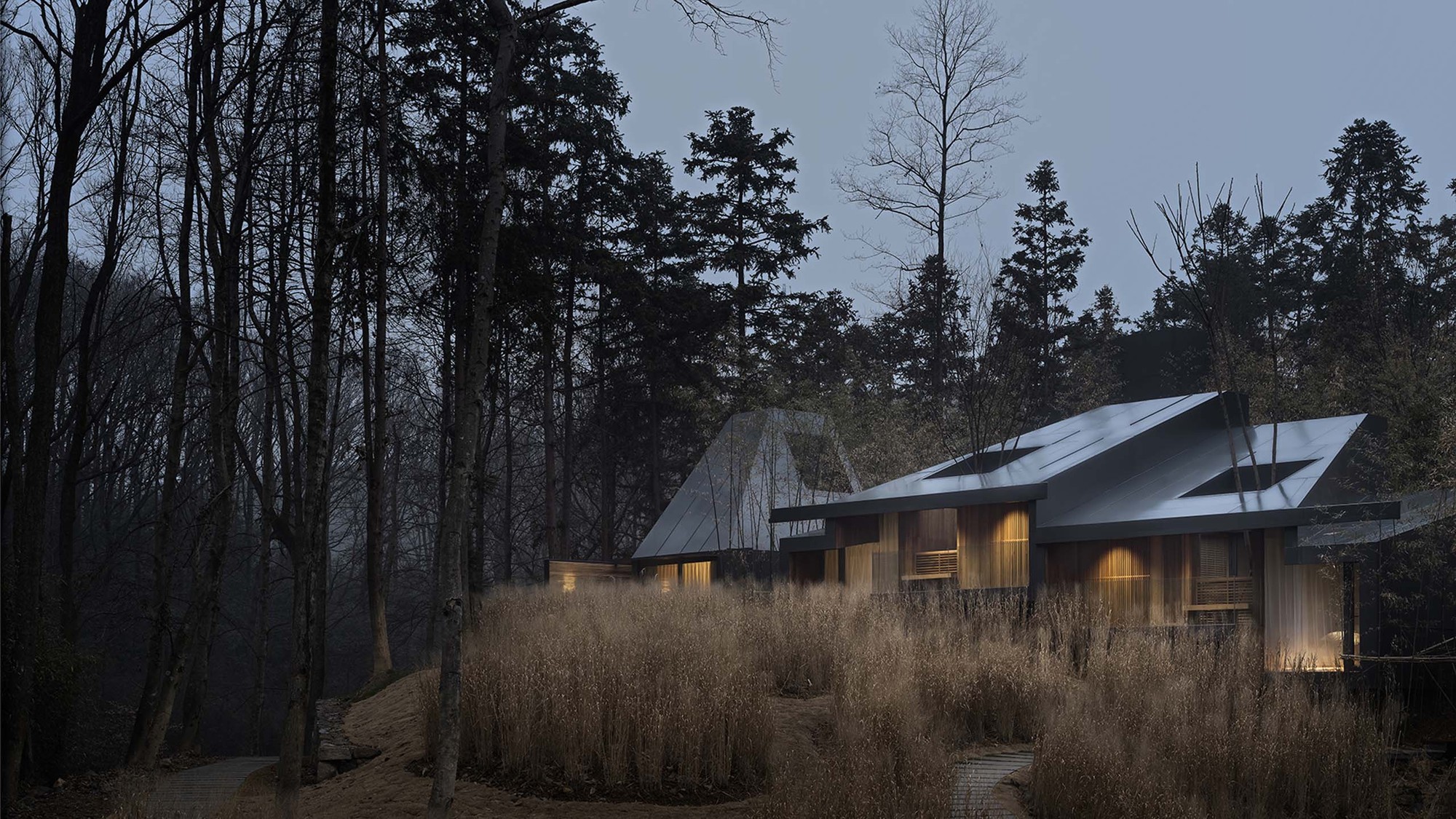
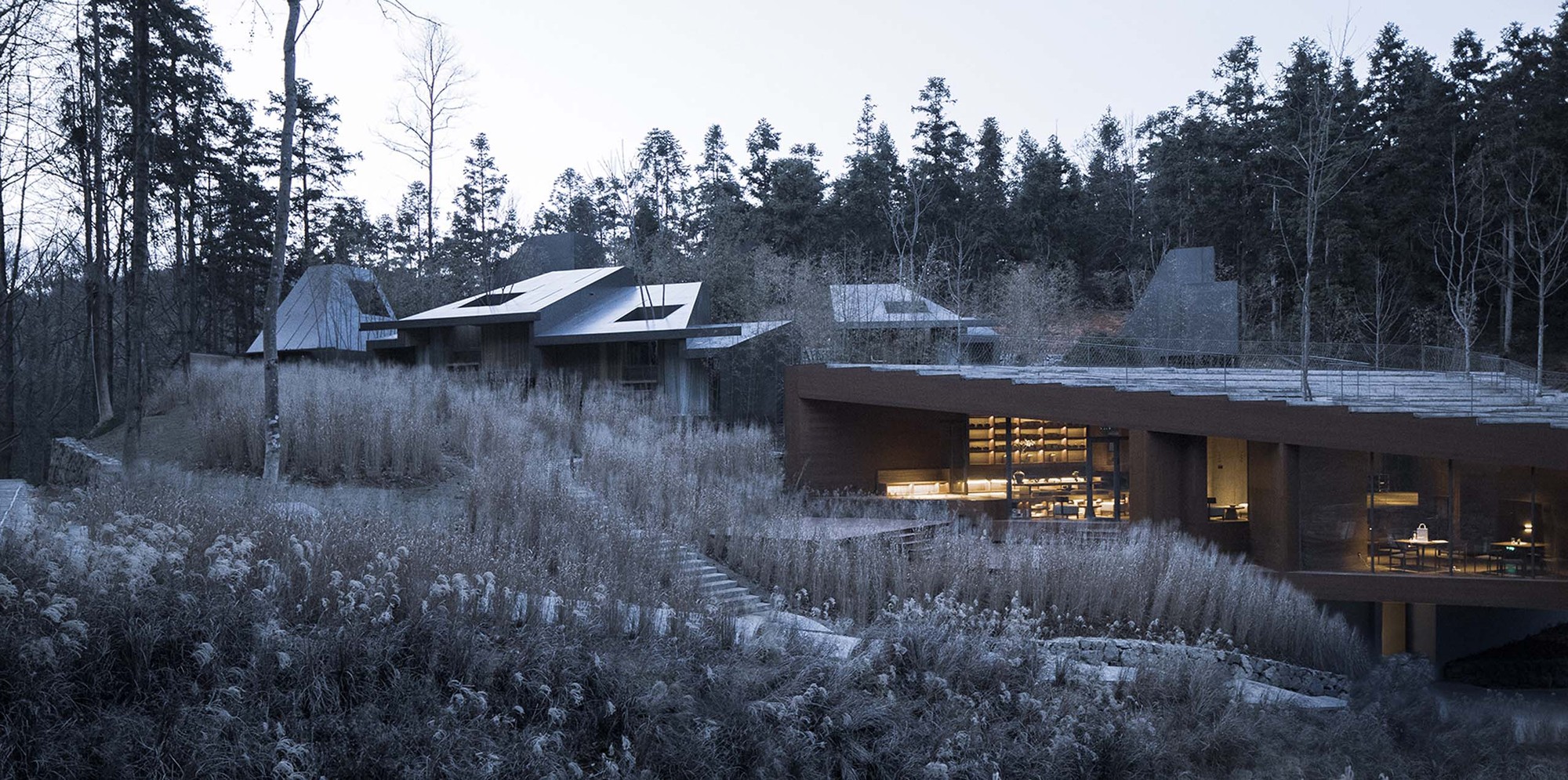
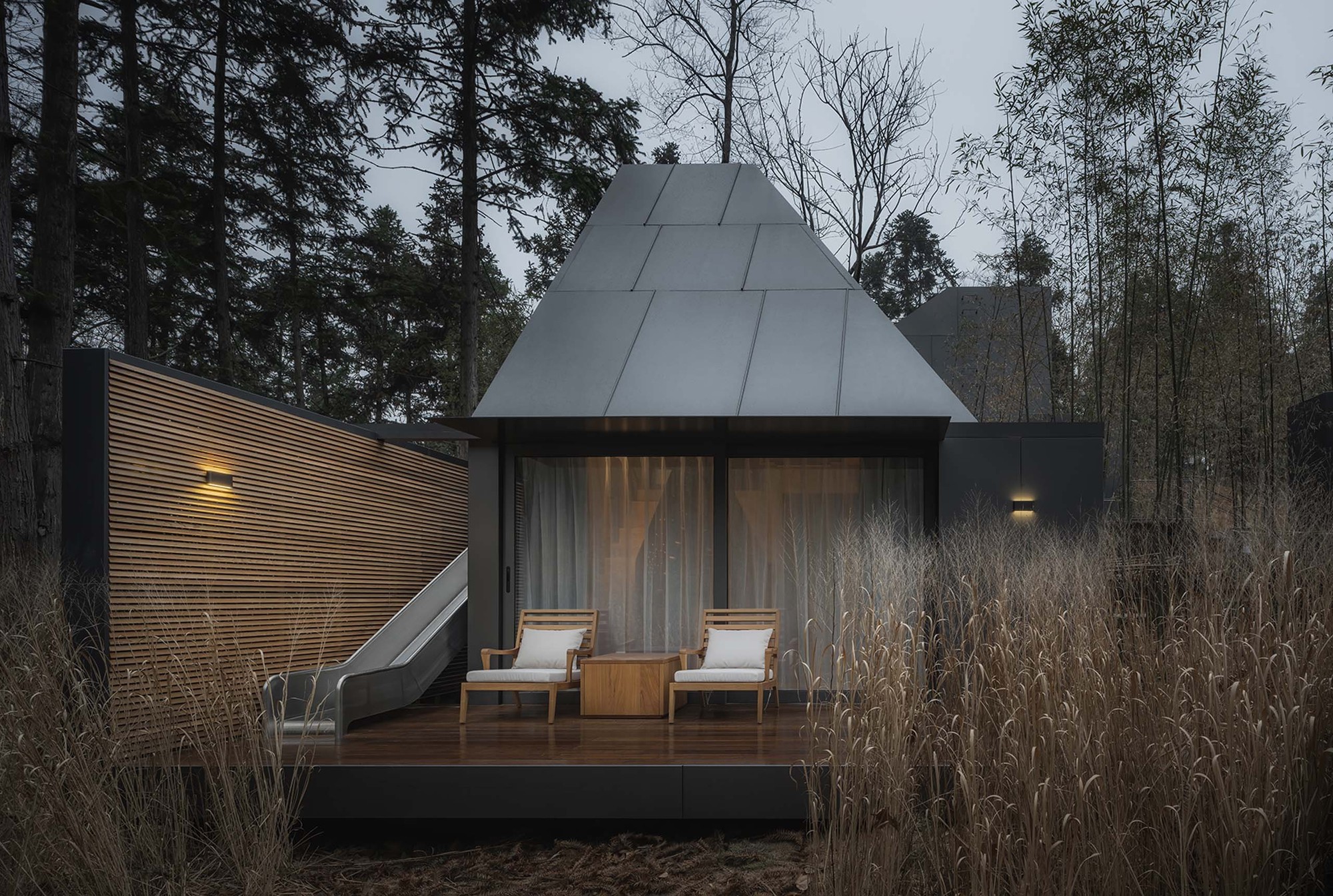
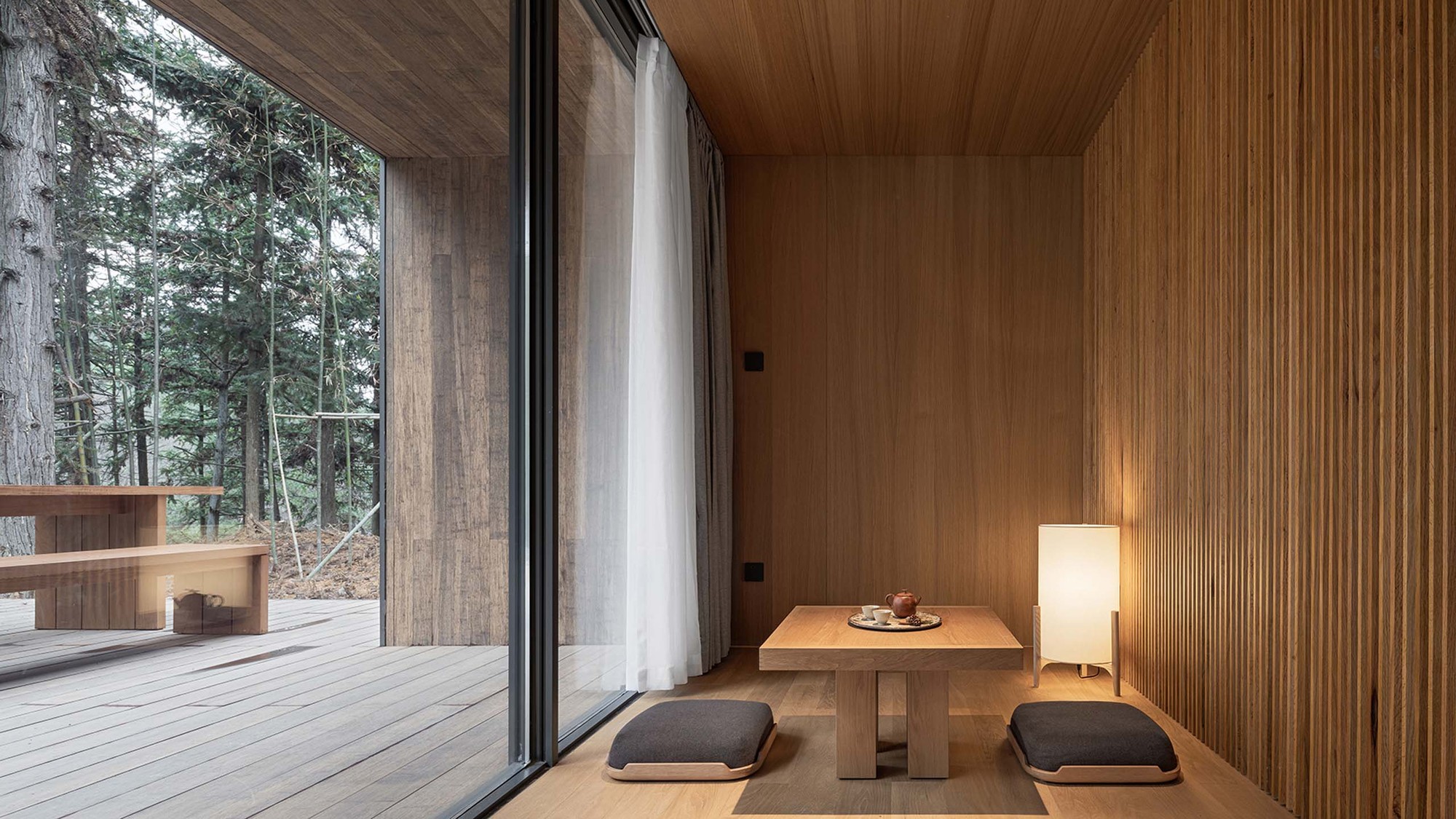
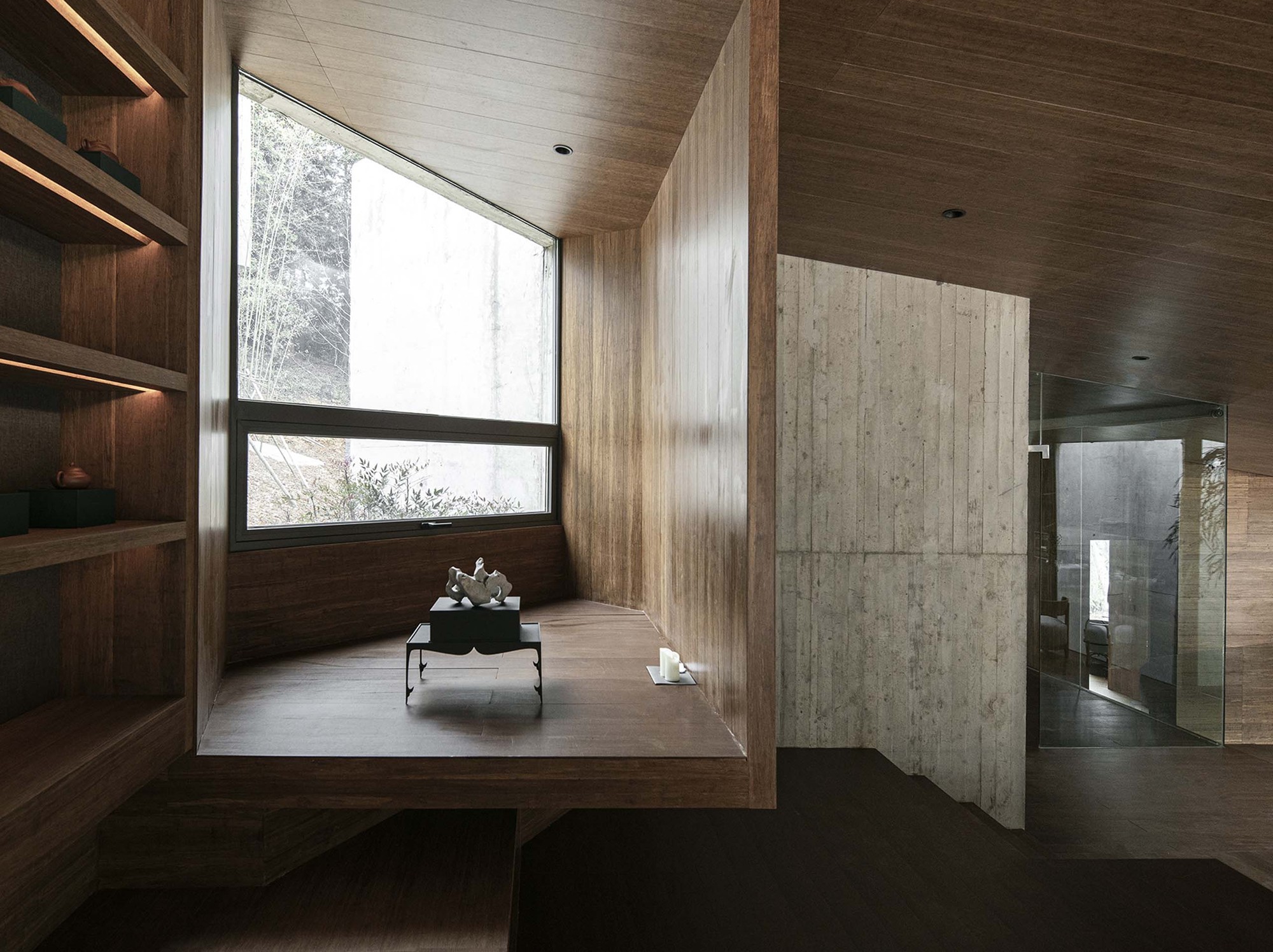
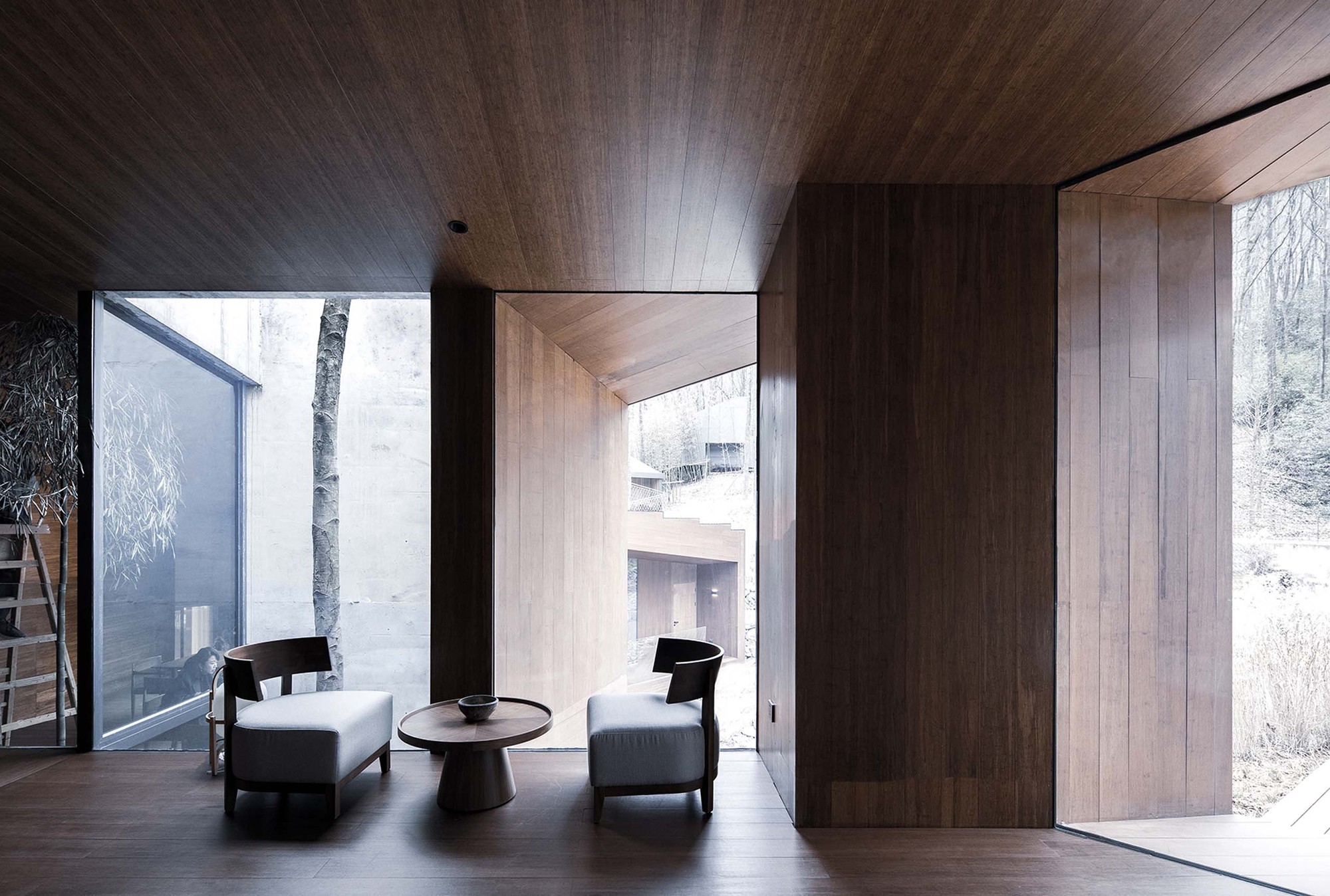
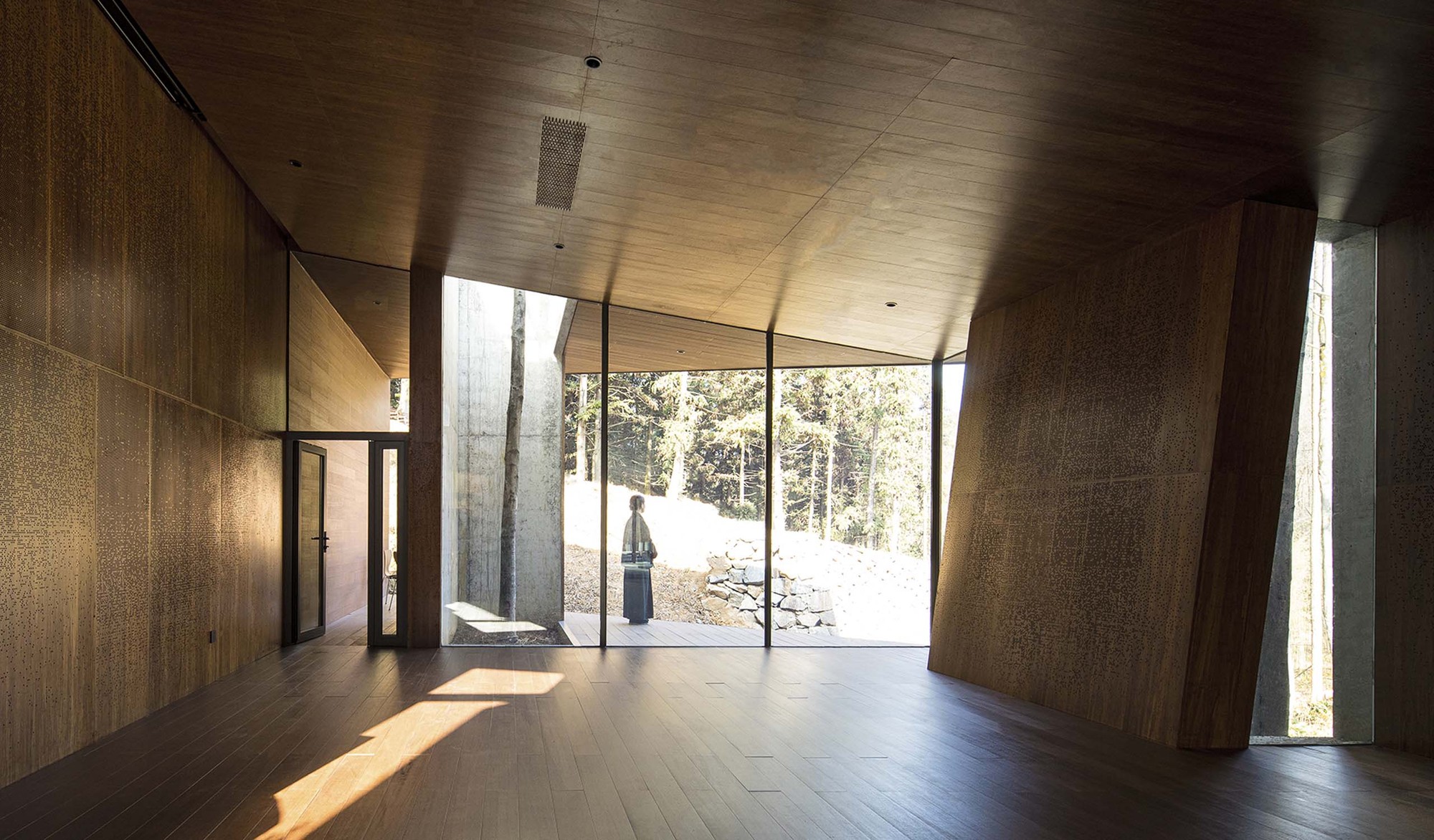
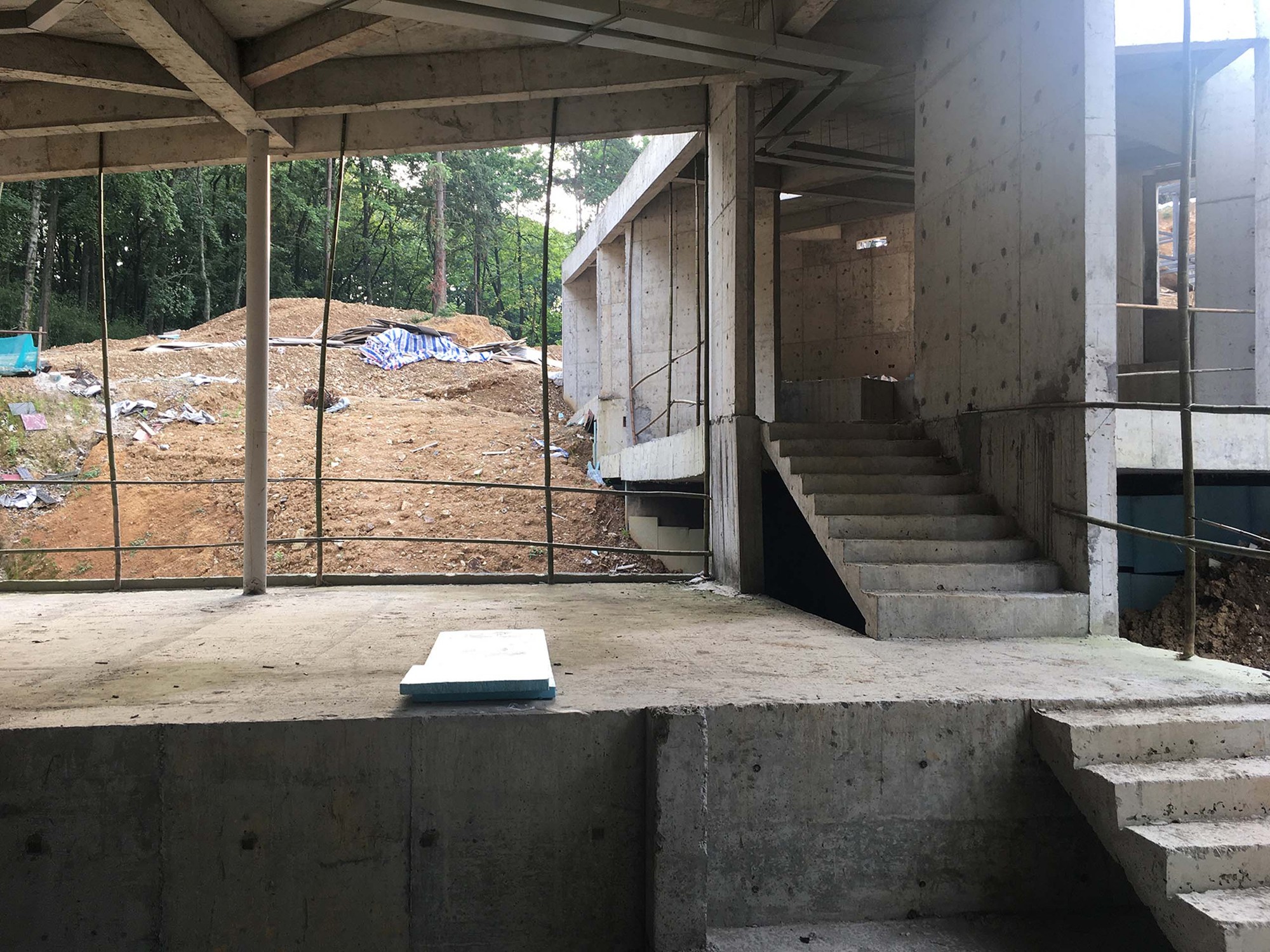
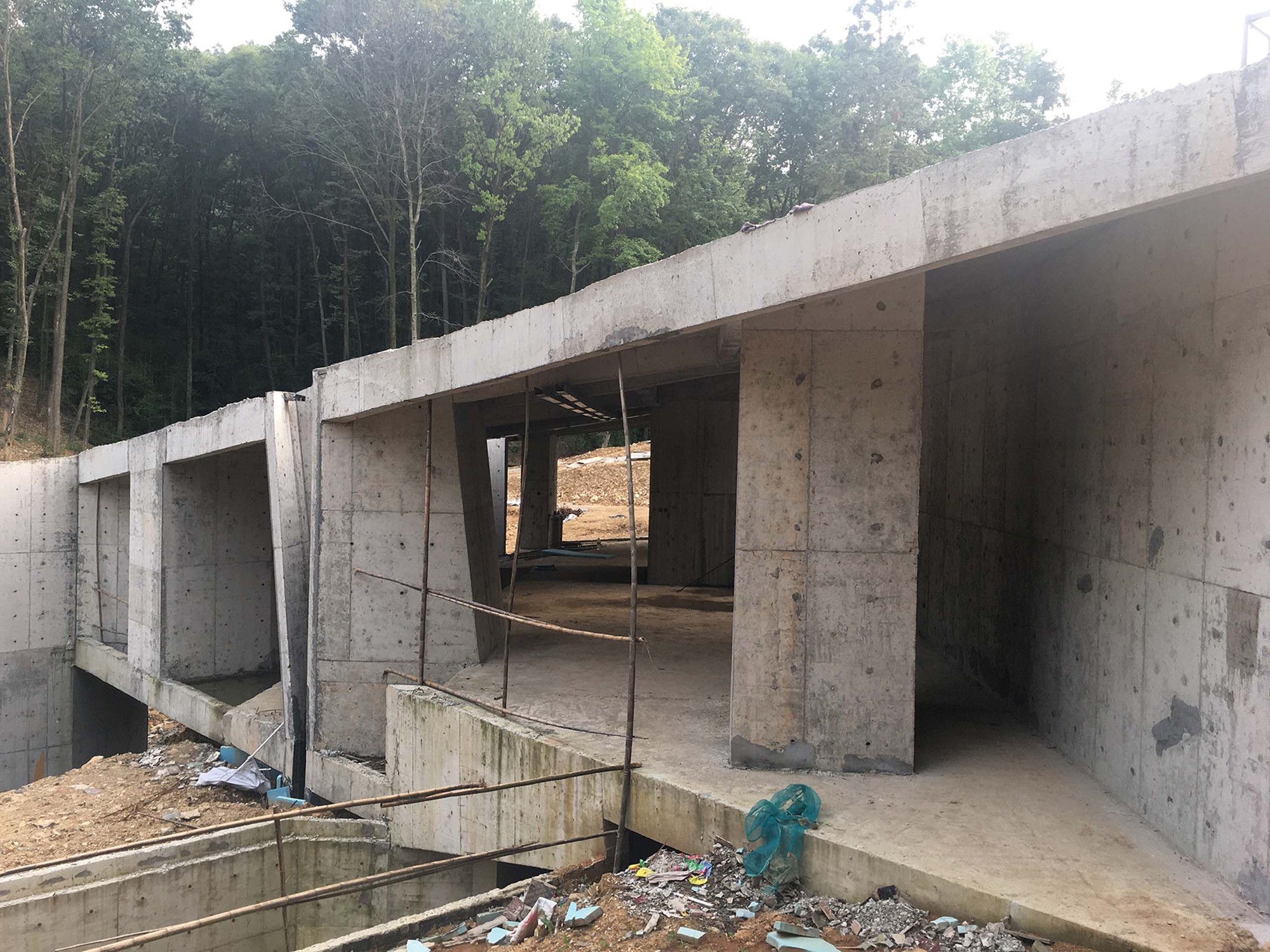
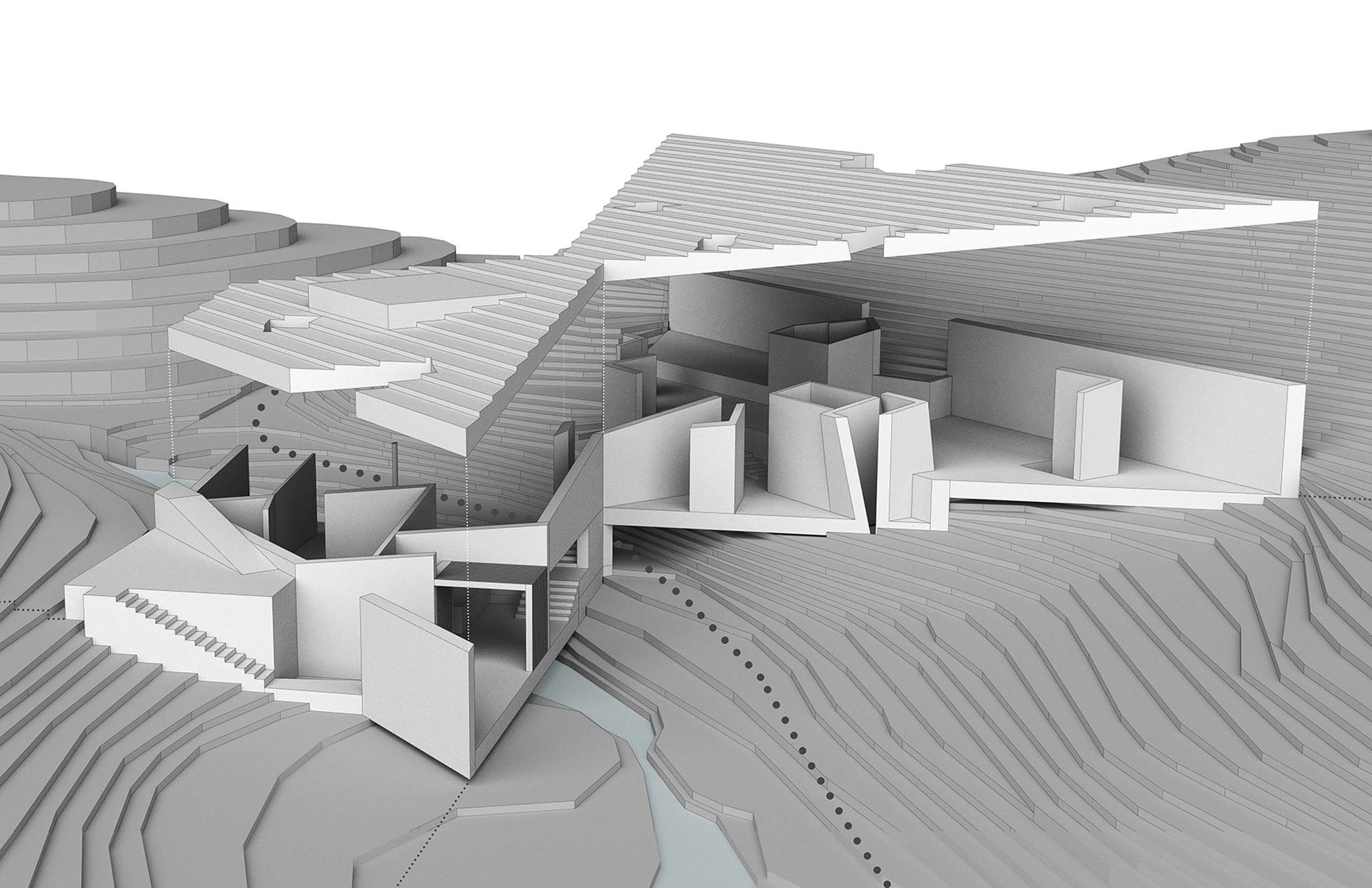
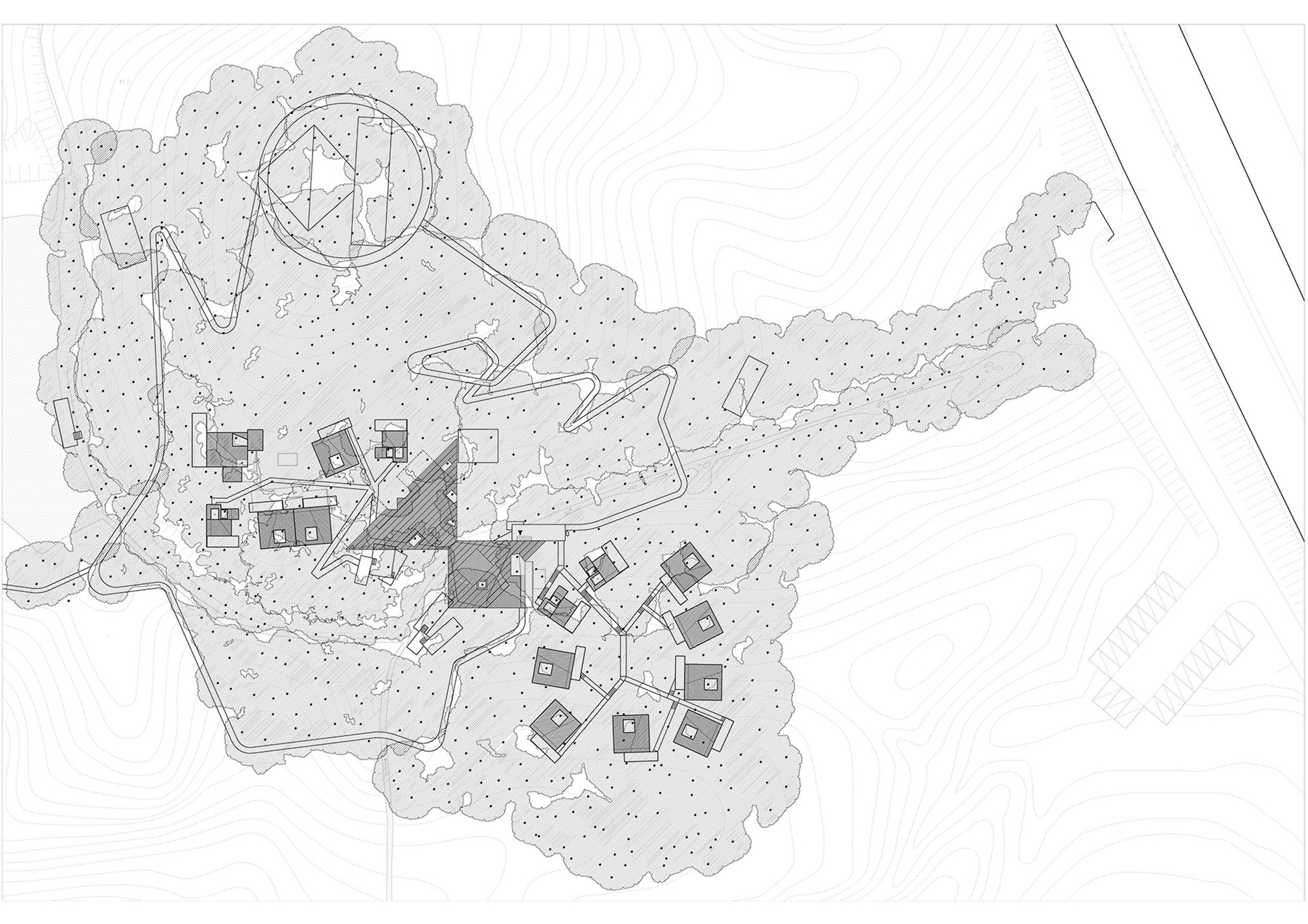
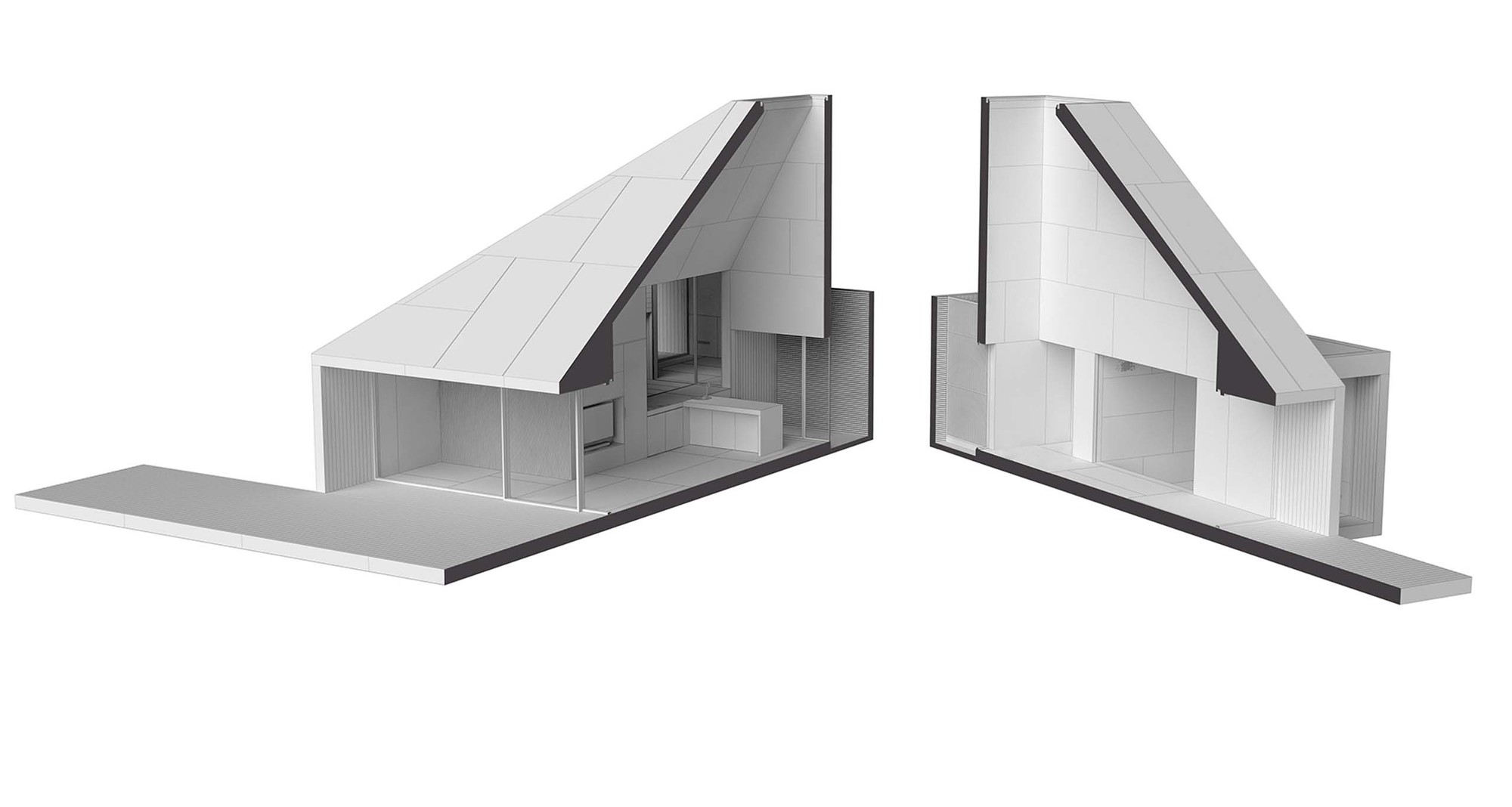
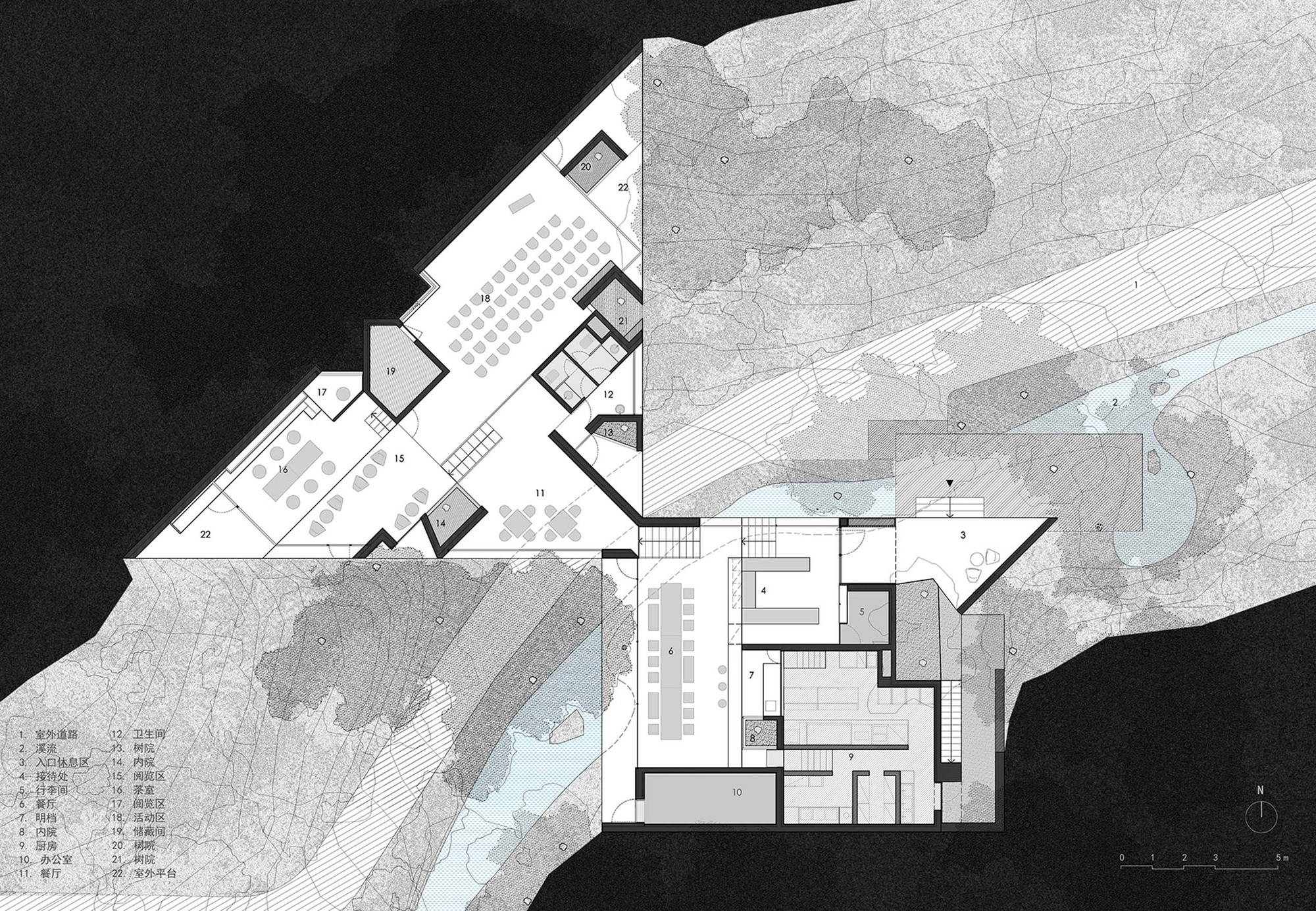
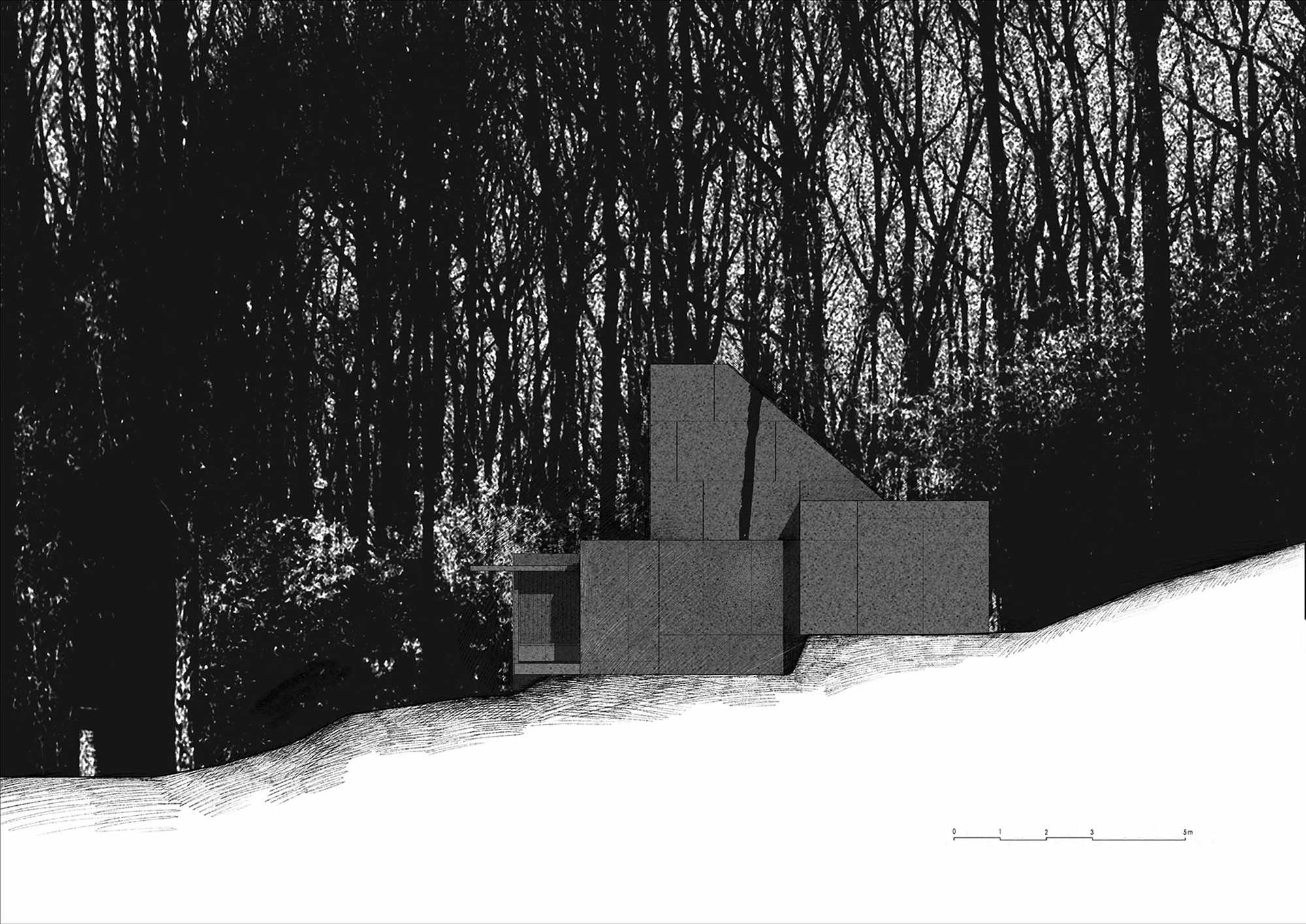
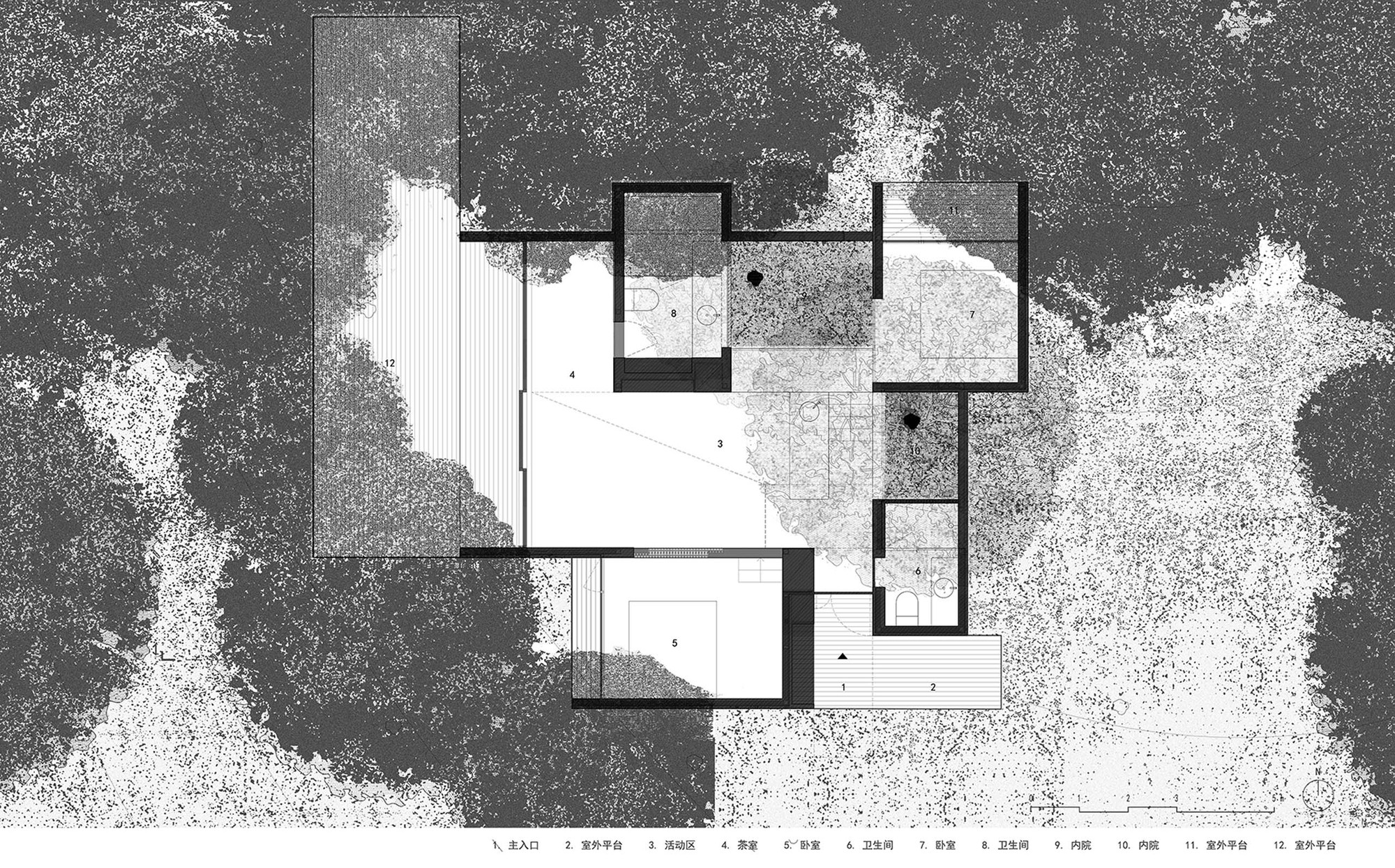
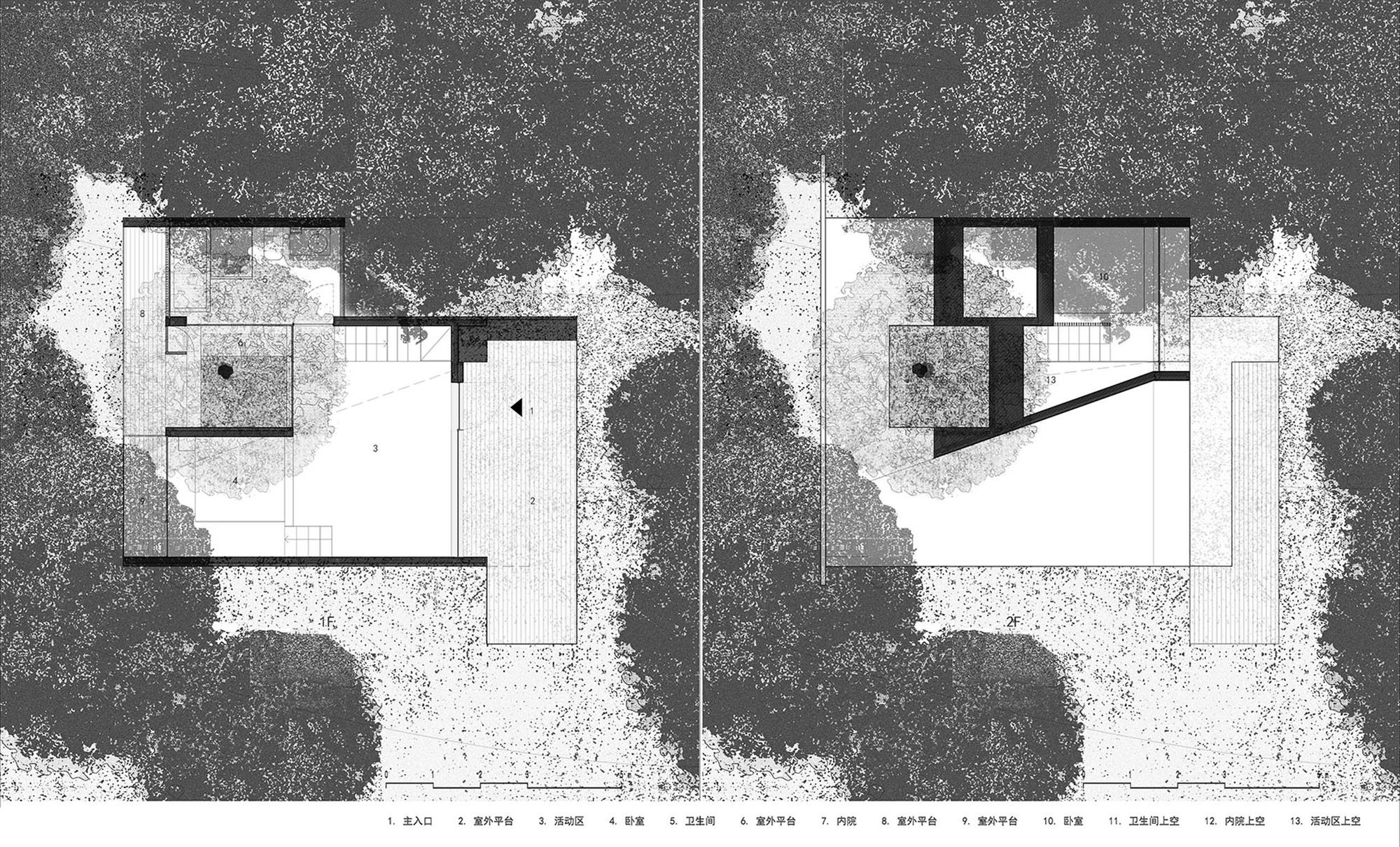
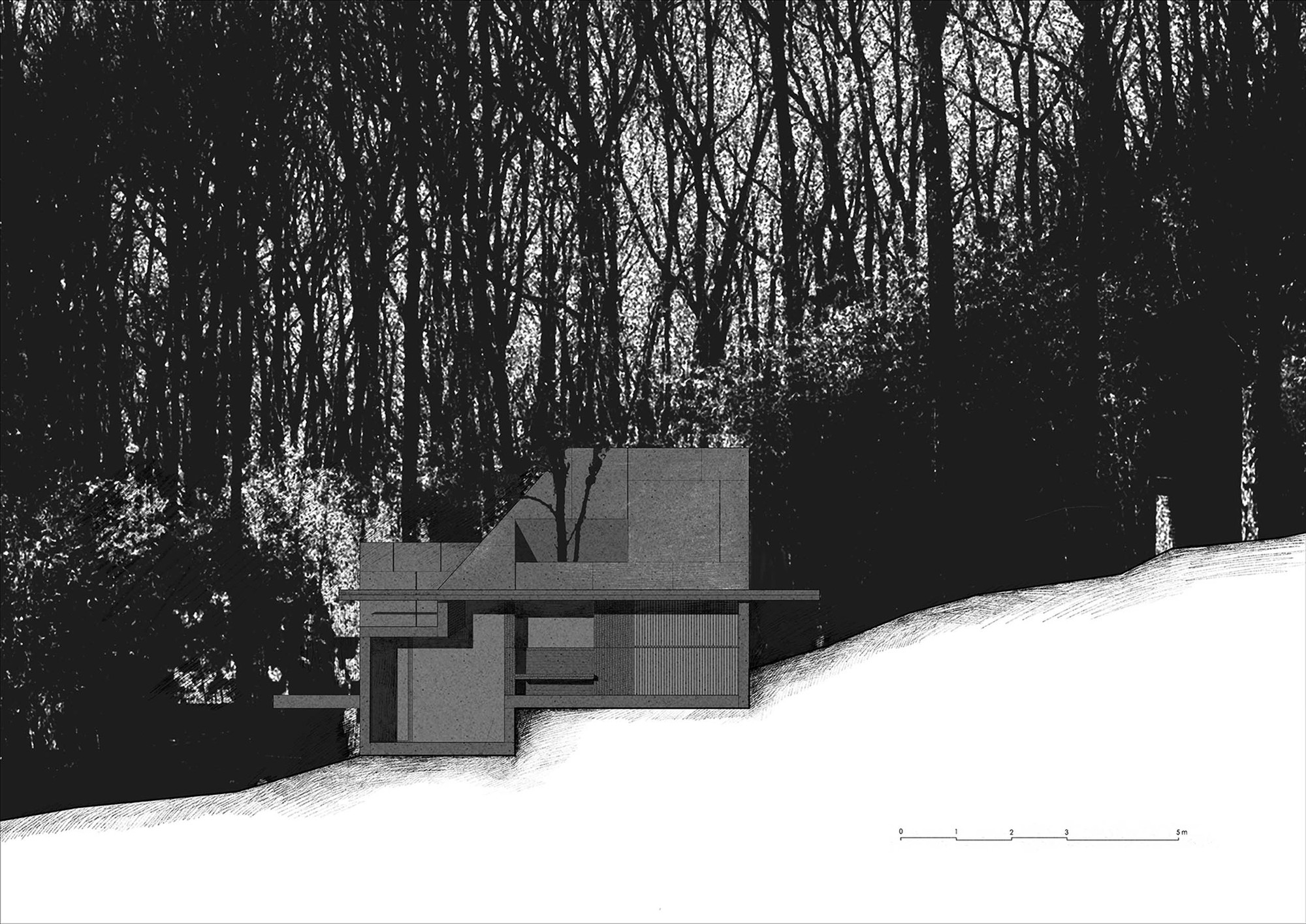
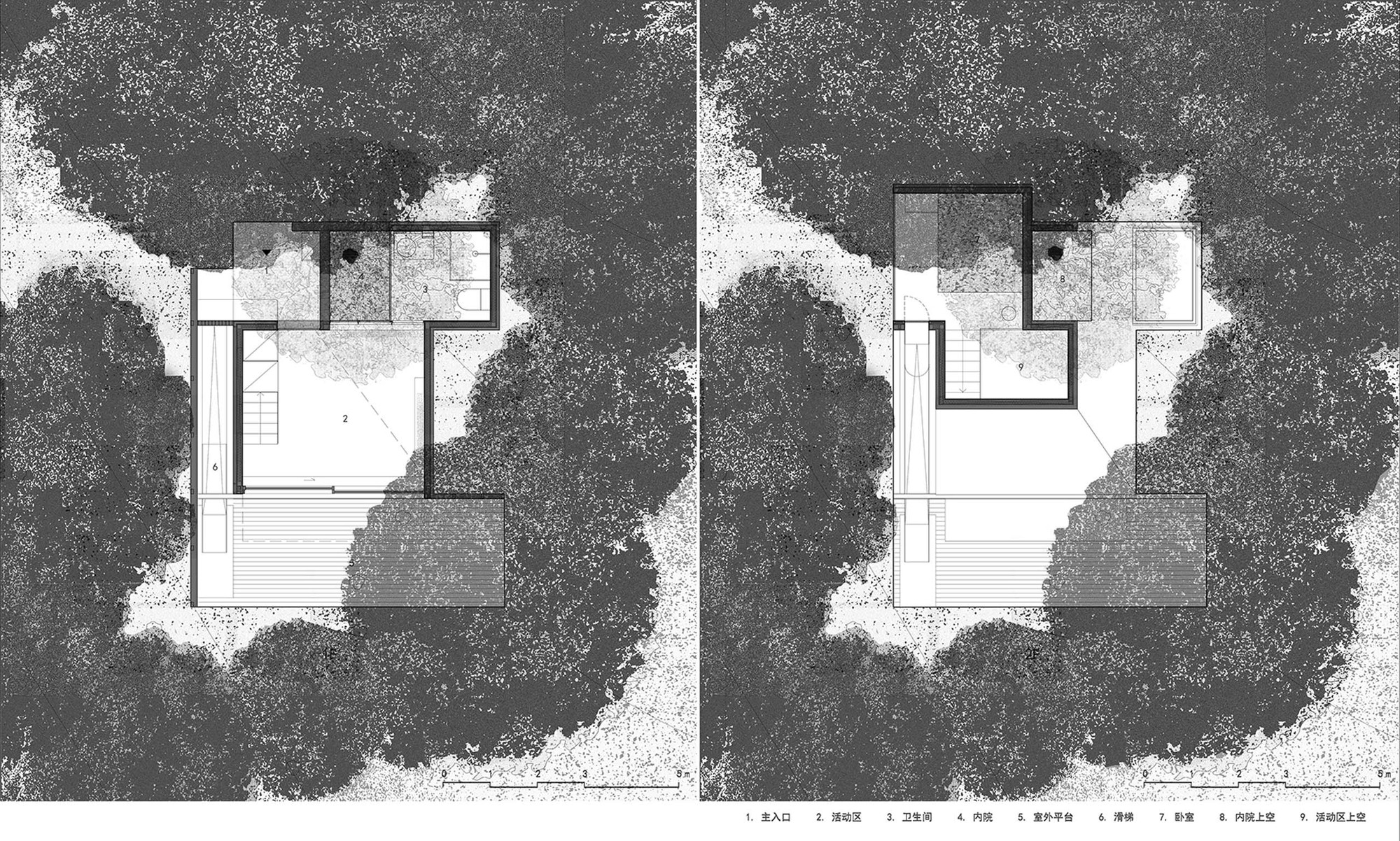
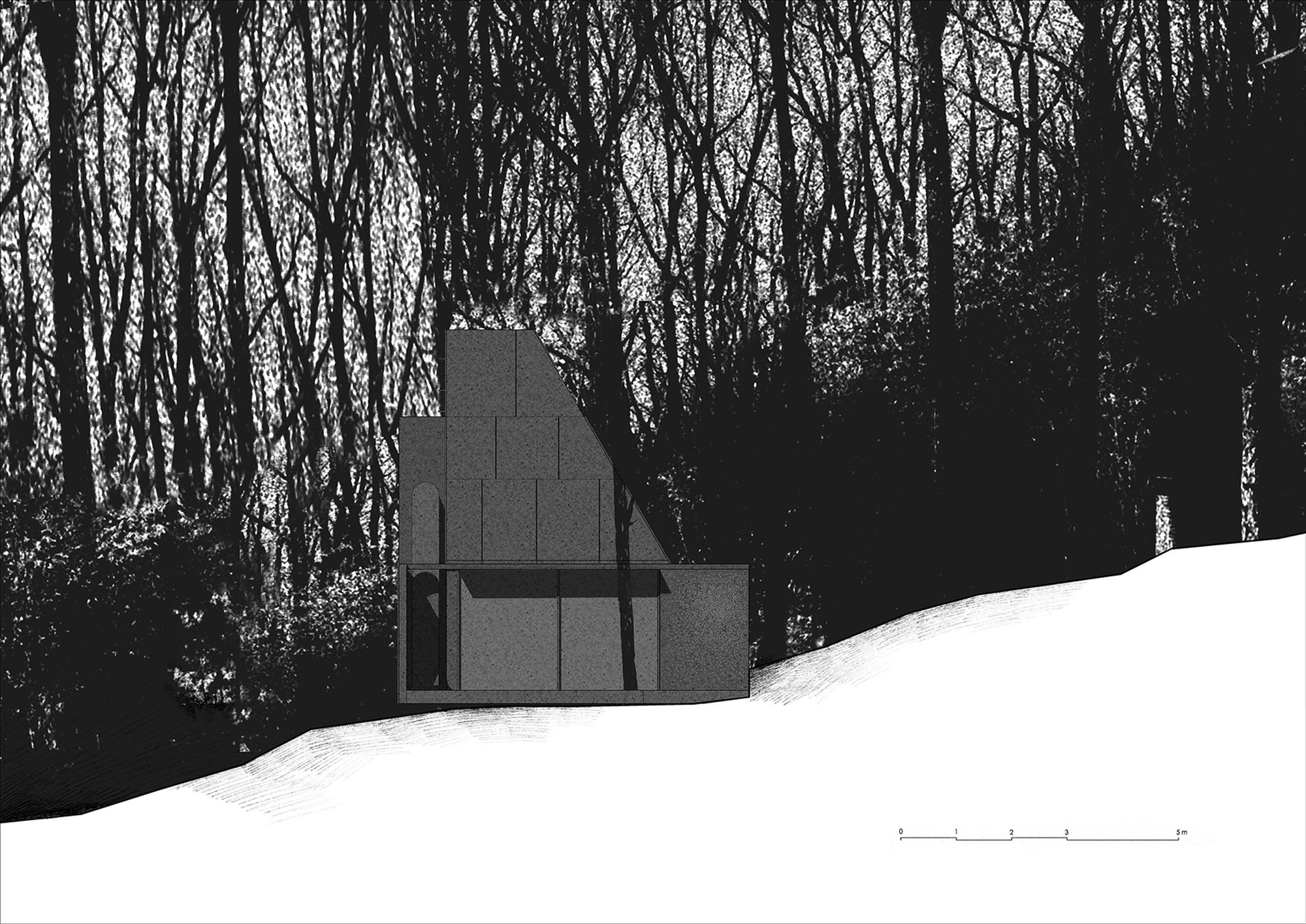
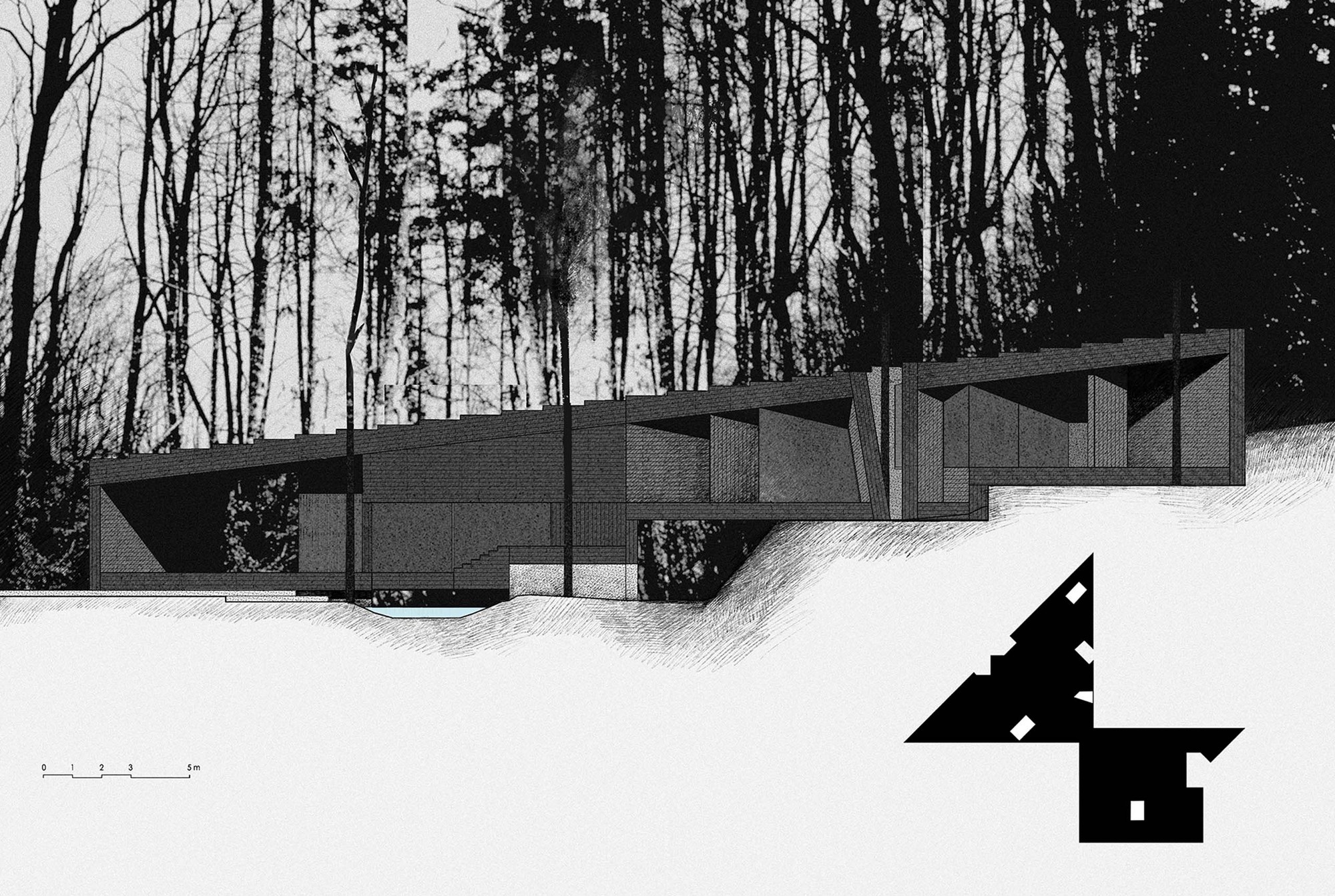
Not a Residence, Forest is a wellness retreat hotel nestled in the wooded hills outside Hangzhou. The design begins with the specific environment: the team first considered what kind of spatial installation could converse with the forest, adapt to the terrain, and integrate naturally into nature. The site's special conditions determine the building's distinctive character. The planned land consists of two rectangles joined at a corner, spanning a valley stream with a width of less than three meters. The building's butterfly-shaped form results from connecting the corners of these two rectangular plots, with service spaces bridging the two hillsides and following contour lines. Interior functions are divided by different floor elevations. The butterfly form can also be understood as two V-shaped incisions of maximum length cutting into the building from opposite valley directions, drawing natural landscape inward and embracing nature. The other two sides are embedded into the mountain. Beneath the elevated butterfly structure, the stream and mountain path remain unobstructed. To preserve trees within the interior, vertical structure is designed as column-courtyards: structurally columns, spatially micro-courtyards that each preserve a tree. The roof is a stepped pitched roof that can serve as a forest theater for small performances; the large roof unifies interior spaces, which gain rhythm from changing floor elevations. Through this spatial design, the team hopes every visitor can empty their mind, enter a deeply relaxed state, and see the world with a different, special rhythm. Aluminum-shell cabins of 38 to 68 square meters are embedded deep in the forest, permeating into nature. The definition of architecture returns to its fundamental concept of shelter, back to the most basic need of providing protection from wind and rain. The weather-resistant aluminum shell withstands harsh natural conditions, its solid surface contrasting sharply with the surrounding environment. Space scale is defined by human dimensions: walls and roof are within reach, this tiny scale keeps one constantly aware of being in nature. The near-camping-tent spatial experience aims to make visitors feel that nature is right outside, separated only by the thickness of an exterior wall. Full wood interiors provide warm, comfortable lining, creating a cozy atmosphere that contrasts with the wild exterior nature. Each cabin preserves an on-site tree; the space occupied by the tree becomes an interior courtyard, accompanying daily life through glass, a reverse permeation of nature into architecture. As a wellness retreat, its greatest value lies in integrating with nature, accompanying it, re-experiencing it, and returning to inner peace, freedom, and ease.
















 Editor's Pick
 Latest Design
 Best Idea
 Hottest of Week