Text description provided by the architects
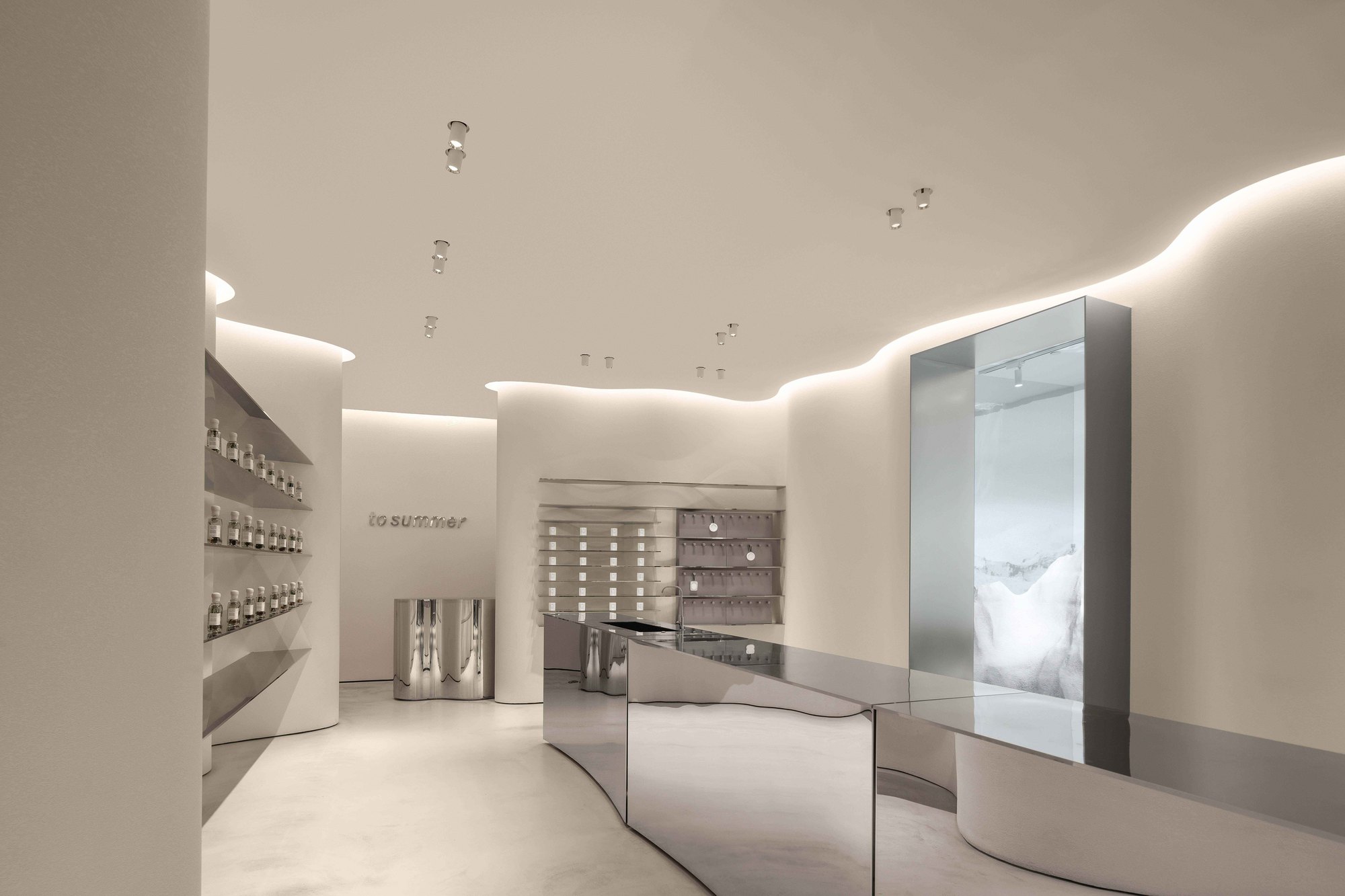
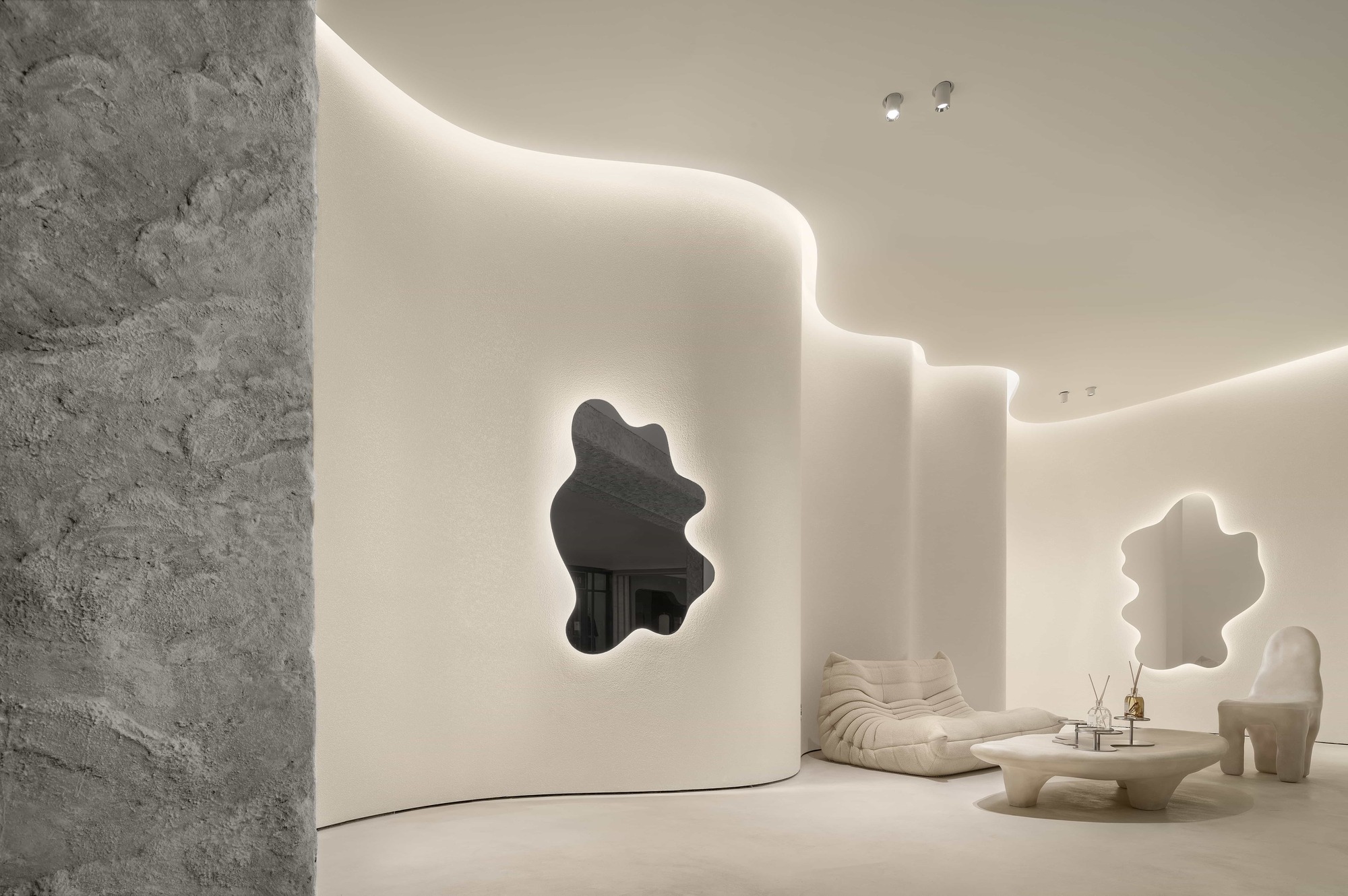
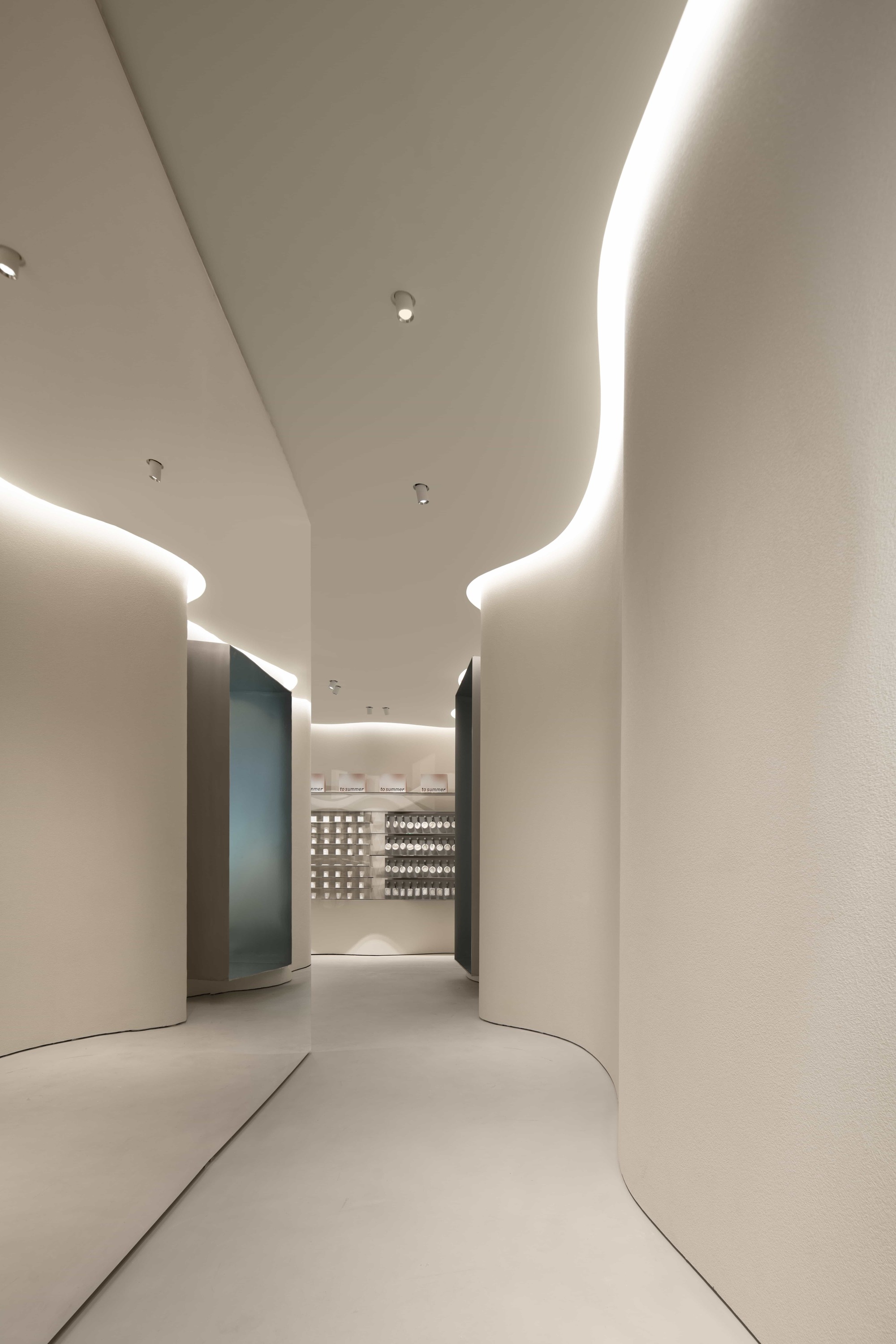
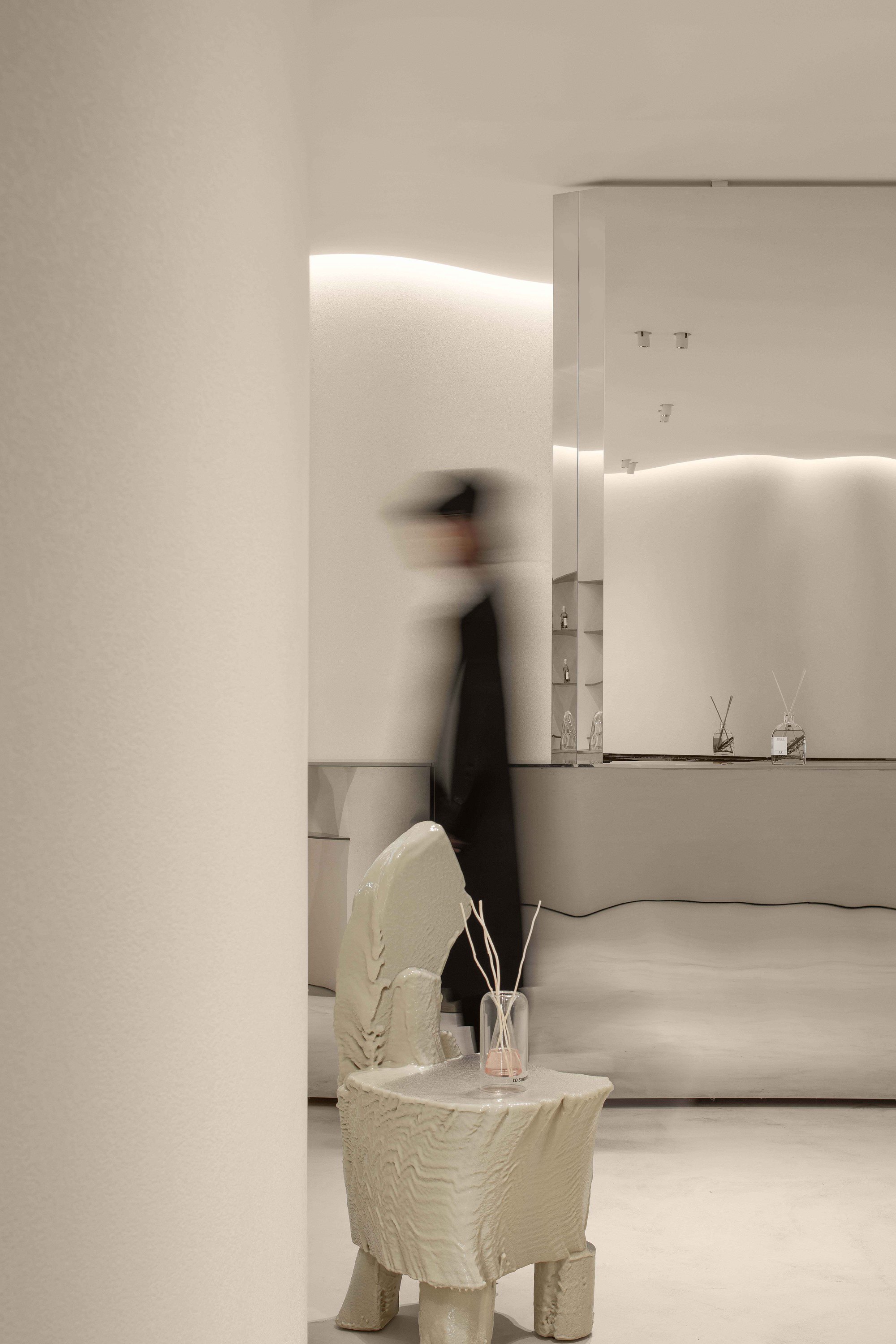
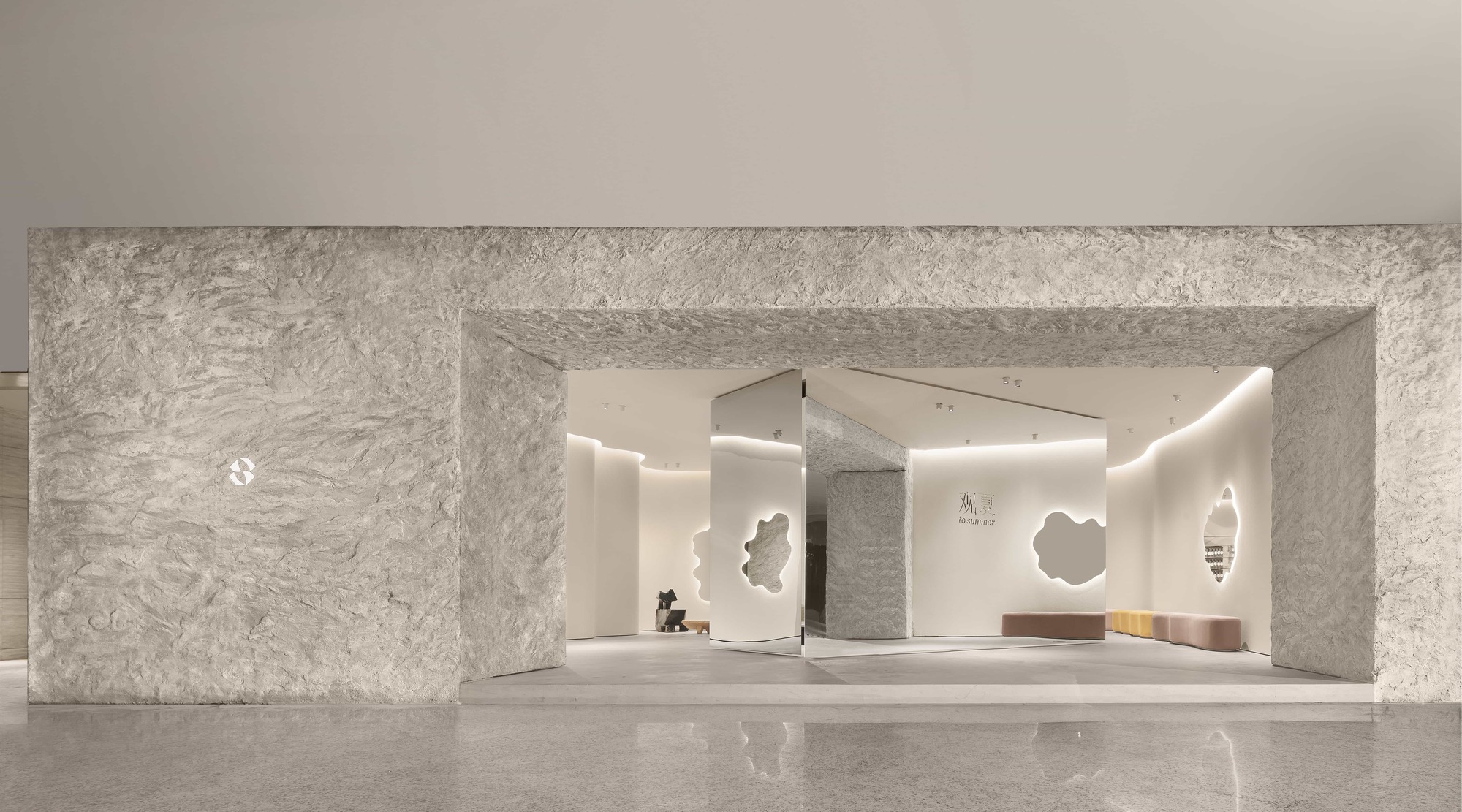
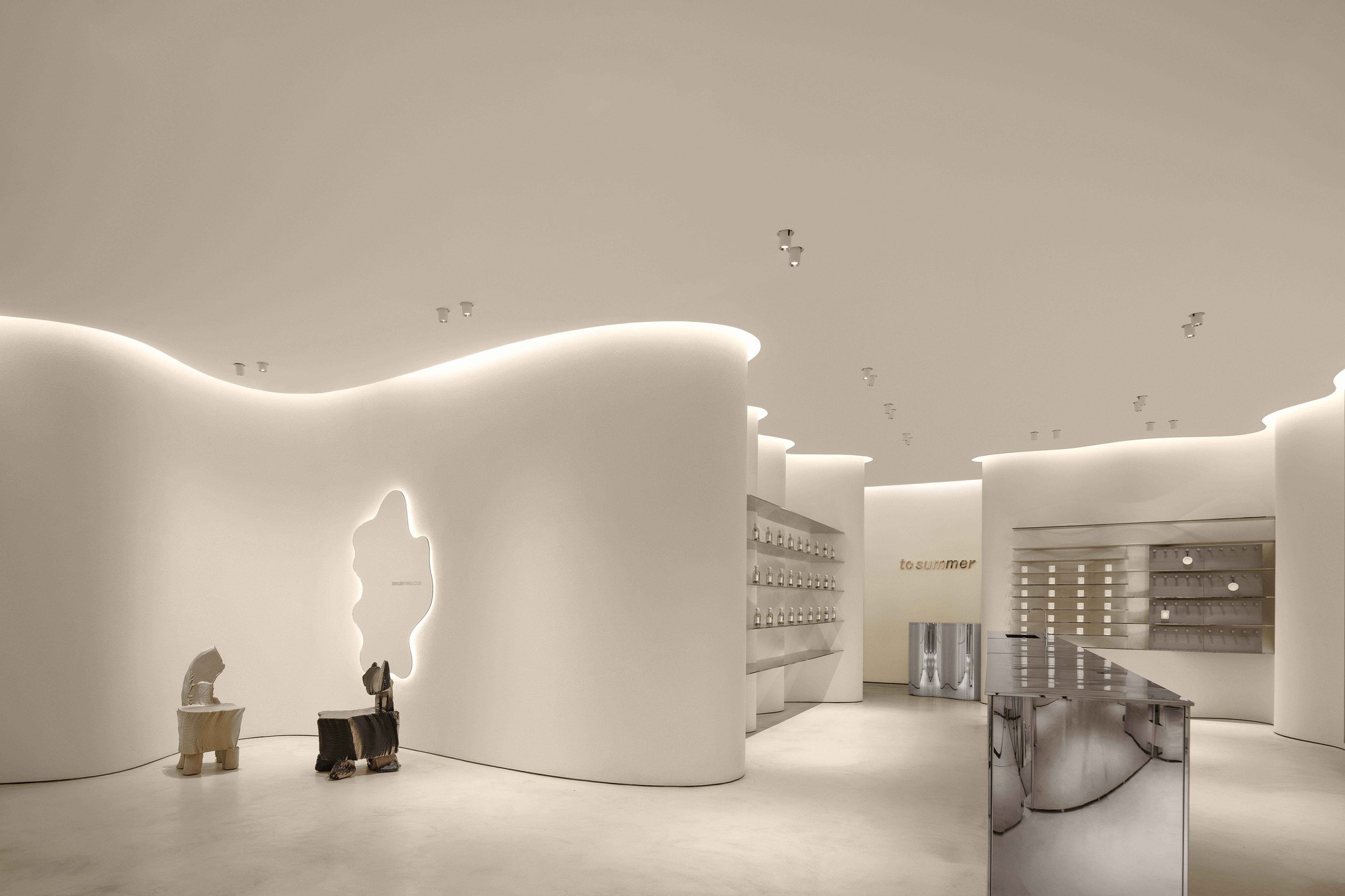
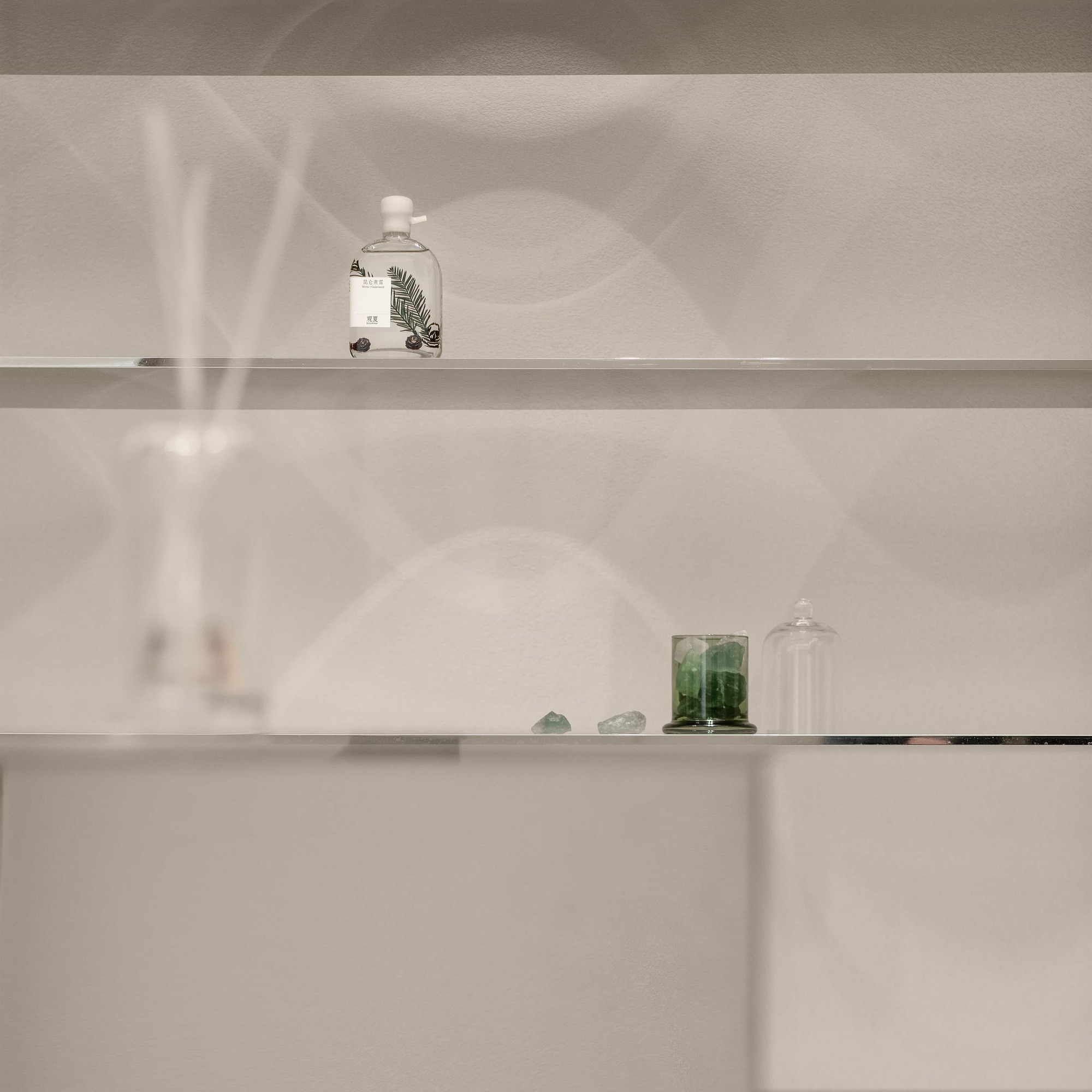
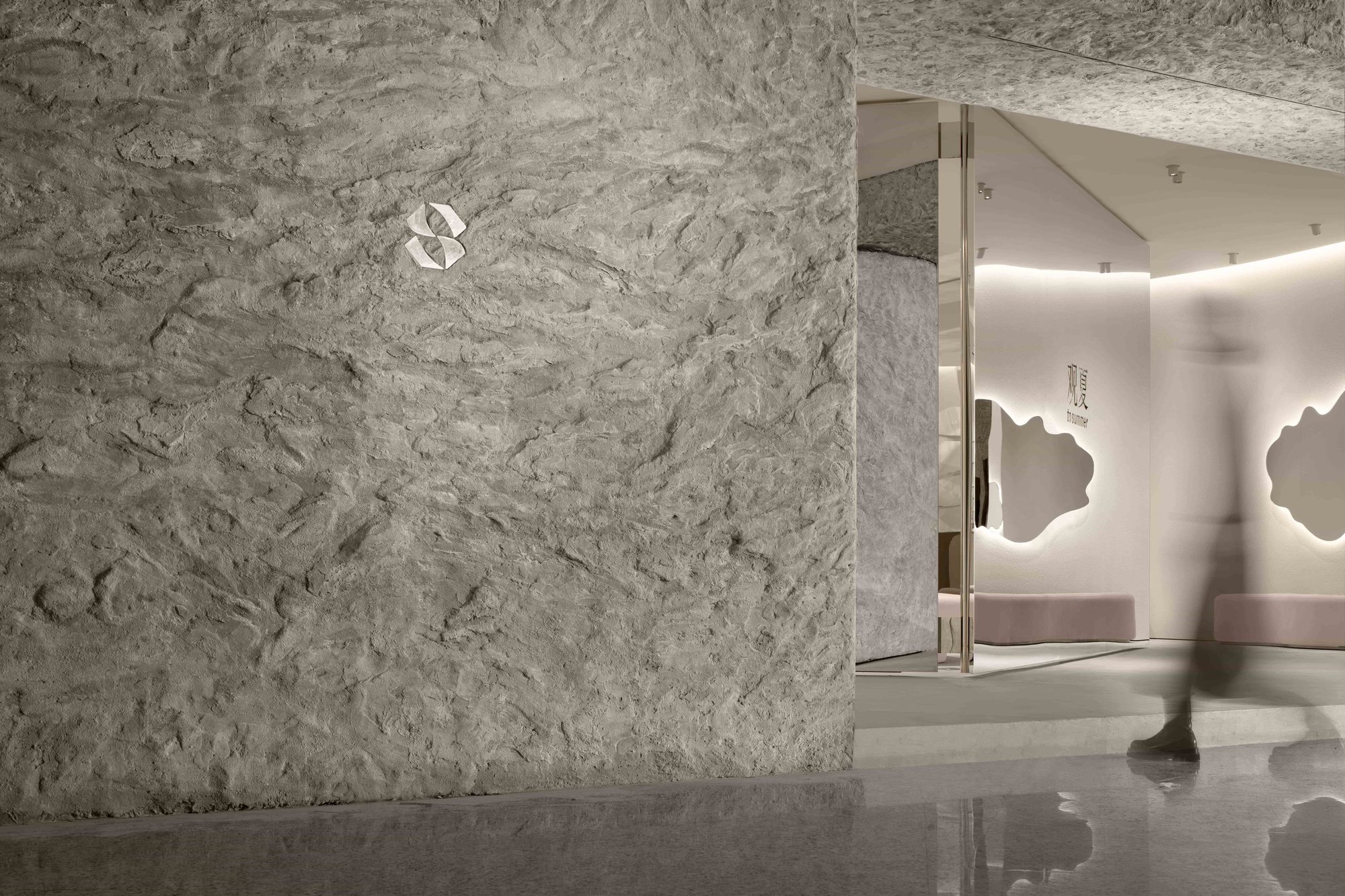
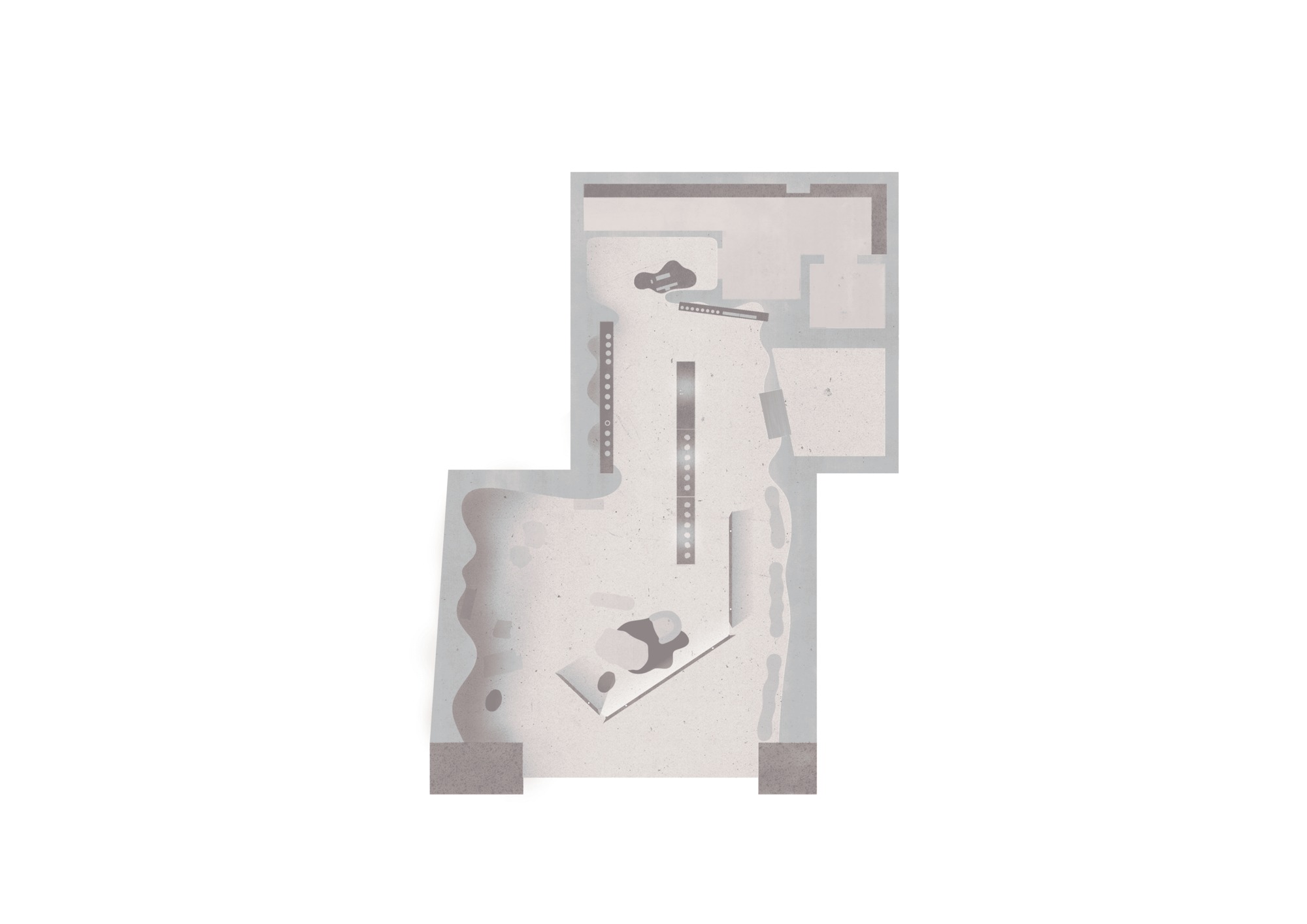
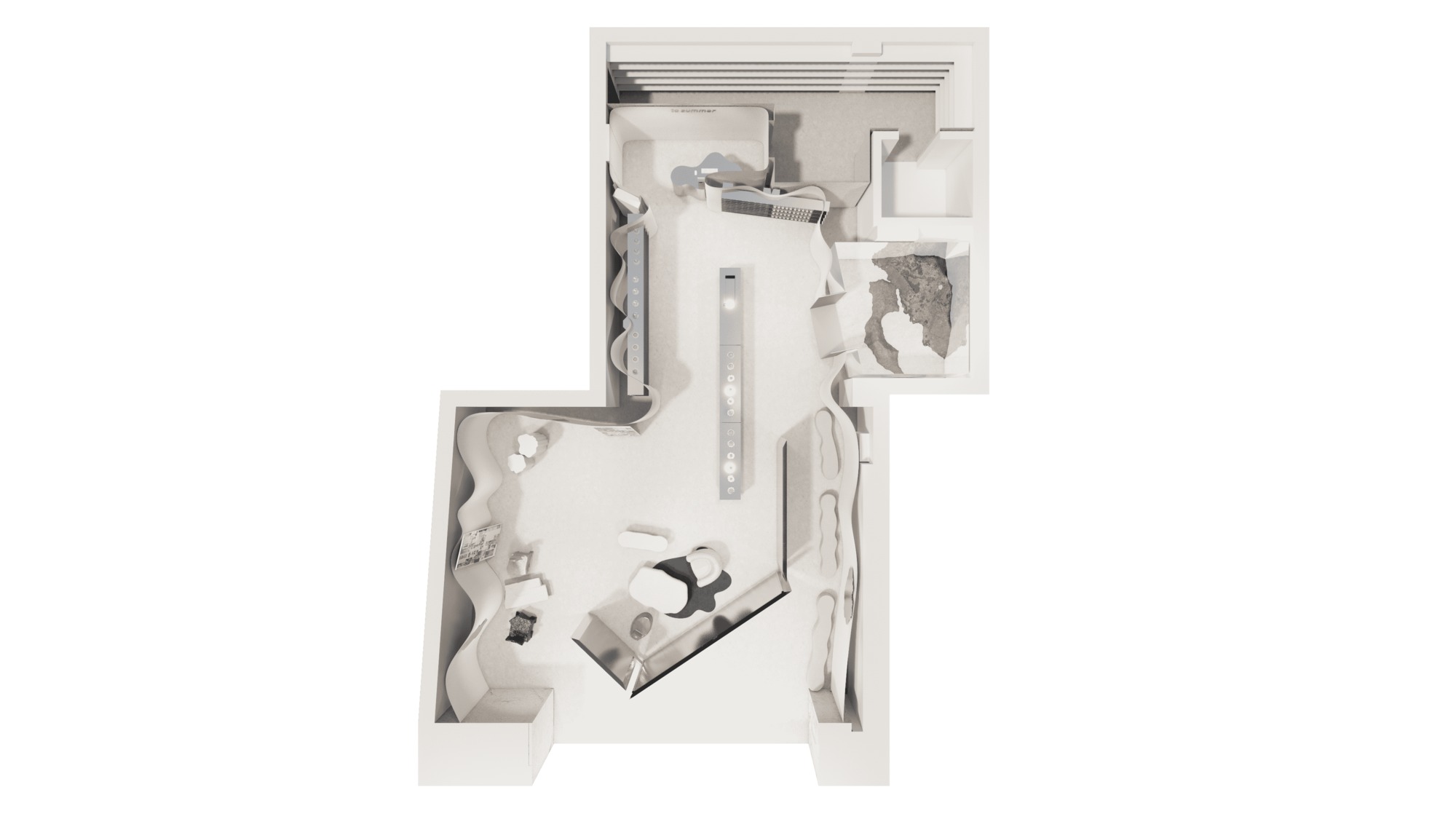
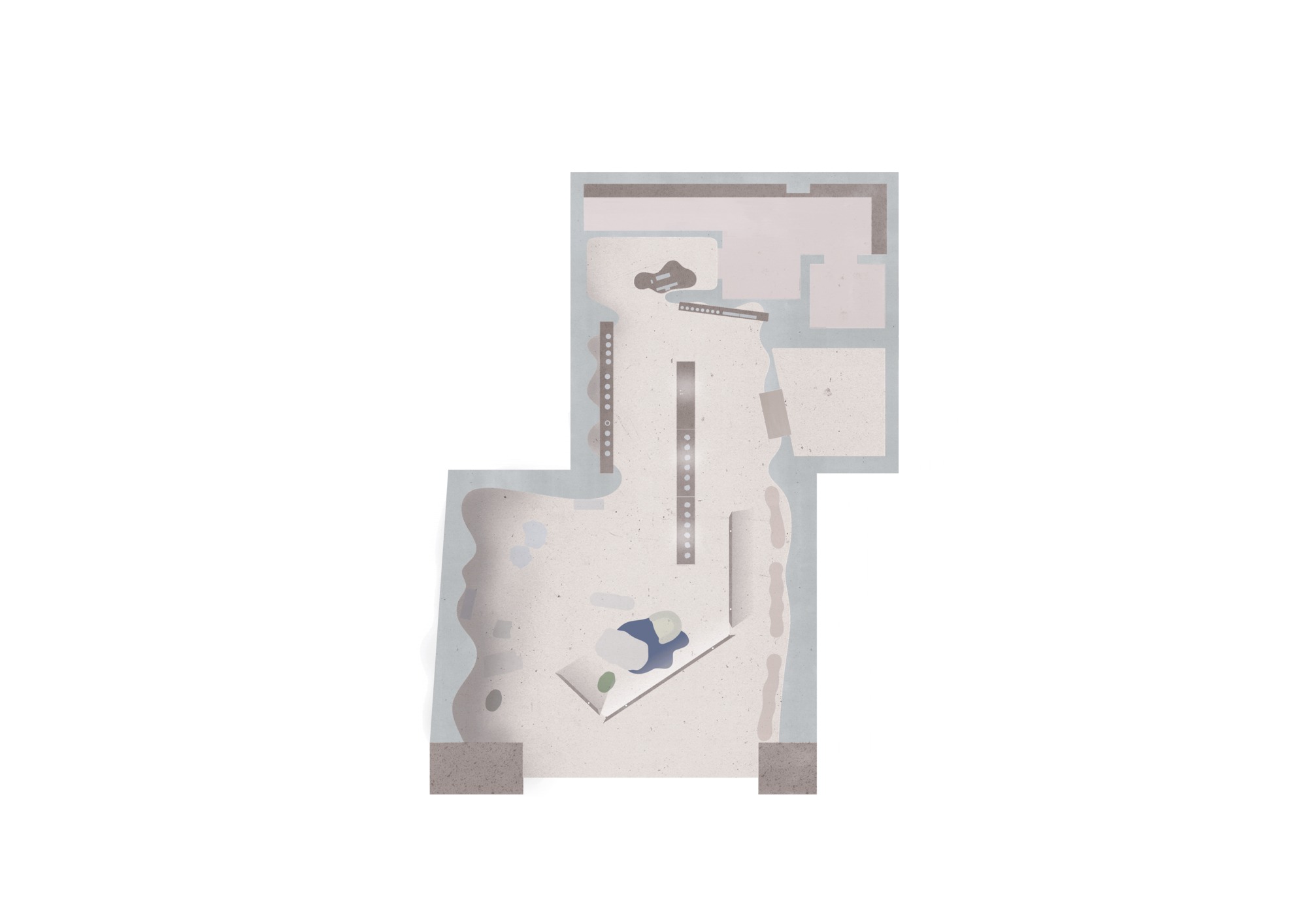
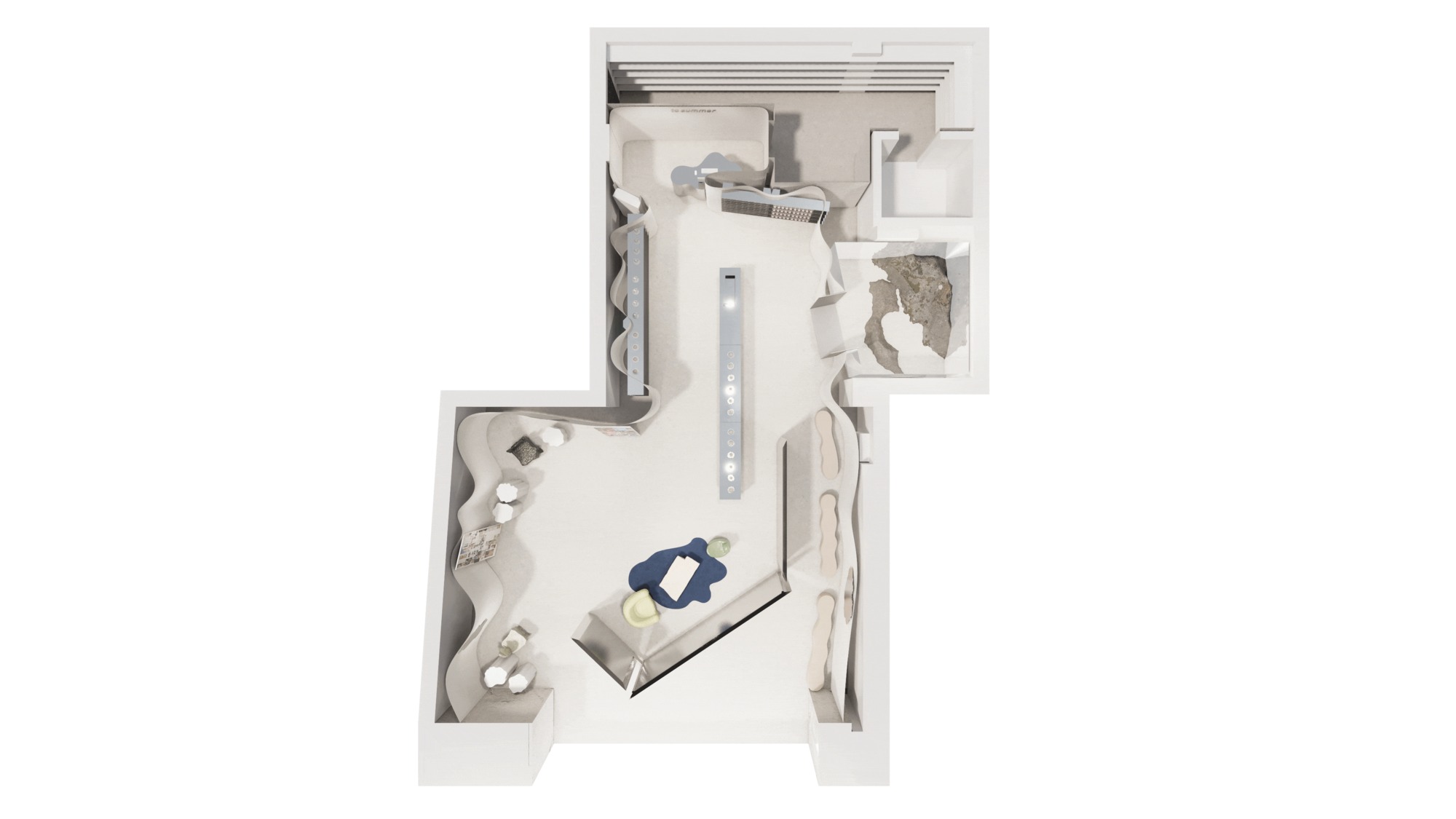
To Summer's first offline flagship store, the "To Summer Living Room," occupies roughly 170 square metres in the basement of Taikoo Li North in Sanlitun, Beijing. To Summer is an emerging Chinese original fragrance and aromatherapy brand. The design leads visitors along a looped circulation through flowing curves; extensive mirrored surfaces, together with carefully chosen light, material and colour, create an atmosphere that invites lingering, matching the client's desired "living room" mood - somewhere between home and social space, between communication and comfort. The client's brief called for a "modern cave," but the designers did not literally carve a cavern; instead they extracted material textures and converted the sensory experience of a primitive cave into spatial language, fusing it with an Oriental-modern register to strike a balance between commerce and art, between home and public space, between nature and artifice. Rejecting the conventional shop window and entrance, the facade is wrapped in rough grey stone-like material; the entrance floor is raised and recessed, and light softens noticeably, creating a clear transition from the bright, noisy mall corridor. The irregular interior is divided by a metal screen at the entrance and a long central island into a front "living room," a middle retail area, a separate art-installation space and a rear cash desk. The mirrored metal screen, curved walls and flowing mirrors subdivide the living room into related yet distinct zones, and the layout deliberately reserves flexibility for changing exhibitions. The retail area is only 25 square metres but concentrates metal island, shelves and curved walls into a direct intertextual display that presents products like artworks and delivers a strong brand impression. A U-shaped circulation binds the whole interior together, so that walking through feels like a cinematic shot-reverse-shot sequence that gives the visitor a sense of safety. Lead designers are Zheng Yu and Zhan Di.











 Editor's Pick
 Latest Design