Text description provided by the architects
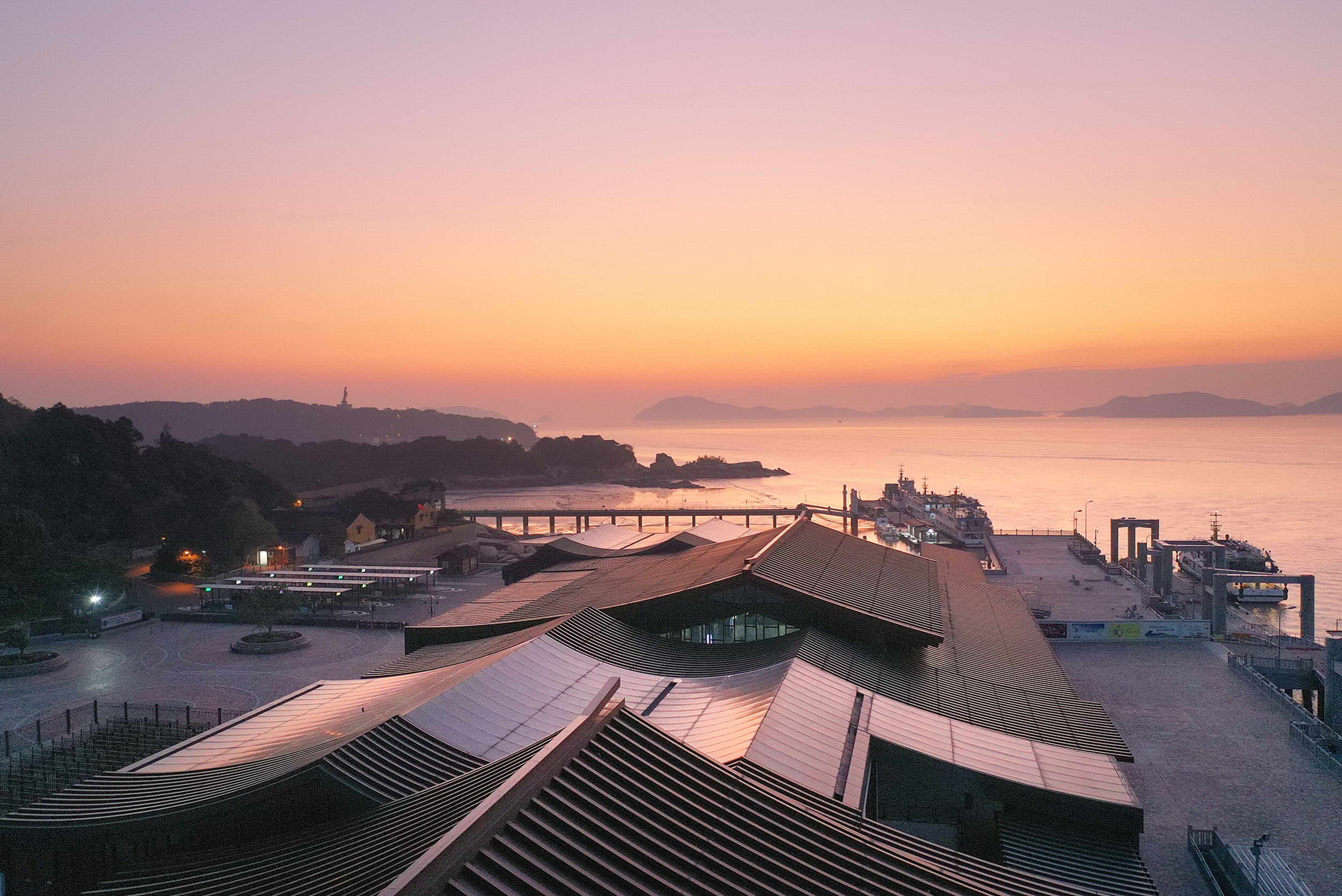
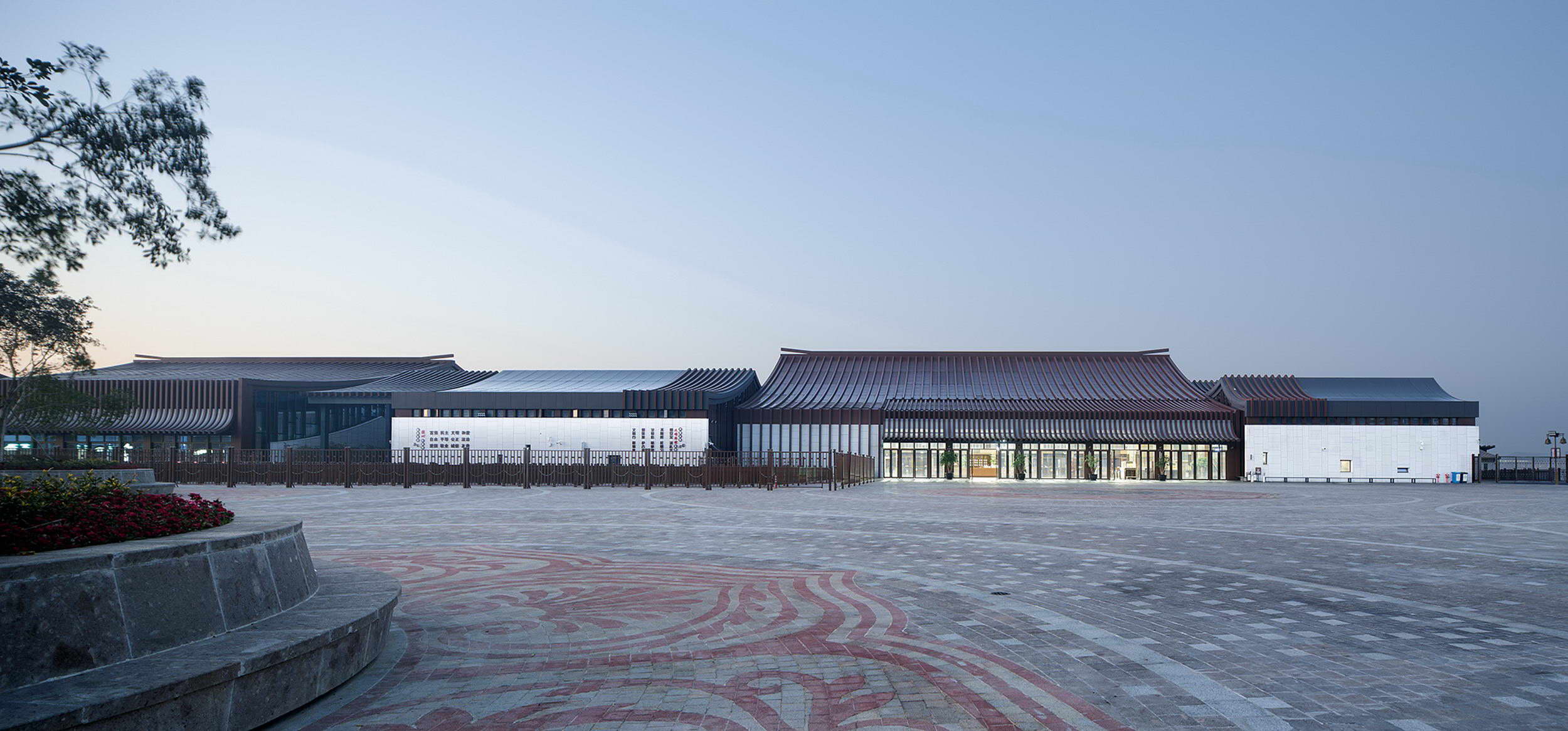
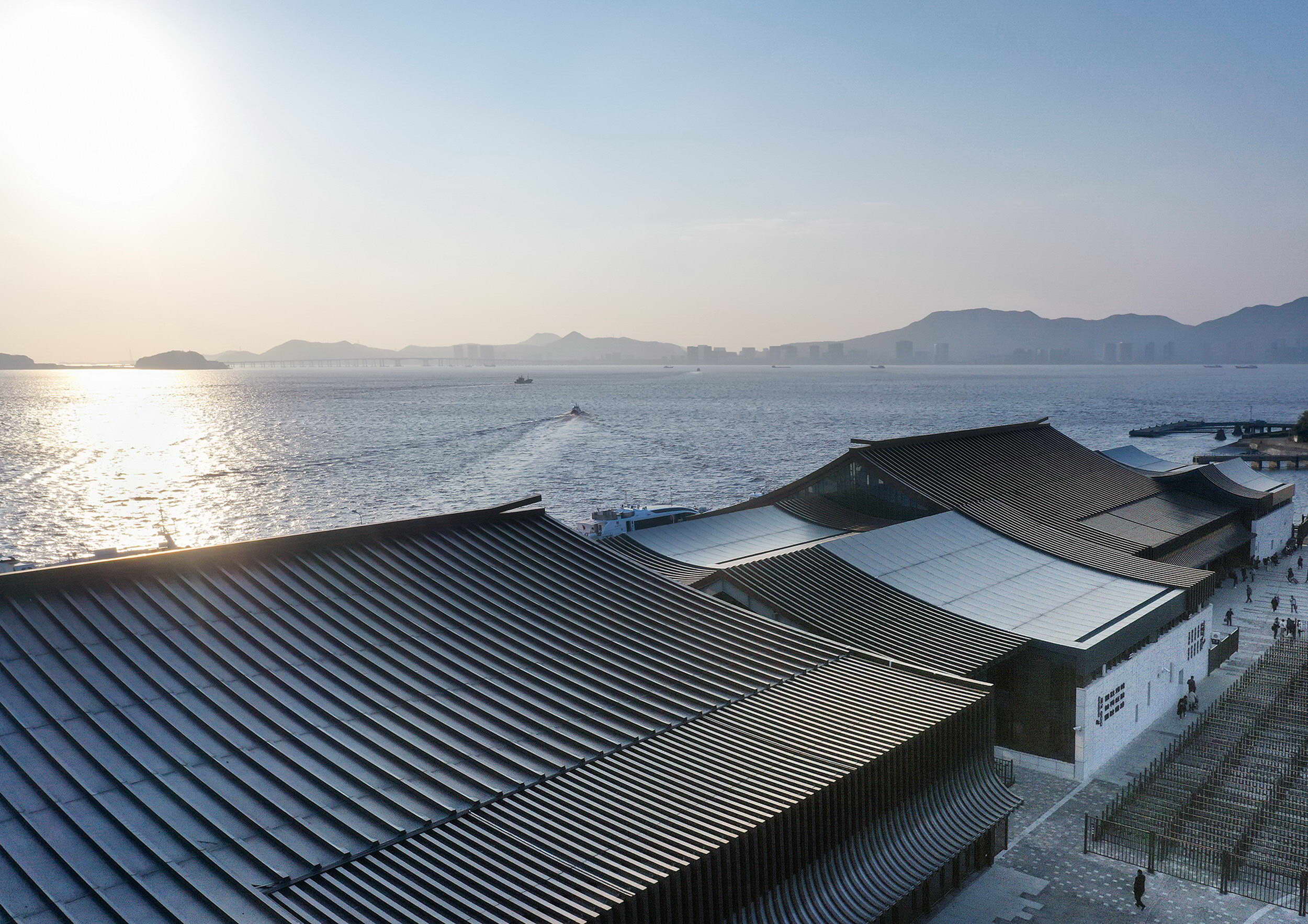
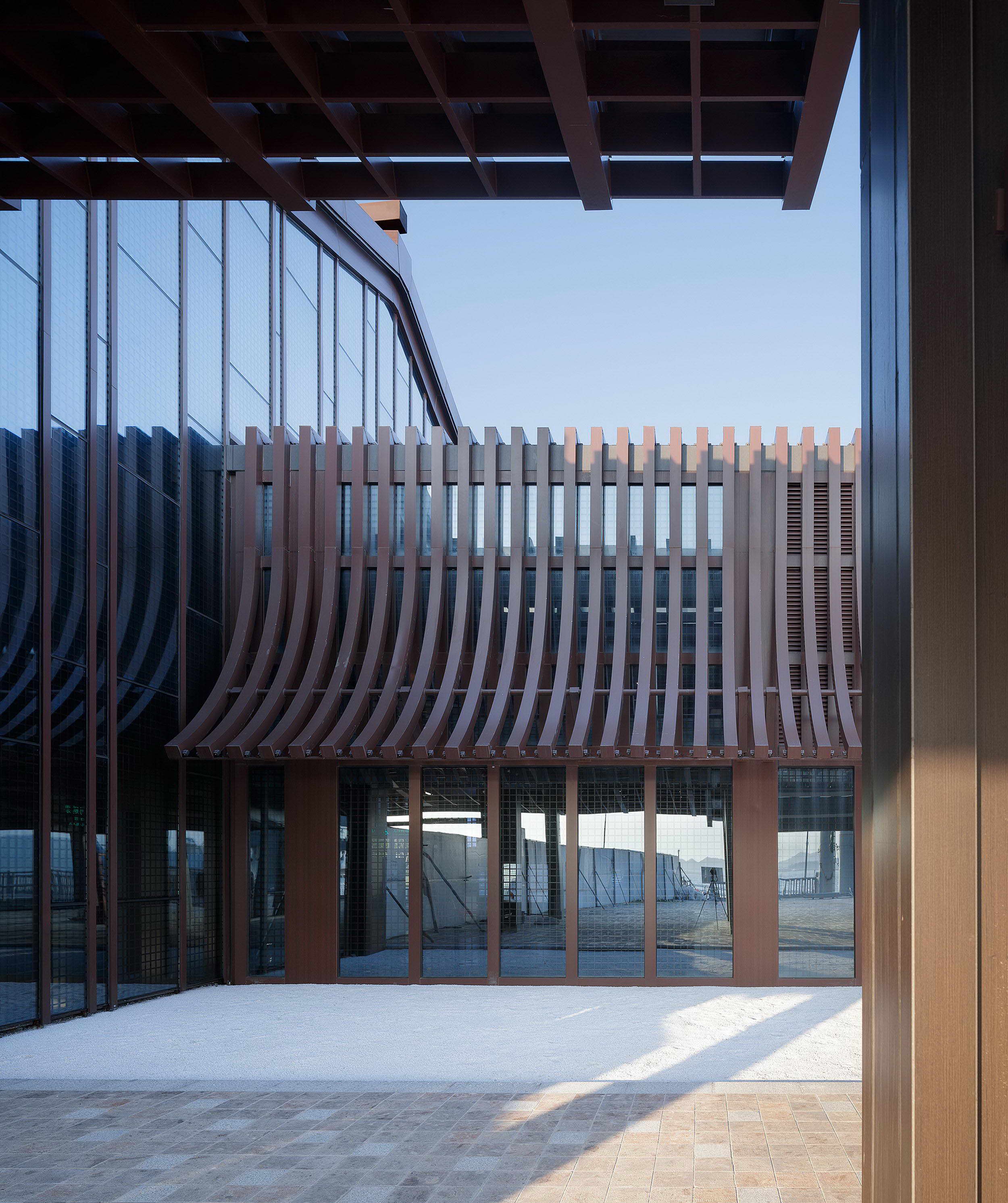
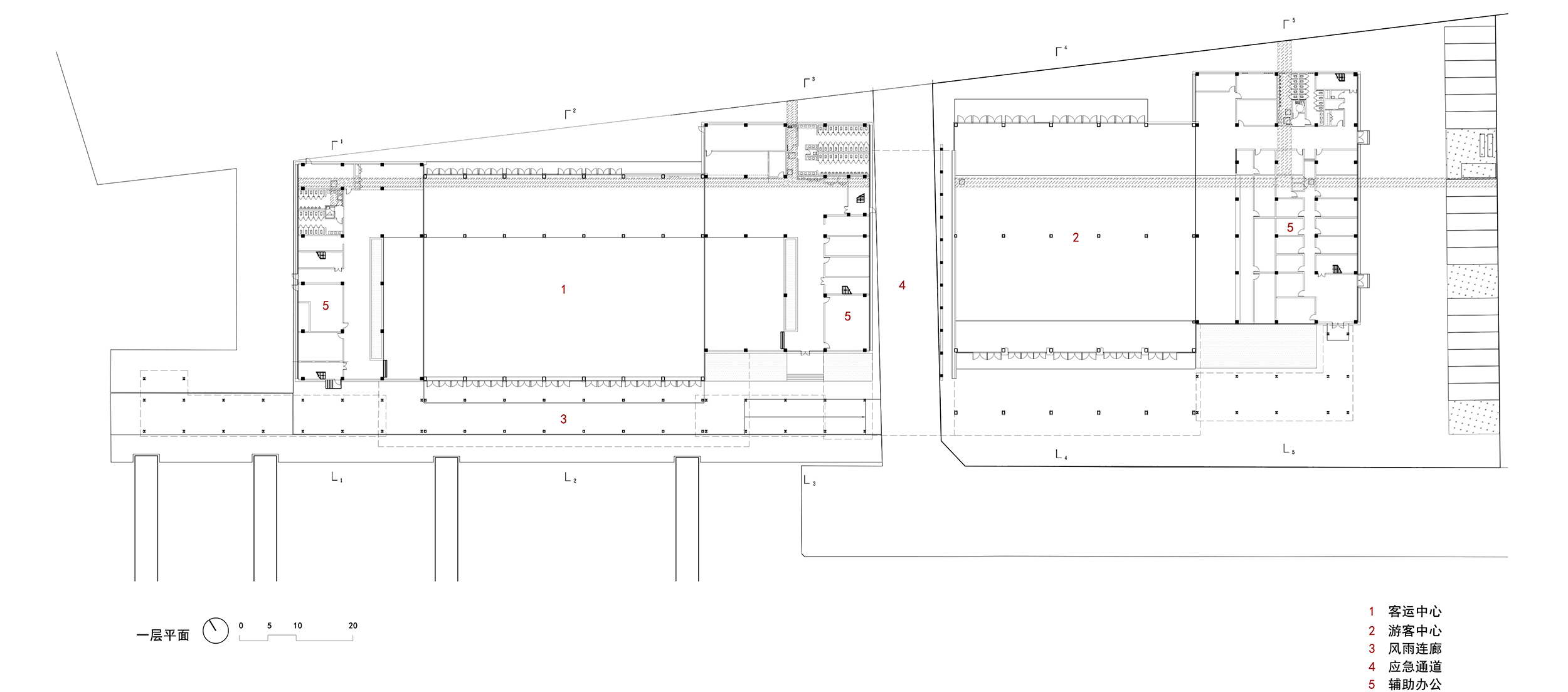
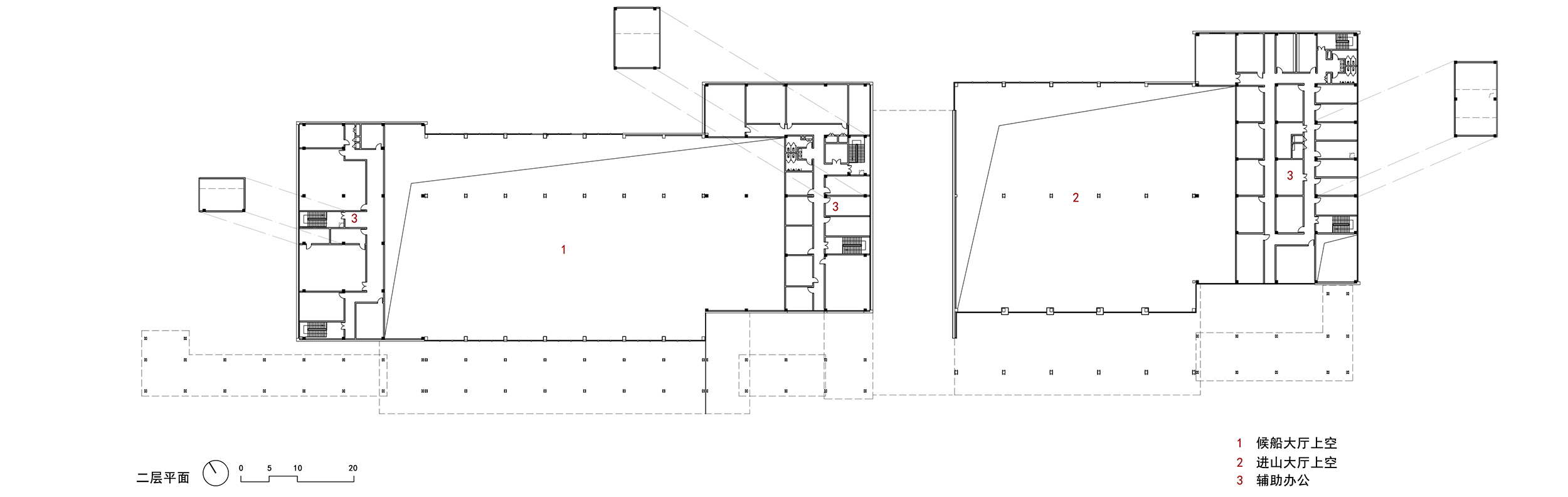
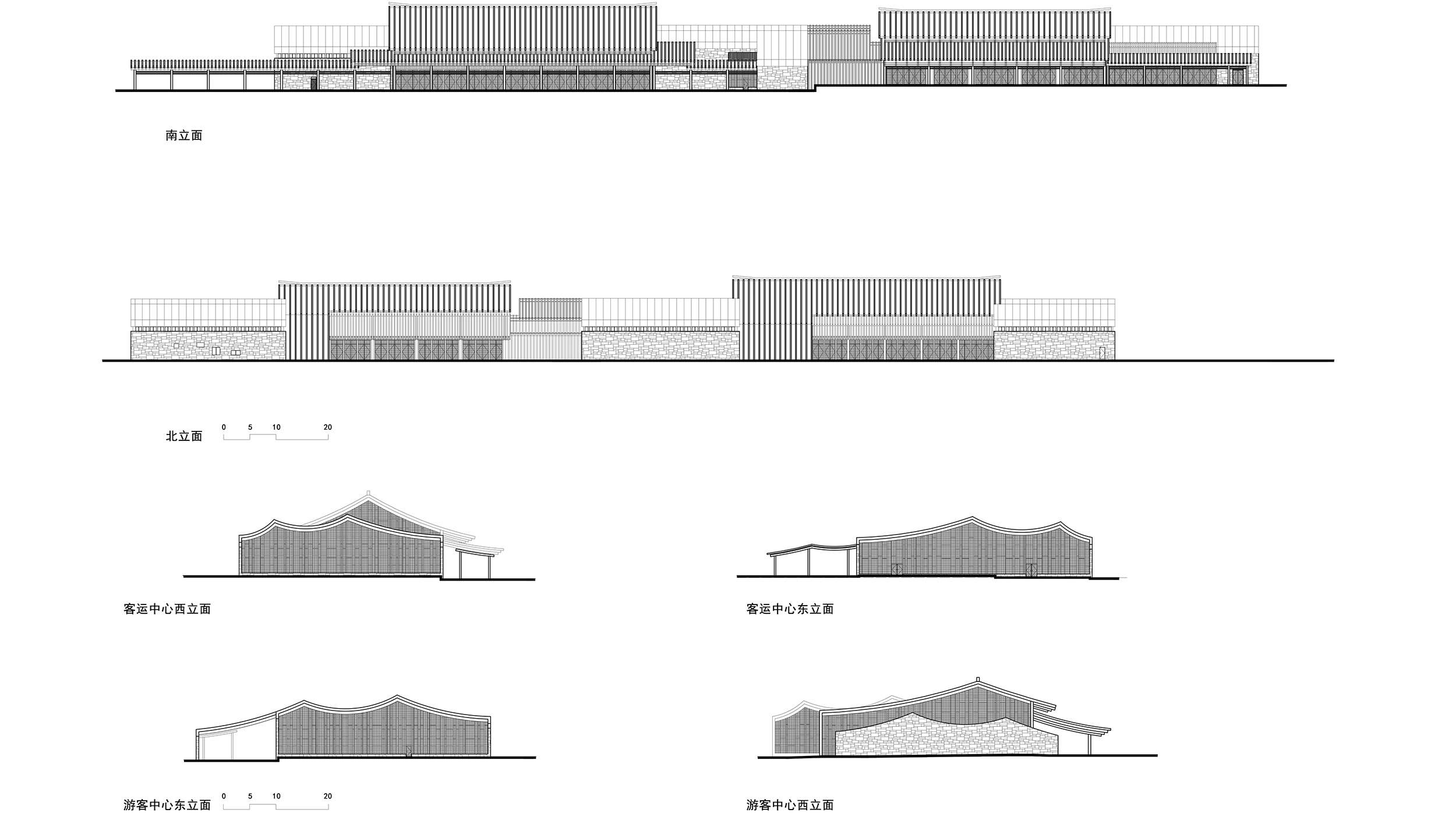
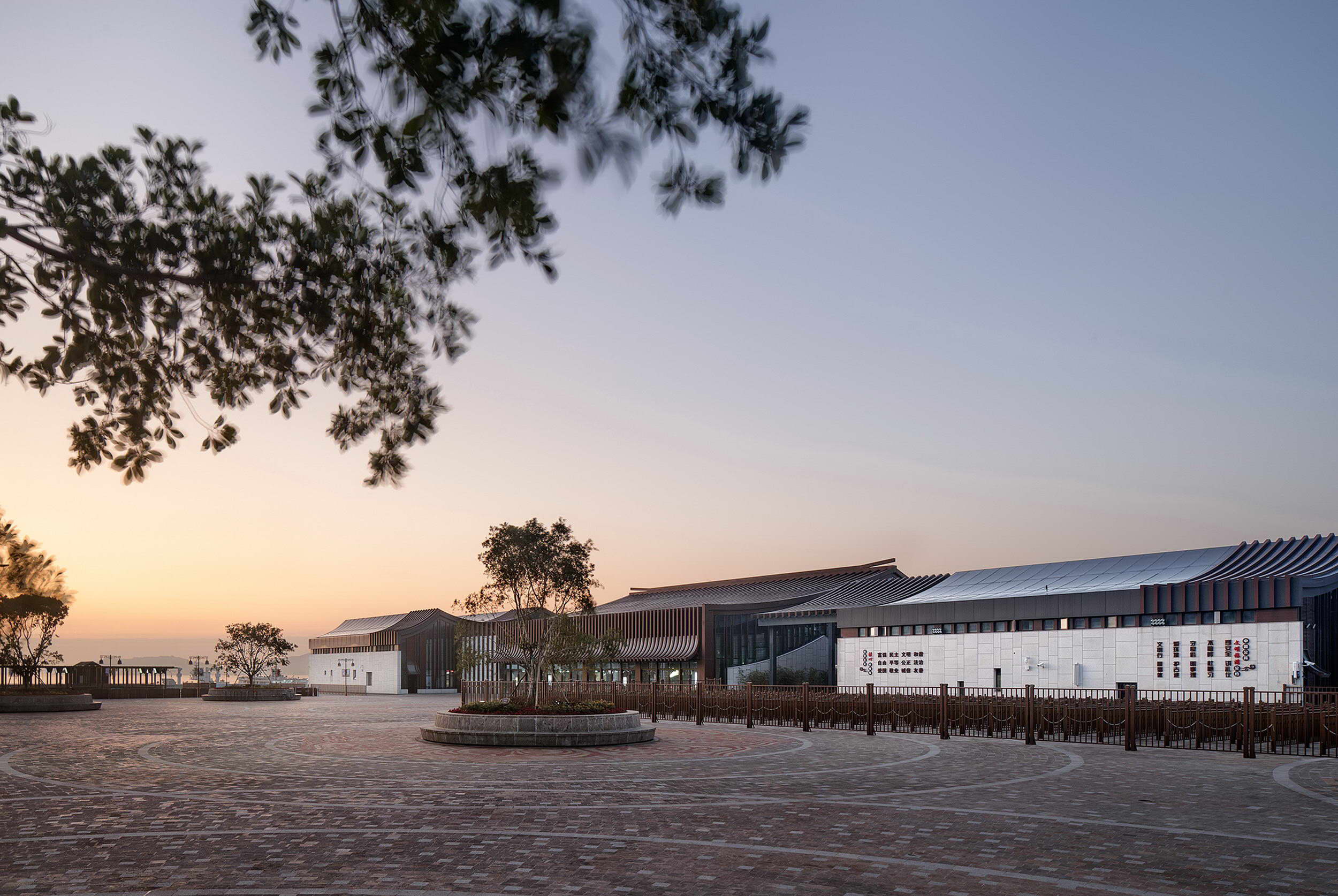
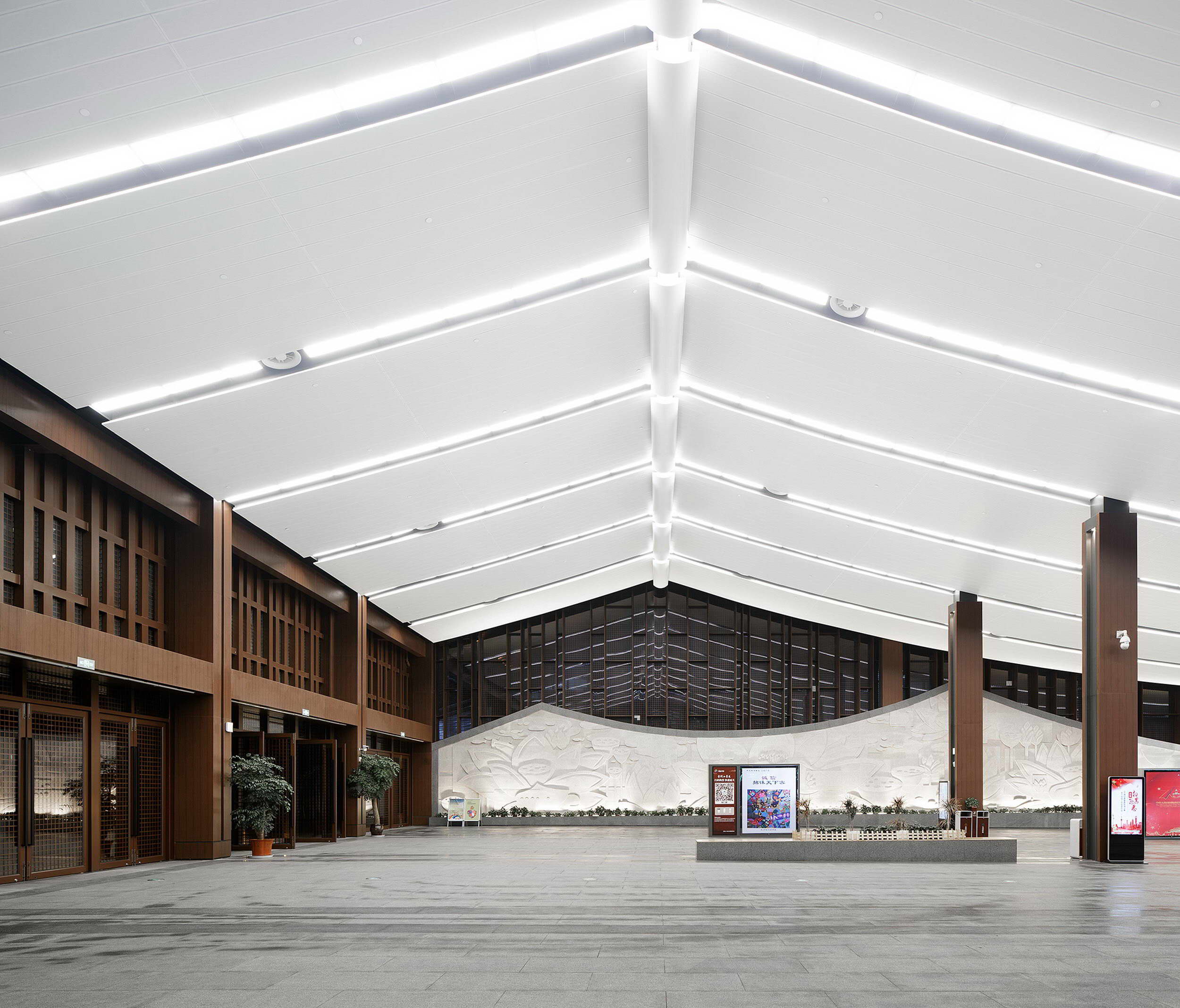
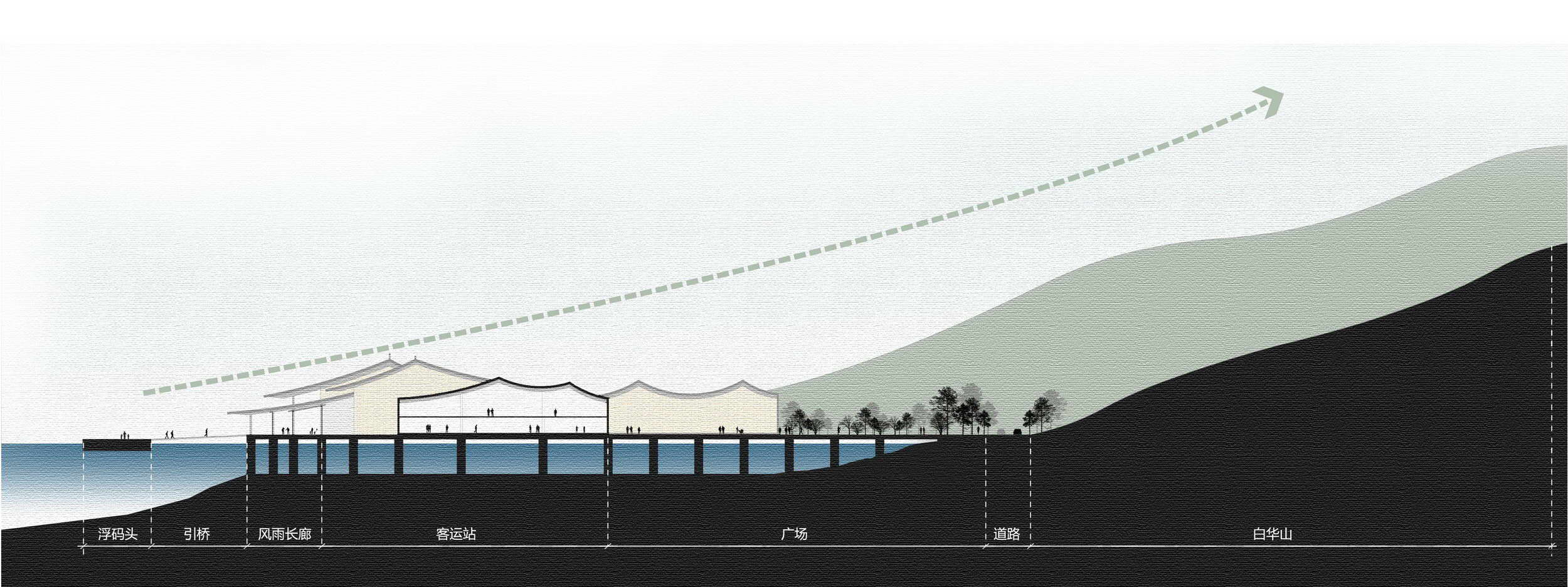
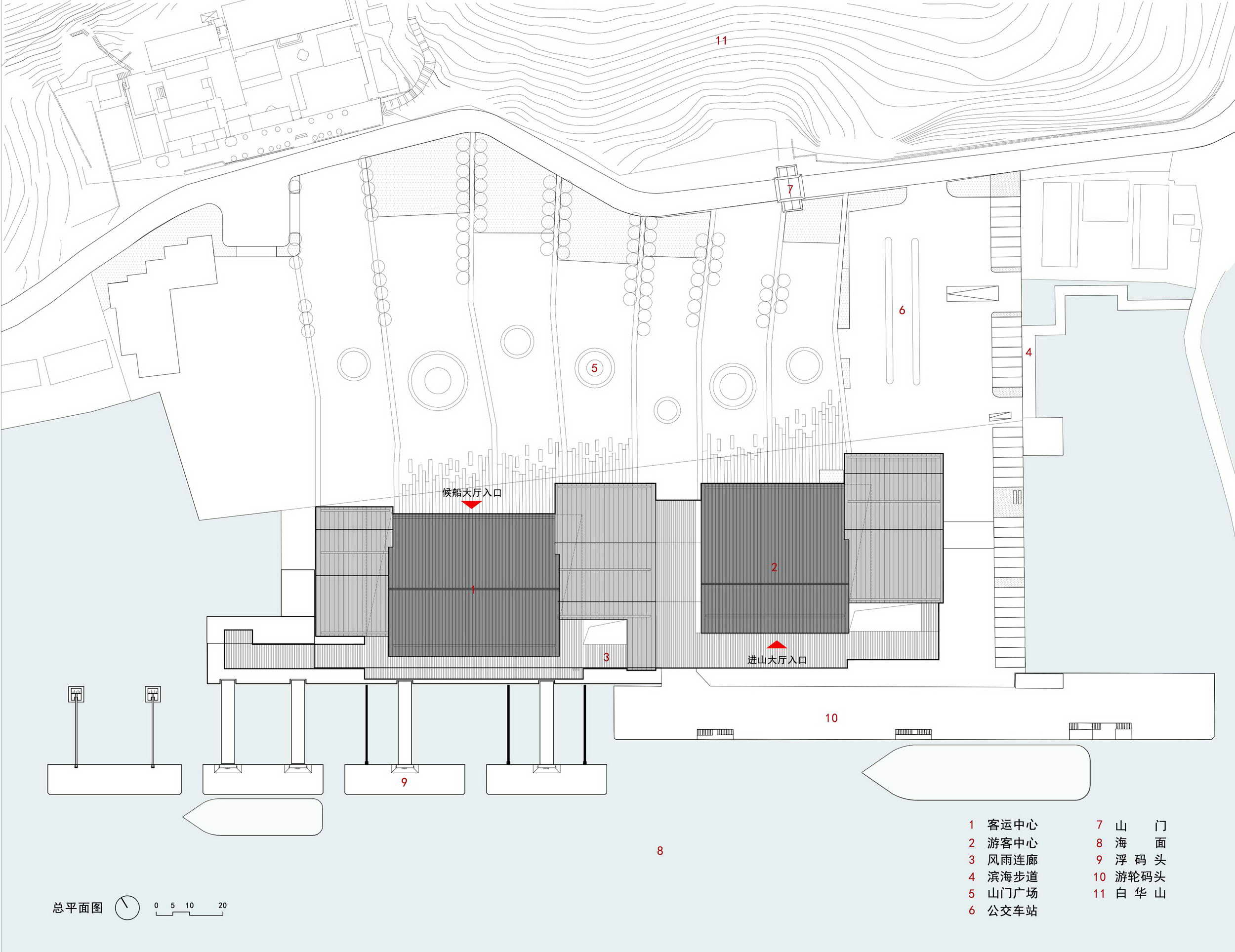
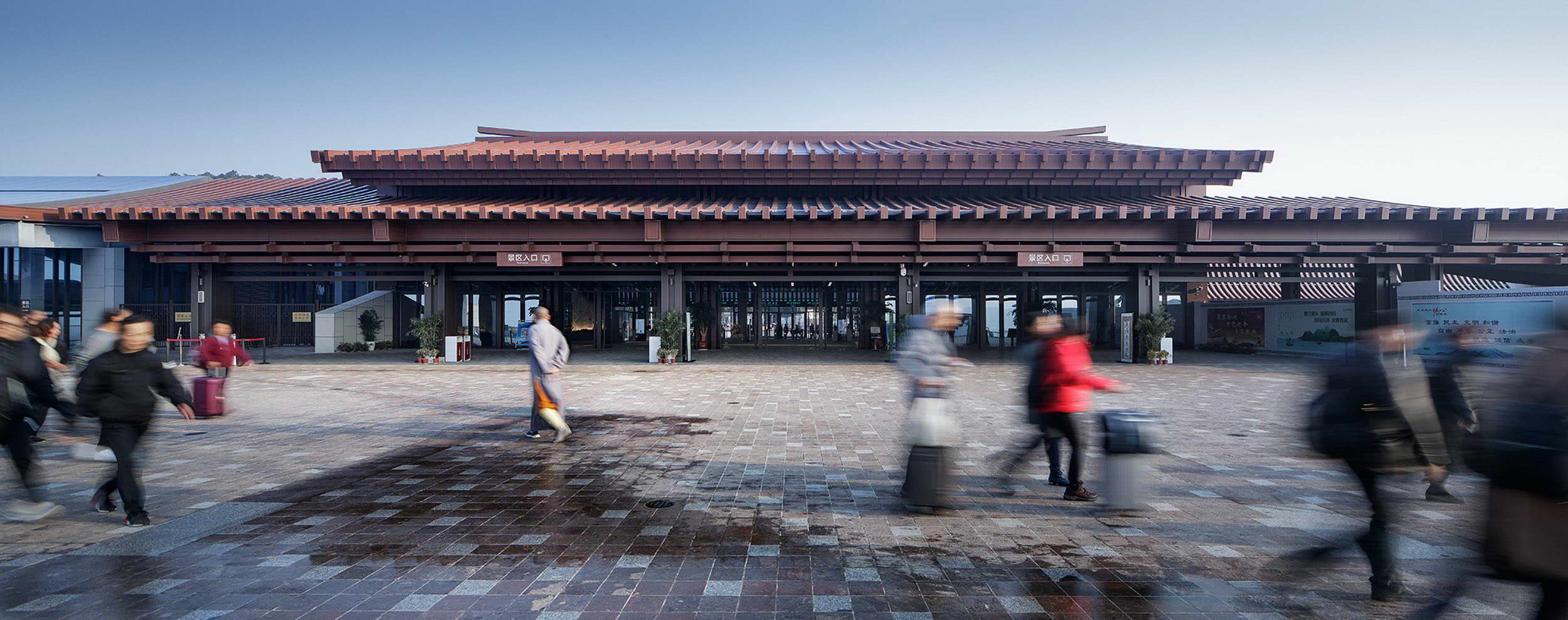
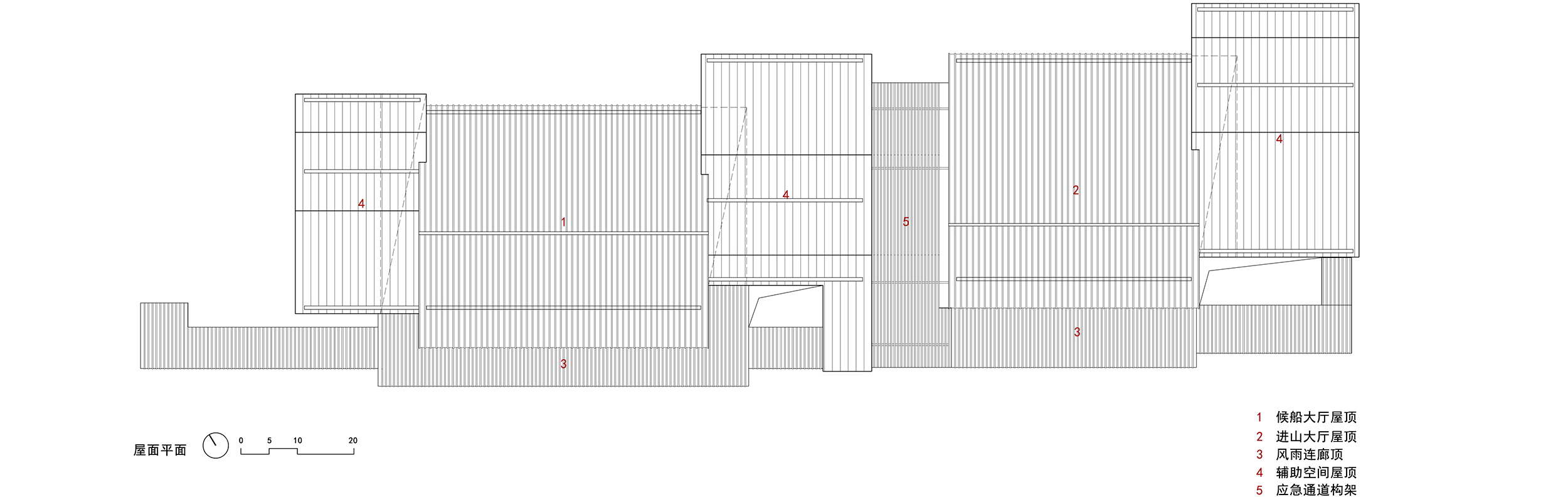
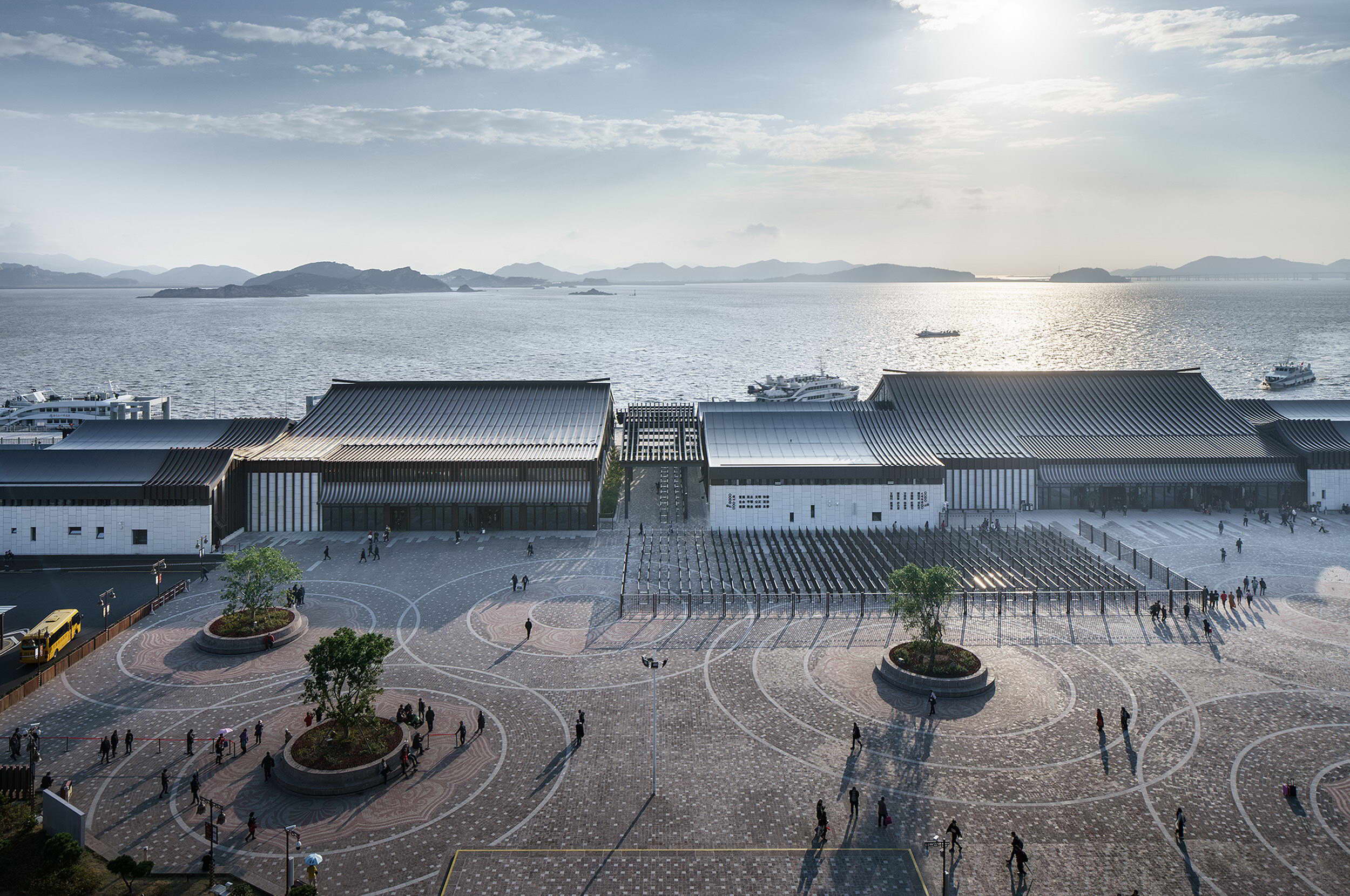
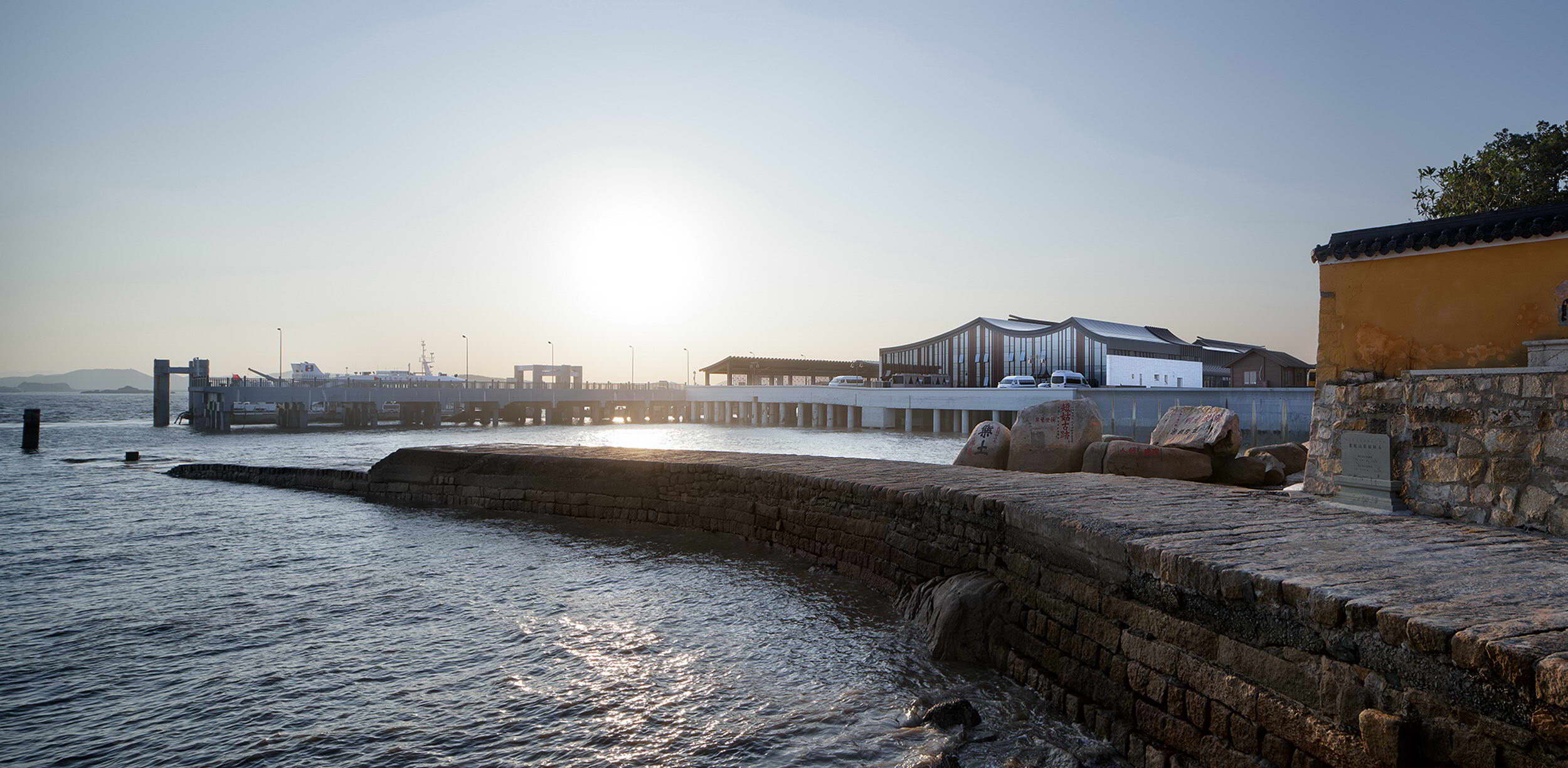
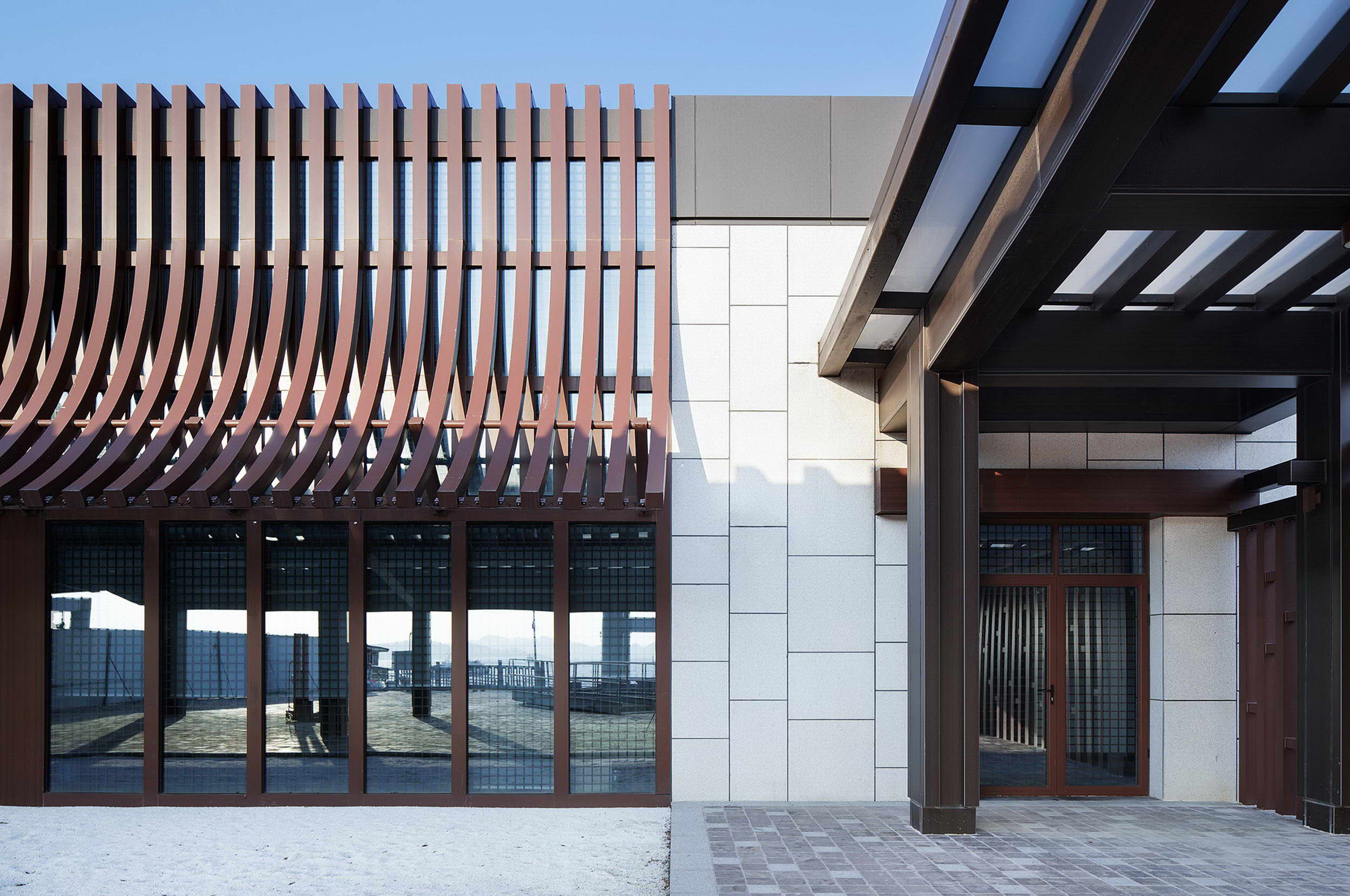
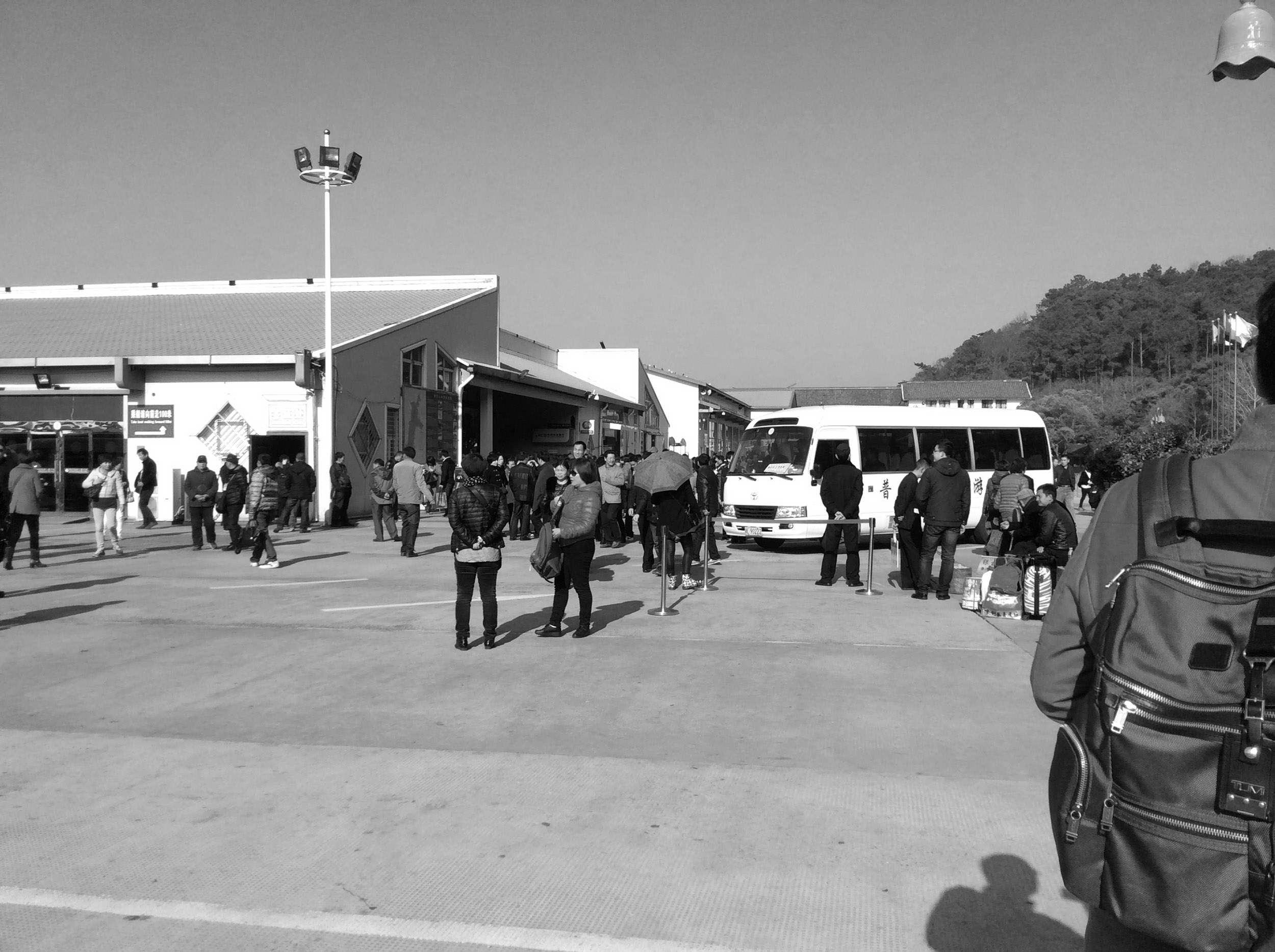
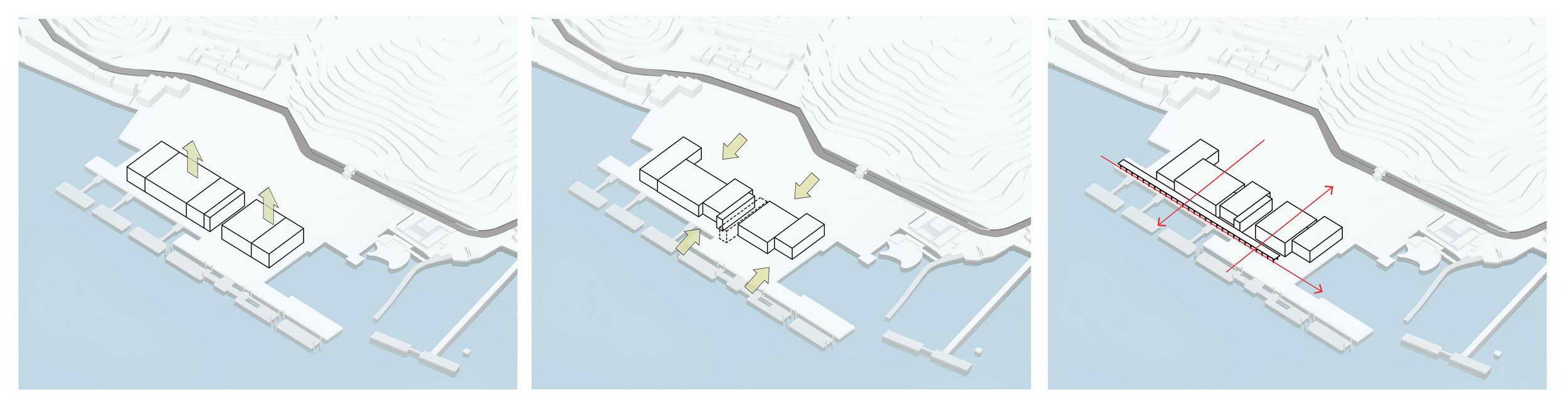
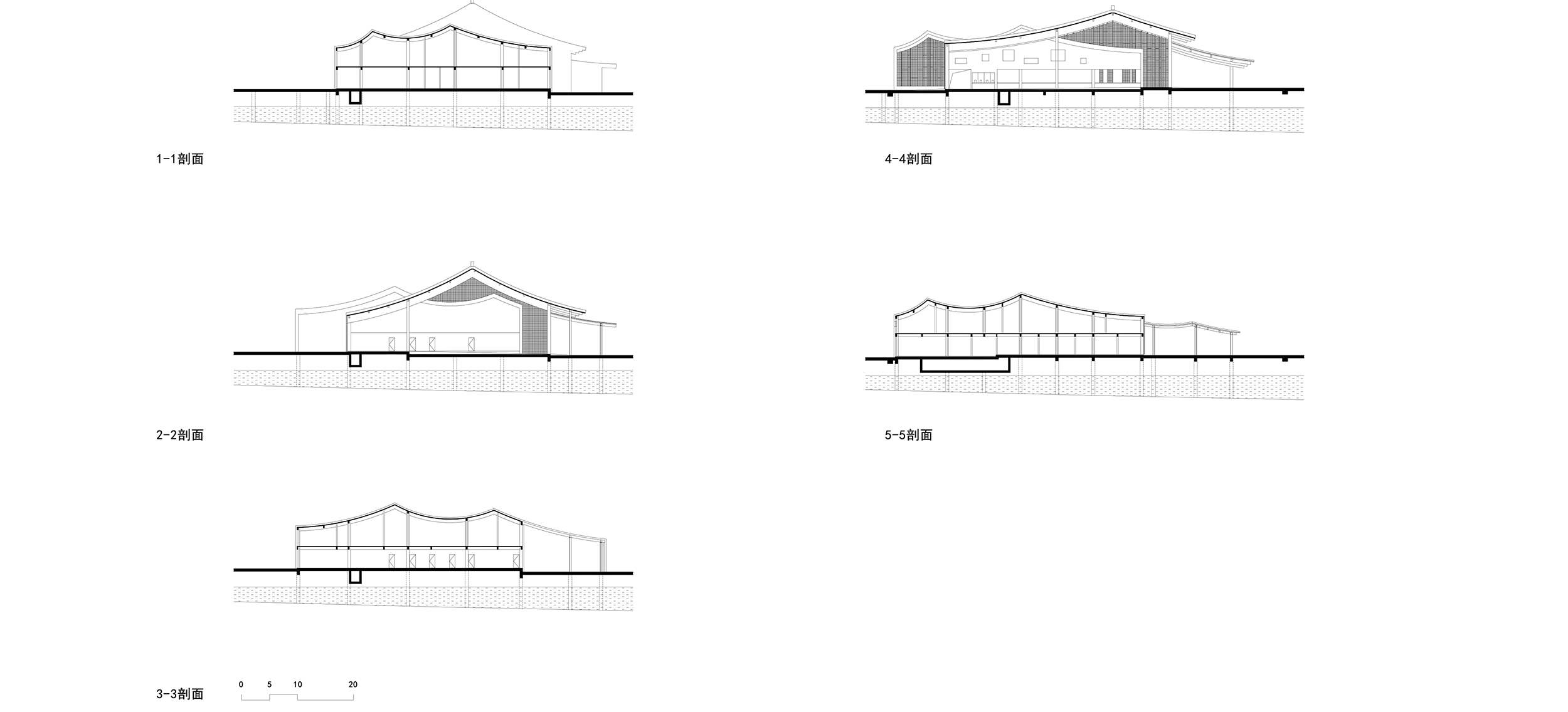
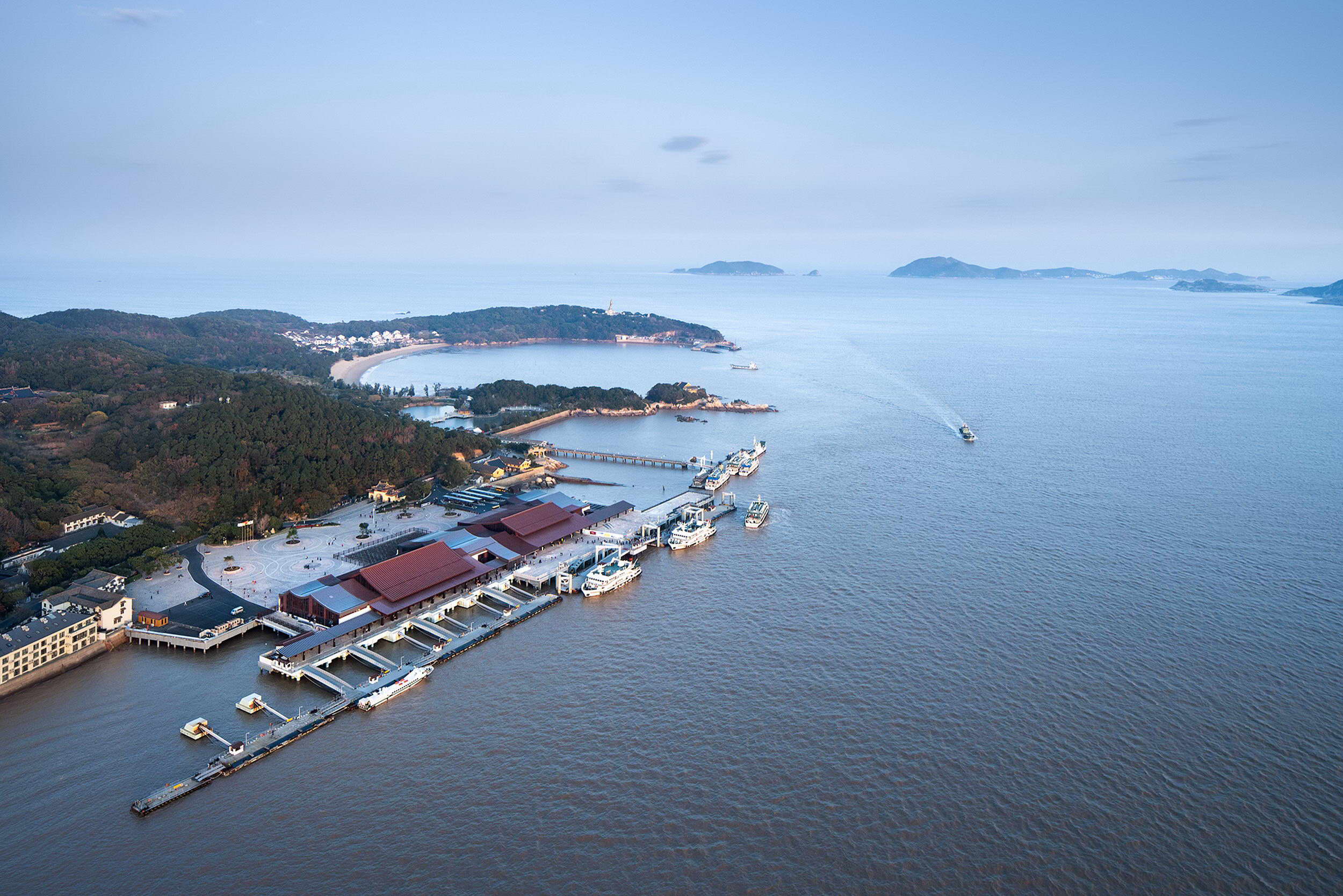
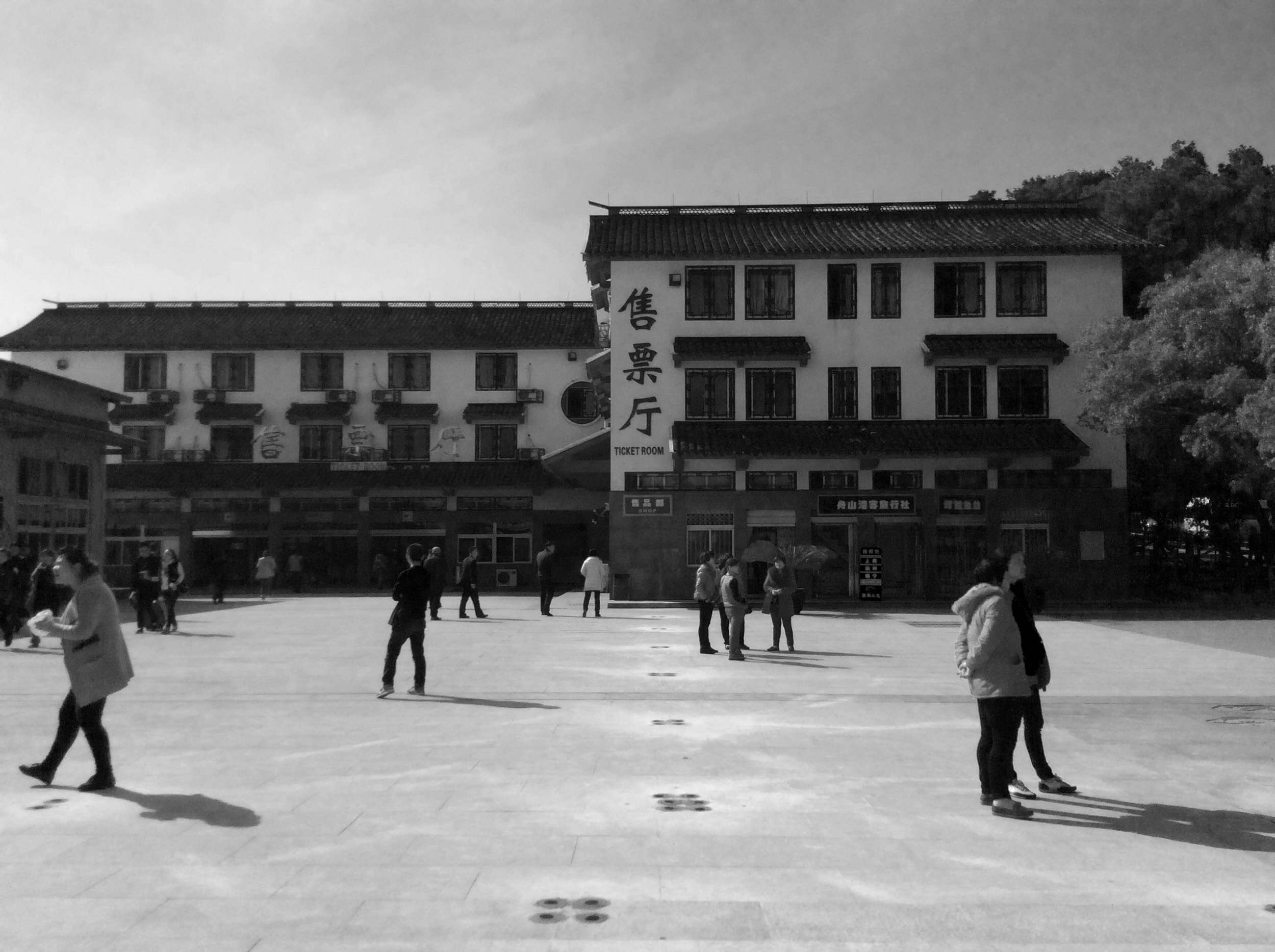
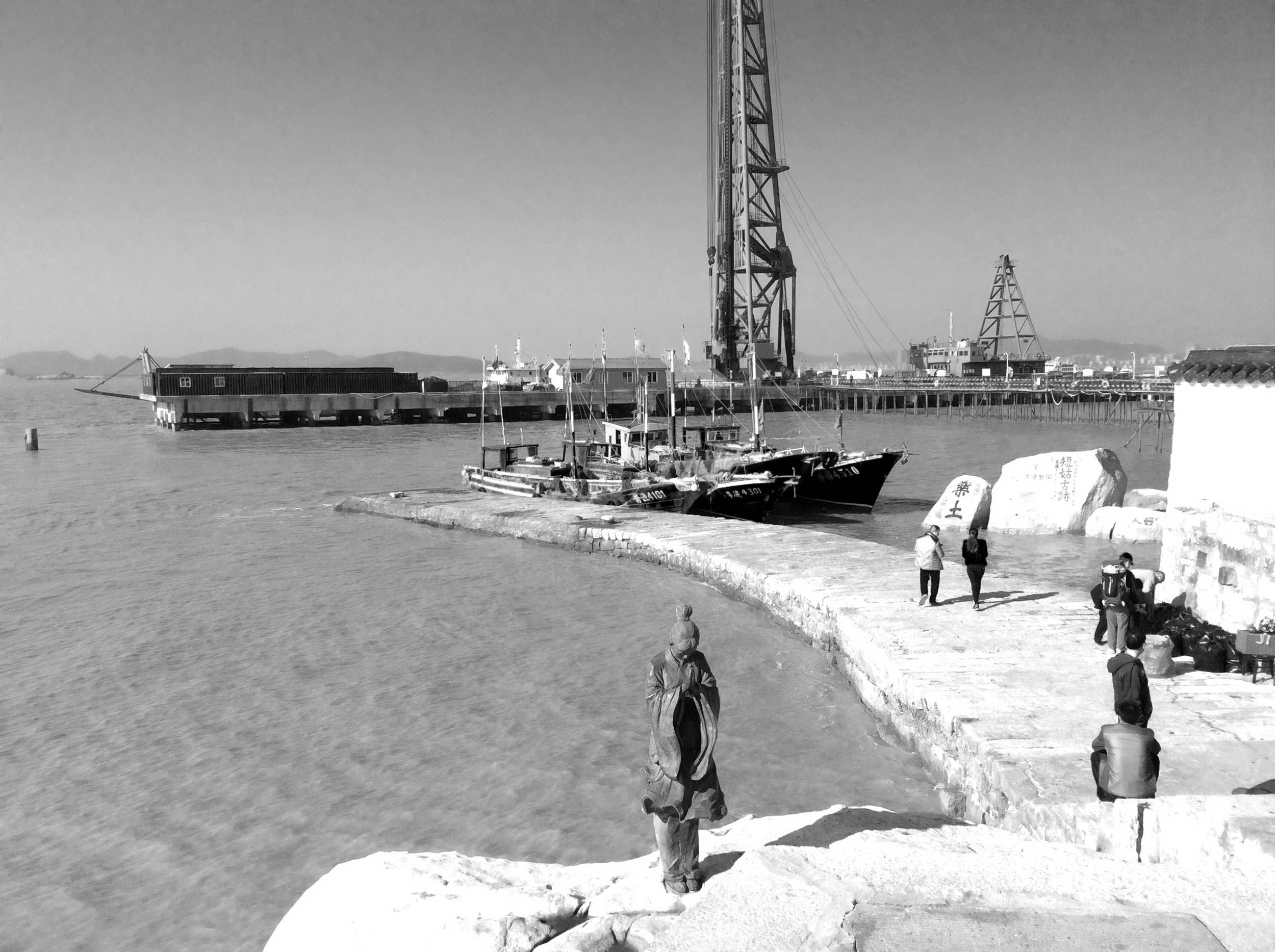
We live in an era of internationalization and globalization, and in an era where consumerism dominates the mood, consumerism accelerates the internationalization of logistics, communications, and networks; the products we use, even our thinking, have been stripped of all regional language and local cultural elements, and the world has become virtualized and flattened. Internationalization expresses advanced productive forces; for architecture it is the result of advanced construction methods and selected materials, and in an information-rich age, international-style buildings also speak for modern life. Yet the uniform face of internationalization brings anxiety of individual identity and a loss of self; what is the way out? We believe that only by reinjecting the stripped-away regional and cultural elements into international modern architecture, reviving the spirit of place and organically balancing internationalization with localization, can the future of architectural pluralism be achieved. Putuoshan is one of China's four famous Buddhist mountains, the bodhimanda of Guanyin, known as the Buddhist Kingdom on the Sea and the Pure Realm of the South Sea, where mountain and sea meet. The project sits at the only gateway to Putuoshan, Zhengshanmen Plaza, with the sea to the south and mountains to the north. The original dock, built at the end of last century, could no longer bear the growing numbers of pilgrims and tourists, challenging visitor safety management; the dock is to be rebuilt and the plaza greatly expanded. This passenger terminal is the first building visitors see when they arrive by boat and step onto the island. Apart from island residents and staff, most are pilgrims and sightseers. What kind of dock should Putuoshan build to welcome them, and what building should they see first? This is a question of the character of place. Religion is faith, and faith makes people devout; in a Buddhist kingdom on the sea, the moment of landing is the starting point of devotion. The building therefore has a mission: beyond providing shelter from nature, it can affect people psychologically. Toyo Ito, in his Pritzker acceptance speech, spoke of lifelong effort to expand the possibilities of architecture in order to reach a state of tranquility, which is itself a psychological value. Our design likewise hopes to convey a sense of tranquility with a humble gesture, a state of forgetting the noise of the world and setting everything down. The visual system of the building and the contemporary expression of traditional architectural vocabulary are thus the two key responses to the character of place. A dock is a type of transport building, and most transport buildings, such as bus stations, railway stations, and airport terminals, naturally become large-scale urban landmarks because of their big spaces. Here, however, the dock is the starting point of another ritual act, worship, a transitional space. Visitors stepping onto the island should not see a monstrous bulk blocking their view; the building should merge with nature, the gaze should pass through the building, and the mind should reach the other shore. The design therefore constructs a visual system in both north-south and east-west directions. From south to north, from the seafront promenade up the gently rising pitched roof to the distant mountains on the north, a soothing visual sequence is established and the tall mass disappears.




 Editor's Pick
 Latest Design