Text description provided by the architects
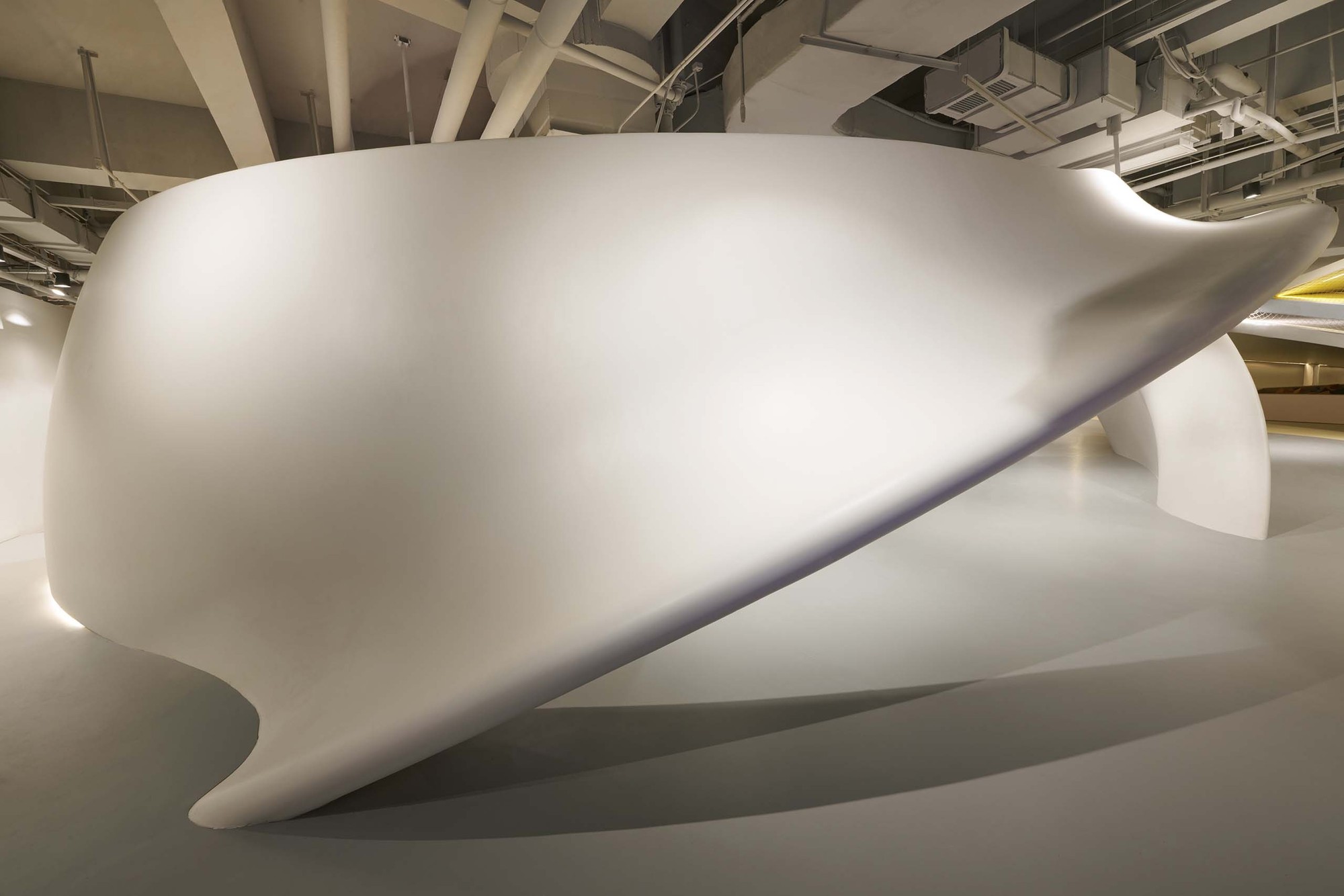
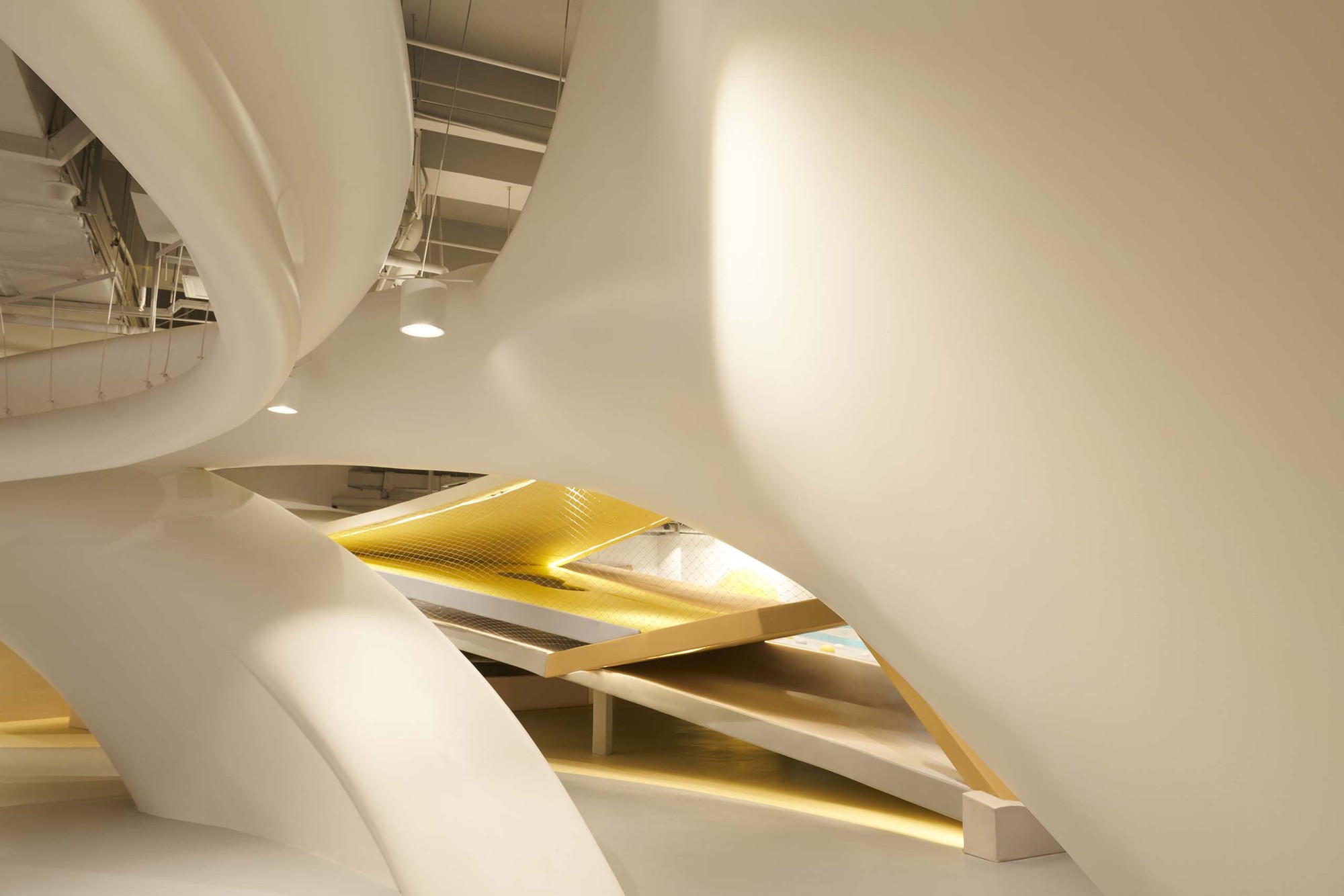
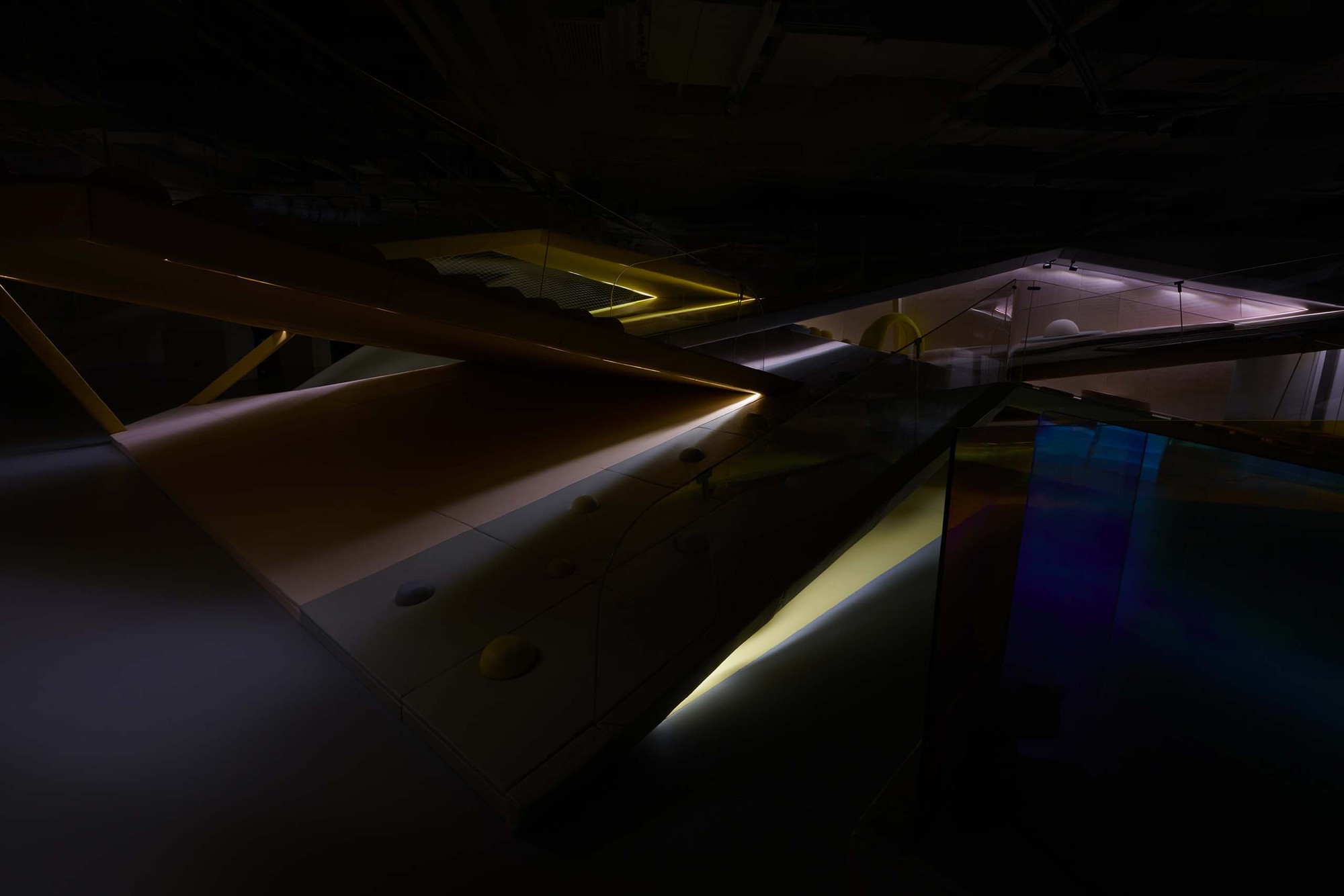
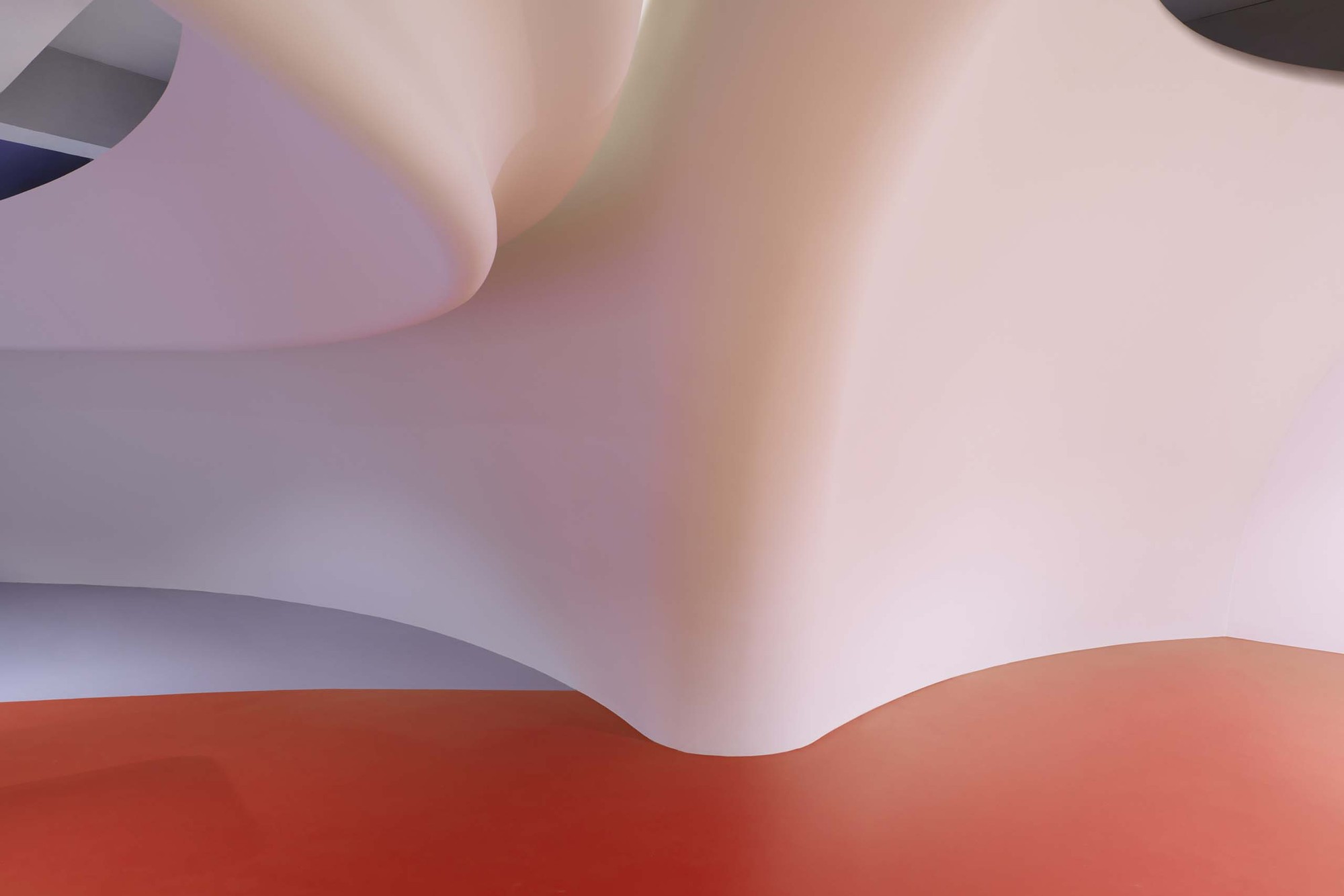
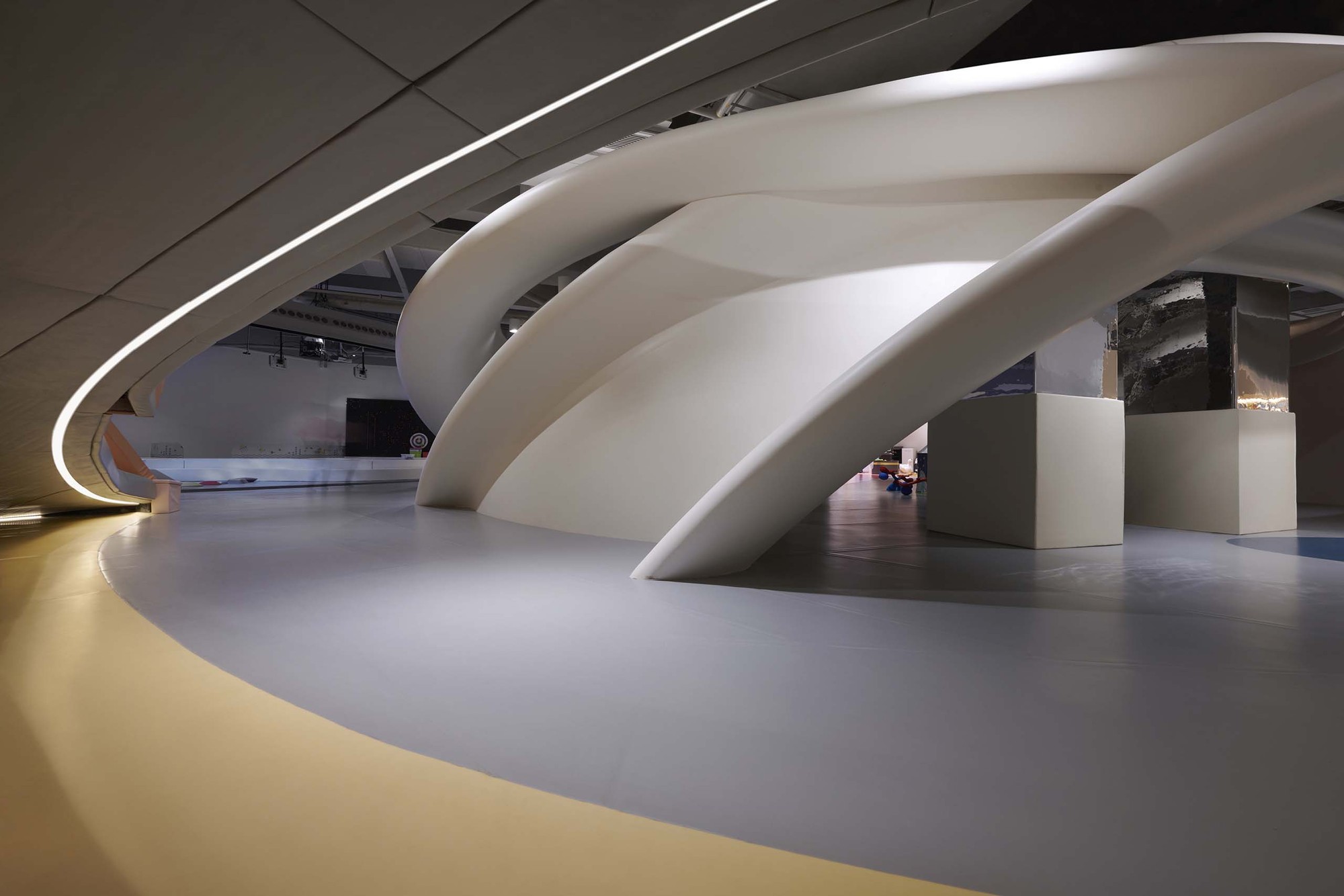
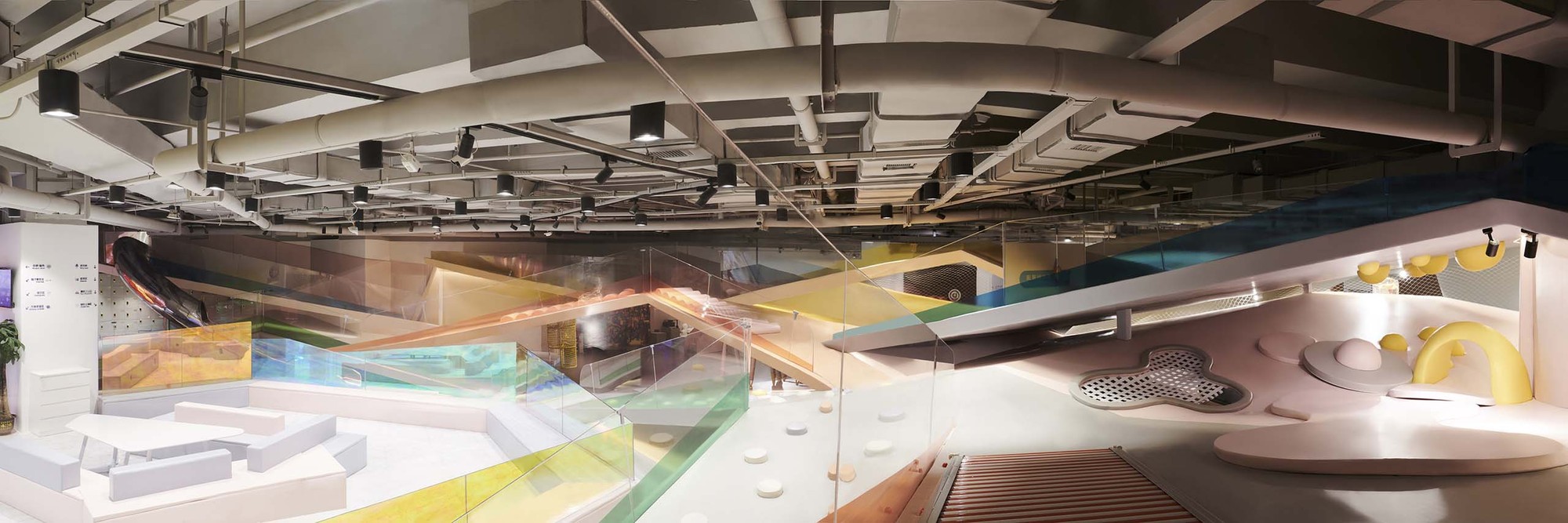
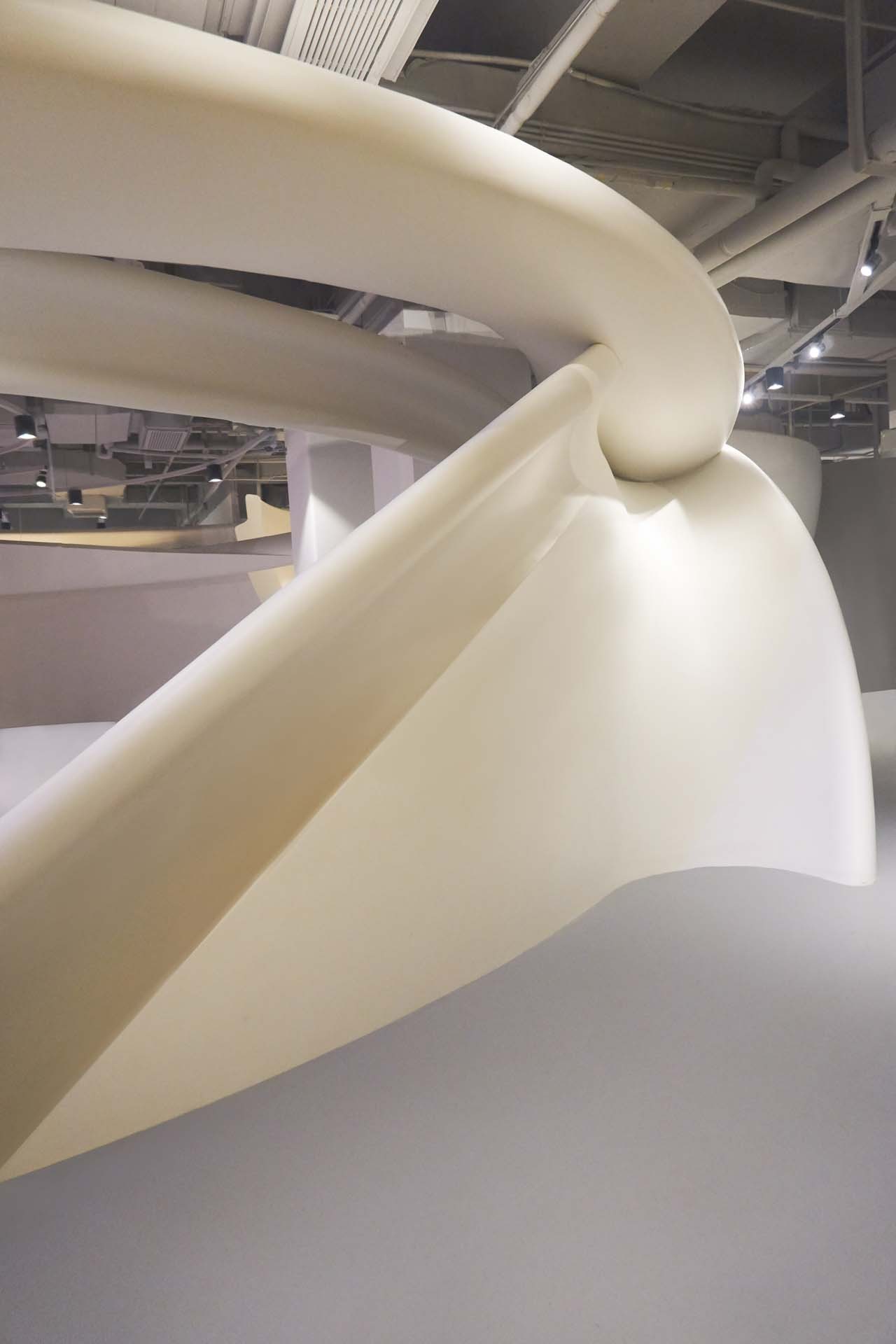
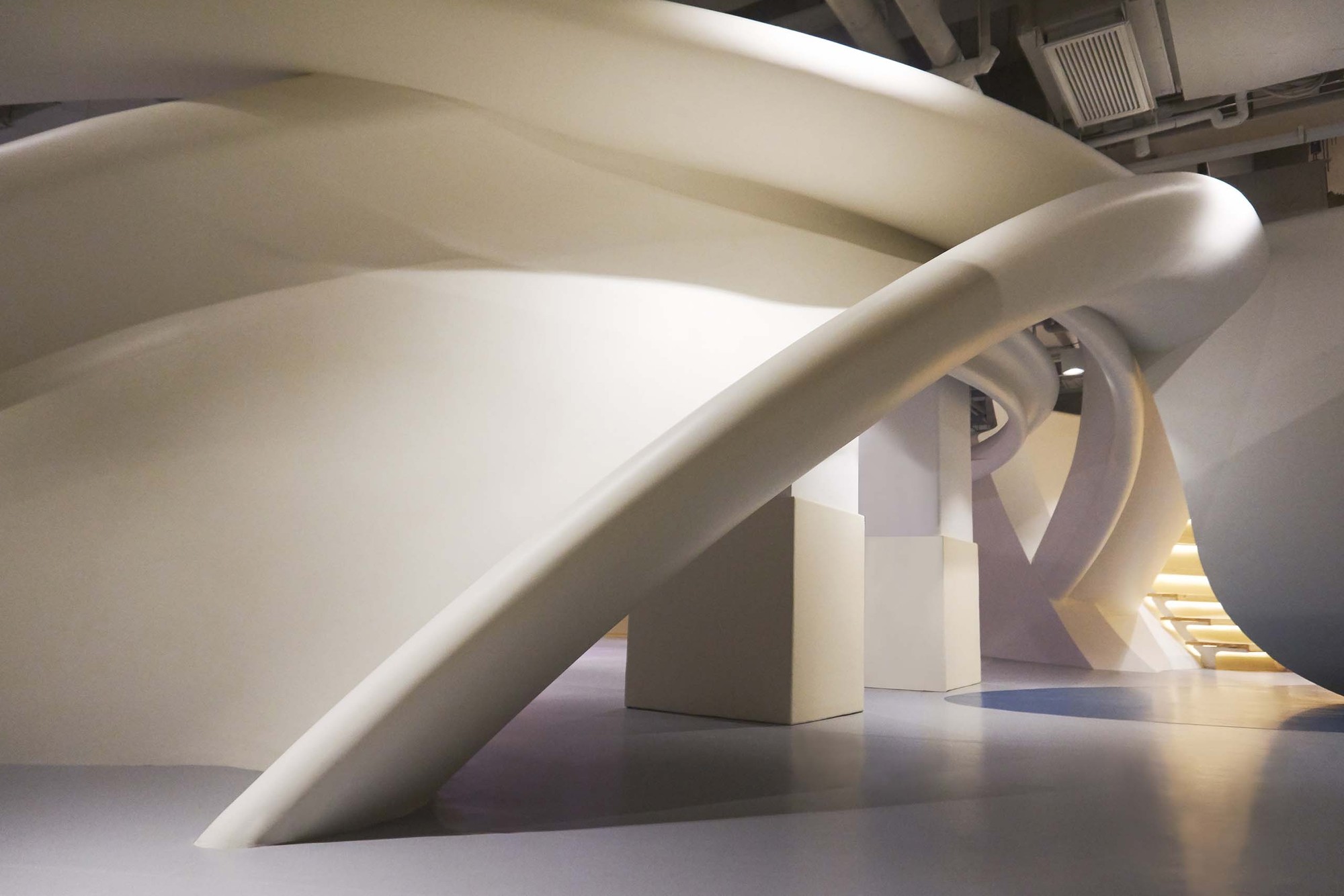
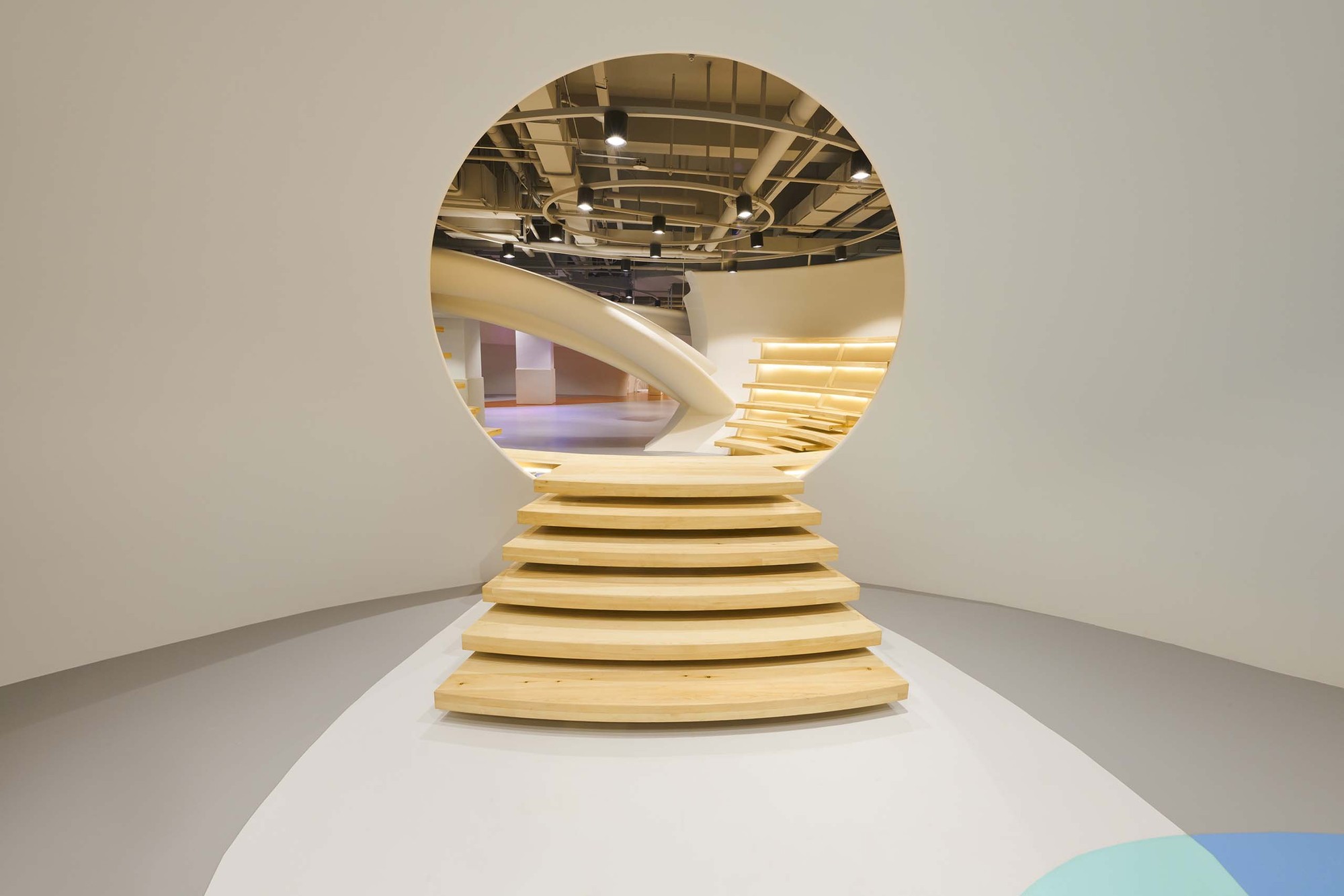
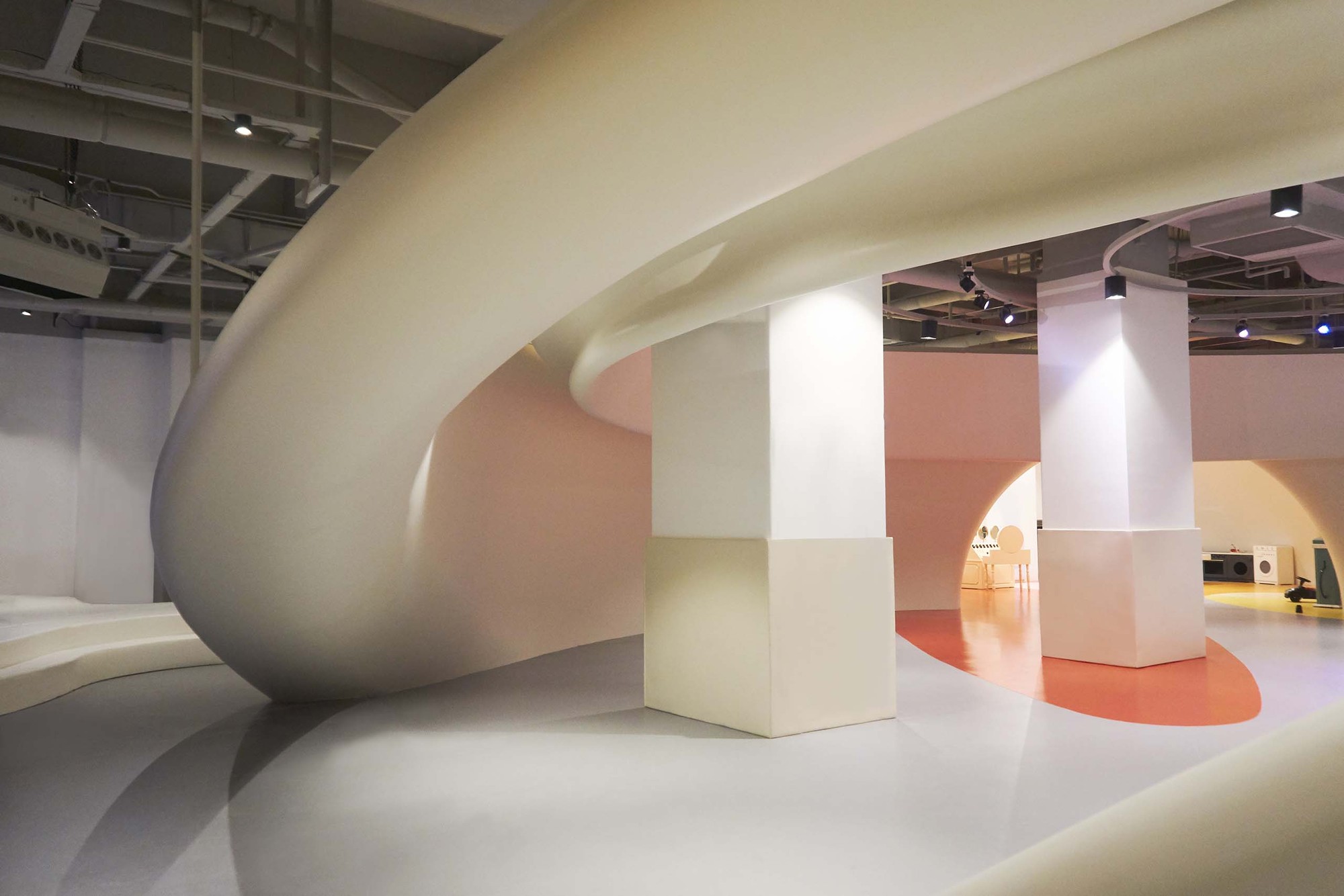
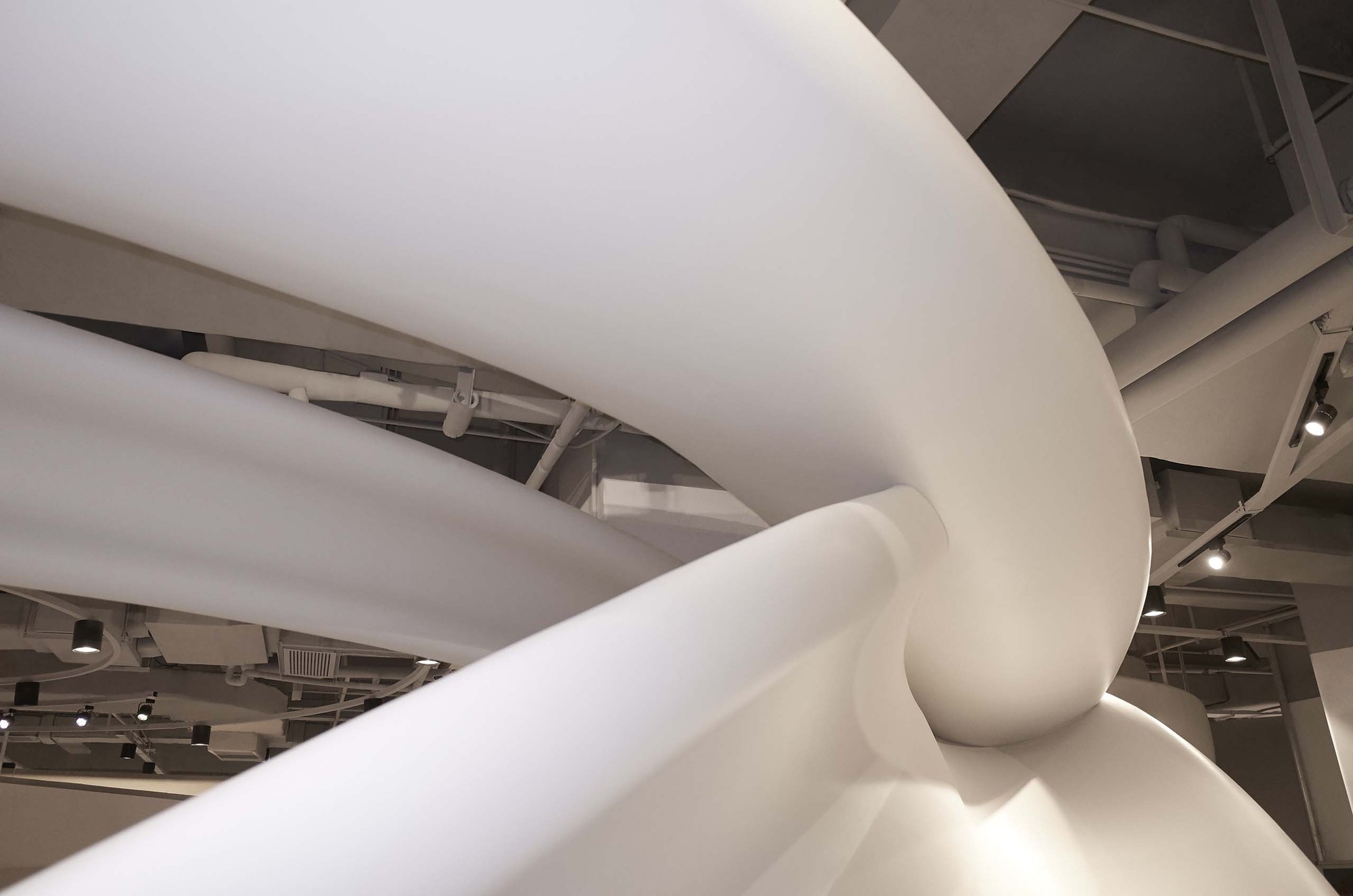
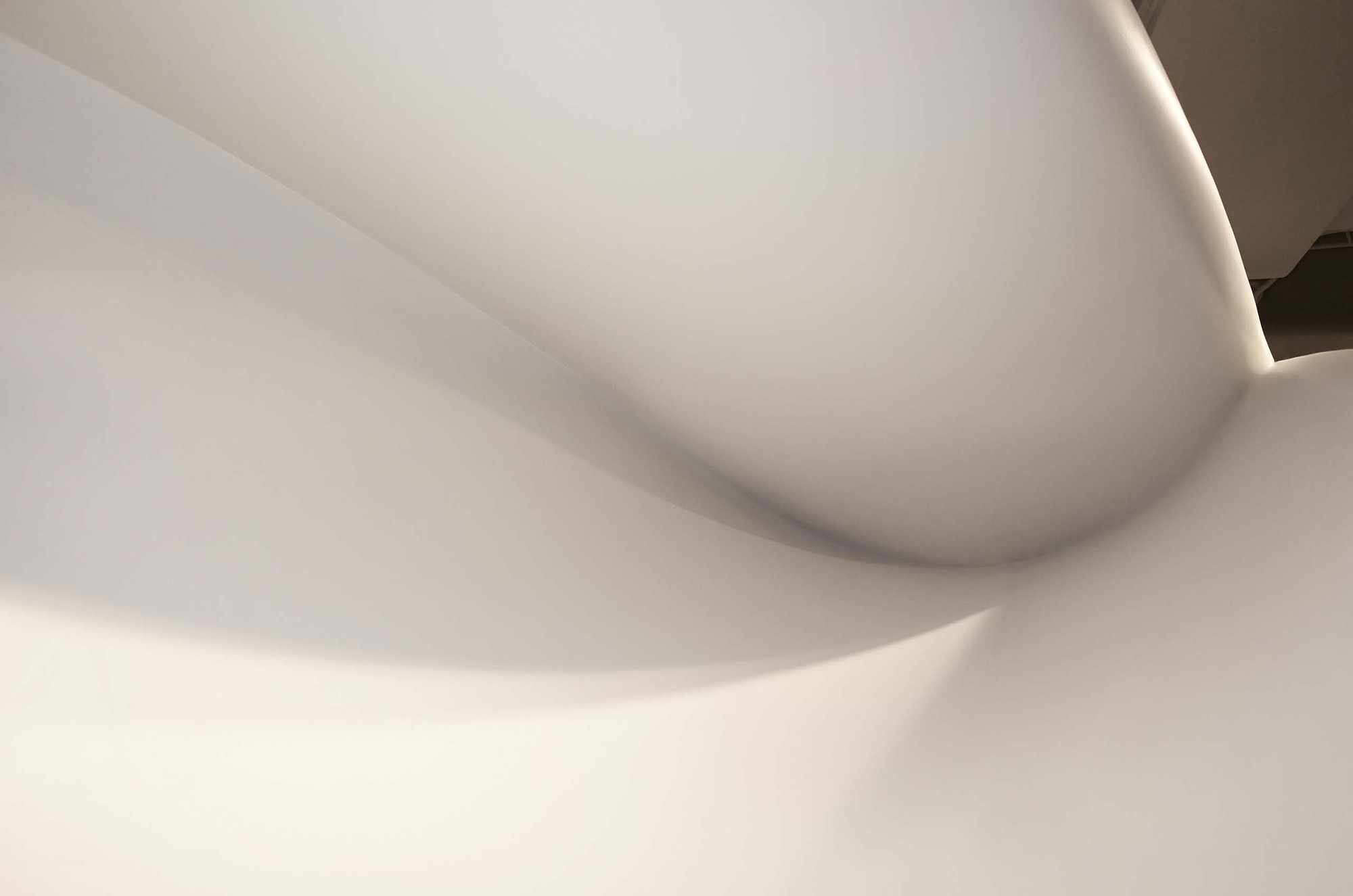
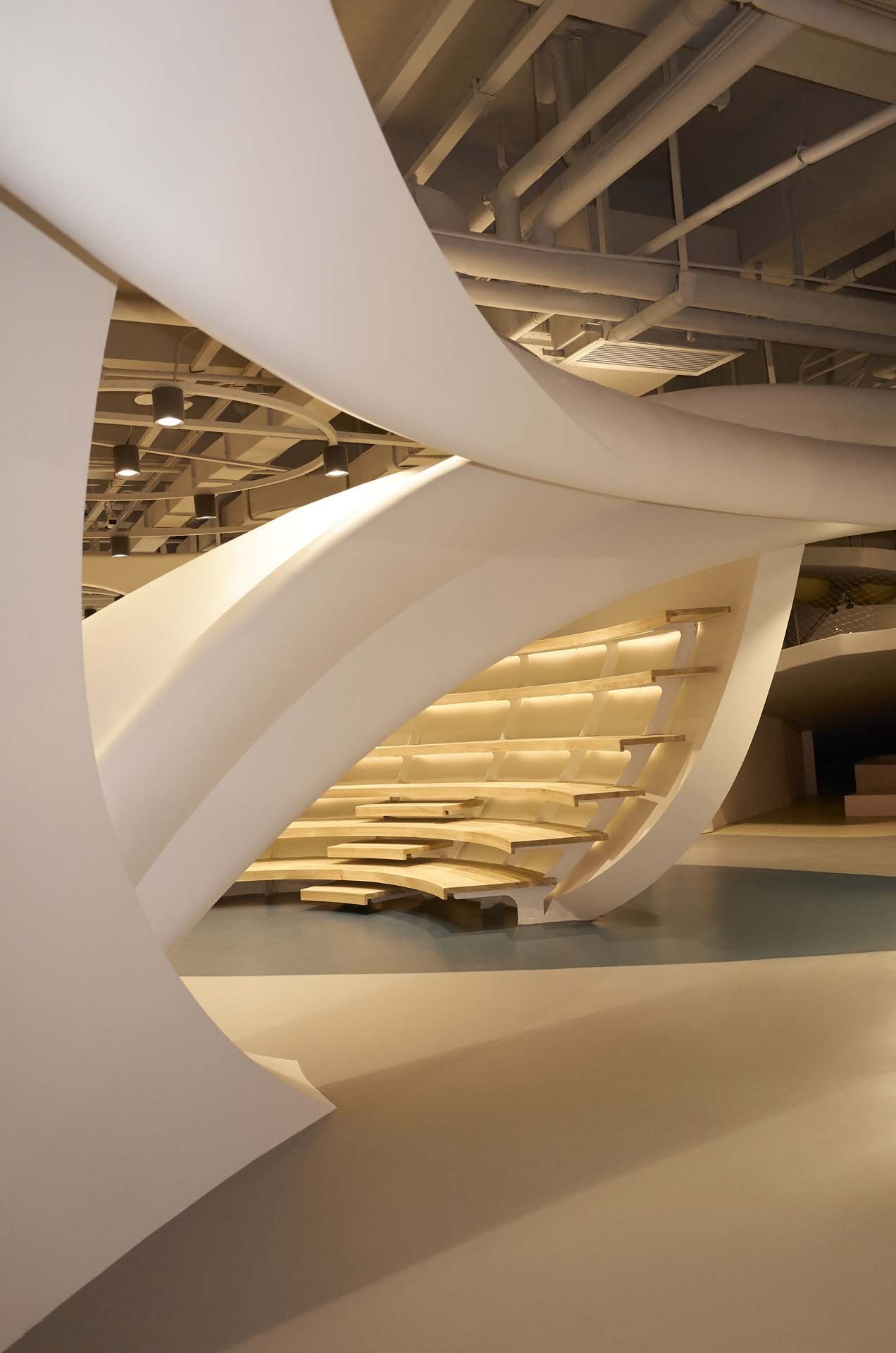
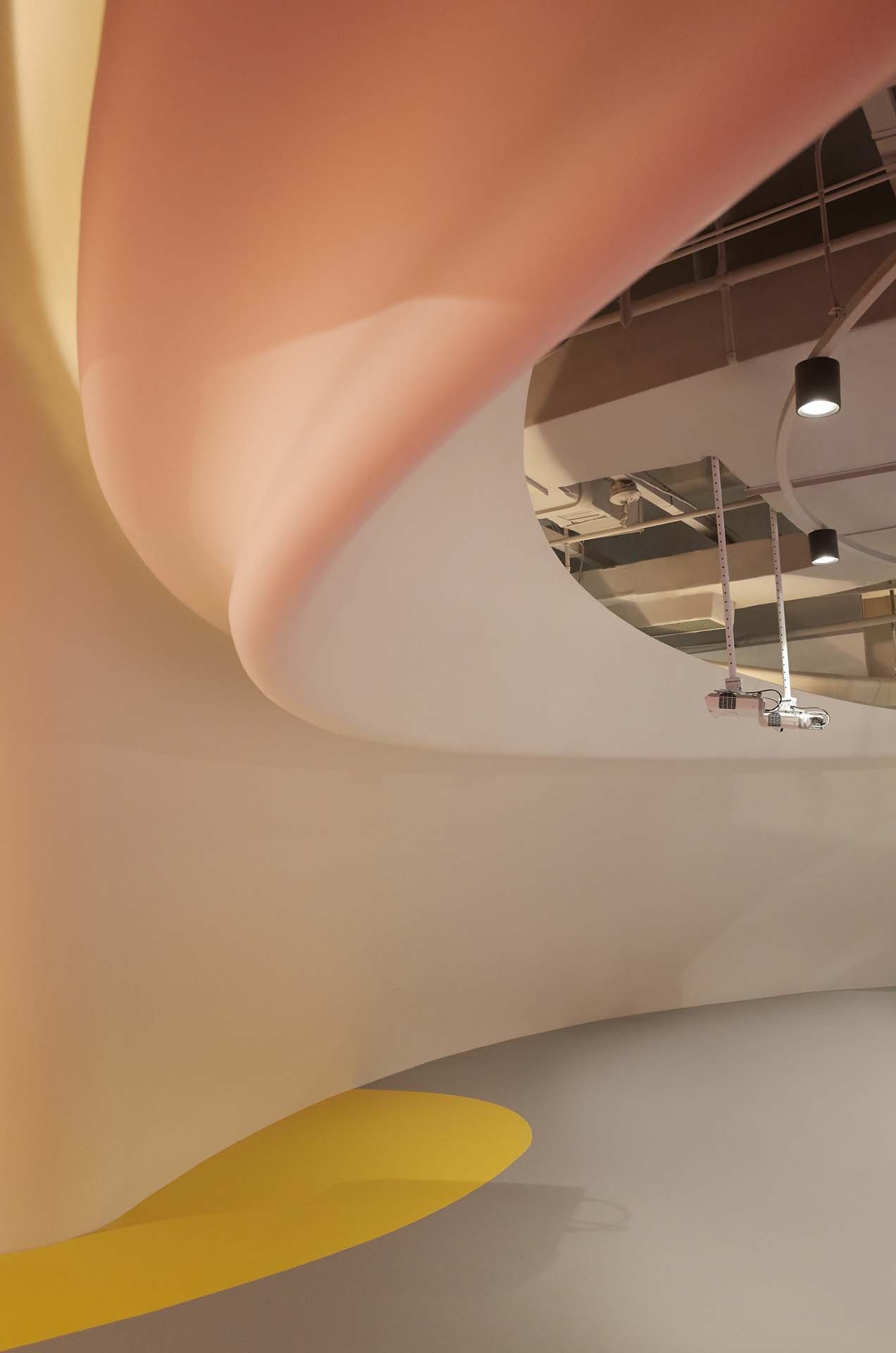
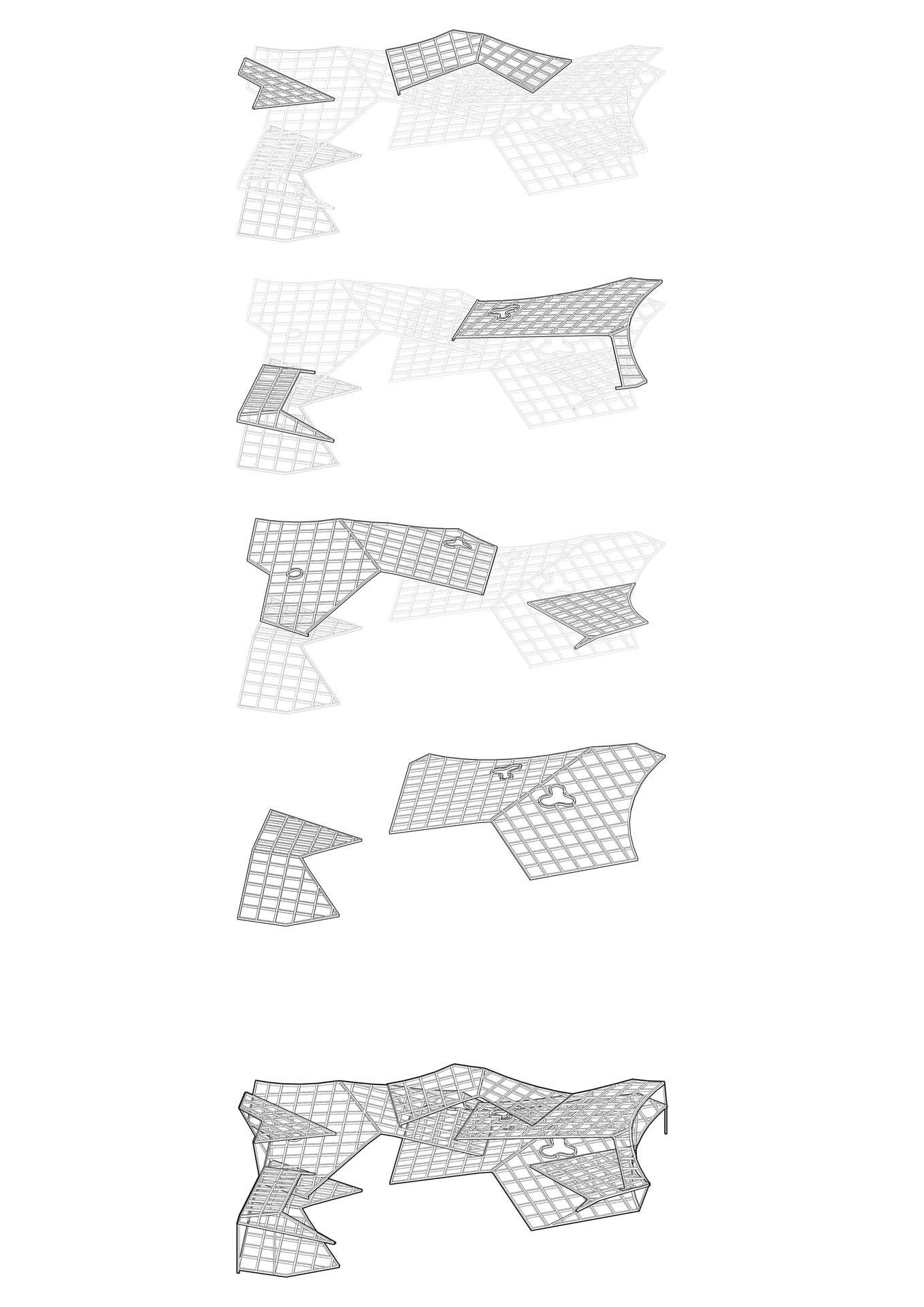
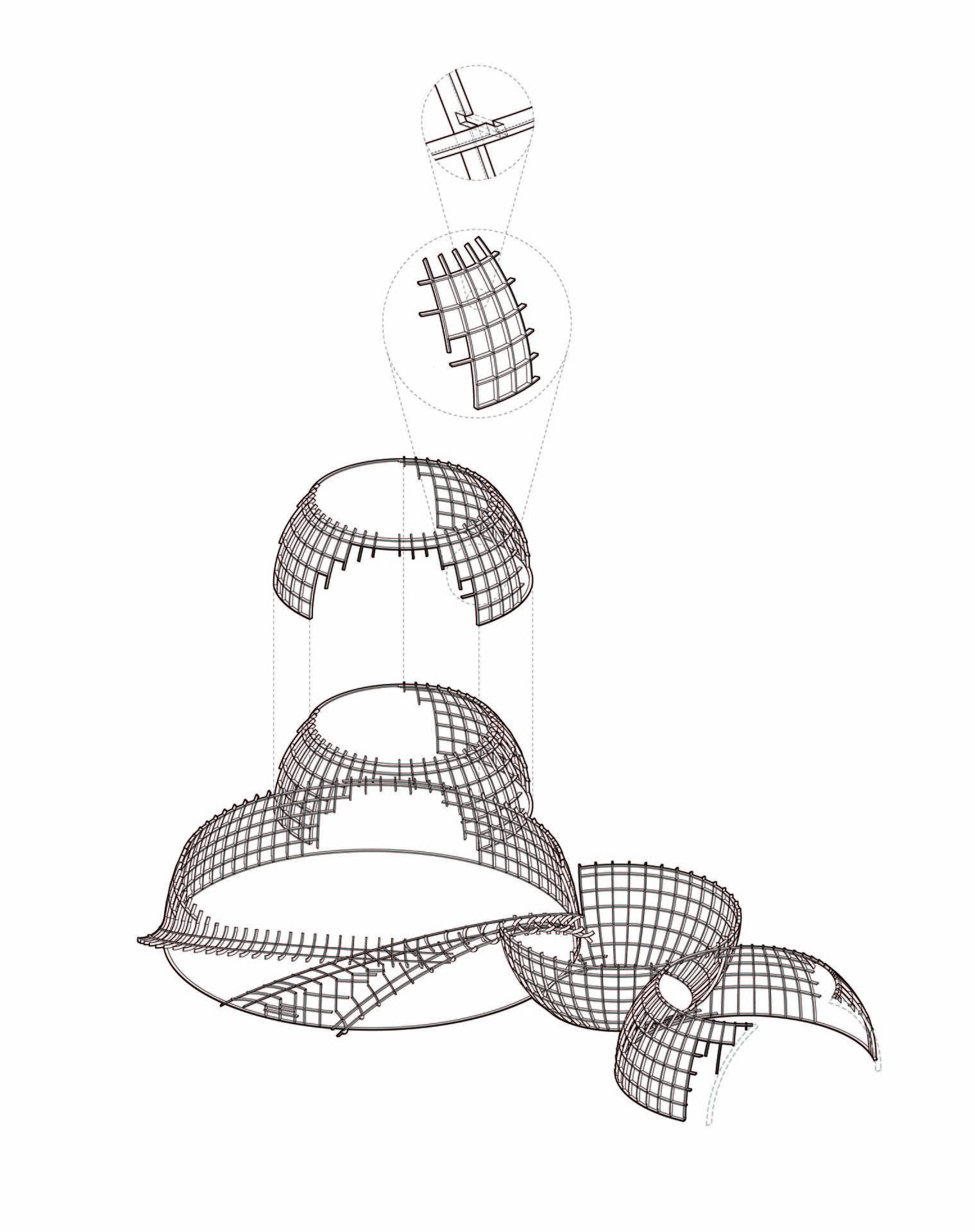
A child's inner world should not contain only Hello Kitty and pink elephants. The indoor project designed by SpActrum in Wuhan, Haipai Lexiangjia, began operations in mid-2019. As a new-concept children's amusement park, Haipai aims to be a place of imagination that resonates with the universe and the earth in children's hearts, a place of memories of running and lying back. In present-day China, large-scale urbanization has greatly reduced children's opportunities to engage with nature. Shopping malls have become the main venues for children's play, and various cartoon characters have become adults' primary association with children's lives. SpActrum believes that this association is a simple collusion of capitalism rather than children's true inner needs. Children should not live in a fantasy world created by adults; they should be offered a free, inclusive place. SpActrum then began exploring a design language. We believe the overall form should be cosmic in its inspiration. High speed and high energy are the everyday state of the universe, yet the whole seems still. We want to express precisely this kind of extreme motion contained in stillness, so we return to the most basic sphere. The plan, through multi-directional movement, evolves into a series of slopes that can be walked and climbed, preserving the memory of terrestrial terrain. Ultimately the space is divided into two parts: the universe, evolved from spheres, and the mountain, stacked from slopes. In this project, SpActrum tries to give children an opportunity to reconnect with nature. In the front part of the site, children can run on the slopes and explore in caves. In the rear part, enclosed spaces cut from spheres become, depending on size, projection walls, small theaters, or upside-down bowl-shaped rooms offering an ideal venue for children's parties. In Haipai Park, children are treated as the subjects of their own growth. We therefore reduce the stimulation of figurative images, building a world of exploration through geometric forms that allude to cosmic laws, and using rich spaces and surfaces to evoke children's instinctive physical rhythm and touch. We want childhood memories to include not only commercial cartoon IP images forcibly implanted, but also the highlight moments when children actively explore themselves.














 Editor's Pick
 Latest Design