Text description provided by the architects
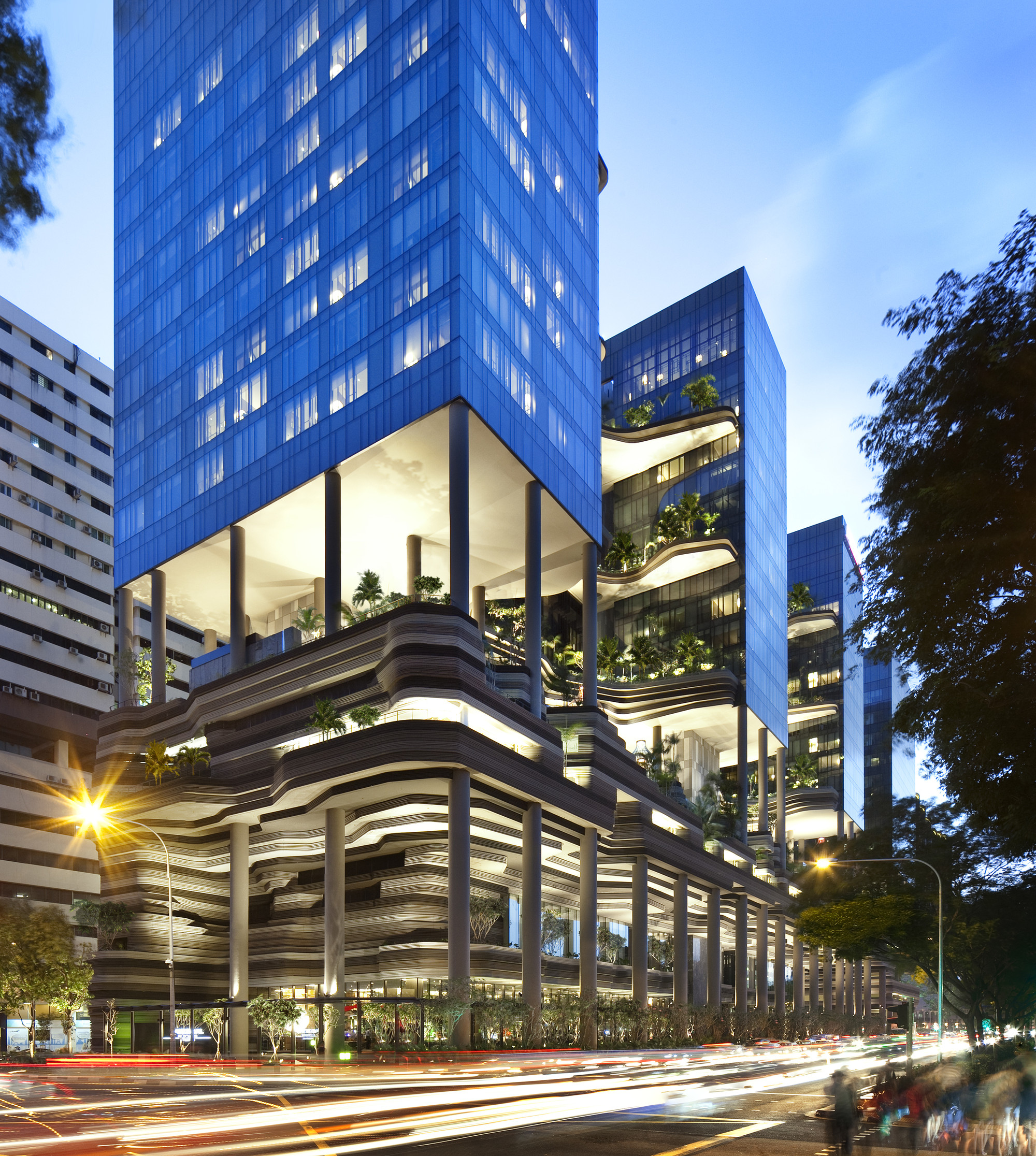
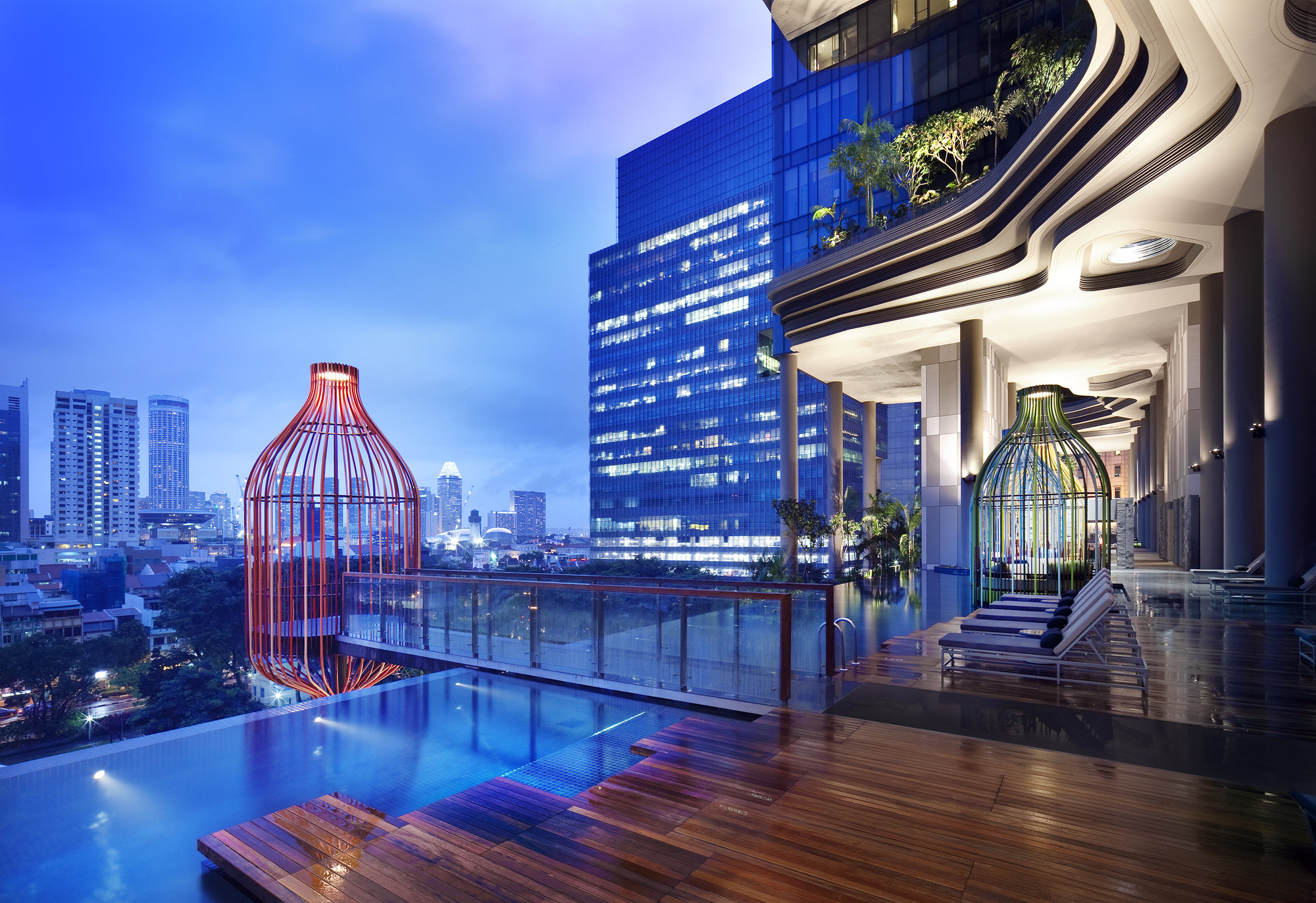
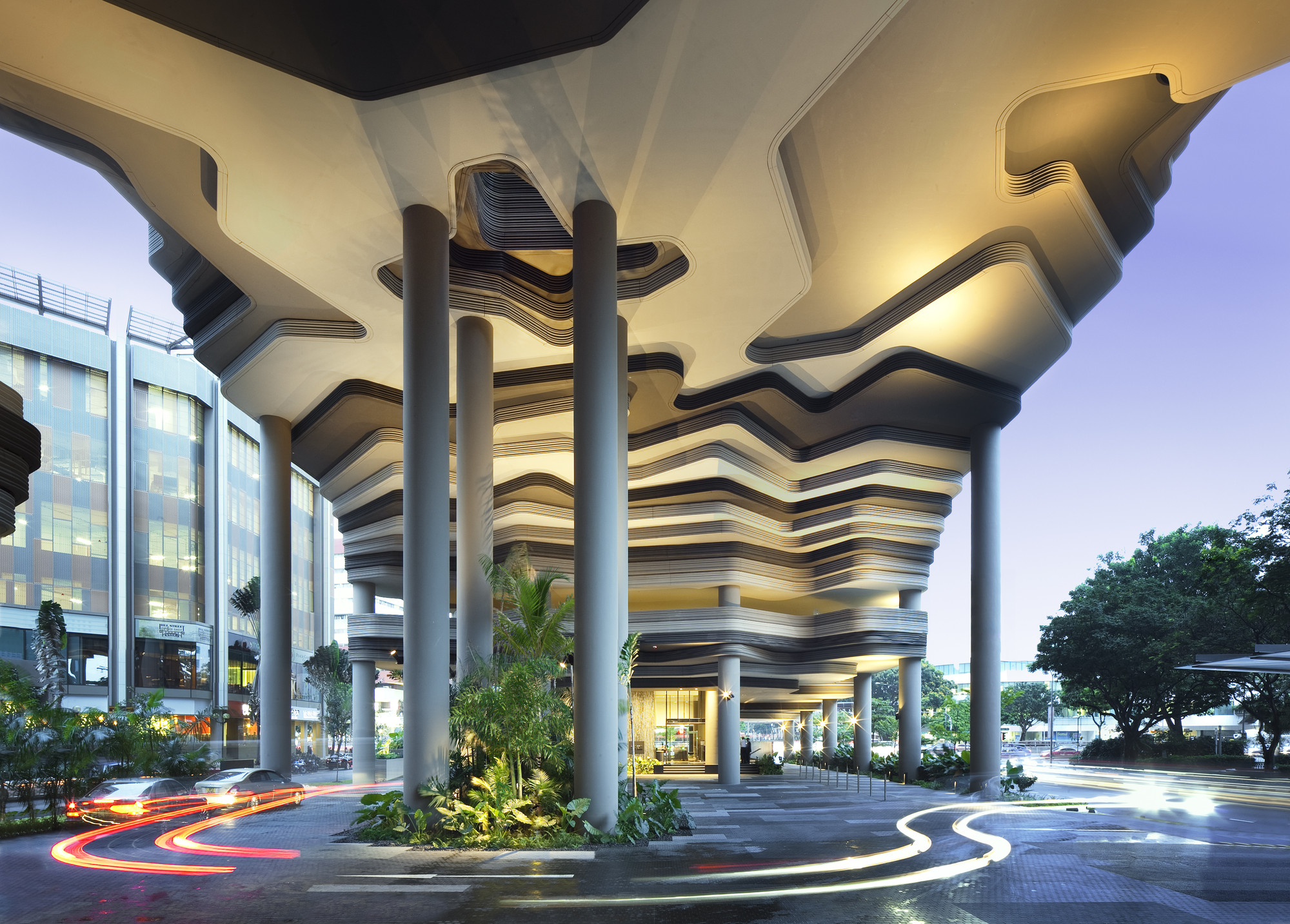
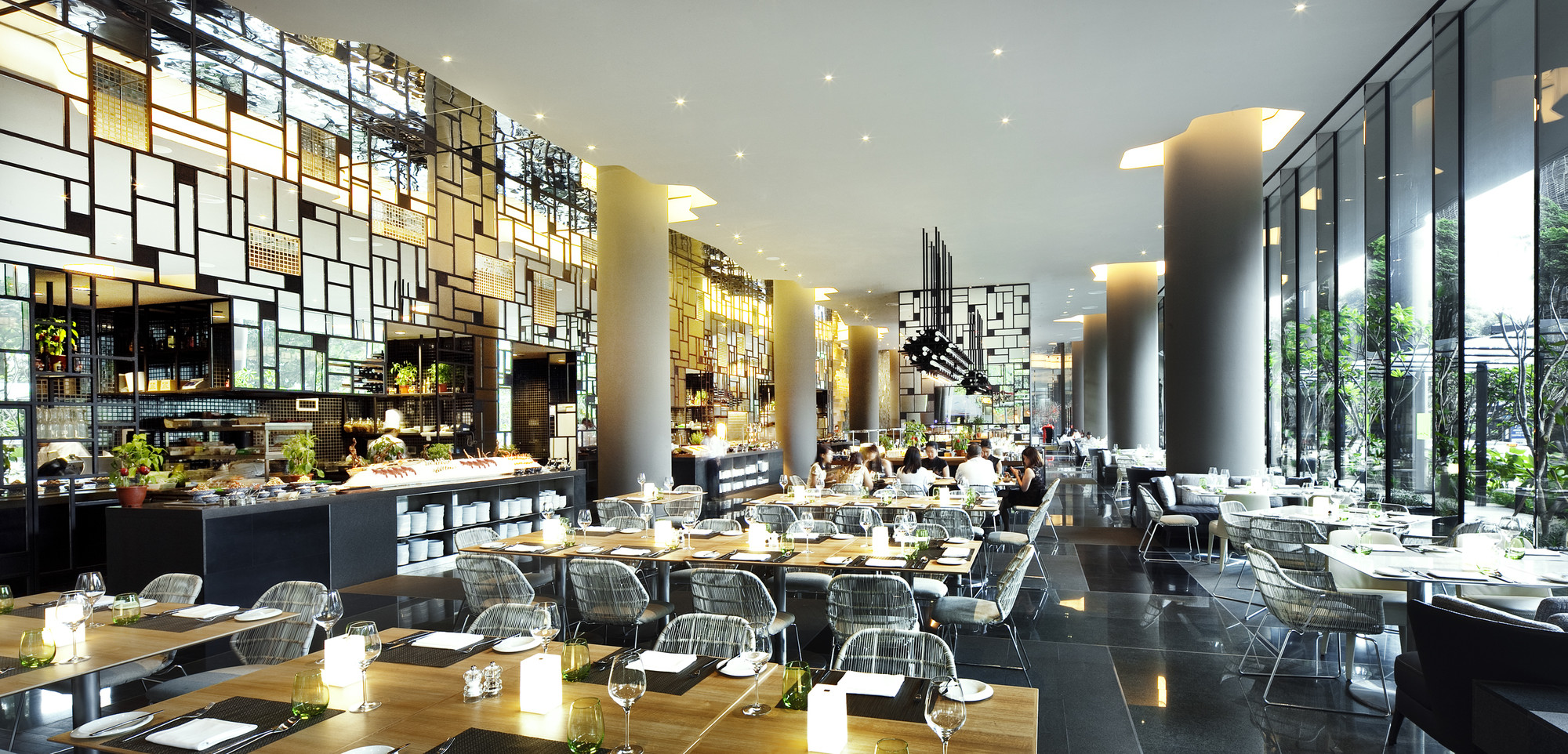
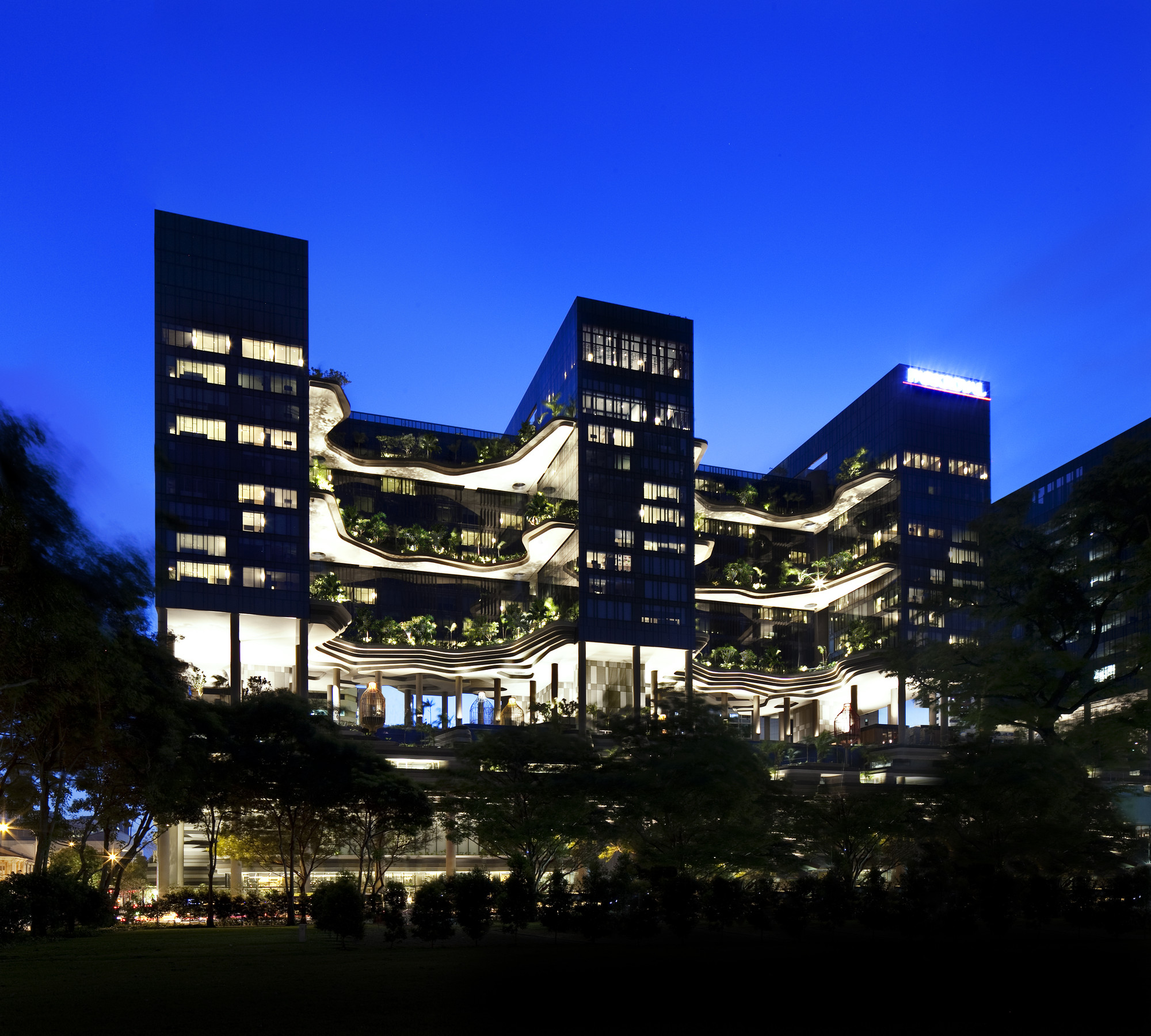
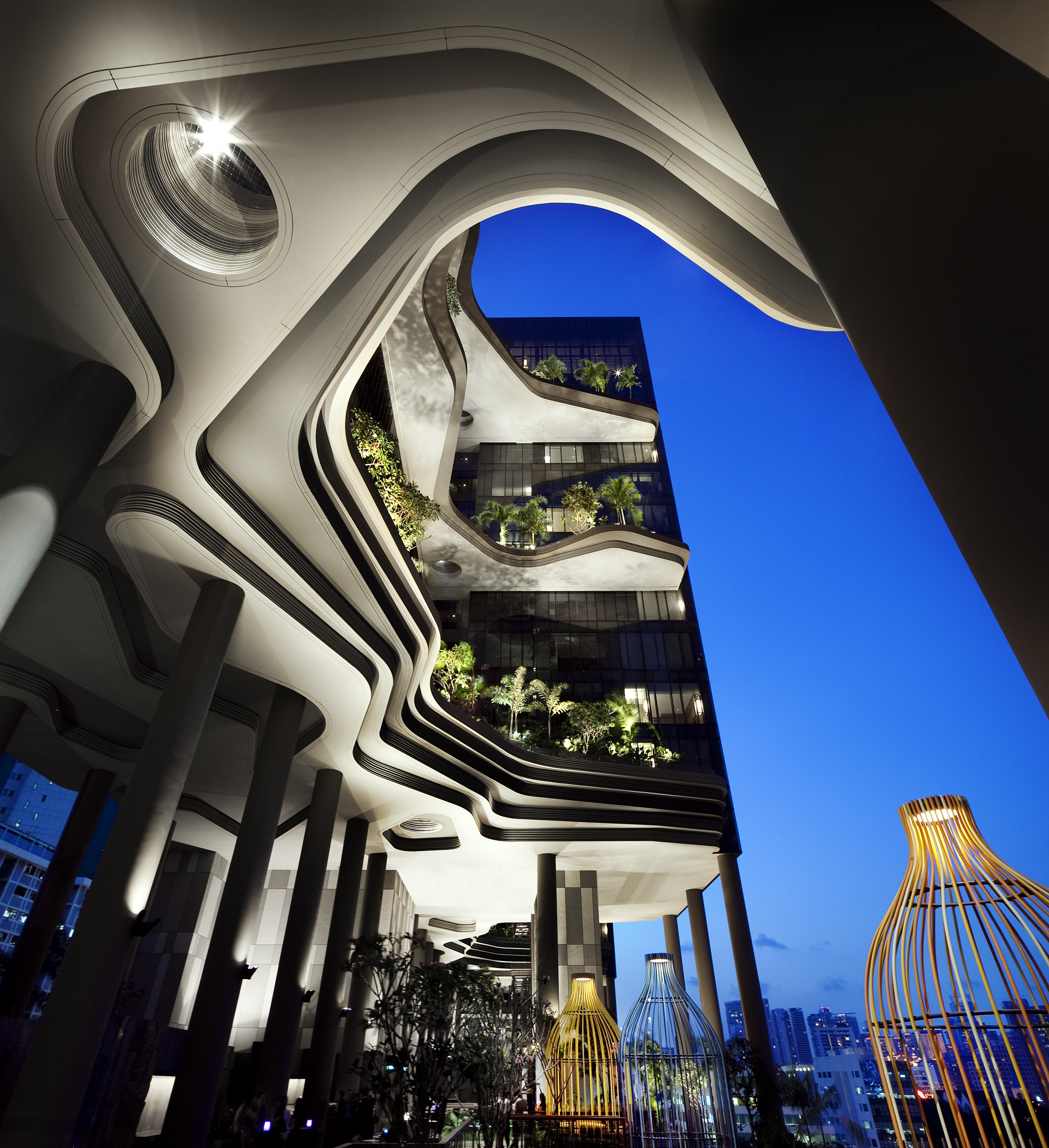
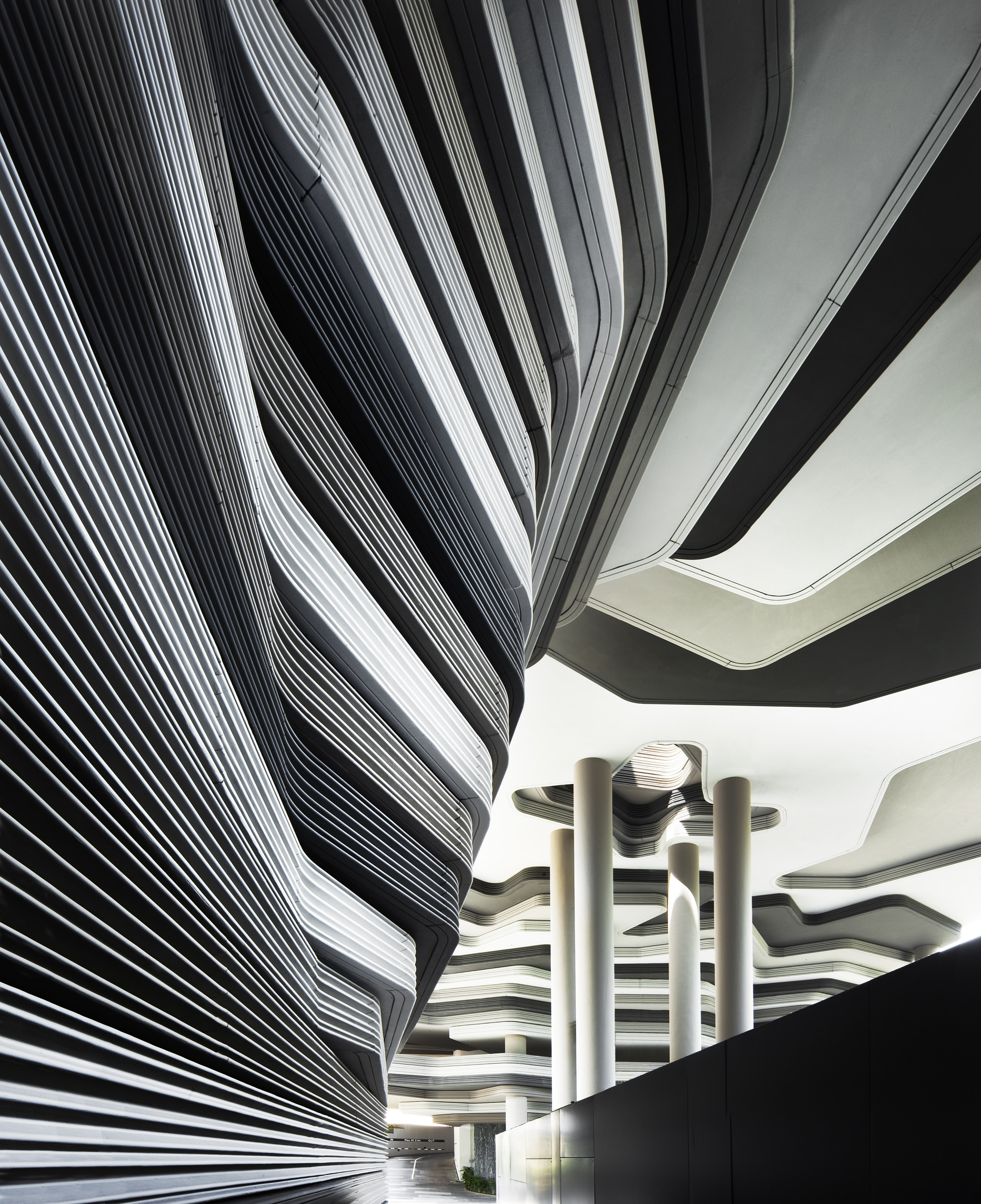
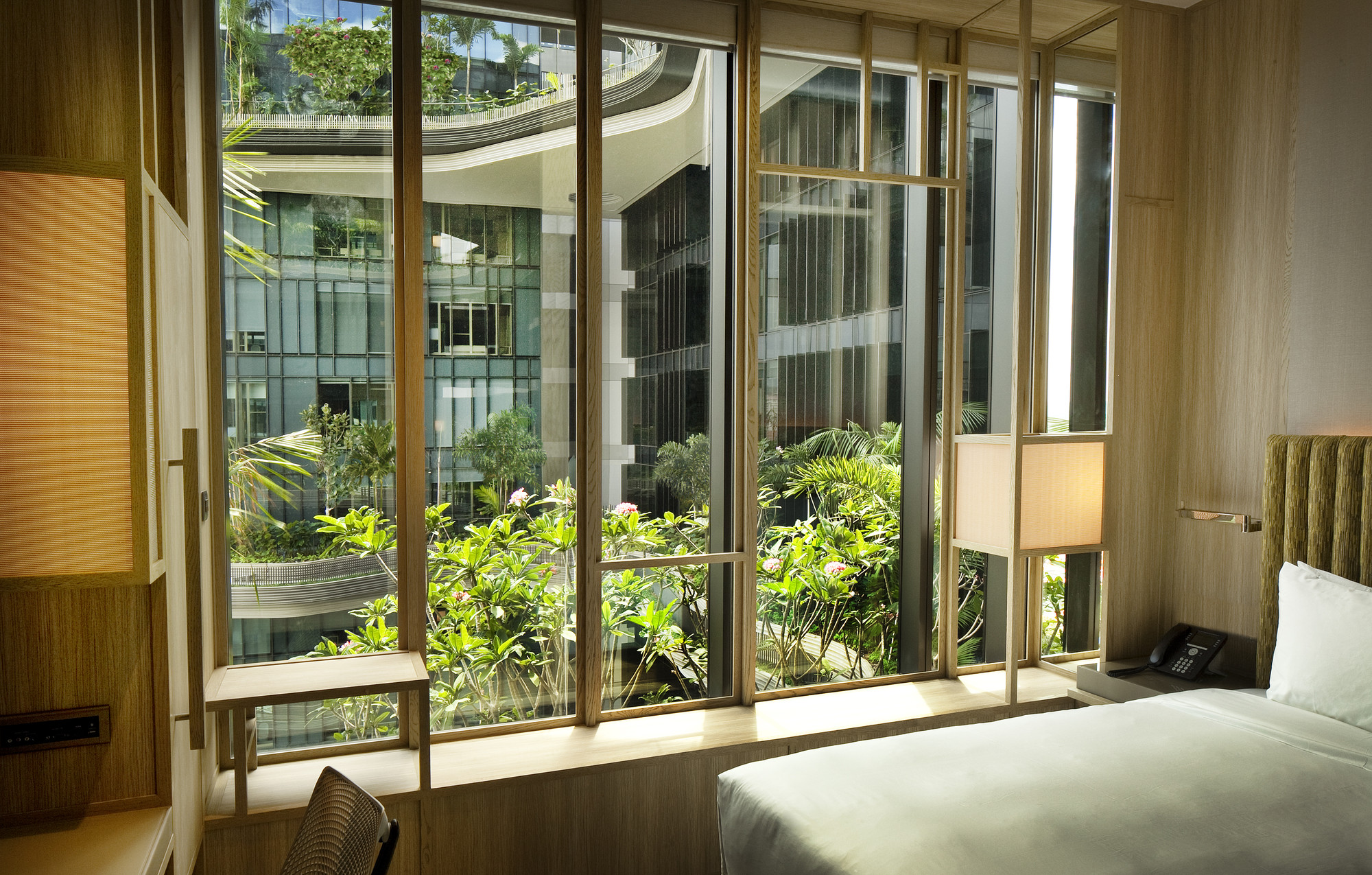
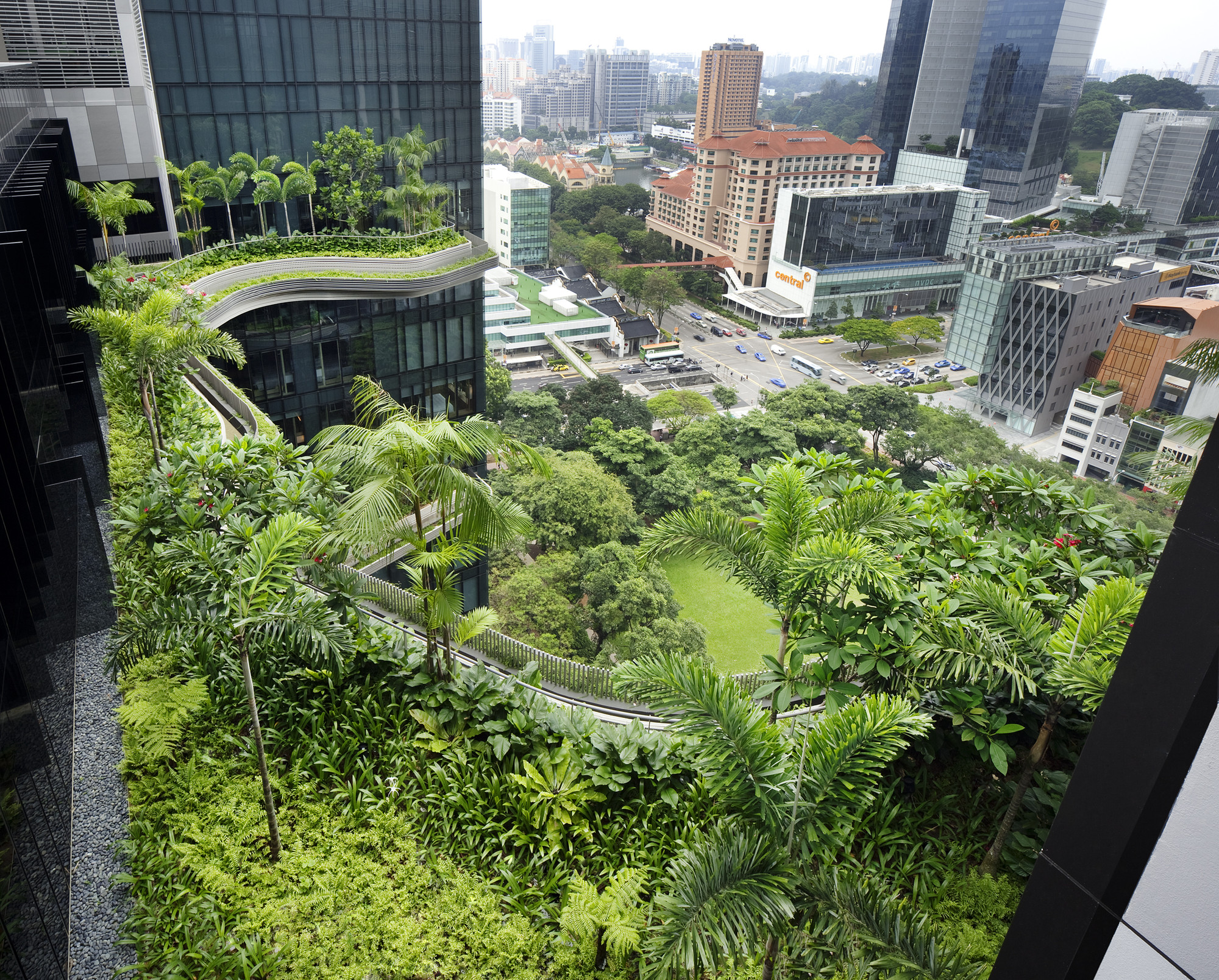
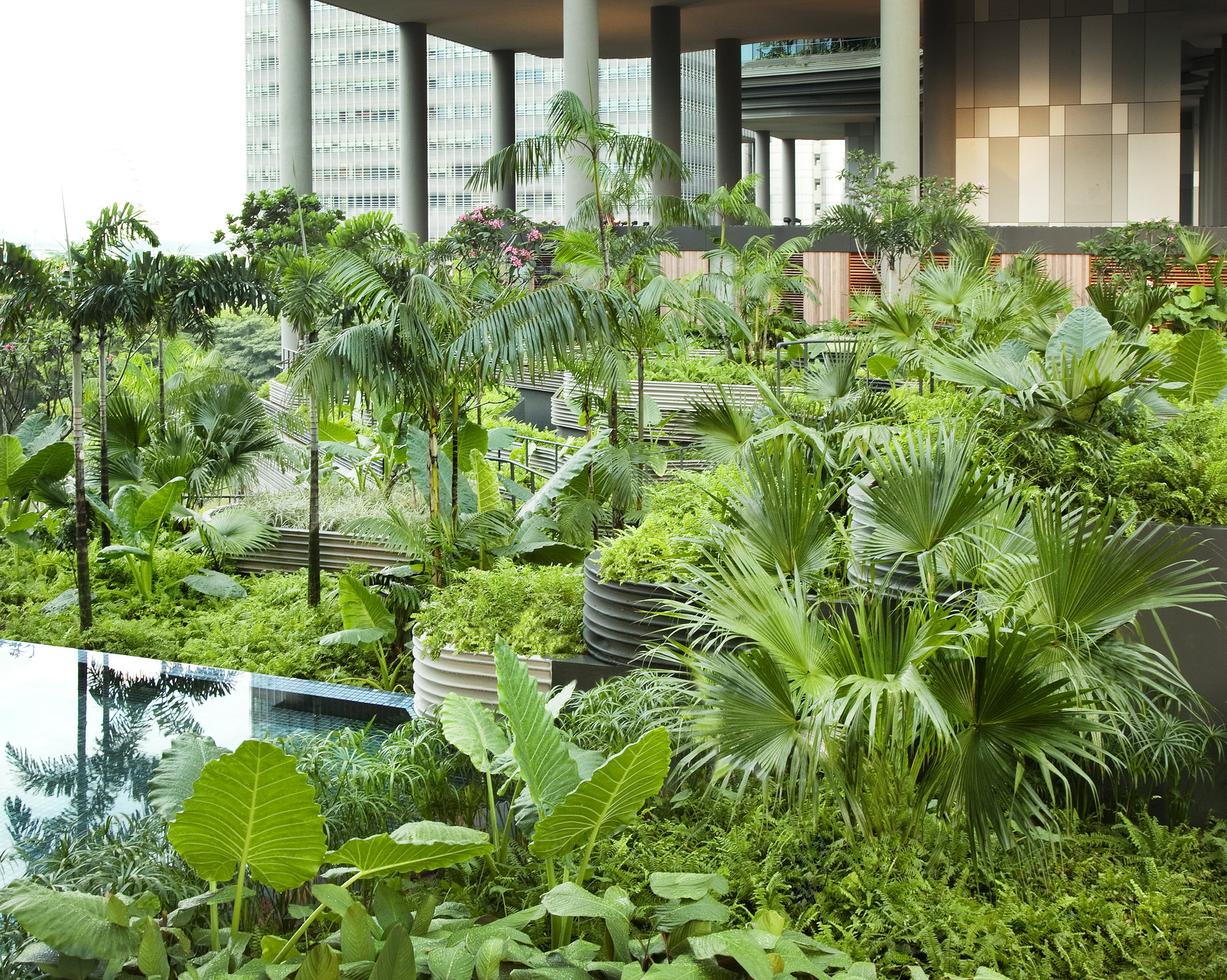
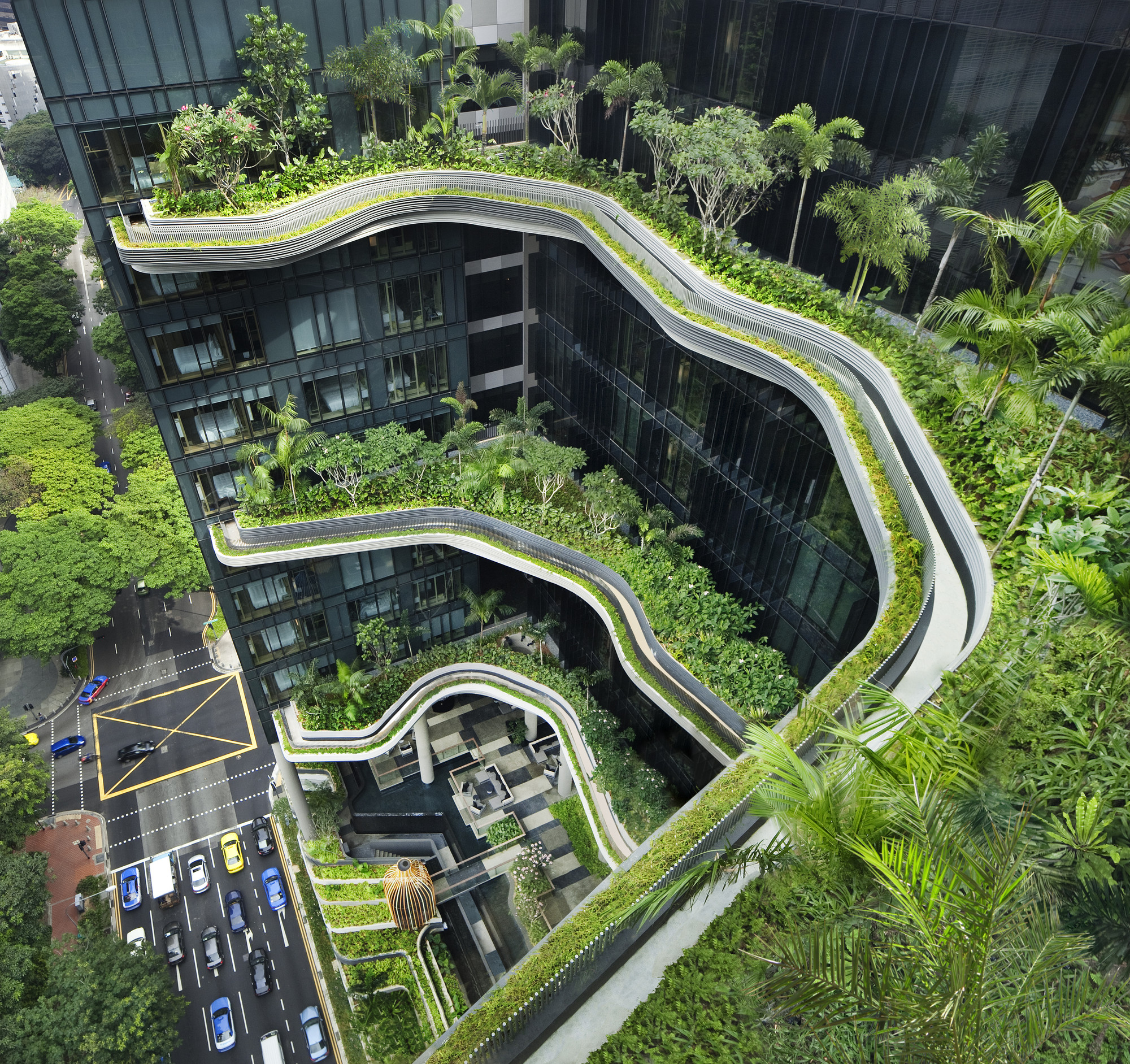
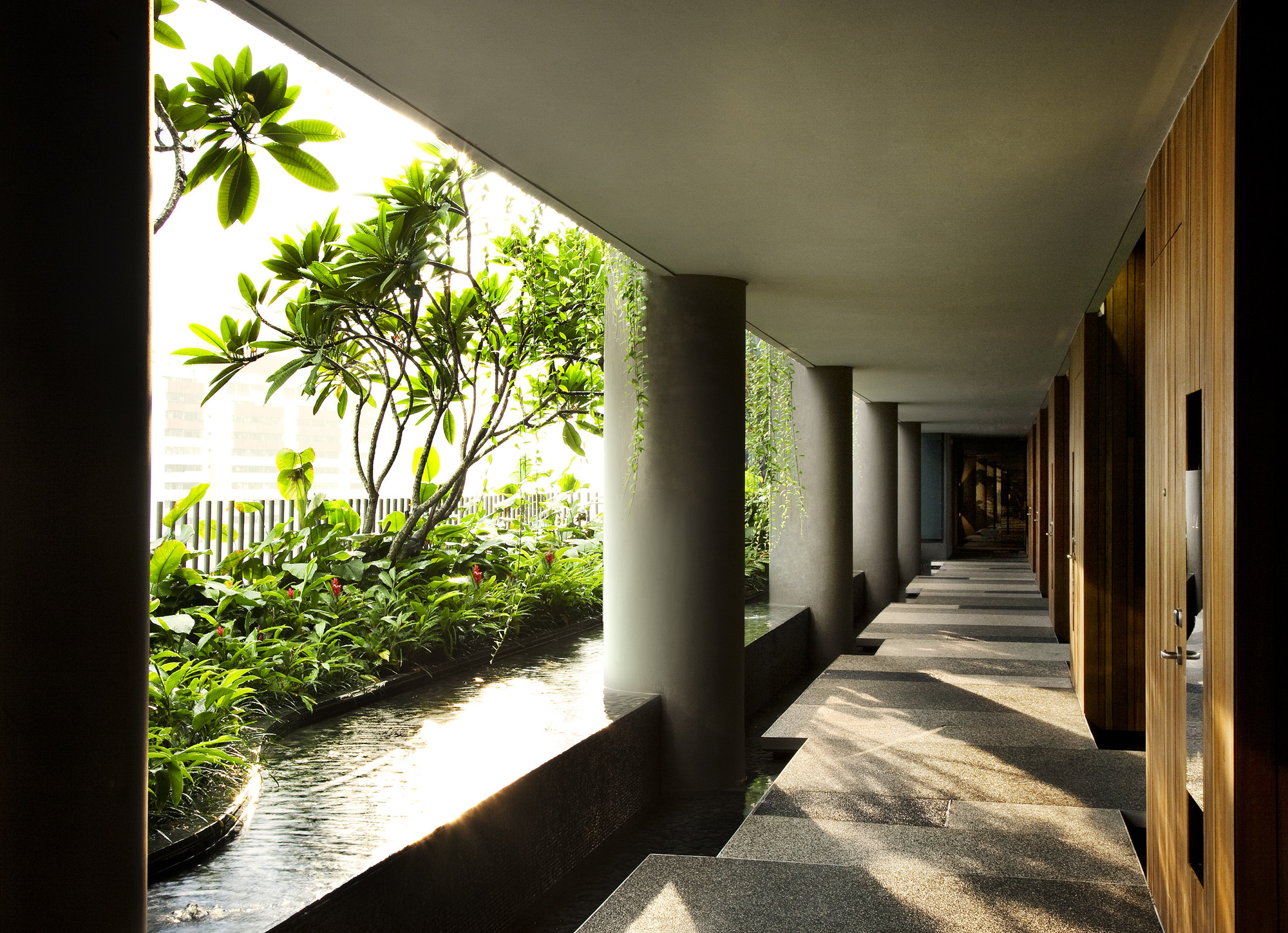
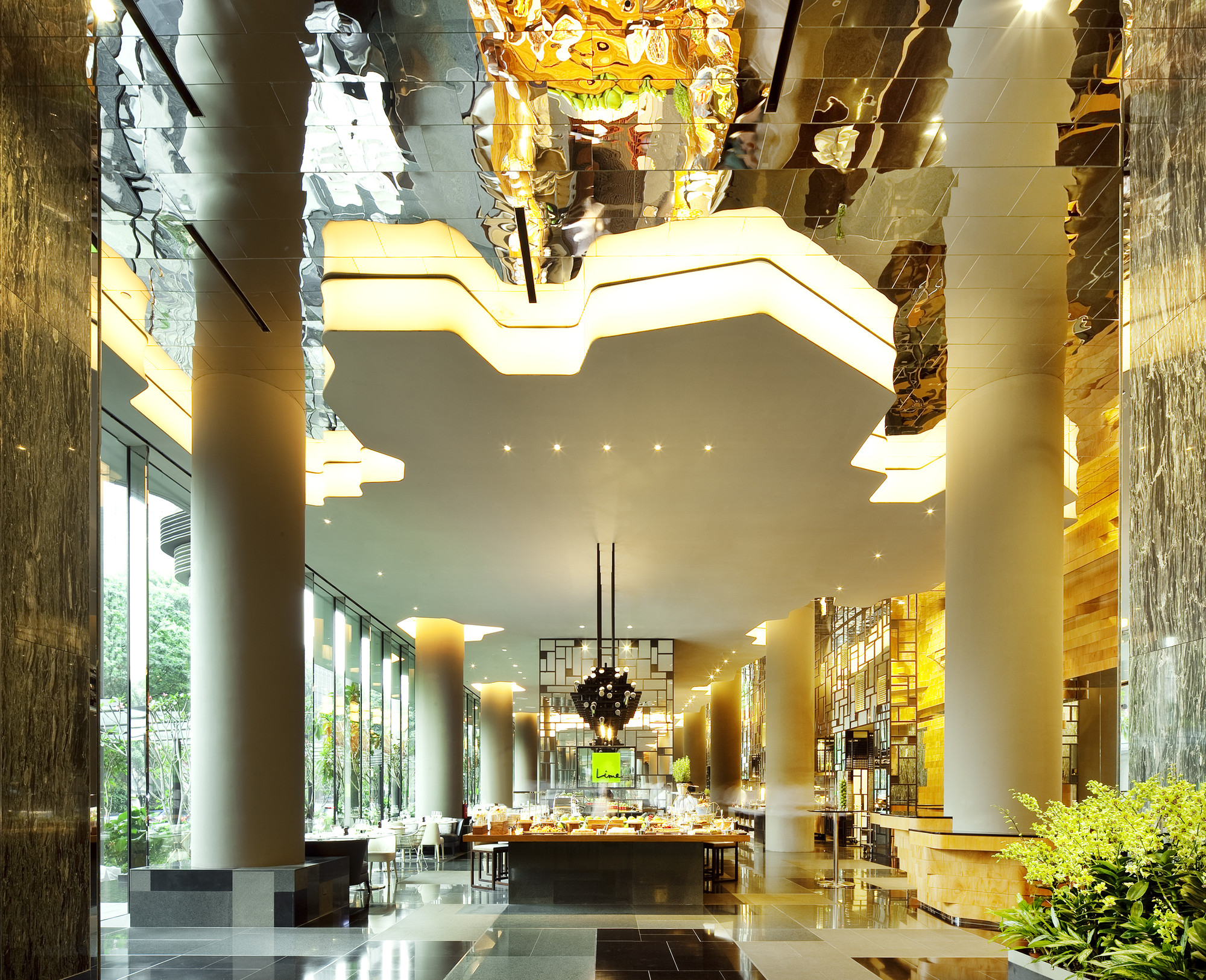
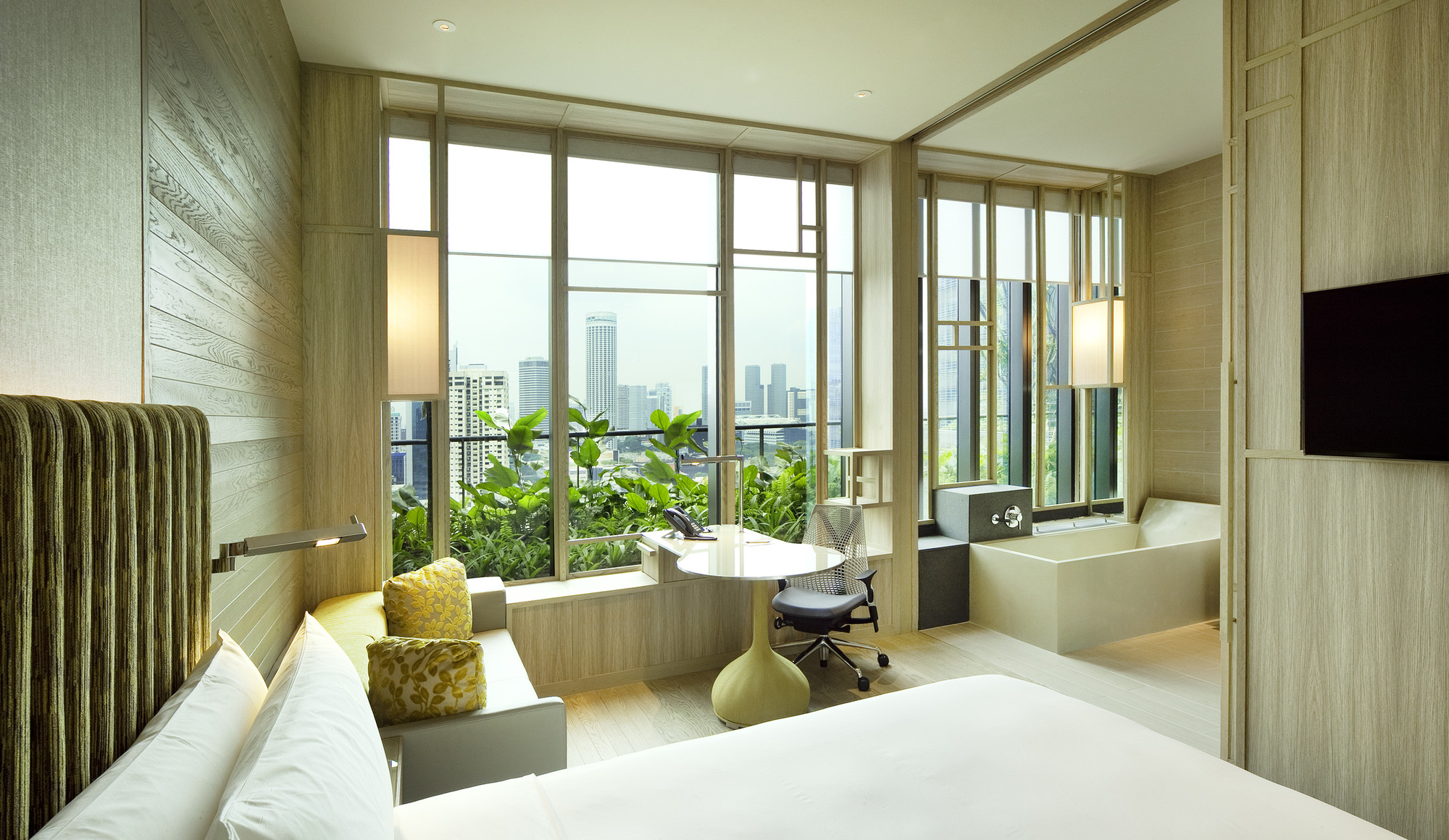
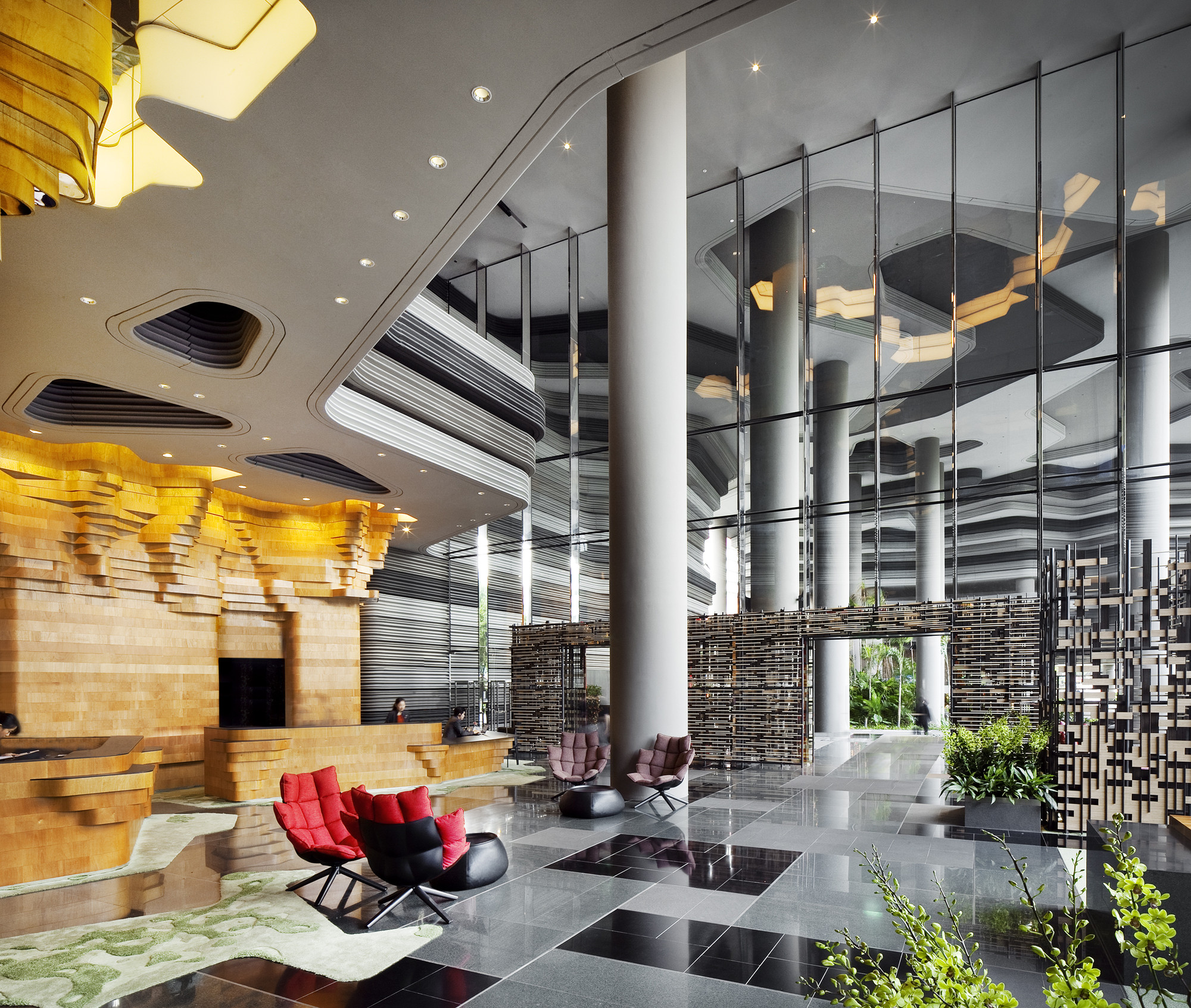
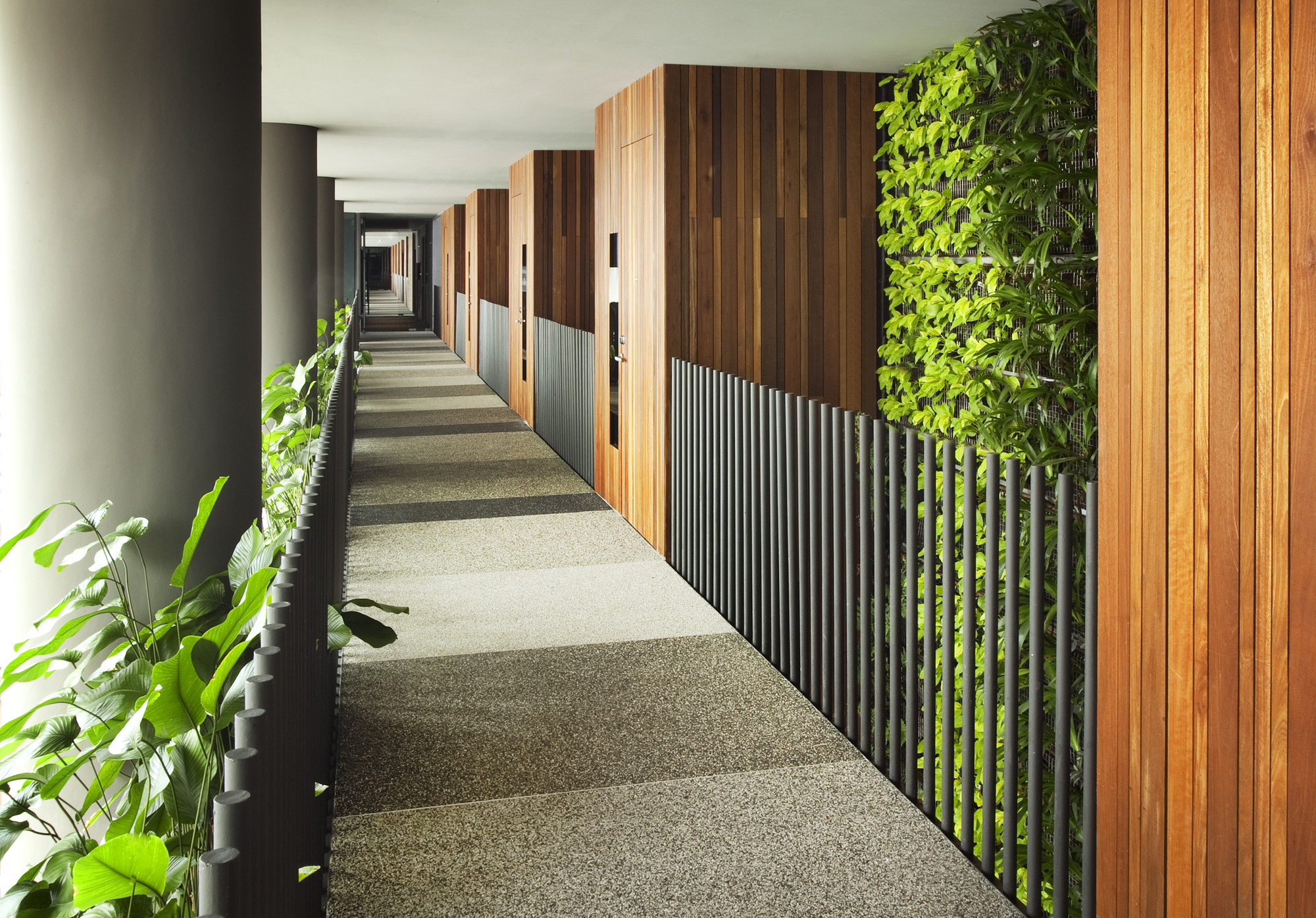
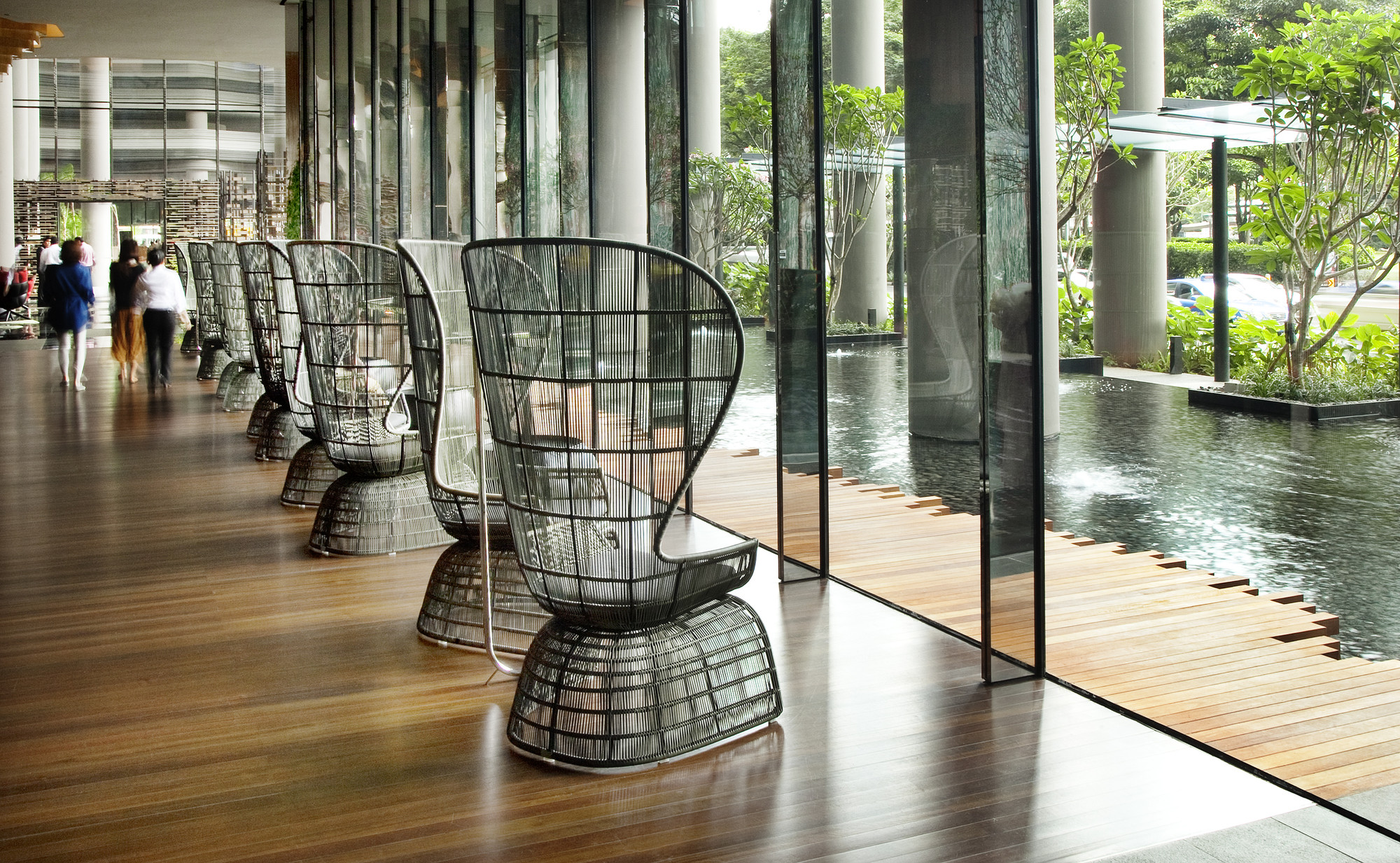
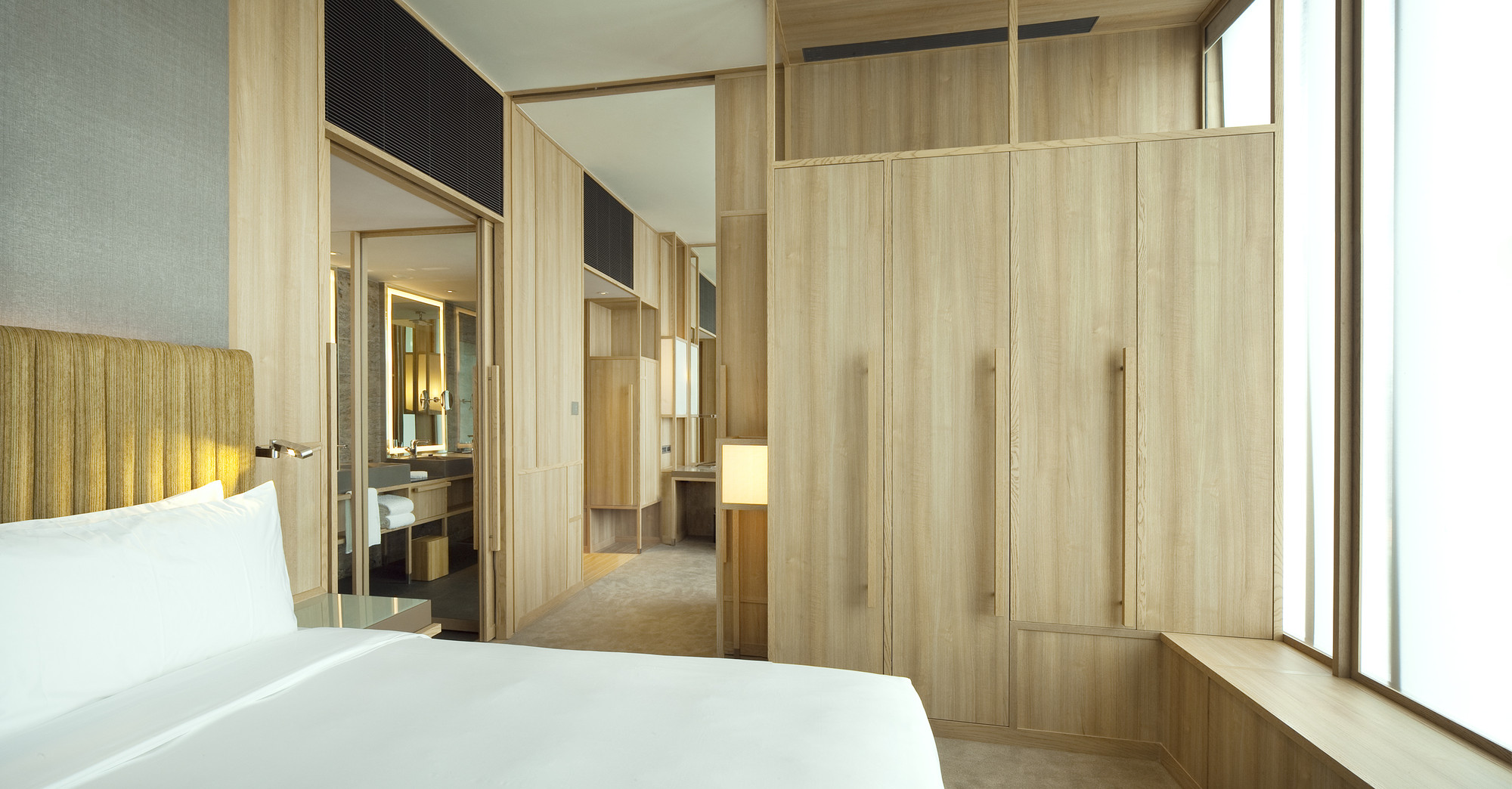
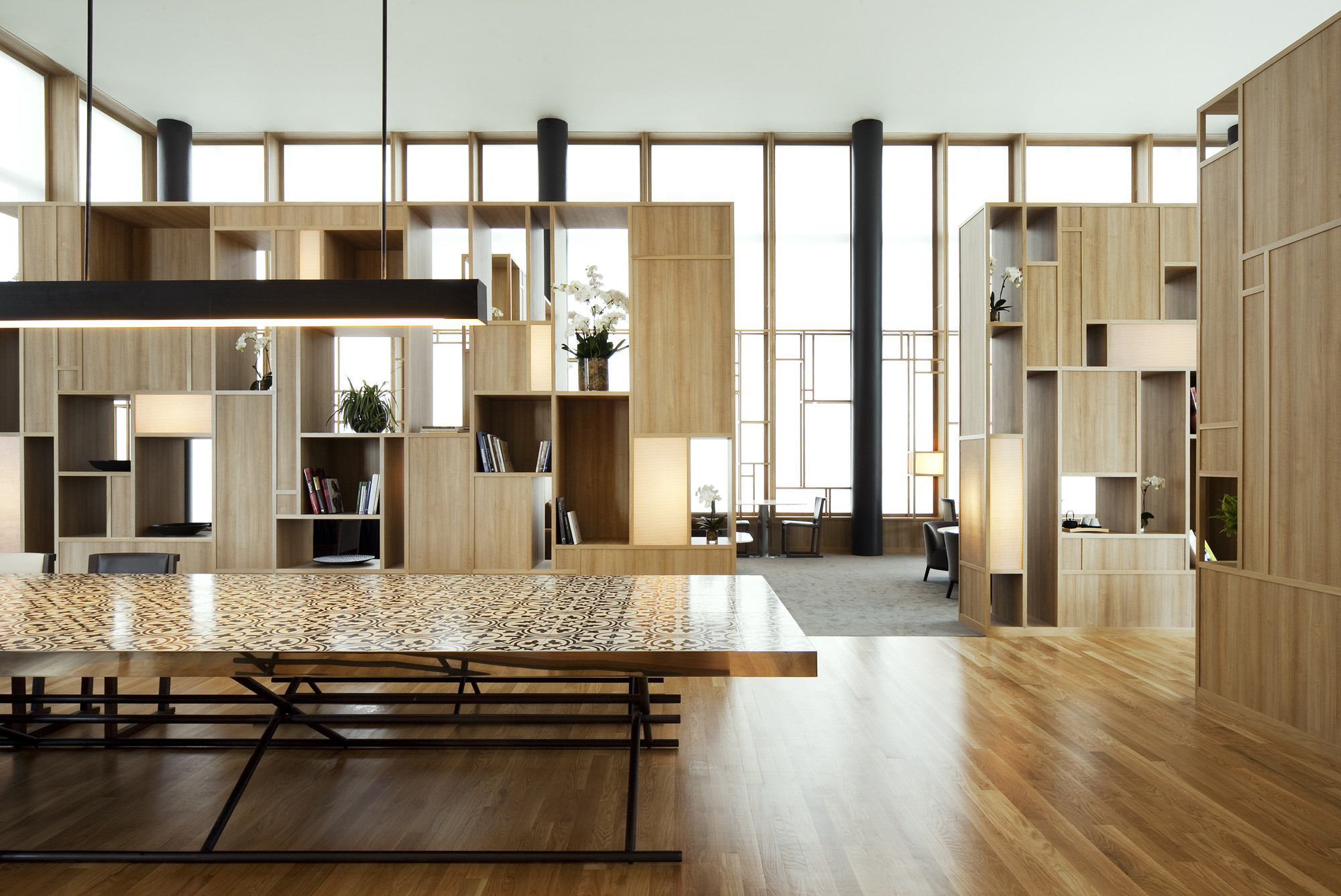
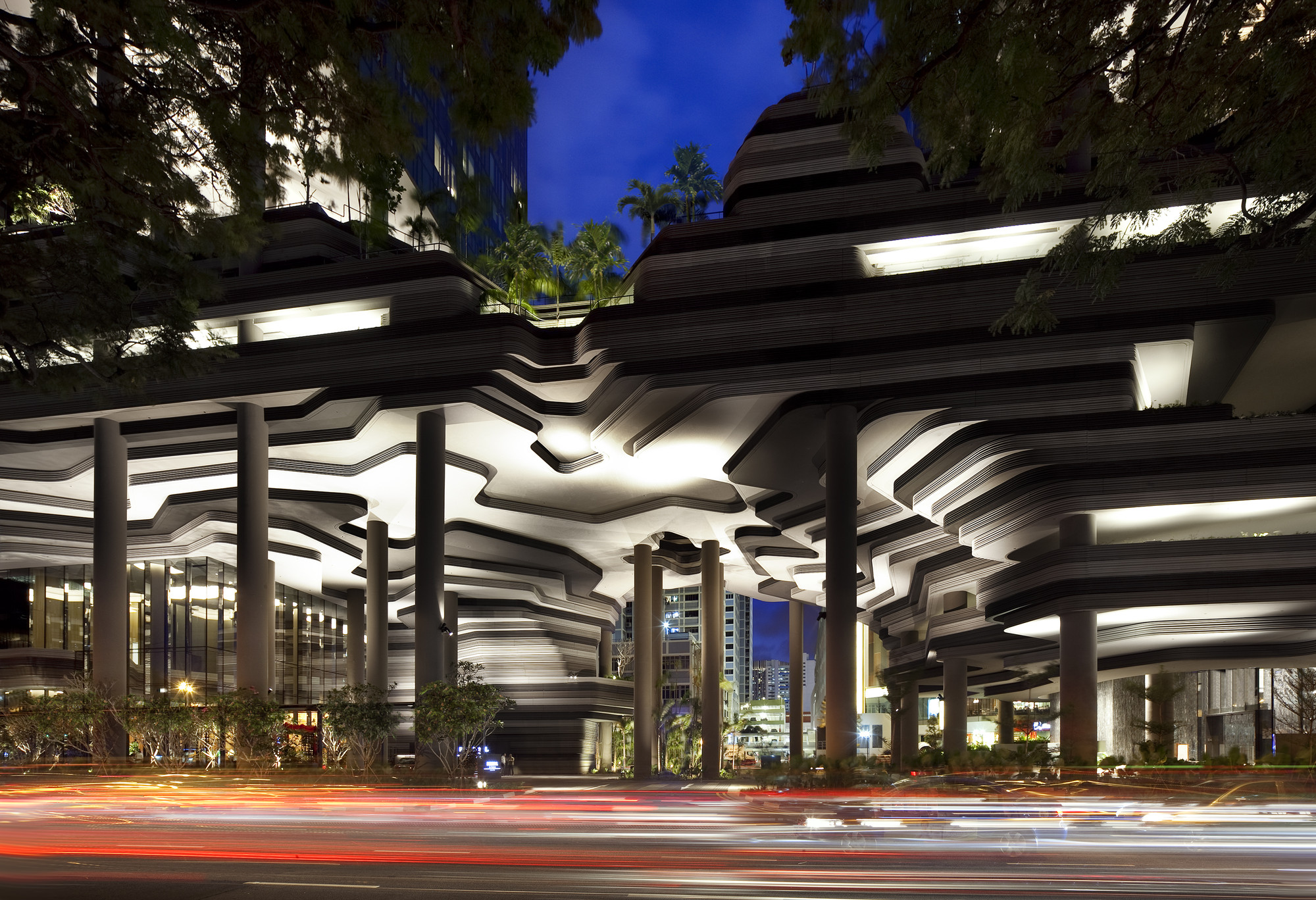
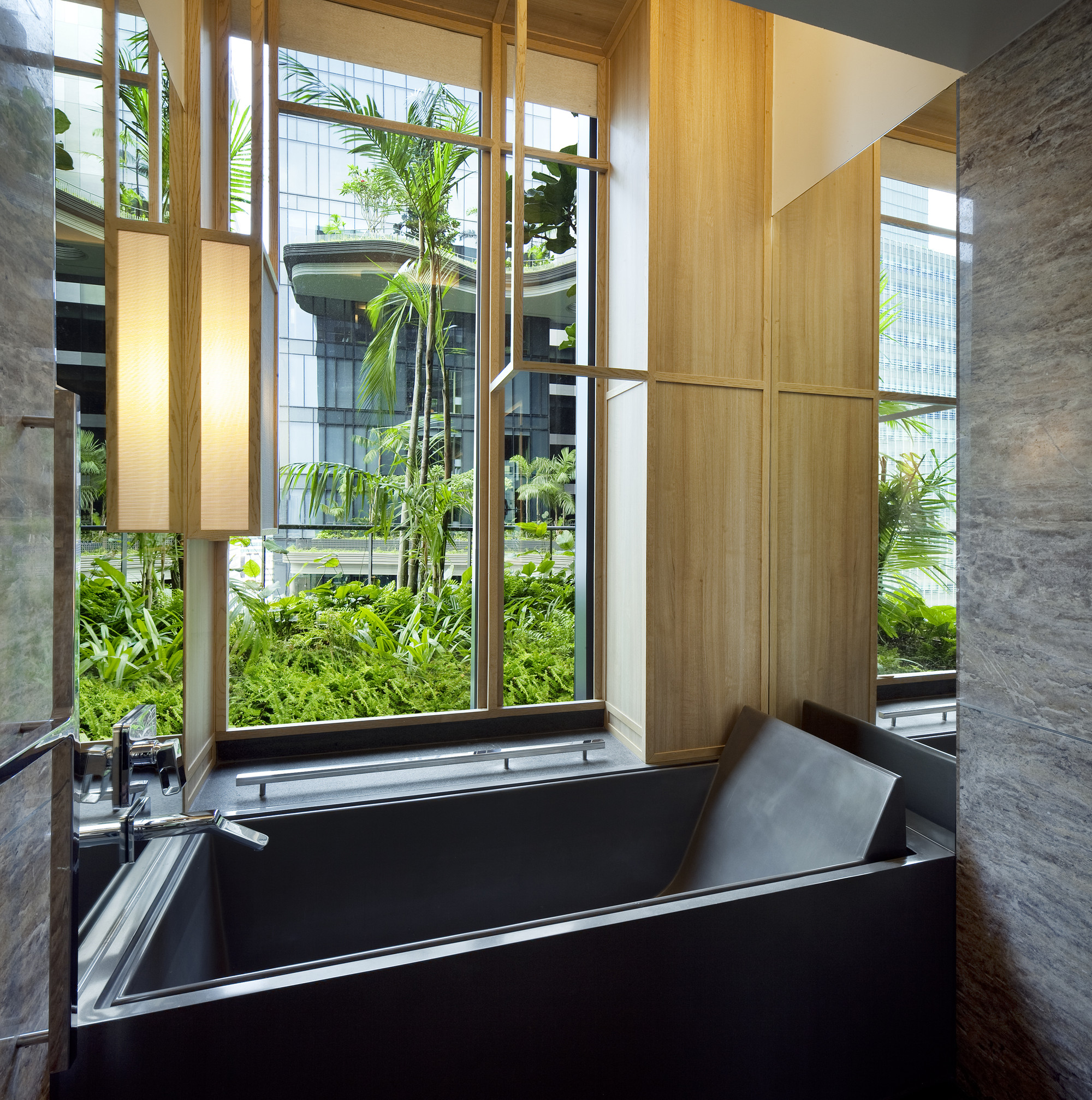
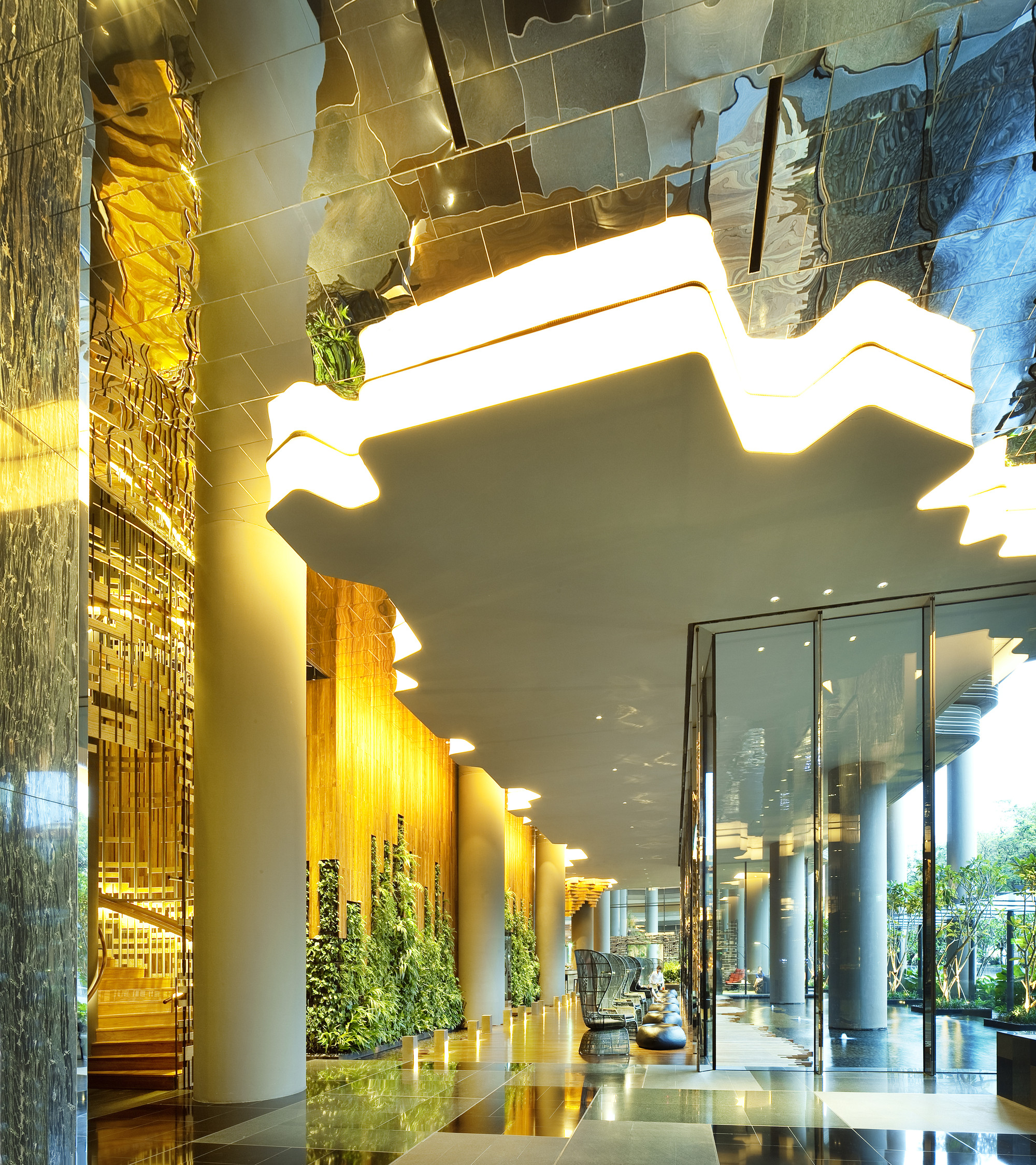
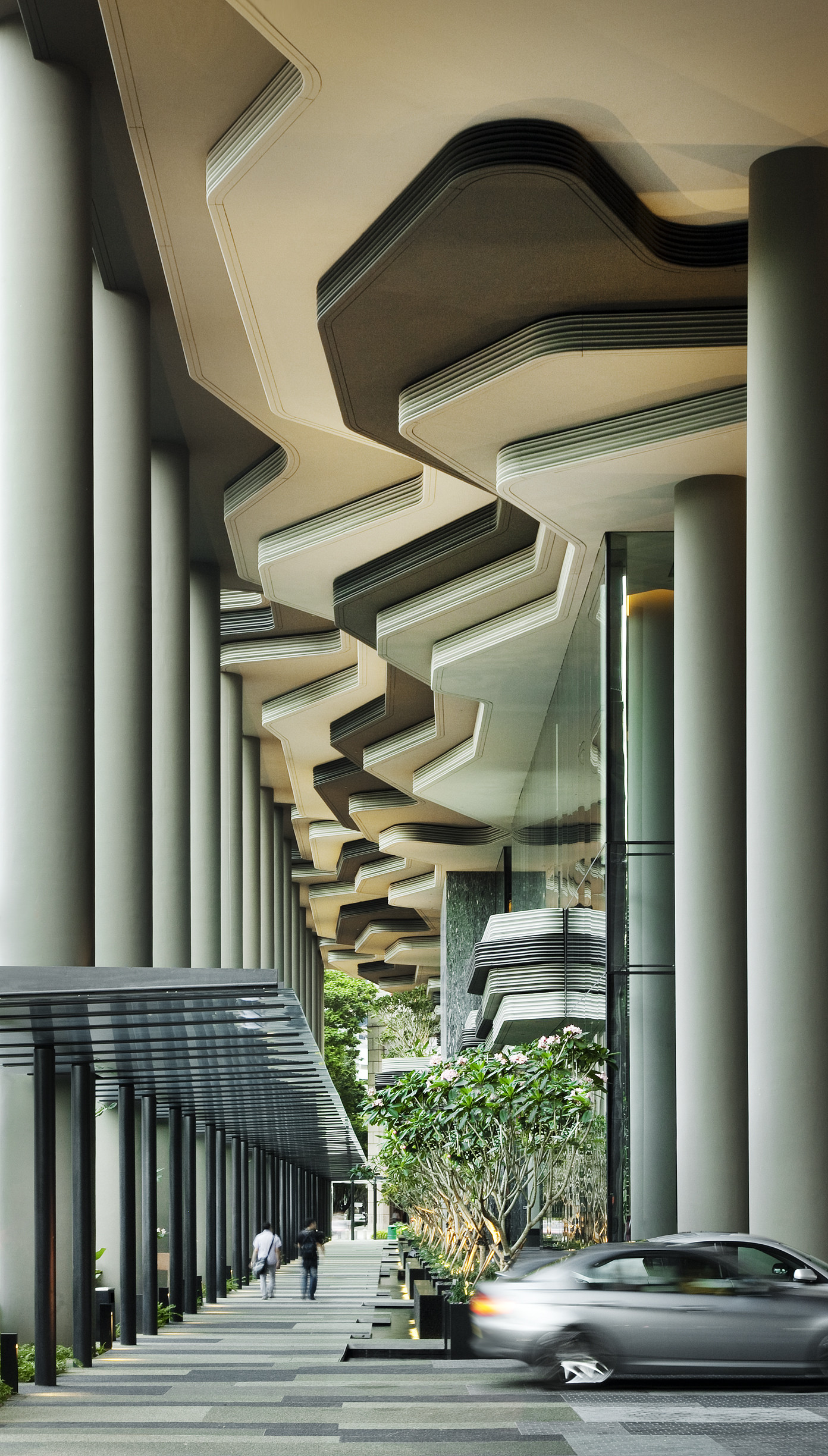
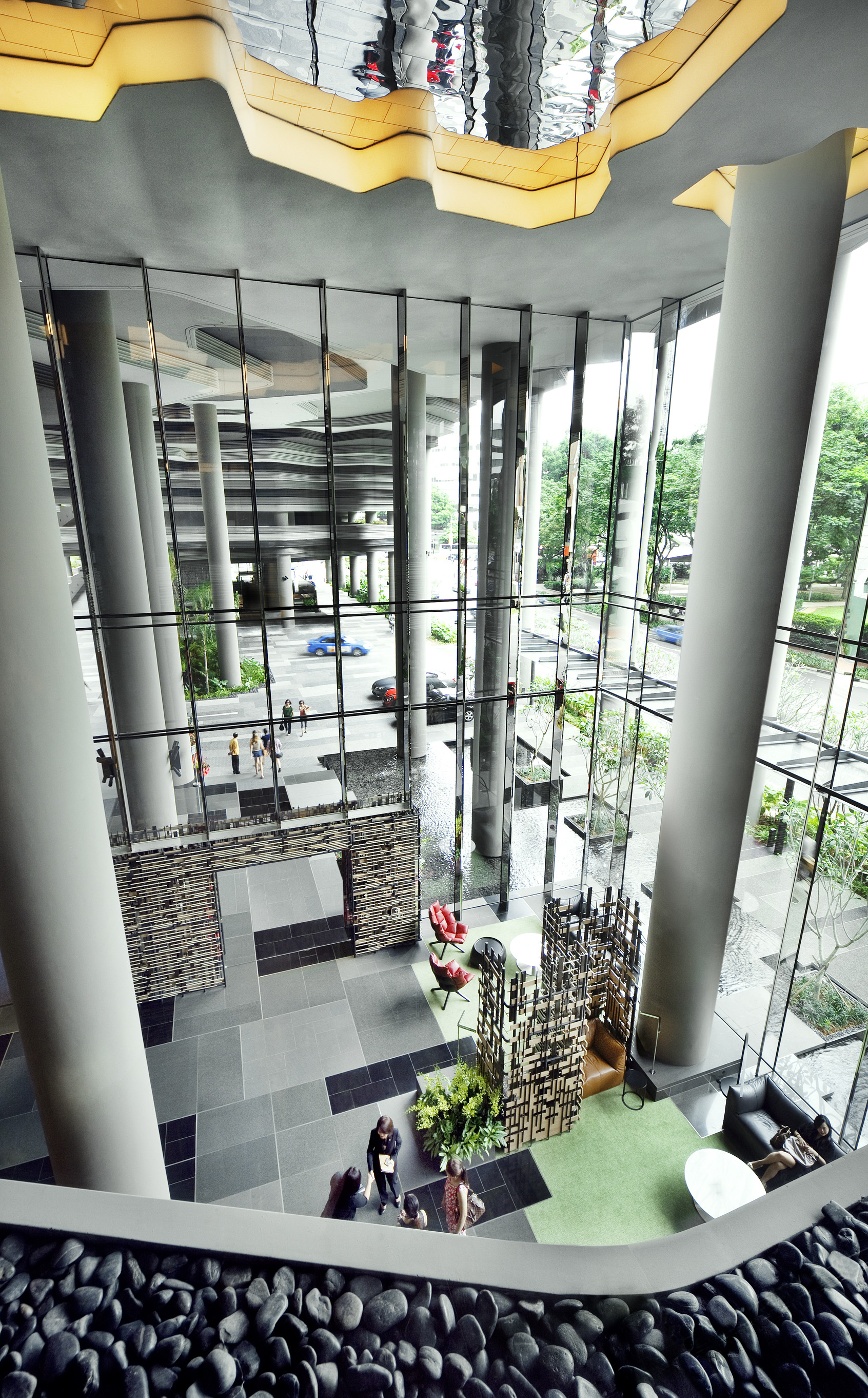
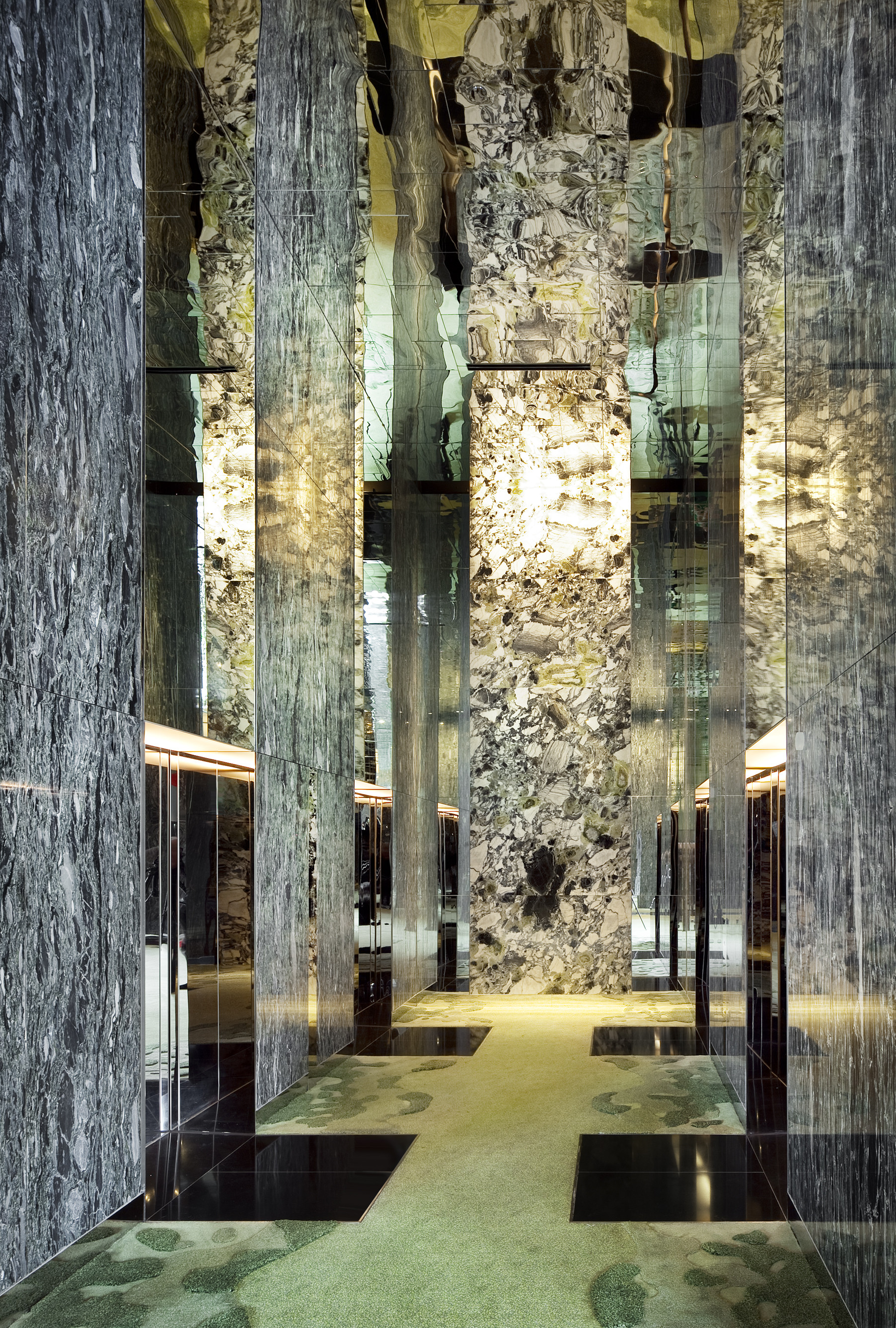
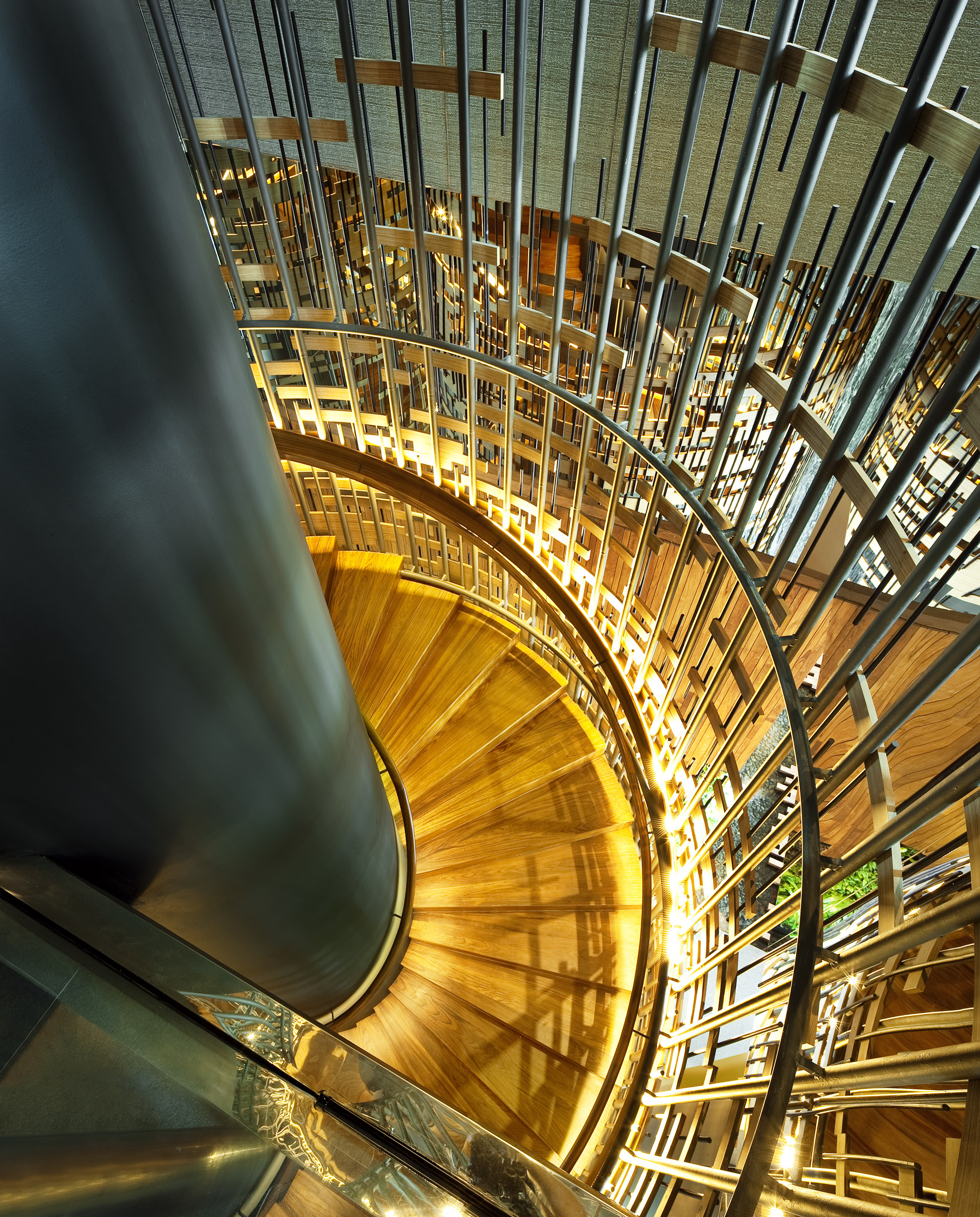
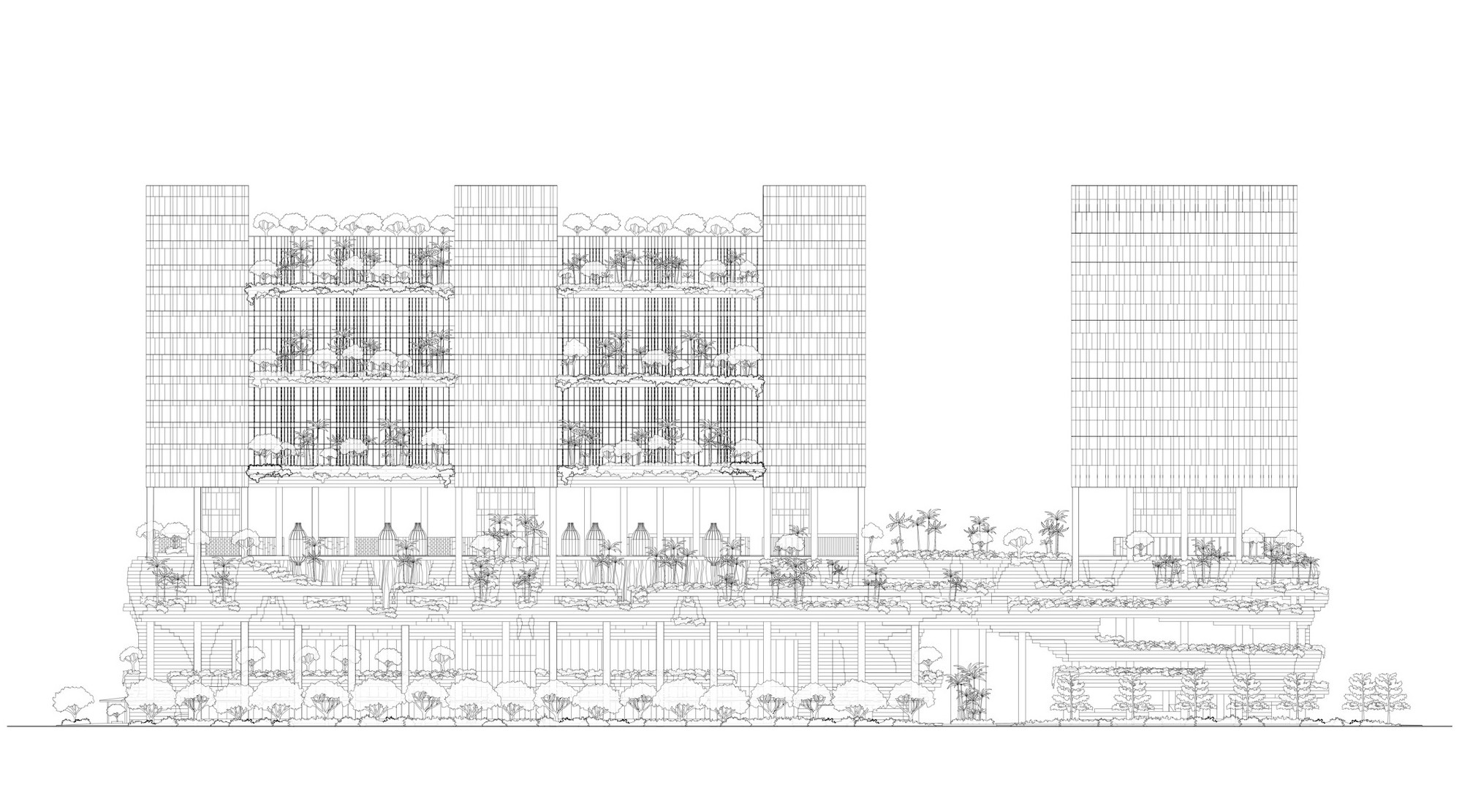
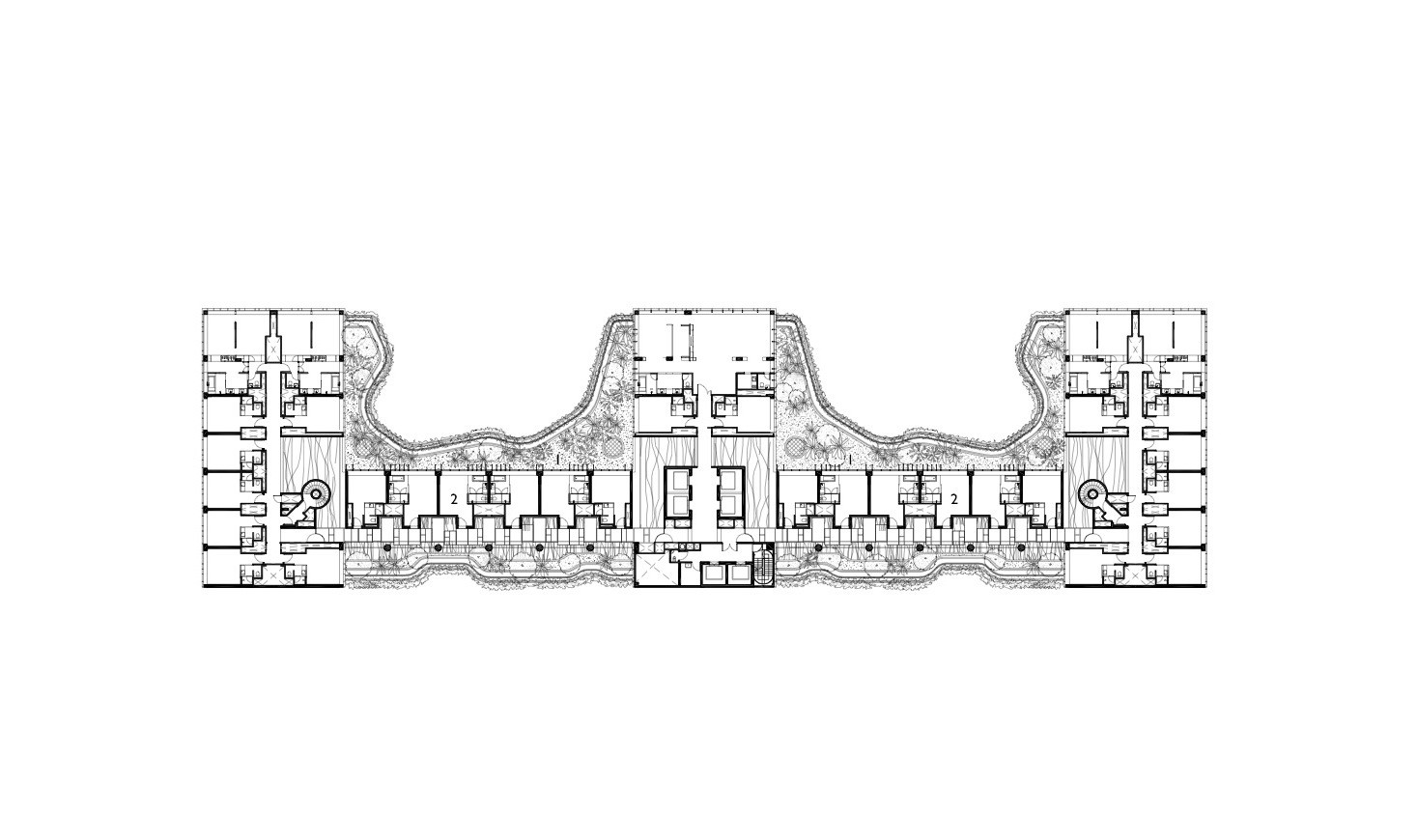
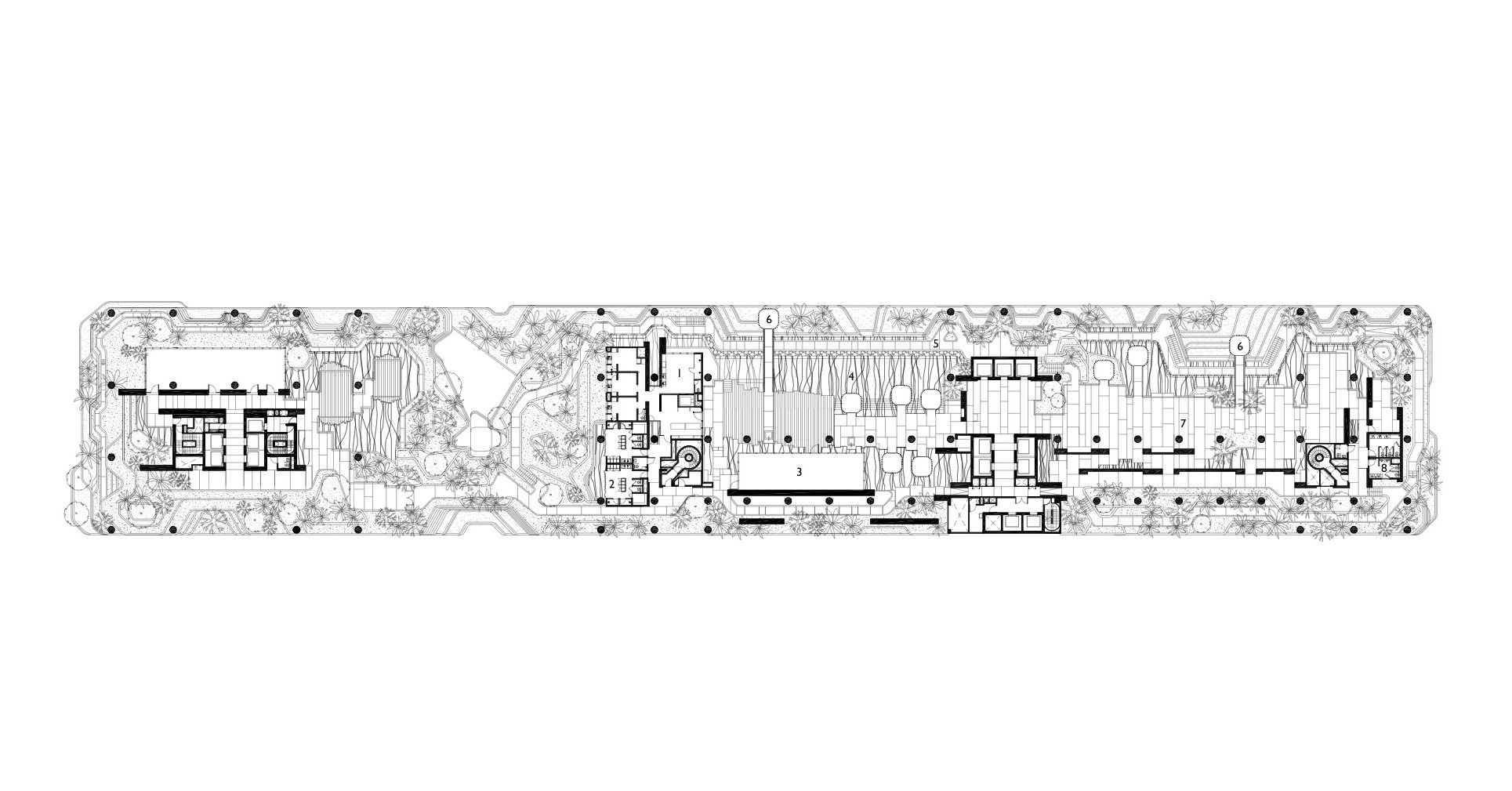
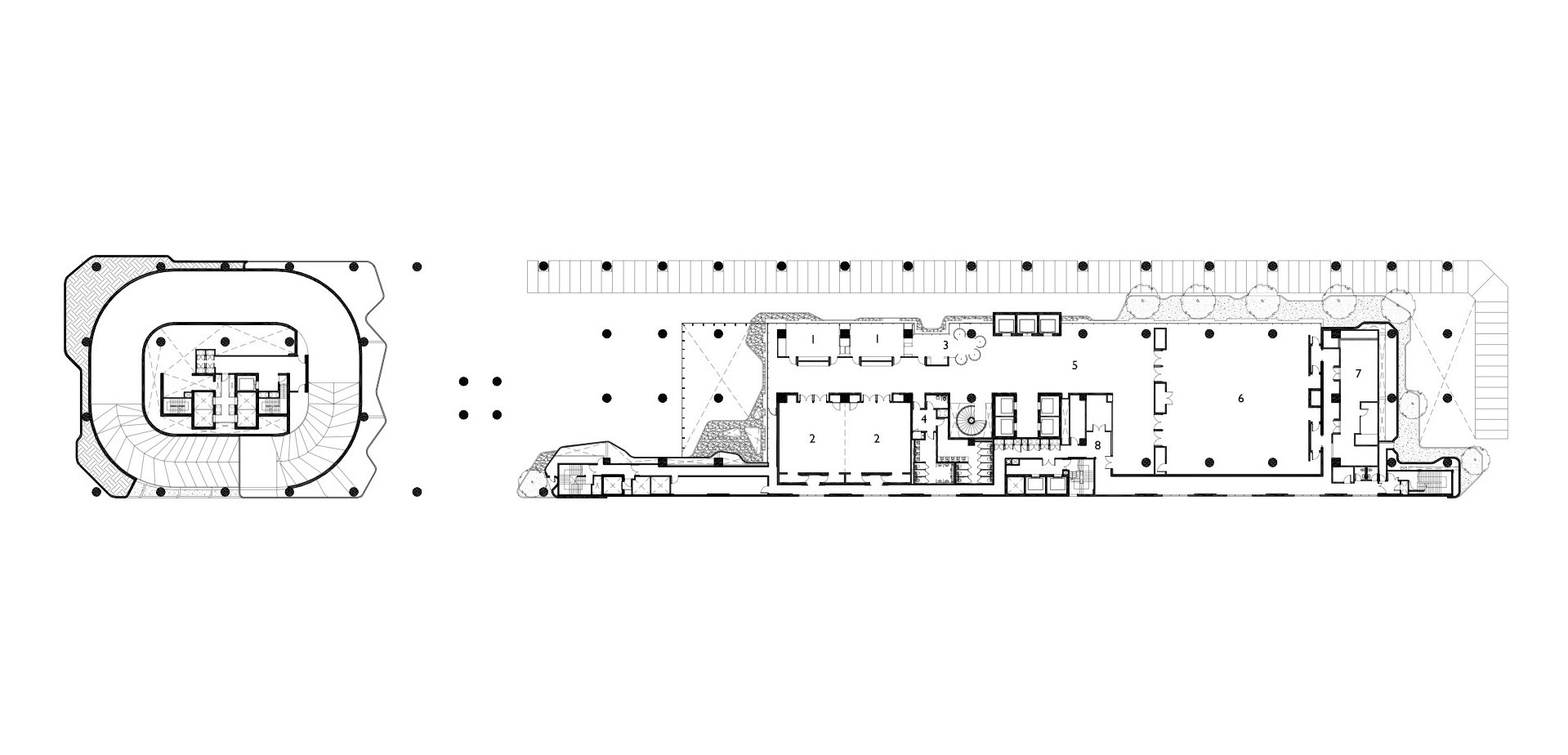
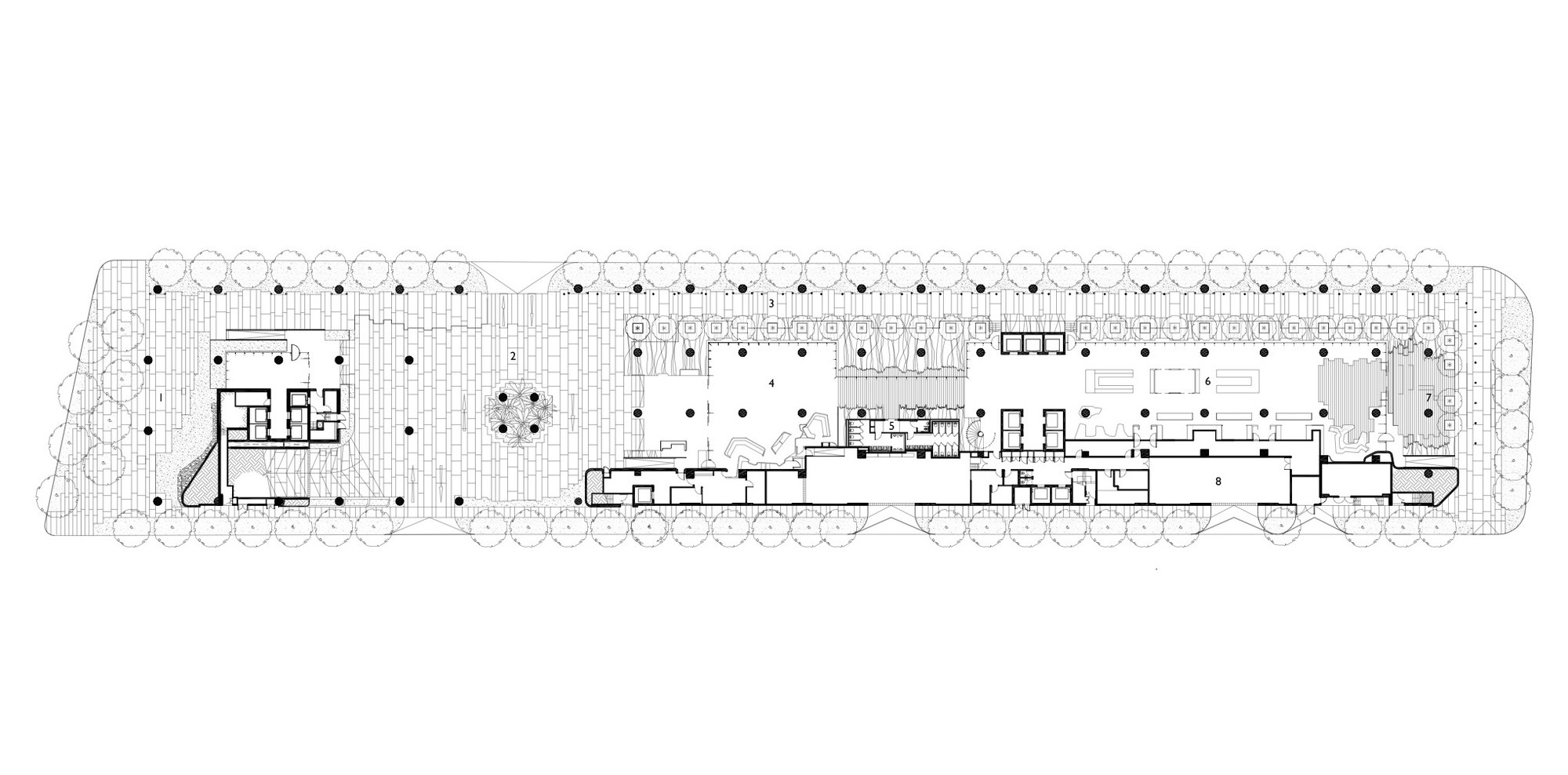
The PARKROYAL on Pickering in Singapore, designed by WOHA Architects, is conceived as a garden hotel that effectively doubles the green planting area on its site. WOHA has long advocated the ultimate green city composed of vegetation rather than wilderness. Most recent Singaporean architecture, especially in the central area, is globally generic and could exist in any climate or culture. The anonymity of buildings stems from many factors: corporate and government risk avoidance, desire to promote globalized homogeneity rather than local character, and ubiquitous second-rate international architects. Yet the progressive, distinctive tropical city has been sold short. WOHA's design gives Singapore a unique urban landmark that expresses its place. The hotel occupies a narrow site on the western edge of the central business district, between Hong Lim Park and Chinatown HDB apartments, overlooking the historic shop-house district between the park and Singapore River. The development thus responds to several distinct contexts and provides public connections, while the building itself is highly visible from the north and throughout the district. Twelve tower blocks rise above an open five-story pool deck, arranged in an E-shape so that all guest rooms face north toward the park and/or sky gardens, while service and external circulation corridors occupy the south facade. The hotel is self-shading: adjacent sky gardens and three neighboring guest towers block sun from morning through afternoon, allowing fully glazed facades with low-reflection glass and no external shading devices. The podium is an impressive architectural theater: a massive decoration on the Singapore streetscape that achieves what no other building has attempted. WOHA calls this landscape architecture: layered, undulating precast concrete decks wrap around parking and public areas, like contour lines woven upward through a modular column grid. Waterfalls flow from pool and garden terraces on the podium roof above striped eroded-rock formations, with trees and vines thriving in the crevices. The geological metaphor, fundamental to green architecture, is used by WOHA in many public buildings, but here the geometry and suggestion are more subtle and complex. Winding concrete seams run through the podium's length and width without interruption, and there is no boundary between interior and exterior. The building is organic overall, yet the fluid geometry deliberately creates a sense of height. The rising views and indoor-outdoor ground-floor spaces are not spiritually arranged; the geometry is topographic rather than cosmic, with none of the upward glance toward heaven found in mosques, temples, or churches. Given that business hotels play a role in contemporary culture comparable to 17th-century European cathedrals, describing WOHA's exuberant forms as Baroque is not reckless: it is Borromini's touch in the 21st century. The carefully composed timber moldings above the reception area show WOHA's love of ornate interiors that revive Asian indigenous traditions in the modern city. Yet the decorative forms explicitly honor Moorish and Persian mosque traditions, the exotic patterns of Isfahan and the Alhambra. The porch's monumental scale serves an important perceptual function as the hotel drop-off and parking entrance, but it has a larger purpose: it acts as a connection and axis between two unique urban districts, Chinatown and apartment blocks, and between Hong Lim Park and the commercial area, establishing visual connection through monumental emptiness and effectively forming a gate between zones.
TEAM
Structural Engineer: TEP Consultants Pte Ltd; MEP Engineer: BECA Carter Hollings & Ferner (S. E. Asia) Pte Ltd; Landscape Design: Tierra Design (S) Pte Ltd; Client: UOL Group Limited; Design Team: Wong Mun Summ, Richard Hassell, Donovan Soon, Sim Choon Heok, Toh Hua Jack, Bernard Lee, Amber Dar Wagh, Mappaudang Ridwan Saleh, Evelyn Ng, John Paul Gonzalez, Josephine Isip, Goh Kai Shien, Luu Dieu Khanh, Tan Szue Hann, Alen Low, Pham Sing Yeong, Vanessa Ong, Novita Johana, Andre Kumar Alexander





 Editor's Pick
 Latest Design