Text description provided by the architects
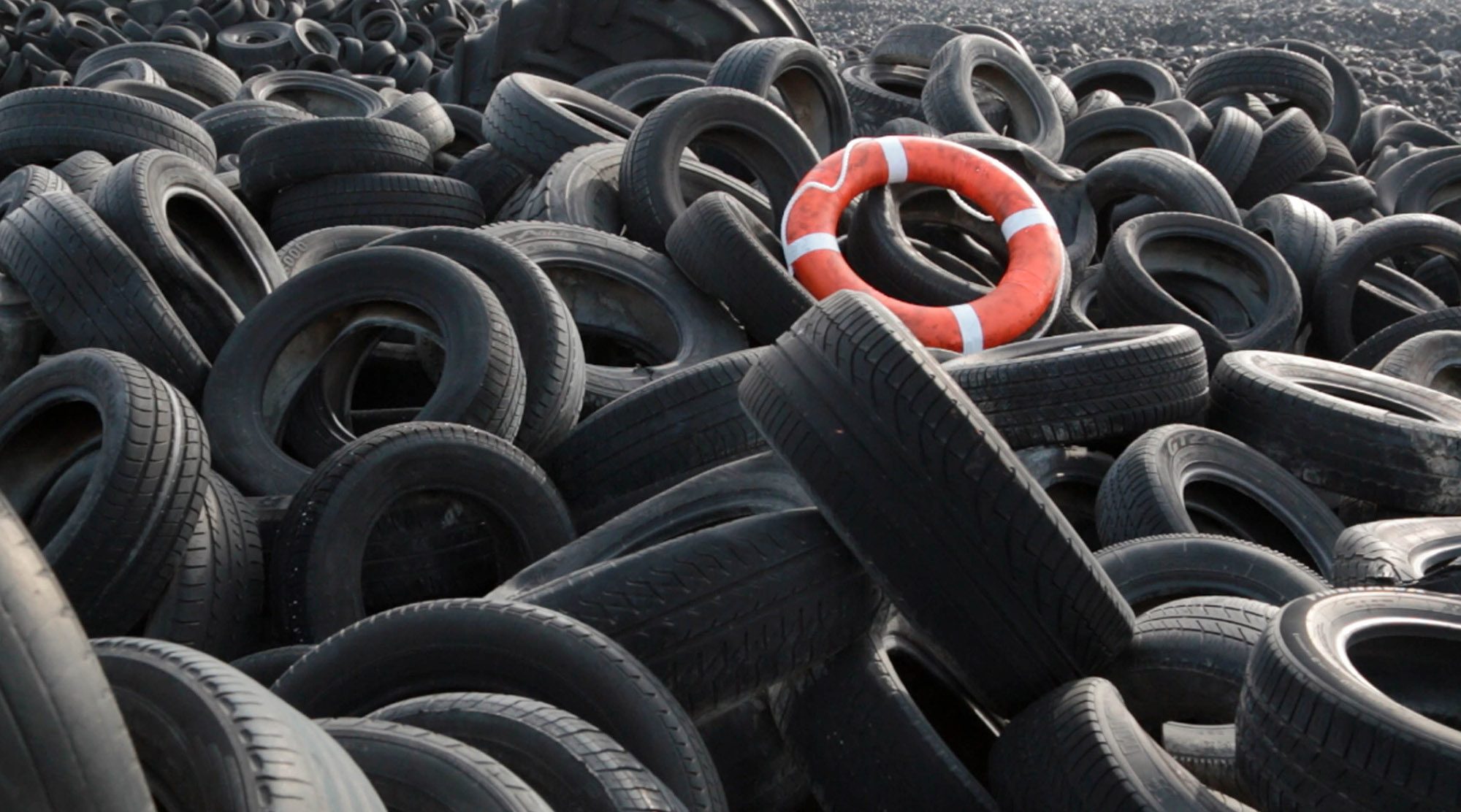
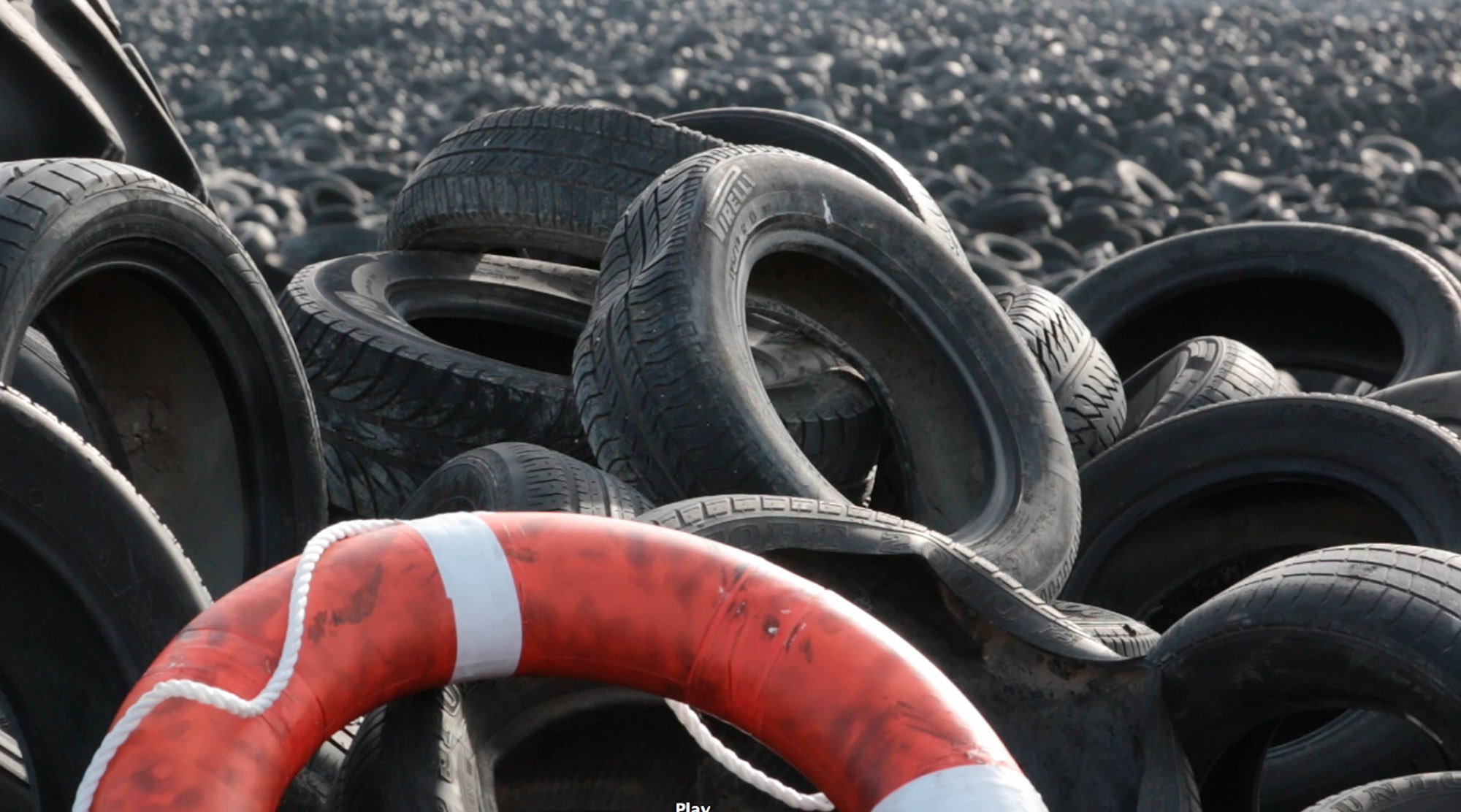
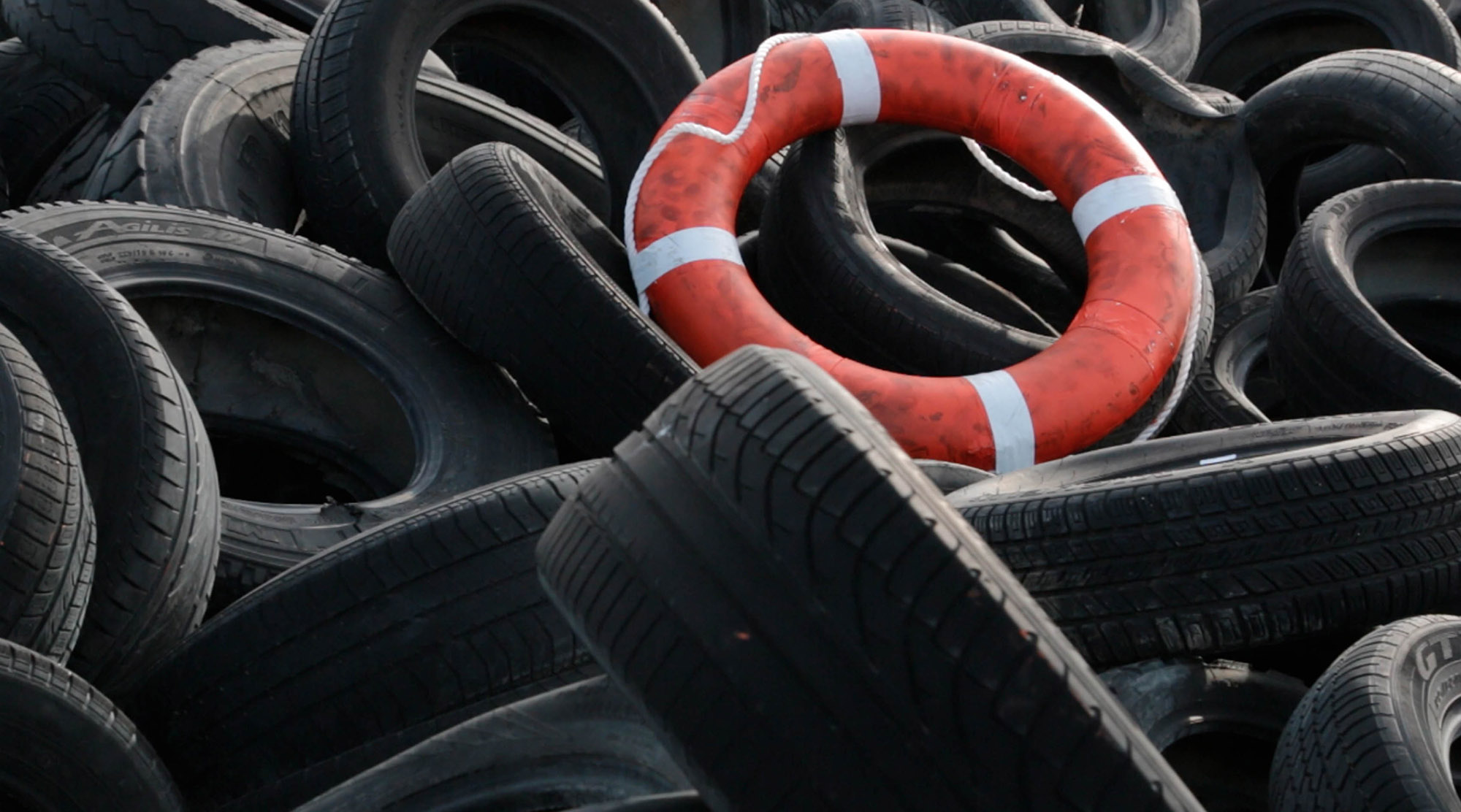
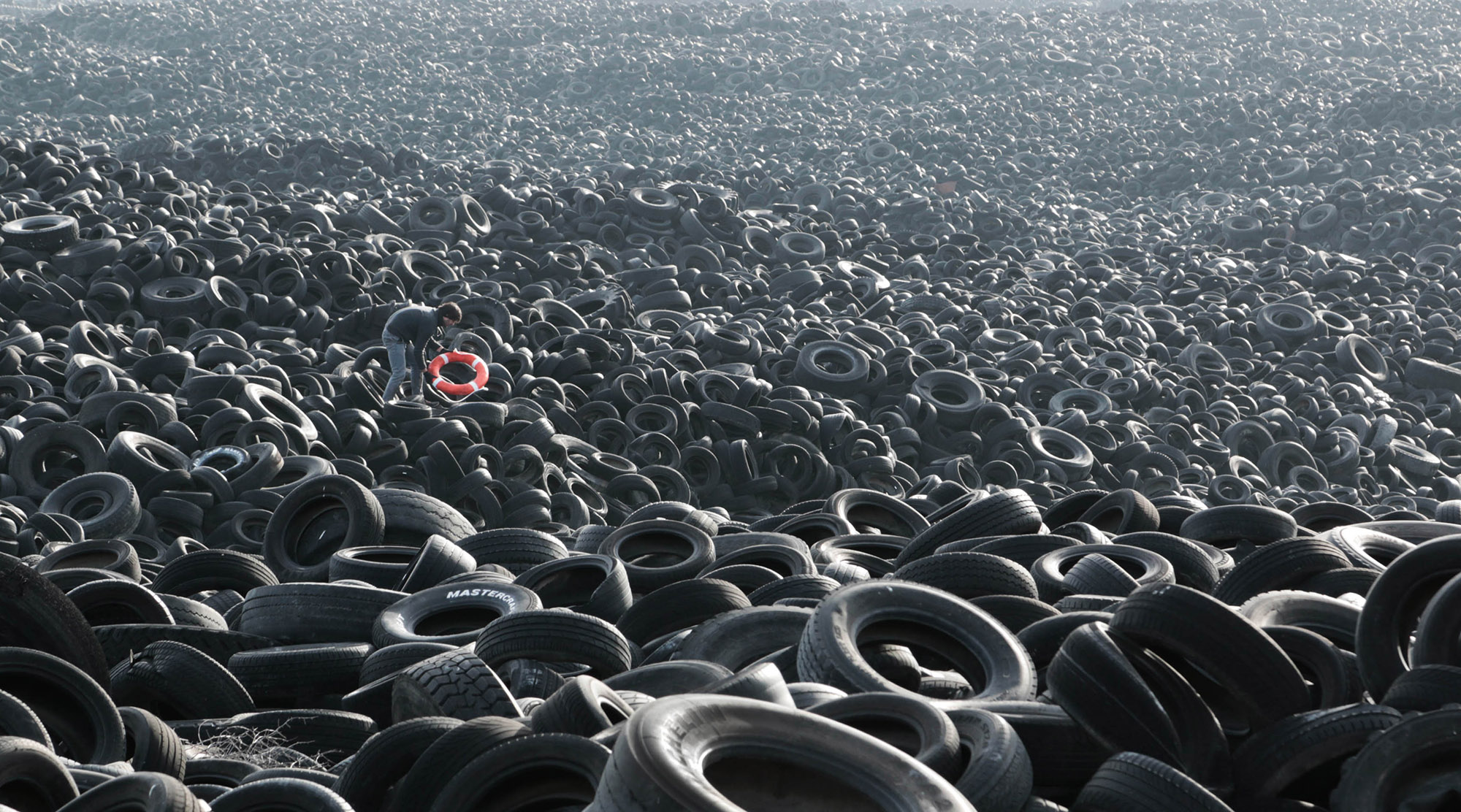
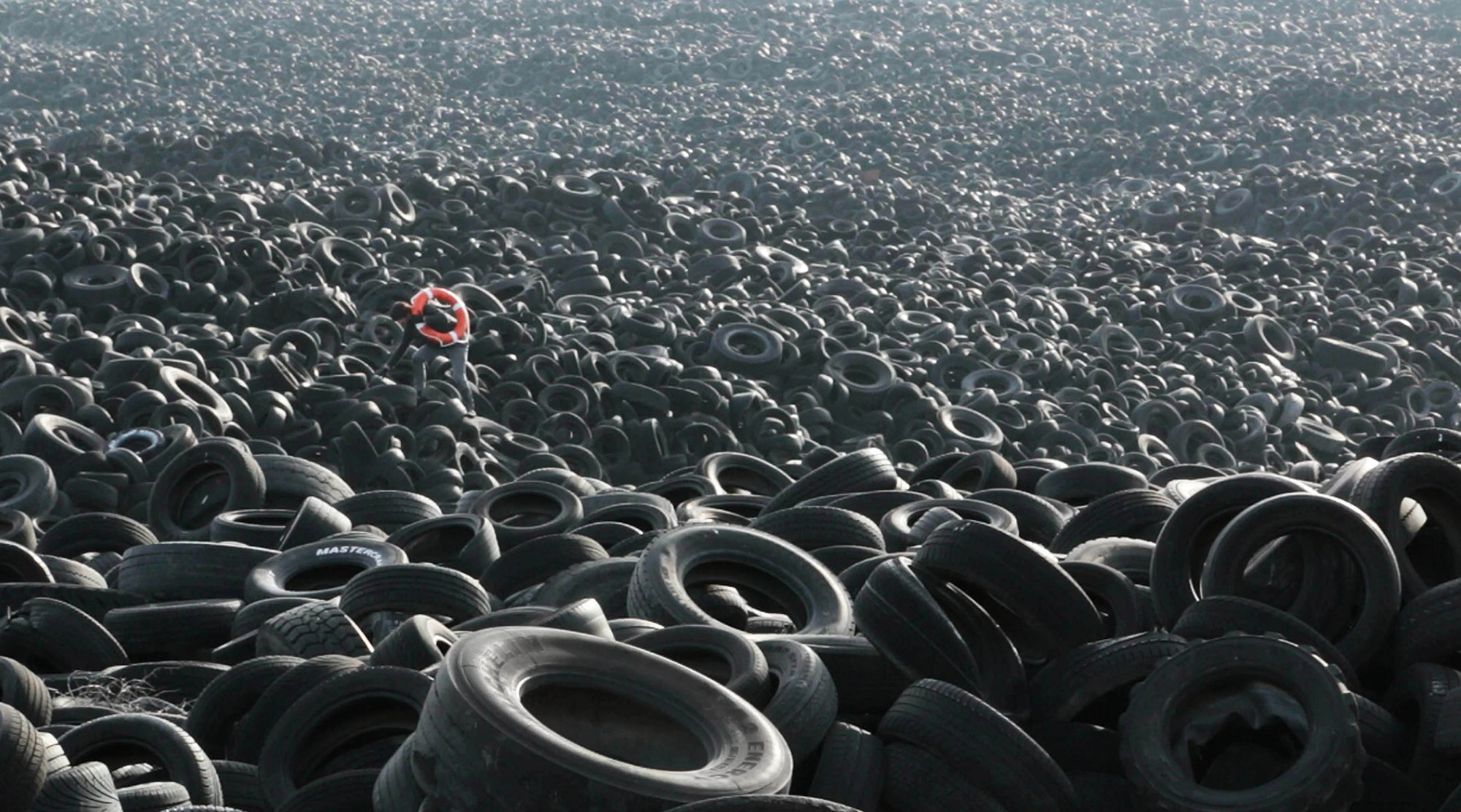
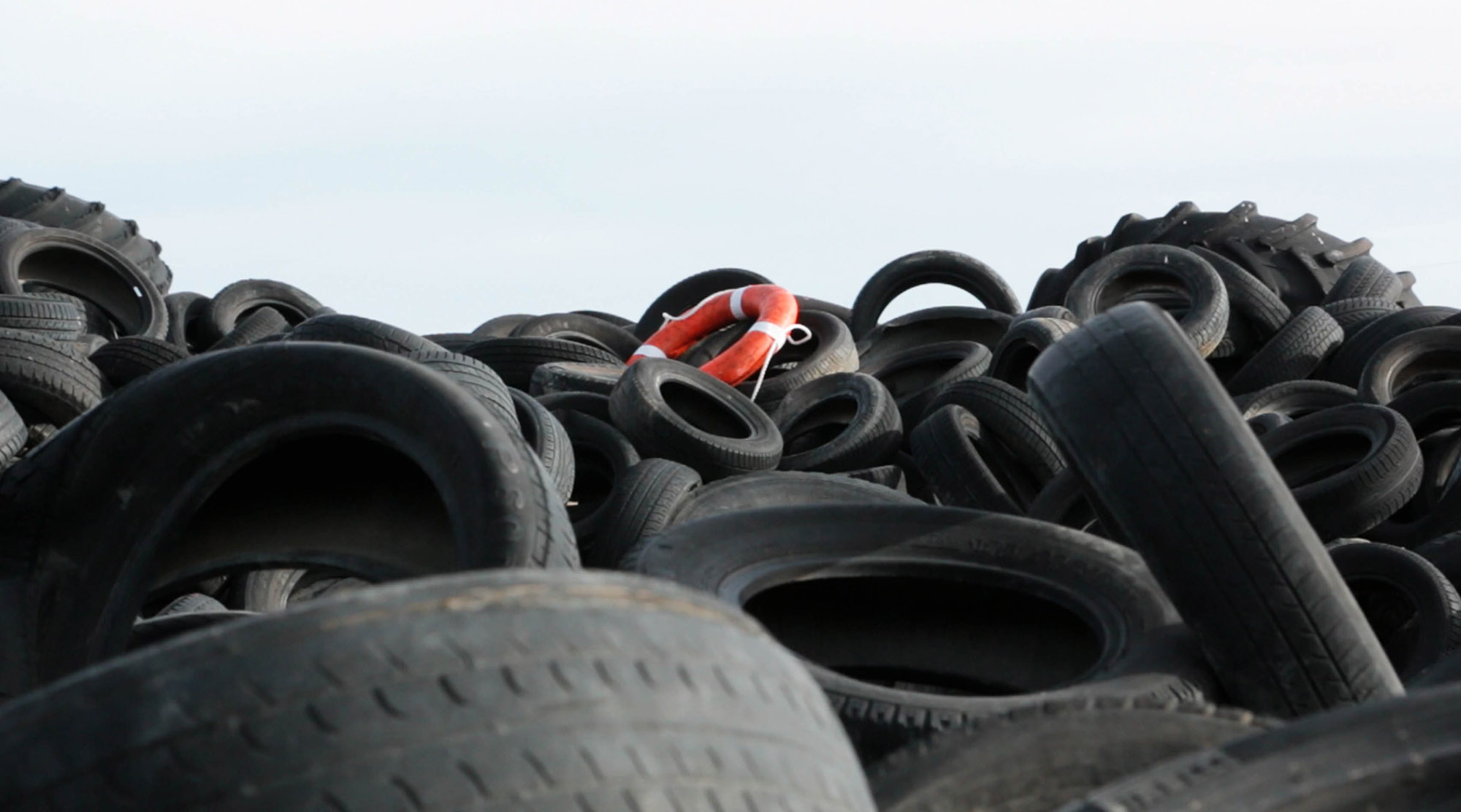
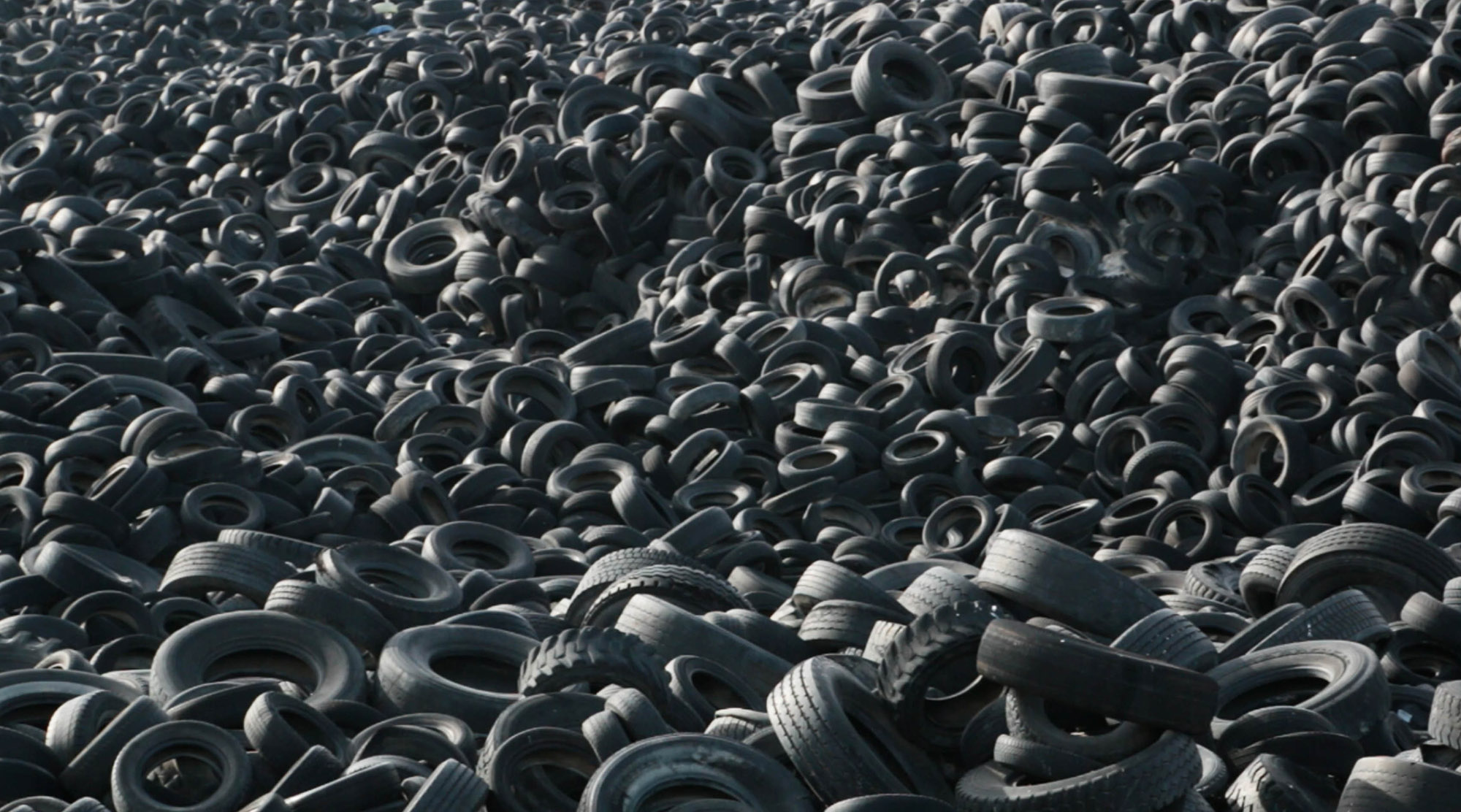
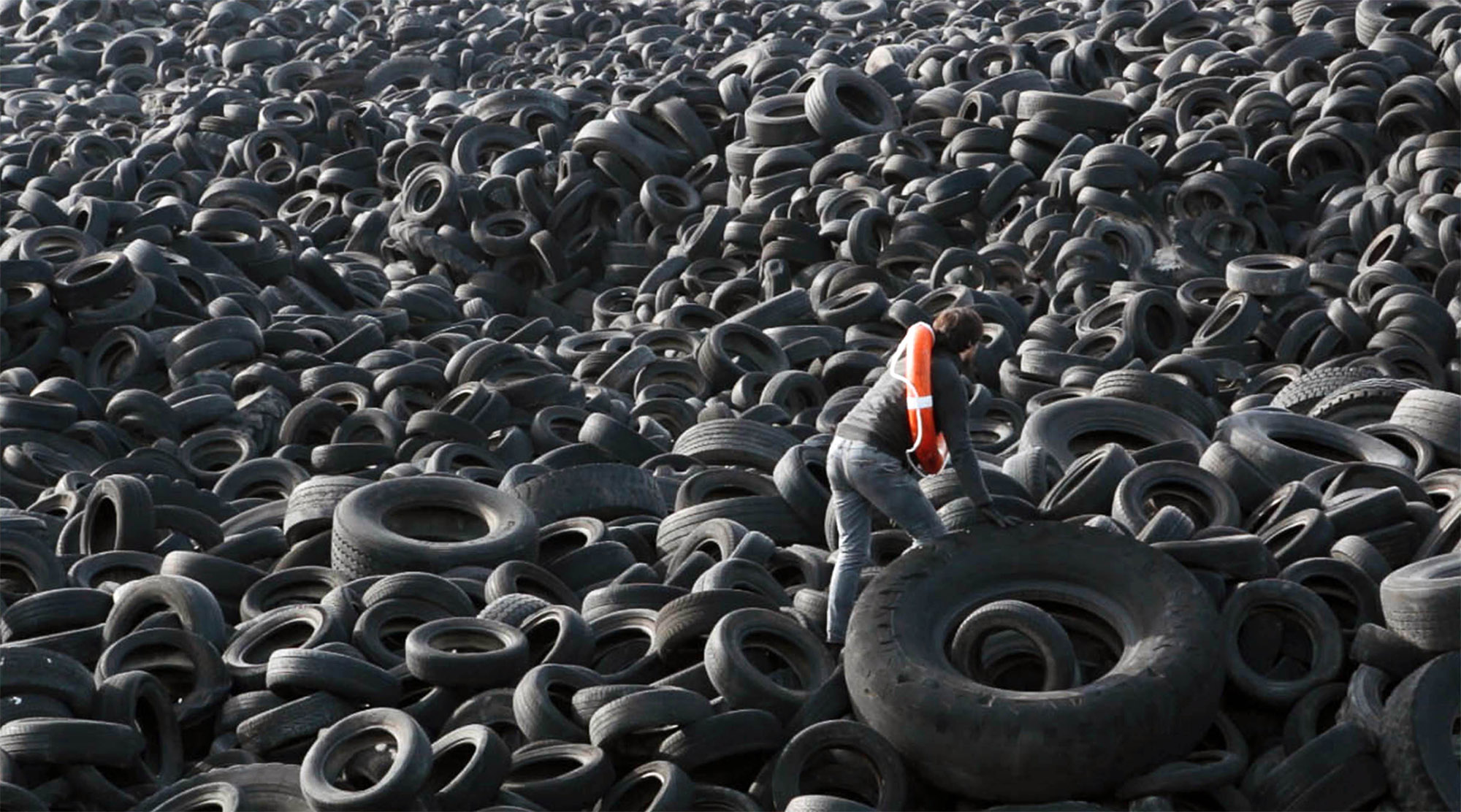
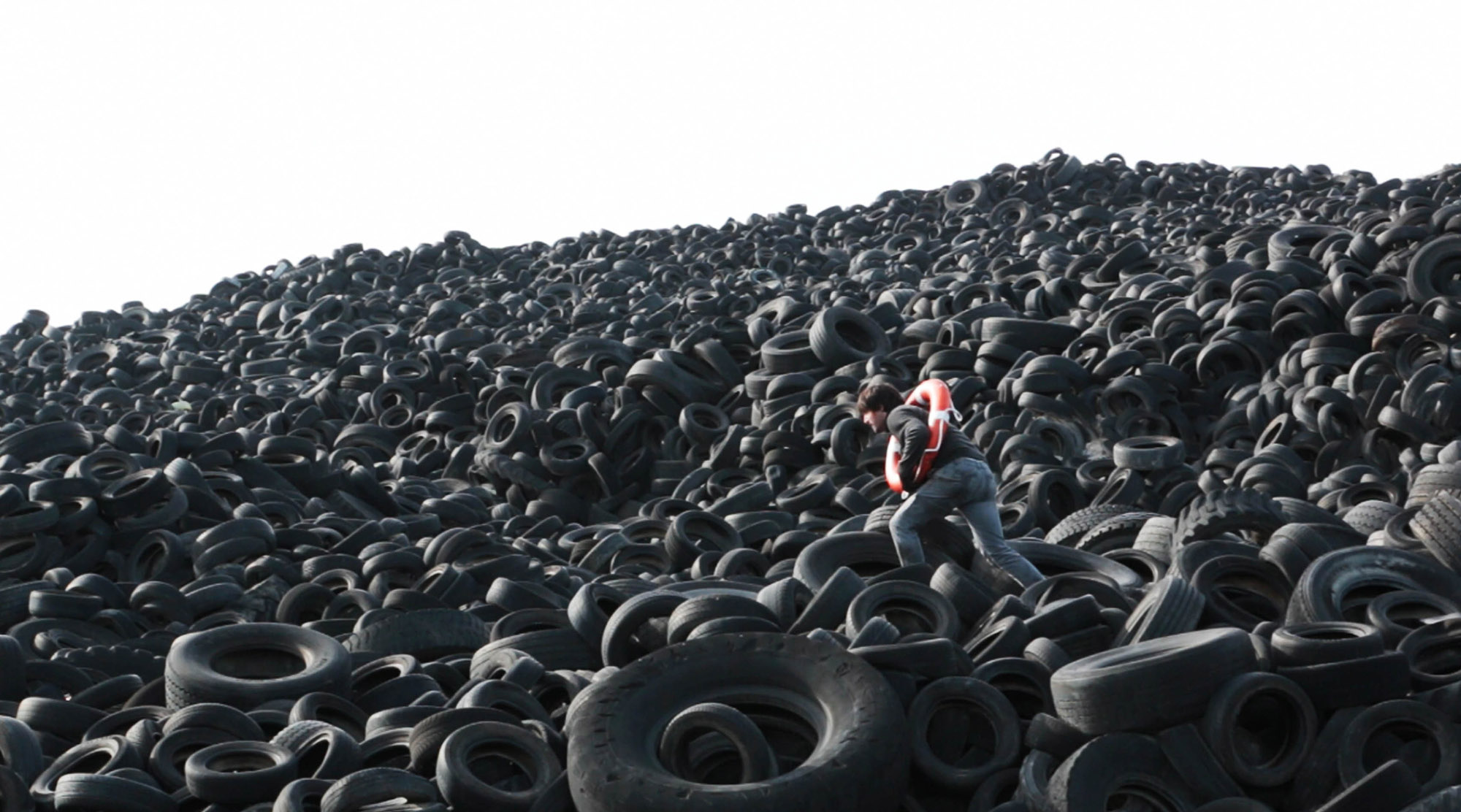
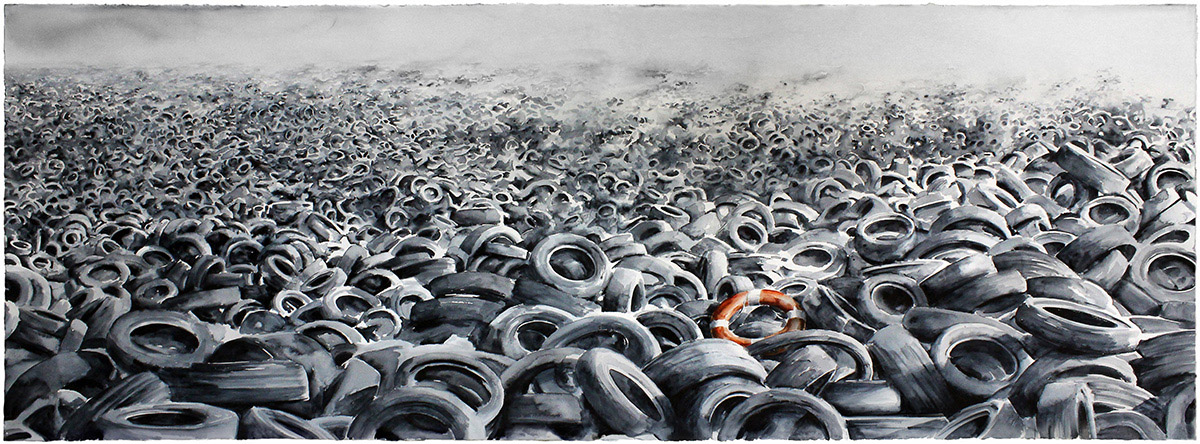
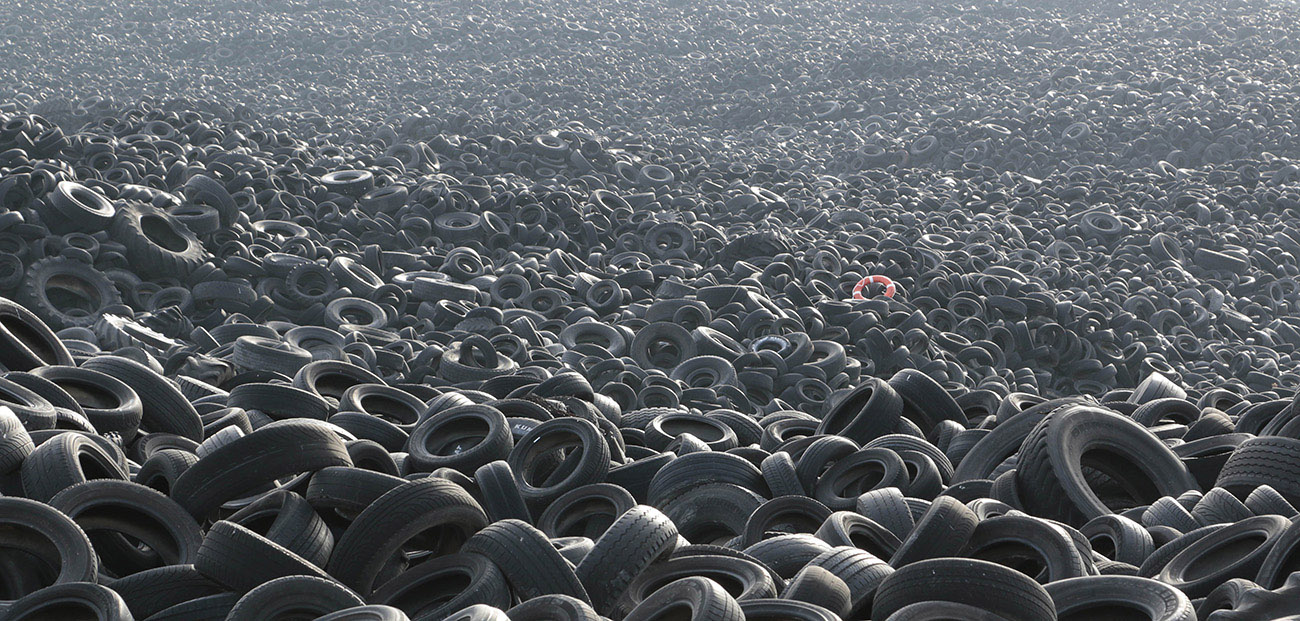
Heavy Sea is an urban art installation by the Spanish street artist PEJAC, created from a watercolor painting the artist produced several years earlier. The original painting depicted a lifesaver floating in a sea of disused tires, a work that came to life when PEJAC encountered the very same landscape during one of his voyages abroad. Standing before an actual expanse of discarded tires, the artist found himself confronted with a poetic nightmare made real. Being surrounded by hundreds of thousands, perhaps millions, of tires was simultaneously overwhelming and disturbing. More than a dump, it felt like standing in an endless graveyard. Having the opportunity to make a fictional idea real was a challenging experience. It was exciting while also deeply dramatic. The more time the artist spent there, the more evident became the failure in the relationship between humankind and the earth. The installation marks PEJAC's transition from the two-dimensional canvas to real, three-dimensional public space. By placing a lifesaver figure within a landscape of discarded tires, the work serves as a powerful commentary on environmental degradation and the urgent need for recycling and responsible waste management. The tires, normally seen as industrial waste, are transformed into an artistic medium that raises awareness about pollution and sustainability. The visual impact is striking: the bright red of the lifesaver contrasts sharply with the muted tones of the tire graveyard, drawing the eye and inviting reflection. This project demonstrates PEJAC's signature approach of using unexpected locations and materials to create thought-provoking interventions that connect urban art with social and environmental commentary. The work challenges viewers to reconsider their relationship with consumer culture and the planet's future.



 Editor's Pick
 Latest Design