Text description provided by the architects
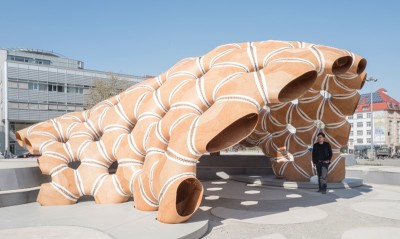
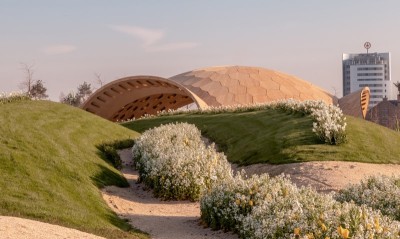
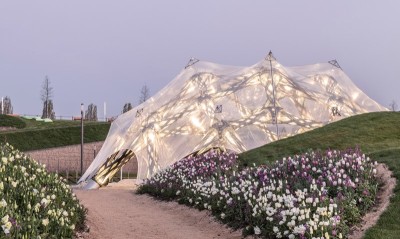
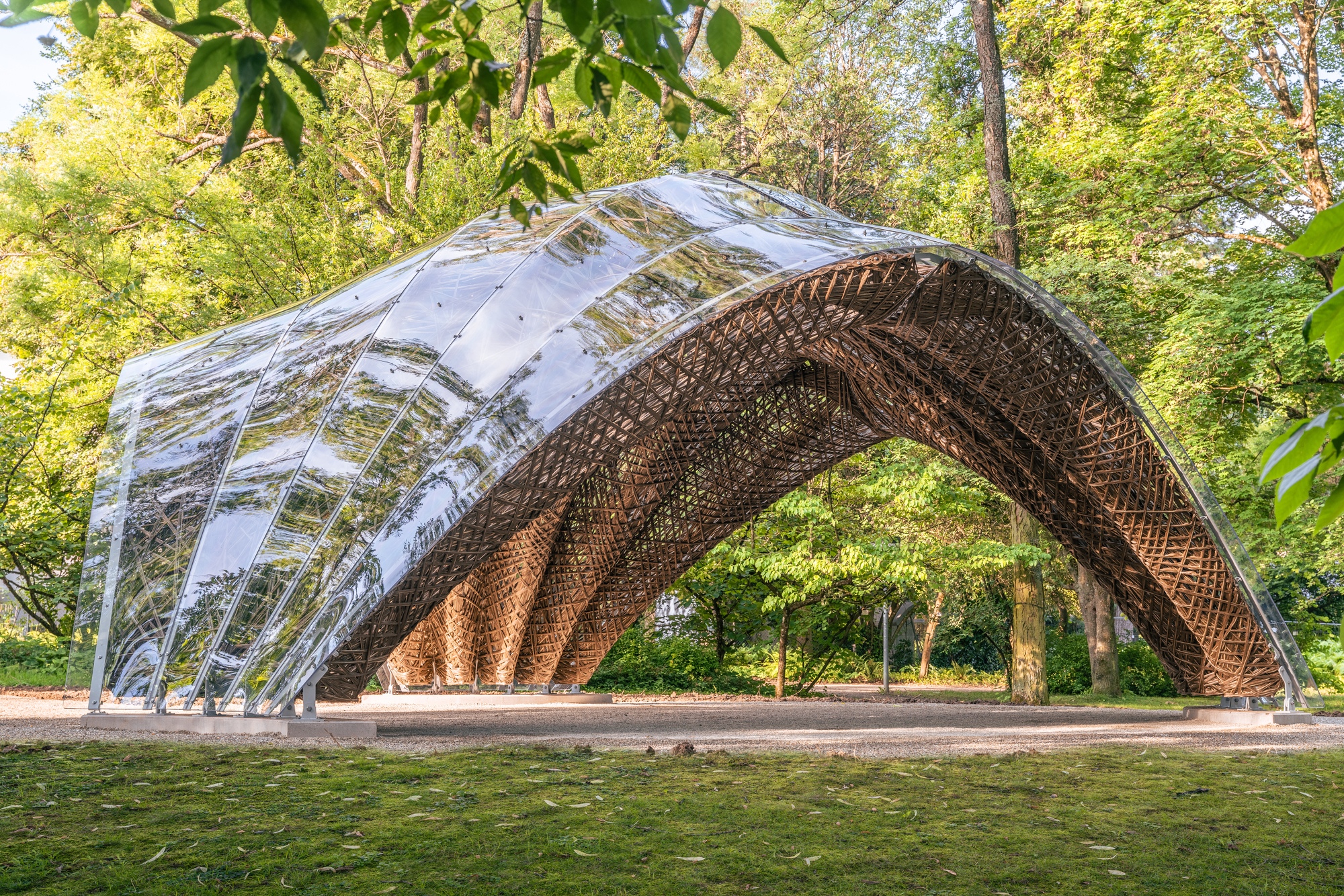
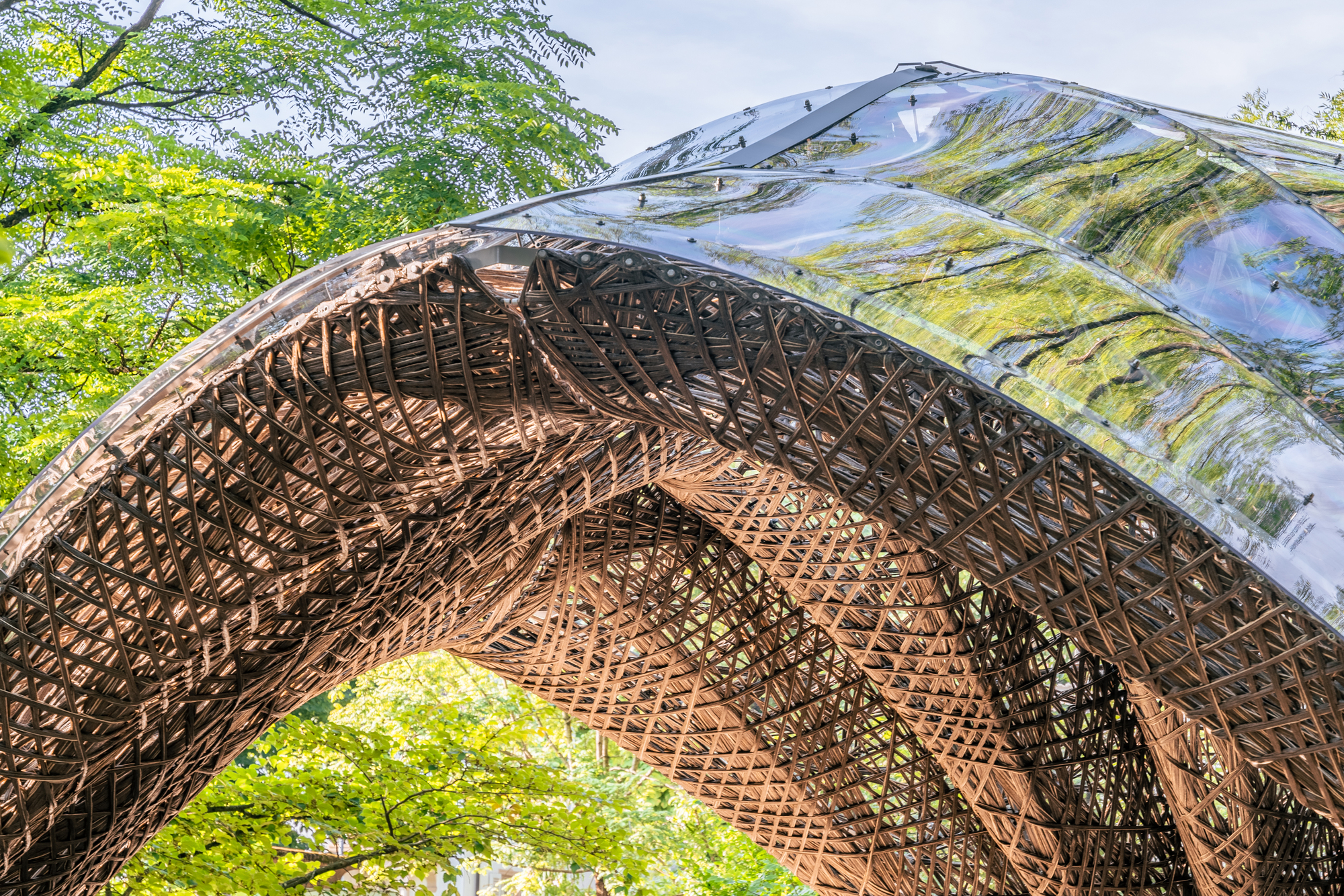
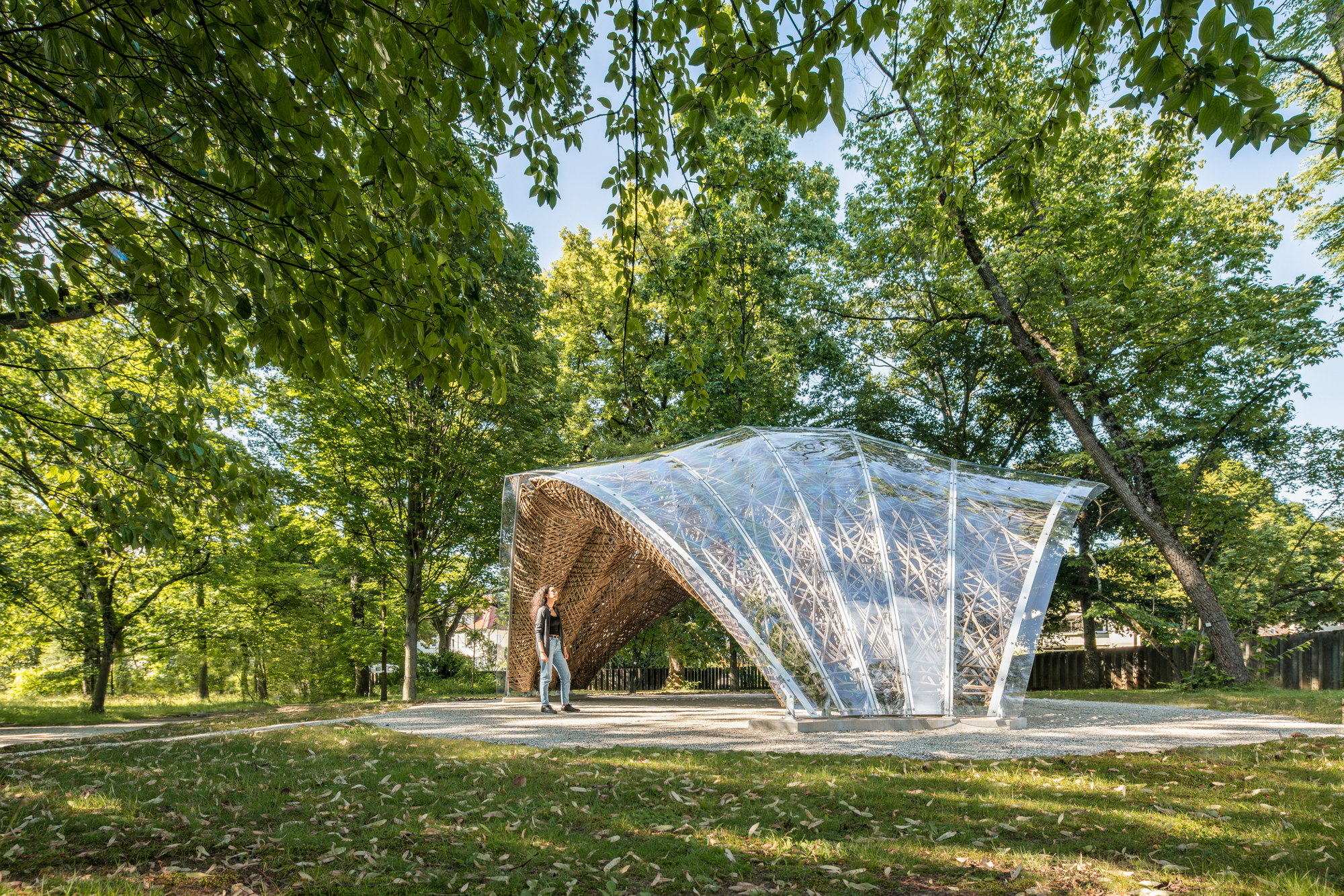
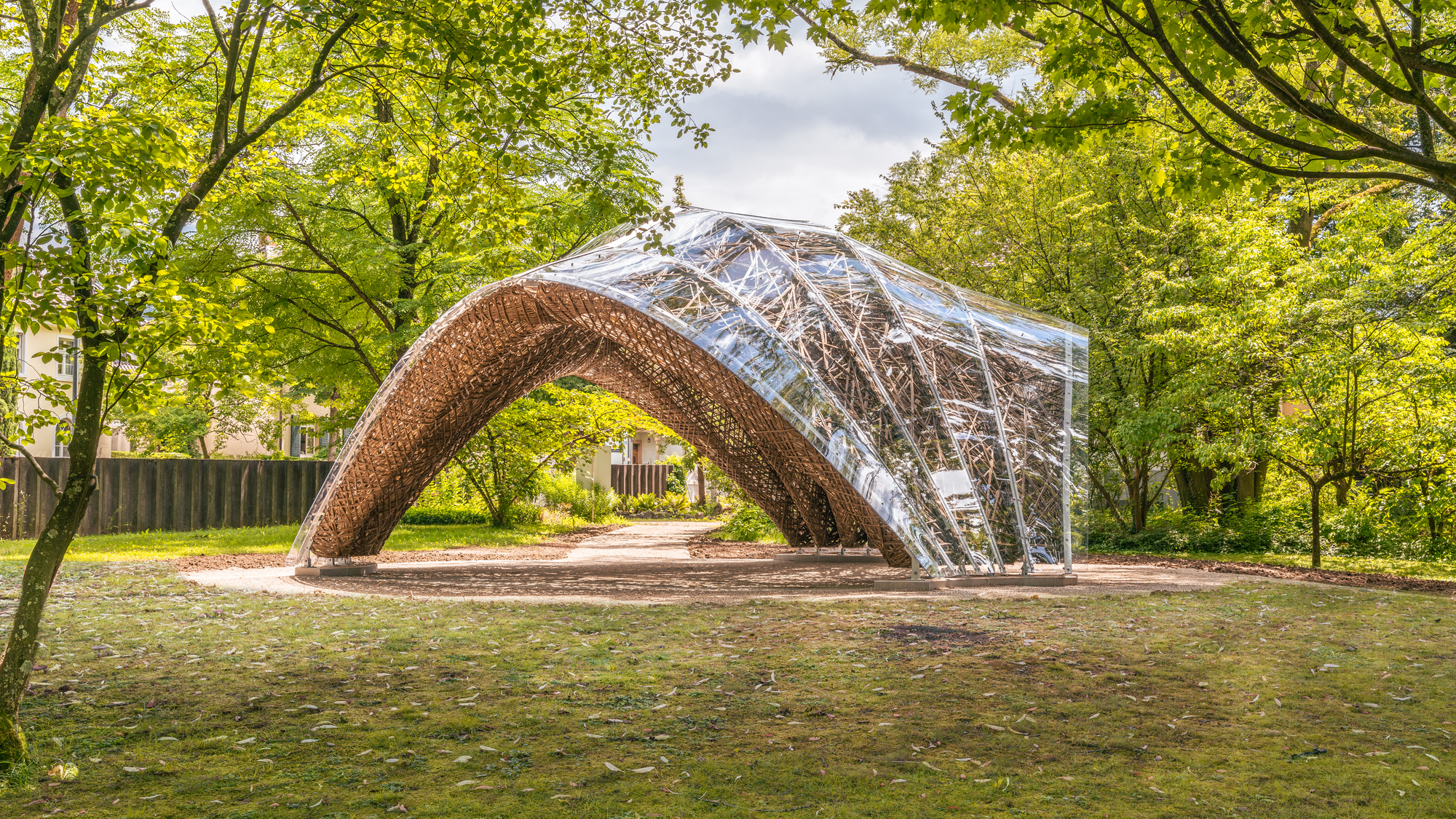
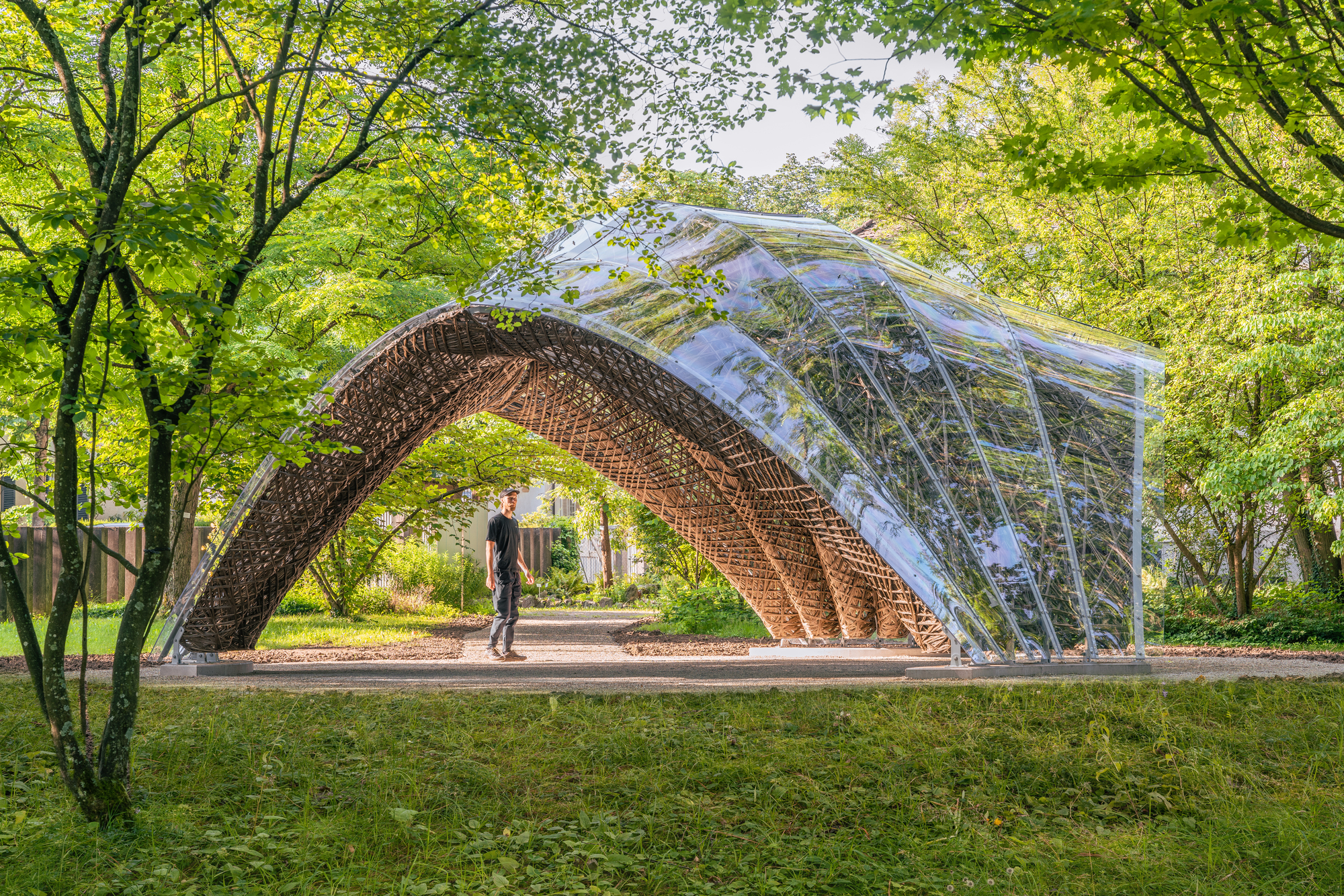
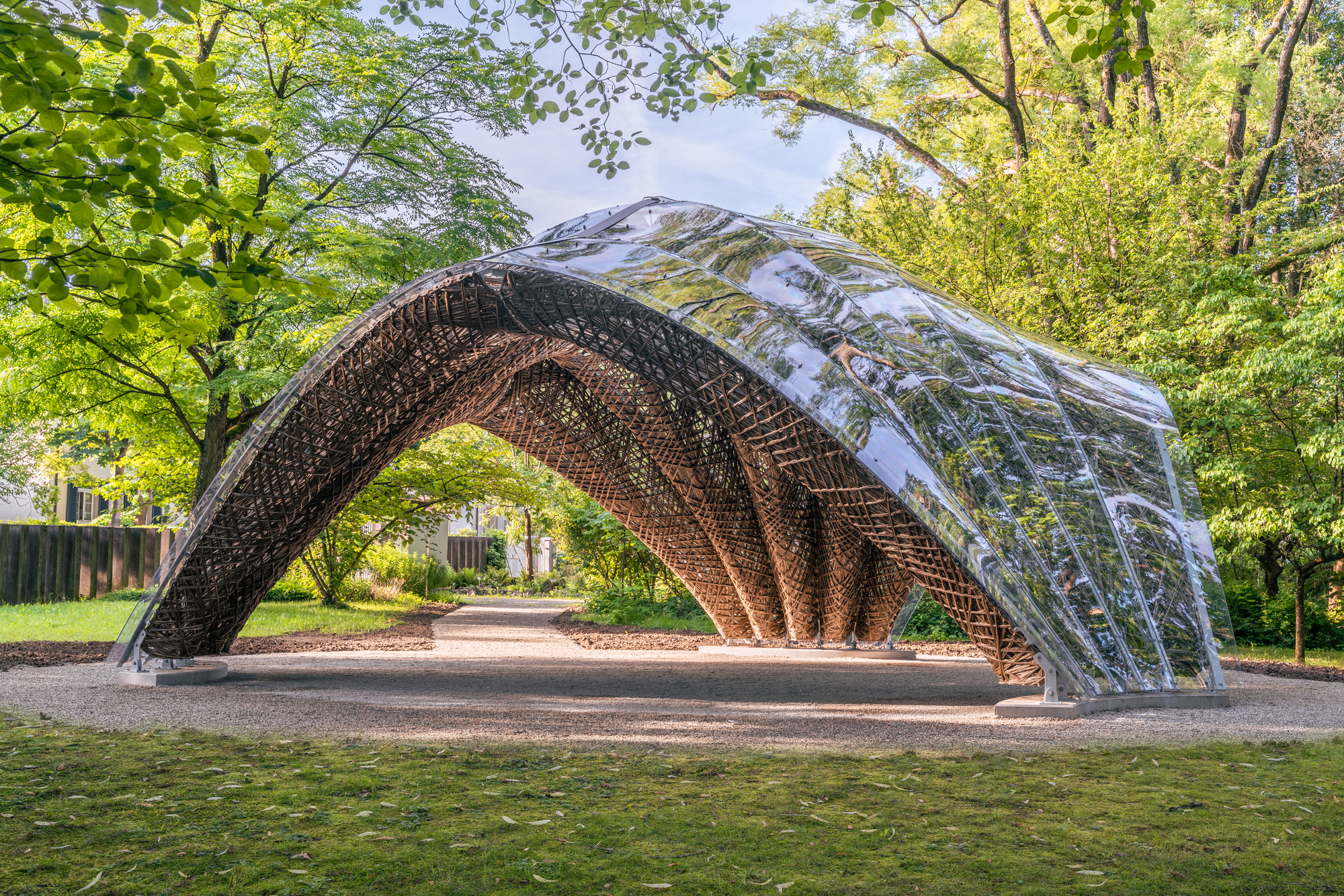
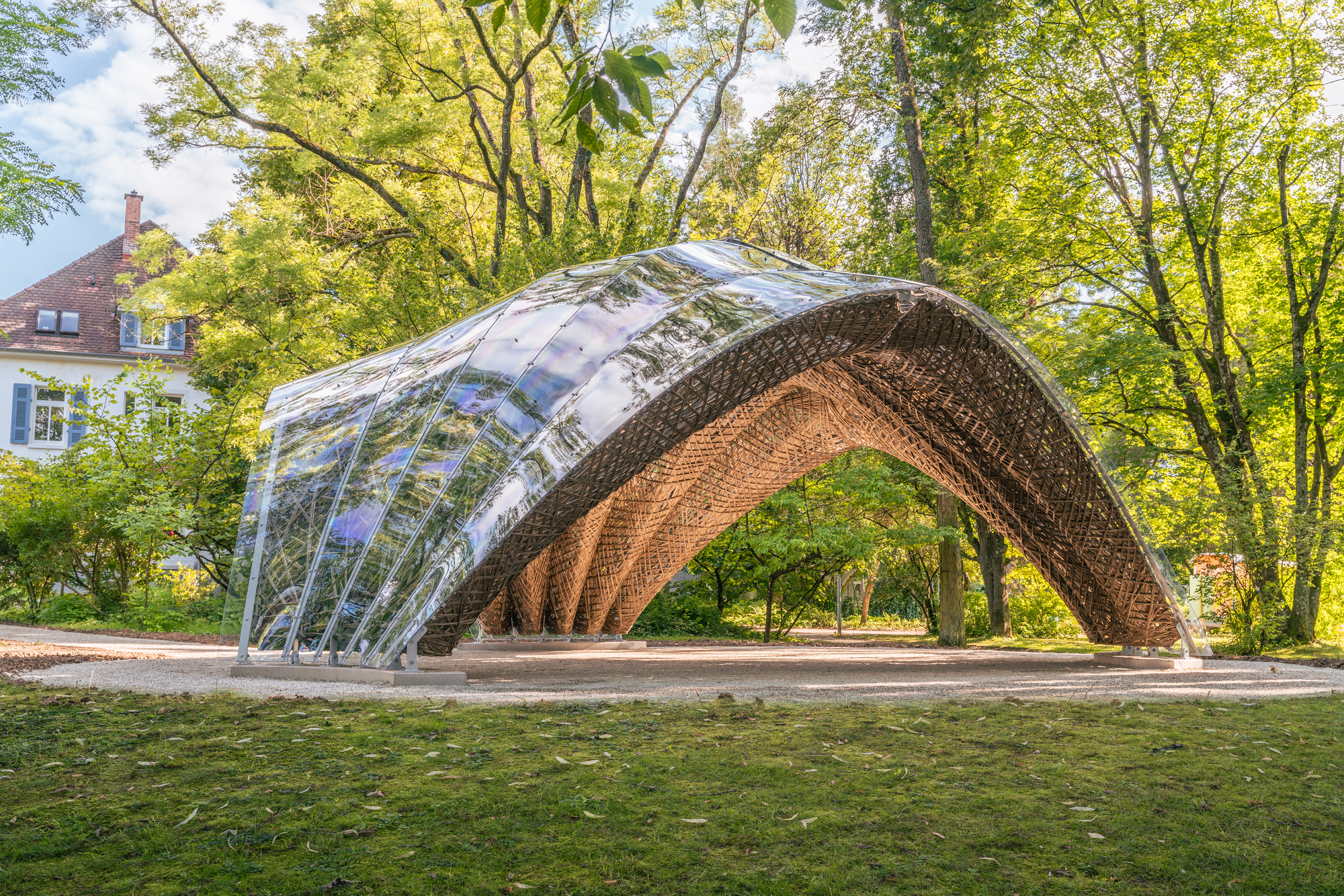
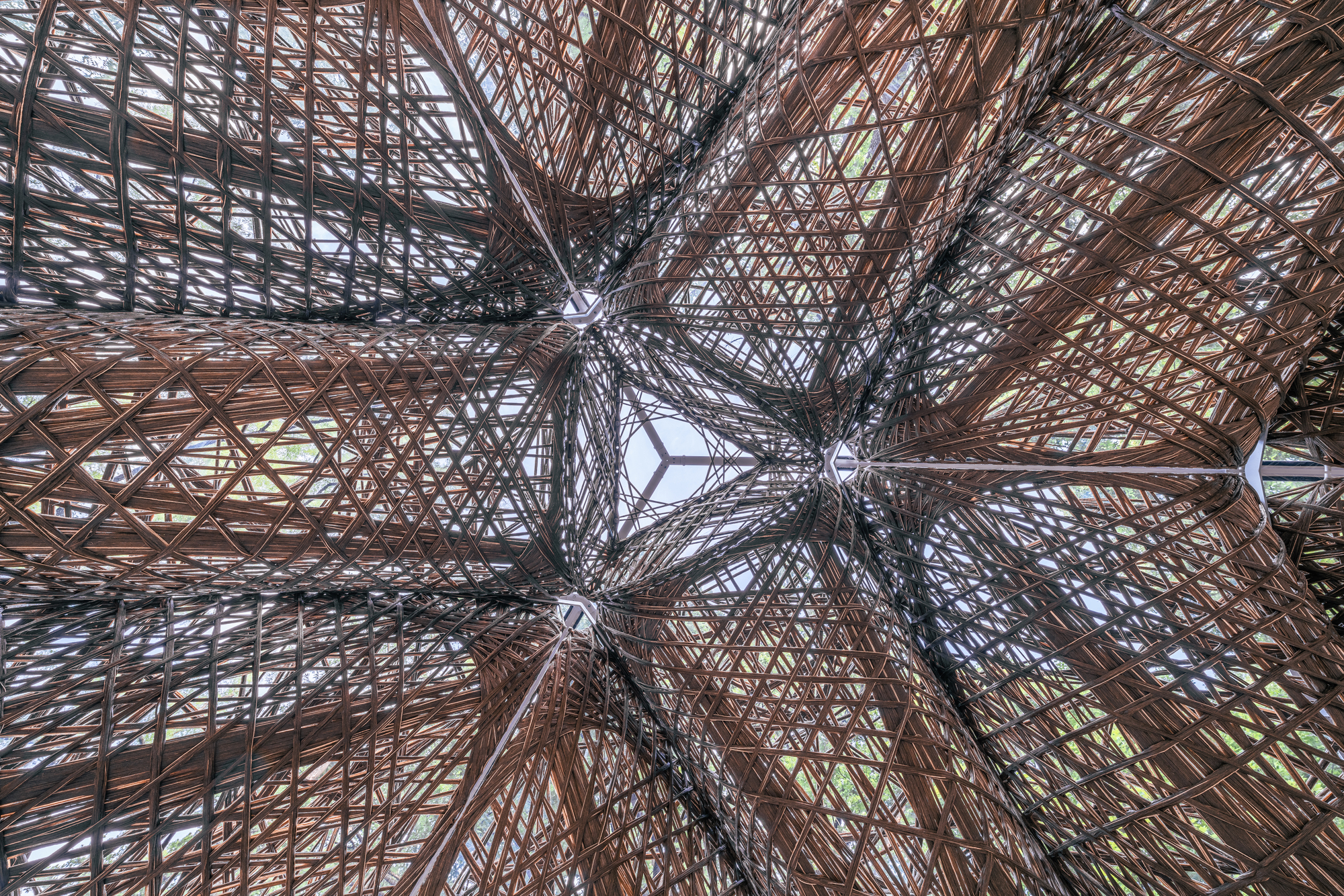
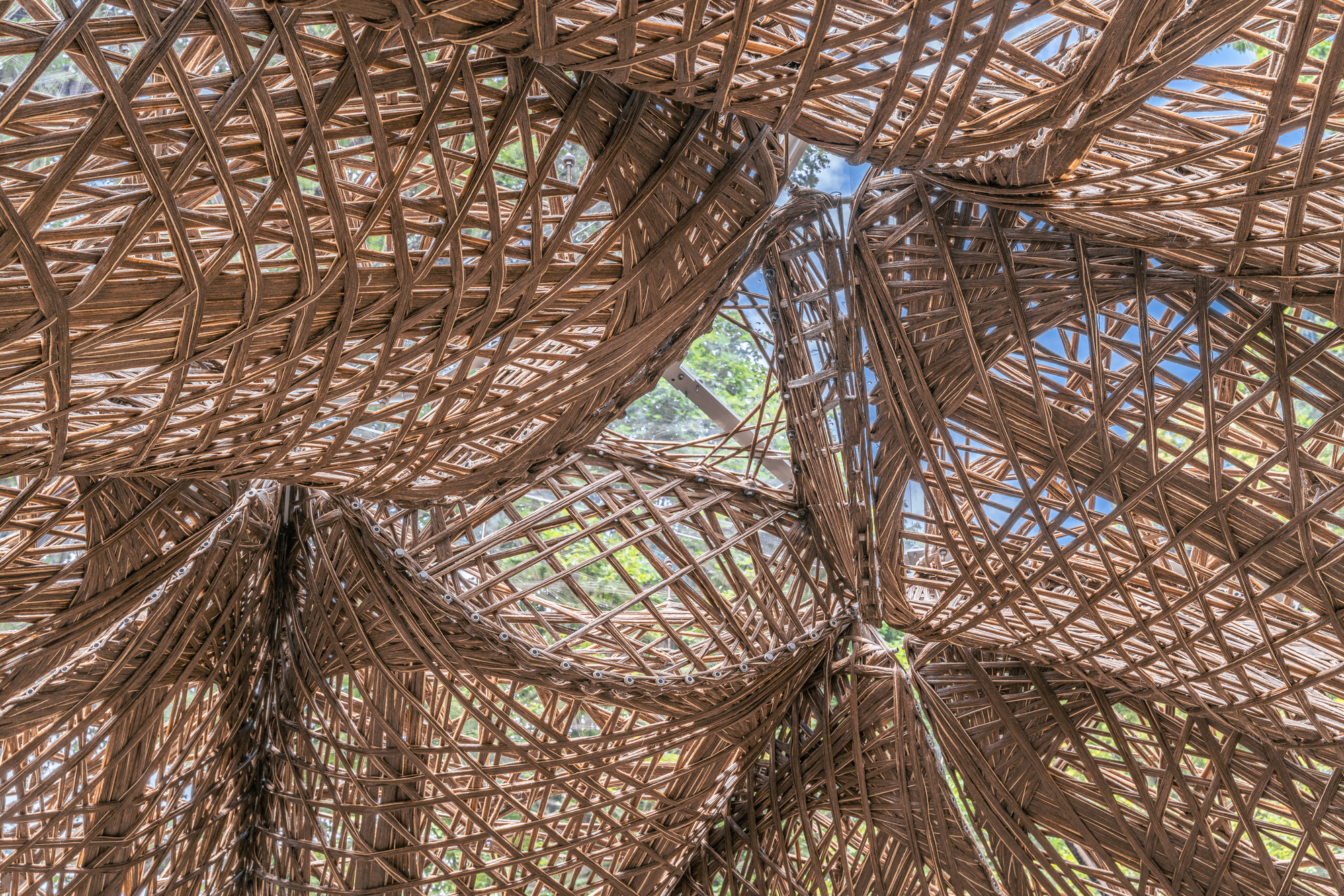
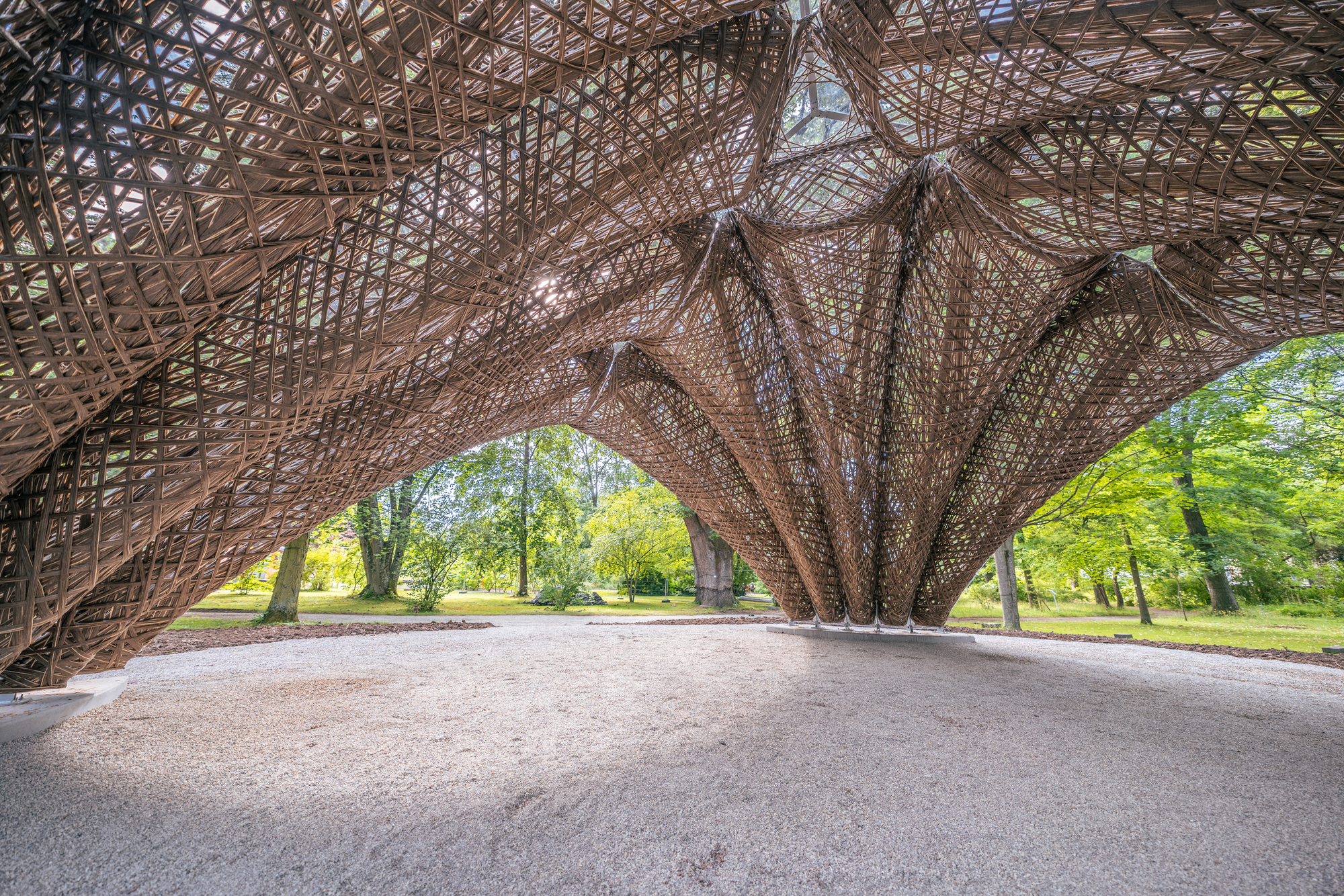
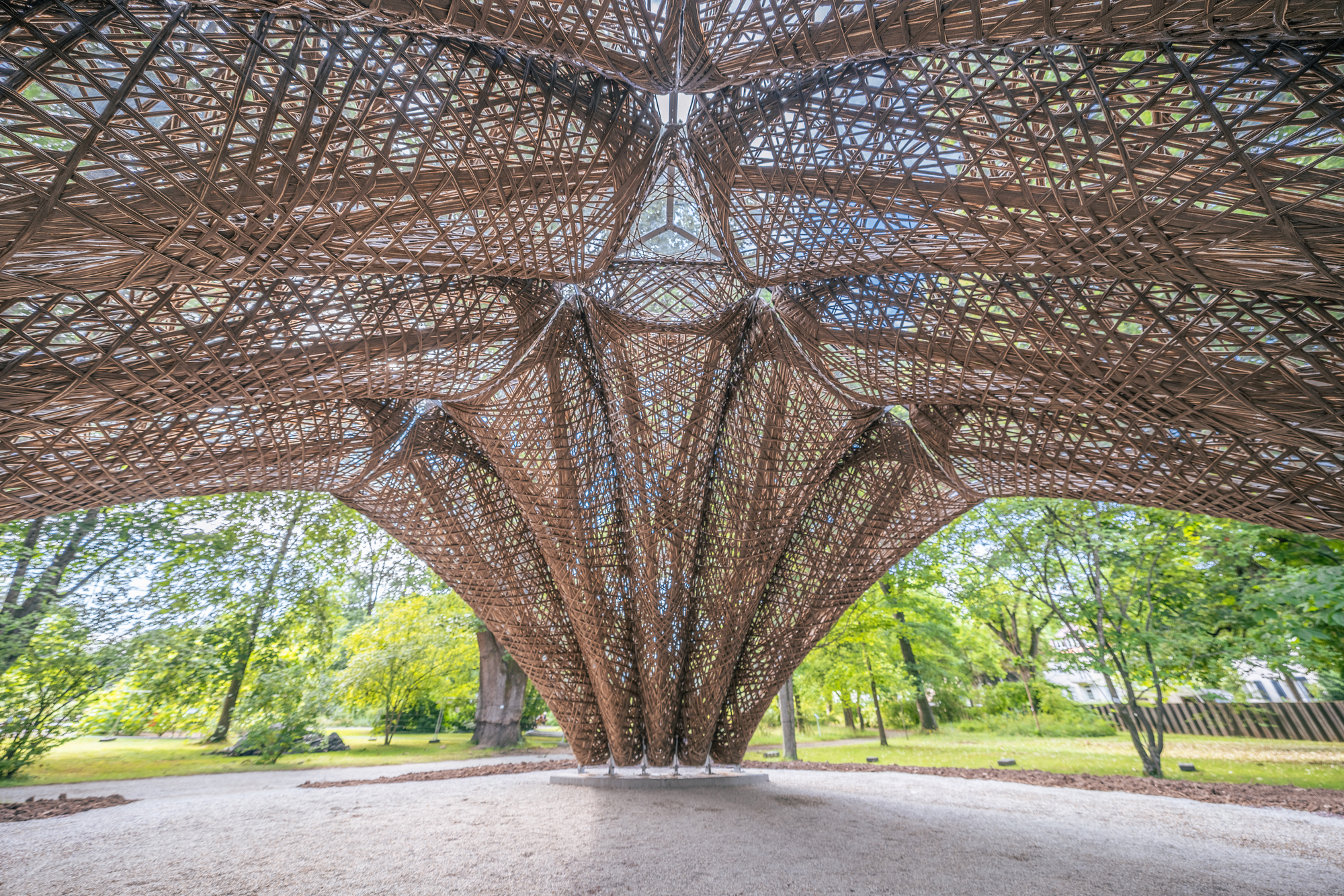
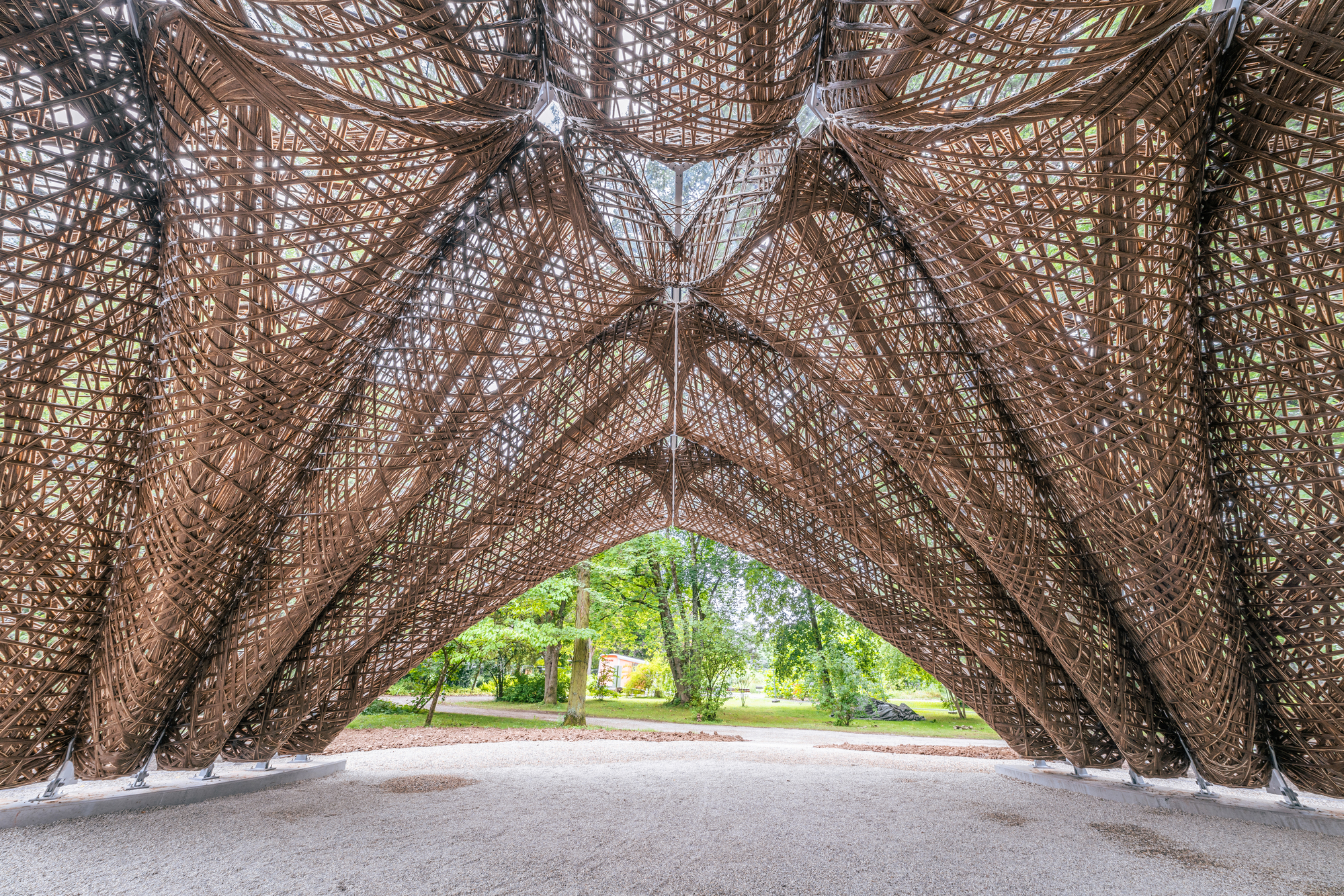
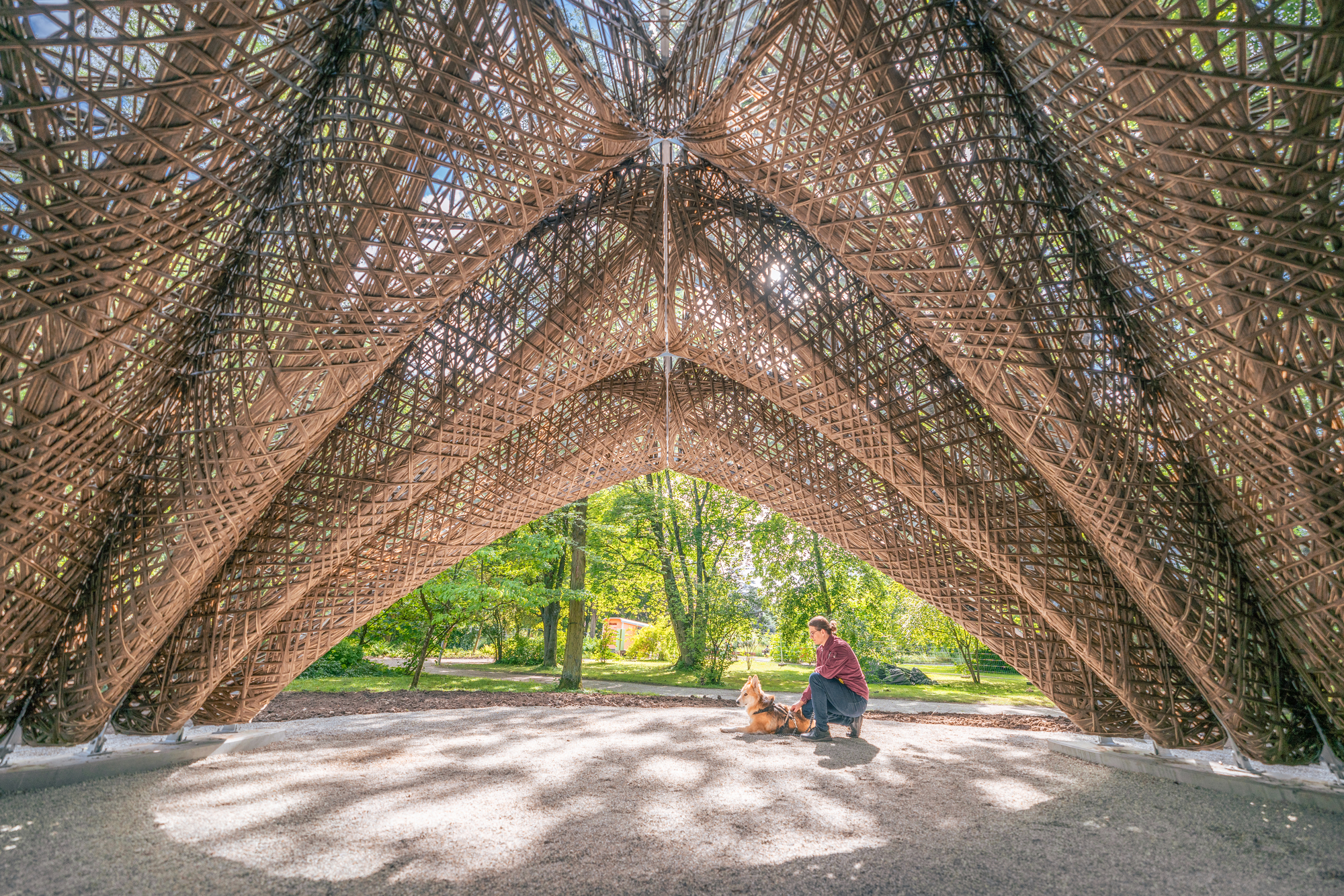
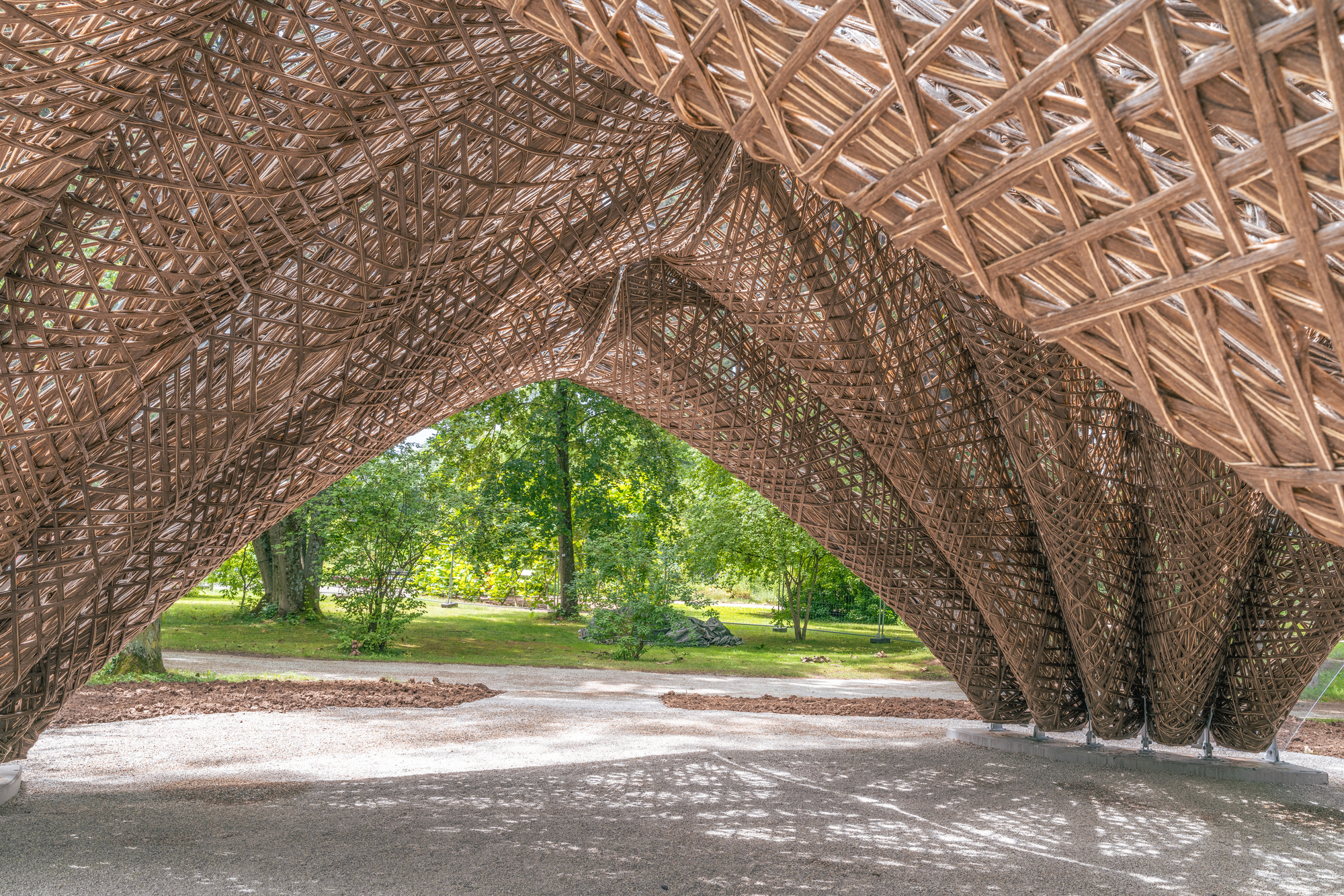
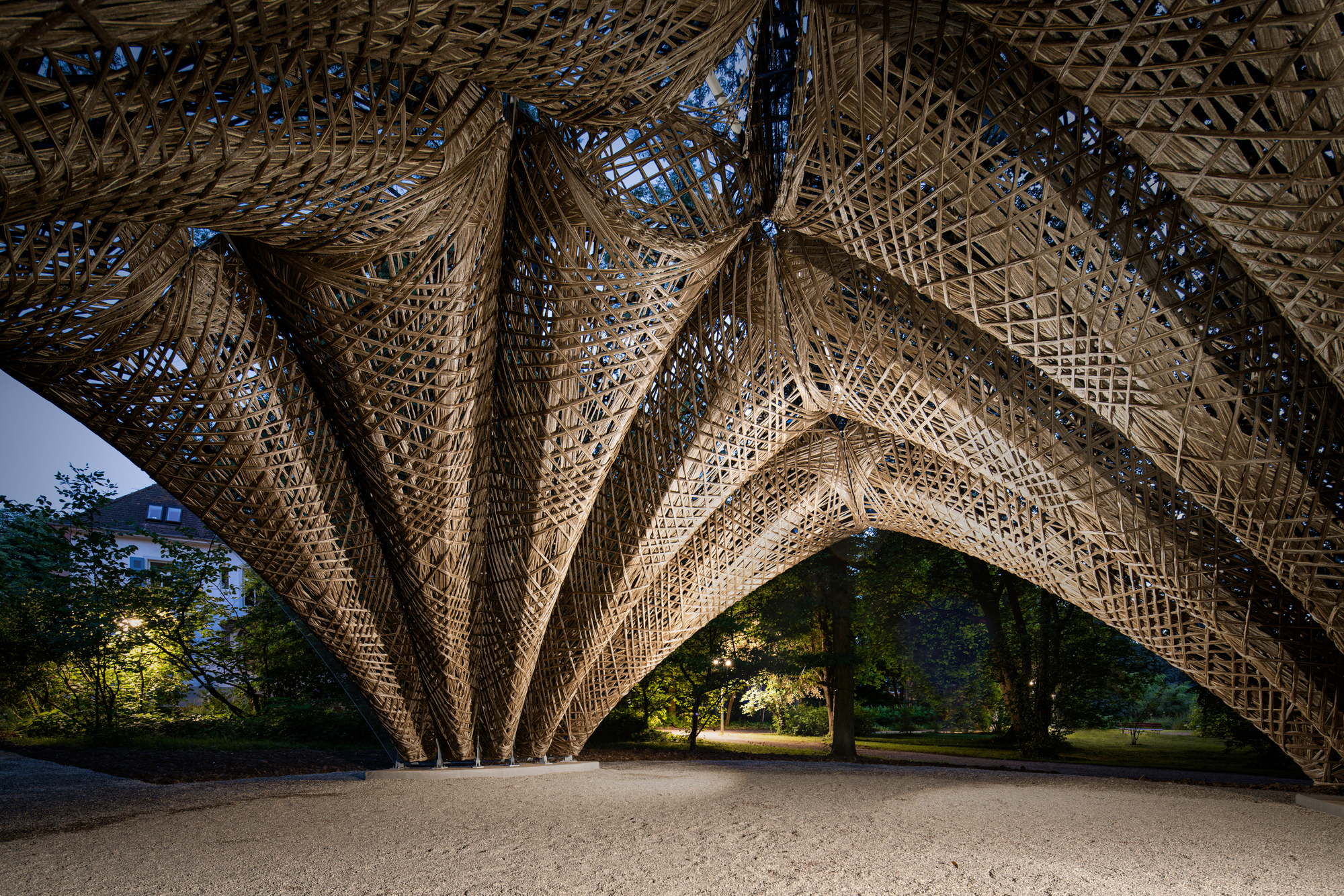
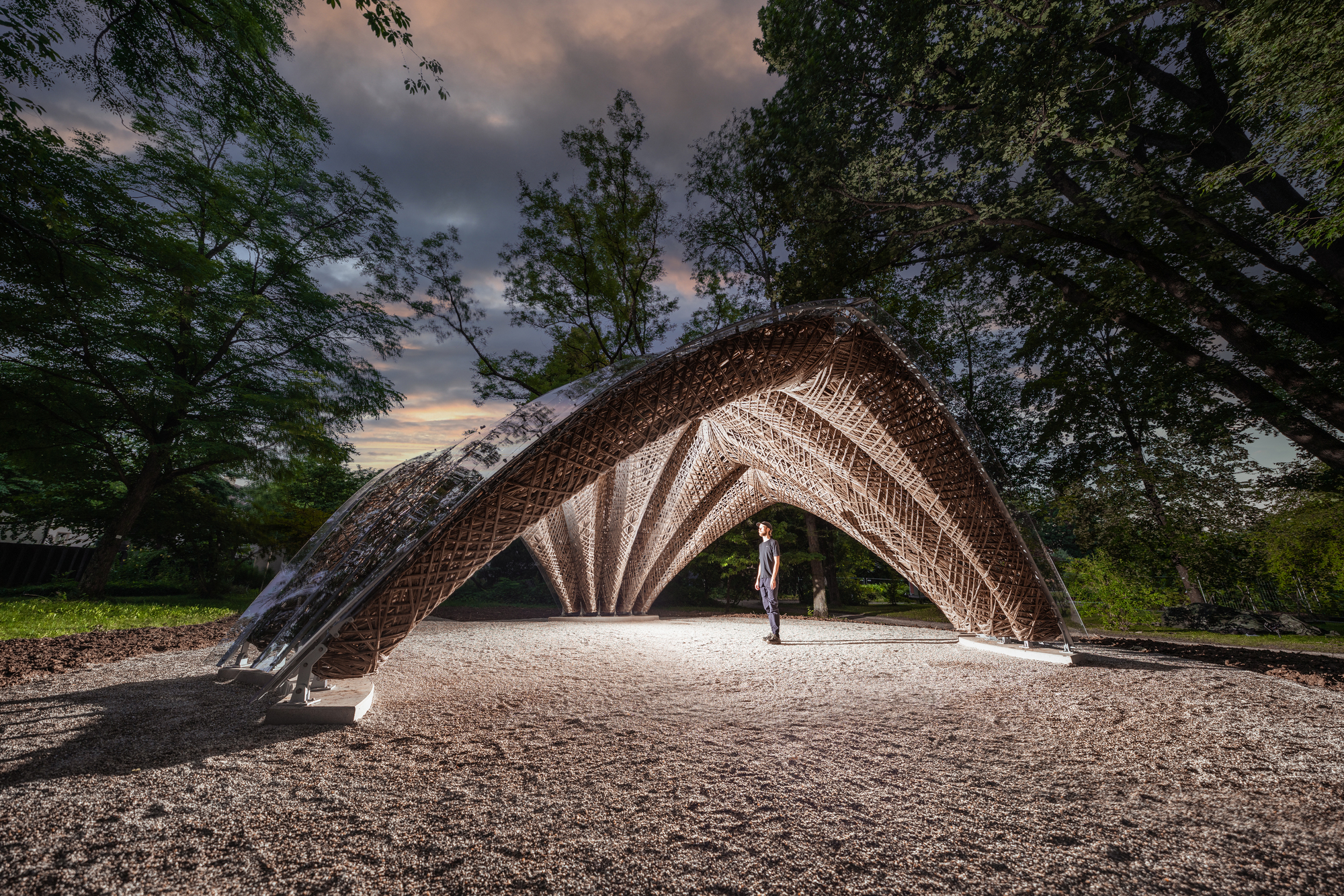
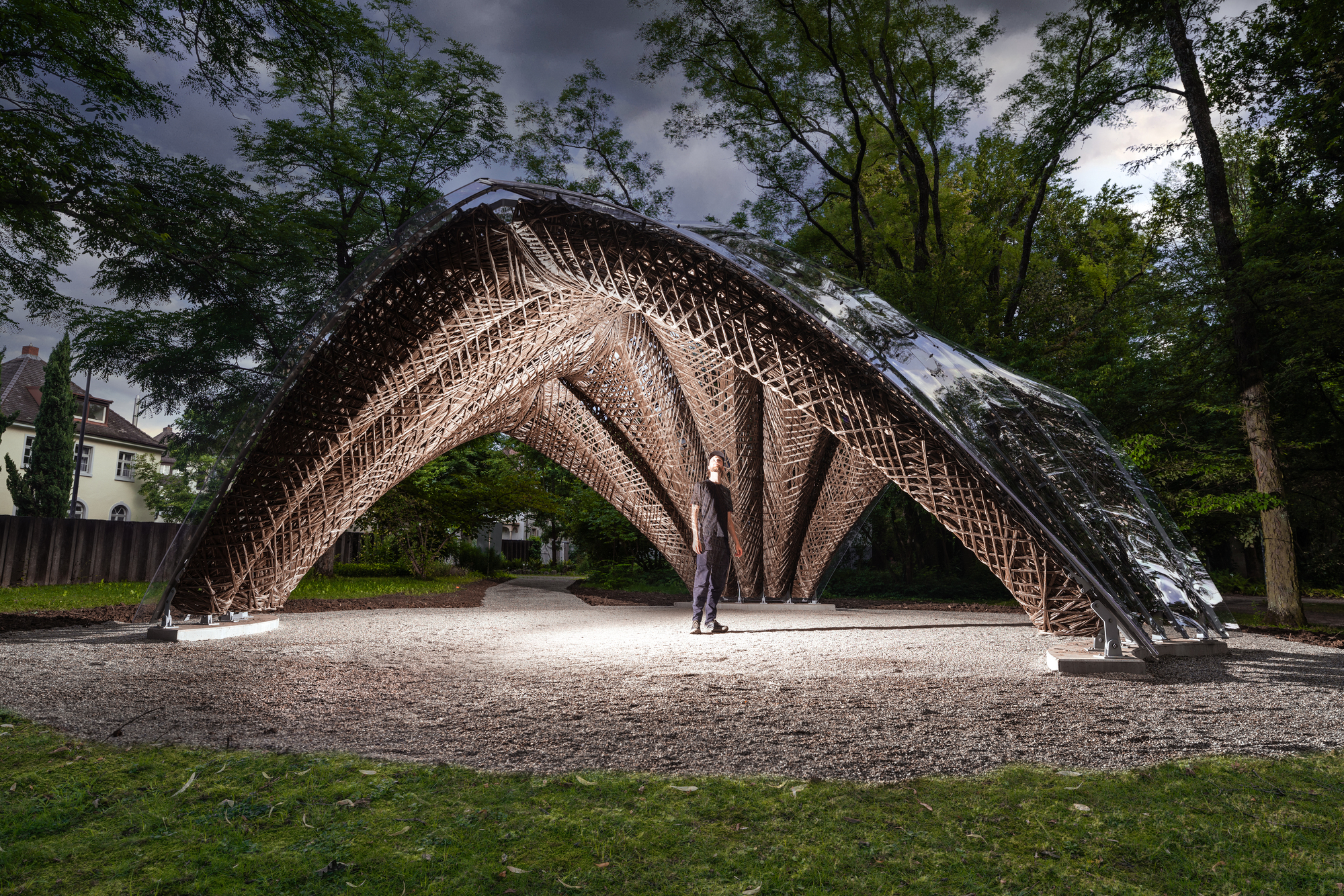
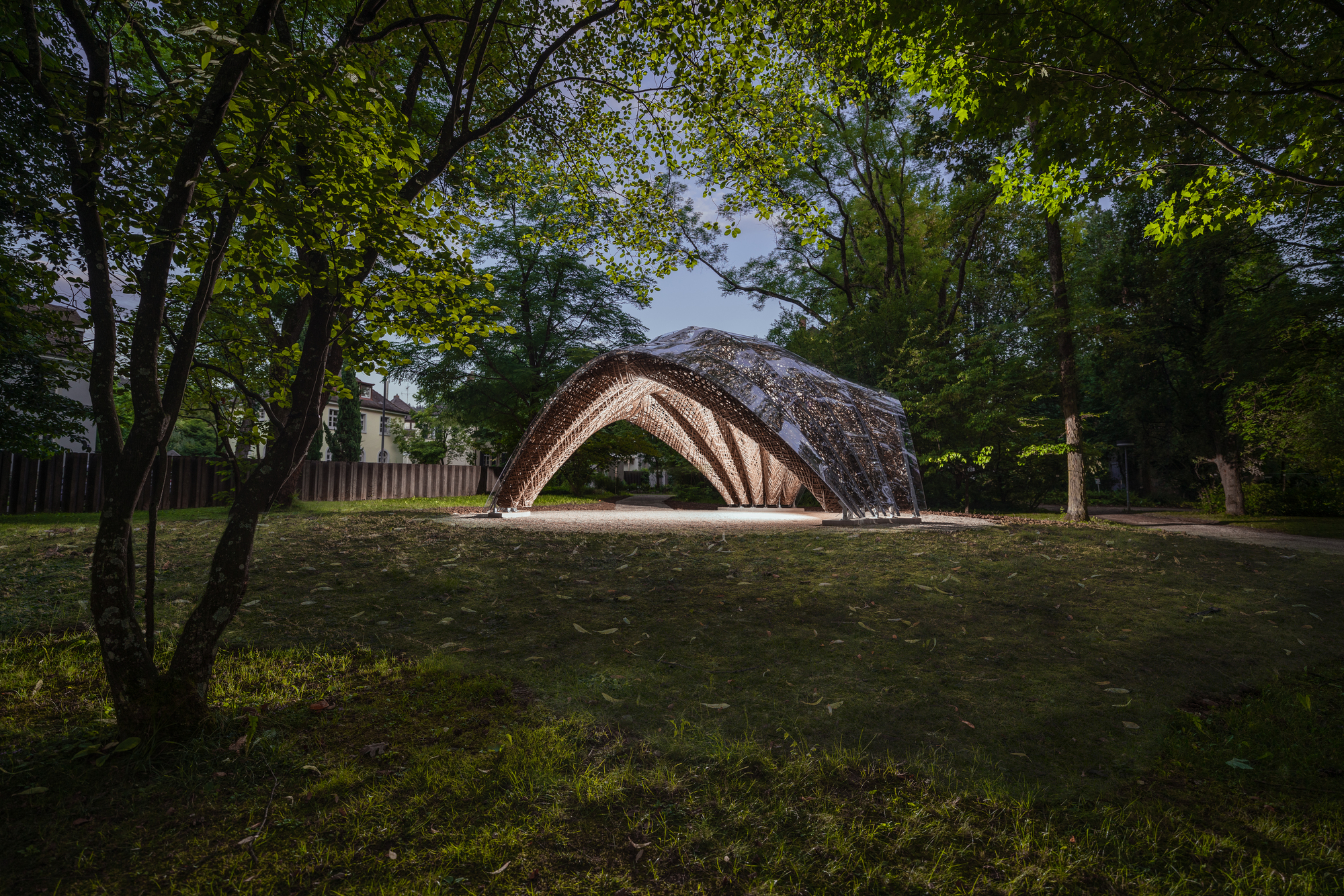
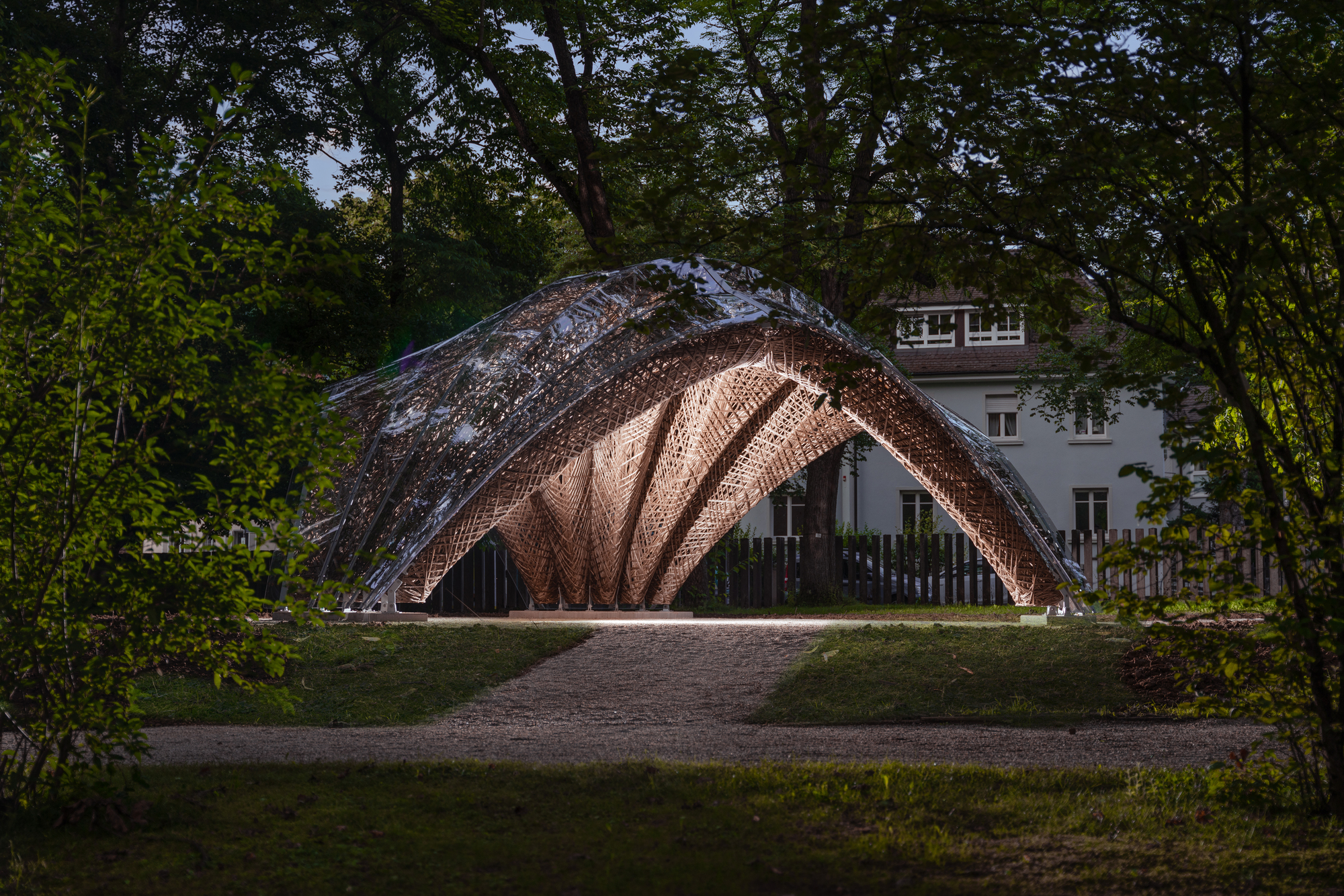
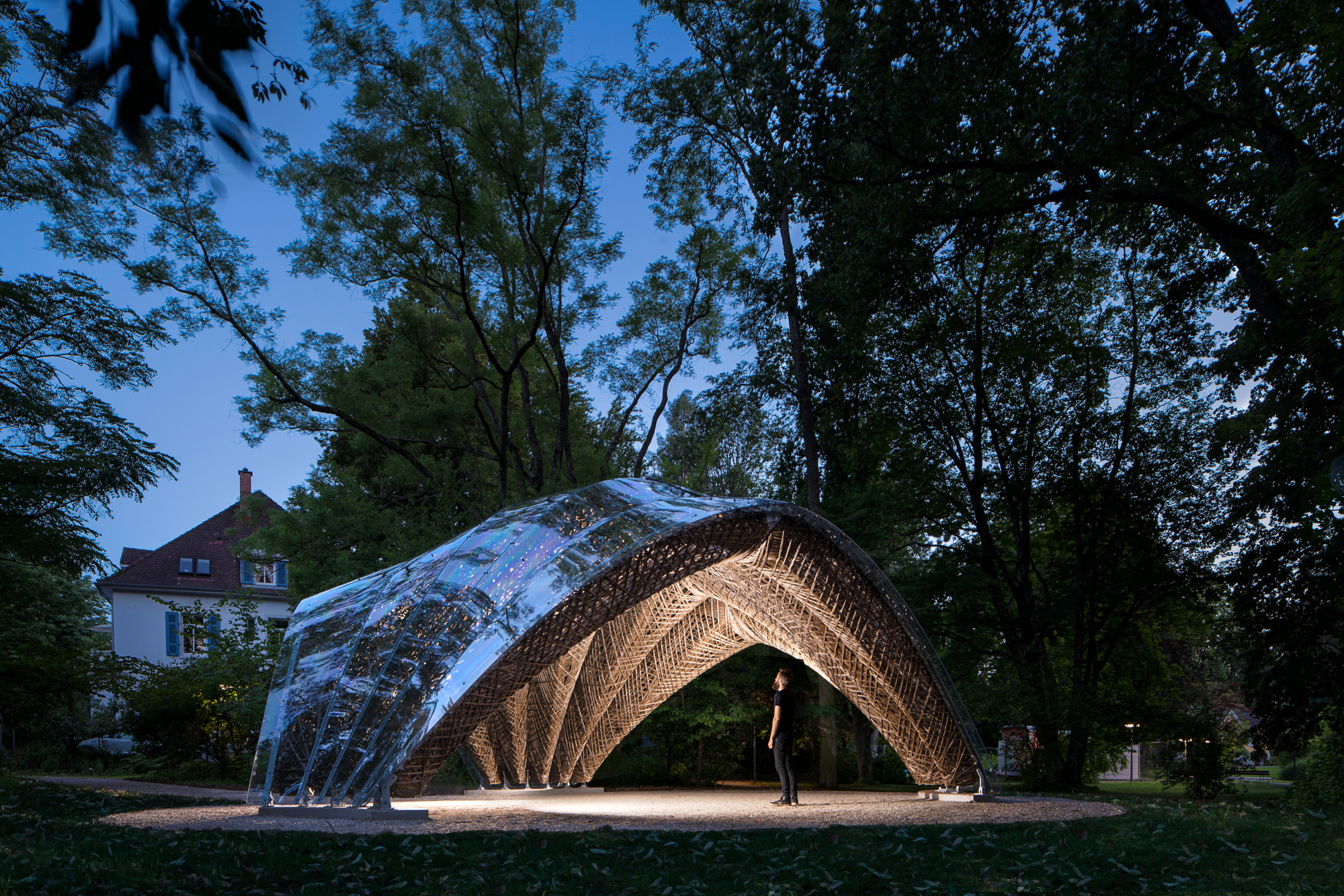
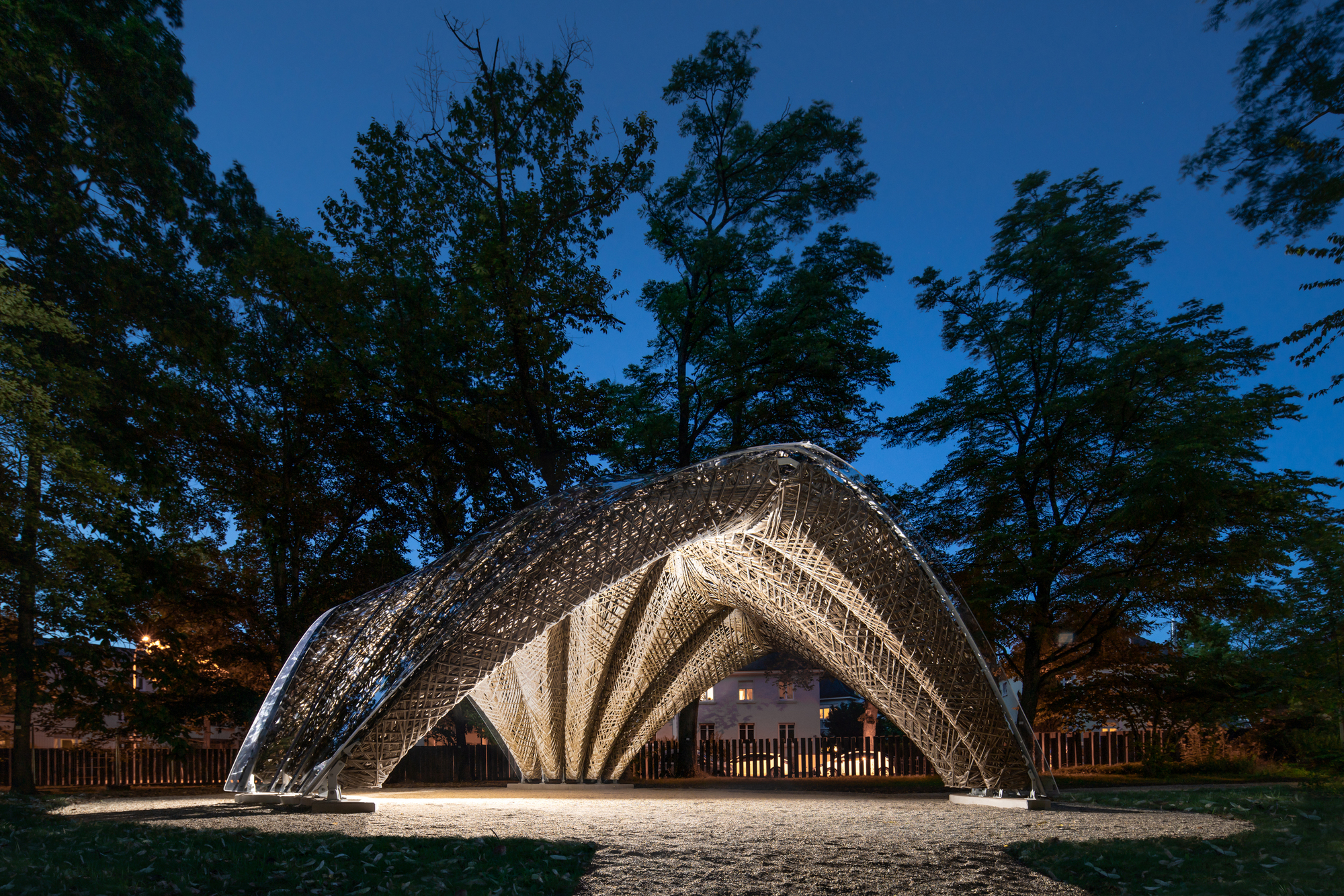
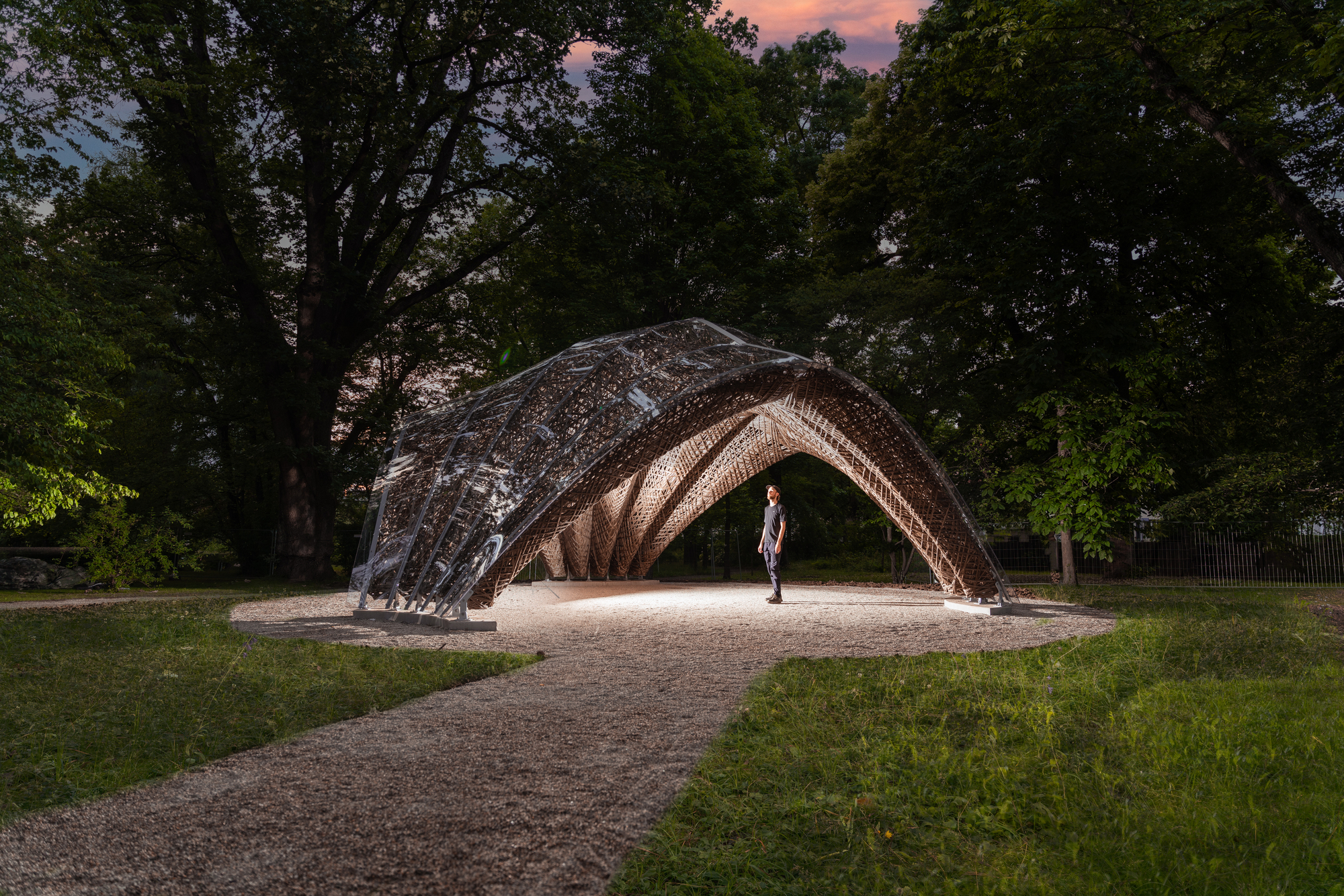
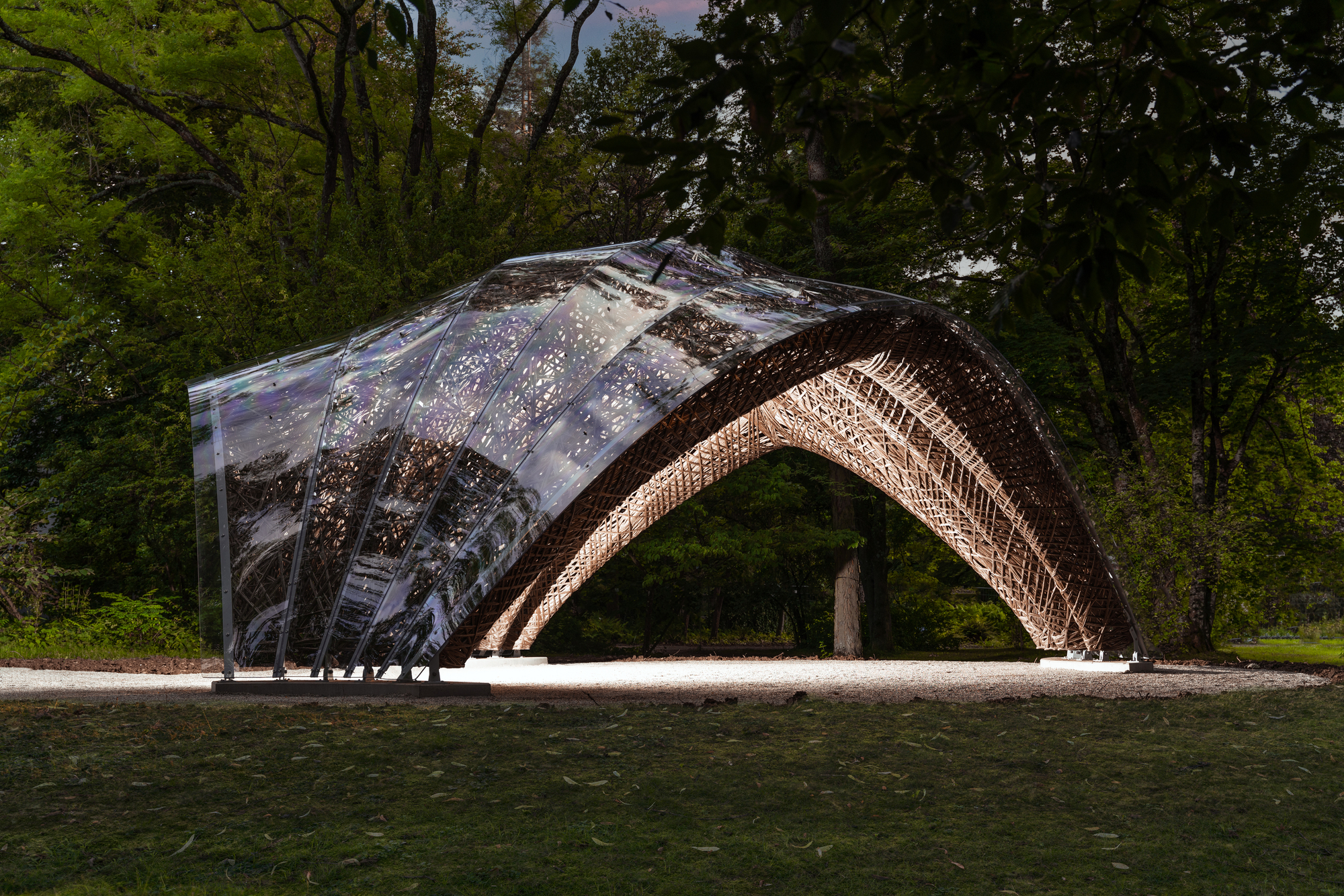
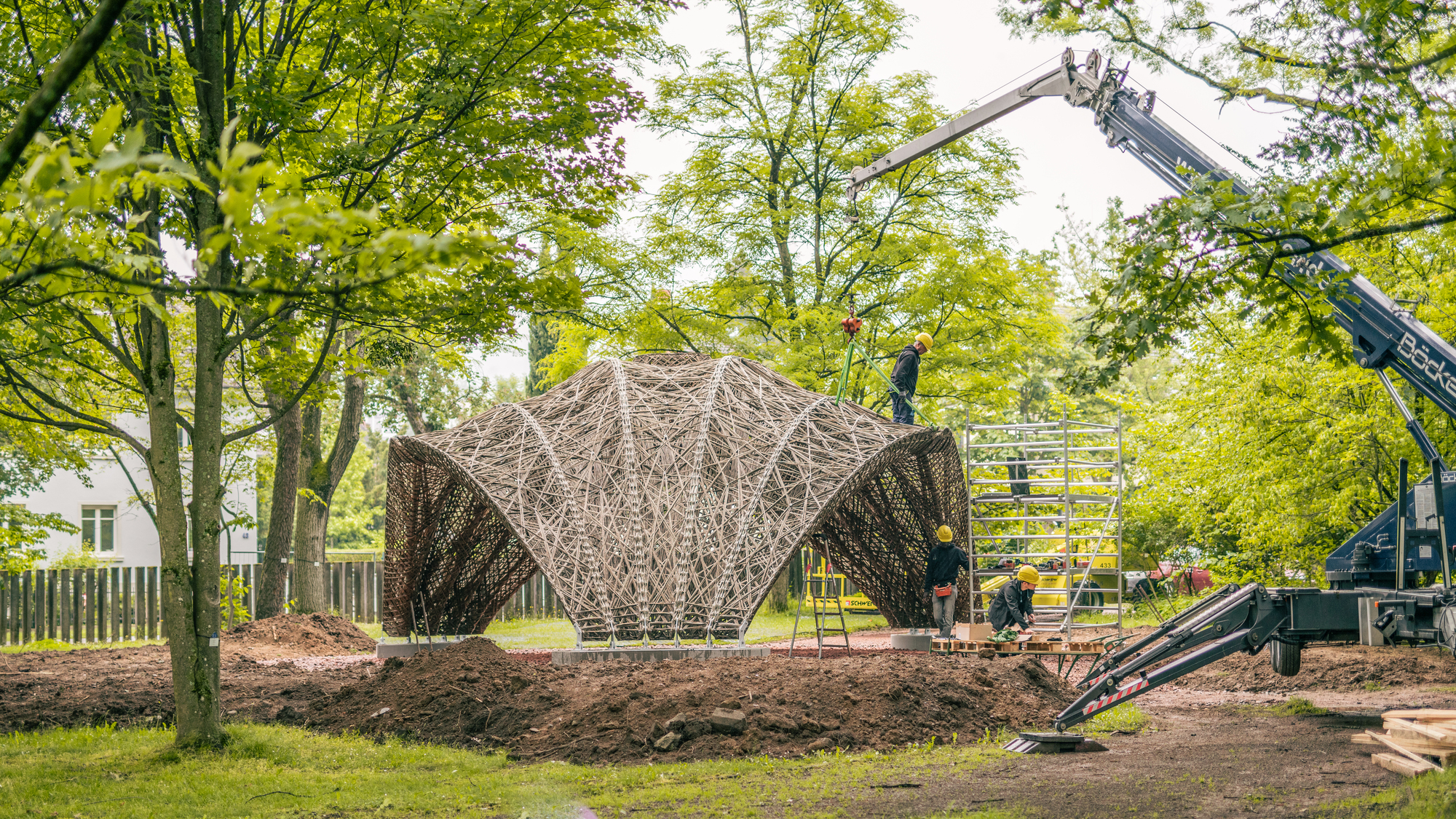
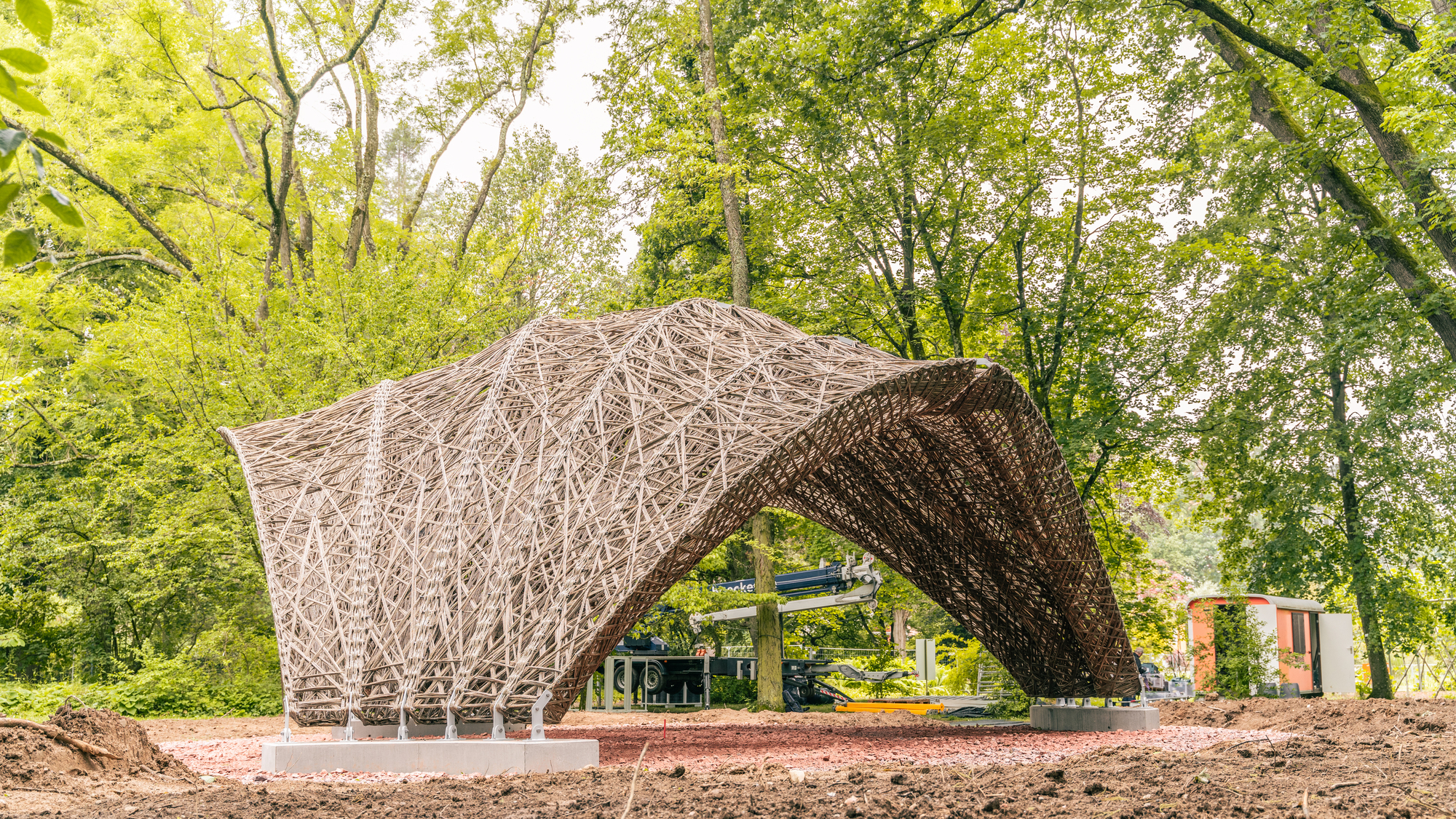
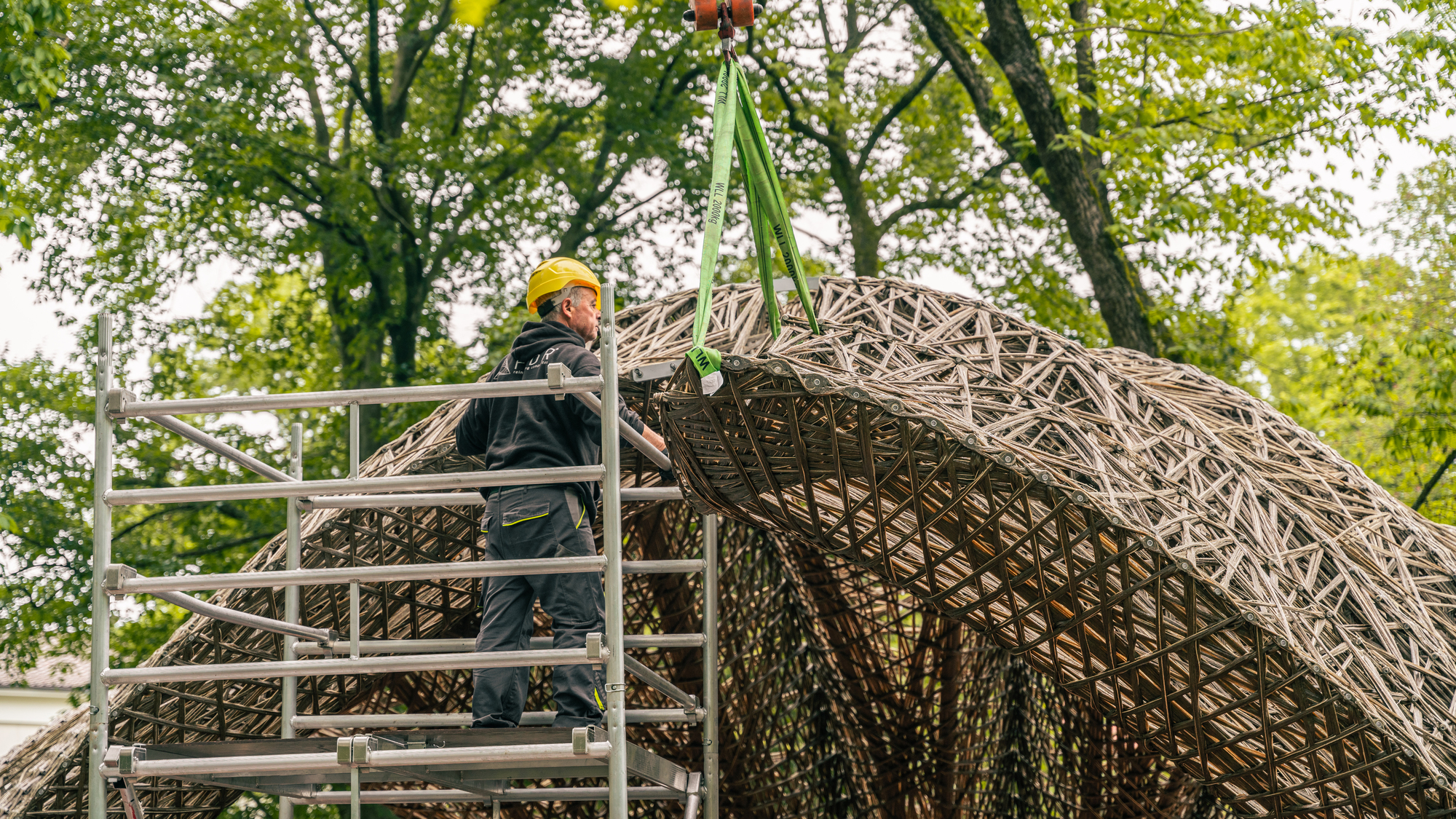
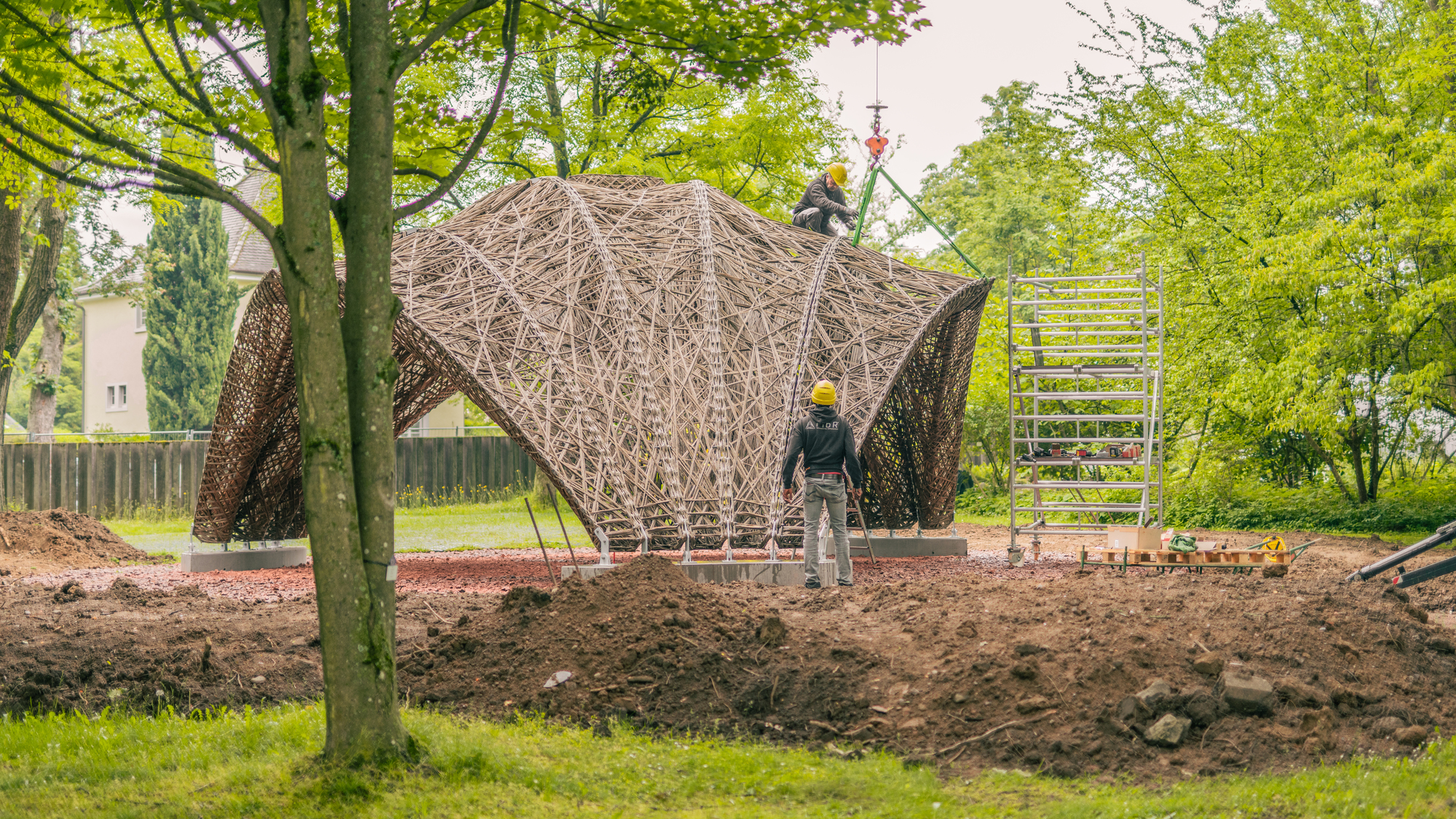
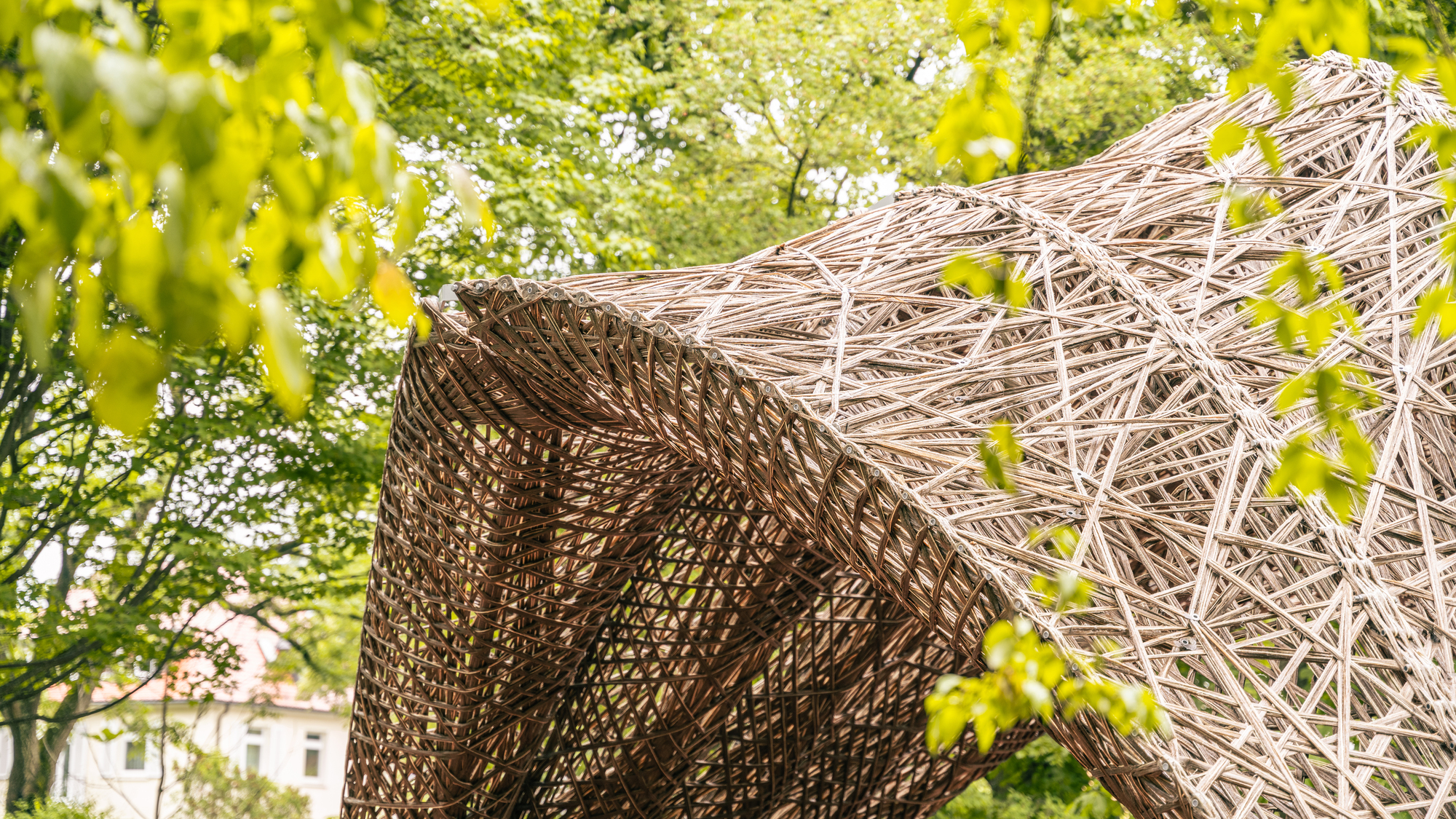
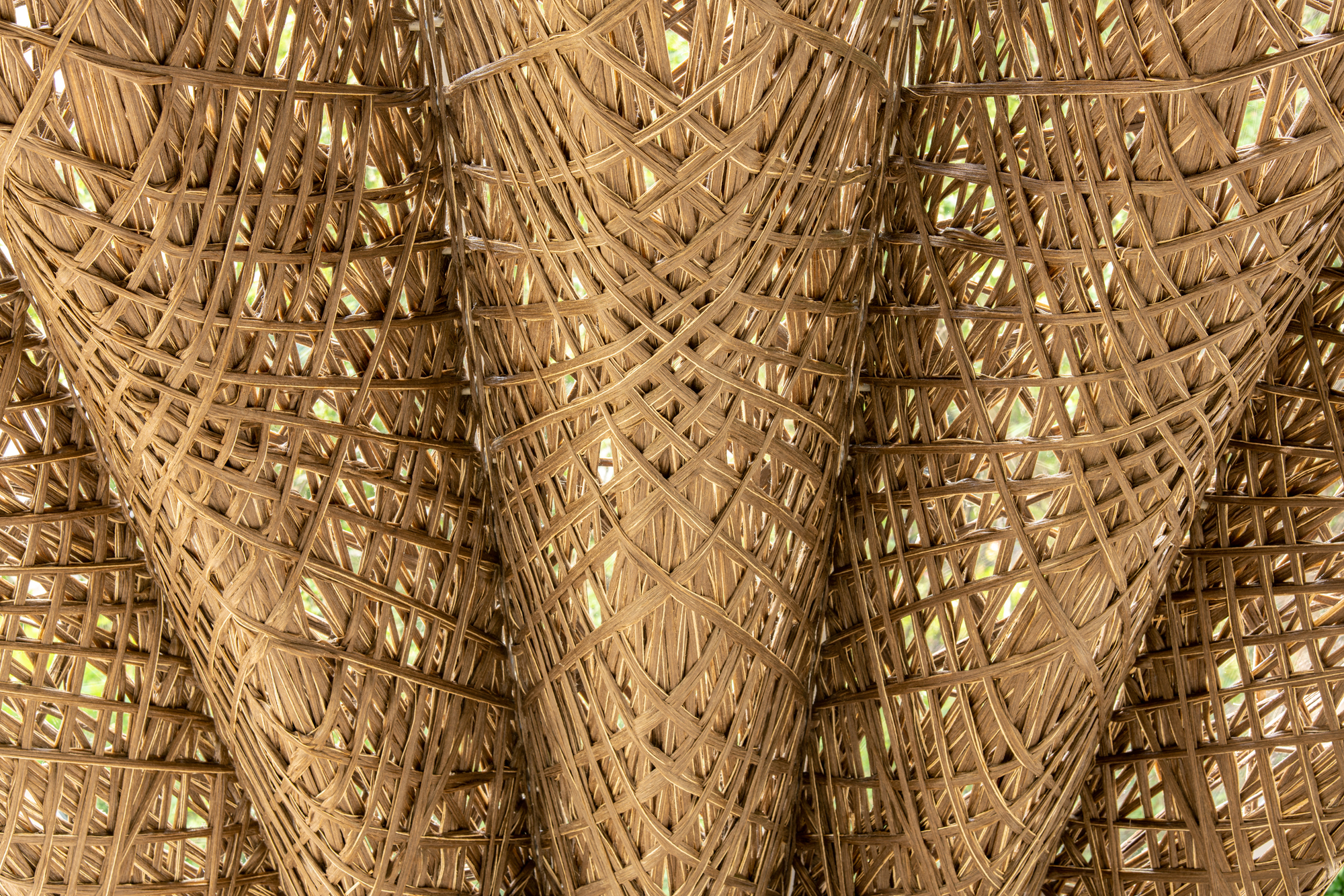
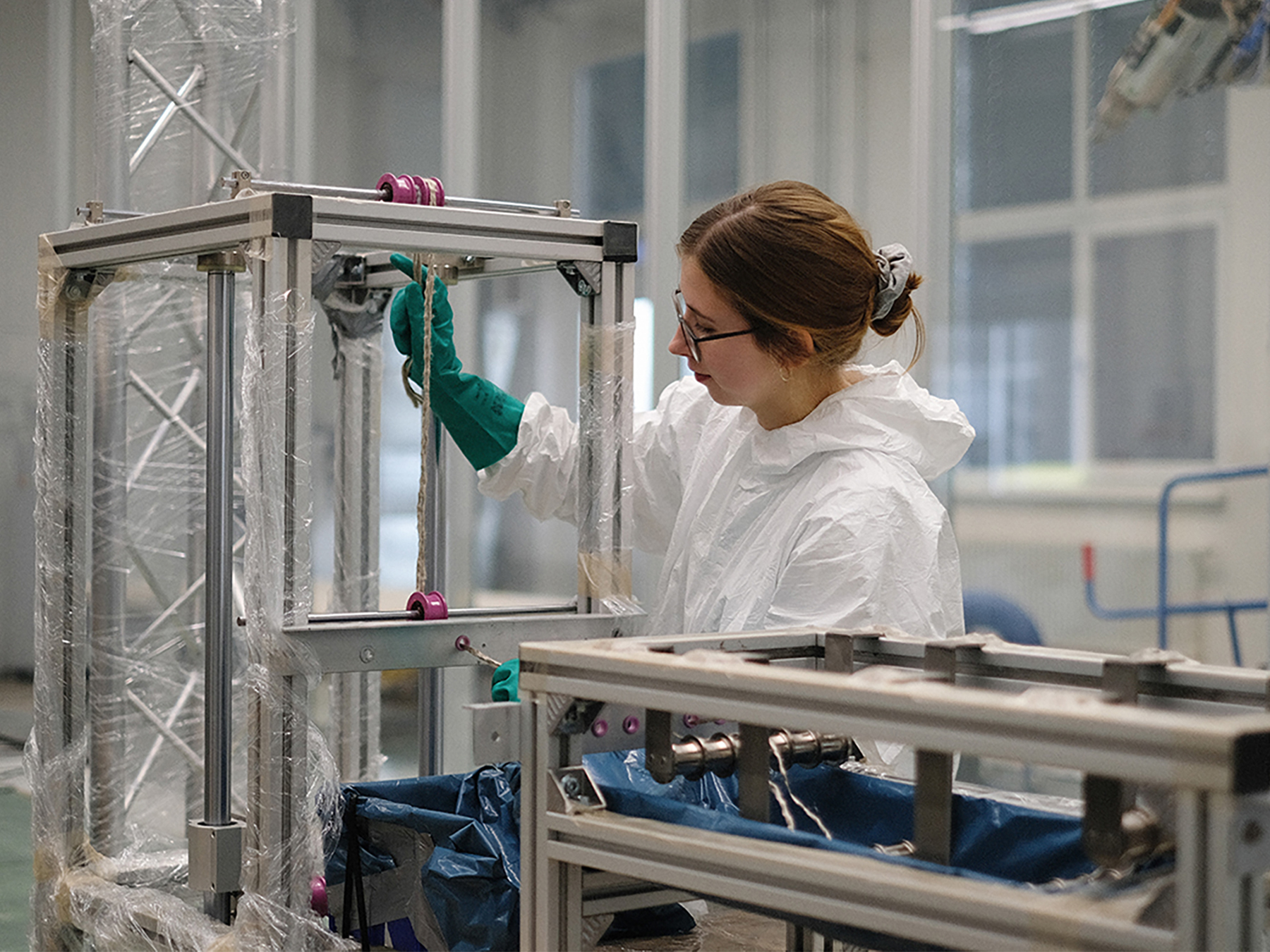
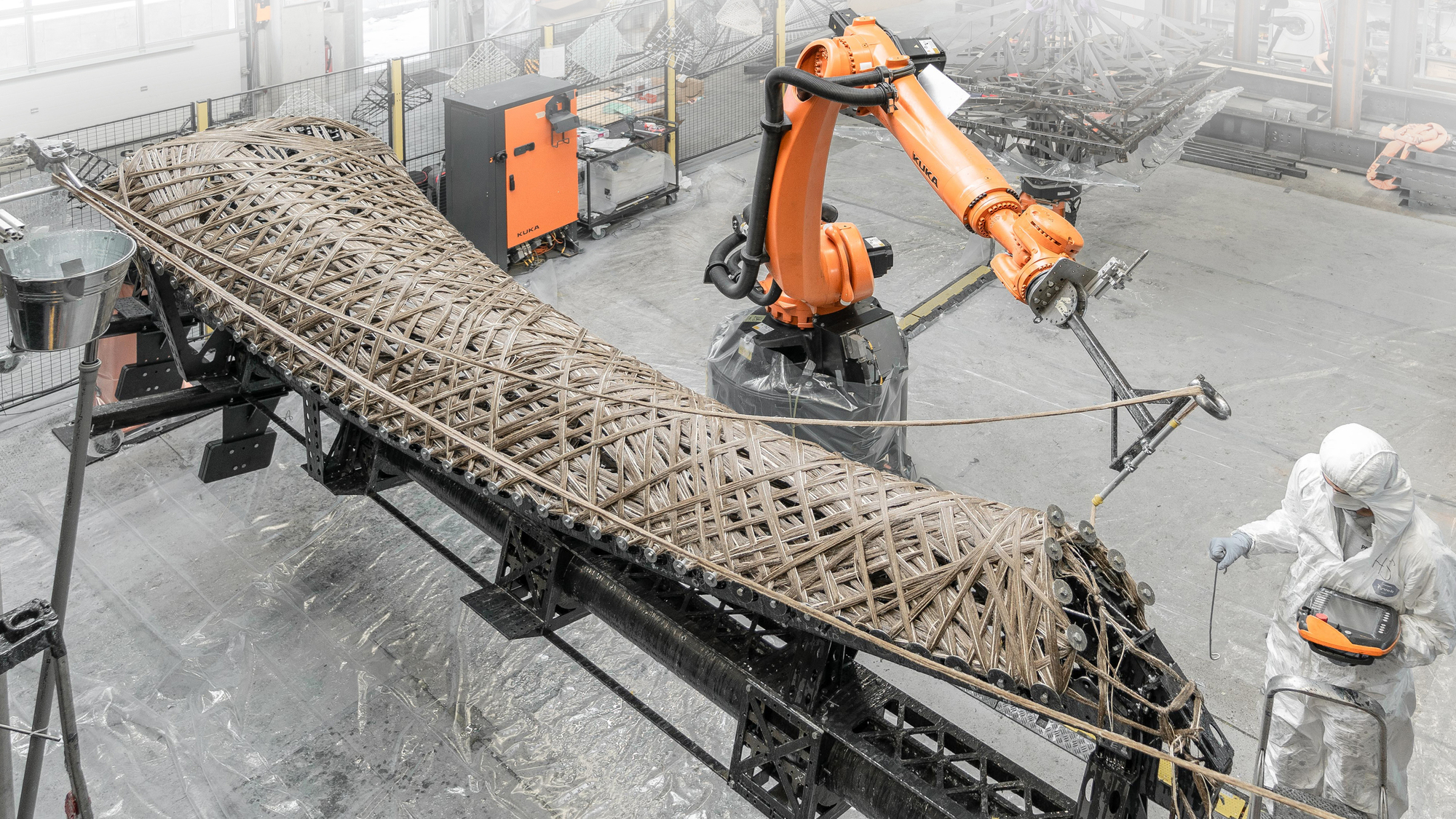
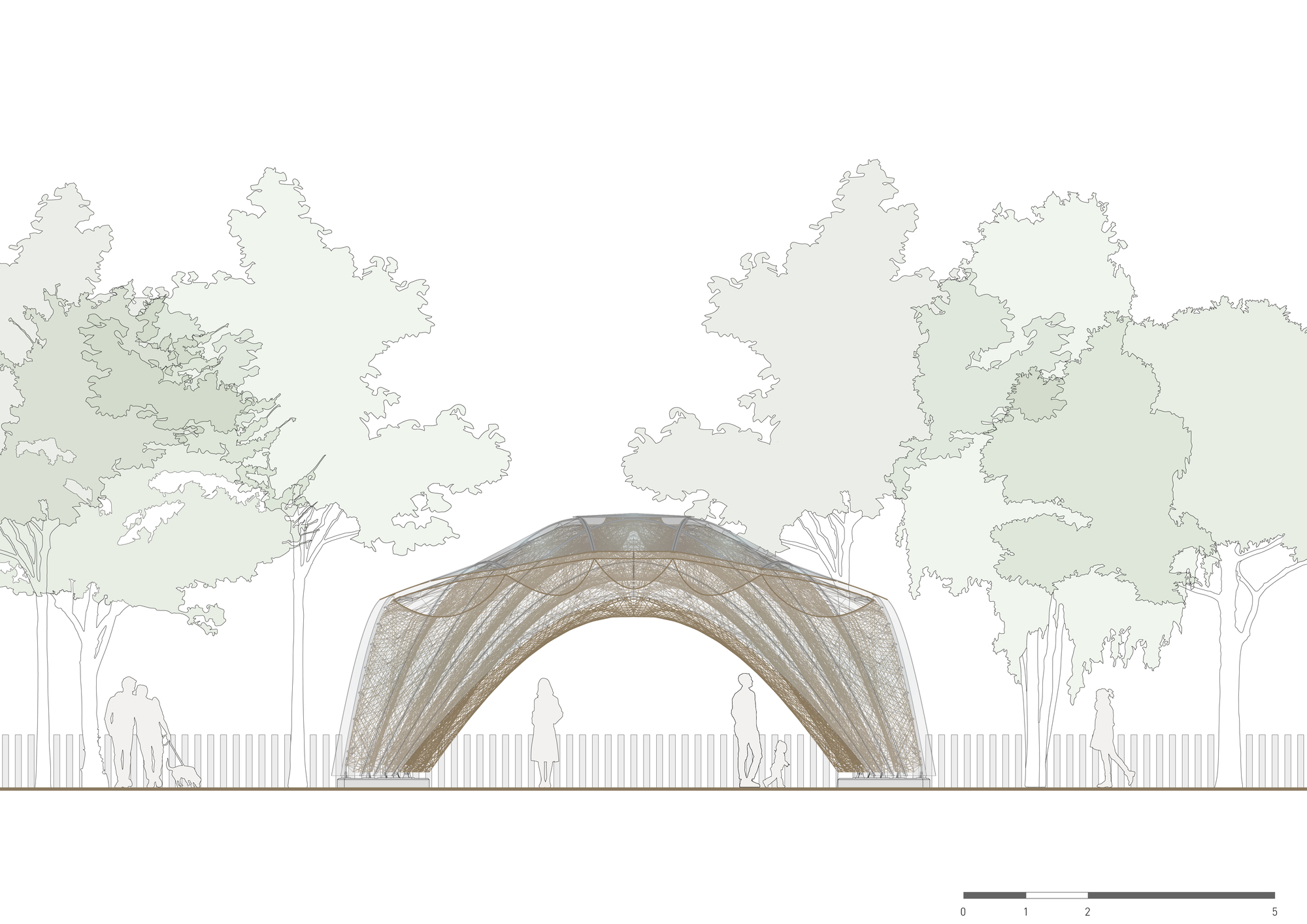
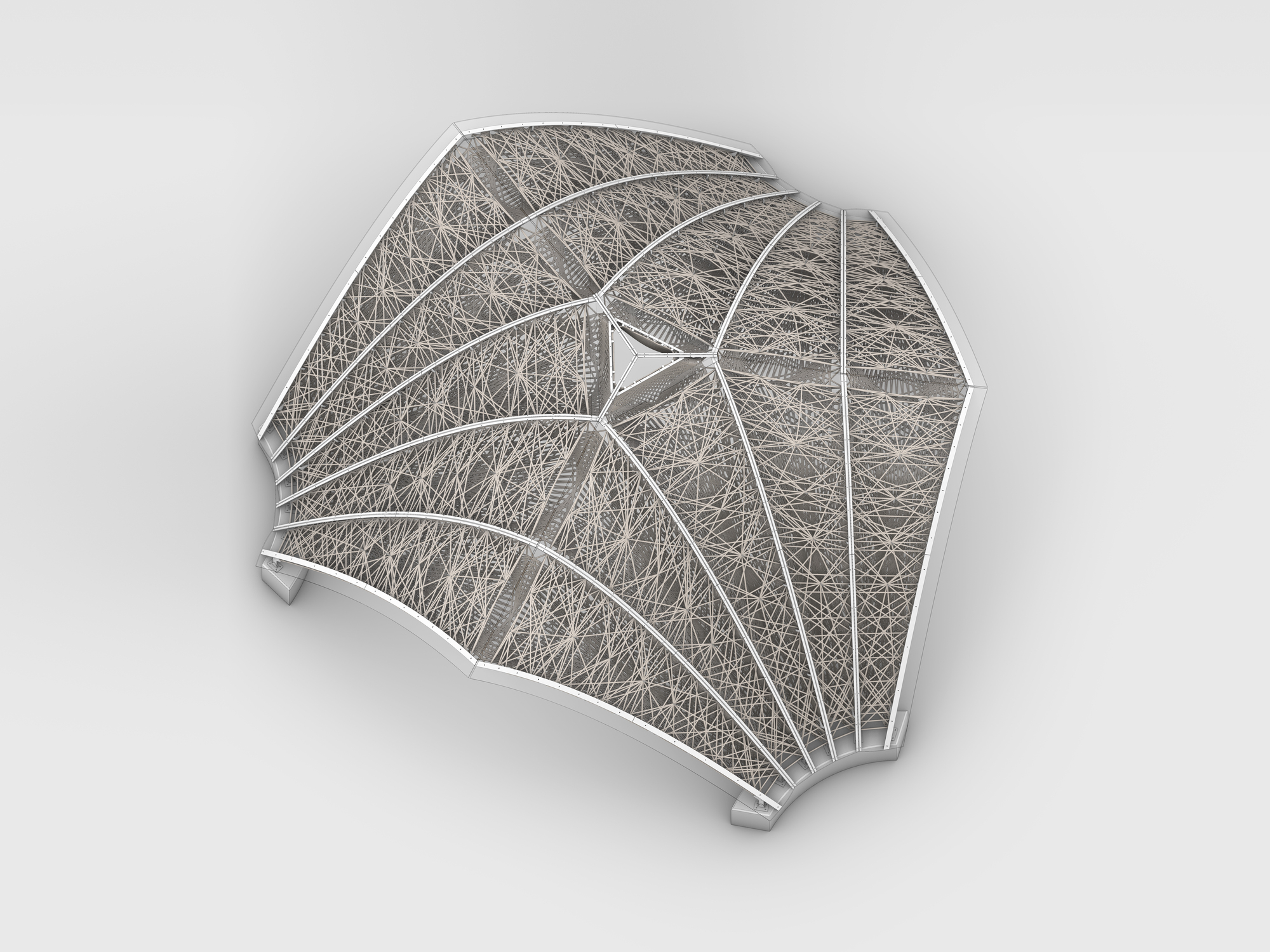
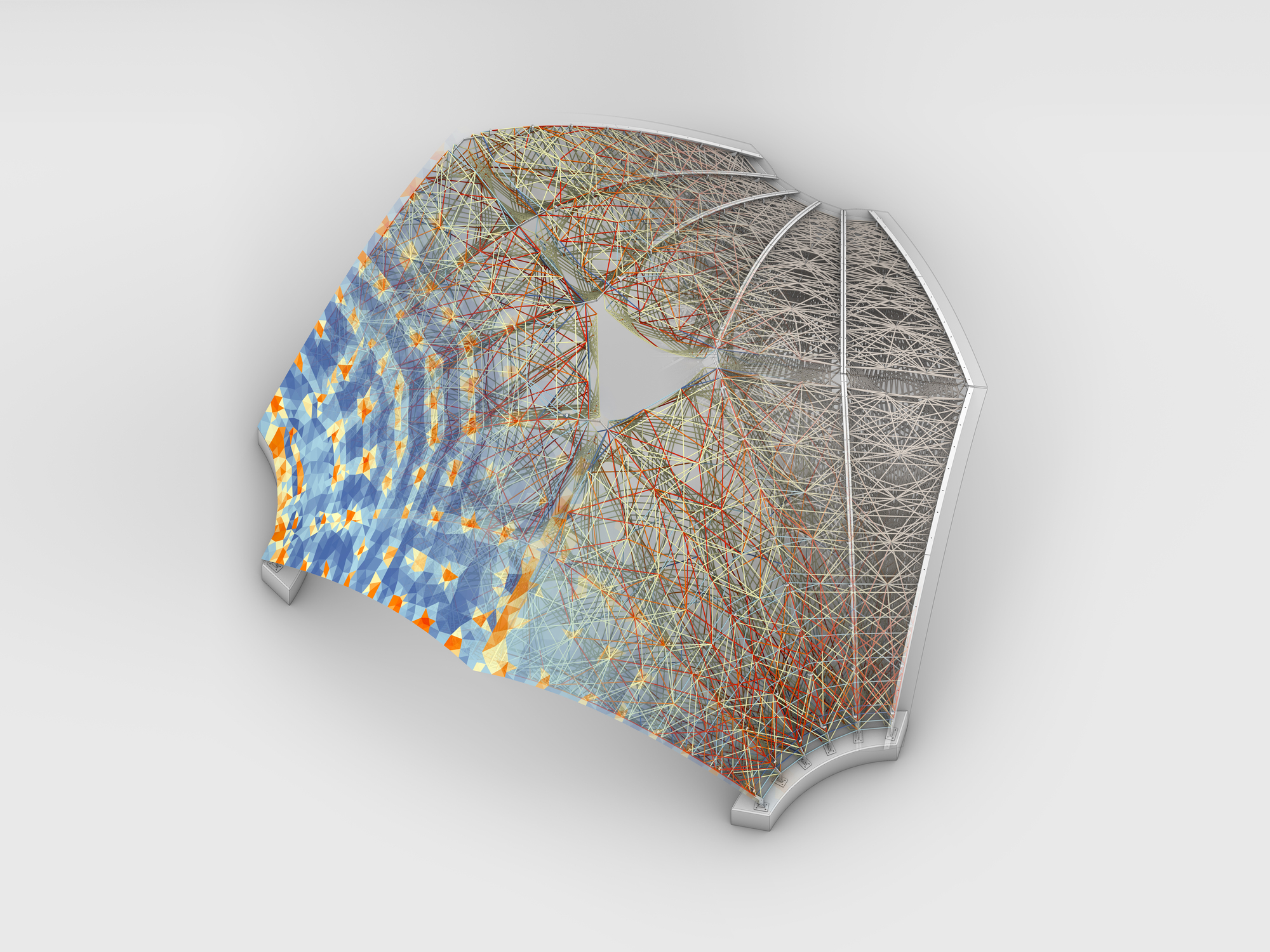
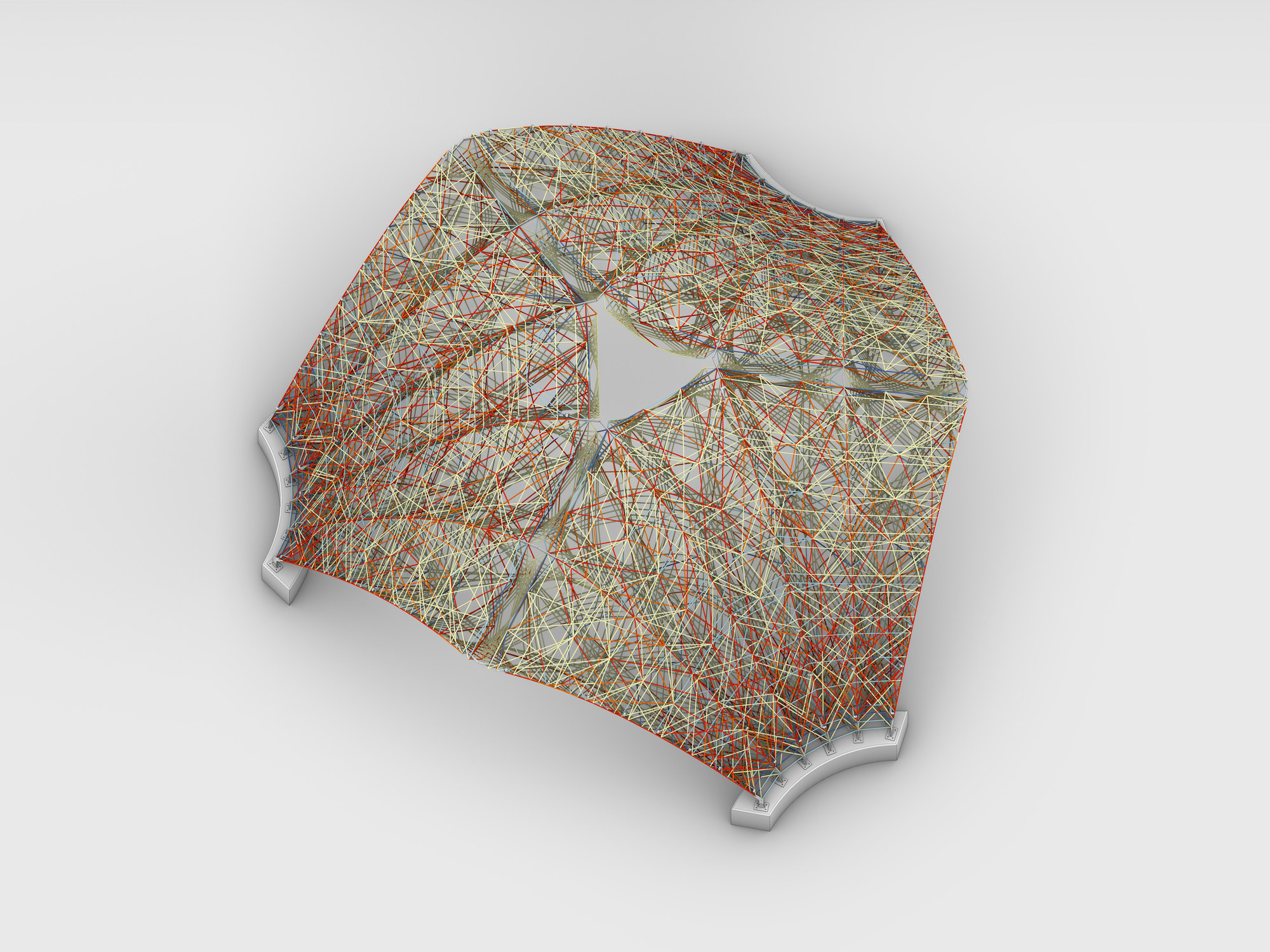
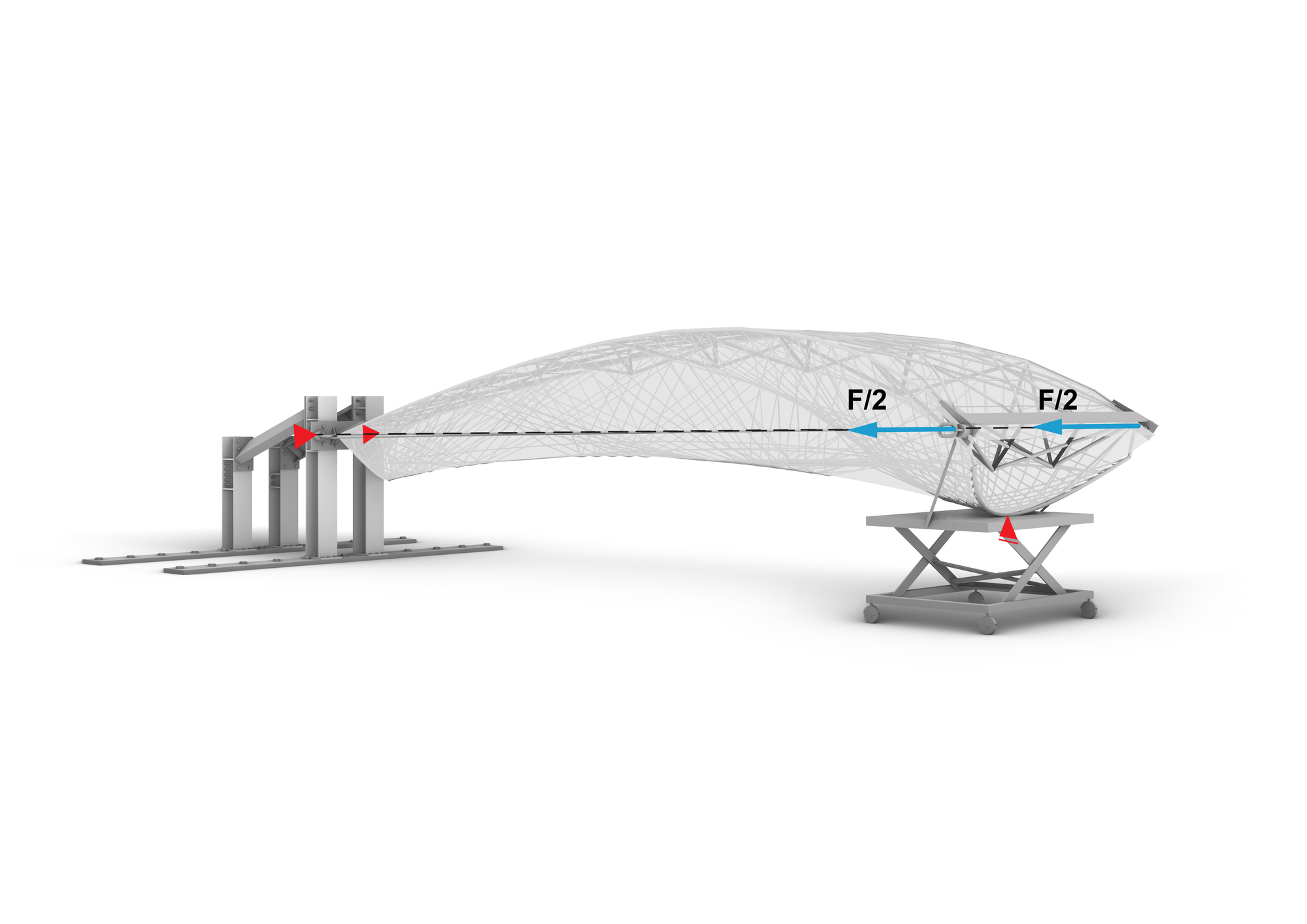
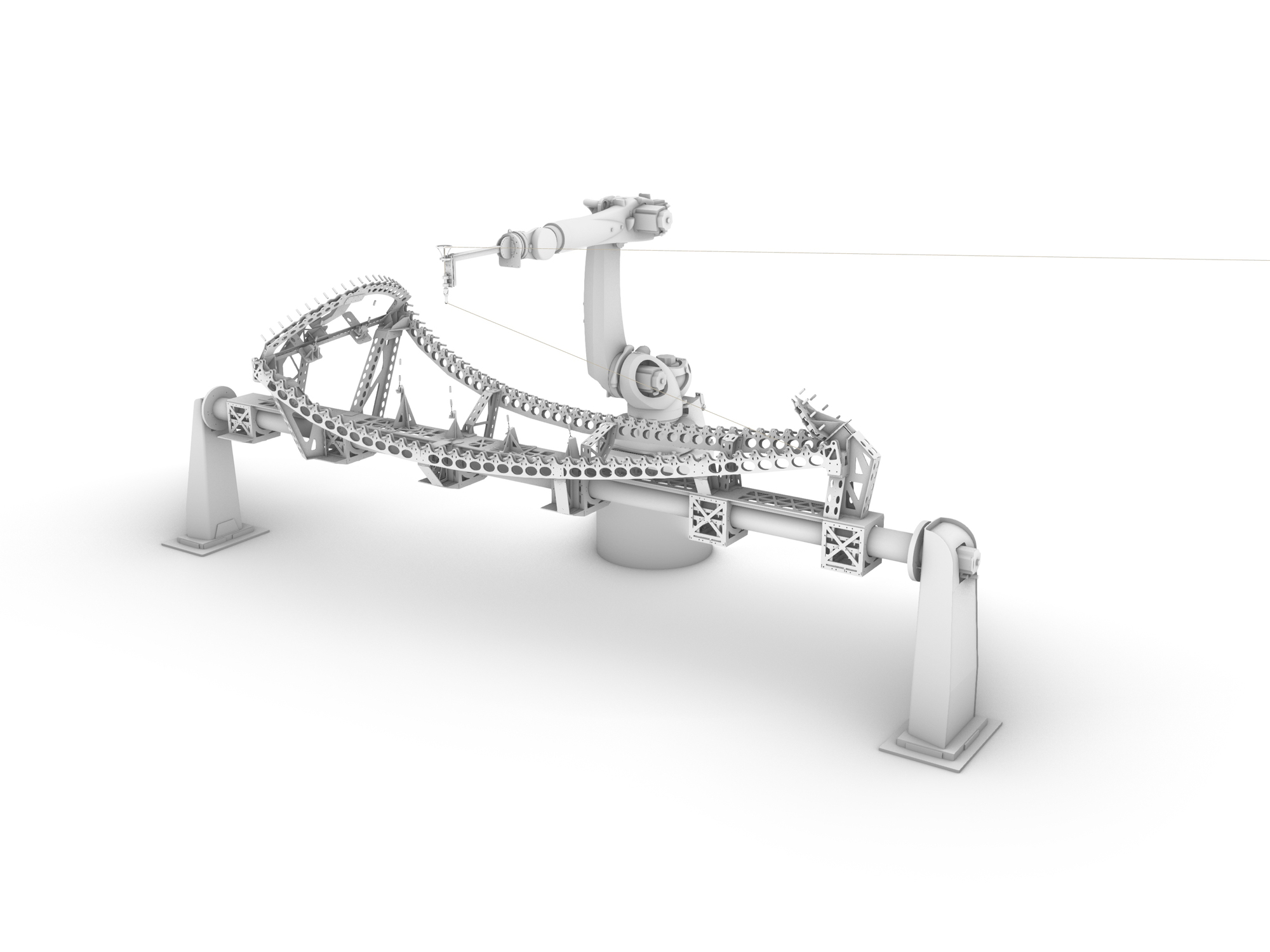
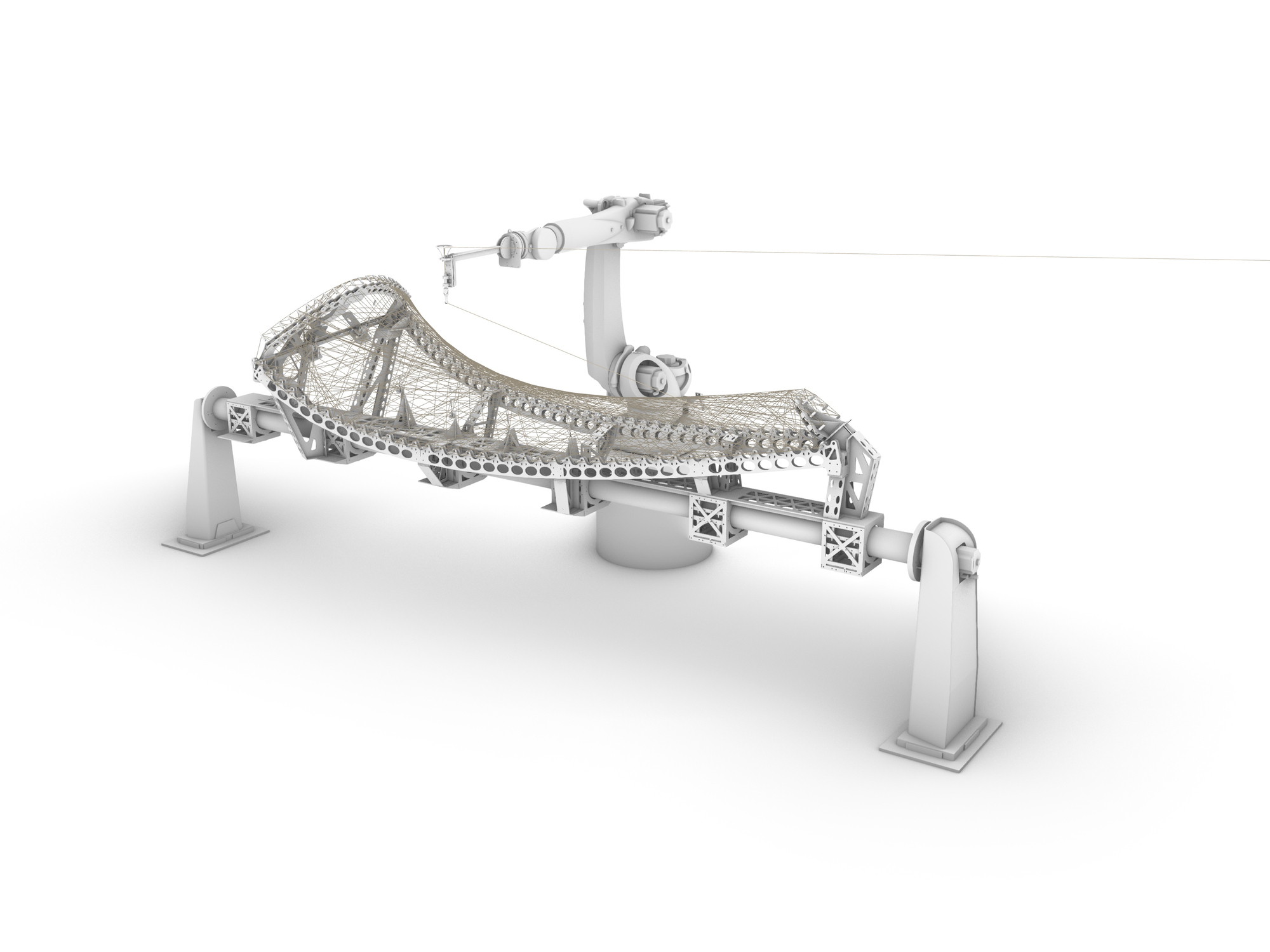
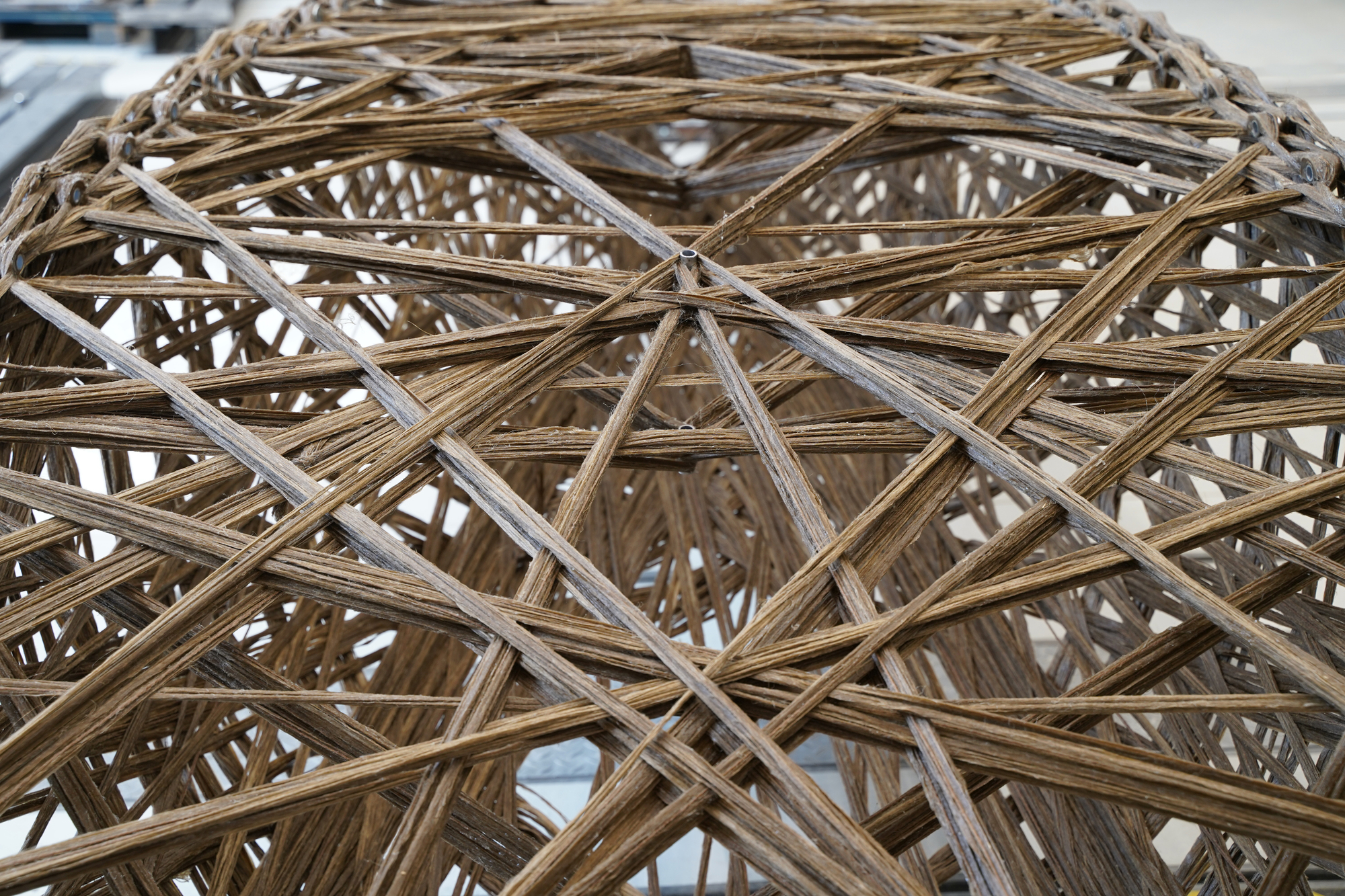
The livMatS Research Pavilion is located in the botanical garden of the University of Freiburg. Rather than being designed with conventional construction methods, the building uses materials efficiently, and it represents an important milestone on the road to sustainable architecture. It is the first load-bearing building ever made entirely from flax fibres wound by robotic arms. Flax is a fully renewable, biodegradable material that is abundant in Central Europe. The pavilion combines natural materials with contemporary digital technology; its design team is interdisciplinary, including architects and engineers from the ITECH masters programme of the University of Stuttgart's Excellence Cluster Integrative Computational Design and Construction for Architecture, and biologists from the University of Freiburg's cluster of Excellence Living, Adaptive and Energy-autonomous Material Systems. The design is biologically inspired; it not only demonstrates a novel interdisciplinary collaborative design process but also explores how a living material system can respond to its environment. The pavilion takes its morphological cues from the highly efficient fibre structures found in nature, winding flax fibres around a temporary mould to form a free-form shell that is then removed. The result is a lightweight, materially frugal building in which the structural logic and the material source are one and the same. Set within the botanical garden, it invites visitors to consider what sustainable construction might look like when it grows from renewable, locally available plants rather than from processed industrial materials. The project is a prototype for an architecture that is biologically grown, robotically fabricated and fully compostable at the end of its life.



































 Editor's Pick
 Latest Design
 Best Idea
 Hottest of Week