Text description provided by the architects
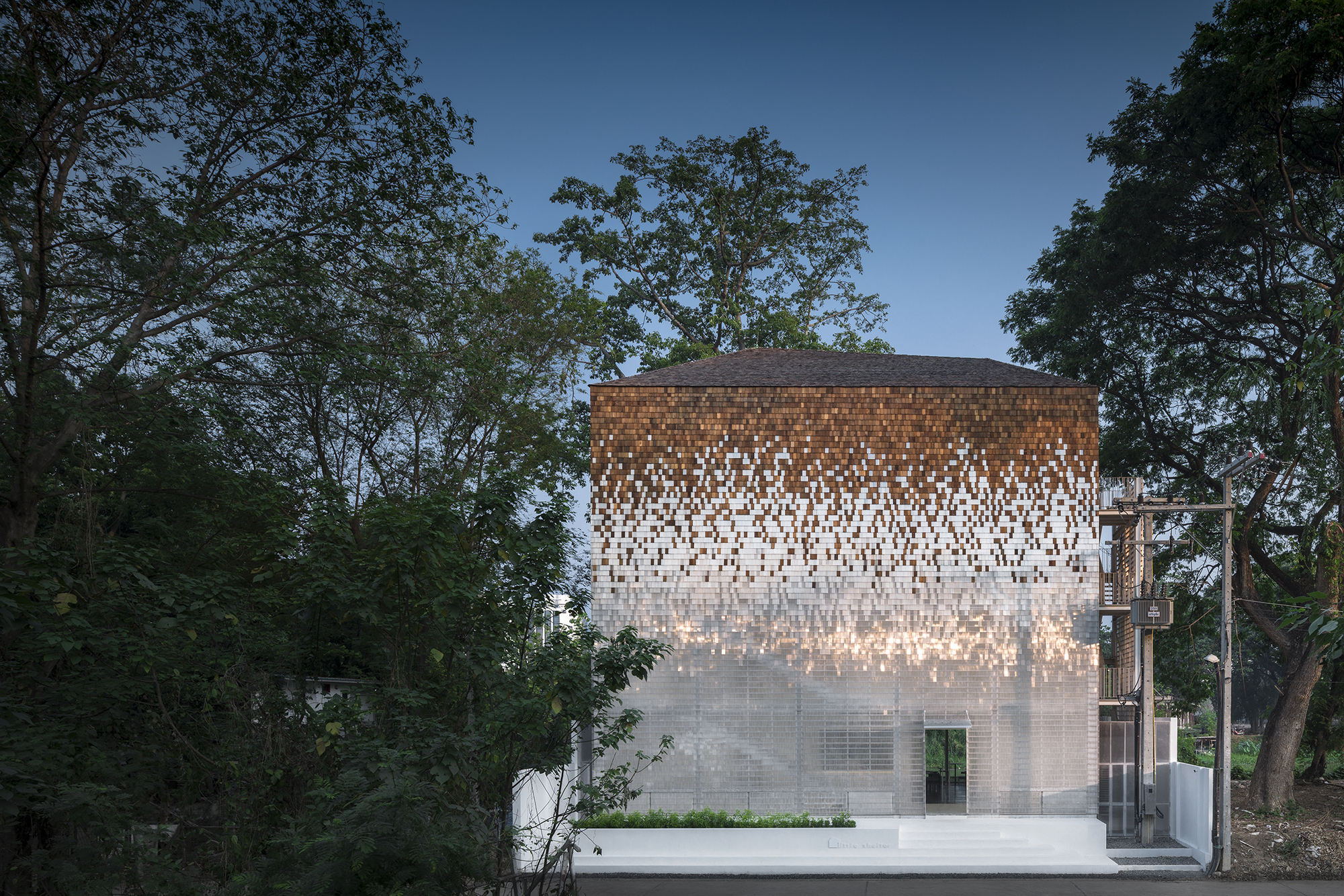
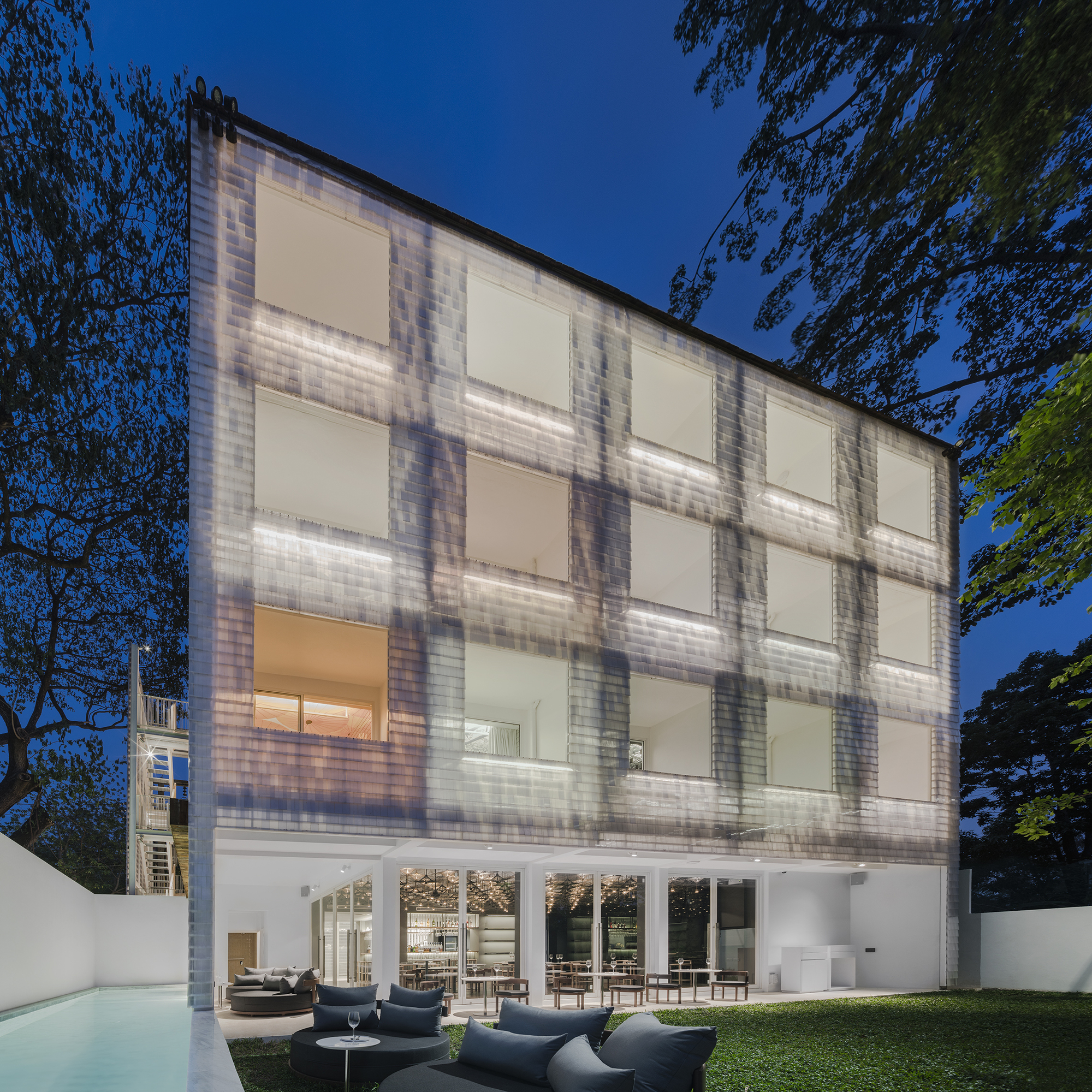
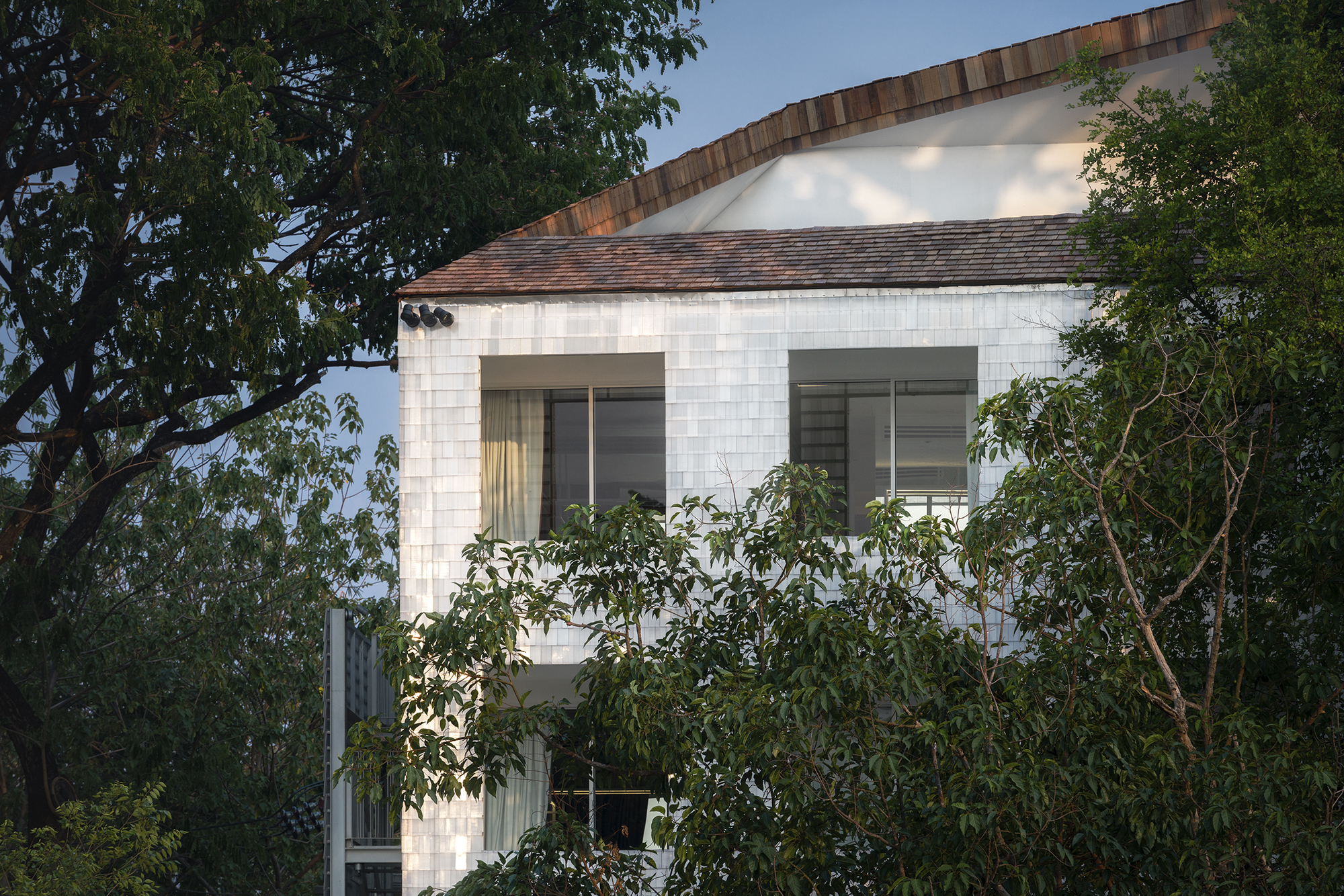
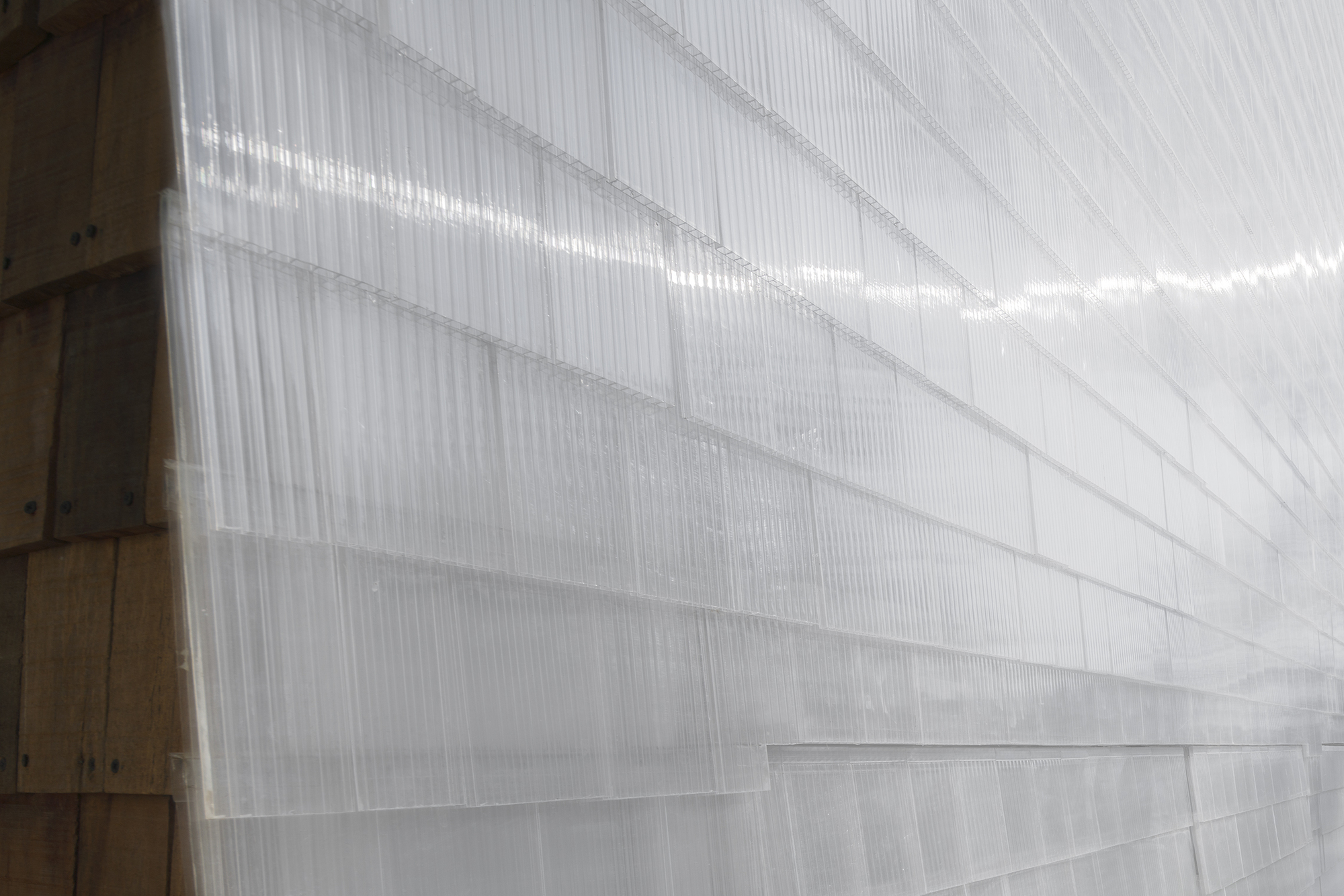
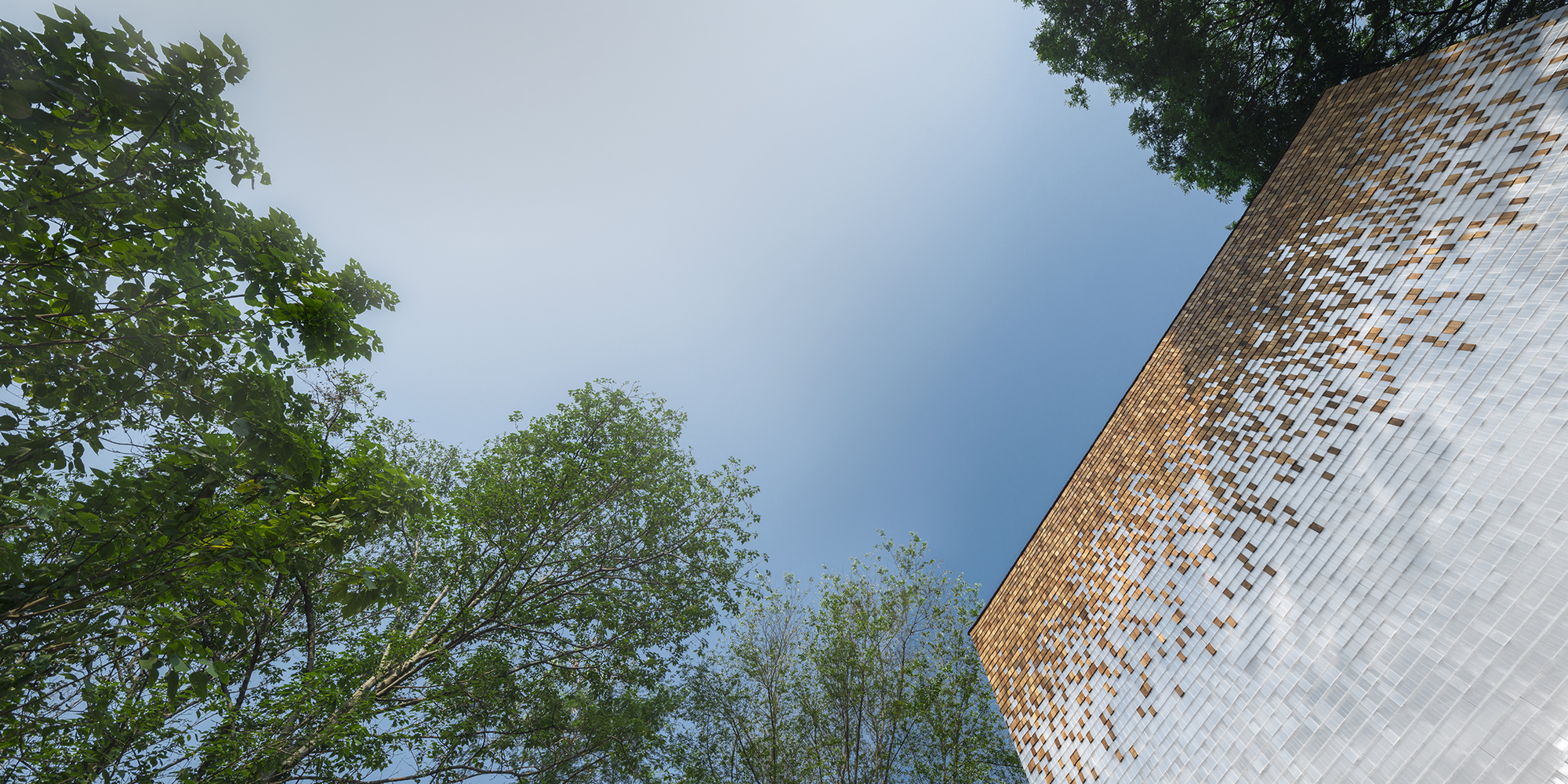
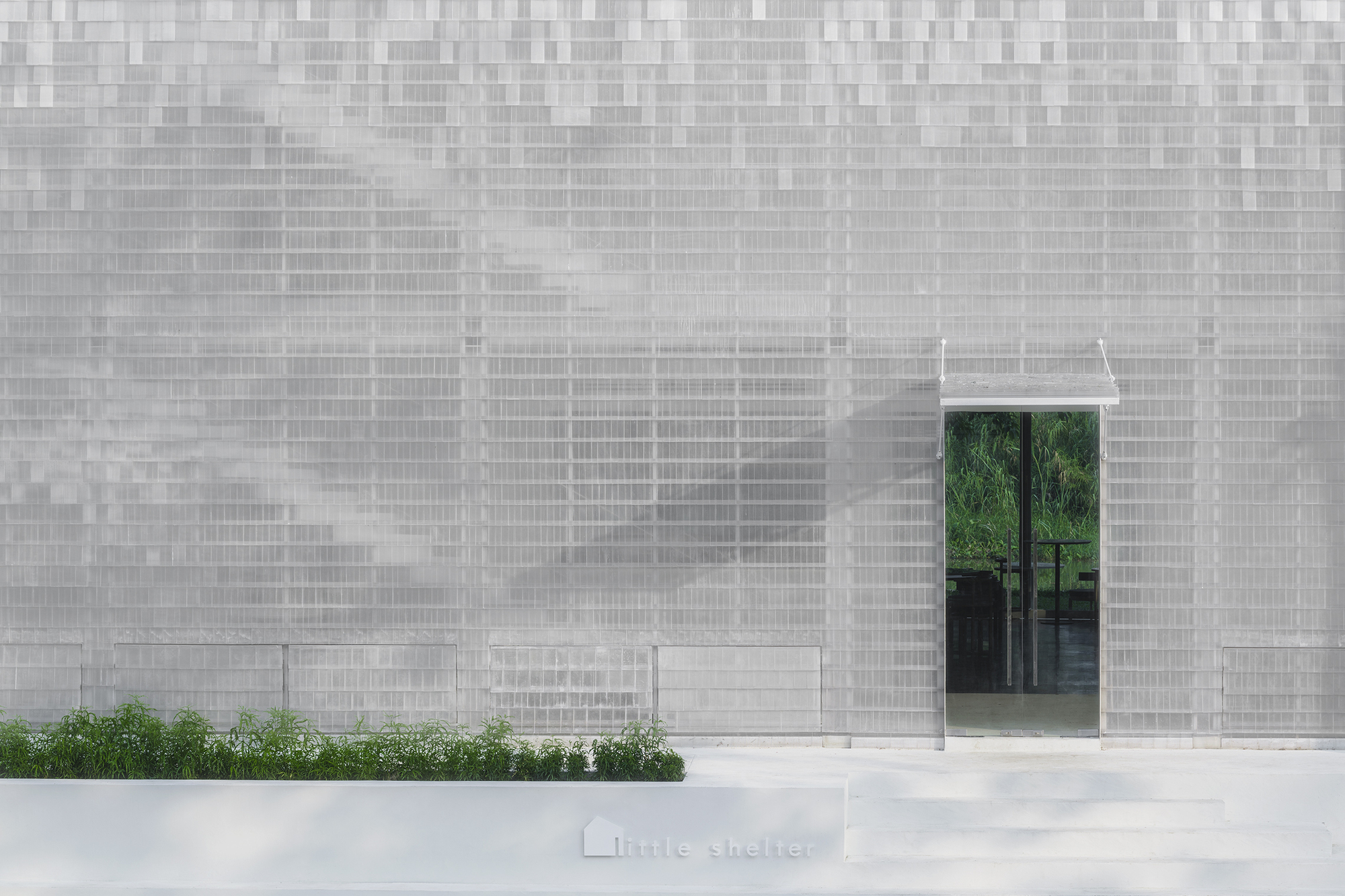
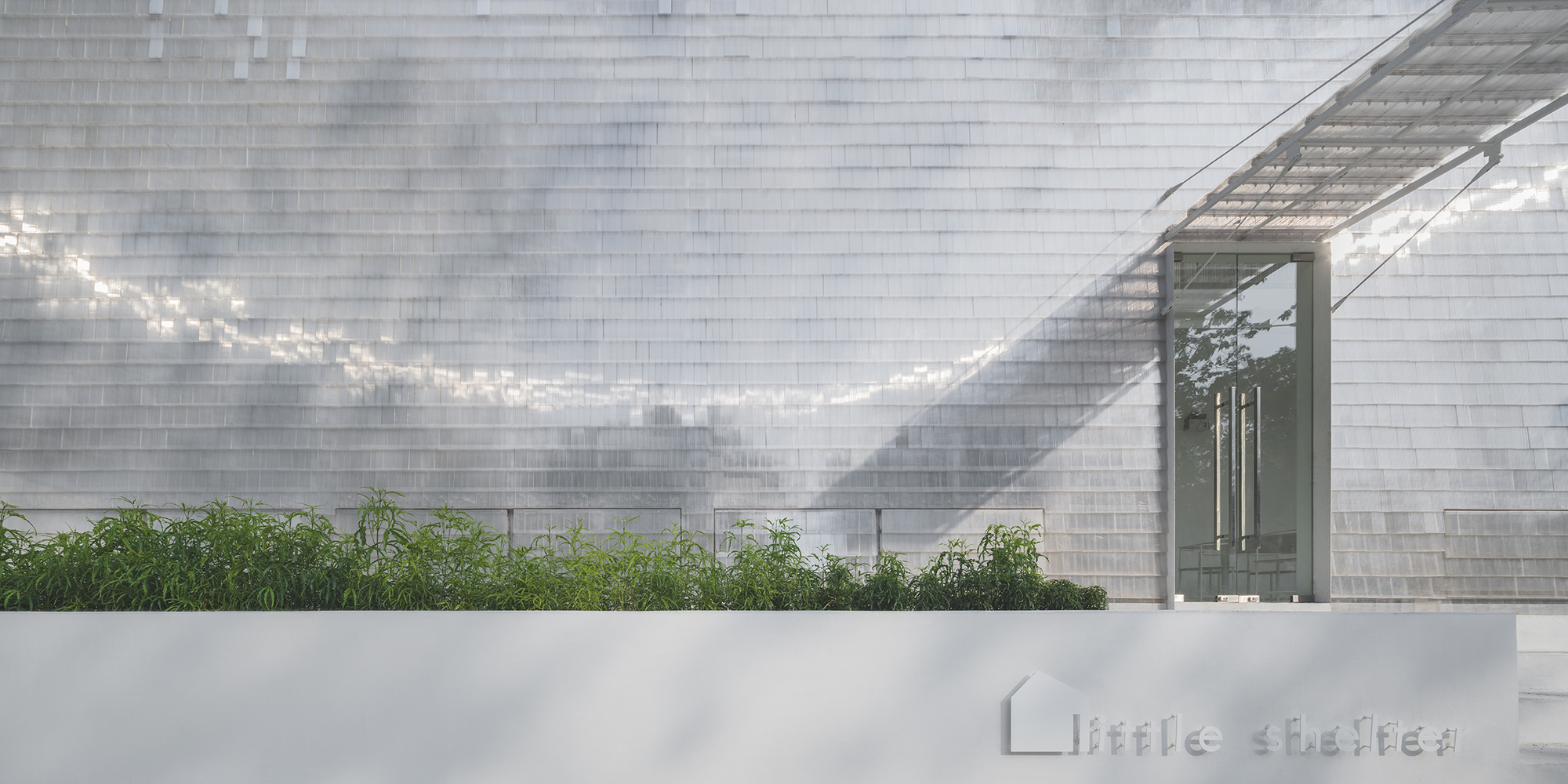
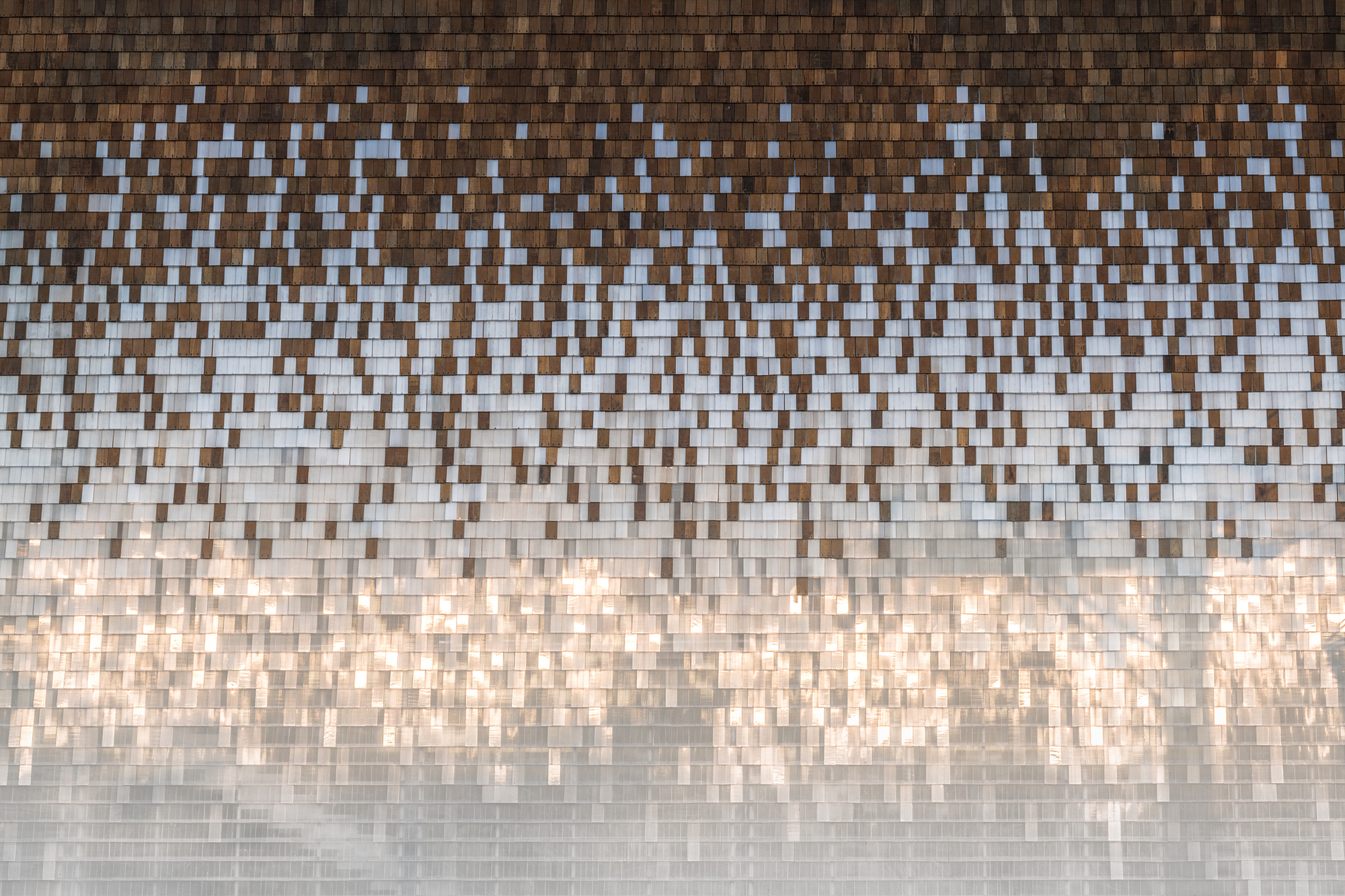
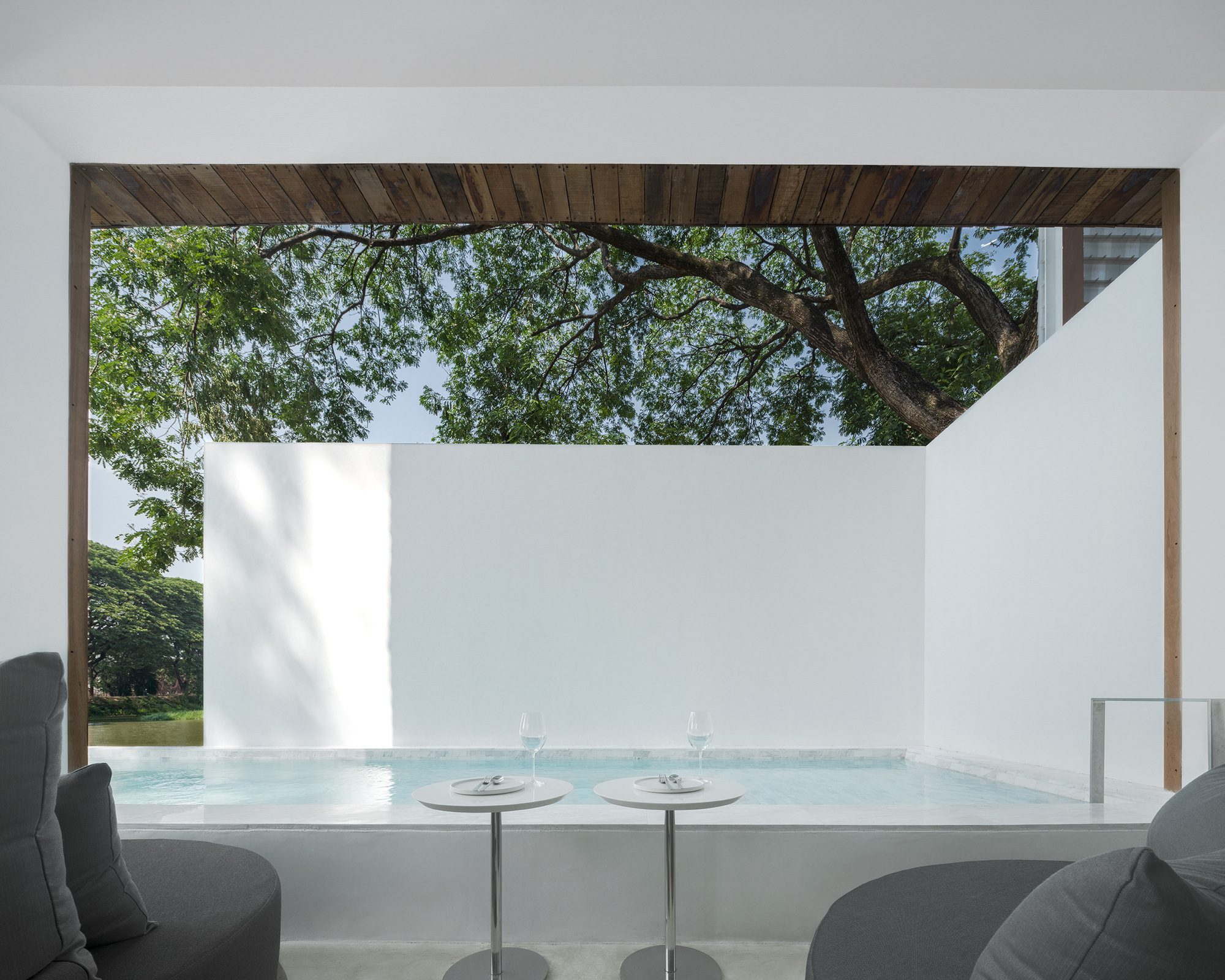
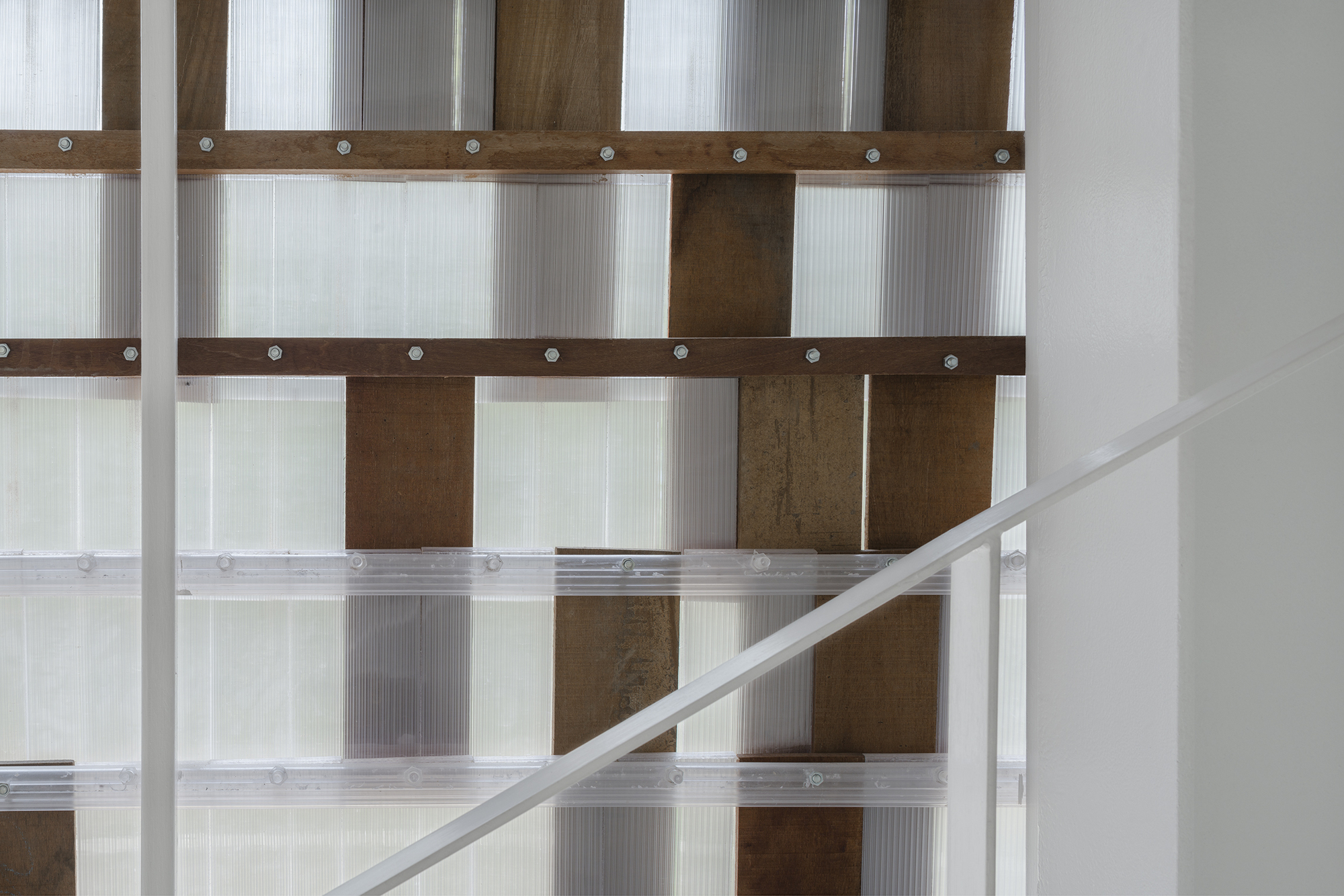
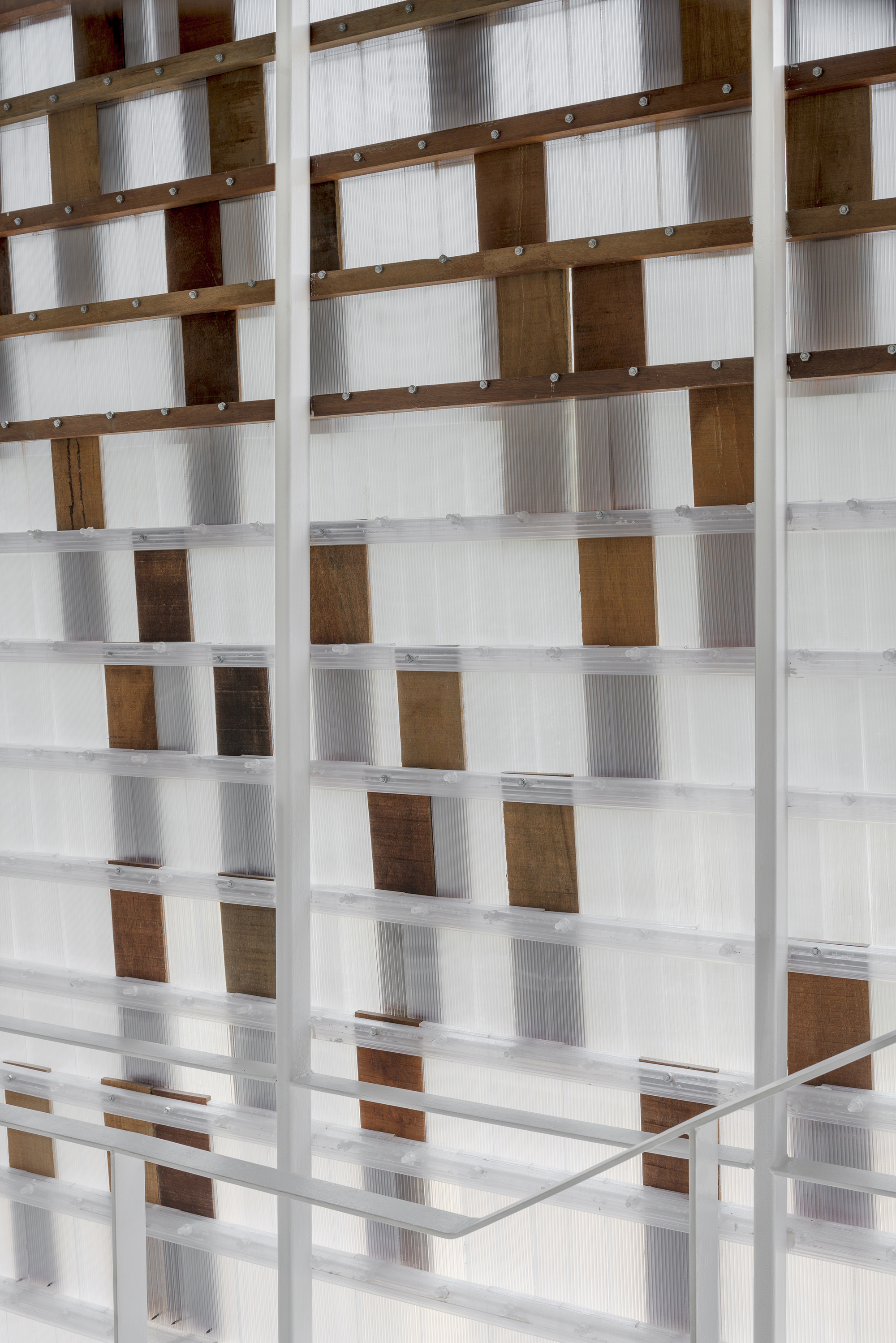
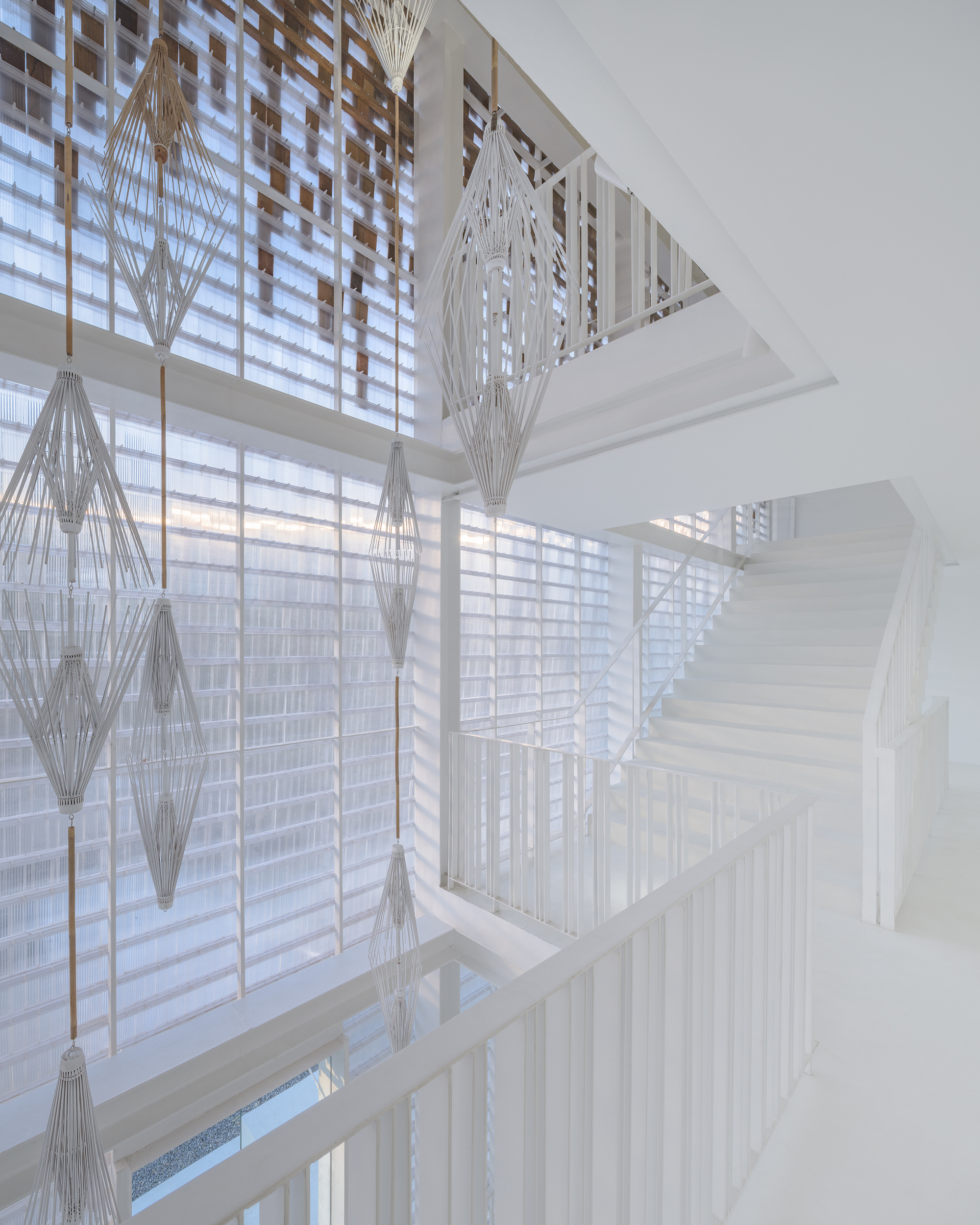
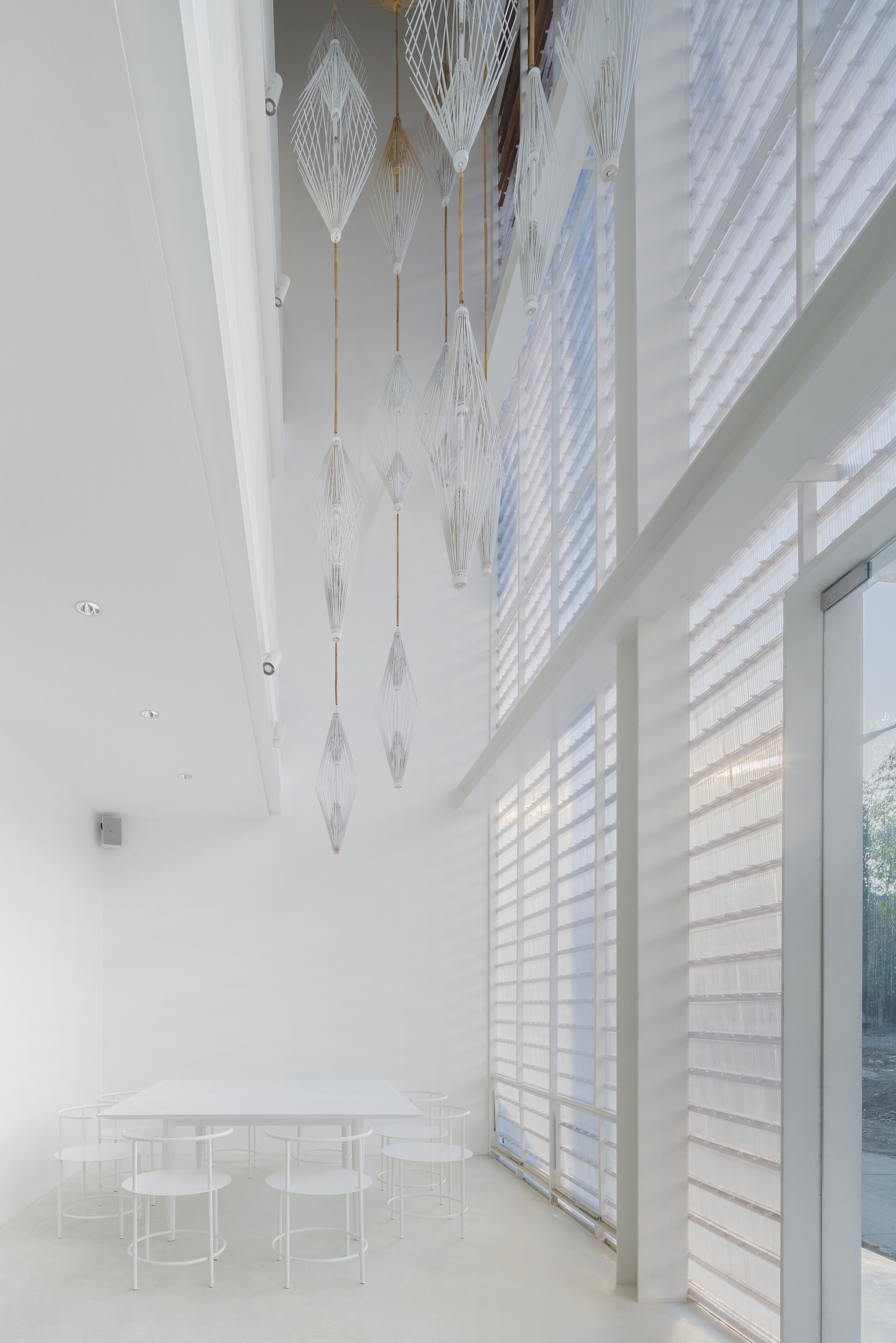
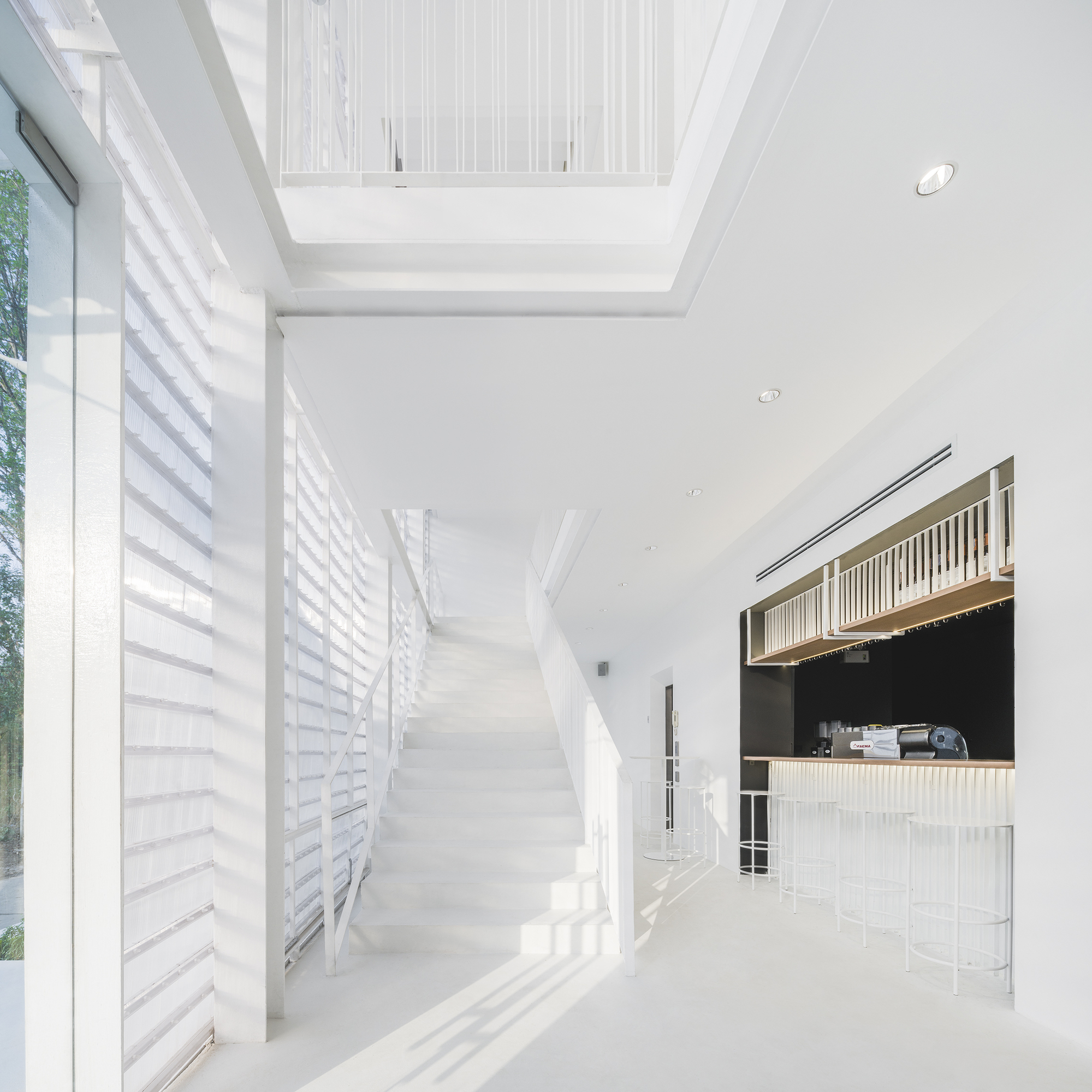
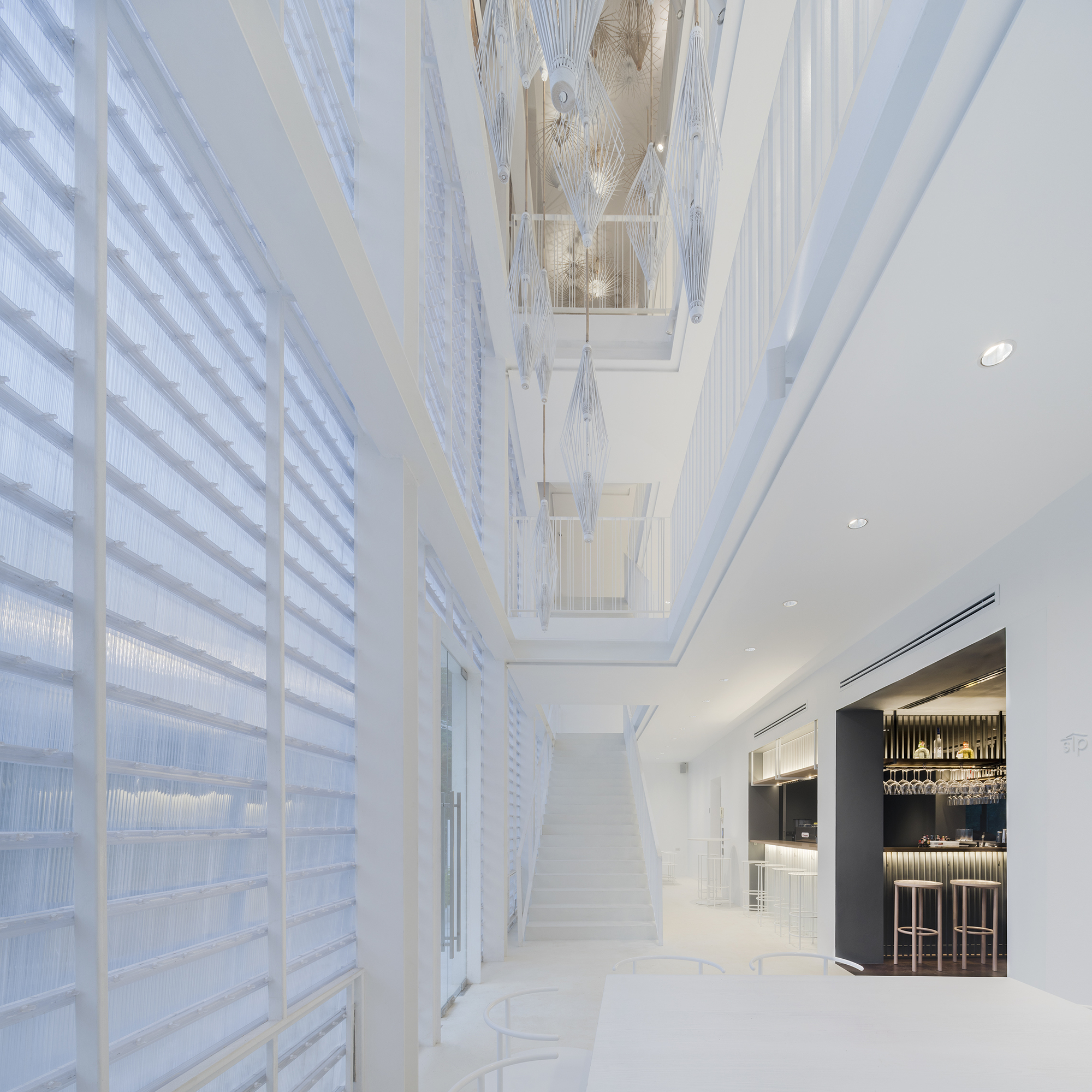
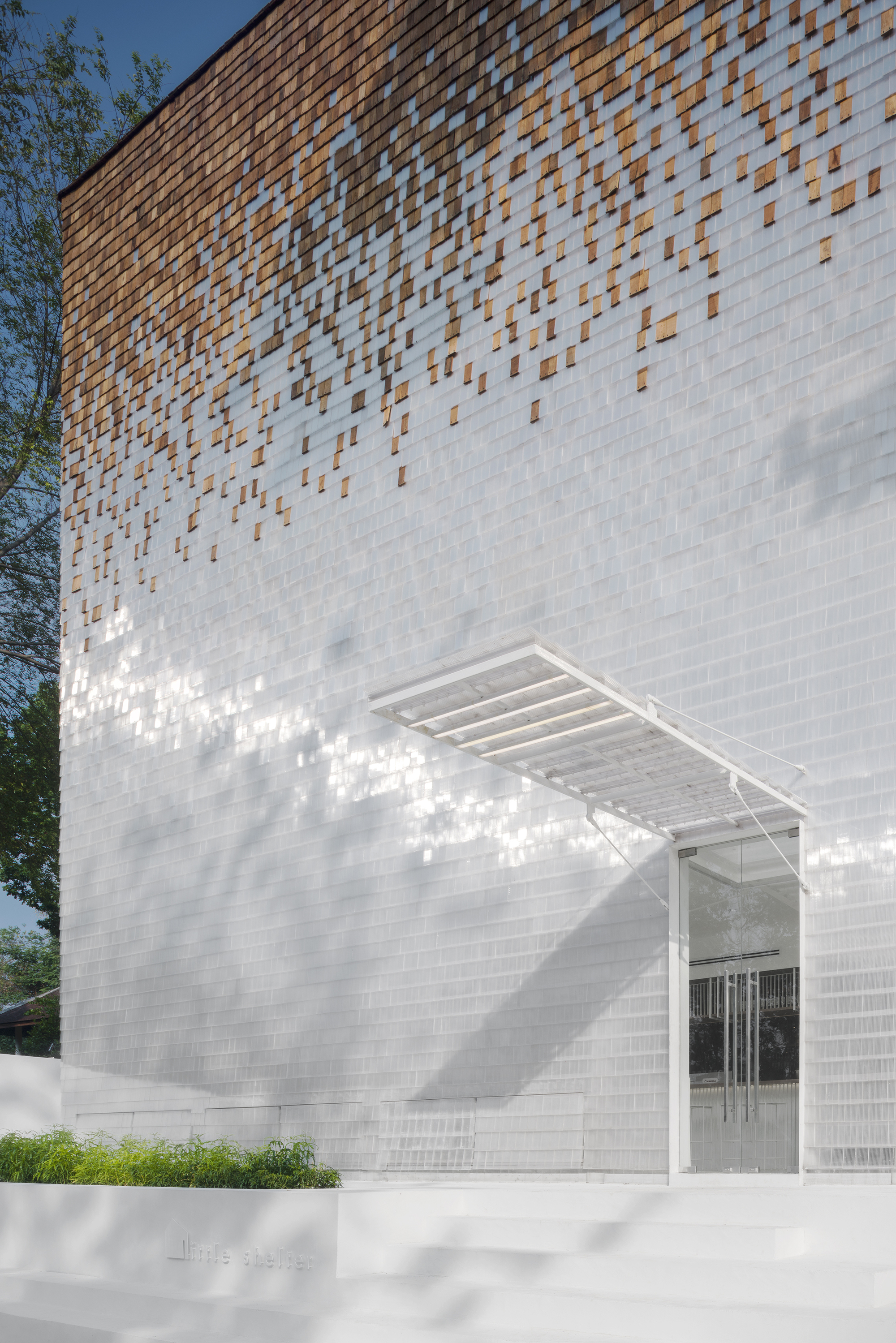
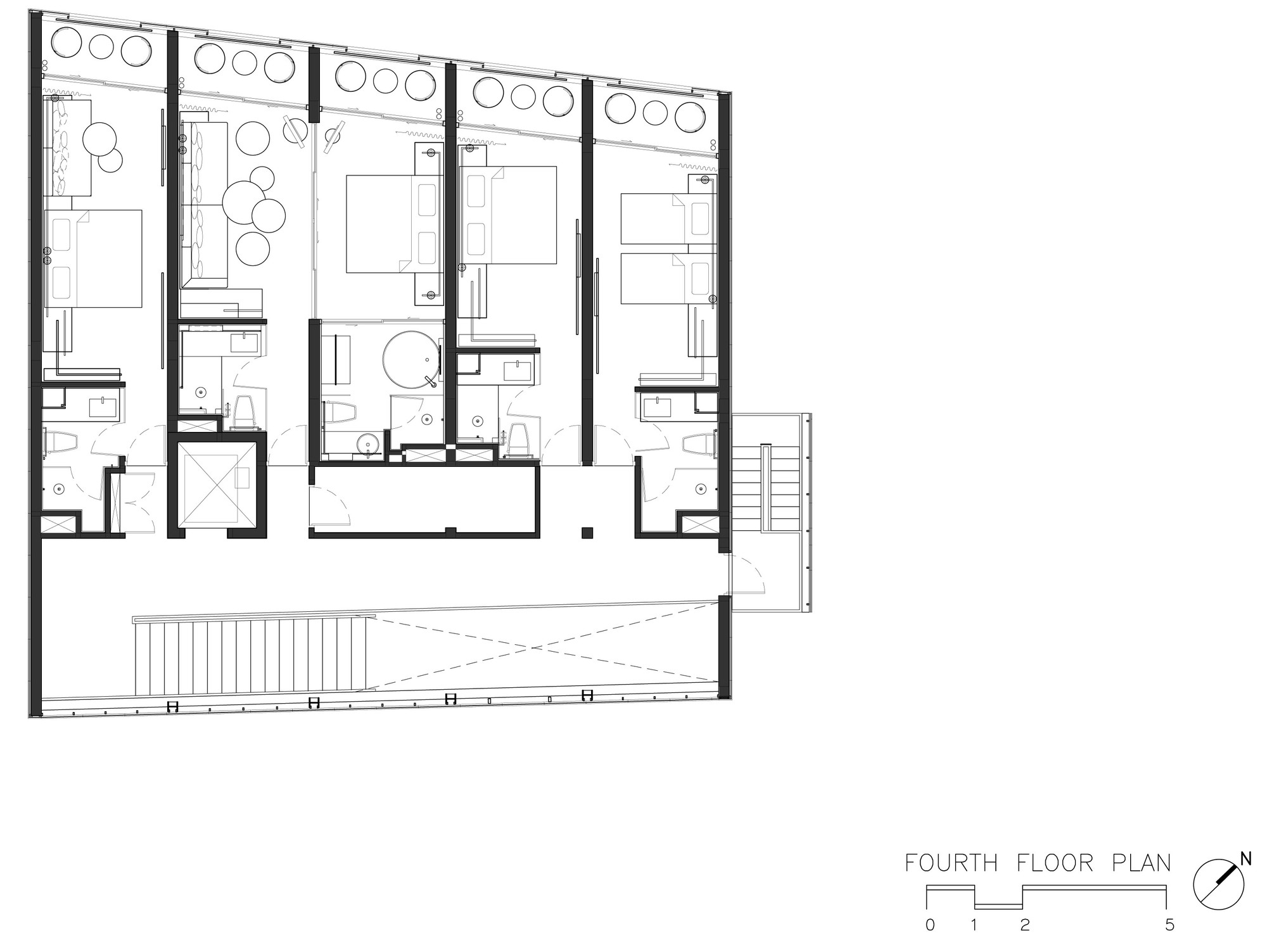
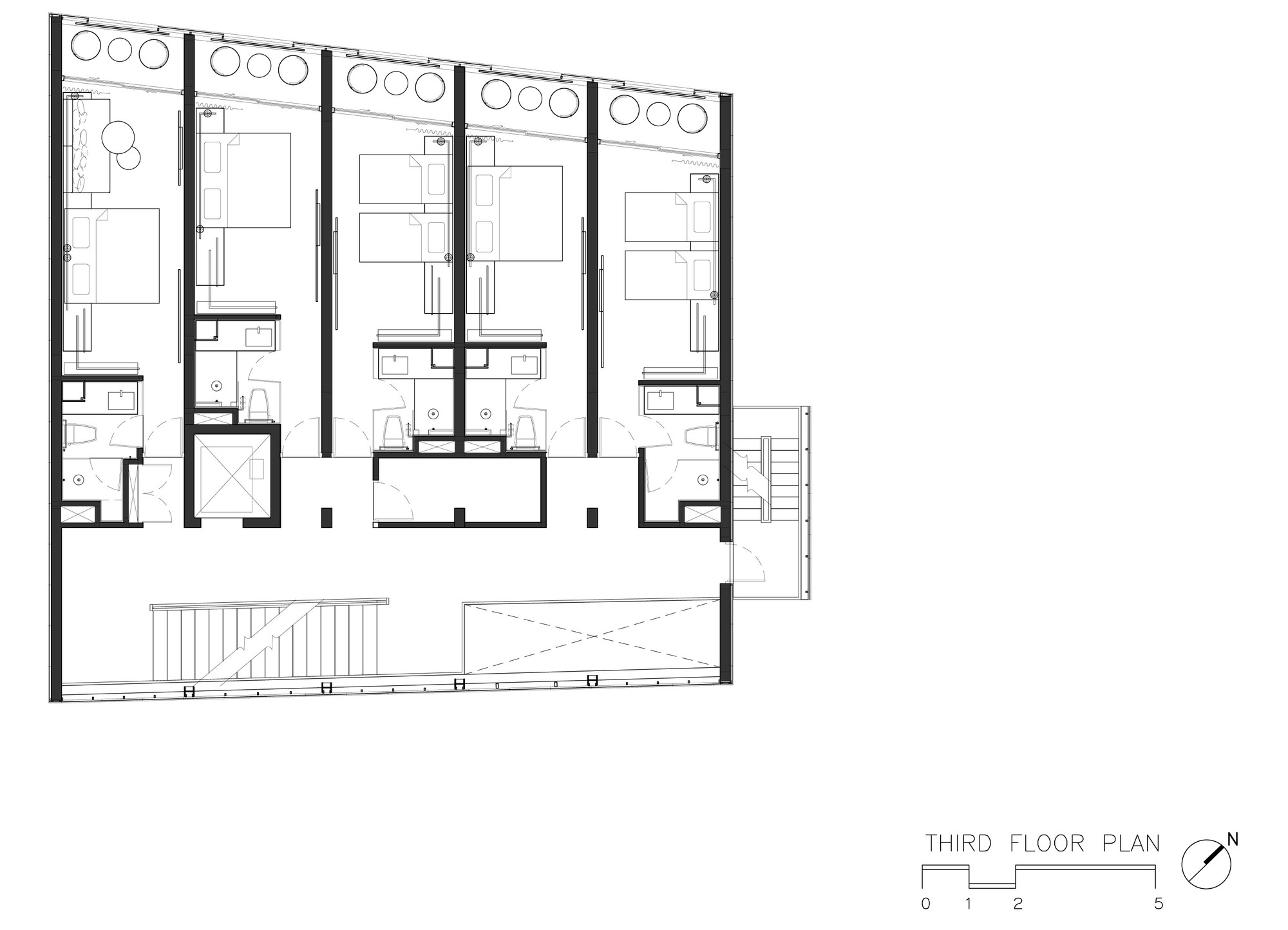
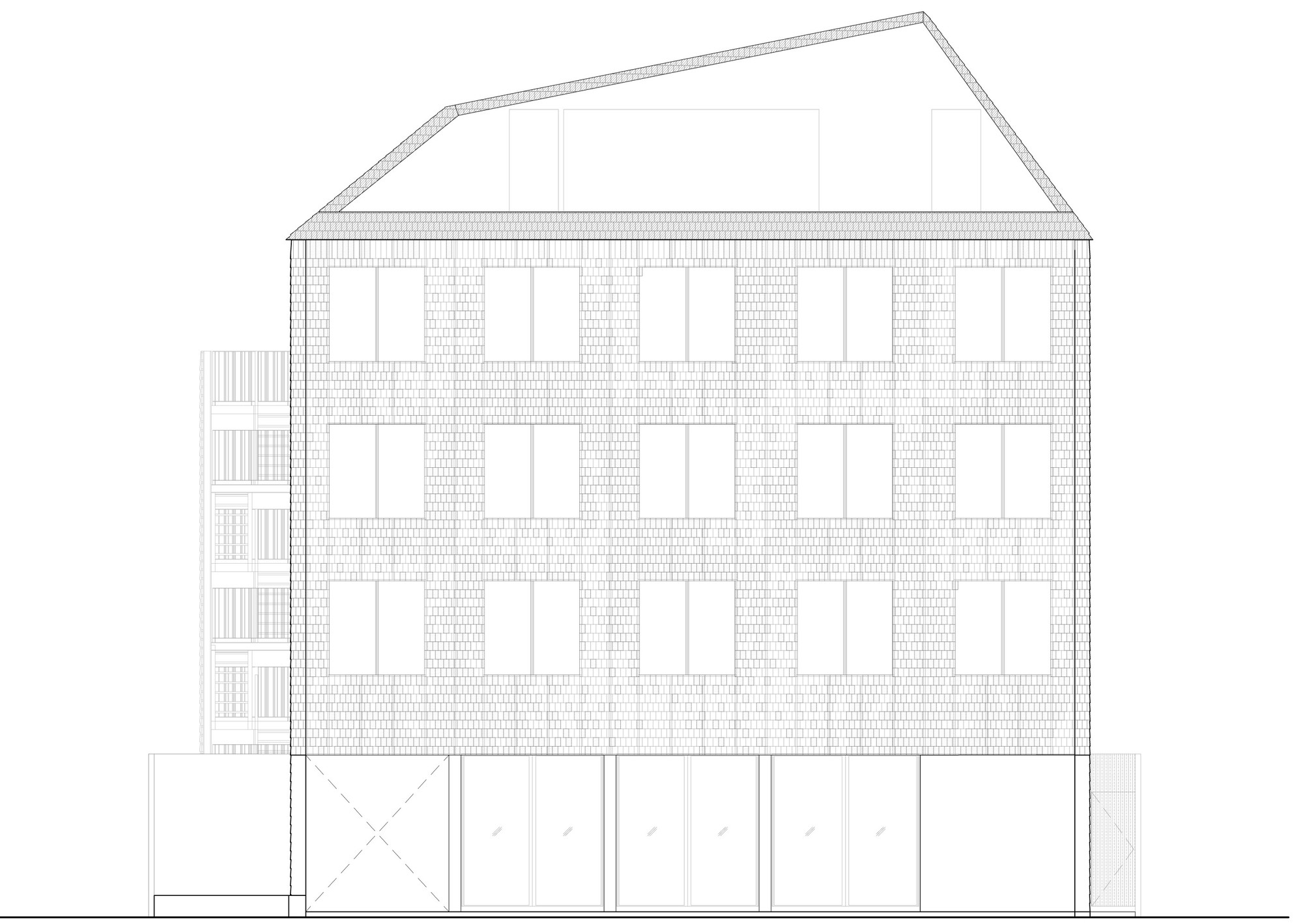
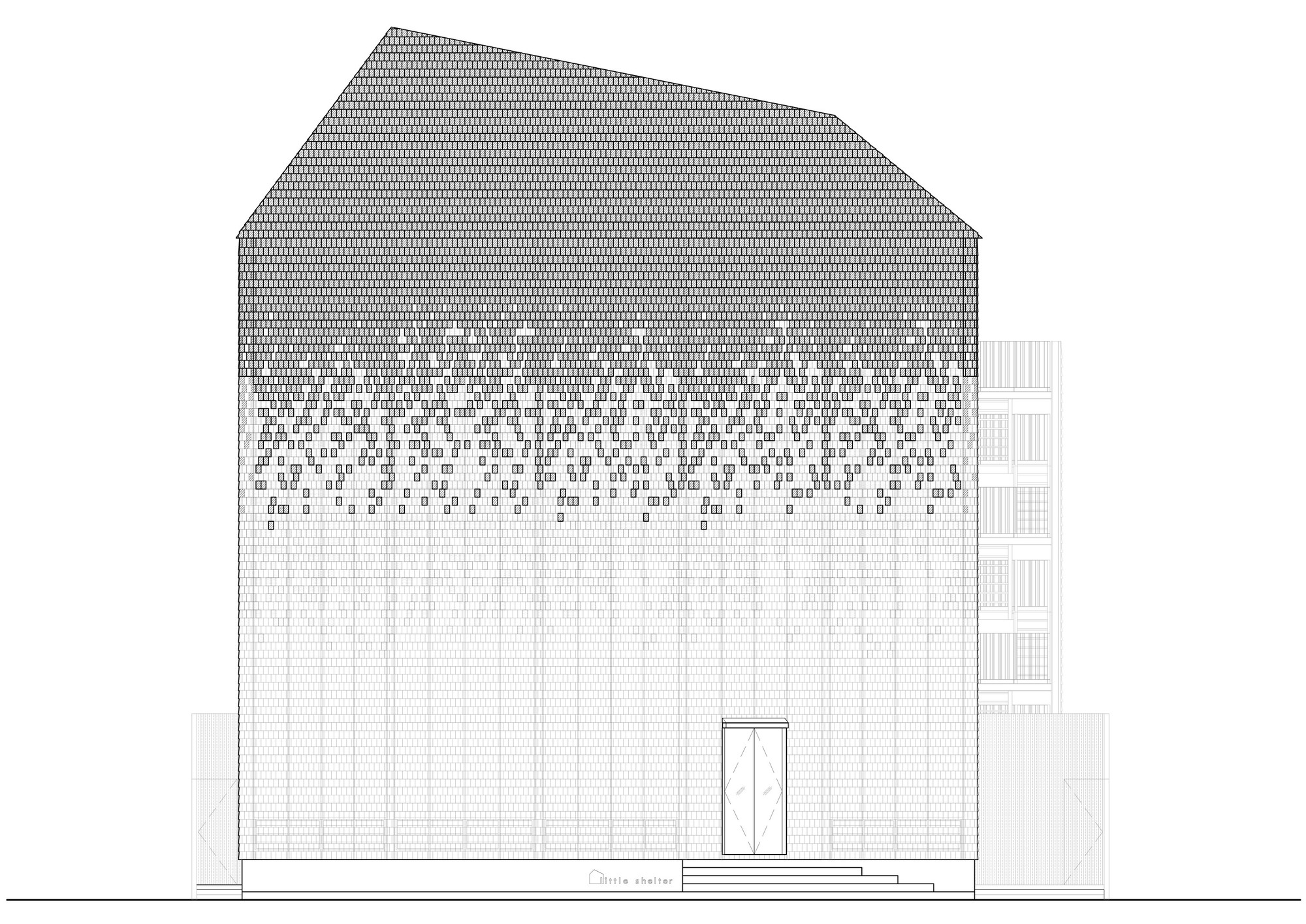
The Little Shelter Hotel is located in Chiang Mai, where the ancient cityscape and vernacular architectural character are expressed through timber structures and wooden-shingle pitched roofs. The hotel roof form is inspired by the traditional hipped roof, paying tribute to local architecture while blending asymmetrically with the surrounding tree canopy. The western part of the roof is designed as a roof terrace for guests to enjoy the river view at sunset. The design continues local architectural character through the use of the traditional material of wooden shingles. The most interesting thing about this material is that its system has developed over hundreds of years: small shingle units are arranged like fish scales to form a waterproof architectural plane. The design also explores the possibility of integrating new materials into the system, creating a modern architectural surface rooted in tradition. Wooden shingles are used on the roof and side walls. On the river-facing facade, polycarbonate panels are cut to the same size as the shingles, forming a semi-transparent facade. The upper part of the entrance elevation is made of solid wood shingles, which merge with polycarbonate shingles at the lower part. Although the traditional shingle system is used, the uninterrupted semi-transparent surface is achieved through special detailing with translucent studs and transparent screws. The project is a boutique hotel in Chiang Mai that uses mirror-like polycarbonate shingles alongside traditional timber shingles to produce a surreal, boundary-less surface. It is a demonstration of how a vernacular roofing system can be extended with a contemporary material, giving the small hotel a reflective, dreamlike facade that mirrors the river and the trees around it.
TEAM
Client: Little Shelter Co., Ltd; Landscape Design: Department of Architecture; Contractor: NEXT Engineering Design Co.,Ltd; Interior Design: Department of Architecture; Design Team: Adhithep Leewananthawet, Pitchaya Poonsin, Tanadeth Mahapolsirikun, Supavit Junsompitsiri, Yada Pianpanit, Apisara Lertrattanakit
















 Editor's Pick
 Latest Design
 Best Idea