Text description provided by the architects
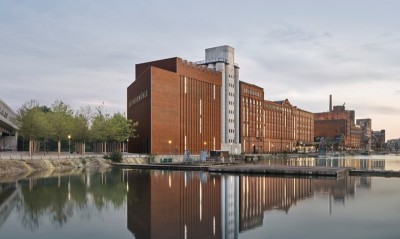
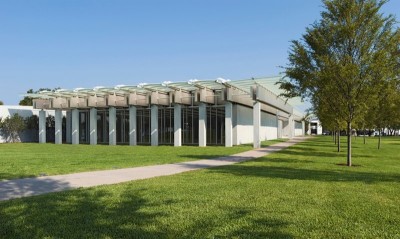
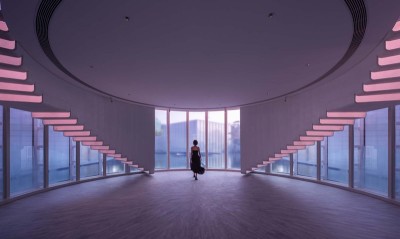
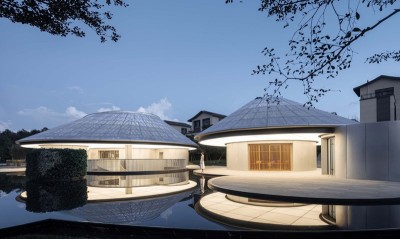
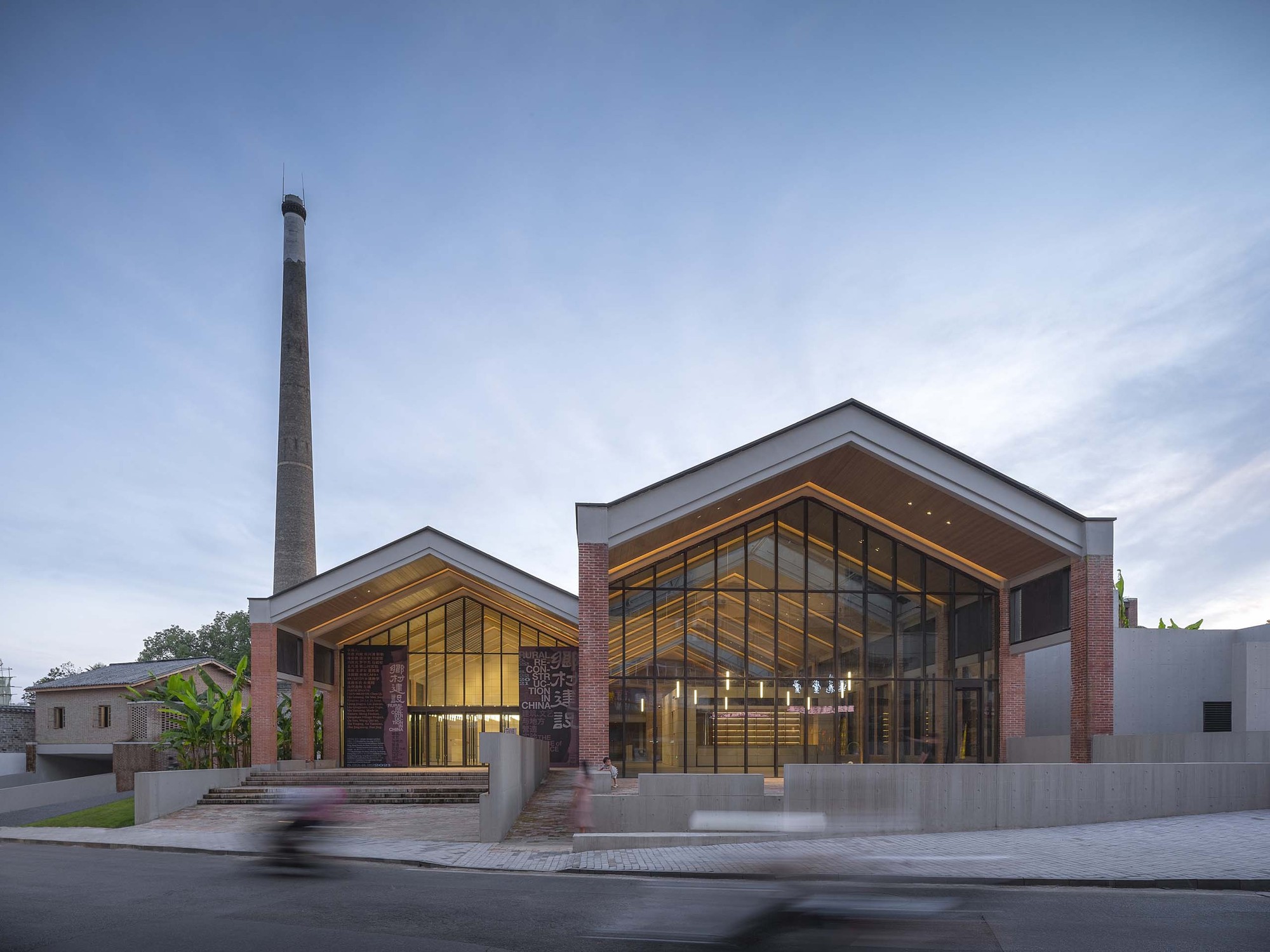
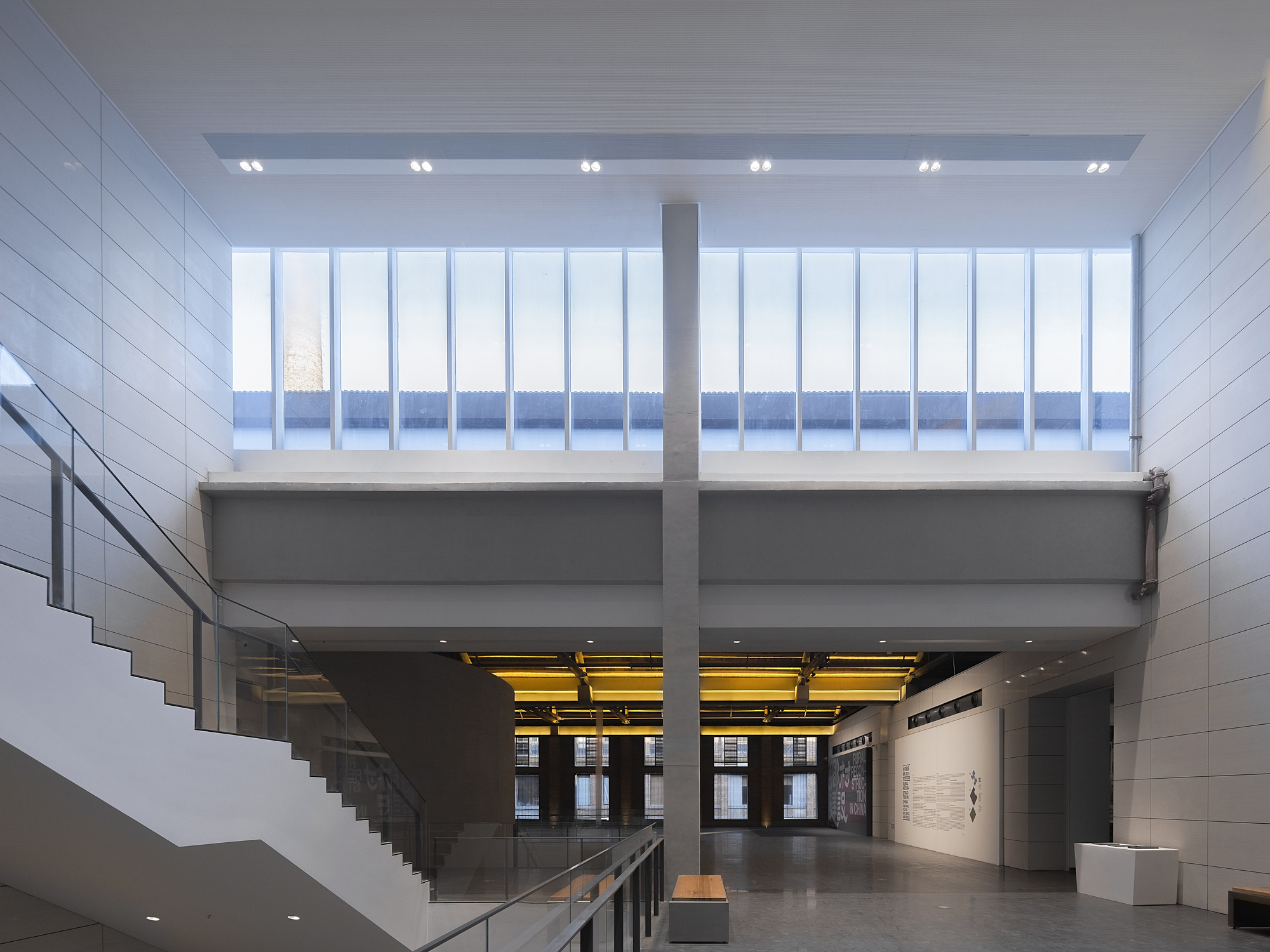
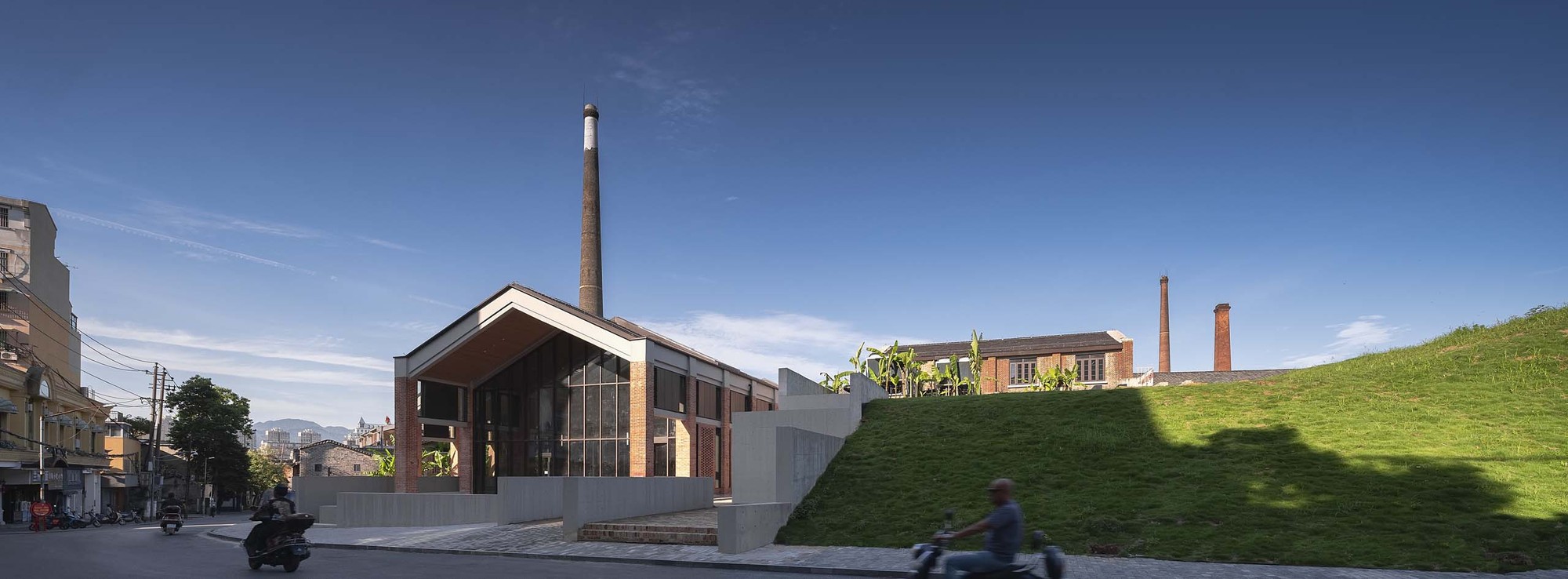
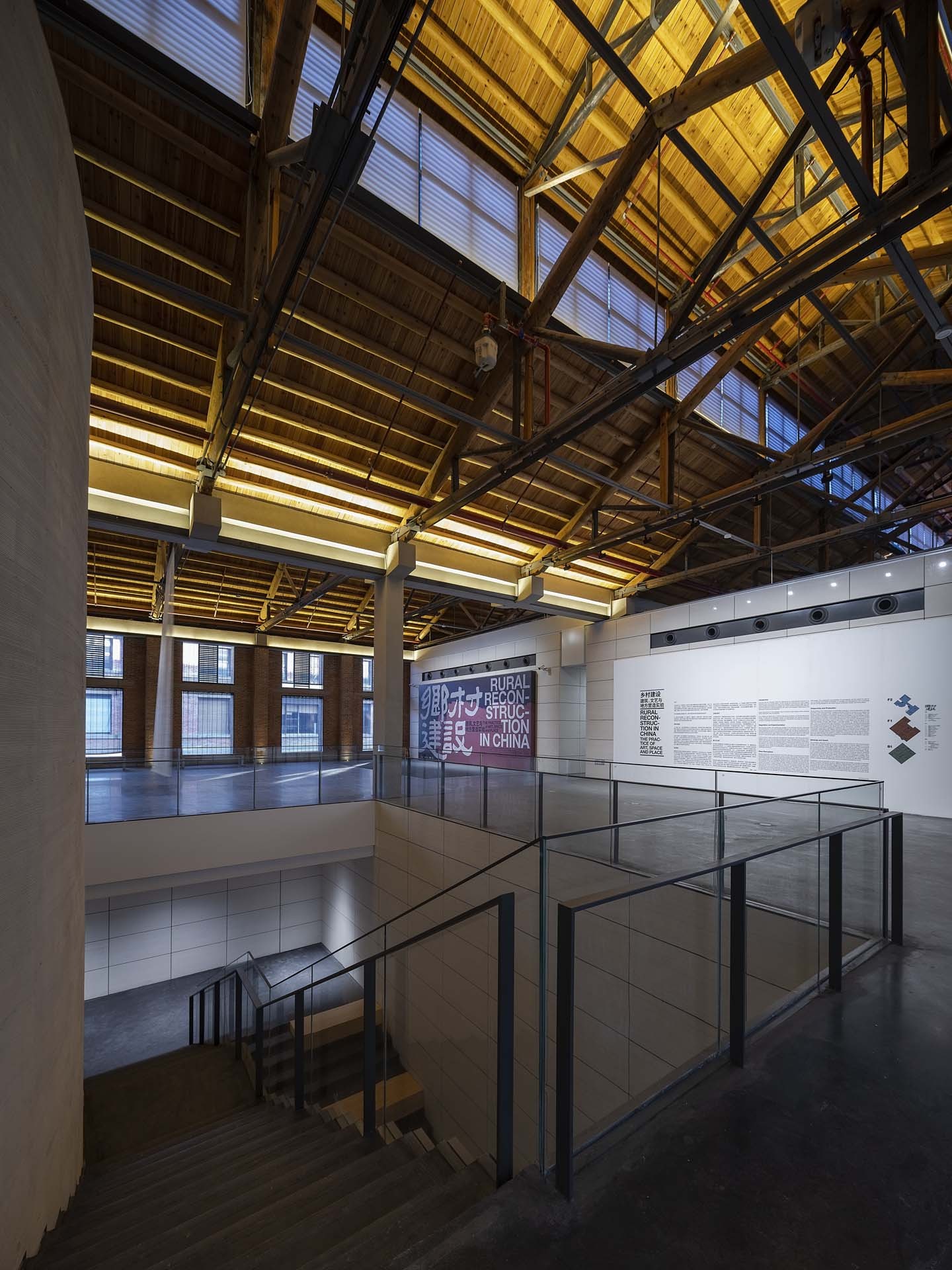
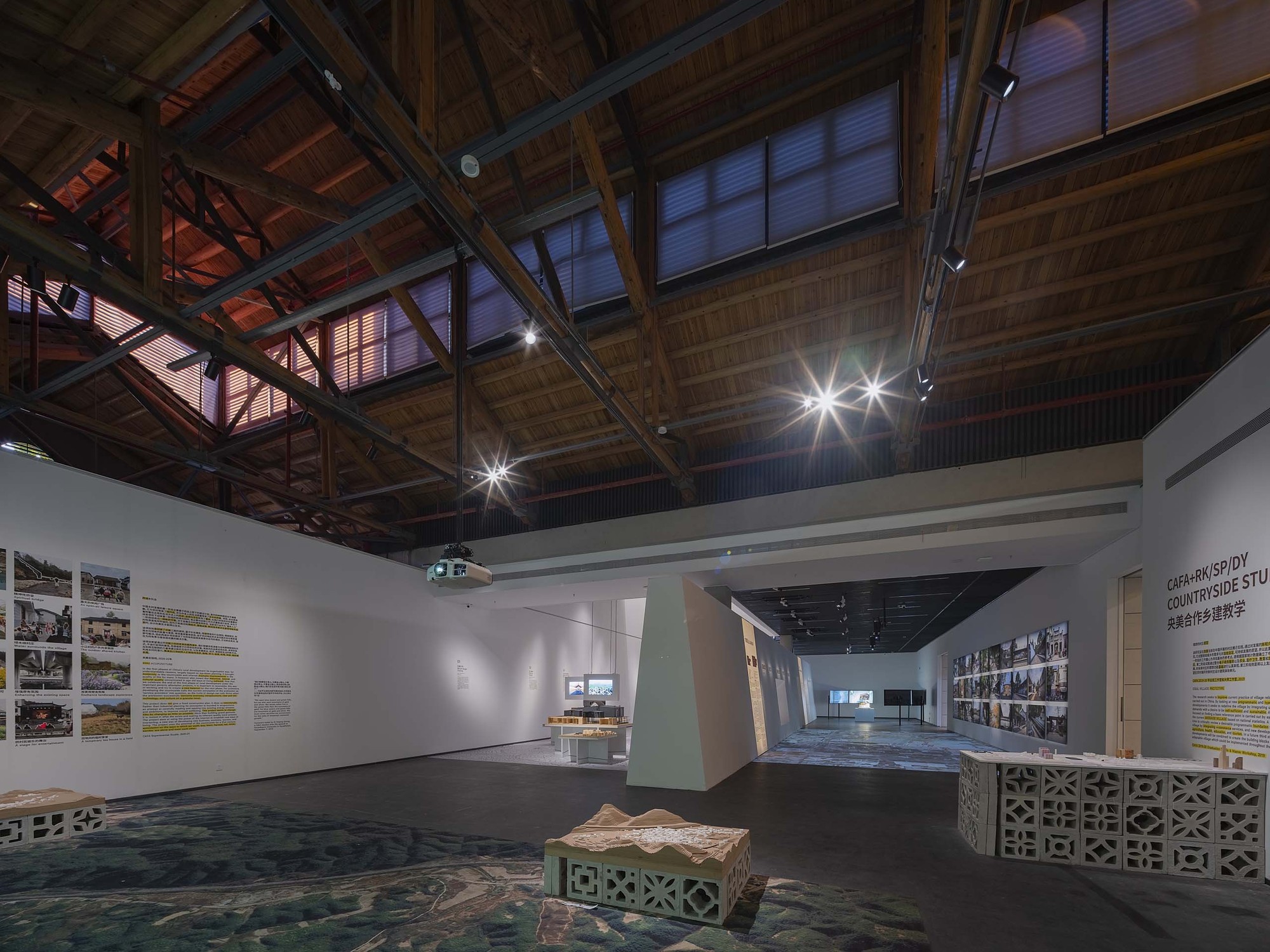
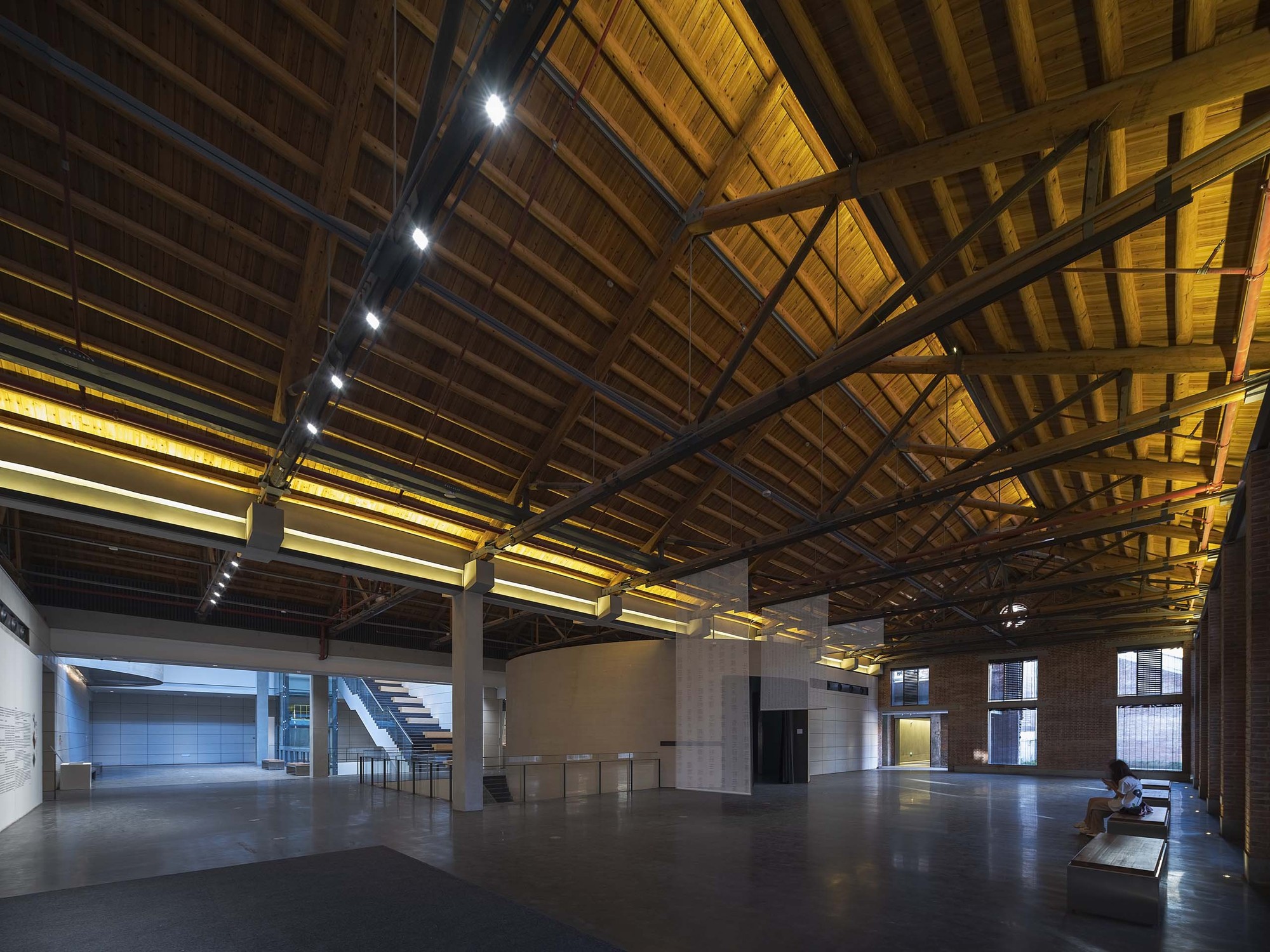
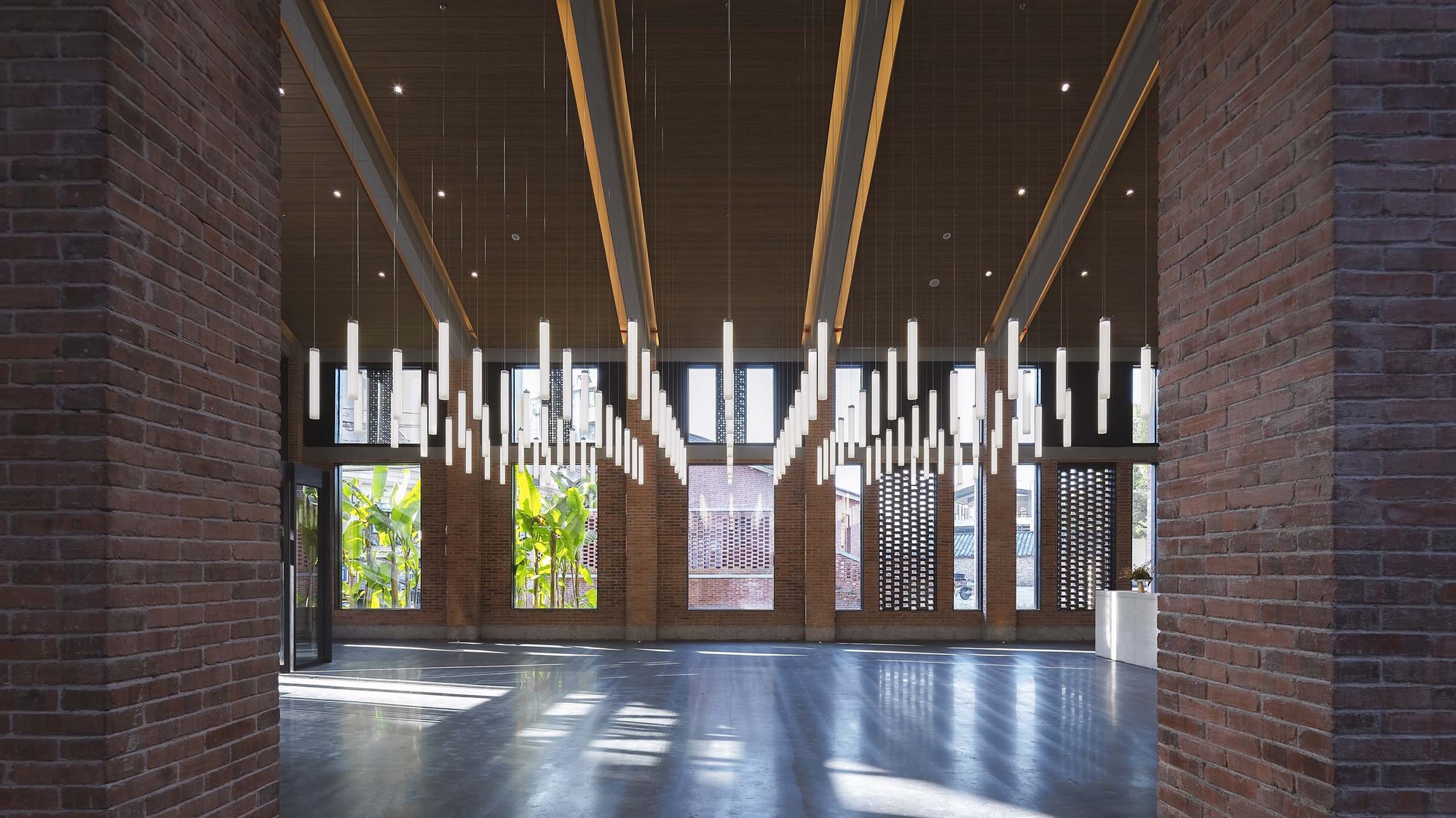
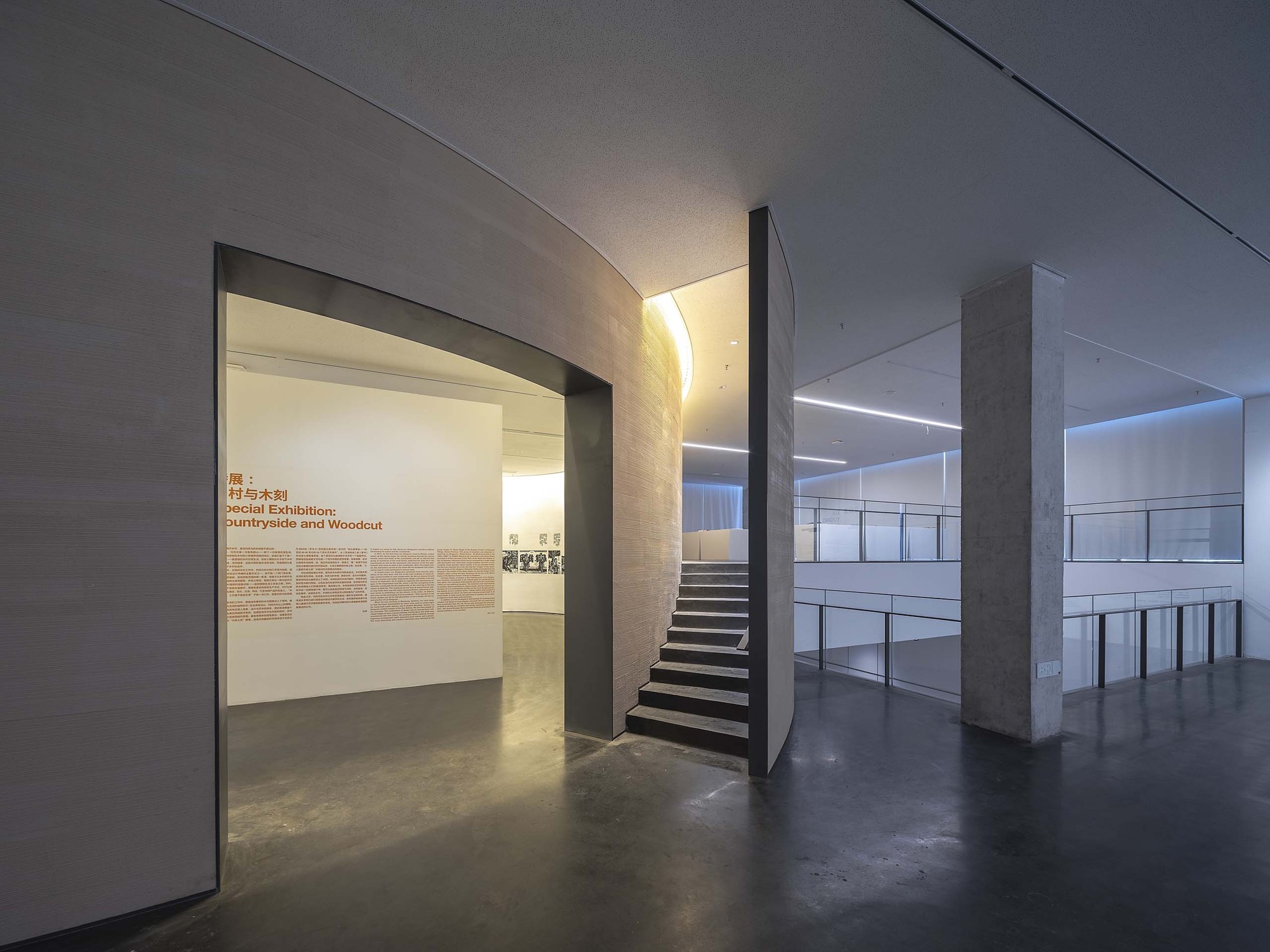
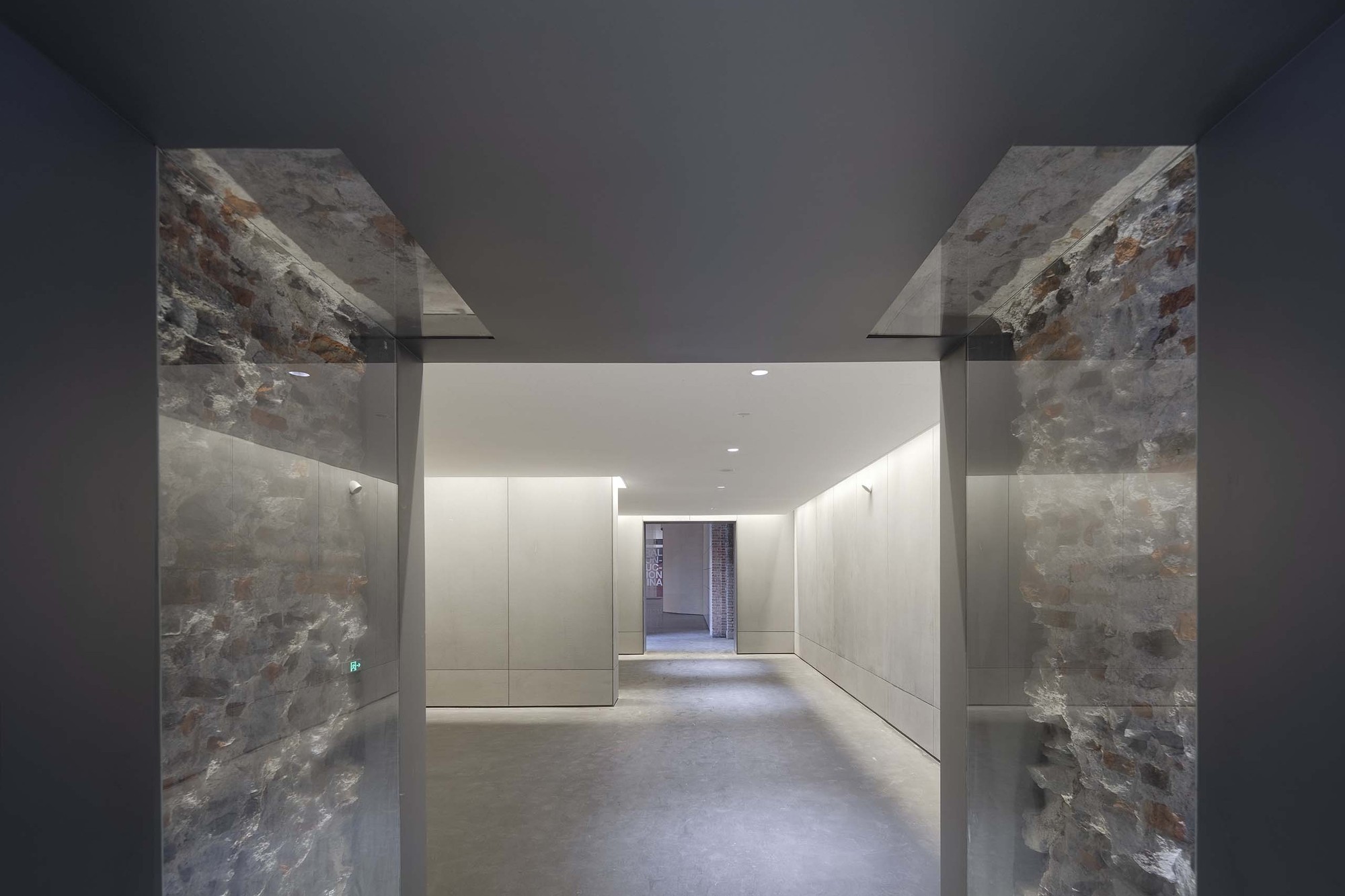
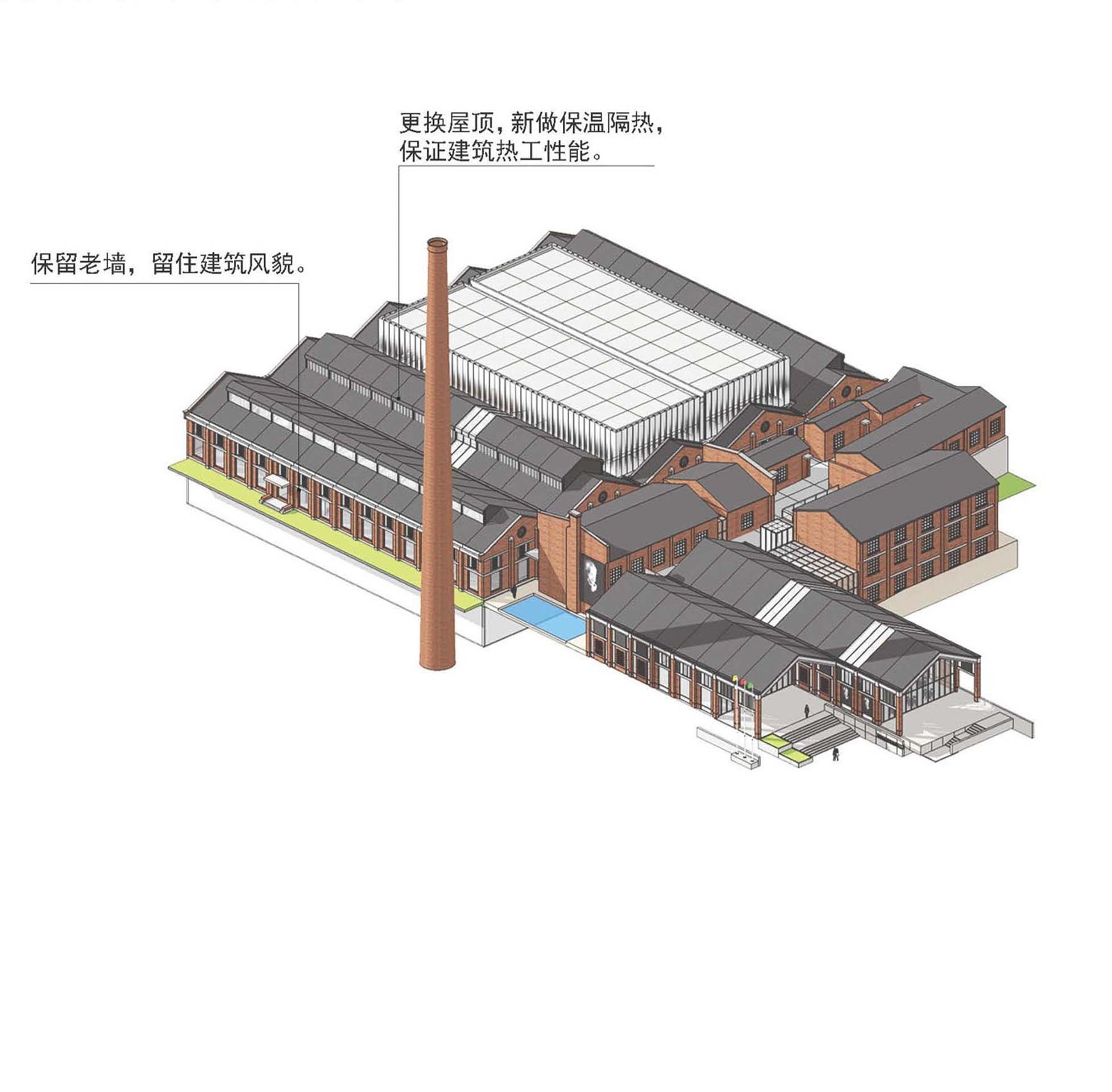
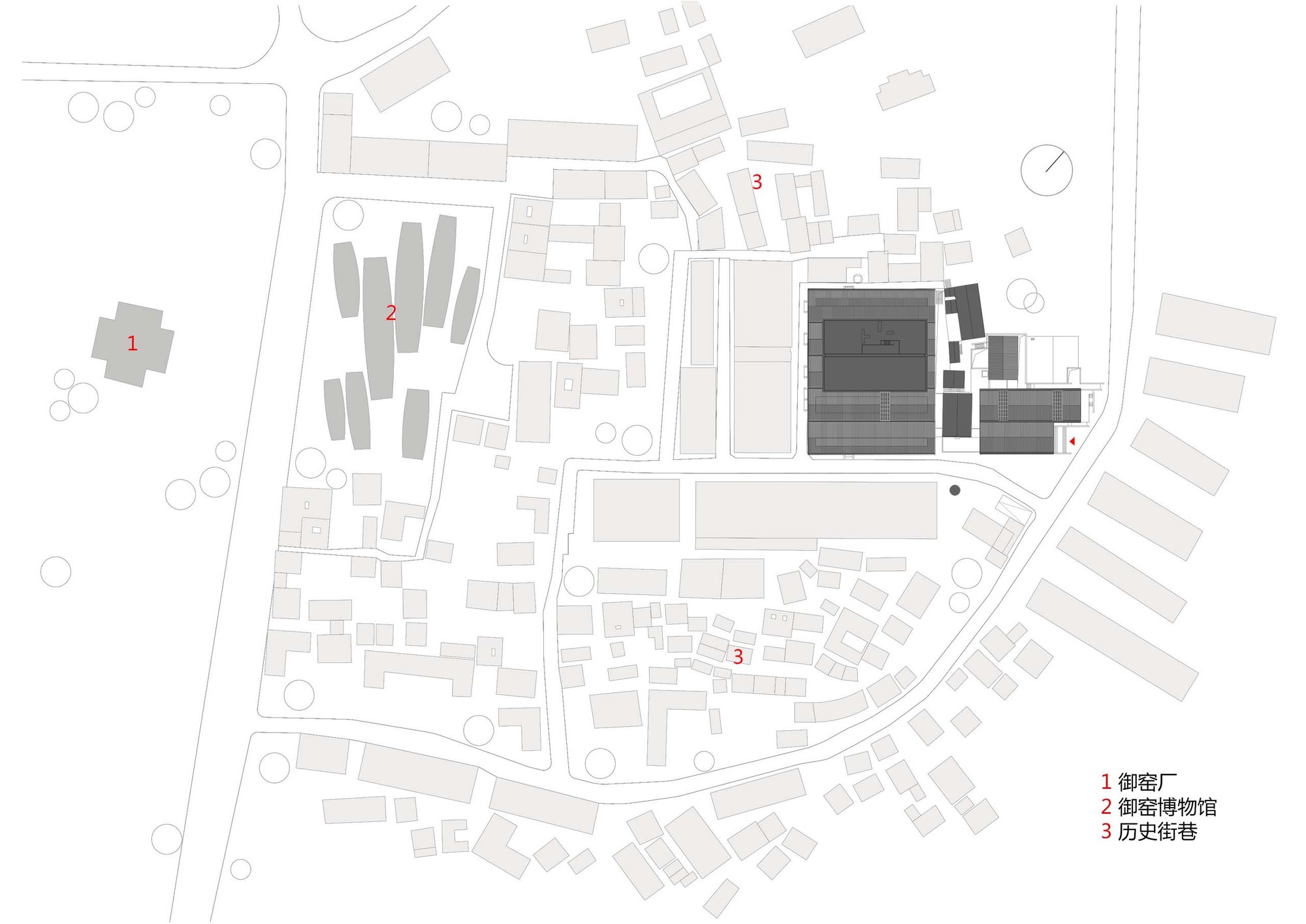
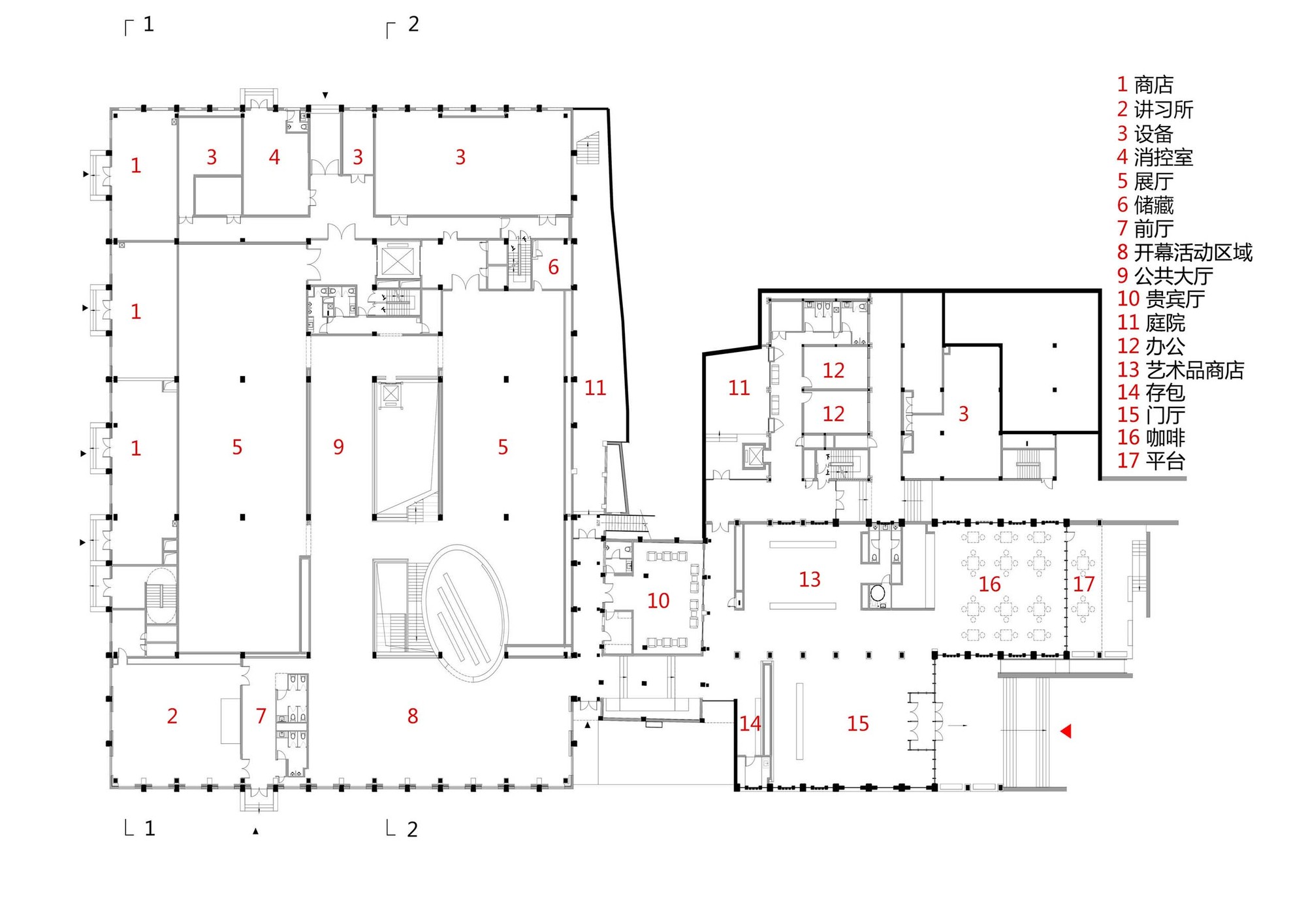
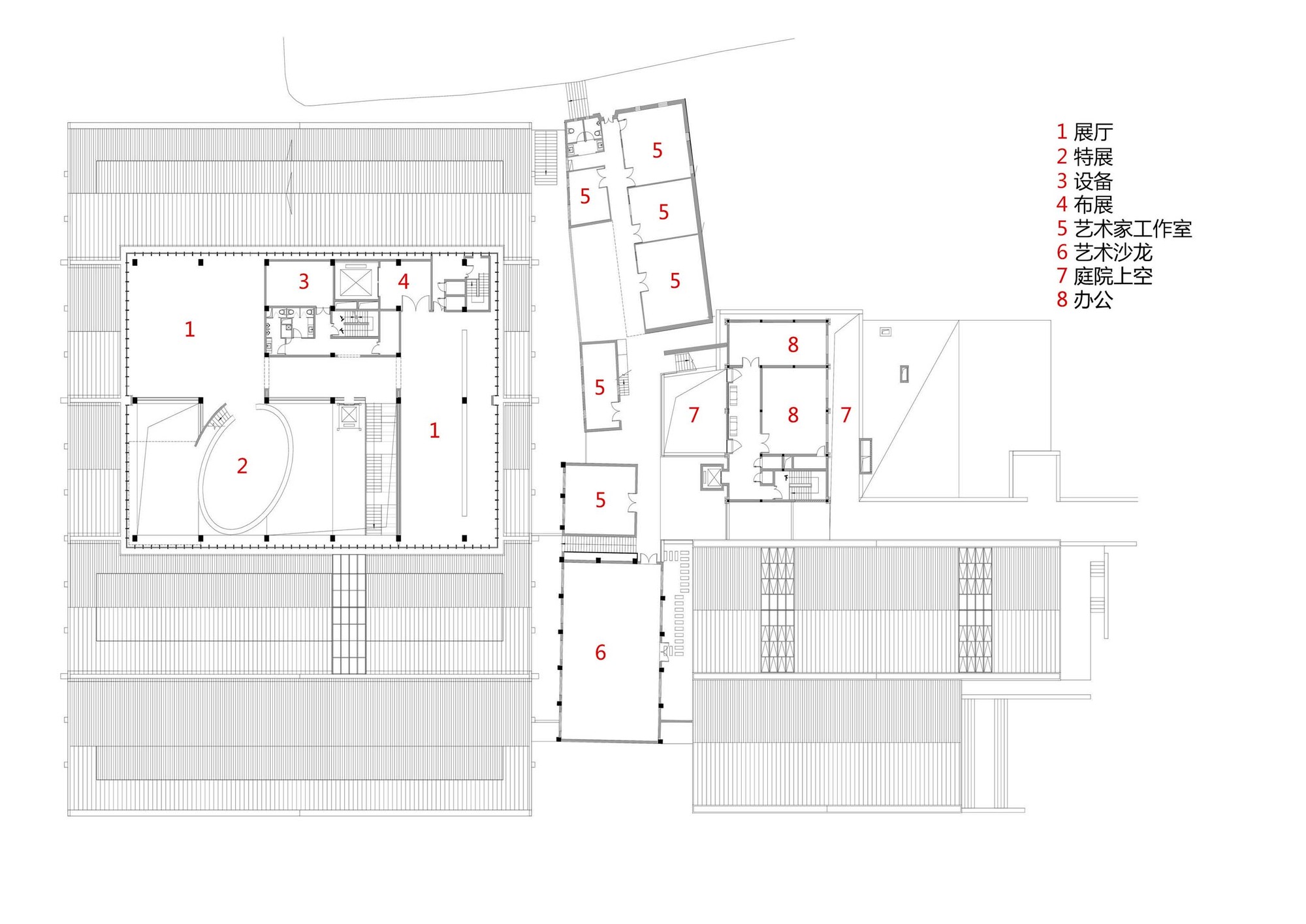
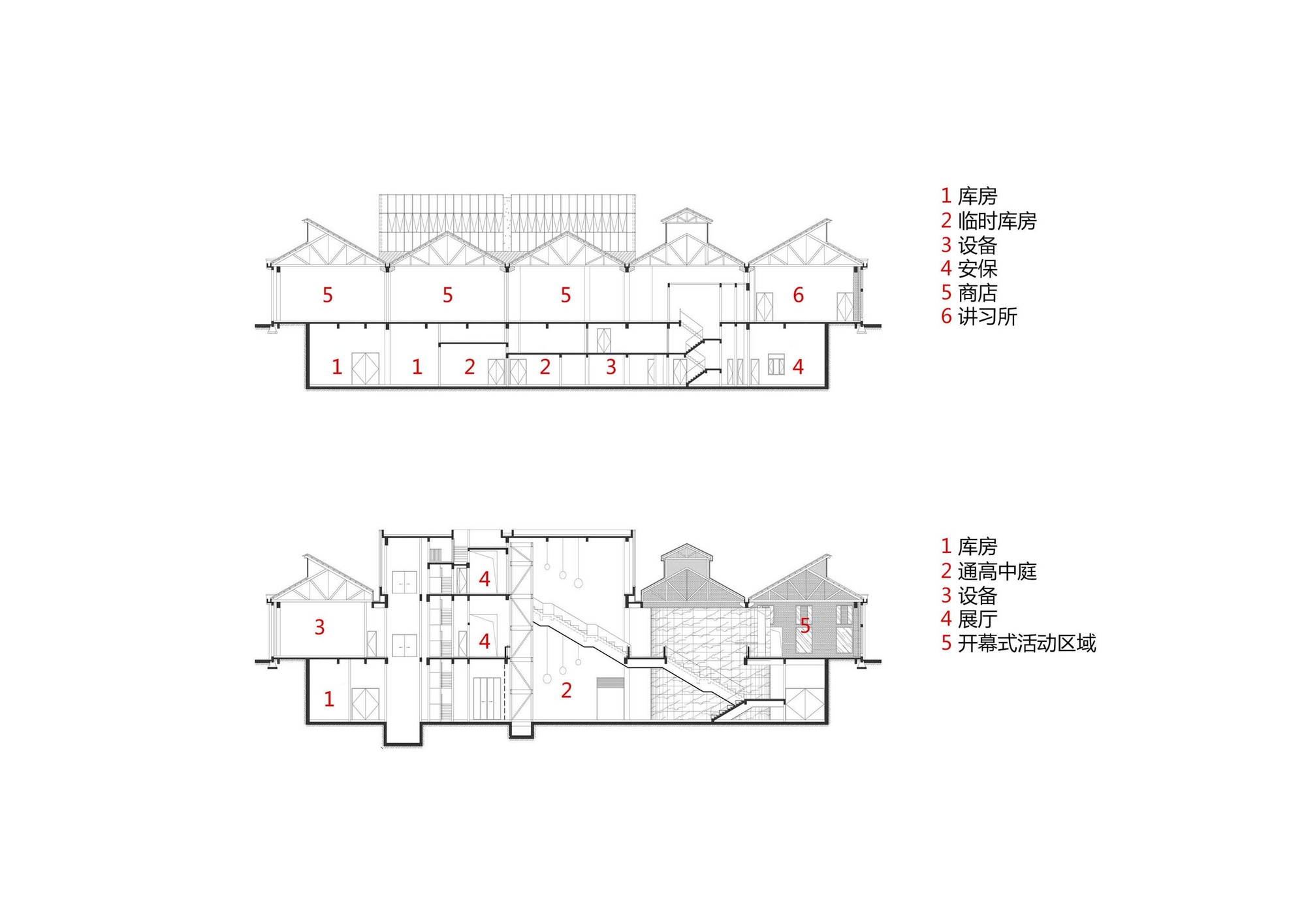
The cultural lineage of the thousand-year porcelain capital. As eras change and industries adjust, industrial history is gradually receding from us, and the urban economy has undergone a fundamental shift from production to consumption, but Jingdezhen's ceramic culture has remained. The old porcelain factories have been transformed into ceramic-culture tourism destinations, attracting a growing number of young ceramic designers and artists who bring new vitality to the city. The Jianguo Porcelain Factory, as a heritage-grade building representing the traces of an era, should be protected together with the entire imperial kiln historic district. Should it be treated as a craftwork of historical value, frozen unchanged, or converted into a new building with creative elements? The architects chose the latter. Like regenerated cells that take on new life, the city's life is better continued. The former Jianguo Porcelain Factory is converted into a professional art museum that carries the artistic mission of the new era and completes the transmission of cultural lineage. At the same time, an acupuncture-like approach is used to activate and make use of the surrounding area, bringing the old street district to life. The renewal covers Factory No.1 of the former Jianguo Porcelain Factory, the employee bathhouse, employee dormitories, residential houses and the vacant site to the north. Based on the existing building conditions, and according to the scale and functional requirements proposed by the museum, combined with the surrounding context, the design is adapted to the historical fabric. The project is a conversion of a working porcelain factory into a contemporary art museum, retaining the industrial roof structure and inserting new gallery volumes that respect the scale of the old buildings while providing the controlled environments that modern art requires. It is a model of how an old production facility in a heritage city can be reborn as a cultural institution.















 Editor's Pick
 Latest Design
 Best Idea